
 Worksheets
Florida Landforms and Geological Processes
Total questions: 90
Worksheet time: 1hrs 10mins

What is the boundary between land and the ocean?
Coastline
River Delta
Aquifer
Sand Dune

What is a hill of wind-deposited sand?
Mountain
Dune
Sinkhole
Coastline

What is a stream of water that flows into an ocean or another large body of water?
Aquifer
River
Lake

What is a large underground chamber?
Dune
Aquifer
Sinkhole
Cavern

What is an opening in the ground caused by a collapse?
Sinkhole
Aquifer
Cave
Mountain

What is a body of saturated underground rock containing water?
Sinkhole
Cavern
Aquifer
Lake
This landform is formed when wind carries and deposits sand into a hill.
Aquifer
River Delta
Coastline
Dune
How many mountains are there in Florida?
1
0
132
5
Why are sand dunes an important part of Florida's beaches?
They protect the land and buildings behind them from strong waves.
They are not important.
They make the beaches look pretty.
They make sand for the beach.
The process that breaks down rock on or near Earth's surface is called?
weathering
erosion
deposition
sedimentary
________________________ is the movement of weathered particles, which are called sediment, to new places.
weathering
erosion
deposition
cementation
______________________ is the dropping of sediment in a new place.
weathering
erosion
deposition
sedimentary

Ice wedging is caused by water entering cracks in rocks, freezing, and then expanding. This cycle repeats again and again until the rock eventually breaks. This is an example of ___________________________.
erosion
deposition
weathering
compaction
Which image is a mountain?


Which image is a delta?
Which image is a hill?
Which image is a river?
What are coastlines?
a flat tropical river and mangrove swamp.
line that forms the boundary between the land and the ocean or a lake
a mound of sand formed by the wind, usually along the beach or in a desert.
a large body of water surrounded by land.
What are dunes?
a flat tropical river and mangrove swamp.
line that forms the boundary between the land and the ocean or a lake.
a mound of sand formed by the wind, usually along the beach or in a desert.
a large body of water surrounded by land.
What are lakes?
a flat tropical river and mangrove swamp.
line that forms the boundary between the land and the ocean or a lake
a mound of sand formed by the wind, usually along the beach or in a desert.
a large body of water surrounded by land.

Floods and storm surges can erode land. Which landform can protect inland areas from floods and storm surges?
deltas
dunes
plateaus
rivers
Which image shows dunes?


Which image shows a coastline?
Which image shows a lake?

What is this a picture of?
Sand Dunes
Canyon
Valley
Delta
Sinkhole

What is this a picture of?
Mountain
Sand Dunes
Valley
Cave
Sinkhole

What is shown in this picture?
Mountain
Sand Dunes
Valley
Cave
Sinkhole

What is this a picture of?
U-shaped valley
Sand dunes
Alluvial fan
Cave
Sinkhole

What is this a picture of?
River
Sand Dunes
Lake
Cave
Ocean

What is this a picture of?
River
Sand Dunes
Lake
Cave
Ocean

What is this a picture of?
River
Sand Dunes
Lake
Cave
Ocean

What is this a picture of?
Delta
Mountain
Cave
Peninsula
Alluvial fan
Weathering involves the movement of rocks and minerals by agents such as water, wind, and gravity.
True
False
The process of carrying away weathered bits of rock is called
weathering
erosion
deposition
The material deposited at the end of a river is called?
landform
delta
canyon
Weathering and erosion are the same
True
False
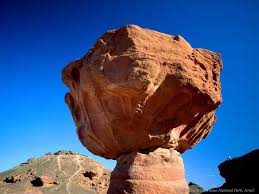
The process that breaks down rocks and other materials on Earth's surface is called:
Weathering
Erosion
Deposition
Decomposition
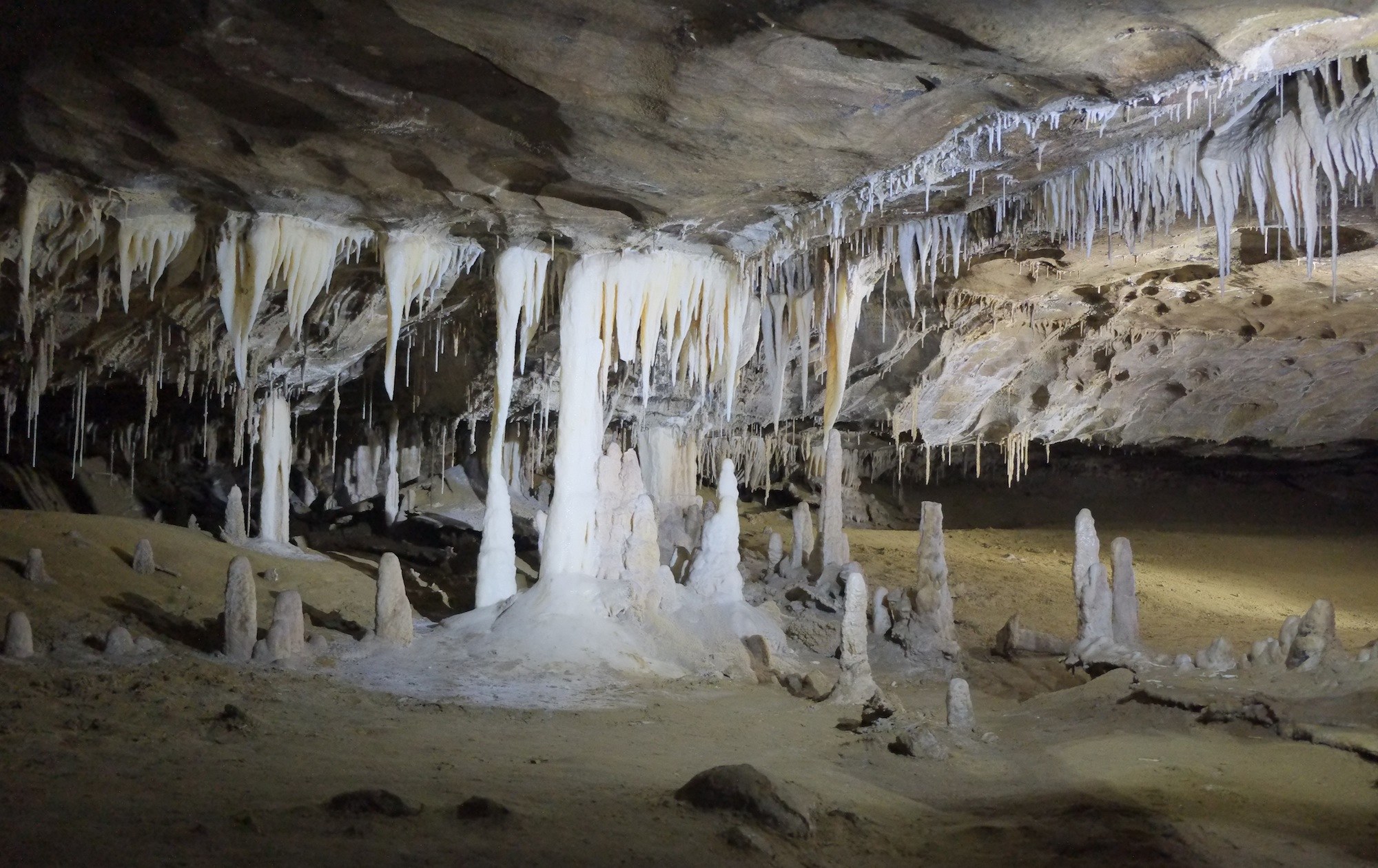
Deposition changes the Earth’s surface because bits of broken rock and soil are _____.
stop rivers from flowing.
make rich farmlands.
are dropped in new places.
move very slowly.

Wind blows sand onto rocks and slowly breaks down the rock.
Physical/Mechanical Weathering
Chemical Weathering
Erosion
Deposition

Acid rain dissolves the features of a statue.
Mechanical Weathering
Chemical Weathering
Erosion
Deposition

The small pieces of rock that break off of a larger rock during weathering are called...
Sediment
Salt
Erosion
Deposition
What is erosion?
Fragments of weathered rock.
Erosion is the process by which wind, water, ice, or gravity transports weathered materials from one location to another.
Erosion occurs when eroded materials are dropped or laid down.
Gravity is the main force behind sudden rock falls and landslides that can change the shape of a mountain.
The process of sediment being deposited in a new place is called
Abrasion
Erosion
Deposition
Weathering
What is weathering?
The movement of sediment
The breaking down of rocks into smaller pieces
Wind moving rocks around
Water and gravity moving rocks


________ is the process in which rocks and soil are dropped.
weathering
erosion
deposition

The breakdown of rock material is called...
What can cause weathering? (Check all that apply)


Fragments of weathered rock are known as ____.
sediments
deposits
limestones
sandstones
The process by which rock and soil are moved from one place to another is called:
Chemical weathering
Erosion
Mechanical weathering
Deposition
This type of weathering occurs when rock is physically broken into smaller pieces.
Chemical weathering
Erosion
Physical/Mechanical weathering
Deposition
What is the difference between weathering and erosion?
Erosion breaks down rocks, and weathering carries the broken pieces away.
Erosion carries broken pieces away, and weathering builds the pieces back up into another landmass.
Weathering carries broken pieces away, and erosion builds the pieces back up into another landmass.
Weathering breaks down rocks, and erosion carries the broken pieces away.

_____________ is the dropping off or depositing of rocks.
Metamorphosis
Deposition
Weathering
Erosion
Which of the following is an example of physical weathering?
Rocks falling off a cliff and breaking
Acid rain breaking down stones
Saltwater breaking rocks into sand
Chemicals in water breaking down minerals in rocks
Which of the following is an example of CHEMICAL WEATHERING?
The freeze-thaw process causing rocks to break down
Acid rain breaking down rock
Animals and humans walking on earth materials
Water in a river running over rocks and making them smooth

A landform that results from the deposition of sediments at the mouth of a river
canyon
mountain
plateau
delta
Which of the examples below is physical weathering?
Lichens growing on rock
Acid rain wearing away limestone
Oxidation (rusting) of a flagpole
Frost wedging splitting a rock apart

Which of these terms describes the process of acid rain wearing away limestone?
deposition
chemical weathering
physical weathering
erosion
Which of the following is an example of erosion?
Light shining onto a mountain
Wind blowing away sediment
Rain breaking down rock
All options are correct

Oxidation produces rust on some rocks containing iron.
chemical weathering
mechanical weathering
erosion
deposition

The part of the erosion process in which sediment travels to a new location and is laid down or dropped off.
chemical weathering
mechanical weathering
erosion
deposition

Which type of weathering occurs when animals burrow in the ground and displace soil, rocks, and plant roots?
Physical Weathering
Chemical Weathering

Find the correct definition of the underlined word, mountain.
a narrow stretch of land connecting two larger areas
land with steep sides that rises sharply (1,000 feet or more) from the surrounding land
an area of flat or rolling land at high elevation
a narrow stretch of water joining two larger bodies of water
The process of carrying away weathered bits of rock is called
weathering
erosion
deposition
What is the boundary between land and the ocean?
Coastline
River Delta
Aquifer
Sand Dune

What is an area of increased elevation that rises to a peak?
Coastline
Cavern
Sand Dune
Mountain

What is a large body of water surrounded by land?
Lake
Coastline
River
Aquifer
What is a stream of water that flows into an ocean or another large body of water?
Aquifer
River
Lake
River Delta
What is a sinkhole?
A hole formed when limestone is dissolved by water and eroded, causing the land above to collapse.
A pile of sediment and rocks that has been eroded and then deposited by a glacier (ICE).
The sudden movement of rock and soil down a slope caused by gravity, heavy rains (water), cutting down trees, construction on steep slopes, and/or earthquakes.
Pollution (sulfuric acid) from factories dissolves in precipitation; a cause of chemical weathering when the acid eats away at rocks and buildings.

When the land surface above collapses or sinks into cavities, or when surface material is carried downward into voids, groundwater erodes rock underground and can make conditions favorable for this to form.
deltas
mountains
caves
sinkholes

Which landforms are not typically found in Florida?
coastlines and dunes
lakes and rivers
glaciers and mountains
caves and aquifers
How does acid rain cause weathering?
through abrasion
through oxidation
by dissolving rock
by carrying rock away
Mechanical weathering breaks some limestone into pieces. What effect would this have on the chemical weathering of the limestone?
Chemical weathering would stop occurring.
Chemical weathering would remain the same.
Chemical weathering would occur at a slower rate.
Chemical weathering would occur at a faster rate.
Are mountains found in Florida?
Yes
No
Are there lakes in Florida?
Yes
No
Are there coastlines in Florida?
Yes
No
Are deltas found in Florida?
Yes
No

The process in which rocks break into smaller pieces due to exposure to natural elements is called
erosion
weathering
sediments
What protects Florida from flooding and storm surges in Florida's coastal areas?
rivers
dunes
deltas
caves
Why are plants and plant roots important to the coast?
Plants are not important.
Animals eat plants.
Plant roots hold dirt and sand together to reduce the chance of erosion.
The plants help provide shade.
In Florida, what landforms are created when streams and rivers carry and deposit sediment?
Sinkholes and mountains
Glaciers and mountains
Coastlines and deltas
Dunes and glaciers

