

ls-1 10social

Presentation
•
Social Studies
•
10th Grade
•
Practice Problem
•
Hard
FREE Resource
46 Slides • 20 Questions
1

2
3
4
5
Multiple Choice
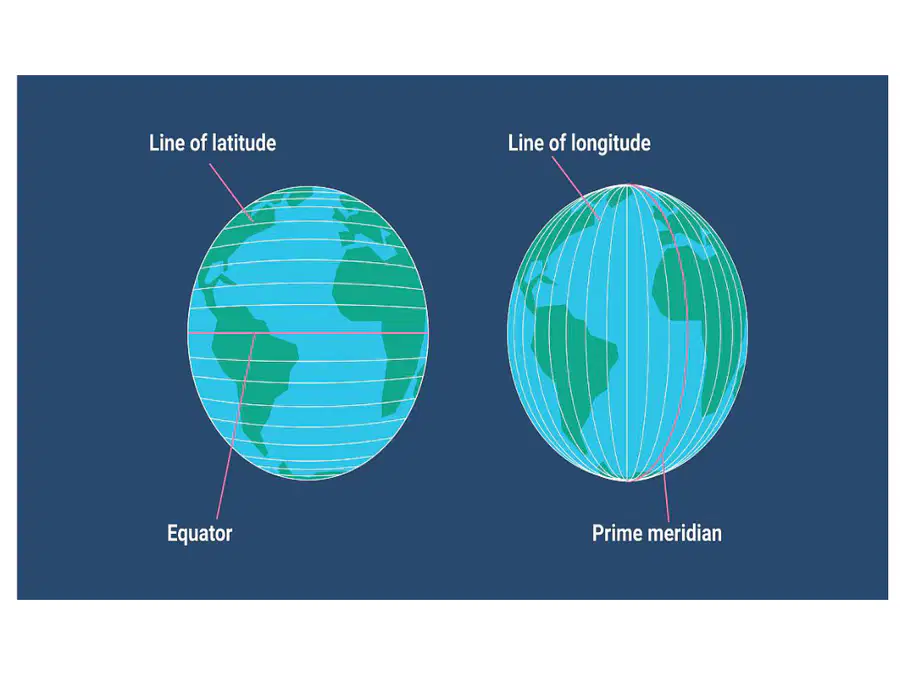
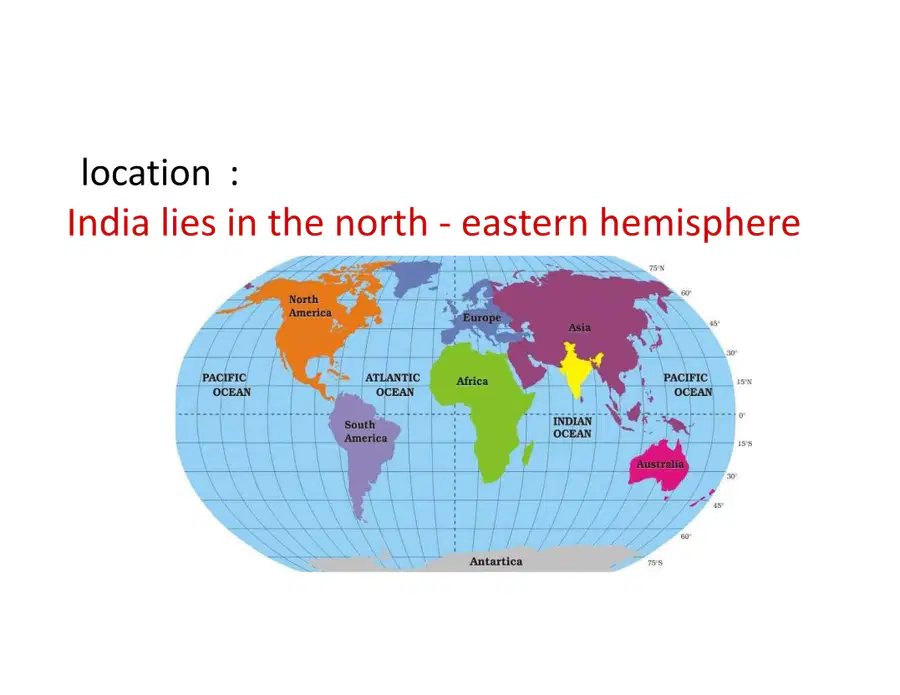
What is the main difference between lines of latitude and lines of longitude as shown in the diagrams?
Latitude lines run north-south, longitude lines run east-west
Latitude lines are parallel to the equator, longitude lines are parallel to the prime meridian
Latitude lines measure distance from the equator, longitude lines measure distance from the prime meridian
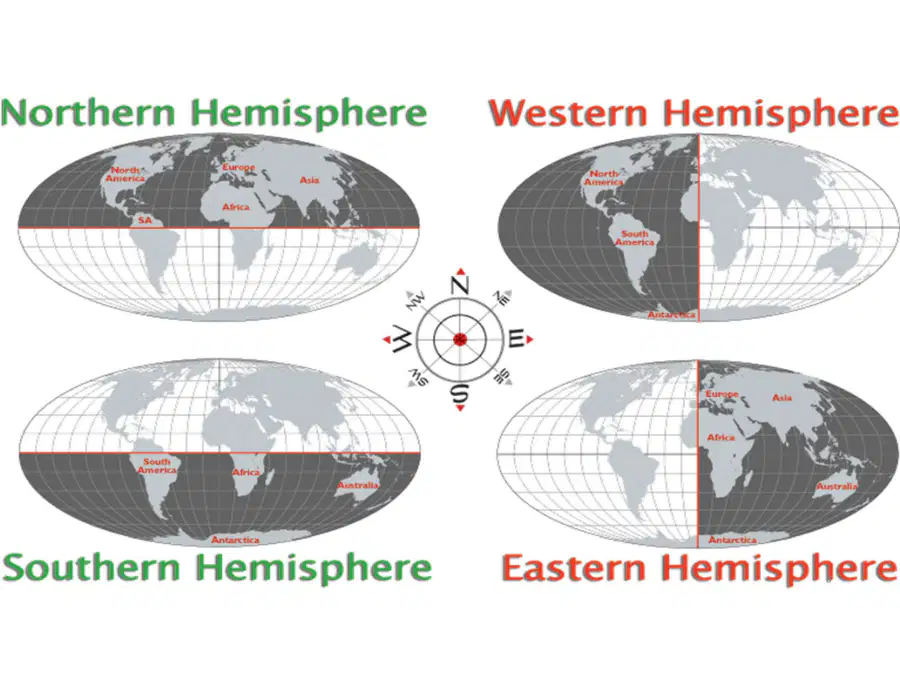
Latitude lines are only found in the Northern Hemisphere
6
7
8
9
10

11
Multiple Choice
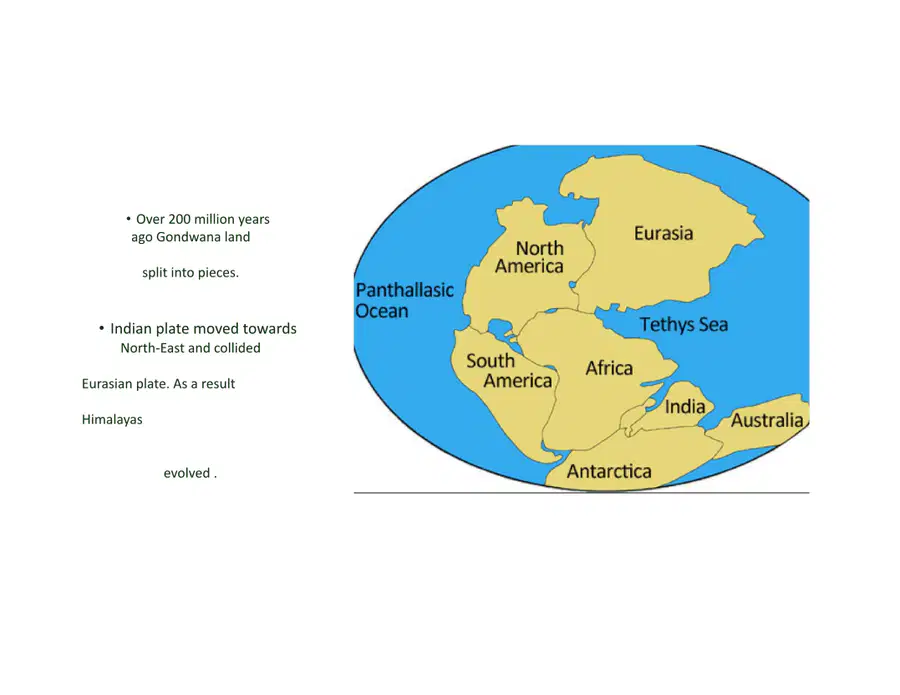
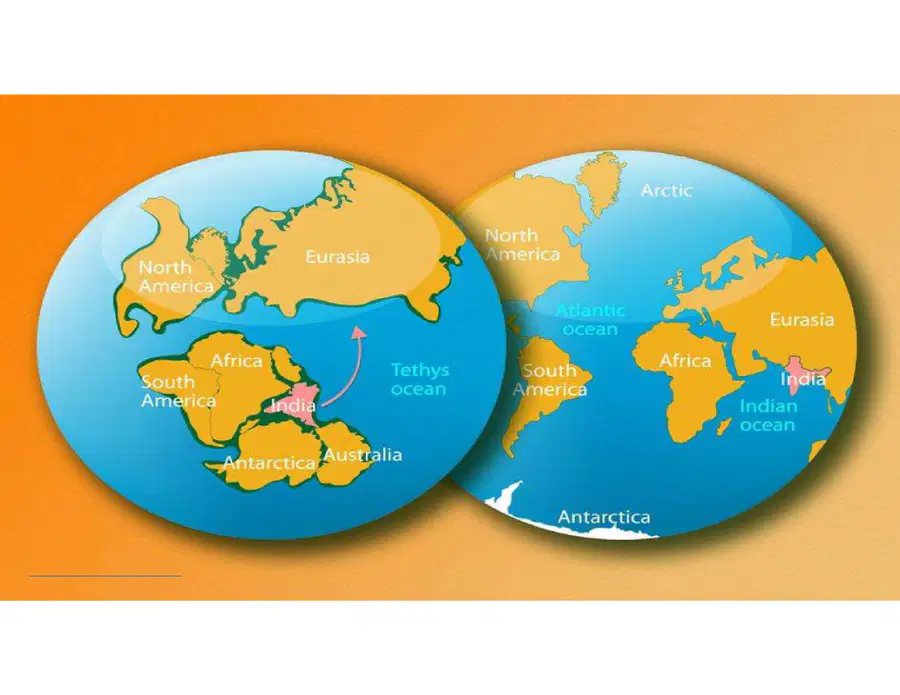
Which two giant landmasses did the world land forms originate from, according to the geological background of the Indian landmass?
Laurasia and Gondwana
Pangaea and Eurasia
Africa and Asia
Antarctica and Australia
12
Multiple Choice
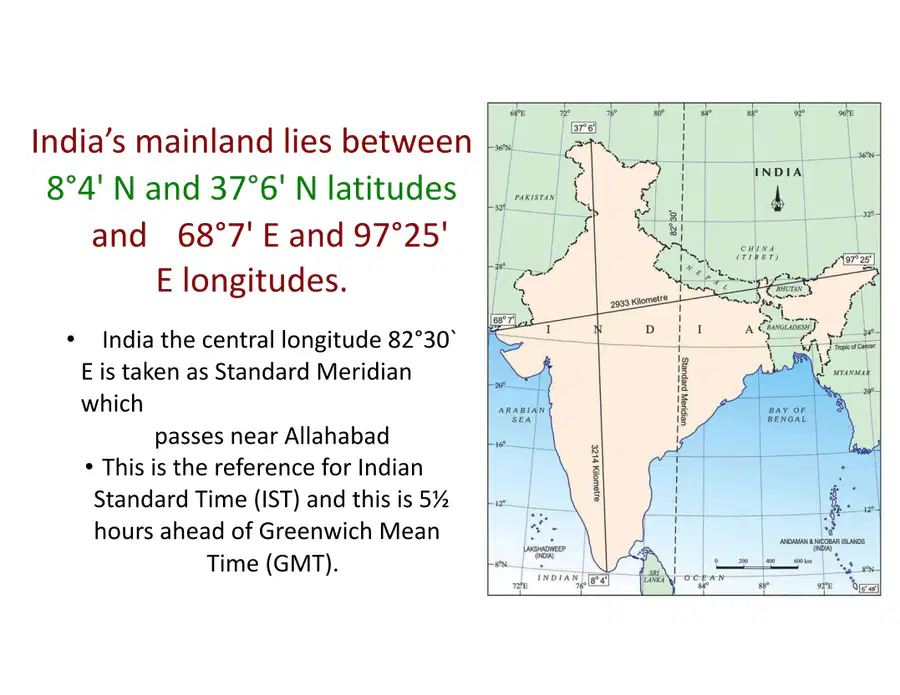
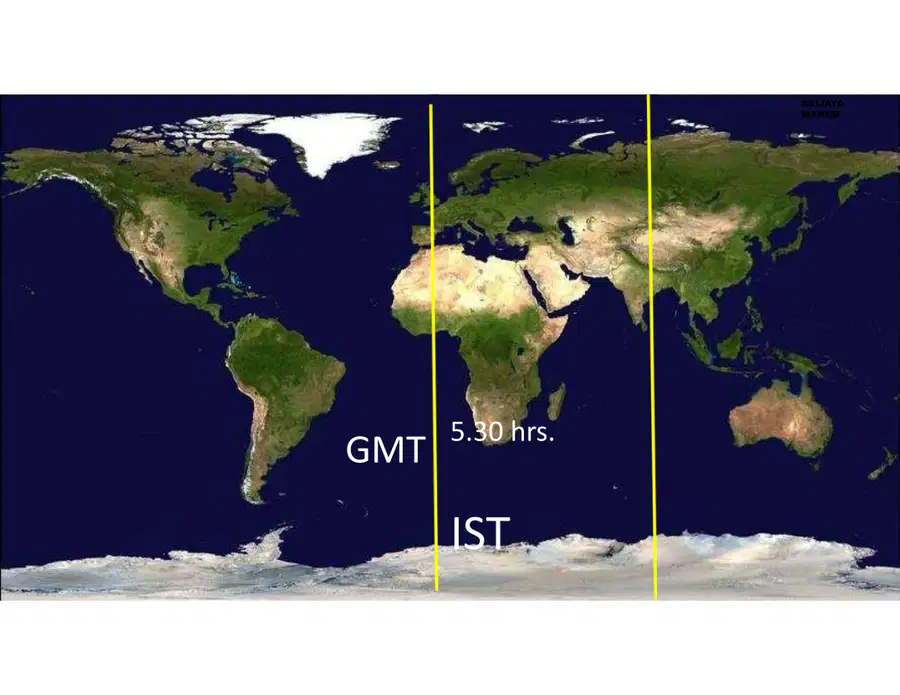
How many hours ahead is Indian Standard Time (IST) compared to Greenwich Mean Time (GMT)?
3 hours
4.5 hours
5.5 hours
6 hours
13
14
15
16
Multiple Select
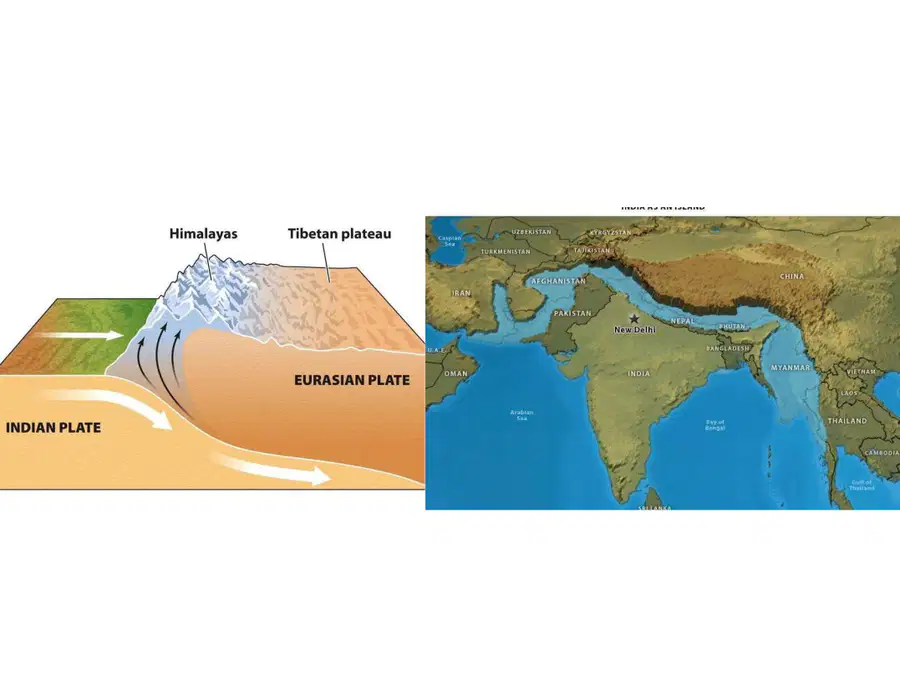
Which of the following statements are correct about the geological evolution of the Indian subcontinent?
The Indian plate moved towards the north-east and collided with the Eurasian plate.
The Gondwana land split into pieces over 200 million years ago.
The Himalayas evolved as a result of the collision between the Indian and Eurasian plates.
The Indian plate moved westward and collided with the African plate.
17
Fill in the Blanks
The Indian plate moved towards the north-east and collided with the
Type answer...
18
Open Ended
Describe the process that led to the formation of the Himalayas, referencing the movement of the Indian plate.
19
20
Open Ended
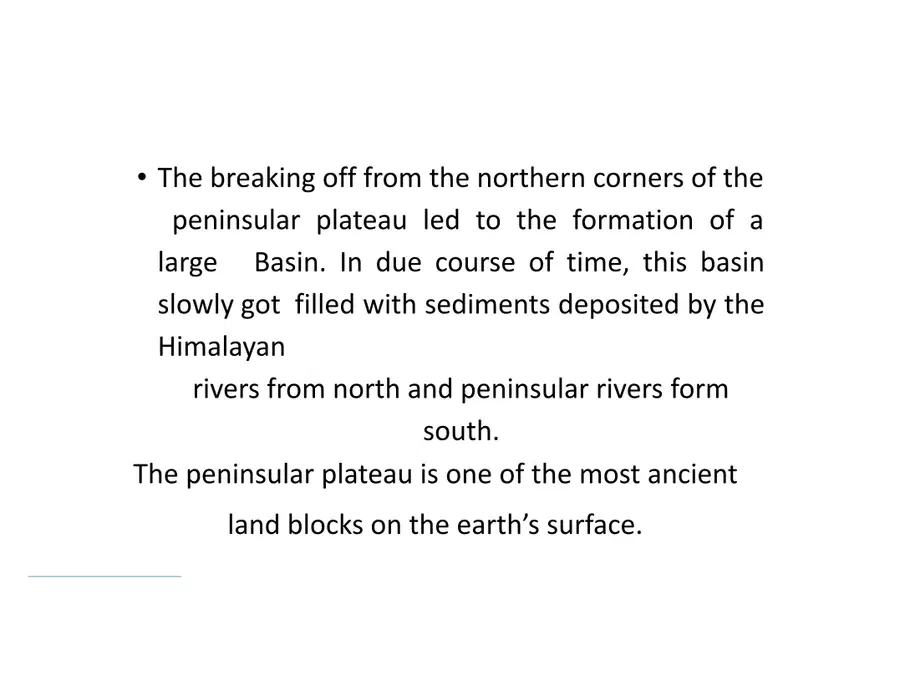
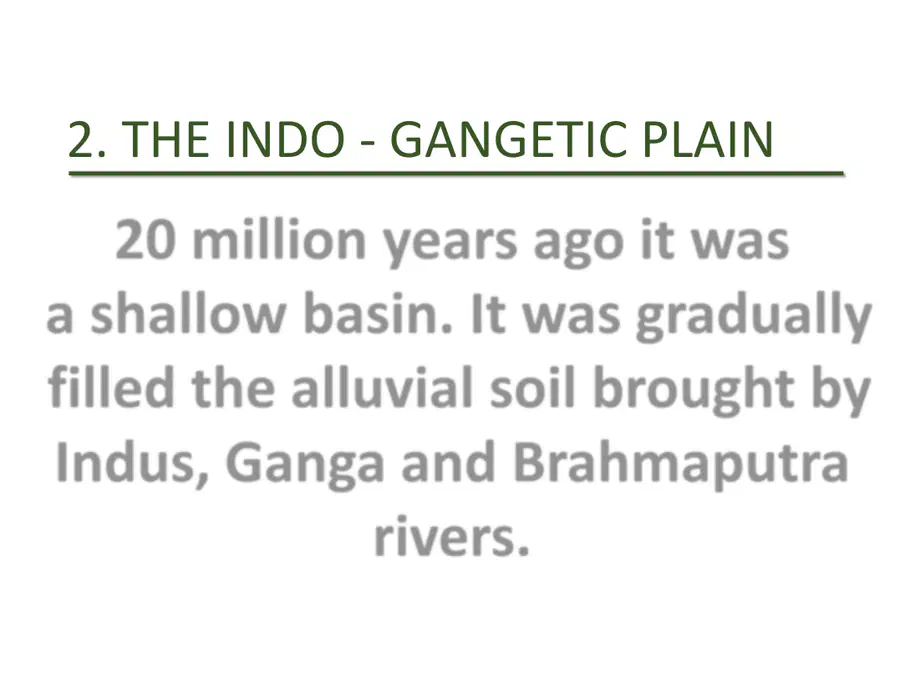
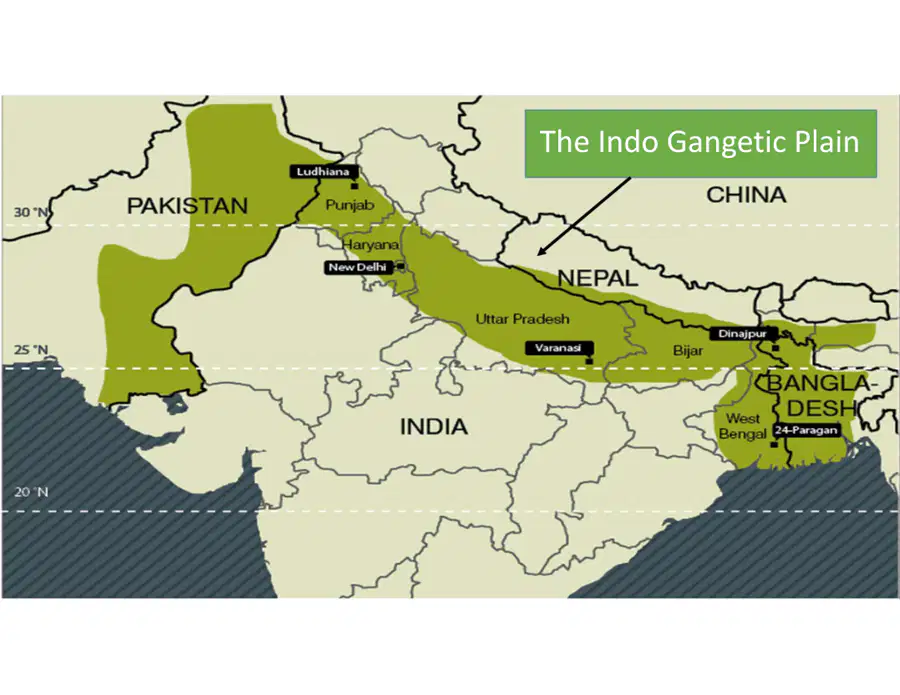
Explain how the Indo-Gangetic plain was formed according to the geological processes described.
21
22
Multiple Choice
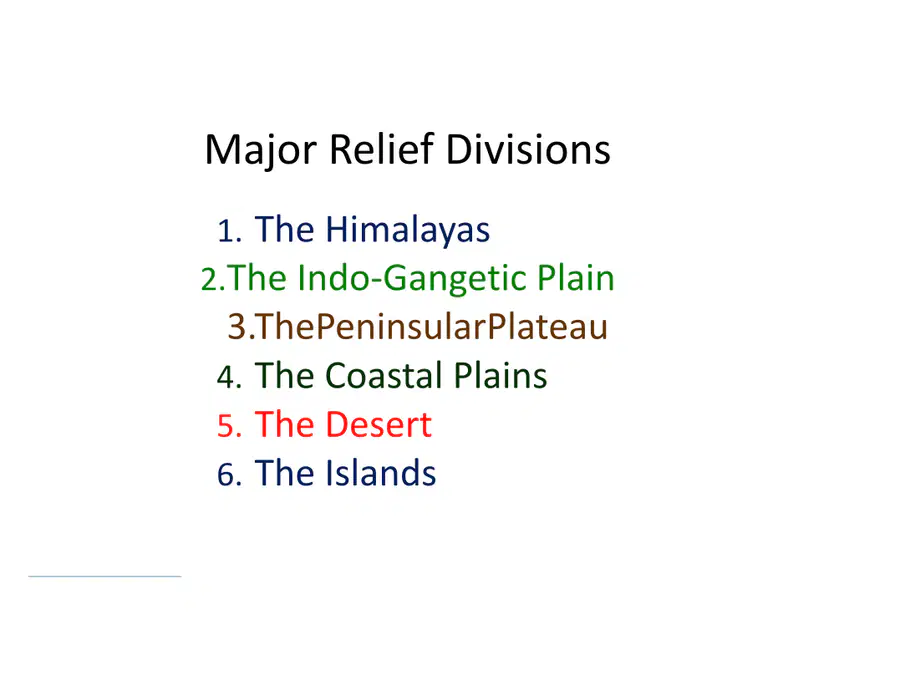
Which of the following is NOT a major relief division of India?
The Himalayas
The Indo-Gangetic Plain
The Amazon Basin
The Coastal Plains
23
24
25
26
Fill in the Blanks
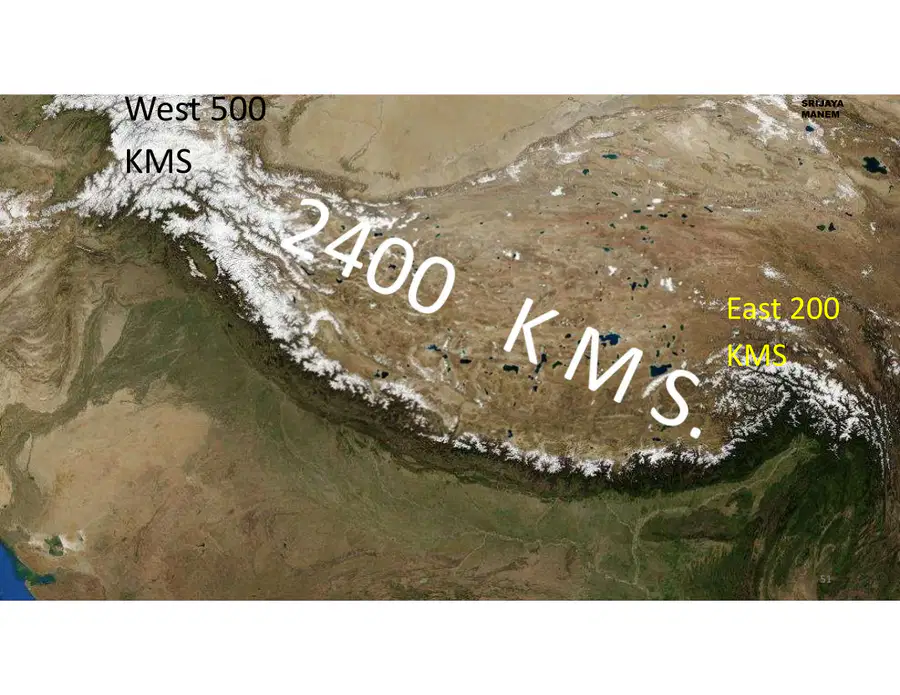
The width of the Himalayas in the western region is about
Type answer...
27
Multiple Choice
What is the approximate length of the Himalayan ranges from Jammu and Kashmir to Arunachal Pradesh?
2400 kms
1200 kms
500 kms
3700 kms
28
29
Multiple Select
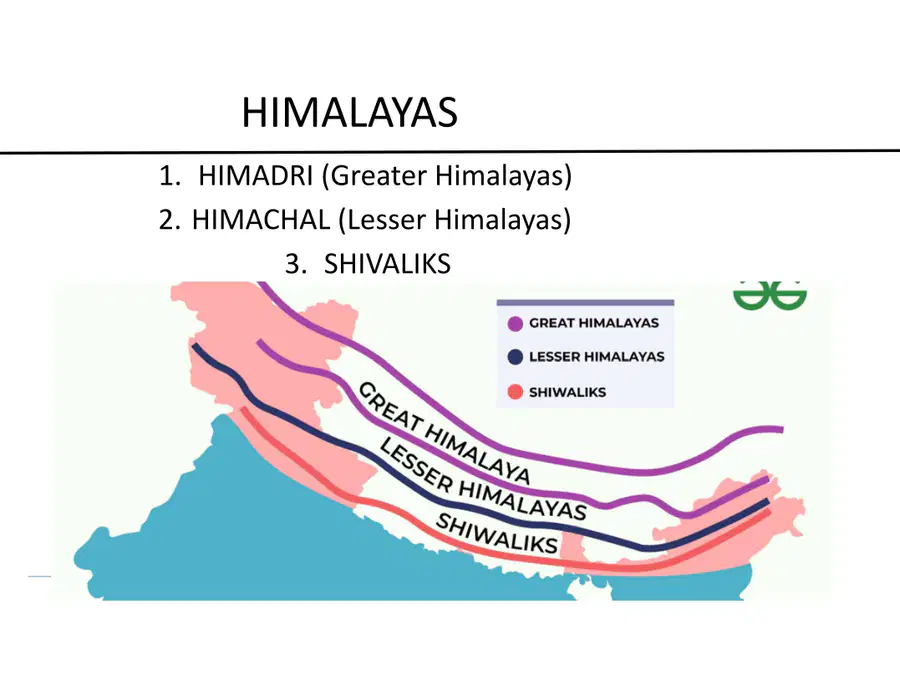
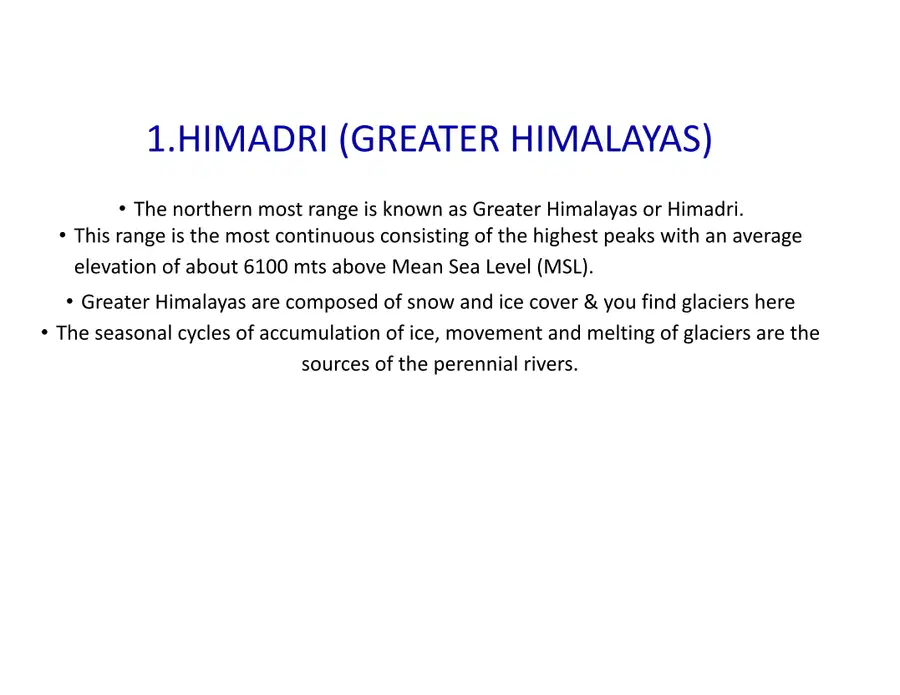
Which of the following are the three parallel ranges of the Himalayas?
Himadri (Greater Himalayas)
Himachal (Lesser Himalayas)
Shivaliks
Pirpanjal
30
31
Fill in the Blanks
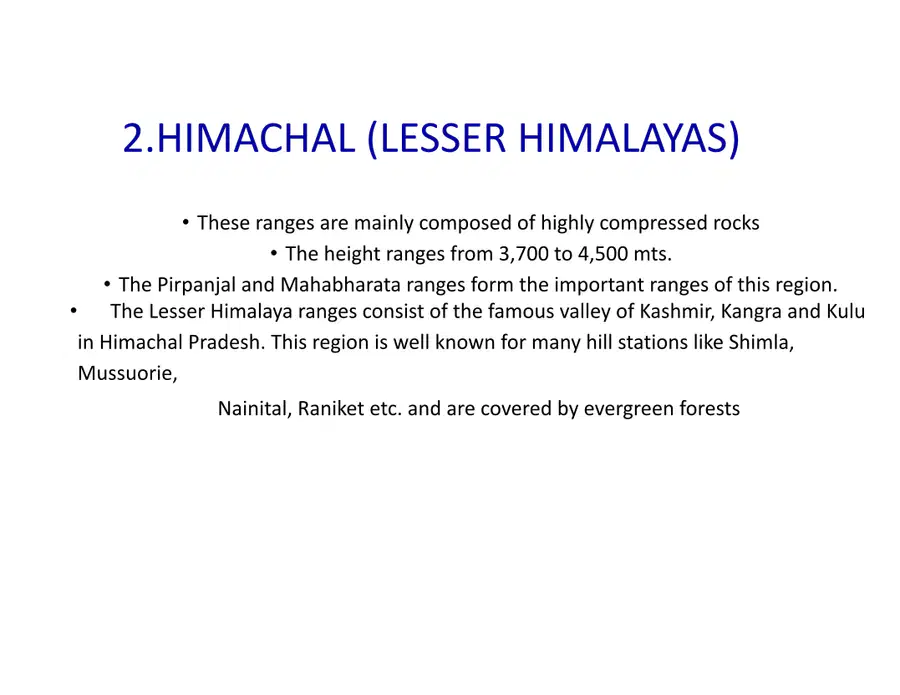
The average elevation of the Greater Himalayas (Himadri) is about
Type answer...
32
Open Ended
Explain how the Greater Himalayas (Himadri) contribute to the formation of perennial rivers.
33
34
Multiple Choice
Which hill stations are located in the Himachal (Lesser Himalayas) region?
Shimla, Mussourie, Nainital, Raniket
Leh, Ladakh, Srinagar, Gulmarg
Darjeeling, Gangtok, Kalimpong, Shillong
Manali, Dharamshala, Dehradun, Almora
35
36
Multiple Choice
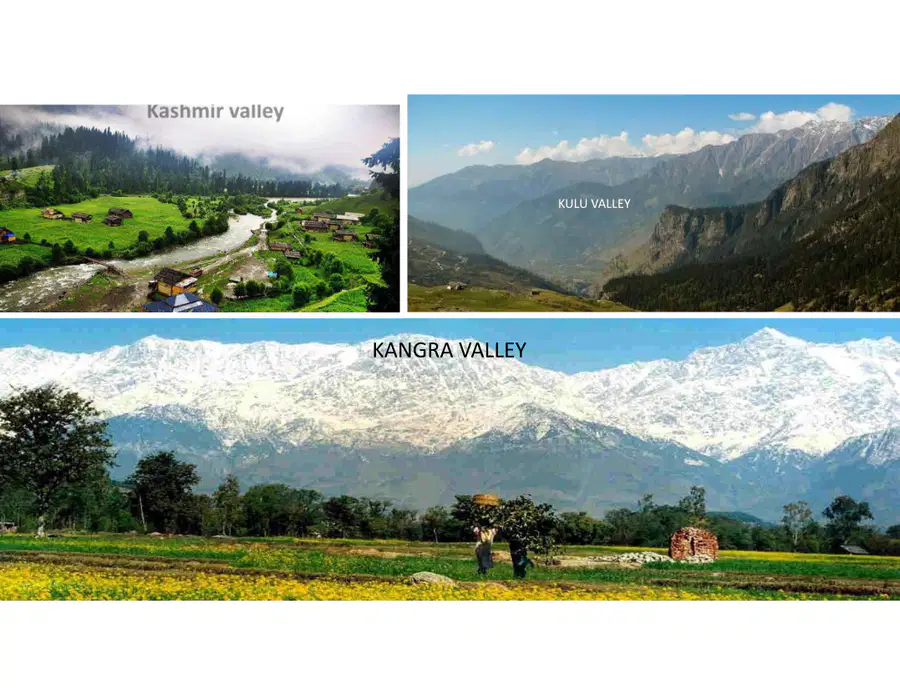
Which of the following valleys is NOT shown in the first image?
Kashmir Valley
Kullu Valley
Kangra Valley
Spiti Valley
37
38
Fill in the Blanks
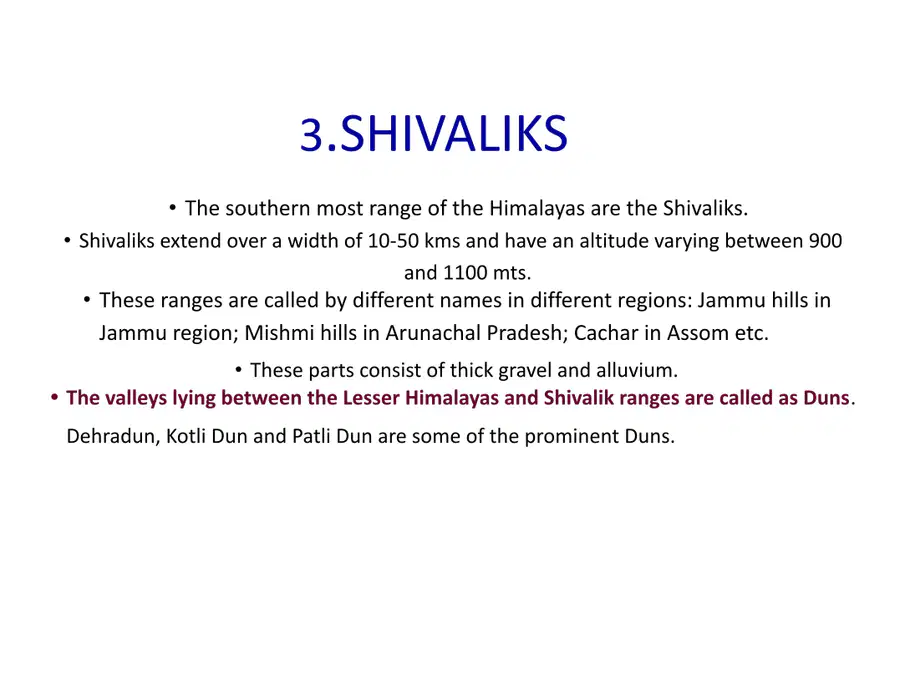
The valleys lying between the Lesser Himalayas and Shivalik ranges are called
Type answer...
39
40
41
Multiple Select
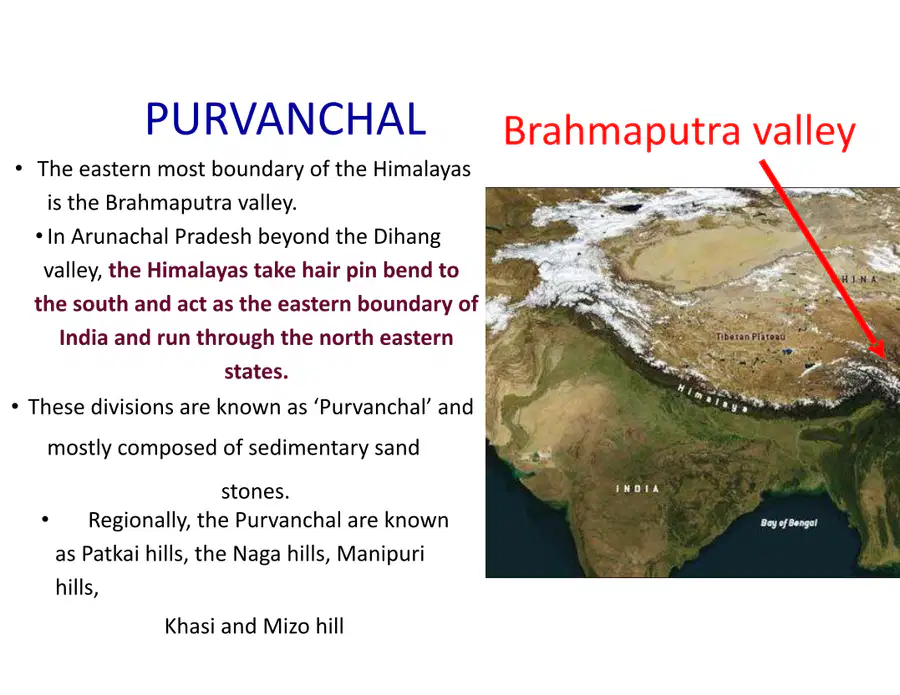
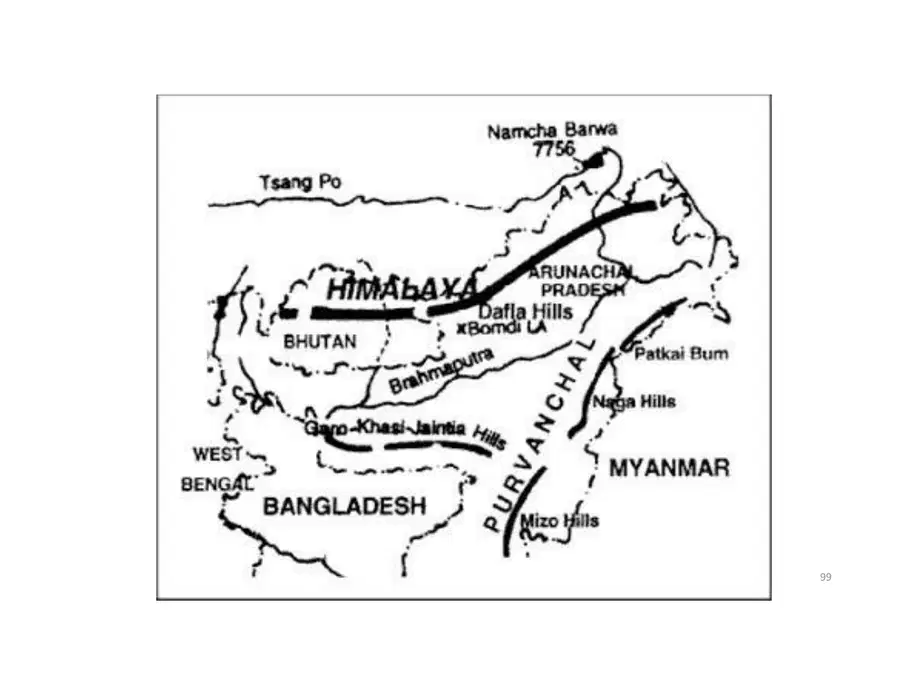
Which of the following hills are part of the Purvanchal range?
Patkai hills
Naga hills
Aravalli hills
Mizo hills
42
43
Multiple Choice
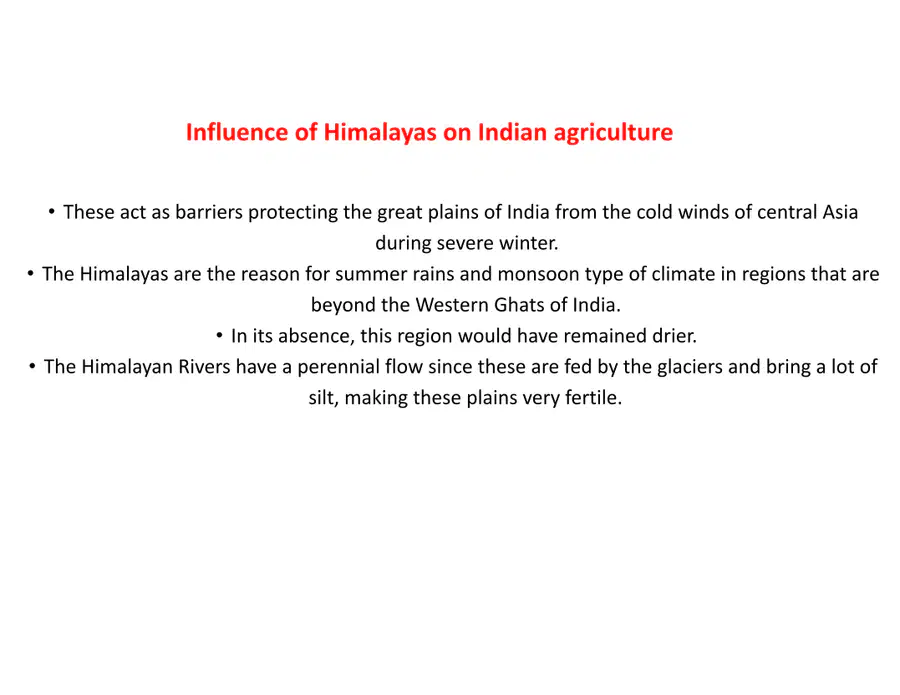
How do the Himalayas influence Indian agriculture according to the text?
They block cold winds and provide fertile soil through river silt.
They cause droughts in the plains.
They prevent rainfall in the region.
They make the region less fertile.
44
45
Open Ended
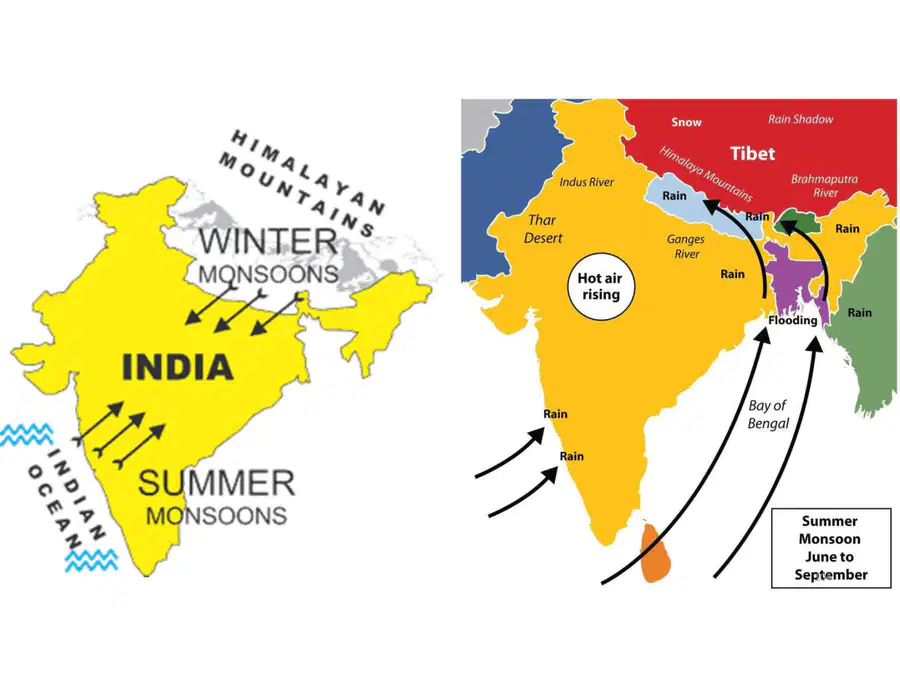
Describe how the Himalayas affect the pattern of monsoon rains in India, using the maps provided.
46
47
48
49
50
51
52
53
54
55

56
57
58
59
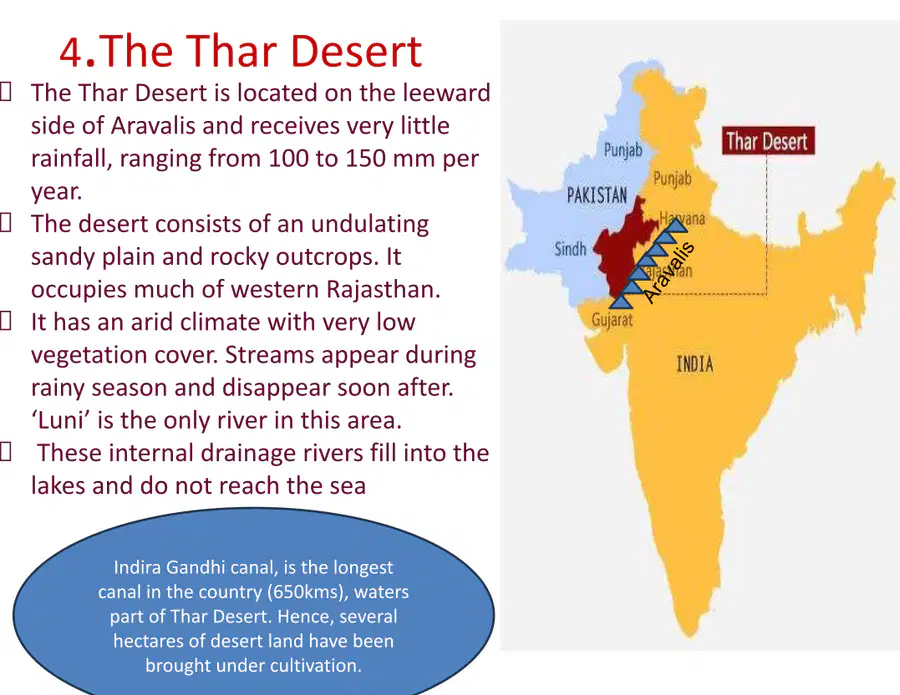
60
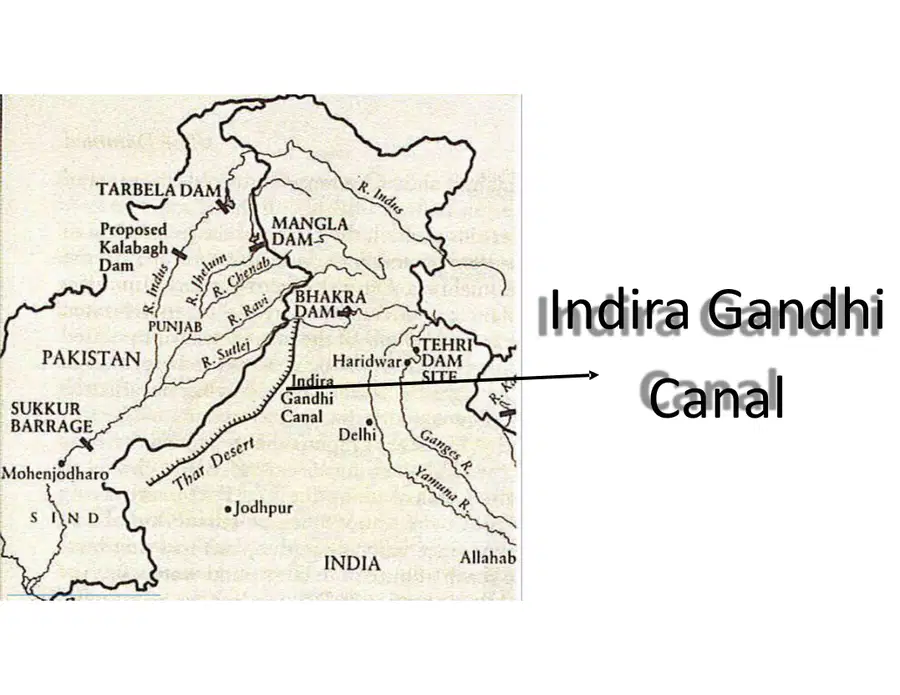
61
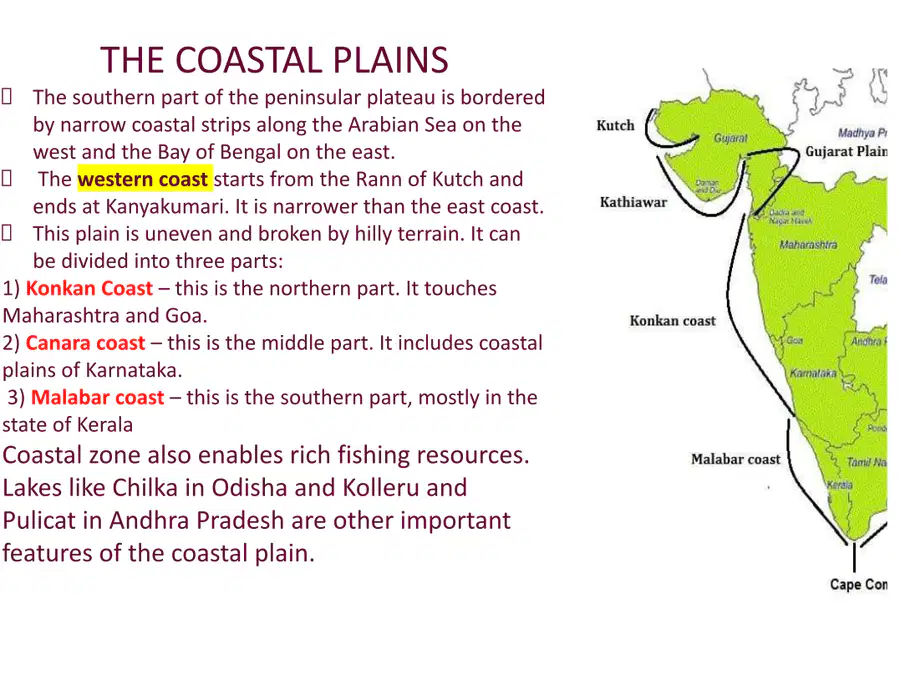
62
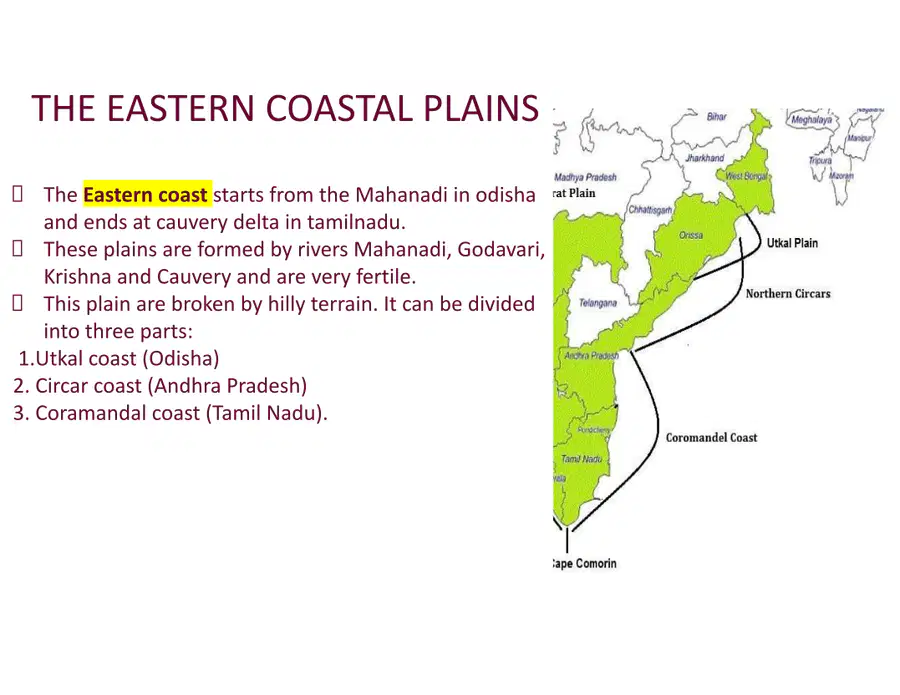
63
64
65

66
Multiple Choice
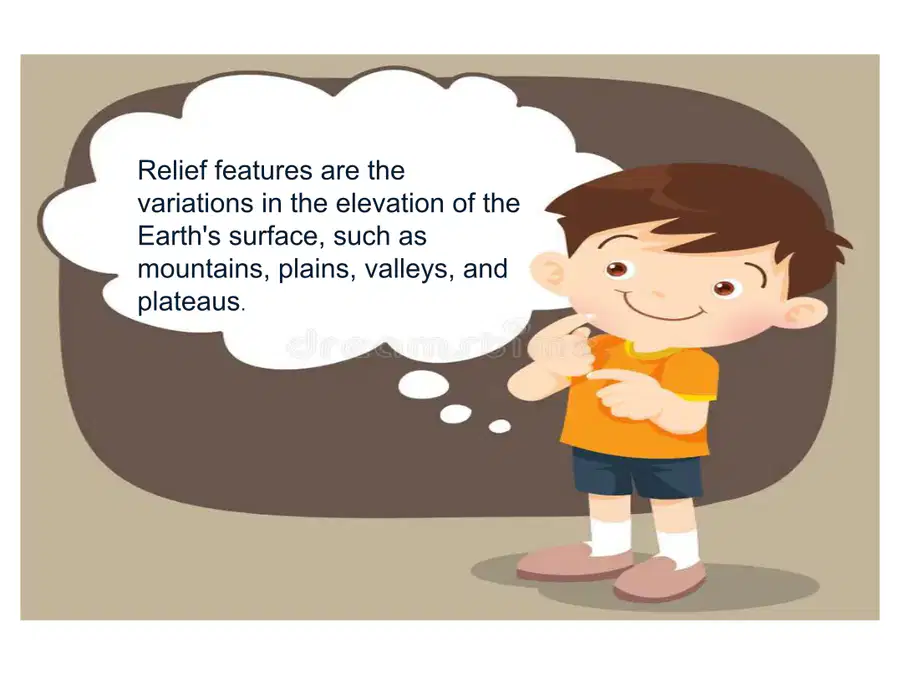
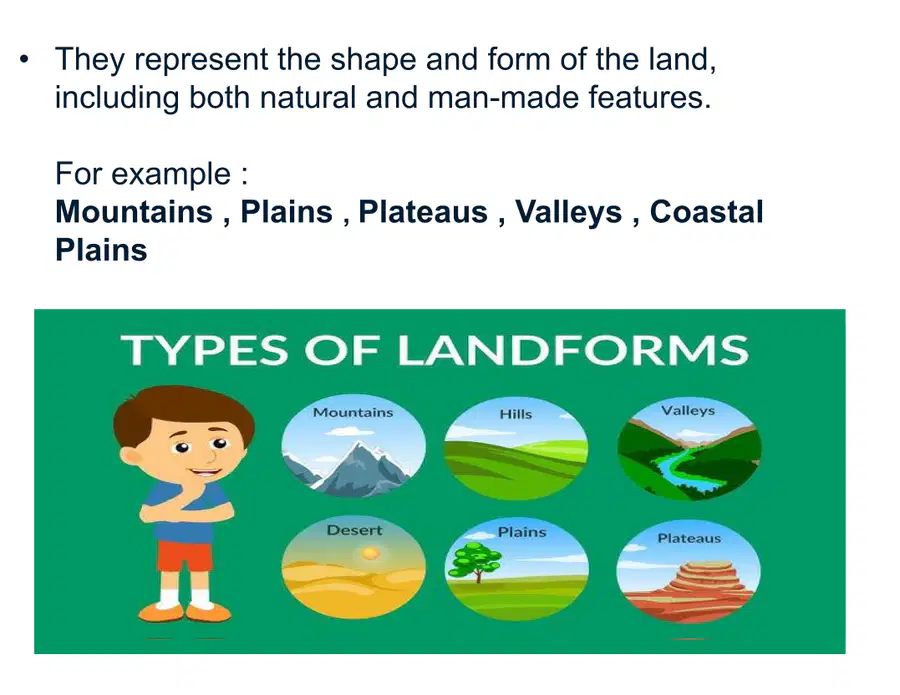
What are relief features?
Variations in the elevation of the Earth's surface, such as mountains, plains, valleys, and plateaus
Types of weather patterns
Different types of soil
Forms of government
Show answer
Auto Play
Slide 1 / 66
SLIDE
Similar Resources on Wayground

59 questions
Era Progresista
Presentation
•
10th Grade
59 questions
Psychology as a Science
Presentation
•
10th Grade
61 questions
Inv 1. Lesson 2 and 3 - Earth's Interior and Plate Tectonics
Presentation
•
10th Grade
57 questions
Lesson #19: Foreign Policy: Setting a Course of Expansionism
Presentation
•
10th Grade
59 questions
Review Claims and evidence
Presentation
•
10th Grade
62 questions
Elements of Financial Statements
Presentation
•
9th - 10th Grade
61 questions
Economic Boom
Presentation
•
10th Grade
62 questions
Brandon in Japan
Presentation
•
KG
Popular Resources on Wayground
10 questions
Safety Day 2026 – Student Review

Quiz
•
9th Grade
21 questions
Continents and Oceans
Quiz
•
6th Grade
20 questions
Parts of Speech
Quiz
•
5th Grade
16 questions
Subject & Predicate
Quiz
•
5th Grade
25 questions
Multiplication Facts
Quiz
•
5th Grade
12 questions
Map Skills
Quiz
•
3rd Grade
22 questions
Continents and Oceans
Quiz
•
5th Grade
15 questions
Rounding Decimals
Quiz
•
5th Grade
Discover more resources for Social Studies
10 questions
Exploring the Age of Exploration: Key Events and Figures

Interactive video
•
6th - 10th Grade
9 questions
Exploring Ancient Mesopotamia and Its Civilizations
Interactive video
•
10th Grade
10 questions
Debating the Legacy of Christopher Columbus
Interactive video
•
6th - 10th Grade
22 questions
U3T2 Vocab FAC: Domestic Policy
Quiz
•
10th Grade
25 questions
Gilded Age Gallery Walk
Presentation
•
9th - 12th Grade
50 questions
Progressive Era and Urbanization
Quiz
•
10th Grade
10 questions
U3T2D1 Daily Quiz
Quiz
•
10th Grade
10 questions
Exploring the 13 Colonies Regions
Interactive video
•
6th - 10th Grade