
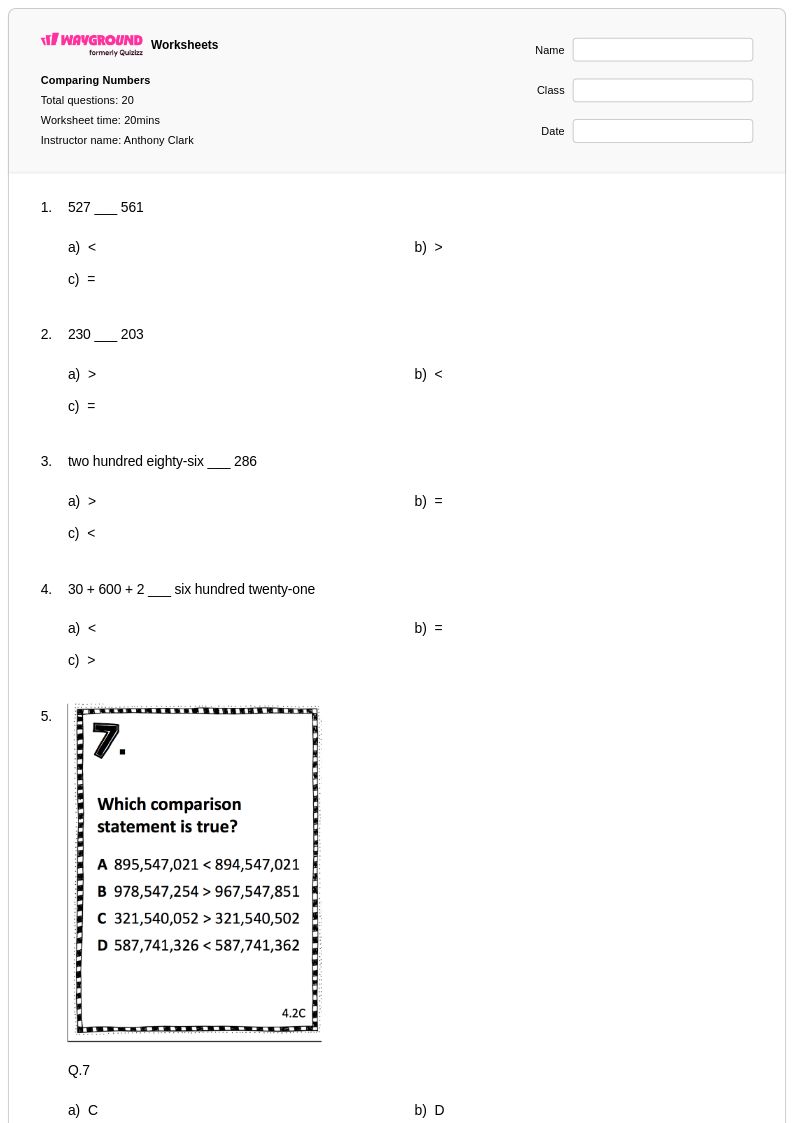
20 Q
4th - Uni
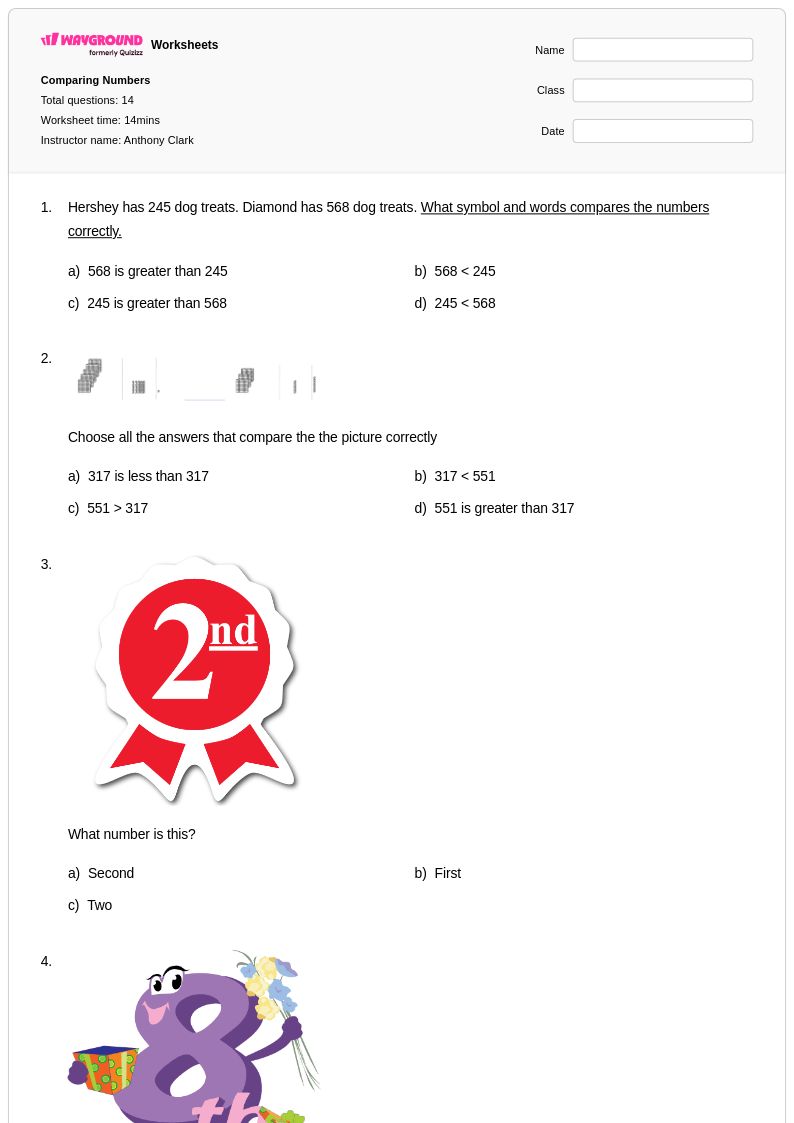
14 Q
2nd - Uni
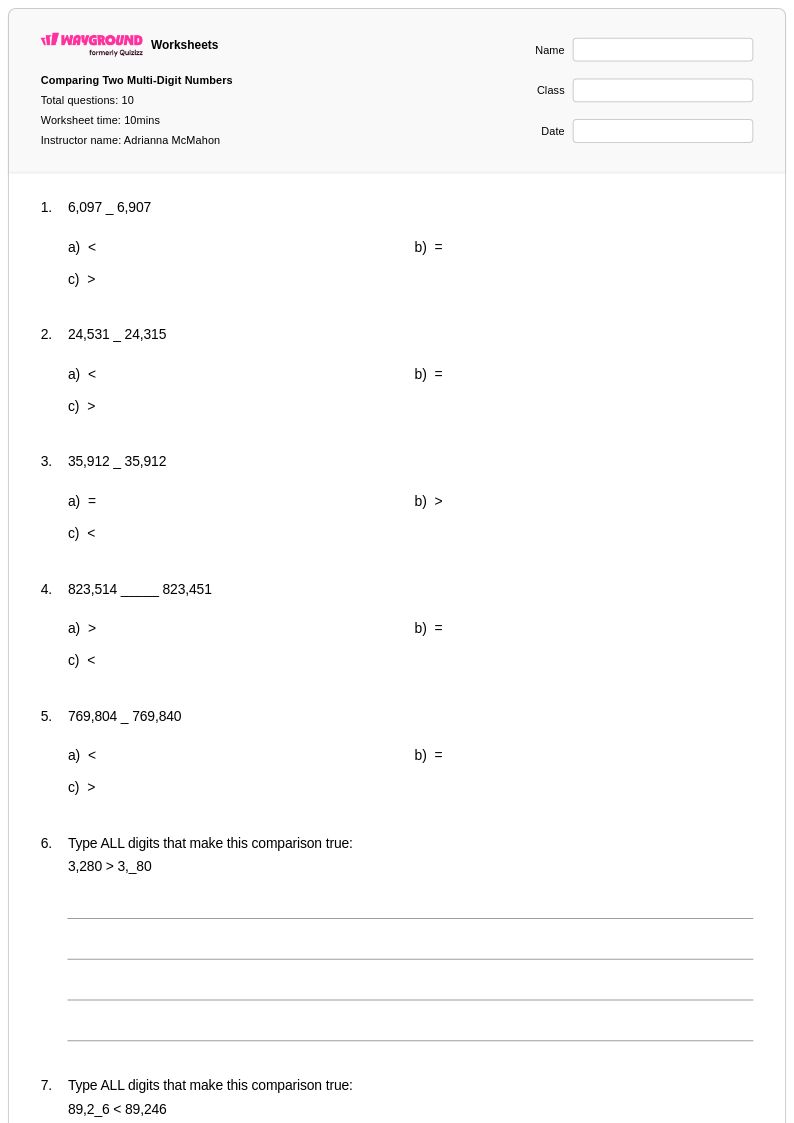
10 Q
4th
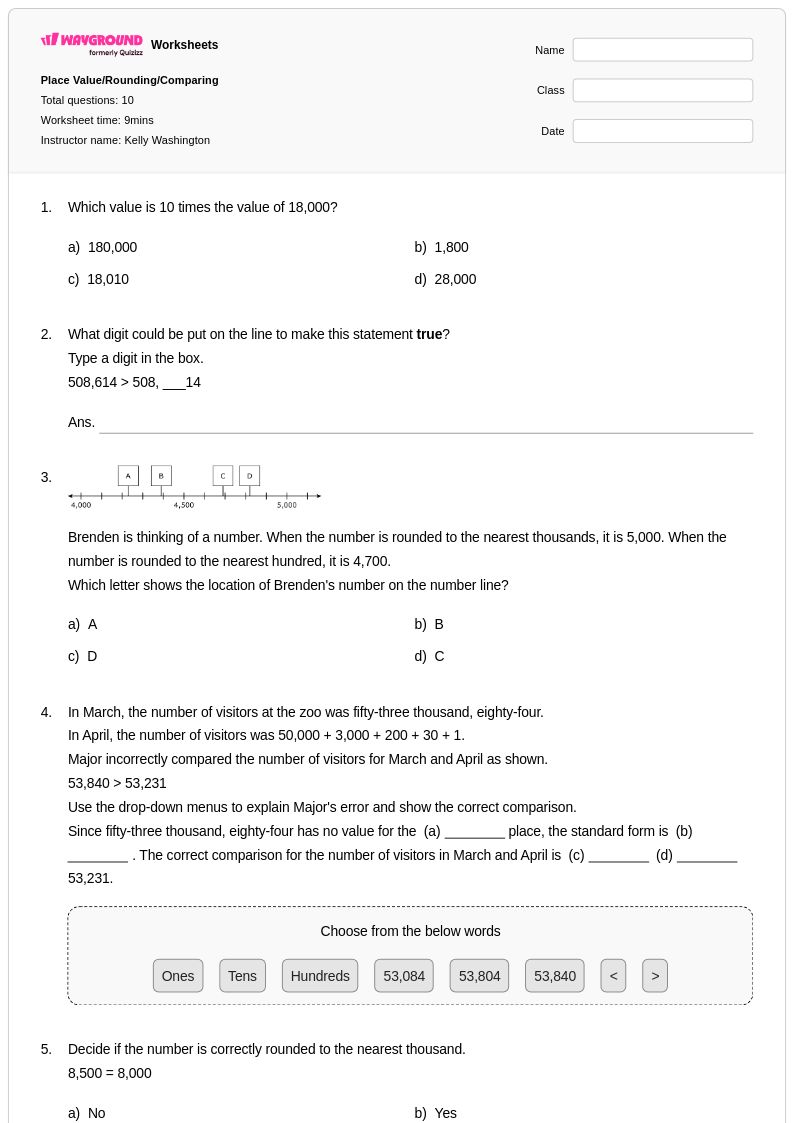
10 Q
4th
10 Q
4th
20 Q
4th
19 Q
2nd - Uni
15 Q
4th - Uni
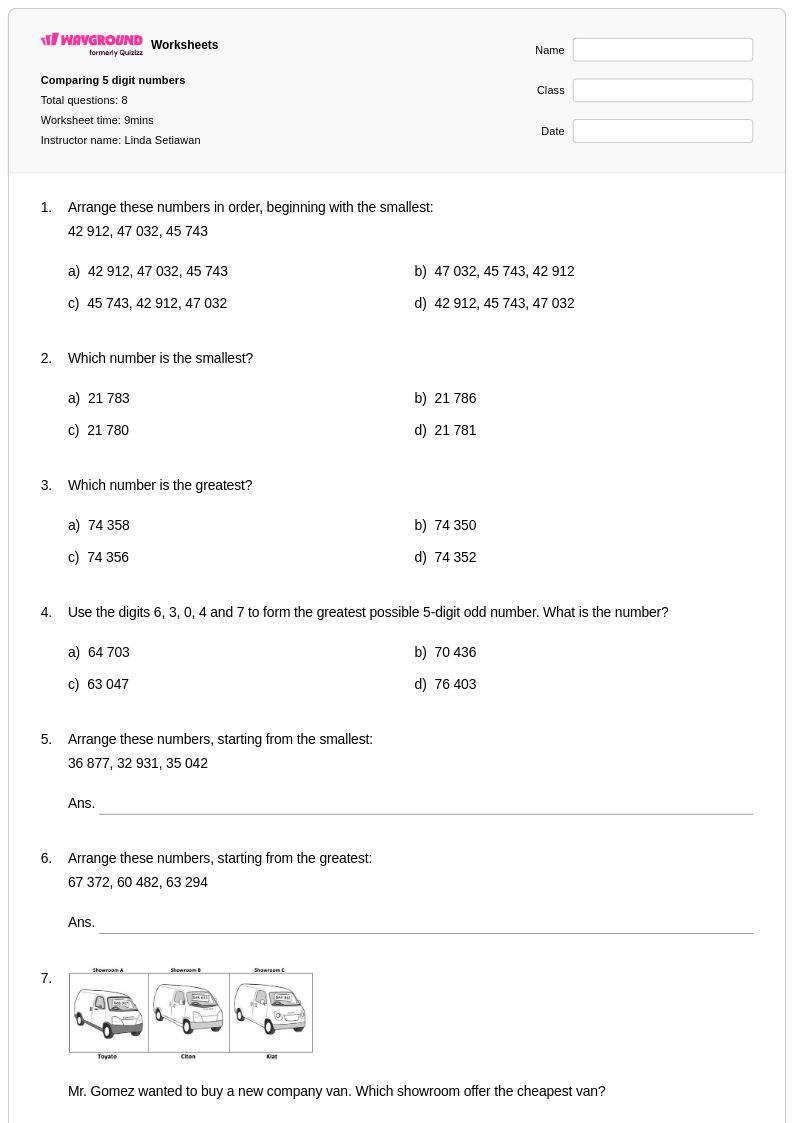
8 Q
4th
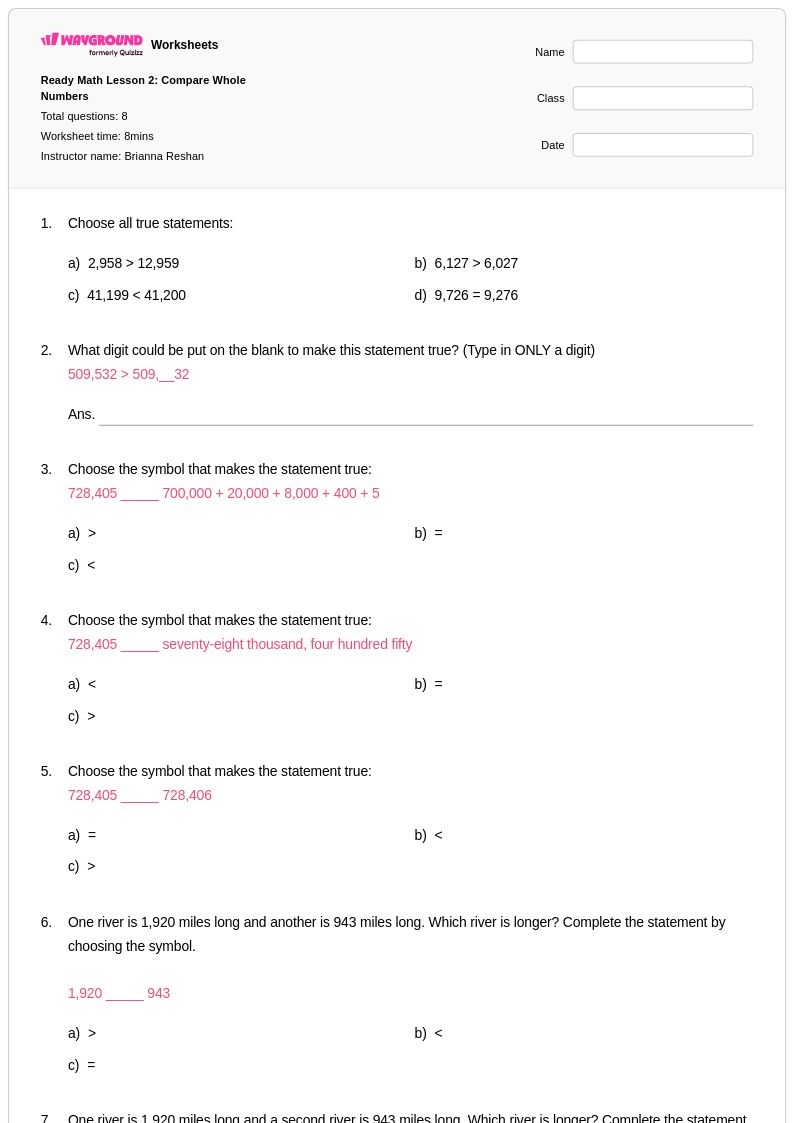
8 Q
4th
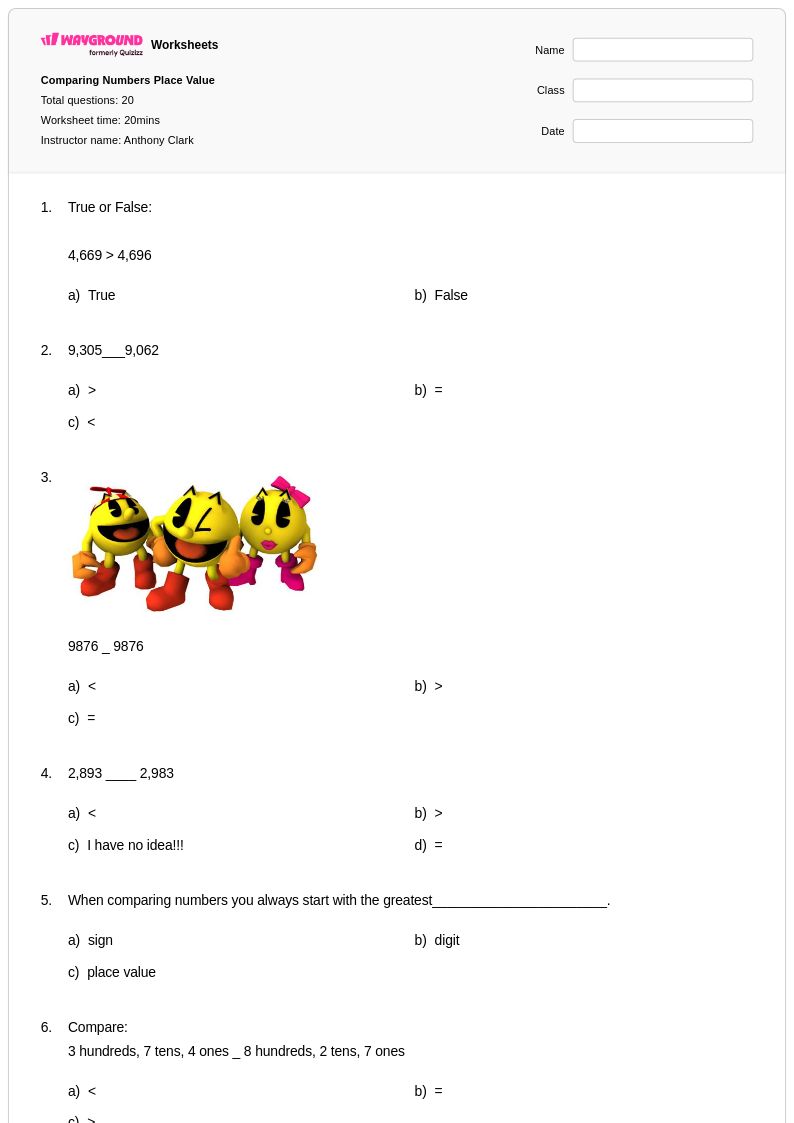
20 Q
3rd - Uni
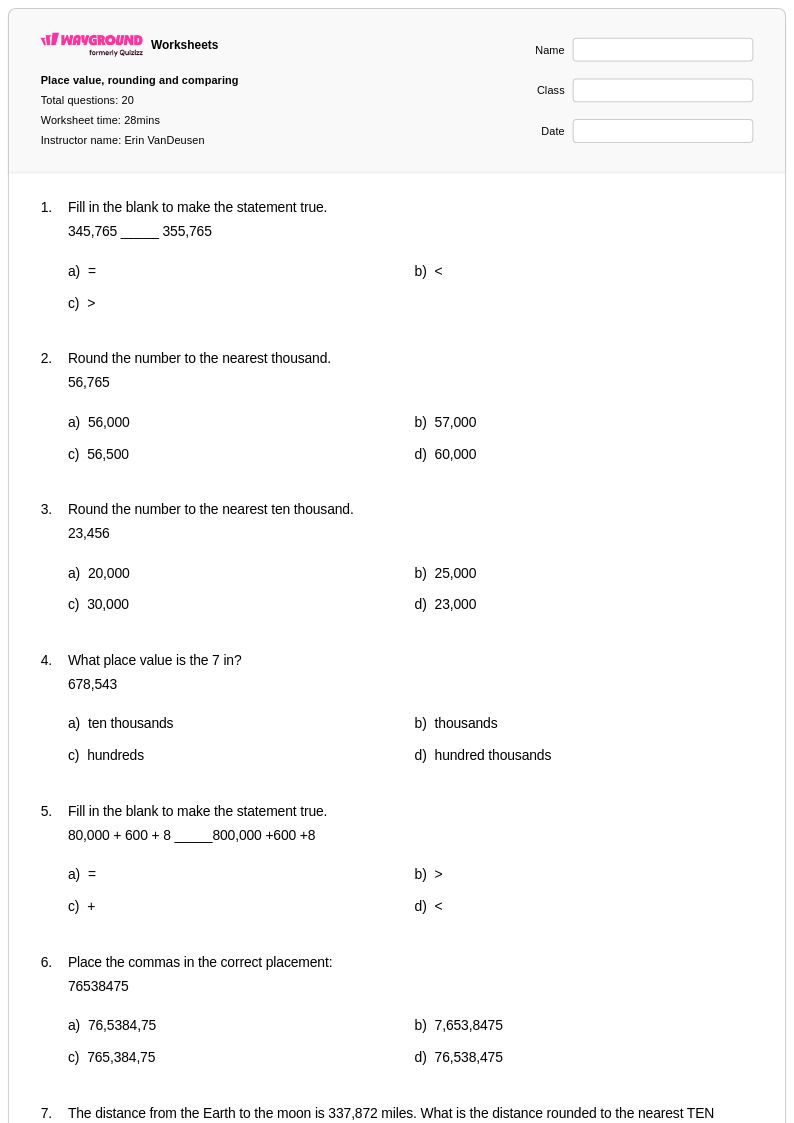
20 Q
3rd - 5th
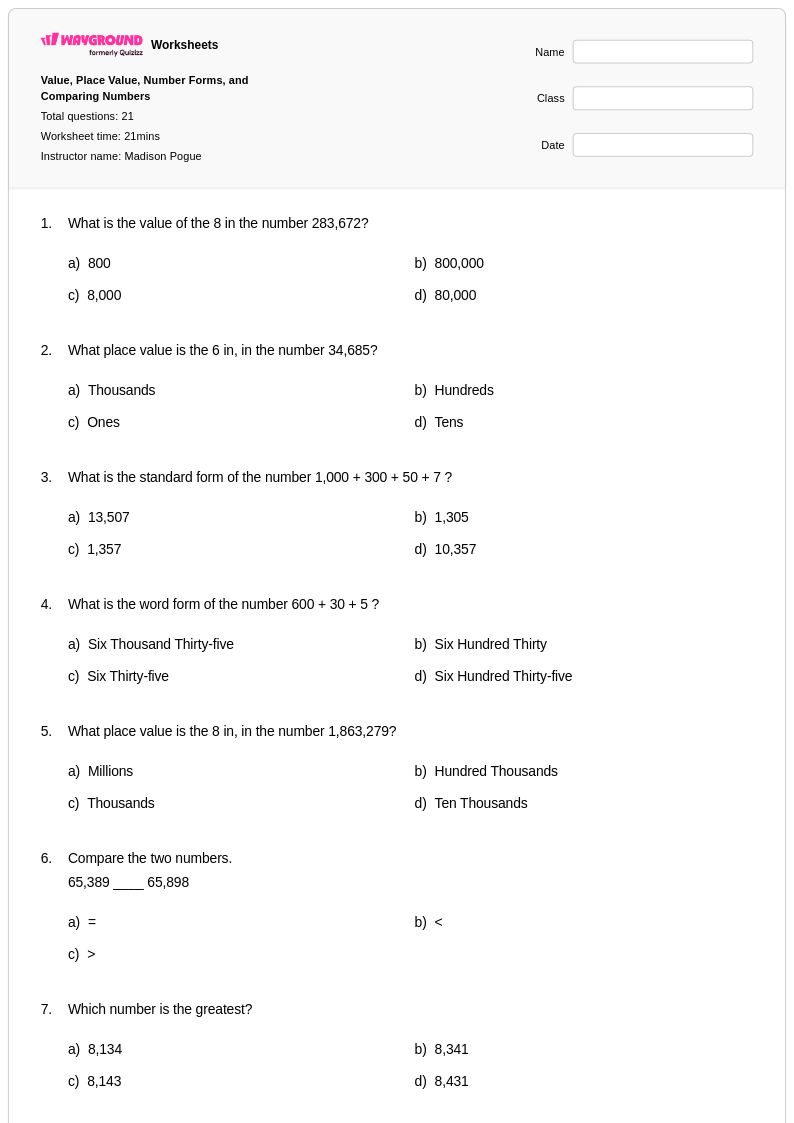
21 Q
4th
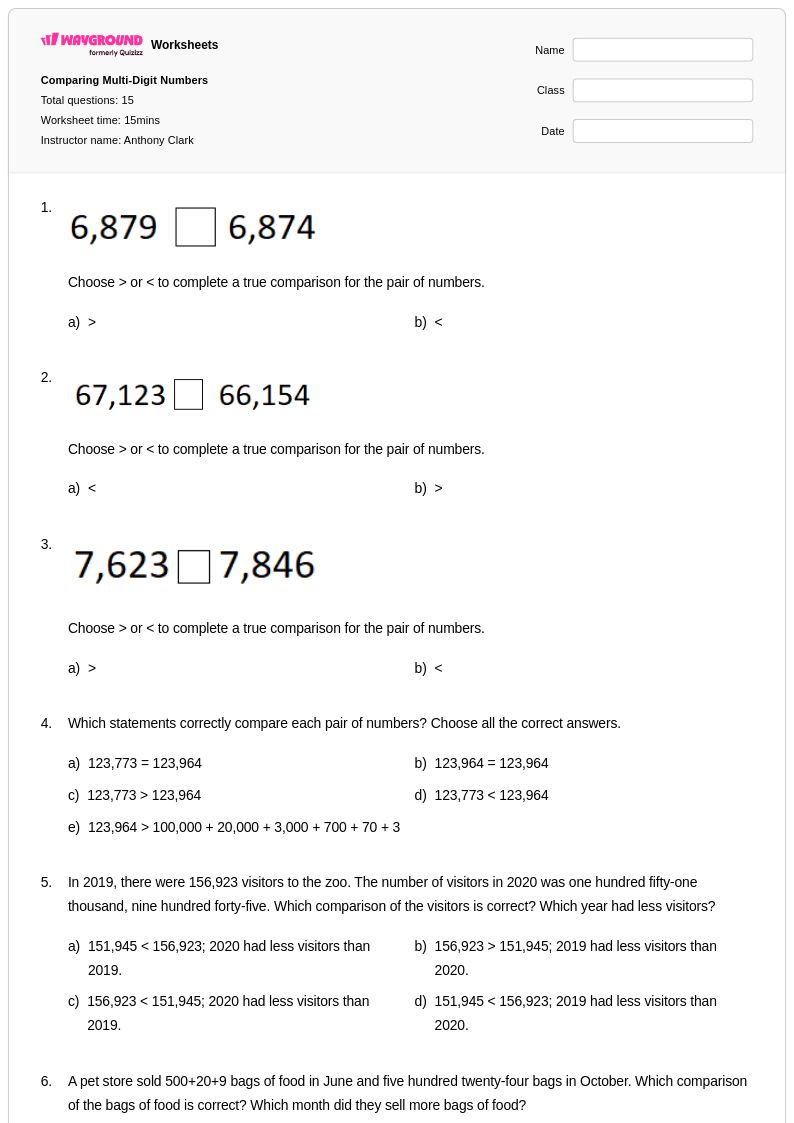
15 Q
4th - Uni
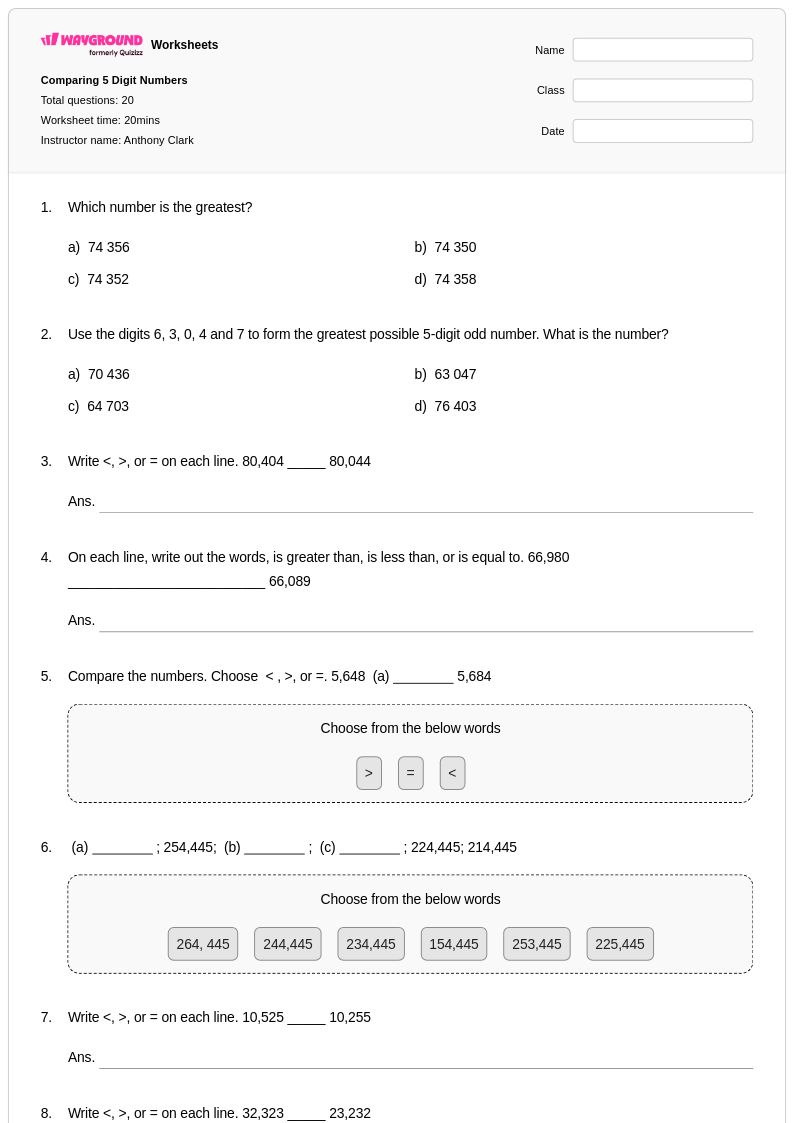
20 Q
4th - Uni
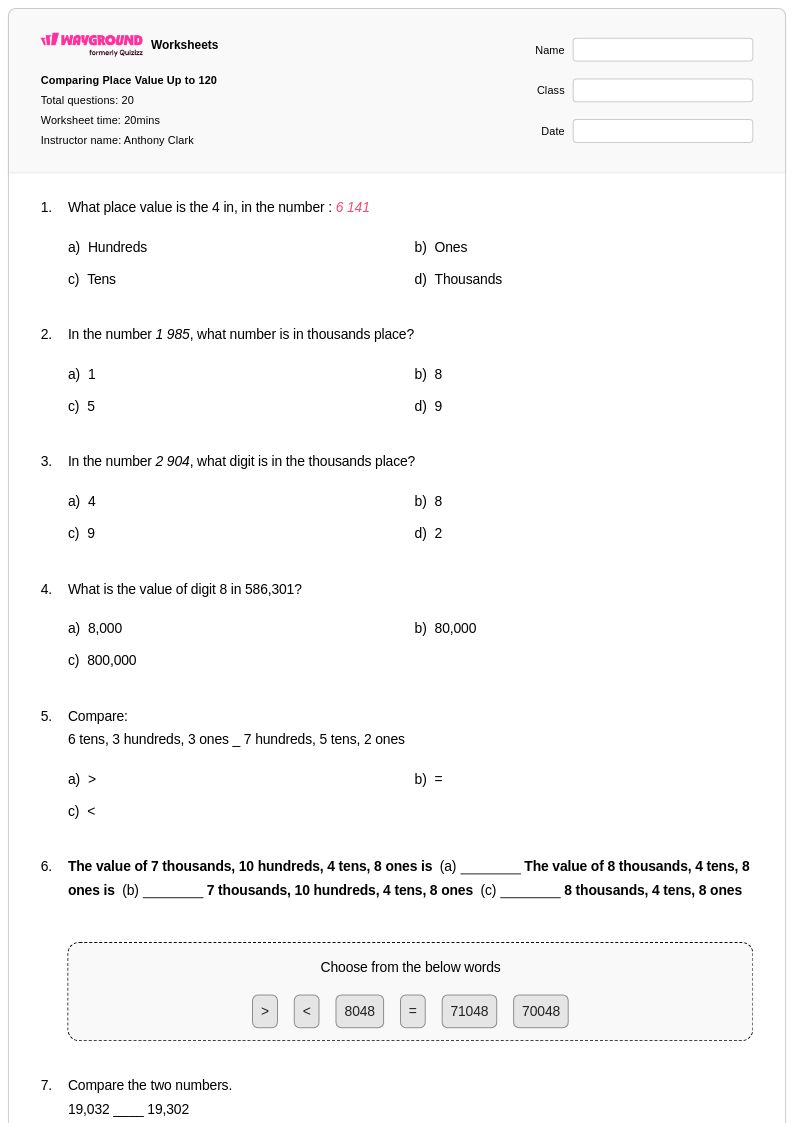
20 Q
4th - Uni
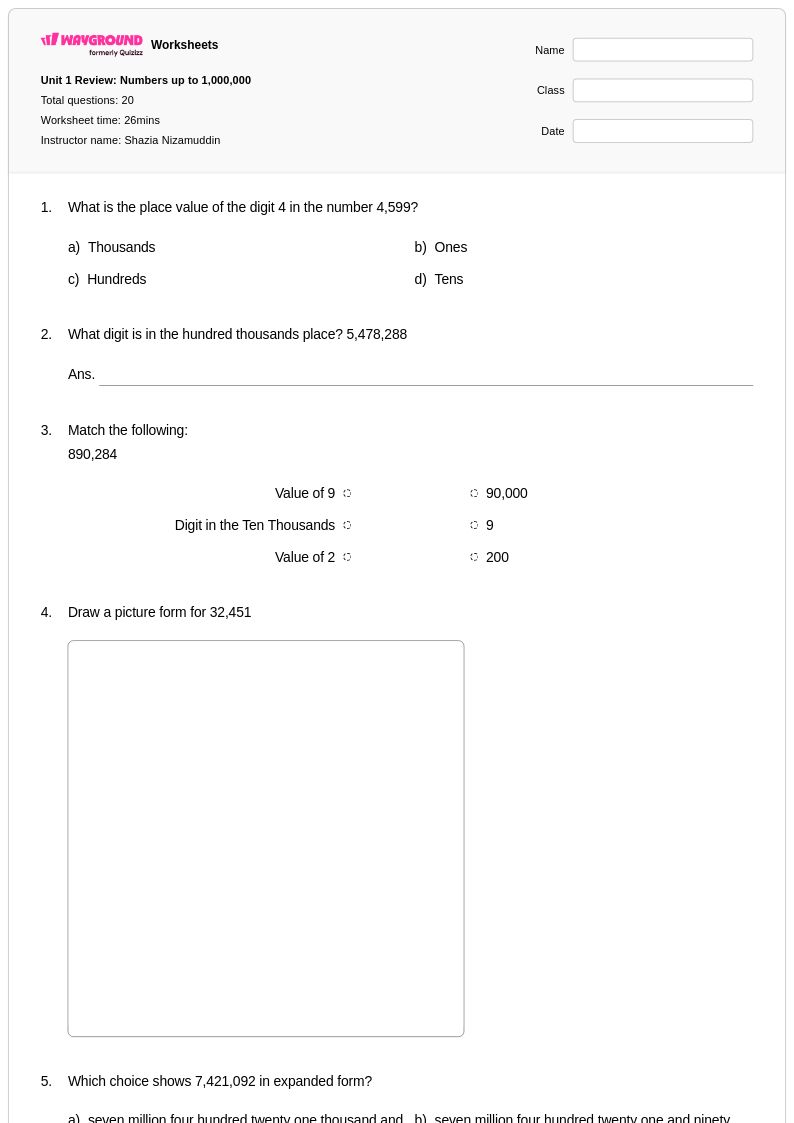
20 Q
4th
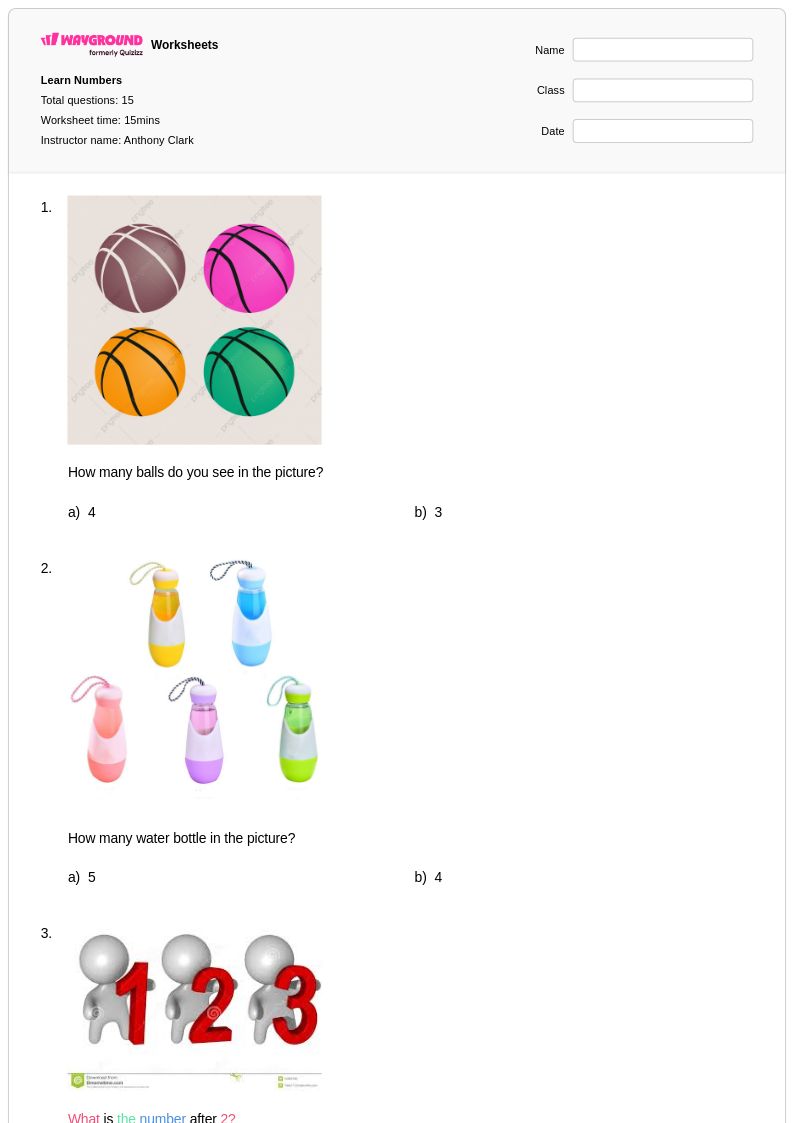
15 Q
2nd - Uni
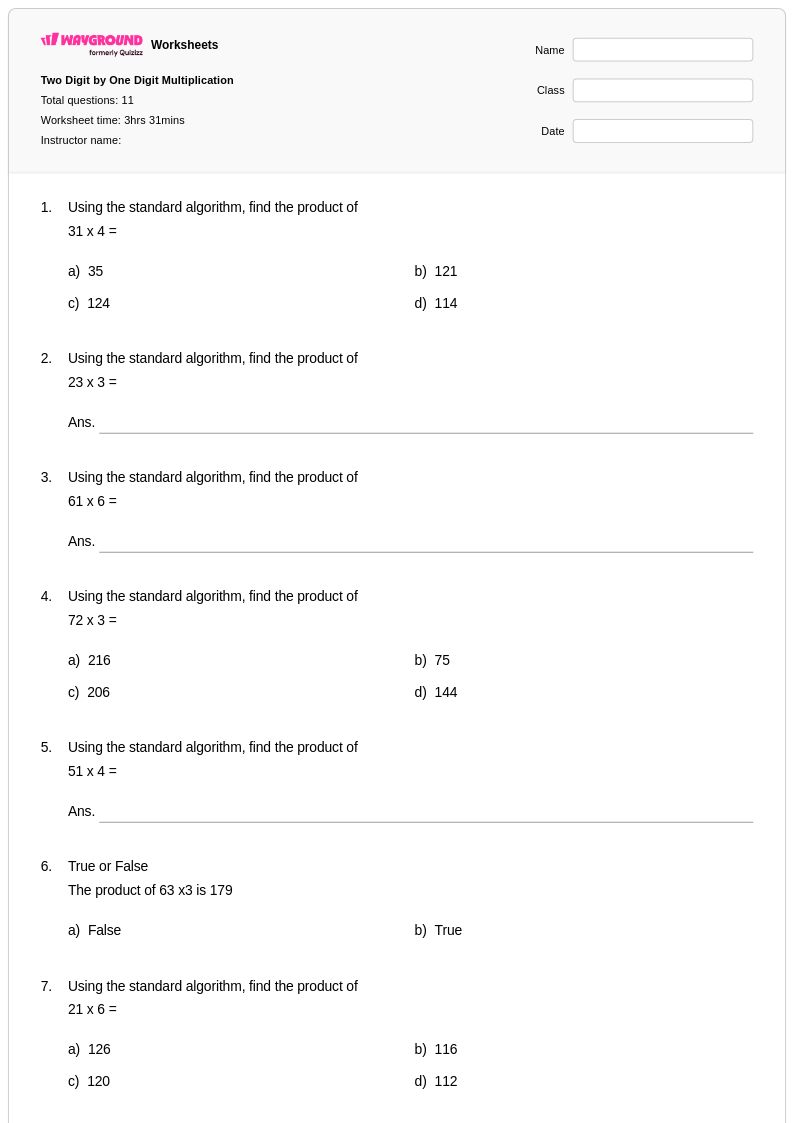
11 Q
4th
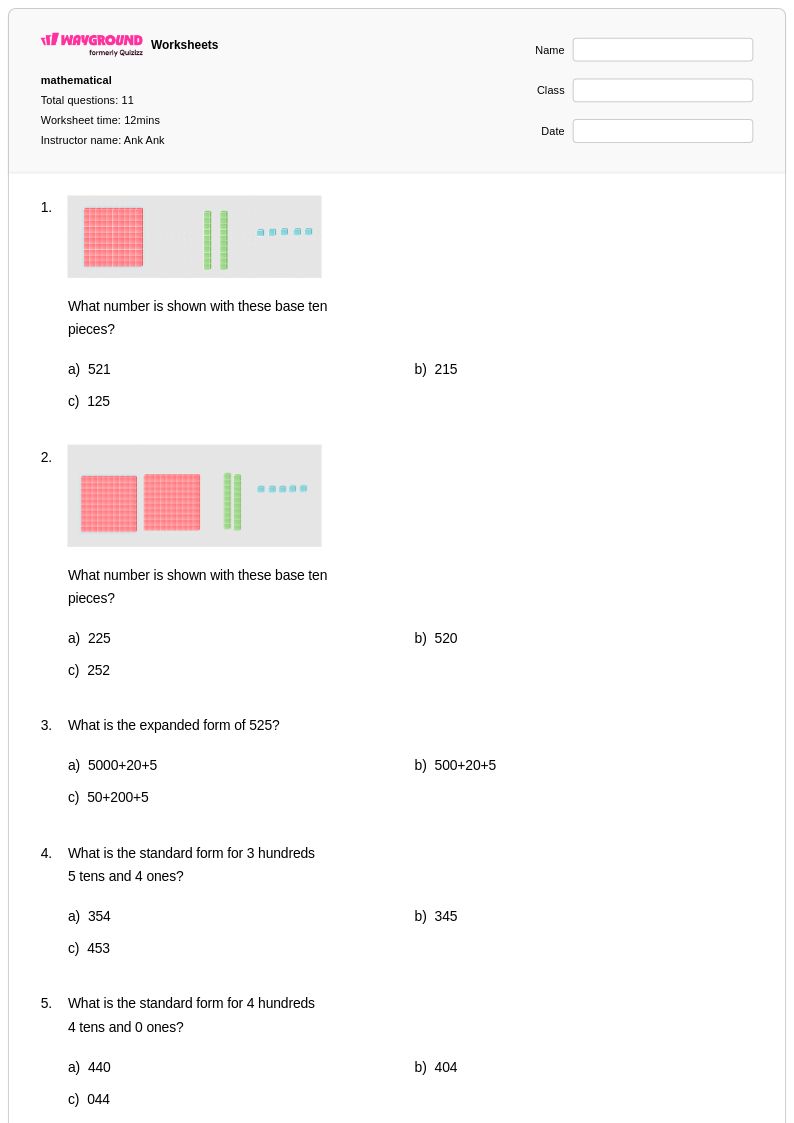
16 Q
1st - 5th
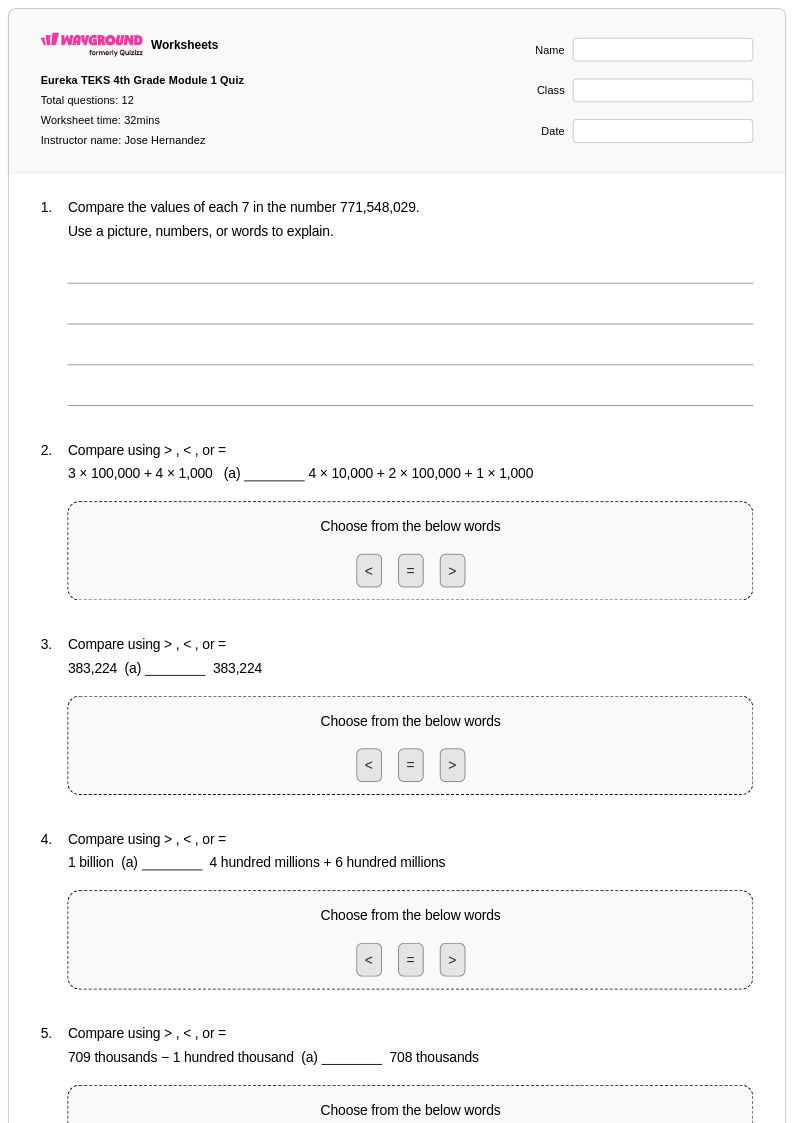
12 Q
4th
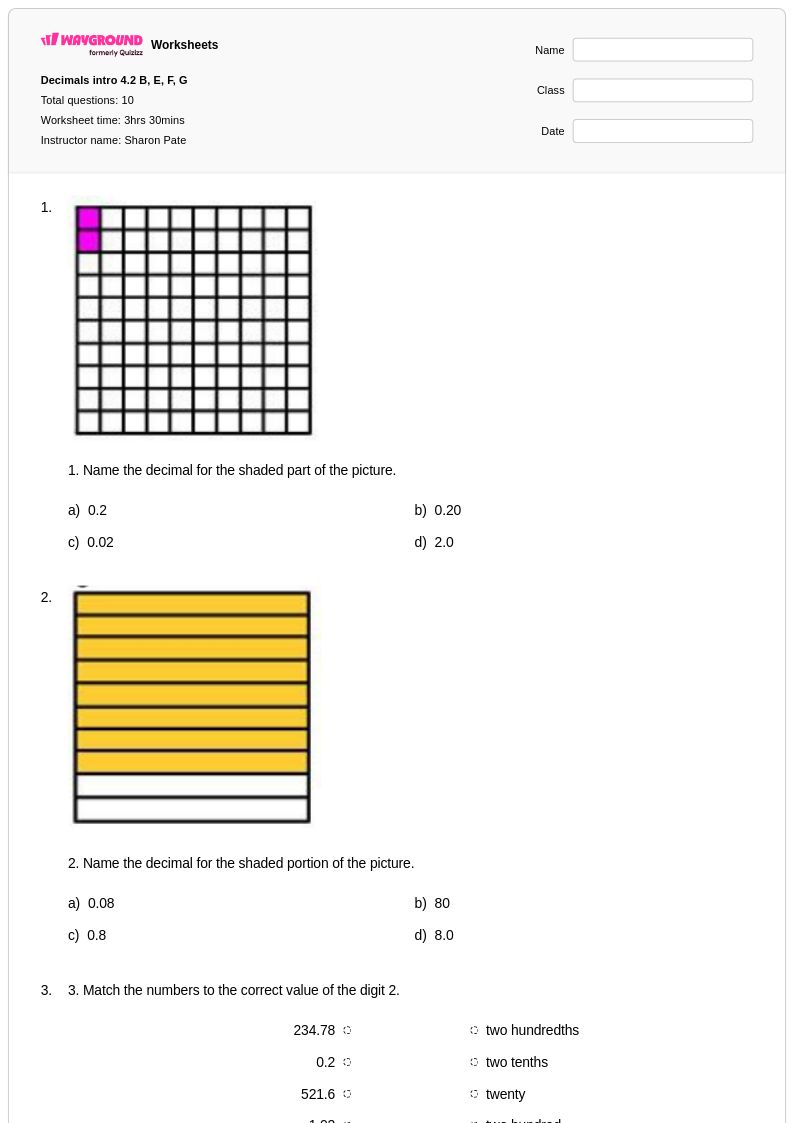
10 Q
4th
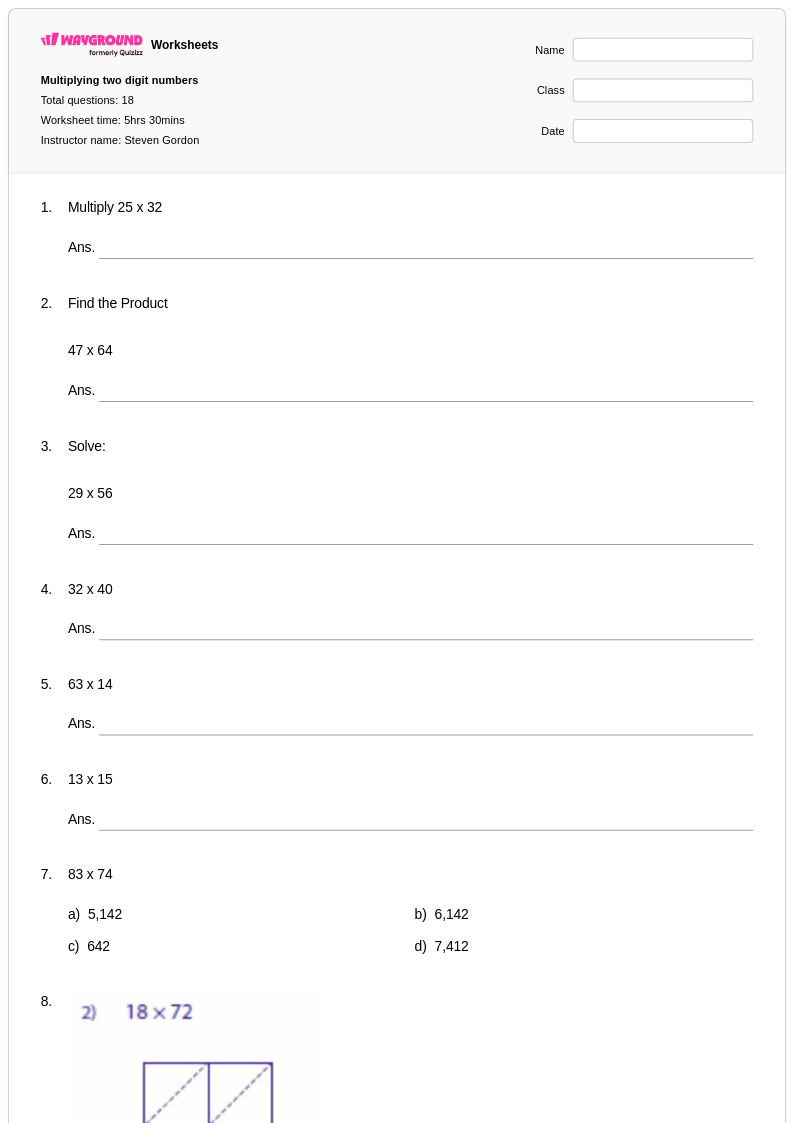
18 Q
4th - 6th
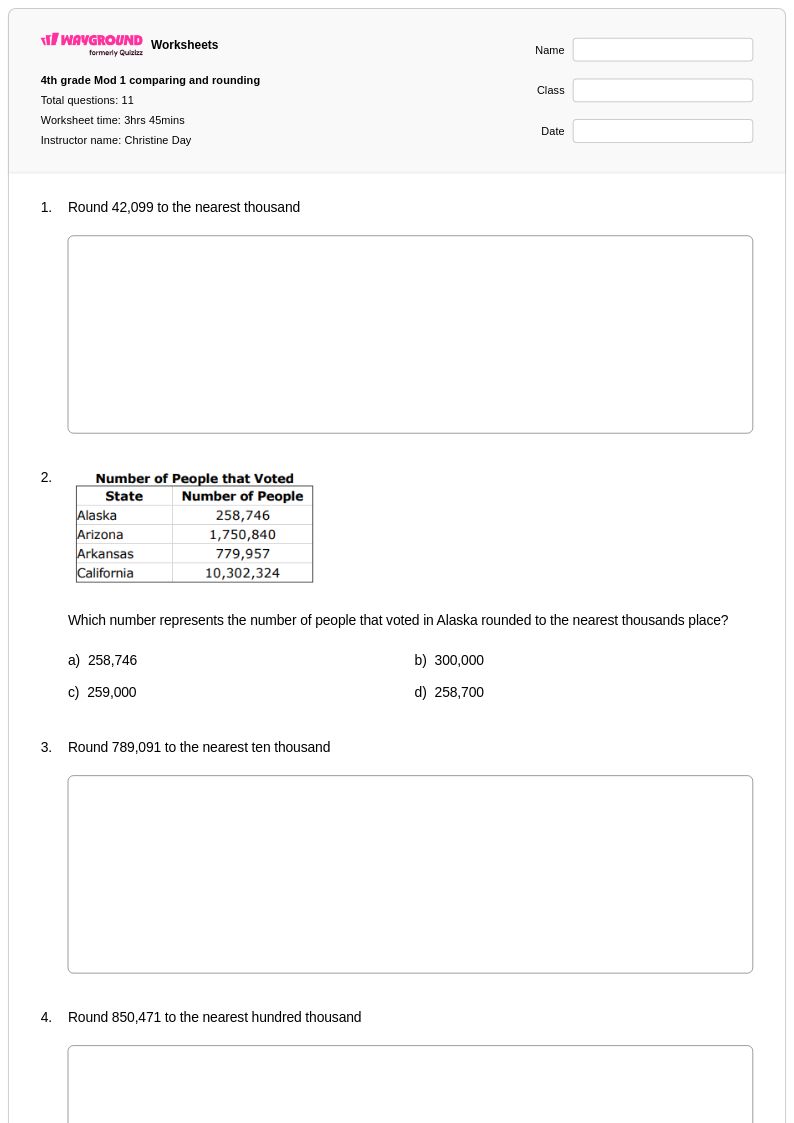
11 Q
4th
Explore Other Subject Worksheets for year 4
Explore printable Comparing Two-digit Numbers worksheets for Year 4
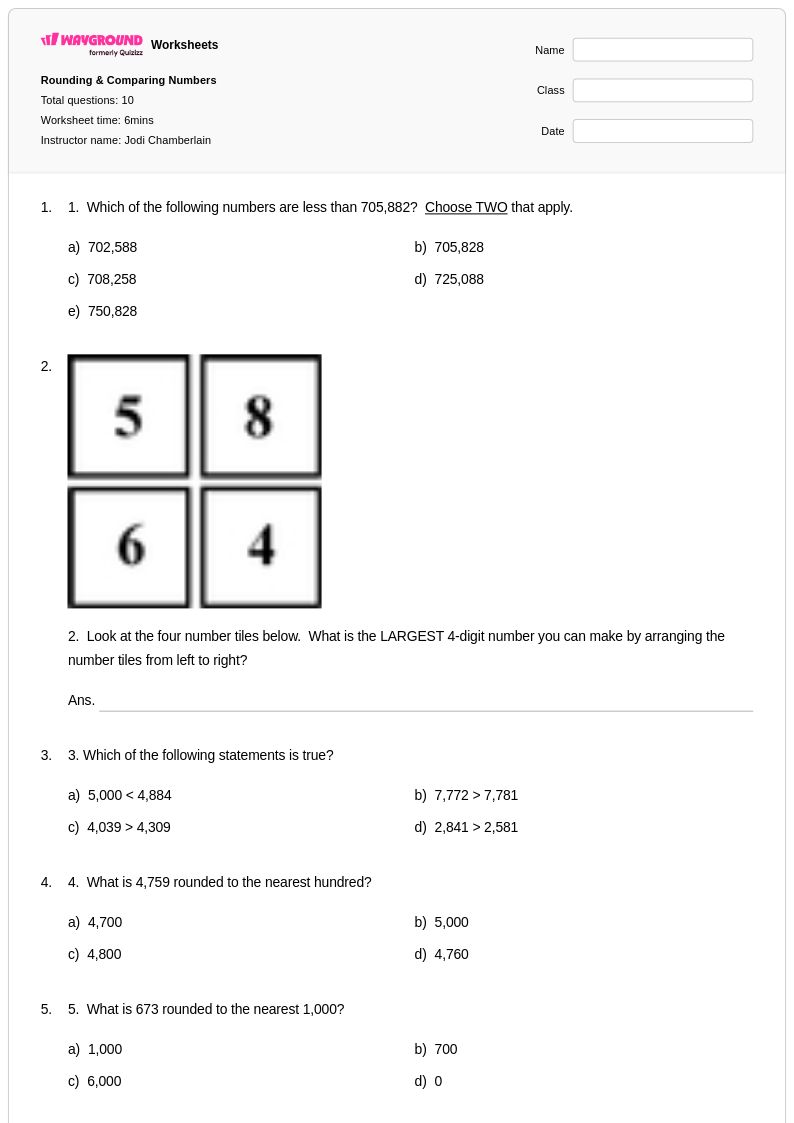
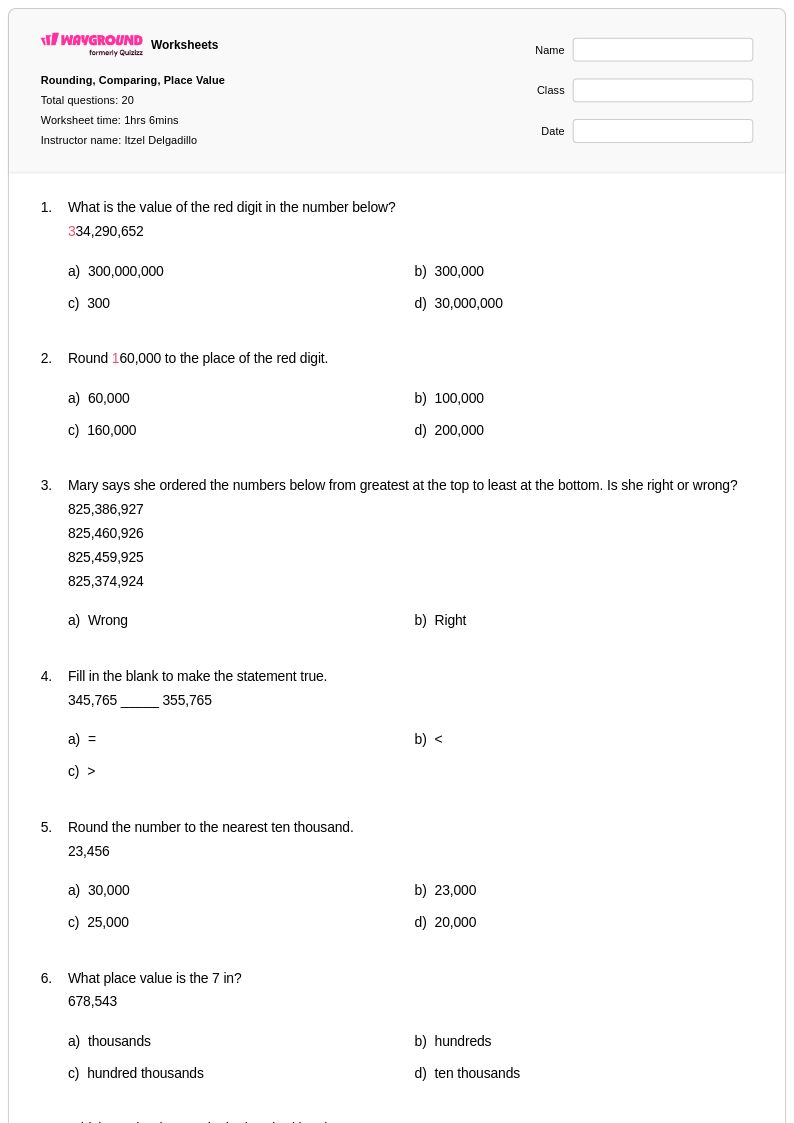
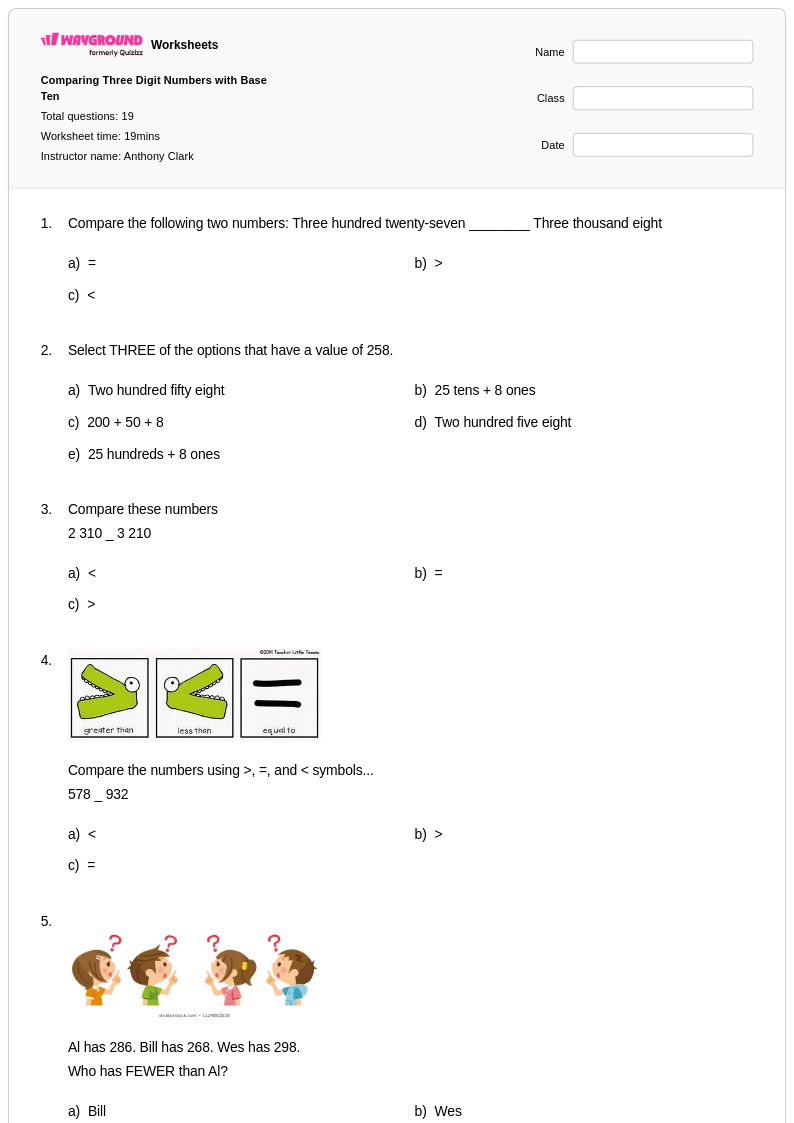
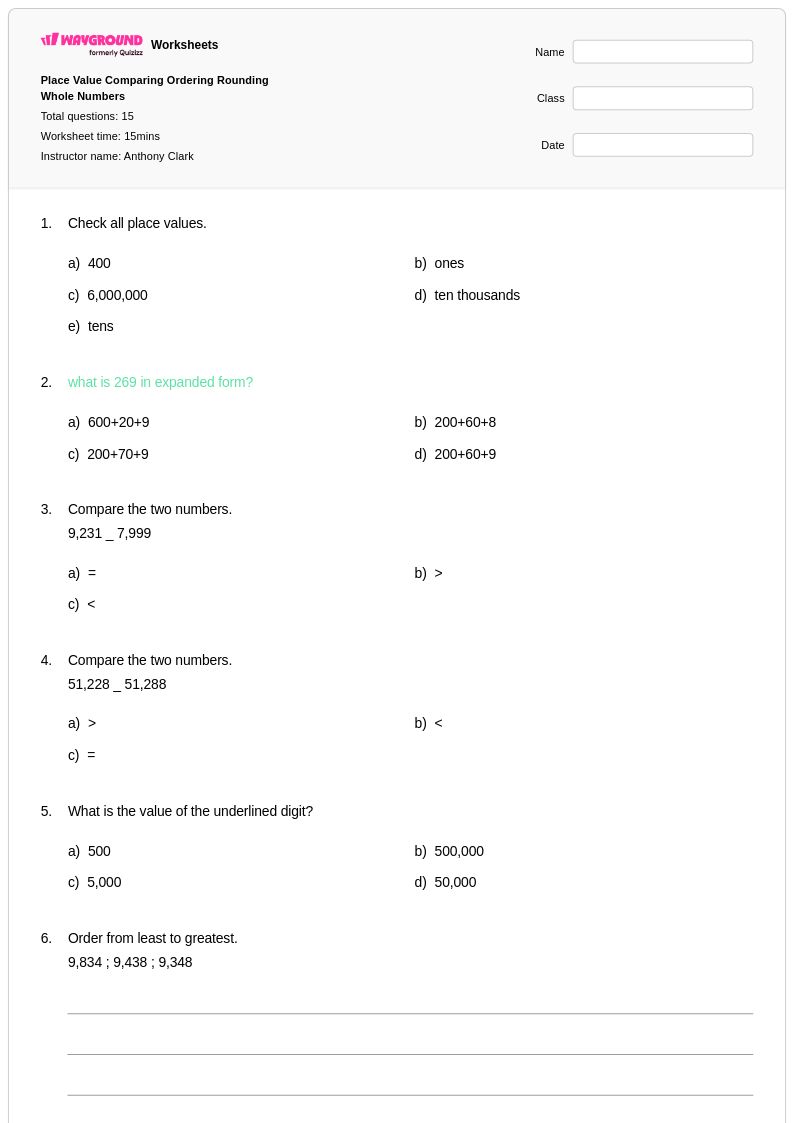
Comparing two-digit numbers worksheets available through Wayground (formerly Quizizz) provide Year 4 students with essential practice in numerical comparison skills that form the foundation of mathematical reasoning. These comprehensive printables focus on developing students' ability to use comparison symbols (greater than, less than, and equal to) while analyzing the place value relationships between tens and ones digits in two-digit numbers. The worksheets strengthen critical thinking skills as students learn to compare numbers systematically, whether arranged in standard form, word form, or within real-world contexts like temperatures, measurements, and quantities. Each free worksheet collection includes detailed answer keys and varied practice problems that reinforce understanding of number relationships, helping students build confidence in their mathematical decision-making abilities.
Wayground (formerly Quizizz) supports educators with an extensive library of millions of teacher-created resources specifically designed for comparing two-digit numbers instruction in Year 4 mathematics. The platform's robust search and filtering capabilities allow teachers to quickly locate worksheets that align with specific learning standards and match their students' diverse skill levels, making differentiation seamless and effective. Teachers can customize these digital and printable pdf materials to address individual learning needs, whether providing additional practice for skill reinforcement, targeted remediation for struggling learners, or enrichment activities for advanced students. The flexible format options enable educators to integrate these comparison worksheets into various instructional settings, from whole-class lessons to independent practice sessions, supporting comprehensive lesson planning and ongoing assessment of student progress in numerical reasoning skills.
FAQs
How do I teach Grade 4 students to compare two-digit numbers?
What exercises help fourth graders practice comparing two-digit numbers?
What mistakes do Grade 4 students make when comparing two-digit numbers?
How can I use a Grade 4 comparing two-digit numbers worksheet on Wayground?
How does two-digit number comparison fit into the Common Core Grade 4 progression?
How can I differentiate comparing two-digit numbers practice in Grade 4?
Is comparing two-digit numbers appropriate for Grade 4?