
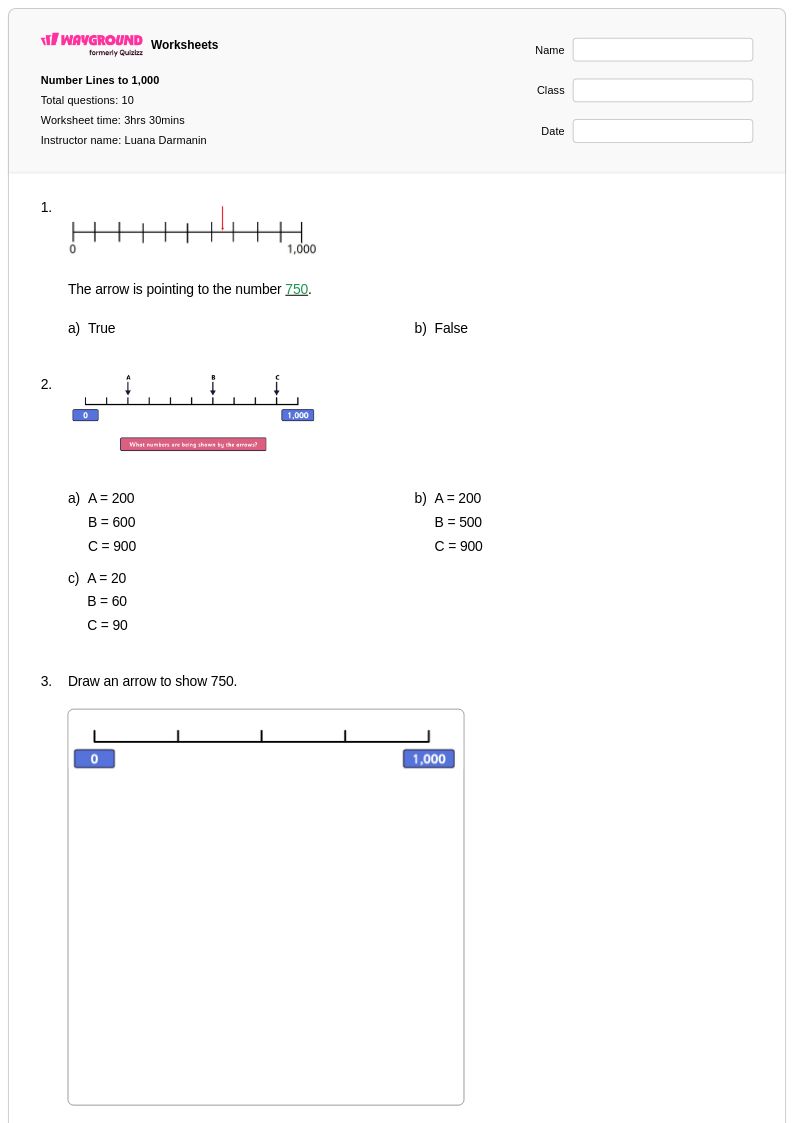
10 Q
4th
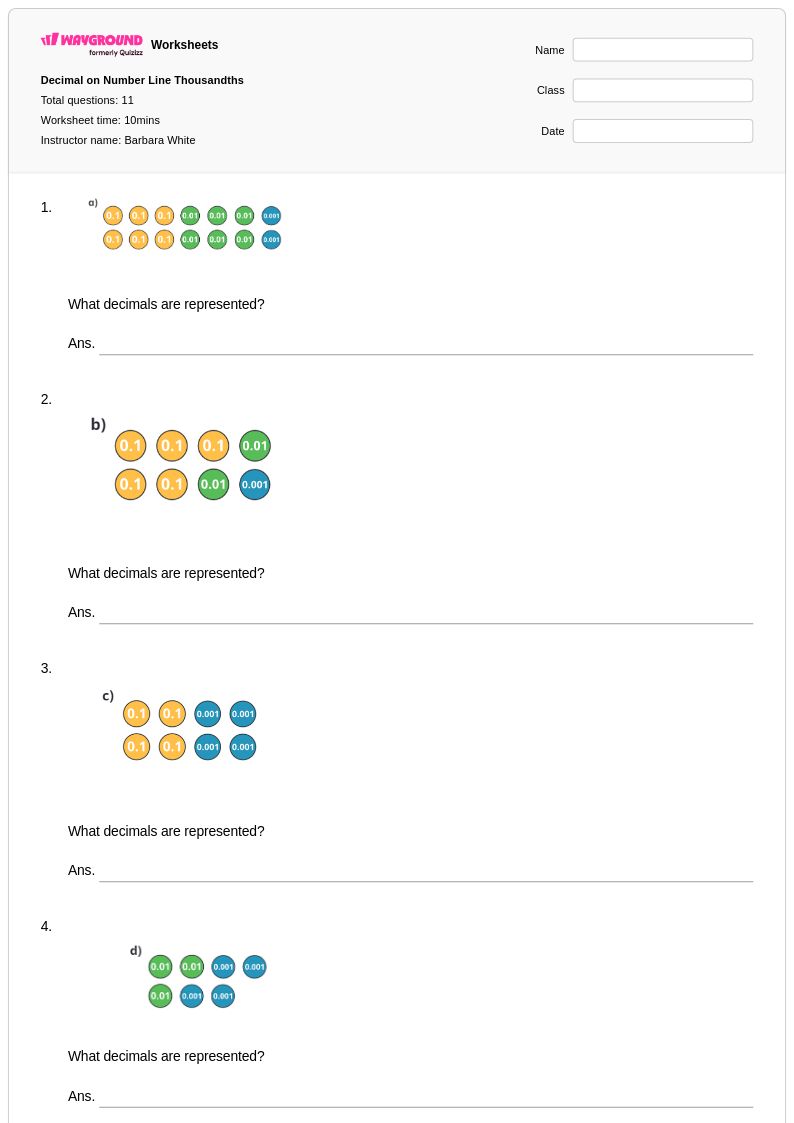
11 Q
4th
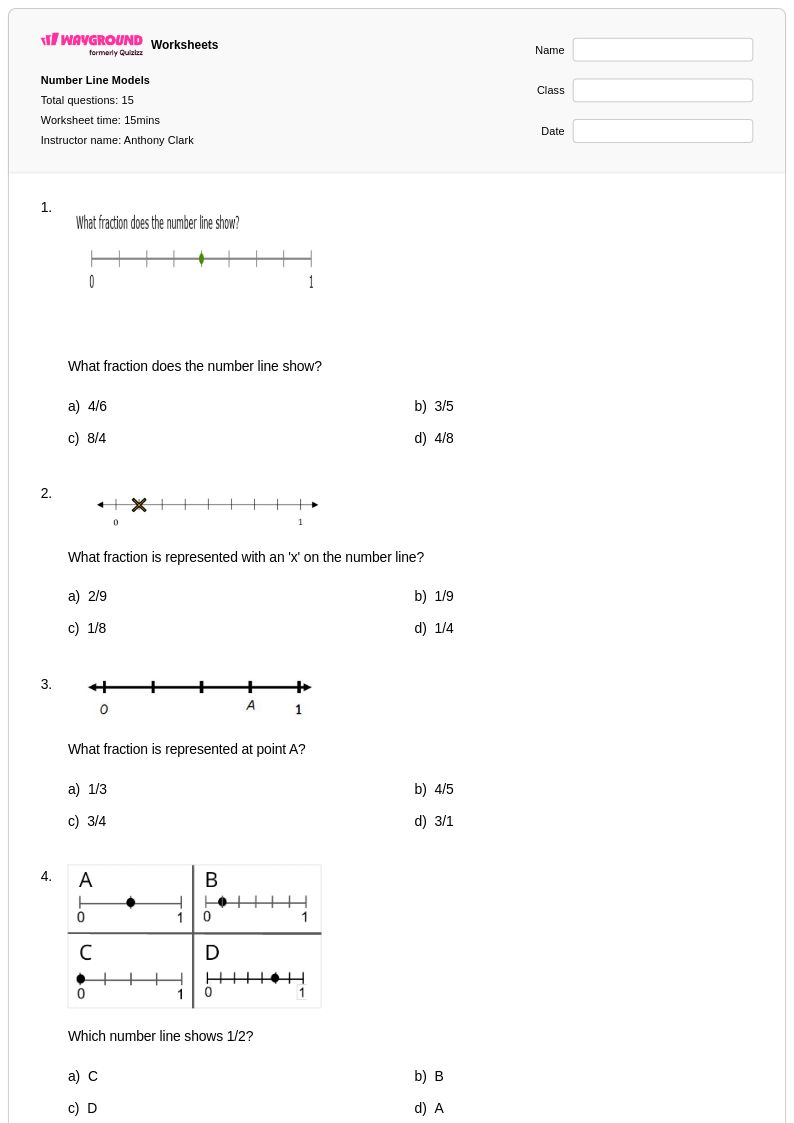
15 Q
3rd - Uni
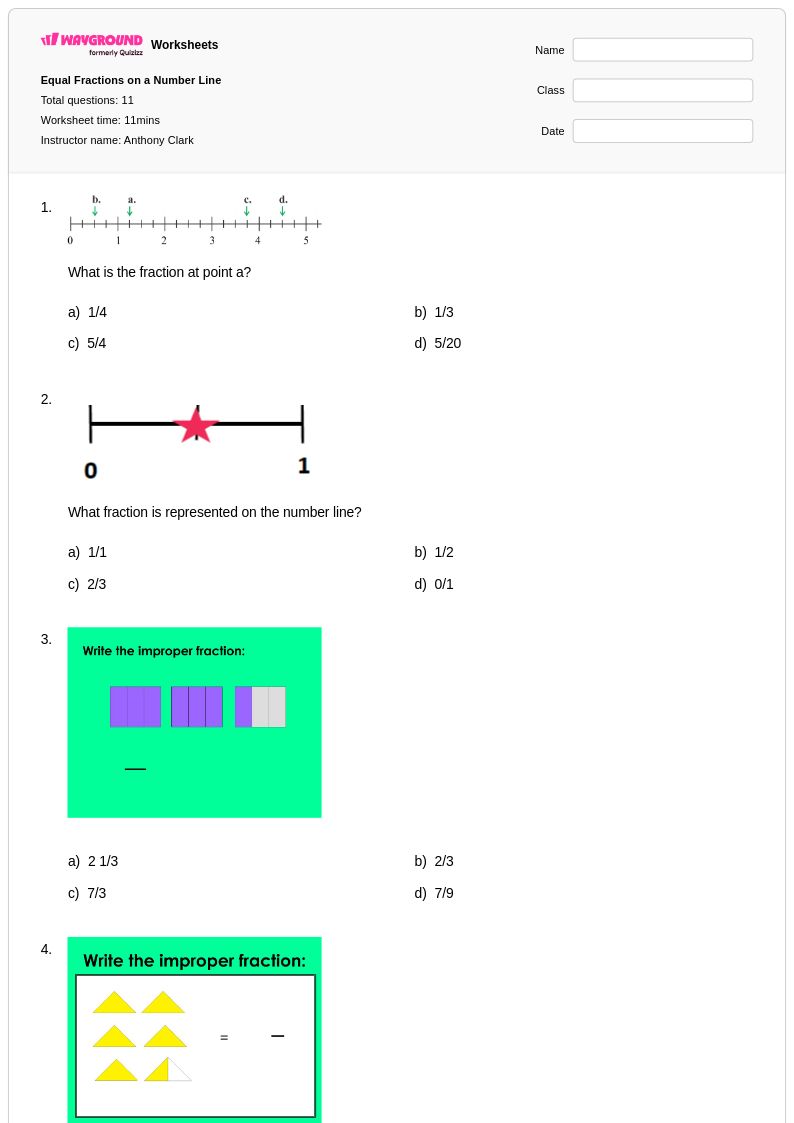
11 Q
3rd - Uni
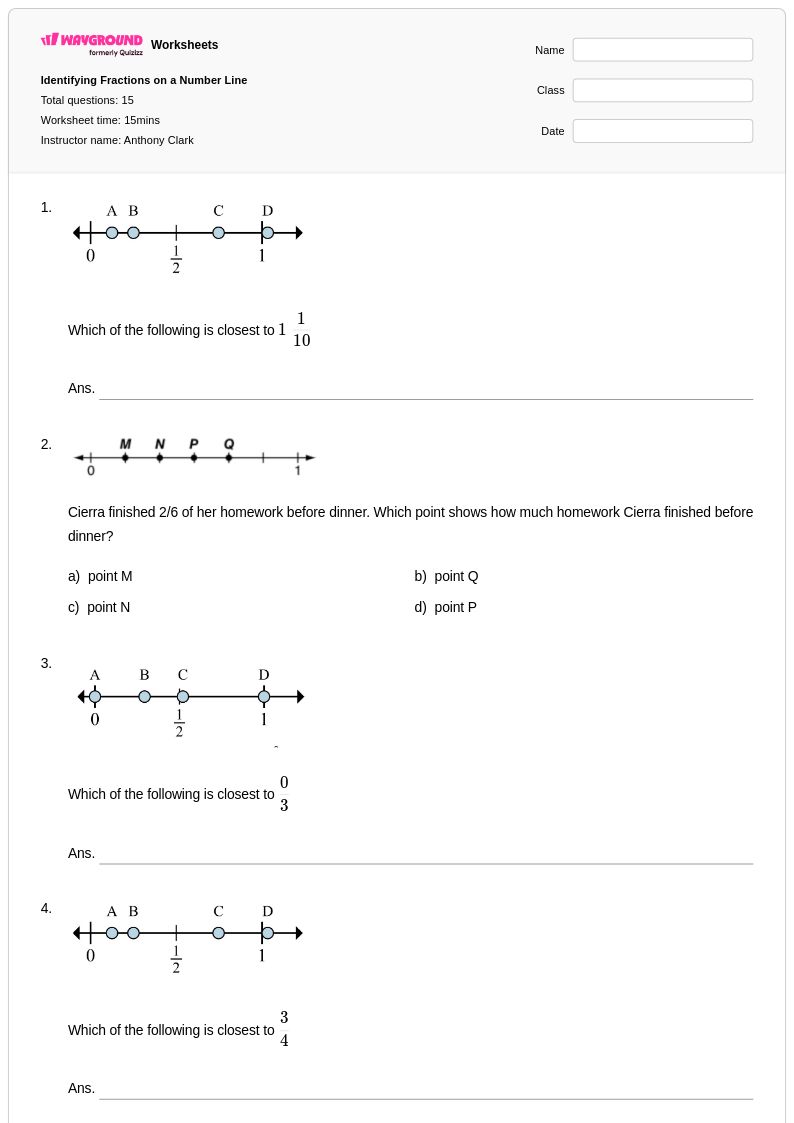
15 Q
3rd - Uni
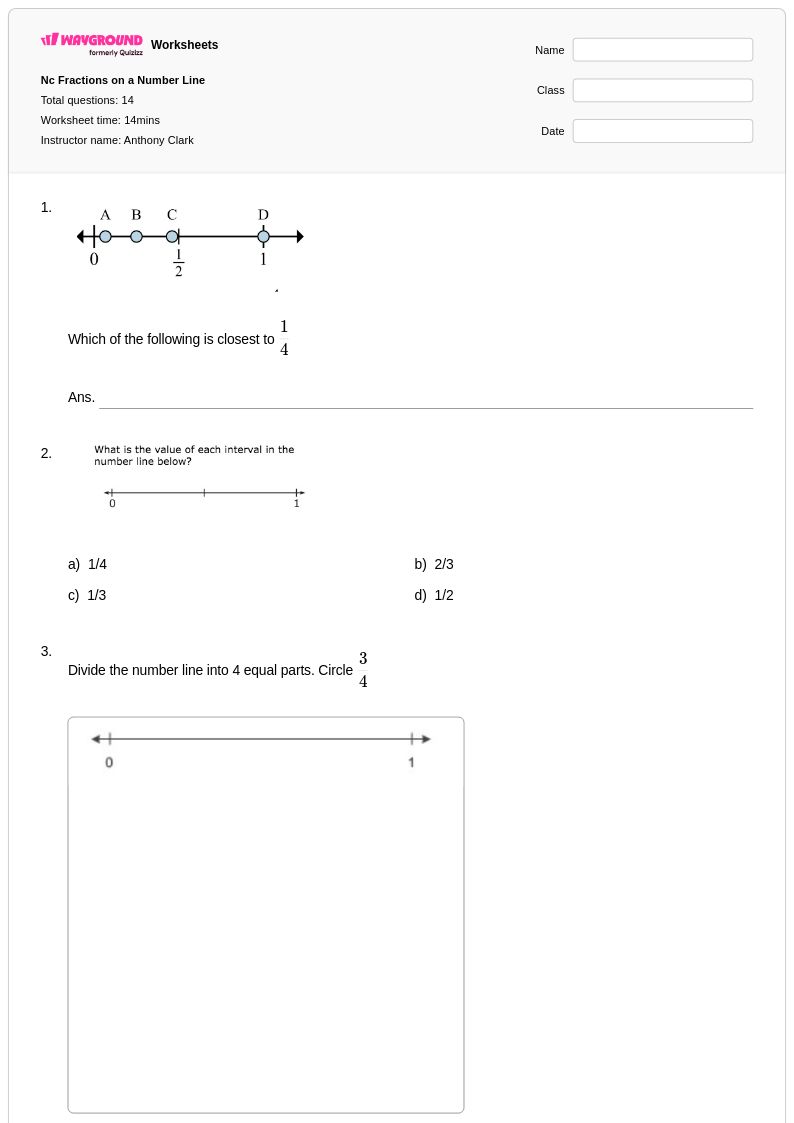
14 Q
3rd - Uni
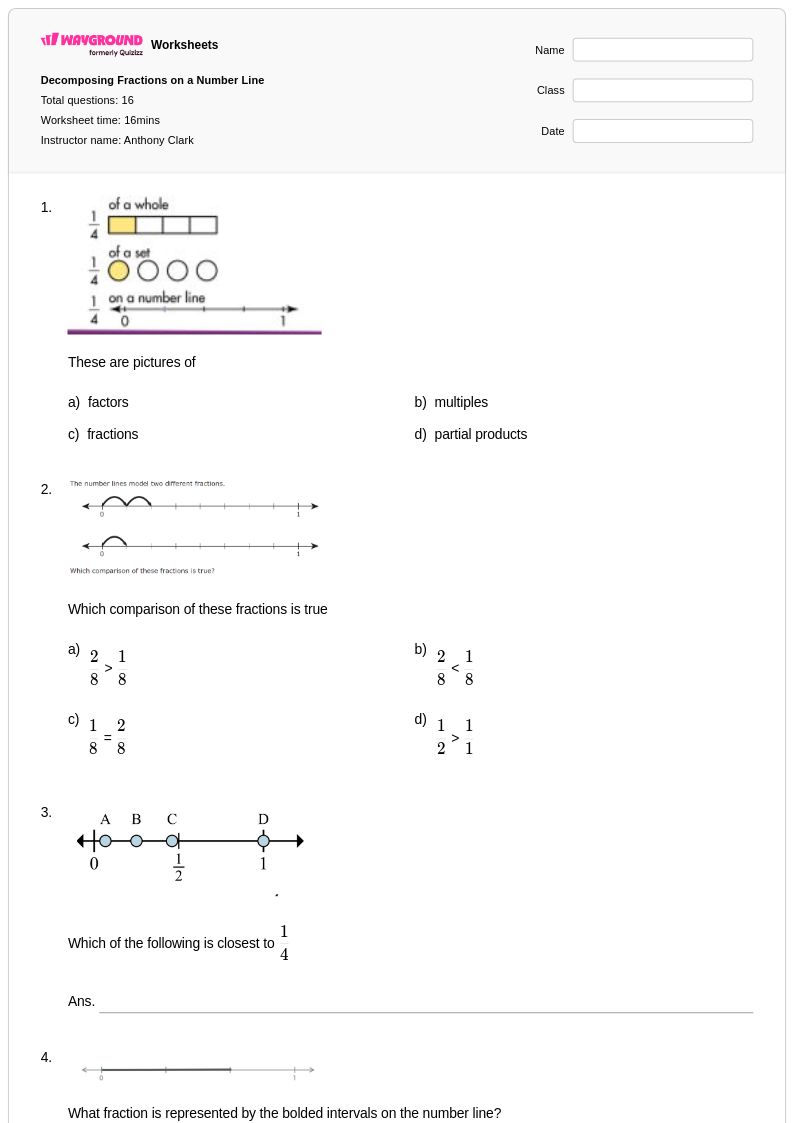
16 Q
3rd - Uni
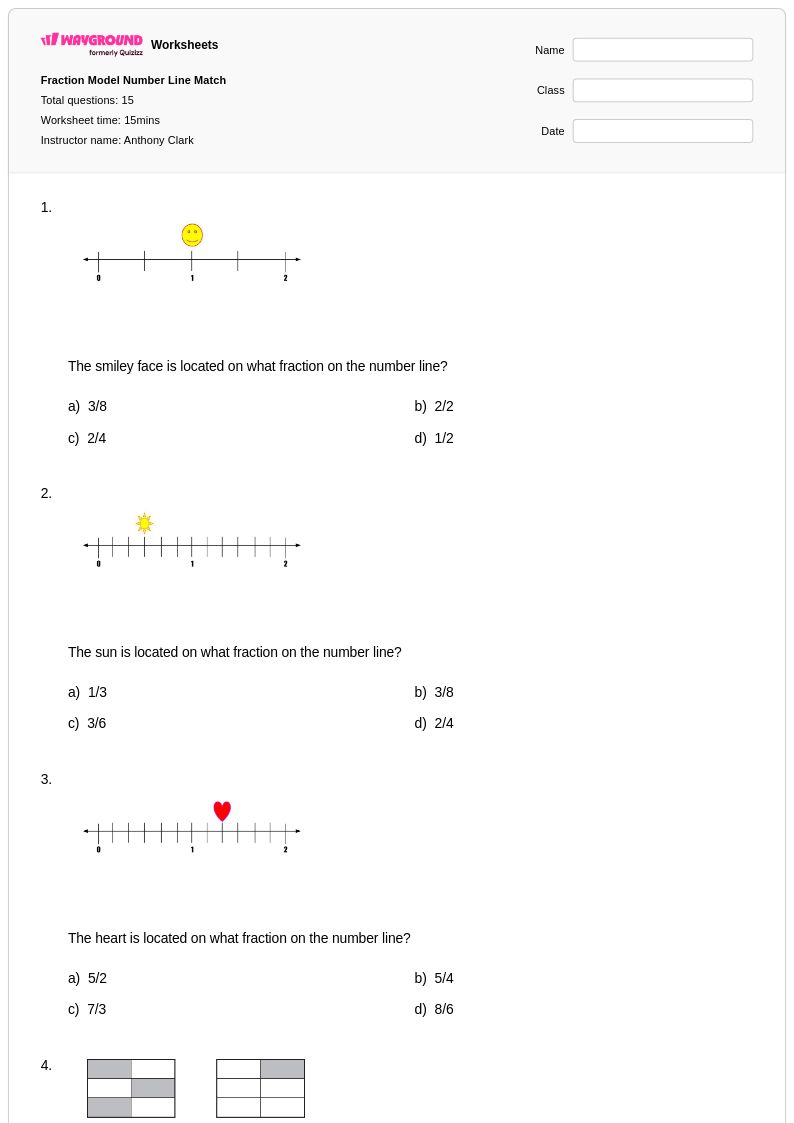
15 Q
3rd - Uni
15 Q
3rd - Uni
16 Q
4th - Uni
14 Q
4th - Uni
15 Q
4th - Uni
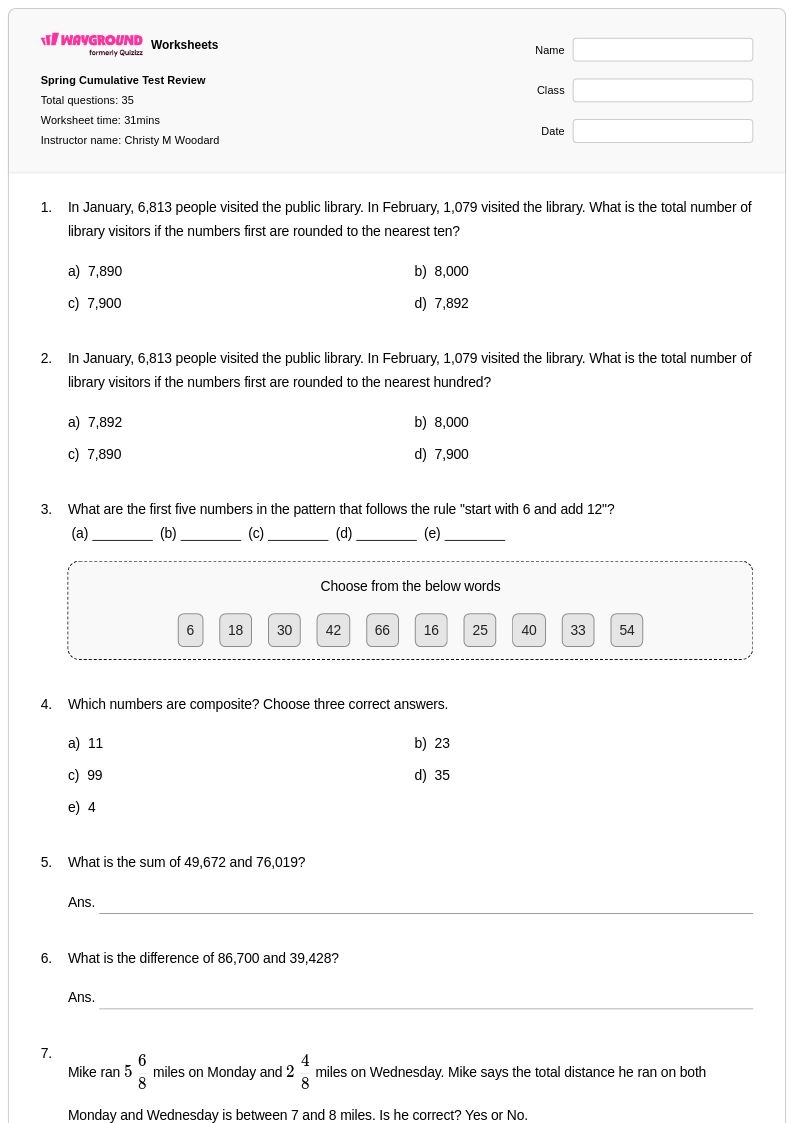
36 Q
4th
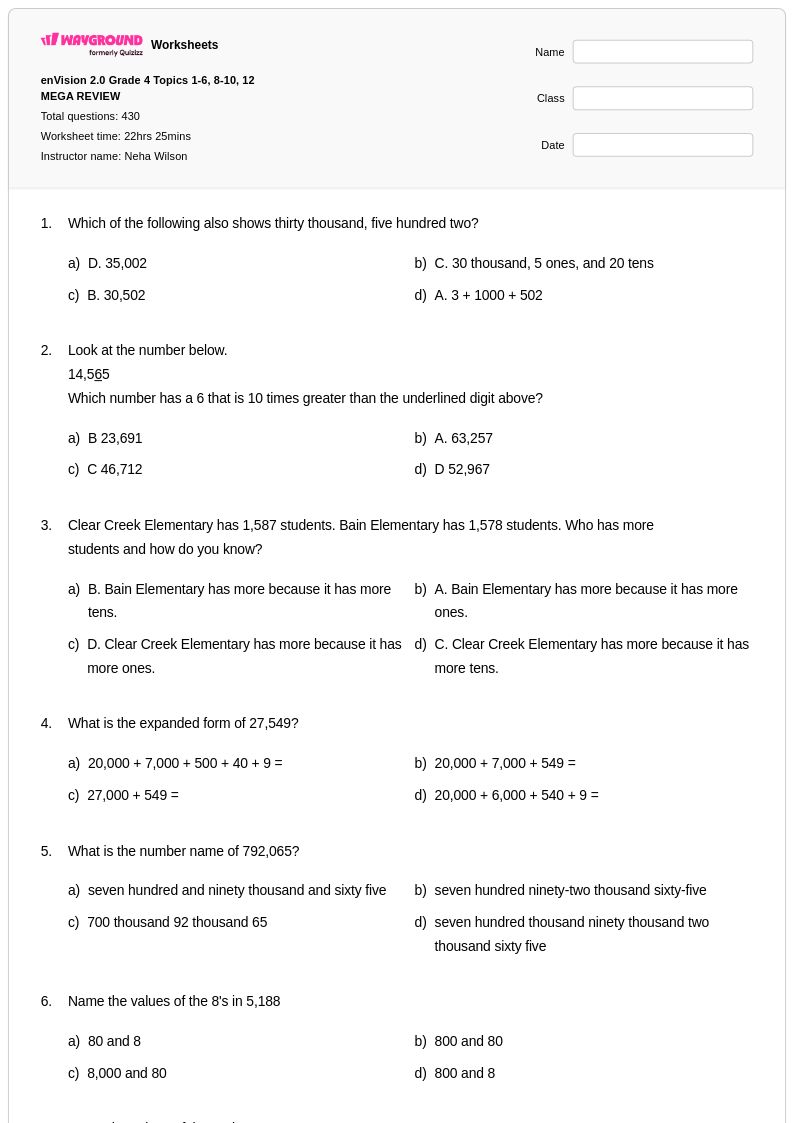
430 Q
4th
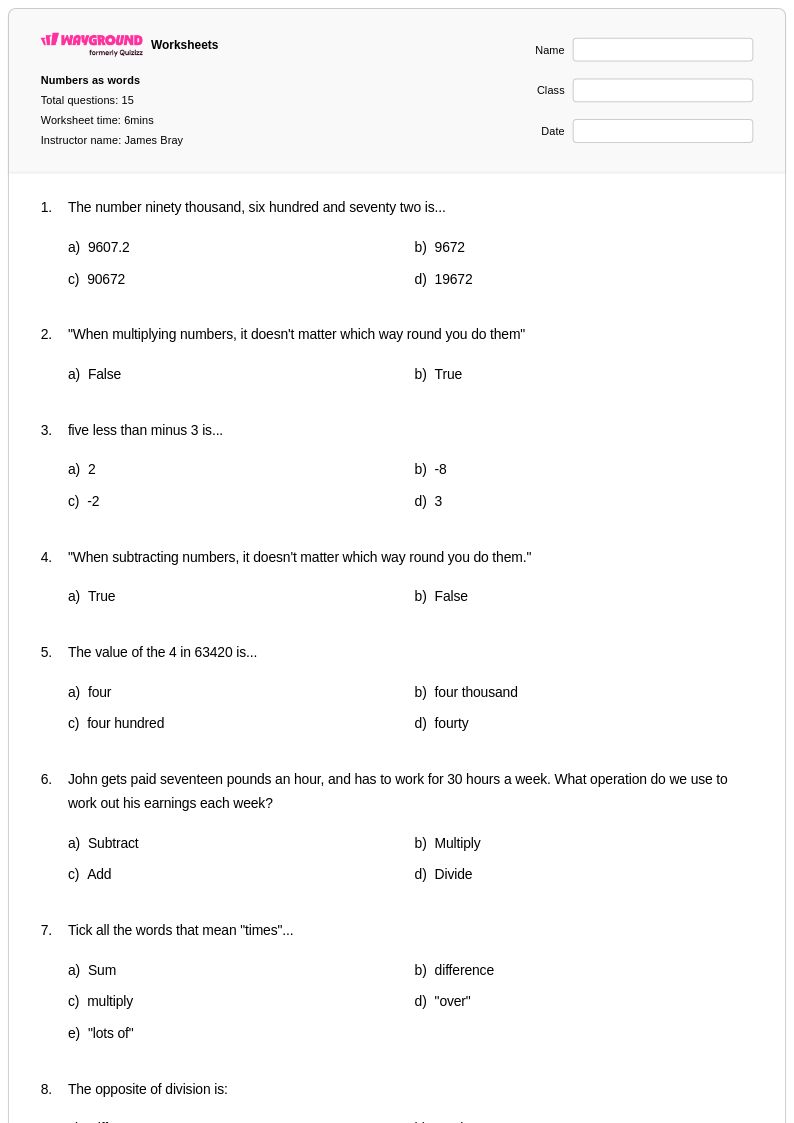
15 Q
3rd - 5th
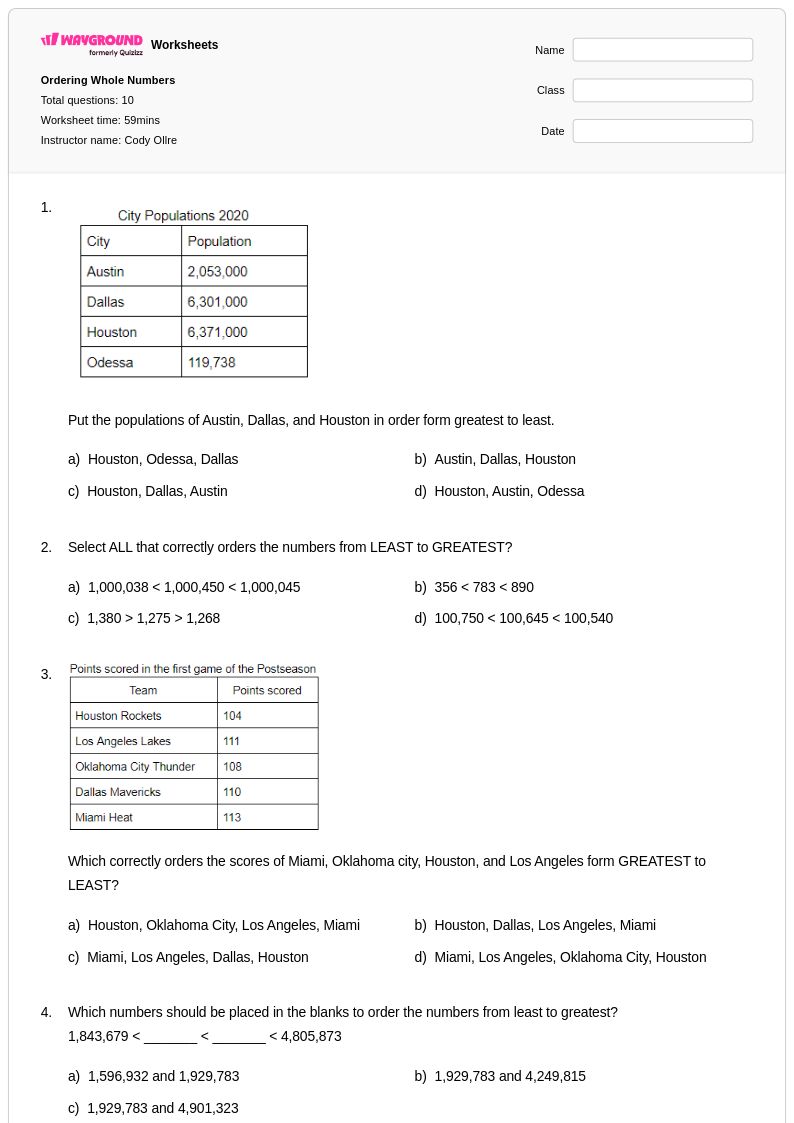
10 Q
4th
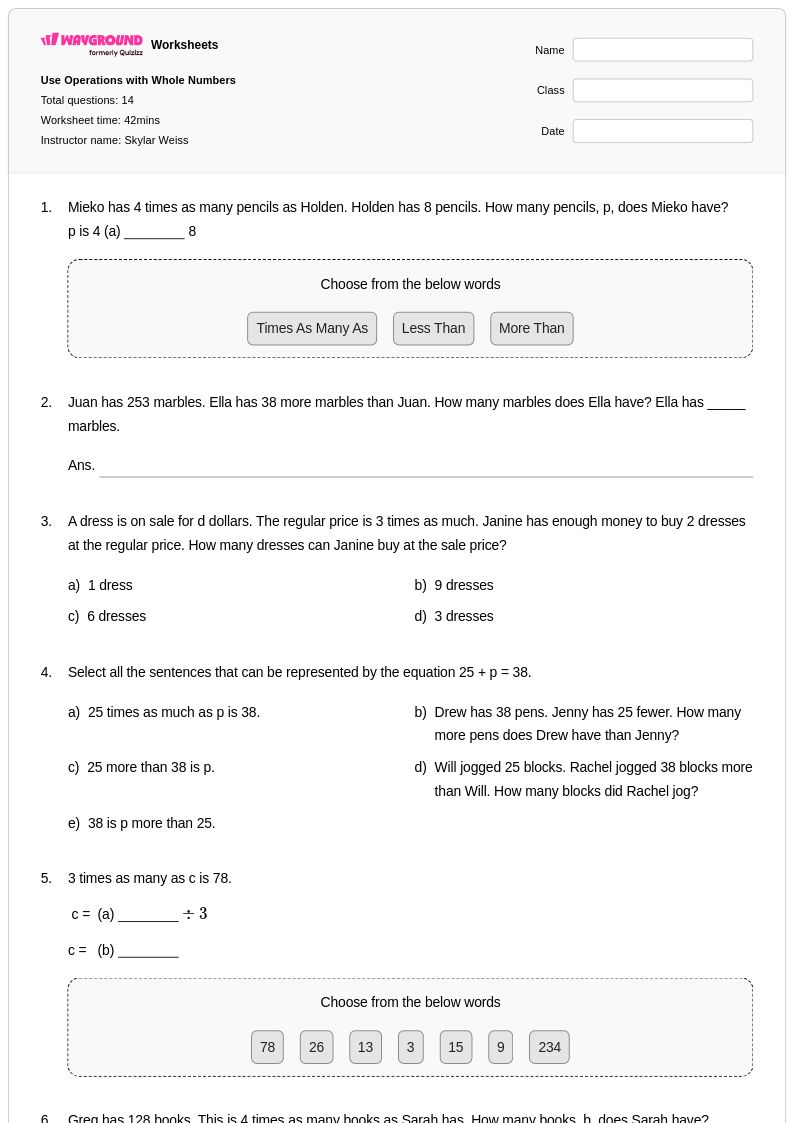
14 Q
4th
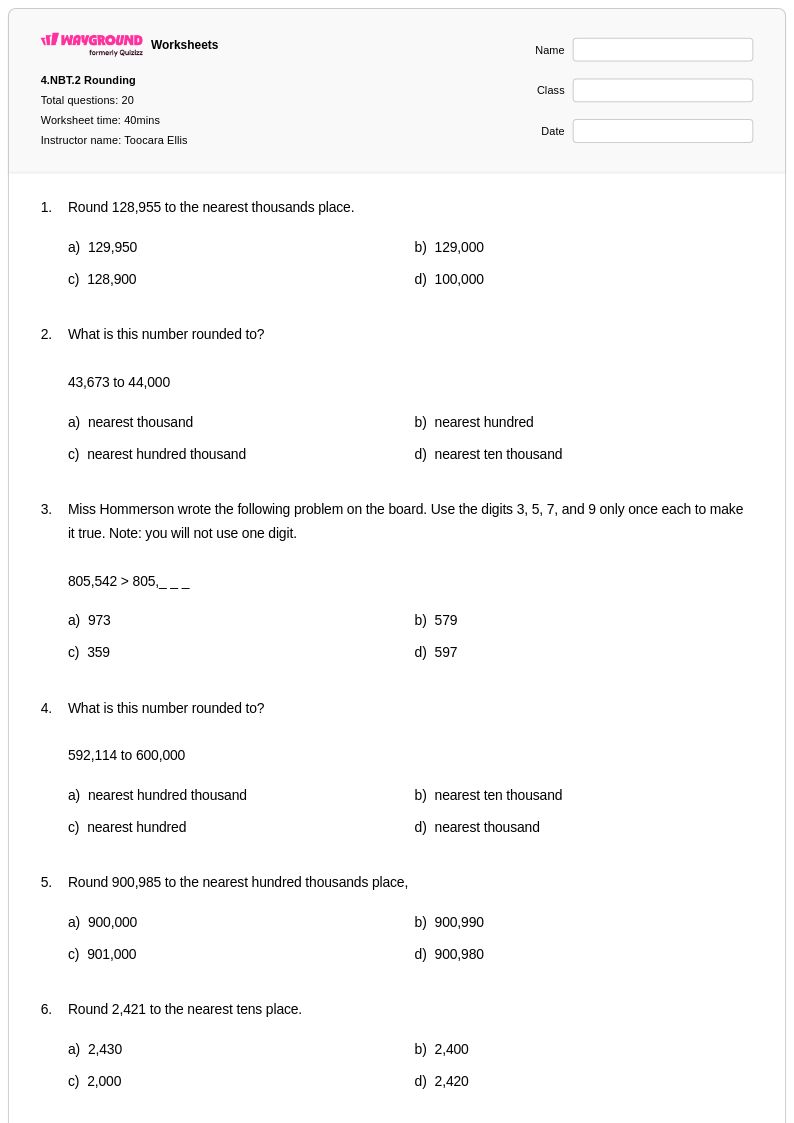
20 Q
4th
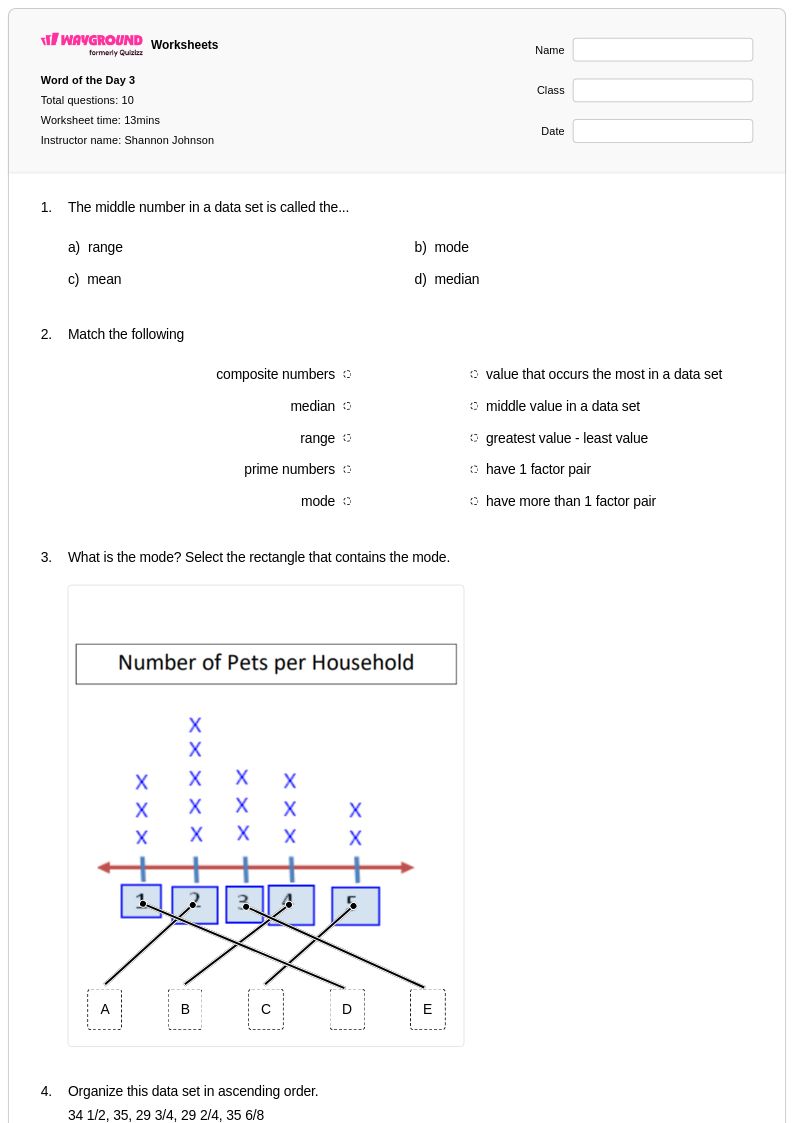
10 Q
4th
26 Q
4th
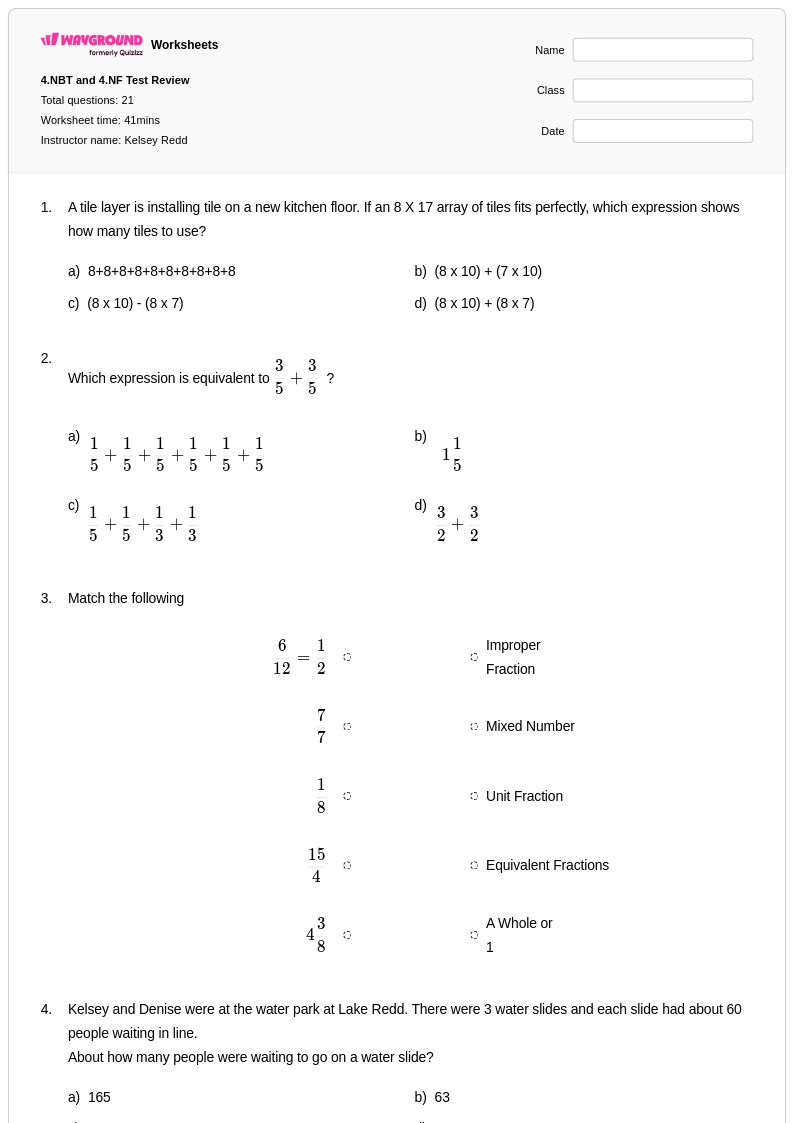
21 Q
4th
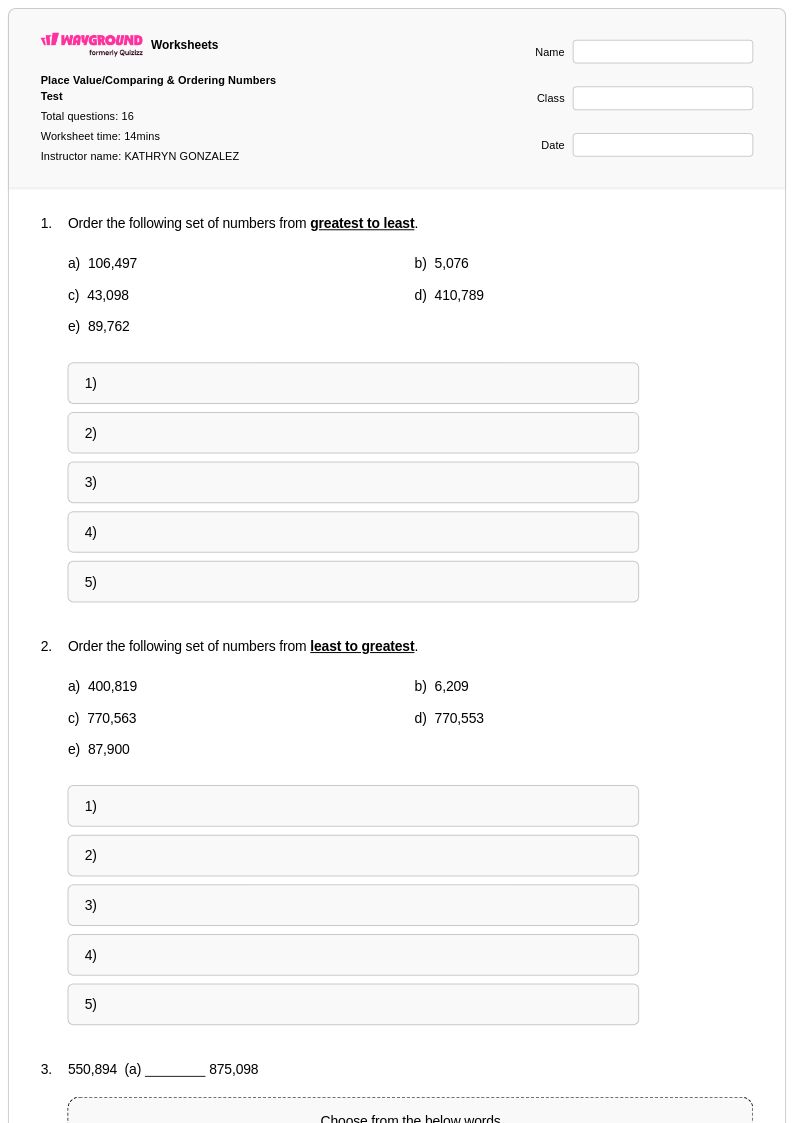
16 Q
4th
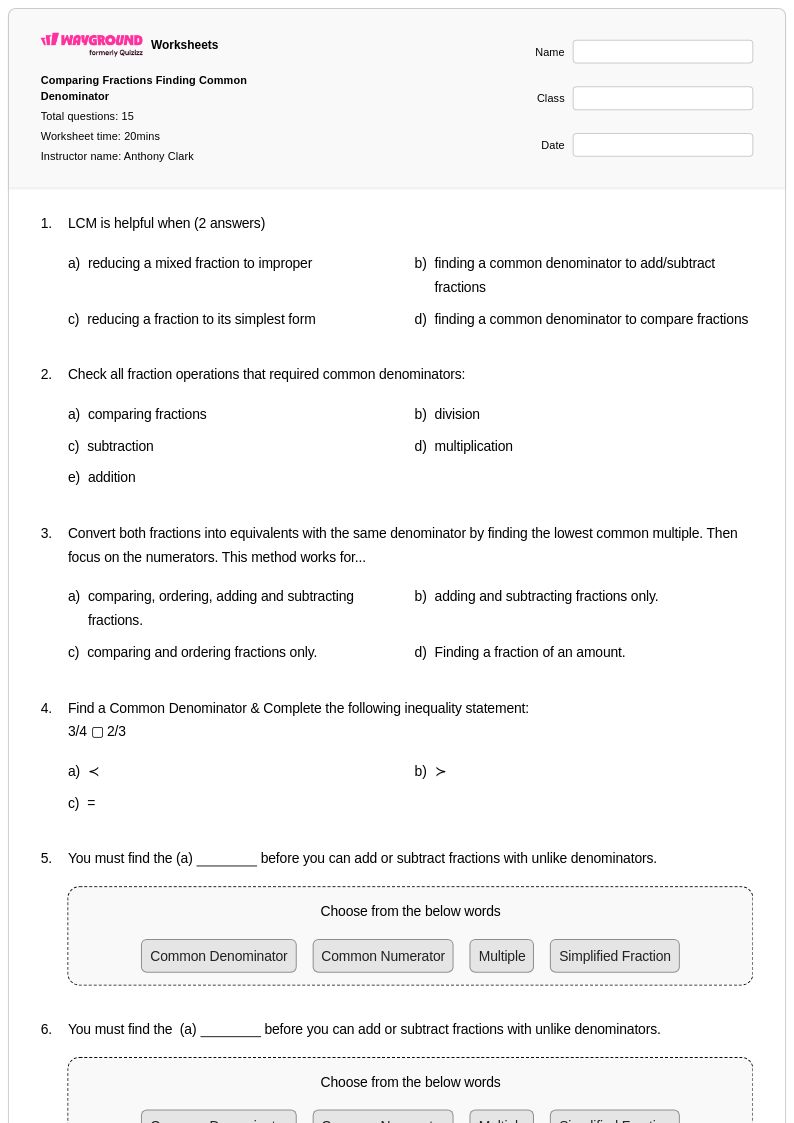
20 Q
4th - Uni
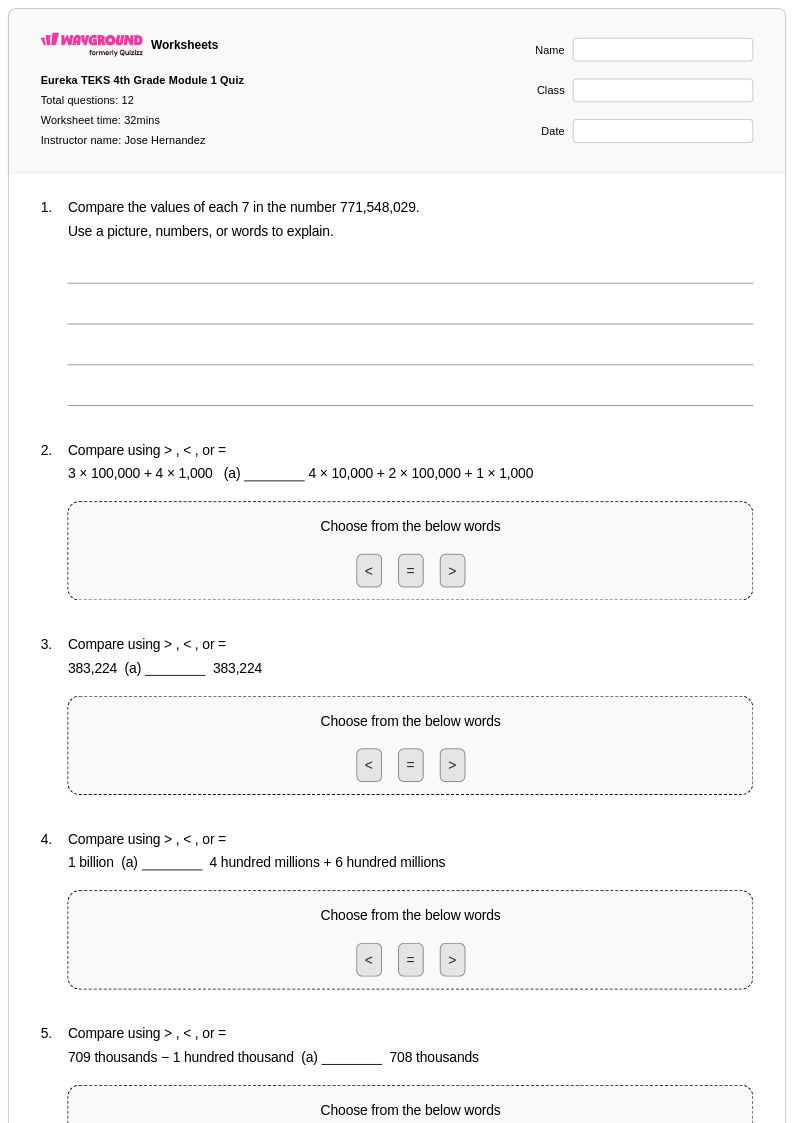
12 Q
4th
Explore Finding Missing Numbers on a Number Line Worksheets by Grades
Explore Other Subject Worksheets for year 4
Explore printable Finding Missing Numbers on a Number Line worksheets for Year 4
Finding missing numbers on a number line represents a fundamental Year 4 mathematics skill that bridges concrete counting concepts with abstract numerical reasoning. Wayground's comprehensive collection of worksheets focuses specifically on this critical subtopic, providing students with systematic practice in identifying patterns, understanding numerical sequences, and developing spatial number sense. These carefully designed practice problems guide fourth graders through various number line scenarios, from simple consecutive integers to more complex skip-counting patterns and decimal sequences. Each worksheet includes a detailed answer key and is available as a free printable pdf, allowing teachers to seamlessly integrate these resources into classroom instruction, homework assignments, or assessment activities that strengthen students' ability to visualize numbers in linear space.
Wayground, formerly Quizizz, empowers educators with millions of teacher-created resources specifically designed to support Year 4 number sense instruction through robust search and filtering capabilities that make finding the perfect missing number worksheets effortless. The platform's standards-aligned content ensures that each worksheet collection meets curriculum requirements while offering powerful differentiation tools that allow teachers to customize difficulty levels, number ranges, and problem types to match individual student needs. Available in both printable pdf format and interactive digital versions, these flexible resources support diverse teaching approaches and learning environments, making them invaluable for lesson planning, targeted remediation sessions, enrichment activities, and regular skill practice that builds mathematical confidence and computational fluency in elementary learners.
FAQs
How do I teach fourth graders to find missing numbers on a number line?
What exercises help Grade 4 students practice missing numbers on a number line?
What mistakes do students make when finding missing numbers on a number line?
How can I use these Grade 4 number line worksheets in class?
How does finding missing numbers on a number line fit into the Grade 4 Common Core math progression?
How can I differentiate missing-number number line practice?
What grade do students learn to find missing numbers on a number line?