Free Printable Biology Lab Techniques Worksheets for Class 9
Class 9 Biology Lab Techniques worksheets from Wayground provide free printable PDFs with practice problems and answer keys to help students master essential laboratory skills and scientific methodology.
Explore printable Biology Lab Techniques worksheets for Class 9
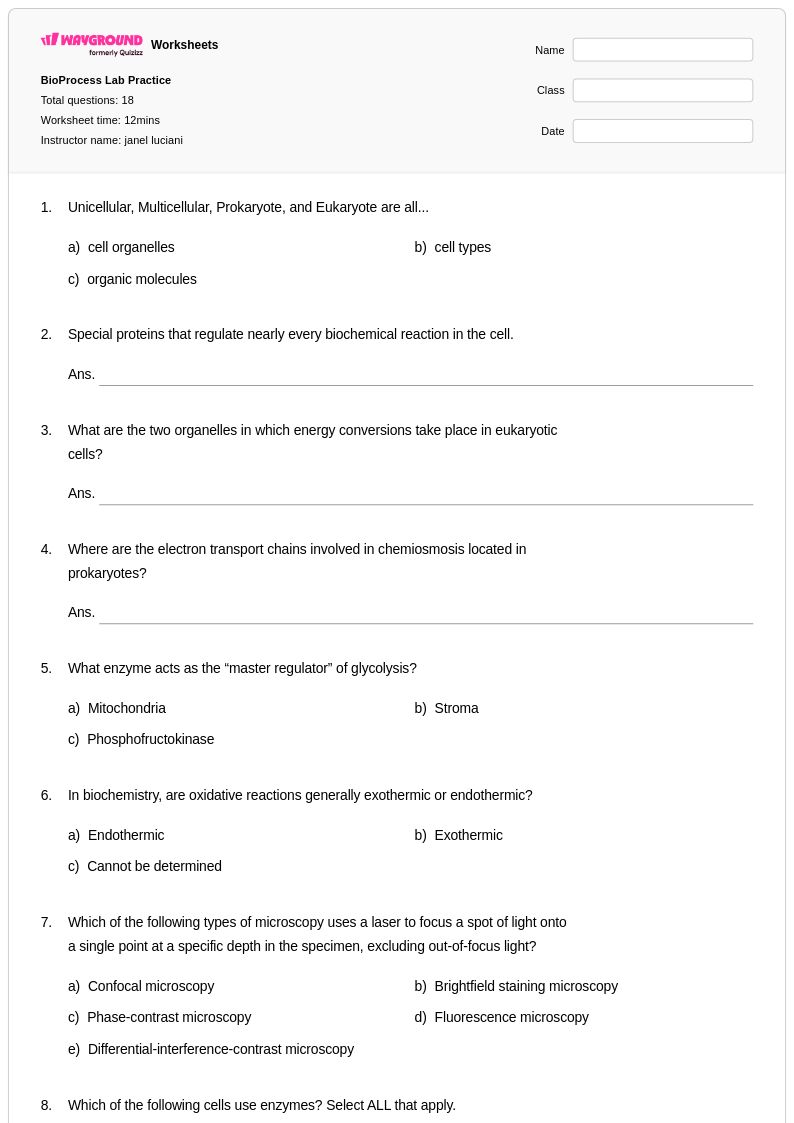
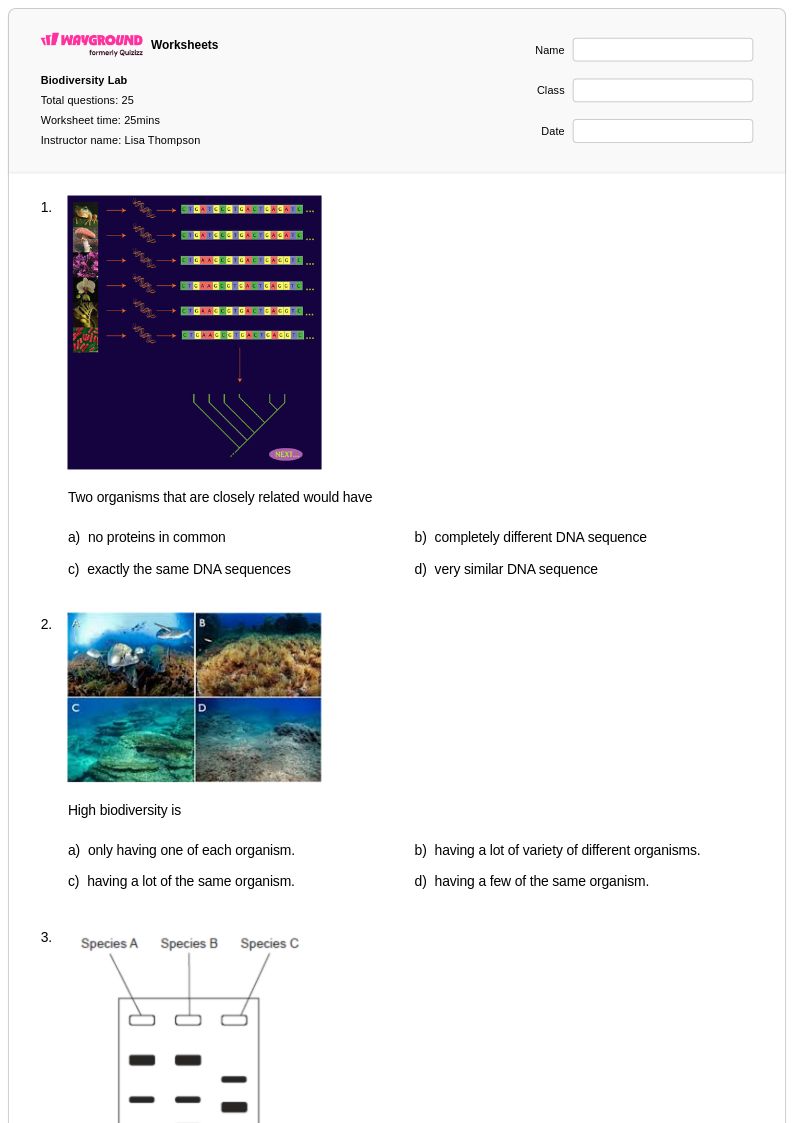
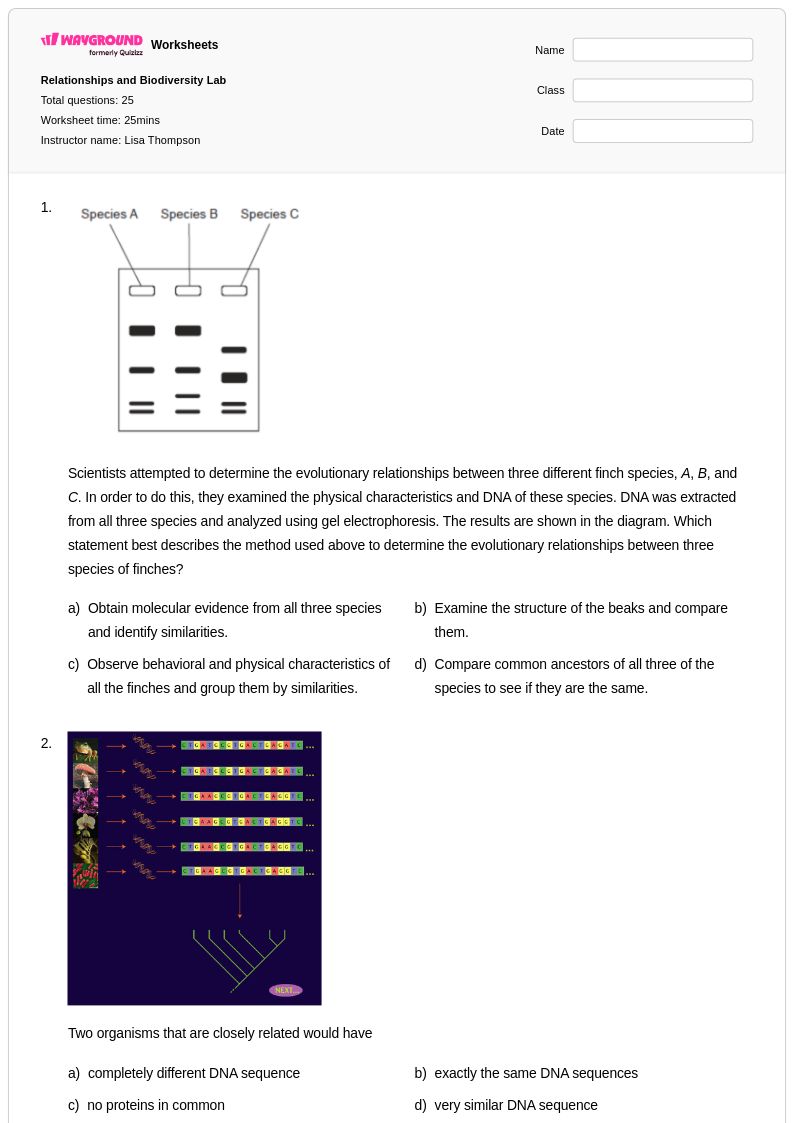
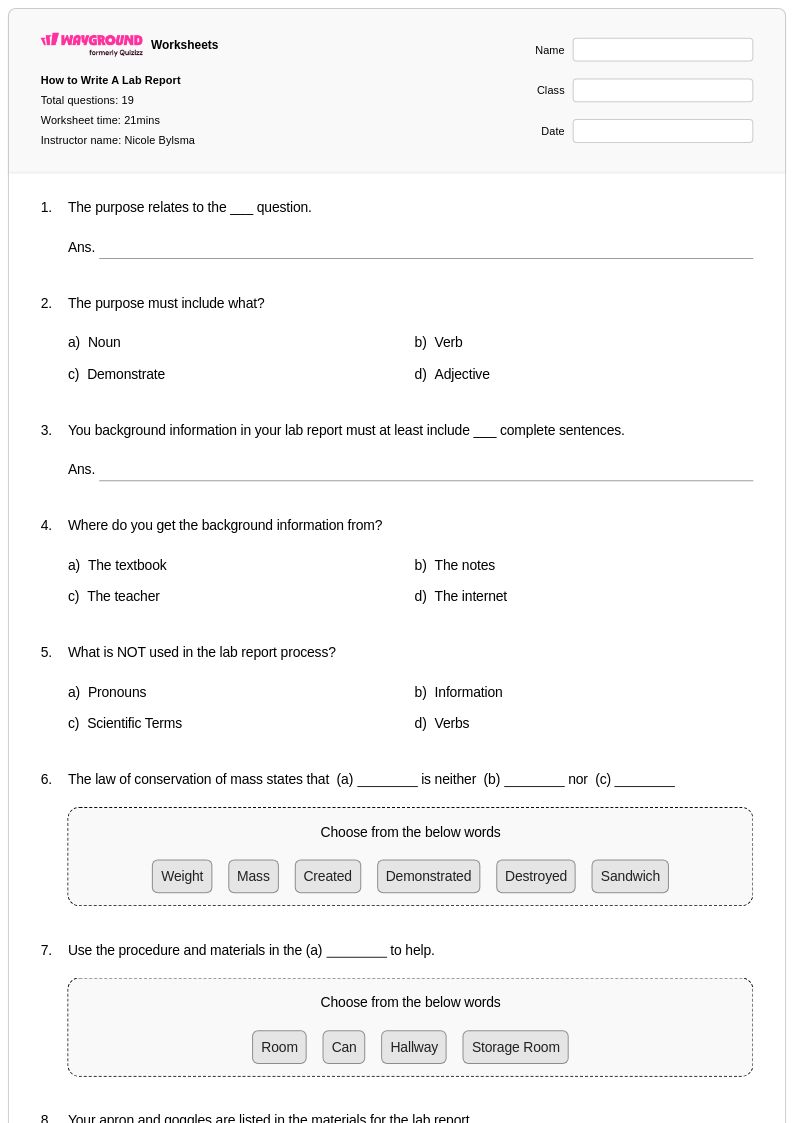
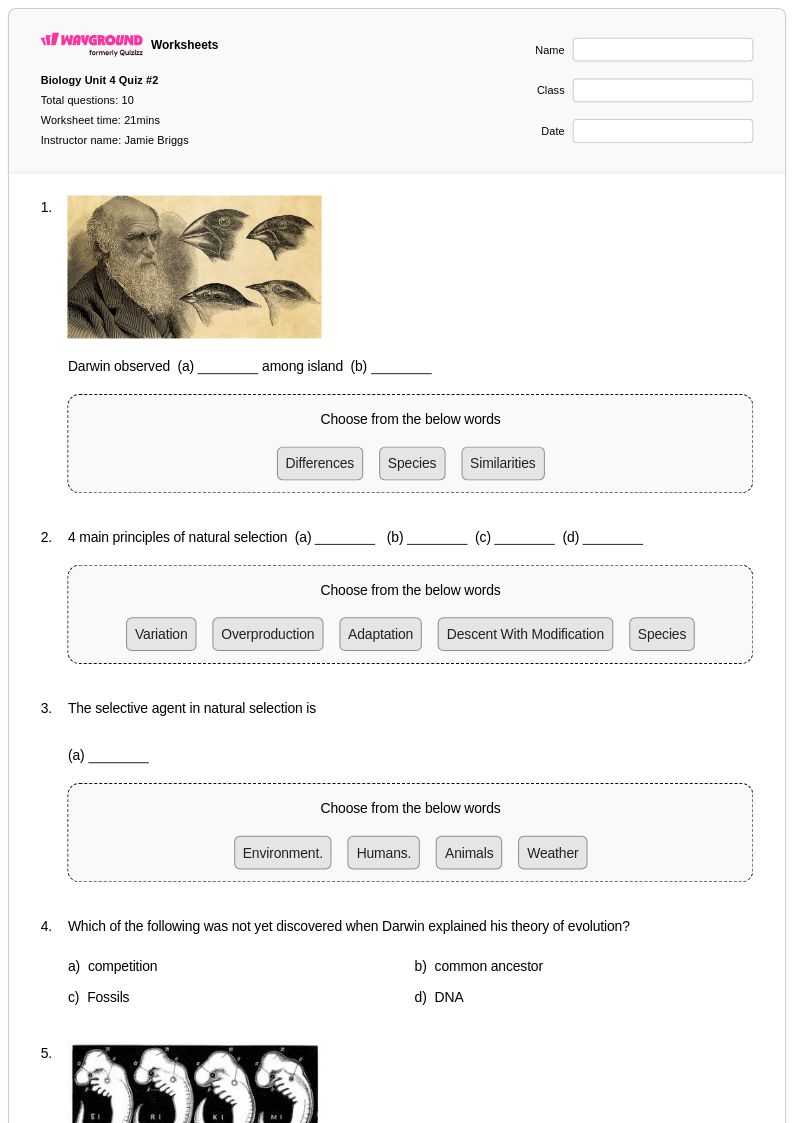
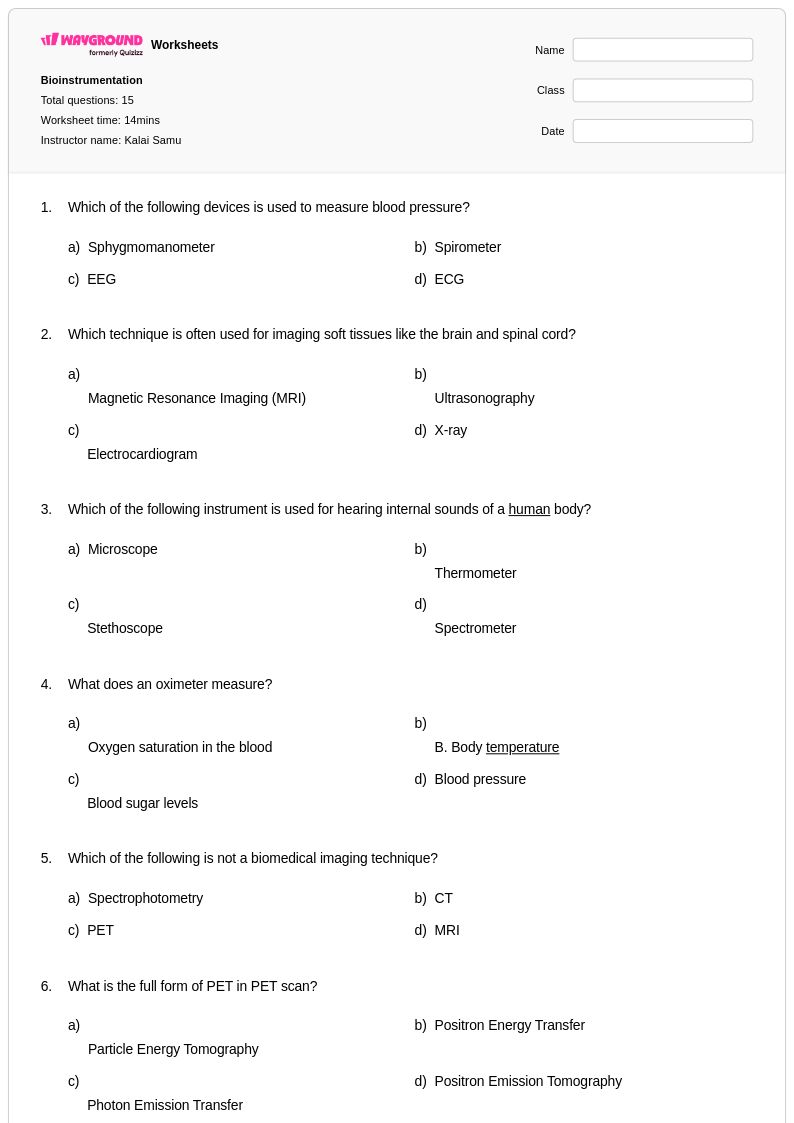
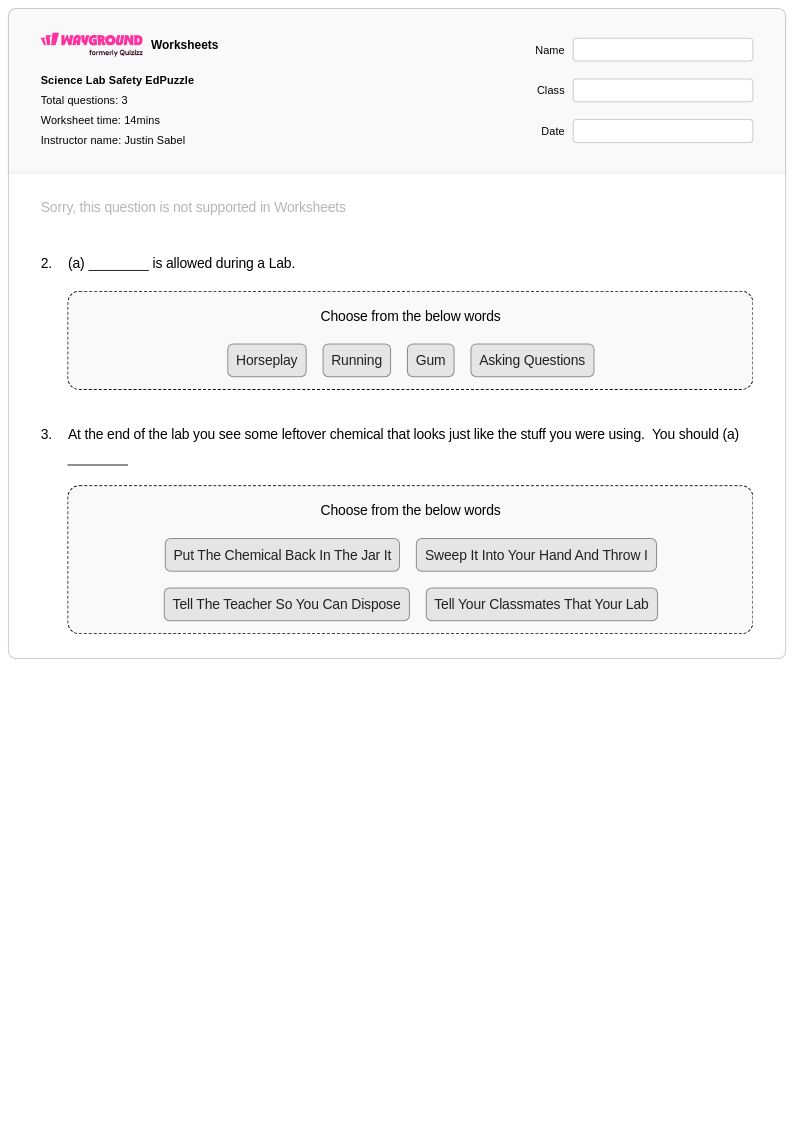
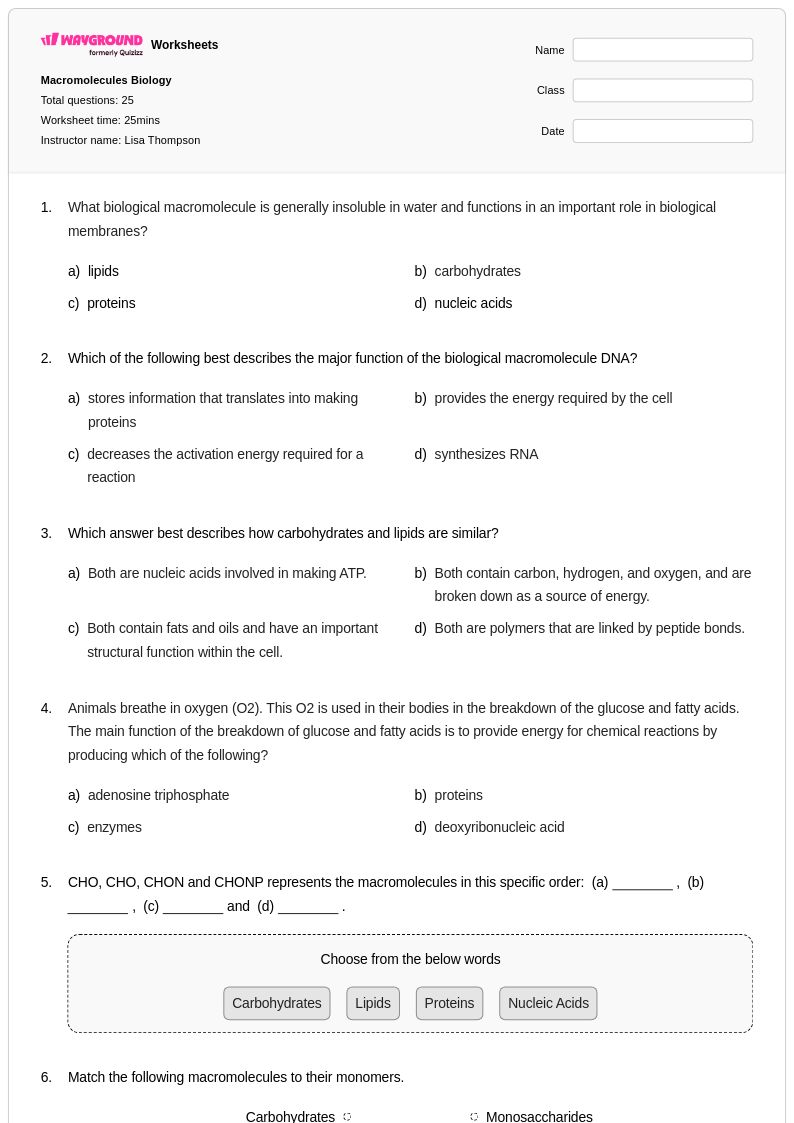
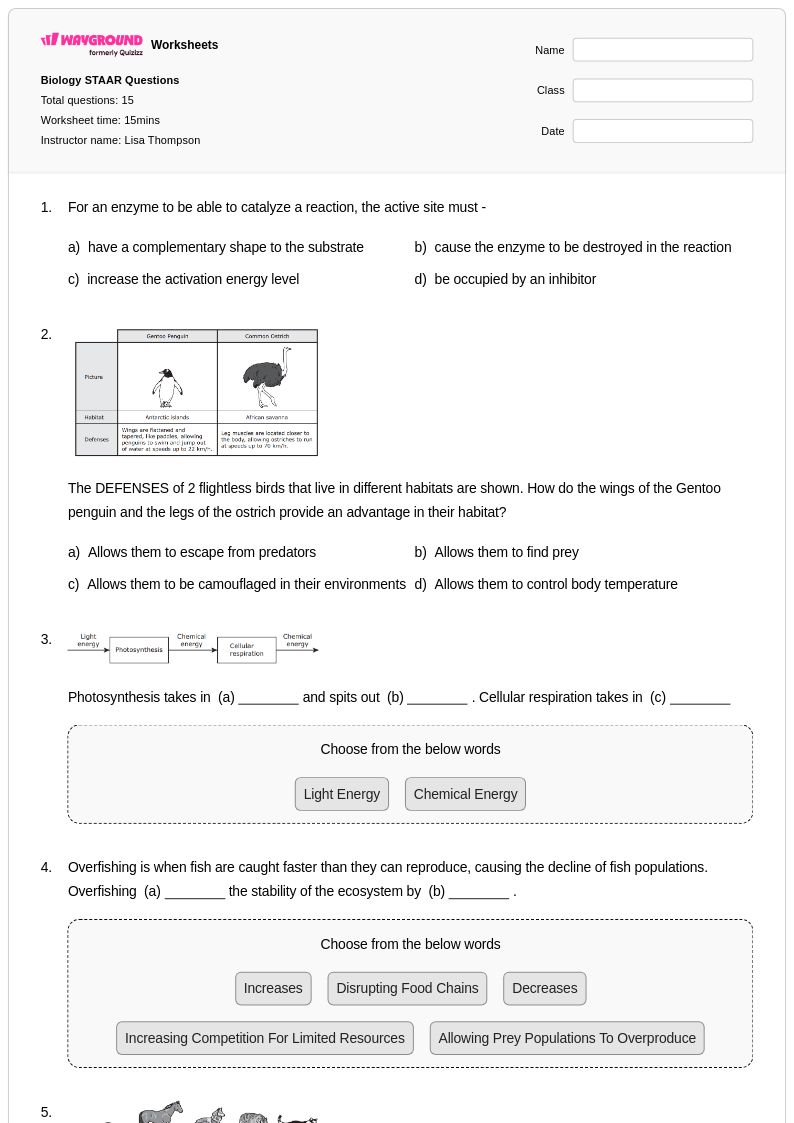
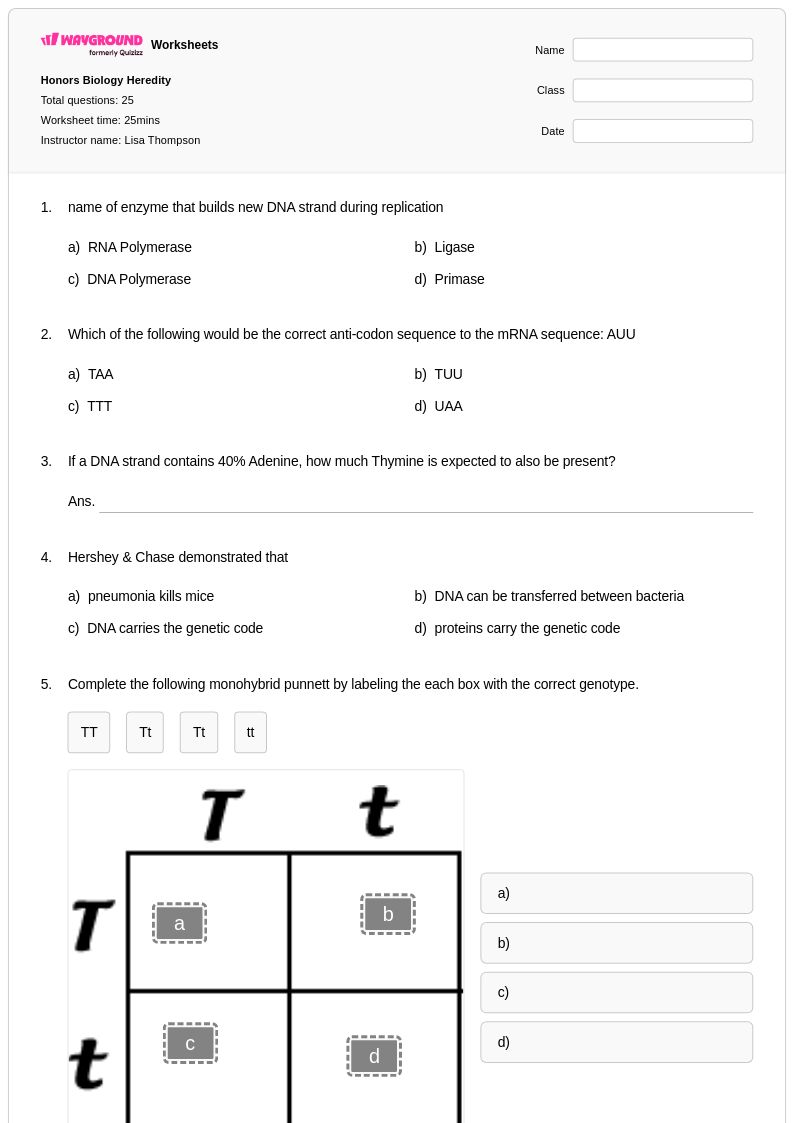
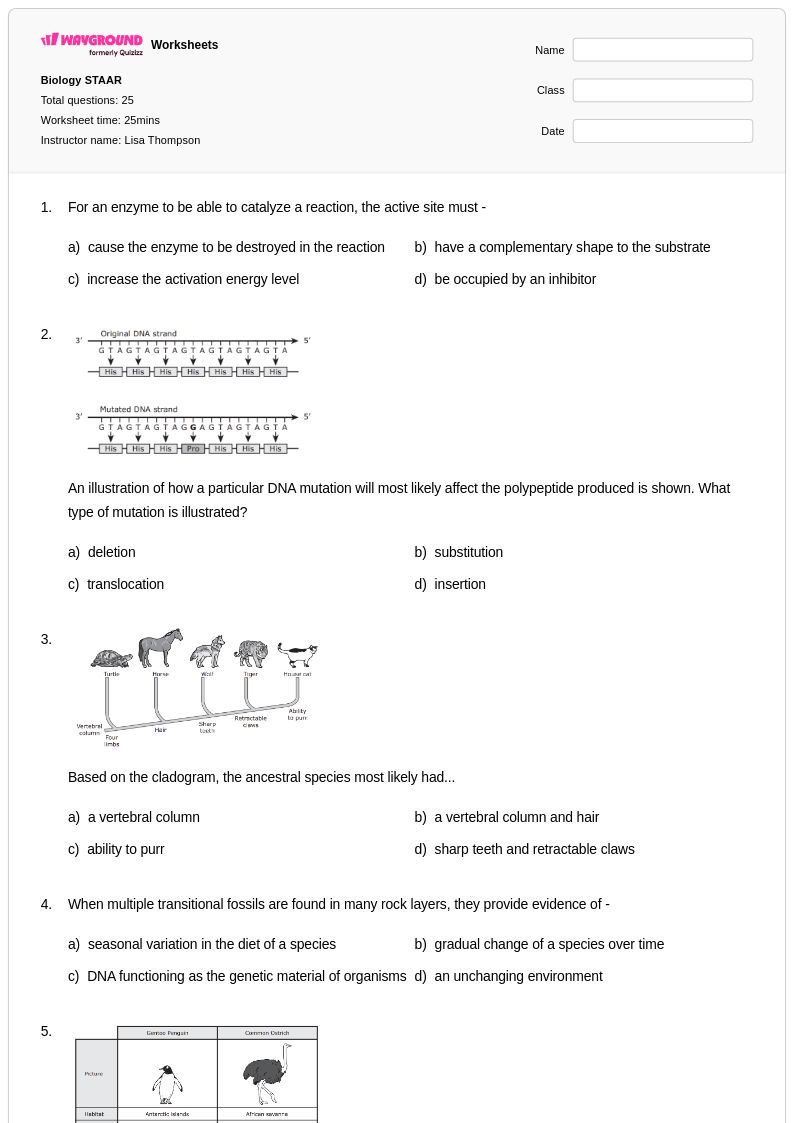
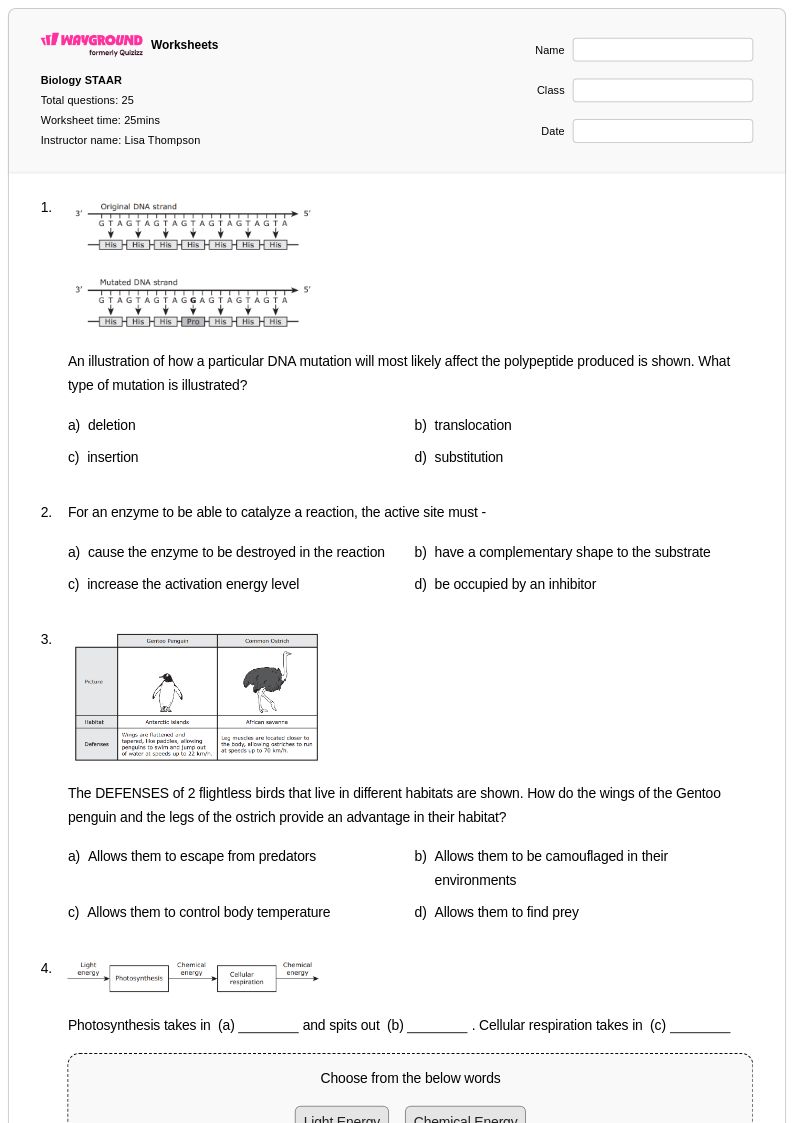
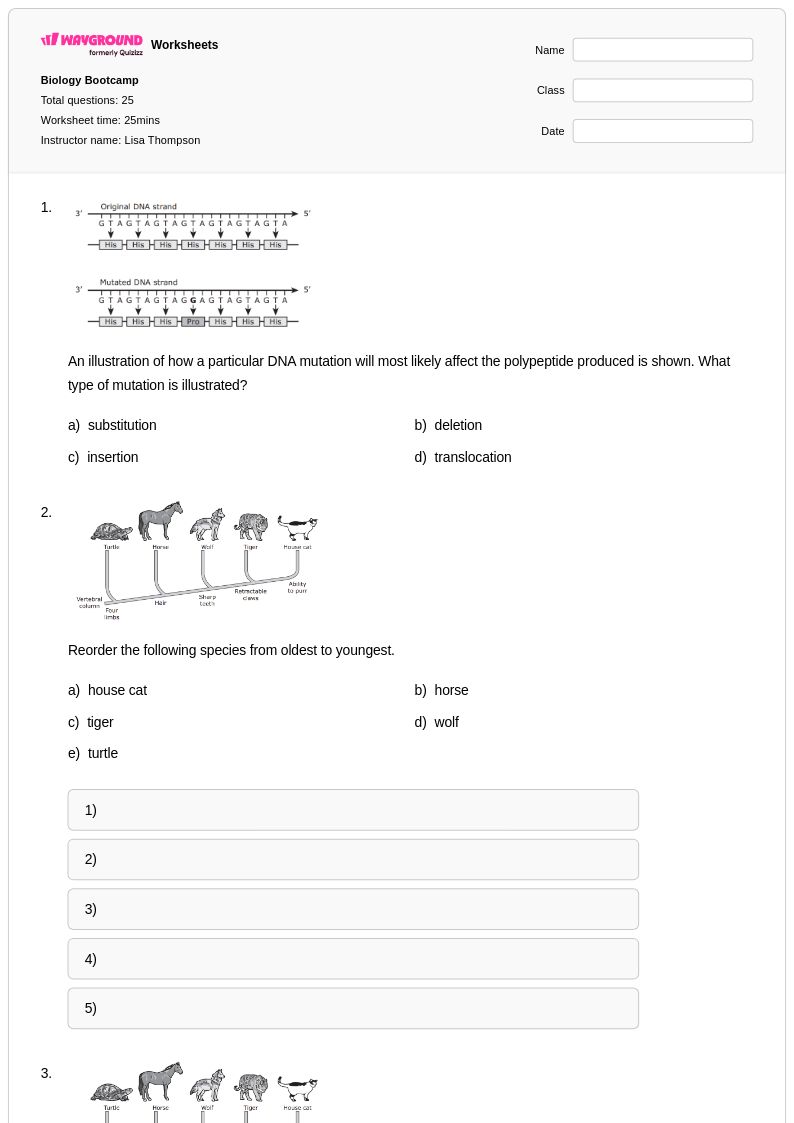
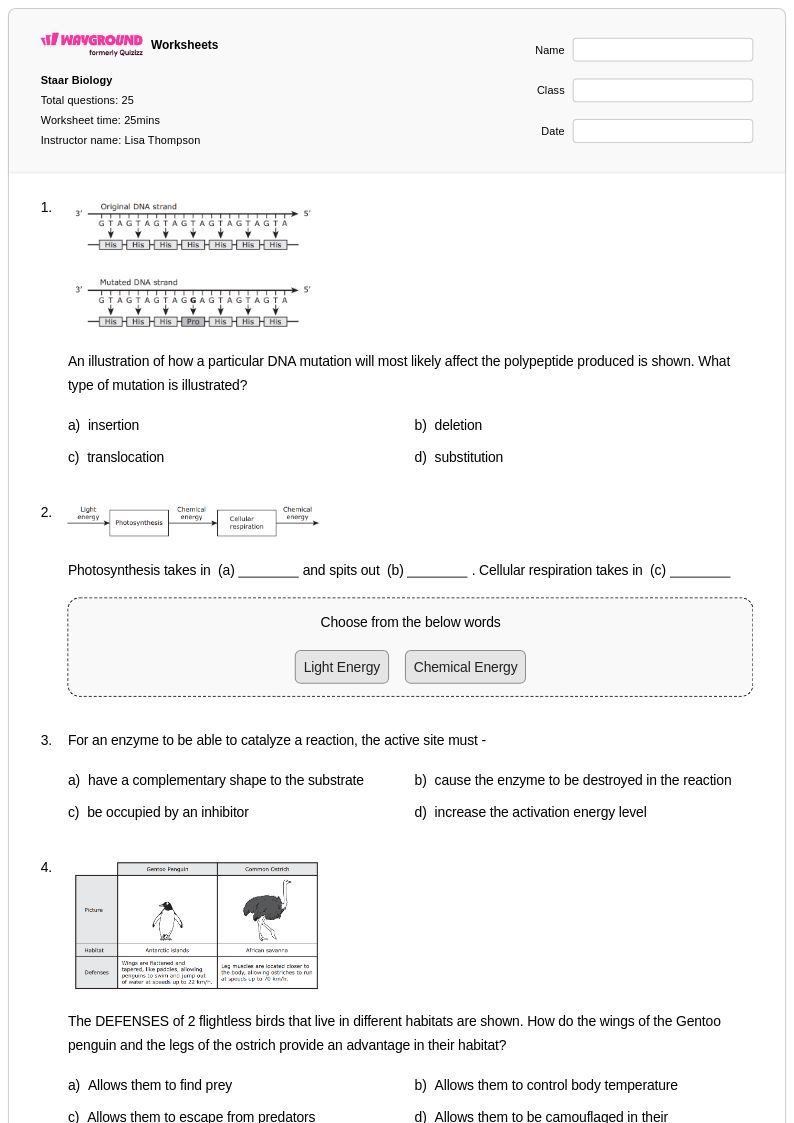
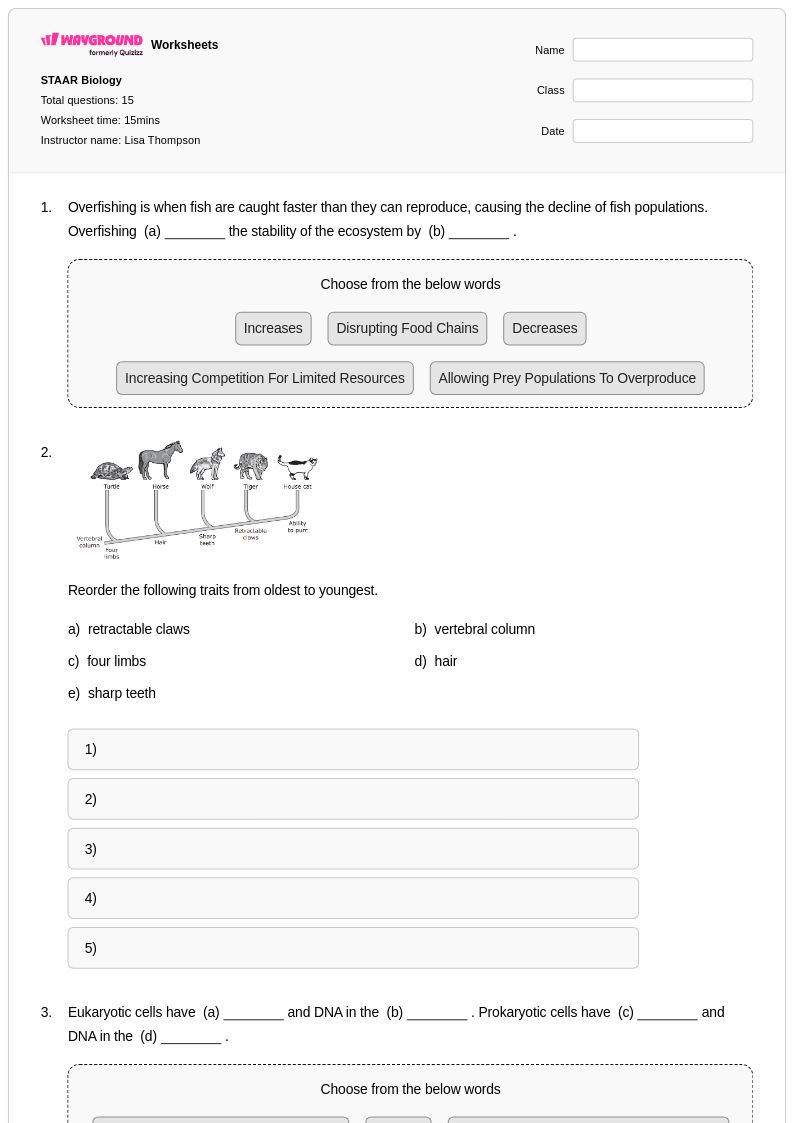
Class 9 biology lab techniques worksheets available through Wayground (formerly Quizizz) provide comprehensive practice with essential laboratory skills that form the foundation of scientific inquiry and experimentation. These expertly designed resources strengthen students' understanding of proper microscope operation, accurate measurement techniques, data collection and analysis methods, safety protocols, and scientific drawing conventions. Each worksheet systematically reinforces critical competencies including hypothesis formation, variable identification, control group establishment, and results interpretation through targeted practice problems that mirror authentic laboratory scenarios. The collection includes detailed answer keys that help students verify their understanding of complex procedures, while printable pdf formats ensure accessibility for both classroom instruction and independent study sessions, making these free educational resources invaluable for mastering the technical skills required for advanced biology coursework.
Wayground (formerly Quizizz) empowers educators with millions of teacher-created biology lab technique worksheets specifically tailored to Class 9 learning objectives and curriculum standards. The platform's robust search and filtering capabilities enable teachers to quickly locate resources targeting specific laboratory skills, from basic equipment handling to advanced experimental design principles. Standards alignment features ensure that worksheet content directly supports required learning outcomes, while built-in differentiation tools allow instructors to customize difficulty levels and modify practice problems to meet diverse student needs. These versatile resources are available in both printable and digital pdf formats, facilitating seamless integration into lesson planning, targeted remediation for struggling students, enrichment activities for advanced learners, and ongoing skill practice that builds laboratory confidence and scientific literacy throughout the academic year.
FAQs
How do I teach biology lab techniques to students who have never worked in a lab before?
Start by introducing safety protocols and equipment identification before students ever touch a tool, since foundational knowledge reduces accidents and builds procedural confidence. Use structured worksheets that walk students through each technique step by step, such as microscope focusing procedures or measurement methods, so they can reference correct process during hands-on work. Pairing written practice problems with live demonstrations helps students connect procedural knowledge to physical execution.
What exercises help students practice biology lab techniques effectively?
Practice problems that mirror real laboratory scenarios are the most effective, including tasks like interpreting microscope slides, recording measurements with correct units and significant figures, and designing controlled experiments with properly identified variables. Worksheets that cover specimen preparation steps or data collection methods give students repeated exposure to procedural sequences, which is how lab technique fluency is built. Structured answer keys allow students to self-correct immediately, reinforcing accurate technique before errors become habits.
What mistakes do students commonly make when learning biology lab techniques?
One of the most frequent errors is improper use of the microscope, particularly starting with high magnification instead of low power, which makes locating specimens unnecessarily difficult. Students also commonly confuse independent and dependent variables when designing experiments, or omit control groups entirely. In measurement tasks, recording data without units or rounding incorrectly are persistent problems that structured practice worksheets are especially useful for correcting.
How can I differentiate biology lab technique instruction for students at different ability levels?
For struggling learners, worksheets that scaffold procedures into smaller discrete steps help reduce cognitive overload, while advanced students benefit from open-ended experimental design problems that require them to apply multiple techniques simultaneously. On Wayground, teachers can apply accommodations at the individual student level, including reduced answer choices to lower cognitive load, read aloud support for students who struggle with technical vocabulary, and extended time settings for students who need additional processing time. These settings are saved per student and apply automatically in future sessions without disrupting the rest of the class.
How do I use biology lab techniques worksheets from Wayground in my classroom?
Wayground's biology lab techniques worksheets are available as printable PDFs for traditional classroom use and in digital formats for technology-integrated environments, including the option to host them as a quiz directly on the Wayground platform. Printable versions work well as pre-lab preparation or post-lab review, while the digital format supports remote learning, station rotations, or self-paced practice. Both formats include complete answer keys, so teachers can use them for formative assessment or students can use them for independent self-check practice.
How do I assess whether students have mastered biology lab techniques?
Effective assessment combines procedural observation during actual lab work with written assessments that test conceptual understanding of why each technique is performed correctly. Worksheets that ask students to identify errors in described procedures, or to sequence the steps of a technique in the correct order, reveal gaps in understanding that a simple recall question would miss. Tracking performance across multiple structured practice sets over time gives a more reliable picture of mastery than a single lab practical.