
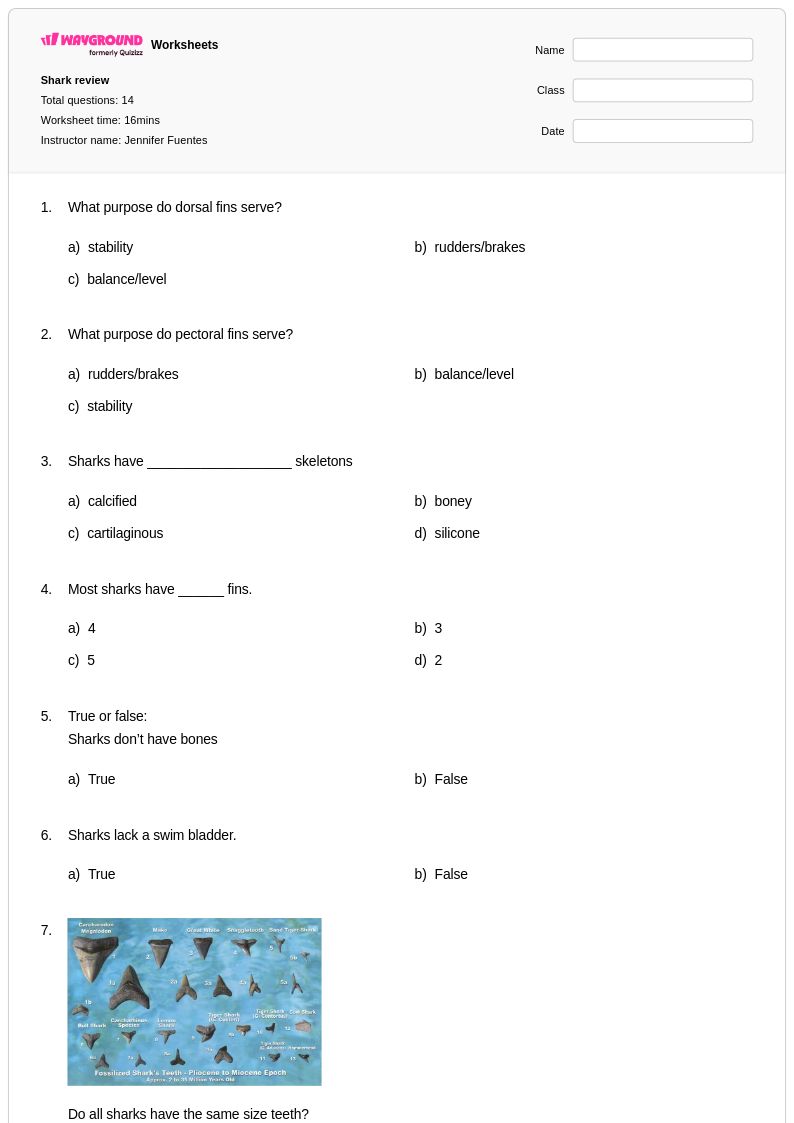
14 Q
9th - 12th
10 Q
9th
13 Q
6th - 12th
10 Q
9th - 10th
13 Q
9th - 12th
10 Q
7th - 10th
15 Q
9th - 12th
15 Q
7th - Uni
30 Q
9th - 12th
39 Q
9th - 12th
25 Q
6th - 12th
50 Q
9th - 12th
37 Q
9th
12 Q
7th - Uni
15 Q
6th - Uni
18 Q
9th
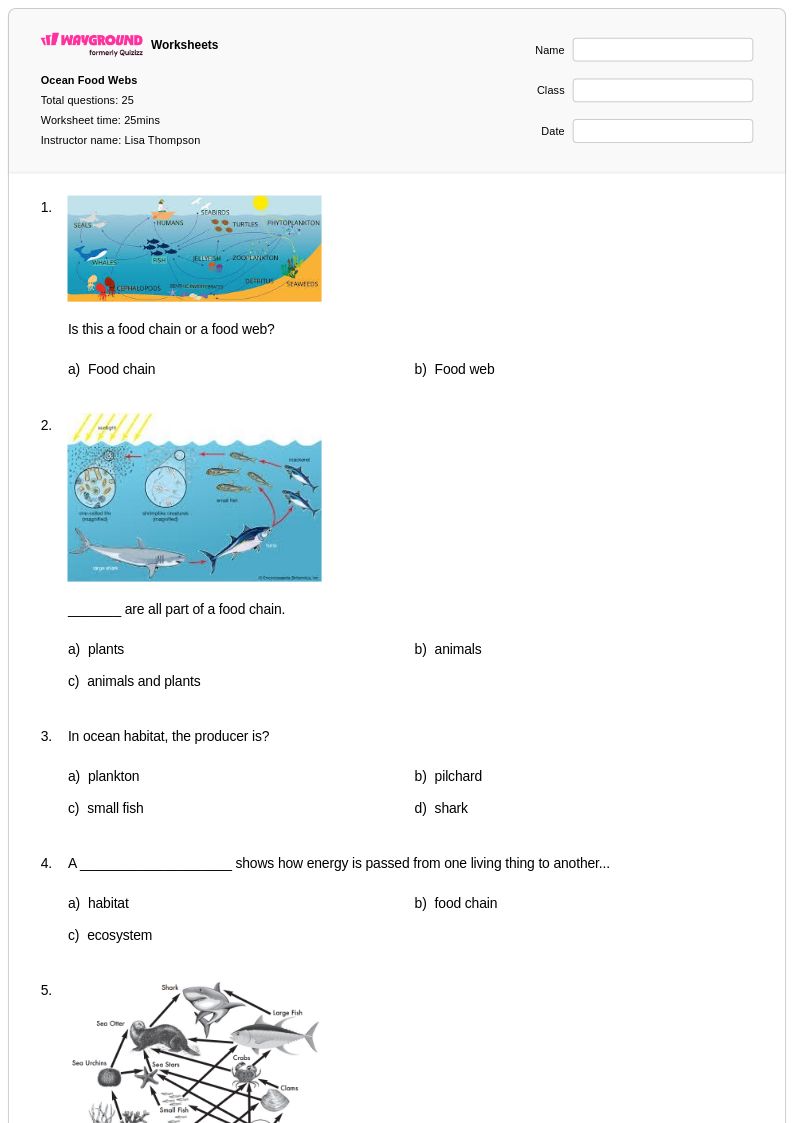
25 Q
5th - Uni
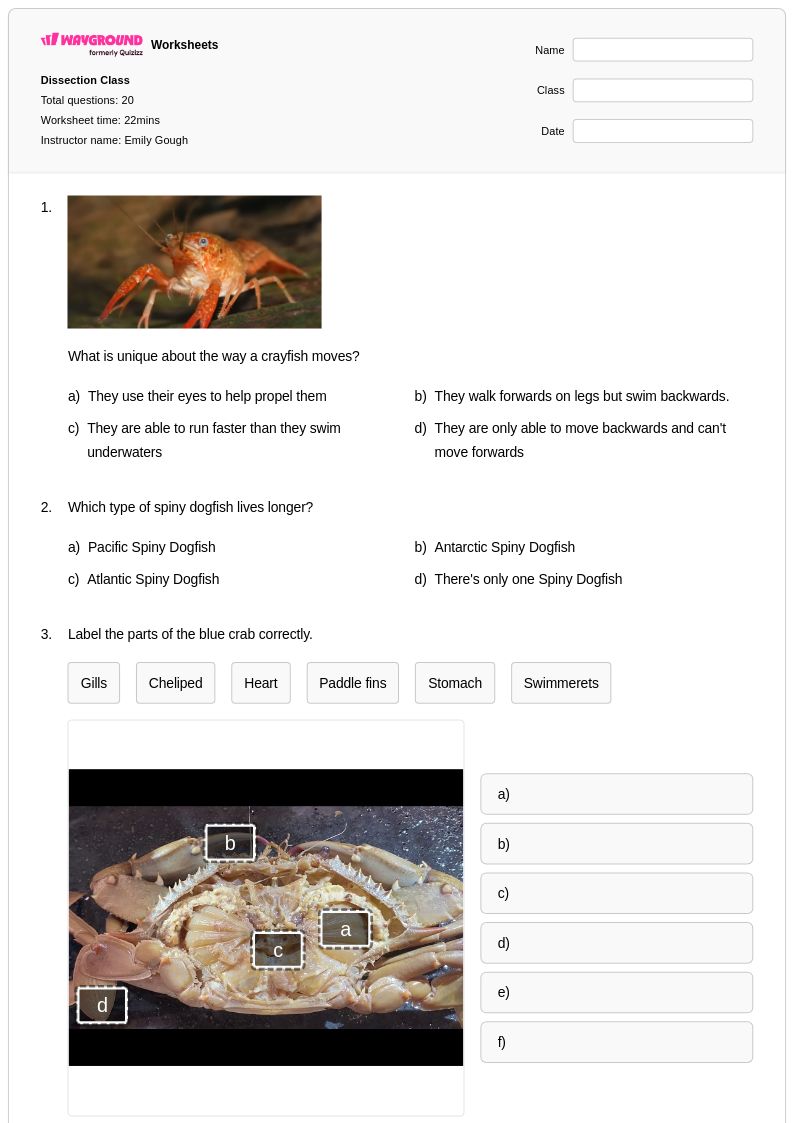
20 Q
9th - 12th
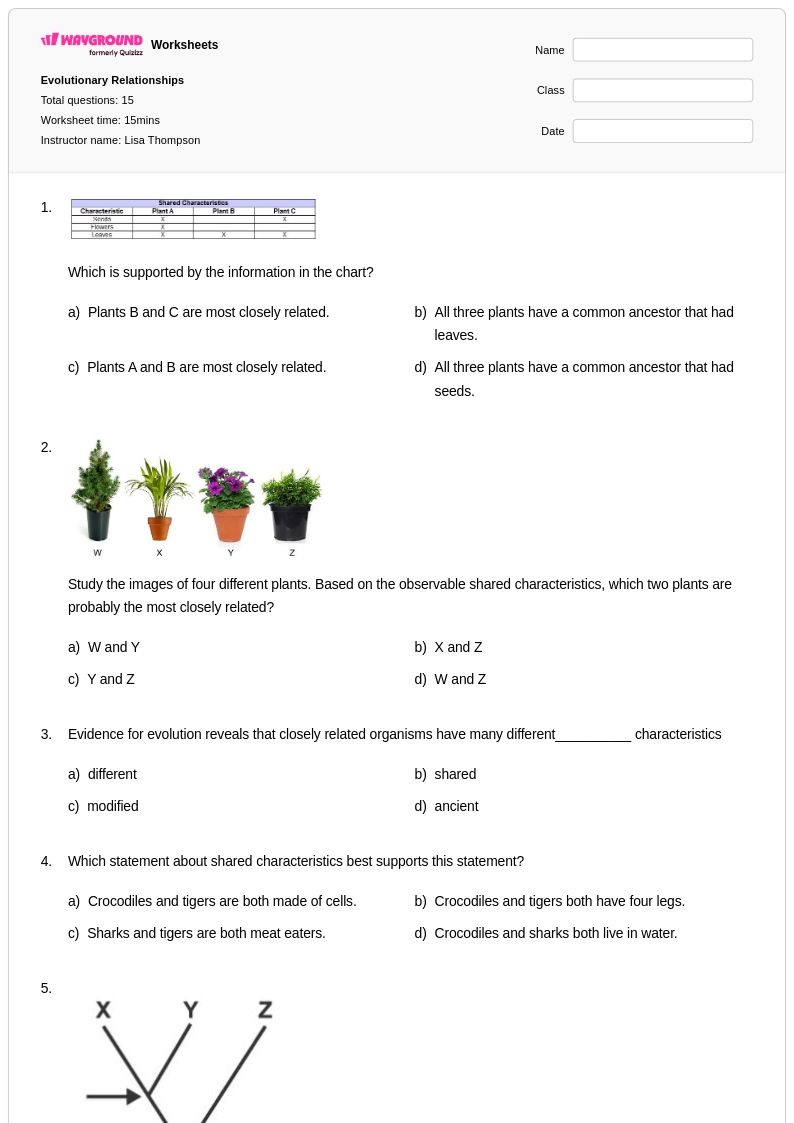
15 Q
8th - Uni
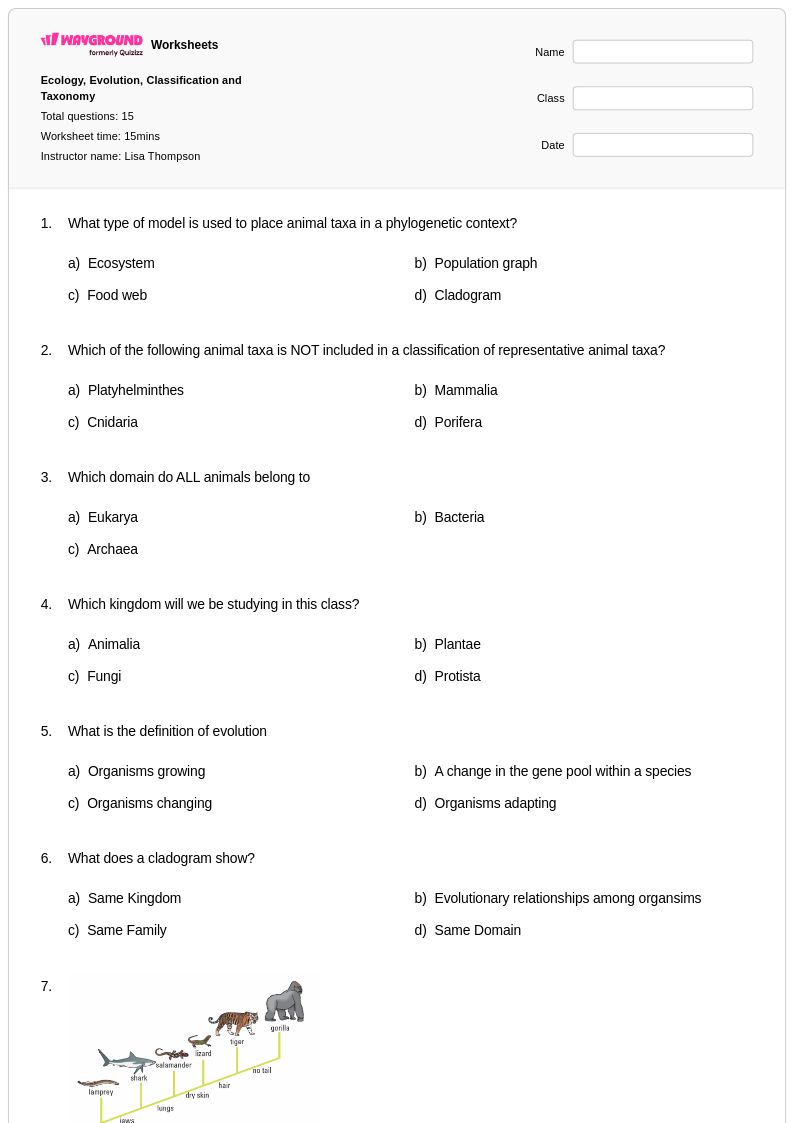
15 Q
7th - Uni
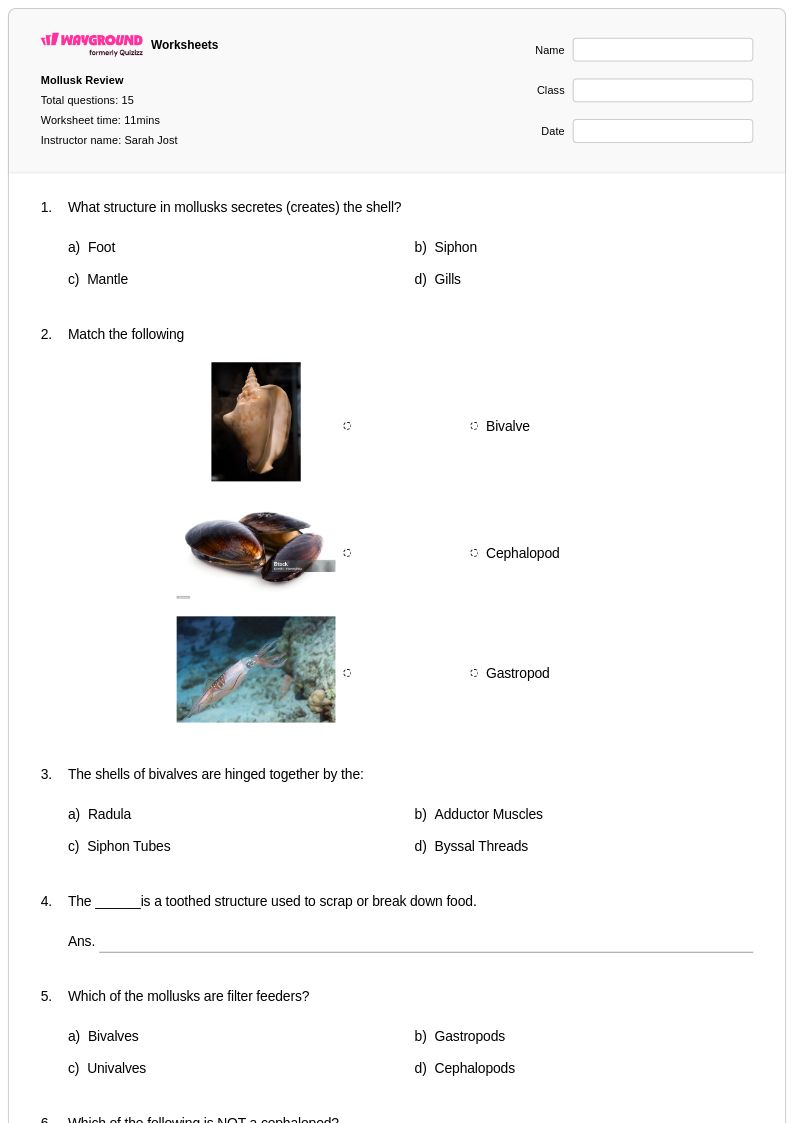
15 Q
9th
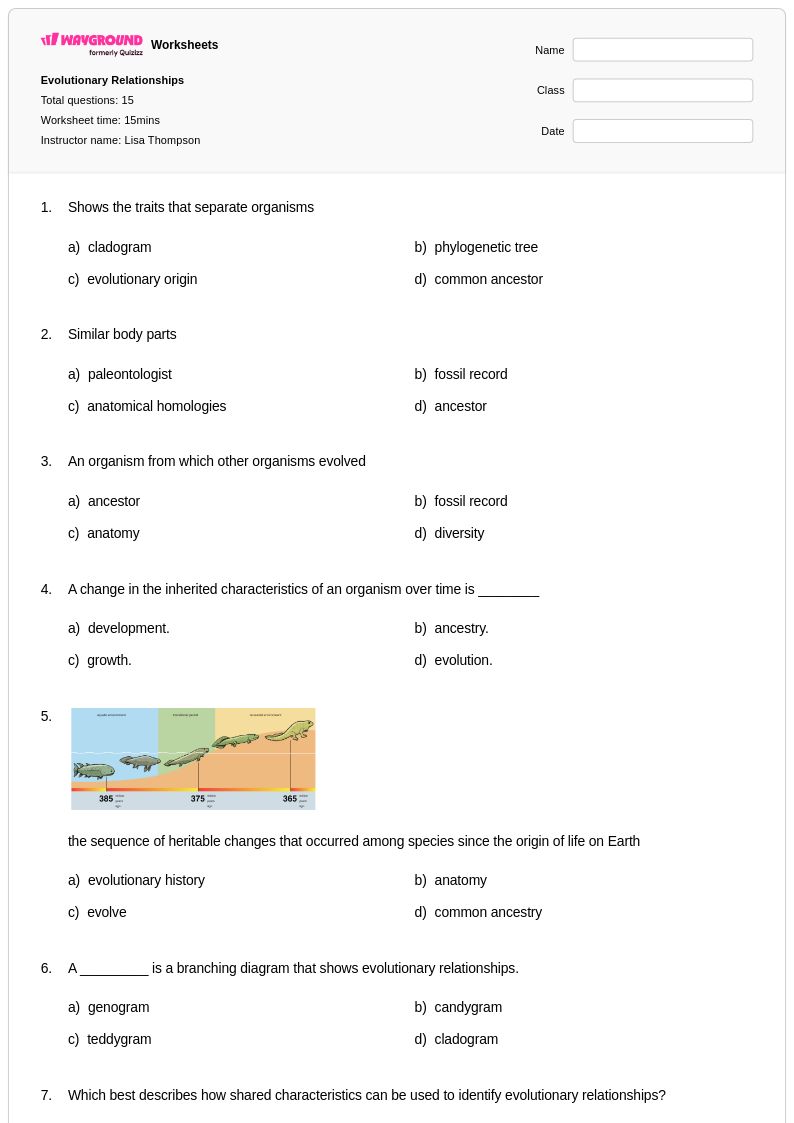
15 Q
8th - Uni
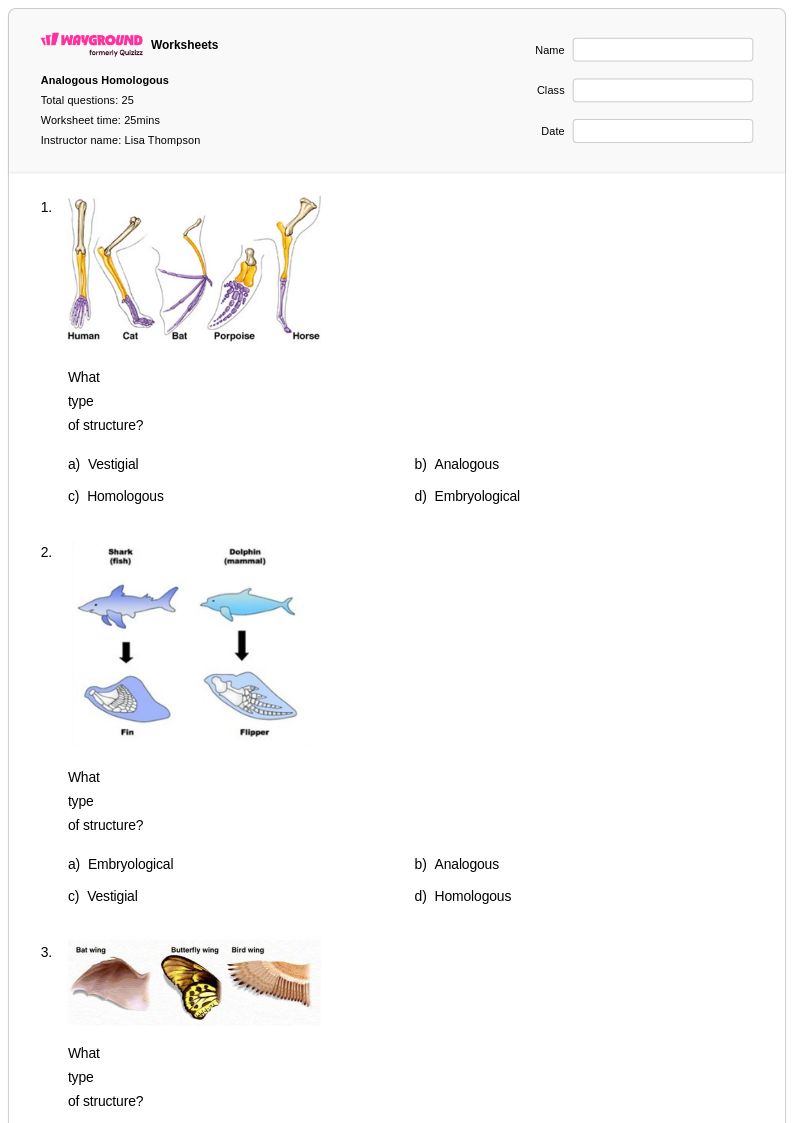
25 Q
8th - Uni
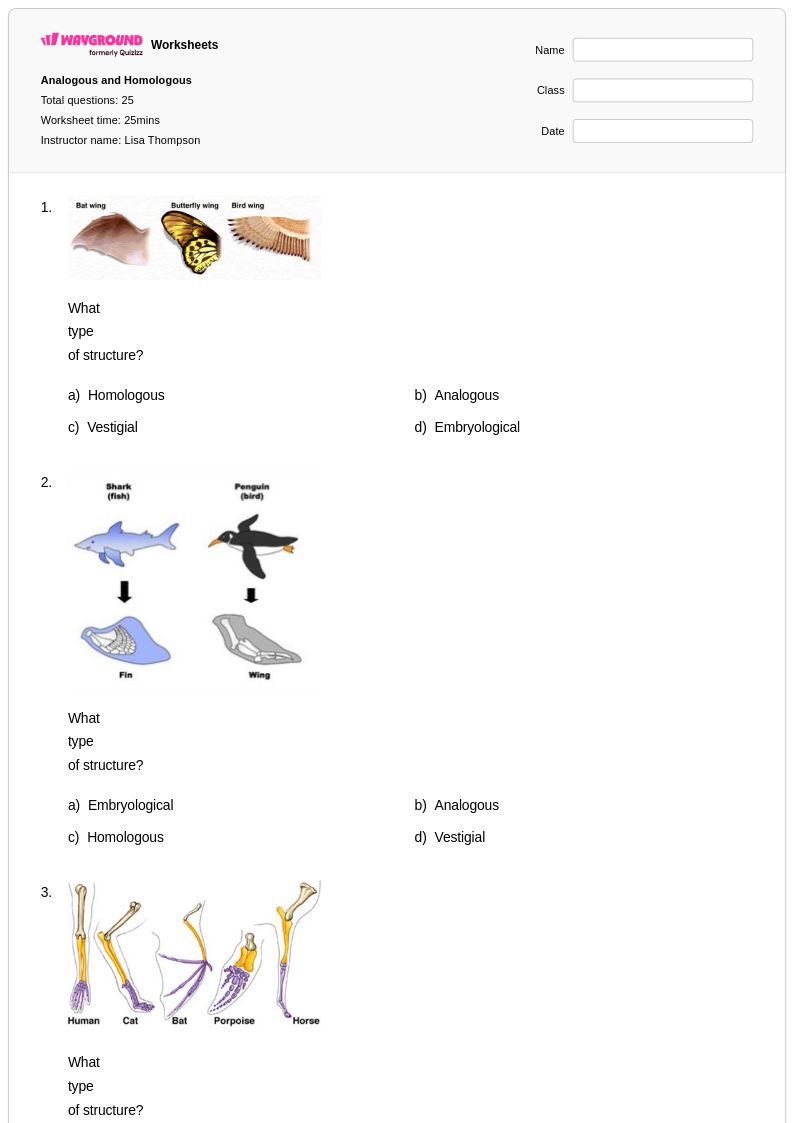
25 Q
8th - Uni
Explore Other Subject Worksheets for class 9
Explore printable Shark Anatomy worksheets for Class 9
Shark anatomy worksheets for Class 9 biology students available through Wayground (formerly Quizizz) provide comprehensive exploration of cartilaginous fish structure and physiology. These educational resources guide students through detailed examination of shark skeletal systems, specialized organs like the ampullae of Lorenzini, gill structures, and unique adaptations such as dermal denticles and heterocercal tail fins. The practice problems systematically build understanding of how anatomical features relate to shark behavior, feeding mechanisms, and ecological roles in marine ecosystems. Students develop critical scientific observation skills while working through free printables that include detailed diagrams, labeling exercises, and comparative anatomy activities, with corresponding answer keys enabling independent study and immediate feedback on their biological knowledge progression.
Wayground (formerly Quizizz) empowers educators with millions of teacher-created shark anatomy resources that streamline Class 9 biology instruction through robust search and filtering capabilities aligned to state and national science standards. The platform's differentiation tools allow teachers to customize worksheet difficulty levels and content focus, accommodating diverse learning needs within the same classroom while maintaining rigorous anatomical vocabulary and concepts. Available in both printable pdf formats and interactive digital versions, these materials support flexible lesson planning whether used for initial skill introduction, targeted remediation for struggling students, or enrichment activities for advanced learners. Teachers can efficiently modify existing worksheets or combine multiple resources to create comprehensive assessment packages that reinforce understanding of shark morphology, physiology, and evolutionary adaptations throughout their curriculum units.
FAQs
How do I teach shark anatomy to students?
What exercises help students practice identifying shark body parts?
What common mistakes do students make when learning shark anatomy?
How can I differentiate shark anatomy instruction for students at different skill levels?
How do I use Wayground's shark anatomy worksheets in my classroom?