Free Printable Chicken Anatomy Worksheets for Class 9
Class 9 chicken anatomy worksheets from Wayground help students explore avian body systems through detailed printables, practice problems, and comprehensive answer keys for thorough biology understanding.
Explore printable Chicken Anatomy worksheets for Class 9
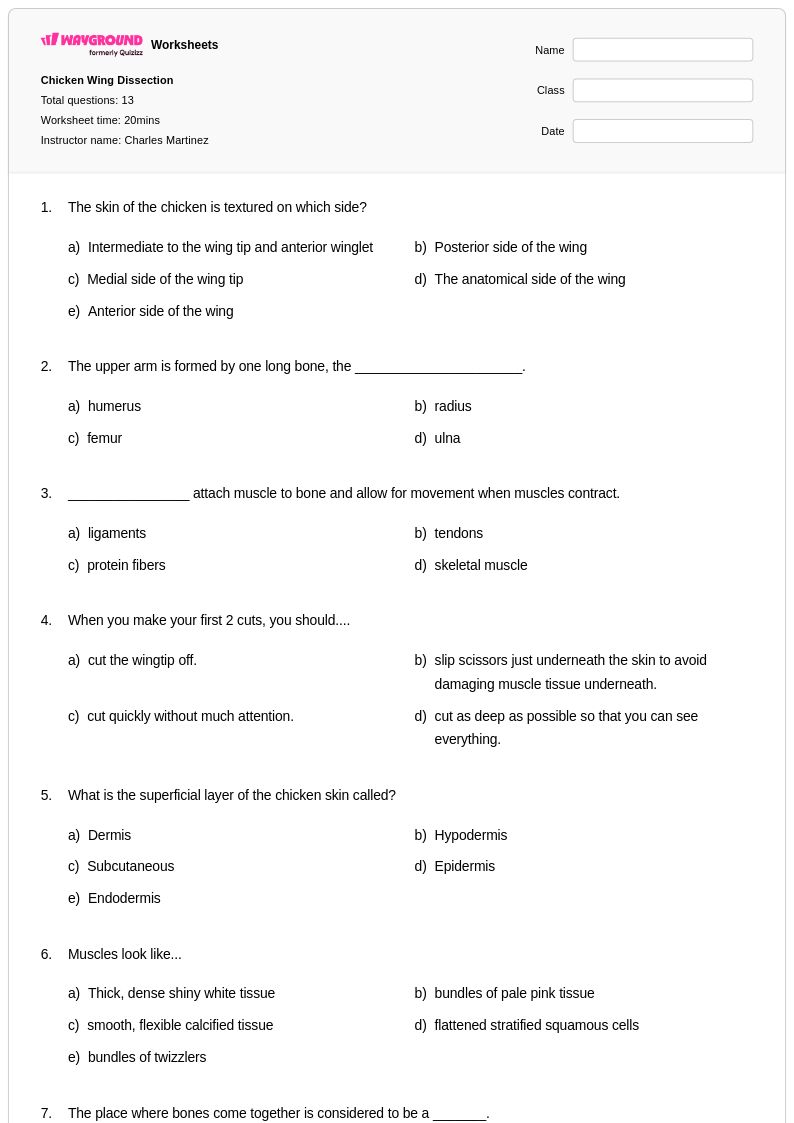
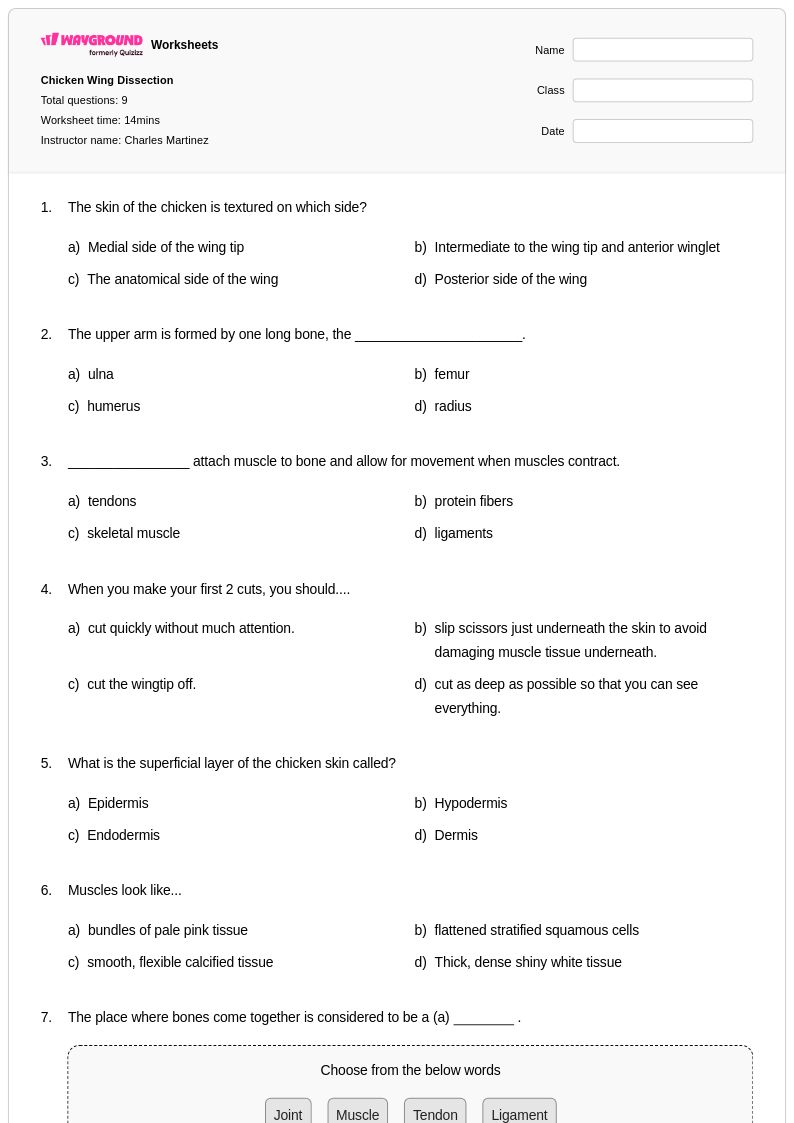
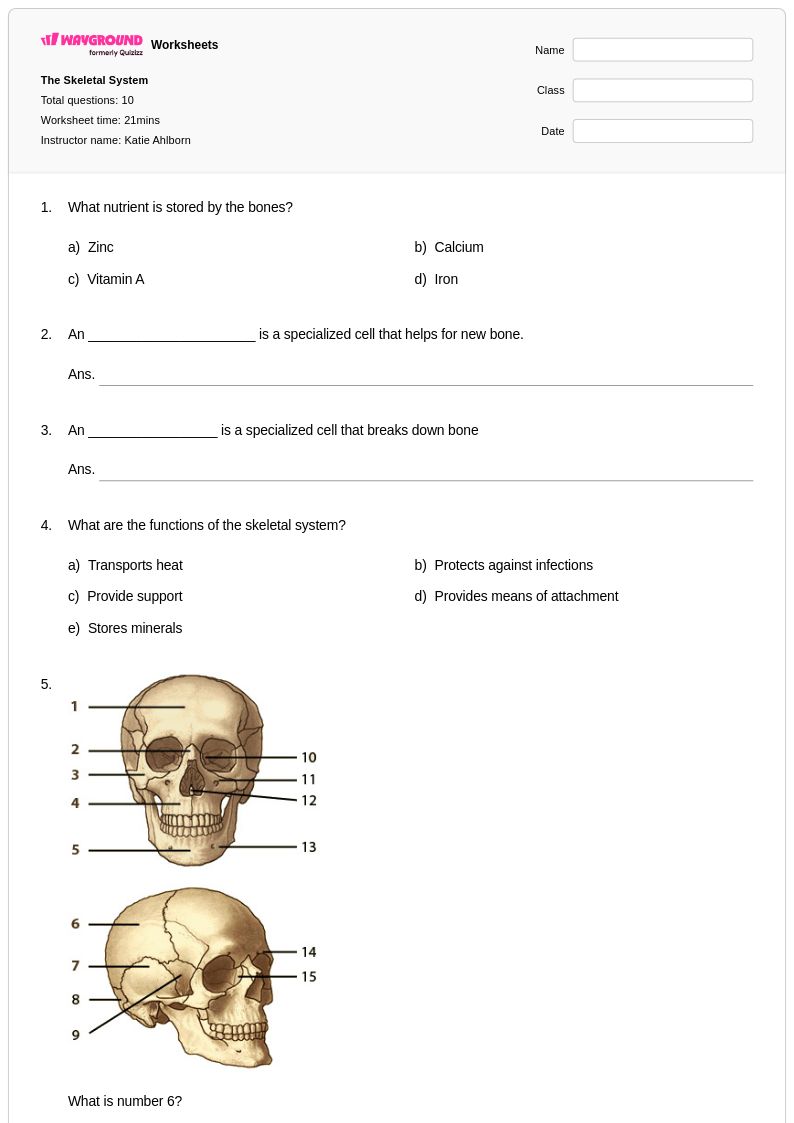
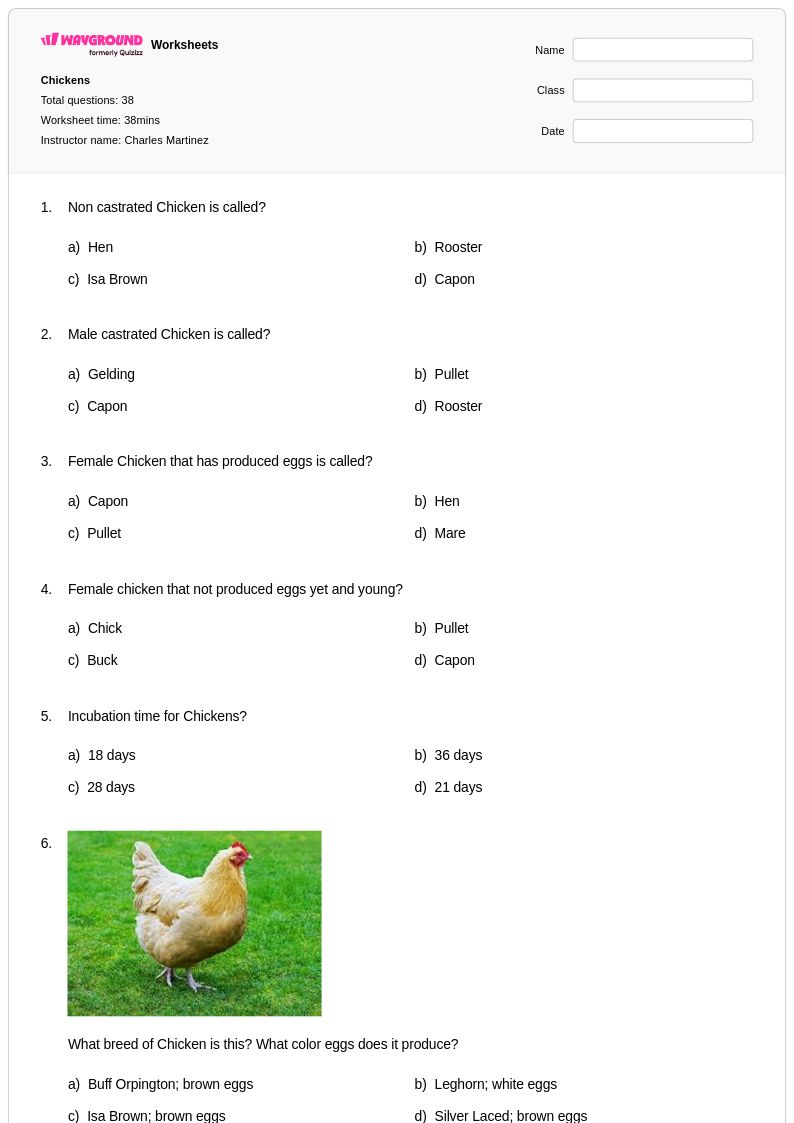
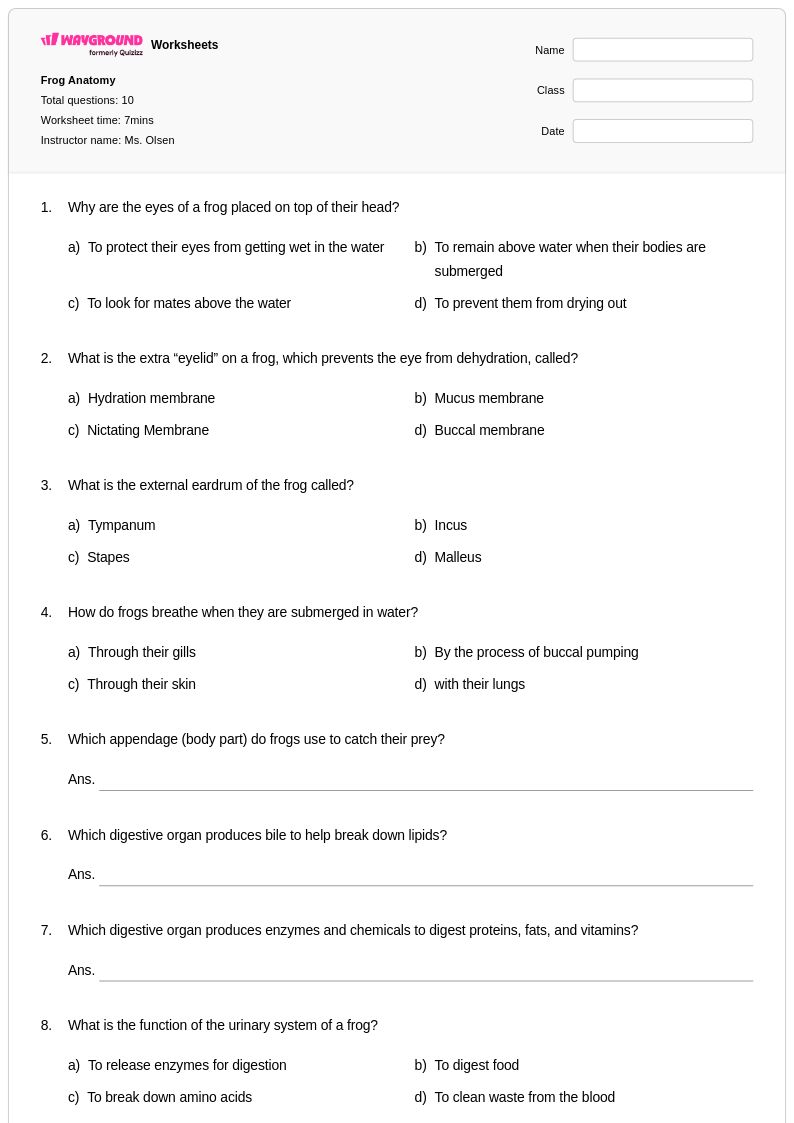
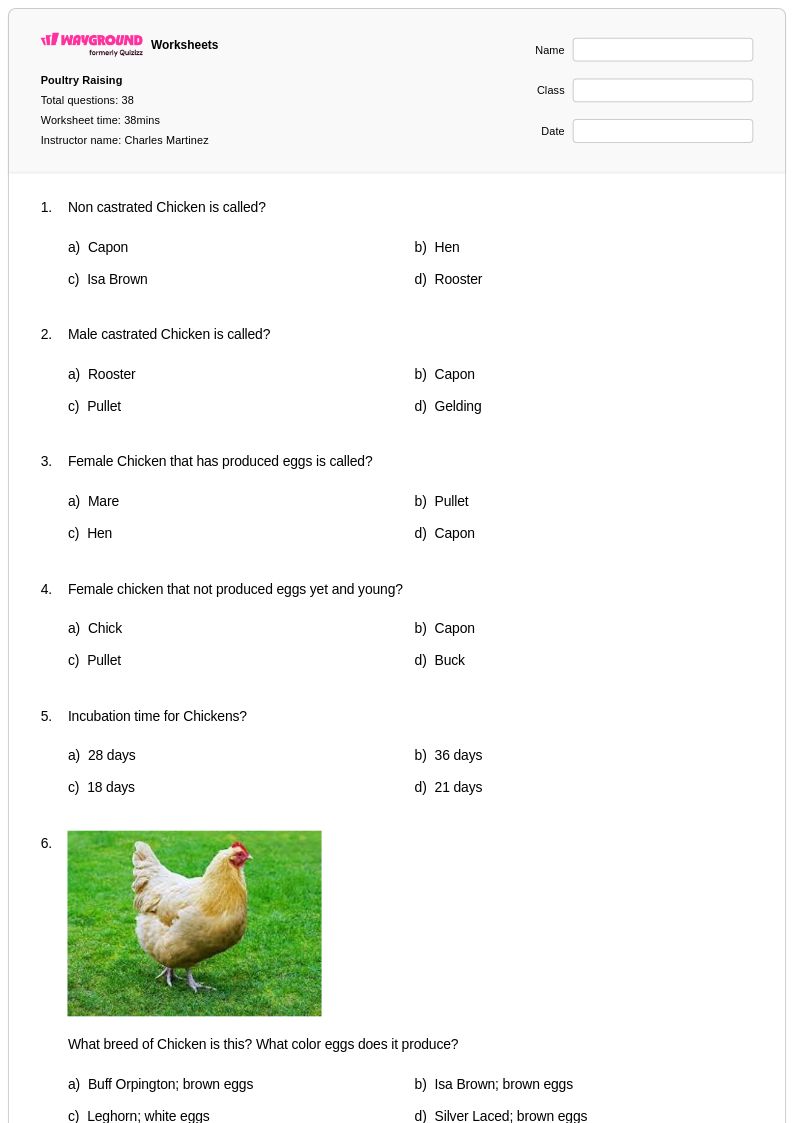
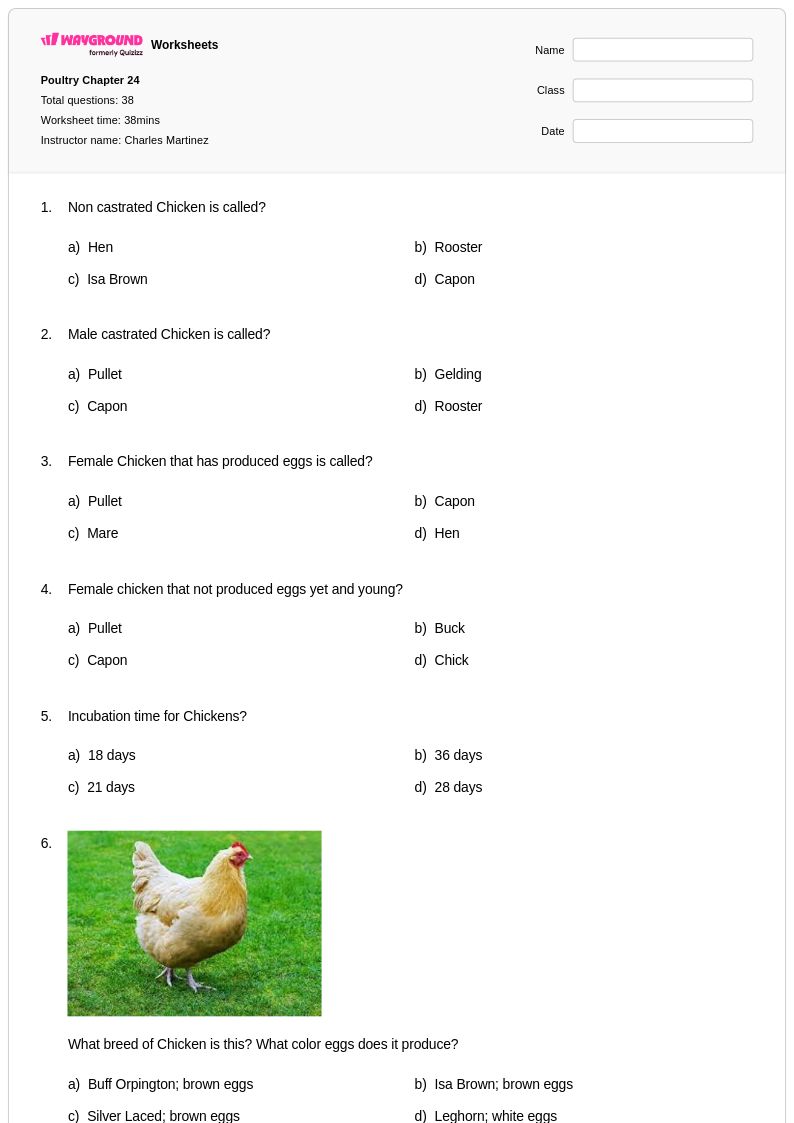
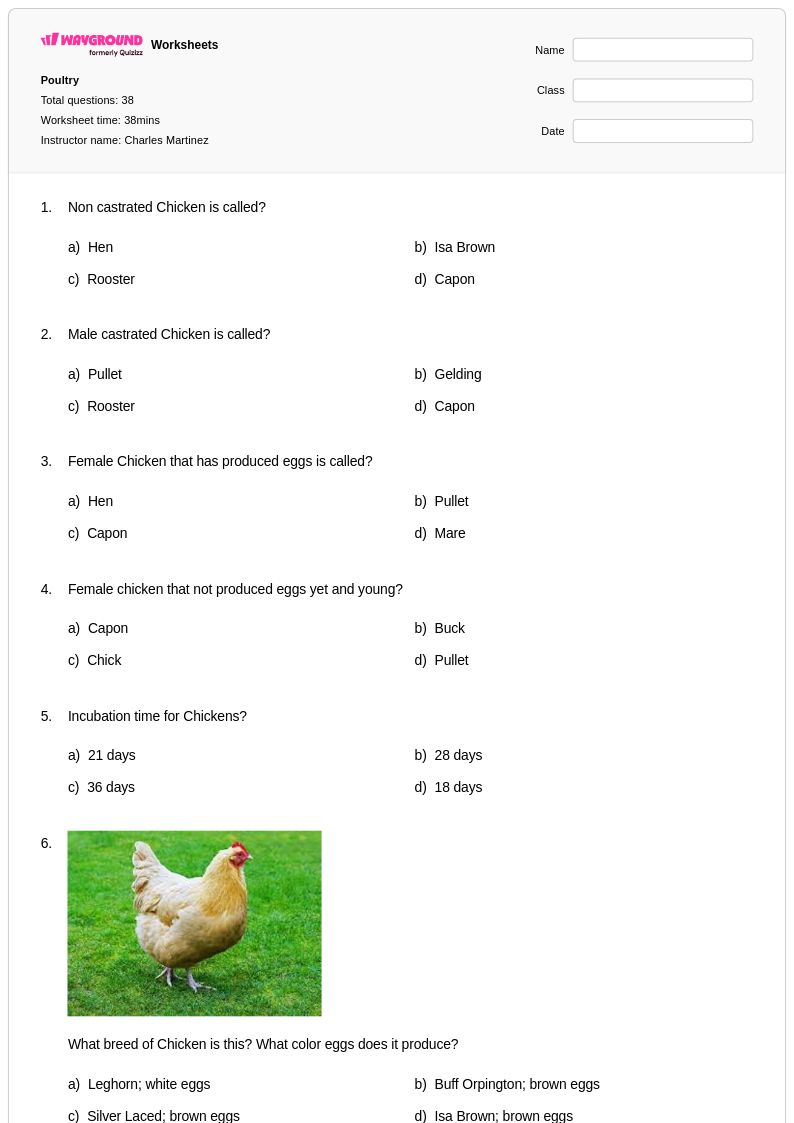
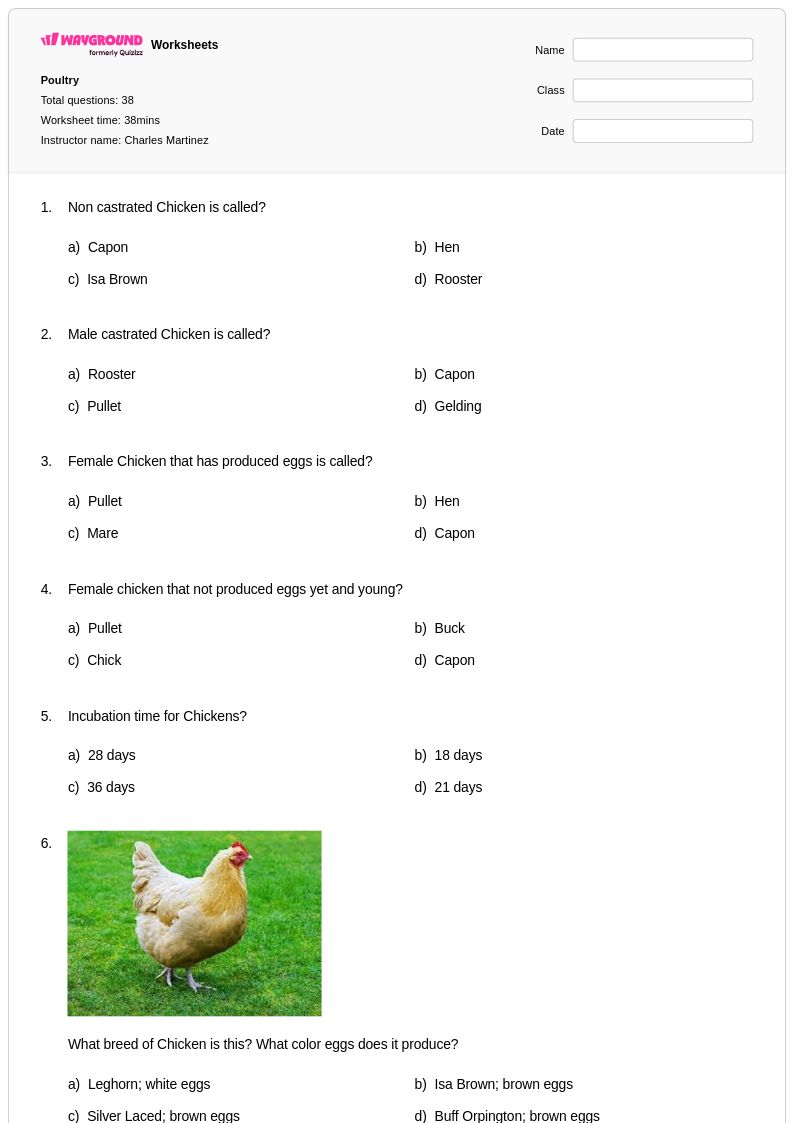
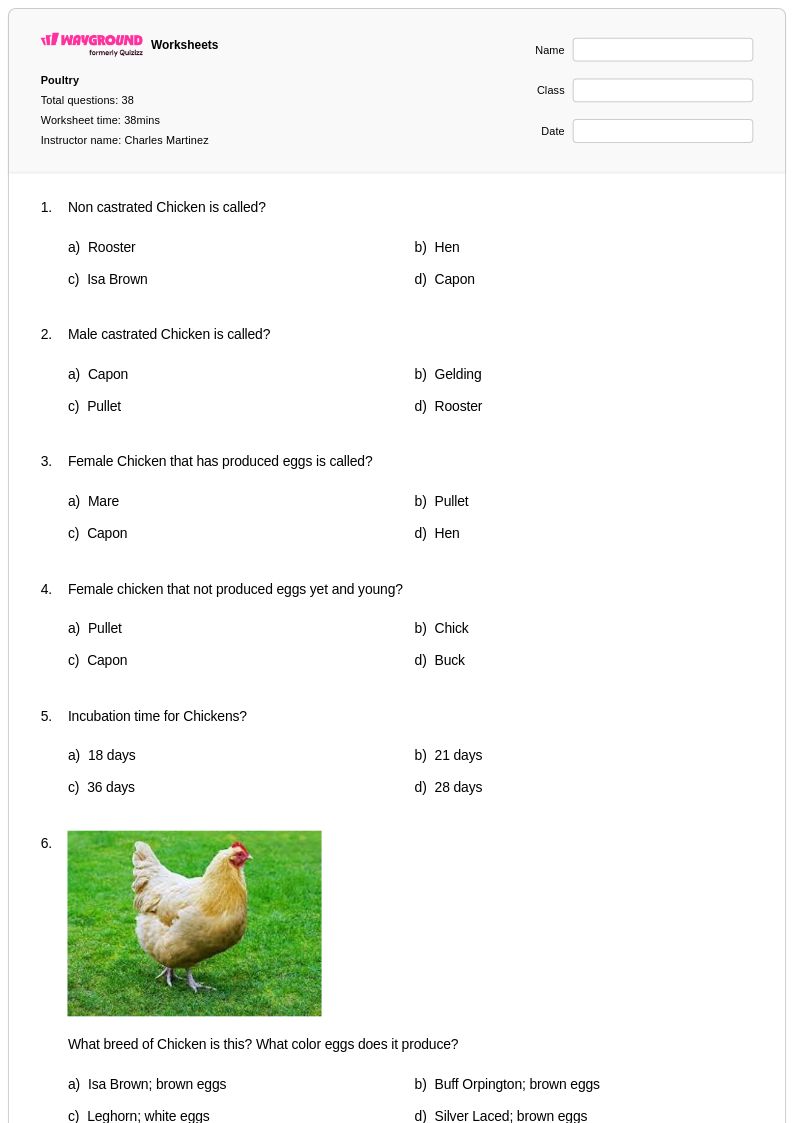
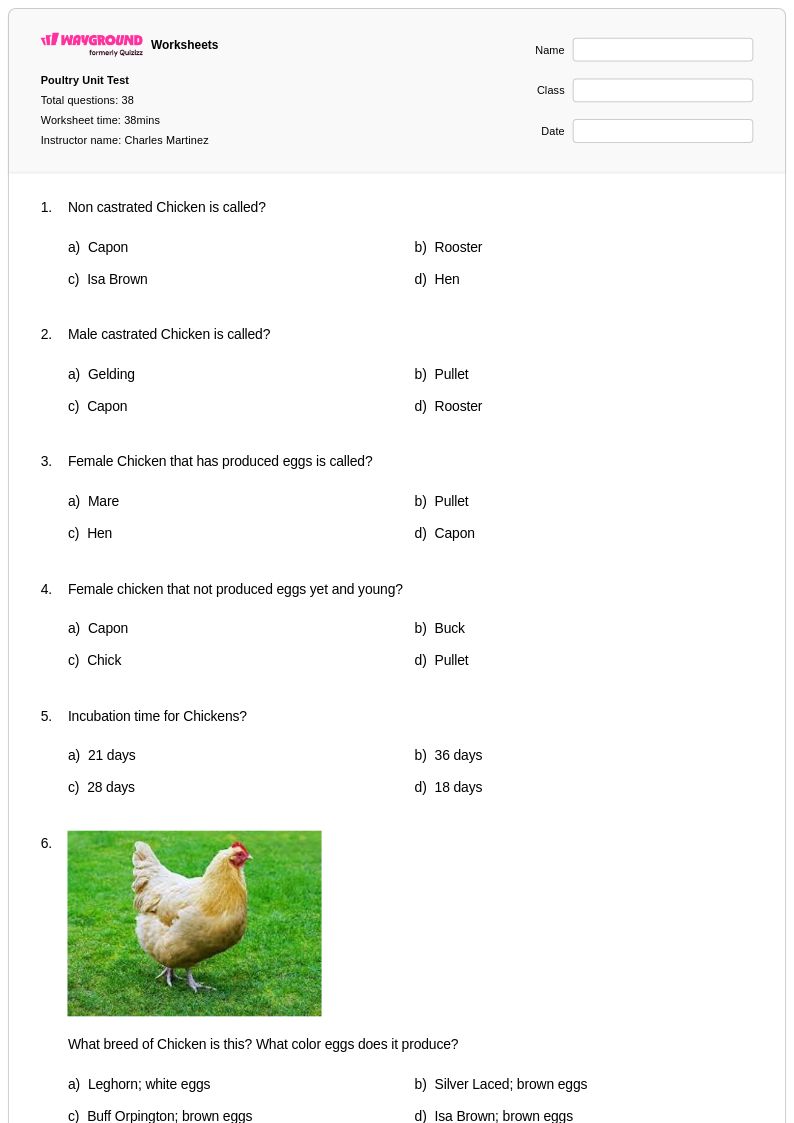
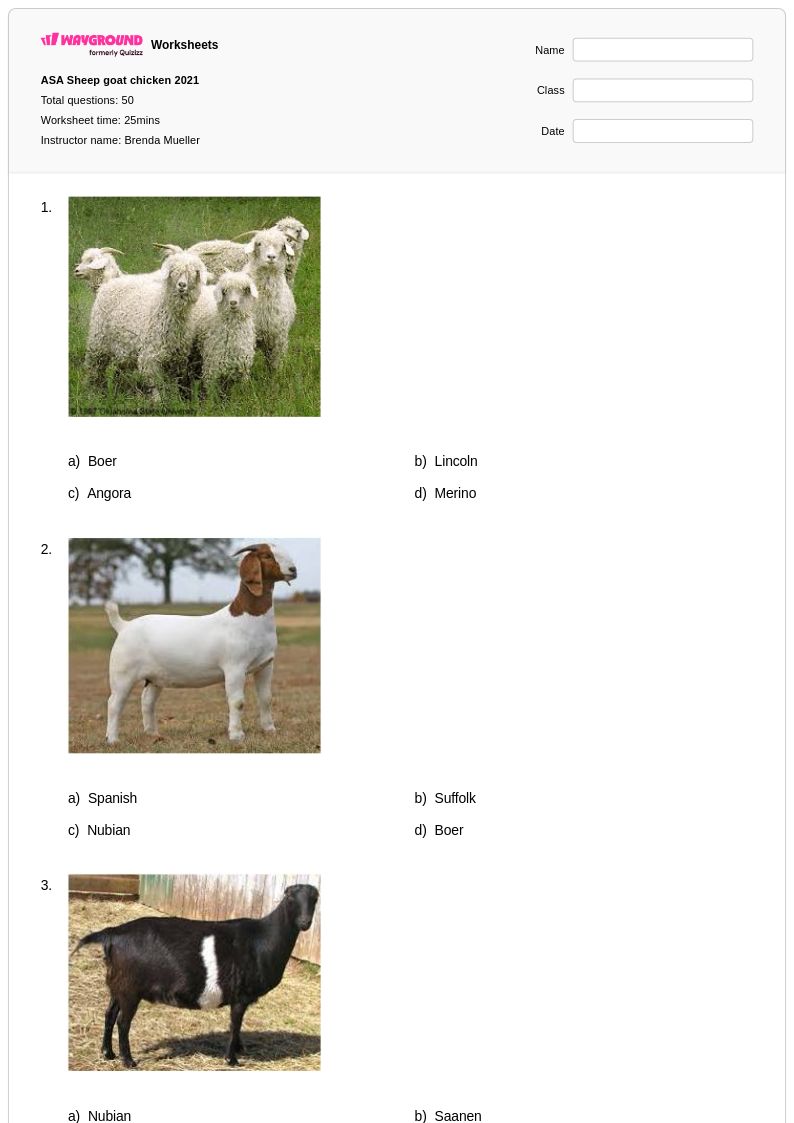
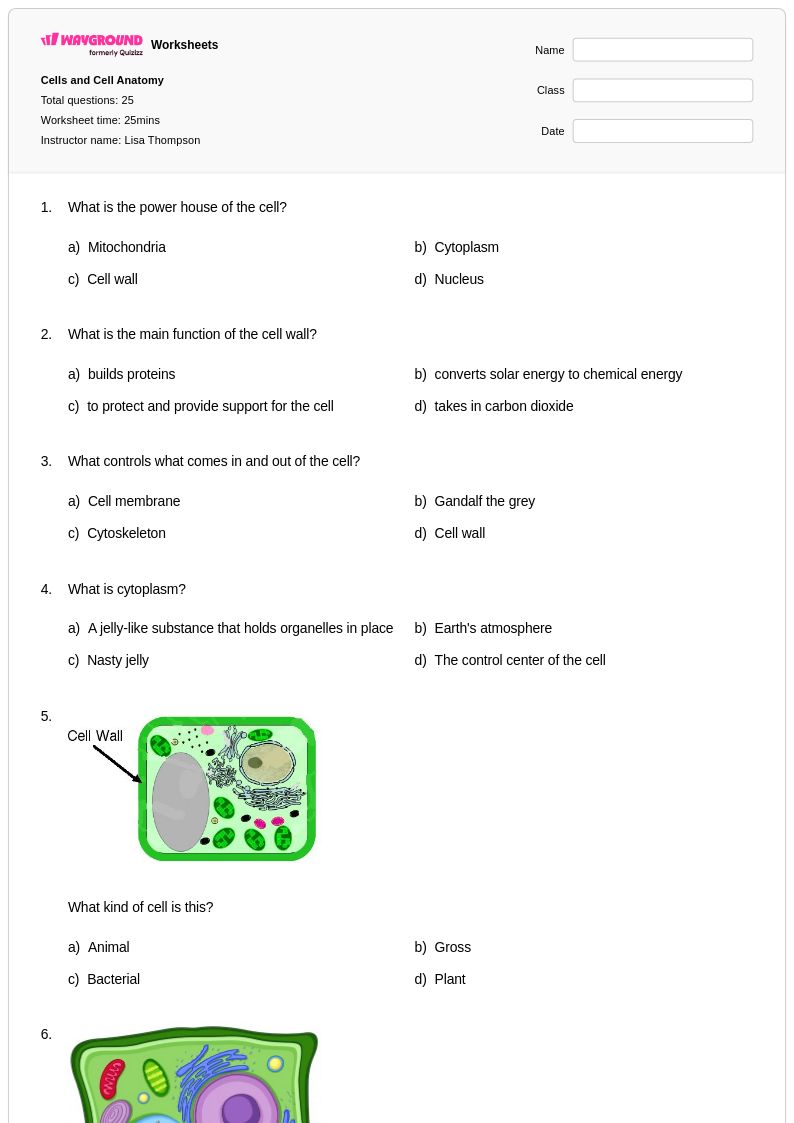
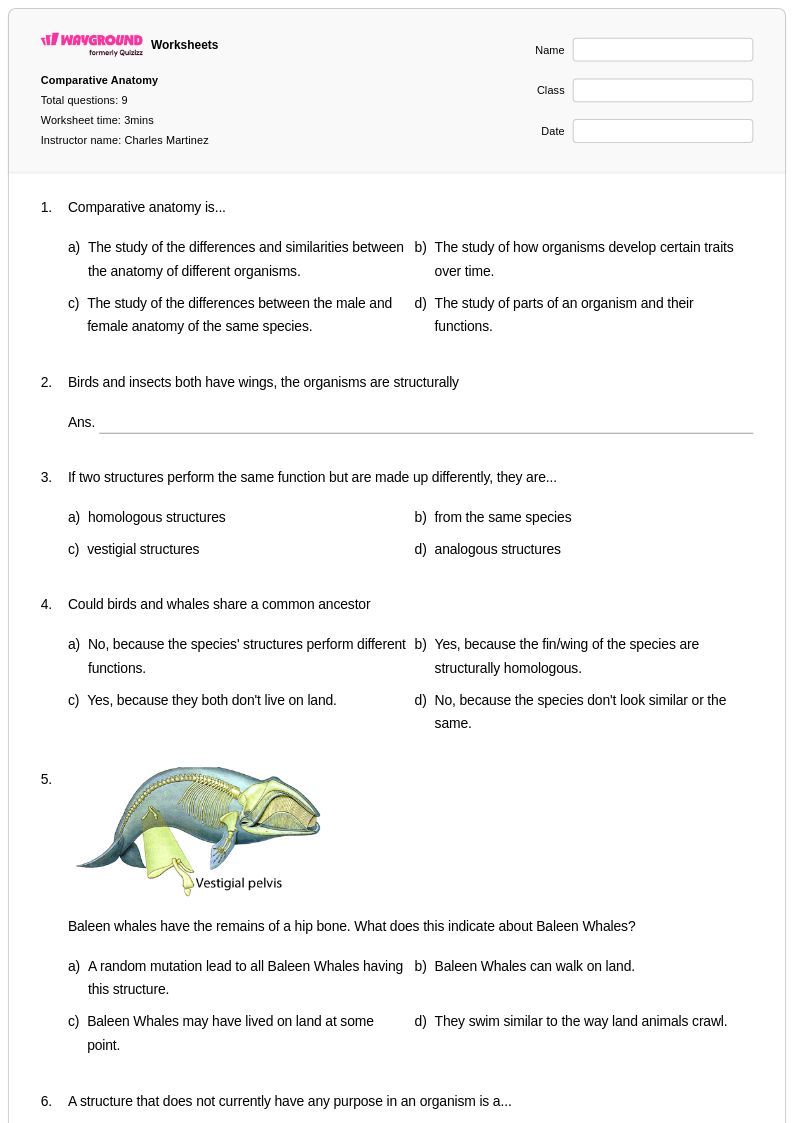
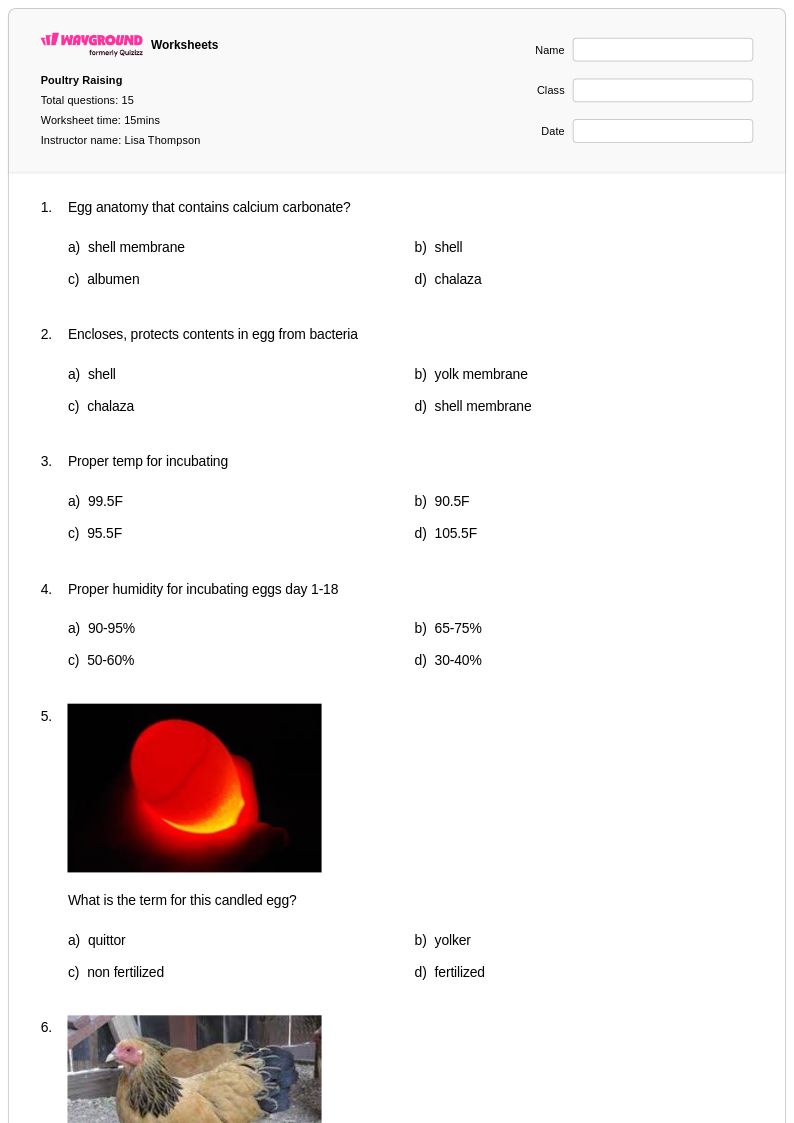
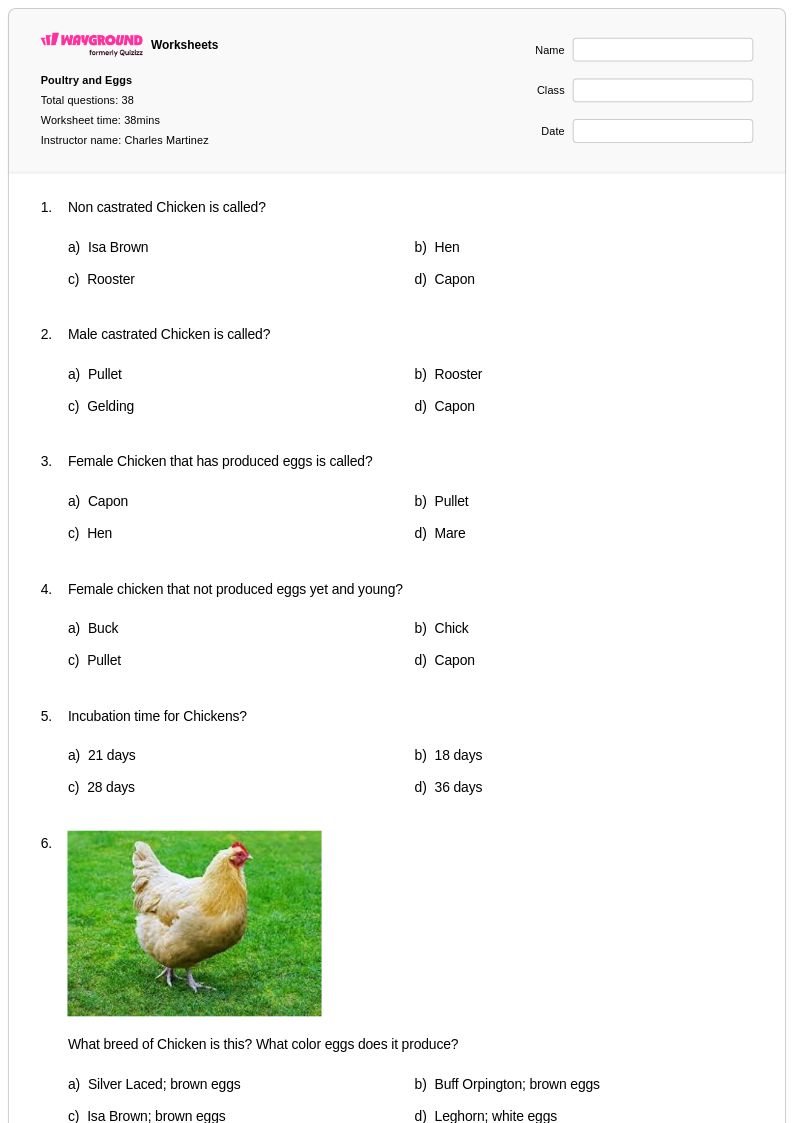
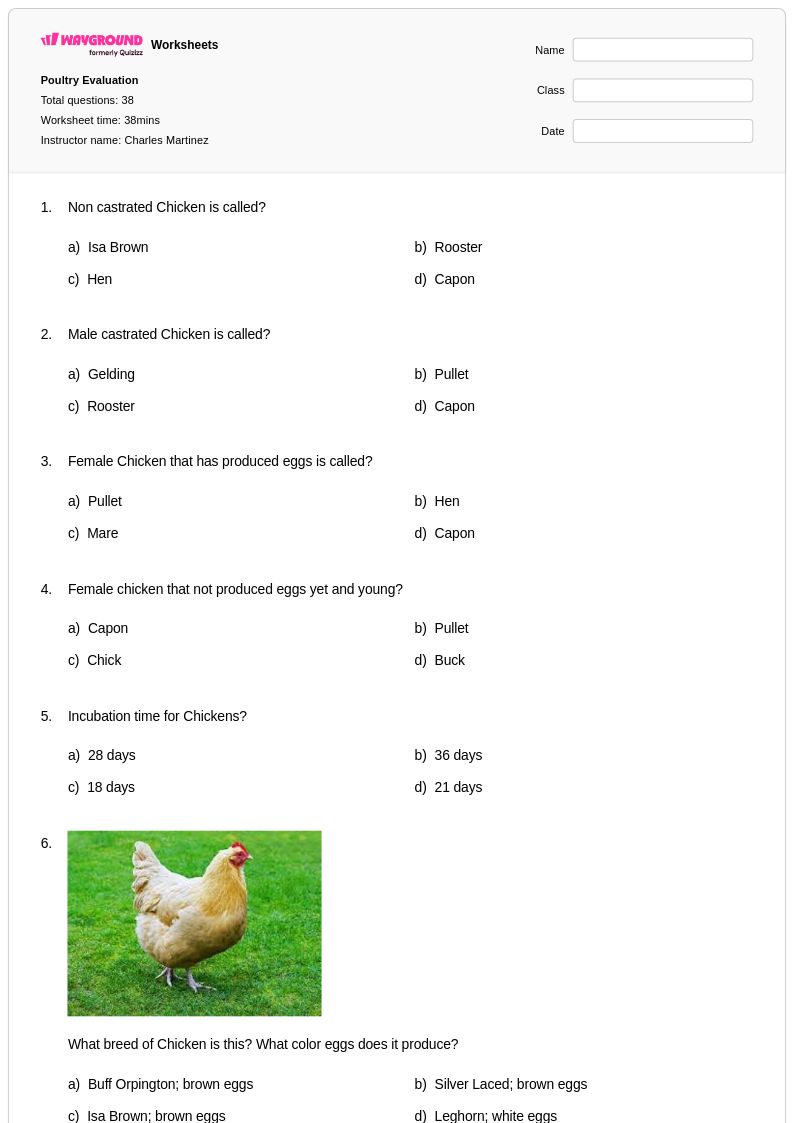
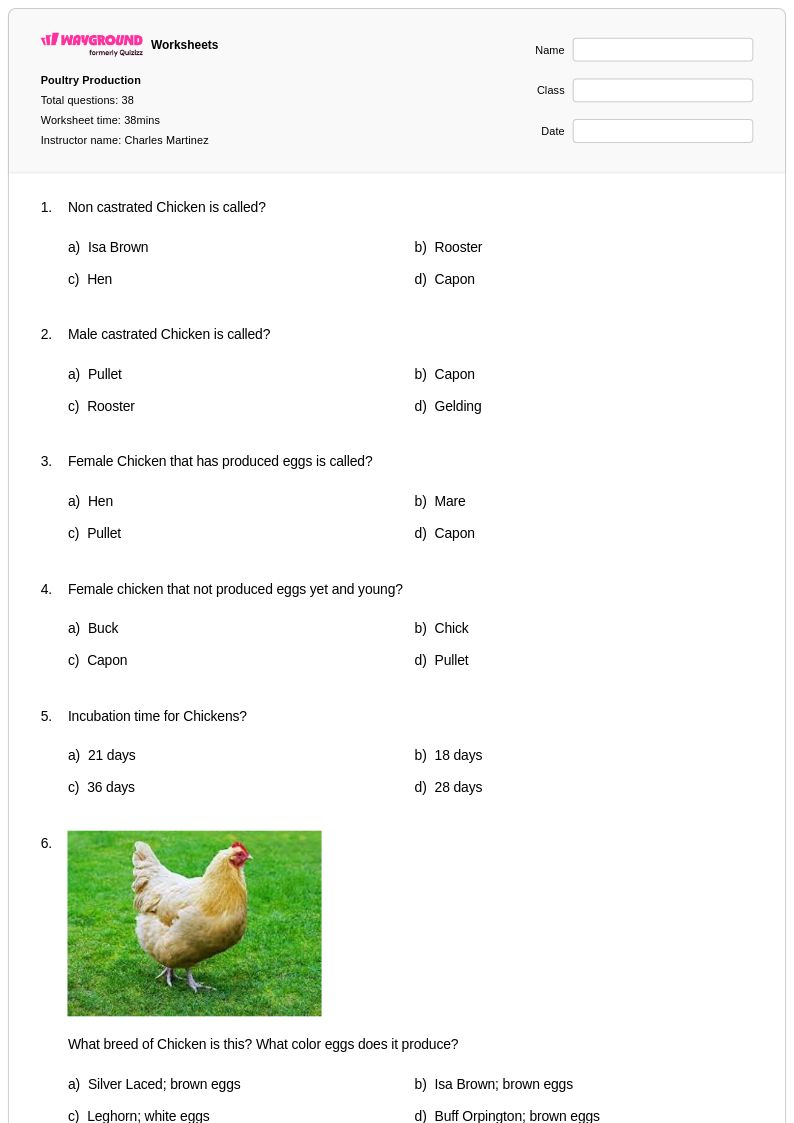
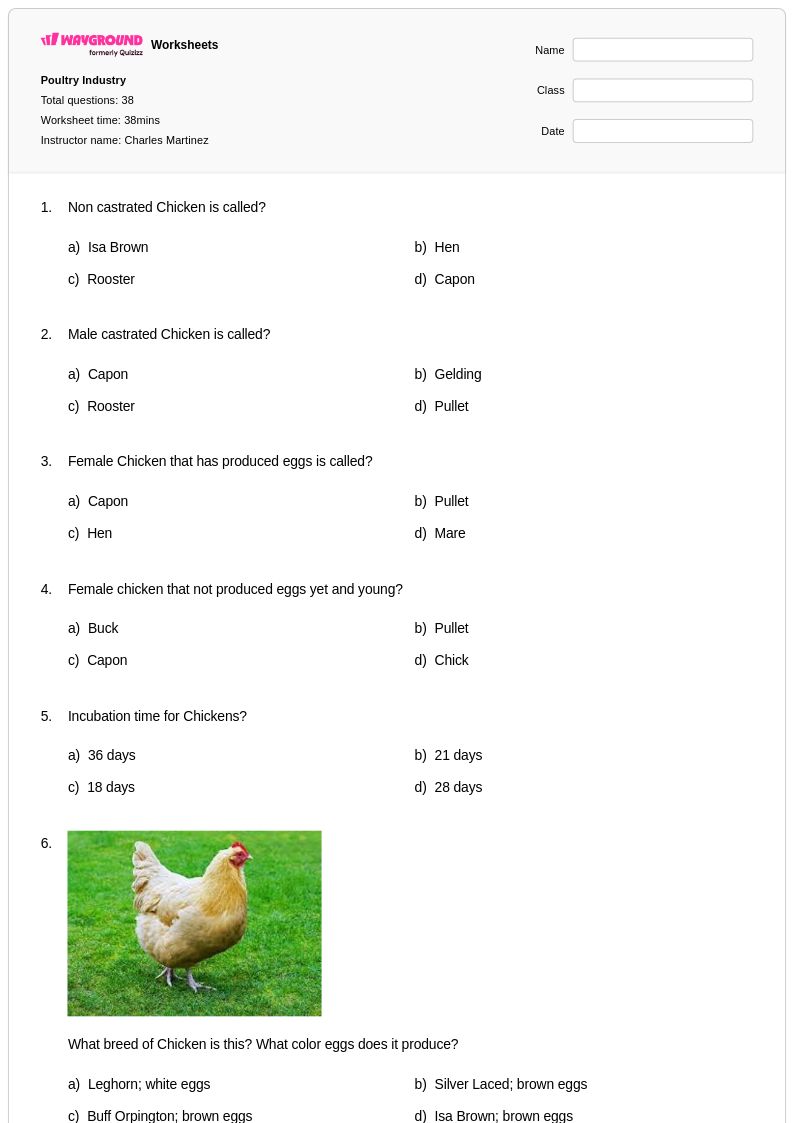
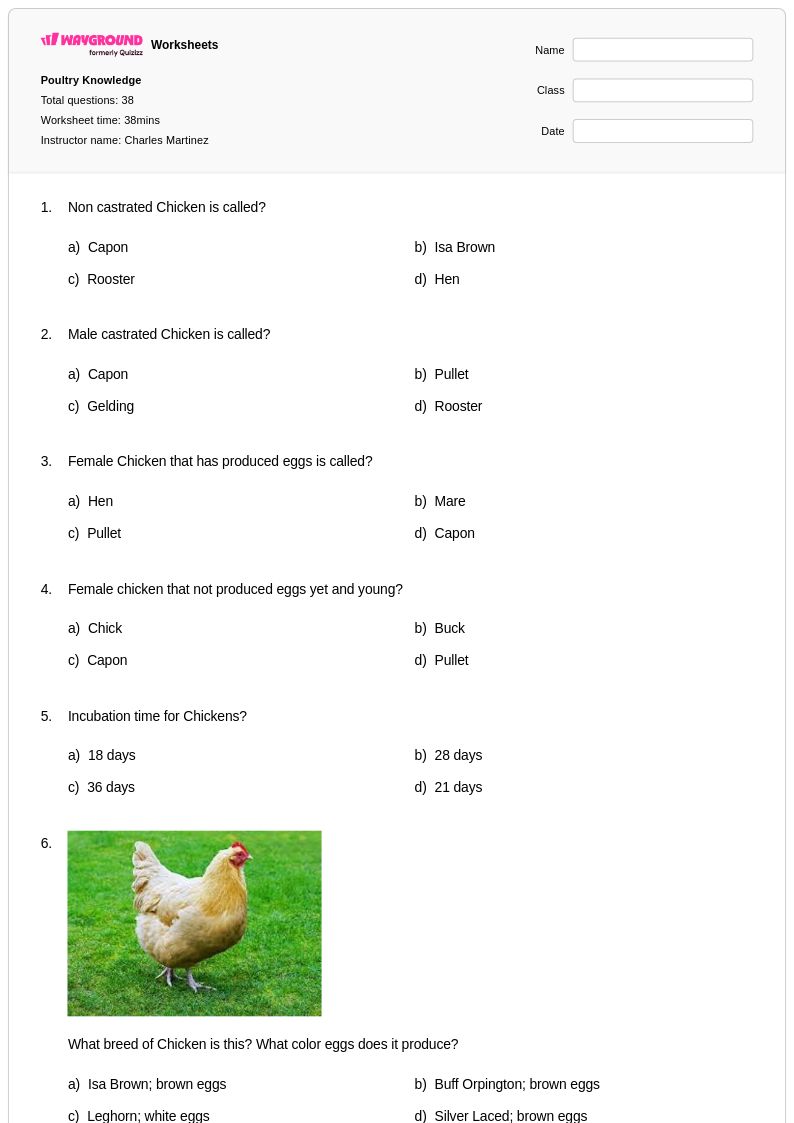
Chicken anatomy worksheets available through Wayground (formerly Quizizz) provide Class 9 biology students with comprehensive resources to explore the complex internal and external structures of these fascinating organisms. These educational materials systematically guide students through identifying and understanding key anatomical features including the digestive system, respiratory system, skeletal structure, and reproductive organs of chickens. The worksheets strengthen critical scientific skills such as anatomical labeling, comparative analysis, and understanding the relationship between form and function in biological systems. Students benefit from varied practice problems that reinforce learning through visual identification exercises, detailed diagrams, and comprehensive answer keys that support independent study. These free printable resources serve as valuable tools for mastering the foundational concepts of avian anatomy while developing observational and analytical skills essential for advanced biological studies.
Wayground (formerly Quizizz) empowers educators with an extensive collection of millions of teacher-created chicken anatomy resources designed specifically for Class 9 biology instruction. The platform's robust search and filtering capabilities enable teachers to quickly locate materials aligned with curriculum standards and appropriate for diverse learning needs. Advanced differentiation tools allow educators to customize worksheets for varying skill levels, ensuring that all students can engage meaningfully with anatomical concepts regardless of their starting point. These resources are available in both printable PDF formats and interactive digital versions, providing maximum flexibility for classroom instruction, homework assignments, and independent practice. Teachers can seamlessly integrate these materials into lesson planning for initial instruction, targeted remediation for struggling learners, or enrichment activities for advanced students, creating a comprehensive approach to mastering chicken anatomy that supports diverse teaching methodologies and learning preferences.
FAQs
How do I teach chicken anatomy to students?
Start with external anatomy before moving to internal systems, using labeled diagrams to help students build vocabulary around structures like the comb, wattle, crop, gizzard, and air sacs. Connecting each structure to its function, such as explaining how the gizzard grinds food in the absence of teeth, gives students a physiological framework rather than isolated memorization. Comparative anatomy is especially effective here: positioning chickens alongside other vertebrates helps students recognize shared structures while identifying avian-specific adaptations.
What exercises help students practice identifying chicken anatomy?
Labeling exercises using blank diagrams of both external and internal structures are among the most effective practice formats for chicken anatomy because they require active recall rather than passive recognition. Organ system identification tasks, where students match structures like the proventriculus, gizzard, and air sacs to their functions, reinforce understanding of how avian systems differ from mammalian ones. Practice problems that ask students to trace a food particle through the chicken's digestive tract or explain the role of air sacs in respiration build applied comprehension alongside anatomical knowledge.
What mistakes do students commonly make when learning chicken anatomy?
One of the most frequent errors is confusing the proventriculus with the gizzard, since students often assume the stomach is a single undivided organ as it is in mammals. Students also commonly misidentify the air sac system, either overlooking it entirely or conflating it with mammalian lung structure, when in fact chickens lack a diaphragm and use a unidirectional airflow system driven by air sacs. Another common misconception is treating the cloaca as only an excretory structure, when it also functions in reproduction, which is a distinction worth addressing directly in instruction.
How can I use Wayground's chicken anatomy worksheets in my classroom?
Wayground's chicken anatomy worksheets are available as both printable PDFs and in digital formats, making them practical for traditional classroom instruction, lab sessions, and remote or hybrid learning environments. Teachers can also host worksheets as a quiz directly on Wayground, enabling real-time student responses and built-in scoring. Each worksheet includes a complete answer key, so teachers can use them for guided practice, independent work, or structured review without additional preparation. Wayground also offers differentiation tools, including read aloud support and reduced answer choices, which can be configured per student for learners who need additional accommodations during anatomy practice.
How does chicken anatomy fit into a broader biology curriculum?
Chicken anatomy serves as a concrete entry point into comparative vertebrate biology, allowing students to examine organ systems, including digestive, respiratory, and reproductive, in a species that is well-documented and widely available for dissection or observation. Because chickens share fundamental vertebrate structures while also exhibiting avian-specific adaptations, studying them builds foundational knowledge that transfers directly to units on evolution, physiology, and taxonomy. This makes chicken anatomy especially useful as a bridge between basic life science concepts and more advanced biological studies.
Can chicken anatomy worksheets support students with different skill levels?
Yes. Worksheets can be differentiated by task complexity: foundational learners benefit from basic external labeling and vocabulary matching, while more advanced students can engage with internal system diagrams, functional analysis questions, and comparative anatomy prompts. On Wayground, teachers can apply student-level accommodations such as extended time, read aloud, and reduced answer choices to support learners with diverse needs, while other students continue with standard settings. These accommodations are saved and reusable across future sessions, reducing setup time for teachers managing mixed-ability classes.