
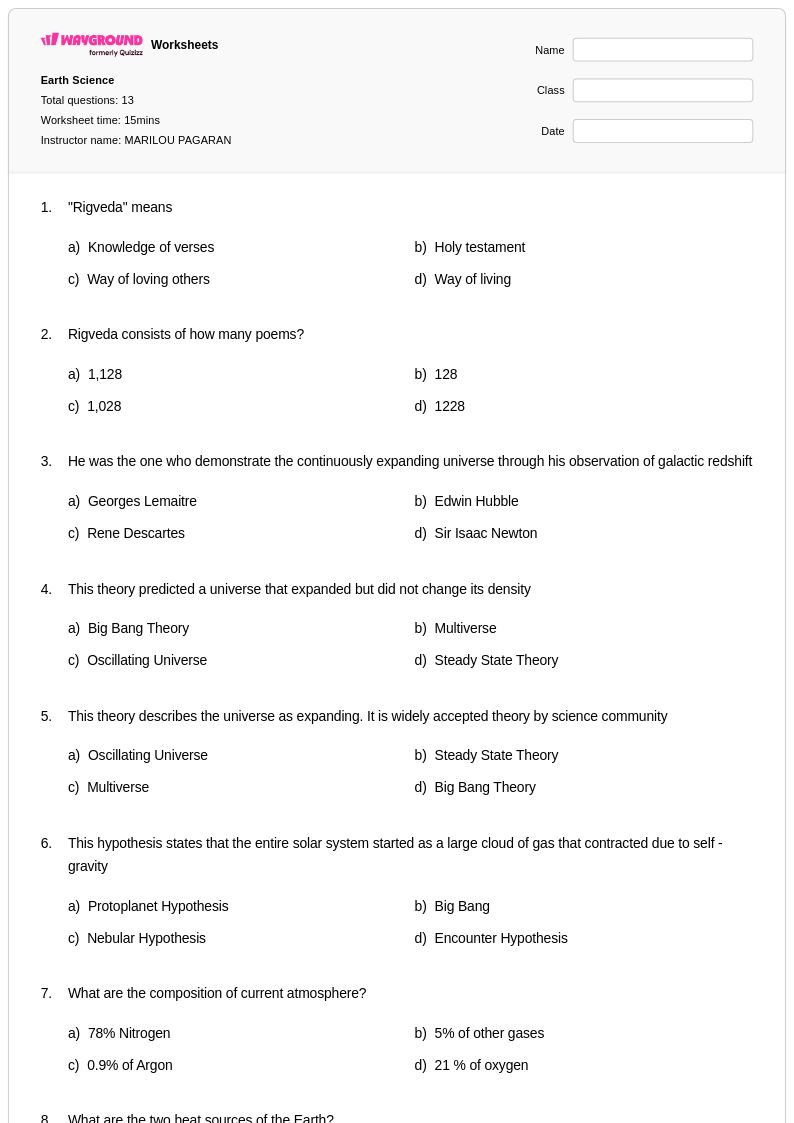
13 Q
11th
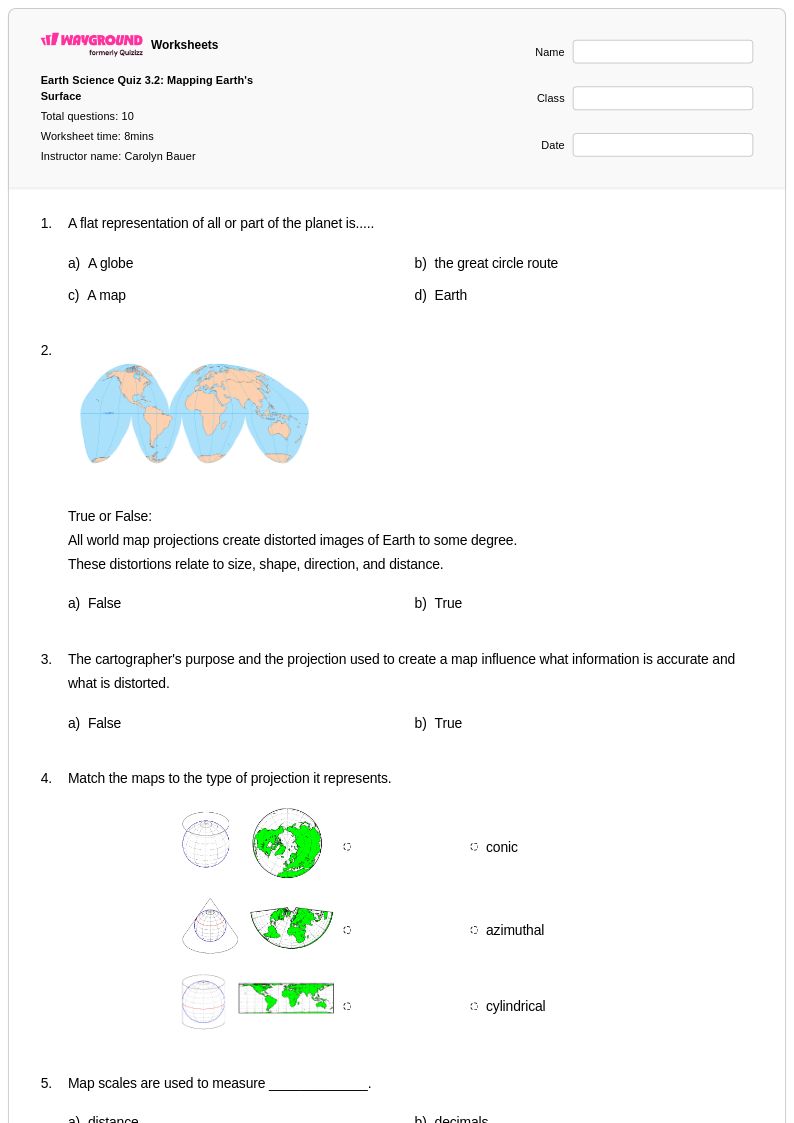
10 Q
9th - 12th
25 Q
5th - Uni
25 Q
9th - Uni
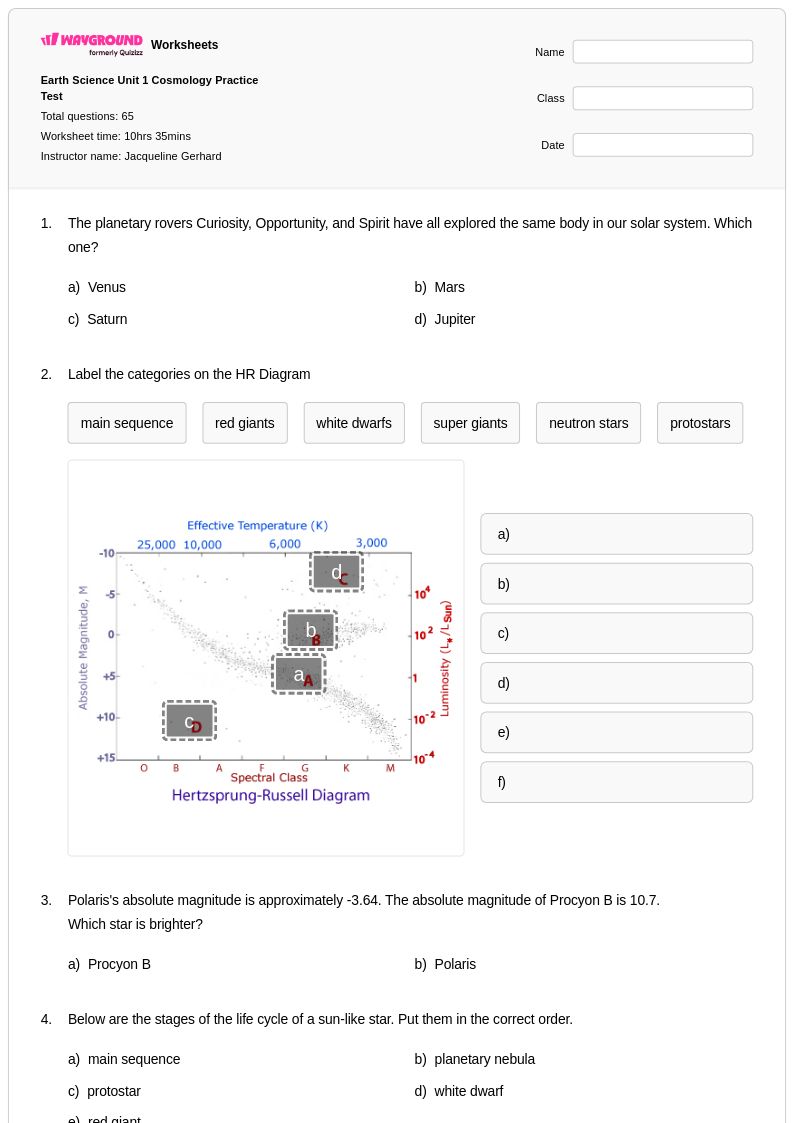
65 Q
10th - Uni
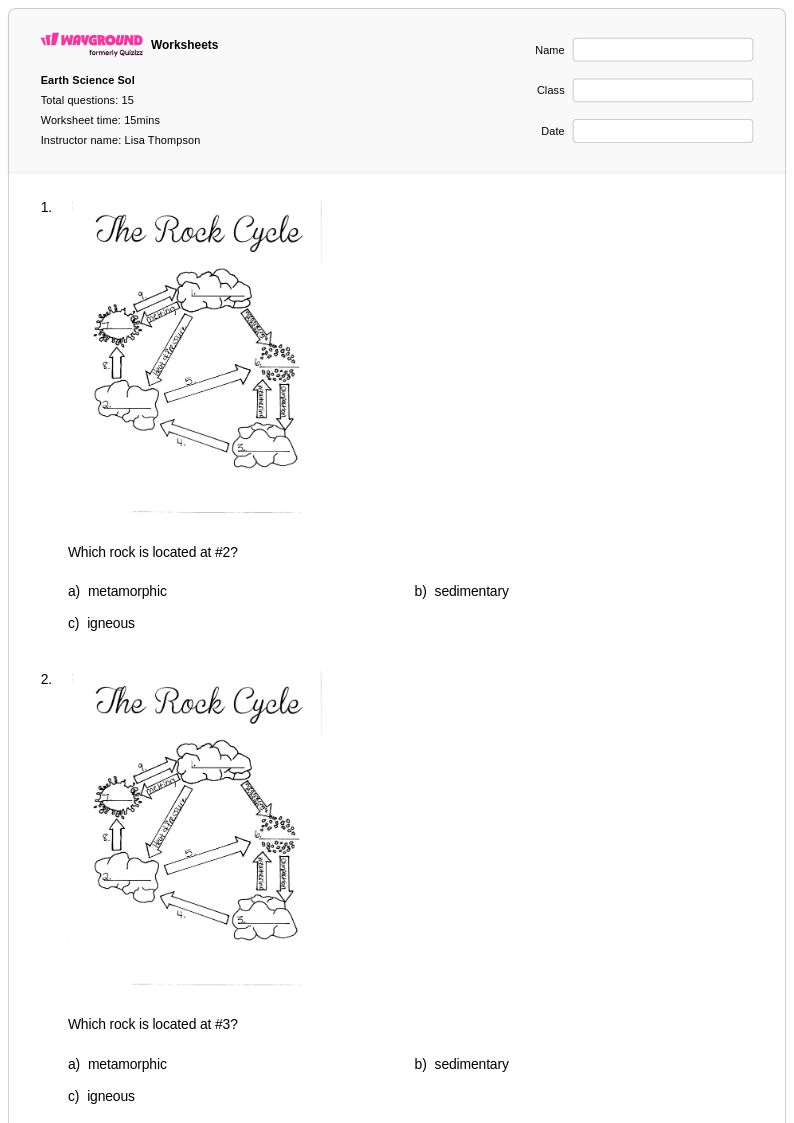
15 Q
9th - Uni
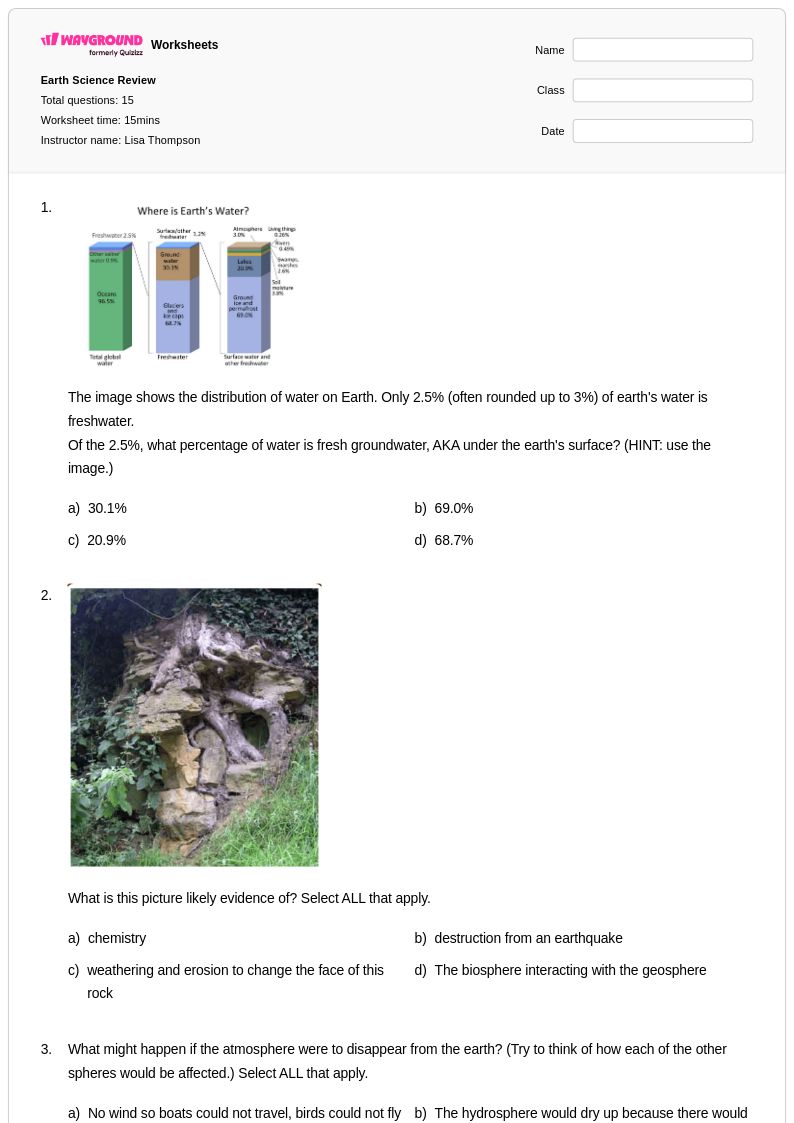
15 Q
5th - Uni
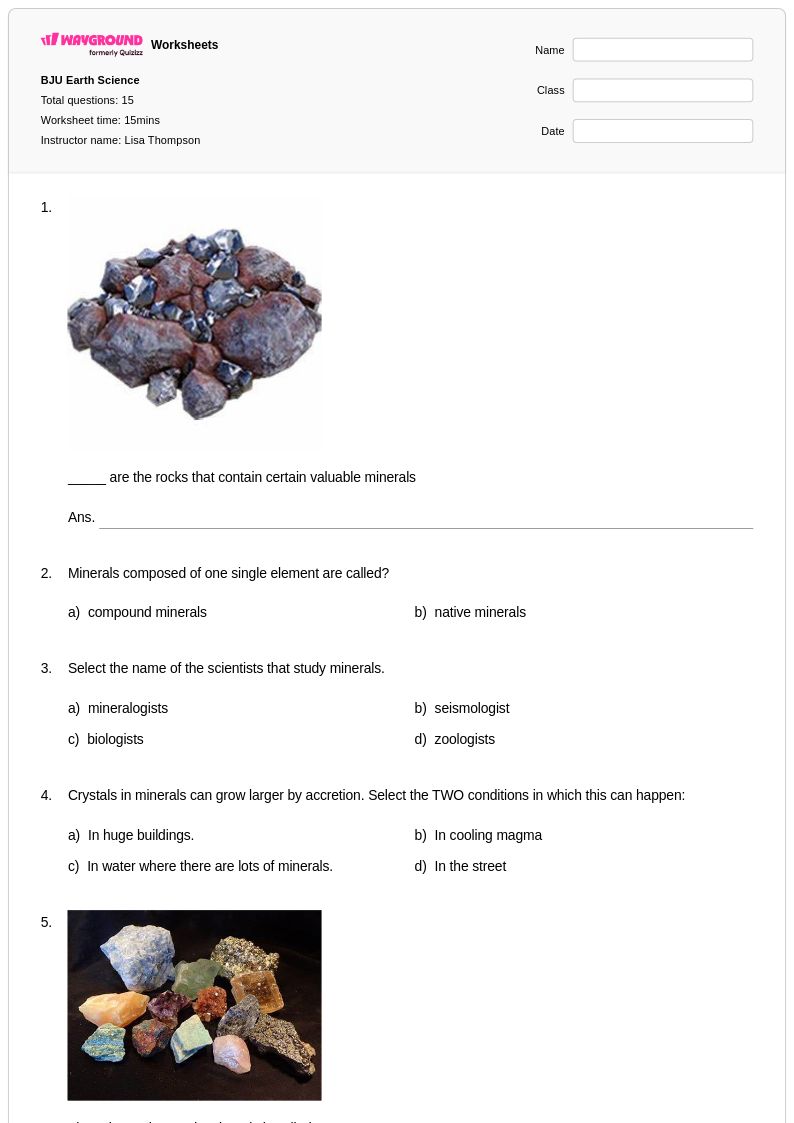
15 Q
8th - Uni
15 Q
7th - Uni
100 Q
10th - 12th
25 Q
7th - Uni
15 Q
7th - Uni
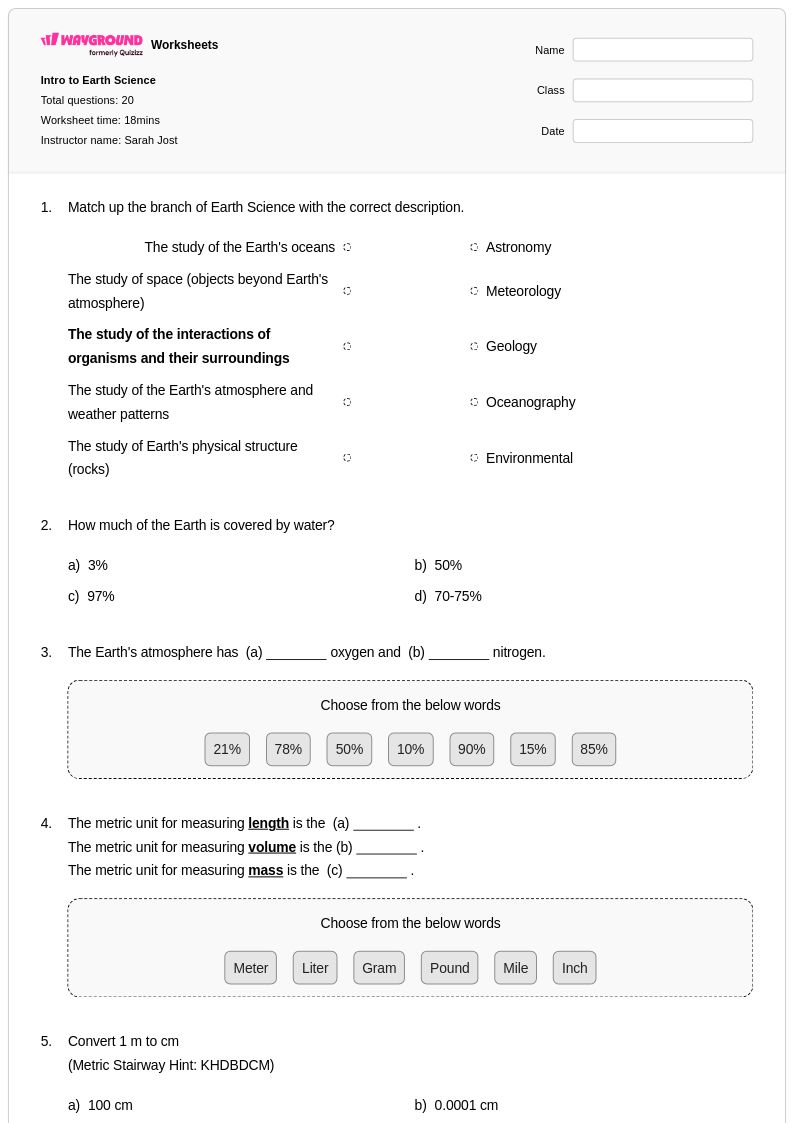
20 Q
9th - 12th
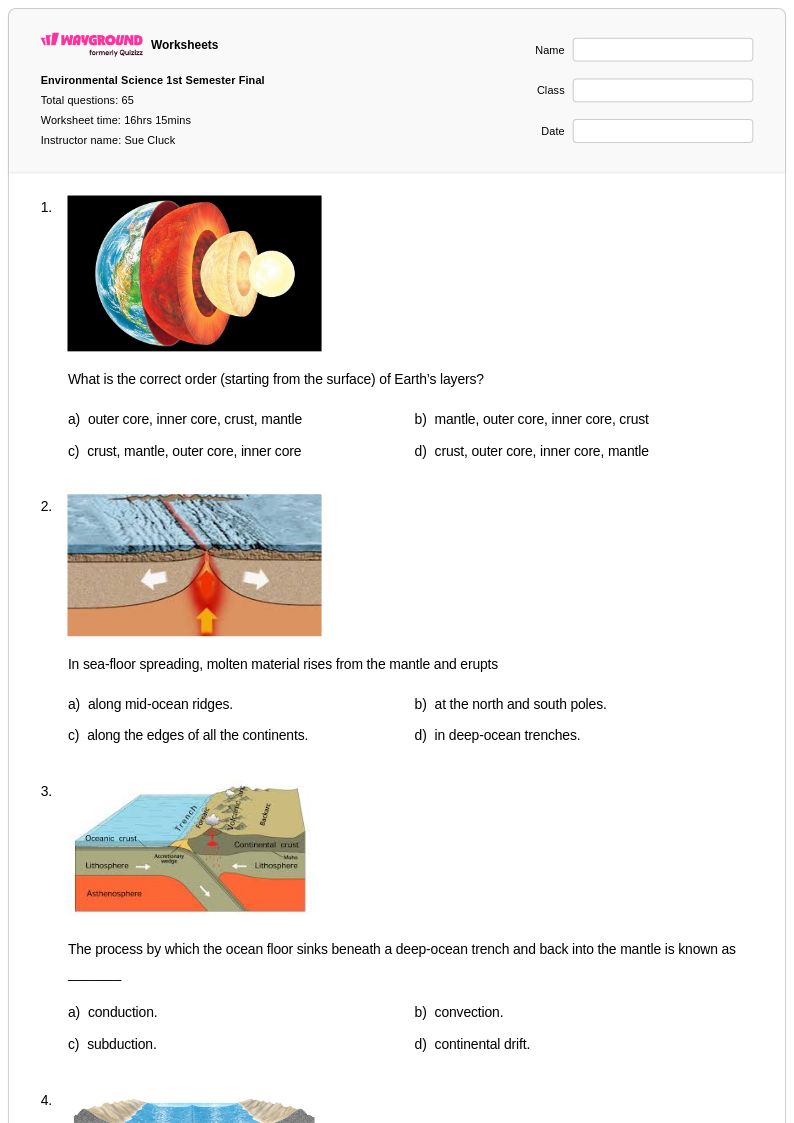
65 Q
11th
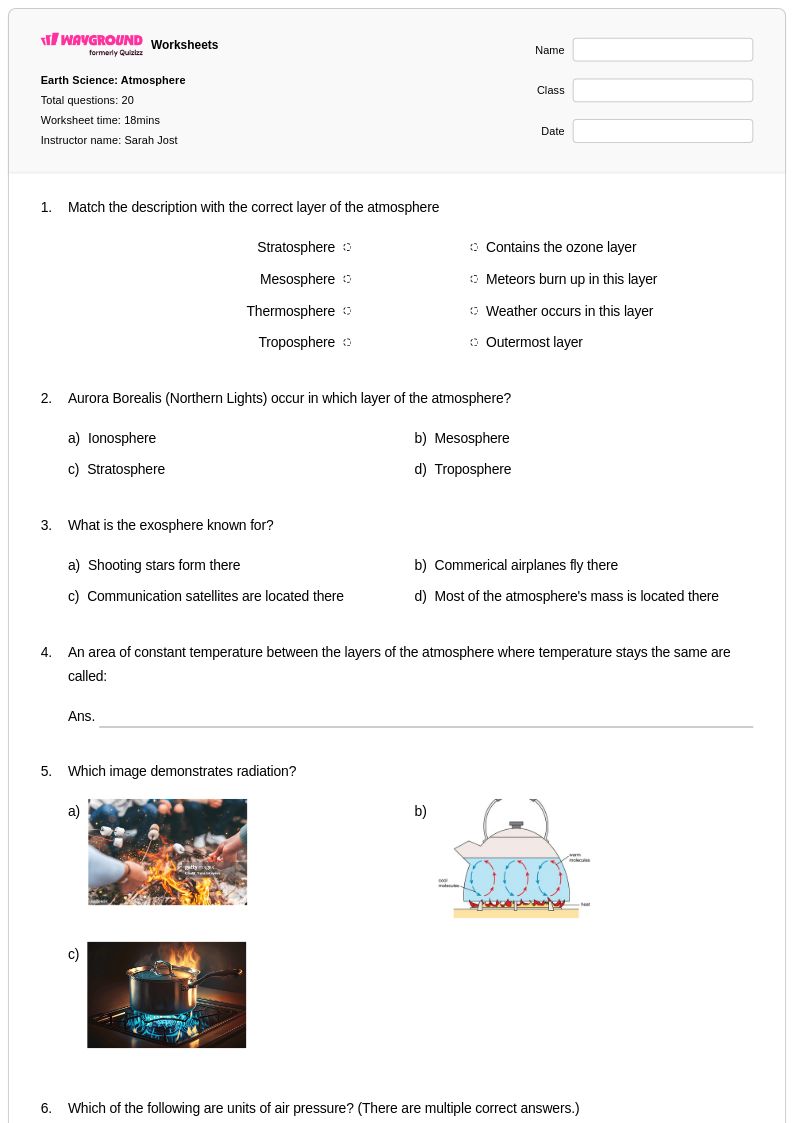
20 Q
9th - 12th
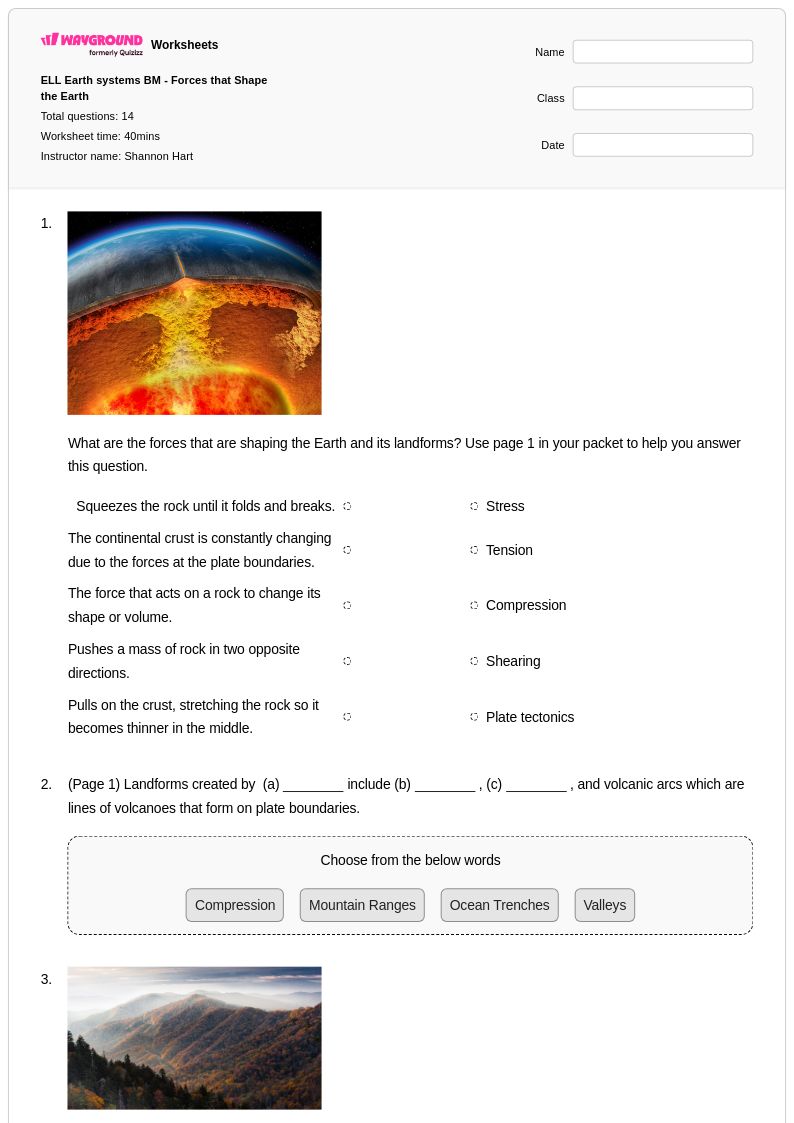
14 Q
9th - 12th
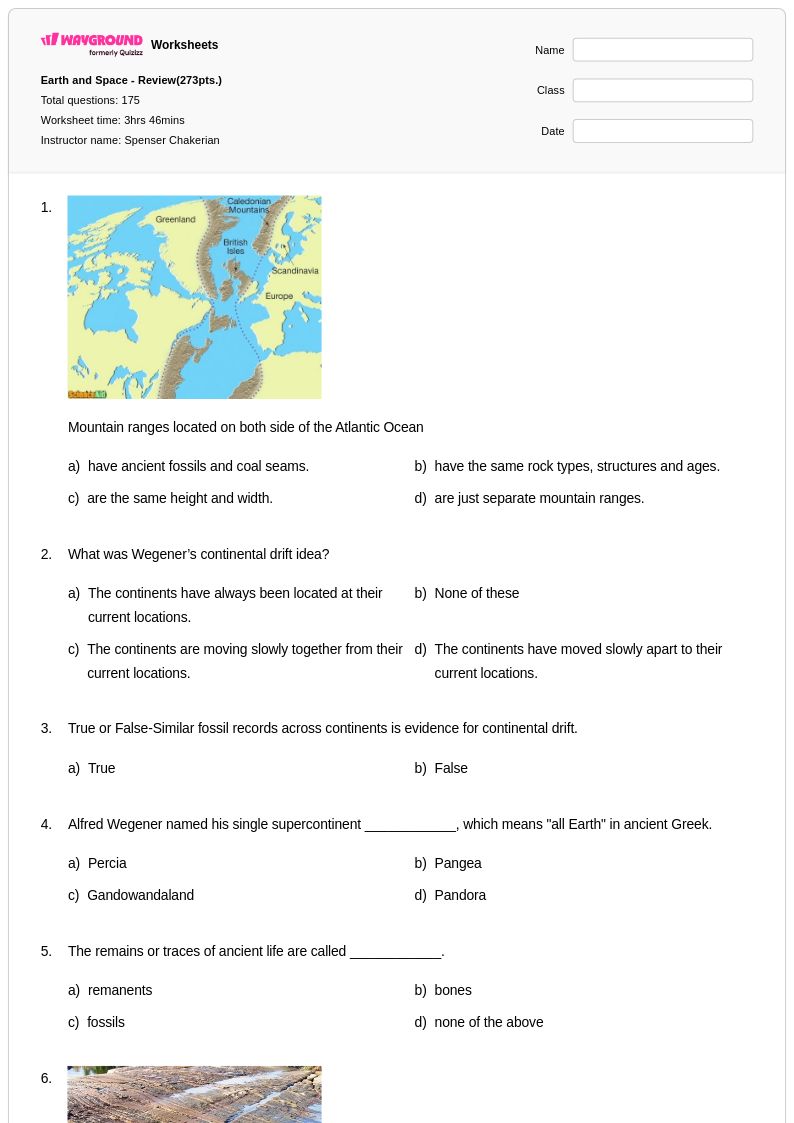
182 Q
9th - 12th
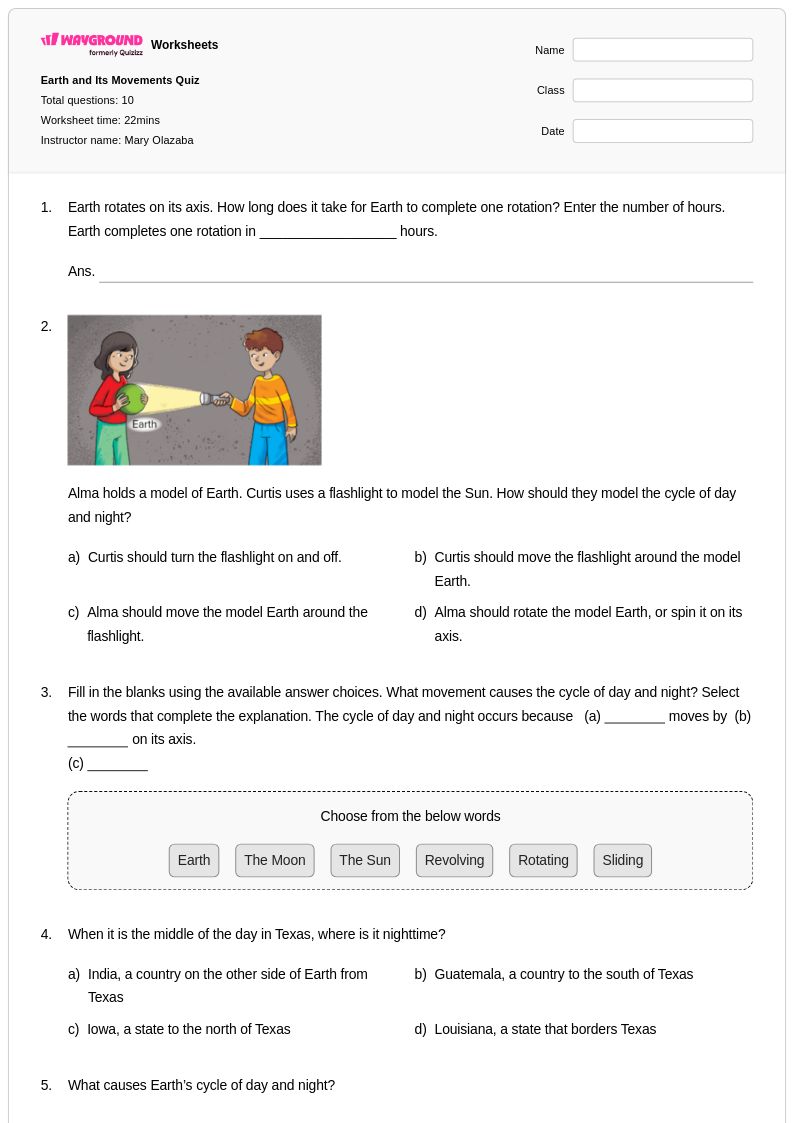
10 Q
5th - Uni
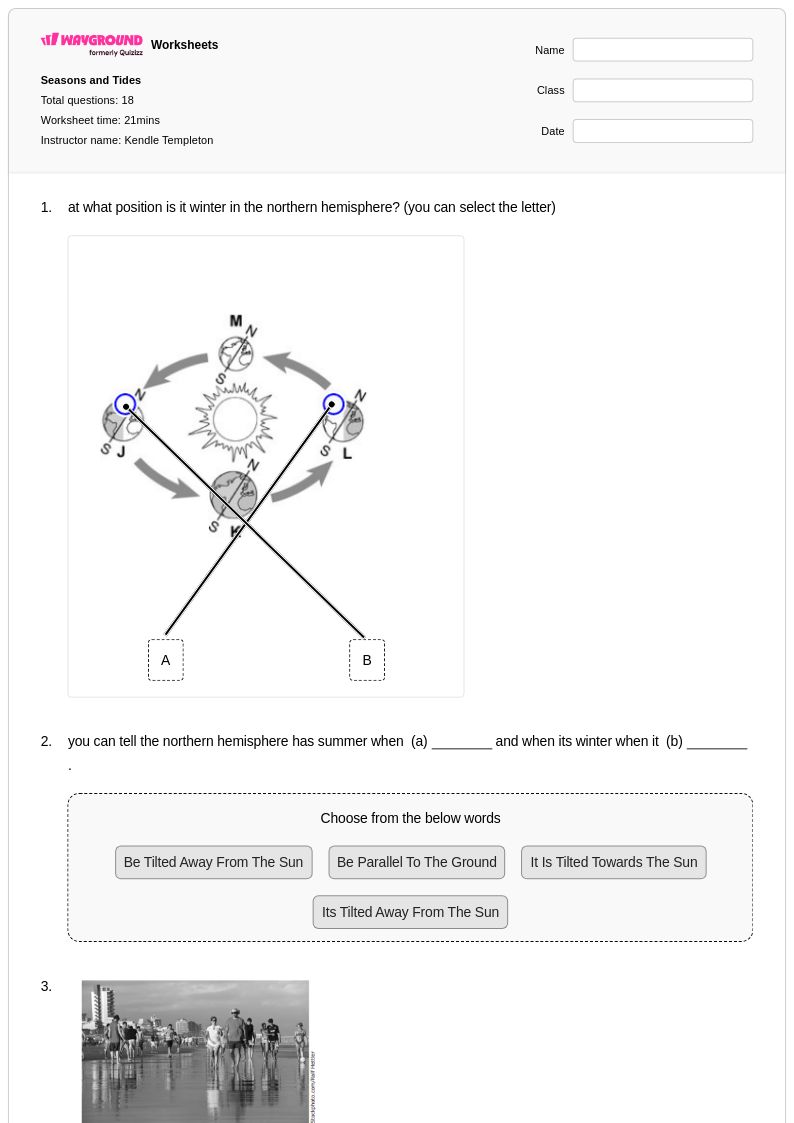
18 Q
8th - Uni
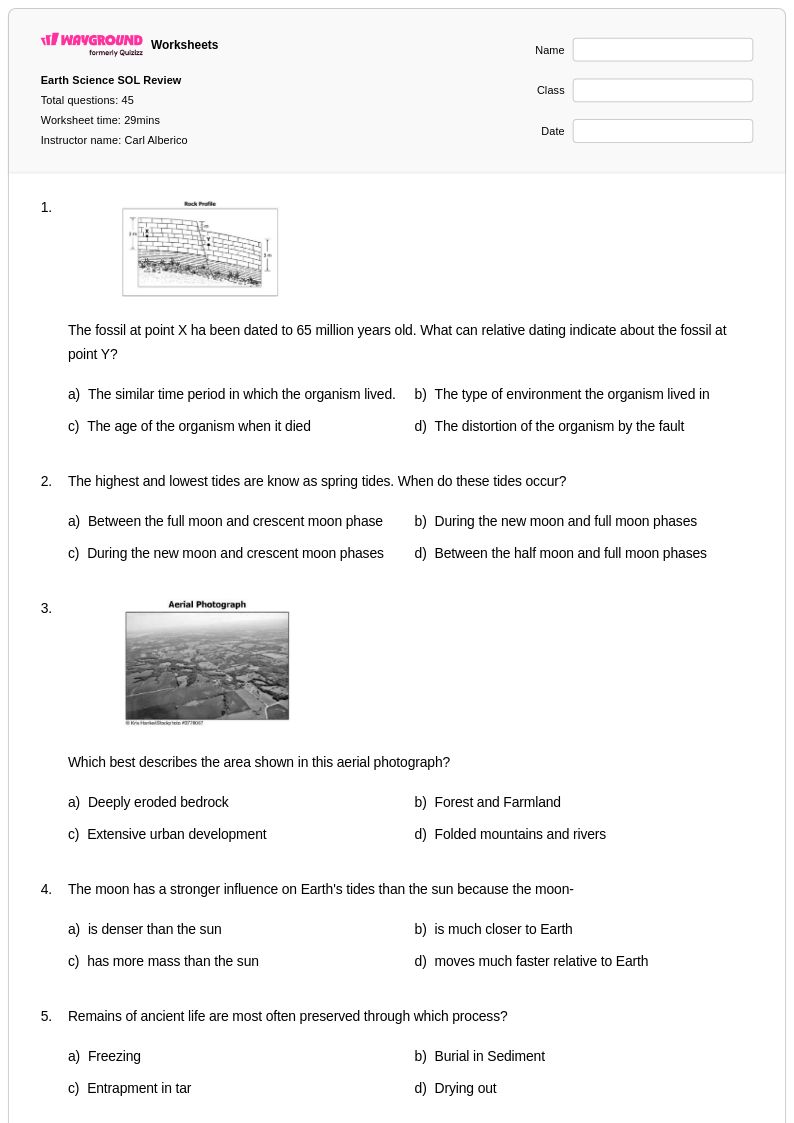
45 Q
9th - Uni
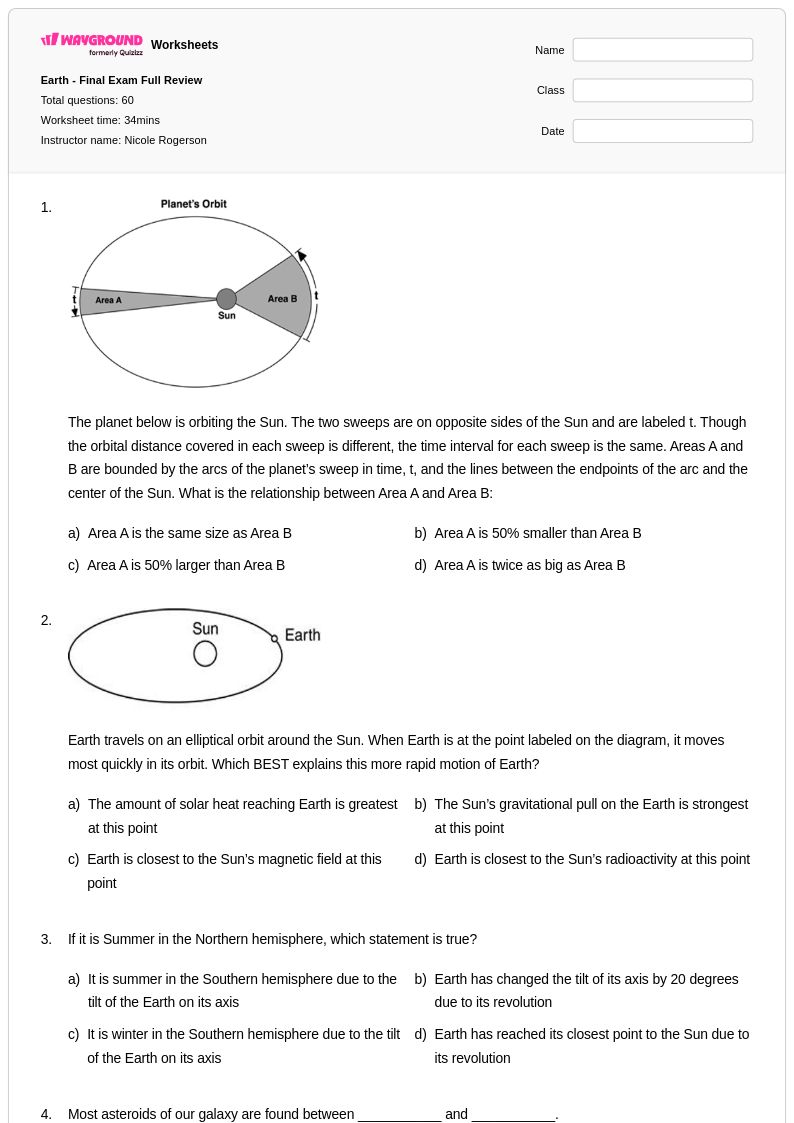
60 Q
9th - 12th
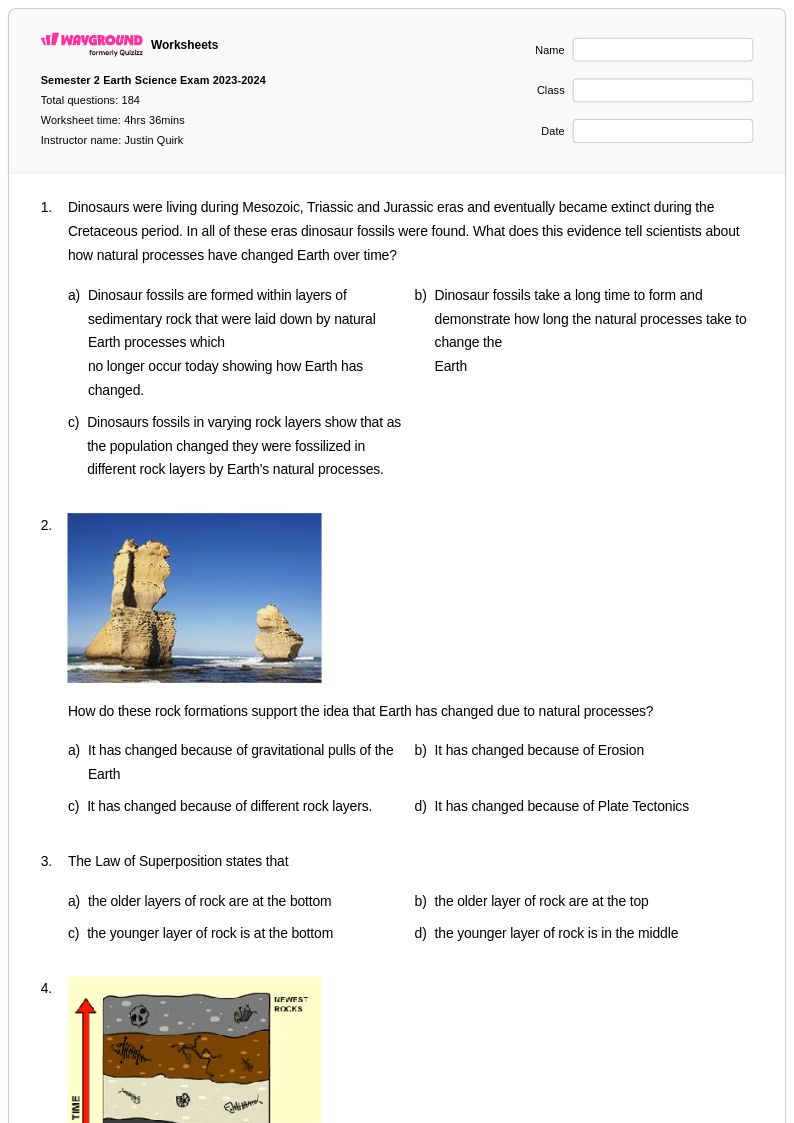
184 Q
9th - 12th
15 Q
9th - 12th
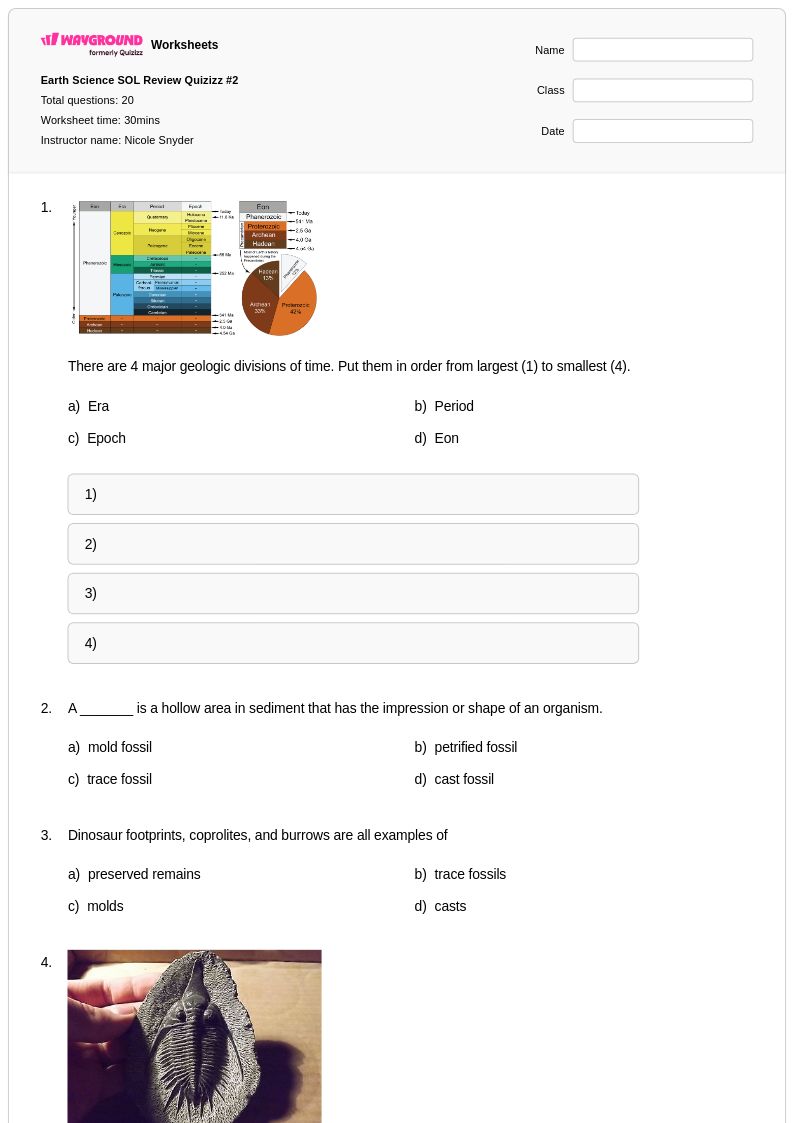
20 Q
9th - Uni
Explore Earth Science Graph Analysis Worksheets by Grades
Explore Other Subject Worksheets for class 11
Explore printable Earth Science Graph Analysis worksheets for Class 11
Earth Science Graph Analysis worksheets for Class 11 students available through Wayground (formerly Quizizz) provide comprehensive practice in interpreting and analyzing scientific data representations commonly found in earth and space science research. These carefully designed resources strengthen critical analytical skills by challenging students to extract meaningful information from various graph types including line graphs showing climate trends, scatter plots demonstrating geological correlations, bar charts displaying mineral compositions, and complex multi-variable diagrams illustrating atmospheric and oceanic processes. Each worksheet includes detailed answer keys that guide students through proper interpretation techniques, while the free printable format ensures accessibility for both classroom instruction and independent study. The practice problems systematically build proficiency in reading scales, identifying trends, calculating rates of change, and drawing evidence-based conclusions from geoscientific data.
Wayground's extensive collection of teacher-created resources supports educators with millions of high-quality worksheets that can be easily located through robust search and filtering capabilities, allowing teachers to find materials perfectly aligned with curriculum standards and learning objectives. The platform's differentiation tools enable instructors to customize graph analysis activities for varying skill levels within Class 11 Earth Science classrooms, while flexible formatting options provide both printable pdf versions for traditional paper-based assignments and digital formats for technology-integrated learning environments. These comprehensive features streamline lesson planning by offering ready-to-use materials for skill practice sessions, targeted remediation for students struggling with data interpretation concepts, and enrichment opportunities for advanced learners ready to tackle more complex geoscientific datasets and analytical challenges.