
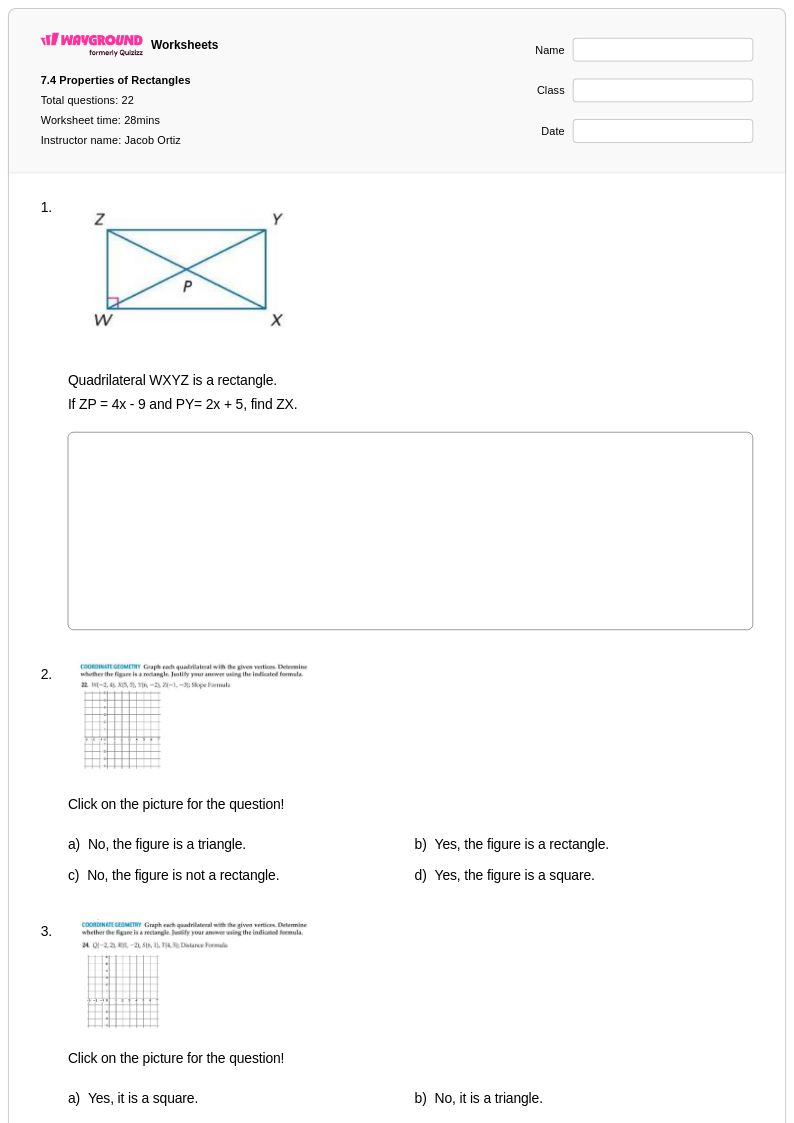
22 Q
10th
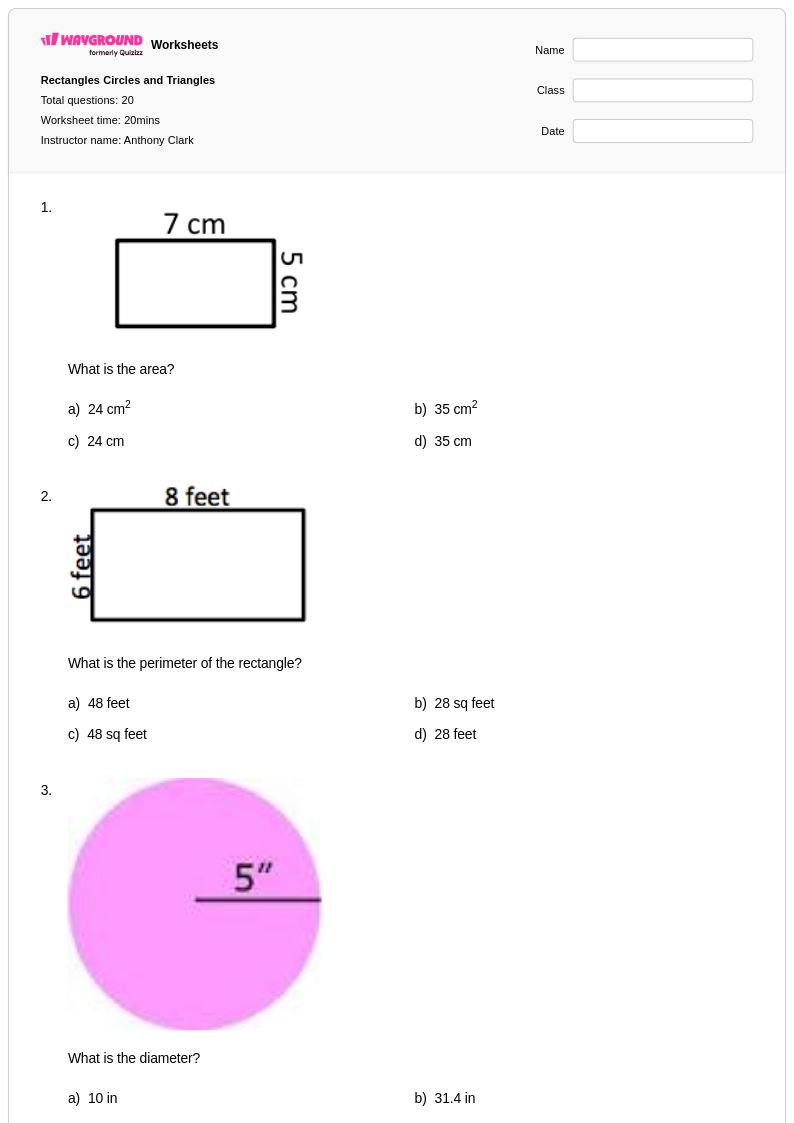
20 Q
7th - Uni
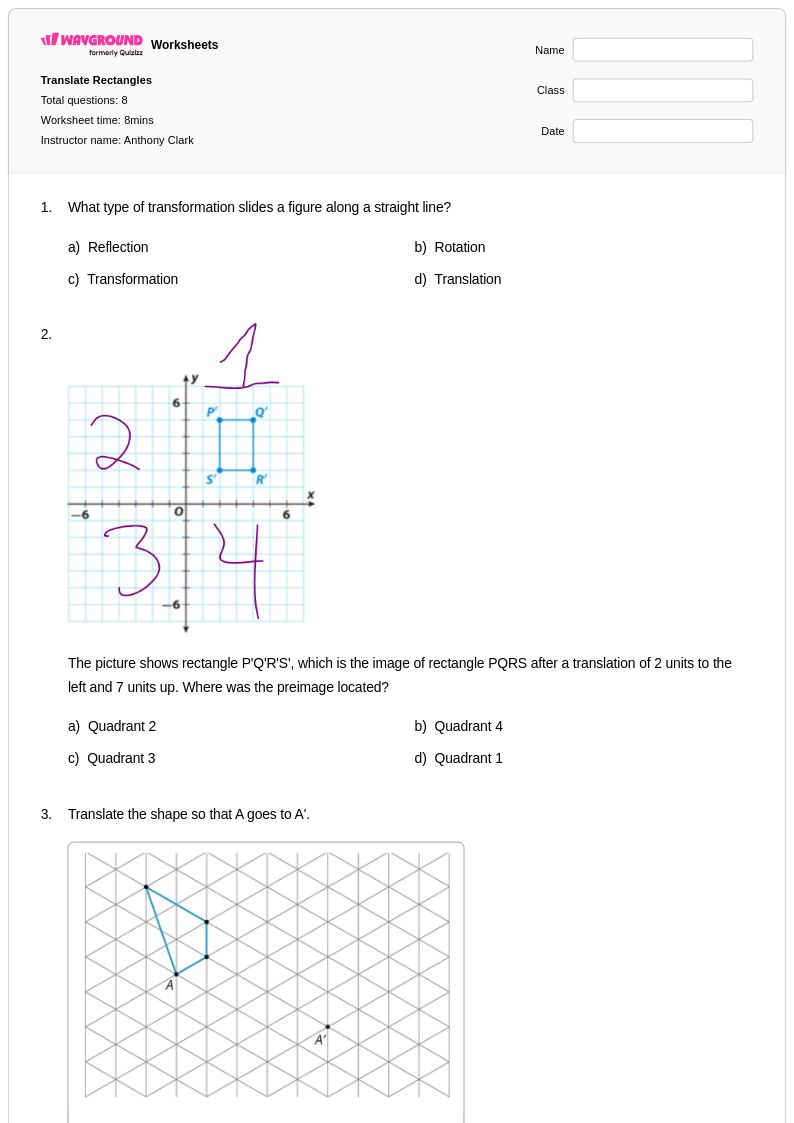
8 Q
8th - Uni
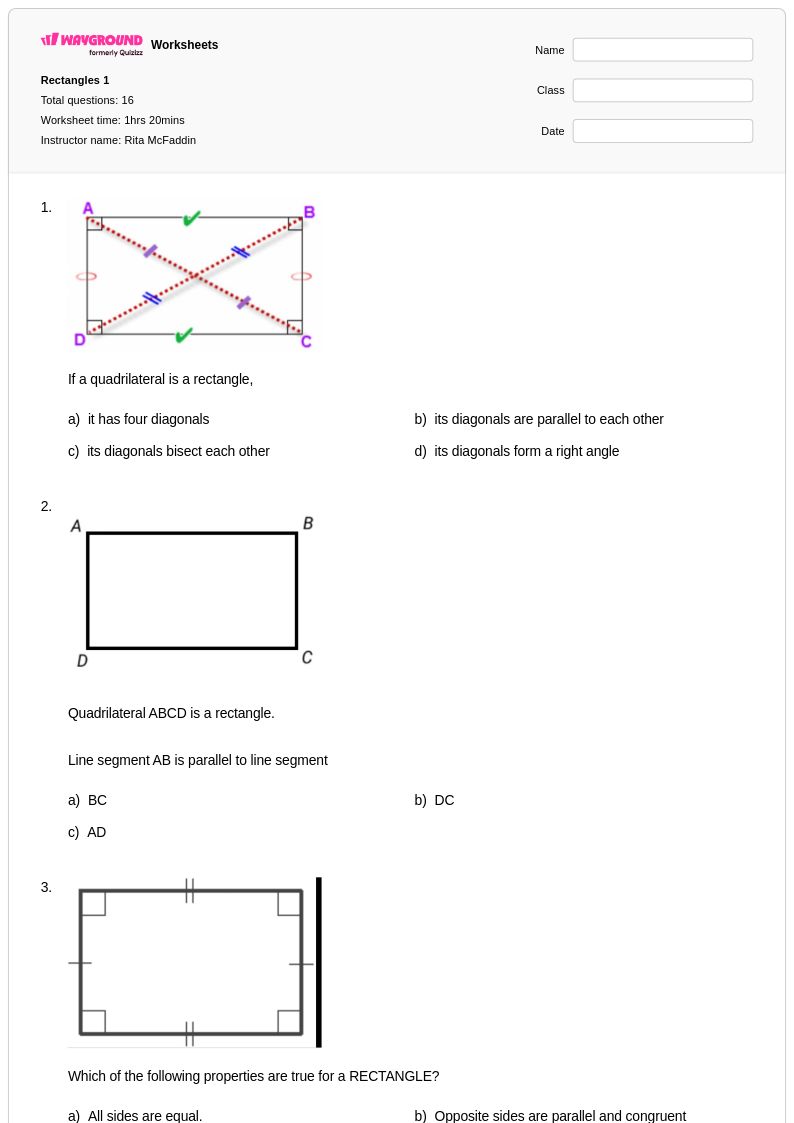
16 Q
7th
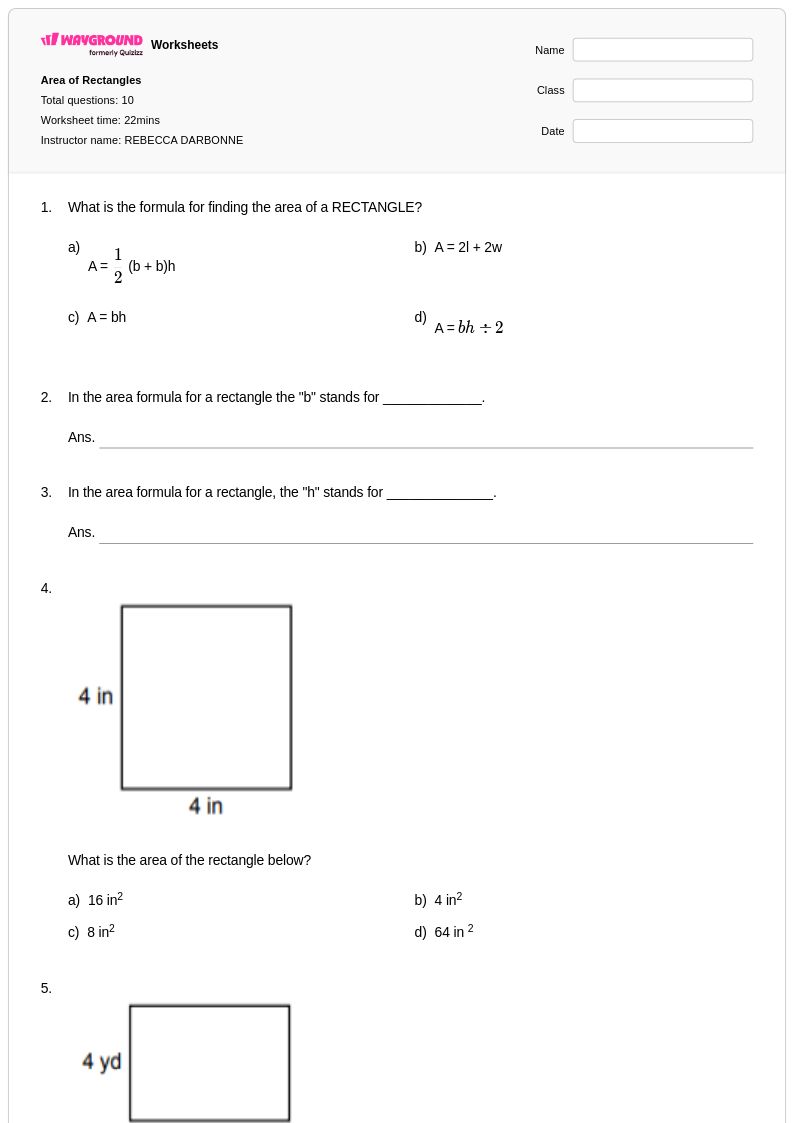
10 Q
3rd - 7th
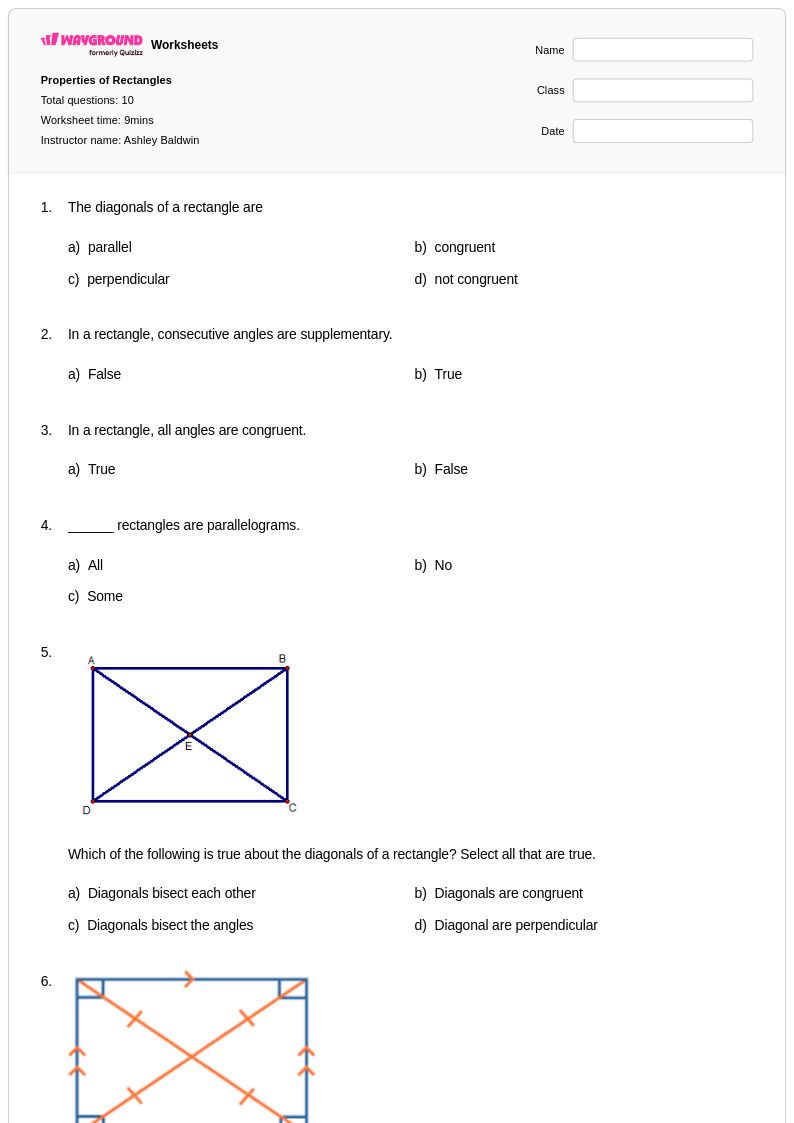
10 Q
9th - 12th
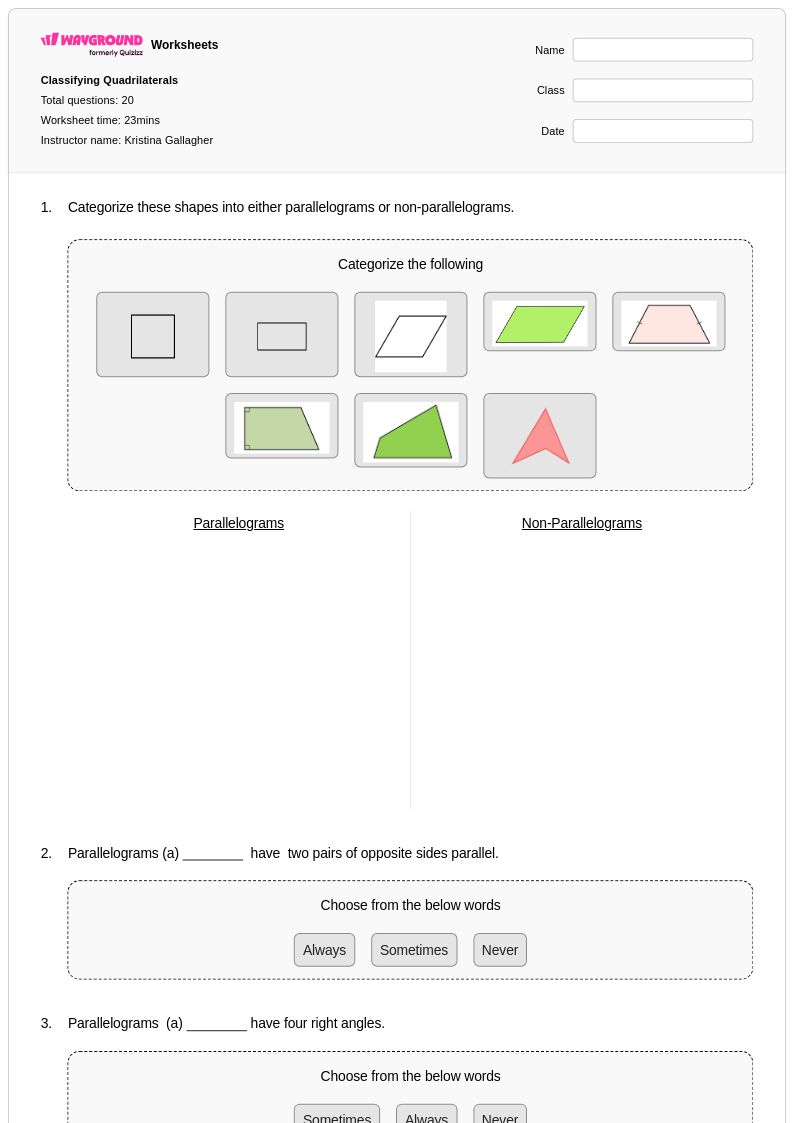
20 Q
5th
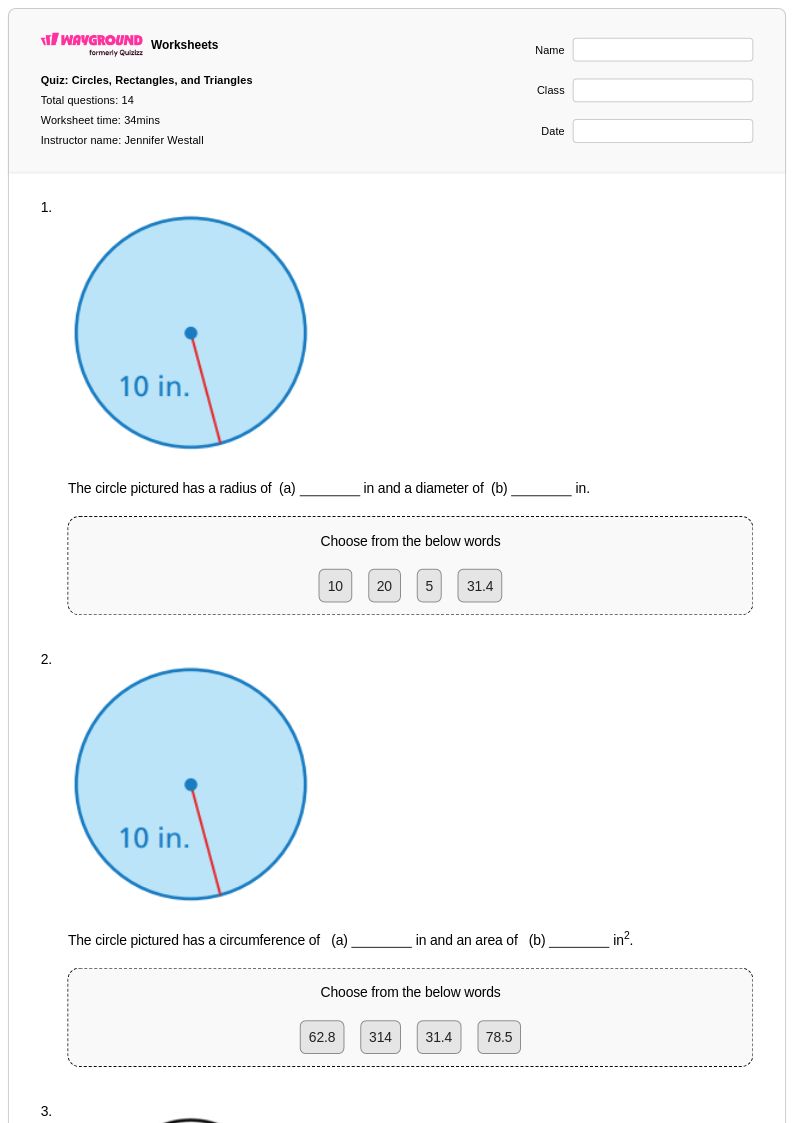
14 Q
7th
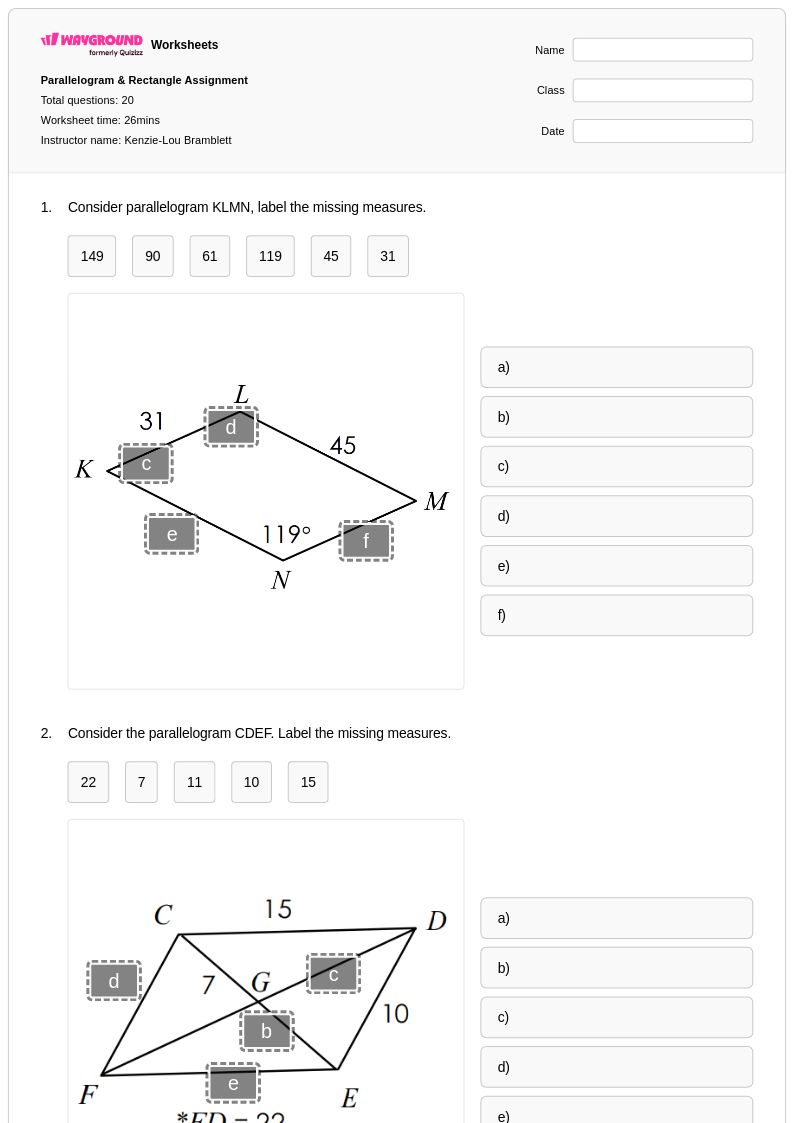
20 Q
10th
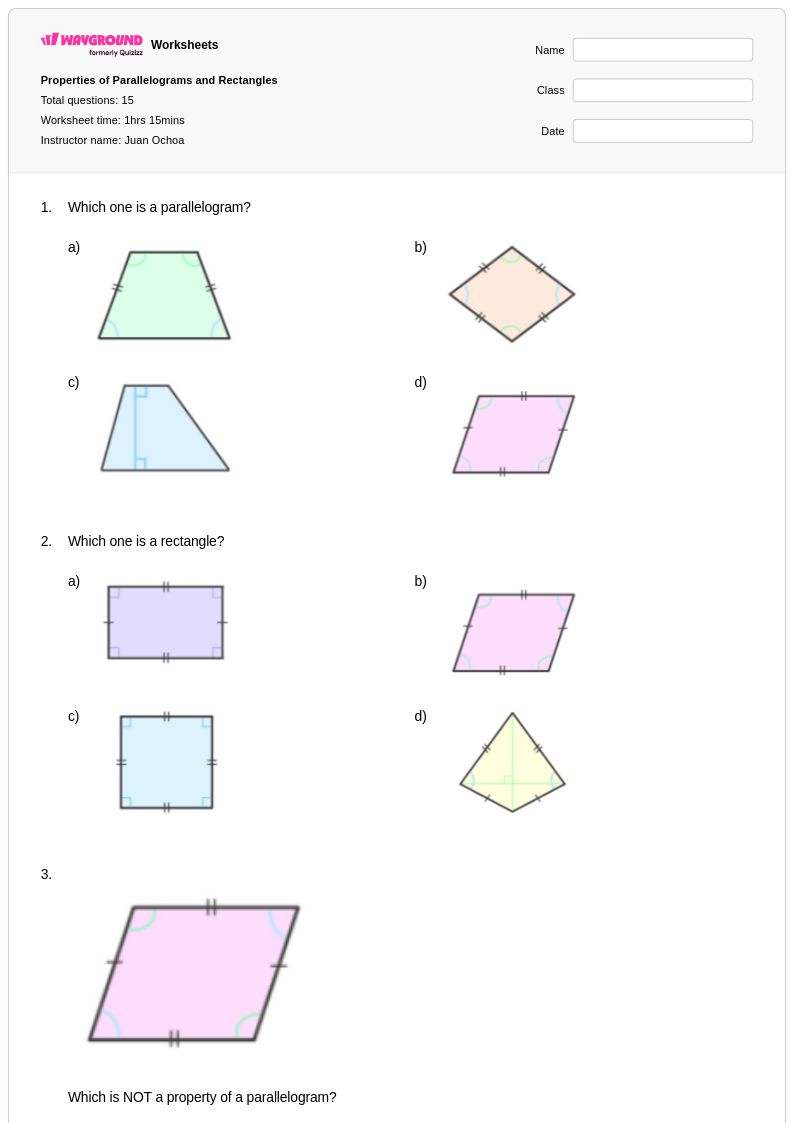
15 Q
9th
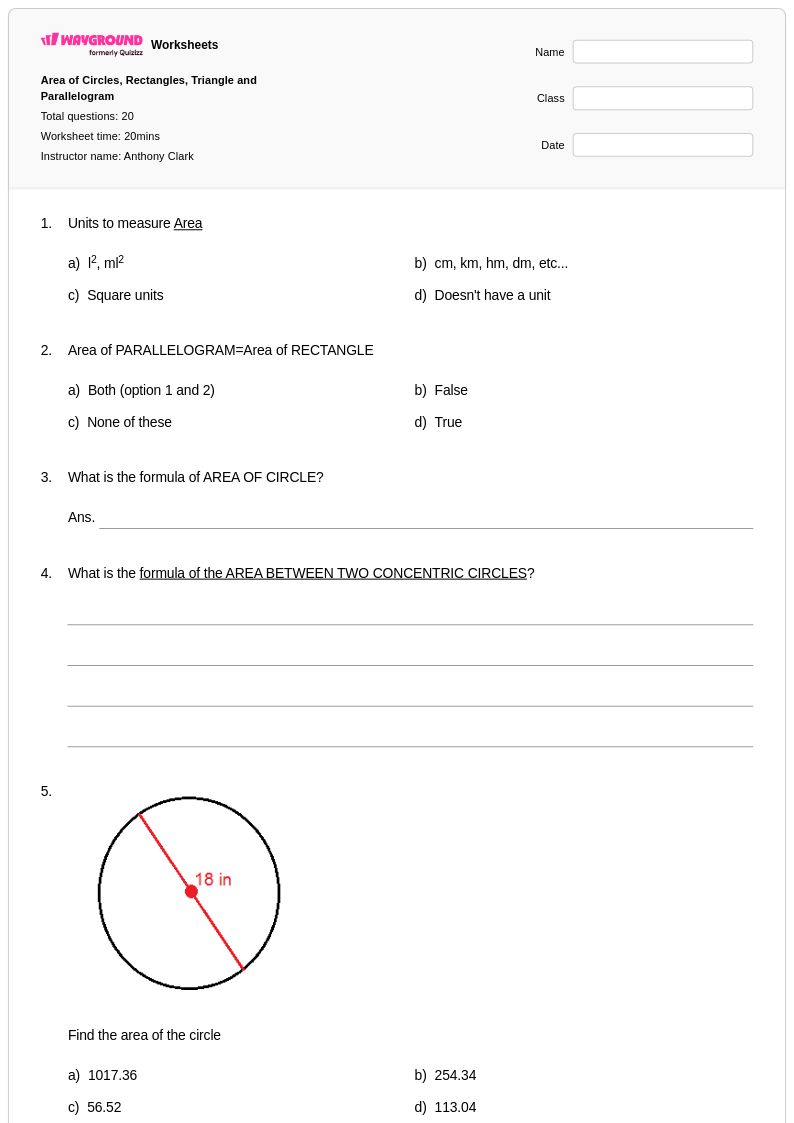
20 Q
7th - Uni
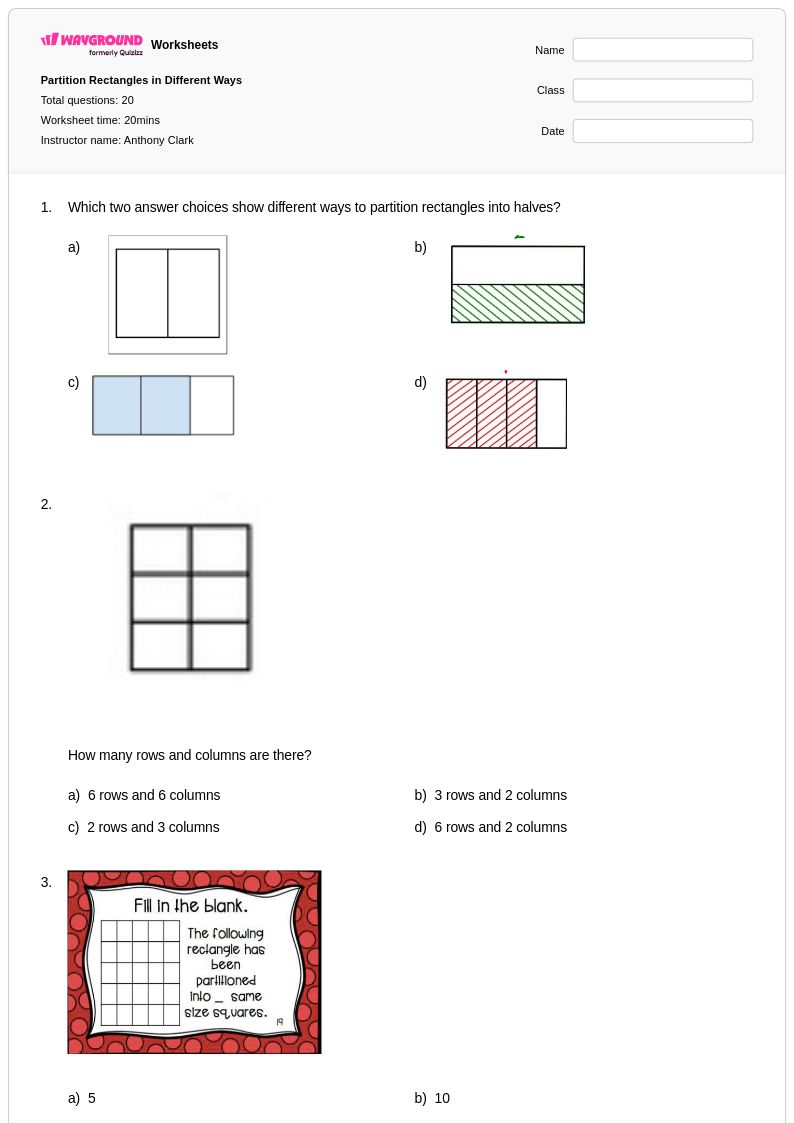
20 Q
1st - Uni
10 Q
8th
12 Q
7th
12 Q
3rd - 5th
14 Q
4th
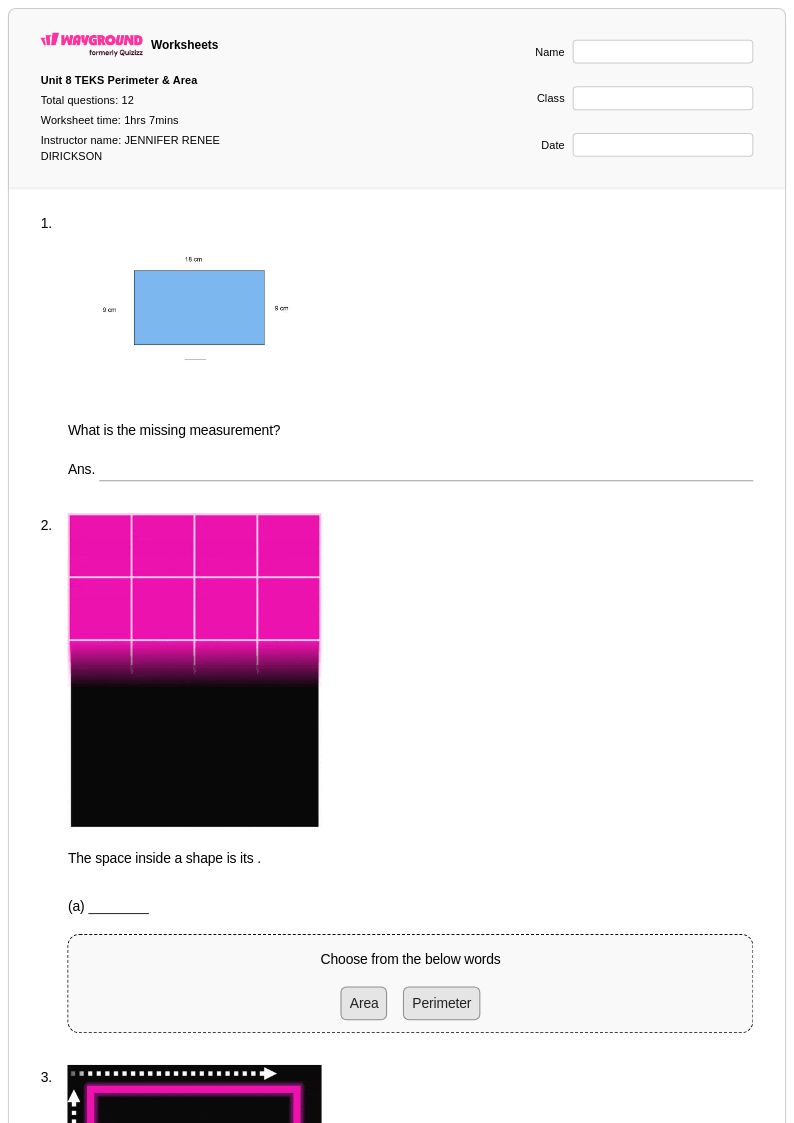
12 Q
4th
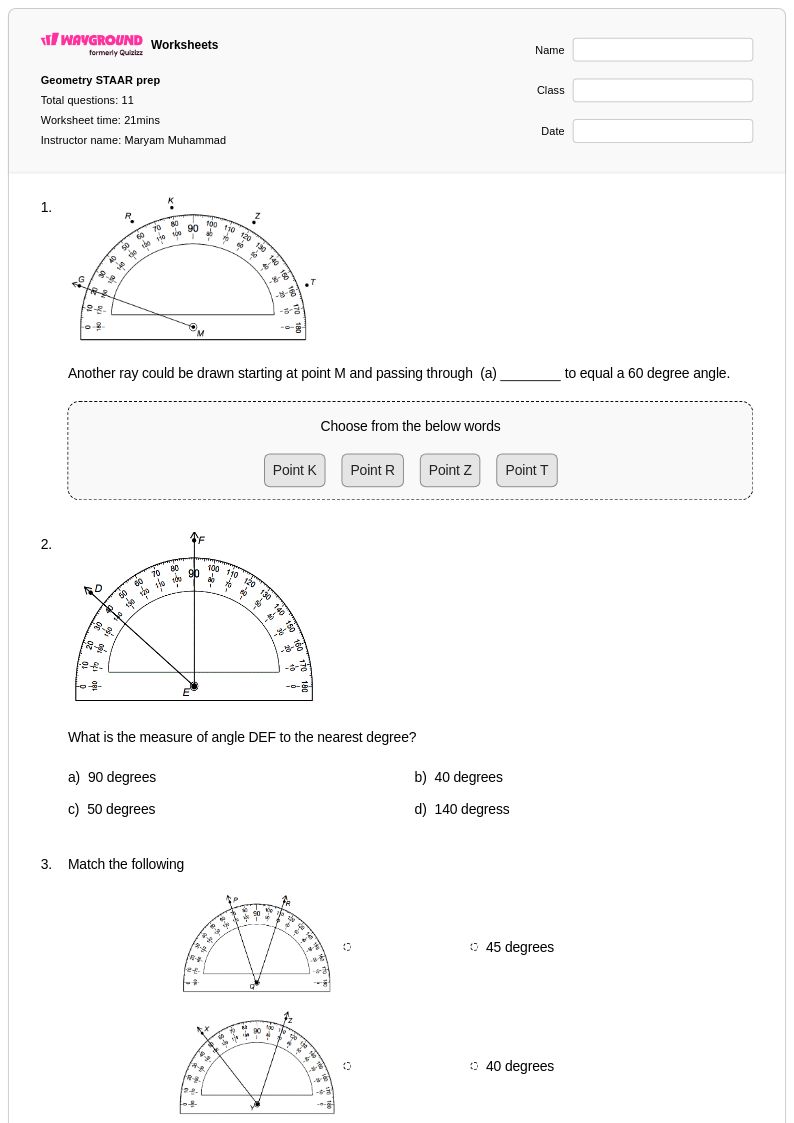
11 Q
4th
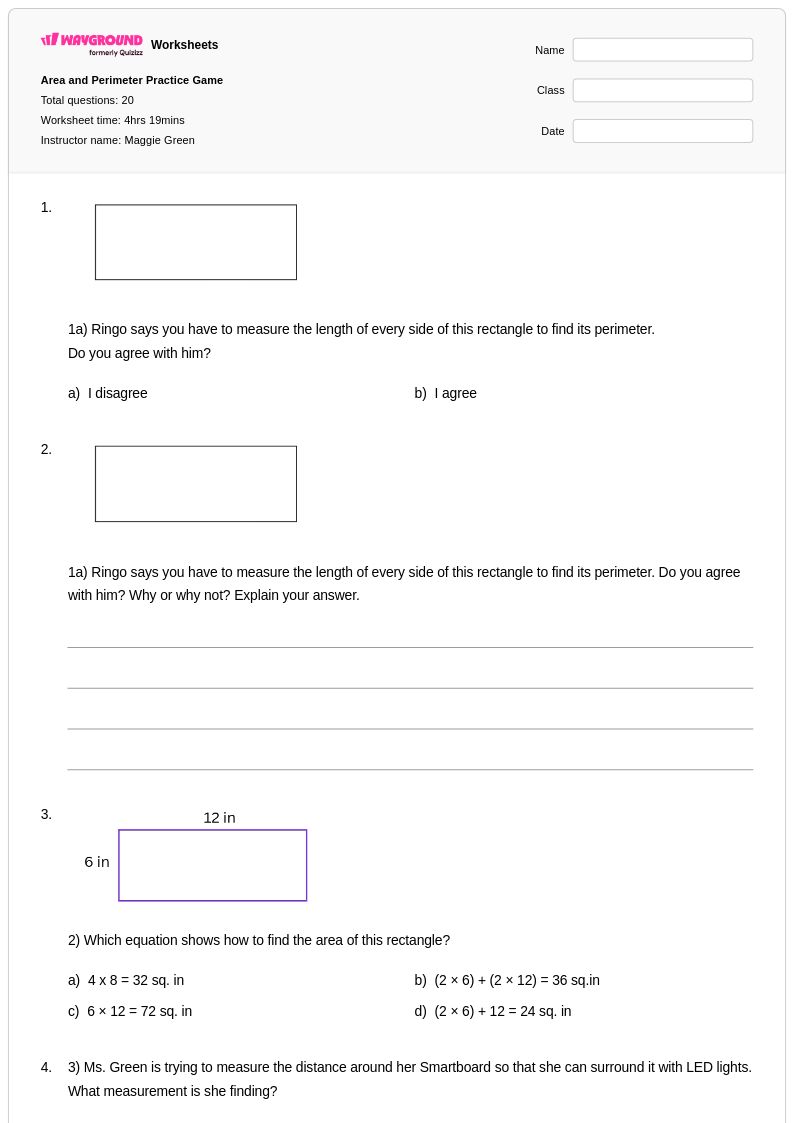
20 Q
4th
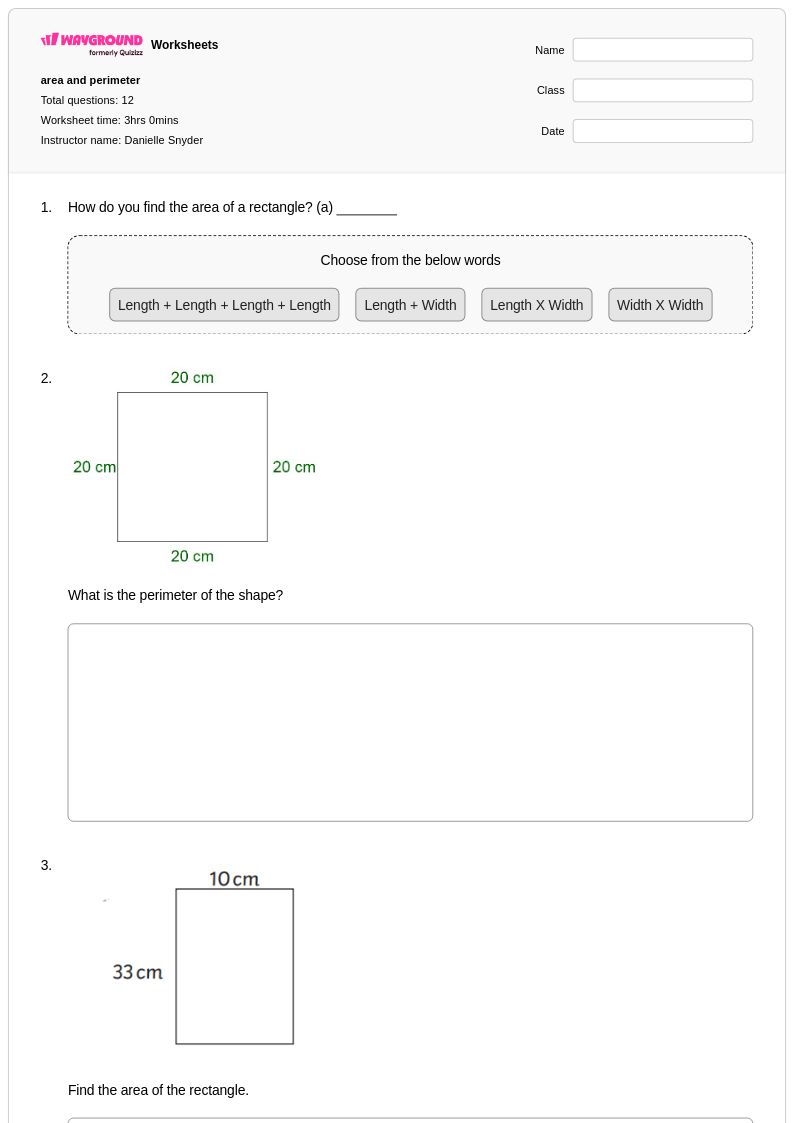
12 Q
5th
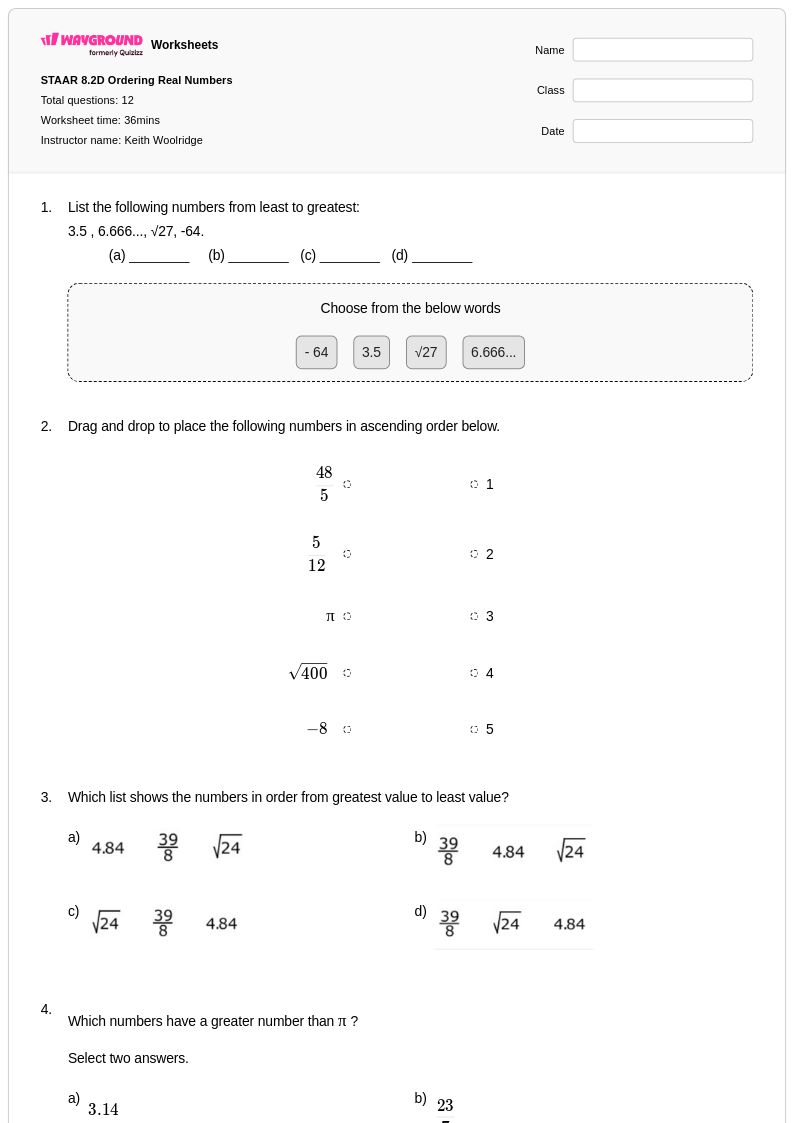
14 Q
8th
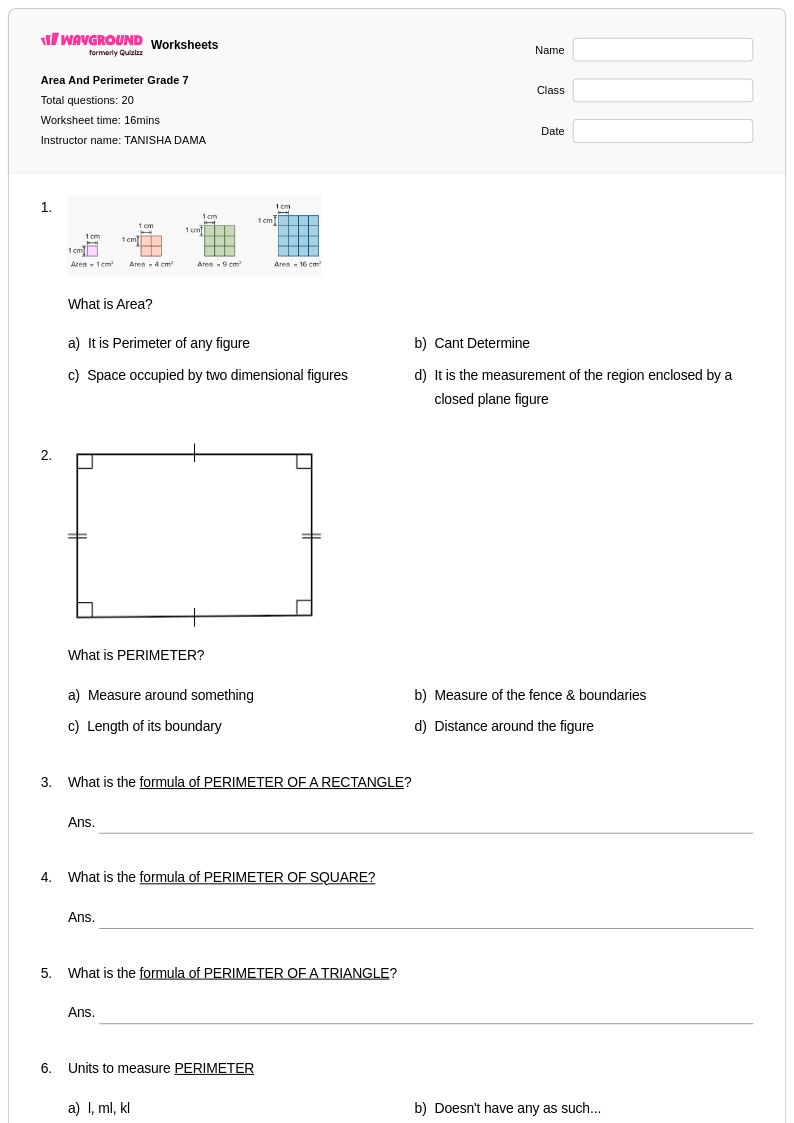
20 Q
7th
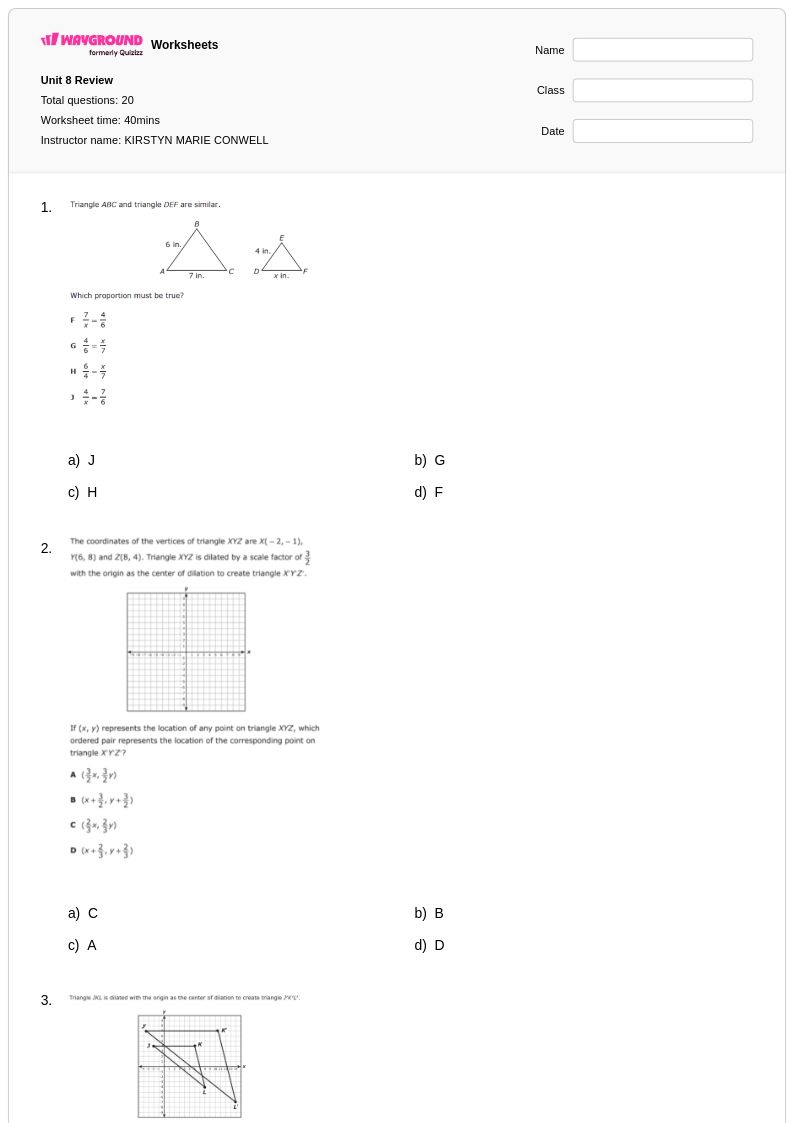
20 Q
8th
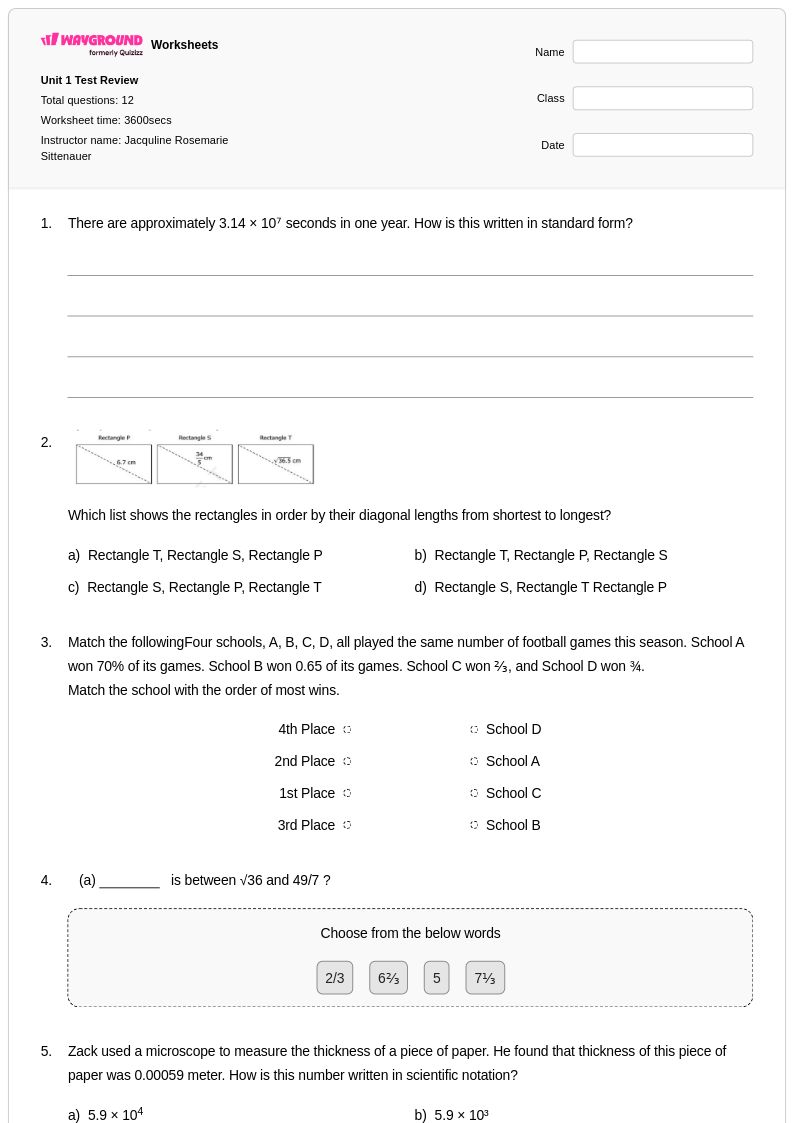
12 Q
8th
Explore Other Subject Worksheets for kindergarten
Explore printable Rectangles worksheets for Kindergarten
Rectangle worksheets for kindergarten students available through Wayground (formerly Quizizz) provide essential foundation-building practice for young learners beginning their journey with geometric shapes. These carefully crafted resources help kindergarteners develop visual recognition skills, shape identification abilities, and basic geometric vocabulary through age-appropriate activities that make learning about rectangles engaging and accessible. The worksheet collection includes coloring exercises, tracing activities, sorting tasks, and simple shape matching problems that strengthen fine motor skills while reinforcing rectangle characteristics such as four sides and four corners. Teachers can access comprehensive materials including detailed answer keys, ready-to-print pdf formats, and free printables that support both classroom instruction and independent practice, ensuring students build confidence as they explore the fundamental properties that distinguish rectangles from other two-dimensional shapes.
Wayground (formerly Quizizz) empowers educators with an extensive library of millions of teacher-created rectangle worksheets specifically designed for kindergarten mathematics instruction. The platform's robust search and filtering capabilities allow teachers to quickly locate materials that align with curriculum standards and match their students' developmental needs, while built-in differentiation tools enable seamless customization for varying ability levels within the classroom. These versatile resources are available in both printable and digital formats, including convenient pdf downloads, making them ideal for lesson planning, targeted remediation sessions, enrichment activities, and regular skill practice. Teachers can efficiently modify worksheets to address individual learning goals, create differentiated assignments for diverse learners, and implement flexible instructional approaches that support each student's geometric understanding while maintaining engagement through developmentally appropriate rectangle recognition and identification exercises.
FAQs
What do kindergarteners learn about rectangles?
What's the best way to introduce rectangles to kindergarten students?
What activities help kindergarteners practice identifying rectangles?
How do I know if my kindergarteners can correctly identify a rectangle?
How can I use these kindergarten rectangle worksheets?
How does learning about rectangles in kindergarten align with Common Core standards?