Free Printable Acid Base Titration Worksheets for Grade 9
Explore Wayground's free Grade 9 acid base titration worksheets and printables with practice problems and answer keys to help students master stoichiometry calculations, neutralization reactions, and pH analysis techniques.
Explore printable Acid Base Titration worksheets for Grade 9
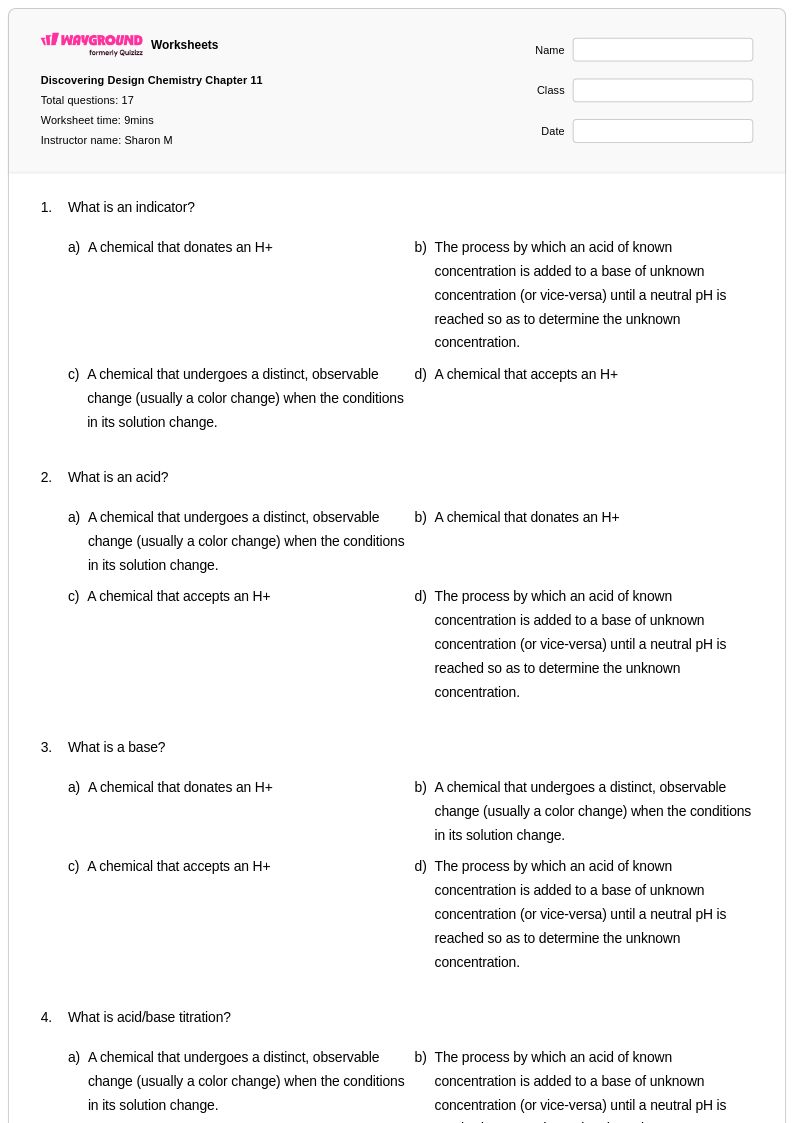
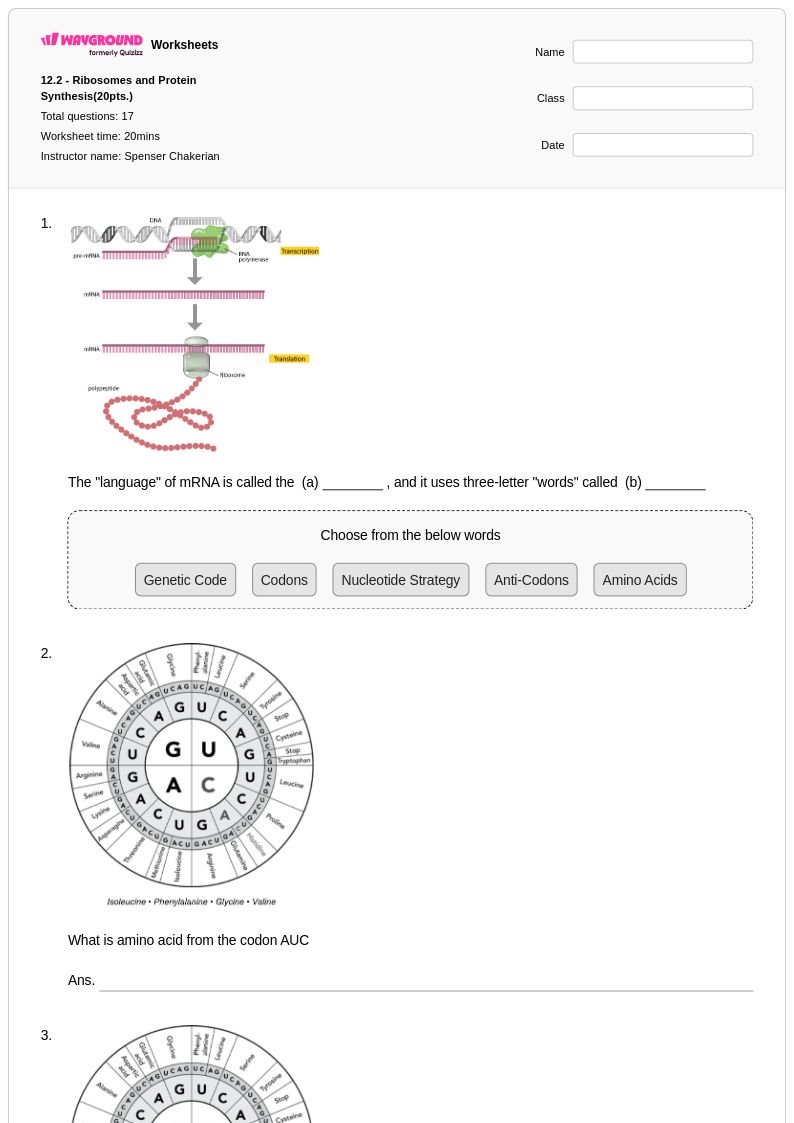
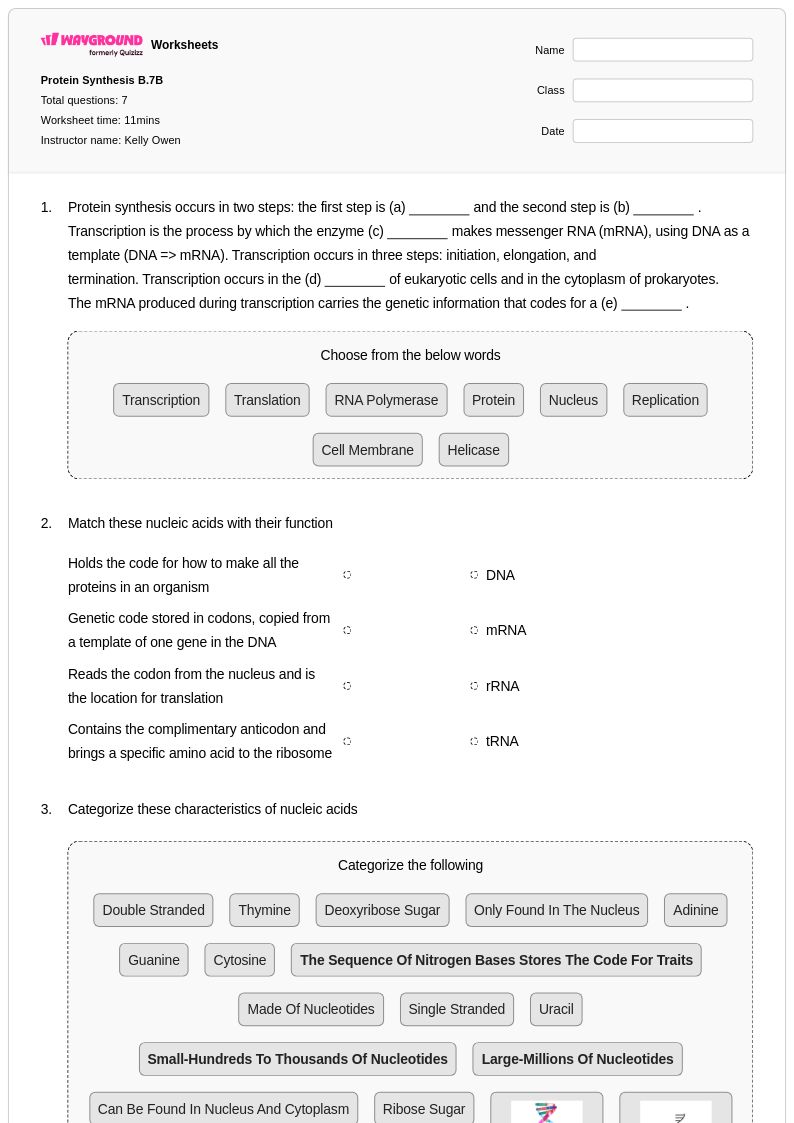
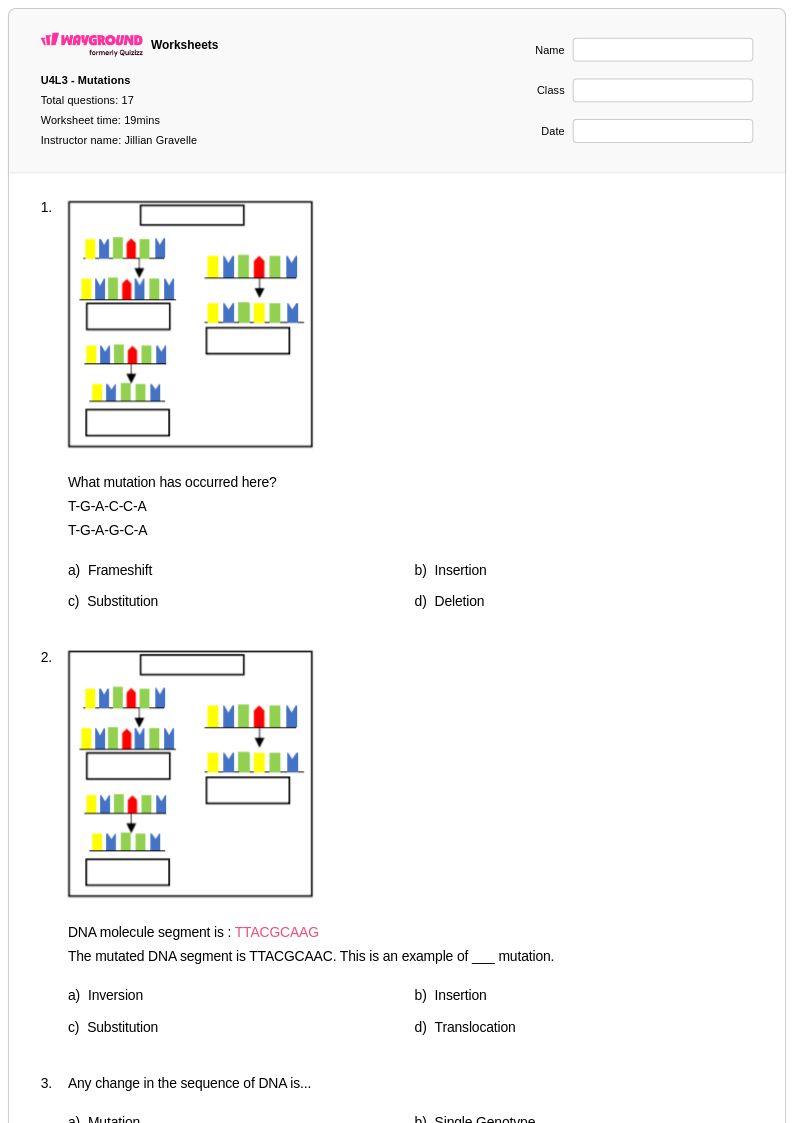
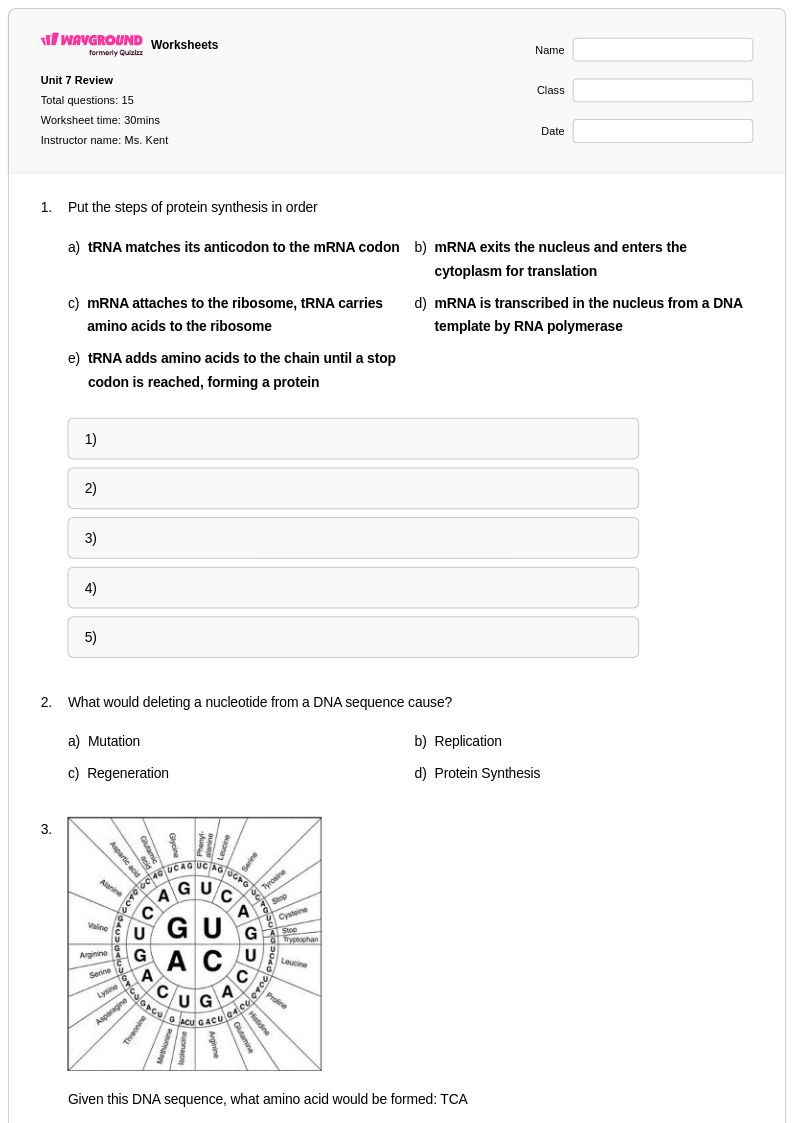
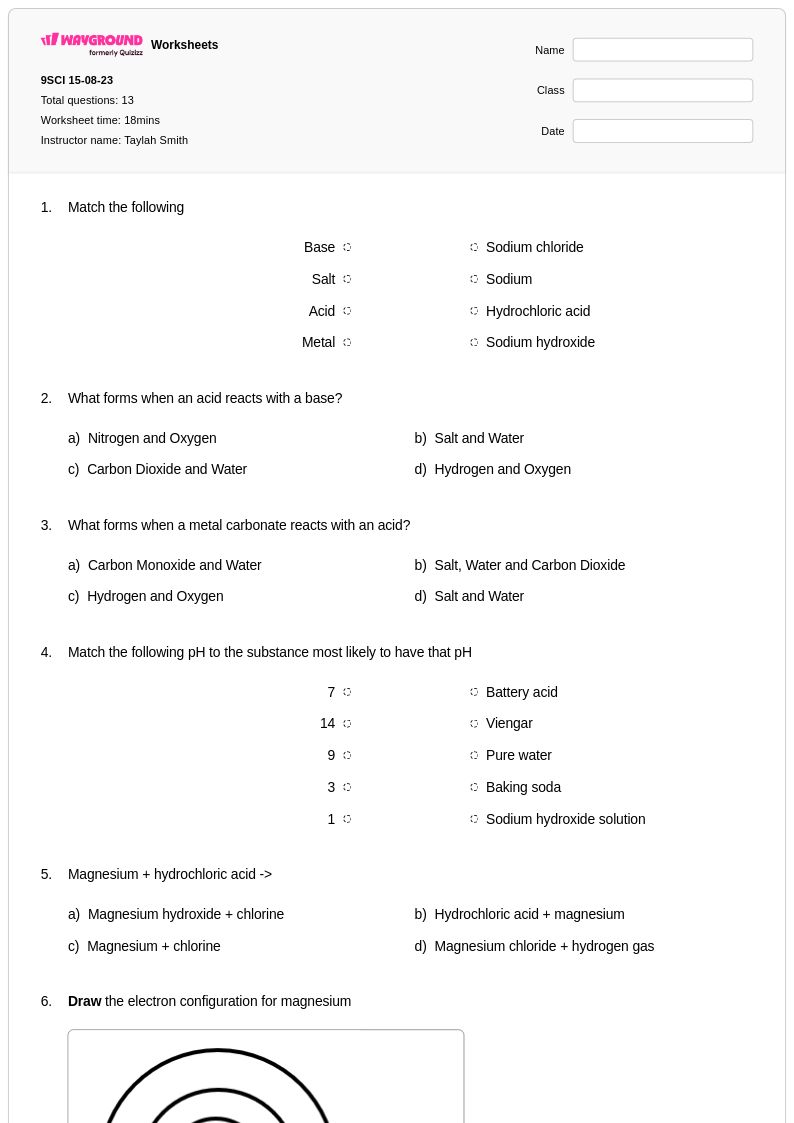
Acid base titration worksheets for Grade 9 students through Wayground (formerly Quizizz) provide comprehensive practice with this fundamental analytical chemistry technique. These educational resources help students master the systematic process of determining unknown concentrations by adding a titrant of known concentration until the equivalence point is reached. The worksheets strengthen critical skills including calculating molarity, interpreting titration curves, identifying appropriate indicators, and performing stoichiometric calculations. Students work through practice problems that cover strong acid-strong base, weak acid-strong base, and polyprotic acid titrations, developing proficiency in both the theoretical concepts and mathematical applications. Each worksheet includes detailed answer keys that guide students through step-by-step solutions, and the materials are available as free printables in convenient pdf format for classroom or home use.
Wayground (formerly Quizizz) supports chemistry educators with millions of teacher-created resources specifically designed for acid base titration instruction at the Grade 9 level. The platform's robust search and filtering capabilities allow teachers to quickly locate worksheets that align with specific learning standards and match their curriculum pacing. Advanced differentiation tools enable instructors to customize problem difficulty and modify content to meet diverse student needs, while the flexible format options support both traditional printable worksheets and interactive digital assignments. These features streamline lesson planning and provide teachers with ready-to-use materials for skill practice, targeted remediation of conceptual gaps, and enrichment activities for advanced learners, ensuring that all students develop strong foundational knowledge in quantitative analysis techniques essential for advanced chemistry coursework.
FAQs
How do I teach acid base titration to chemistry students?
Start by grounding students in the stoichiometry of neutralization reactions before introducing the procedural steps of a titration. Use titration curves to build conceptual understanding of equivalence points and pH changes before asking students to calculate unknown concentrations. Connecting the math to a visible color change in the lab helps students link the abstract calculations to a concrete chemical event.
What practice problems help students get better at acid base titration calculations?
Students benefit most from problems that progress in complexity: begin with strong acid-strong base pairs where stoichiometry is straightforward, then move to weak acid-strong base systems that require understanding of buffer regions and equivalence point pH. Including problems that require selecting the correct indicator for a given titration reinforces both conceptual and practical understanding.
What mistakes do students commonly make when solving titration problems?
A frequent error is confusing the equivalence point with the endpoint, leading students to misidentify where stoichiometric neutralization occurs on a titration curve. Students also commonly forget to account for dilution when mixing volumes, which throws off molarity calculations. For polyprotic acids, many students treat all ionization steps as equivalent rather than recognizing that each equivalence point requires separate stoichiometric consideration.
How do students struggle with interpreting titration curves?
Students often misread the steep inflection region of a titration curve, either placing the equivalence point too early or too late on the curve. They also frequently conflate the buffer region with the equivalence point, particularly in weak acid-strong base titrations where the curve shape differs noticeably from the strong acid-strong base case. Explicitly annotating titration curve regions during instruction helps students internalize the relationship between curve shape and pH changes.
How can I use Wayground's acid base titration worksheets in my classroom?
Wayground's acid base titration worksheets are available as free printable PDFs for traditional classroom use and in digital formats for technology-integrated environments, including the ability to host them as a quiz on Wayground. The worksheets include detailed answer keys, making them suitable for independent practice, guided review, or remediation. The progression from basic stoichiometric problems to polyprotic acid scenarios means a single worksheet collection can serve students at different points in the unit.
How do I differentiate acid base titration instruction for students at different skill levels?
For students still building foundational skills, focus practice on strong acid-strong base calculations where the stoichiometry is direct and the equivalence point pH is neutral. Advanced students can be challenged with polyprotic acid titrations, real-world analytical scenarios, or problems requiring indicator selection and justification. On Wayground, teachers can apply accommodations such as reduced answer choices or read-aloud settings to individual students, ensuring that the same worksheet set supports diverse learners without requiring separate materials.