Free Printable Oxidation Numbers Worksheets for Grade 12
Grade 12 chemistry students can master oxidation numbers through Wayground's comprehensive collection of free worksheets, featuring practice problems, printables, PDFs, and complete answer keys for effective learning.
Explore printable Oxidation Numbers worksheets for Grade 12
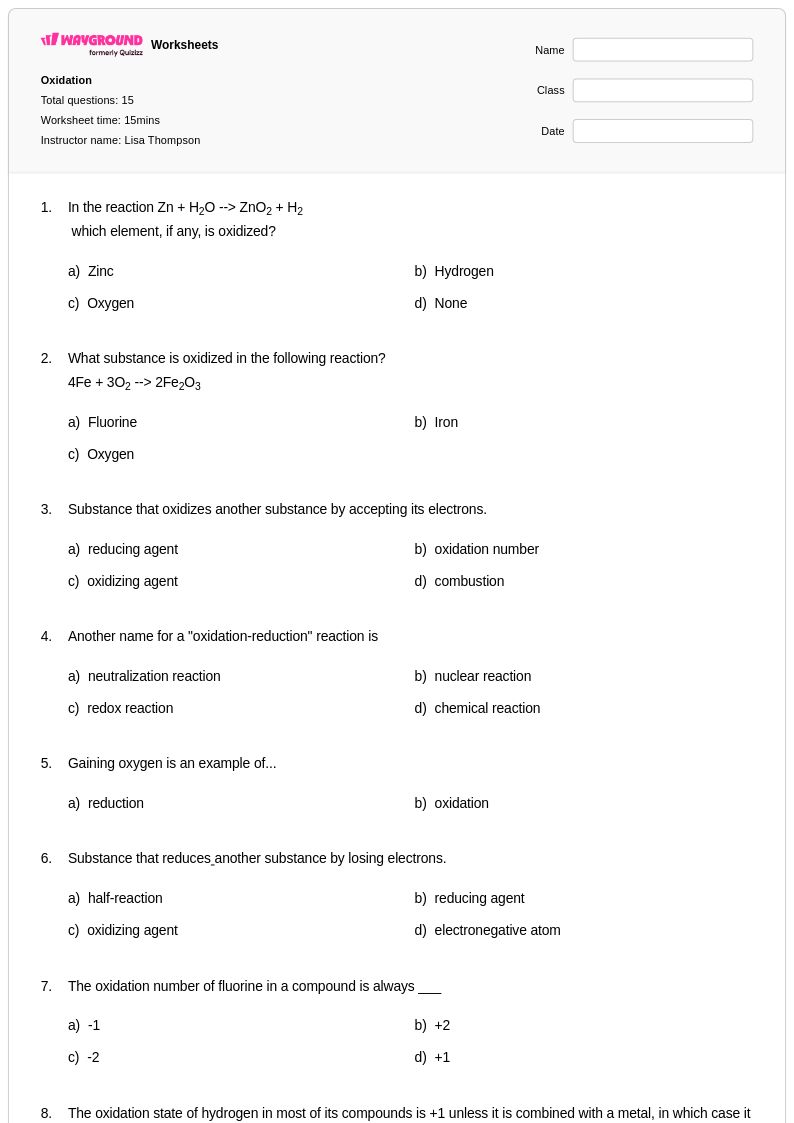
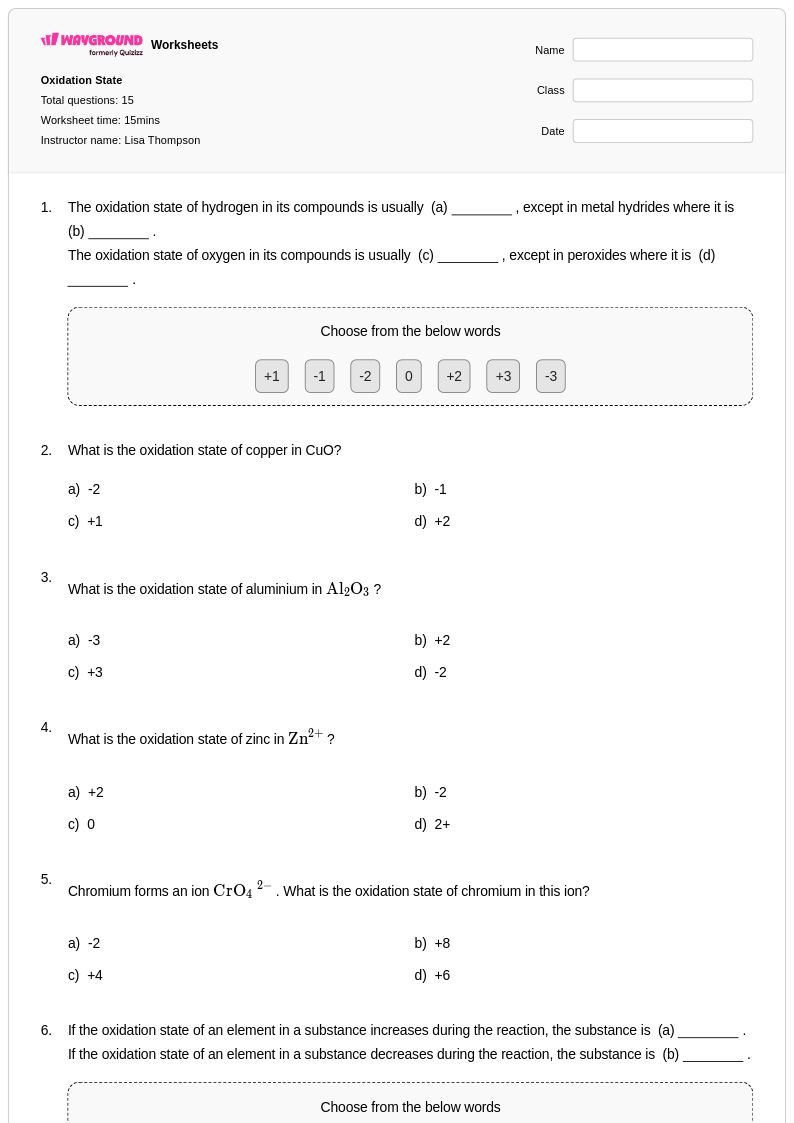
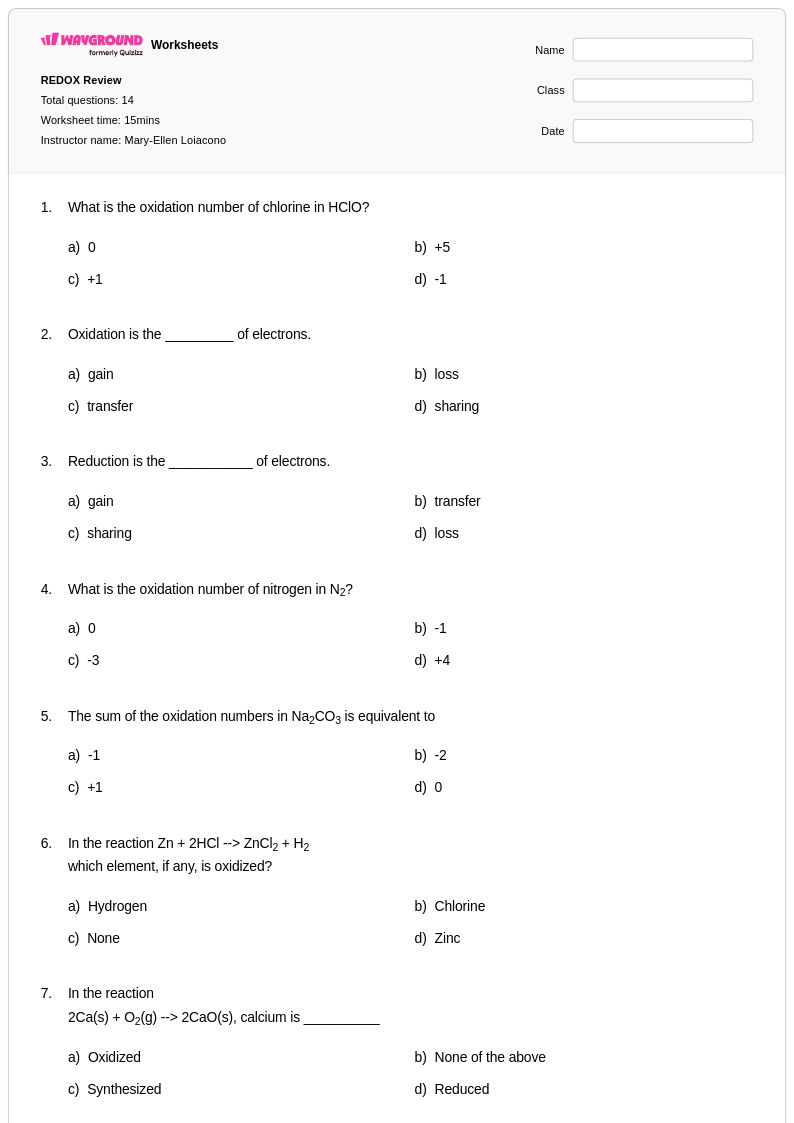
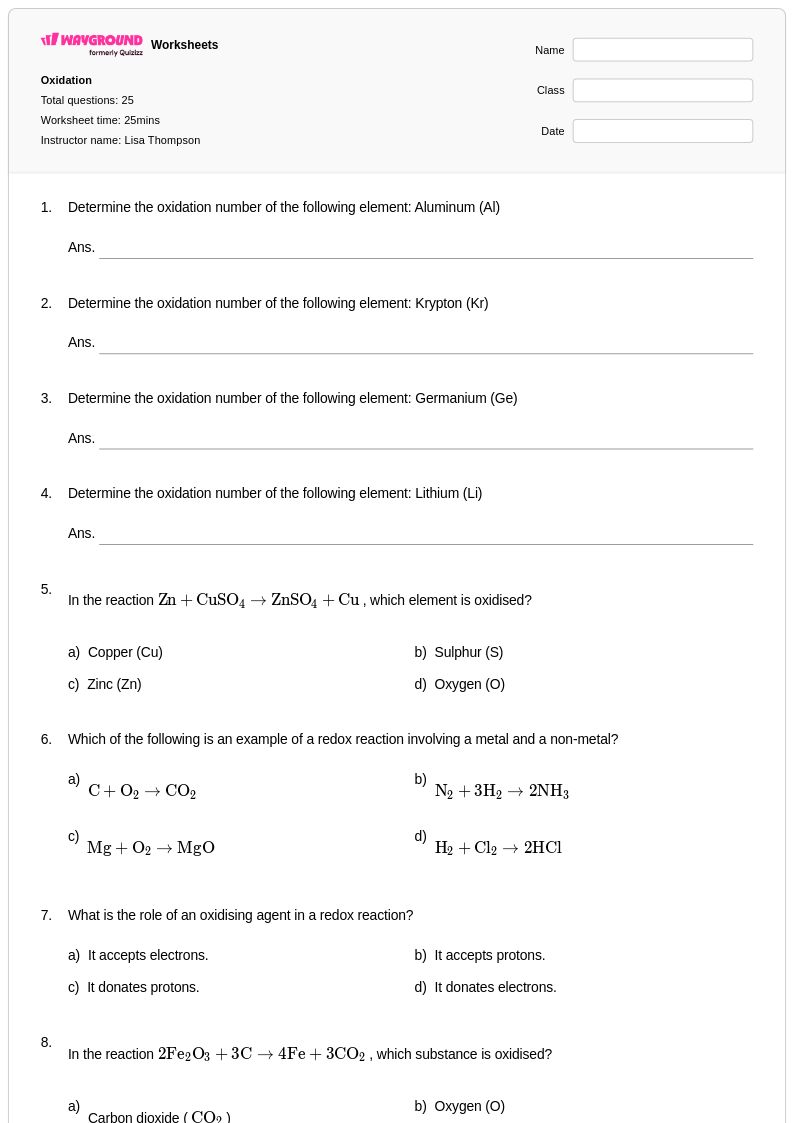
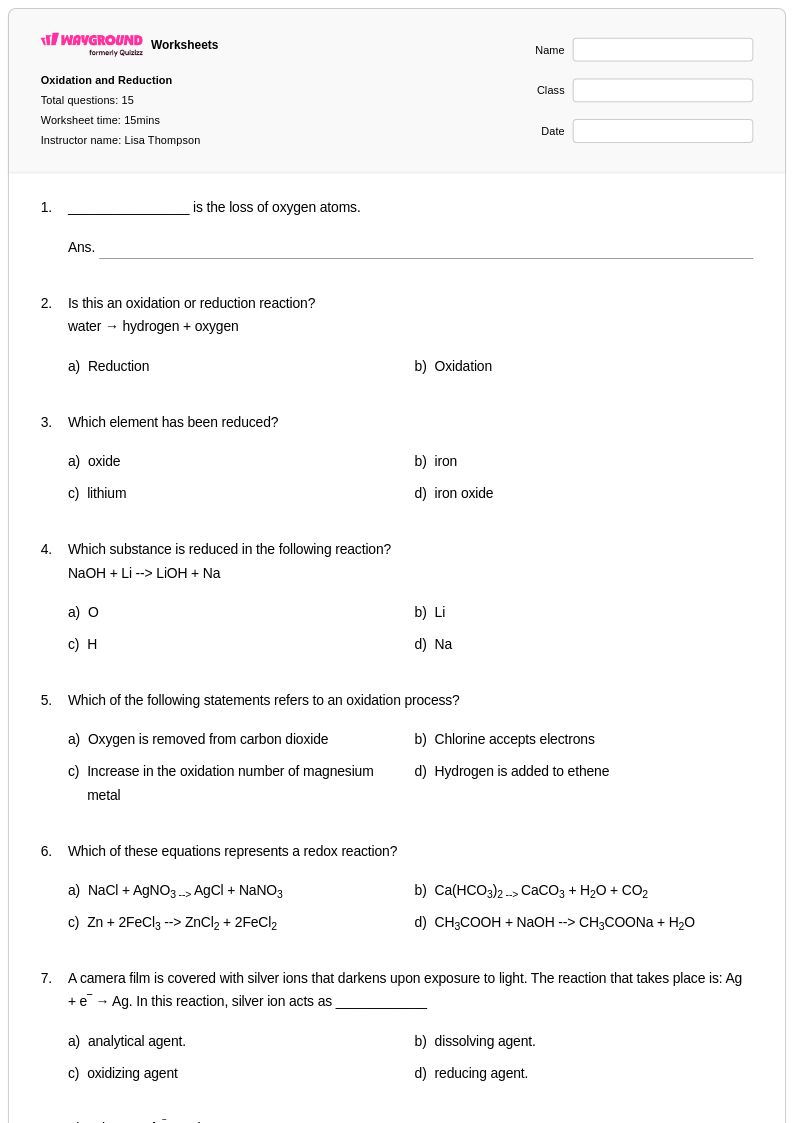
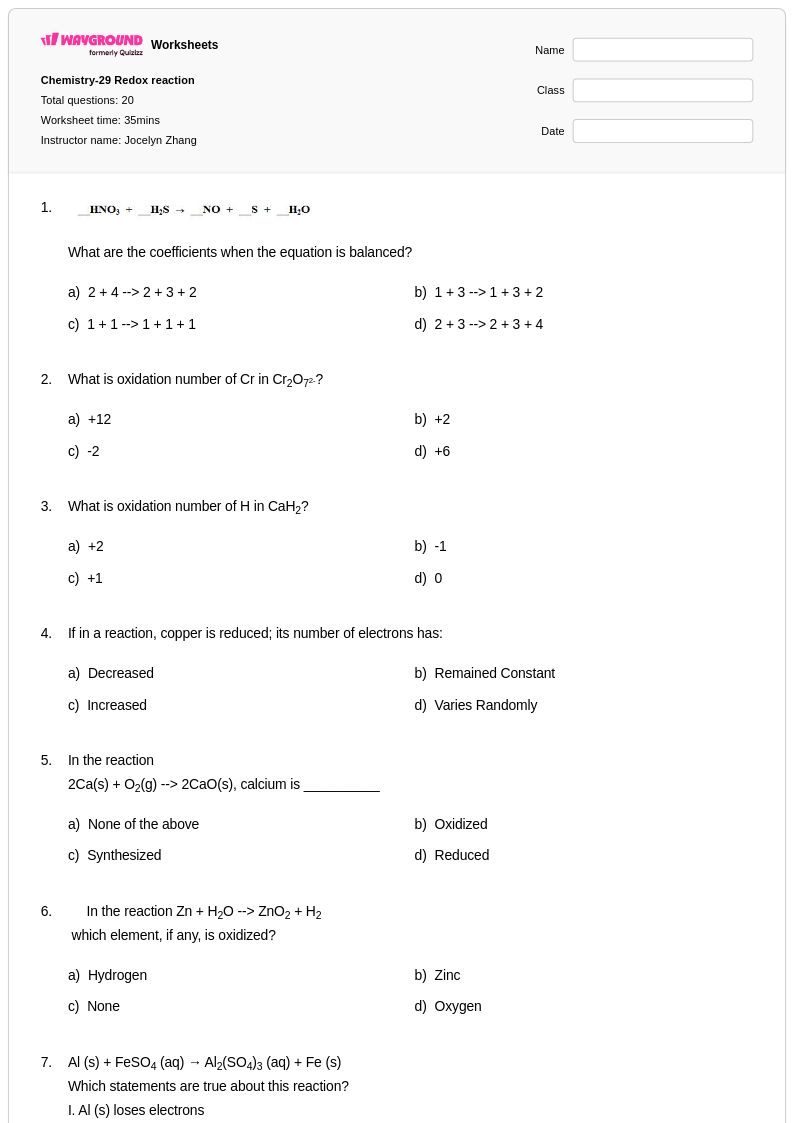
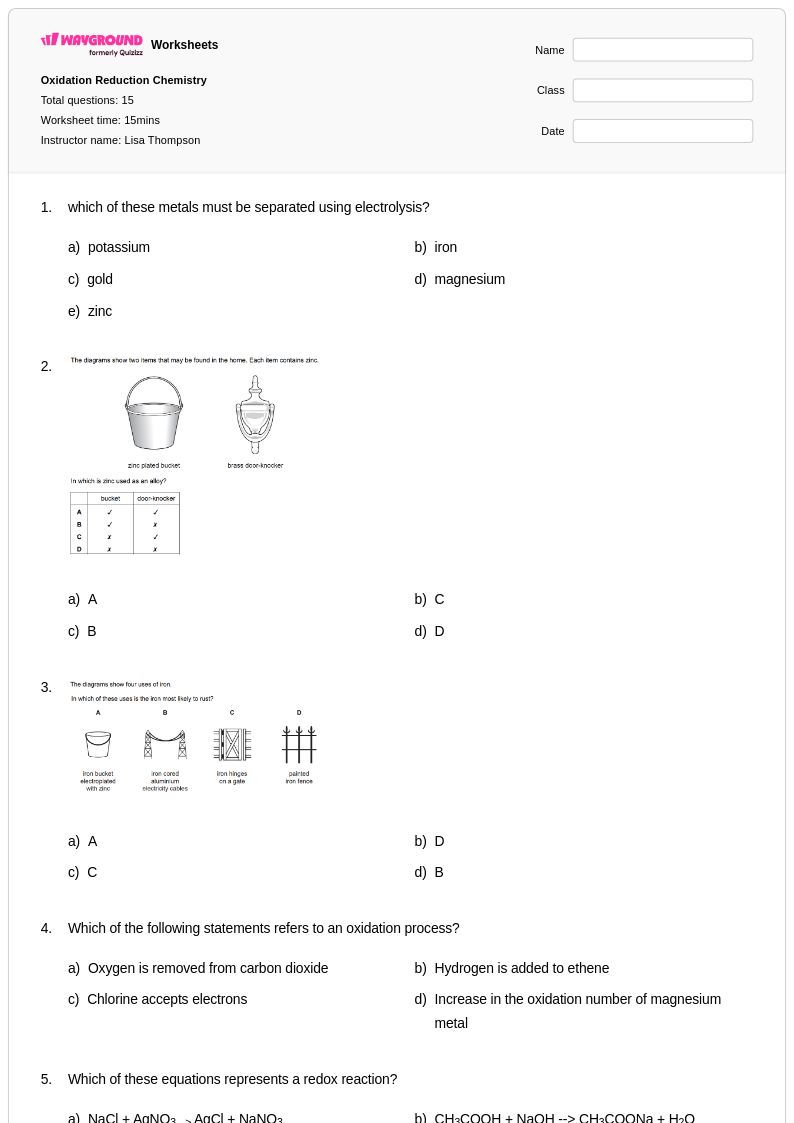
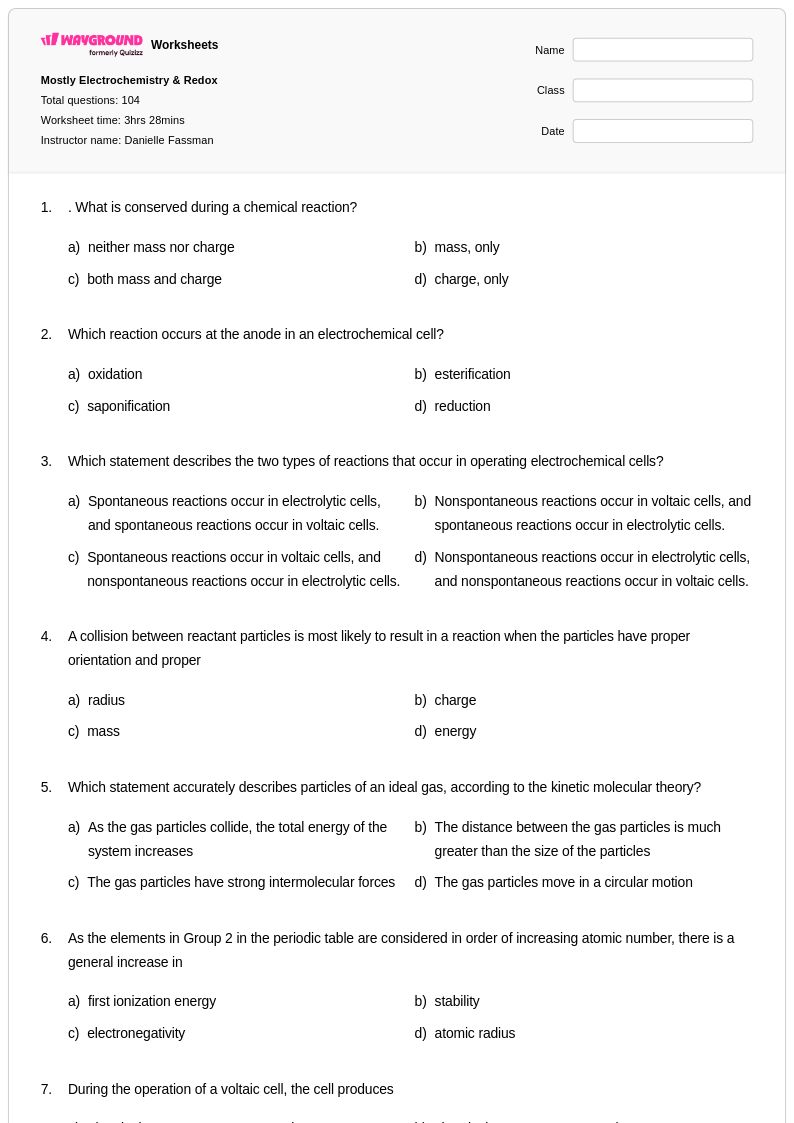
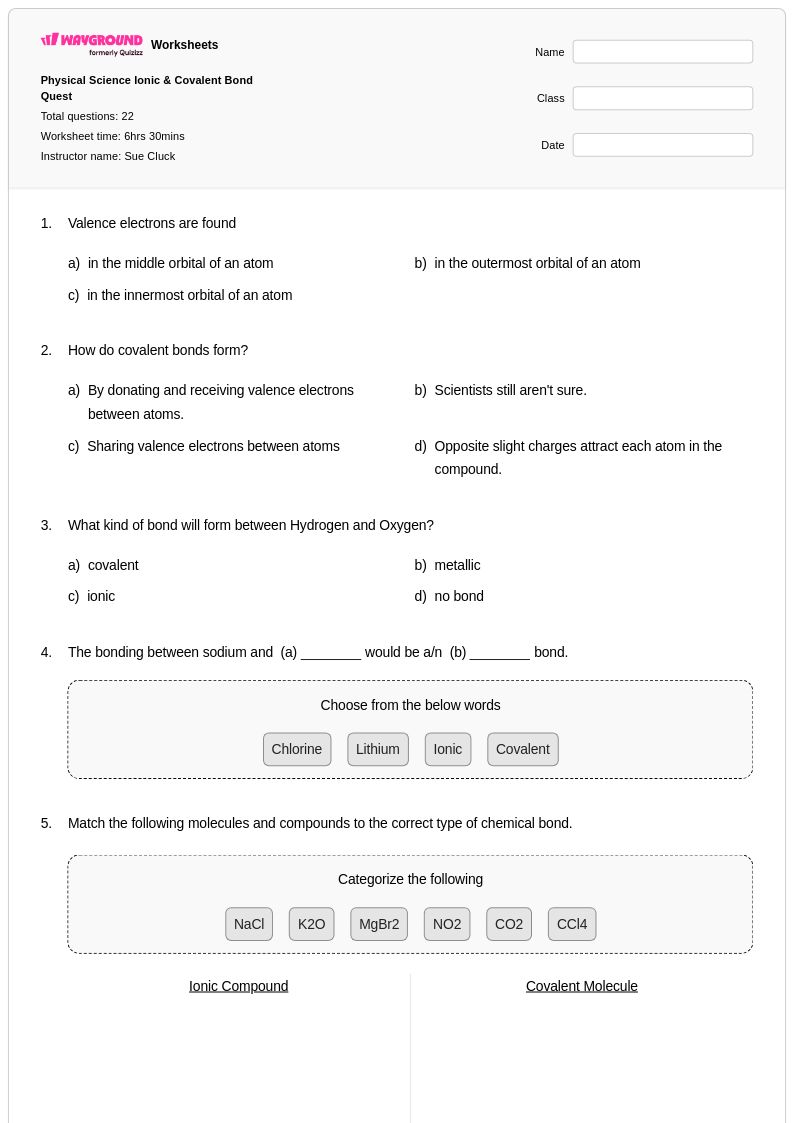
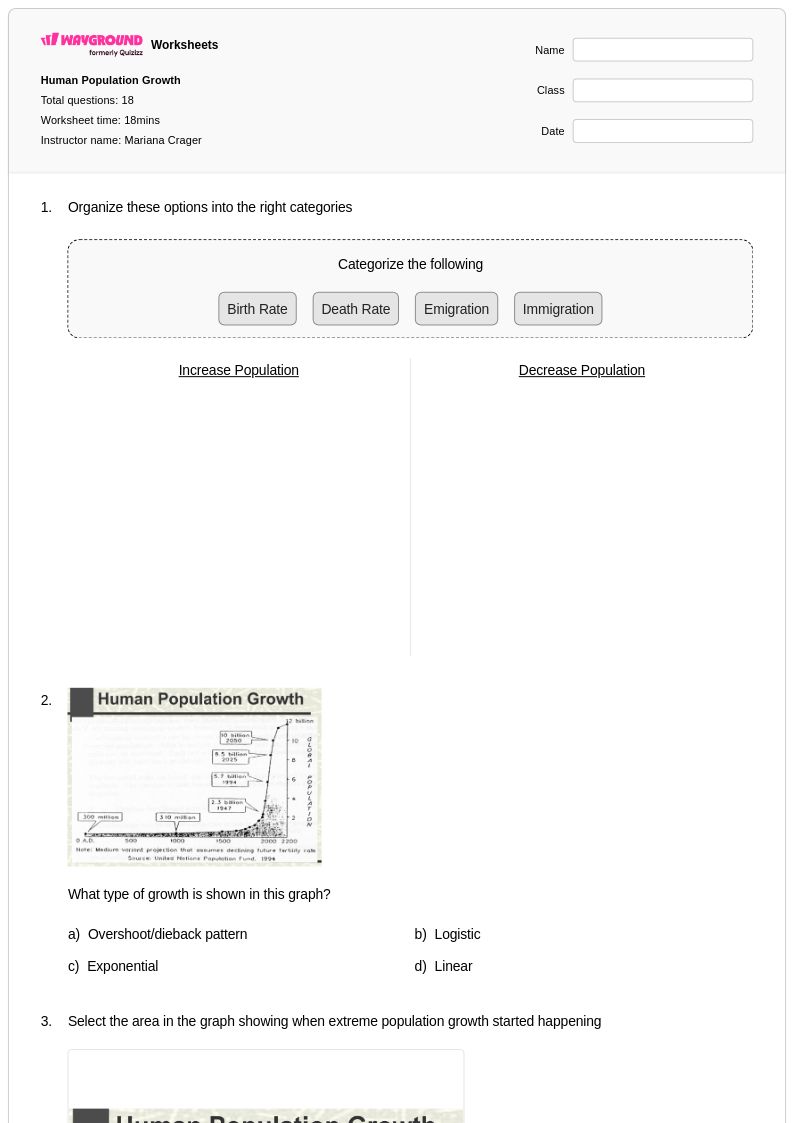
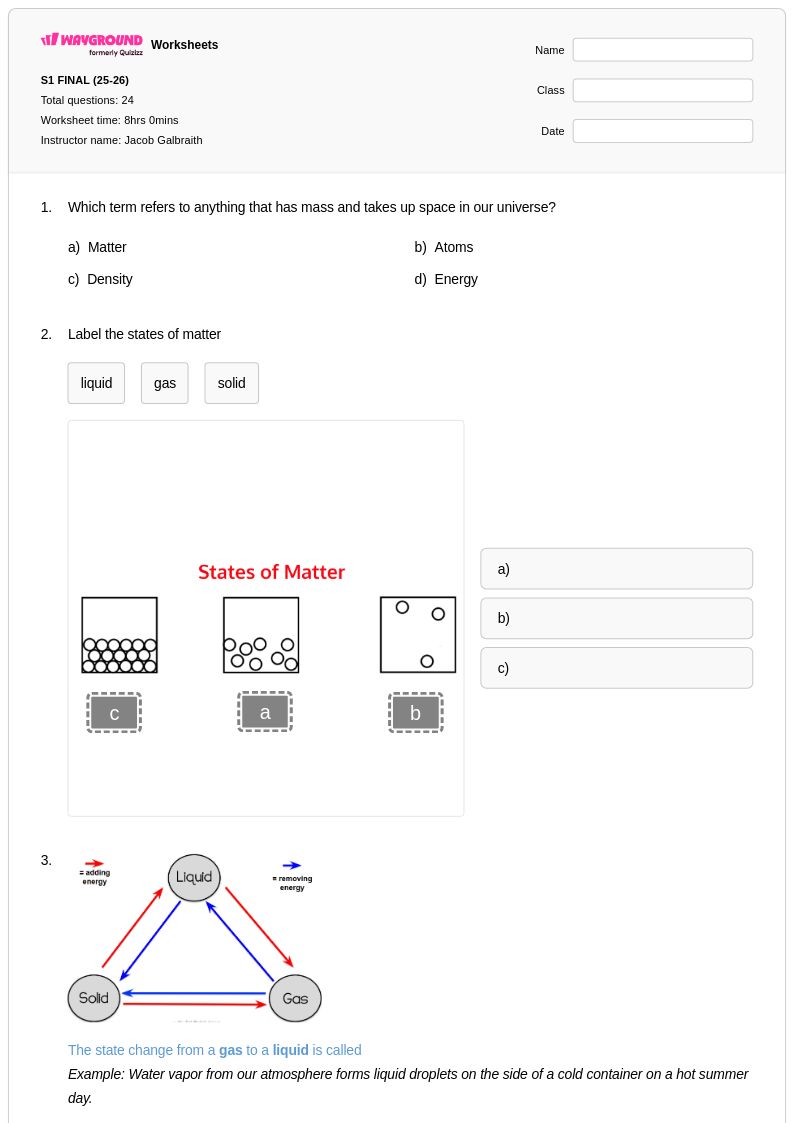
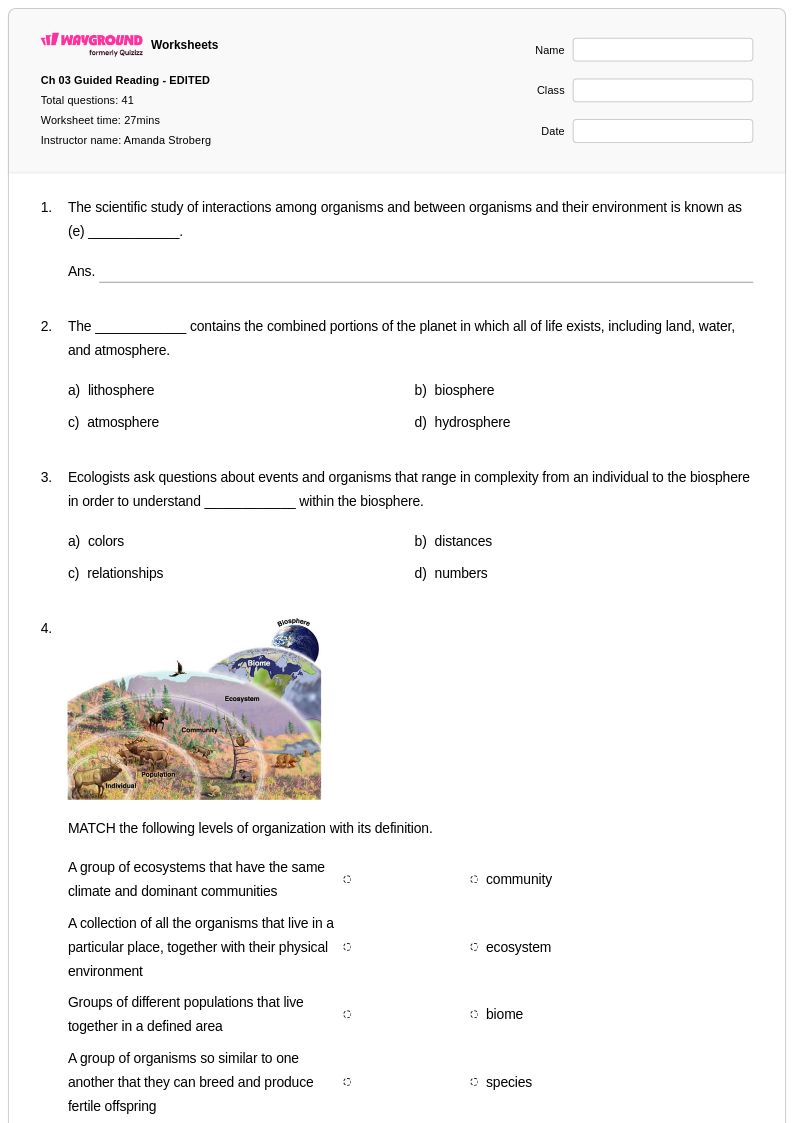
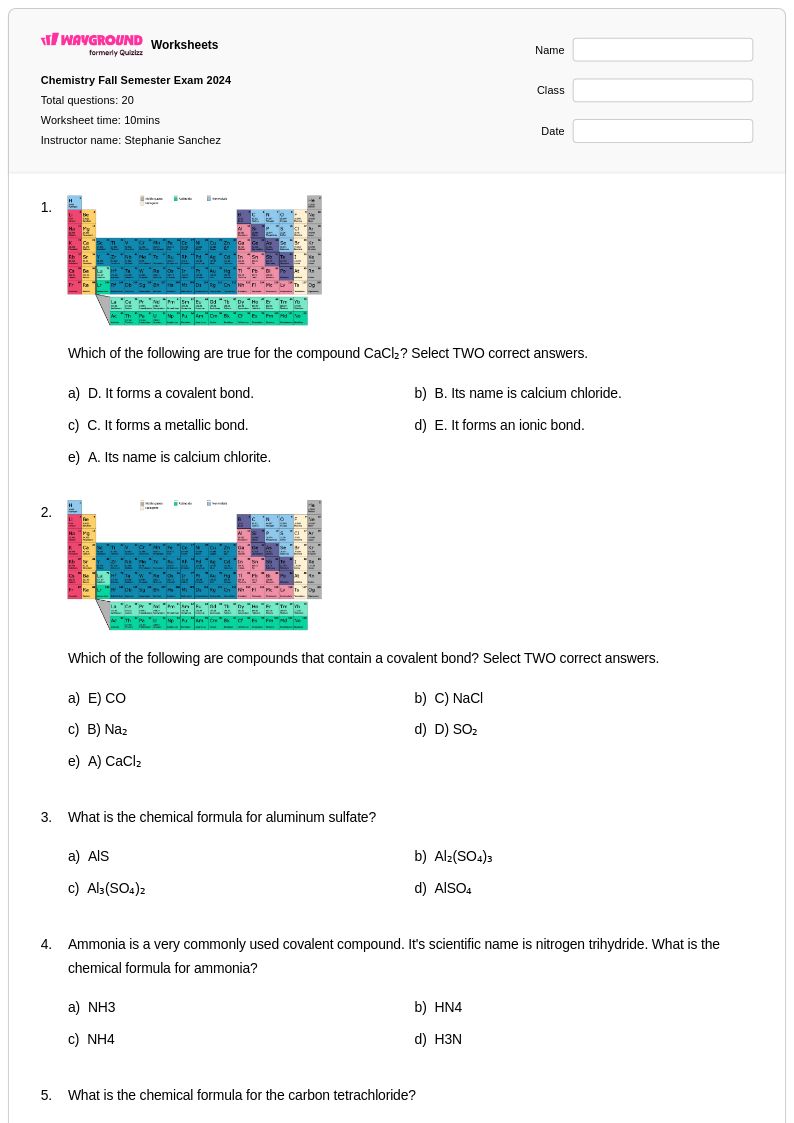
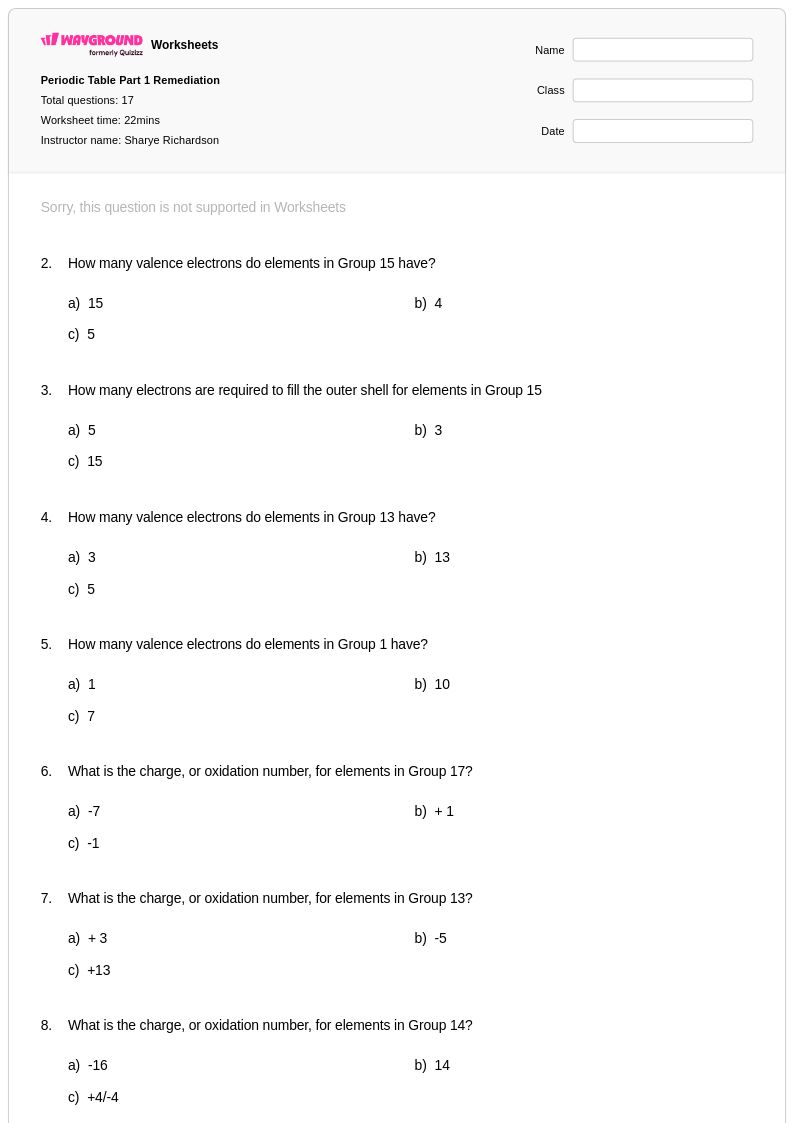
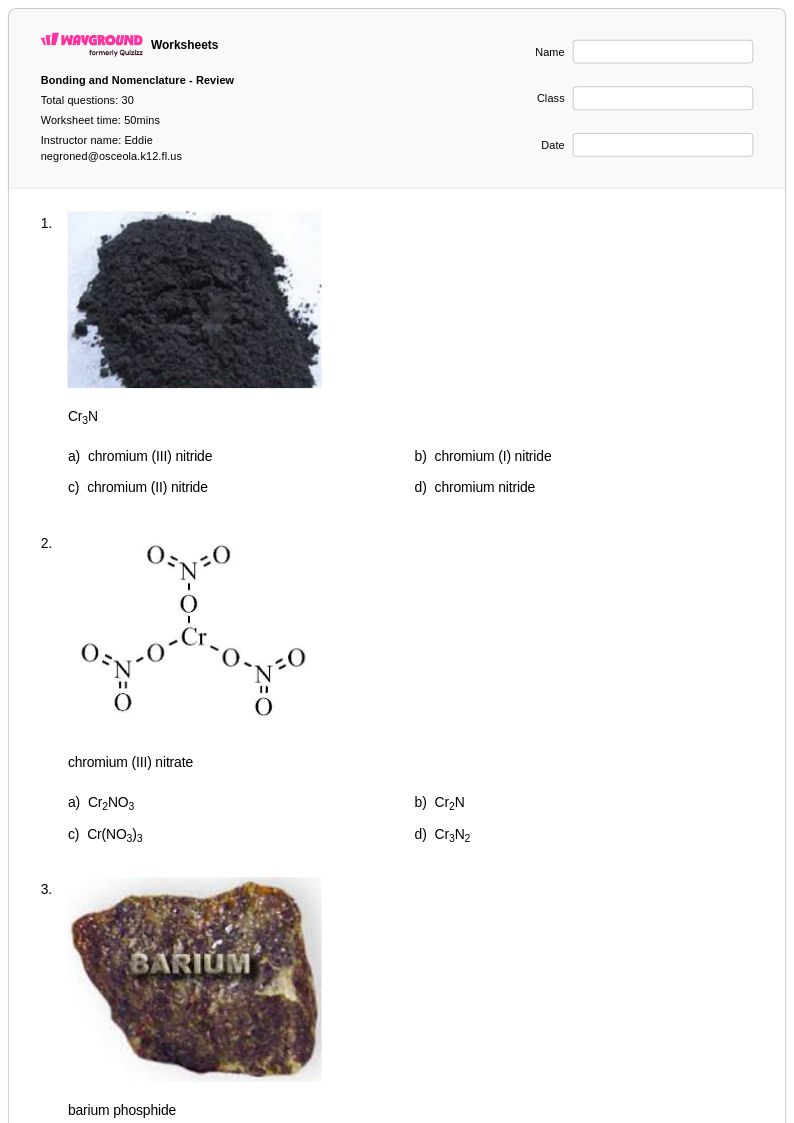
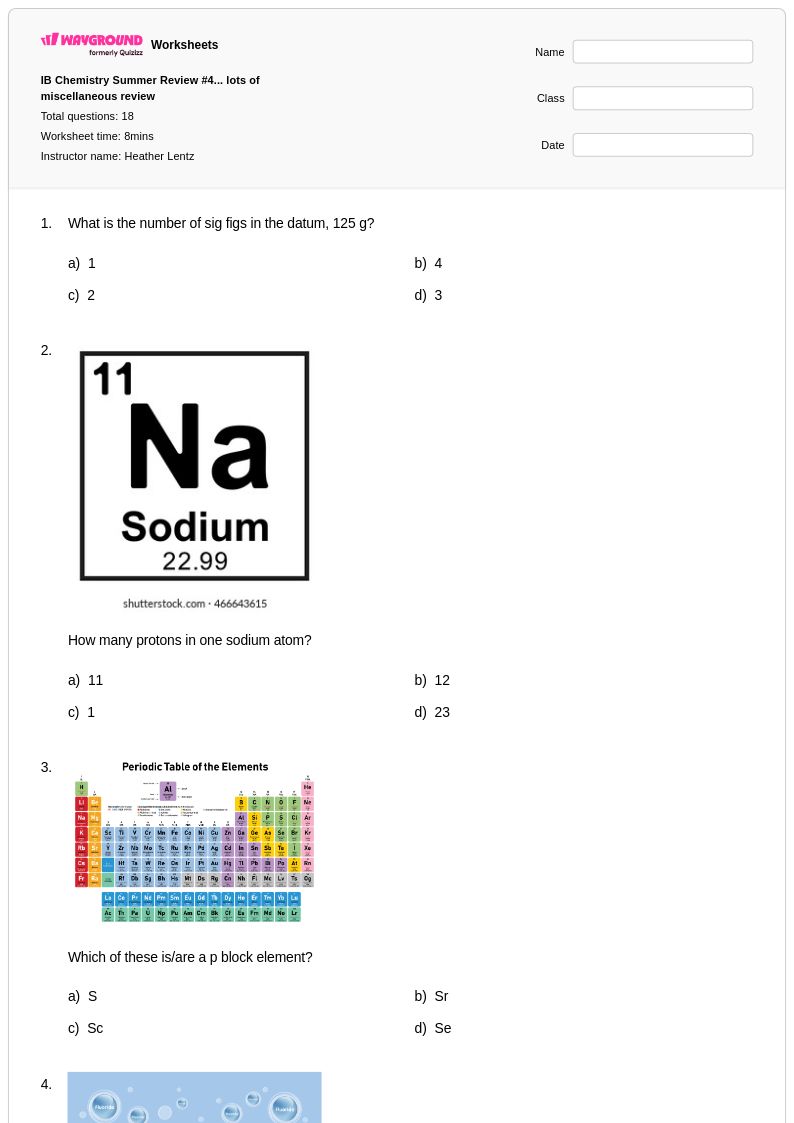
Grade 12 oxidation numbers worksheets available through Wayground (formerly Quizizz) provide comprehensive practice for students mastering this fundamental chemistry concept essential for understanding redox reactions, ionic compounds, and electrochemistry. These expertly designed worksheets strengthen critical analytical skills by guiding students through systematic approaches to assigning oxidation states to atoms in various chemical compounds and equations, from simple binary compounds to complex polyatomic ions and coordination complexes. Each worksheet collection includes detailed practice problems that progress from basic oxidation number rules to advanced applications in balancing redox equations, complete with answer keys that allow students to verify their understanding and identify areas requiring additional focus. The free printable resources in pdf format ensure accessibility for both classroom instruction and independent study, enabling students to develop the pattern recognition and problem-solving abilities necessary for success in advanced chemistry coursework.
Wayground (formerly Quizizz) empowers chemistry educators with millions of teacher-created oxidation numbers resources that streamline lesson planning and provide targeted skill practice opportunities for Grade 12 students. The platform's robust search and filtering capabilities allow teachers to quickly locate worksheets aligned with specific curriculum standards and learning objectives, while differentiation tools enable customization of difficulty levels to meet diverse student needs within the same classroom. These comprehensive worksheet collections are available in both printable and digital pdf formats, offering flexibility for various instructional approaches and learning environments. Teachers can leverage these resources for initial concept introduction, remediation support for struggling students, enrichment activities for advanced learners, and regular skill practice sessions that reinforce mastery of oxidation number assignment rules and their applications in chemical analysis and equation balancing.
FAQs
How do I teach oxidation numbers to chemistry students?
Start by introducing the set of rules for assigning oxidation numbers in a clear priority order: elements in their pure form are always 0, monoatomic ions equal their charge, oxygen is typically -2, and hydrogen is +1 in most compounds. Use worked examples with simple binary compounds before moving to polyatomic ions and transition metals. Connecting oxidation numbers to electron bookkeeping early on helps students build intuition for redox reactions later in the course.
What exercises help students practice assigning oxidation numbers?
The most effective practice exercises ask students to assign oxidation numbers to every element in a given compound, then justify each assignment by citing the rule applied. Scaffolded problem sets work well: begin with binary ionic compounds, progress to covalent compounds, then tackle polyatomic ions and transition metal complexes. Including both straightforward and ambiguous cases, such as peroxides where oxygen is -1, sharpens rule application and prevents over-reliance on memorization.
What mistakes do students commonly make when assigning oxidation numbers?
The most frequent error is misapplying rule priority, particularly defaulting to oxygen as -2 in peroxides where it is actually -1, or assigning hydrogen +1 in metal hydrides where it is -1. Students also struggle with transition metals in polyatomic ions, often failing to use the overall charge of the ion to back-calculate the metal's oxidation state. A targeted review of exception cases and regular practice with charge-balance calculations helps correct these persistent misconceptions.
How do oxidation numbers connect to balancing redox equations?
Oxidation numbers are the foundation of the oxidation number method for balancing redox equations: identifying which atoms increase in oxidation number (oxidation) and which decrease (reduction) determines the electron transfer that must be balanced. Without accurate oxidation number assignments, students cannot correctly identify the oxidizing and reducing agents or apply the half-reaction method. Reinforcing this connection in practice problems motivates students to master the rules before approaching full redox balancing.
How can I use Wayground's oxidation numbers worksheets in my classroom?
Wayground's oxidation numbers worksheets are available as printable PDFs for traditional classroom distribution and in digital formats for technology-integrated environments, giving teachers flexibility for both in-person and remote instruction. Teachers can also host the worksheet directly as a quiz on Wayground, enabling real-time response tracking and immediate feedback for students. The included answer keys and step-by-step solutions make the worksheets equally effective for guided practice, independent study, or formative assessment.
How do I differentiate oxidation numbers instruction for students at different skill levels?
For students still building foundational skills, limit initial practice to compounds with predictable oxidation states before introducing exceptions and transition metals. Wayground supports individual student accommodations such as read aloud for question text, reduced answer choices to lower cognitive load, and extended time settings, all configurable per student without alerting the rest of the class. These tools allow a single digital assignment to serve learners across a range of readiness levels simultaneously.