
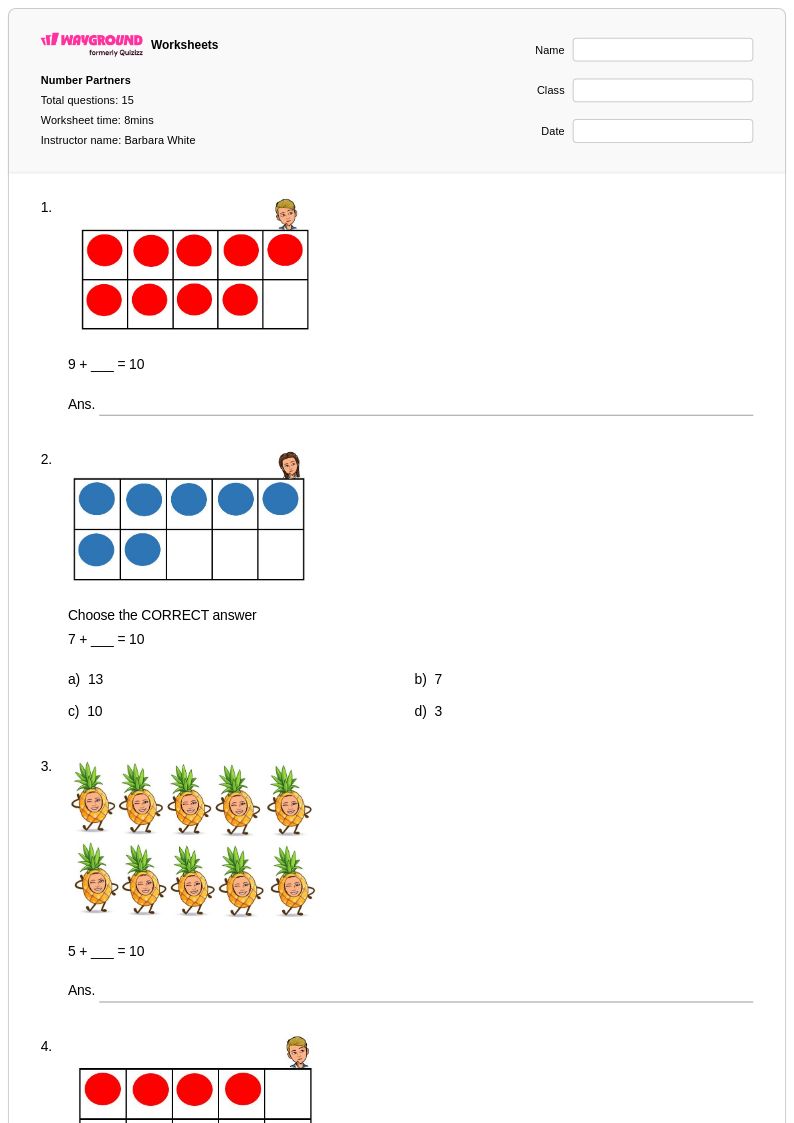
15 Q
2nd
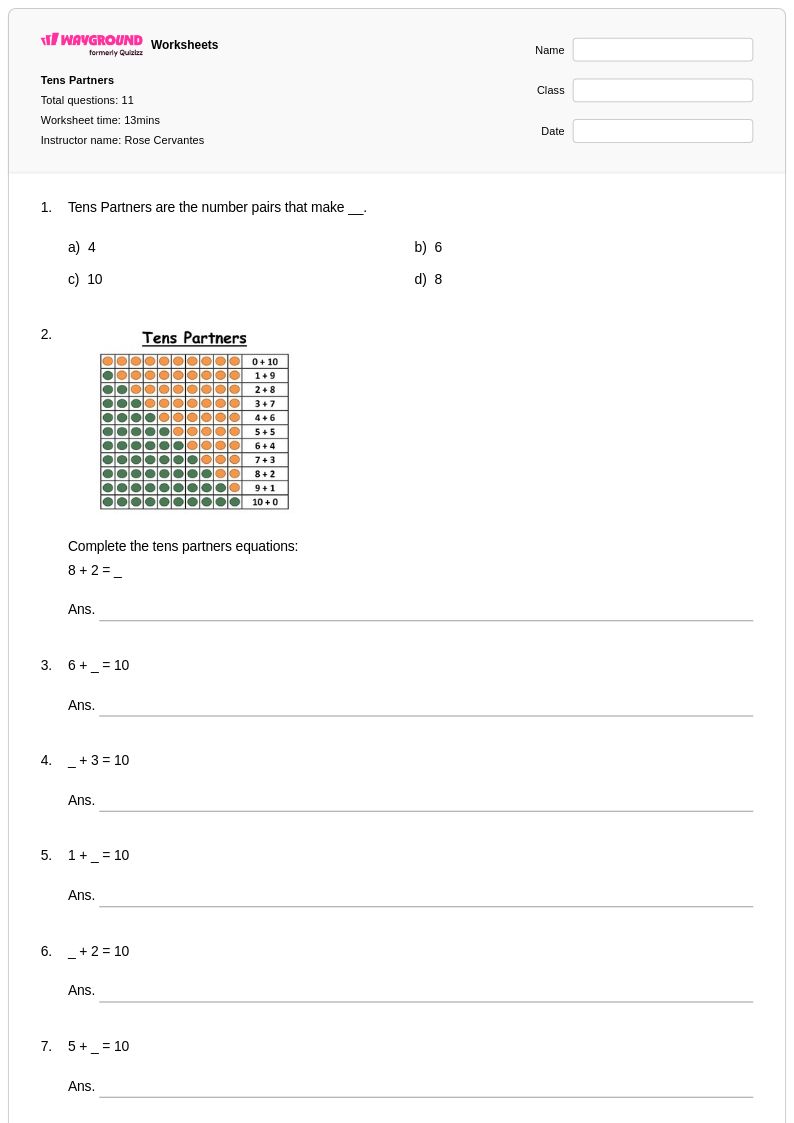
11 Q
1st - 6th
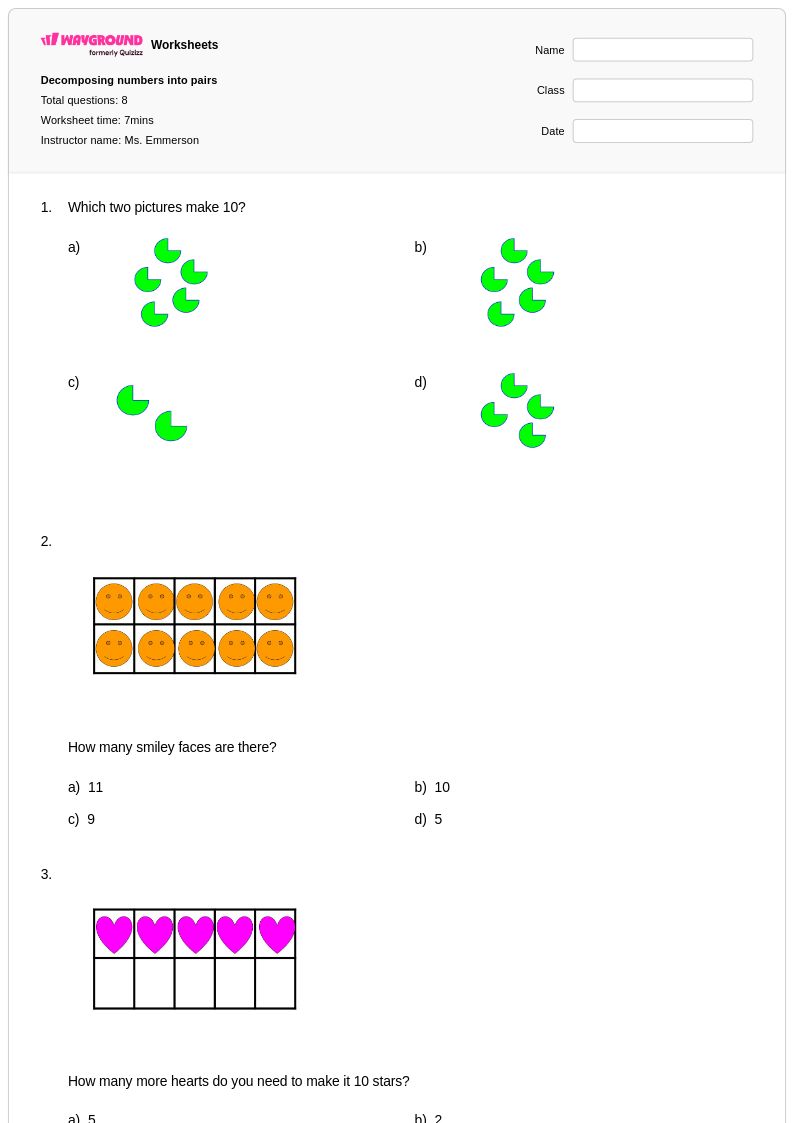
8 Q
KG - 3rd
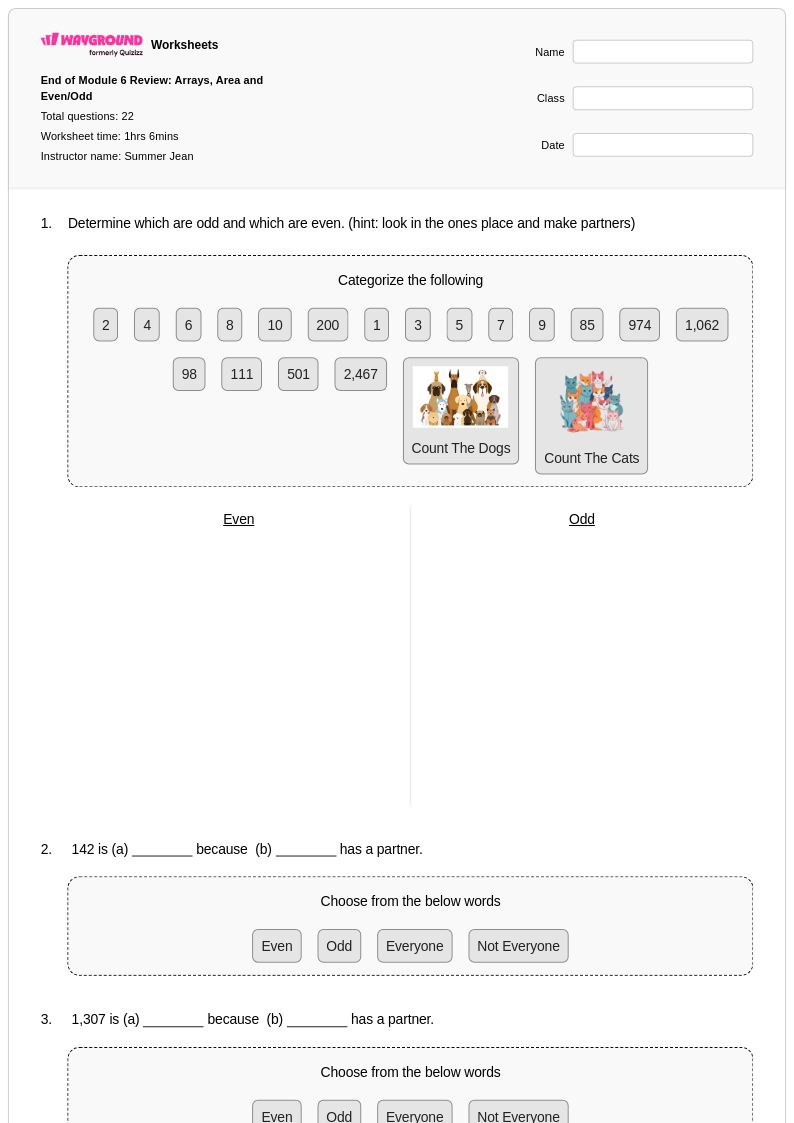
37 Q
2nd
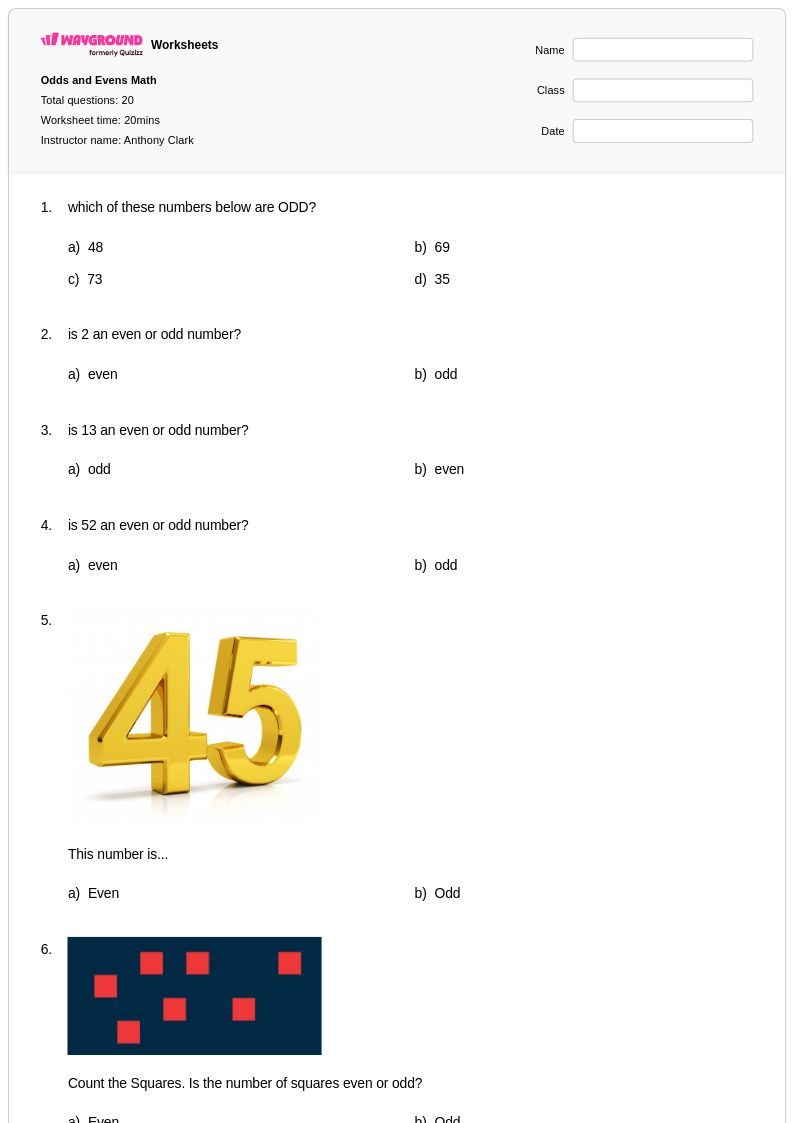
20 Q
2nd - Uni
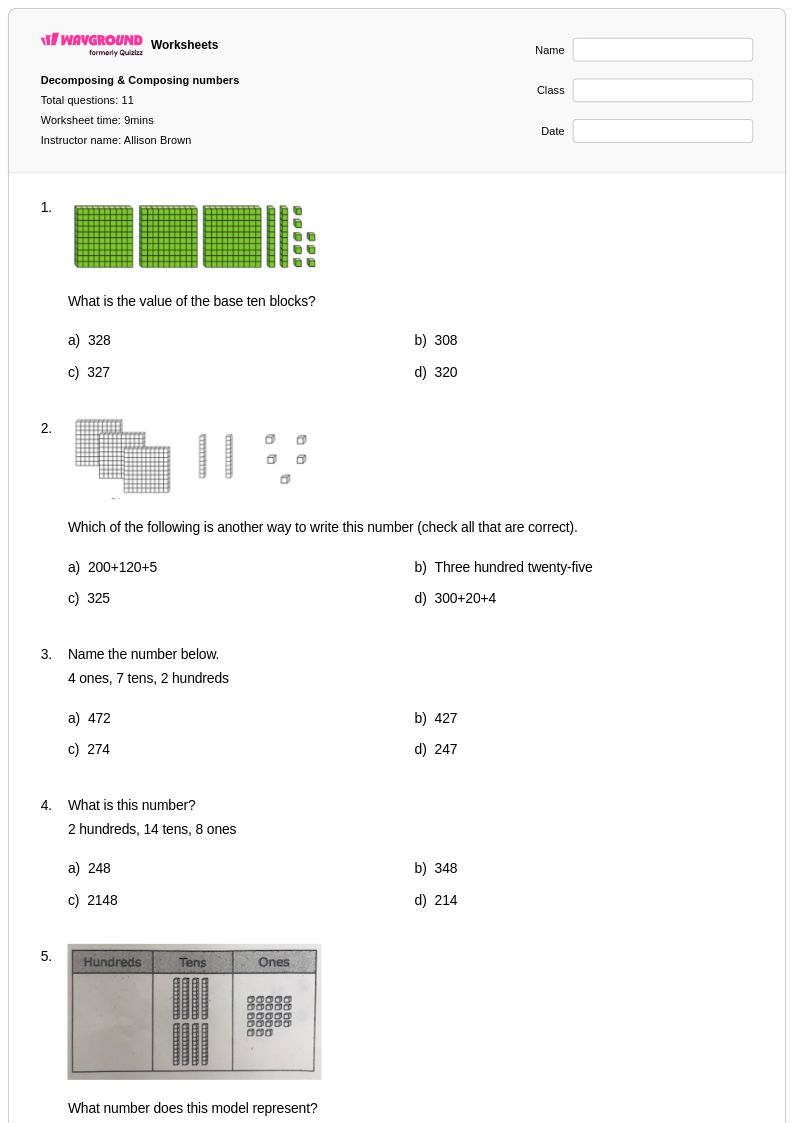
11 Q
2nd
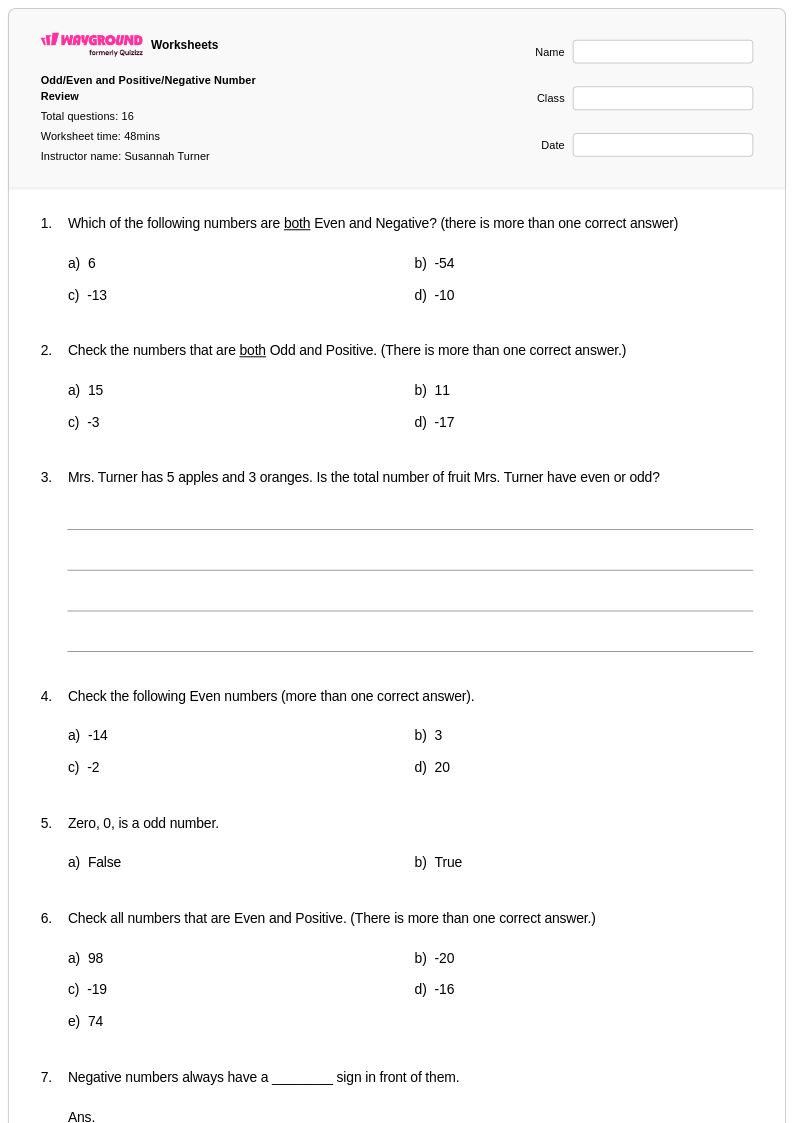
16 Q
1st - 3rd
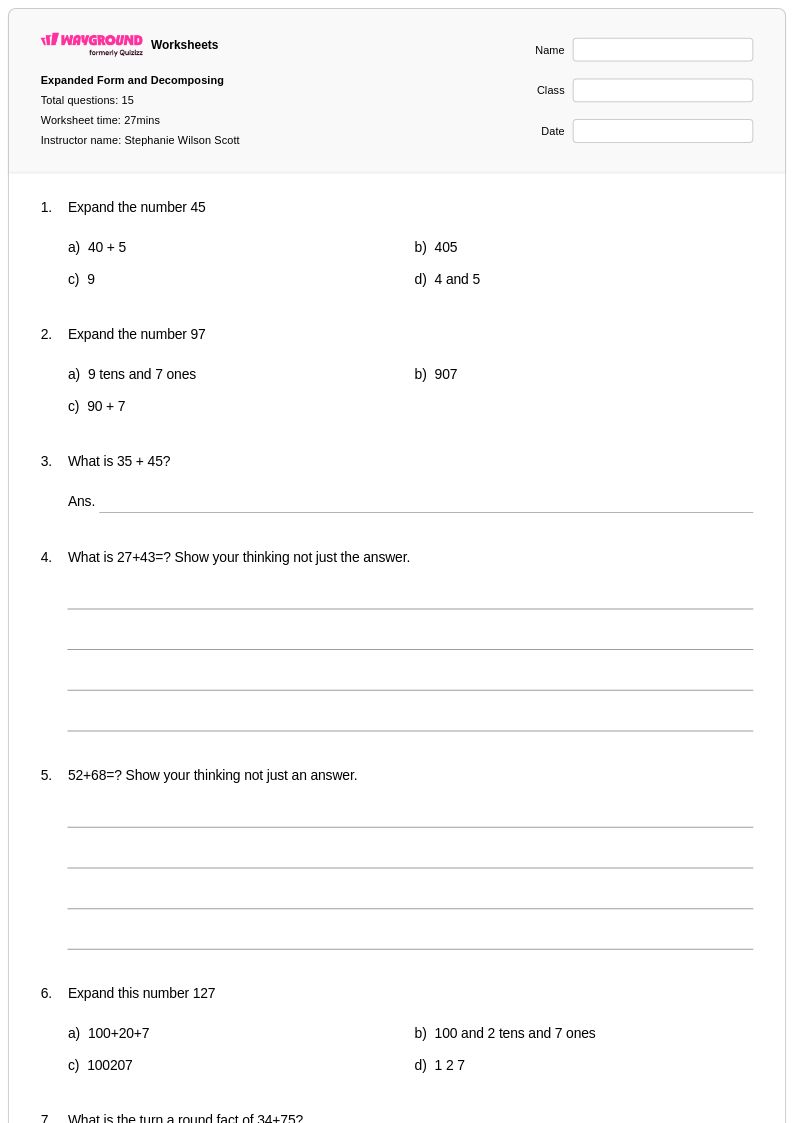
15 Q
2nd
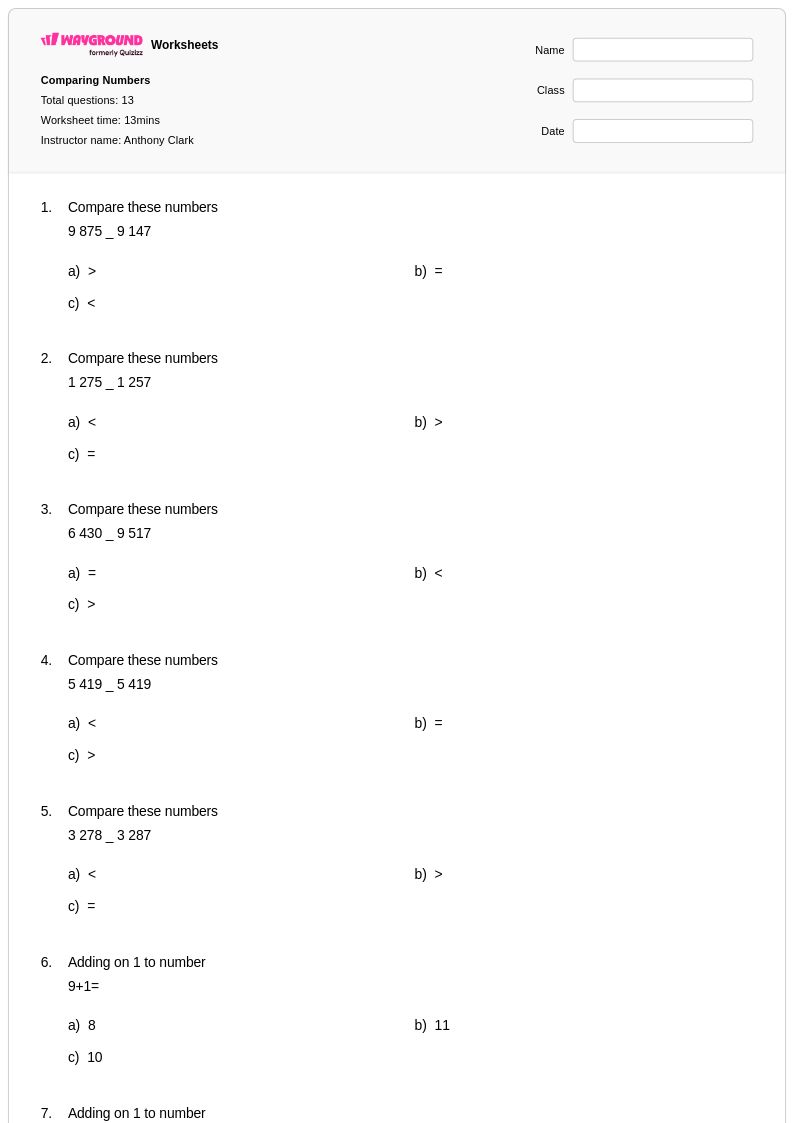
13 Q
1st - Uni
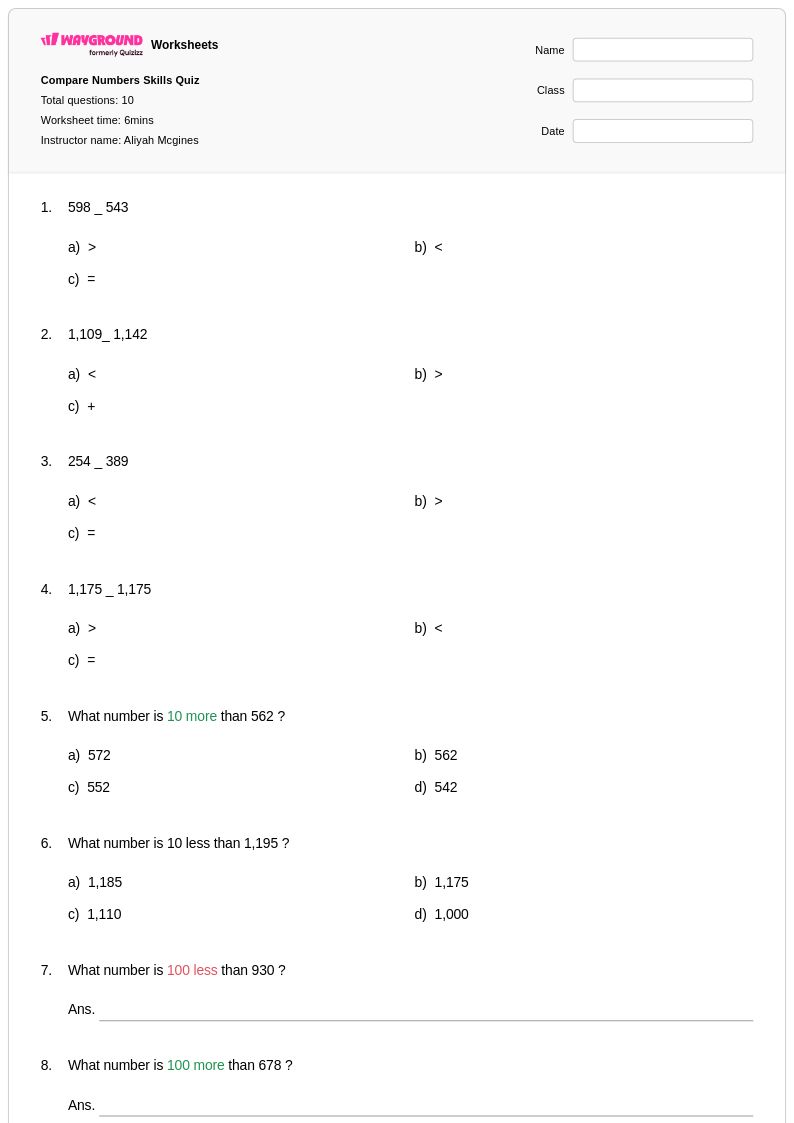
10 Q
2nd
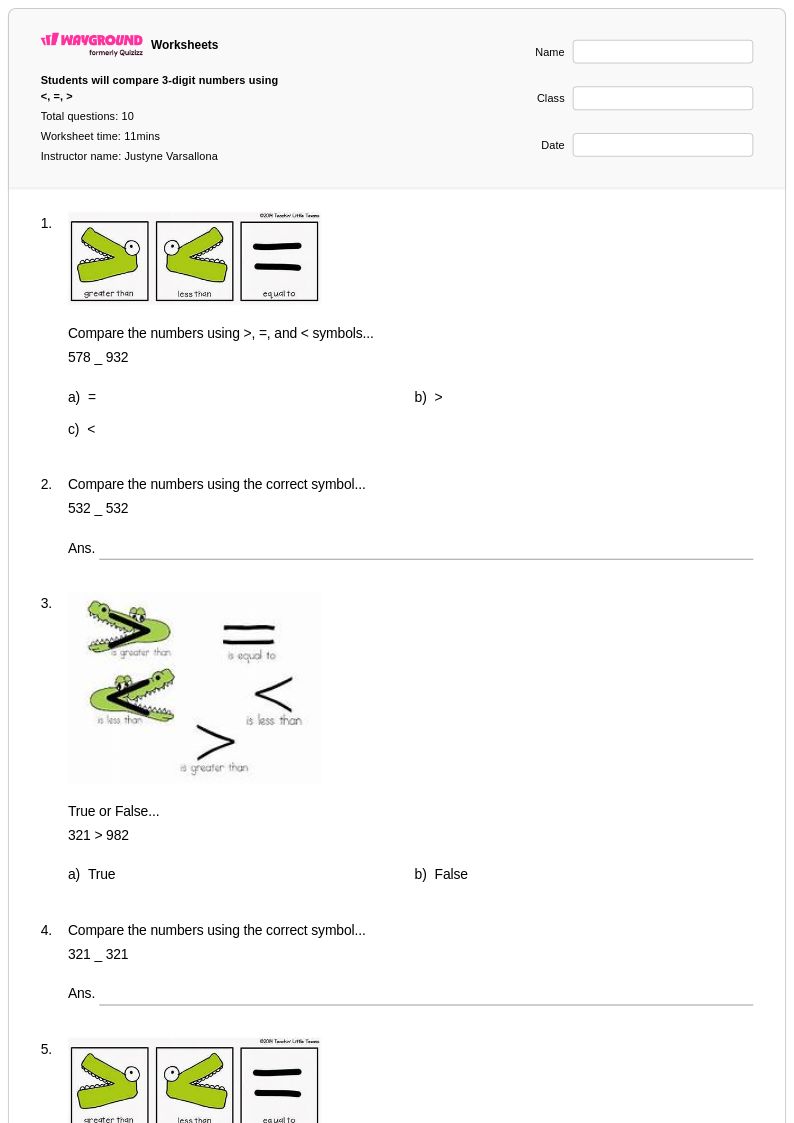
10 Q
2nd
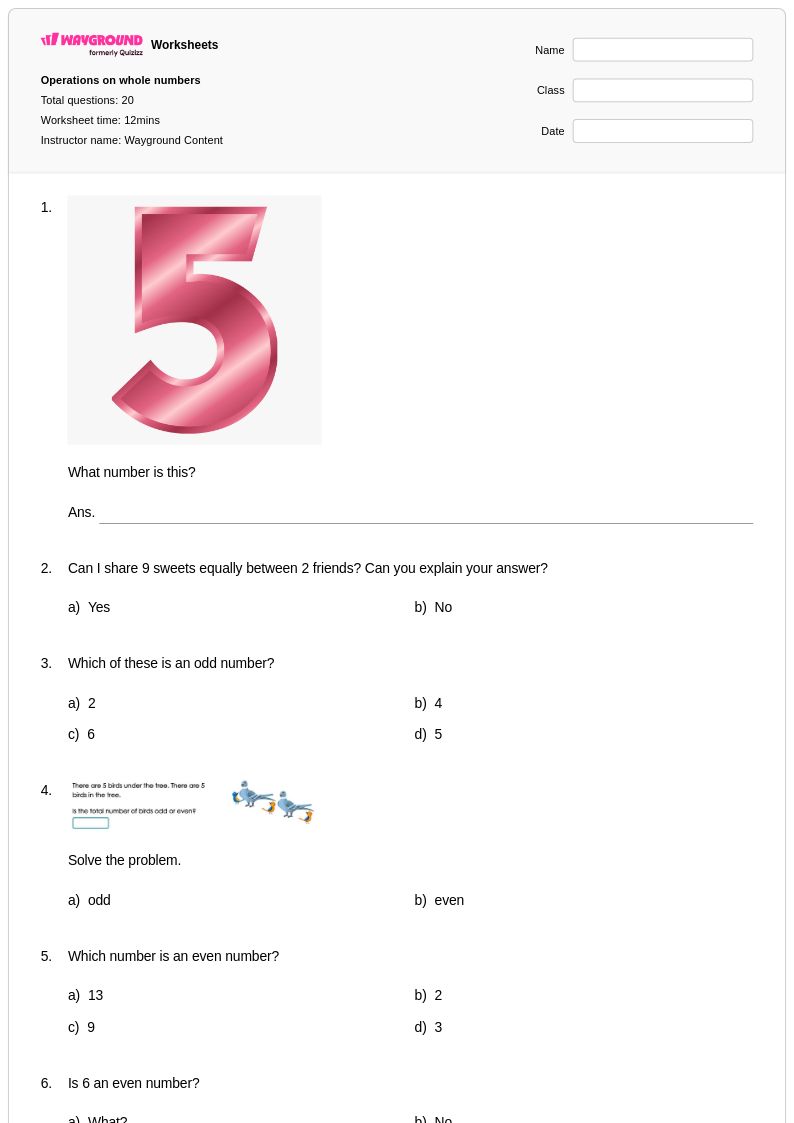
20 Q
2nd
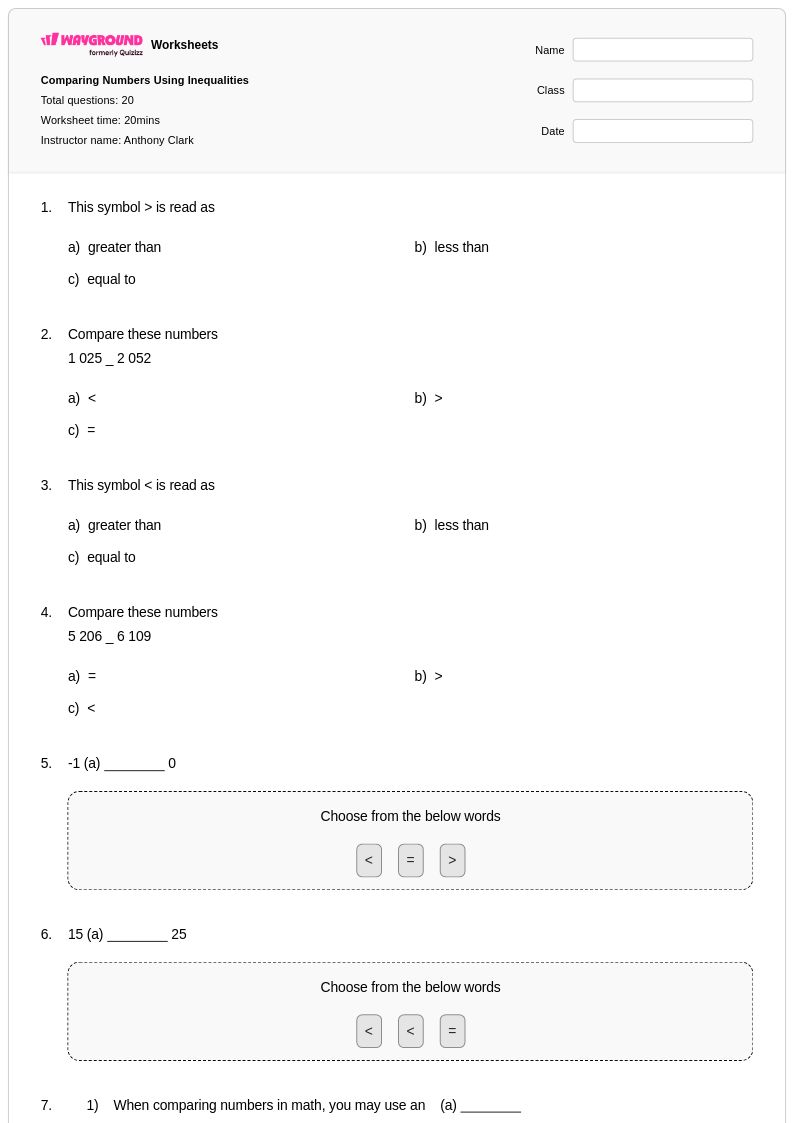
20 Q
2nd - Uni
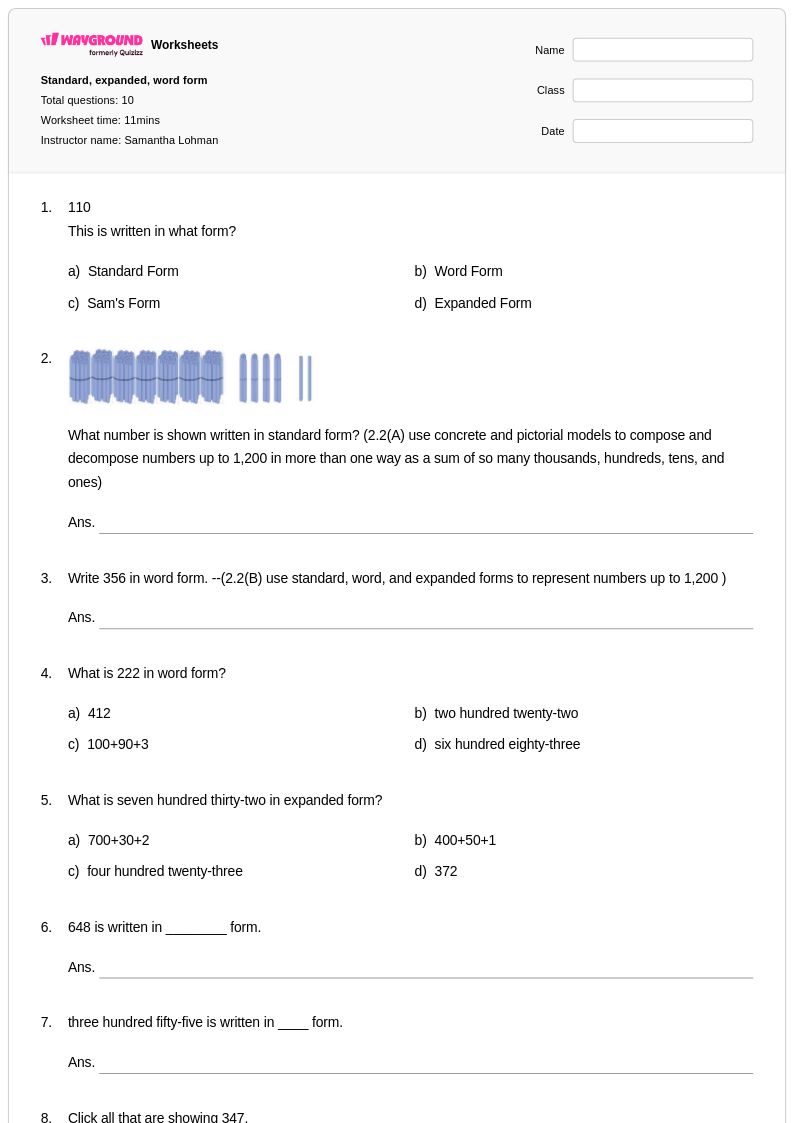
10 Q
2nd
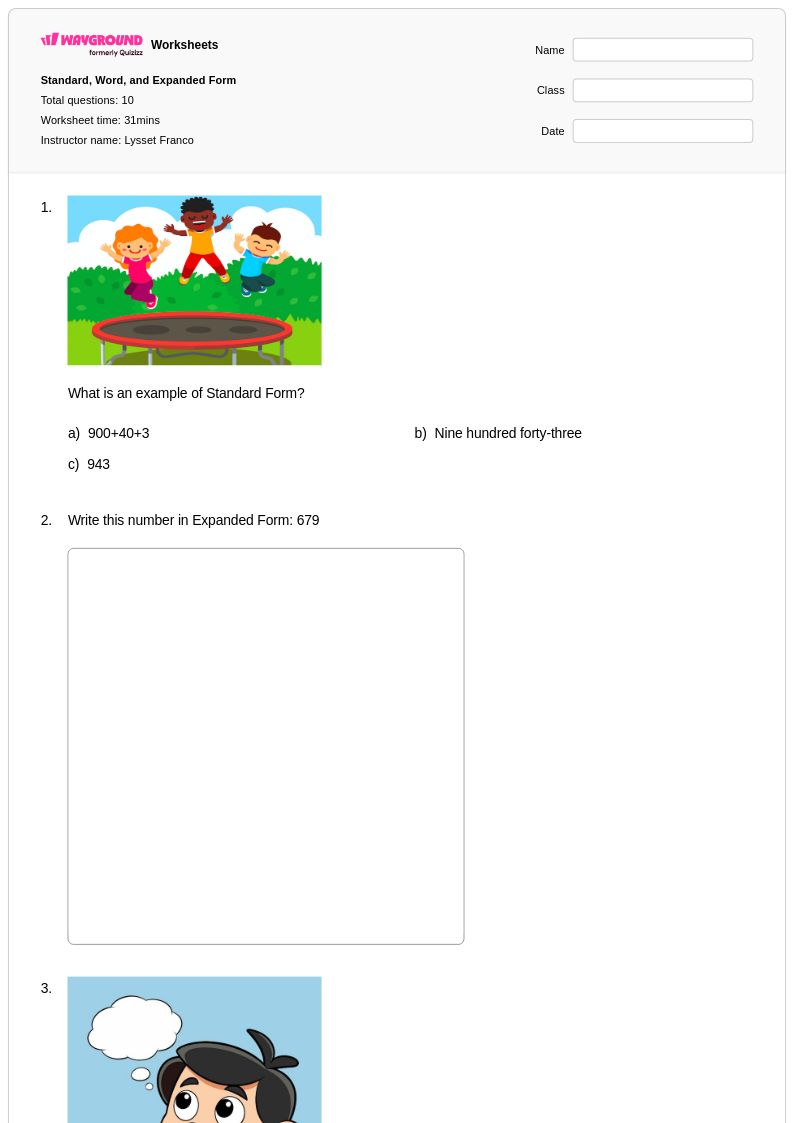
10 Q
2nd
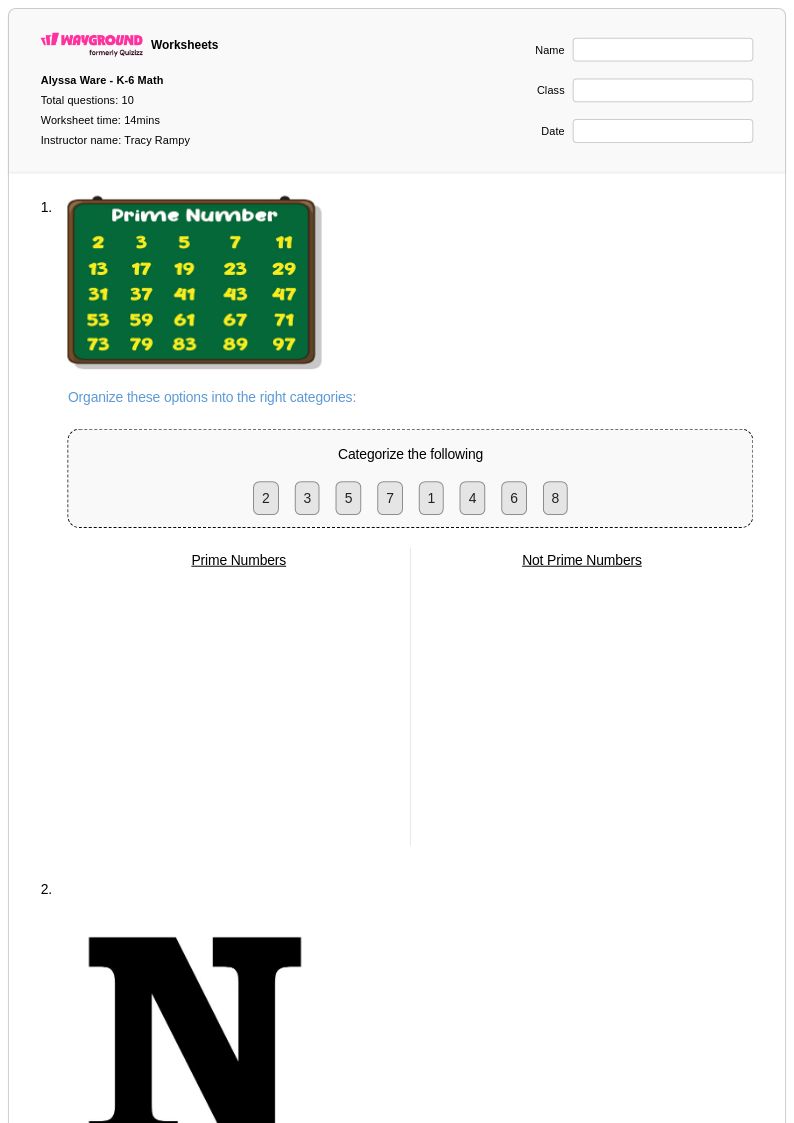
10 Q
1st - 5th
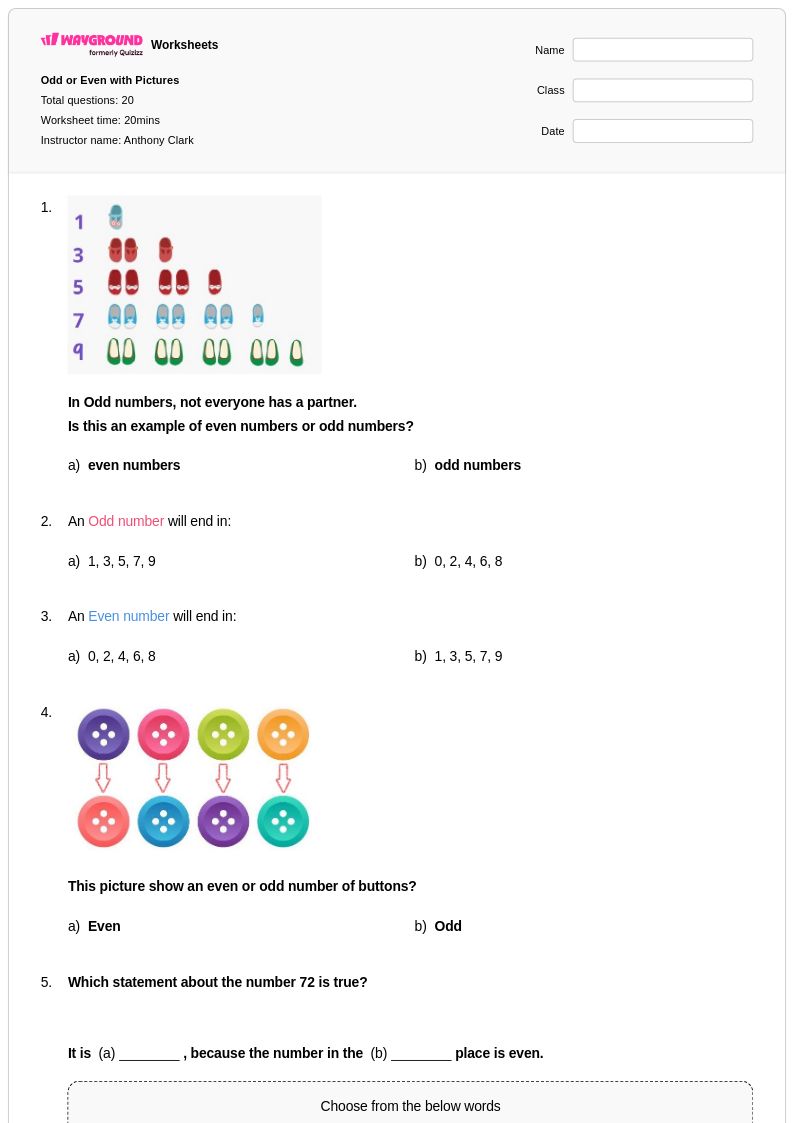
20 Q
2nd - Uni
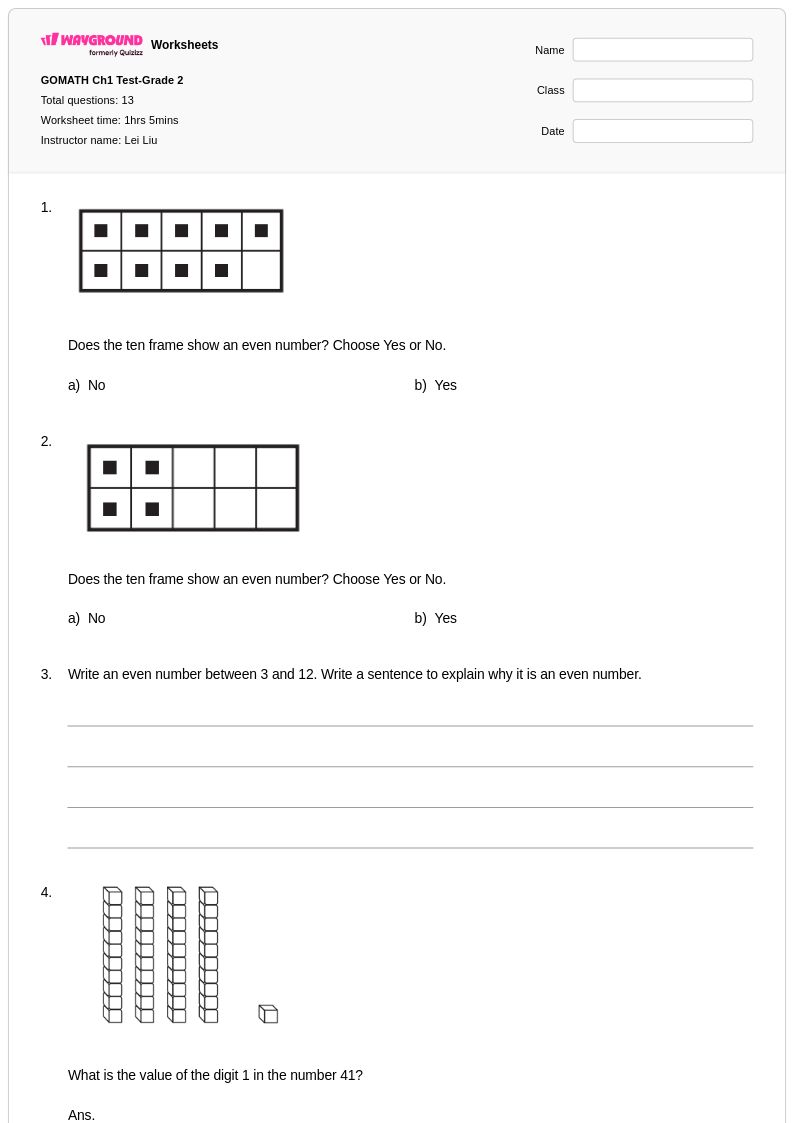
13 Q
2nd
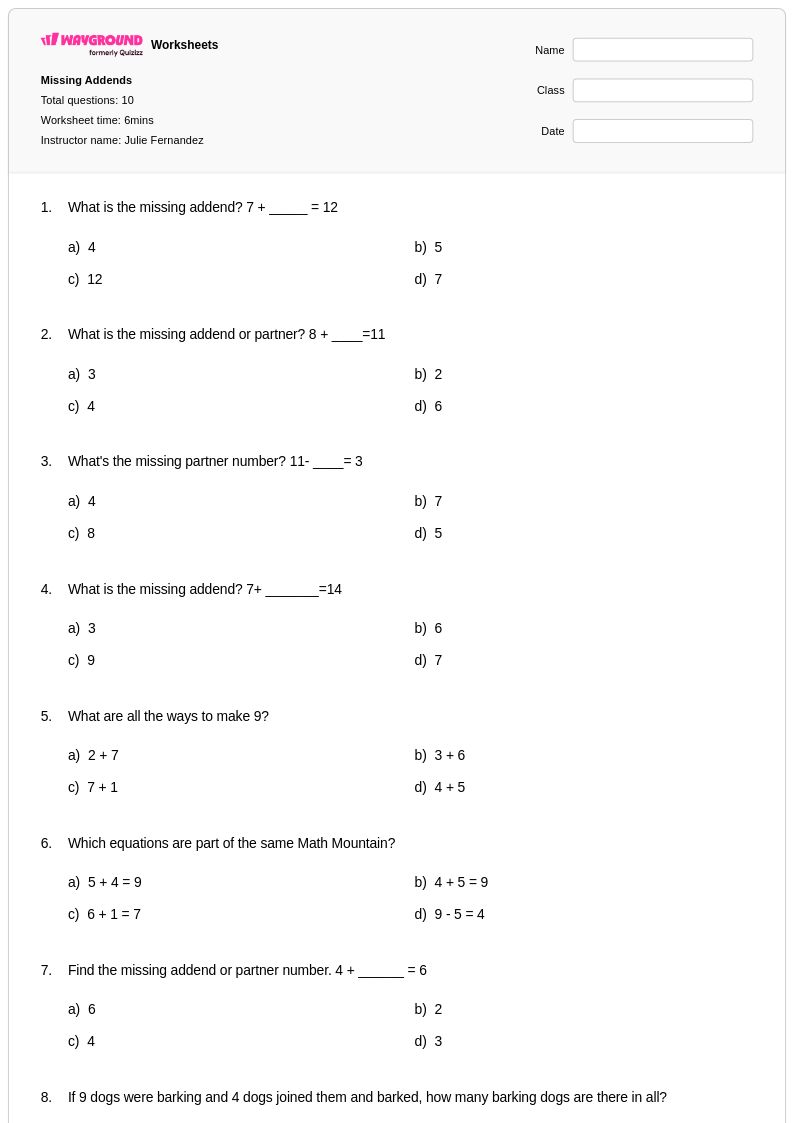
10 Q
2nd
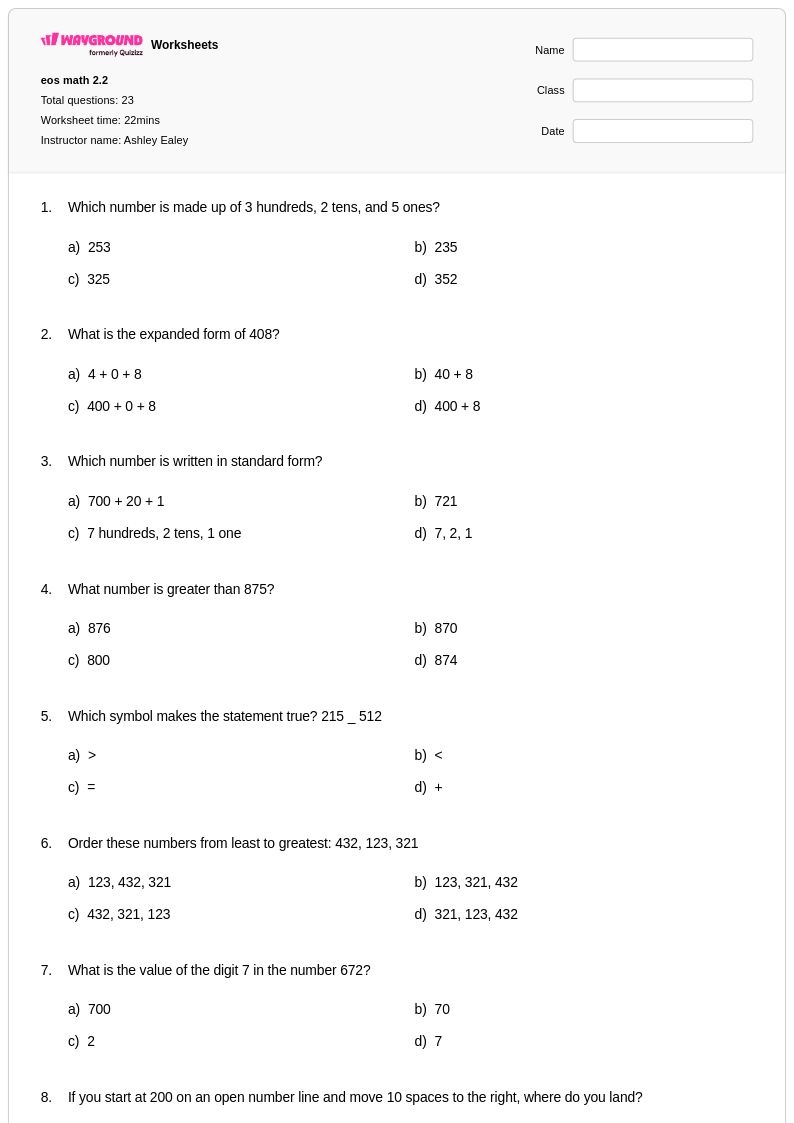
23 Q
2nd
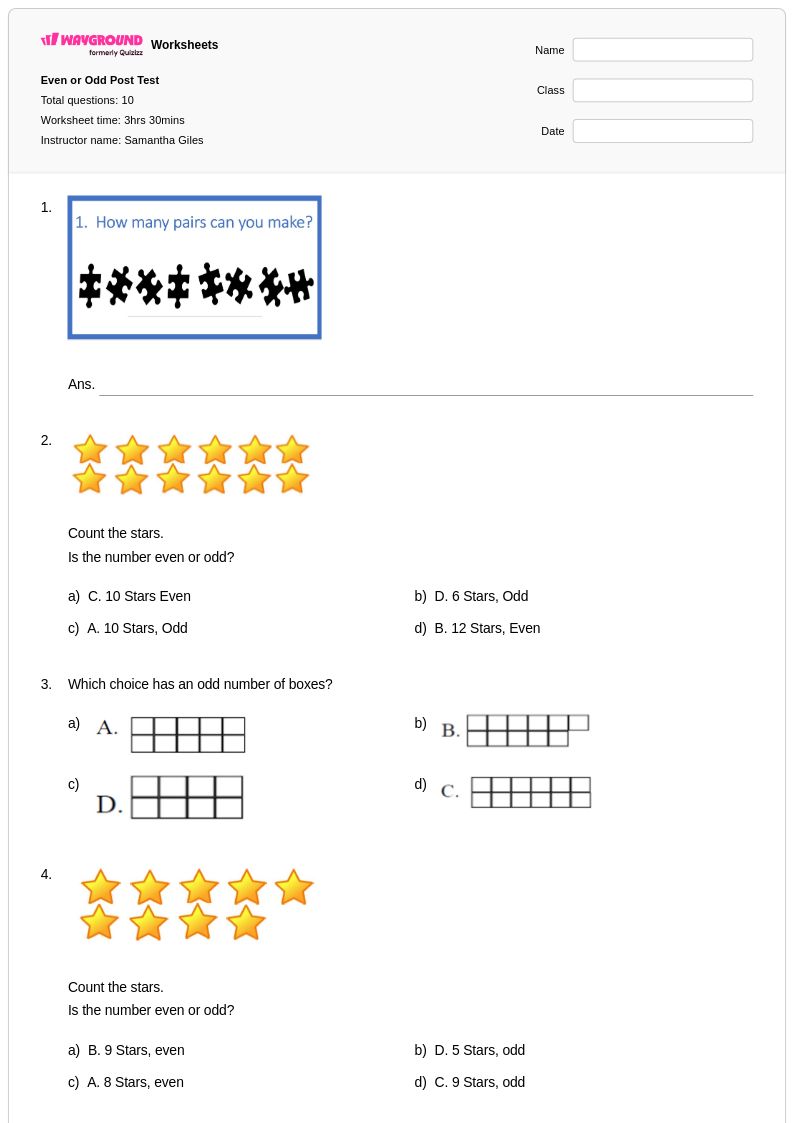
10 Q
2nd
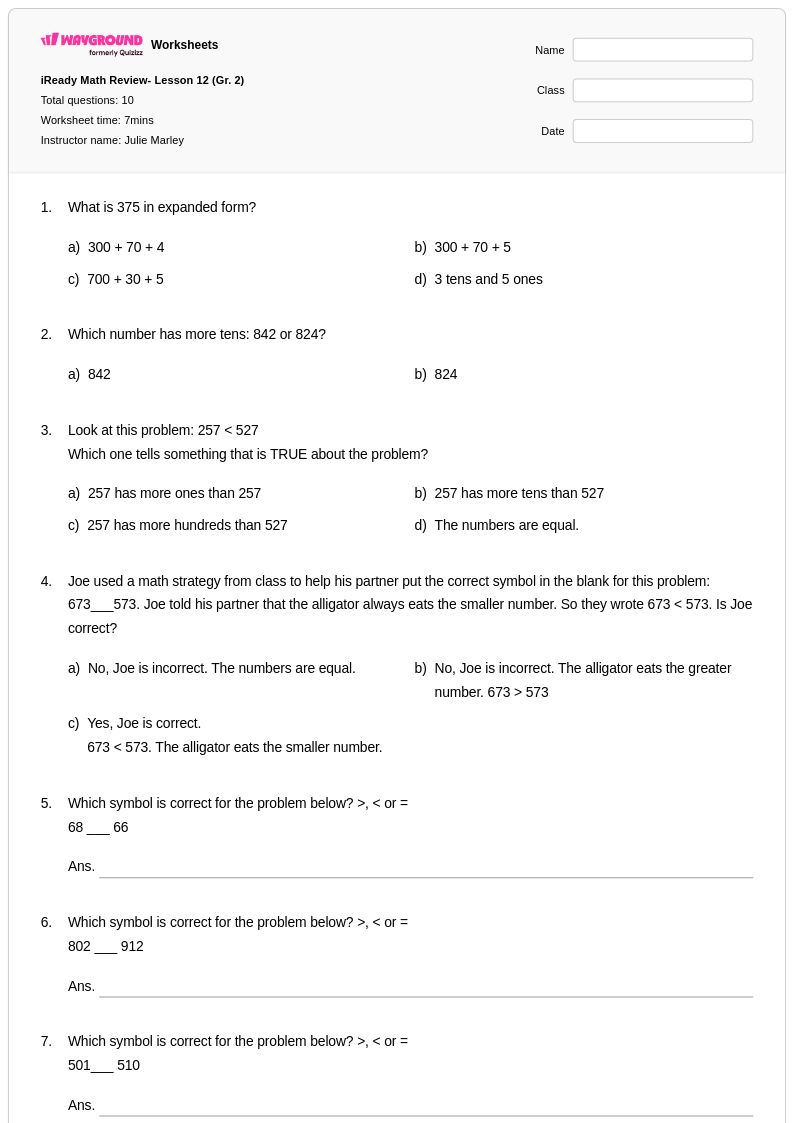
10 Q
2nd
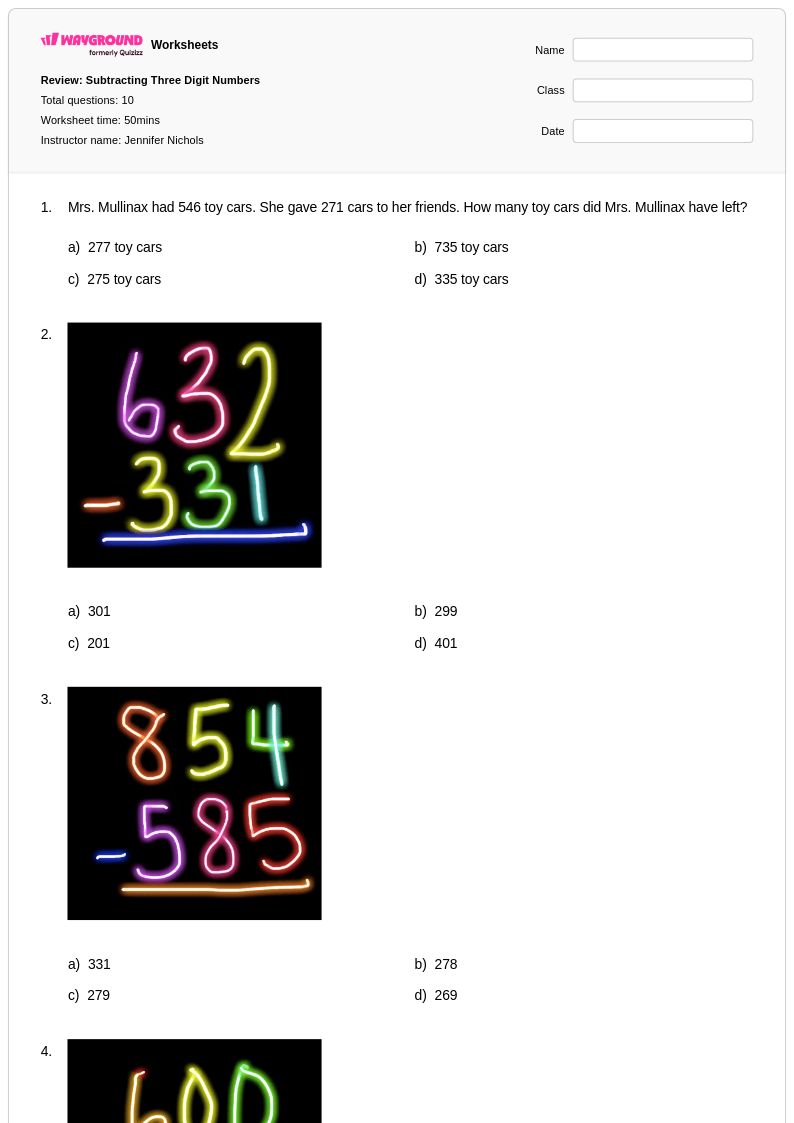
10 Q
2nd
Explore Partner Numbers Worksheets by Grades
Explore Other Subject Worksheets for grade 2
Explore printable Partner Numbers worksheets for Grade 2
Partner Numbers worksheets available through Wayground (formerly Quizizz) provide Grade 2 students with essential practice in understanding number relationships and developing foundational addition and subtraction fluency. These comprehensive printables focus on helping young learners identify number pairs that combine to make target sums, particularly emphasizing partners to 10, 20, and other benchmark numbers that form the cornerstone of mathematical reasoning. Each worksheet collection includes carefully scaffolded practice problems that progress from concrete visual representations to abstract number sentences, strengthening students' ability to quickly recognize complementary numbers and internalize these critical number facts. Teachers can access complete answer keys and free pdf downloads that support both classroom instruction and independent practice, ensuring students build automatic recall of these fundamental number partnerships.
Wayground (formerly Quizizz) empowers educators with millions of teacher-created Partner Numbers resources that streamline lesson planning and provide targeted skill reinforcement for Grade 2 mathematics instruction. The platform's robust search and filtering capabilities allow teachers to quickly locate worksheets aligned with specific standards and learning objectives, while differentiation tools enable customization based on individual student needs and ability levels. These flexible resources are available in both printable and digital formats, including downloadable pdfs, making them ideal for classroom activities, homework assignments, remediation sessions, and enrichment opportunities. The extensive collection supports systematic skill building through varied problem types and visual approaches, helping educators address diverse learning styles while ensuring all students master these essential number sense concepts that serve as building blocks for more advanced mathematical operations.
FAQs
How do I extend the concept of partner numbers in second grade?
What practice helps second graders with partner numbers?
What are common errors for second graders with this topic?
How can I use this second-grade worksheet in my class?
How does this worksheet support second-grade math standards?
How can I challenge my advanced second graders with partner numbers?