
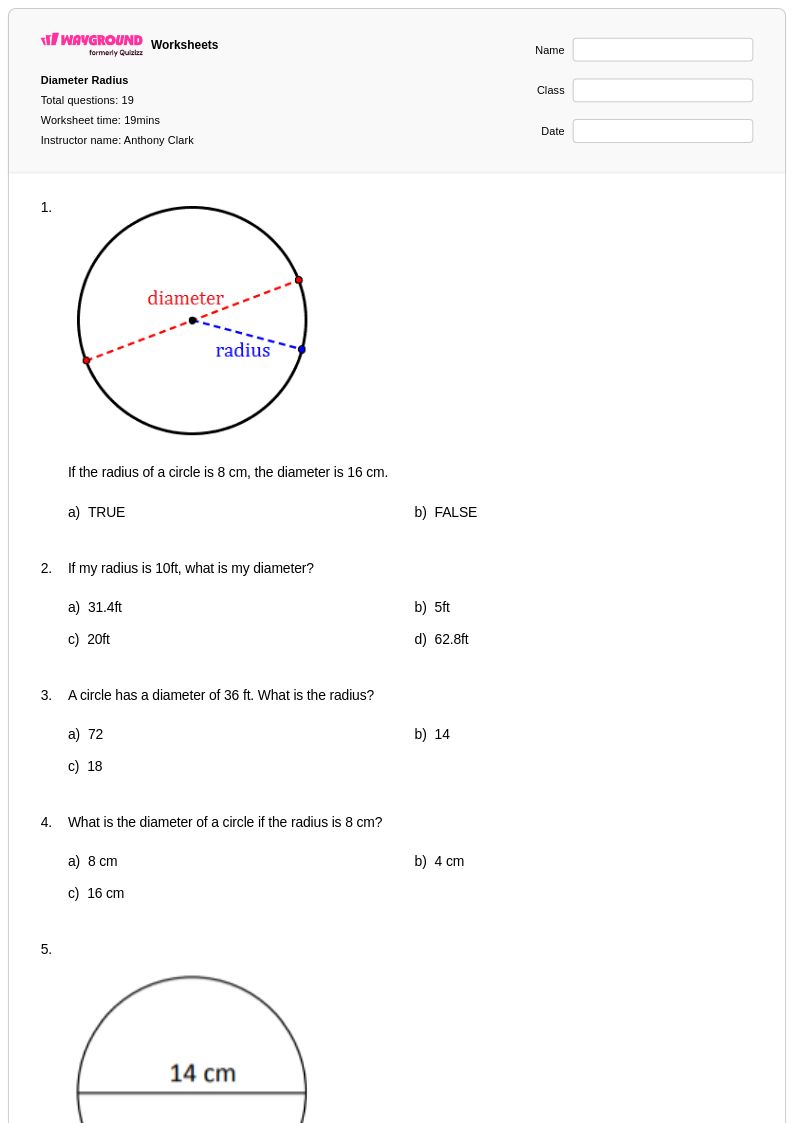
19 Q
7th - Uni
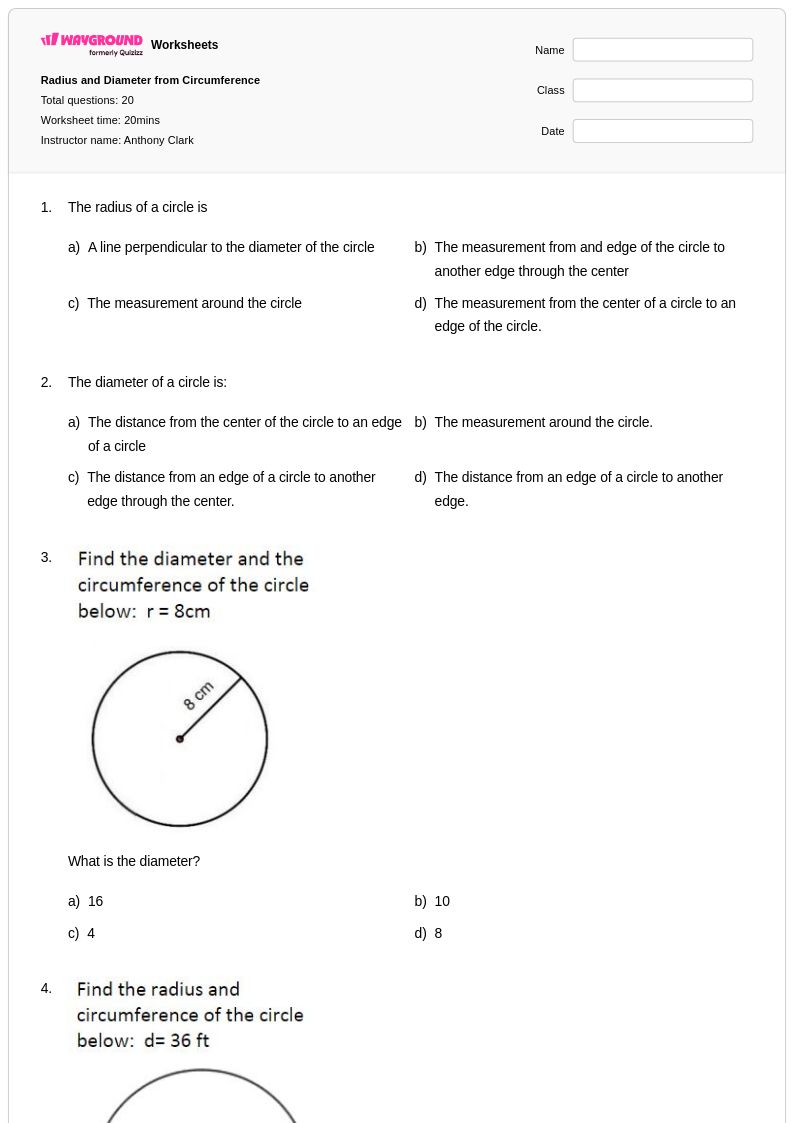
20 Q
7th - Uni
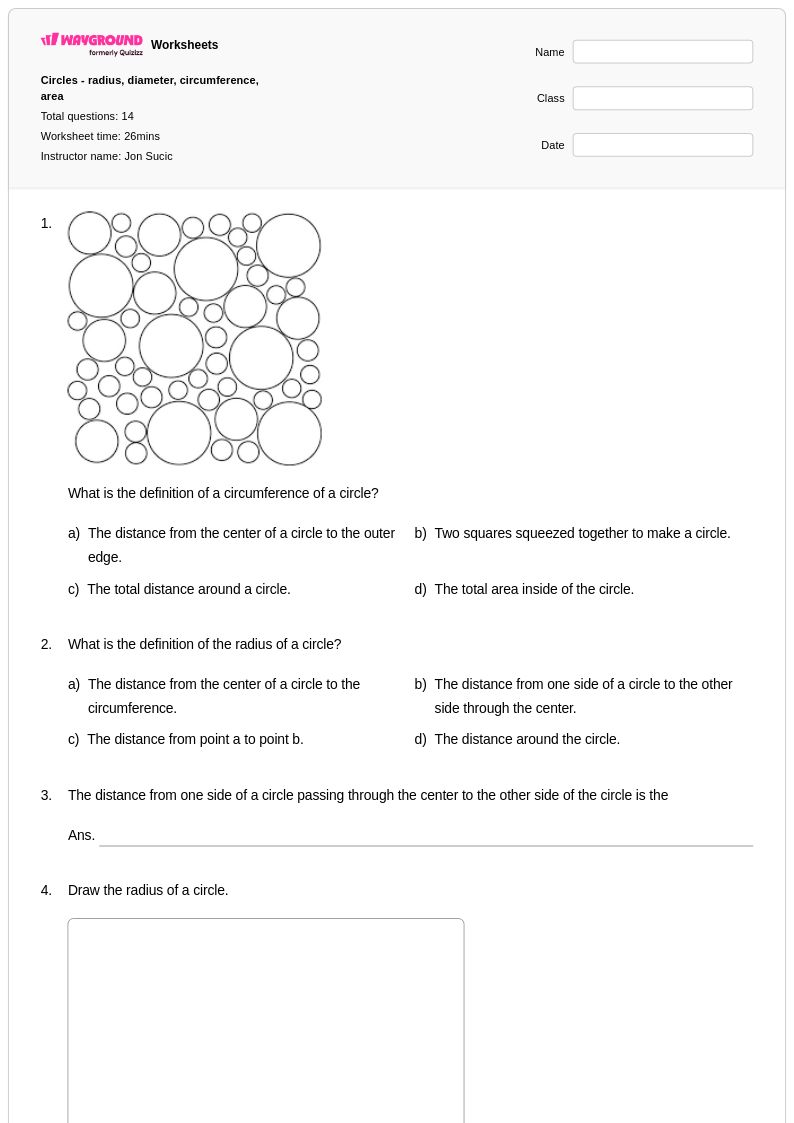
14 Q
7th
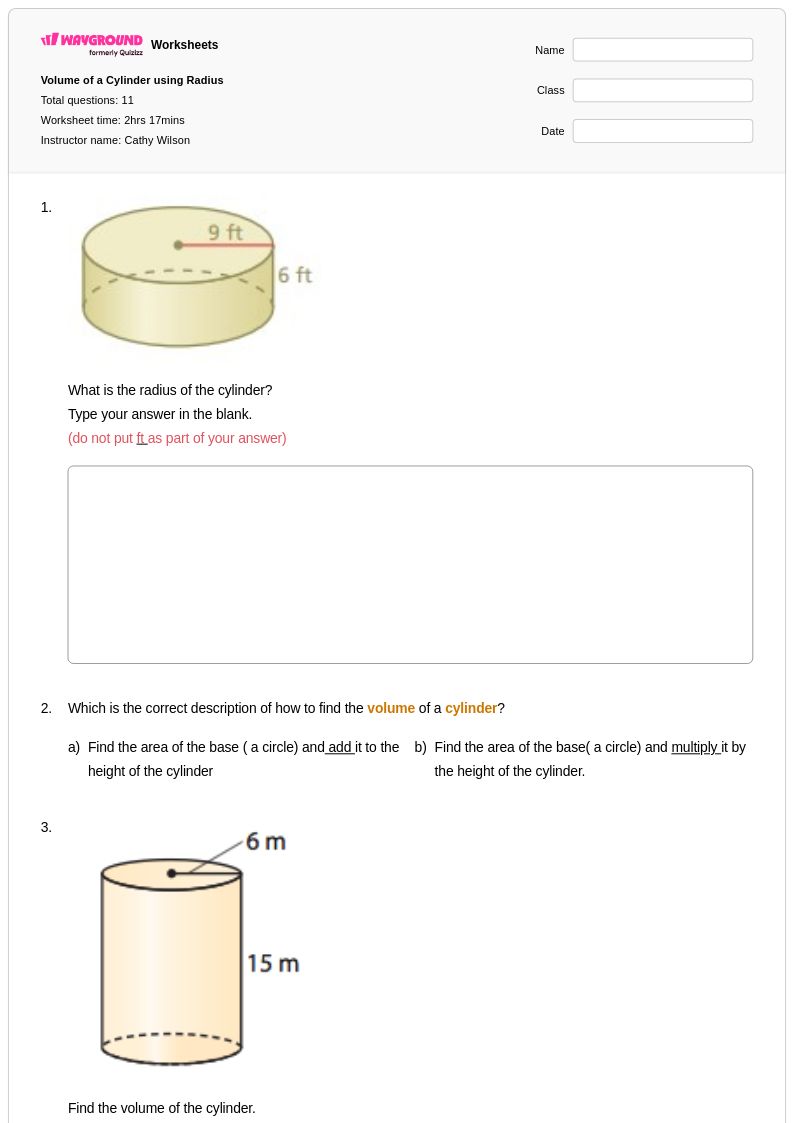
11 Q
8th
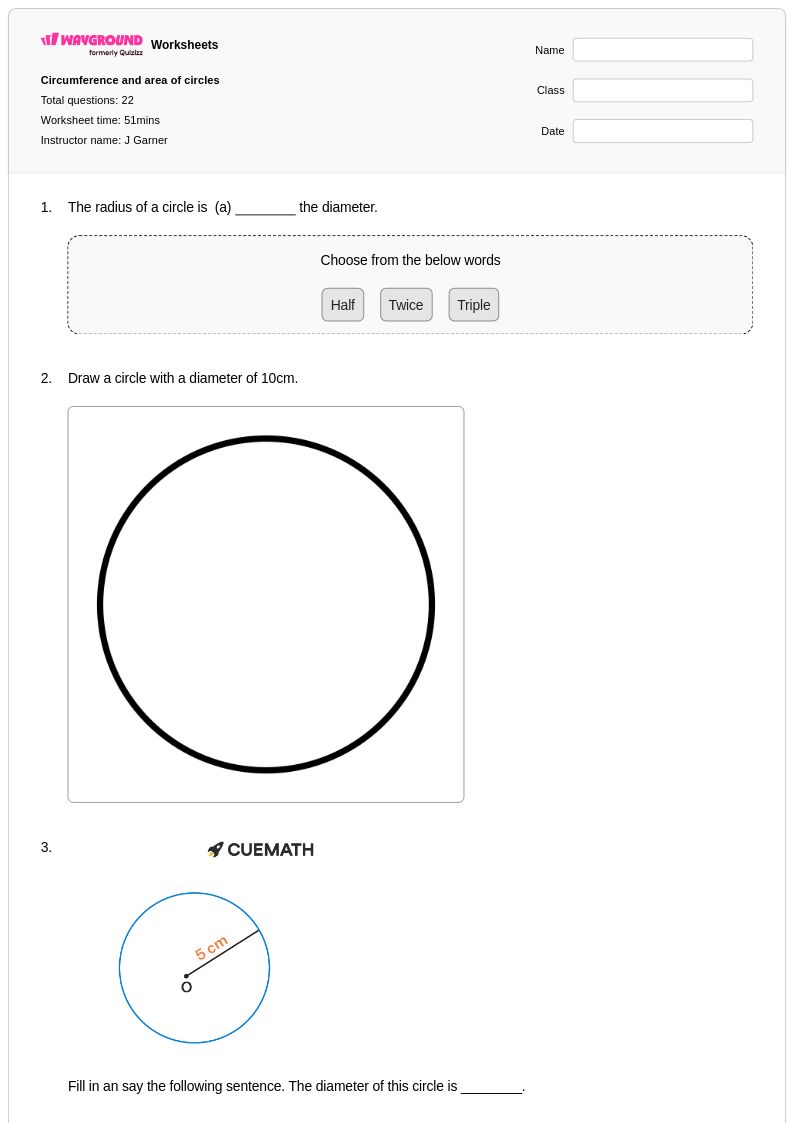
22 Q
7th
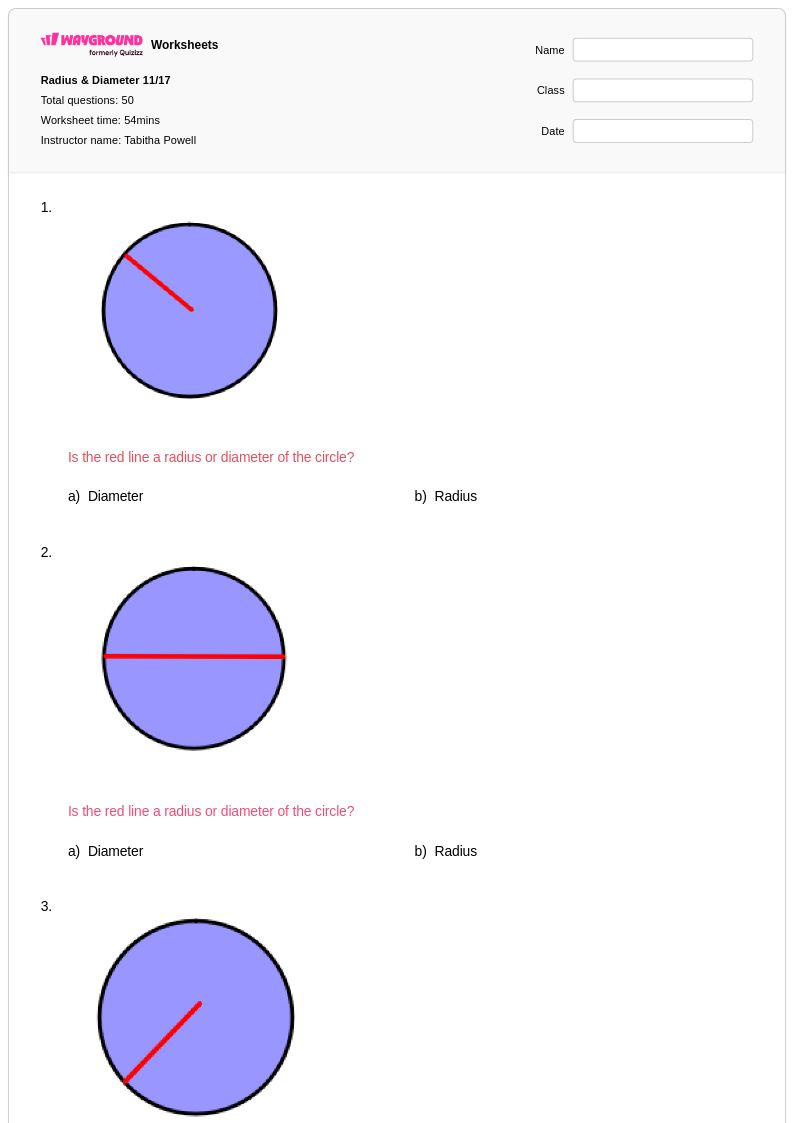
50 Q
8th
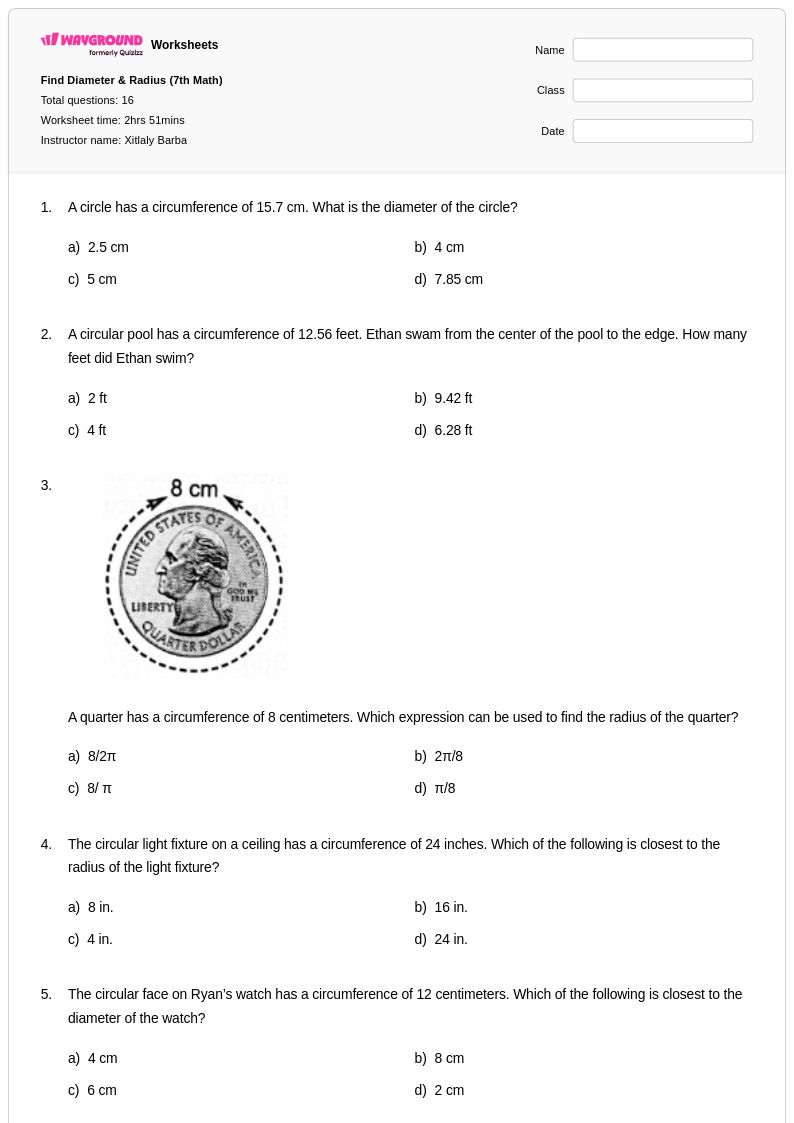
16 Q
7th
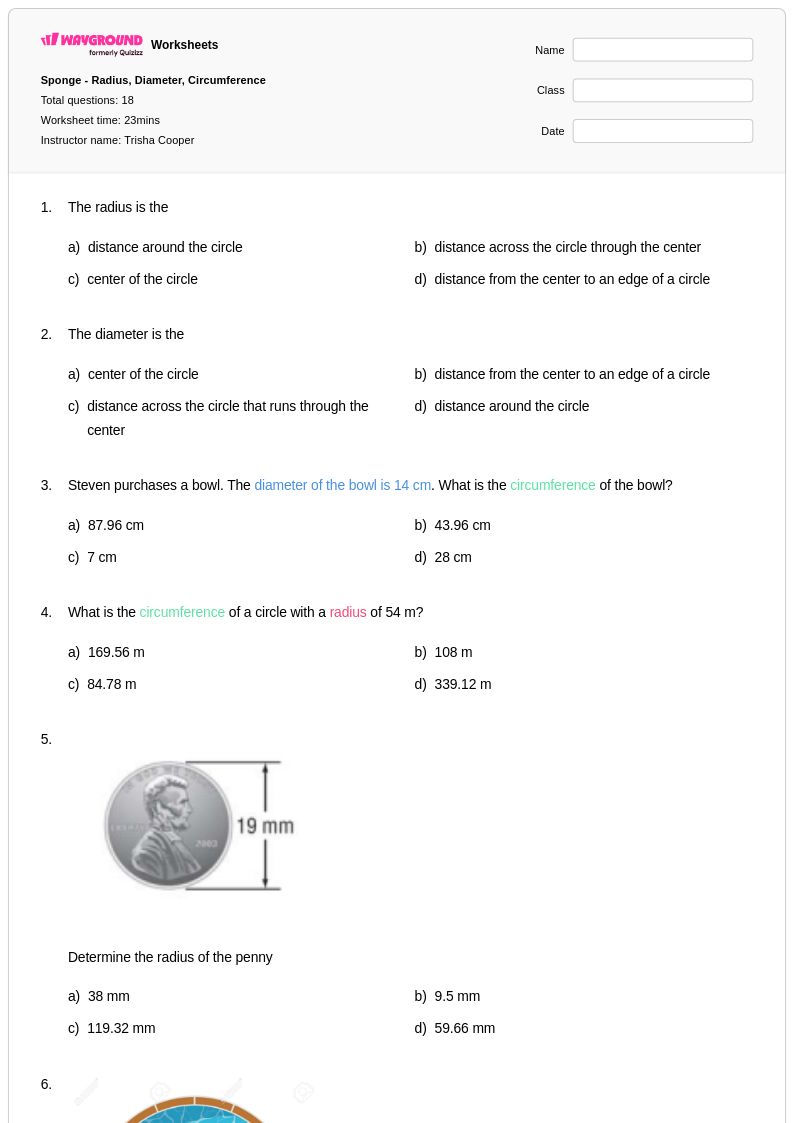
18 Q
7th
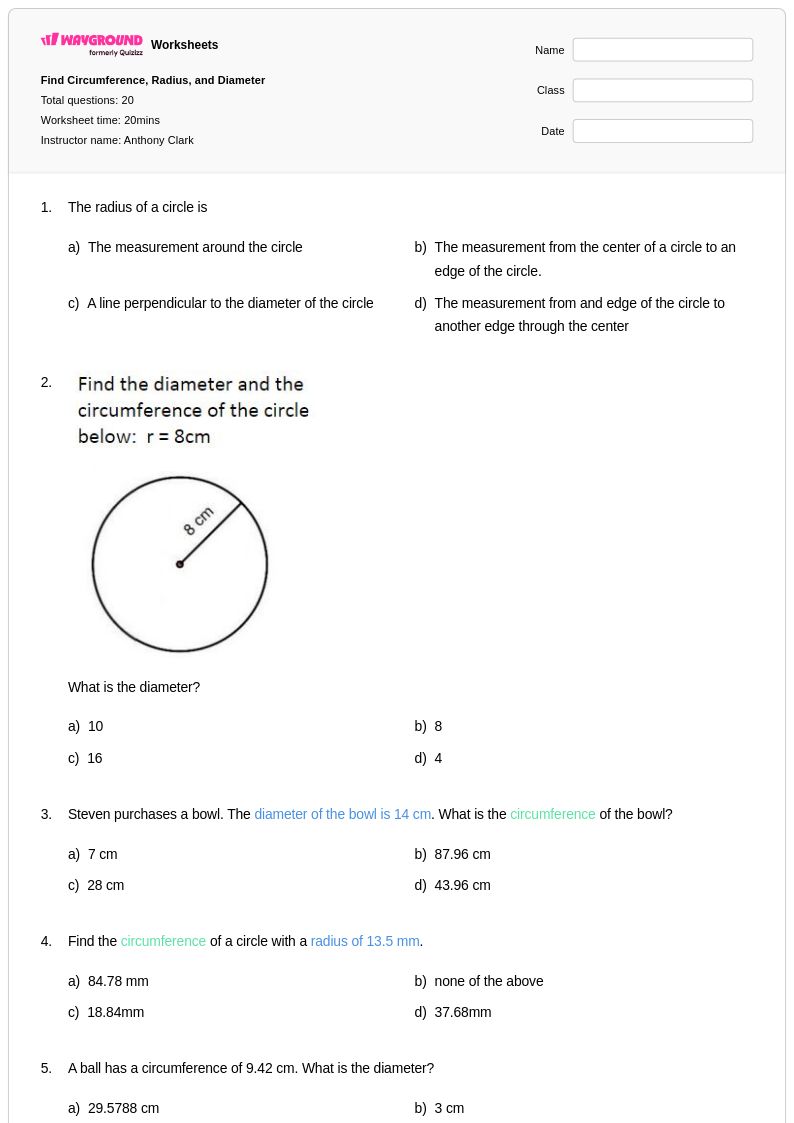
20 Q
7th - Uni
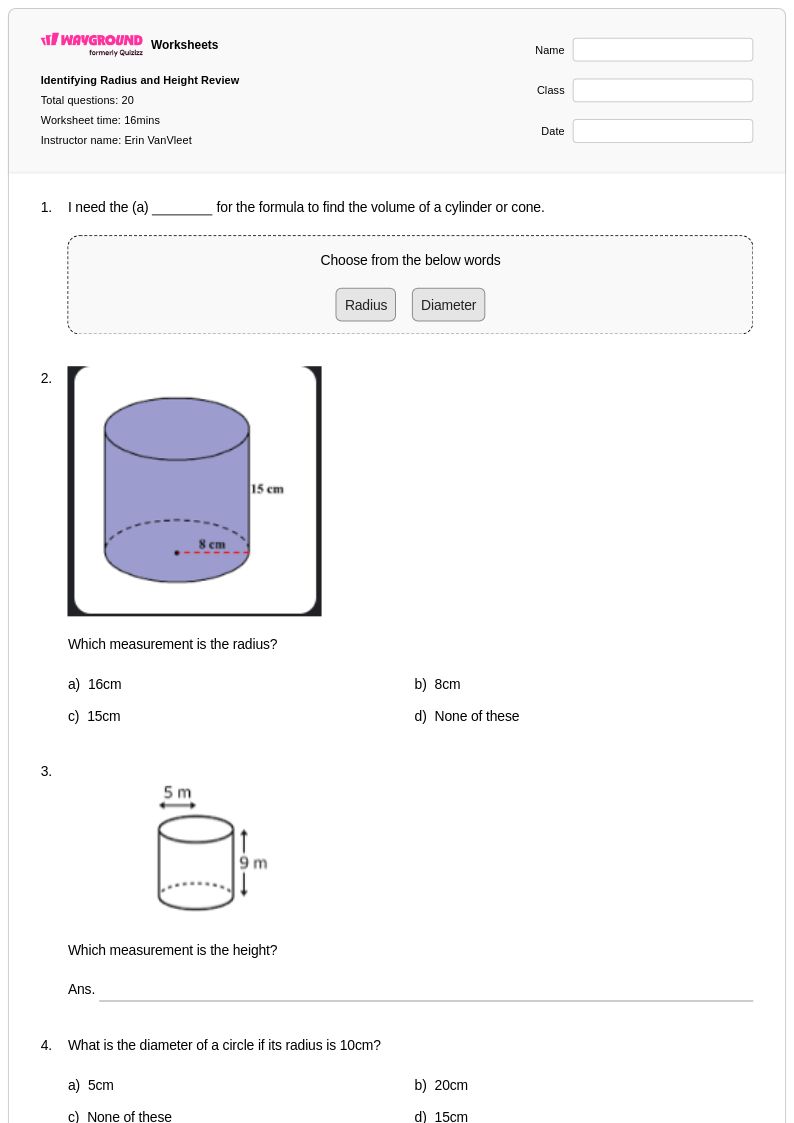
20 Q
8th

13 Q
7th
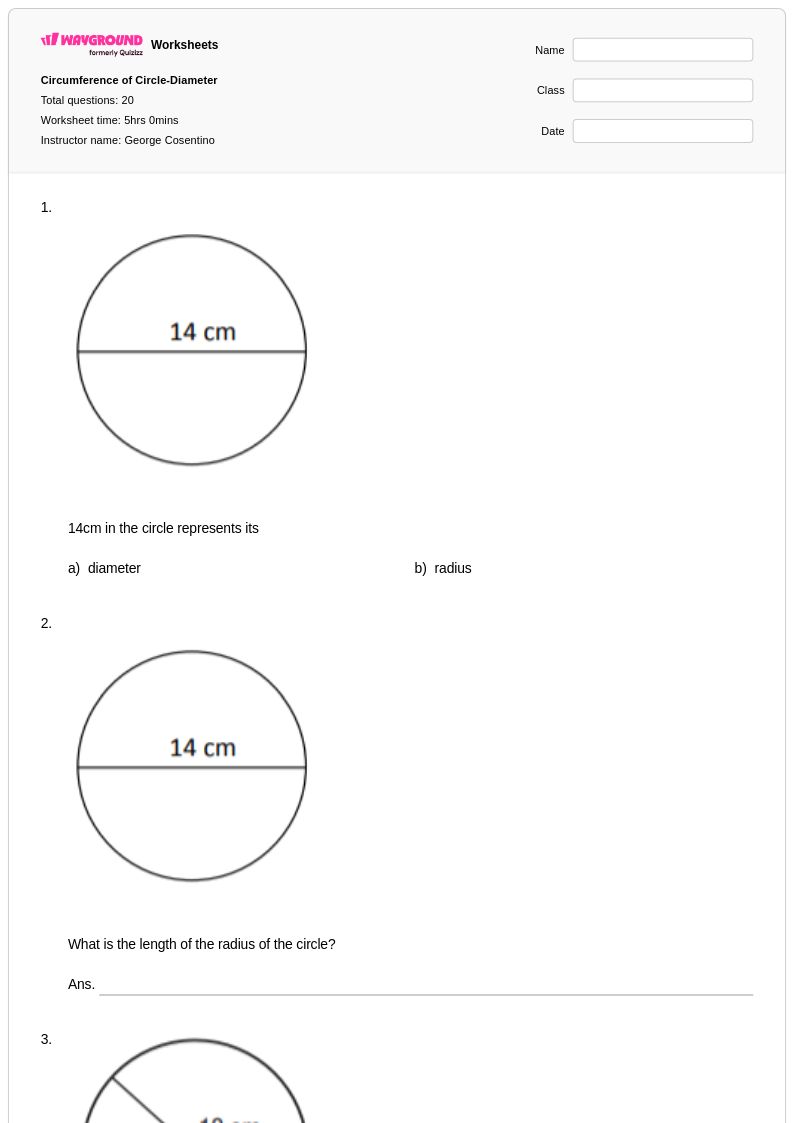
20 Q
7th
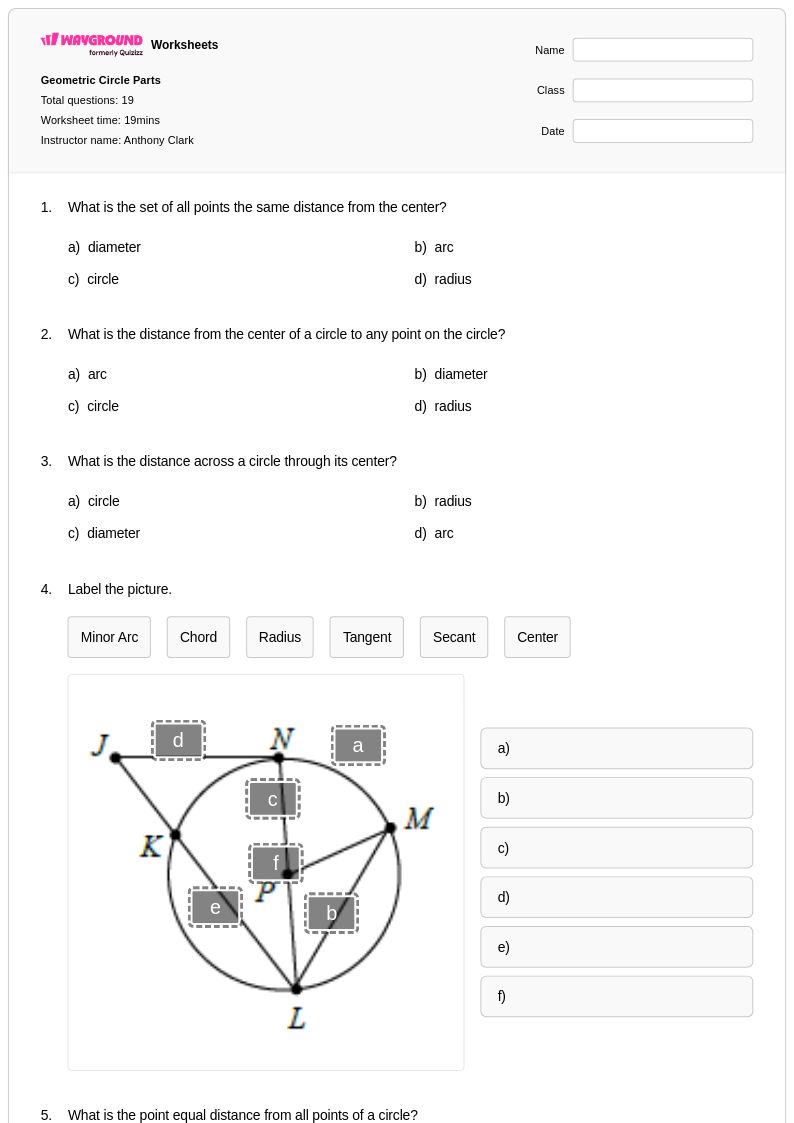
19 Q
12th - Uni
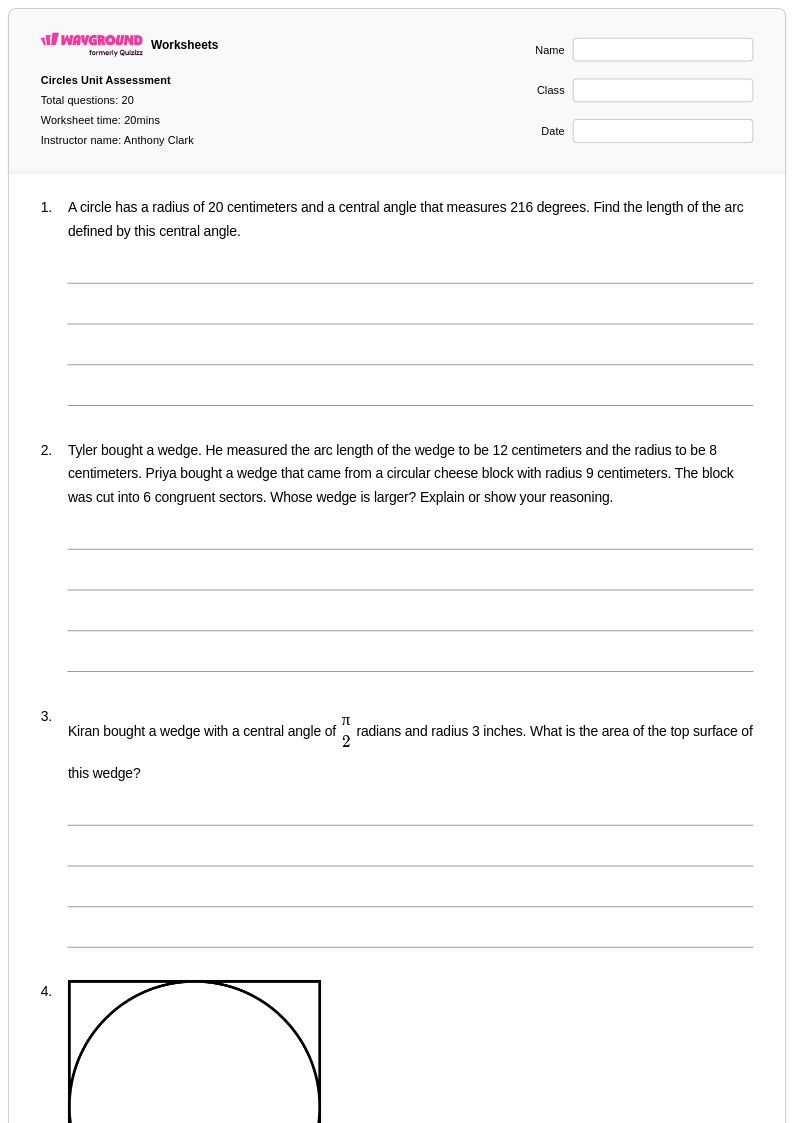
20 Q
6th - Uni
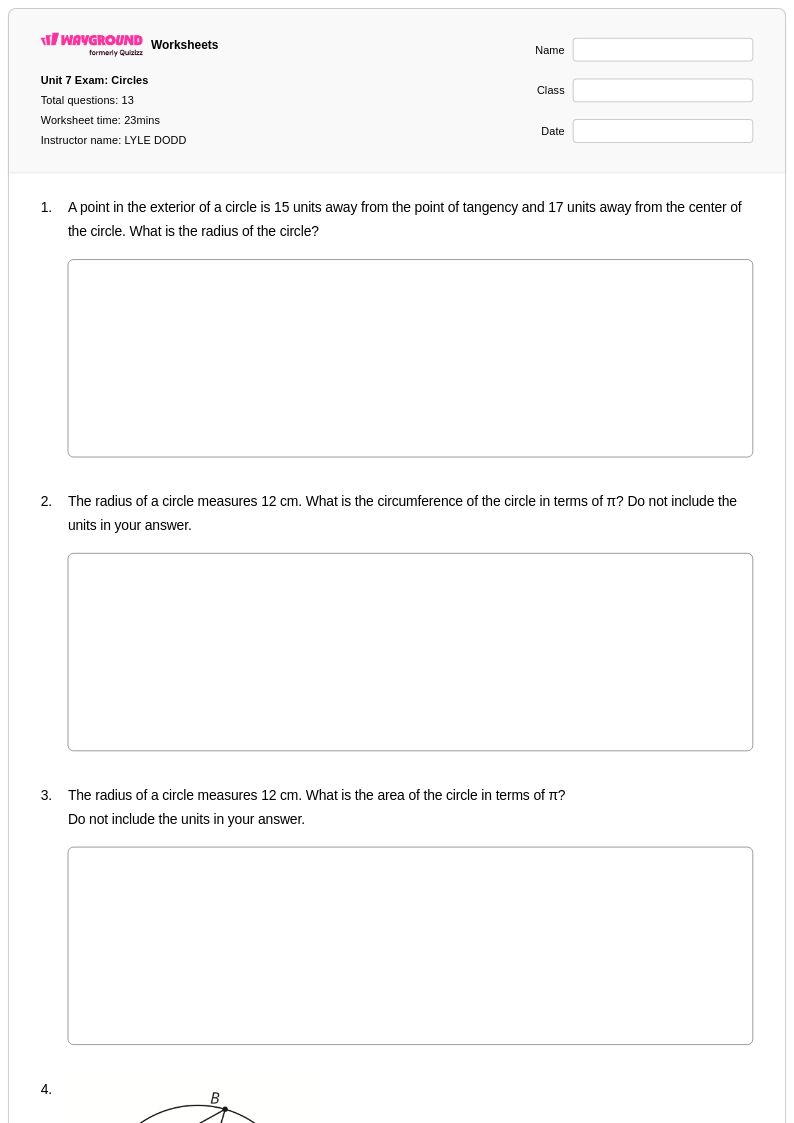
13 Q
10th
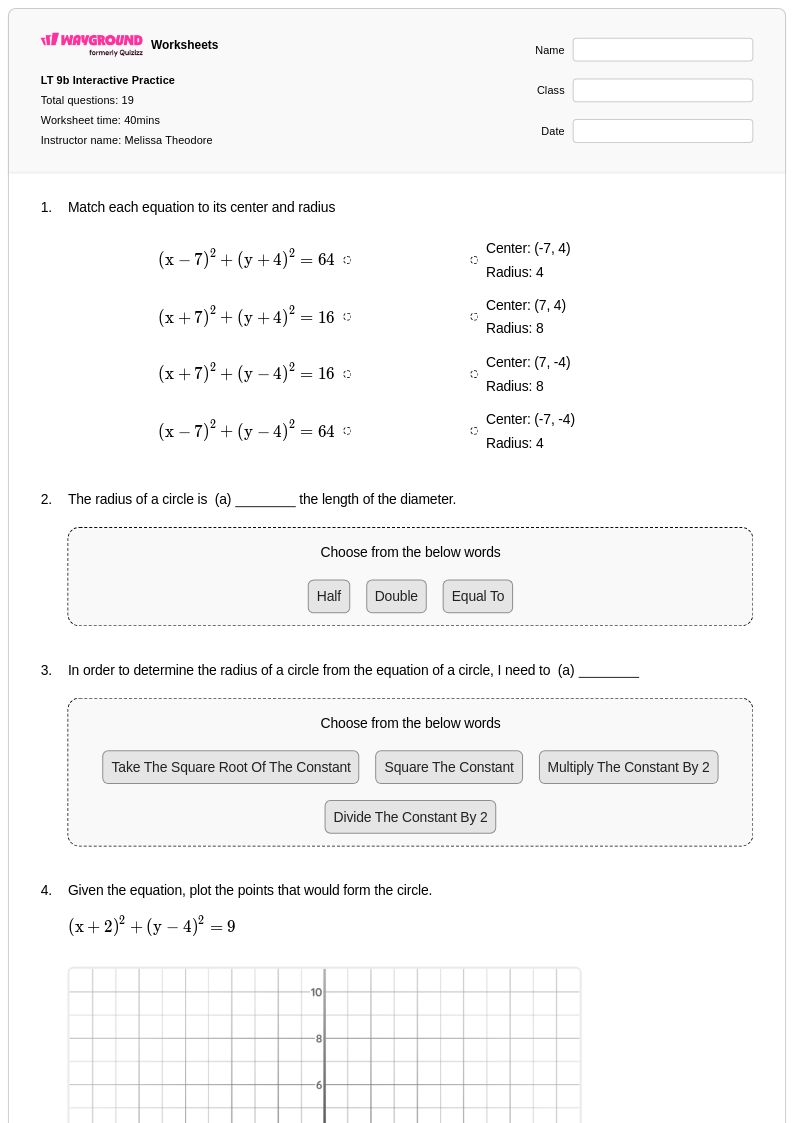
19 Q
9th
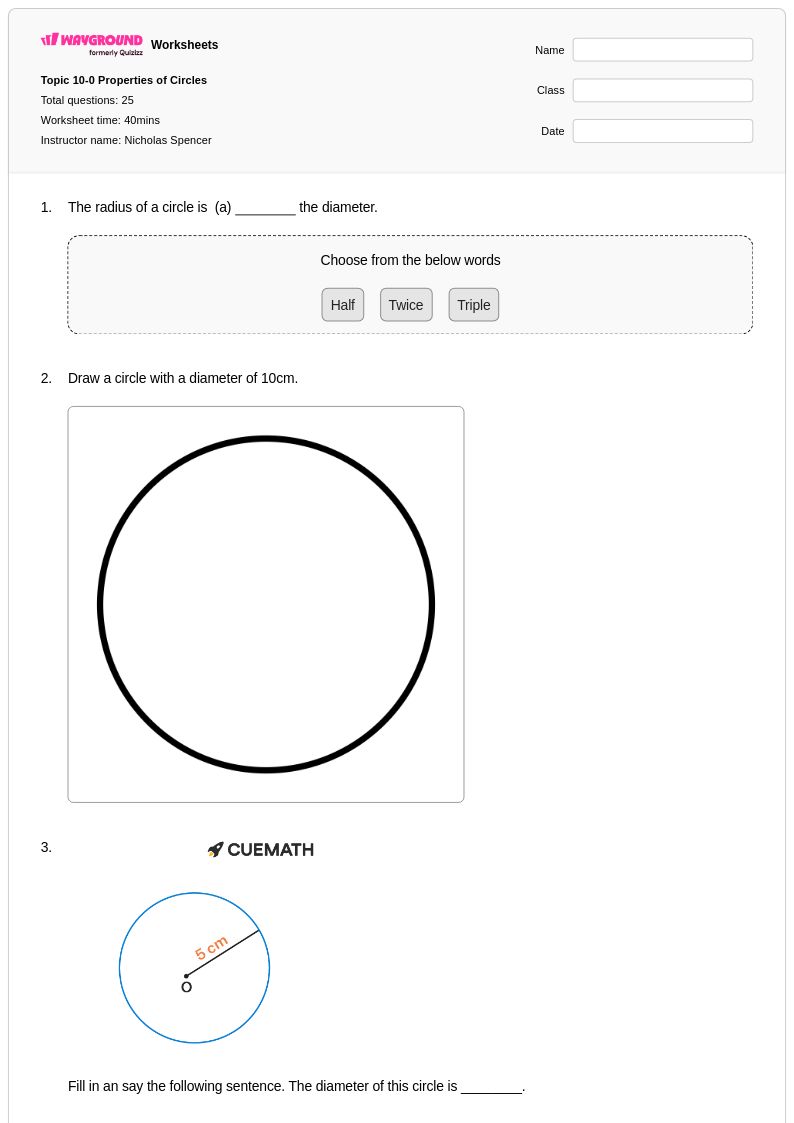
25 Q
9th - 12th
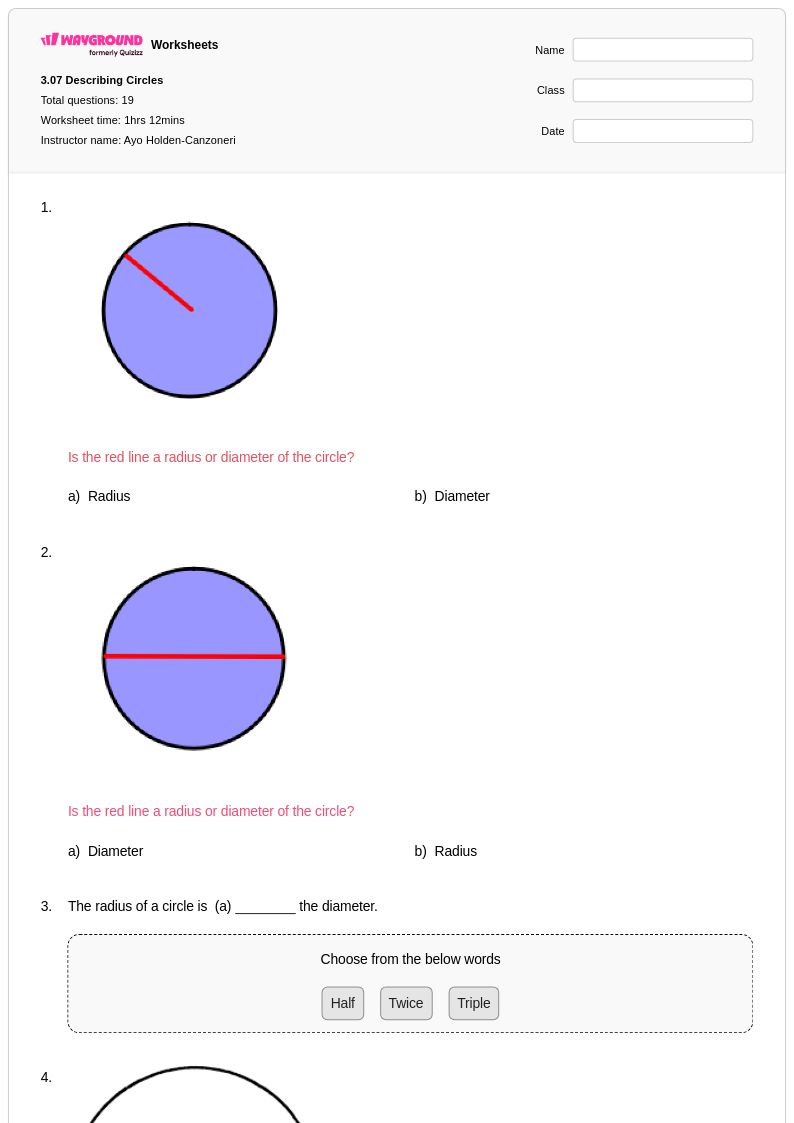
19 Q
7th
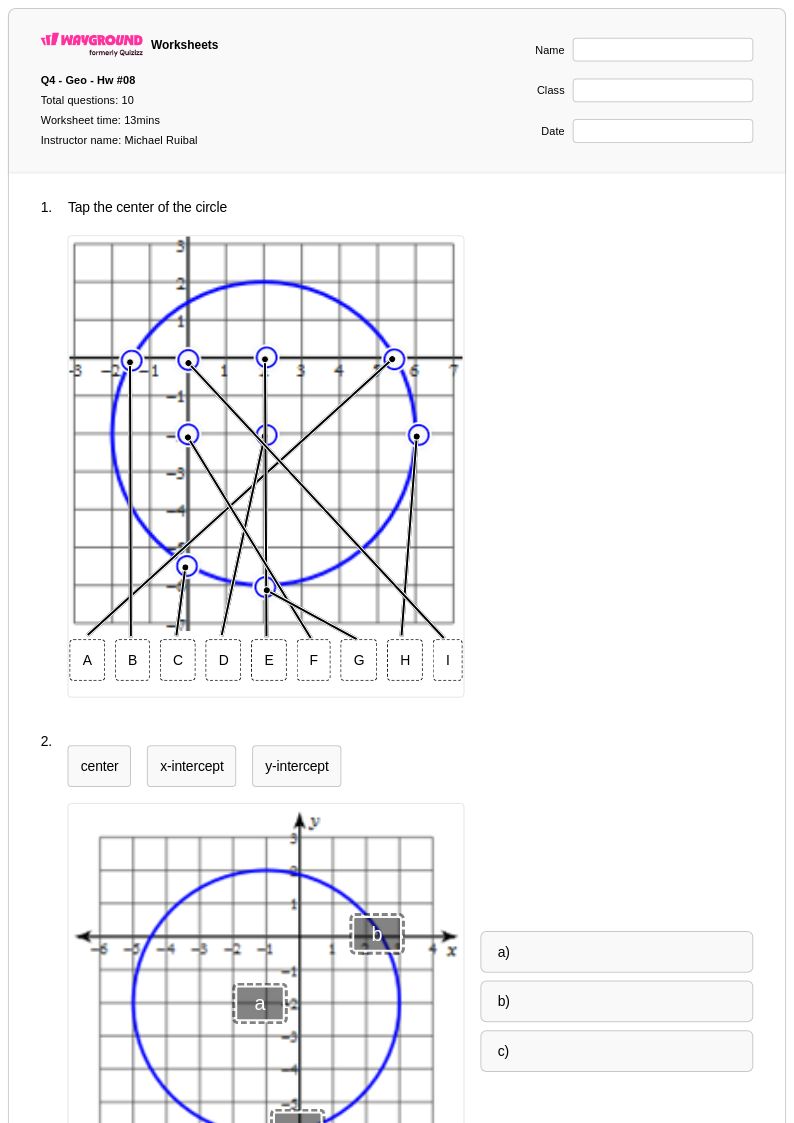
10 Q
9th - 12th
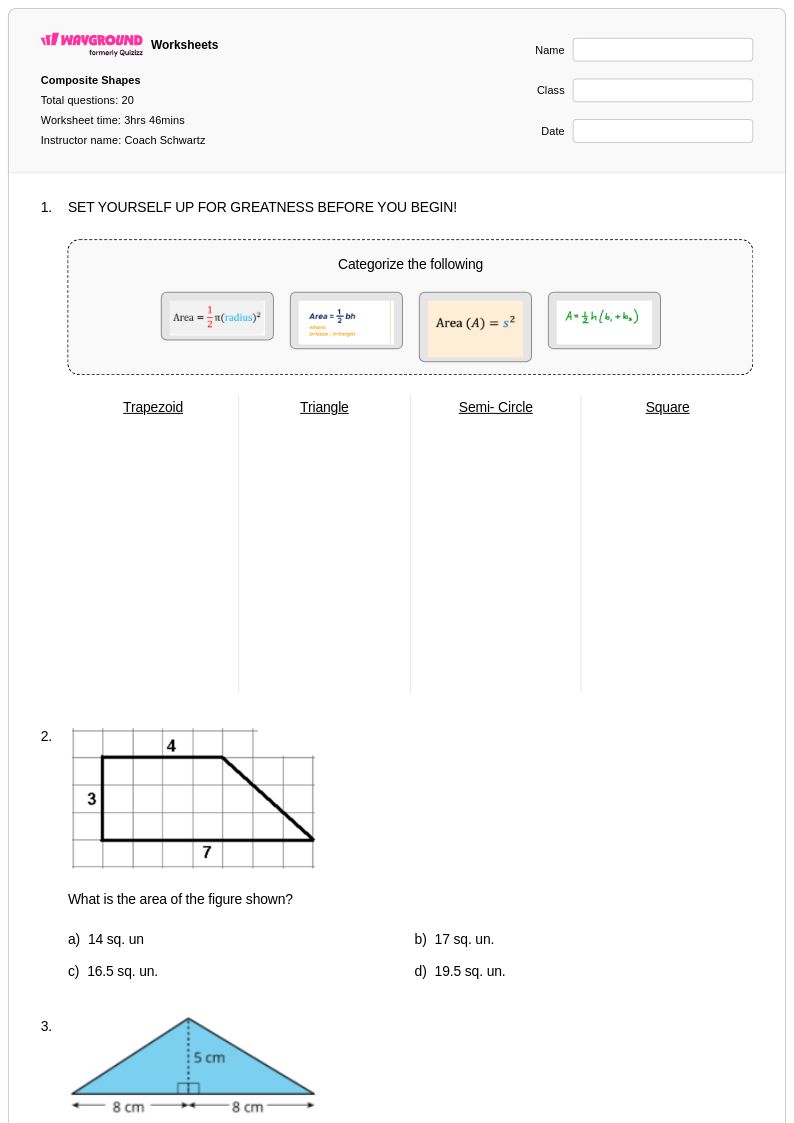
20 Q
7th
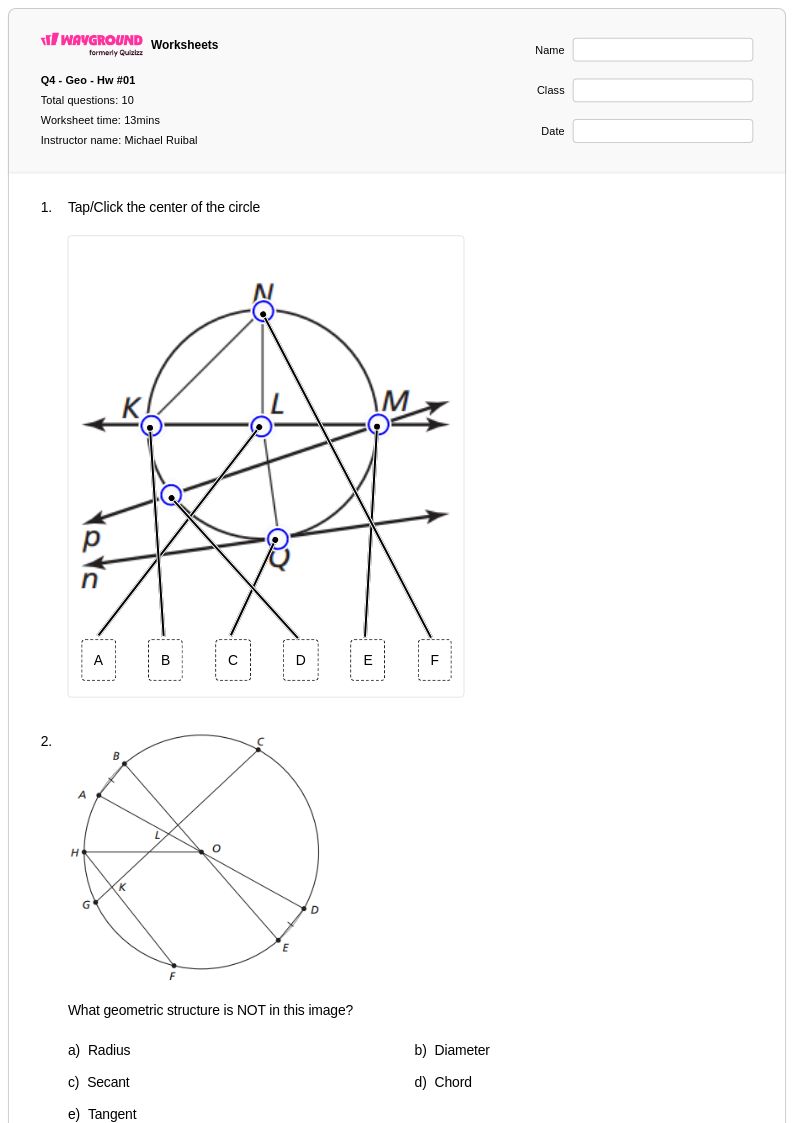
10 Q
9th - 12th
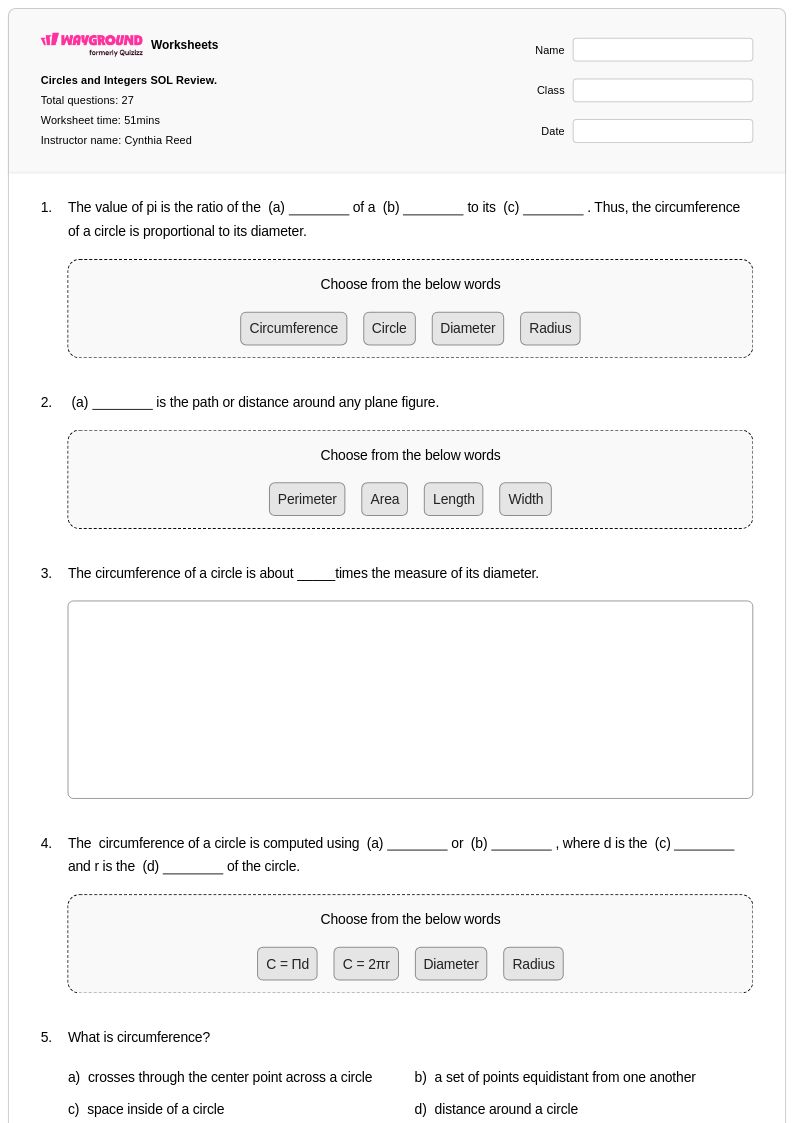
27 Q
6th
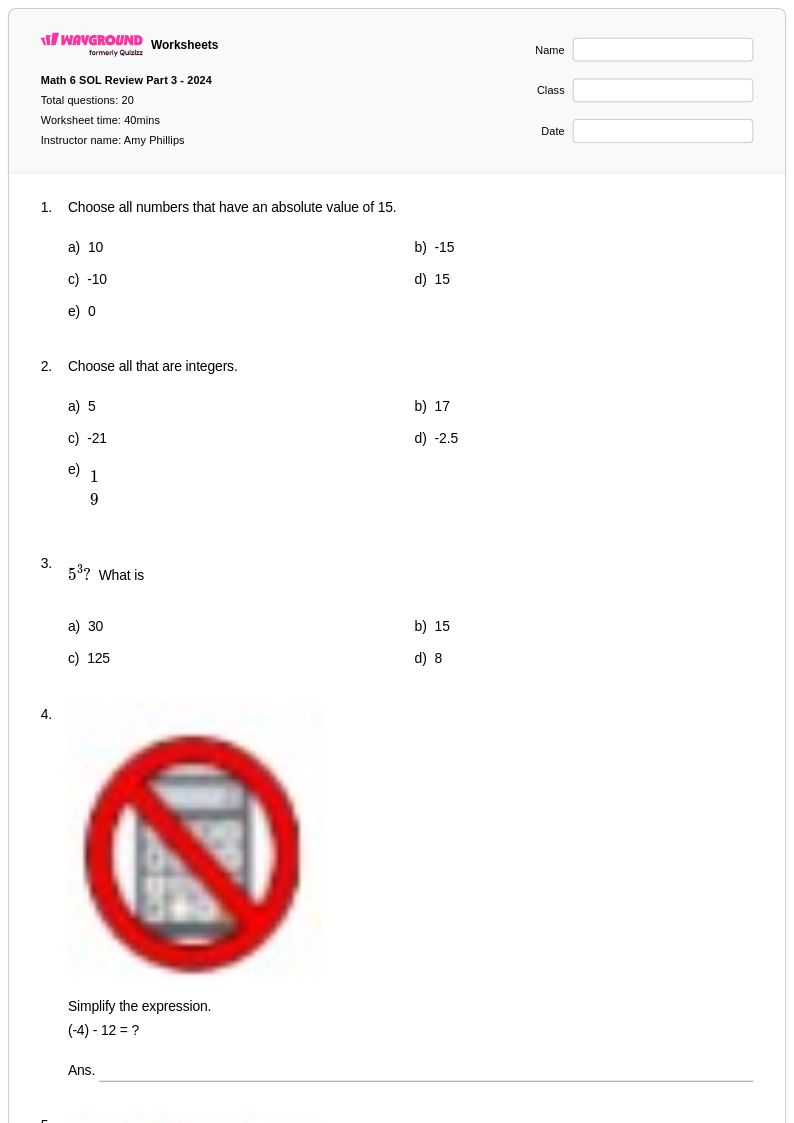
20 Q
6th
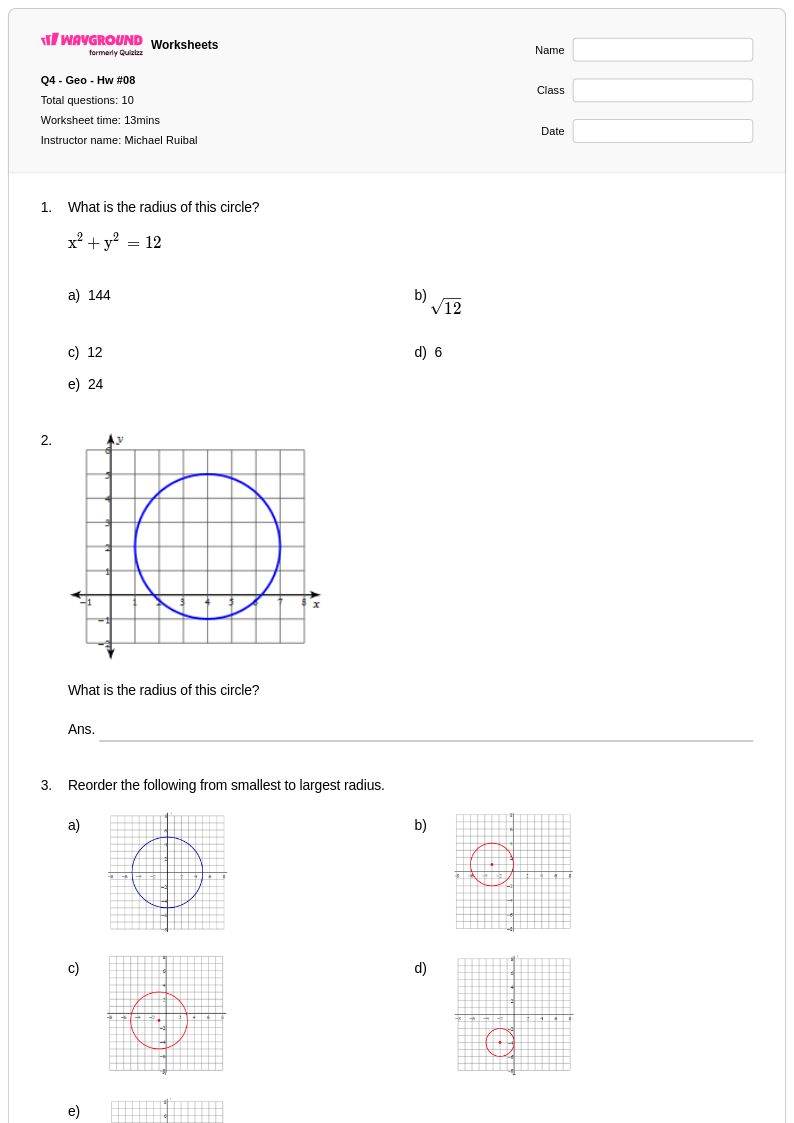
10 Q
9th - 12th
Explore Worksheets by Subjects
Explore printable Radius worksheets
Radius worksheets available through Wayground (formerly Quizizz) provide comprehensive practice opportunities for students to master this fundamental geometric concept. These mathematics resources focus on developing essential skills including identifying the radius in circles, calculating radius from diameter and circumference, and applying radius measurements in real-world problem-solving scenarios. The worksheets strengthen students' understanding of the relationship between radius and other circular elements while building computational fluency through varied practice problems. Each resource includes detailed answer keys to support independent learning and self-assessment, with free printables available in convenient pdf format for classroom distribution and home study.
Wayground (formerly Quizizz) empowers teachers with millions of educator-created radius worksheets that streamline geometry instruction and assessment. The platform's robust search and filtering capabilities enable instructors to quickly locate resources aligned with specific curriculum standards and learning objectives, while differentiation tools support diverse learner needs through customizable difficulty levels and problem types. Teachers can seamlessly integrate these materials into lesson planning for initial instruction, targeted remediation, or enrichment activities, with flexible delivery options including both printable pdf formats for traditional classroom use and digital formats for interactive learning environments. This comprehensive approach to radius instruction ensures students receive consistent skill practice while providing educators with the adaptable resources necessary for effective mathematics teaching across varied classroom contexts.
FAQs
How do I teach the relationship between radius, diameter, and circumference?
What types of problems help students practice calculating the radius?
What is the most common mistake students make when learning about the radius?
How can I use these radius worksheets in my classroom?
How does the concept of radius fit into the Common Core math standards?
How can I support students who struggle with radius calculations?