
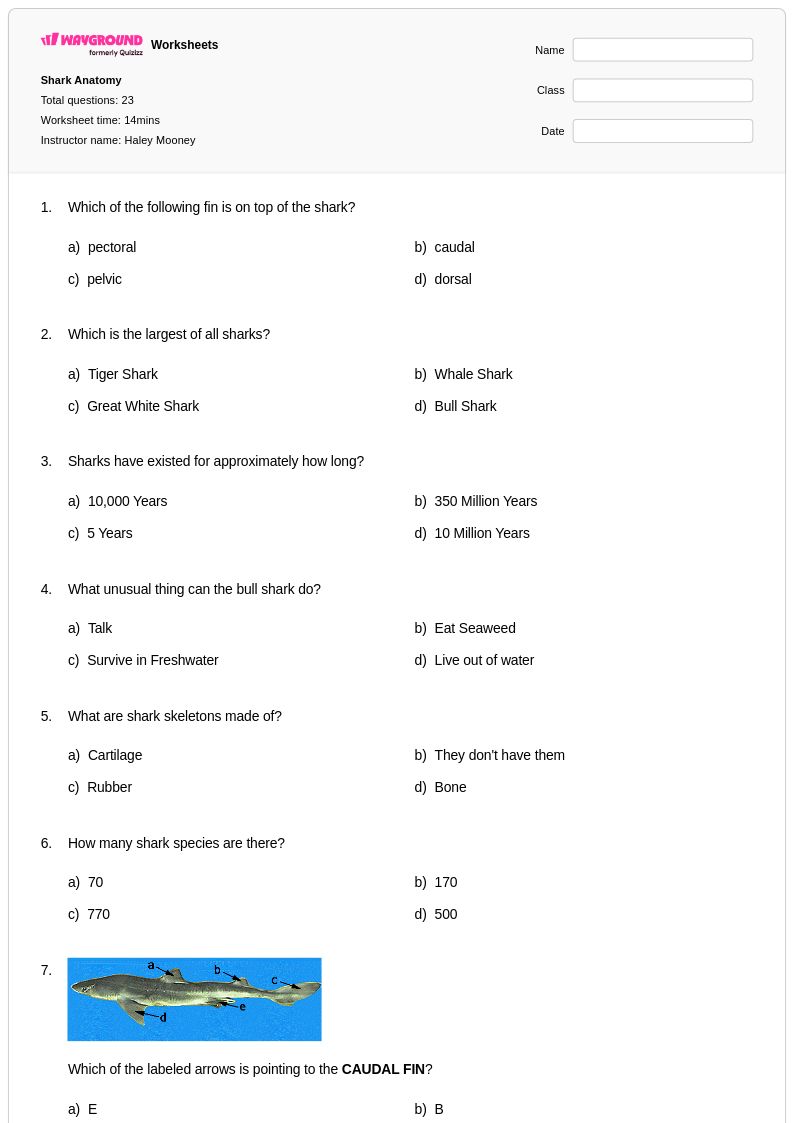
23 Q
11th
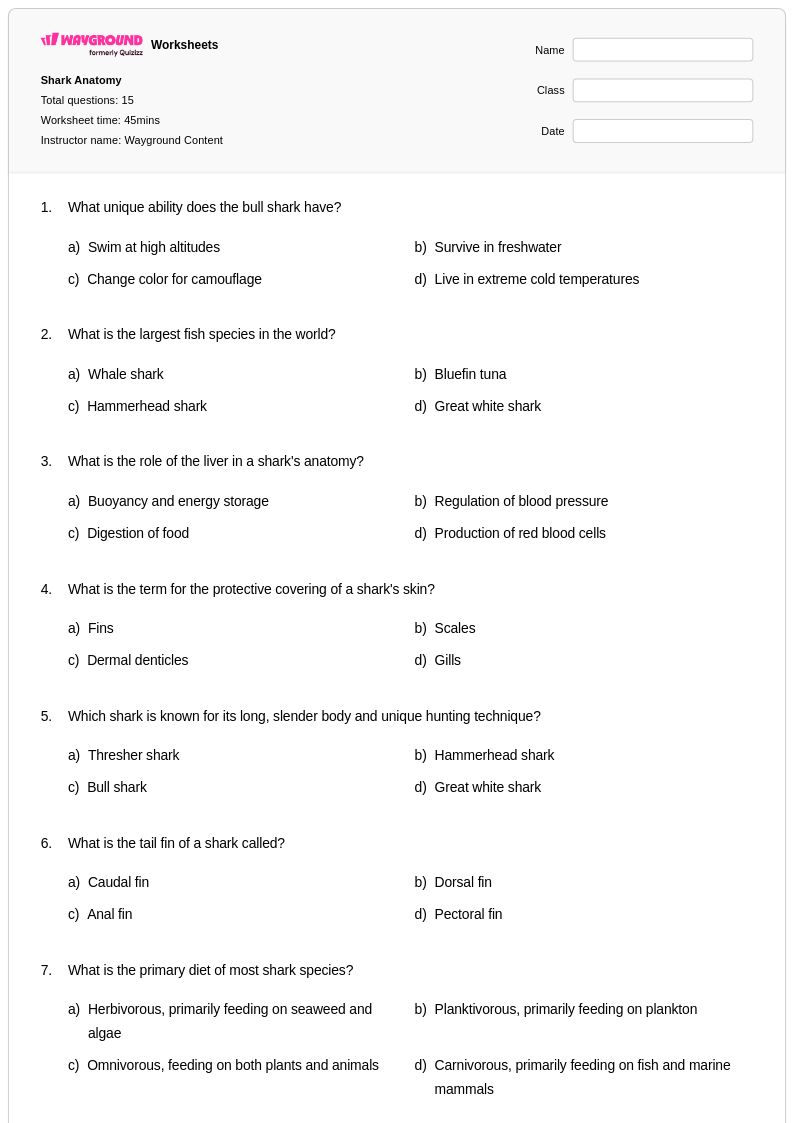
15 Q
11th
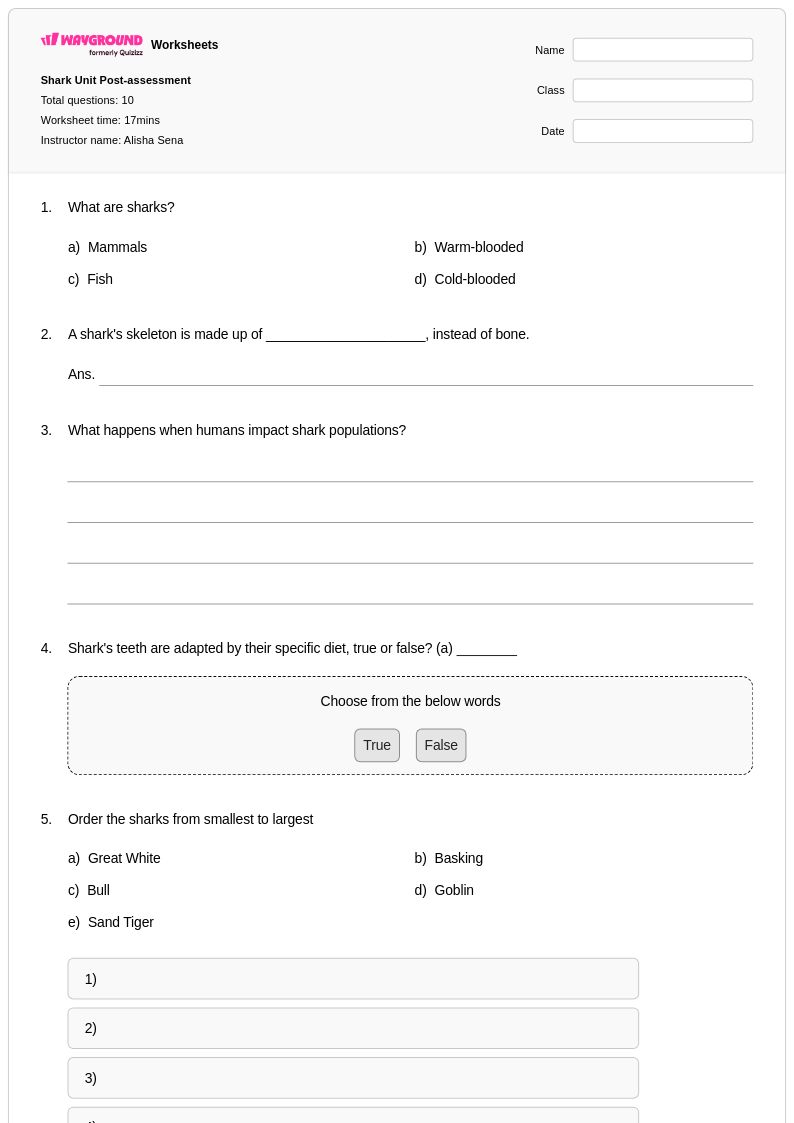
10 Q
6th - 8th
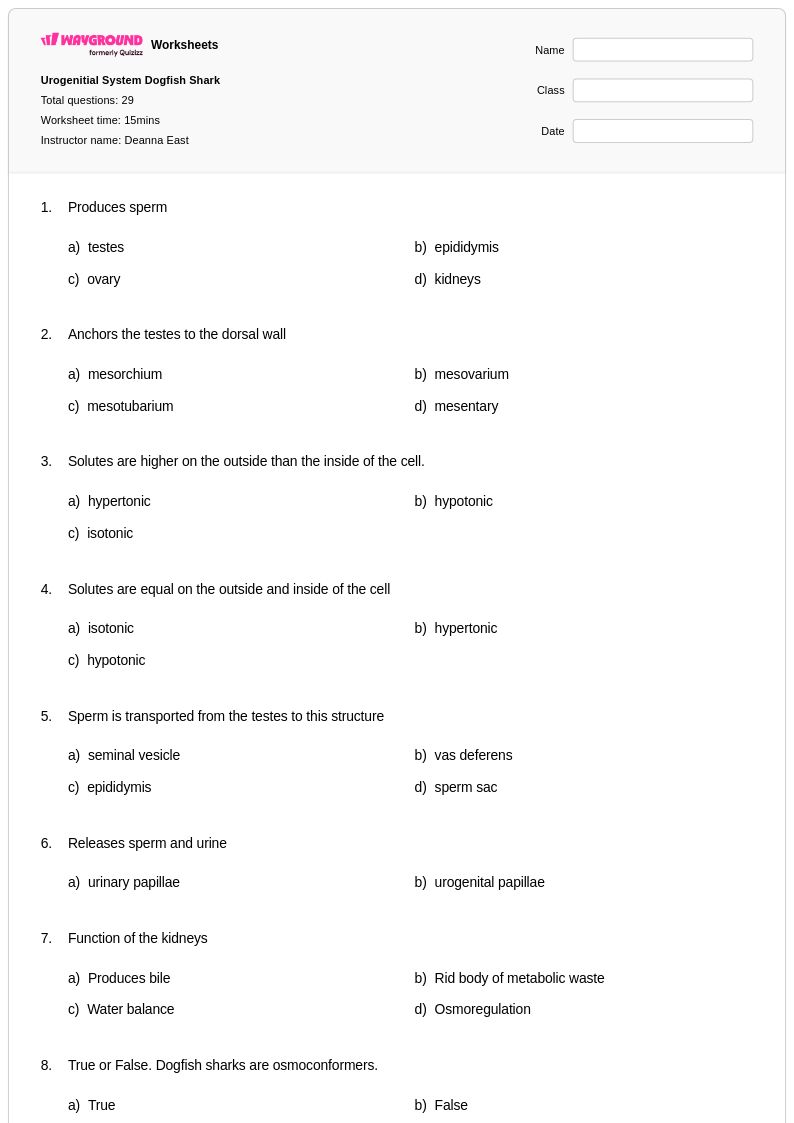
29 Q
10th - 12th
10 Q
11th - 12th
14 Q
10th
8 Q
5th
27 Q
4th - 7th
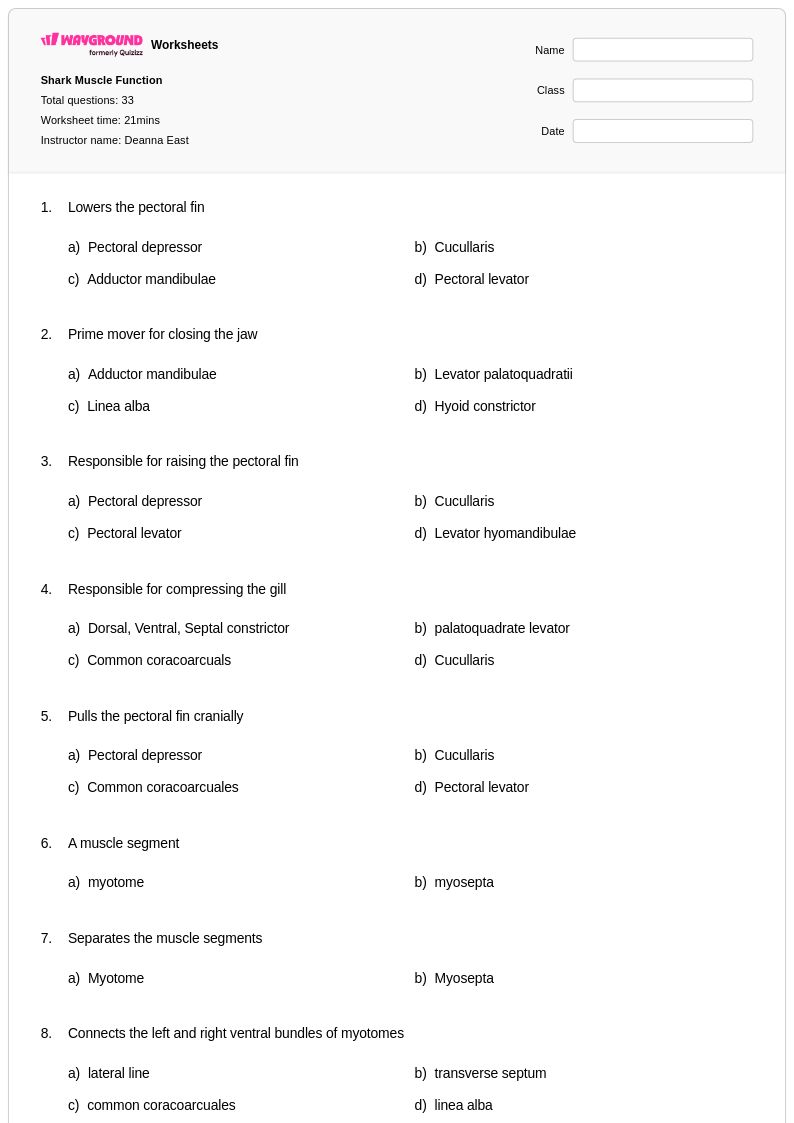
51 Q
10th - 12th
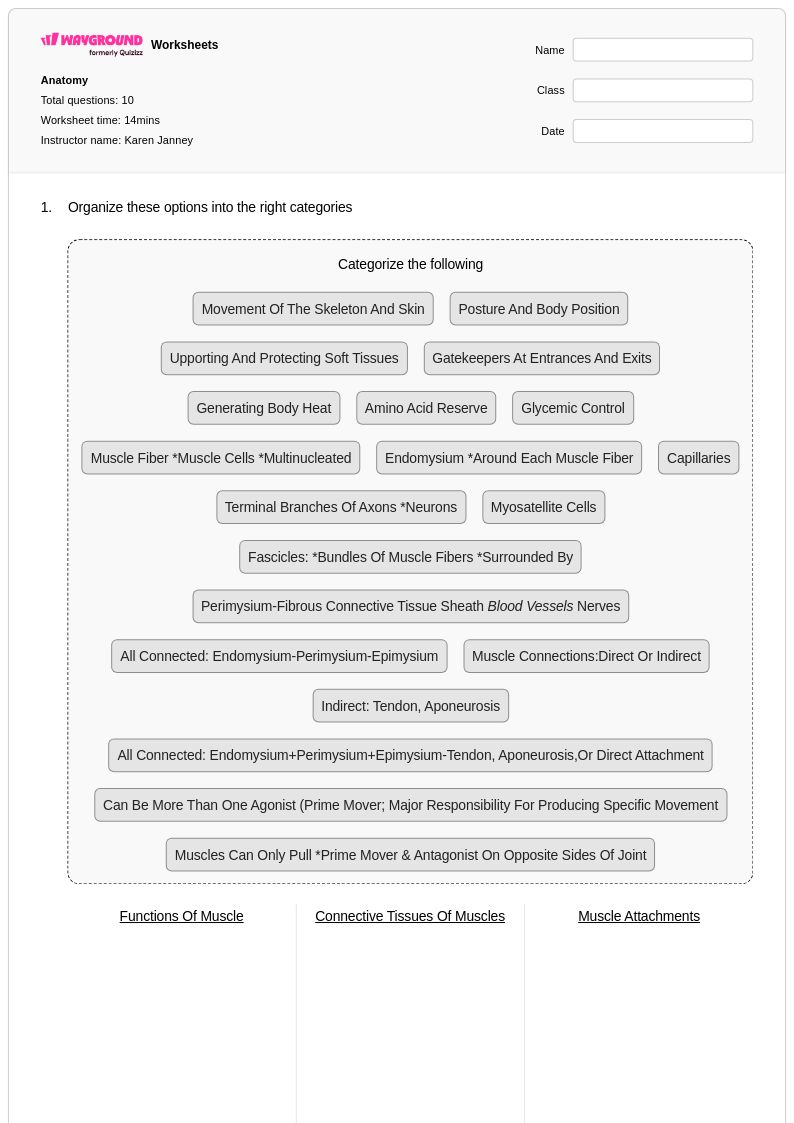
10 Q
Uni
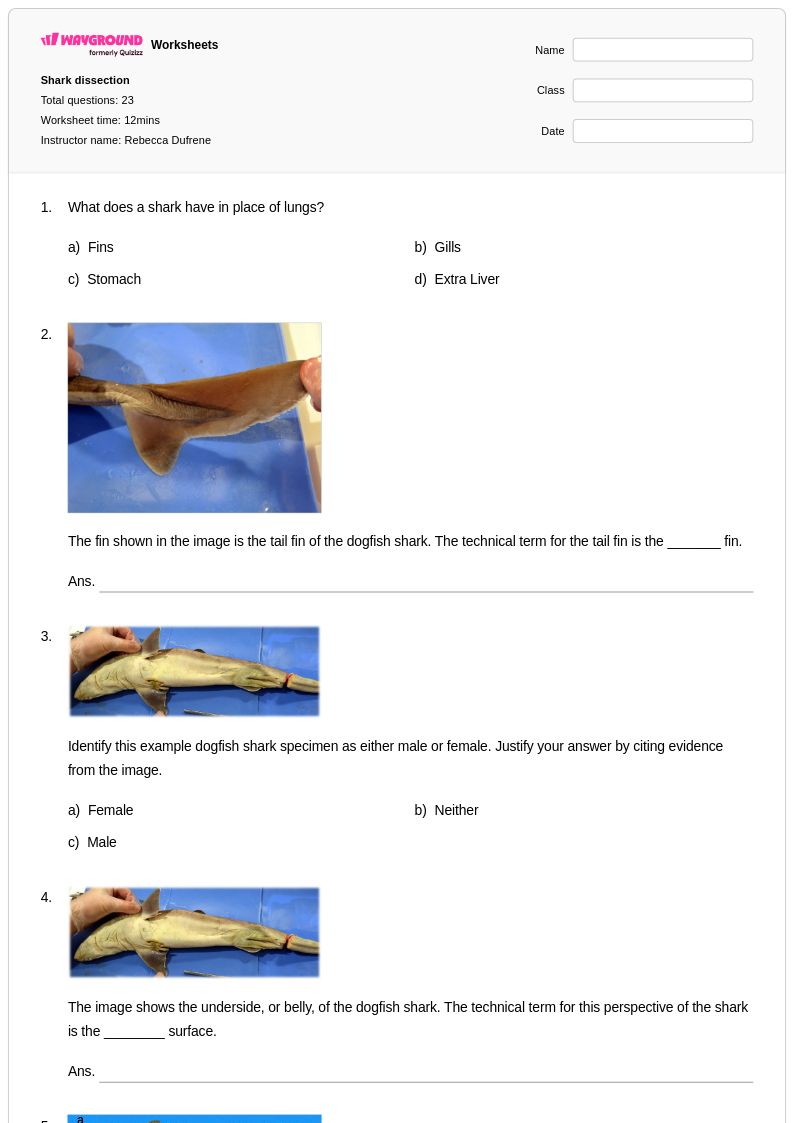
23 Q
6th - 8th
11 Q
3rd
15 Q
3rd - 5th
23 Q
8th
13 Q
KG - 12th
10 Q
5th
10 Q
12th
15 Q
2nd - 3rd
14 Q
9th - 12th
10 Q
9th
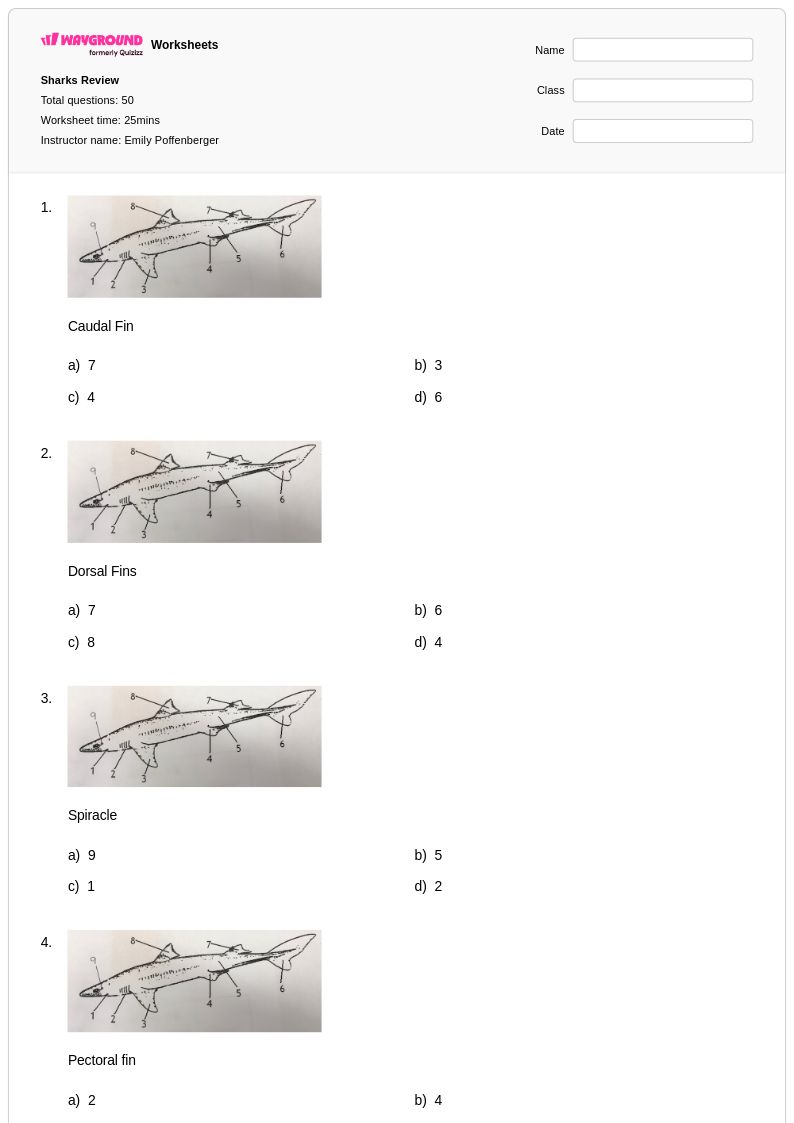
50 Q
11th - 12th
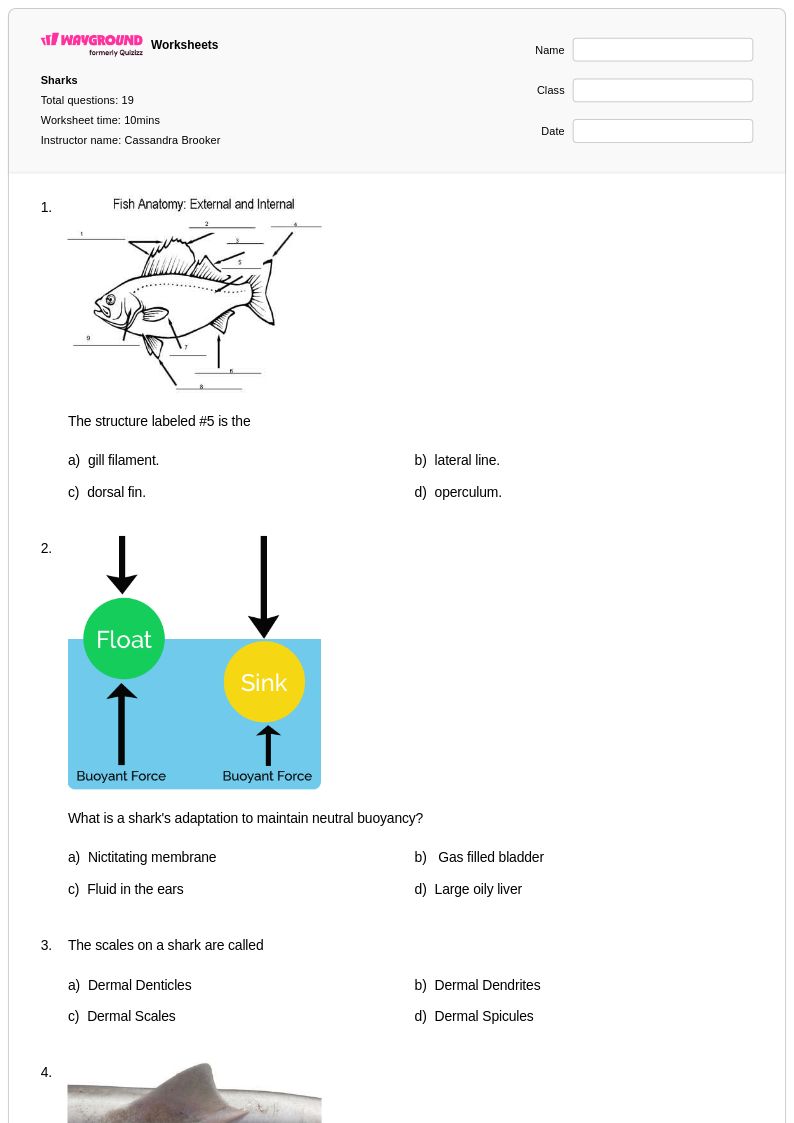
19 Q
12th
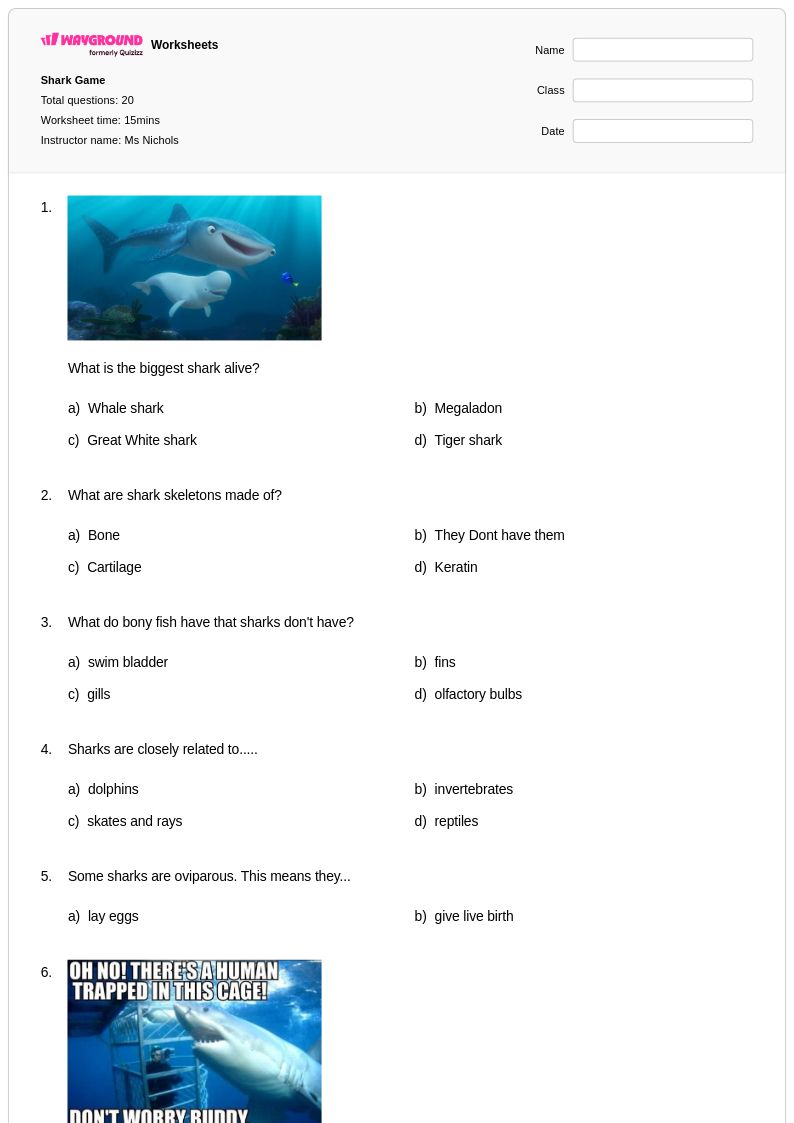
20 Q
11th
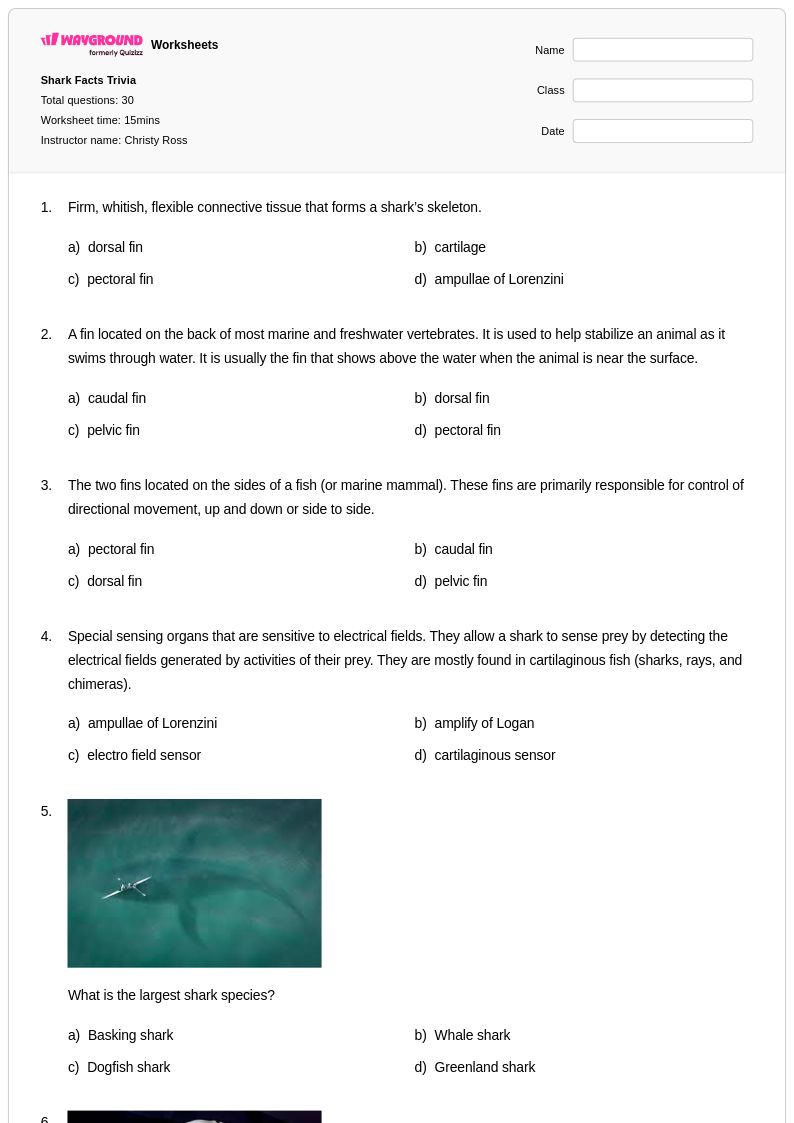
30 Q
9th - 12th
Explore Worksheets by Subjects
Explore printable Shark Anatomy worksheets
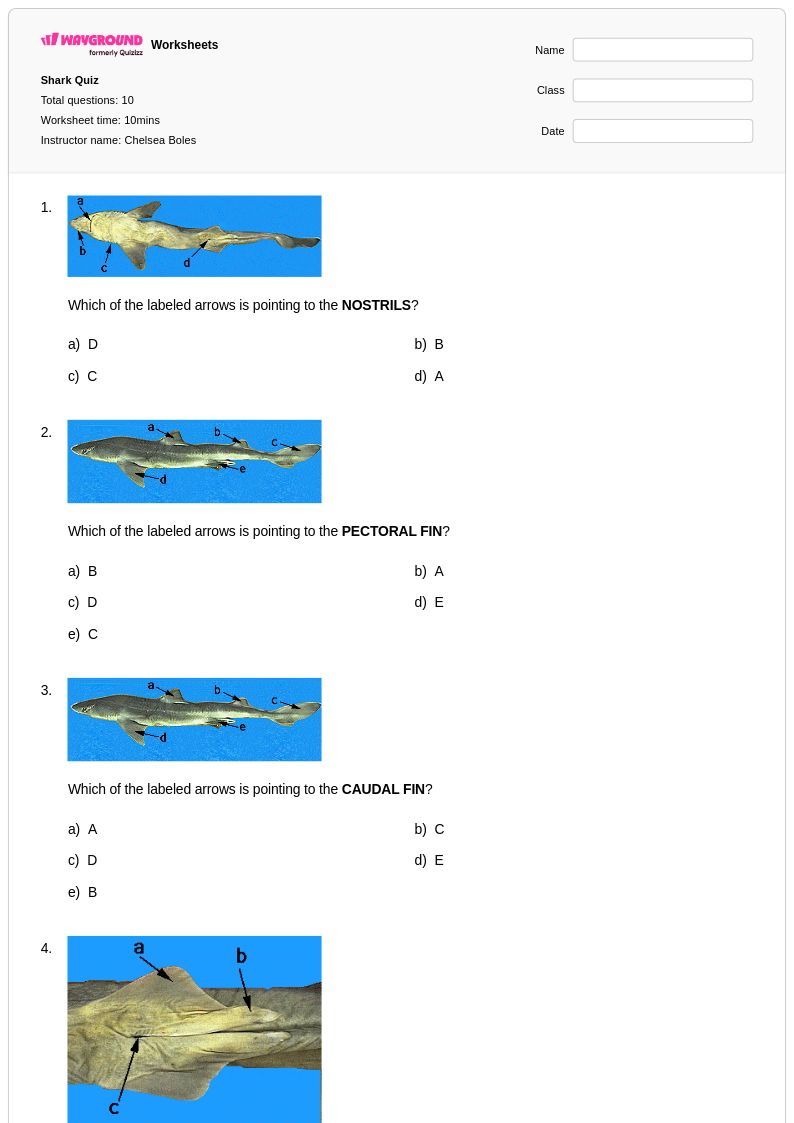
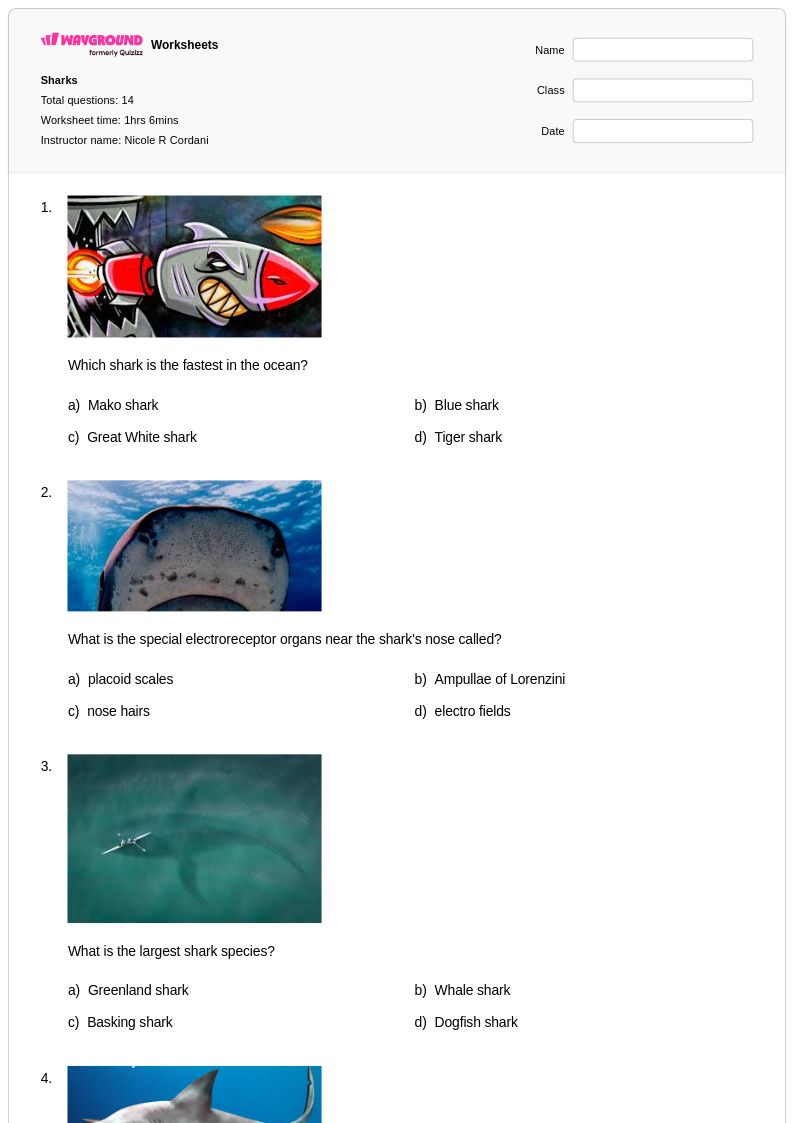
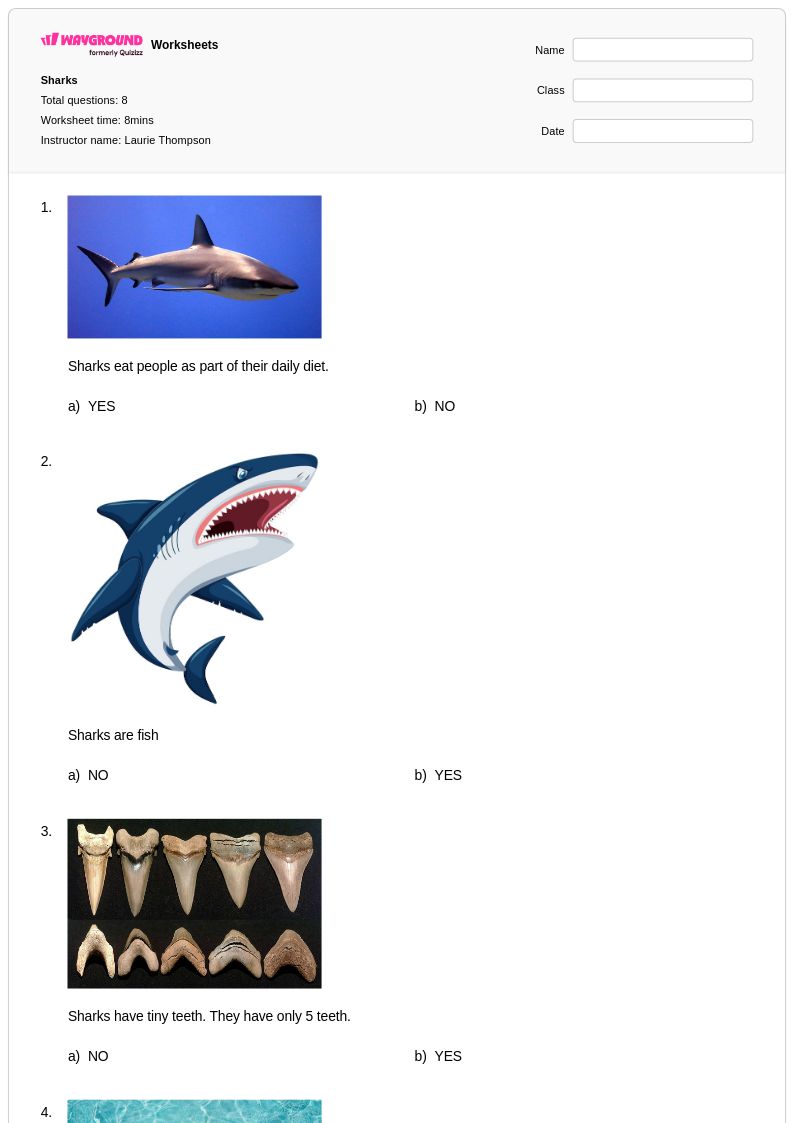
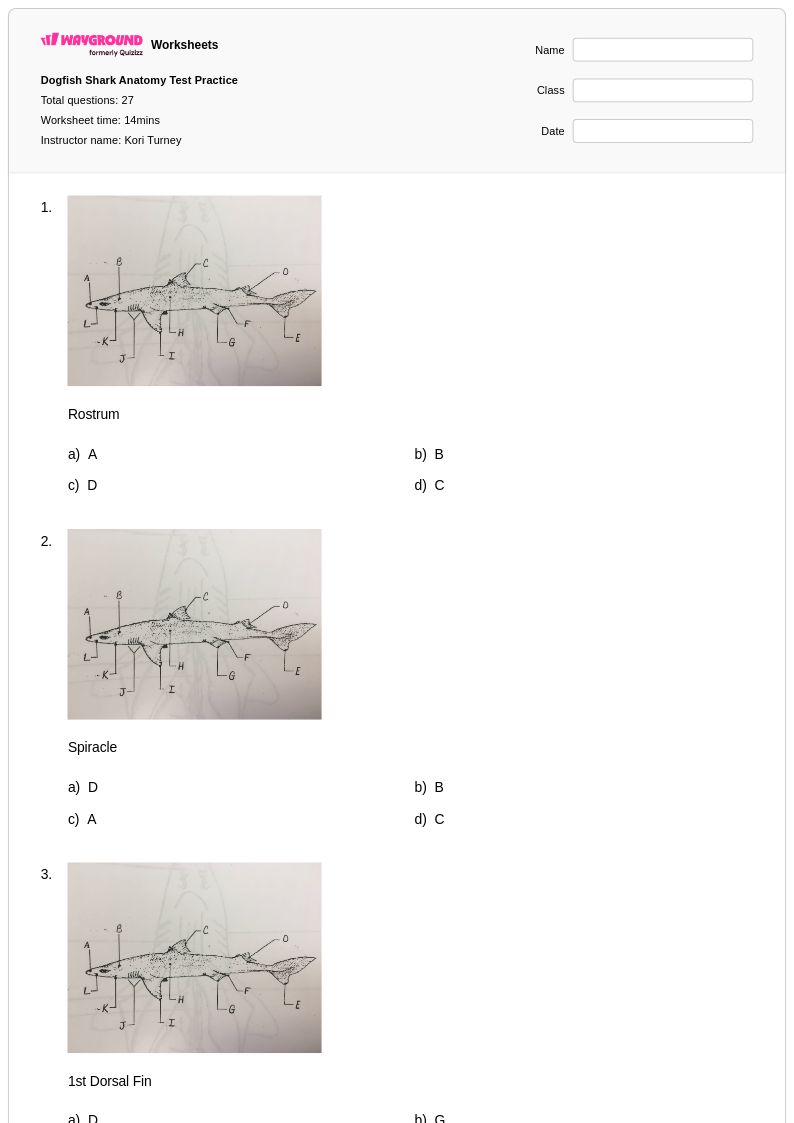
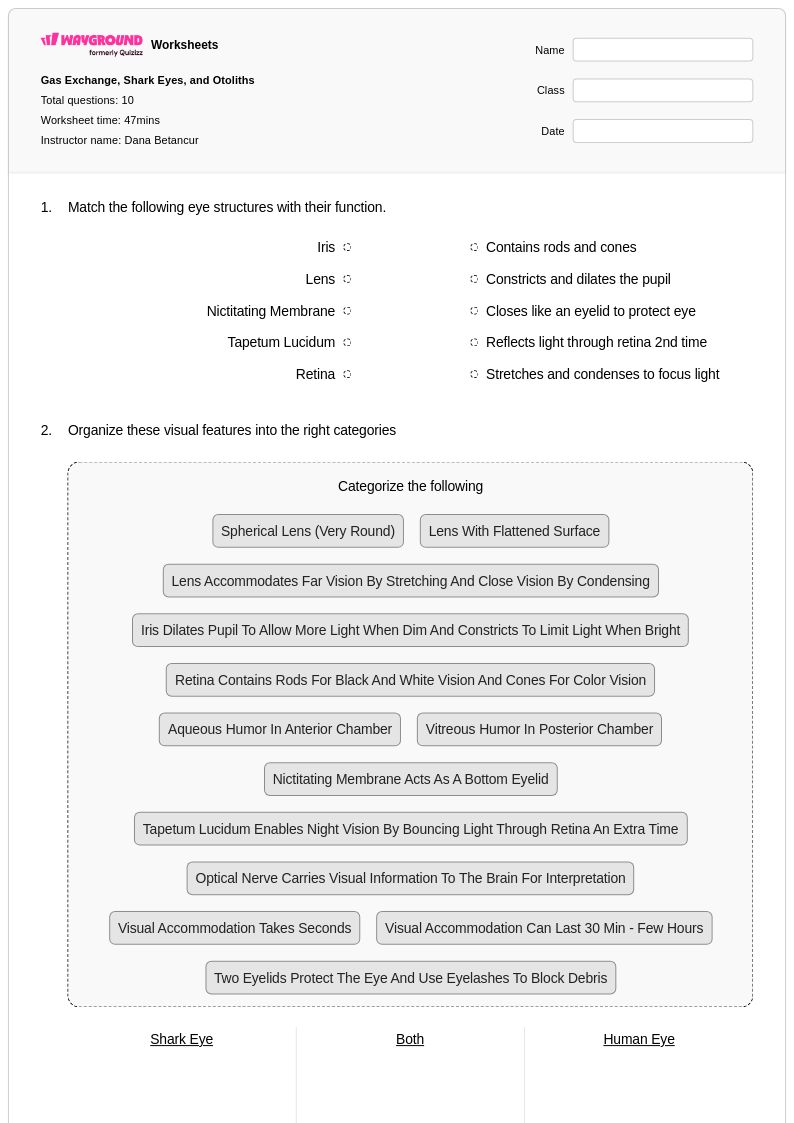
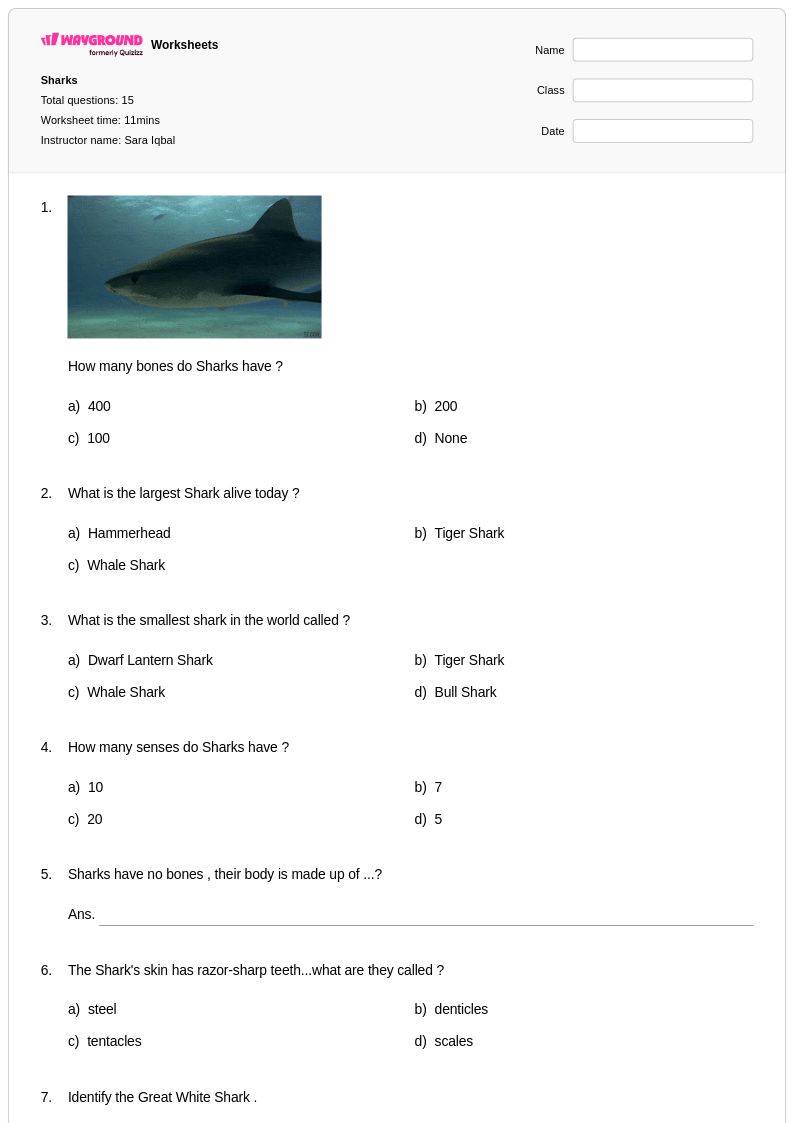
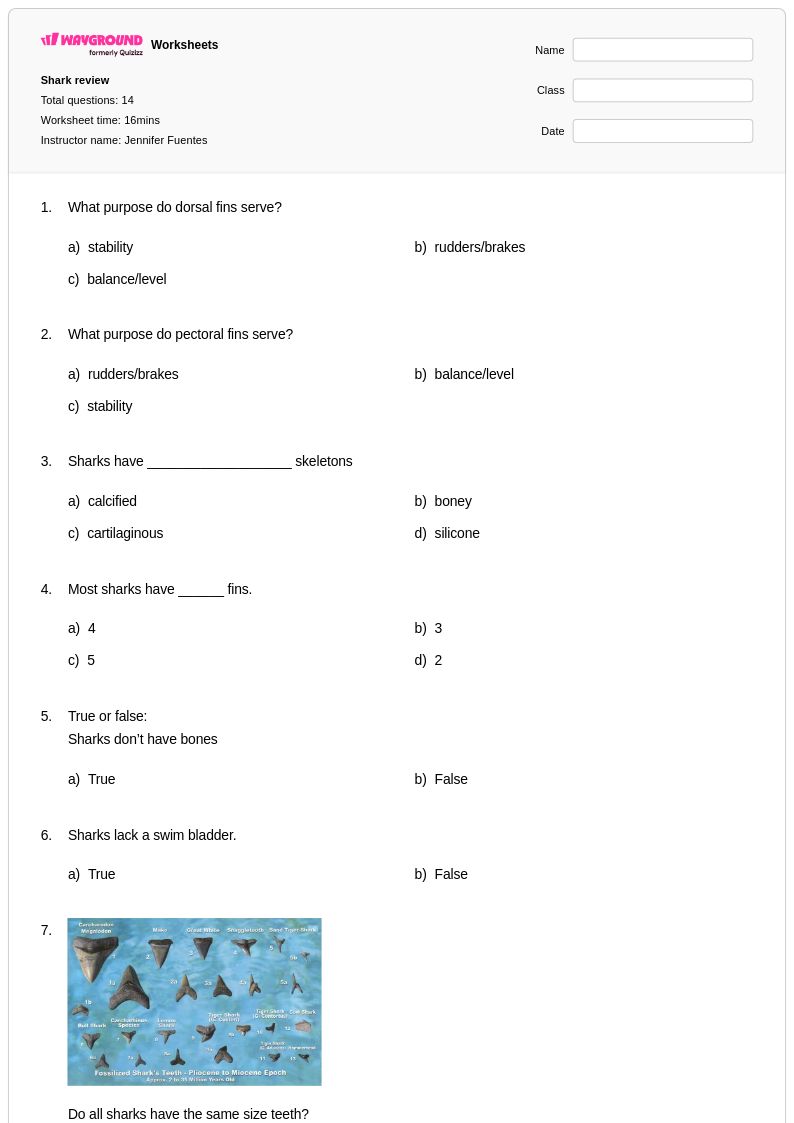
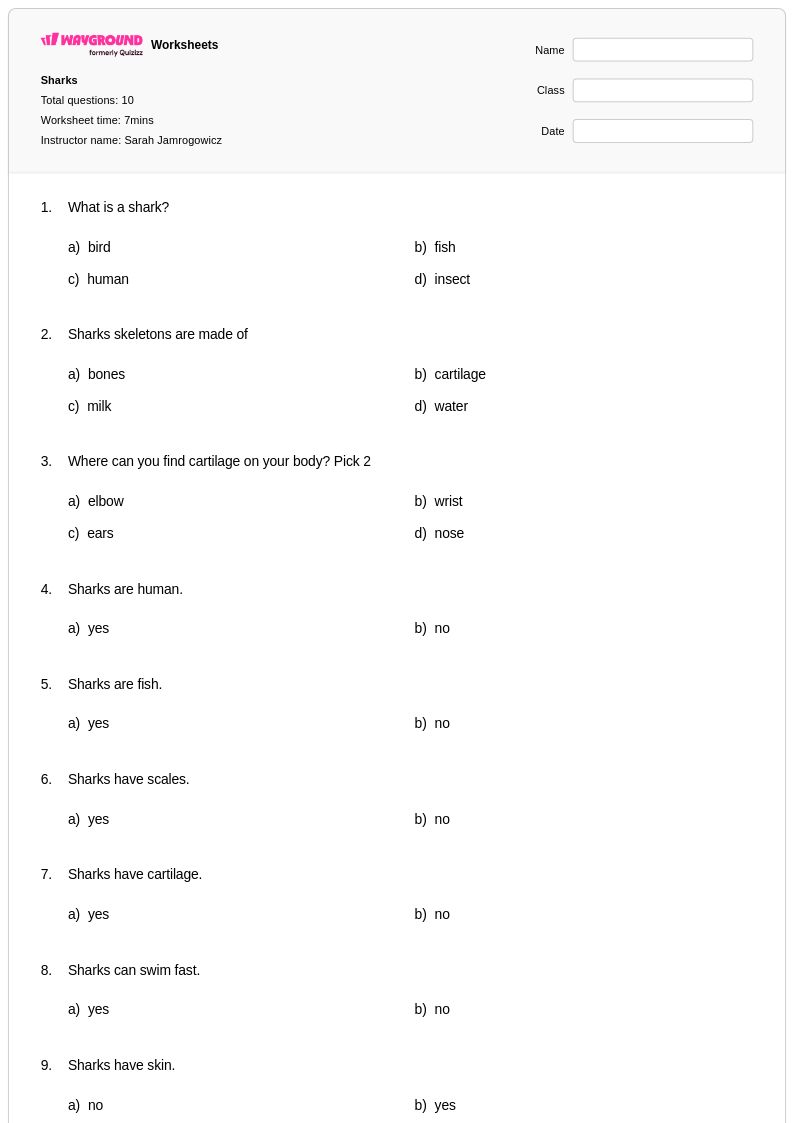
Shark anatomy worksheets available through Wayground (formerly Quizizz) provide students with comprehensive resources to explore the fascinating structural adaptations that make sharks apex predators of marine ecosystems. These expertly crafted educational materials guide learners through detailed examination of shark body systems, from their cartilaginous skeletal framework and specialized gill structures to their hydrodynamic body shape and powerful jaw mechanisms. The worksheets strengthen critical scientific observation skills, anatomical vocabulary, and understanding of form-function relationships in marine biology through engaging practice problems that challenge students to identify, label, and analyze various shark body parts and their evolutionary advantages. Each worksheet comes with a complete answer key and is available as a free printable pdf, making these resources invaluable for reinforcing key concepts about vertebrate anatomy and marine adaptations.
Wayground (formerly Quizizz) supports science educators with an extensive collection of teacher-created shark anatomy resources drawn from millions of high-quality educational materials developed by experienced classroom professionals. The platform's robust search and filtering capabilities allow teachers to quickly locate worksheets that align with specific curriculum standards and match their students' learning needs, while built-in differentiation tools enable seamless customization for various skill levels and learning styles. These shark anatomy worksheets are available in both printable pdf format for traditional classroom use and digital formats for interactive learning experiences, providing educators with the flexibility needed for effective lesson planning, targeted skill remediation, and enrichment activities. Teachers can easily modify content, create assessment variations, and track student progress while building comprehensive units that deepen understanding of marine biology and comparative anatomy concepts.
FAQs
How do I teach shark anatomy to students?
What exercises help students practice identifying shark body parts?
What common mistakes do students make when learning shark anatomy?
How can I differentiate shark anatomy instruction for students at different skill levels?
How do I use Wayground's shark anatomy worksheets in my classroom?