
15 Q
1st
16 Q
1st - 3rd
17 Q
1st - Uni
10 Q
1st - 2nd
15 Q
KG - 1st
13 Q
1st - Uni
13 Q
1st
10 Q
KG - 1st
10 Q
1st
18 Q
1st - Uni
15 Q
1st - Uni
10 Q
KG - 1st
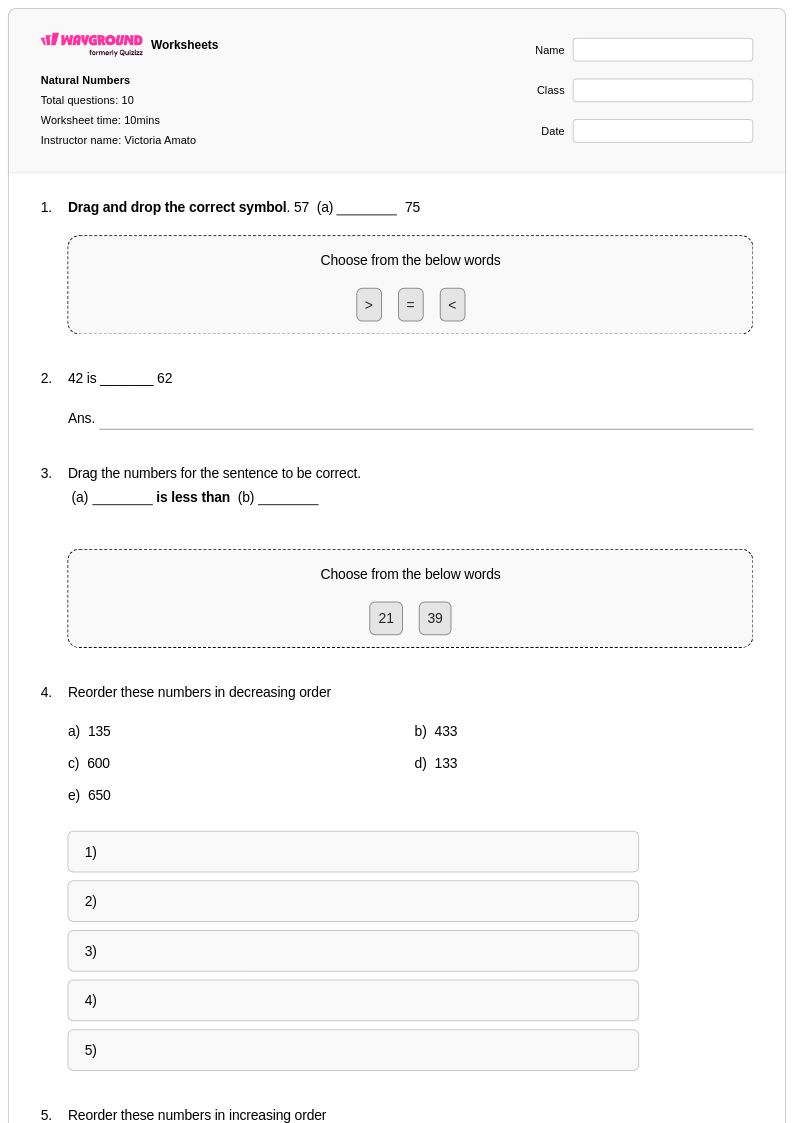
10 Q
1st
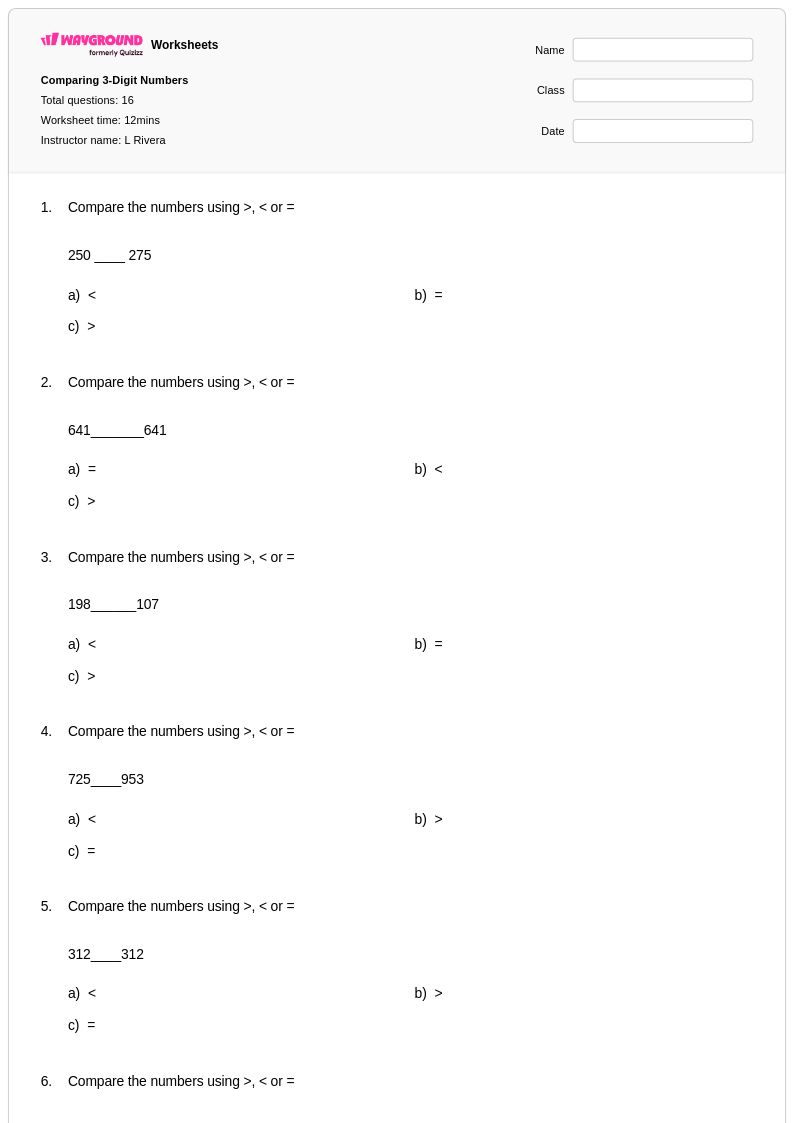
16 Q
1st - 2nd
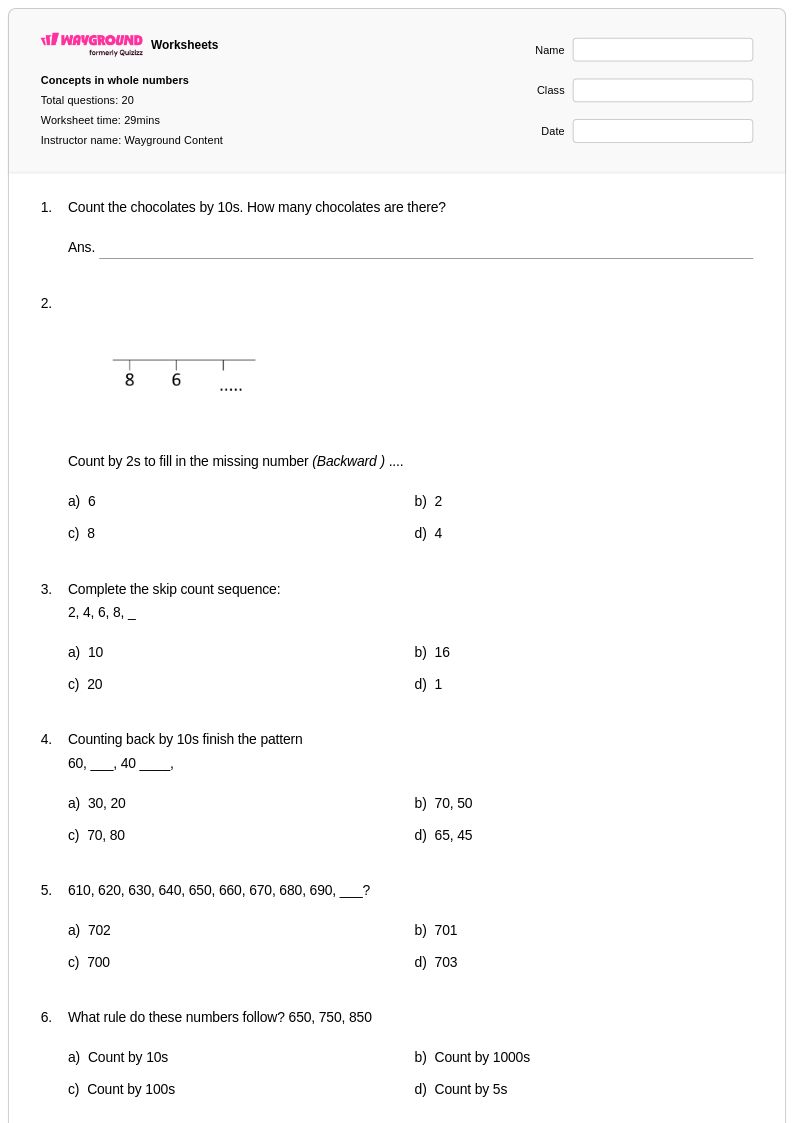
20 Q
1st
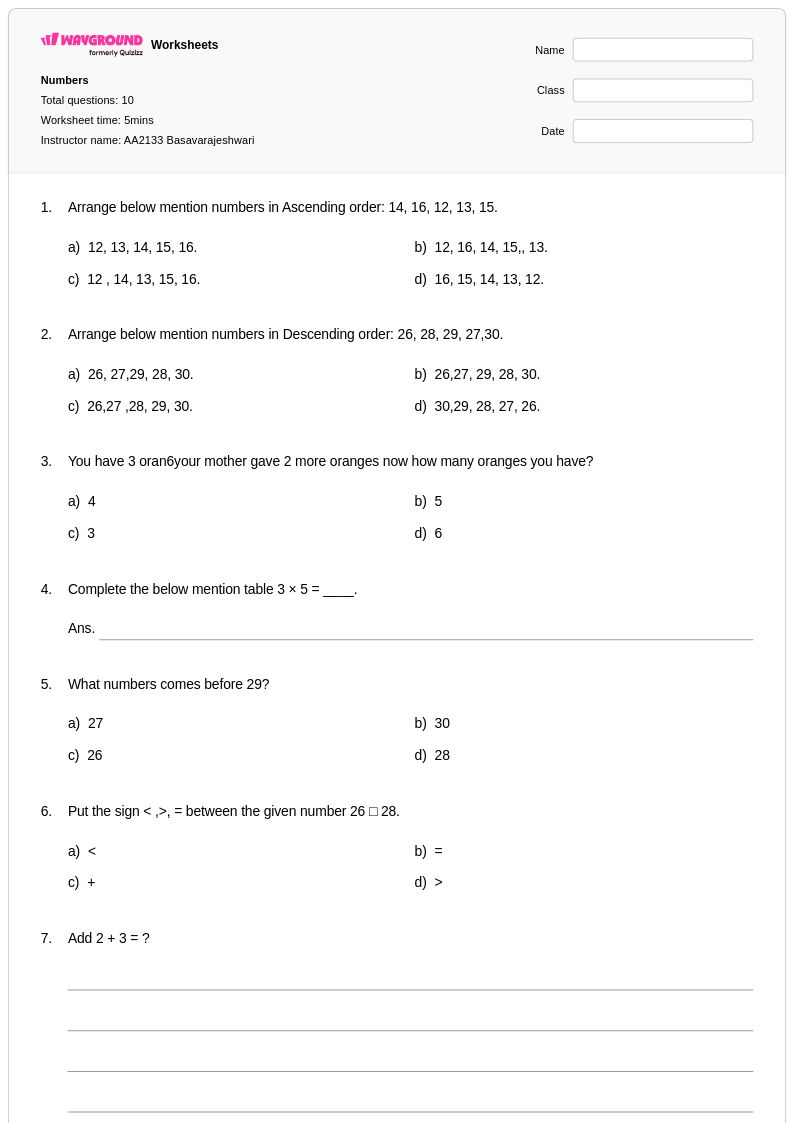
10 Q
1st
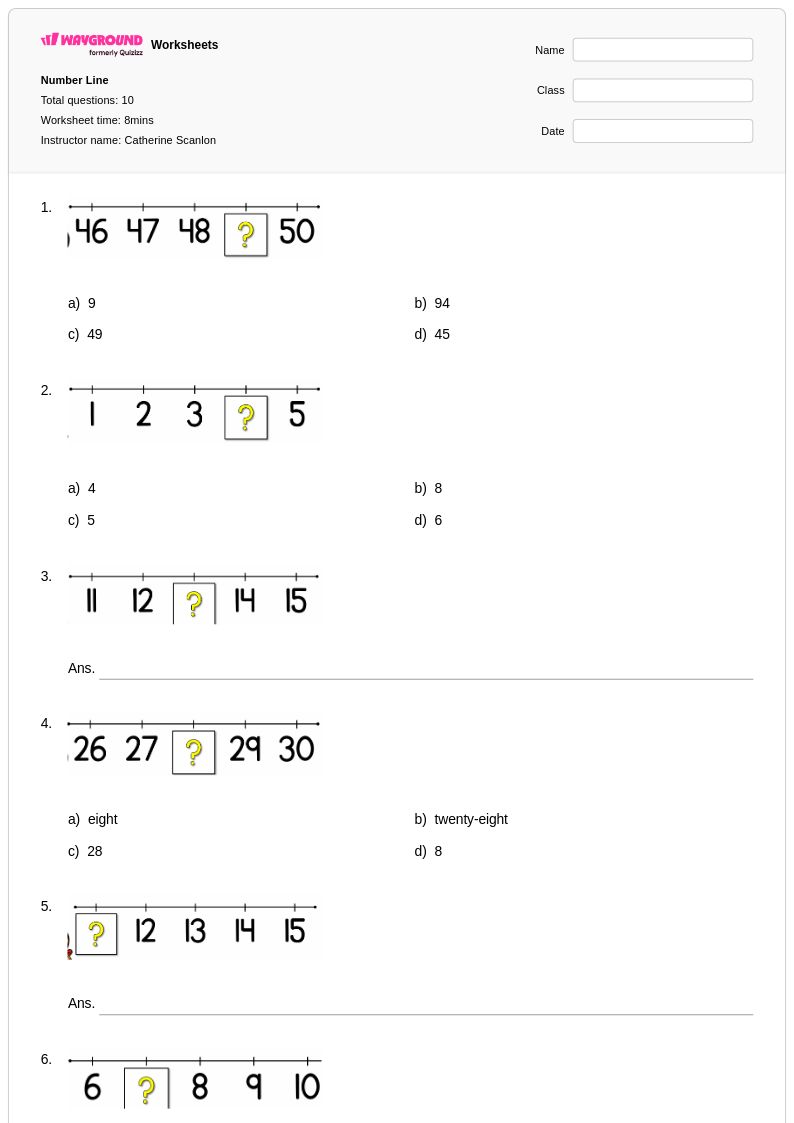
10 Q
1st
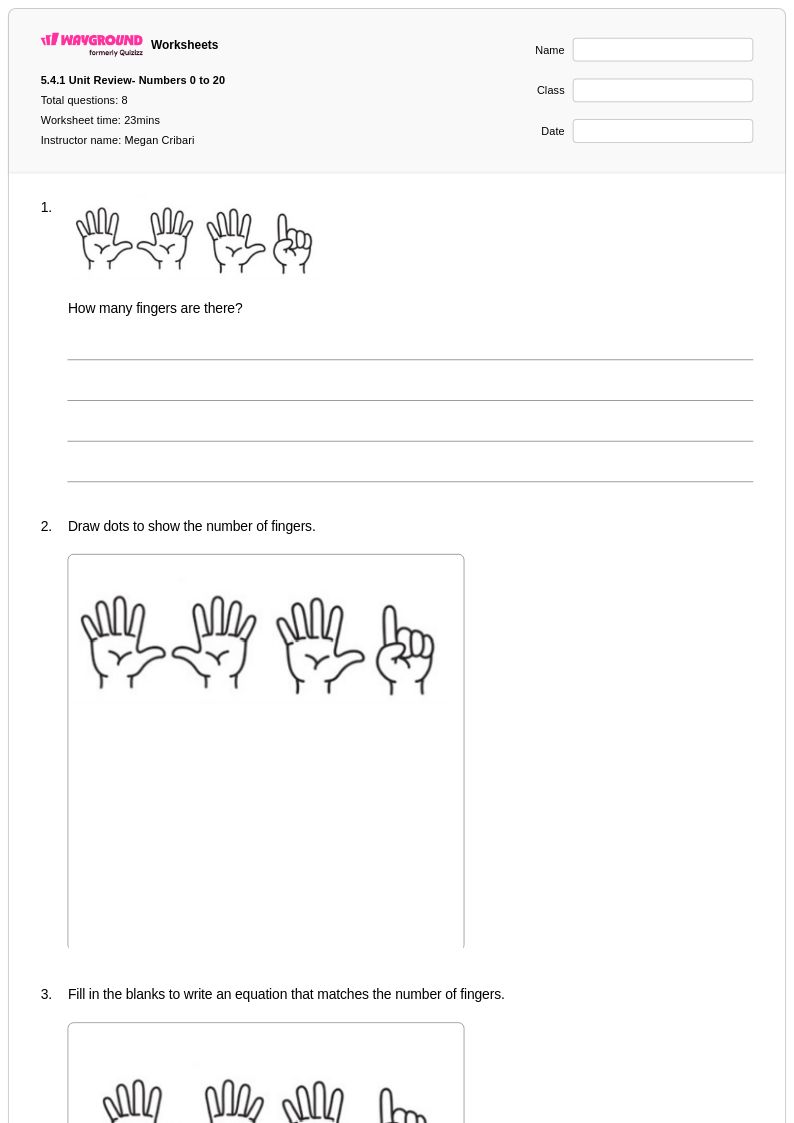
8 Q
1st
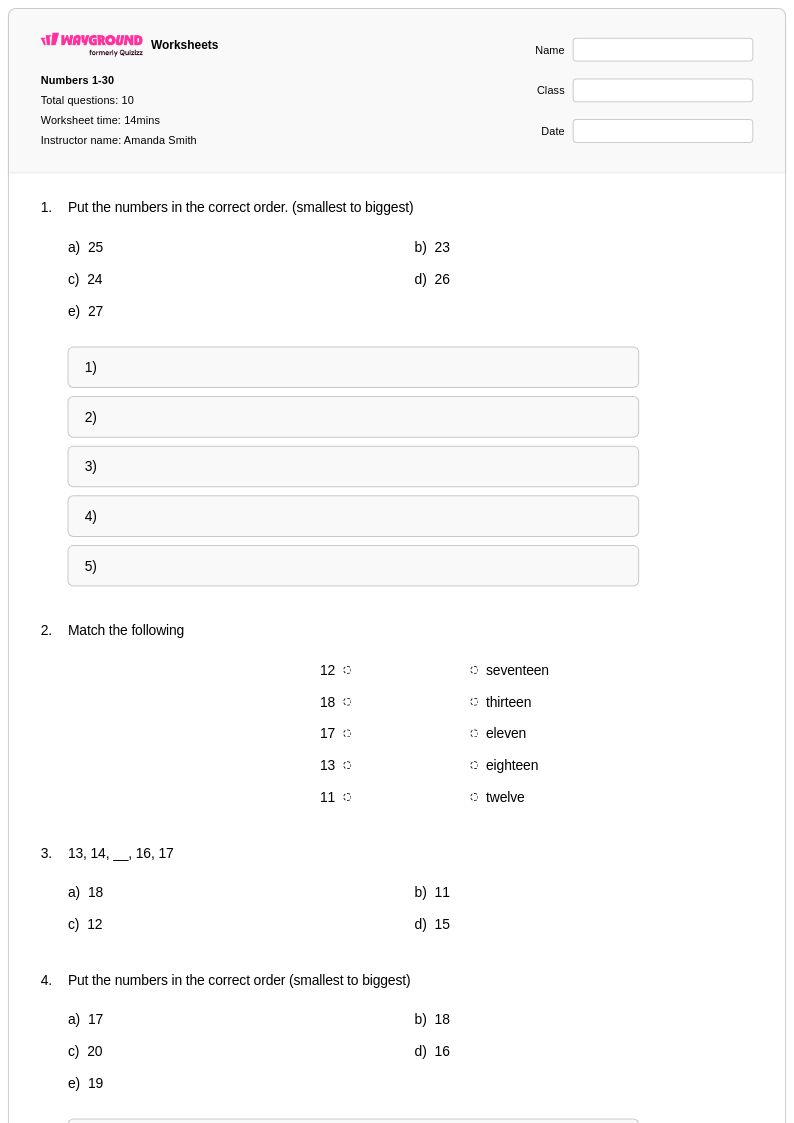
10 Q
1st
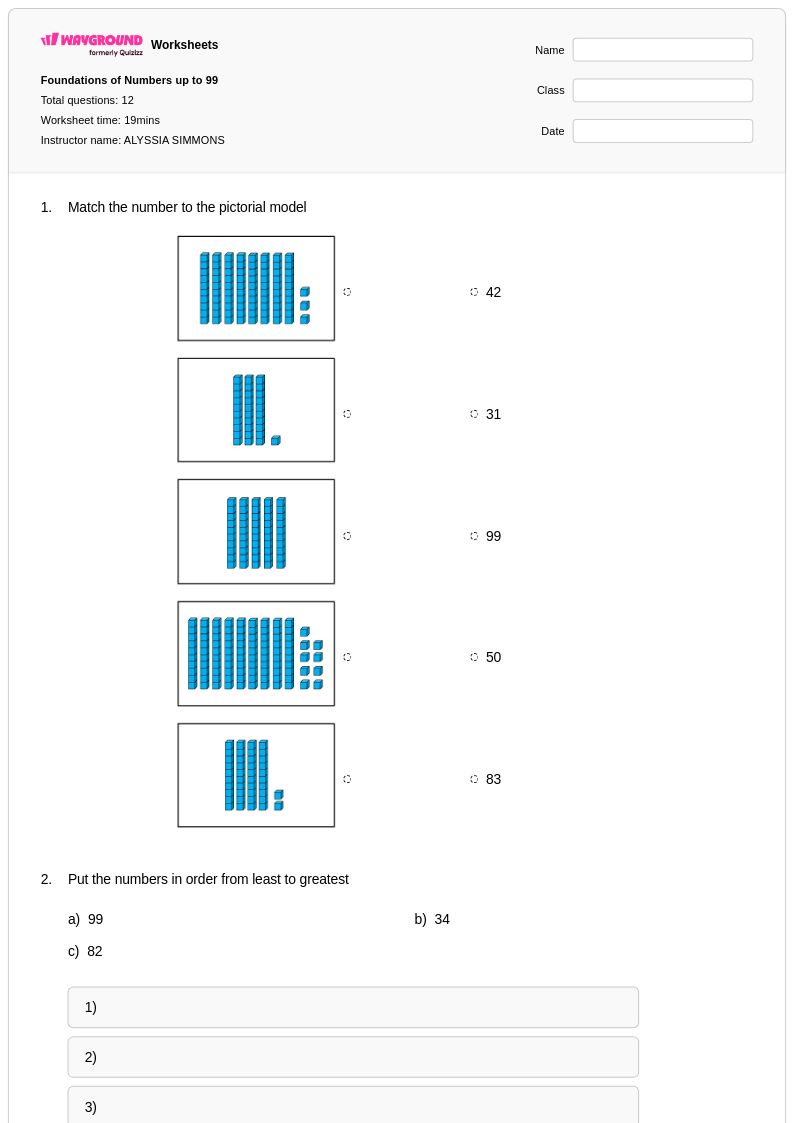
12 Q
1st
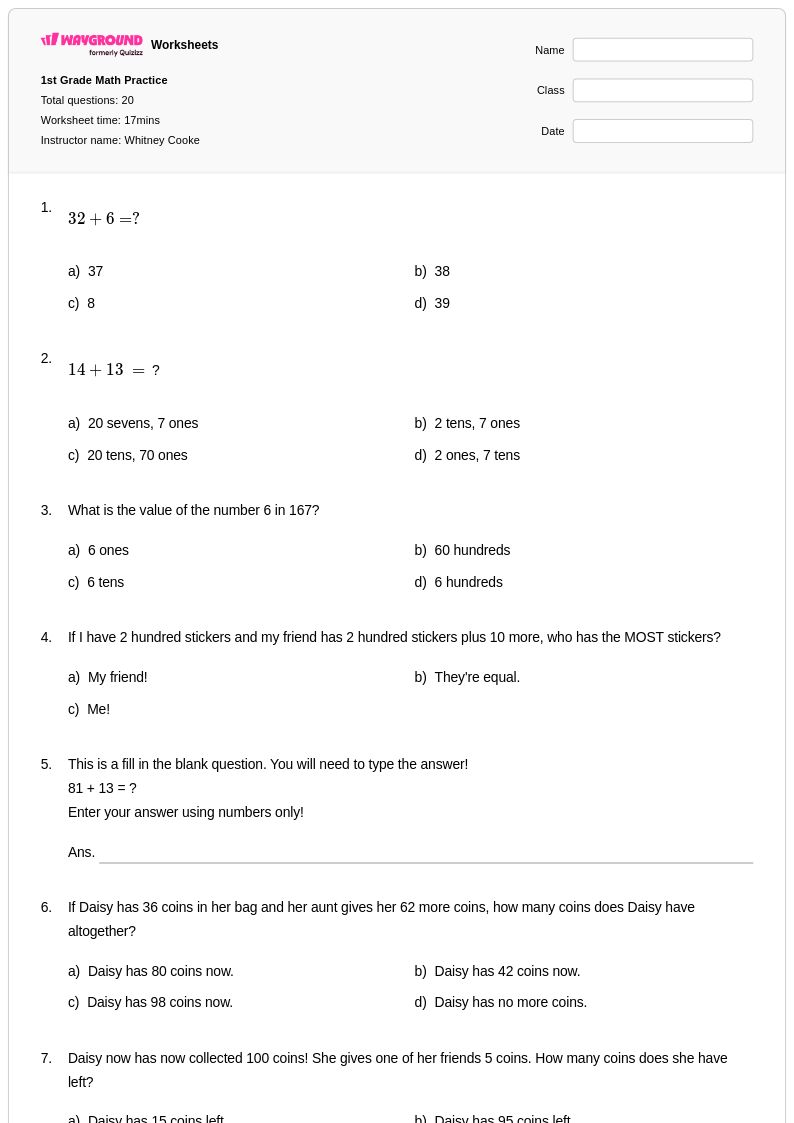
20 Q
1st
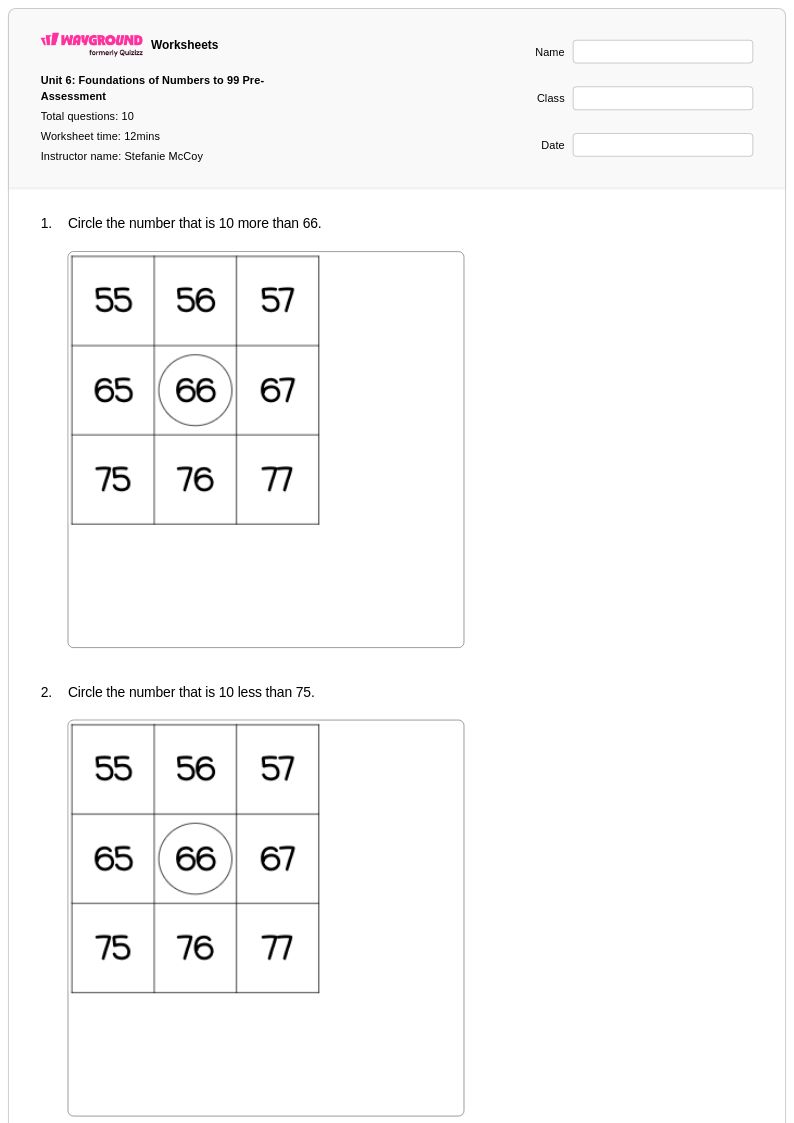
10 Q
1st
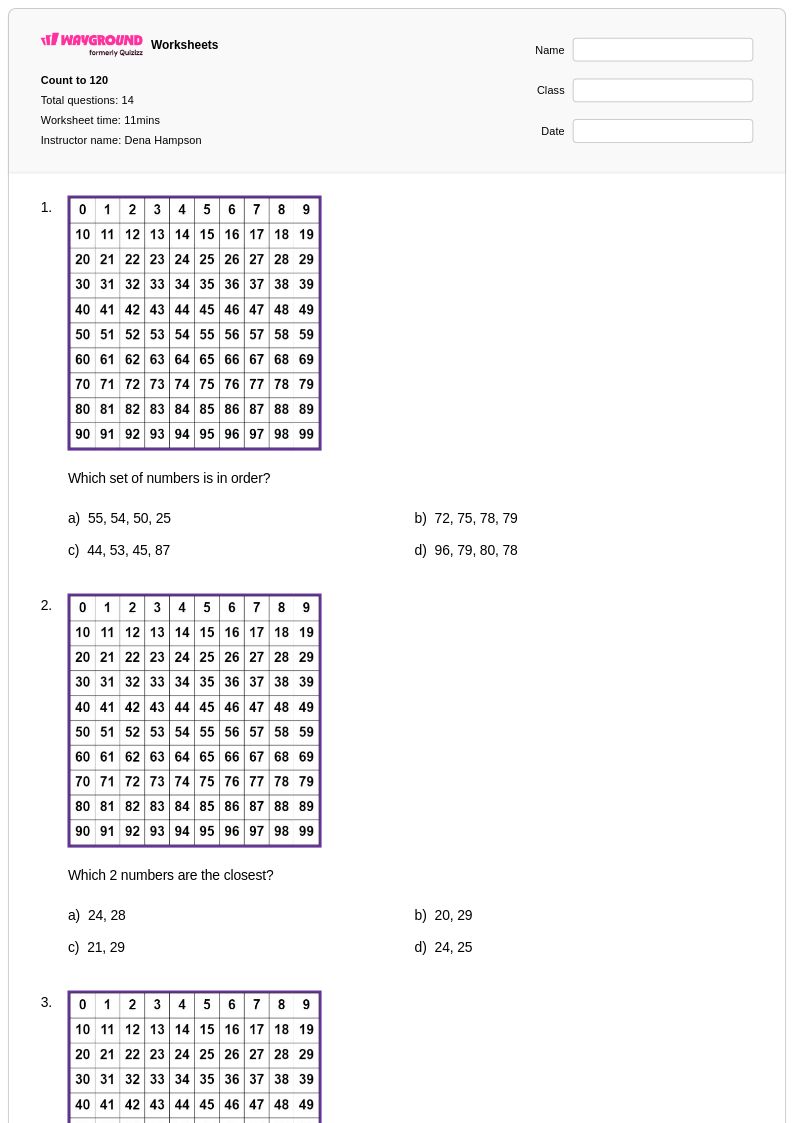
14 Q
1st
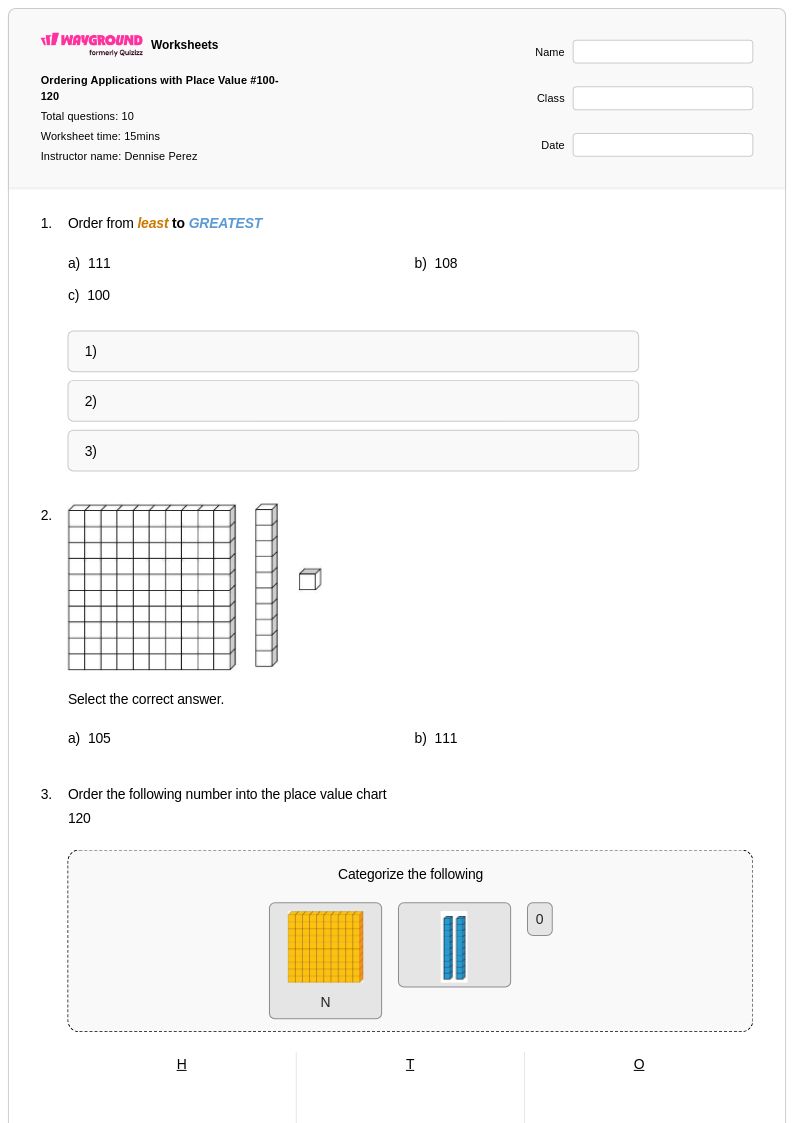
10 Q
1st
Explore Other Subject Worksheets for class 1
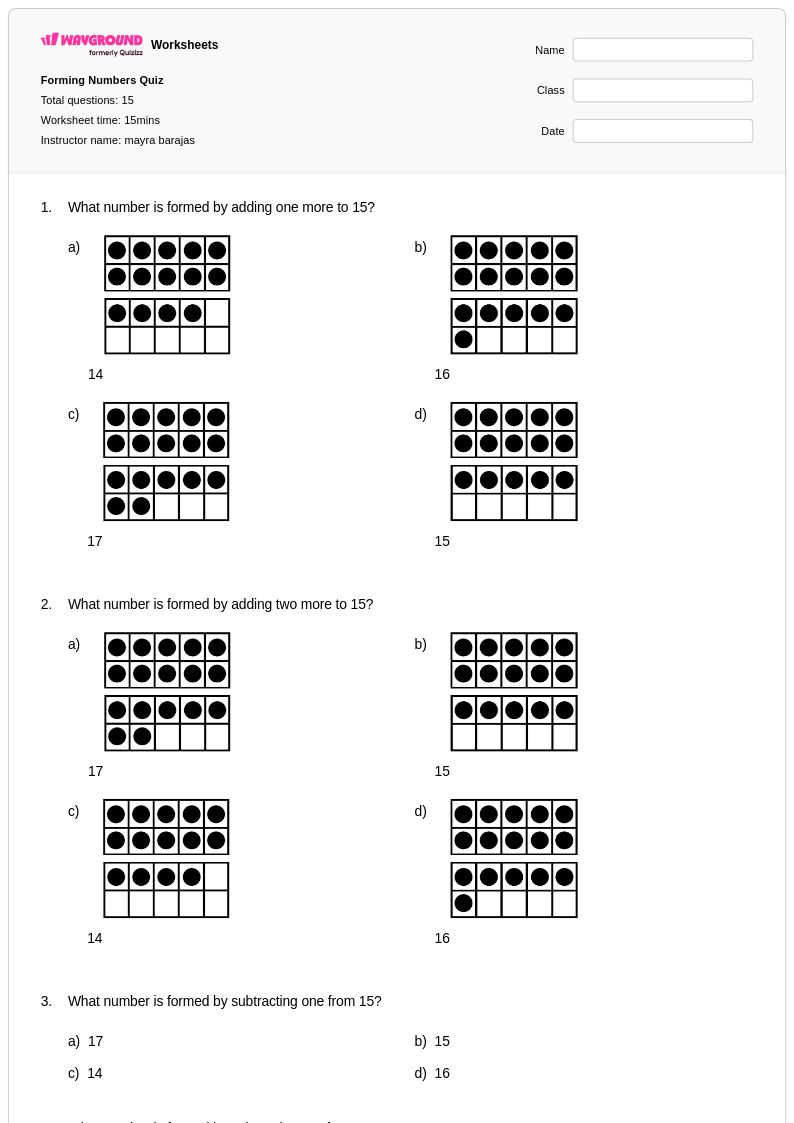
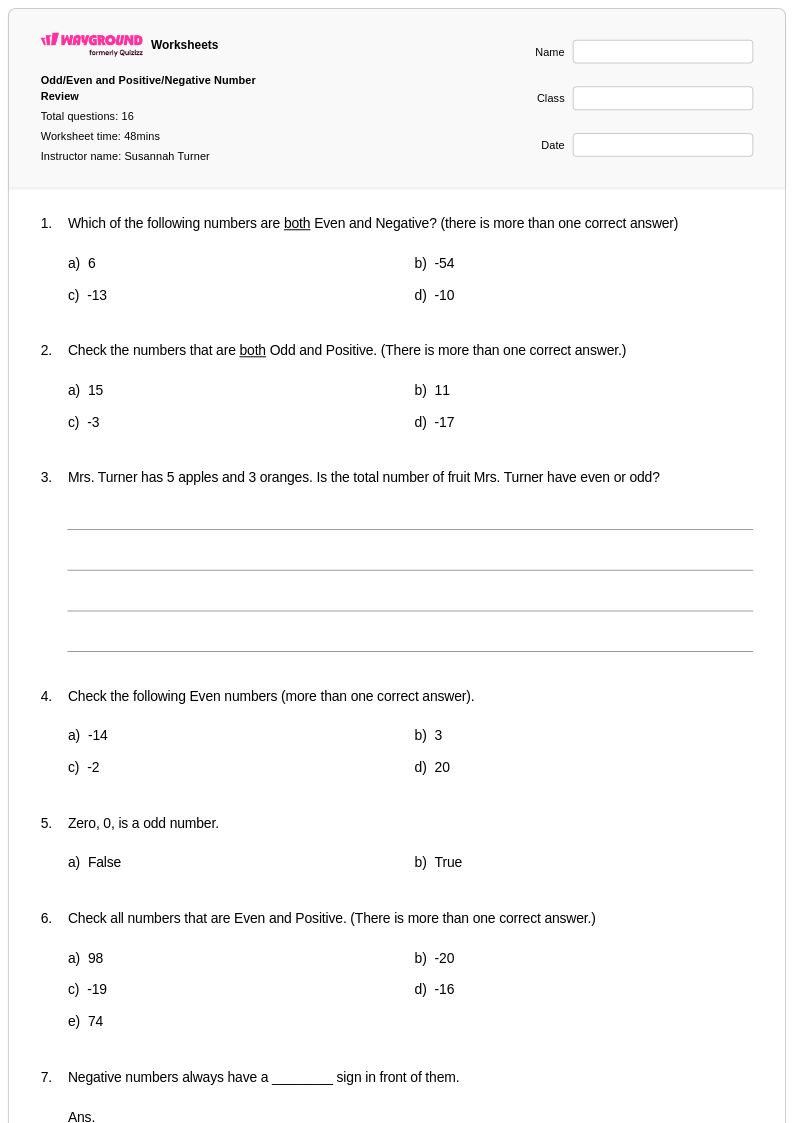
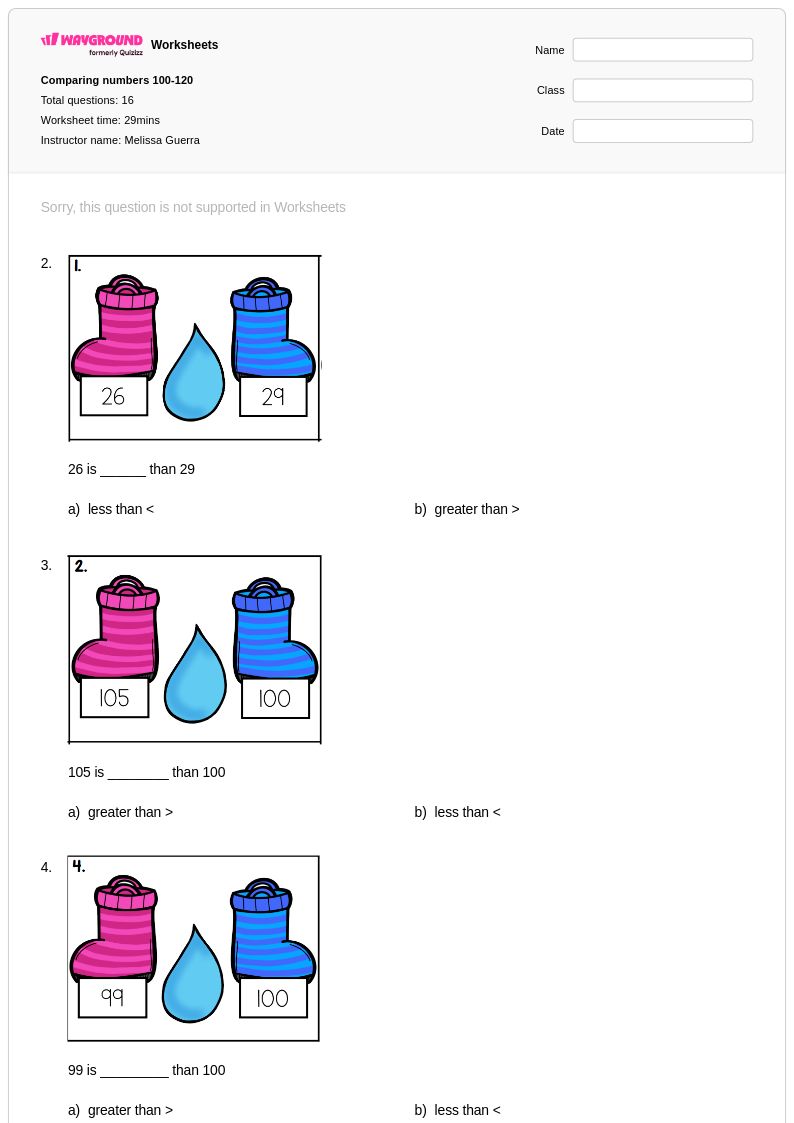
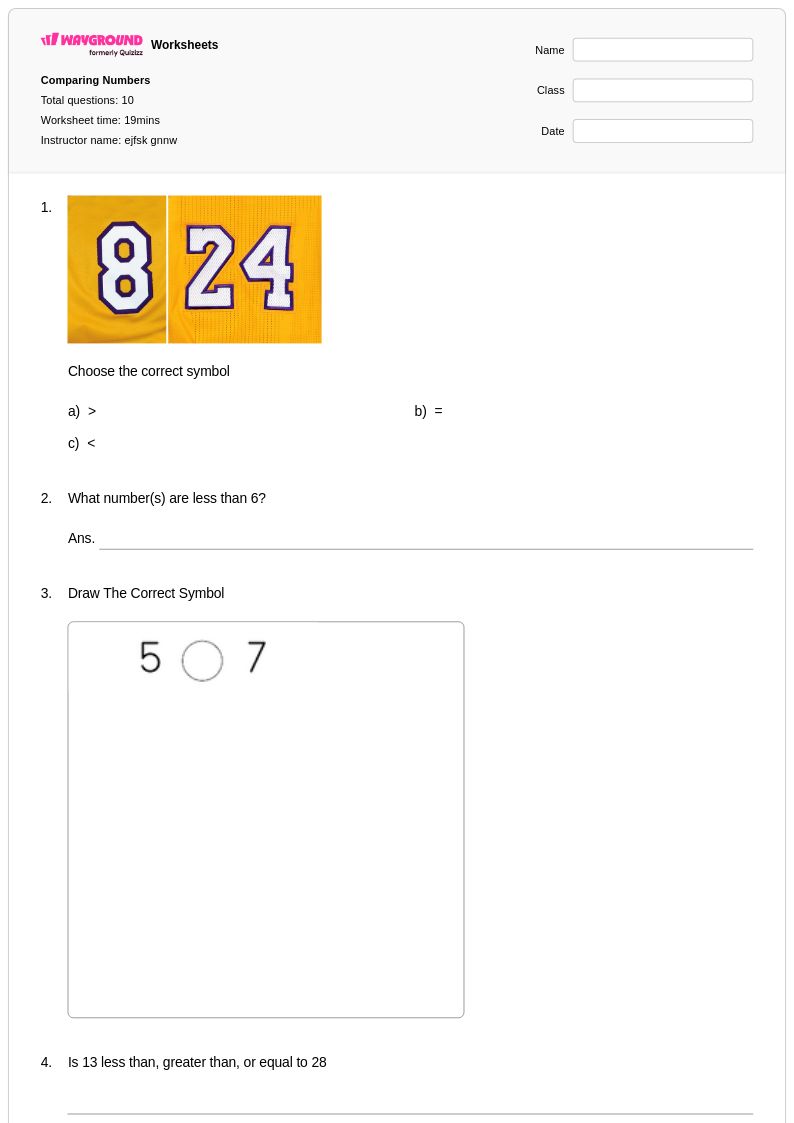
Explore printable Forming Numbers worksheets for Class 1
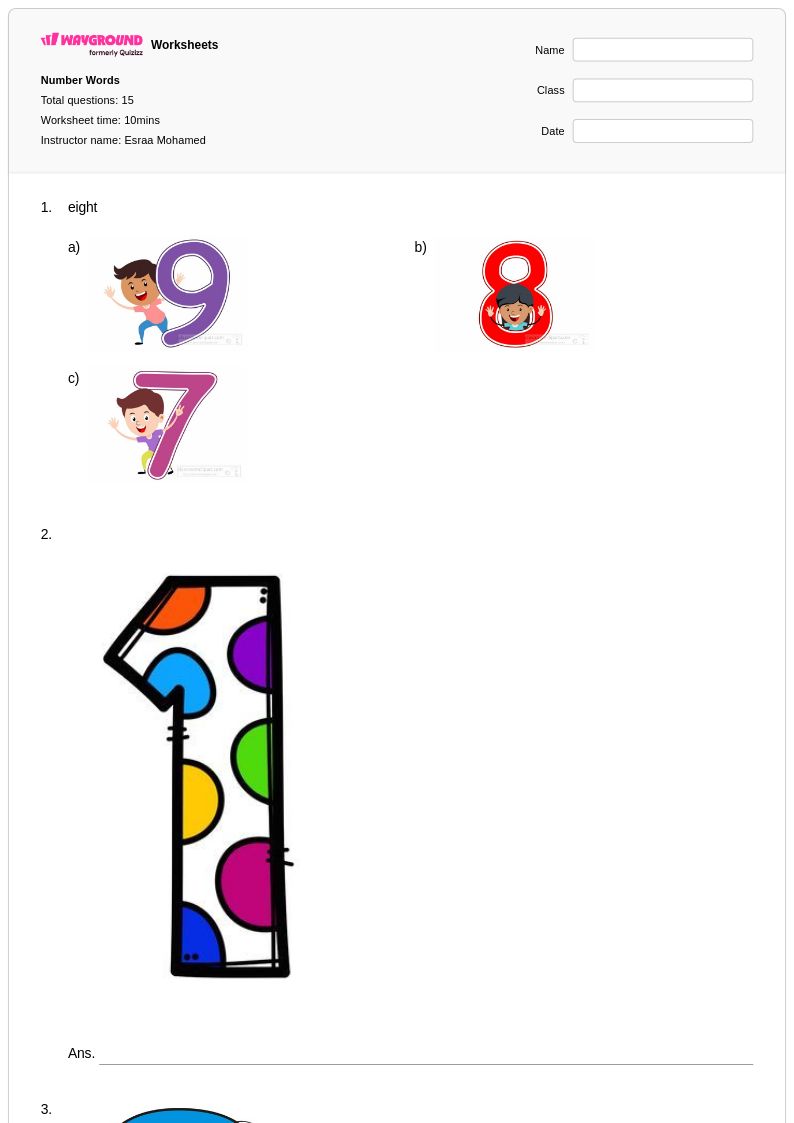
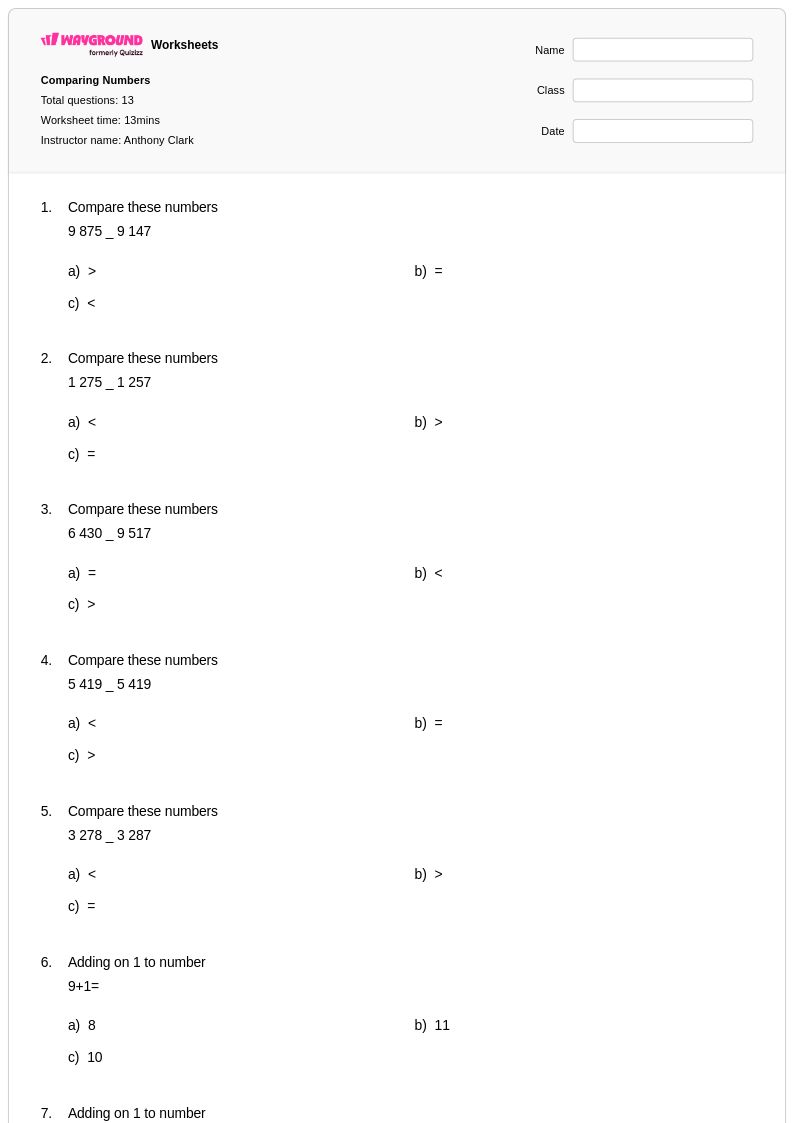
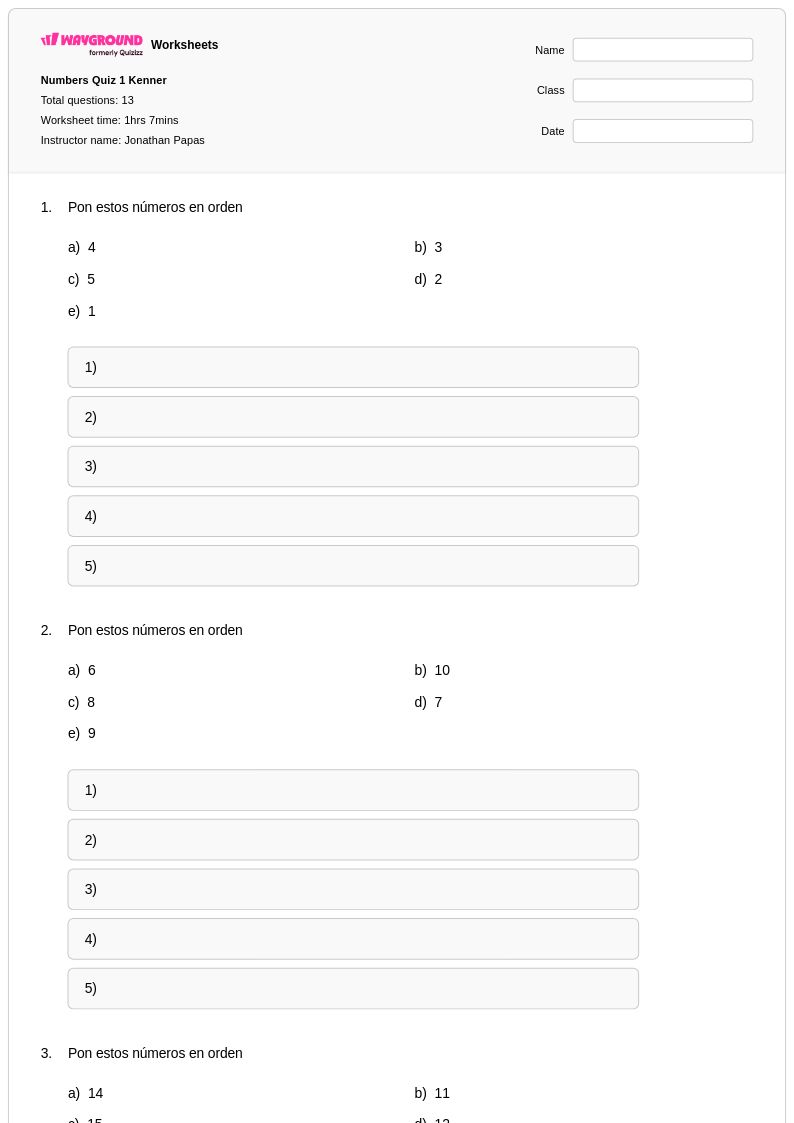
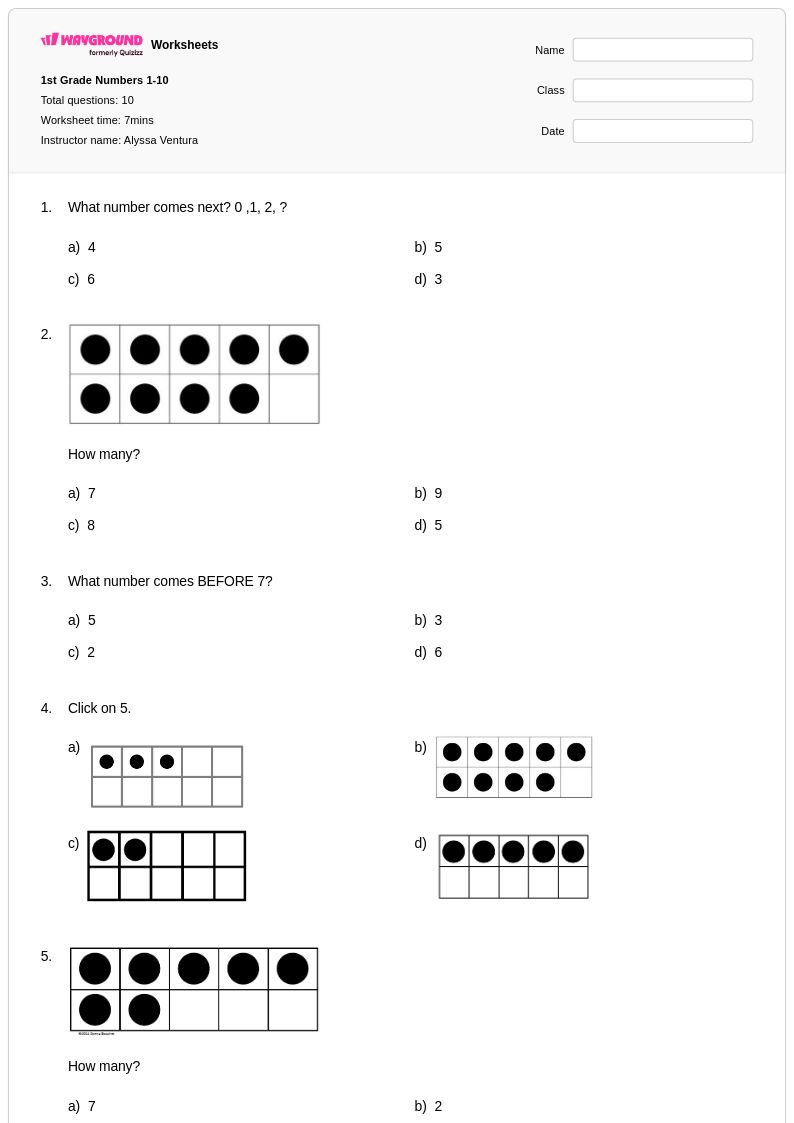
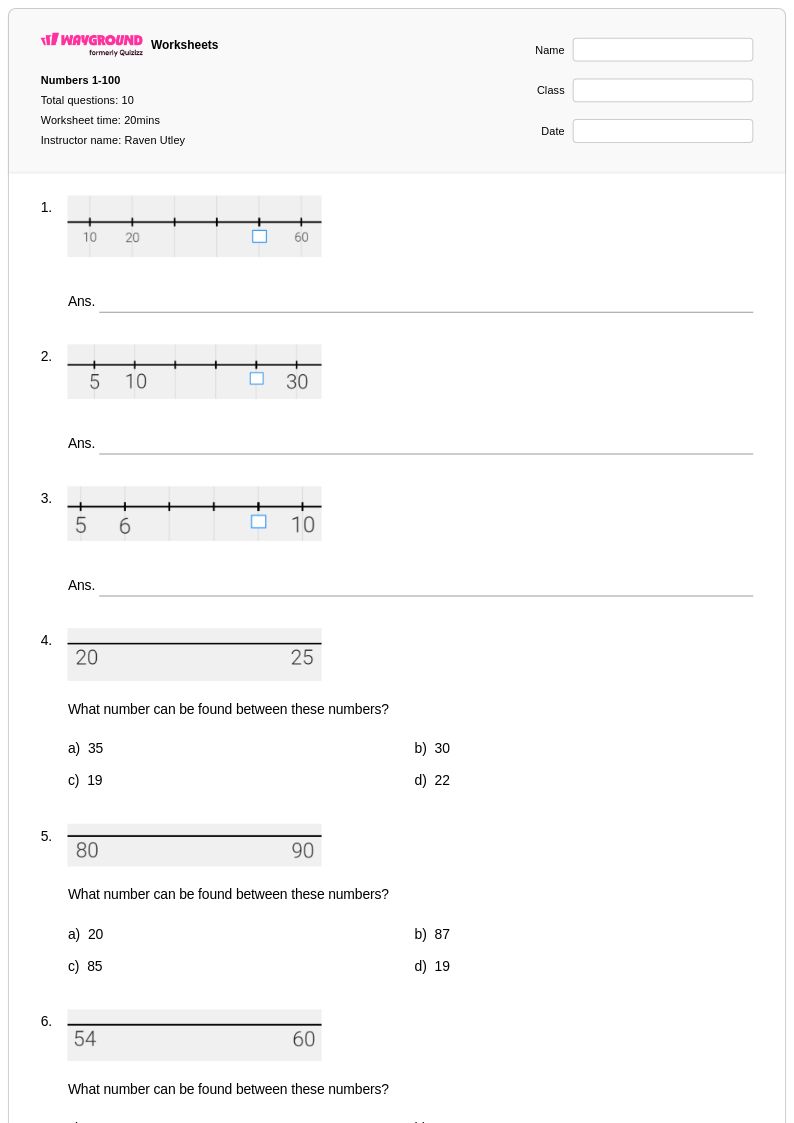
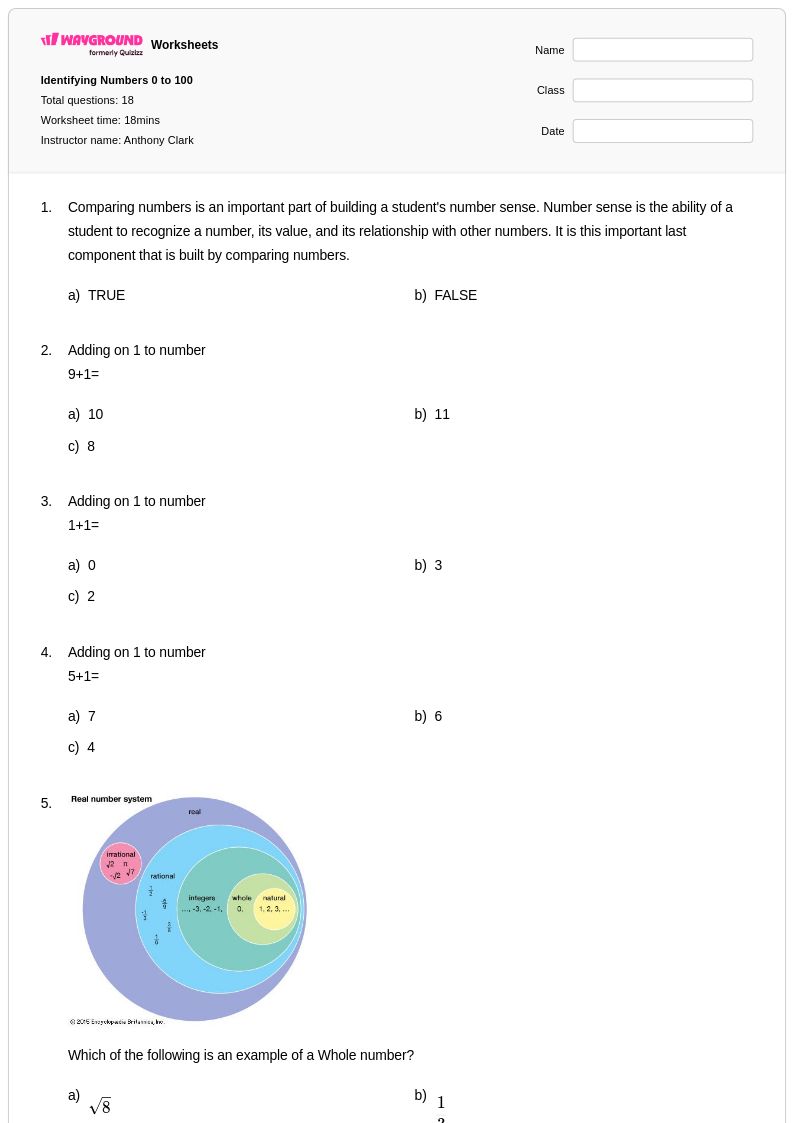
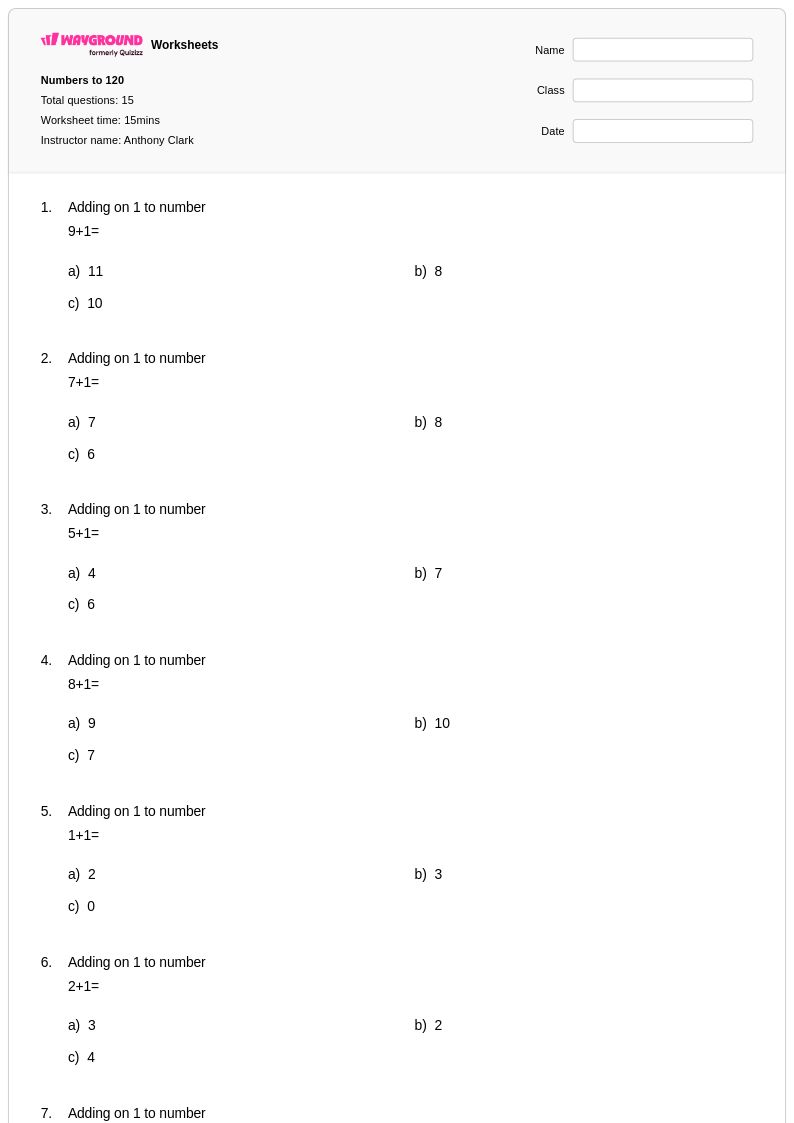
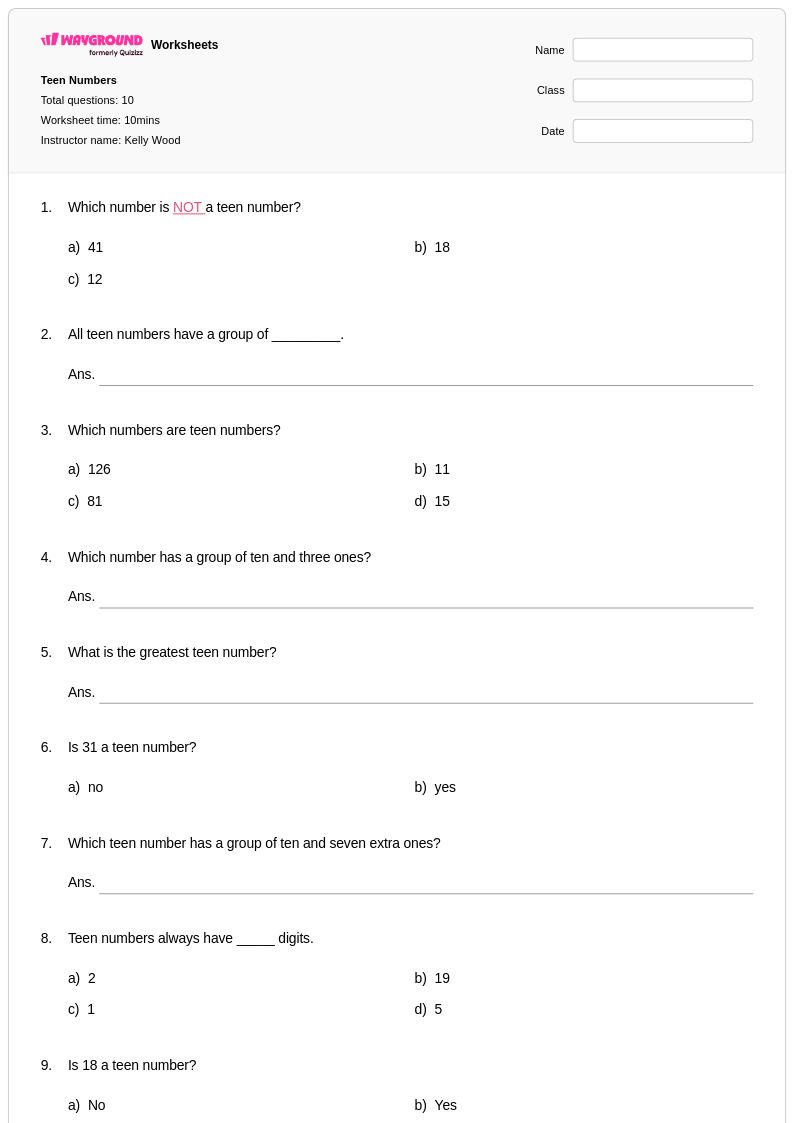
Forming numbers worksheets for Class 1 through Wayground provide essential foundational practice for young mathematicians developing their early numerical understanding. These carefully crafted worksheets focus on helping first-grade students master the critical skill of number formation, which involves recognizing, writing, and constructing numbers in various formats including numerals, number words, and visual representations. Students engage with practice problems that strengthen their ability to form numbers from 0 to 20 and beyond, building confidence in number recognition and proper digit formation. Each worksheet includes comprehensive answer keys and is available as free printable pdf resources, making them accessible tools for reinforcing number sense concepts through structured, hands-on learning experiences.
Wayground's extensive collection of forming numbers worksheets draws from millions of teacher-created resources, providing educators with an unparalleled selection of materials specifically designed for Class 1 mathematics instruction. The platform's robust search and filtering capabilities allow teachers to quickly locate worksheets that align with specific curriculum standards and learning objectives, while built-in differentiation tools enable customization for diverse student needs and skill levels. Whether delivered in printable pdf format for traditional classroom use or accessed digitally for interactive learning, these resources support comprehensive lesson planning, targeted skill remediation, and enrichment activities. Teachers can seamlessly integrate these forming numbers worksheets into their instruction to provide consistent practice opportunities, assess student progress, and build the strong numerical foundation essential for future mathematical success.
FAQs
What is the focus for forming numbers in first grade?
How do I introduce the concept of tens and ones?
What exercises reinforce understanding of two-digit numbers?
What's a common misconception first graders have with two-digit numbers?
How can I use this first-grade worksheet with my students?
How does first-grade number formation build on kindergarten skills in Common Core?