
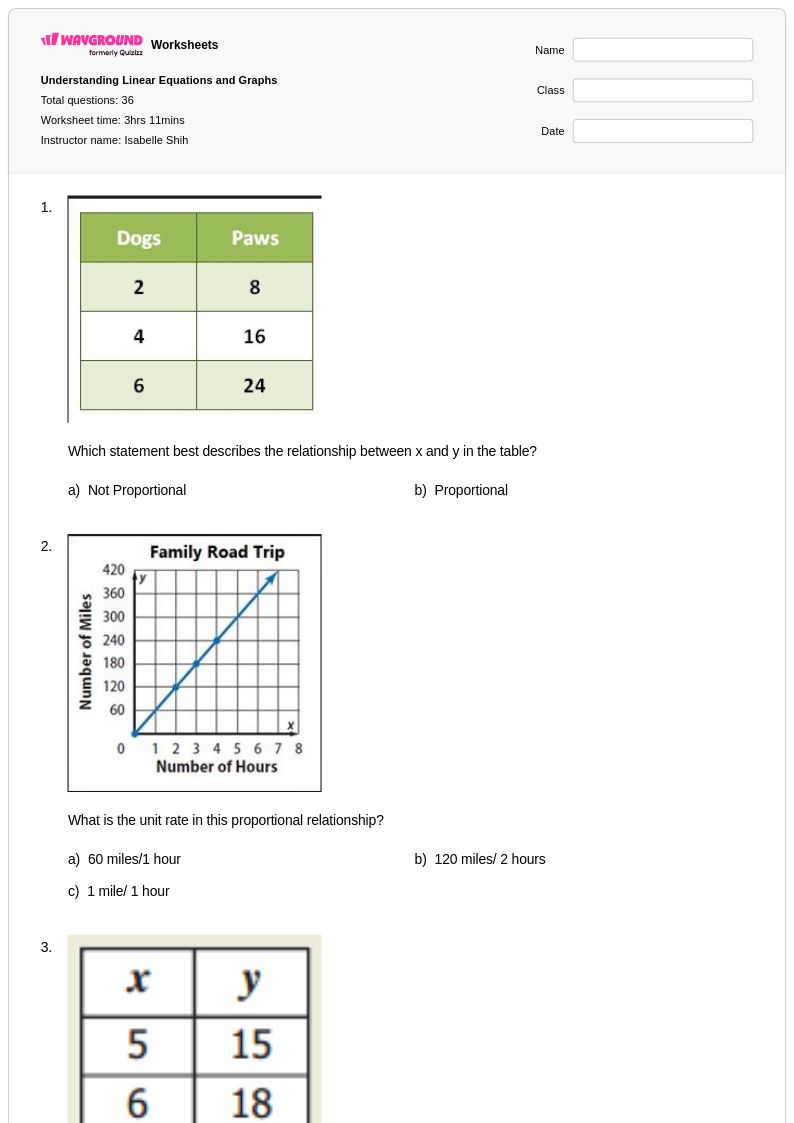
36 Q
6th - 8th
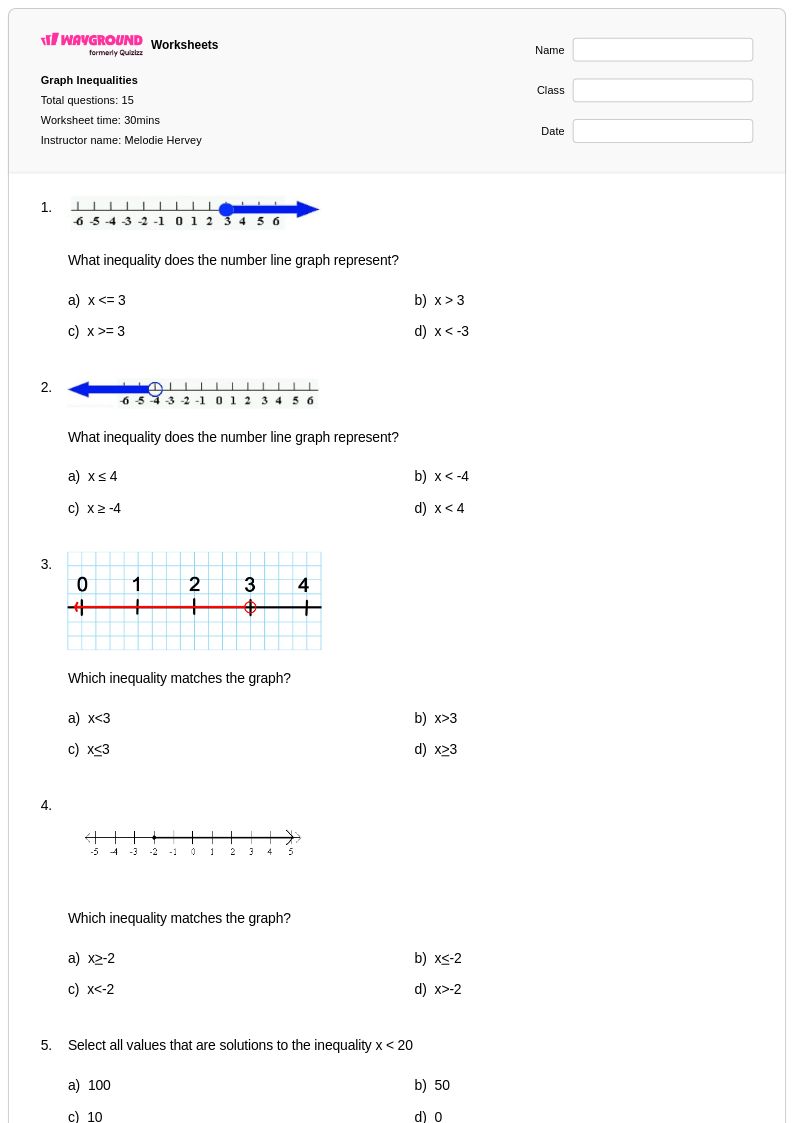
15 Q
6th
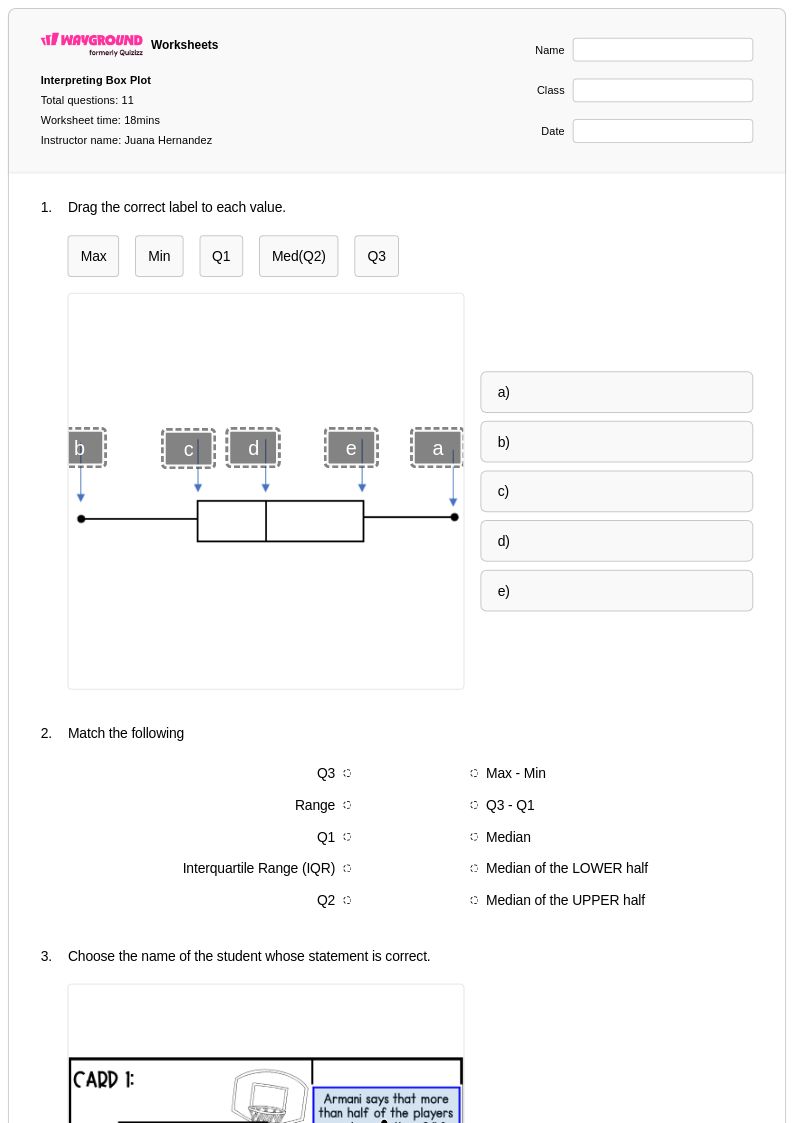
11 Q
6th
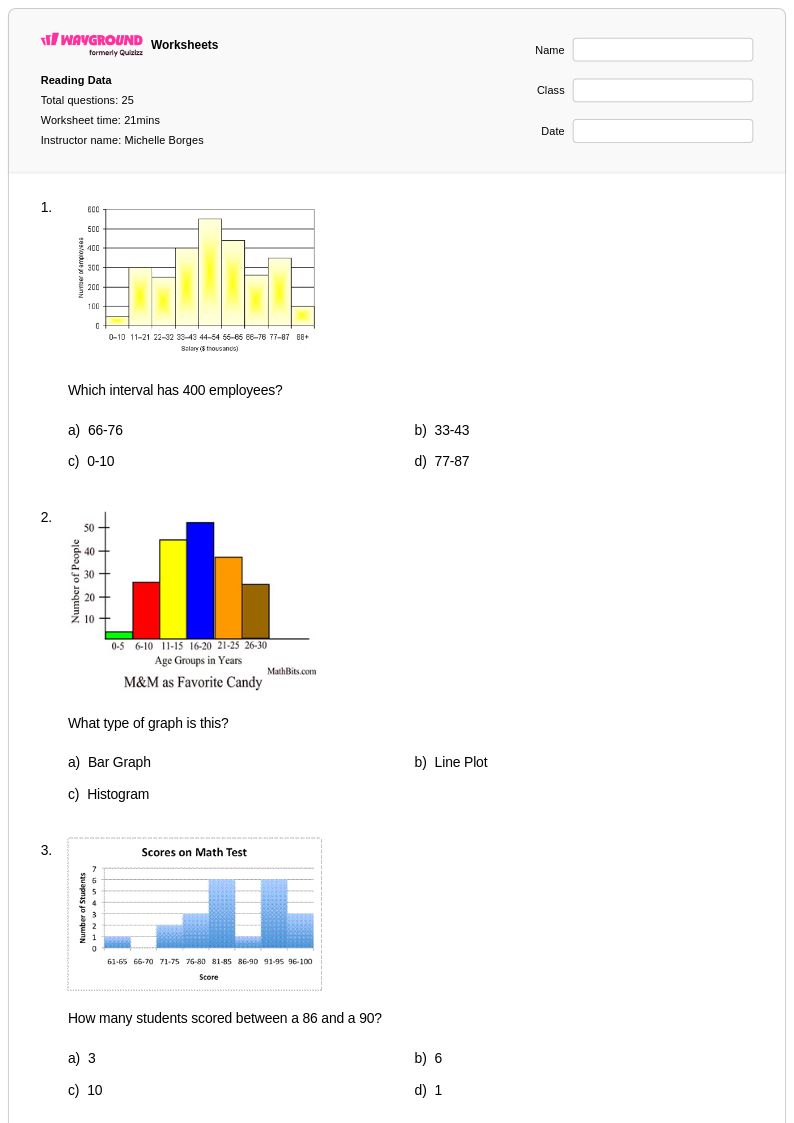
25 Q
6th
24 Q
6th
21 Q
6th - 8th
11 Q
6th
12 Q
6th
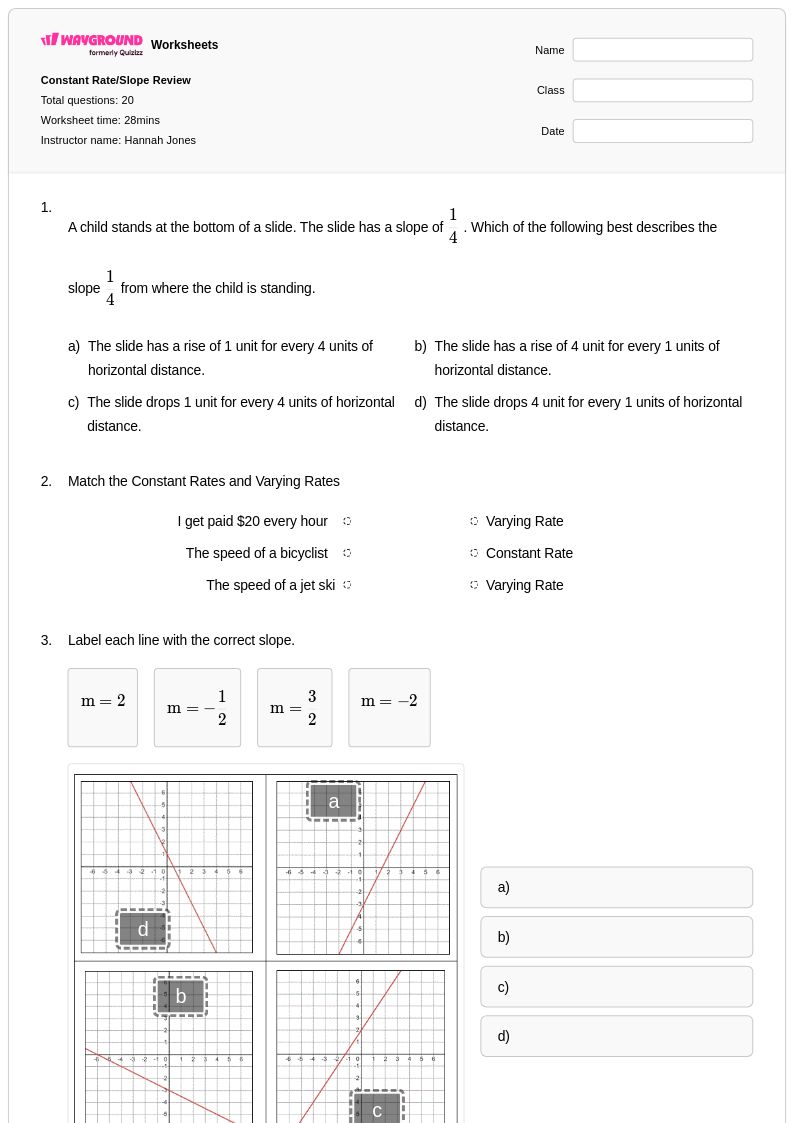
20 Q
6th - 8th
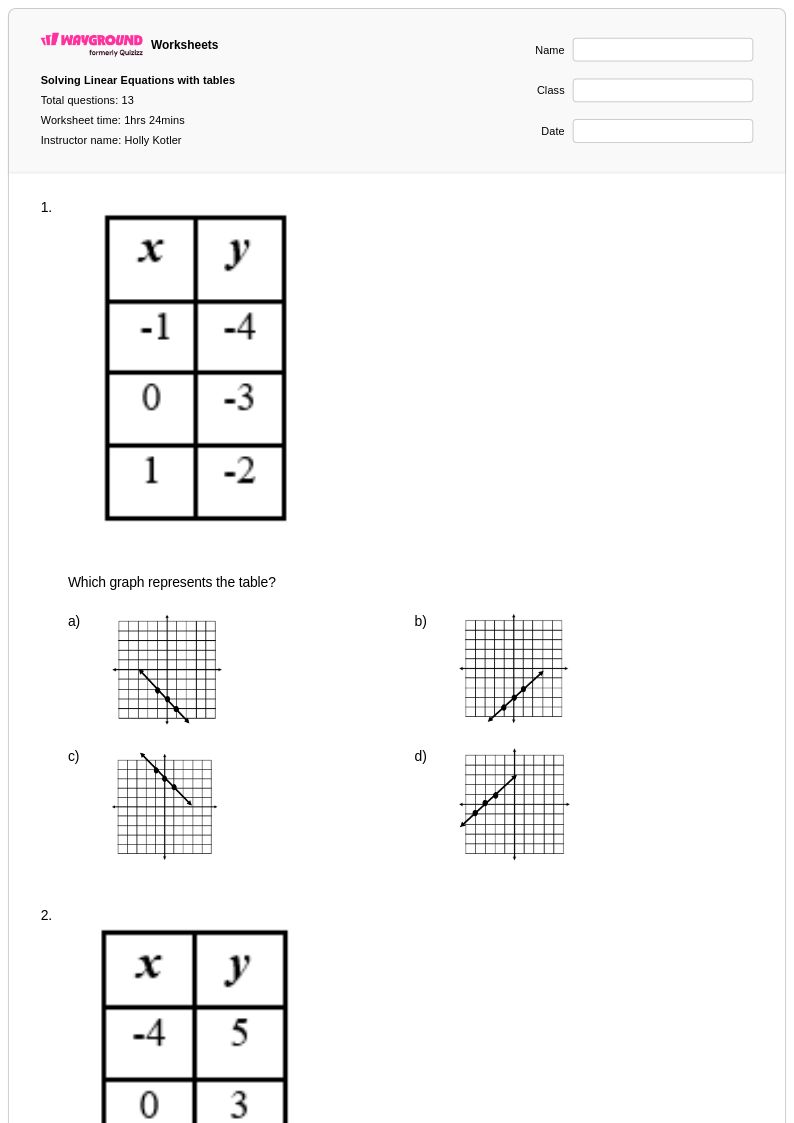
13 Q
6th - 8th
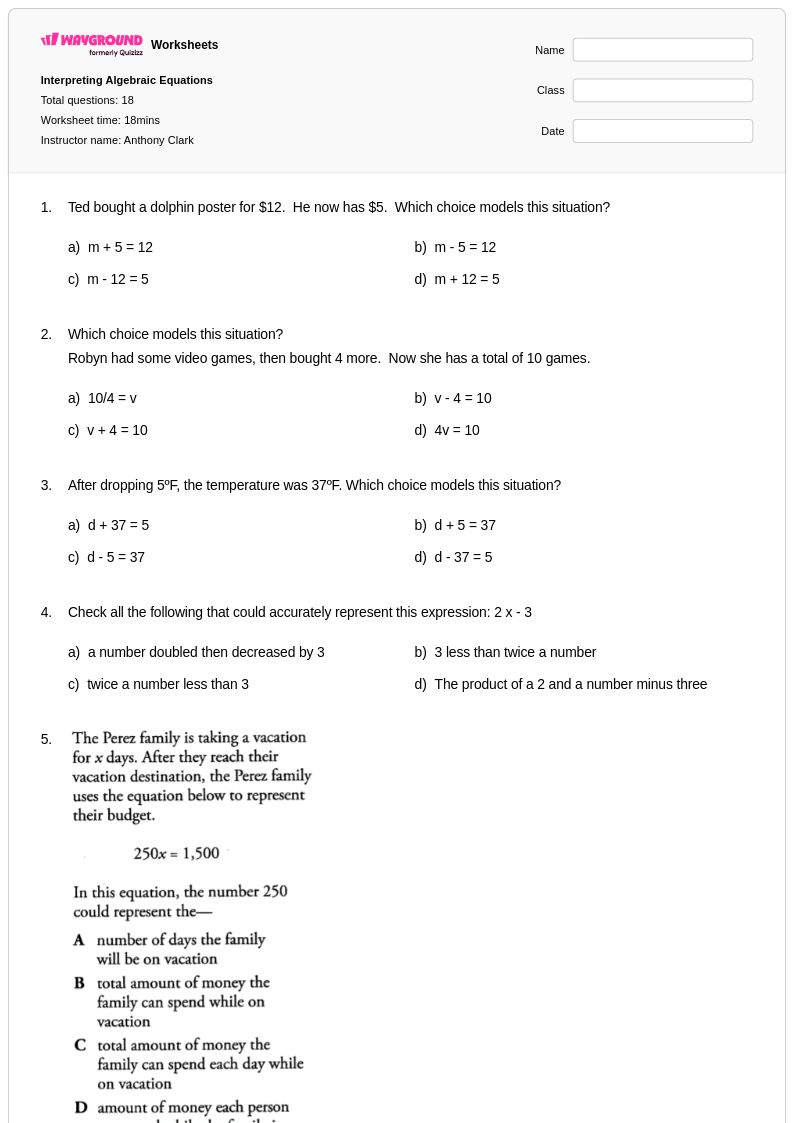
18 Q
6th - Uni
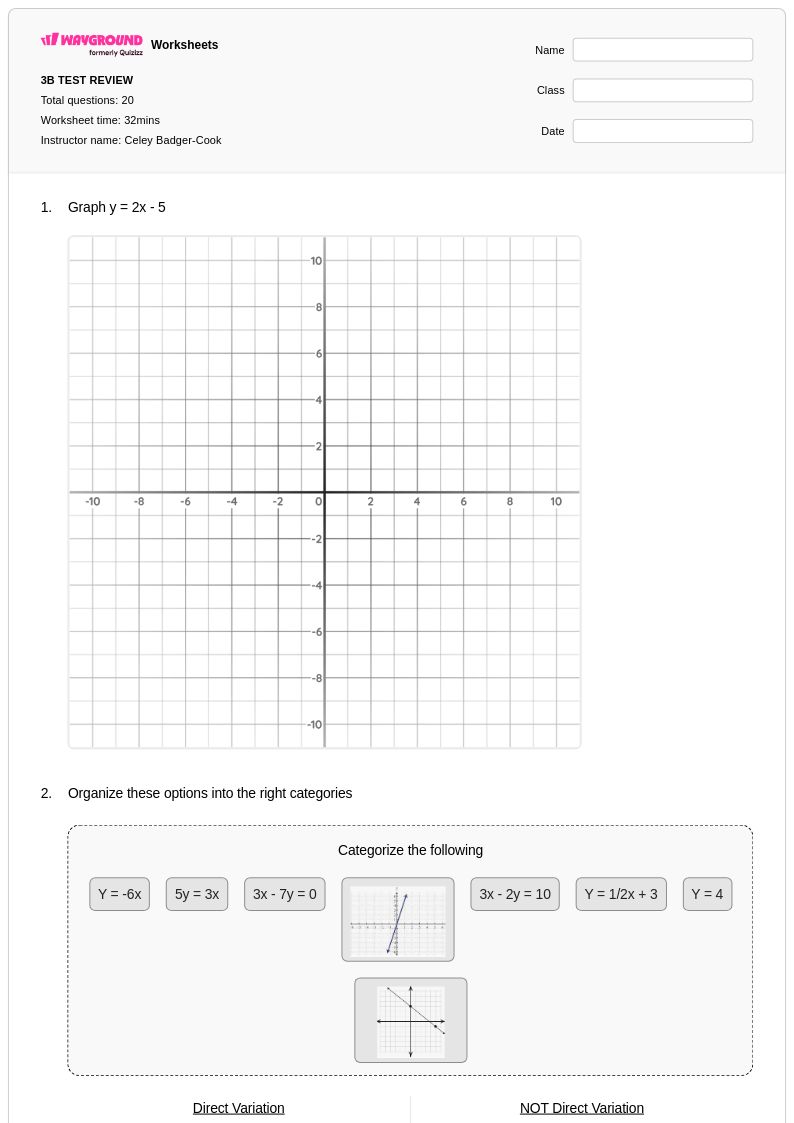
20 Q
6th - 8th
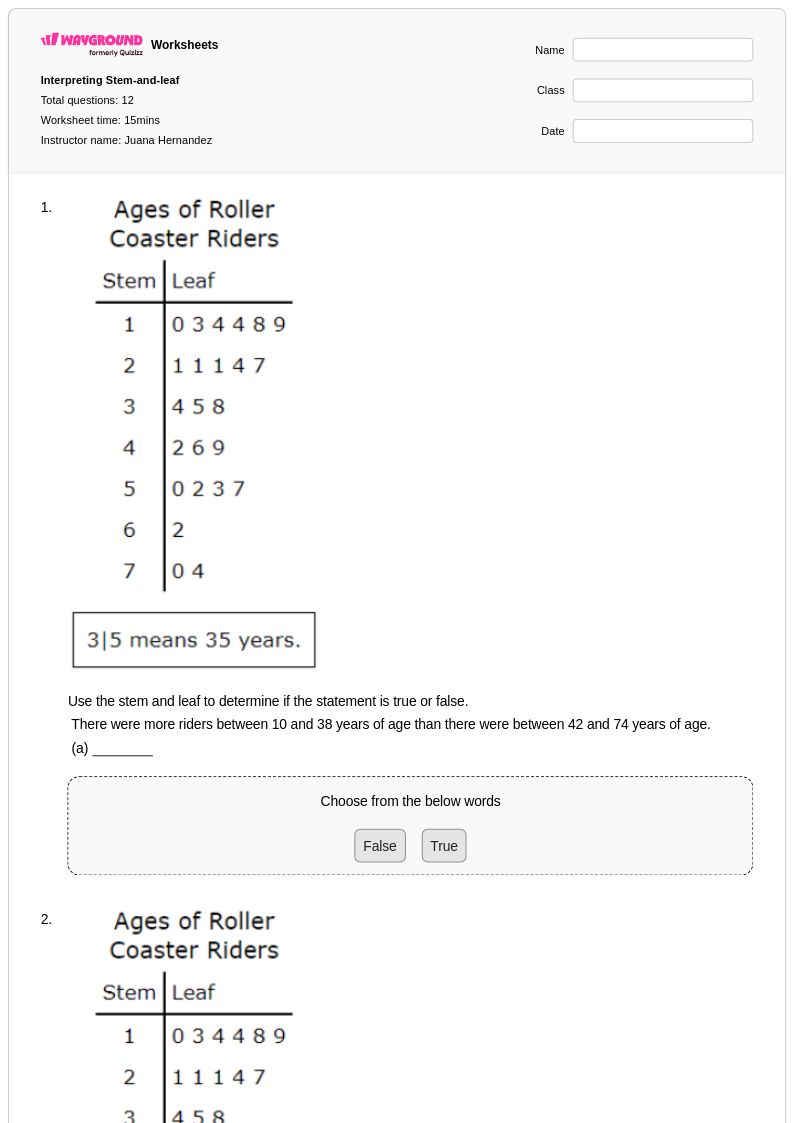
12 Q
6th
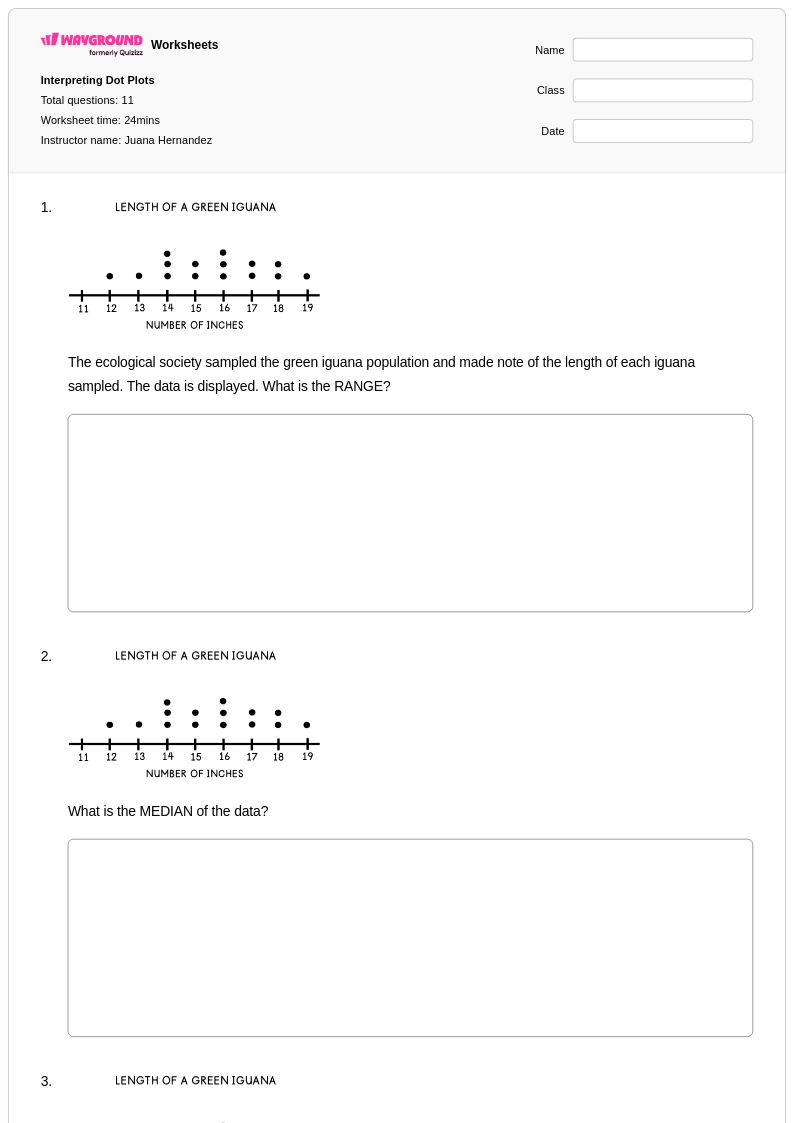
11 Q
6th
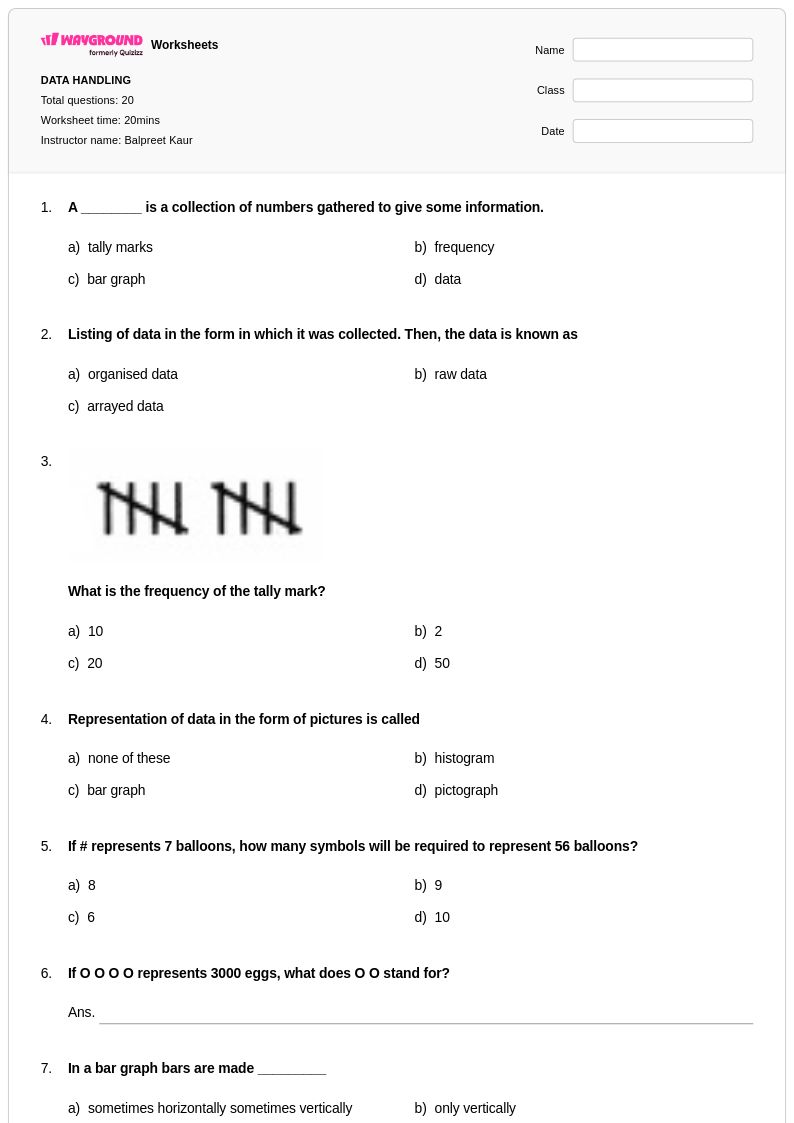
20 Q
6th - 8th
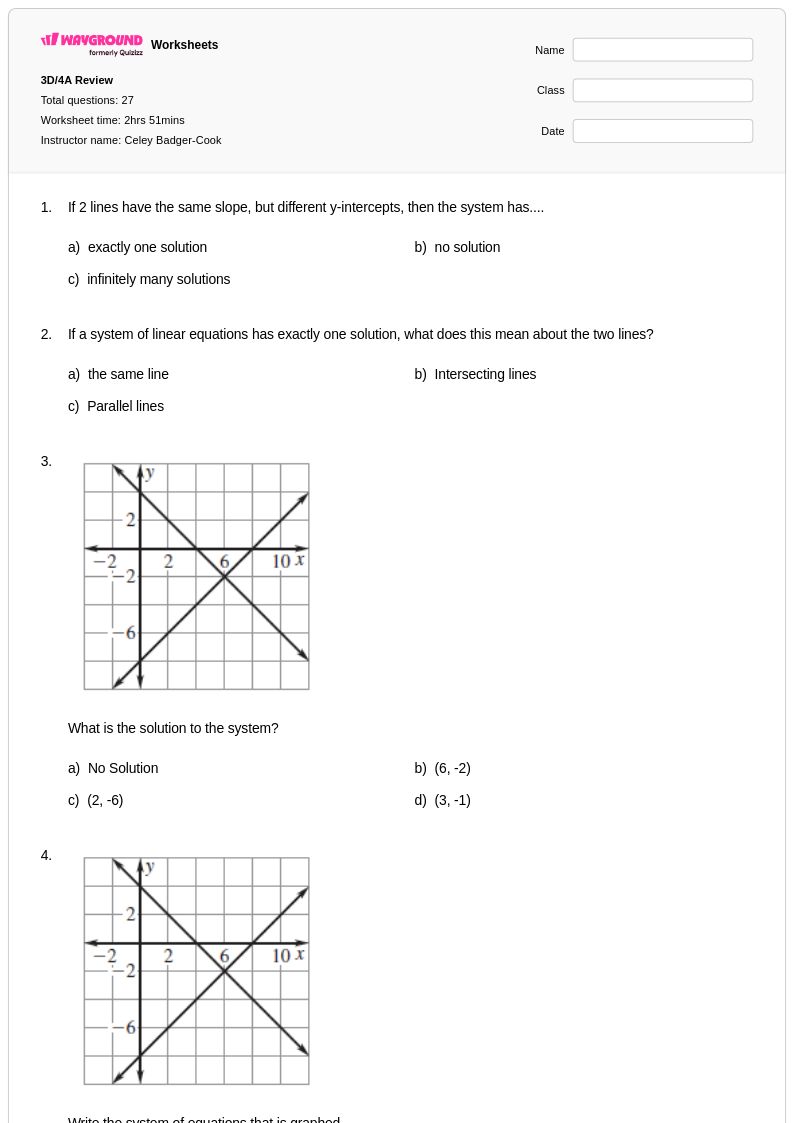
27 Q
6th - 8th
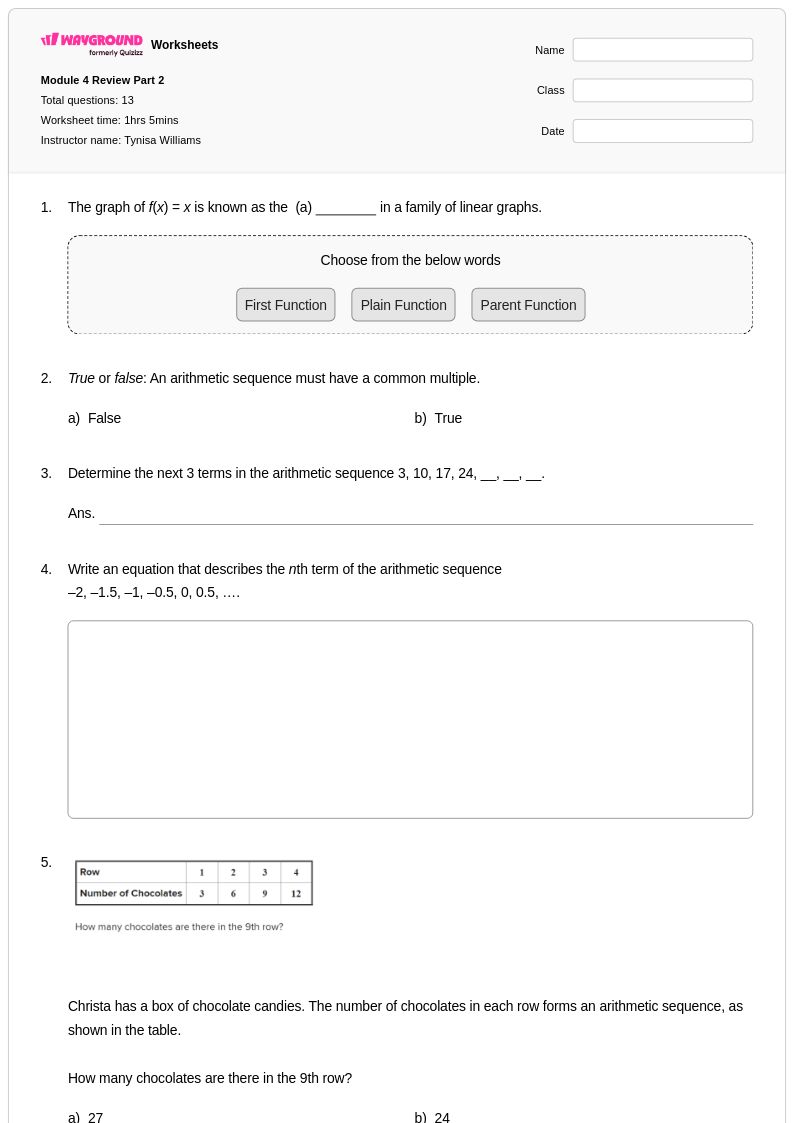
13 Q
6th - 8th
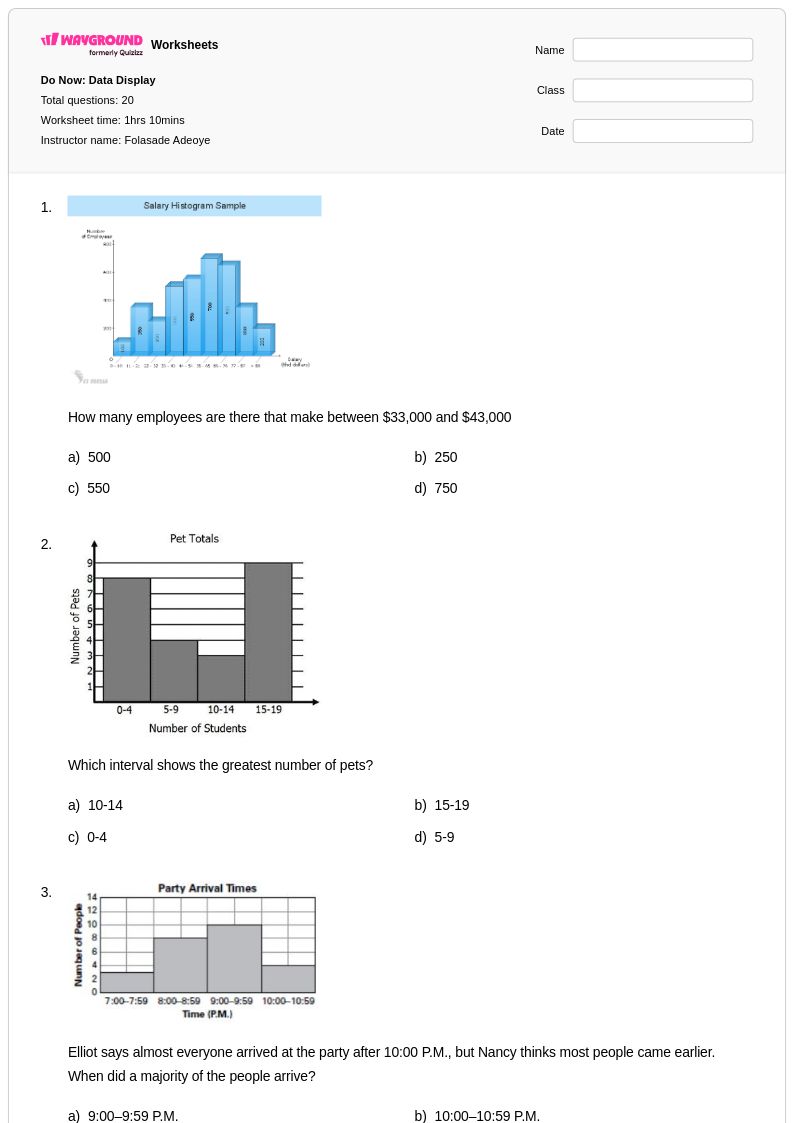
20 Q
6th
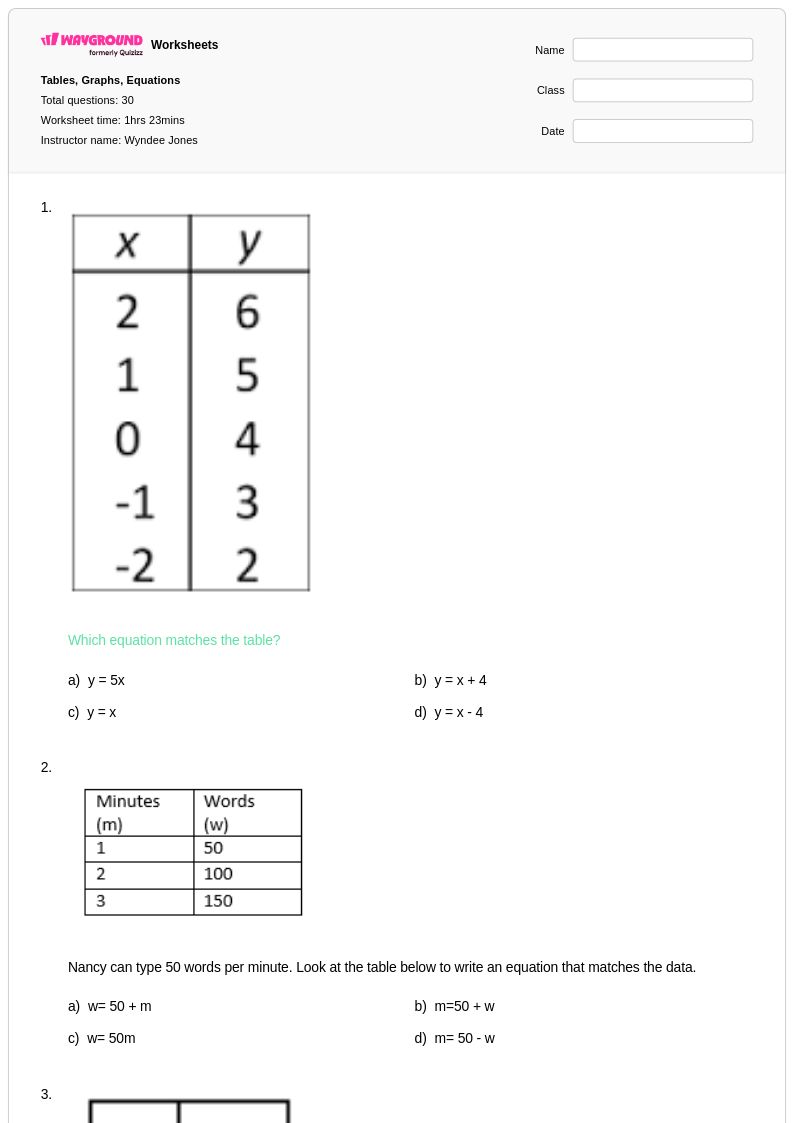
30 Q
6th
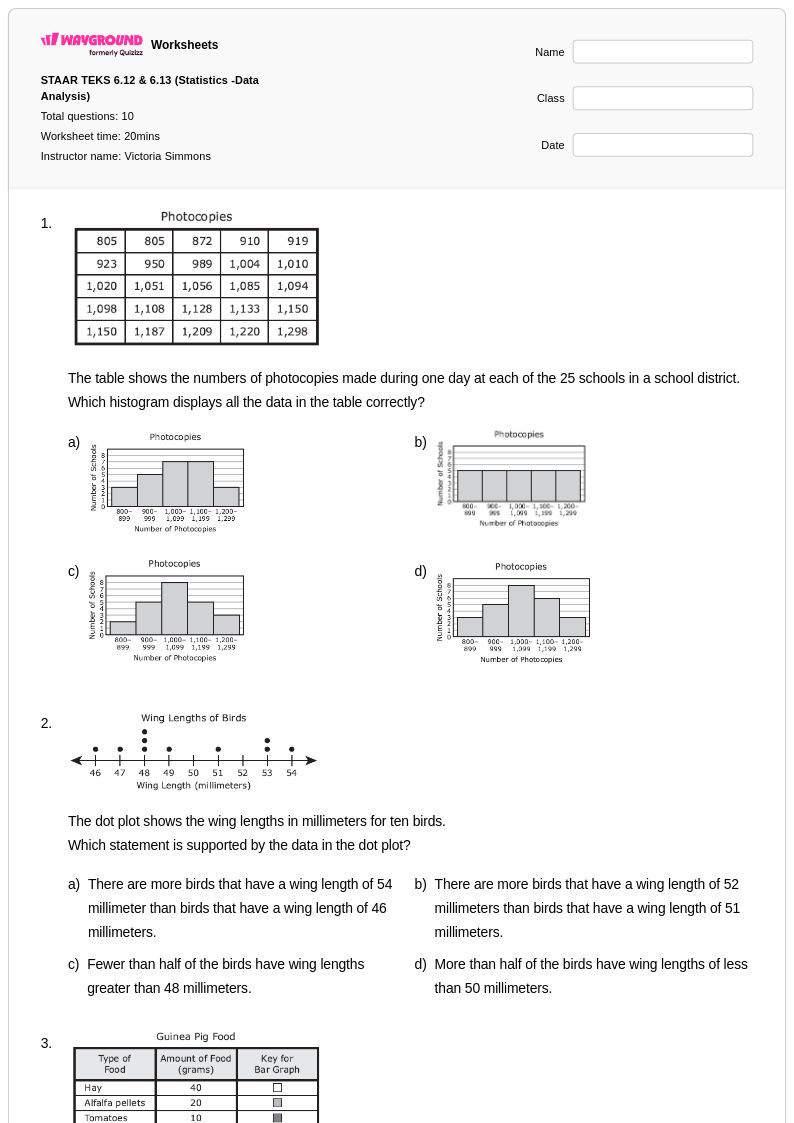
10 Q
6th
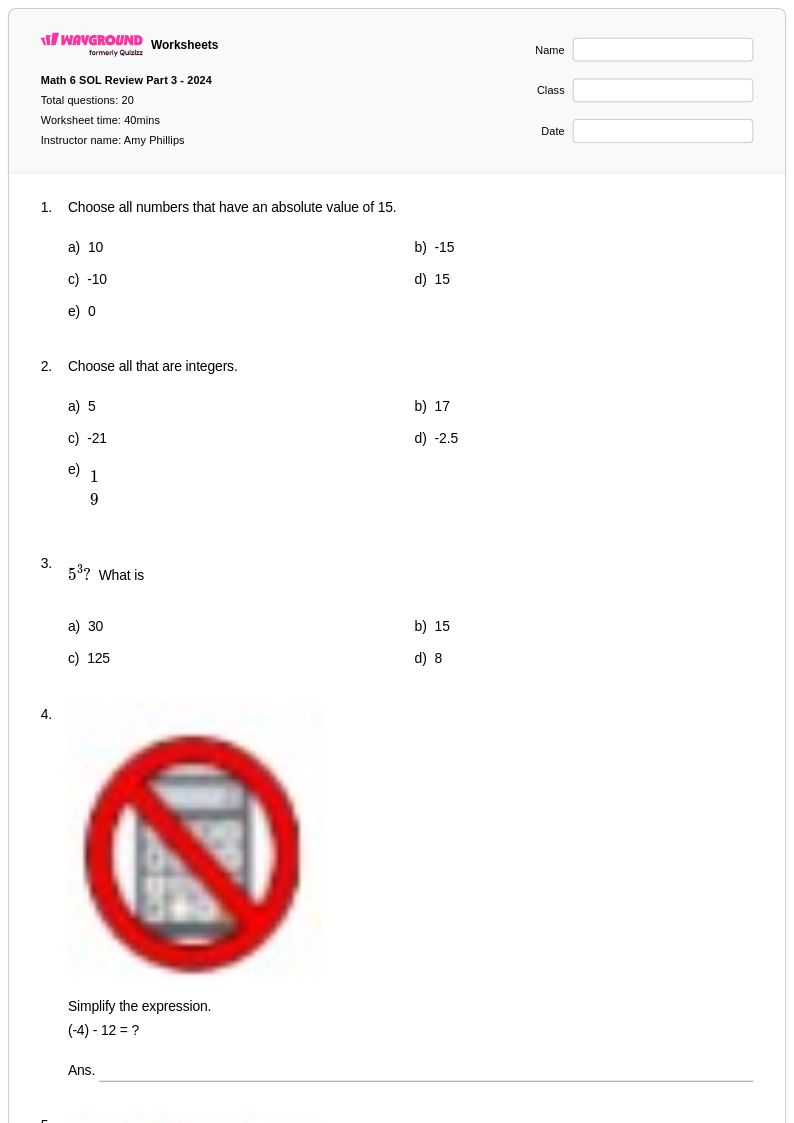
20 Q
6th
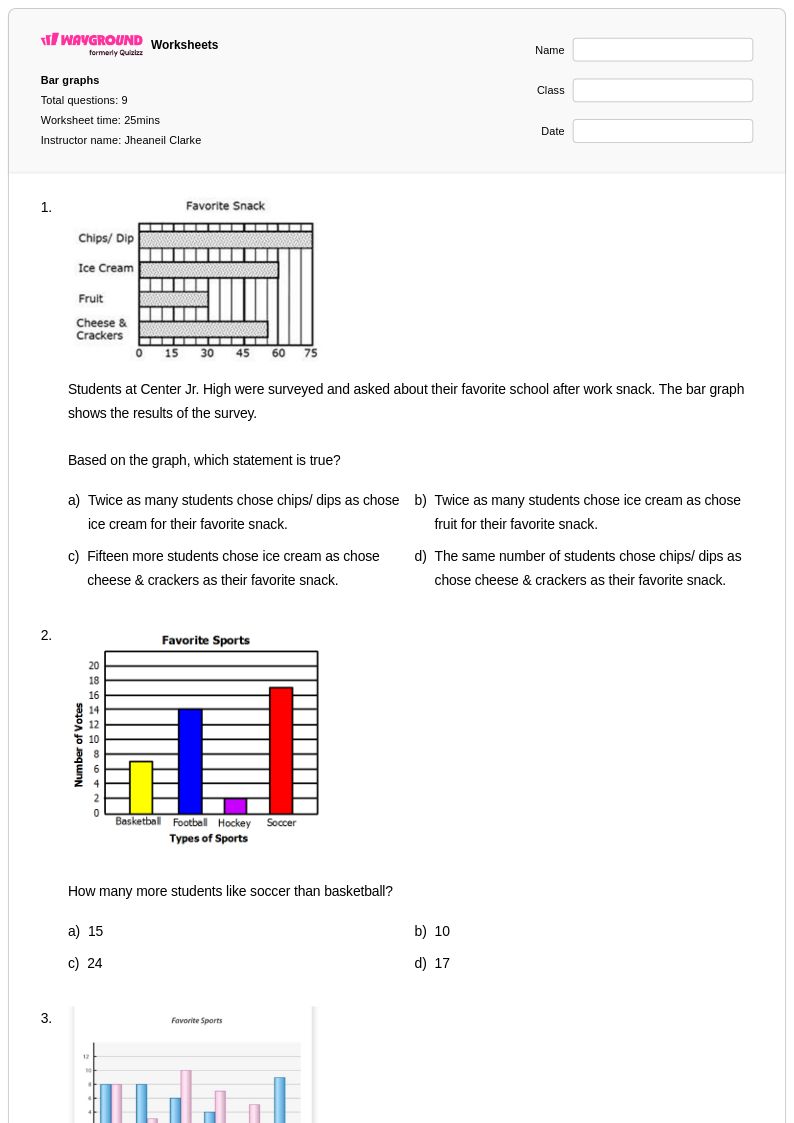
9 Q
6th
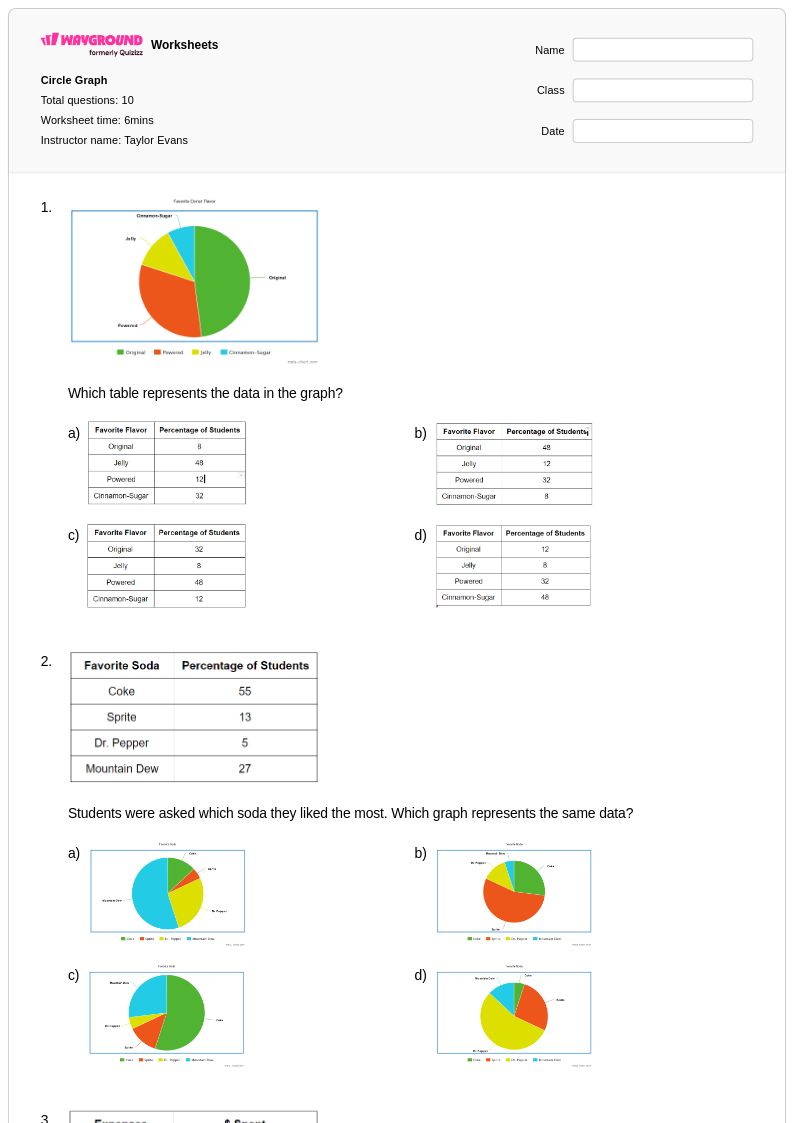
10 Q
6th
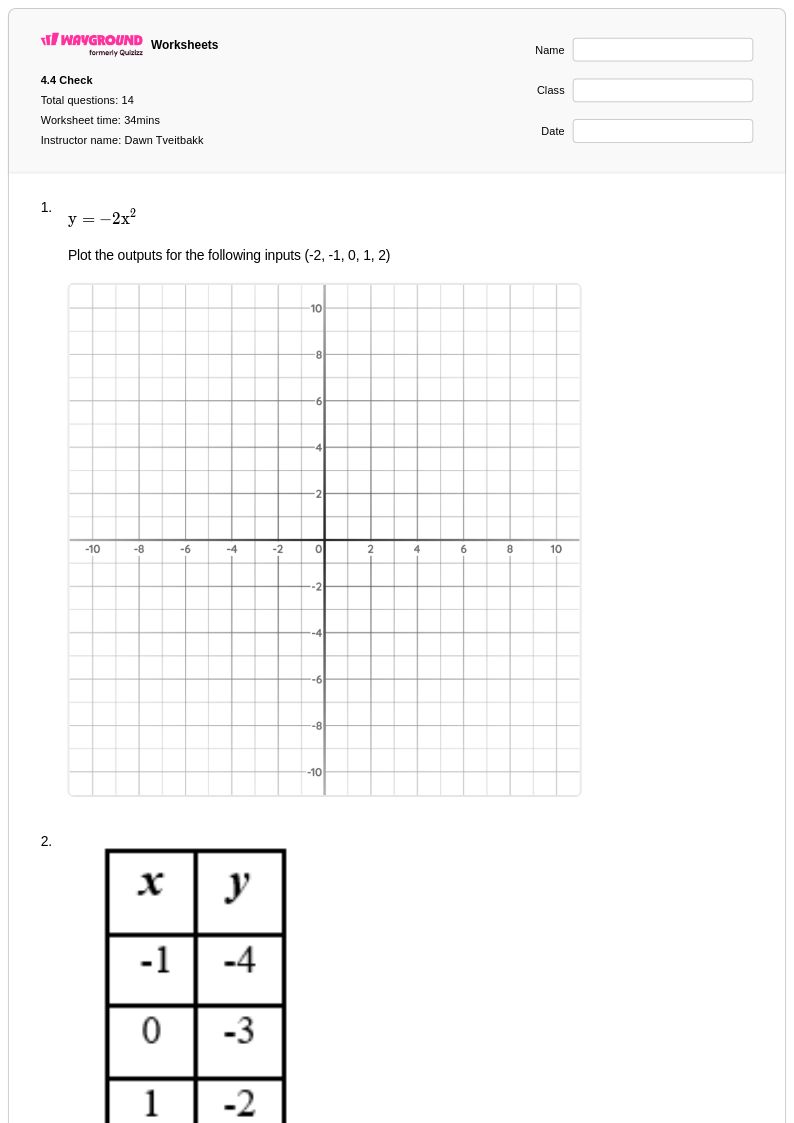
14 Q
6th - 8th
Explore Interpreting Linear Graphs Worksheets by Grades
Explore Other Subject Worksheets for class 6
Explore printable Interpreting Linear Graphs worksheets for Class 6
Interpreting Linear Graphs worksheets for Class 6 students through Wayground (formerly Quizizz) provide comprehensive practice in analyzing and understanding linear relationships represented graphically. These expertly designed worksheets strengthen essential mathematical skills including reading coordinates, identifying slope and y-intercept, determining rate of change, and making predictions based on linear patterns. Students develop proficiency in extracting meaningful information from line graphs, understanding the relationship between variables, and connecting graphical representations to real-world scenarios. Each worksheet collection includes detailed answer keys and is available as free printables in convenient PDF format, featuring practice problems that progressively build understanding from basic graph reading to more complex interpretation tasks.
Wayground (formerly Quizizz) empowers educators with access to millions of teacher-created resources specifically designed for interpreting linear graphs instruction, complete with robust search and filtering capabilities that allow teachers to locate materials perfectly suited to their classroom needs. The platform's standards-aligned content supports differentiated instruction through customizable worksheets that can be modified for various skill levels, enabling teachers to provide targeted remediation for struggling learners while offering enrichment opportunities for advanced students. Available in both printable and digital formats including downloadable PDFs, these resources streamline lesson planning and provide flexible options for in-class practice, homework assignments, and assessment preparation, ensuring students master the critical skill of analyzing linear relationships across mathematical and real-world contexts.