
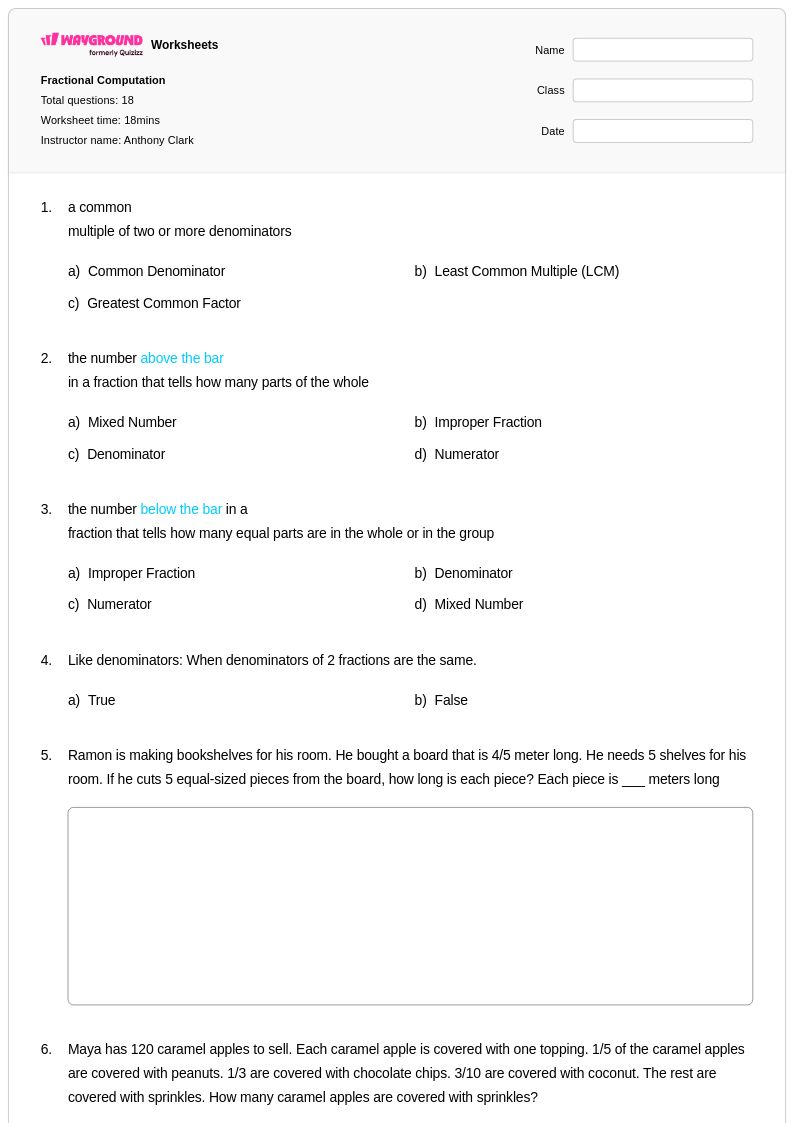
18 Q
5th - Uni
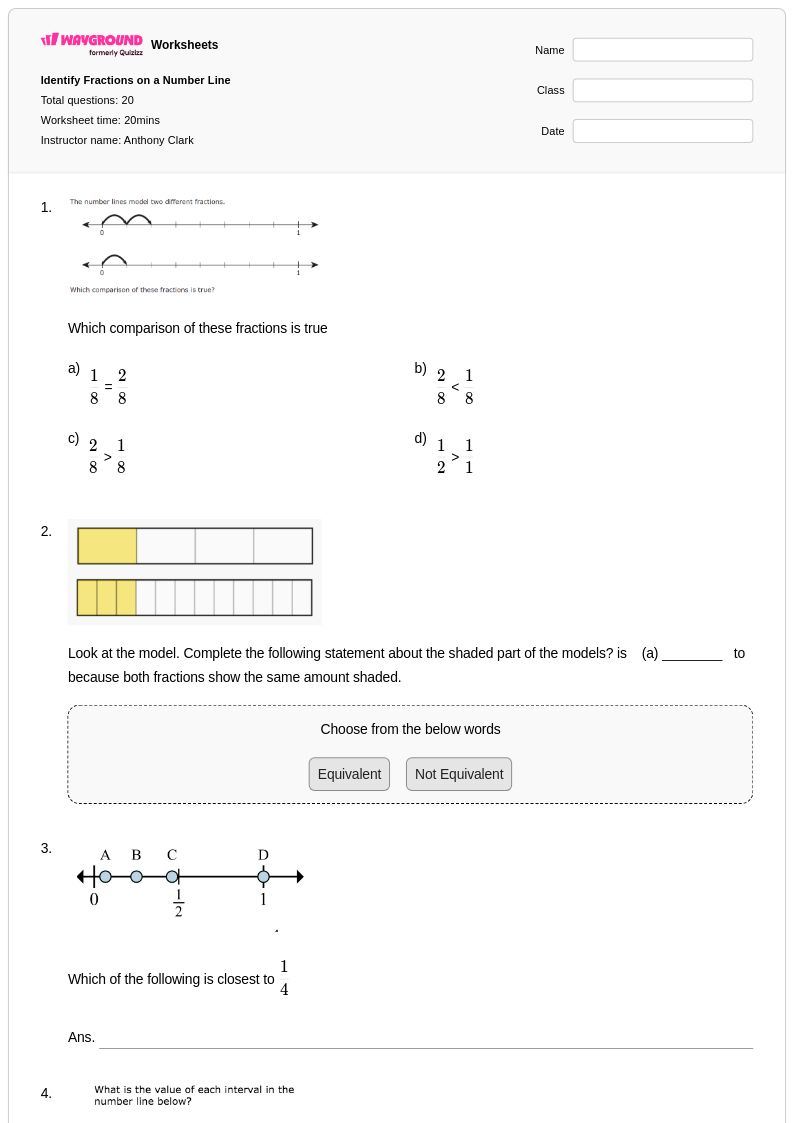
20 Q
3rd - Uni
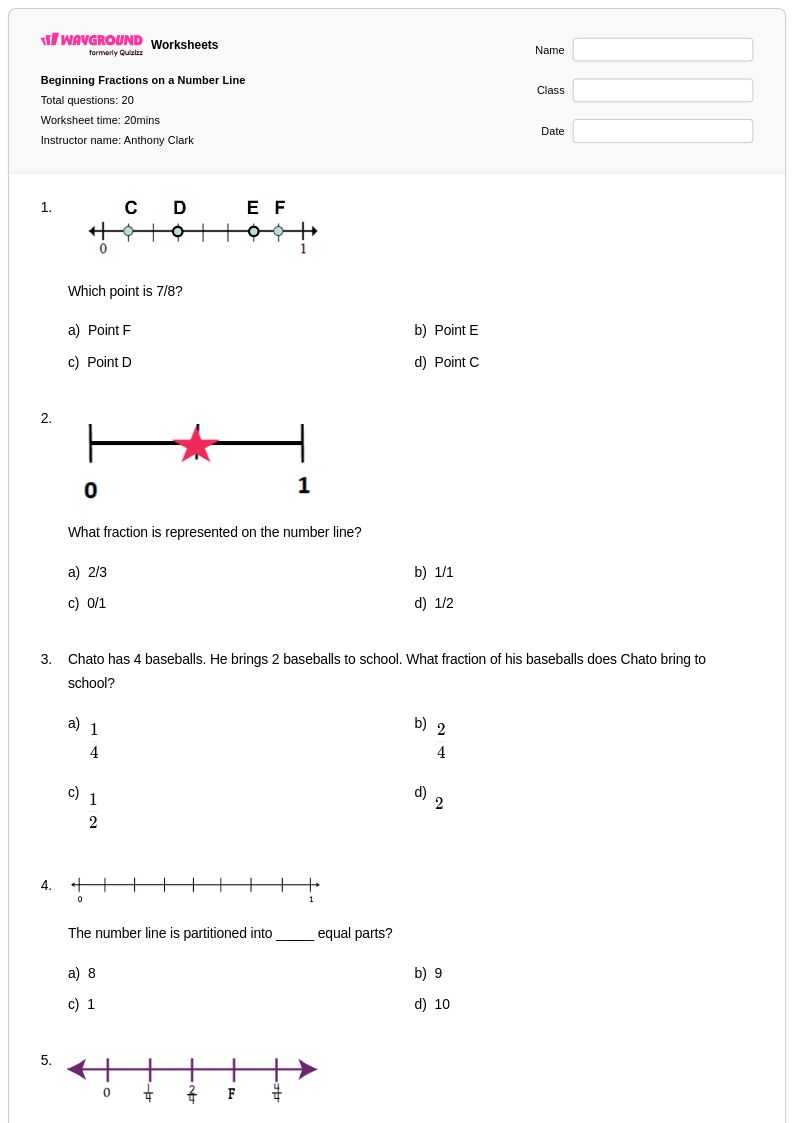
20 Q
3rd - Uni
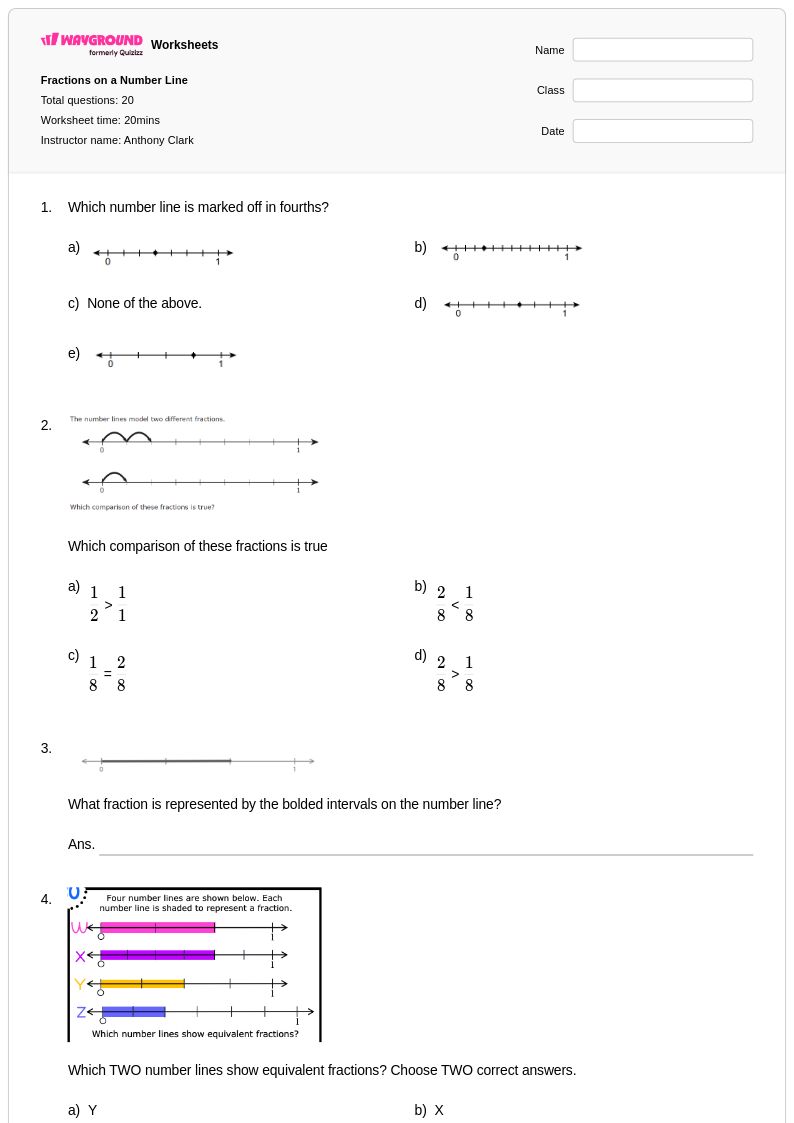
20 Q
3rd - Uni
20 Q
3rd - Uni
15 Q
3rd - Uni
14 Q
6th
14 Q
6th - 8th
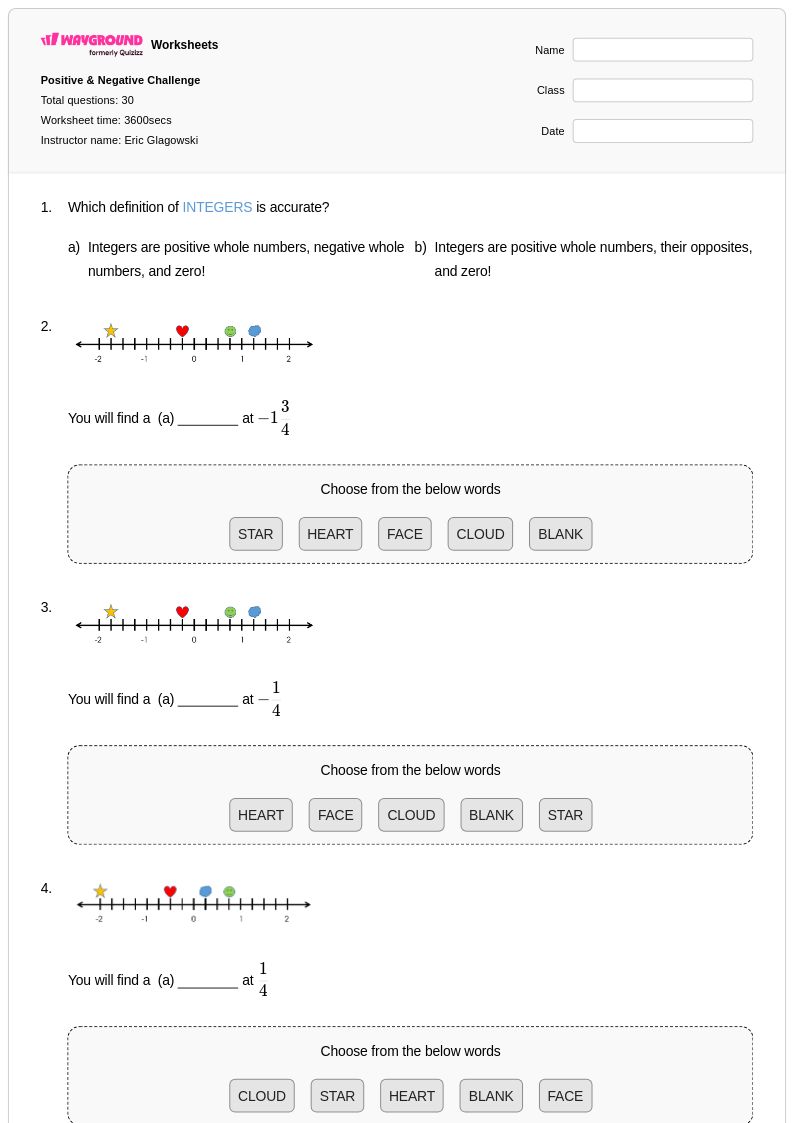
30 Q
6th
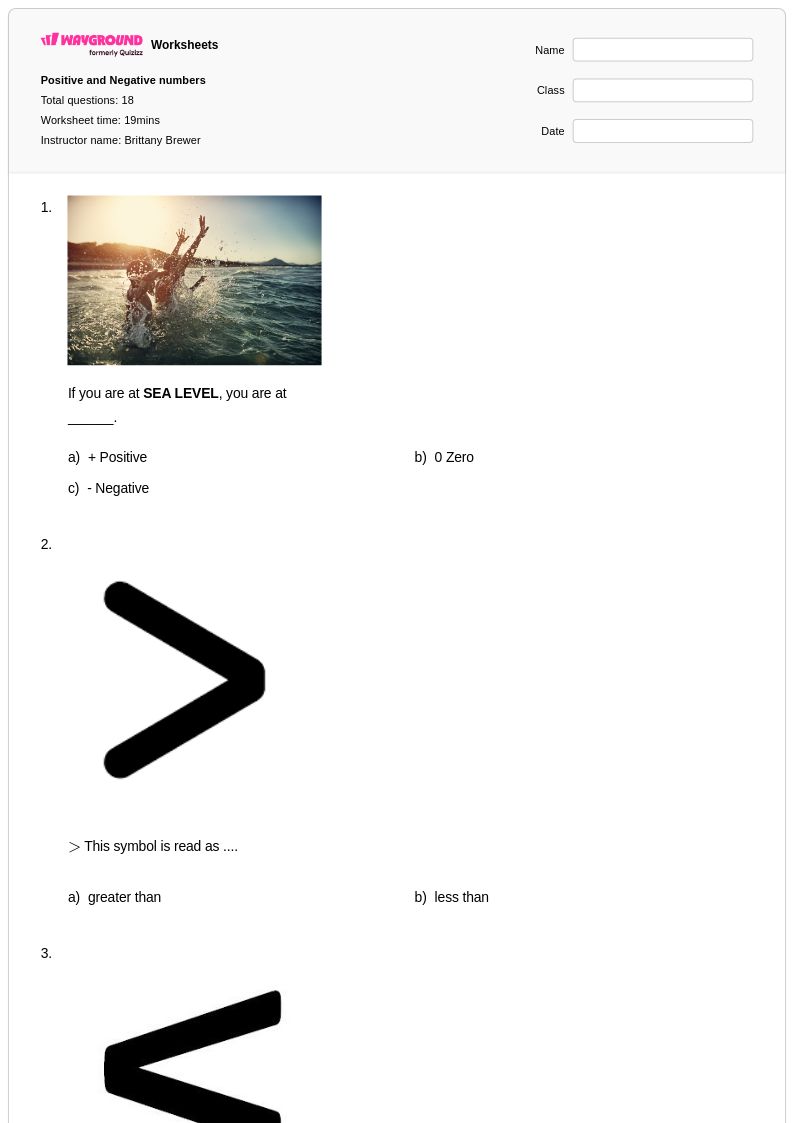
18 Q
6th
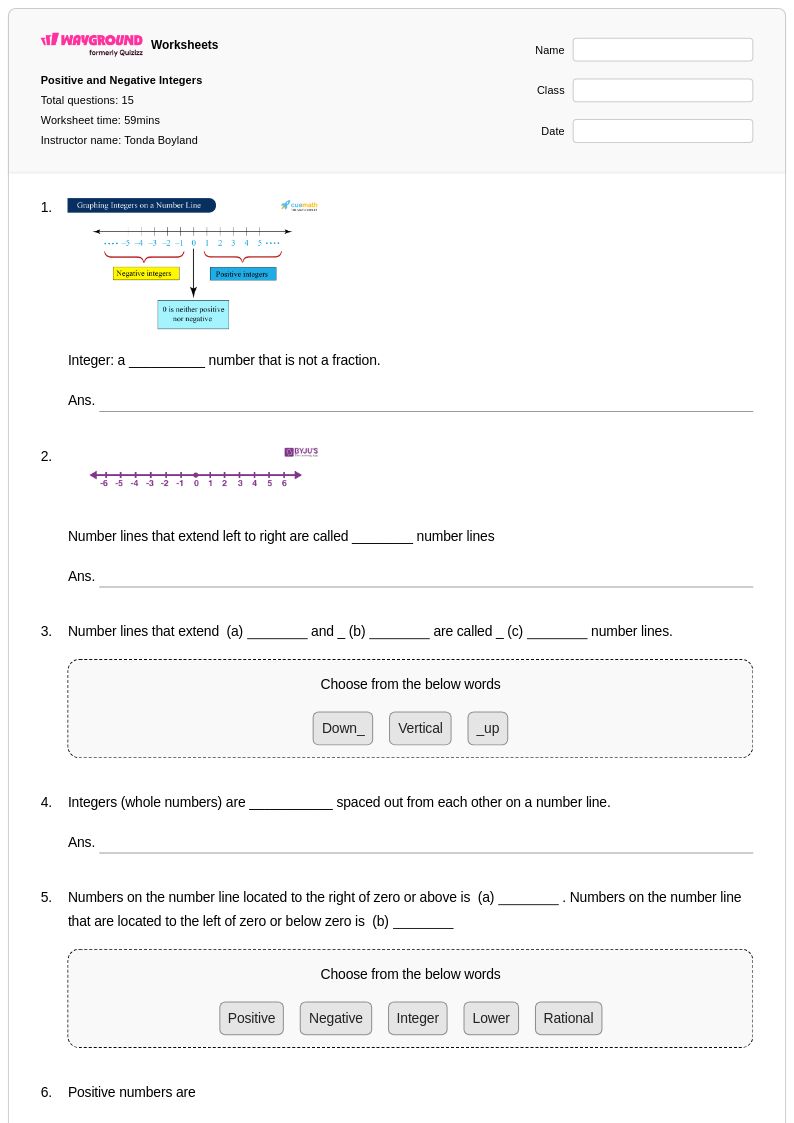
15 Q
6th - 8th
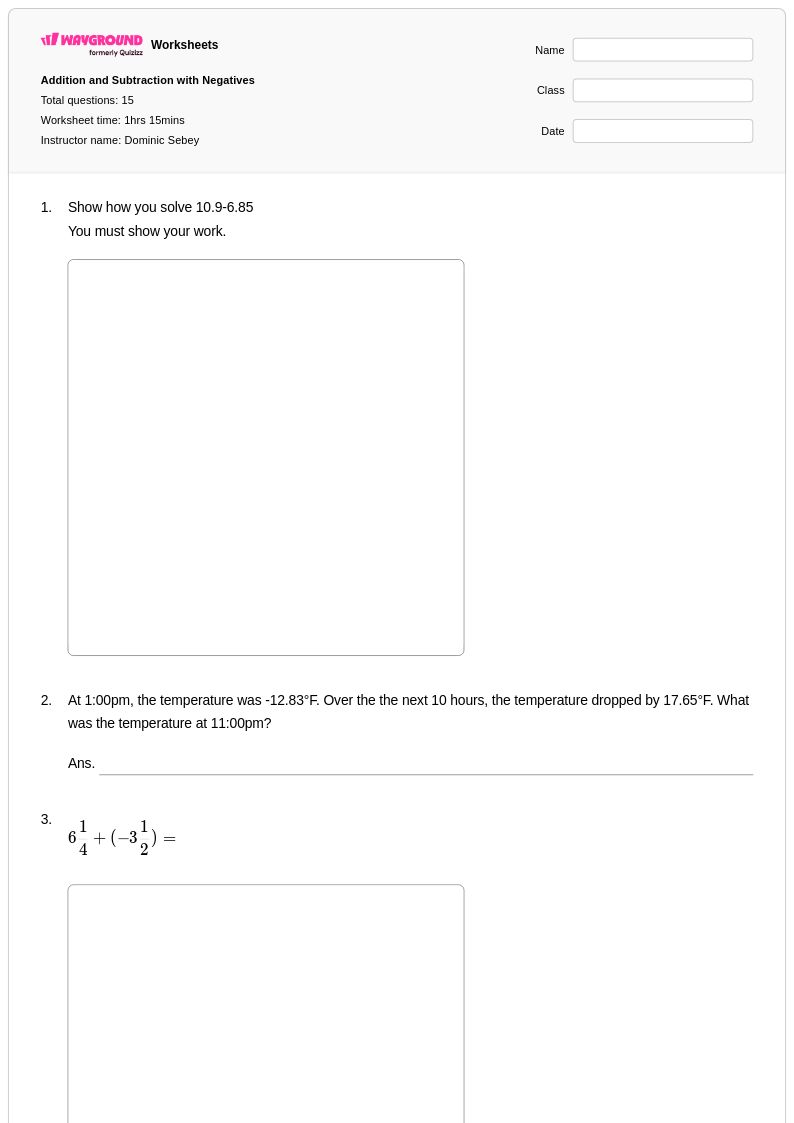
15 Q
6th - 8th
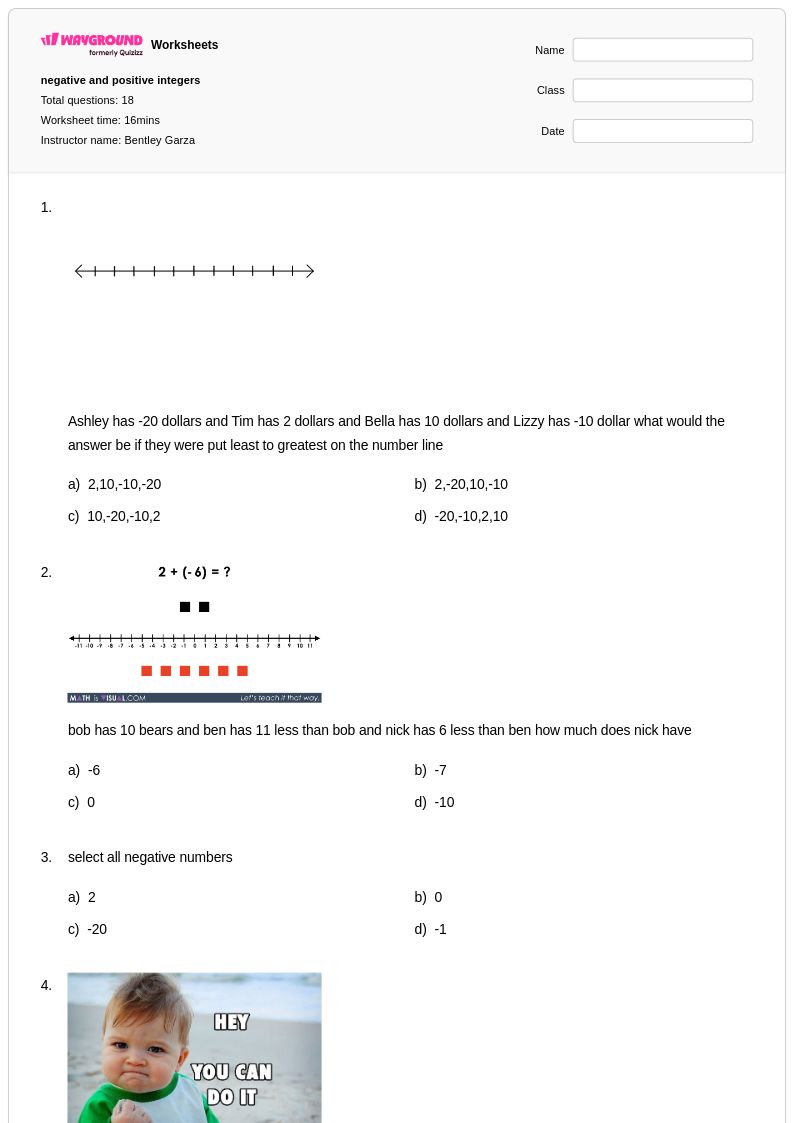
18 Q
6th
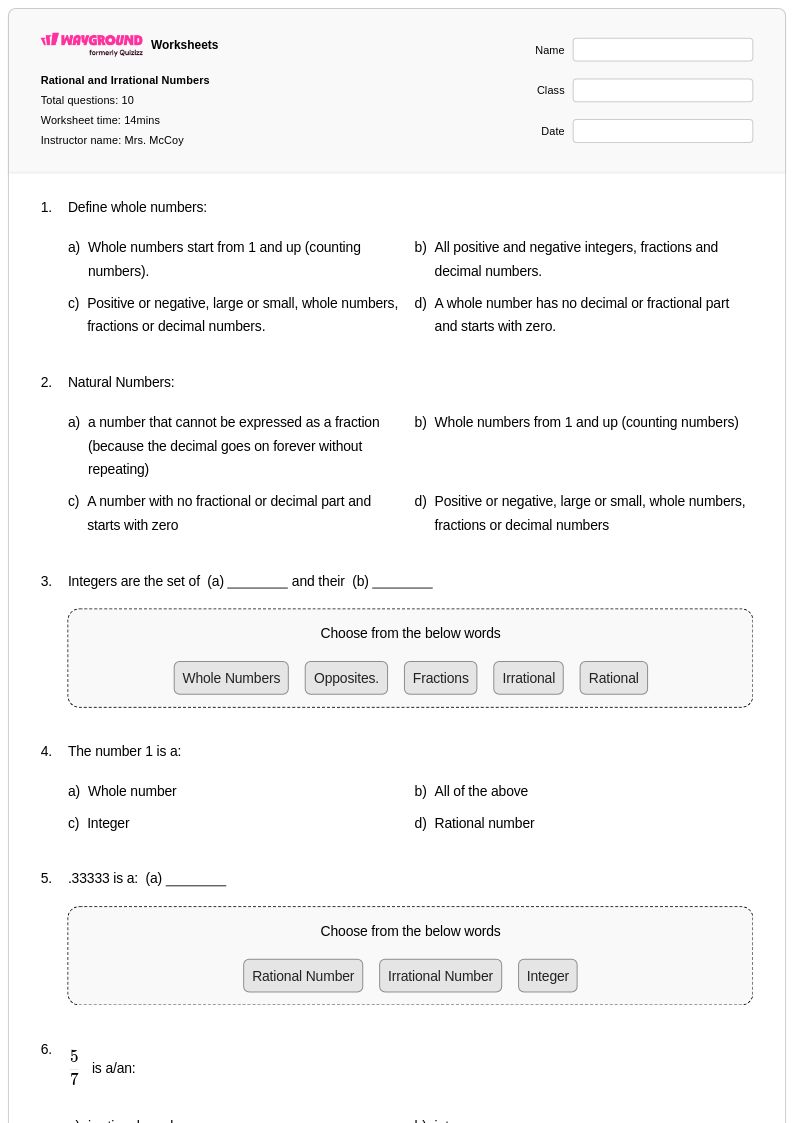
10 Q
6th - 8th
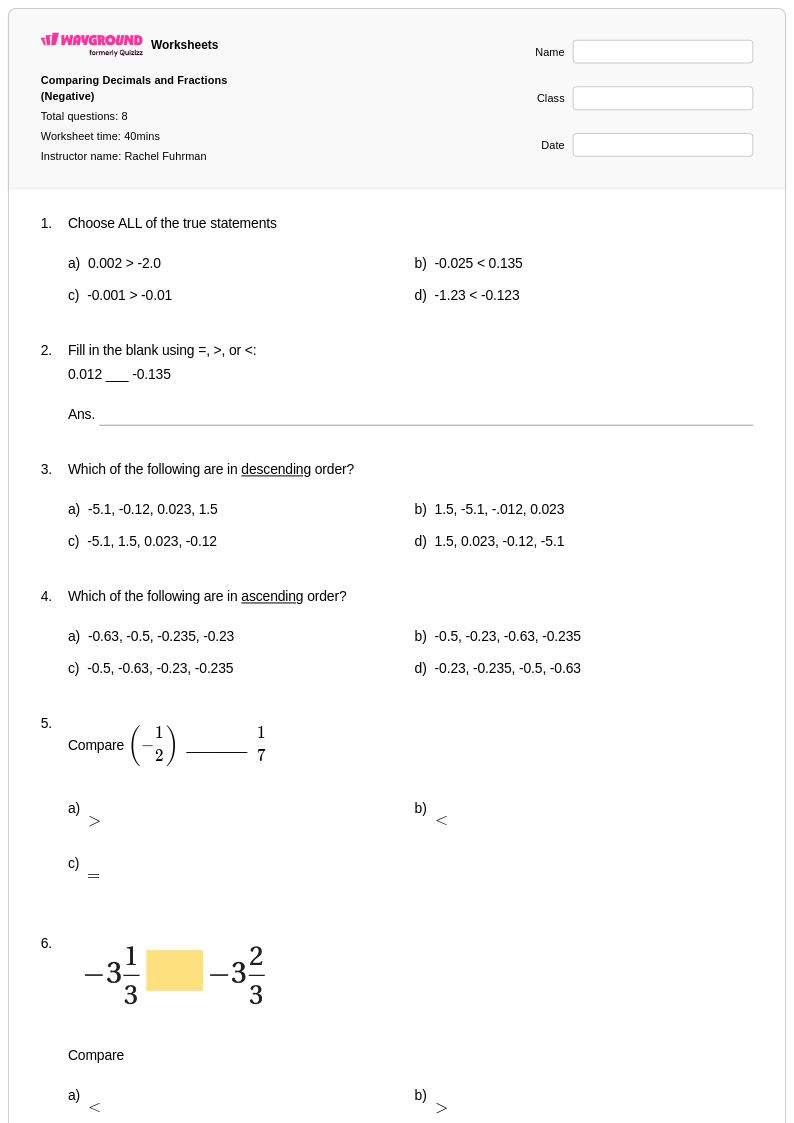
8 Q
6th
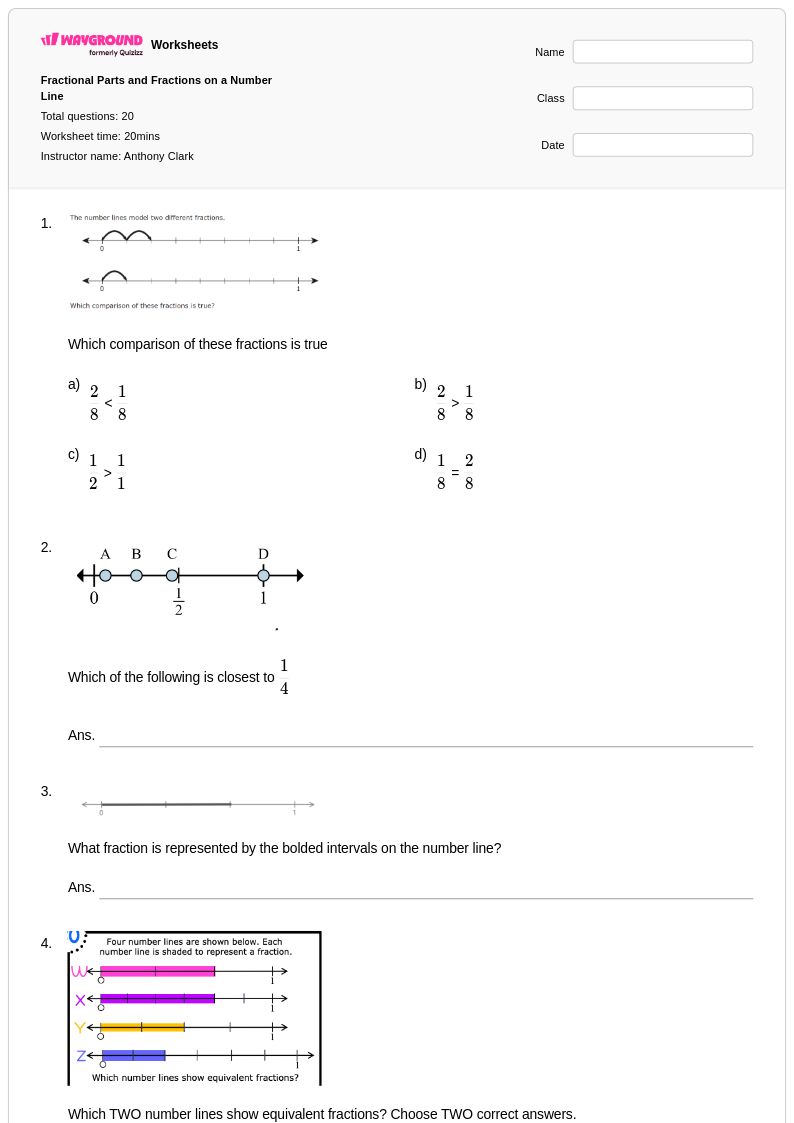
20 Q
5th - Uni
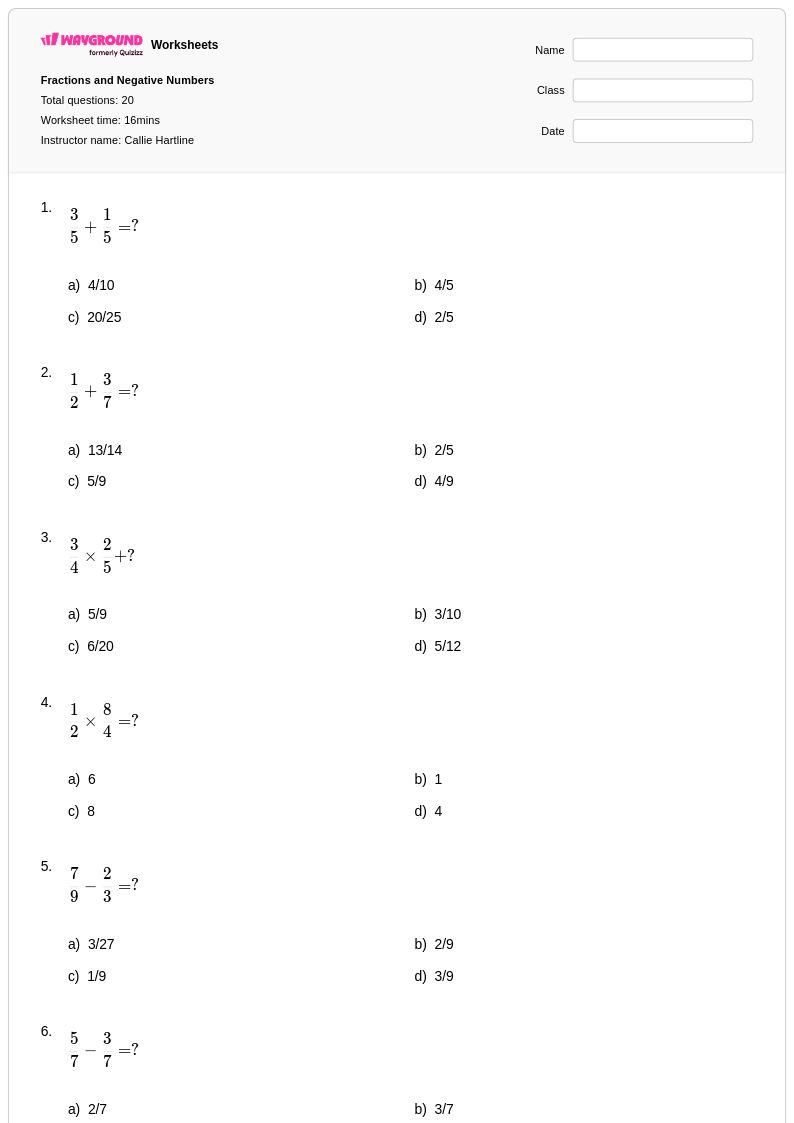
20 Q
6th - 8th
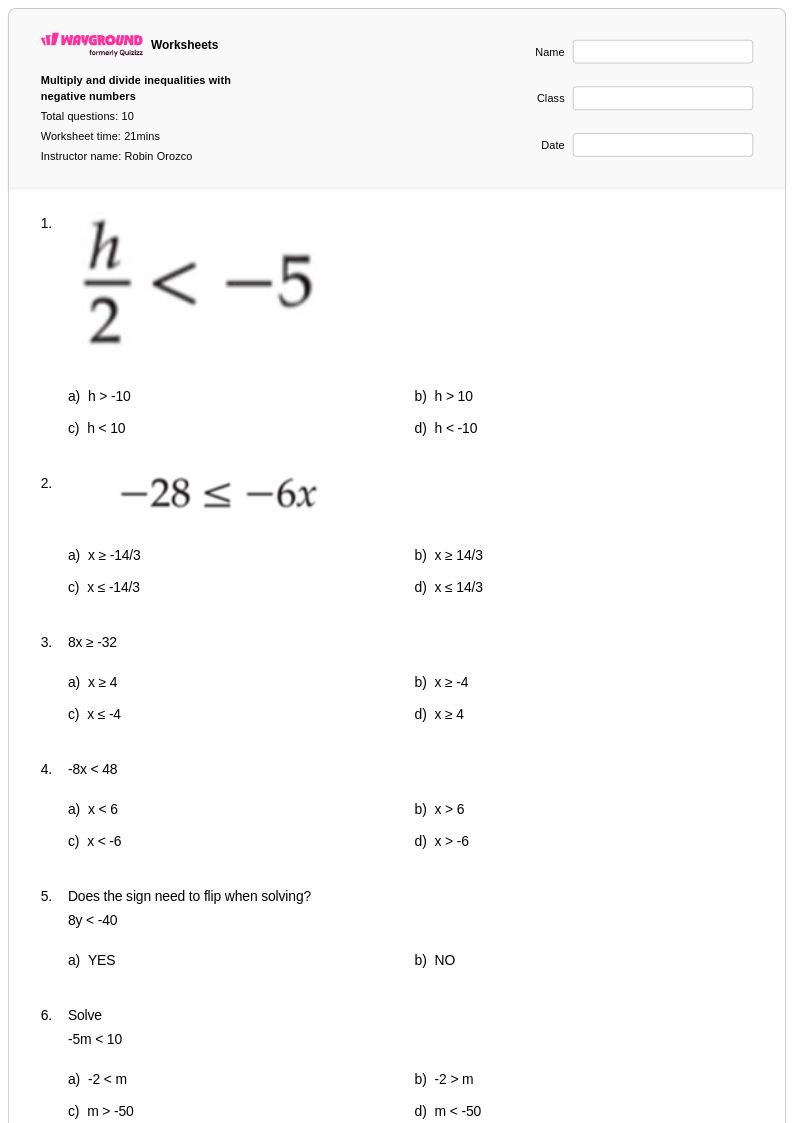
10 Q
6th
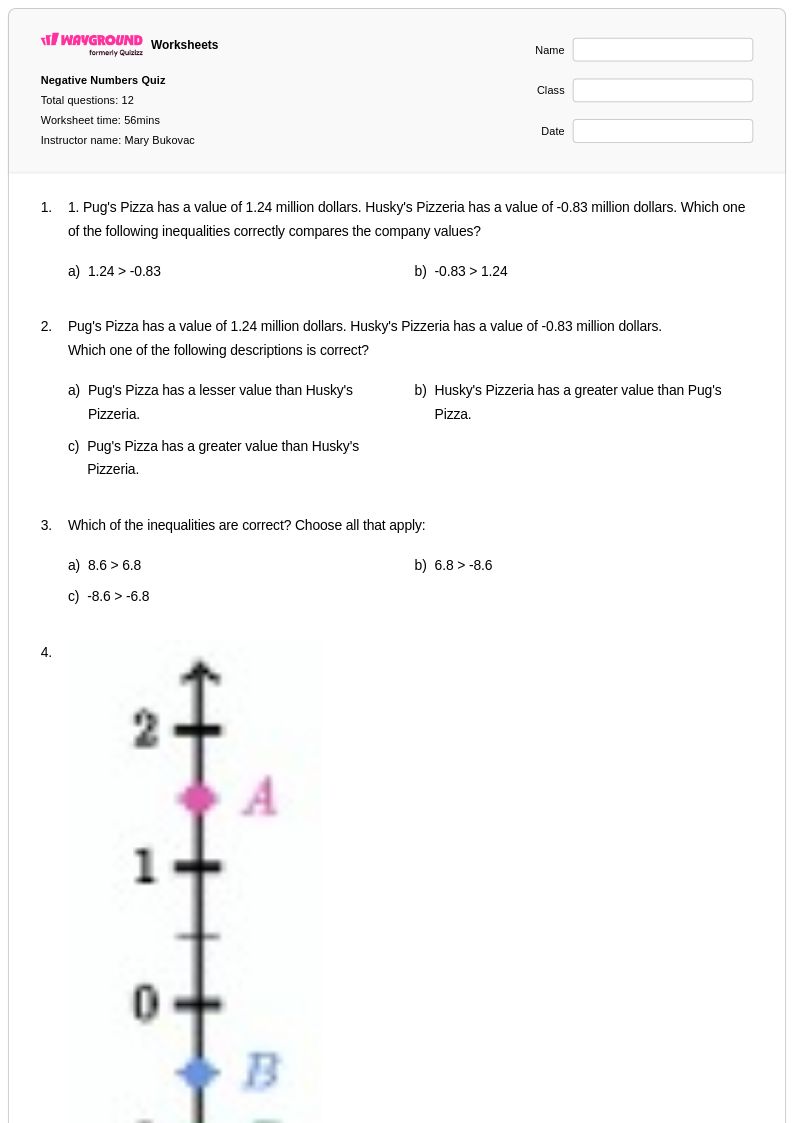
12 Q
6th

8 Q
6th
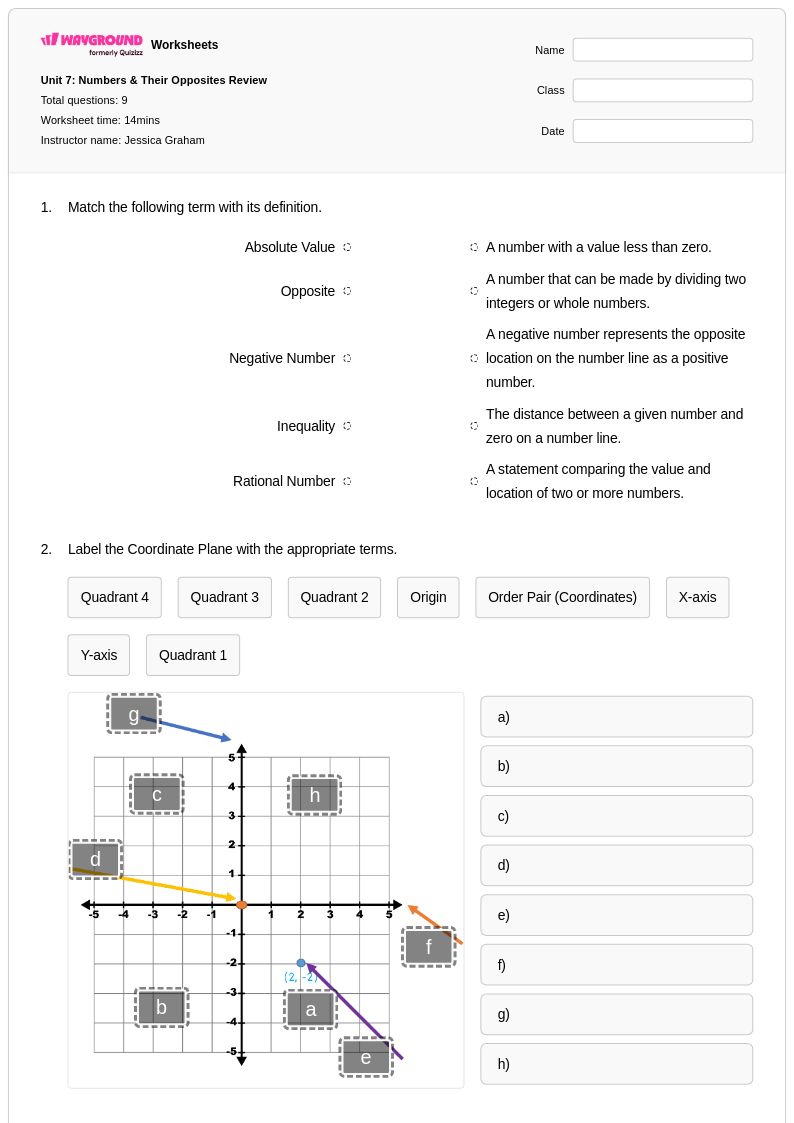
9 Q
6th
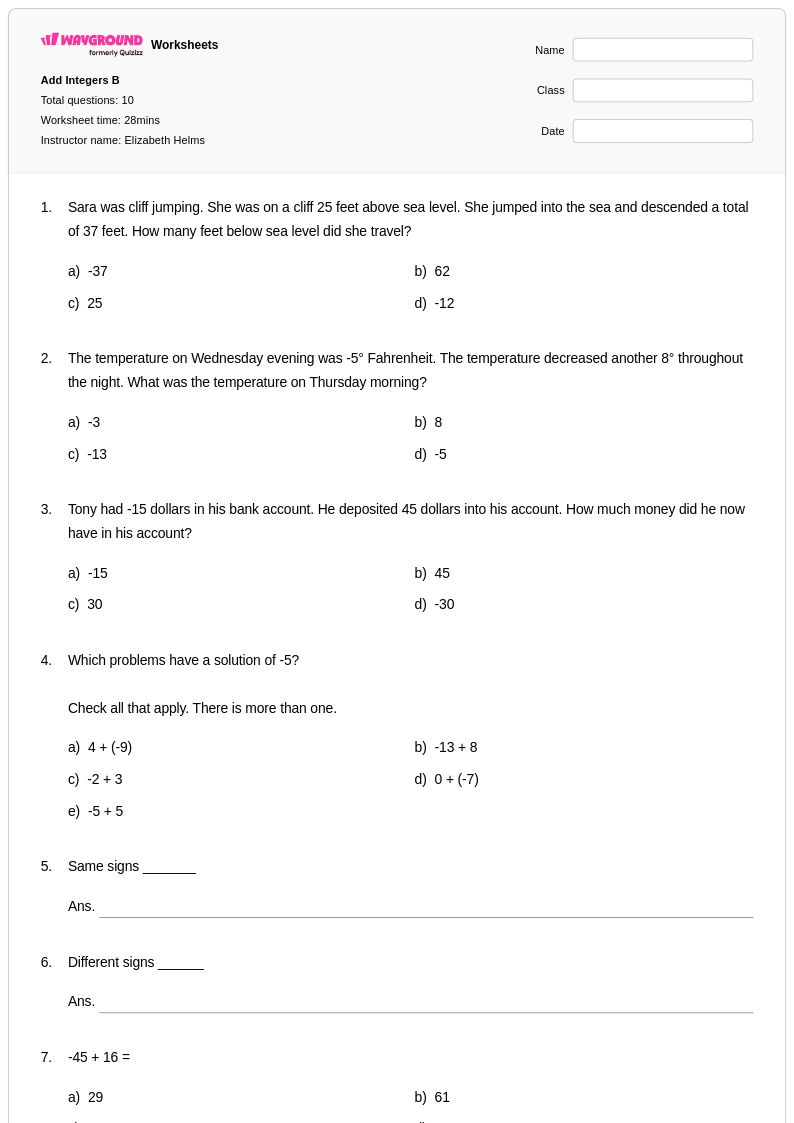
10 Q
6th
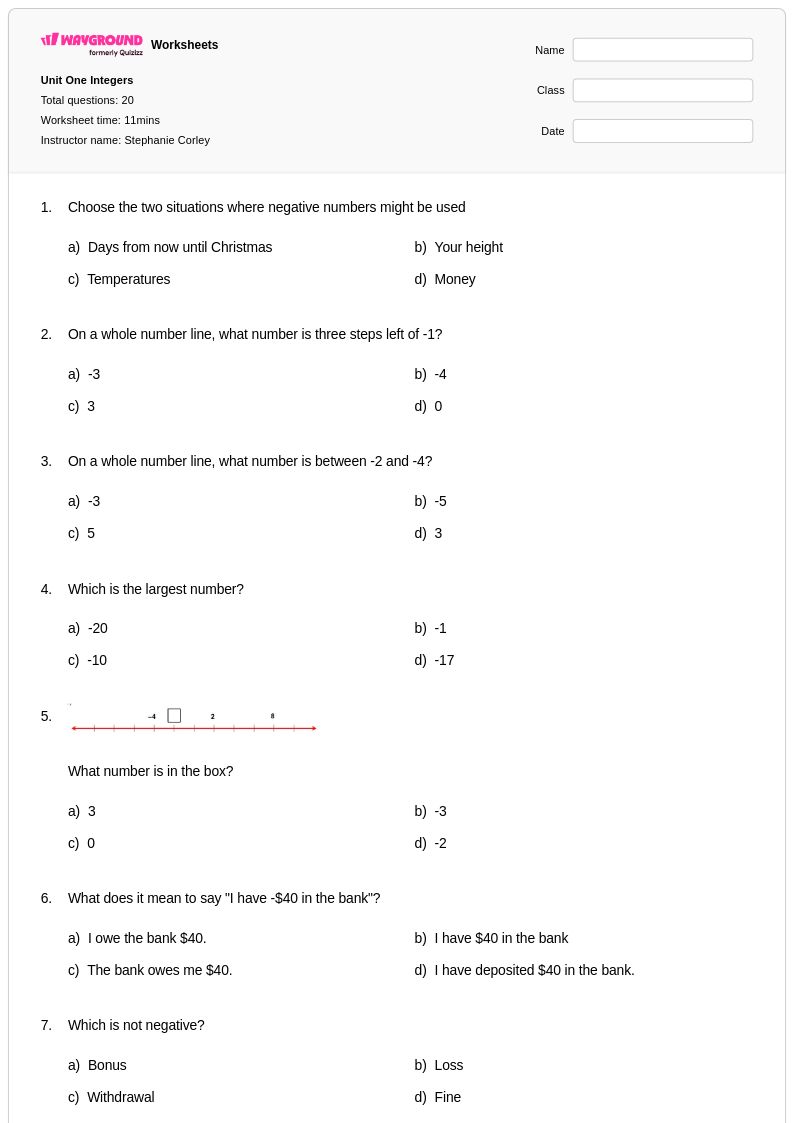
20 Q
6th
Explore Negative and Fractional Indices Worksheets by Grades
Explore Other Subject Worksheets for class 6
Explore printable Negative and Fractional Indices worksheets for Class 6
Negative and fractional indices worksheets for Class 6 students available through Wayground (formerly Quizizz) provide comprehensive practice with these advanced exponent concepts that extend beyond whole number powers. These expertly designed worksheets strengthen students' understanding of how negative exponents represent reciprocals and how fractional exponents connect to radical expressions, building crucial algebraic foundations. Each worksheet collection includes detailed answer keys and is available as free printables in convenient pdf format, featuring carefully scaffolded practice problems that progress from basic negative integer exponents like 2^(-3) to more complex fractional indices such as 8^(1/3) and 16^(3/4), ensuring students develop confidence with these challenging mathematical concepts.
Wayground (formerly Quizizz) empowers teachers with access to millions of teacher-created resources specifically focused on negative and fractional indices, supported by robust search and filtering capabilities that allow educators to locate precisely the right worksheet for their Class 6 mathematics instruction. The platform's standards-aligned content includes powerful differentiation tools that enable teachers to customize worksheets for varying skill levels, while the flexible format options provide both printable pdf versions and interactive digital alternatives. These comprehensive features streamline lesson planning by offering ready-to-use materials for initial instruction, targeted remediation for struggling learners, enrichment opportunities for advanced students, and consistent skill practice that reinforces mastery of these fundamental yet complex exponent rules.
FAQs
What grade do students learn negative and fractional indices?
How can I introduce negative exponents to 6th graders?
What kind of practice is best for this advanced 6th-grade topic?
What is a common misconception for students first learning this?
How can I use this worksheet in my 6th-grade class?