
17 Q
3rd
13 Q
1st - 5th
10 Q
3rd
55 Q
3rd
20 Q
3rd
20 Q
3rd
20 Q
3rd
11 Q
3rd
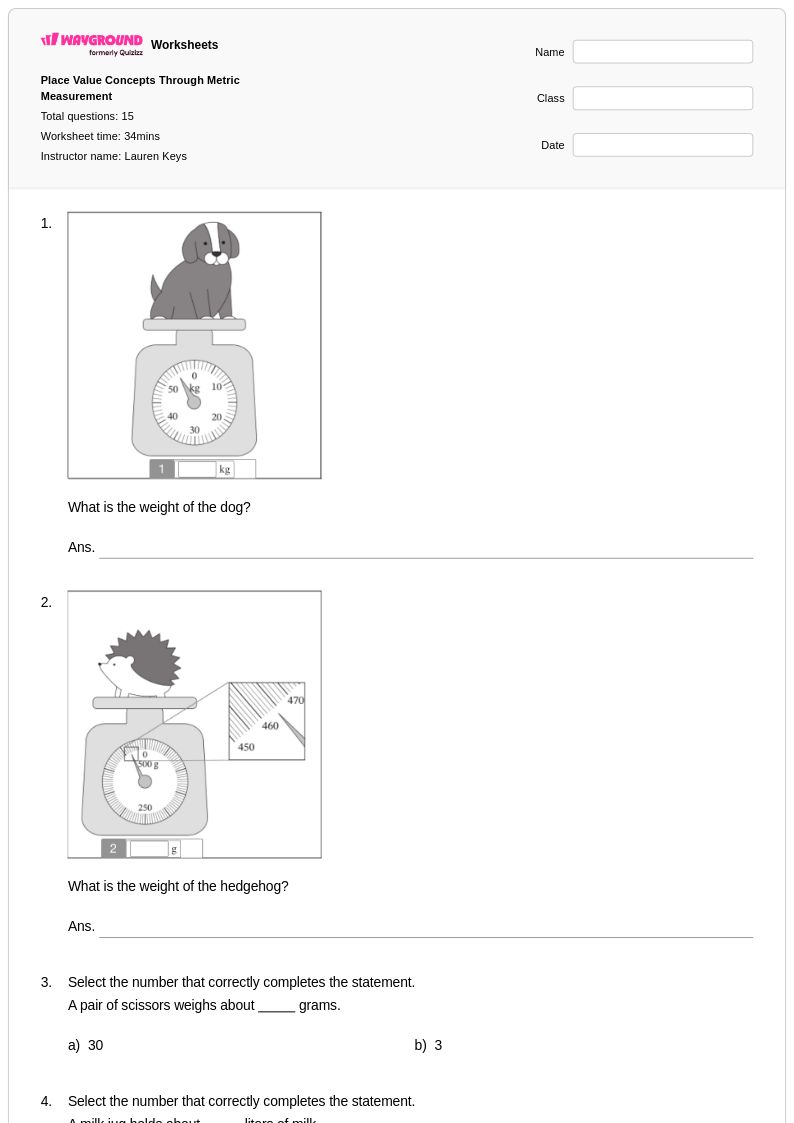
15 Q
3rd
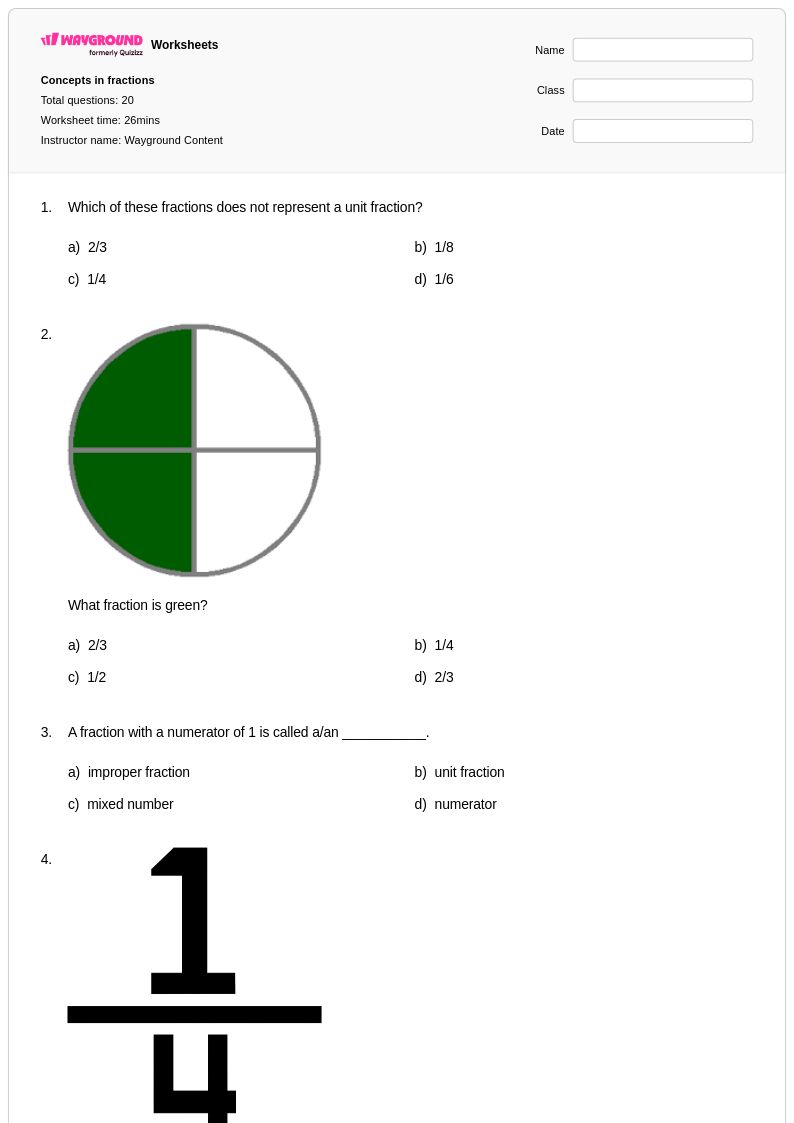
20 Q
3rd
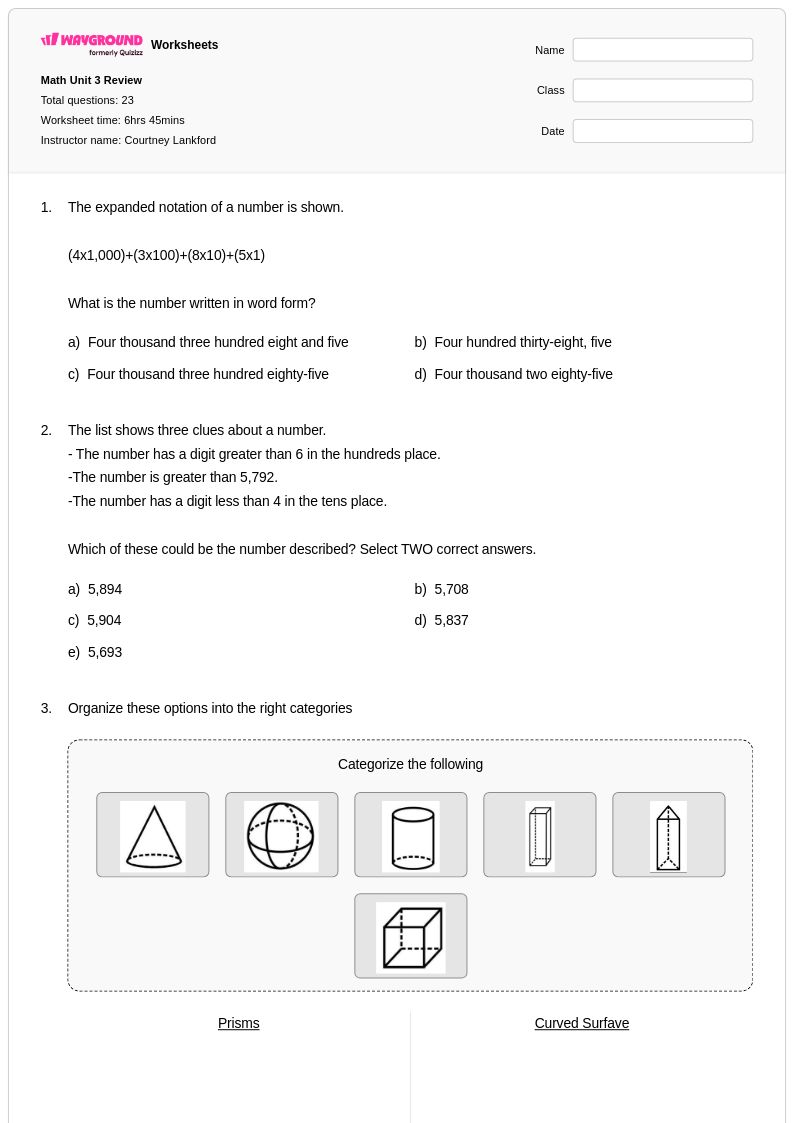
23 Q
3rd
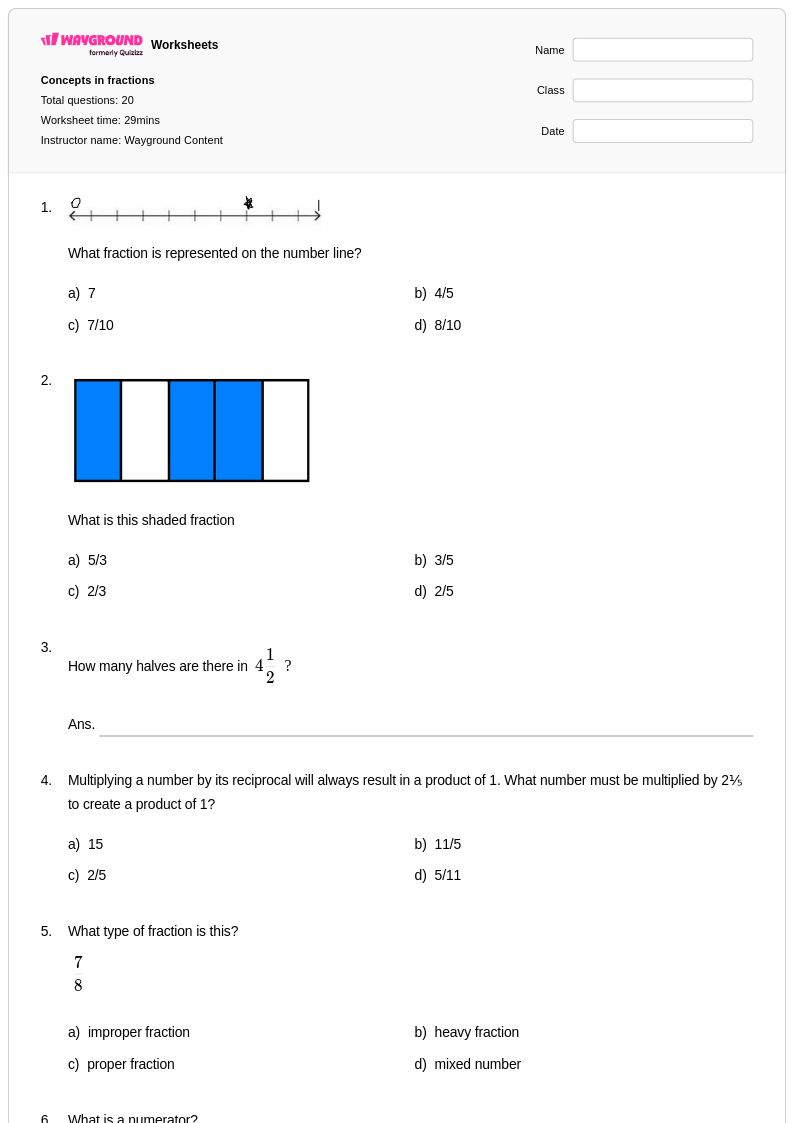
20 Q
3rd
13 Q
3rd
9 Q
1st - 3rd
41 Q
1st - 5th
20 Q
3rd - 4th
19 Q
1st - 5th
20 Q
3rd
20 Q
3rd
20 Q
3rd
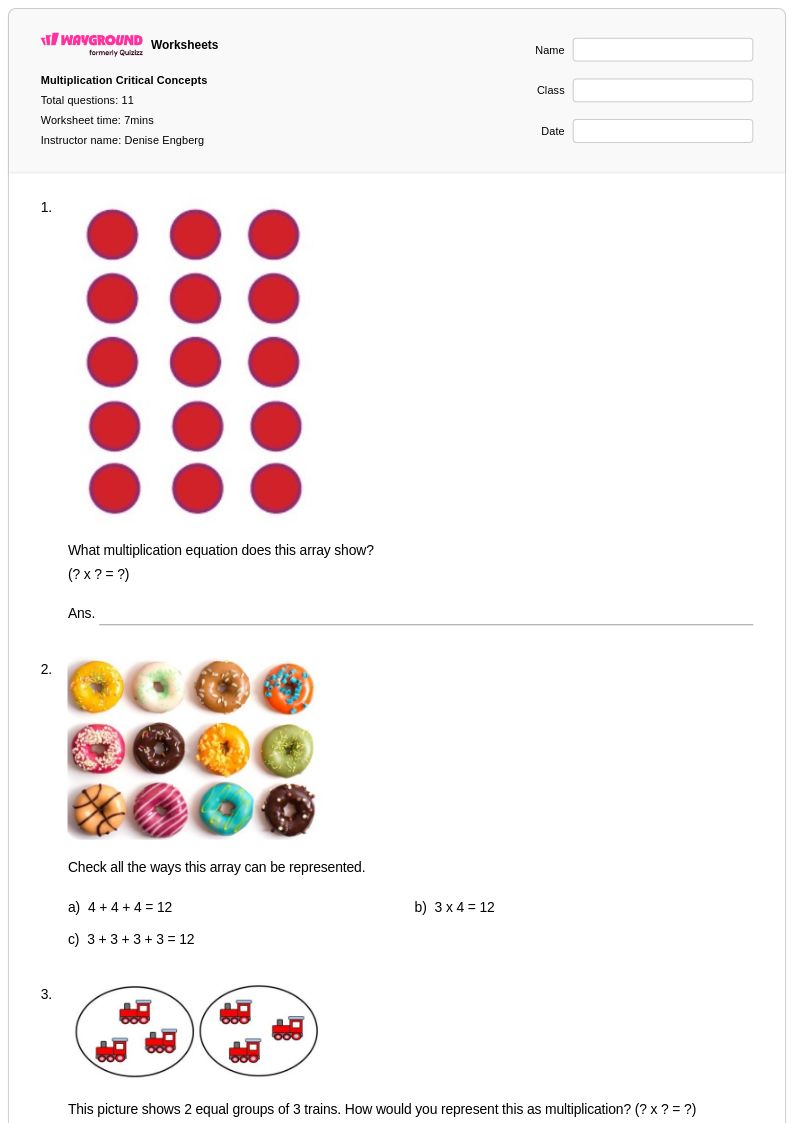
11 Q
3rd
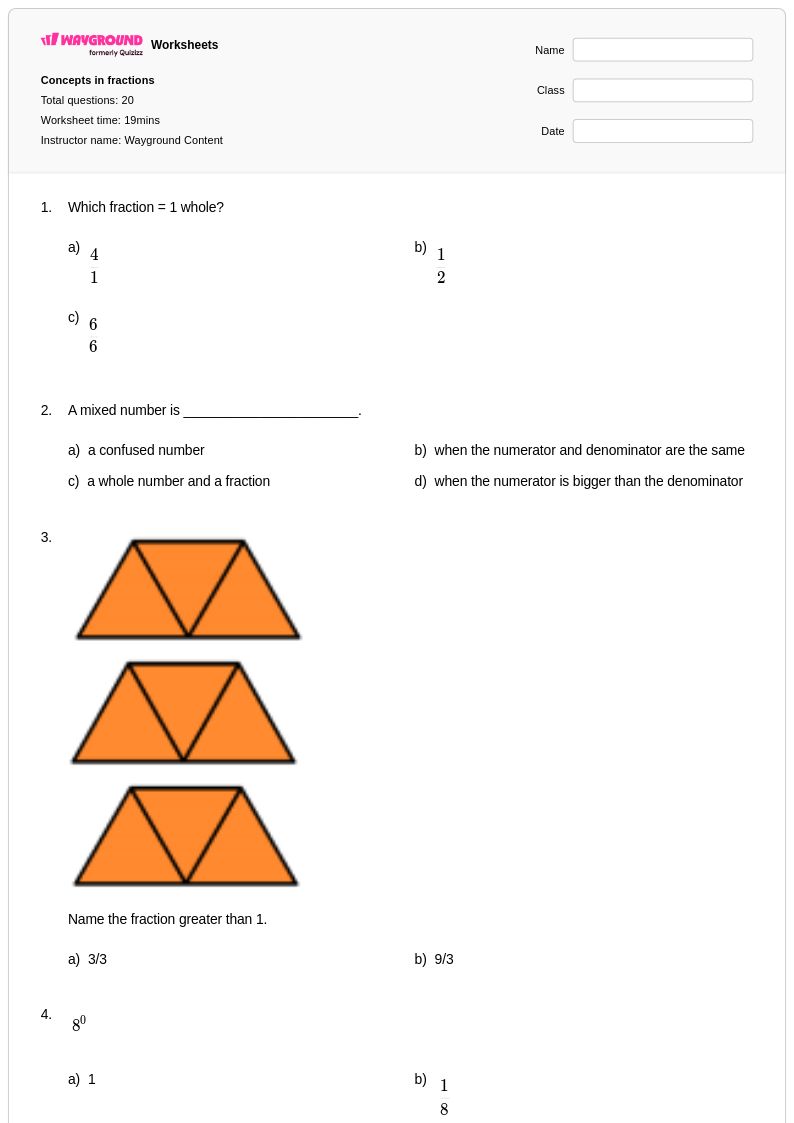
20 Q
3rd
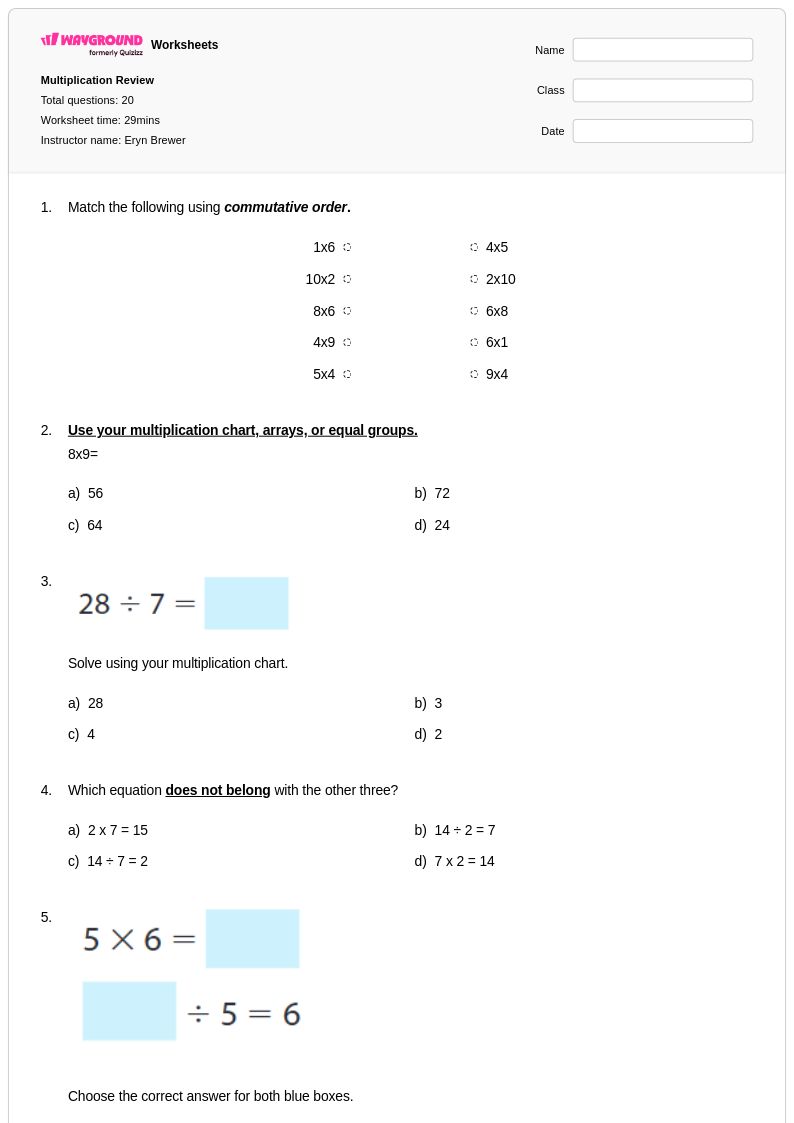
20 Q
3rd
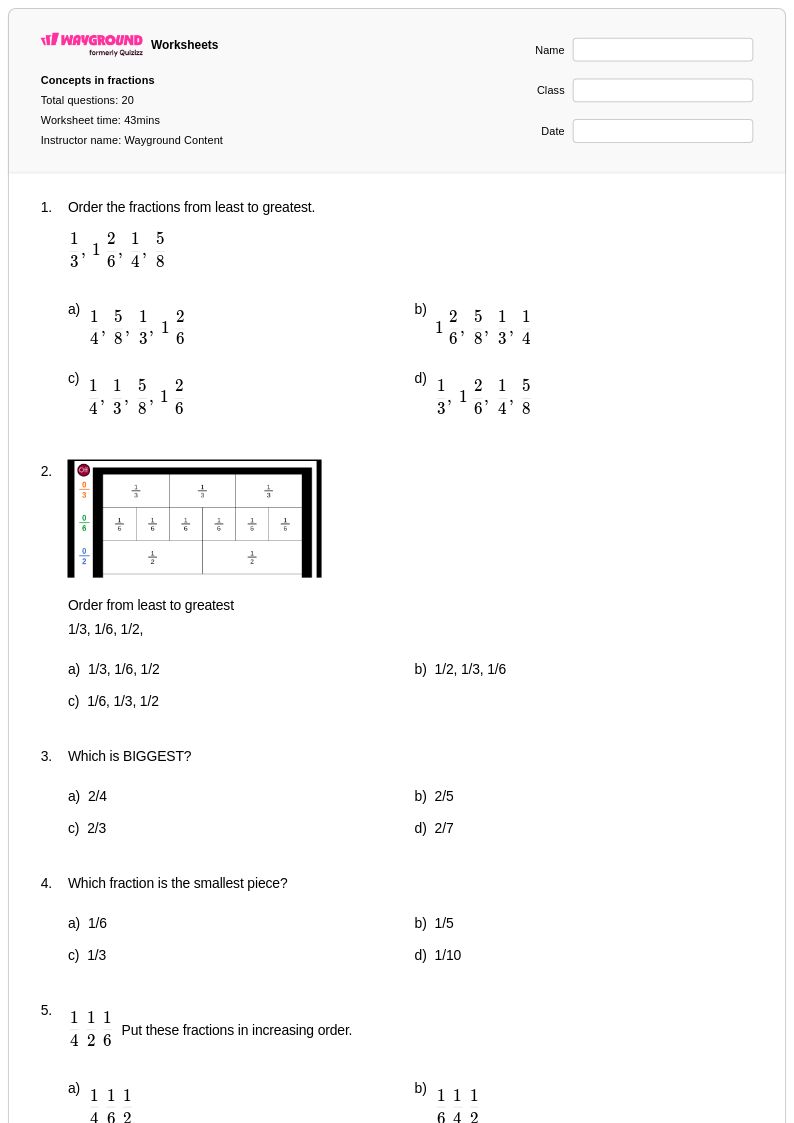
20 Q
3rd
Explore Spatial Concepts Worksheets by Grades
Explore Other Subject Worksheets for class 3
Explore printable Spatial Concepts worksheets for Class 3
Spatial concepts worksheets for Class 3 mathematics through Wayground (formerly Quizizz) provide essential practice in developing students' understanding of position, direction, and geometric relationships in space. These comprehensive printable resources strengthen foundational skills including identifying relative positions using terms like above, below, beside, and between, understanding directional concepts such as left, right, forward, and backward, and recognizing spatial patterns and transformations. The collection features diverse practice problems that guide third graders through visualizing objects from different perspectives, mapping locations, and describing the movement of shapes through slides, flips, and turns. Each worksheet includes a detailed answer key to support accurate assessment and immediate feedback, with free pdf formats ensuring easy access for classroom use and home practice.
Wayground (formerly Quizizz) empowers educators with millions of teacher-created spatial concepts resources specifically designed for Class 3 mathematics instruction. The platform's robust search and filtering capabilities allow teachers to quickly locate worksheets aligned with state and national geometry standards, while differentiation tools enable customization based on individual student needs and learning levels. These spatial concepts materials are available in both printable and digital formats, including downloadable pdf versions, making them adaptable for in-class activities, homework assignments, or remote learning environments. Teachers can effectively use these resources for targeted skill practice, remediation support for struggling learners, enrichment challenges for advanced students, and comprehensive lesson planning that builds students' spatial reasoning abilities through systematic, scaffolded instruction.
FAQs
What advanced spatial concepts are taught in Grade 3?
How can I teach slides, flips, and turns to third graders?
What types of problems help students practice geometric transformations?
What's the most common confusion students have with transformations?
How can I use these Grade 3 transformation worksheets with my class?
How do transformations relate to the Grade 3 math curriculum?