
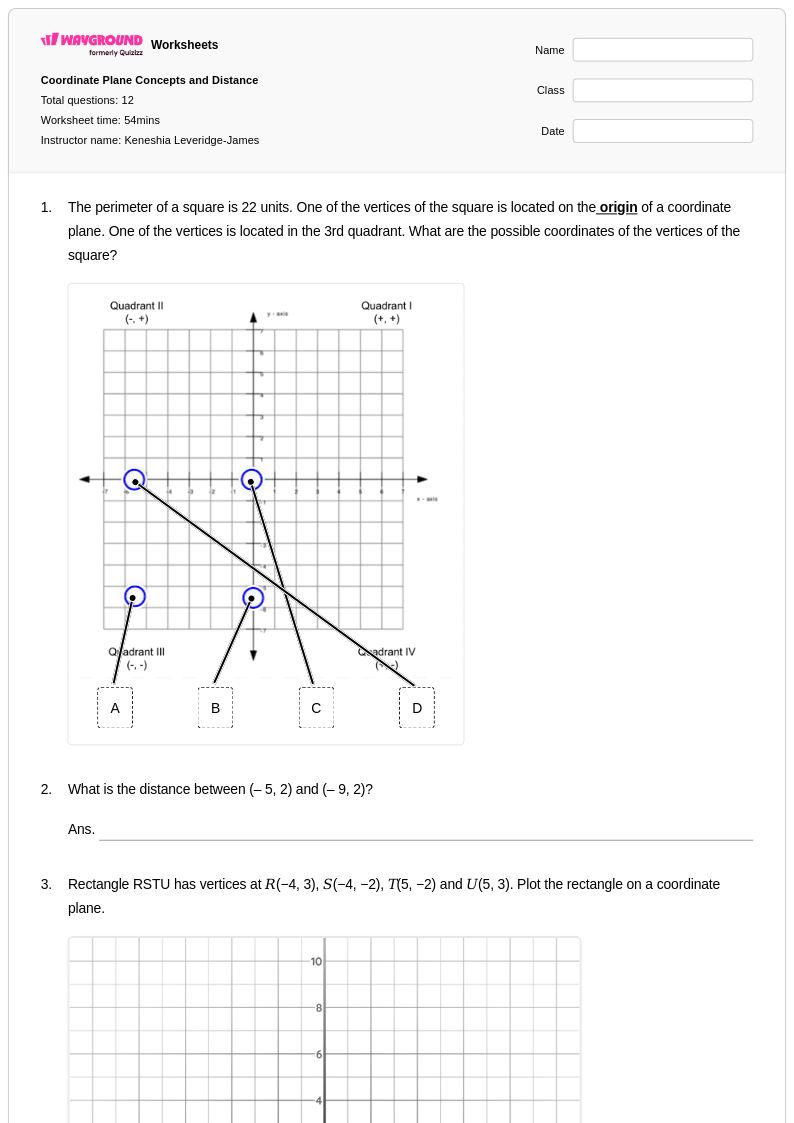
12 Q
6th
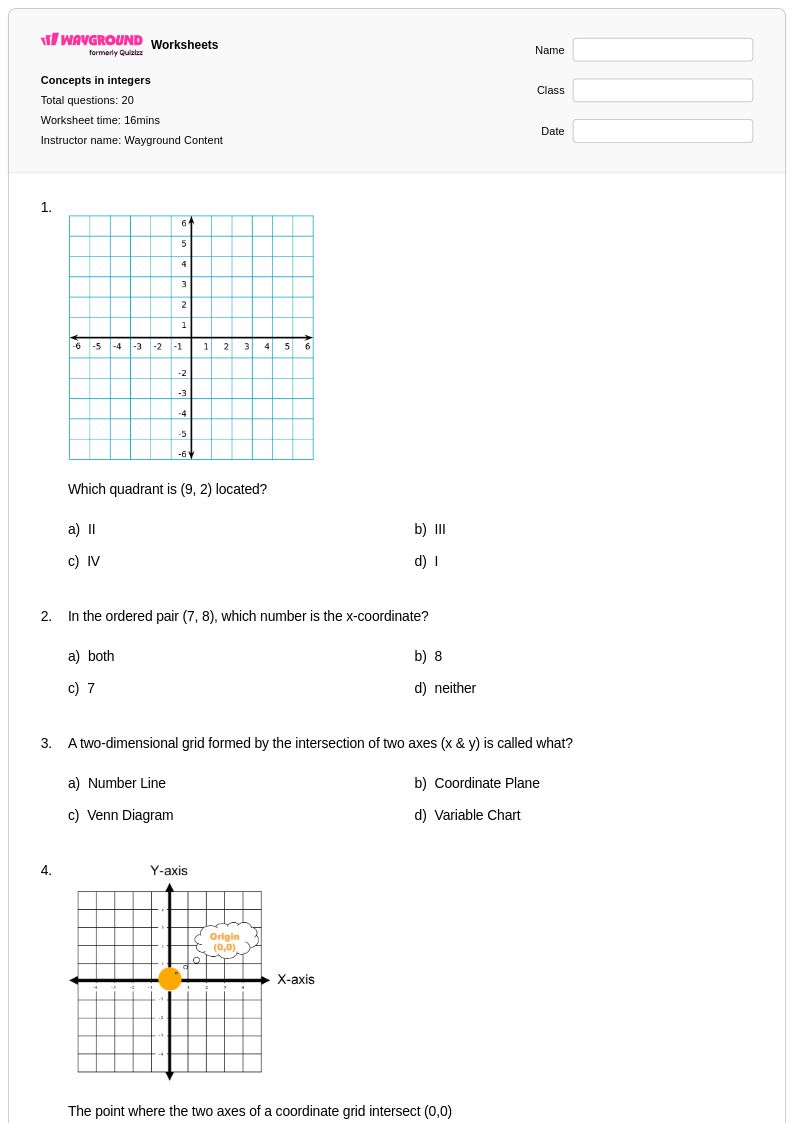
20 Q
6th
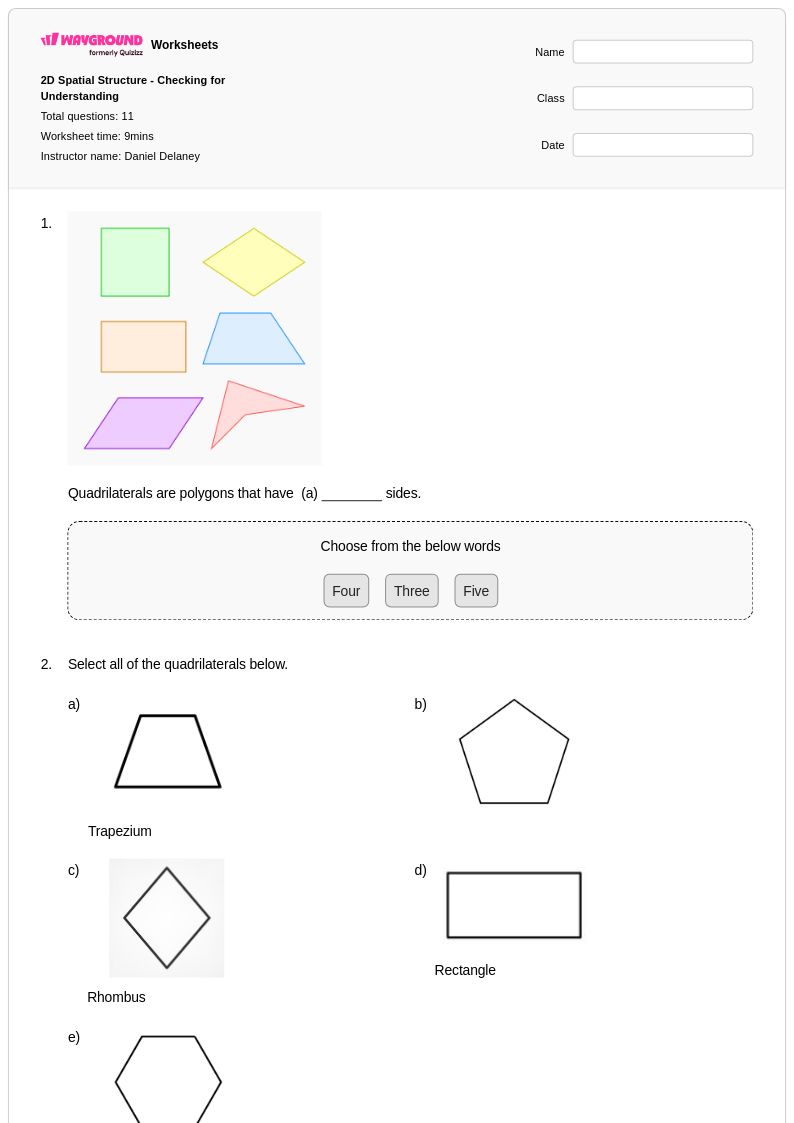
11 Q
6th - Uni
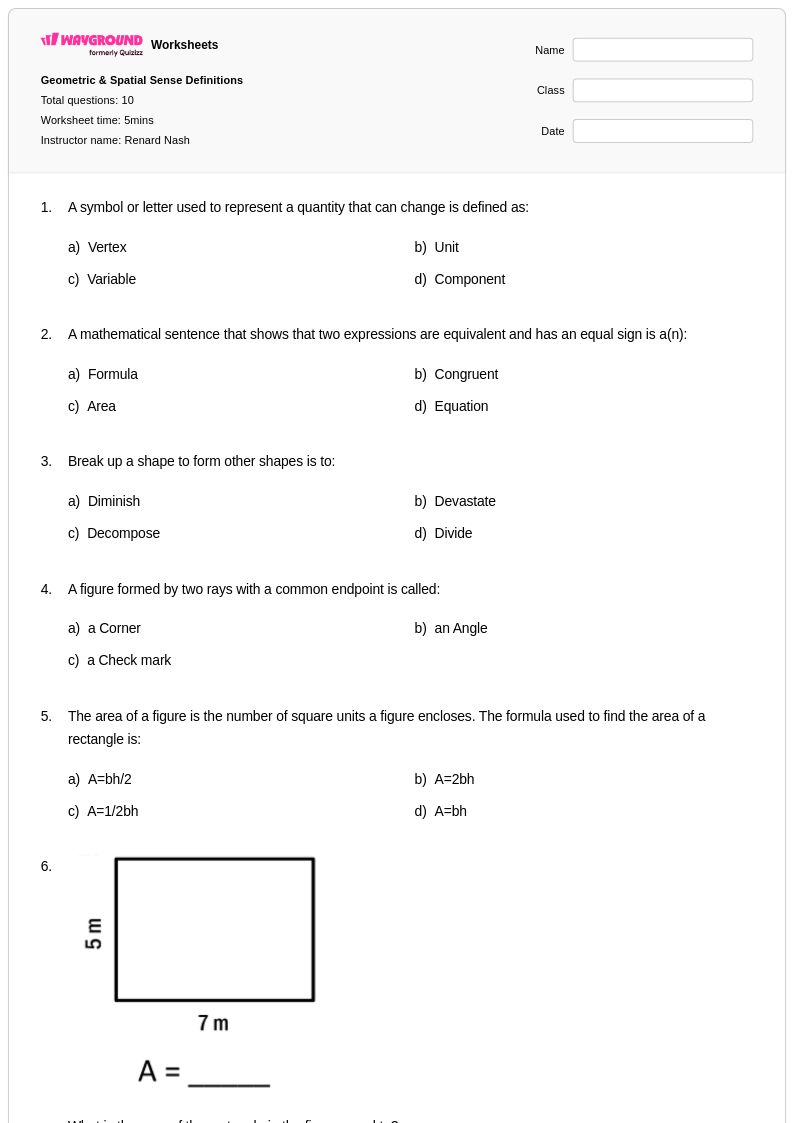
10 Q
6th
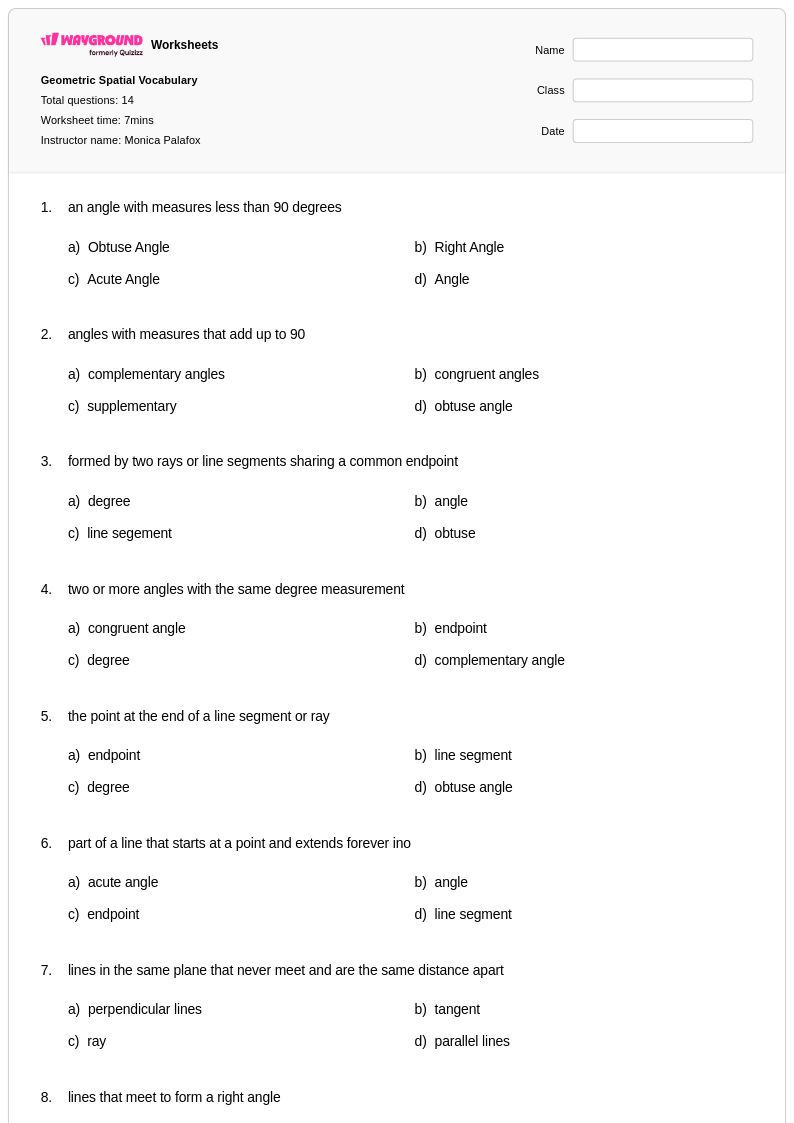
14 Q
6th - 8th
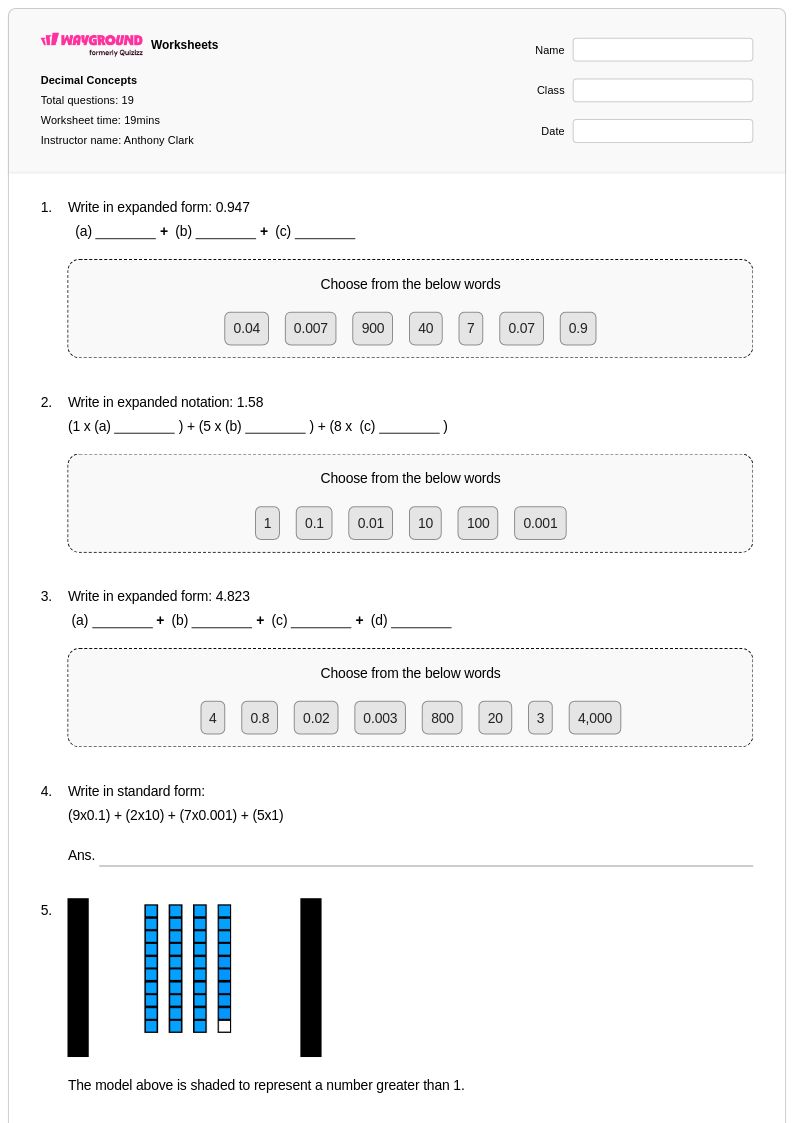
19 Q
5th - Uni
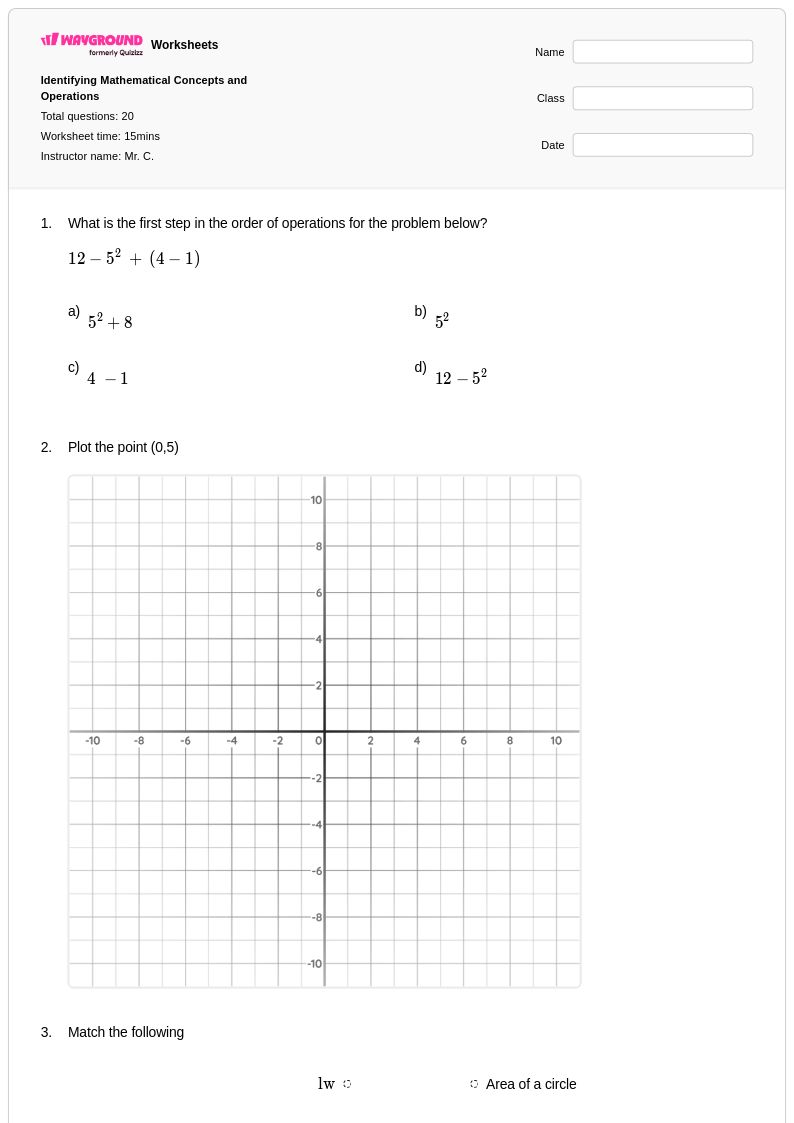
20 Q
6th
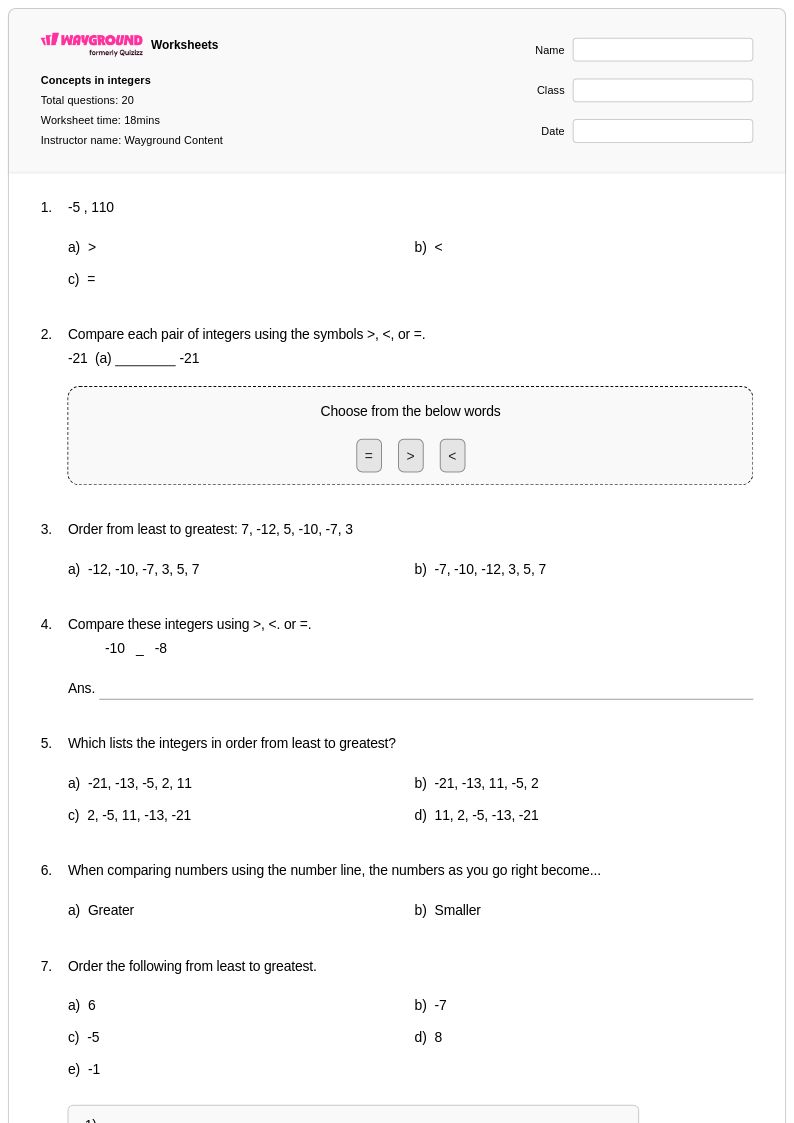
20 Q
6th
20 Q
4th - Uni
20 Q
6th
15 Q
6th - 8th
10 Q
6th
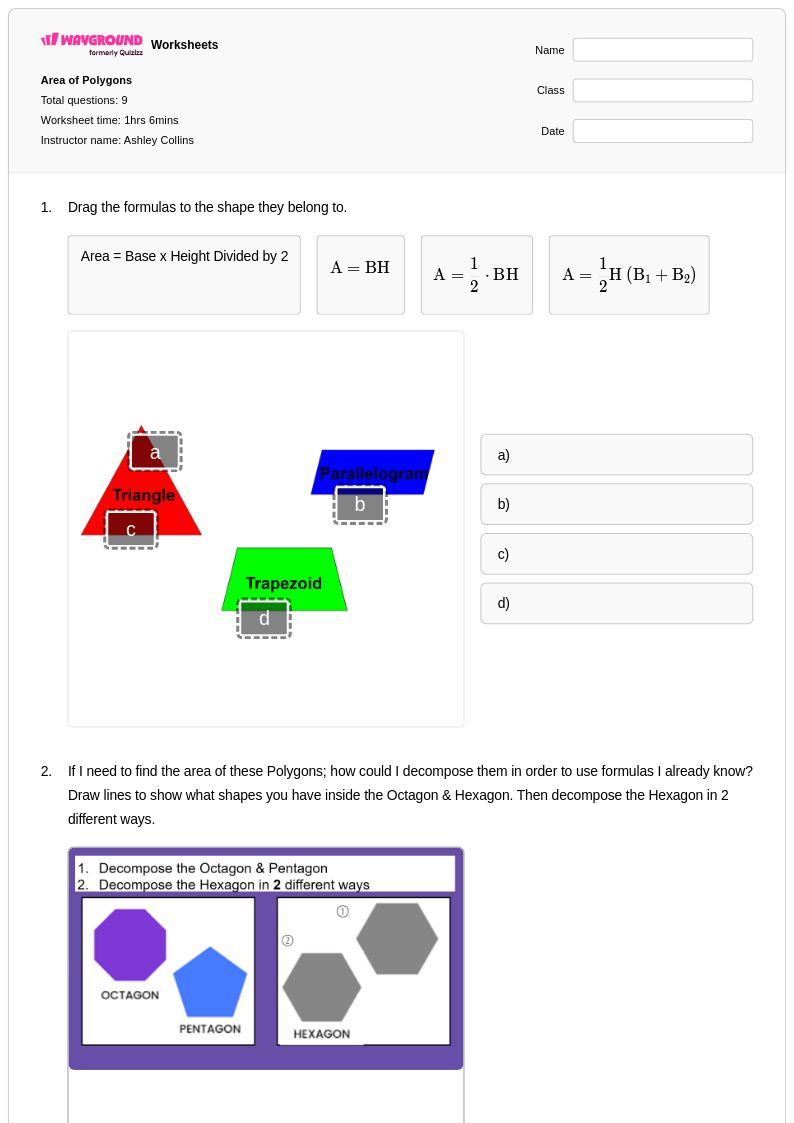
16 Q
6th
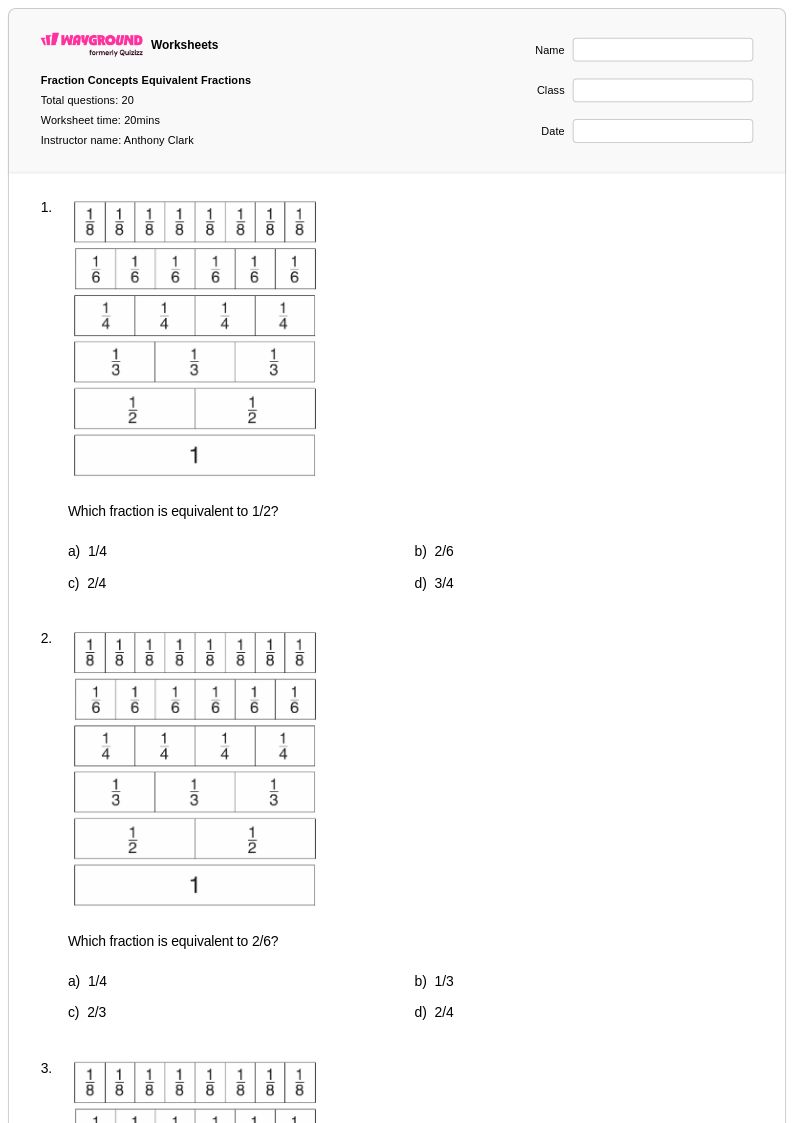
20 Q
4th - Uni
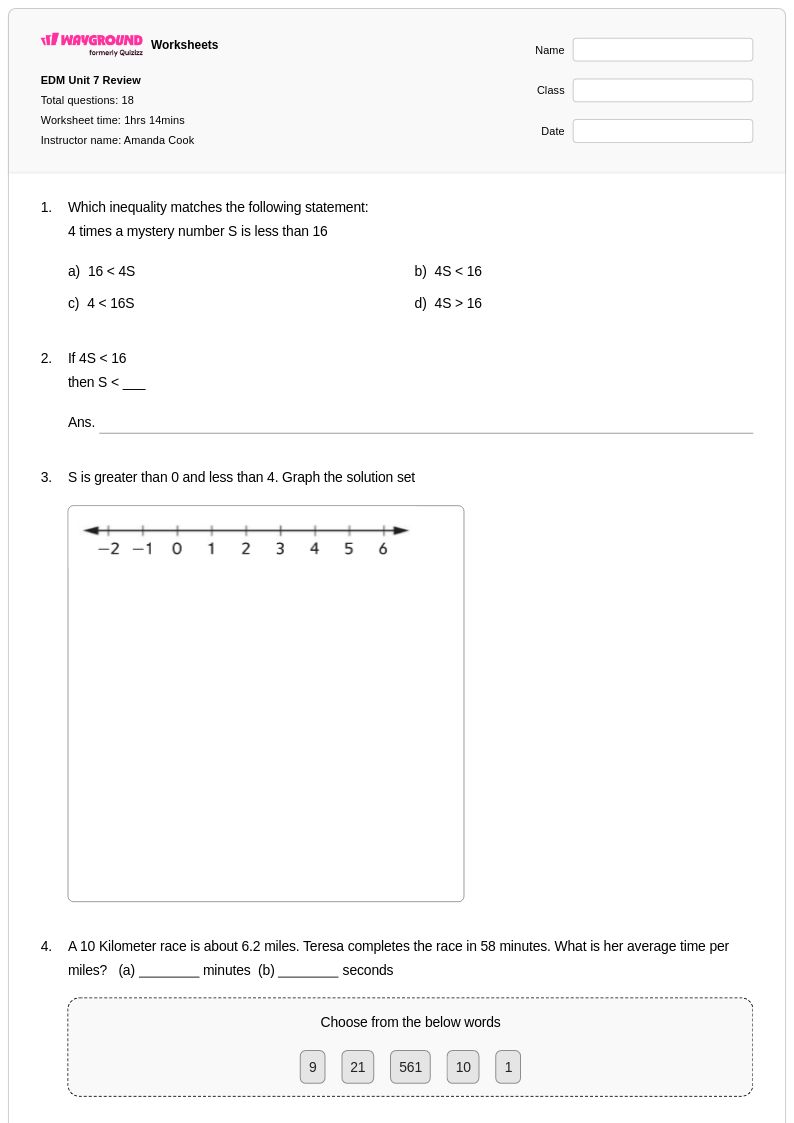
18 Q
6th
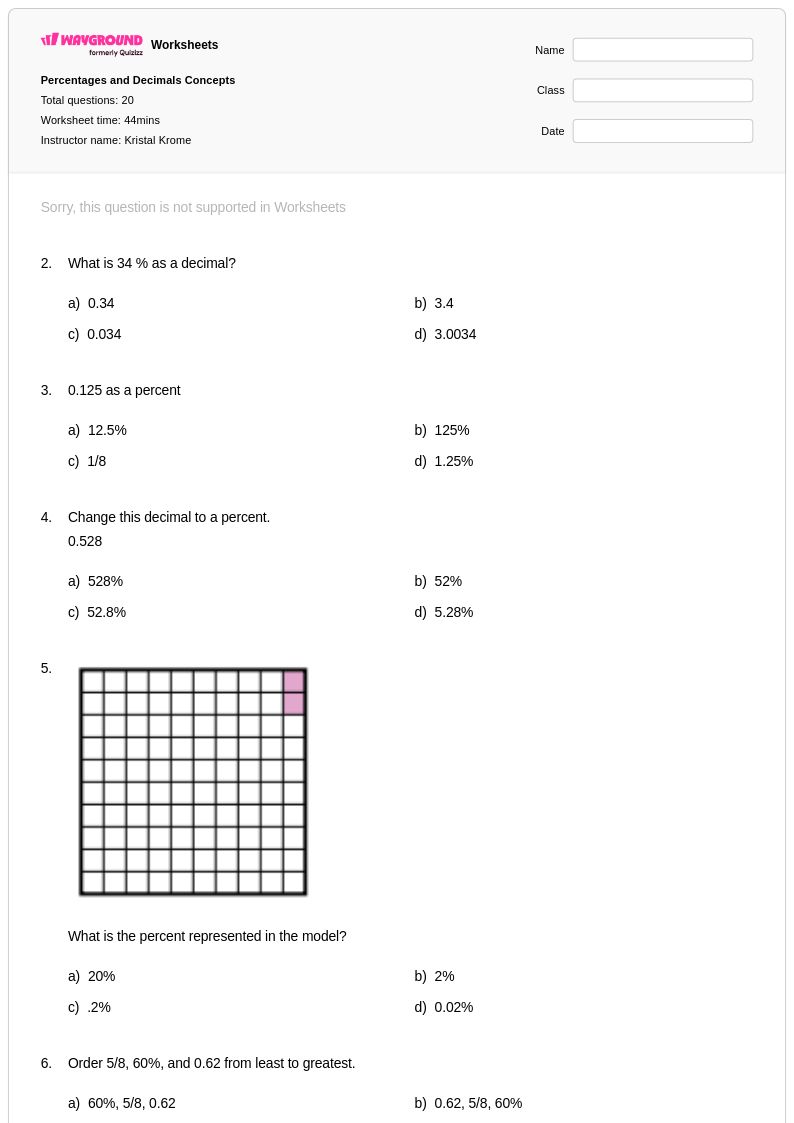
22 Q
6th
20 Q
6th
23 Q
6th
12 Q
6th - 8th
20 Q
6th
20 Q
6th
20 Q
6th
20 Q
6th
Explore Spatial Concepts Worksheets by Grades
Explore Other Subject Worksheets for class 6
Explore printable Spatial Concepts worksheets for Class 6
Spatial concepts worksheets for Class 6 students through Wayground (formerly Quizizz) provide comprehensive practice opportunities that develop critical three-dimensional thinking and geometric reasoning skills. These carefully crafted resources help sixth-grade learners master essential spatial relationships including understanding perspective, visualizing geometric transformations, interpreting two-dimensional representations of three-dimensional objects, and analyzing how shapes interact within different coordinate systems. Students engage with practice problems that challenge them to mentally rotate objects, identify cross-sections of solids, and work with scale drawings and maps. Each worksheet collection includes detailed answer keys that support both independent study and guided instruction, with free printable pdf formats ensuring accessibility for diverse classroom environments and home learning situations.
Wayground (formerly Quizizz) empowers educators with millions of teacher-created spatial concepts resources specifically designed for Class 6 mathematics instruction, featuring robust search and filtering capabilities that align with state and national geometry standards. Teachers can easily customize worksheets to match their students' varying skill levels, incorporating differentiation tools that support both remediation for struggling learners and enrichment activities for advanced students. The platform's flexible delivery options include both digital interactive formats and traditional printable pdfs, enabling seamless integration into lesson planning whether for whole-class instruction, small group activities, or individual skill practice sessions. This extensive collection streamlines the process of finding age-appropriate spatial reasoning exercises that build foundational geometric understanding while preparing students for more complex three-dimensional concepts in advanced mathematics courses.