
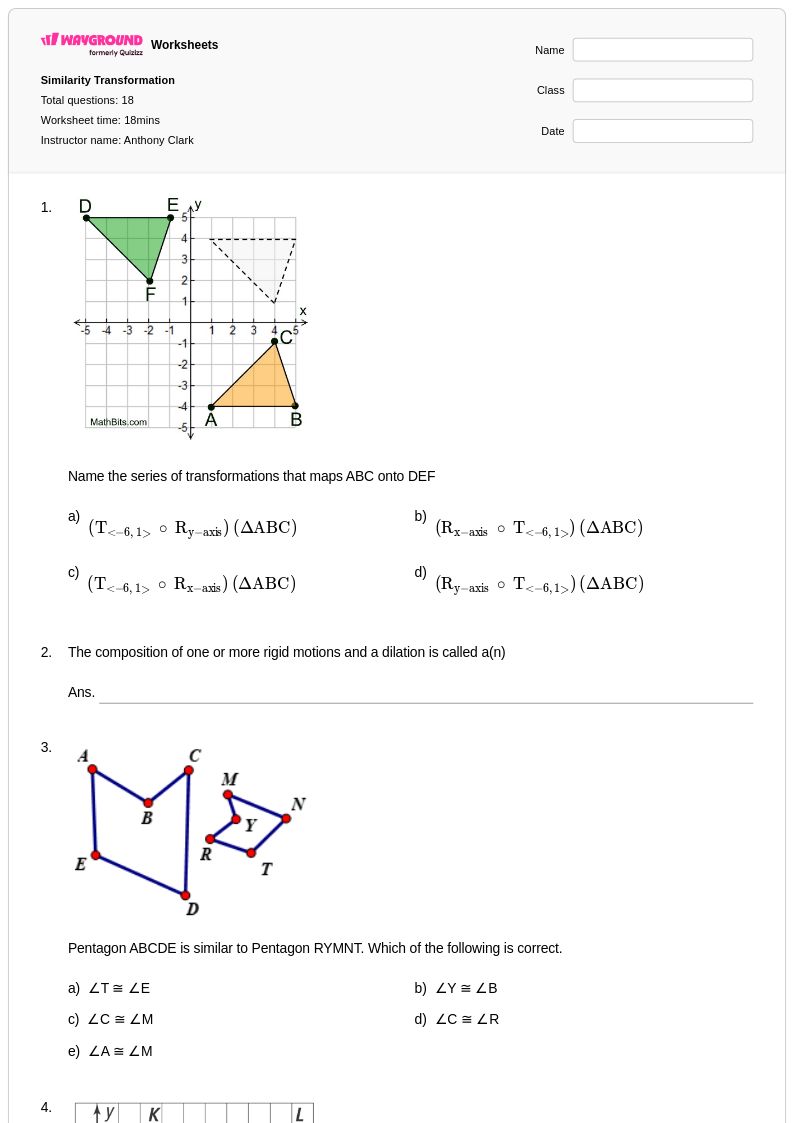
18 Q
10th - Uni
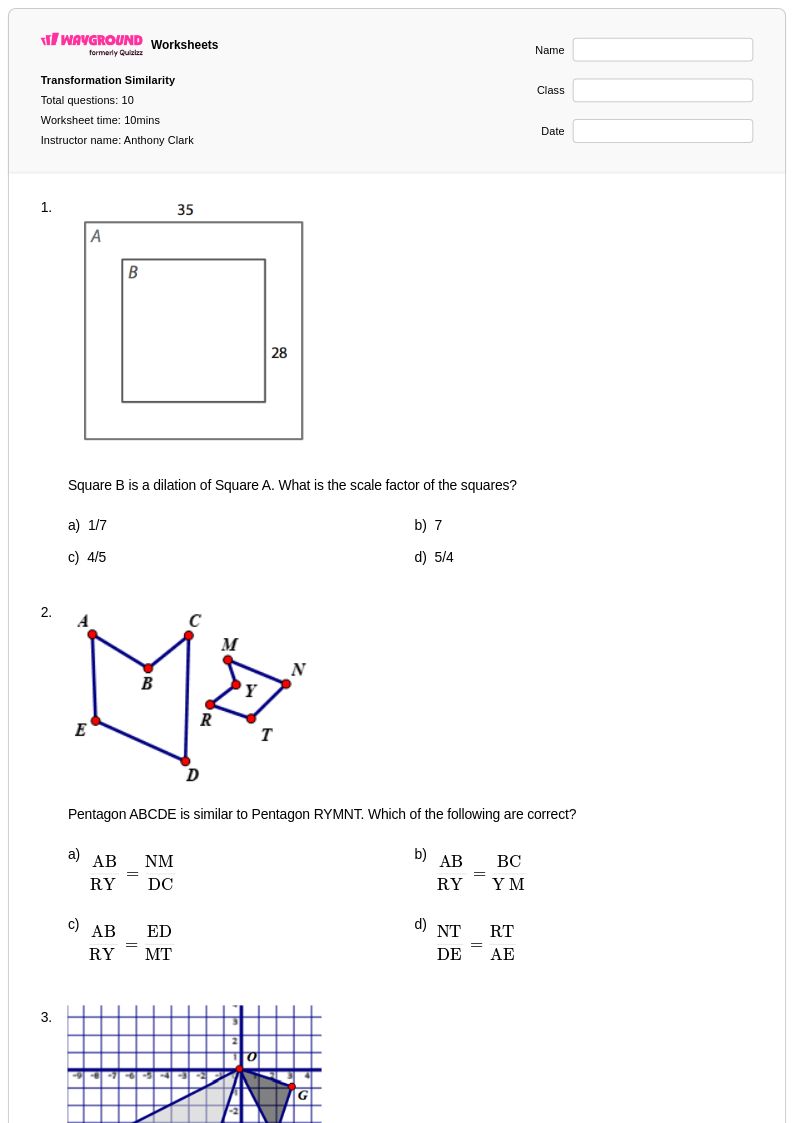
10 Q
10th - Uni
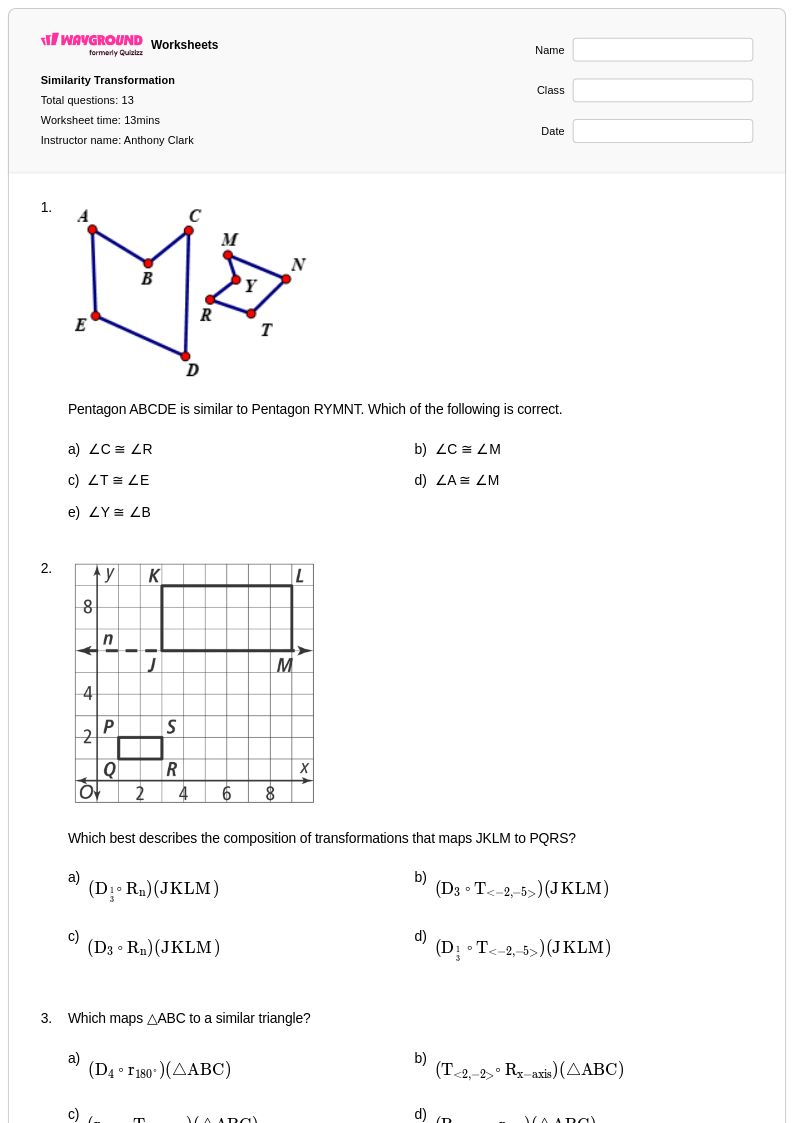
13 Q
10th - Uni
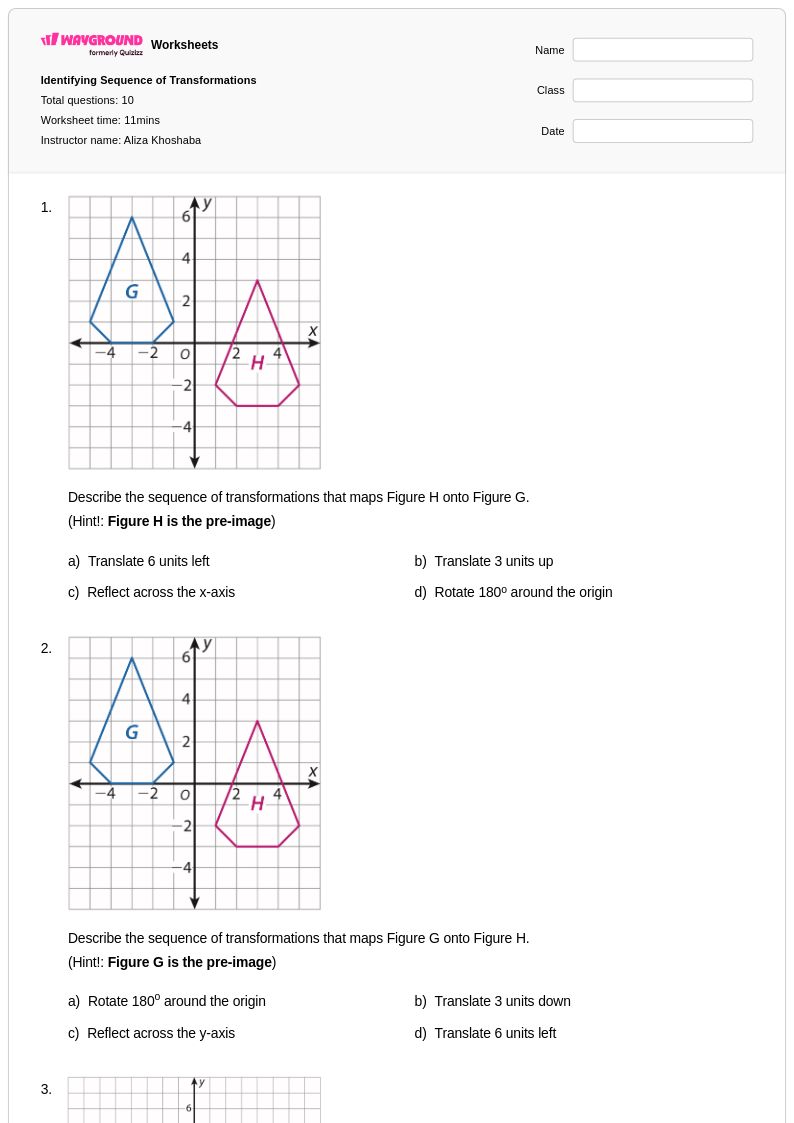
10 Q
8th
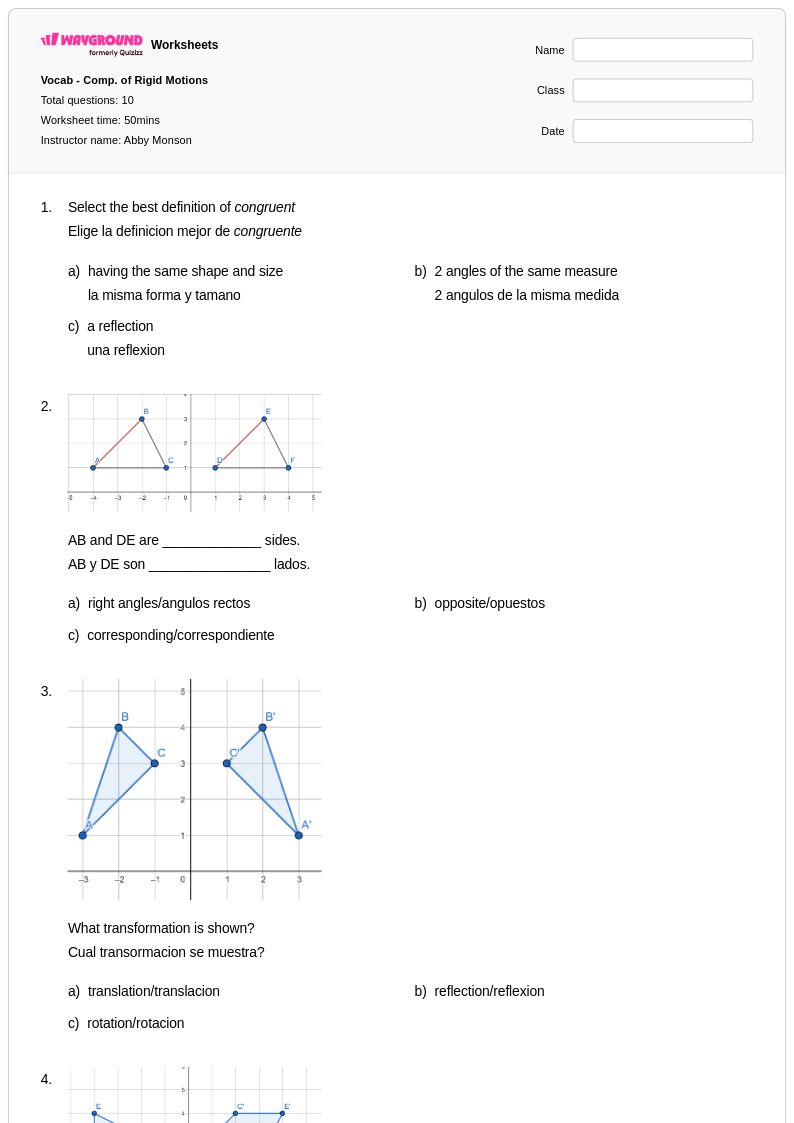
10 Q
8th - 10th
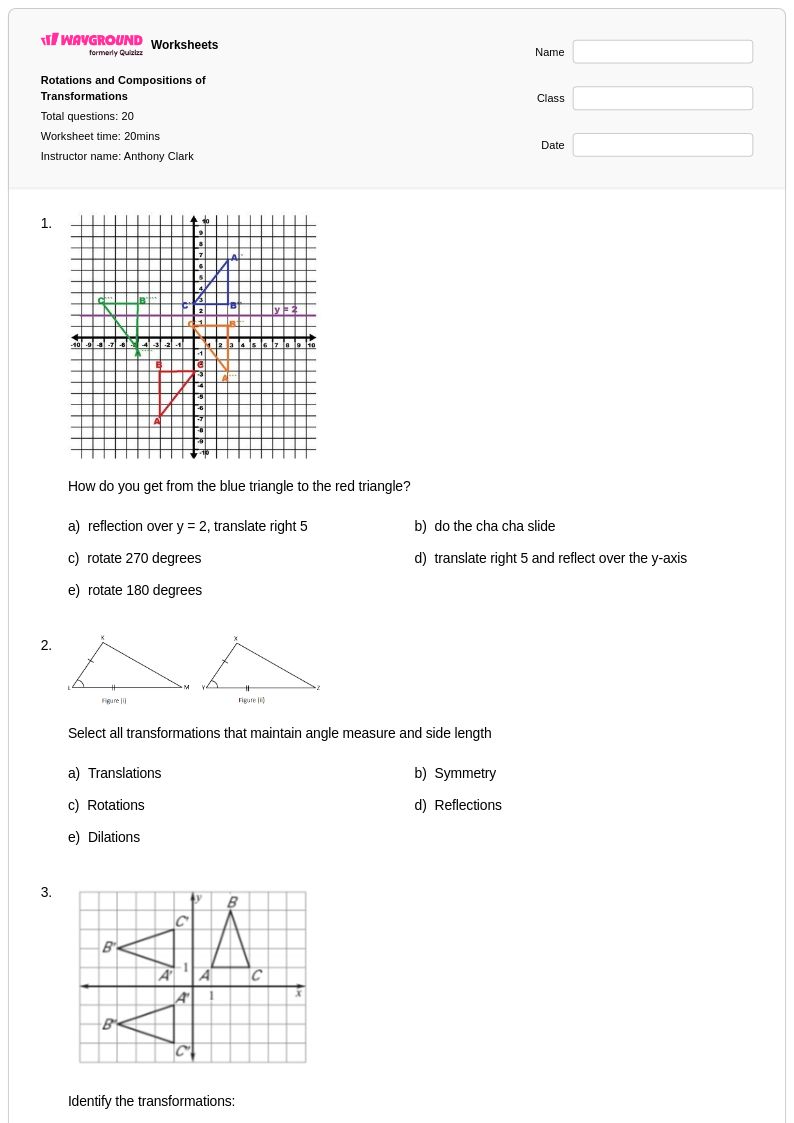
20 Q
9th - Uni
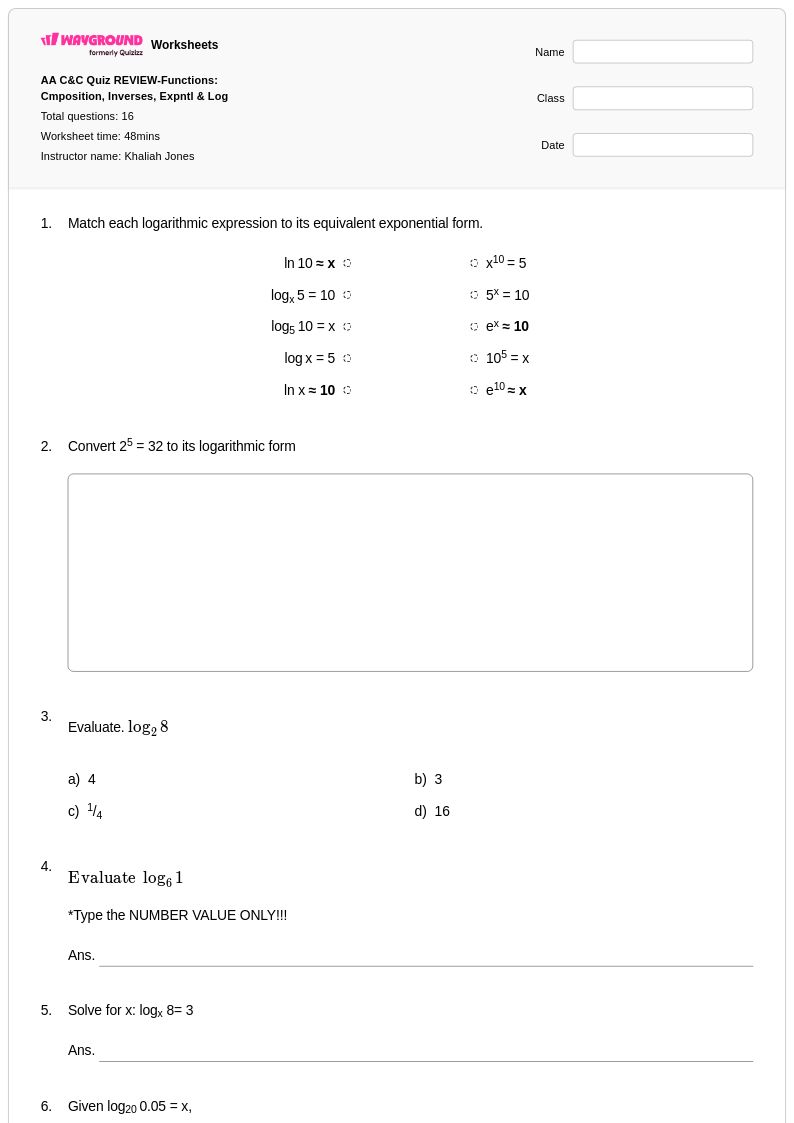
16 Q
11th
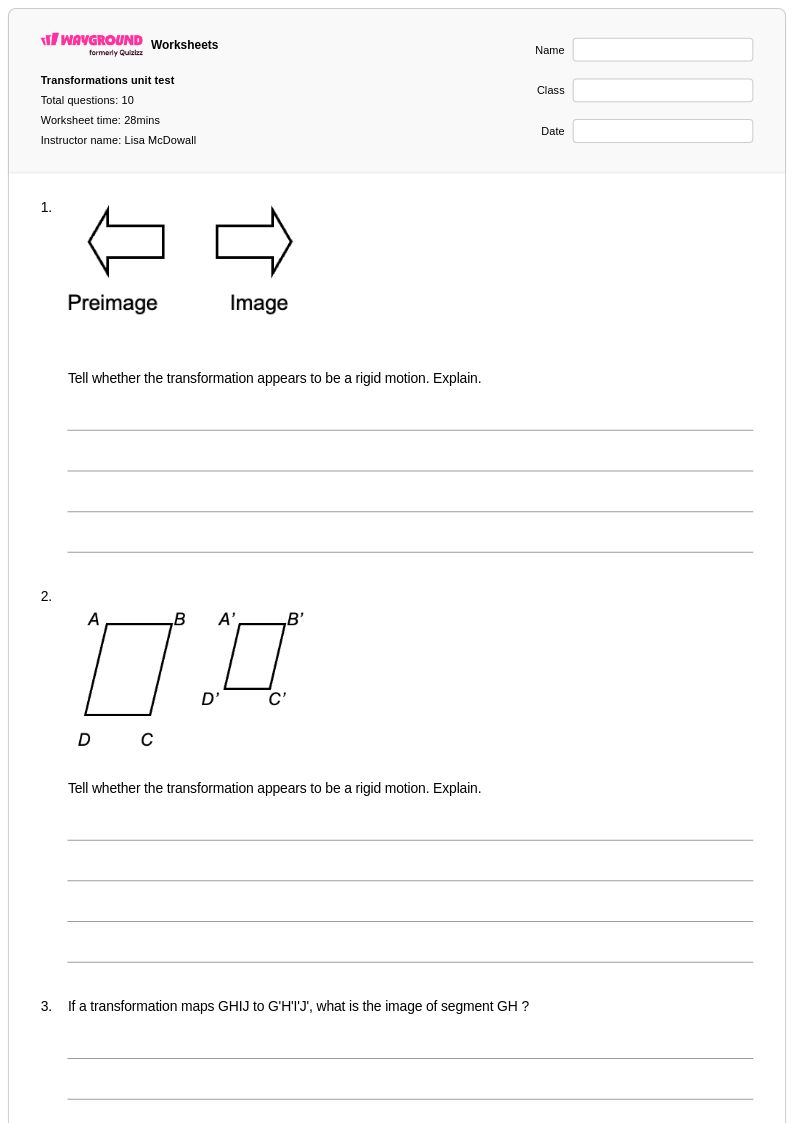
10 Q
12th
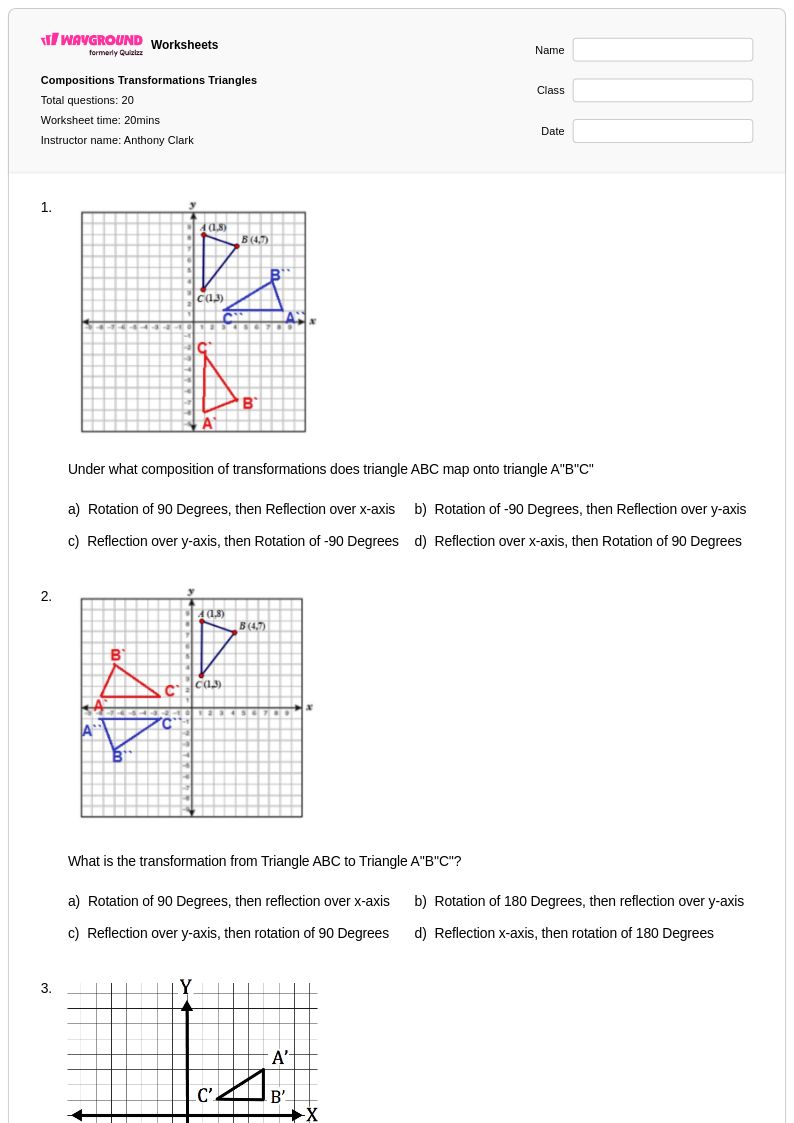
20 Q
10th - Uni
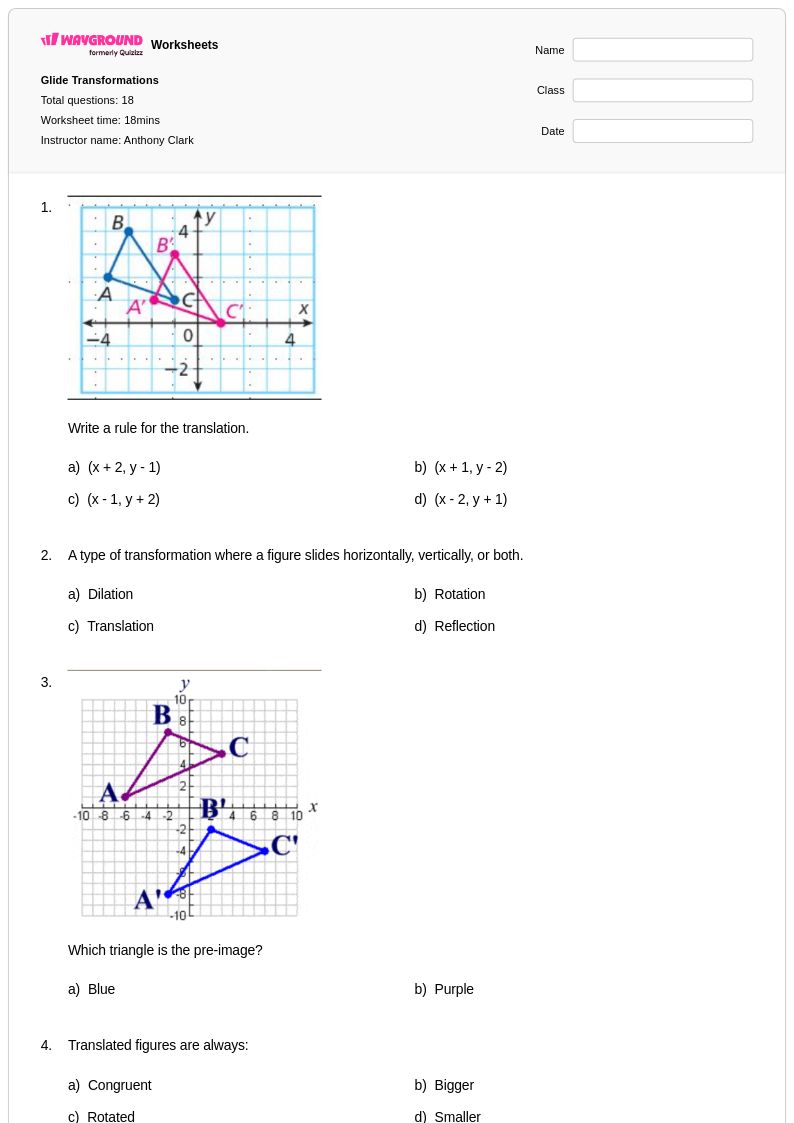
18 Q
10th - Uni
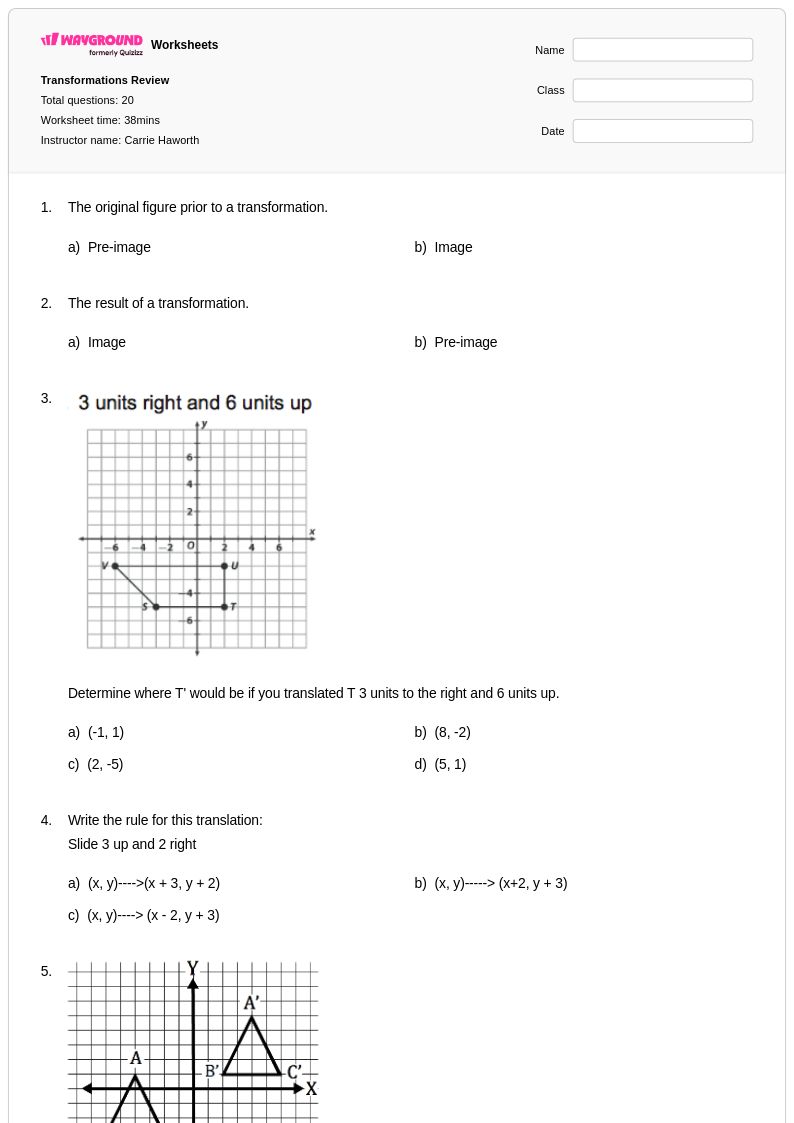
20 Q
8th
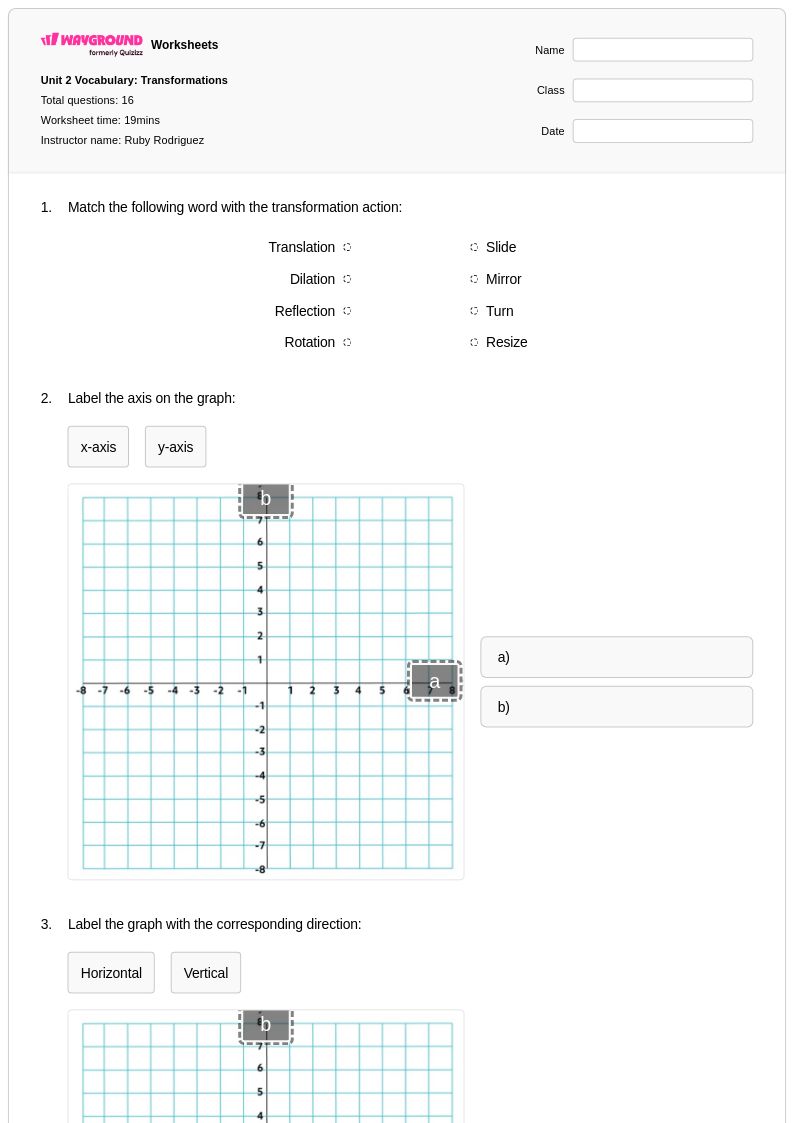
16 Q
8th
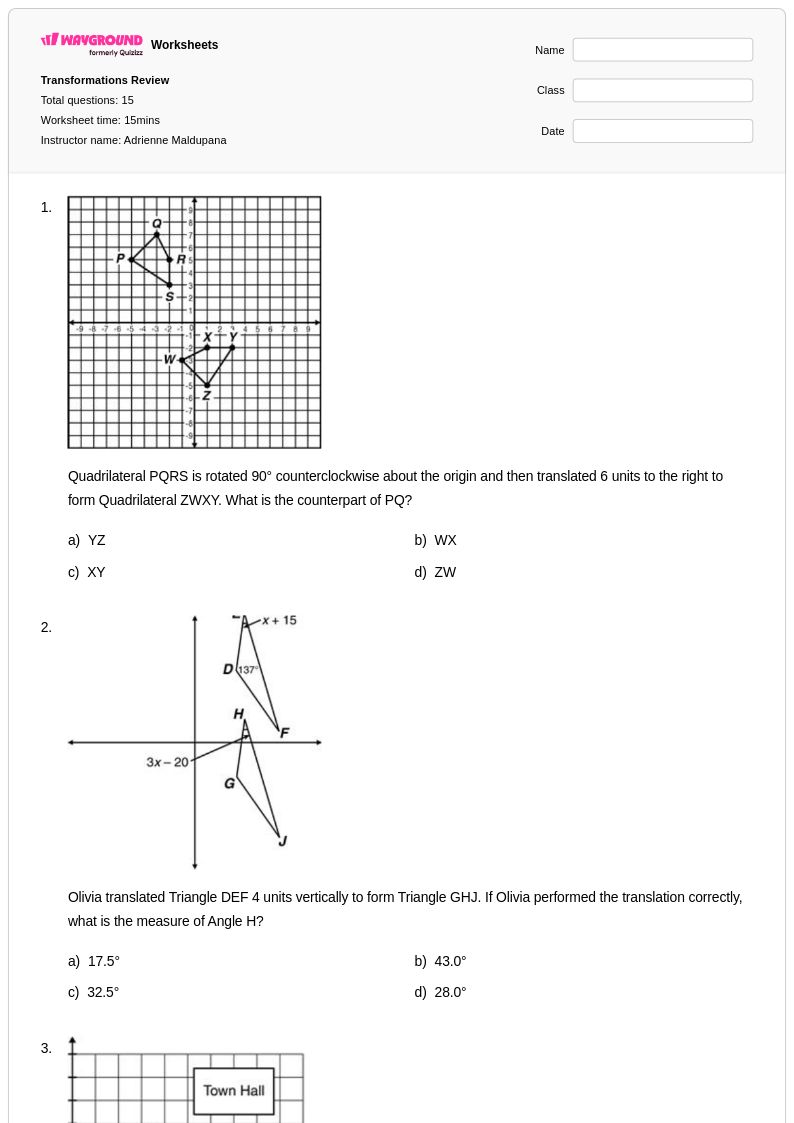
15 Q
8th
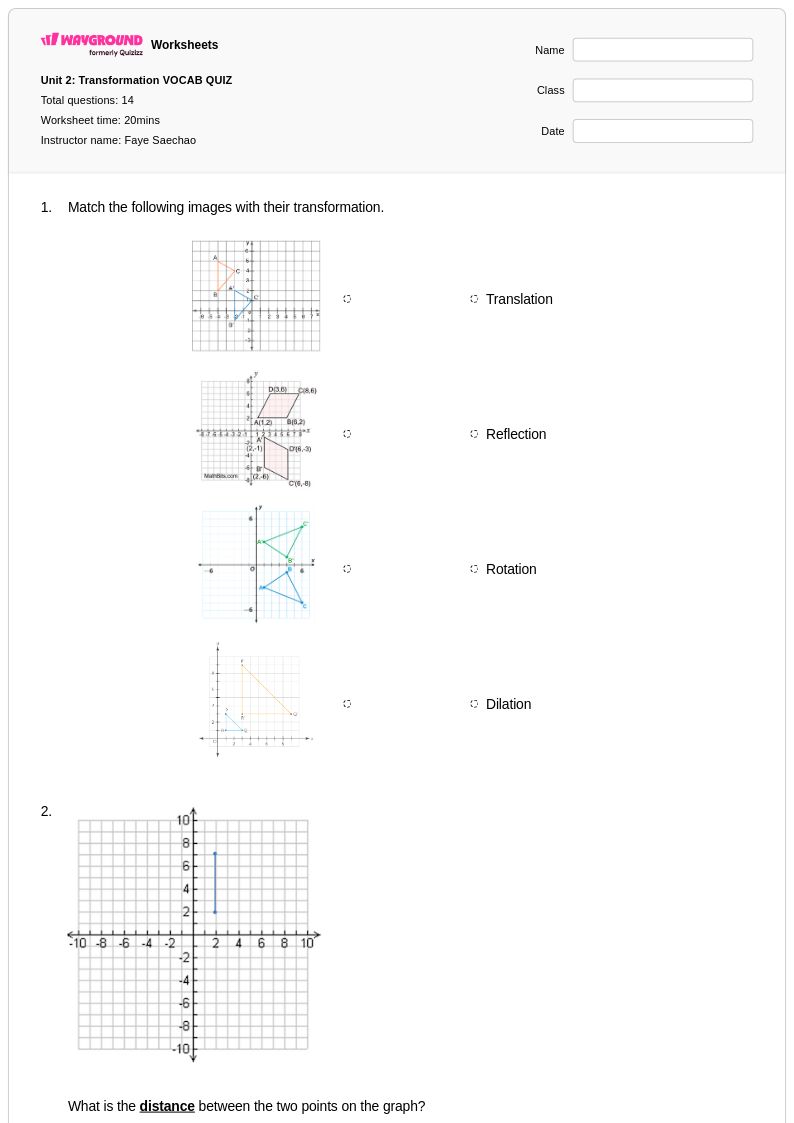
14 Q
8th
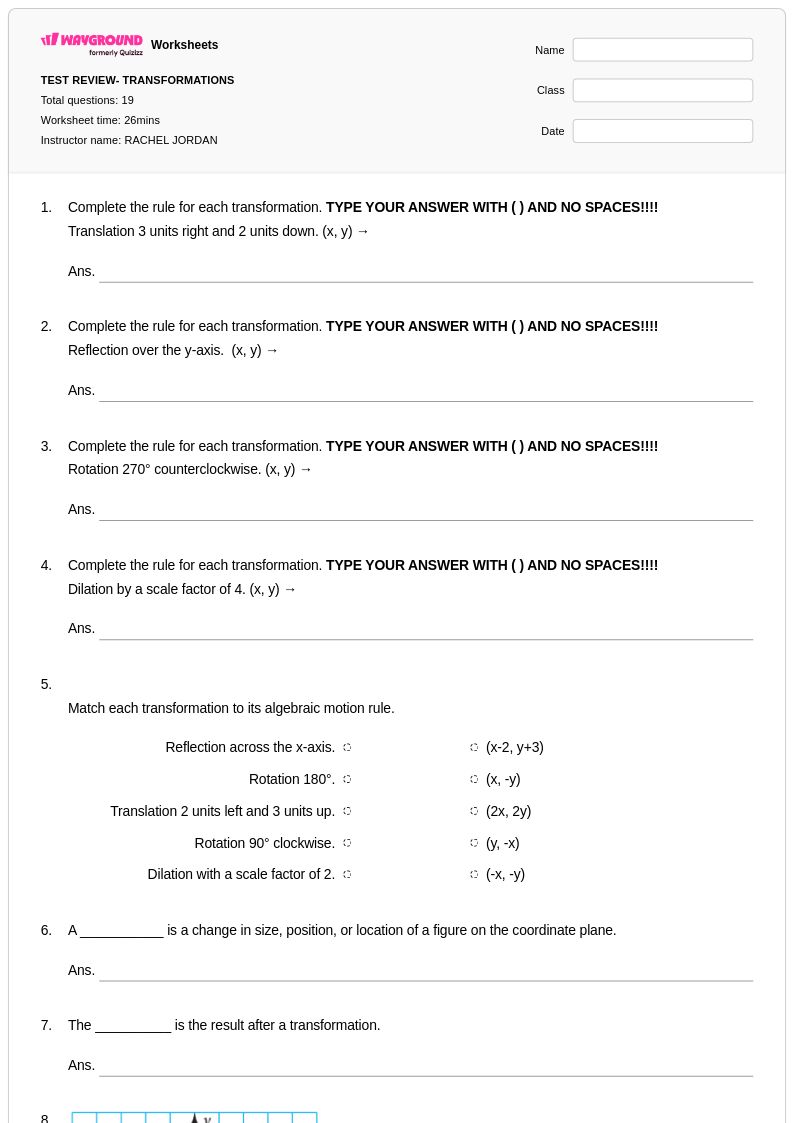
19 Q
8th
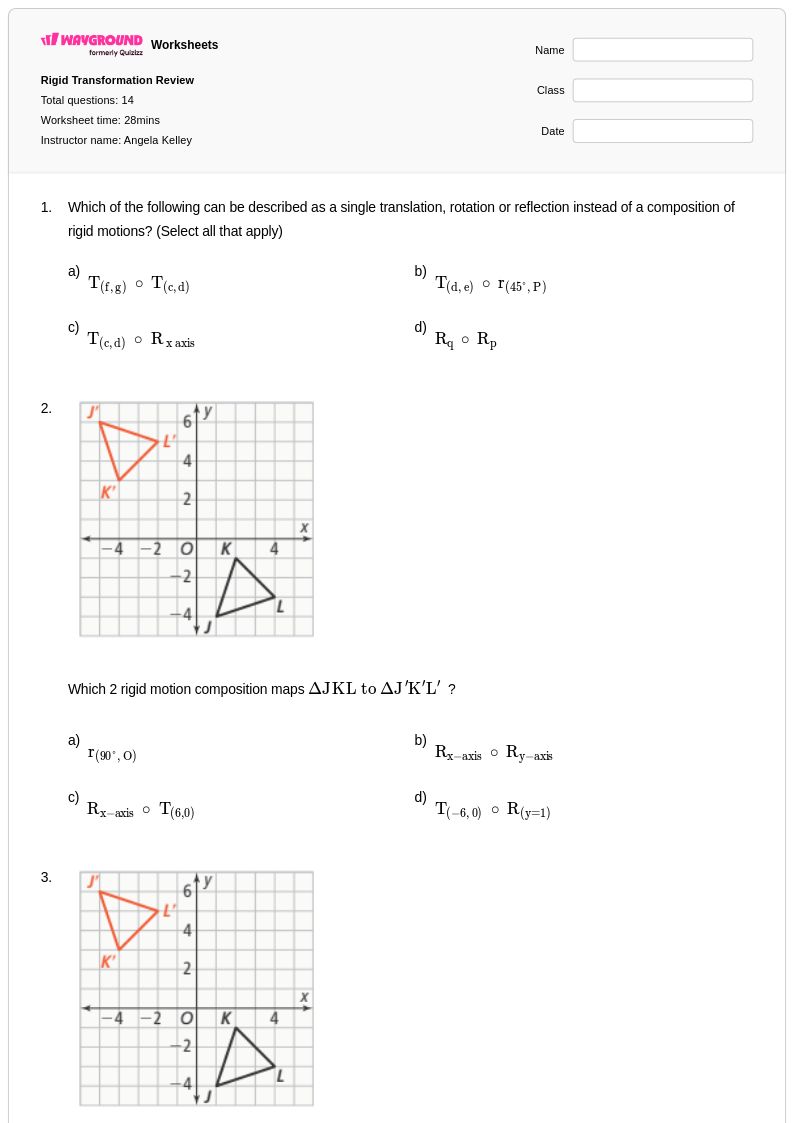
14 Q
9th - 12th
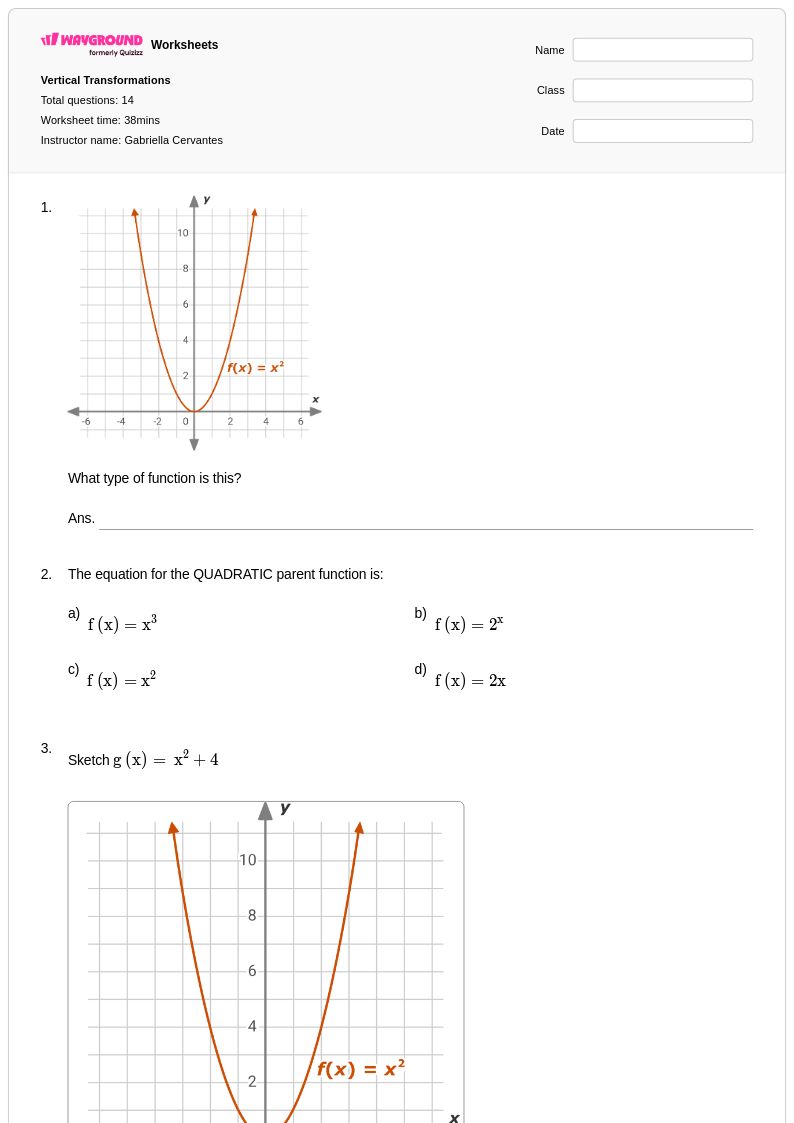
14 Q
9th - 12th
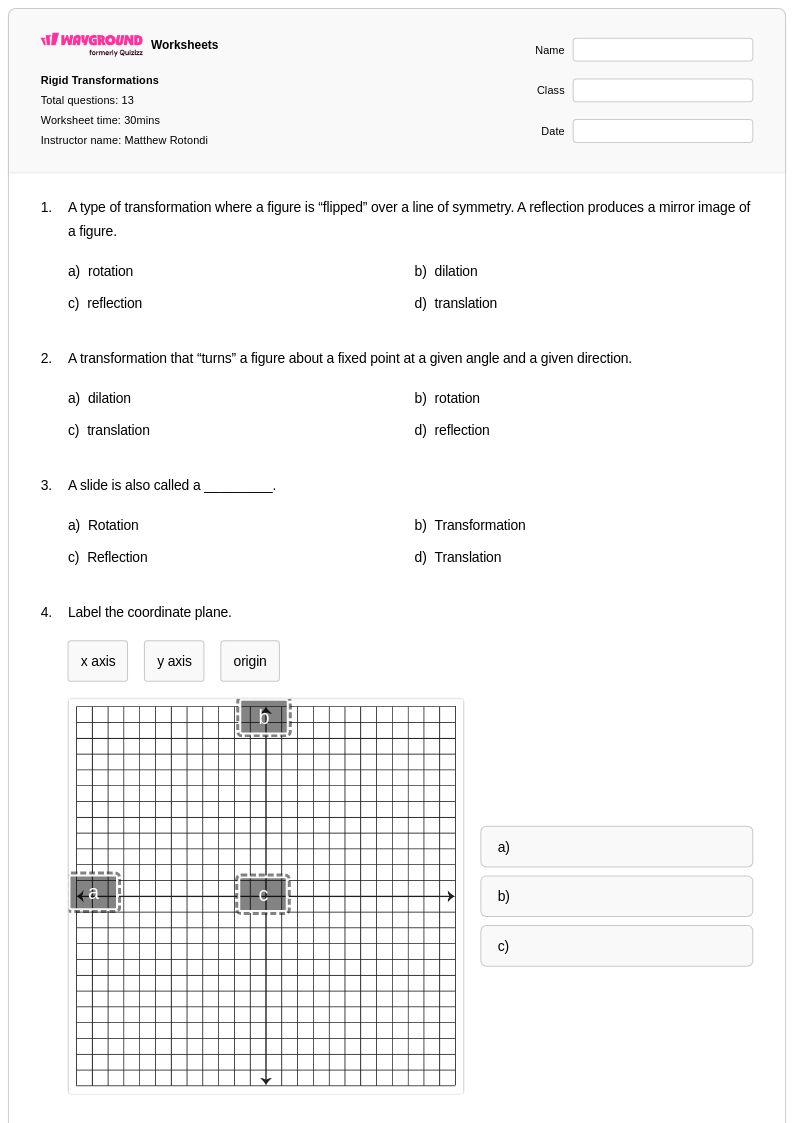
13 Q
8th
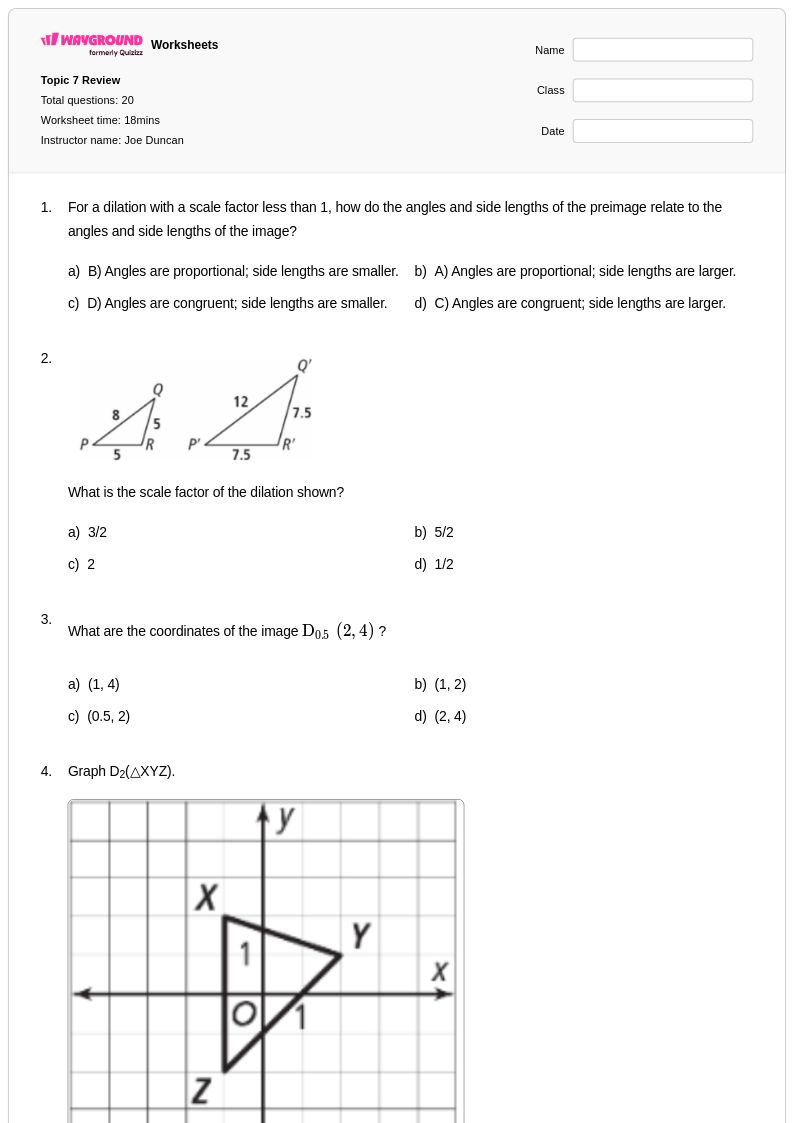
20 Q
9th
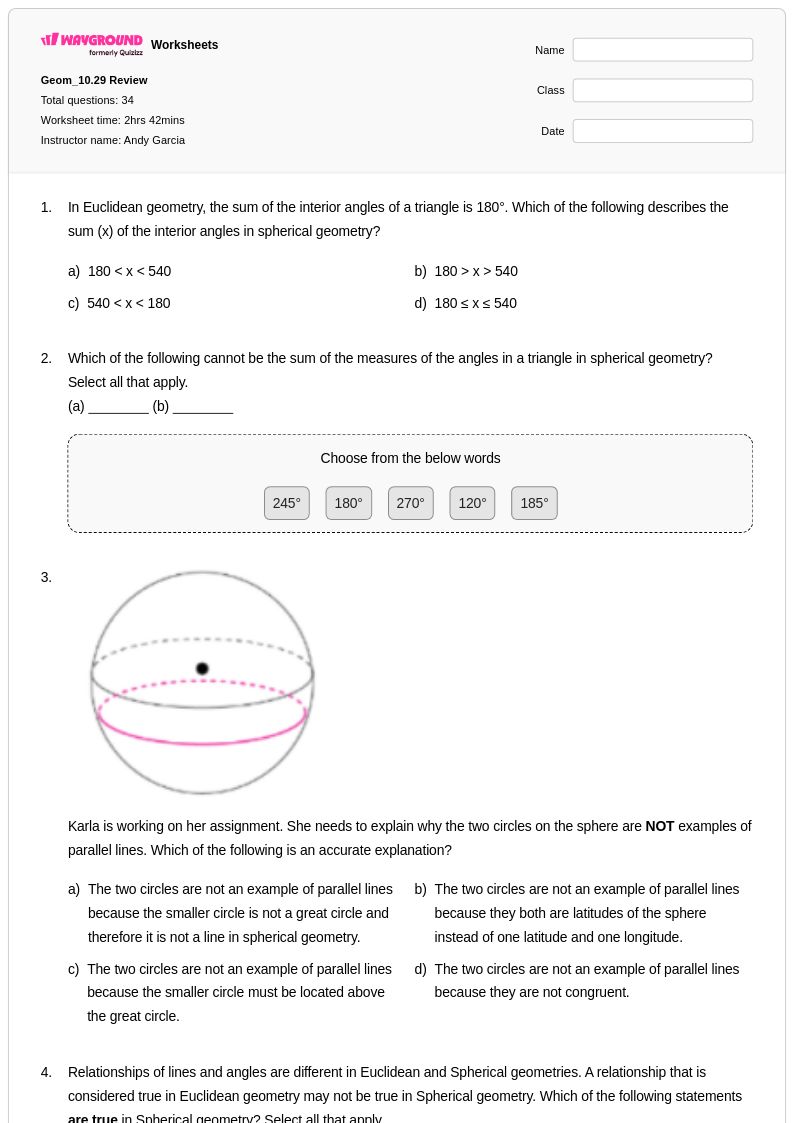
34 Q
10th
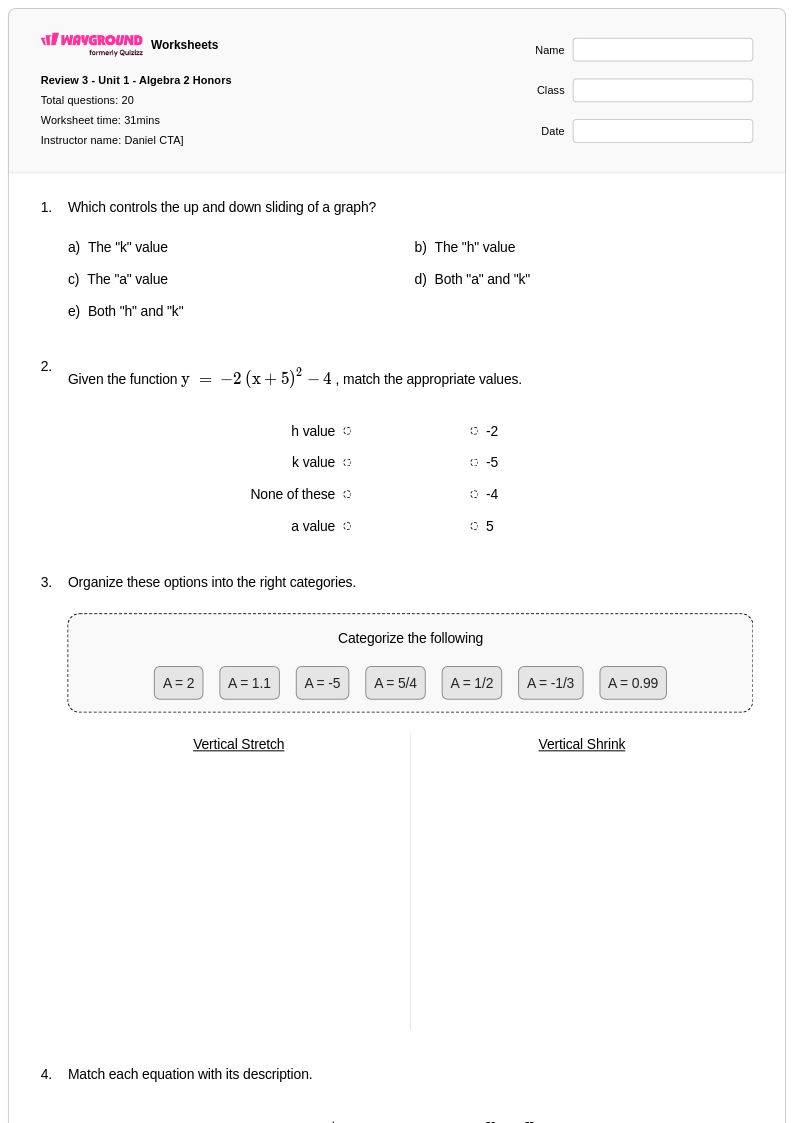
20 Q
9th - 12th
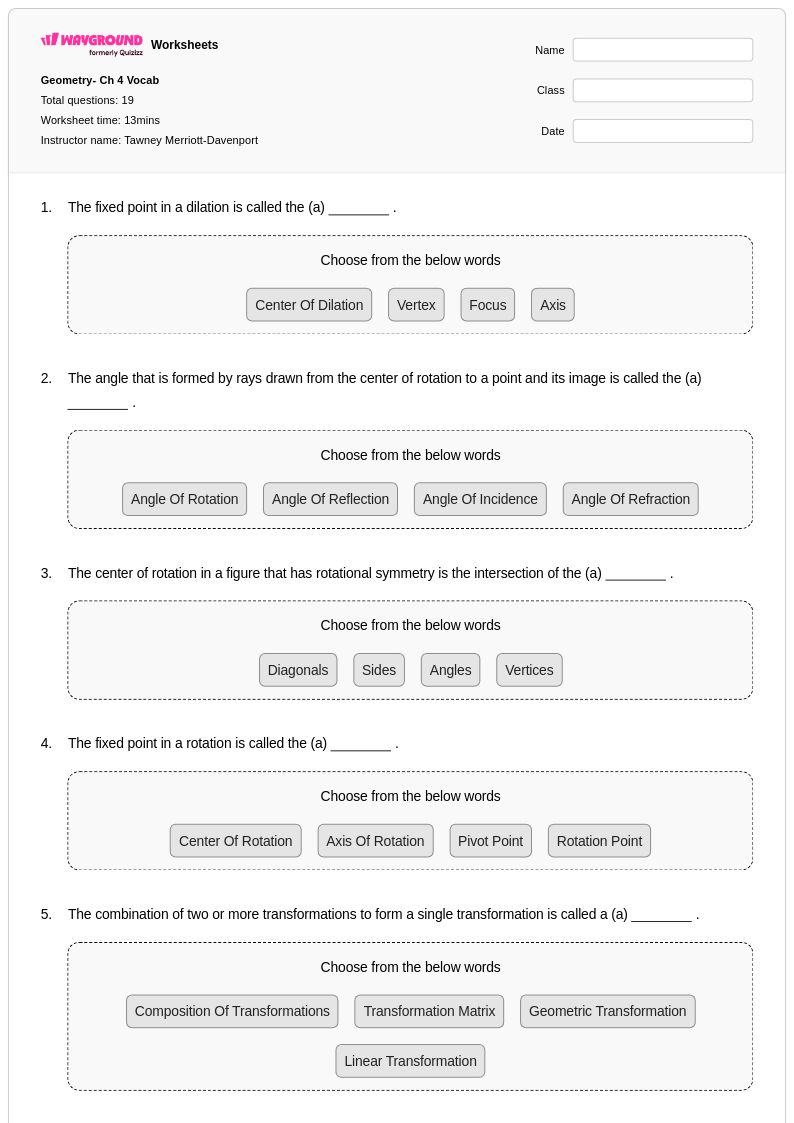
19 Q
10th
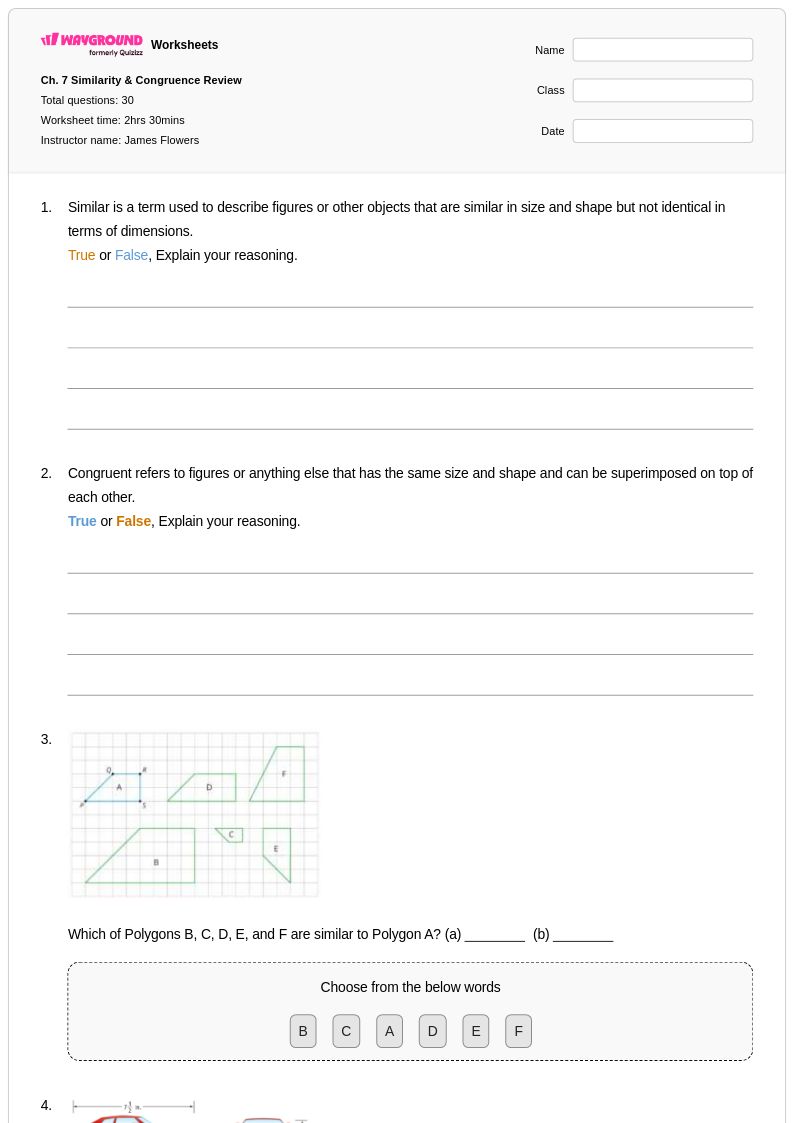
30 Q
7th - 9th
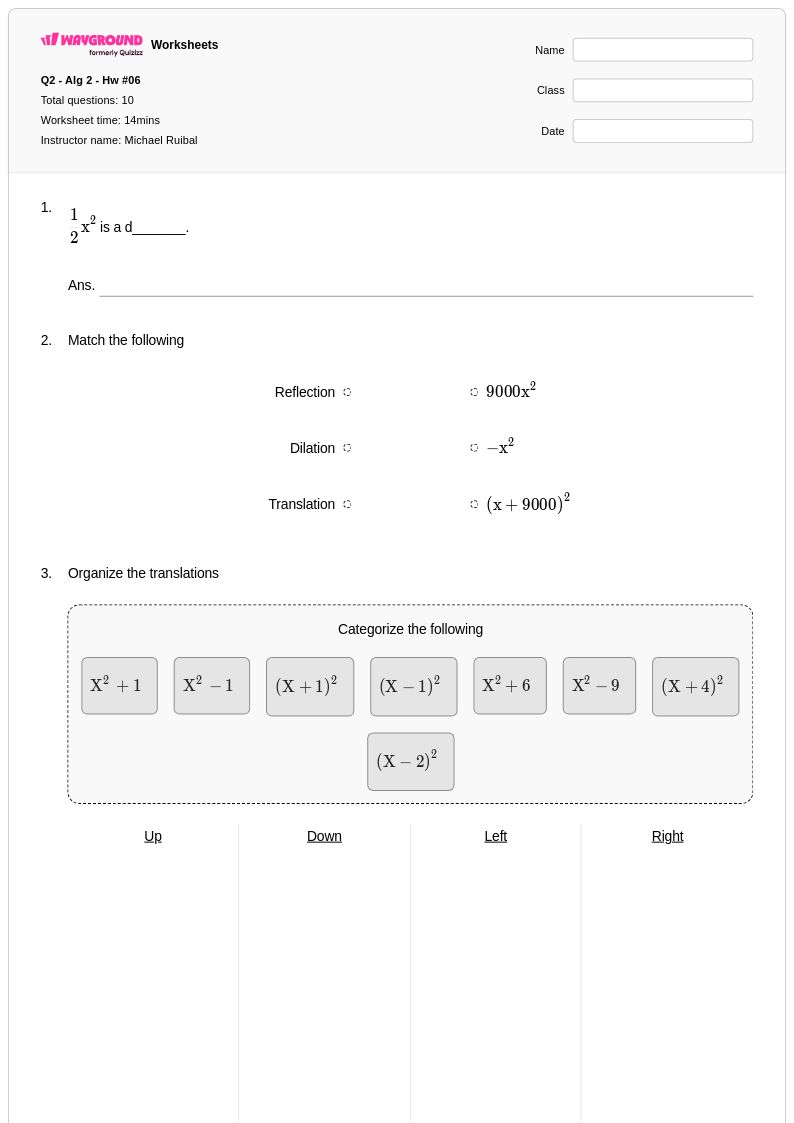
10 Q
12th
Explore Worksheets by Subjects
Explore printable Transformation Composition worksheets
Transformation composition worksheets available through Wayground (formerly Quizizz) provide comprehensive practice opportunities for students to master the sequential application of geometric transformations. These carefully designed resources focus on developing students' ability to perform multiple transformations in succession, such as combining rotations with reflections or applying translations followed by dilations, while tracking how these operations affect coordinate points and geometric figures. The worksheets strengthen critical mathematical reasoning skills by requiring students to visualize transformation sequences, predict outcomes, and verify results through systematic computation. Each worksheet includes detailed answer keys and step-by-step solutions, making them valuable as both instructional tools and independent practice materials, with many available as free printables in convenient PDF format for classroom distribution.
Wayground (formerly Quizizz) supports mathematics educators with an extensive collection of teacher-created transformation composition resources, drawing from millions of professionally developed worksheets that undergo rigorous quality standards alignment. The platform's advanced search and filtering capabilities allow teachers to quickly locate materials that match specific curriculum requirements and student readiness levels, while built-in differentiation tools enable seamless customization for diverse learning needs. These transformation composition worksheets are available in both printable PDF formats and interactive digital versions, providing flexibility for traditional classroom instruction, remote learning environments, and hybrid educational models. Teachers can efficiently plan comprehensive lesson sequences, design targeted remediation activities for struggling students, and create enrichment challenges for advanced learners, all while accessing detailed analytics that inform instructional decisions and support standards-based skill development.