
 Worksheets
Bio124 Final Exam Review
Total questions: 126
Worksheet time: 3hrs 51mins
All living things are composed of ___________________.
Heredity
Metabolism
Respond
Cells
All living things carry on ___________________ as they obtain and use energy.
Heredity
Metabolism
Respond
Cells
All living things are able to ___________________ to things in their environment. Such as a plant growing toward light.
Heredity
Metabolism
Respond
Cells
All living things contain a molecule called ____________ which allows them to pass on traits through a process called _________________.
DNA and Heredity
Metabolism and Homeostasis
Respond and Reproduce
Cells and Metabolism
All living things must maintain a stable internal balance. This is called ___________________.
DNA
Homeostasis
Reproduce
Metabolism
All living things _________________ to make sure that their species continues after they die.
DNA
Homeostasis
Reproduce
Metabolism
Living things _______________ as a group, allowing living things to acquire _______________ to survive in their environment.
DNA and Heredity
Evolve and Adaptations
Reproduce and Metabolism
Growth and Development

These talons on an eagle would be an example of an _______________.
Response to environment.
Adaptation for survival.
Metabolism.
Homeostasis.

This shows...
Metabolism
Response
Growth and Development
Heredity

This guy best shows which property of life?
Adaptations.
Metabolism - getting and using energy.
Growth and Development.
Reproduction

This is an example of ______________.
Metabolism.
Reproduction.
Cells.
Homeostasis
A science class is planning a field trip to a local farm that has a large pond. Which of the following lists the order of biological organization from smallest to largest that the students can expect to find at the pond?
Organism, community, population, ecosystem
Organism, population, community, ecosystem
Population, organism, community, ecosystem
Population, organism, ecosystem, community

In what order are the levels in the diagrams?
Population --> community --> ecosystem
Organism --> community --> population
Organism --> population --> community
Ecosystem --> population --> community
Multi-cellular organisms have structures that are arranged in increasing levels of complexity. Which of the following places these levels of organization in the correct order, from least complex to most complex?
organisms, organ systems, organs, molecules, organelles, tissues, cells
molecules, organelles, cells, tissues, organs, organ systems, organism
cells, molecules, tissues, organisms, organs, organ systems, organelles
molecules, organisms, cells, organs, organelles, tissues, organ systems
What are the ecological levels of organization from smallest to the largest?
organism, species, population, community, ecosystem, biosphere
organism, community, population, species, ecosystem, biosphere
organism, population, community, species, ecosystem, ecosphere.
organism, community, population, species, ecosystem, ecosphere
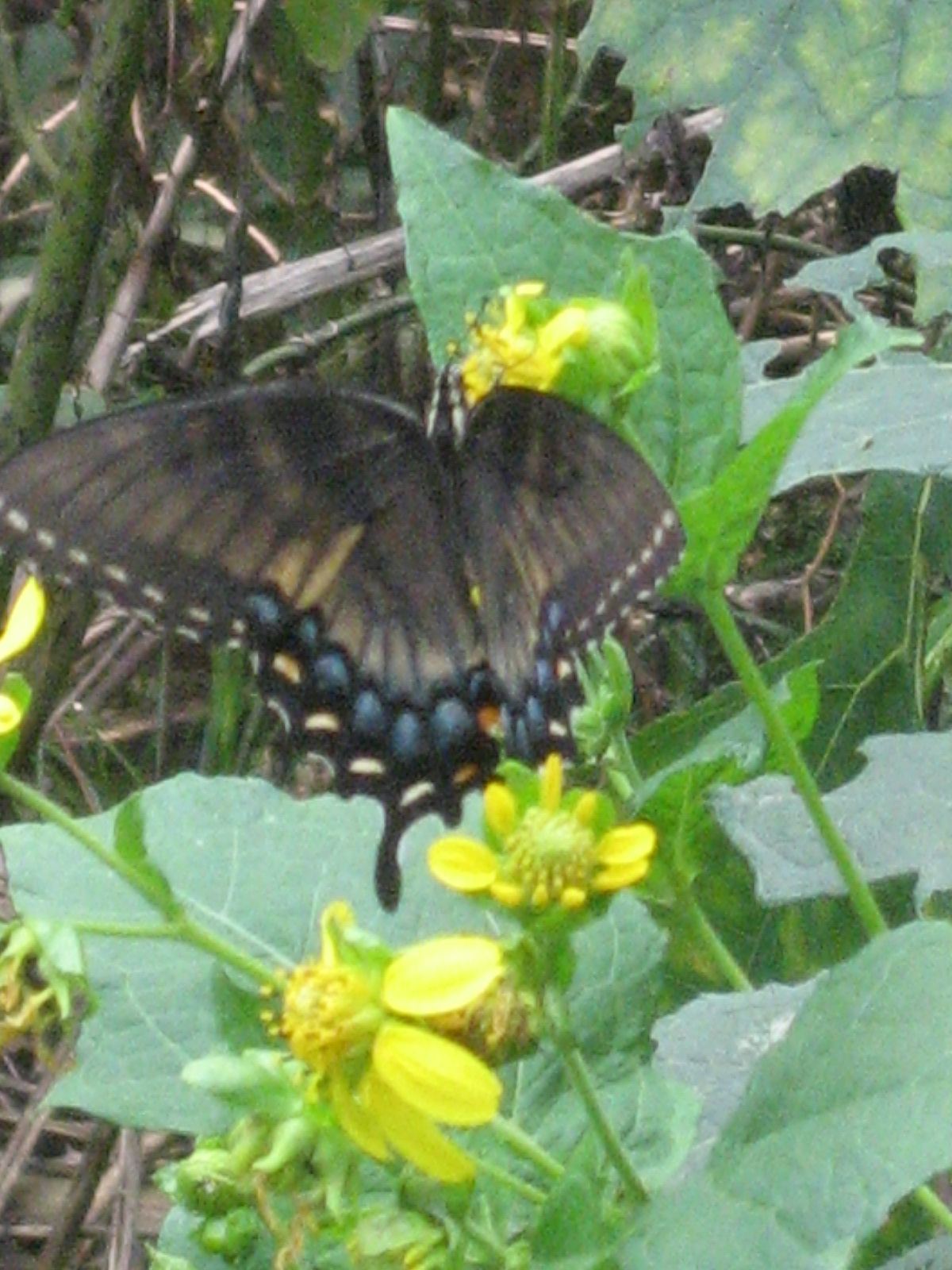
Domain--Kingdom--Phylum--____________

The function of chloroplasts is
Intracellular transport of proteins
Intracellular digestion
Lipid synthesis
Photosynthesis
Cellular respiration
In eukaryotic cells, internal membranes
provide additional area where many metabolic process occur.
form membranous compartments called organelles.
contain proteins essential for metabolic processes.
greatly increase a cell's total membrane area.
Most organelles in a eukaryotic cell are found in the
cell wall
cytoplasm
nucleus
mitochondria
Which type of cell does not contain membrane-bound organelles?
prokaryote
eukaryote
virus
plant
In a prokaryotic cell, the DNA is ...
wrapped around histone proteins.
contained in the nucleus.
"naked" and "free floating"
contained in the lysosome
Which type of cell is likely the most recently evolved?
Eukaryote
Prokaryote
Both at the same time.
Which type of cell has ribosomes?
prokaryote
eukaryote
both prokaryotes and eukaryotes
Which type of cell is always a single celled organism?
Prokaryote
Eukaryote
Neither cell is single celled
This structure is a storage area for the cell. In plants specifically, it is large and stores water.
Lysosome
Vacuole
Ribosome
Golgi Body

Which type of cell is this?
Prokaryote
Eukaryote
All of the following contain a cell wall except:
prokaryotes
animal cells
plant cells
bacteria

Bacteria reproduce through what process?
Binary Fusion
Binary Fission
Cellular Respiration
Meosis
What are benefits of fungus?
Fungus is found in probotics, regulates hormone level, controls cholesterol levels, and enhances the immune system
Fungus plays a role in the nitrogen cycle and producing enzymes to clean waste treatment plants
Fungus is found in penicillin, cheese, mushrooms, and as decomposers
Fungus found pastas, vegetables, and fruits
What are the three domains?
animal, human, and plant cells
human, animal, and bacteria cell
fungus, bacteria, and eukaryotes
bacteria, archea, and eukaryotes


The name streptococcus tells you the bacteria are arranged as ___.
pairs of round cells
long chains of round cells
groups of spirals
chains of rods
How is bacteria helpful?
Provide carbon dioxide, food products, environmental recycling, medicine.
Provide oxygen, food products, environmental recycling, medicine.
Provide oxygen, food wastes, environmental recycling, medicine.
Provide oxygen, food products, environment medicine.
A process by which bacteria reproduce asexually
binary fission
cellular respiration
pasteurization
decomposers

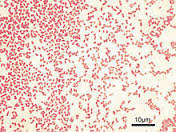
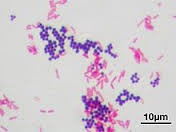
Plant-like protists are collectively called by their common name.
Prtozoans
Algae
Diatoms

How are they helpful
Decompose
Cause diseases
Produce oxygen
They don't help at all


What is glucose converted to during glycolysis?
Acetyl-Co A
Coenzyme A
Pyruvate
Sucrose
What comes next after glycolysis if oxygen is present
Krebs cycle
Electron transport chain
Alcoholic Fermentation
Lactic Acid Fermentation
Where does the Krebs Cycle take place?
Cristae
Matrix
cytoplasm
nucleus
Which statement best describes the relationship between the products of photosynthesis and the reactants in cellular respiration?
The products of photosynthesis serve as the reactants in cellular respiration to provide chemical energy
The products of photosynthesis combine with the reactants in cellular respiration to remove ATP from the cells
The products of photosynthesis inhibit the reactants in cellular respiration in the presence of light
The products of photosynthesis change the structure of the reactants in cellular respiration in the presence of light.

The diagram below represents a structure involved
in cellular respiration. The release of which
substance is represented by the arrows?
glucose
carbon dioxide
oxygen
DNA
Which of the following shows the three stages of respiration in the correct order?
Calvin Cycle, Glycolysis, Electron Transport Chain
Glycolysis, Krebs Cycle, Electron Transport Chain
Glucose, Krebs Cycle, Electron Transport Chain
Glycolysis, Calvin Cycle, Electron Transport Chain
Uses energy from kreb's cycle to make 32 atp
calvin cycle
alcoholic fermentation
etc
kreb's cycle
active transport
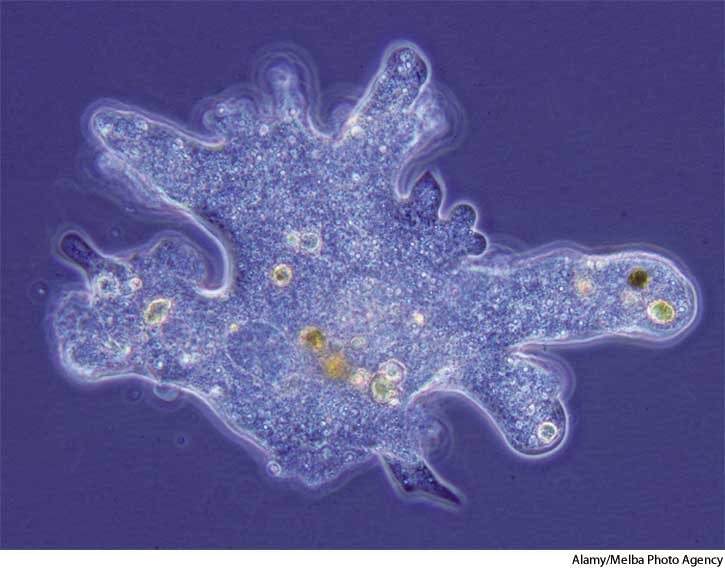

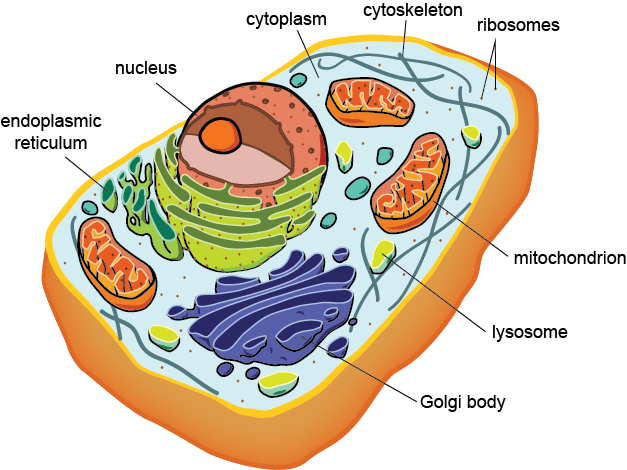
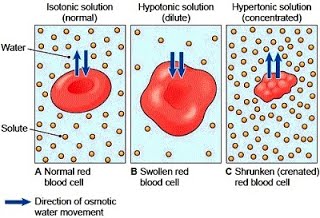
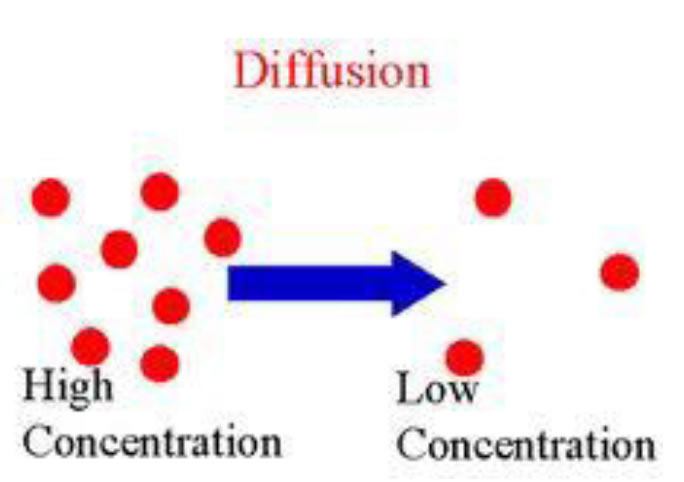
What is the cell membrane responsible for?
Separates the cell from its environment and controls what enters and exits
Breaks molecules down
Acts as a gate keeper for the heart
Floats around the cell
What is a phospholipid made up of?
2 lipids and 1 fatty acid
2 phosphate group and glycerol
2 fatty acids, 1 phosphate group, glycerol
sugar, amino acids and saturated fats
When the cell membrane reassembles...
The hydrophobic ends attract while the hydrophilic ends steer
They somehow blindly find each other
The hydrophilic ends attract while the hydrophobic ends steer
They don't

Controls the passage of materials inside and outside of the cell.
Cell membrane
Cytoplasm
Cell wall
Endoplasmic reticulum
The ability to allow only certain molecules into or out of the cell.
Selectively permeable
Permeation
Impermeability
Unpermeability

Why is the cell membrane like a window screen?
They both allow everything to pass through.
Neither allow anything to pass through.
They both allow certain things to pass through, while blocking the passage of others.
They are not similar to each other at all.

Which of the following are embedded in the phospholipid bilayer and help substances pass through?
lipids
proteins
cholesterol
carbohydrates
What is the disadvantage of electron microscopes?
It can only see up to 2000x
It kills living specimen
N/A

