
 Worksheets
Unit 8: Ecosystem & Community Ecology Recap
Total questions: 102
Worksheet time: 1hrs 24mins
Which of the following would be classified as a producer?
deer
tall grass
lion
worm

In the food chain, which consumer has access to the most available energy?
hawk
snake
mouse
grasshopper
What would a Primary Consumer eat?
Tertiary Consumers
Secondary Consumers
Producers
Quaternary Consumers

Organisms like fungi and bacteria that chemically break down dead/dying organisms, returning nutrients to the earth, are known as a
scavengers
detritivores
decomposers
autotrophs
A third-level consumer has to be which type?
Carnivore.
Decomposer.
Producer.
Herbivore.

An animal that eats other consumers is a....
carnivore
omnivore
herbivore
decomposer

__________ is an organism that eats BOTH plants and animals for energy.
Omnivore
Herbivore
Carnivore
Scavenger


On average, how much energy is passed from one feeding level to the next in a food chain?
90%
25%
10%
50%
The direction of the flow of energy in a food chain is represented by ___.
the sun
consumers
arrows
producers
The main source of energy for most living things on our planet is
the sun.
producers.
primary consumers.
decomposers.

What type of relationship exists between the snake and the mouse?
predation
commensalism
mutualism
interspecific competition


Aphids are tiny insects that live on and eat the leaves of plants, removing vital nutrients from the plants.
Predation
Parasitism
Commensalism
Mutualism

A lion stalks a herd of antelope wading in a pond. A flock of water birds on the shore become startled by the sound of the lion’s approach and fly away with a great deal of noise. The birds’ sudden departure gives warning to the antelope, and they are also able to escape safely. What type of relationship exists between the birds and the antelope?
competition
mutualism
commensalism
parasitism
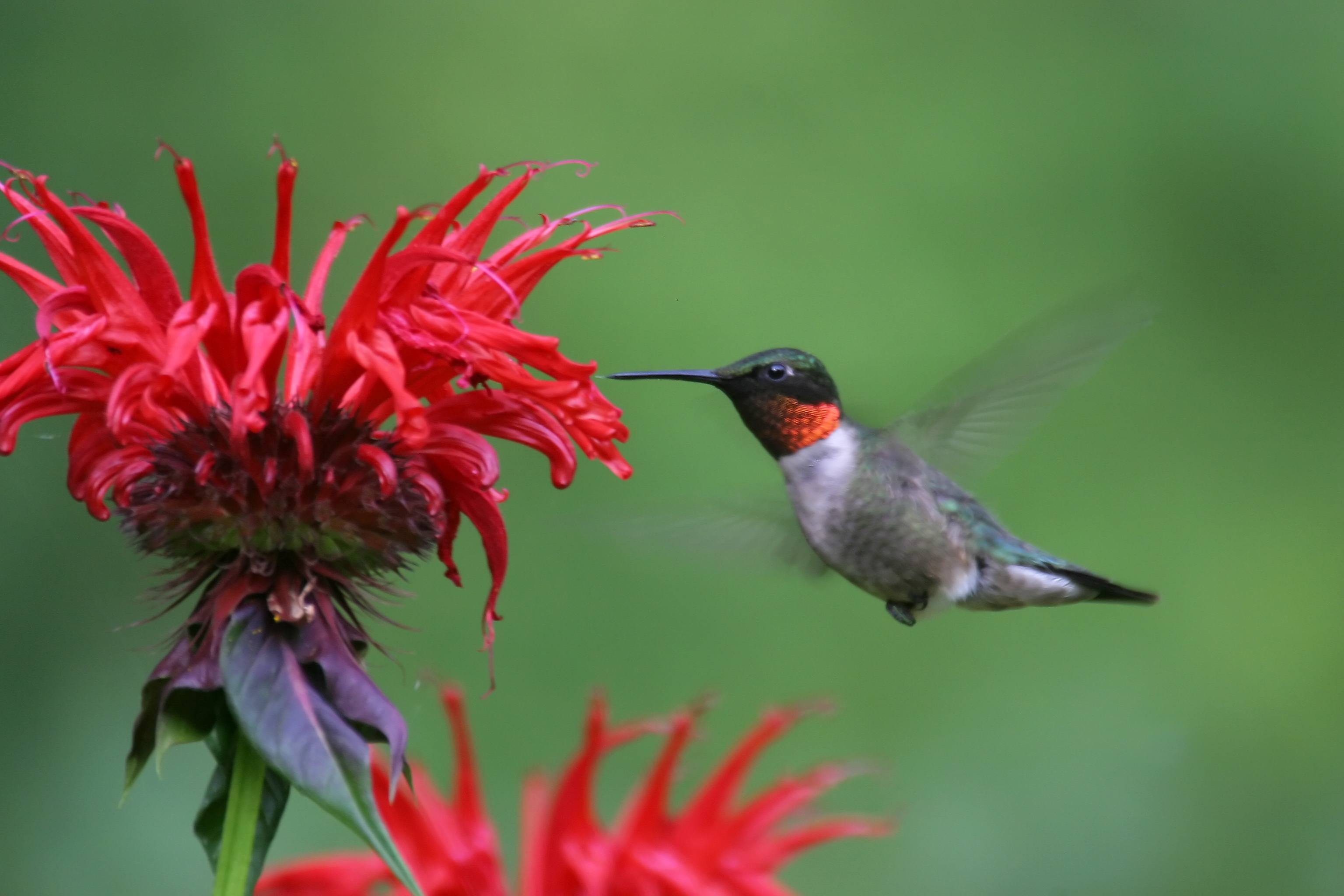
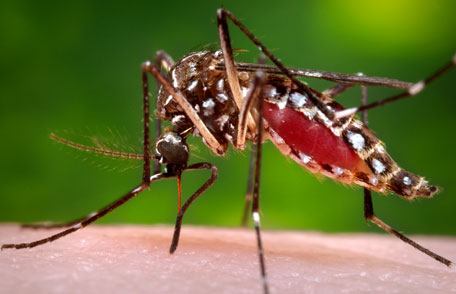
Match the following types of relationships to their descriptions:
Both organisms are harmed by fighting over a resource
Competition
One organism benefits at the expense of the other
Parasitism
One organism benefits while the other remains neutral
Commensalism
Both organisms benefit (help each other)
Mutualism
A cowbird lays its eggs in the nest of another bird. The other bird expends energy to take care of the baby, finding it food until it's big enough to leave the next. What kind of relationship is this?
parasitism
mutualism
commensalism
competition
Yucca flowers are pollinated by yucca moths. The moths lay their eggs in the flowers. Both species benefit.
Mutualism
Commensalism
Parasitism
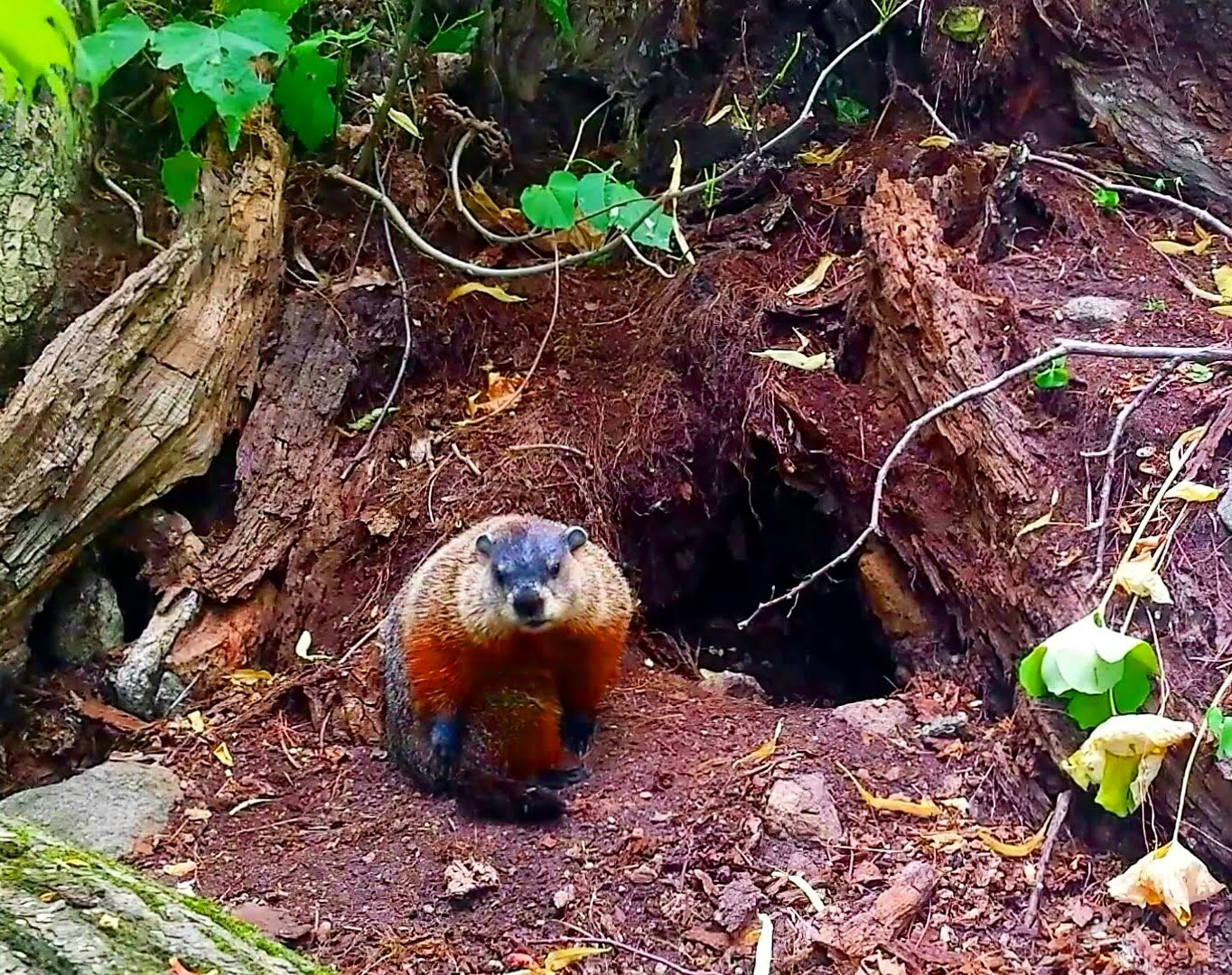
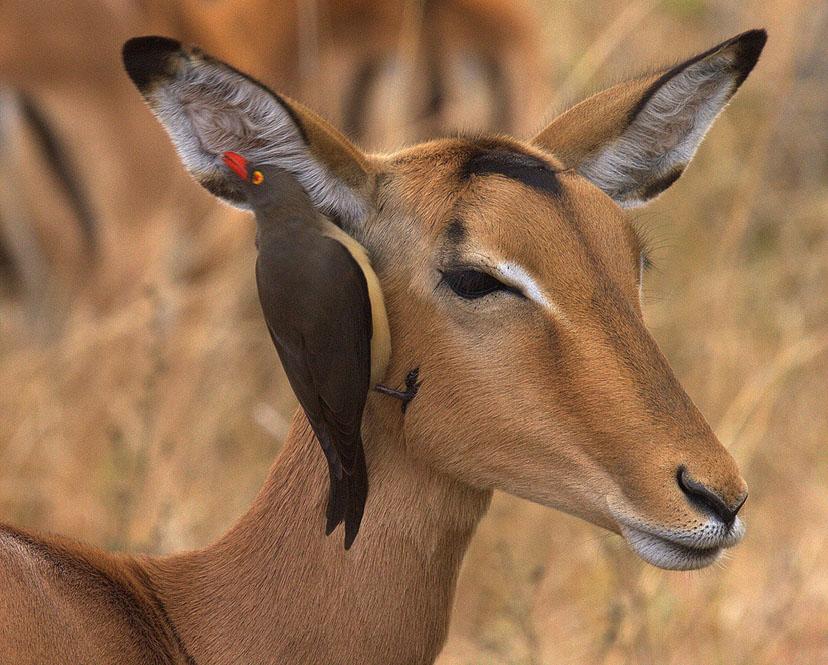
Mark all the organisms that are considered producers


Giraffes have long necks that help them reach leaves high up in trees. They get all the energy they need from plants such as this. What type of consumer are giraffes.
carnivore
omnivore
herbivore
decomposer
Mushrooms often grow around dead plants such as decomposing trees. They break down these dead organisms and put energy that stores in the plant back into the ground for other plants to use. What type of consumer are mushrooms?
carnivore
omnivore
herbivore
decomposer

Put this food chain in the correct order
Grass
Rabbit
Snake
Hawk
Circle every secondary consumer in red
Put this food chain in the correct order
Grass
Grasshopper
Shrew
Snake
Mountain Lion
Match each organism with the correct trophic level
Producer
Grass
Primary Consumer
Squirrel
Secondary Consumer
Insect Eating Bird
Apex Predator
Mountain Lion
Decomposer
Bacteria

The original source of energy for all organisms in a food web is...
plants
sun
producers
decomposers

Arrows in a food web show
eating
sunlight
energy flow
matter

An organism that gets energy from eating other organisms is a ______________
producer
consumer
decomposer

Which of the following organism above are considered "Heterotrophic"?
Deer
Fern Plant
Apple Tree
Owl
Skunk
Which of the following organism above are considered "Autotrophic"?
Lemongrass
Fox
Apple Tree
Rose Plant
Sunlight
Phytoplankton --> Krill --> Fish --> Sea Gull
Which organism in this food chain is the primary consumer?
phytoplankton
krill
fish
sea gull

Which of the following is most likely to cause an increase in the croaker population?
an increase in the anchovy population
a decrease in the crab population
a decrease in the bluefish population
a decrease in the algae population

In which level are producers found?
A
B
C
D

Energy flows into an ecosystem through producers and is ultimately lost as...
food
carbon dioxide
light
heat

In which level are secondary consumers found?
A
B
C
D

What is the producer in this food web?
anchovy
shrimp
algae
snail


Click on the picture to answer the question. What is true about a food chain?
It is just 1 path of energy.
It is all possible energy paths.

Look carefully at the image. If energy is lost as it moves up the food chain, what trophic level has the most amount of energy?
1st level - producers
2nd level - primary consumers
3rd level - secondary consumers
4th level - tertiary consumers
Which level of ecology is being described:
The Diamondback rattlesnakes in Arizona.
Ecosystem
Community
Population
Species
Which level of ecology would the desert be?
Ecosystem
Biosphere
Biome
Community
Which of the following consumers eats producers and consumers?
Herbivore
Carnivore
Omnivore
Detritivore
Which of the following is the correct order of organization in living things from most basic (simple) to most complex?
organism, cell, tissue, organ, organ system
organ system, organ, tissue, cell, organism
cell, tissue, organ, organ system, organism
cell, organ, tissue, organism, organ system
The basic unit of structure and function of living organisms
organ
organ system
cell
tissue
organism
A group of similar cells that work together to form the same function is called .......
organ
cell
organ system
organism
tissue
What is the difference between a cell and a tissue?
cell is basic unit of life; tissue is group of cells that work as one
cell is group of tissues; tissue is basic unit of life
cell is basic unit of life; tissue is groups of different cells
cell is group of organs; tissue is group of different cells
Reorder the following from least to greatest (from left to right).
organism
population
community
ecosystem
biome

Which of the following describes #2?
An ecosystem is the interaction between biotic and biotic factors.
A community is a group of different populations in the same area.
An organism is one living thing.
A population is a group of the same organisms.

What level of ecological organization does this entire picture represent?
Organism
Population
Community
Ecosystem
Which choice is an example of a relationship between an abiotic factor and a biotic factor?
sun shining on a tree
bacteria infecting an organism
a lion eating a zebra
a bird eating seeds
Which of the following is a term used to describe all the chemical reactions that take place in a living thing?
Which is NOT a characteristic of Living Things?
Respond to their environment
Has DNA
Breathes
Uses Energy
Which is NOT a characteristic of Living Things?
Made of cells
Can Move
Reproduces
Grows and develops

Which characteristic is shown in the image?
Organisms grow and develop
Organisms react to stimuli
Organisms can adapt
Organisms use and obtain energy
Organisms are made up of cells

Which characteristic is shown in the image?
Organisms reproduce
Organisms react to stimuli
Organisms can adapt
Organisms use and obtain energy
Organisms are made up of cells

Which characteristic is shown in the image?
Organisms reproduce
Organisms react to stimuli
Organisms can adapt
Organisms use and obtain energy
Organisms are made up of cells
What type of organism recycles matter back into an ecosystem?
Herbivore
Carnivore
Autotroph
Decomposer

Grass
Primary producer
Mouse
Primary Consumer
Snake
Secondary Consumer
Tertiary Consumer
Hawk

Which of the following best describes the mice in the food web?
Primary Producer
Primary Consumer
Secondary Consumer
Tertiary Consumer
Which of the following best describes the owls in the food web?
Primary Producer
Primary Consumer
Secondary Consumer
Tertiary Consumer
The place where an organism lives within an ecosystem is its-
habitat
niche
biome
ecosystem
An organisms role in it's environment is its-
habitat
niche
trophic level
biotic factors
This squirrel lives in a forest and eats only acorns. What will MOST LIKELY happen to the squirrel if the oak trees in this forest start dying of a disease?
The squirrel will starve if it can't find enough food.
The squirrel will eat berries instead of acorns to survive.
The squirrel will adapt to less food.
The squirrel will not be affected at all.
In the hills of North Carolina, several different species of wrens live in one large pine tree. This is possible because the wrens
must have the resource competition from the other wren species.
breed at different times
have different natural enemies.
eat different foods found in and on the tree.
Decomposer
This is an organism that breaks down and gains nutrients from dead organisms.
Predator
This is an animal that lives by preying on other animals.
Producer
This is an organism that supplies matter and energy, also known as an autotroph.
Consumer
This is an organism that relies on other organisms for its food and energy supply; heterotroph
Parasite
This is an organism which feeds on, but usually does not kill, a larger organism
A squirrels habitat would be _____________.
Ocean
Arctic
Forest
Dessert
Fungus (mushrooms) would most likely grow in which habitat?
A Rotting Log
Ocean
Desert
A Pond
A whale's niche would be which of the following?
eating plankton and krill.
eating sharks and dolphins.
eating hamburgers and fries.
eating other whales.

This question is confusing! Look carefully at the image. What trophic (energy) level is the secondary consumer?
1st
2nd
3rd
4th

This question is confusing! Look CAREFULLY at the image. What trophic level is the PRIMARY consumer?
1st
2nd
3rd
4th


The image is an example of what?
Food web
Food chain
Energy pyramid

The image is an example of what?
Food web
Food chain
Energy pyramid

Where is the most energy in an energy pyramid found?
The base
The top
The middle

What goes INTO photosynthesis? (What do the plants take in?) (Choose all that apply)
Carbon dioxide
Water
Sunlight (Light energy)
Sugar (glucose)
Oxygen
What comes OUT OF photosynthesis? (What do the plants make?) (Choose all that apply)
Carbon dioxide
Water
Sunlight (Light energy)
Sugar (glucose)
Oxygen
Where does photosynthesis take place?
Mitochondria
Chloroplasts
Nucleus
DNA
Where does cellular respiration take place?
Mitochondria
Chloroplasts
Nucleus
DNA

