
 Worksheets
Circulatory System
Total questions: 100
Worksheet time: 4hrs 12mins
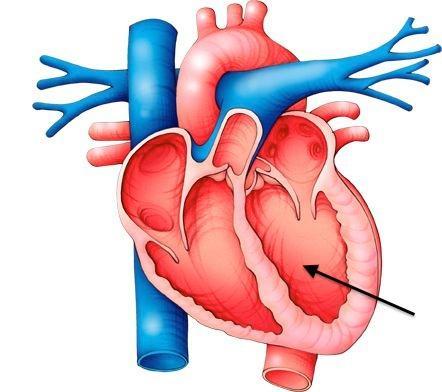
These cells play a vital role in defending the body against infection
Leucocytes
Erythrocytes
Blastocytes
Plasmacytes
_______ function in the life-saving process of clotting blood.
Phagocytes
Leucocytes
Erythrocytes
Platelets
True or false:
Blood traveling in veins is blue.
True
False
True or false:
Arteries always carry blood away from the heart.
True
False
True or false:
Arteries always carry oxygenated blood.
True
False
The blood in the vena cava is...
oxygenated, returning to the heart
deoxygenated, returning to the heart
oxygenated, leaving the heart
deoxygenated, leaving the heart
An open circulatory system is one that has:
no valves present
no heart to pump the fluid
no vessels at all
no distinction between blood and tissue fluid
What is the smallest type of cell in the blood called?
leucocytes
erythrocytes
lymphocytes
monocytes
The contraction/emptying phase of the cardiac cycle?
Systole
Diastole
The relaxing/filling stage of the cardiac cycle?
Systole
Diastole
Coronary arteries...
supply the heart muscle cells with a supply of blood.
supply the brain cells with a supply of blood.
contain deoxygenated blood.
when clogged, cause a stroke.
The type of blood vessel that normally carries de-oxygenated blood back to the heart from body cells?
arteries
capillaries
veins
The type of blood vessel that normally carries oxygenated blood from the heart to the body cells?
arteries
capillaries
veins
The type of blood vessel where exchange of gases, nutrients, and wastes occurs?
arteries
capillaries
veins

The main vein(s) that brings blood to the right atrium?
Aorta
Pulmonary veins
Superior and Inferior vena cava
Jugular vein
The sac that surrounds and protects the heart?
endocardium
epicardium
myocardium
pericardium

Instrument used to measure blood pressure?
AED
ECG
Sphygmomanometer
ultrasound

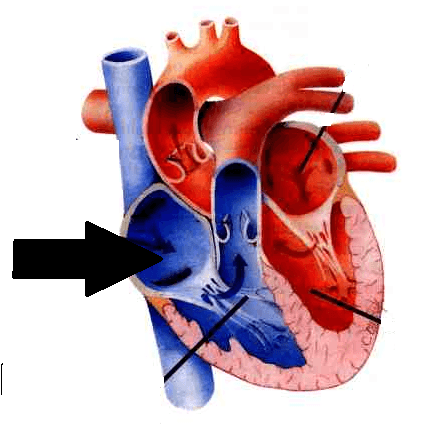
Name part I.
pericardium
mediastinum
septum
unknownum

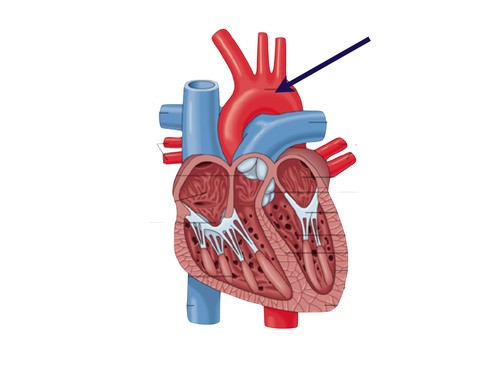
Name part A.
Pulmonary artery
Pulmonary vein
Superior vena cava
Aorta

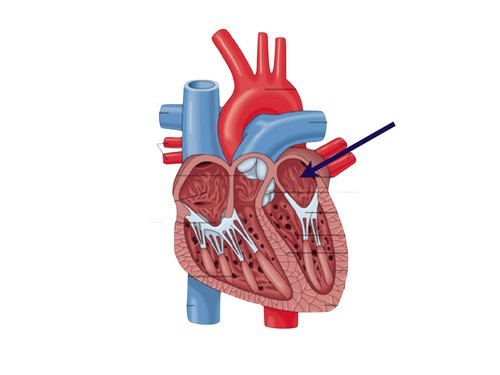
Name part M.
Tricuspid valve
Semilunar valve
Bicuspid valve
Mitral valve
All of the following are functions of blood except:
Transportation of oxygen and carbon dioxide.
Regulation of body temperature.
Synthesis of vitamins.
Defense against infection.
What protects the body against blood loss?
Clots formed by clusters of leukocytes.
Clots formed by platelets and blood proteins.
Masses of erythrocytes and erythrocyte fragments.
Constriction of capillaries in the damaged area.
The two primary components of whole blood are:
Serum and cells.
Plasma and cells.
Cells and dissolved proteins.
Blood cells and cell fragments.
What are the blood cells?
Erythrocytes, leukocytes, and platelets.
The buffy coat and plasma proteins.
Blood cells, cell fragments, and plasma.
All compounds synthesized by the blood.
The myocardium is composed of:
An outer fibrous layer and an inner serous layer.
Cardiac muscle tissue.
A simple squamous epithelium and a layer of areolar connective tissue.
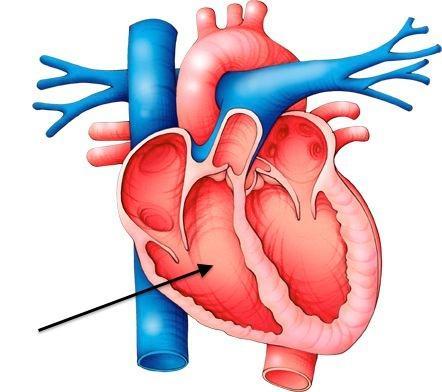
All of the following are true of the left ventricle except:
Wall is typically 3 times thicker than that of right ventricle.
It is separated from left atrium by Mitral valve.
Aortic semilunar valve at superior end separates it from the aorta.
Receives deoxygenated venous blood from the left atrium.
Blood from the systemic circuit returns directly into which
heart chamber?
left atrium.
Right auricle.
Left auricle.
Right atrium.
The pulmonary trunk carries blood from which heart chamber into the pulmonary circuit?
Left atrium.
Right atrium.
Left ventricle.
Right ventricle.
Oxygenated blood returning from the lungs enters the left
atrium through:
The pulmonary arteries.
The pulmonary veins.
The coronary sinus.
All of the above.
From the right atrium, blood passes through the right AV
(tricuspid) valve into the:
Pulmonary trunk.
Left atrium.
Right ventricle.
Left ventri.cle
Regardless of the heart chamber, contraction is called ____________ and relaxation, ____________.
Diastole, systole.
Systole, diastole.
Fibrillation, defibrillation.
Defibrillation, fibrillation.
When closed, the left atrioventricular valve prevents backflow of blood into the:
Left ventricle.
Left atrium.
Right atrium.
Right ventricle.
Which vessels have thin walls and small diameters that facilitate rapid diffusion of gases and nutrients between blood and body tissues?
Capillaries.
Arterioles.
Venules.
All of the above.
The valves between the ventricles and the arteries are called:
Atrioventricular valves.
Mitral valves.
Semilunar valves.
All of them.
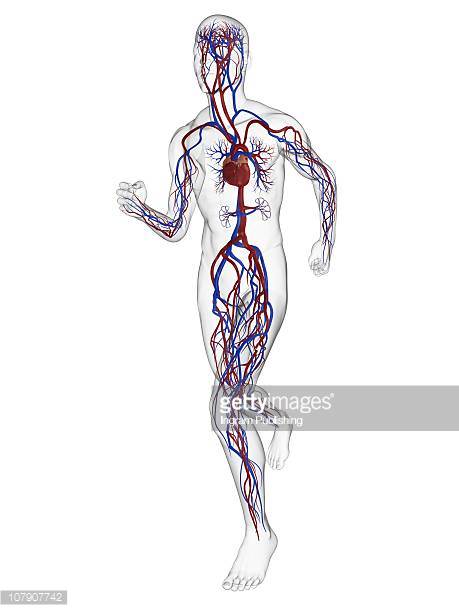
What is the main organ of the circulatory system?
small intestine
bone
lungs
heart
The job of the heart is to . . .
pump blood around the body.
send food to the small intestines.
break down food.
give energy to the body.
The heart is about the size and shape of your . . .
head
fist
hand
foot
Arteries carry oxygen rich blood away from the heart.
True
False
Veins carry oxygen poor blood back to the heart.
False
True

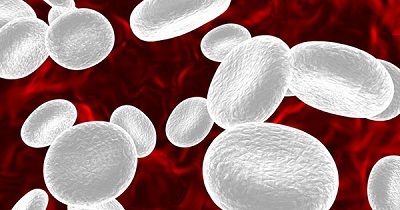
The cells in the blood that help fight germs and illnesses are the...
red blood cells
platelets
white blood cells
axons


Also called as bicuspid valve
Tricuspid valve
Mitral valve
Aortic valve
Pulmonary valve


State which cell contains hemoglobin
Neutrophils
Erythrocytes
Lymphocytes
Mast cells
They are specialized cells involved in the detection, phagocytosis and destruction of bacteria and other harmful organisms.
(a)
They secrete chemicals such as histamine, a marker of allergic disease, that help control the body's immune response.
(a)
He is an English doctor who discovered the
mechanics of blood circulation and the role
of the heart in propelling it.
(a)
Bicuspid valve and tricuspid valves are closed during
Ventricular systole
Ventricular diastole
Atrial systole
Late joint diastole
The second DUBB is produced at the beginning of
Ventricular diastole
Ventricular systole
Auricular systole
Auricular diastole
The first heart sound is produced when
Diastole begins
Semilunar valves close quickly
Interventricular pressure increases
Bicuspid and tricuspid valves close quickly
In human beings, the duration of cardiac cycle is
0.08 seconds
0.5 seconds
0.8 seconds
8.0 seconds

What is blood pressure?
Pressure of the blood against the walls of the veins.
Pressure of the heart pushing the blood out.
Pressure of the heart receiving blood.
Pressure of the blood against the walls of the arteries.
Which of the following is NOT a major factor affecting blood flow?
Heart size
Viscosity
Exercise
Plaque

As the diameter of a blood vessel DECREASES...
resistance INCREASES.
resistance DECREASES.
resistance is NOT affected.
The normal reading of systole and diastole is
100/50 mmHg
110/55 mmHg
120/80 mmHg
135/95 mmHg

The pacemaker of the heart is the
SA Node
AV Node
Bundle of His
Purkinje Fibres

Leukocytes that are involved in inflammation are
Basophils
Neutrophils
Lymphocytes
Eosinophis
Leukocytes that are involved in engulfing pathgens are
Basophils
Neutrophils
Lymphocytes
Eosinophis
What seals ruptures (tears) in blood vessels?
platelets and fibrin proteins
red blood cells
whites blood cells
What are the 4 blood groups?
A, B, AB, ABC
A, B, AB, O
A, B, C, D
A, B, C, O

The alternating expansion and relaxation of the artery wall caused by contraction of the left ventricle is
blood pressure
pulse
blood reading
palpitation
What is the correct path through the circulatory system which describes the passage of a blood clot originating in the left leg?
Vena cava--> right atrium--> right ventricle--> lungs-->left atrium-->left ventricle-->aorta
Vena cava--> left atrium--> right ventricle--> lungs-->left ventricle-->right ventricle-->aorta
Vena cava--> left atrium--> left ventricle--> lungs-->right atrium-->right ventricle-->aorta
Vena cava--> right atrium--> left atrium--> lungs--> right ventricle--> left ventricle-->aorta

Base your answer to questions #2 & #3 on the diagram below of the human heart and on your knowledge of biology.
Which sequence represents normal blood flow between the two sides of the heart?
A -> F -> D -> C -> B
B -> G -> H -> I -> C
C -> D -> F -> A -> I
D -> E -> I -> H -> G

Which statement correctly describes the activities of the components of human blood shown in the diagram below?
Both A and B function in immune responses, and C transports oxygen.
A, B, and C are able to synthesize hemoglobin.
Both B and C provide immunity, and A transports nutrients.
A transports oxygen, B initiates clots, and C functions in immune responses.
Red blood cells are produced in the
bone marrow
lymph nodes
liver
arteries
An infection in the body might result in a sudden
decrese in the activity of antigens produced by the mitochondria
decrese in the amount of DNA present in the nuclei of cells
increase in the activity of white blood cells
increase in the number of red blood cells
What is the yellowish liquid that carries nutrients and proteins through the body?
Red
White
Plasma
Platelets
Rank the following blood vessels in order of their average pressure, from highest to lowest:
Capillary > arteriole > venule > artery > vein > aorta
Aorta > artery > arteriole > capillary > venule > vein
Capillary > vein > venule > arteriole > artery > aorta
Aorta > arteriole > venule > artery > vein > capillary
The "lub sound" of the heart is due to:
The Mitral and Tricuspid valves just opened.
The Mitral and Tricuspid valves just snapped shut
The Pulmonary and Aortic valves just snapped shut
None of the above
Which of the following is part of the Lymphatic system?
Spleen
Lymphatic node
Thymus gland
Ursus Maritimus
If someone has type A blood, what type of antibodies are in their blood?
A
B
Both A and B
None
What are the three anatomical layers of the heart?
Endocardium
Fortocardium
Pericardium
Myocardium
Erythriocytes live for 100-120 days.
True
False
The lymph nodes , tonsils and spleen are parts of the __________ system.
circulatory system
respiratory system
lymphatic system
After jogging, I felt my heart beart rate increases. What will be my pulse rate?
Decreases
Increases
Remains same
Cannot imagine

Y = capillary
Z = vein
Y = capillary
Z = artery
Y = vein
Z = capillary
Y = artery
Z = vein
An average person's blood pressure is around 120/80. What does the "120" represent?
Diastole, when the ventricles relax
Systole, when the ventricles relax
Diastole, when the ventricles contract
Systole, when the ventricles contract
What causes a heart attack?
Coronary arteries become blocked so the heart tissue cannot receive oxygen and dies off
An artery in the brain becomes blocked and caused damage
A faulty valve creates back flow in the heart
A hole forms in the septum between the ventricles
structure that separates the superior and inferior chambers of the heart
atrioventricular valves
pulmonary valves
aortic valves
septum
heart strings that help open/close the AV valves
myocardium
tricuspid
mitral
chordae tendineae
The hepatic vein takes blood away from which organ?
heart
lungs
liver
kidney

