
 Worksheets
Science Grade 7
Total questions: 135
Worksheet time: 2hrs 56mins
The process of breaking down of food in the cell with release of energy is called
Digestion
Cellular respiration
Circulation
Excretion


When breakdown of glucose occurs with the use of oxygen it is called
aerobic respiration
anaerobic respiration
cellular respiration
anaerobes
Earthworms skin is
moist and slimy
moist and rough
rough and slippery
rough and slimy
In the cells Oxygen is used to break down
glucose into carbon di oxide
Glucose into carbon di oxide and water
water into carbon di oxide
carbon di oxide into water
During heavy exercise when supply of oxygen to our muscles is insufficient food breakdown is by
anaerobic respiration
aerobic respiration
cellular respiration
What is the chemical formula for glucose?
C6H12O6
C12H6O12
C6O12H6
6CH2O
Small openings on the side of the cockroaches body is called as
Trachea
Spiracles
Glucose
None
What are the products of anaerobic respiration in a human cell?
Energy and Lactic Acid
Lactic Acid
Lactic Acid and Carbon Dioxide
Carbon Dioxide and Water
How are the final products of photosynthesis related to cellular respiration?
They are the starting materials for cellular respiration.
They are also the final products for cellular respiration.
They convert chemical energy into light energy.
They convert chemical energy into light energy.
What is the organ used in plants for respiration ?
Gills
Stomata
Lungs
Air tubes in insects are also called ___________.
Trachea
Lungs
1.Oxygen liberated during photosynthesis come from ……………
Water
Carbon dioxide
Glucose
ChlorophyII
Which of the following is not required for photosynthesis?
Sunlight
Oxygen
Water
Carbon dioxid
Which of the following describes the characteristic of a living being?
Nutrition
Excretion
Respiration
All the above
Two different organisms living together and benefitting from each other are known as …………….
Saprophytic
Heterotrophs
Parasitic
Symbionts
An example of an autotrophic plant is ………………..
Mushroom
Mould
Dodder
Neem
An example of Saprophytic plant is …………….
Dodder
Mushroom
Pitcher
Rose

What is A in the given picture ?
(a)

What is B in the given picture ?
(a)

What is C in the given picture ?
(a)
Tiny pores on the surface of leaves are called …………………
ChlorophyII
Stomata
Leaf stalk
Lamina
What are the products of aerobic respiration?
Carbon Dioxide and Energy
Lactic Acid
Water and Carbon Dioxide
Glycogen and Carbon Dioxide
What are the products of anaerobic respiration in a human cell?
Energy and Lactic Acid
Lactic Acid
Lactic Acid and Carbon Dioxide
Carbon Dioxide and Water
What is the chemical formula for glucose?
C6H12O6
C12H6O12
C6O12H6
6CH2O
Where in the body does respiration take place? Select the best answer.
The lungs
The muscles
All cells
The blood
Yeast is a
Multicellular
Carnivore
Anaerobe
Single-celled organism
Lungs are present in the
Chest Cavity
Nasal cavity
Respiration
Diaphragm
During inhalation diaphragm moves
Down
Left
Right
Up
Small openings on the side of the cockroaches body is called as
Trachea
Spiracles
Glucose
None
Earthworms skin is
Moist and slimy
Moist and rough
Rough and slippery
Rough and slimy
When we inhale air, it passes through our nostrils into the
Nasal cavity
Chest cavity
Tracheae
Spiracles
The respiratory system works with the ________ to help with Cellular Respiration
Nervous system
Circulatory System
Muscular System
Endocrine System
Which of these is a product of cellular respiration?
ATP
Carbon dioxide
Water
All of these are a product of cellular respiration
What is cellular respiration?
The breakdown of glucose to release ATP
The breakdown of glucose to release NADH
The breakdown of glucose to release FADH
The breakdown of glucose to release carbon

Due to accumulation of which acid there is muscle cramp?
Hydrochloric
Lactric
Ammonium
Latic

Breathing is also known as ___ respiration?
Internal
External
Intracellular
Extracellular

2. Identify the given cells in the leaves of the plant:
White blood cells
Red blood cells
Guard cells
Platelets
3. All green plants are ____________________.
Autotrophs
Heterotrophs
Scavengers
Decomposers
4. Water and minerals are transported to the leaves and other parts of the plant by ____________________.
Stomata
Xylem vessels
Phloem vessels
None to the above
5. Chlorophyll is present in the cell organelle called _________________.
Cell membrane
Cytoplasm
Chloroplast
Croton
8. The mutual association in which two different types of organisms live and work together for their mutual benefit is called _______________________.
Symbiosis
Parasitic nutrition
Saprophytic nutrition
Autotrophic nutrition
9. Which of the following is an insectivorous plant?


The plant from which a parasite gets its food is called
Host
Chloroplats
Doddar
Green plants
What does ‘photo ‘ in photosynthesis refer to
Sun
Water
Light
Carbon dioxide
Which of the Following is a Saprophyte
Green plants
Mushroom
Alga
Rhizobium
Stomata are
Tiny pores located underside of Leaves
Photo
Synthesis
Carbon
Rhizobium can convert atmospheric nitrogen into water-soluble compounds
False
True
Carbohydrates,Proteins and Fats are
Nutrition
Food
Nutrients
Autotrophs
Pitcher plant traps insects because it
(a) is a heterotroph.
(b) grows in soils which lack in nitrogen.
(c) does not have chlorophyll.
(d) has a digestive system like human beings.
chlorophyll captures
carbon dioxide from surroundings
energy of the sunlight
minerals from soil
water from air
Starch is also a
carbohydrate
fats
vitamins
proteins
Rhizobium is an example of
(a) Symbiosis
(b) Parasites
(c) Insectivorous
(d) none of these
Foods synthesized in the process of Photosynthesis by plants is stored as
Starch
Protein
Vitamins
Fats
In lichens ______________ and _____________ live in symbotic association.
Bacteria and fungi
Mushroom and Rhizobium
Cuscuta and mistletoe
Algae and fungi
Leguminous plants are examples of _____________________ association.
autotrophic
saprophytic
symbiotic
parasitic
Centrally located spherical structure in cell is the ___________________
cytoplasm
nucleus
cell membrane
cell wall
Which part of plant is called as food factory?
Fruits
Seeds
Leaves
Flowers
The raw materials used for photosynthesis are
CO2, O2, H2
CO2, Water
N2, Water
O2 , Water
Organisms other than plants which contain Chlorophyll are
Algae
Protozoa
Virus
Fungi
In which of the following modes of heat transfer, do the molecules travel from the hotter part of the body to the colder part?
Conduction
Convection
Radiation
All of the three
Ventilation in rooms is due to
Conduction
Convection
Radiation
All of the three
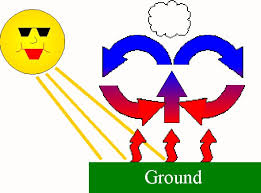
In heat transfer, heat always flows from the _?_ substance to the _?_ substance.
hotter to colder
colder to hotter
hotter to hotter
colder to colder

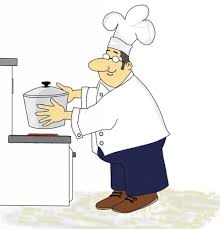
The candle will slowly heat the metal and transfer the heat directly to the mans hand. This is an example of _?_.
conduction
convection
radiation
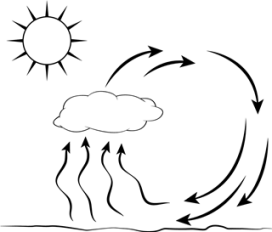
The moving of air in the image is an example of _?_.
radiation
convection
conduction
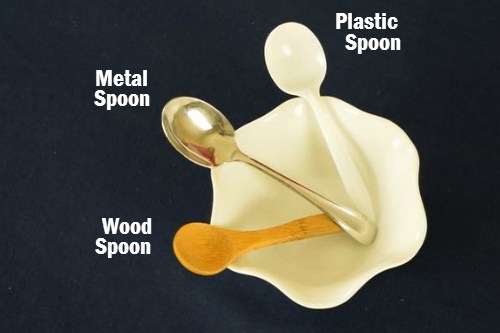
Which material will heat travel through the fastest?
Plastic
Wood
Metal
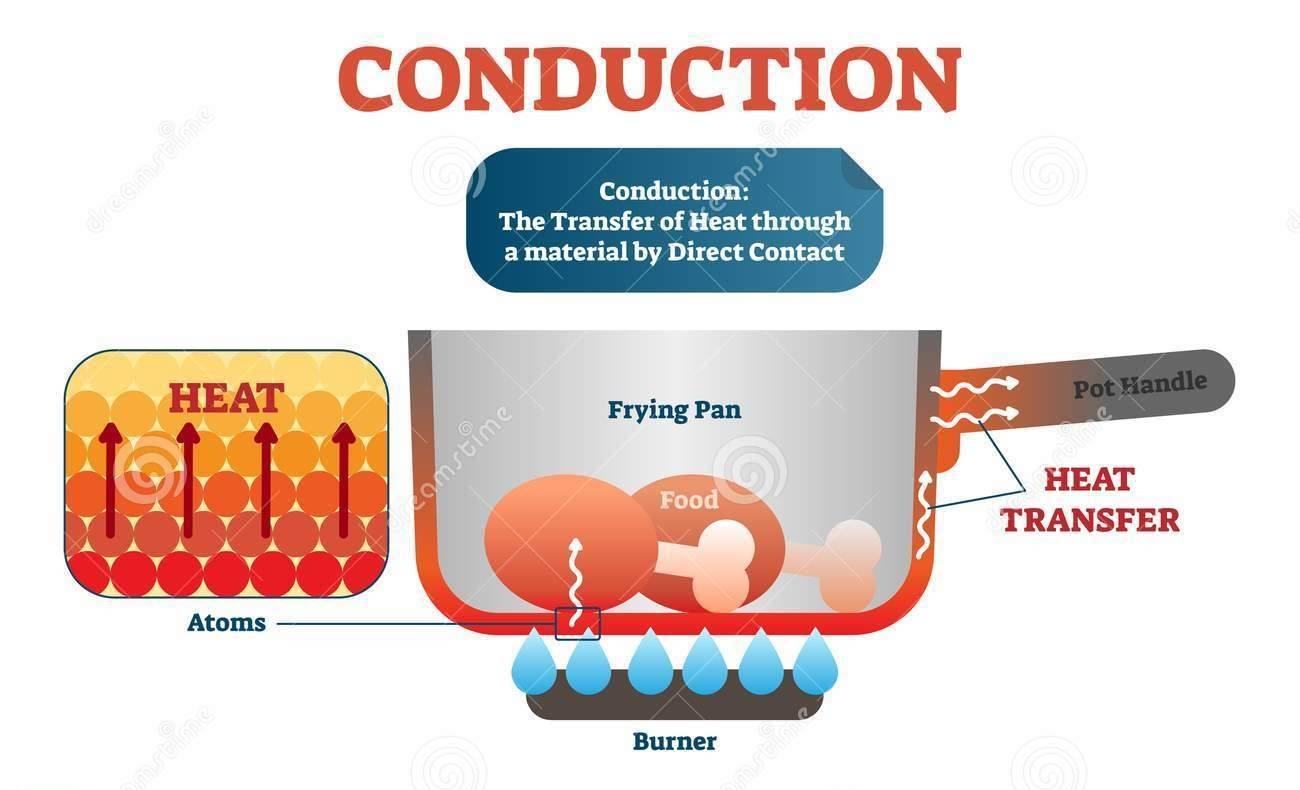
Which of the following is an example of heat transfer by Conduction?
Burning your fingers on a hot iron.
Heat from a heater warming up your whole house
Standing by a campfire and feeling the heat.
All of the above.
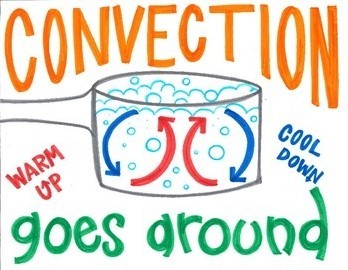
Which of the following is an example of heat transfer by Convection?
Burning your fingers on a hot iron.
Heat from a heater warming up your whole house
Standing by a campfire and feeling the heat.
All of the above.
If two objects have different temperatures, heat will flow from the warmer object to the cooler one UNTIL ____________
one reaches a temperature of zero
they both have an equal temperature
one runs out of energy
The path of the light is
always a straight line
a curved line
a zig-zag line
depends on the medium
Which one shows lateral inversion?
Plane mirror
Convex mirror
Concave mirror
All of these

What type of lens creates the image seen in the eyeglasses?
convex
concave
reflection
plane
A shopkeeper wants to keep an eye on his store in order to prevent shoplifting. What could the shopkeeper hang on the wall in order to see a wider image of his store and his customers?
a convex mirror
a concave mirror
a convex lens
a concave lens


Type of mirror found in a bathroom...
Plane
Convex
Concave

Type of mirror used as a side mirror on a vehicle to provide a wide angle view...
Plane
Convex
Concave
Type of mirror that can produce a virtual image...
Plane
Convex
Concave
All of the above
Does light need a medium to travel?
|Yes
No
Example of a opaque object is -------------------


Frosted glass is made of glass with an etched surface. How would you describe the glass as light travels through it?
Translucent
Transparent
Opaque
Diffraction
Light waves cannot travel completely through the following?
Air
rock
water
vacuum
Which is not a luminous body?
Sun
Star
Planet
Glow worm
What is an Acid?
Acids are the substances sour in taste and corrosive in nature.
Acids are the substance sour in taste and not corrosive in nature.
Acids are the substances bitter in taste and corrosive in nature.
Acids are the substances sweet in taste and corrosive in nature.
Acids have _____ ions.
H+
OH-
H-
OH+
Vitamin C is actually ______ acid.
Nitric Acid
Ascorbic Acid
Citrus Acid
Tartaric Acid
Chemical name of Lime Water..
Calcium Hydroxide
Calcium Carbonate
Calcium oxide
Calcium bisulphate
Window cleaners generally contains...
Magnesium Hydroxide
Potassium Hydroxide
Ammonium Hydroxide
Sodium Hydroxide
Tamarind , Grapes , Unripe Mangoes , Cherries , Peach etc.. contains
Lactic Acid
Citric Acid
Tartaric Acid
Ascorbic Acid
Soap contains ______.
Potassium Hydroxide
Calcium Hydroxide
Ammonium Hydroxide
Magnesium Hydroxide
Which of these are Natural Indicators?
Turmeric
Red Cabbage
Hibiscus
All of these
Case Study:
There is farming field near your house. The farmer of that field is complaining that the plants and crops are not growing properly.. Farmer is telling that the soil is acidic.. What he should add to the soil to make it suitable for farming?
Quick Lime
Nitric Acid
Hydrochloric Acid
Citric Acid
HCL + NaOH = __________ + _________
NaCl + H02
Na2OH + H20
NaCl + H20
C12H22O11 + H20
Ant bites you.. You are feeling pain... What should be used in order to cure pain?
Formic Solution
Callamine Solution
HCL Solution
Calamine Solution
What are Acid salts?
Salt formed from solution which has Strong Base but weak Acid.
Salt formed from solution which has Strong Acid but weak Base.
Salt formed from solution which has Strong acid and Base.
Salt formed from solution which has weak acid and Base.
_____________ is used as an Antacid.
Magnesium Hydroxide
Sodium Hydroxide
Ammonium Hydroxide
Calcium Hyrdroxide
What does PH value "7" indicates ?
Neutral Solution
Acidic Solution
Basic Solution
Strong Acidic Solution
Strong Basic Solution
Methyl Orange changes color to _______ in Acidic Solution and ________ in Basic Solution.
Red , Yellow
Red , Orange
Yellow , Orange
Orange, Red

Identify base and acid with help of ions present in them.
Purple - Acid ,
Orange - Base
Purple - Base ,
Orange - Acid
Purple - Neutral,
Orange - Base
Purple - Acid ,
Orange - Neutral
Baking Soda is scientifically called as
Sodium HydrogenCarbonate
Sodium Oxide
Sodium Carbonate
Sodium Hydroxide
What color will Red litmus paper will change in Acid?
Blue
Red
No color change
Everything is possible.
Litmus is extraced from __________.
lichens
herbs
cockroach
flower
Riddle:
I am an Acid.. I am helpful in digestion of food particles in our body! If I am too much acidic, you will surely take antacid to neutralize me. Who am I ?
HCL Acid
Sulphuric Acid
Citric Acid
Milk of Magnesia
Which one of the following is an animal product?
Gum
Honey
Catechu
Rubber
Understoreys are formed due to
Different sizes of the crown
Different types of the crown
Different height of the trees.
All of these
Sequence that represents the series of eating and being eaten is called
Food series
Food web
Food hub
Food chain
Which one of the following is a role of forests?
Prevent soil erosion
Provide food, shelter, water and medicines
Prevent flood
All of the above
which of the following serve as green lungs?
green pigment of plants
forests
kitchen garden
green house gases
Ryan visited a forest with his class mates and teacher. His teacher told the students not to make noise as it will disturb
birds
plants
animals
animals and birds
Which among the following is the smallest forest animal?
bison
fox
boar
porcupine
Which of the following has the strongest stem?
tree
herb
shrub
climber
Which of the following is not prepared from the wood obtained from forest?
plywood
paper
thermocol
matchsticks
Which one of the following is odd one out?
teak
sal
porcupine
kachnar
Select the correct food chain given below


None
All
Nutrients are replenished in soil through
roots
water
humus
all of these

