
Font size
 Worksheets
Biology EOC STAAR Review Category 4 Biological Processes and Sys
Total questions: 139
Worksheet time: 5hrs 38mins
A monosaccharide is the monomer for which biomolecule:
Lipid
Carbohydrate
Nucleic Acid
Protein
Lipids have which of the following monomer:
Glycerol & fatty acids
amino acids
monosaccharide
nucleotide
Which biomolecule has amino acids as their monomer?
Carbohydrate
Nucleic acid
lipid
protein
The monomer for nucleic acids is called a:
(a)
A banana is an example of which biomolecule
carbohydrate
lipid
protein
nucleic acid

protein

nucleic acid

carbohydrate

lipid
Match the following functions to the biomolecule
Act as hormones
Lipid
Build muscle
Protein
Carry genetic information
Nucleic acid
Energy source (cellular respiration)
Carbohydrate
True or False: You need all 4 biomolecules to survive.
(a)

The biomolecule that holds an organism's genetic information is called ___________.
carbohydrate
lipid
nucleic acid
protein
Which of the following is the correct pair of biomolecules and their monomers?
Carbohydrate: Fatty Acids
Protein: Amino acid
Lipid: Nucleotide
Nucleic Acid: DNA
Enzyme is a/an...
carbohydrate
lipid
protein
nucleic acid
Which of the following transfers the genetic information for the creation of proteins
from the nucleus to the ribosomes?
DNA
RNA
nucleotide
enzyme
What biomolecule serves as structural materials in hair, nails and connective tissues?
protein
lipid
carbohydrate
nucleic acid

The sugar in RNA is _____________while the sugar in DNA is ________.
deoxyribose, ribose
ribose, deoxyribose
c. ribose, phosphate
ribose, uracil
What is the function of carbohydrates?
Perform cell's functions/tasks
Fast energy
Energy storage
Alter other biomolecules
Store information for cells
What is the function of proteins?
Perform cell's functions/tasks
Fast energy
Energy storage
Alter other biomolecules
Store information for cells
What is the function of nucleic acids?
Perform cell's functions/tasks
Fast energy
Energy storage
Alter other biomolecules
Store information for cells
What is the function of lipids?
Perform cell's functions/tasks
Fast energy
Energy storage
Alter other biomolecules
Store information for cells
Your friend is really irritable while sitting in class. He feels lightheaded and dizzy. He is also feeling a bit of confusion and brain fog.
What inferences are most realistic to make about the biomolecules in your friend's body?
He is running low on fast sources of energy
Proteins are being broken down or reshaped
The coding information in the cell is incorrect or incomplete
There is not enough insulation or energy storage
Your friend is really irritable while sitting in class. He feels lightheaded and dizzy. He is also feeling a bit of confusion and brain fog.
What biomolecule does your friend need?
Carbohydrates
Lipids
Proteins
Nucleic Acids
Dystrophin is a molecule that holds muscle fibers together. In people with muscular dystrophy, a genetic disease that causes people to lose the ability to walk at a young age, dystrophin molecules never develop.
What biomolecule is this person missing?
Carbohydrates
Lipids
Proteins
Nucleic Acids
Bowhead whales can have a specialized layer of blubber up to 30 cm’s thick. This acts as a special insulation that traps the heat their muscles create from movement.
What biomolecule is the blubber primarily made of?
Carbohydrates
Lipids
Proteins
Nucleic Acids
There is a person with Albinism. This individual does not produce melanin. Melanin allows for people to be protected from the sun. Since Albinos do not produce this protein they are prone to getting sunburns.
What biomolecule results in the individual having albinism?
Carbohydrates
Lipids
Proteins
Nucleic Acids

Which statement best describes an interaction between the muscular system and the respiratory system?
The hormone adrenaline causes blood vessels to contract and send more blood to major muscles.
Metabolic wastes generated by muscle cells are eliminated in urine.
The diaphragm contracts causing the chest cavity to expand, which draws air into the lungs.
Nutrients absorbed in the small intestine are transported in blood to the brain.
When a person is suddenly cut by a sharp object, a nervous impulse is sent along a sensory neuron to the spinal cord. The impulse is immediately transmitted through motor neurons to produce a response. Which of the following correctly identifies and describes this response?
It is a reflex response that causes various muscles to contract in order to move away from the object.
It is a learned response that does not occur in infants or small children.
It is a conditioned response that occurs only to prevent injury.
It is a conditioned response that occurs only to prevent injury.It is a voluntary response that is initiated only after the impulse has been carried to the relevant area in the braiin.
Coracias garrulus is a blue bird with an orange-brown back. The offspring of this bird have an effective defense mechanism. The young birds vomit and cover themselves in a foul-smelling orange liquid when they sense a threat by predators. Which two systems alert the young bird to the danger and help produce the vomit it uses as a defense?
Nervous and digestive systems
Integumentary and muscular systems
Immune and respiratory systems
Excretory and reproductive systems

The fuzzy millipede, Polyxenus fasciculatus, is found in Texas and is preyed upon by most species of ants. To protect itself against the ants, it ejects fibers from a tuft located at the tail end of its body. The tufts have hooks at the tips and barbs along their length that lock and interlink with the ant's setae, small hairs that cover the body of the ant. When an ant attacks, the millipede flexes its back end toward the ant and wipes the tufts against it. As the ant attempts to remove the tufts, it entangles itself more, becoming immobilized. Which two systems most directly interact in the fuzzy millipede's defense against ants?
SELECT 2 ANSWERS!
Muscular
Integumentary
Immune
Endocrine
The outermost layer of plant stems in dicotyledons consists of epidermal cells and guard cells that surround openings called stomata. The epidermal cells are usually covered with a waterproof layer that provides protection from injury and water loss. The stomata allow gas exchange. The epidermal cells and stomata have functions similar to those of which two human body systems?
Skeletal and respiratory systems
Integumentary and respiratory systems
Cardiovascular and skeletal systems
Cardiovascular and integumentary systems
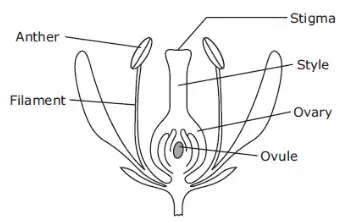
The diagram shows the reproductive system of a plant. Which of the following best describes the interaction that occurs between a plant's reproductive parts during self-fertilization?
Pollen is released from the anther and is transferred to the stigma. A pollen tube forms and grows through the style. The pollen tube reaches the filament, where the sperm fertilizes the egg.
Pollen is released from the stigma and is transferred to the anther. A pollen tube grows down from the anther through the filament and fuses with the ovule, where the sperm fertilizes the egg.
Pollen moves from the ovule up through the style and is released from the stigma. The pollen is transferred to the anther, where the sperm fertilizes the egg.
Pollen is released from the anther and is transferred to the stigma. A pollen tube forms and grows through the style. The pollen tube reaches an ovule within the ovary, where the sperm fertilizes the egg.
Invasive plant species affect the interactions of living and nonliving components of an ecosystem, so the removal of invasive plants is often necessary. The goal of most plant-control methods is to disrupt or inhibit the function of different plant systems. For example, insects can be used to chew through roots in order to reduce a plant's ability to absorb water.
Which of these functions would be most immediately affected by a reduction in water uptake by roots?
Disease resistance
Photosynthesis
Sunlight absorption
Seed dispersal
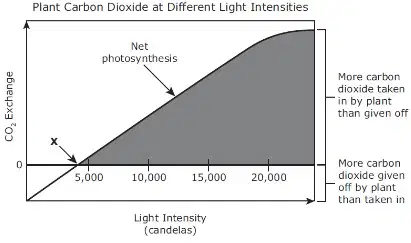
Most plant leaves take in more carbon dioxide as light increases. They give off carbon dioxide if light intensity is too low. The graph shows a plant's carbon dioxide levels at different light intensities.
At point X, the rate of which process is equal to the rate of photosynthesis?
Cellular respiration
Transpiration
Growth
Reproduction
Which answer choice best describes a community?
Praying mantises caring for their young
Three-spined sticklebacks living in estuaries
Different species of lizards occupying the same niche
Roosting mother bats recognizing their offspring
The human body is composed of organ systems. Which list represents a system organized from least to most complex?
Heart, cardiac muscle, muscle tissue, muscle cell
Lung tissue, trachea, nostrils, circulatory system
Integumentary system, skin cell, hair, sweat glands
Muscle cell, muscle tissue, biceps muscle, muscular system
Leaves are part of a plant's shoot system. The xylem tissue in leaves transports--
the bacteria needed for nitrogen fixation in root nodules.
the wax required to coat the surface of actively growing tissue.
the water and minerals that are absorbed by the roots.
the oxygen that regulates the rate of carbohydrate production.
Which of the following is an example of the endocrine system directly interacting with the nervous system?
The vertebrae protect the spinal cord from injury.
Hormones provide feedback that affects neural processing.
Sensory receptors in bones send signals about body positions to the brain.
The brain sends signals that control the speed at which food moves through the intestines.
A science class is planning a field trip to a local farm that has a large pond. Which of the following lists the order of biological organization from smallest to largest that the students can expect to find at the pond?
Organism, community, population, ecosystem
Population, organism, community, ecosystem
Organism, population, community, ecosystem
Population, organism, ecosystem, community
Which system gathers oxygen and gets rid of carbon dioxide?
integumentary
excretory
immune
cardiovascular
respiratory
Which system moves blood (including plasma through the body)?
integumentary
excretory
immune
circulatory/
cardiovascular
respiratory

Integumentary System
protective covering of the body (skin)
Respiratory System
gathers oxygen from the environment and gets rid of carbon dioxide from the body
Excretory System
gets rid of the body's waste (waste could be urine, feces, carbon dioxide)
Cardiovascular/ Circulatory System
moves blood through the body
Immune System
protects the body from foreign substances like bacteria and viruses
The phloem and xylem transport water, sugar, and nutrients. They are part of a plant's:
dermal system
vascular system
reproductive system
Photosynthesis requires the following things:
water
oxygen
glucose
carbon dioxide
sunlight
The Xylem transports (a) (b)
and the Phloem transports (c) (d) .
Which part of the flower produces male sex cells
Petal
Stamen (anther and filament)
carpel (stigma, style, ovary)
Which part of the flower produces eggs and develops embryos?
Petal
Stamen (anther and filament)
carpel (stigma, style, ovary)
Label the flower by putting the words on the correct blanks.
Which includes several species of animals (not non-living things)?
organism
population
community
ecosystem
Which is more complex?
tissue
organ
Which is more complex?
community
population
Which is more complex?
organism
ecosystem
Levels of organization: least complex to most complex
organelle
cell
tissue
organ
organism
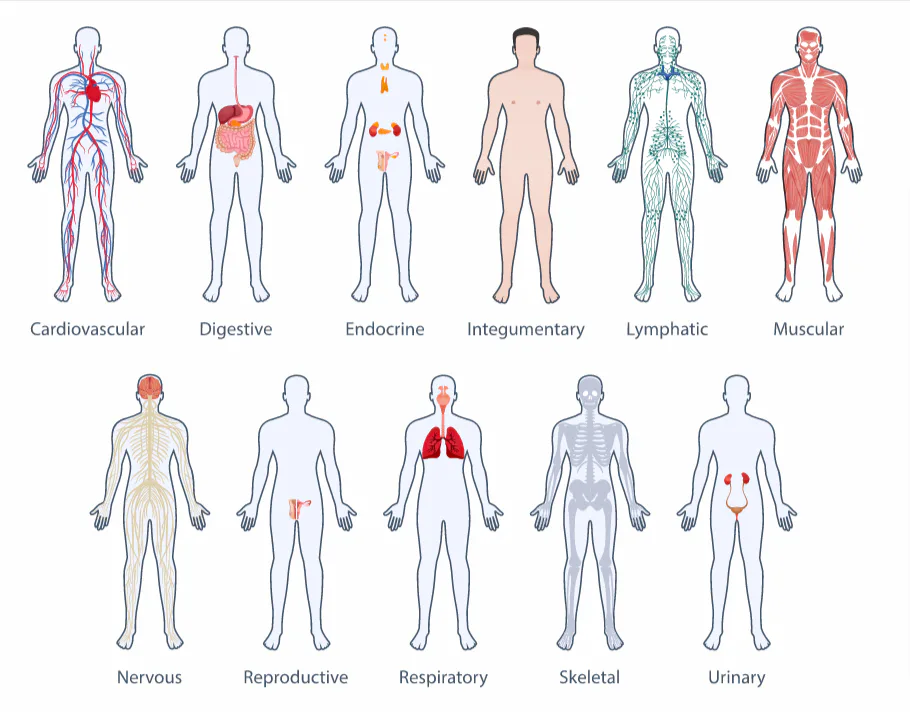
Integumentary System
protective covering of the body (skin)
Respiratory System
gathers oxygen from the environment and gets rid of carbon dioxide from the body
Excretory System
gets rid of the body's waste (waste could be urine, feces, carbon dioxide)
Cardiovascular/ Circulatory System
moves blood through the body
Immune System
protects the body from foreign substances like bacteria and viruses
Nervous System
collects information ; sending information in the form of electrical messages throughout the body
Endocrine System
makes chemical messages (hormones) to be sent throughout the body
Digestive System
breaks down food into nutrients that can be used by the body
Muscular System
allows movement of the body; works with the skeletal system to help you move
Male Reproductive System
produces sperm and delivers it to the female
Which of the following can be pathogens?
Bacteria only
Viruses only
Bacteria and viruses
Neither bacteria or viruses
Which pathogen is non-living?
Virus
Bacteria
Fungi
Parasite/Protist
They are all alive
Which type of pathogen is responsible for causing the flu, chicken pox, and yellow fever?
viruses
parasites
fungi
bacteria
Which pathogen is treated with antibiotics?
virus
bacteria
parasite
fungi
What is a first line defense?
Barries within our body which form the immune system.
When the pathogens gets through the external defenses, and the body's response leads to healing
The response from our body when a pathogen gets inside our body.
Physical and chemical barriers which prevent disease-causing pathogens enter your body.
An example of a first line defense are the immune cells.
What is your skin considered as?
Skin is considered as a second and third line defense barrier.
Skin is considered as a large cell which helps destroy pathogens.
Skin is considered a biochemical barrier of the first line defense system.
Skin is considered as a part of the immune system.
Skin is considered as first line defense barrier.
Which structure/s take part in the reflex movements and secretions which remove pathogens from body openings?
Phagocyte cells
Skin (epithelial cells).
Cilia and mucus.
Lymphocyte cells
White blood cells

A potted plant is laid on its side. The roots grow downwards, towards the earth, while the shoots grow upwards, towards the sky.
What sort of tropism is this plant exhibiting?
Hydrotropism
Geotropism
Chemotropism
Autotrophism

What sort of tropism is the plant in the image displaying?
Phototropism
Geotropism
Hydrotropism
Autotrophism
What does the xylem transport? (select all that apply)
Water
Glucose
Minerals
Amino Acids
Which direction do glucose and amino acids travel in the phloem?
From roots to leaves
From Leaves to roots
Materials can be transported in either direction
What direction does water and solutes travel in the xylem?
From roots to leaves
From leaves to roots
Materials can move in either direction

F
G
H
J

F
G
H
J

A
B
C
D

A
B
C
D

A
B
C
D

A
B
C
D

F
G
H
J
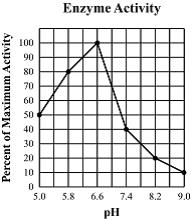
The optimum pH of the enzyme is 6.6.
The optimum pH of the enzyme is 5.8
The enzyme’s activity increases as pH increases 5.0 to 9.0
The enzyme’s activity is greater around pH of 8.0 .

A
B
C
D

A
B
C
D

A
B
C
D
___________ make food by photosynthesis and pass it back to the stem.
stems
roots
leaves
buds
What food substance is made by plants during photosynthesis?
Carbon dioxide
Glucose
Granulated sugar
Oxygen
Where is chlorophyll found in plants?
Leaves
Root
Flower
Stem
Which are examples of autotrophs? Select all that apply.
Bacteria
Humans
Plants
Algae
Humans cannot make their own food, what are they called?
Autotrophs
Producers
Heterotrophs
Herbivores
Which of the following is not transported in plants?
minerals
oxygen
water
carbon dioxide
This is the process in which plants sweat.
Transportation
Transpiration
Explanation
Exportation
The flow of water in the xylem travels in two directions up and down.
True
False
Both plants and humans have a transport system.
True
False
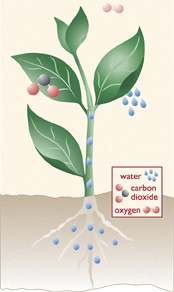
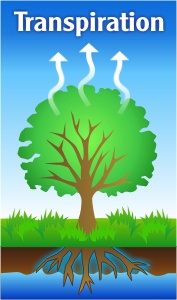
Where is xylem found in the plant?
leave -> roots -> stem
roots -> stem -> leaves
root hairs -> leaves -> veins
stem -> roots
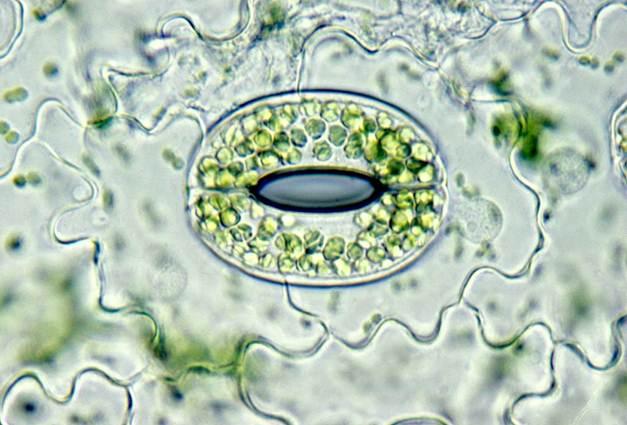
What do the guard cells do?
Control active transport
Control nutrients moving into the cell
Controls the rate of transpiration (loss of water through the leaf)
How do water enter the roots from the soil?
diffusion
osmosis
transpiration
active transport
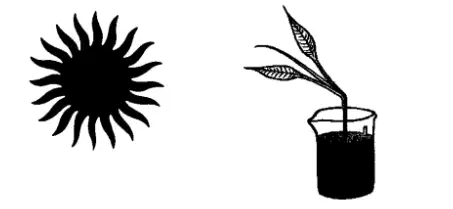
The plant shown below is growing in a glass beaker with access to water, nutrients, and light.
What explanation best accounts for the directional change in growth observed in the plant shown?
The plant was only watered on the left side of the beaker.
The plant was initially grown in the dark, then was placed in the sunlight.
The plant was initially grown on its side in a tray of water, then moved upright into a beaker.
Sunlight is only accessible from the left side of the beaker.
What organism(s) perform photosynthesis?
primary consumers
producers
secondary consumers
tertiary consumers
What are the TWO inputs of photosynthesis?
ATP
carbon dioxide
glucose
oxygen gas
water
What are the TWO outputs of photosynthesis?
ATP
carbon dioxide
glucose
oxygen gas
water
What happens to the solar energy (sunlight) absorbed by the chloroplasts?
It is converted into sunlight energy.
It is transferred to glucose.
It is stored in glucose.
It is stored in the bonds of ATP.
What organism(s) perform cellular respiration? Select ALL that apply.
primary consumers
producers
secondary consumers
tertiary consumers
What are the TWO inputs of cellular respiration?
ATP
carbon dioxide
glucose
oxygen gas
water
What are the THREE outputs of cellular respiration?
ATP
carbon dioxide
glucose
oxygen gas
water
What happens to the energy stored in glucose?
It is converted to solar energy.
It is transferred to ATP.
It turns into ATP.
Nothing - It remains in glucose.
What happens to matter between photosynthesis and cellular respiration?
Matter is lost as heat to the environment.
Matter is used by cells to perform daily processes.
Matter is cycled between these processes.
None of these are correct.
What is the role of light in the process of Photosynthesis
Light turns into sugar.
Light provides energy for breaking down sugar.
Light provides the energy for assembling small molecules into sugars
Light is sugar
Chloroplasts are found mostly in the leaves of plants because the large surface area of leaves allows for maximum light absorption.
True
False
Where does cellular respiration take place?
Golgi Apparatus
Chloroplast
Mitochondria
Nucleus
ATP is not a source of energy for plants and animals.
True
false
Cellular respiration is called an aerobic process because it requires
light
exercise
oxygen
glucose
Which organism is NOT likely to carry out cellular respiration?
cypress tree
button mushroom
anaerobic bacterium
Siberian tiger
Which of the following is one of the ways that cellular respiration and photosynthesis are opposite processes?
Photosynthesis releases energy, and cellular respiration stores energy.
Photosynthesis removes carbon dioxide from the atmosphere, and cellular respiration puts it back.
Photosynthesis removes oxygen from the atmosphere, and cellular respiration puts it back.
Photosynthesis consumes glucose, and cellular respiration produces glucose.
The products of photosynthesis are the
products of cellular respiration
reactants of cellular respiration
products of glycolysis
reactants of fermentation
Based on the cycle of photosynthesis and cellular respiration, one can say that the ultimate original source of energy for all living things on Earth is
glucose
water
the sun
carbon dioxide

Which process occurs here?
Photosynthesis
Cellular Respiration
During a normal 24-hour period, when do plants do photosynthesis?
Only when it is dark outside
Only when it rains
When it is light or dark outside
Only when it is light outside
Where in the cell does photosynthesis take place?
Chloroplasts
Ribosomes
Mitochondria
Golgi Apparatus
Do plants and humans both use the same type of cellular respiration?
Yes
No
Unlike photosynthesis, cellular respiration occurs in
animal cells only.
plant cells only.
all but plant cells.
all eukaryotic cells.
Which phrase best describes an exothermic chemical reaction?
Does not absorb any energy
Forms products with higher bond energy than reactants
Is in a state of equilibrium
Releases more energy than it absorbs
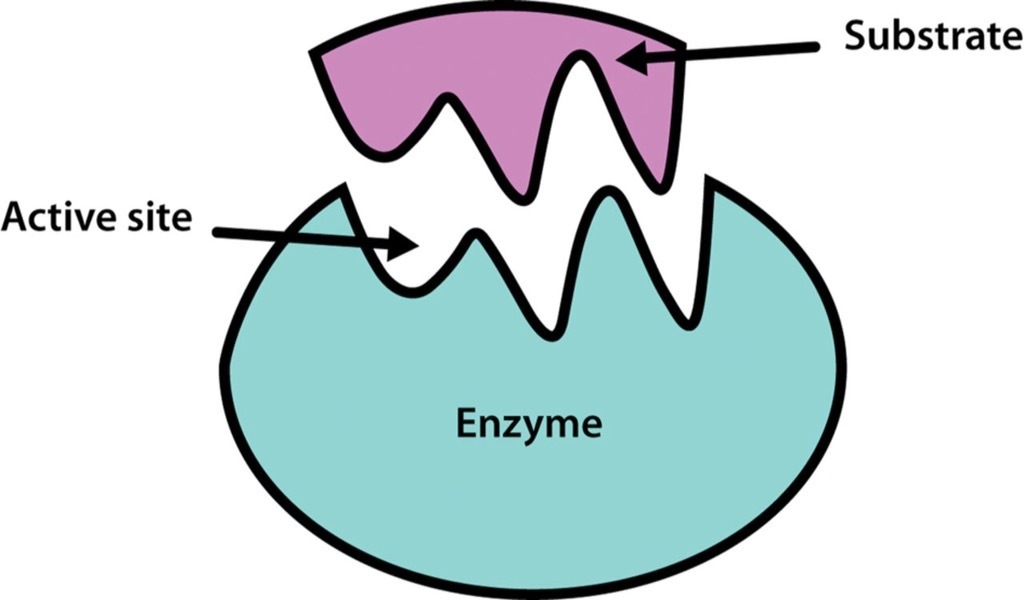
What is a substrate?
Substrate
Co-enzyme
reactant
protein
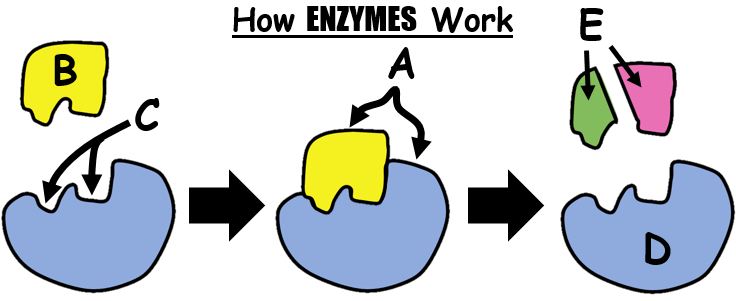
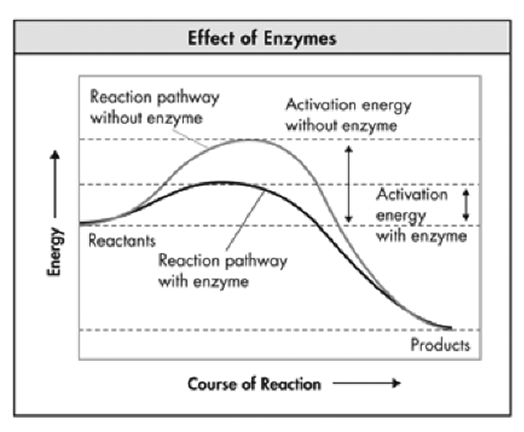
Circle the enzyme

Circle the substrate
Circle the active site

Why has this enzyme activity decreased so much?
The enzyme has become saturated
The temperature is too low
The enzyme has become denatured
Which type of inhibition can be overcome by adding more substrate?
Noncompetitive(Allosteric) inhibition
Competitive inhibition

