
Font size
 Worksheets
biolooogy
Total questions: 160
Worksheet time: 2hrs 43mins
Sense organs are _____ in number in human beings.
2
3
4
5
Sensation is_____.
Physical process
Chemical process
Both
None
Eye ball is located in____
Eye jacket
Eye socket
Skull
All the above
Your eyes are being protected by_____.
Eye lashes
Eye brows
Eye lids
All the above
Eye brows protect us from_____.
Dust particles
Water droplets slide down from forehead
Both
None
Eye lids and eye lashes protect us from_____
Dust particles
Light
Both
Water droplets
Outermost layer that covers eye__.
Sclera
Chorion
Retina
All the above
Cornea is____.
Opaque layer that covers eye in outermost region
Transperent layer that cover front part of eye
Black coloured layer that supply blood to eye
All the above
Pupil dialates according to the ________.
Size of object
Intensity of light
Both
None
Biconvex lens present in the eye is moved by the movement of _-muscles.
Circular
Longitudinal
Ciliary
Papillary
Retina is____.
Innermost layer of eye
Sensory in function
Posses receptor cells
All the above
The part of eye doesn't have any blood supply____.
Cornea
Pupil
Lens
All the above
The chambers present in front of lens is calked____.
Aquous chamber
Viterous chamber
Both
None
Part of eye useful for identification of human beings__
Pupil
Iris
Lens
Cornea
_______ membrane starts as optic nerve.
Sclera
Chorion
Retina
All the above
Fovea means____.
Part of retina absence of receptor cells.
Part of retina with the presence of abundant number of receptor cells.
Part of retina starts as optic nerve
All the above
Binocular vision means_____.
To visualise two objects at the same time.
To visualise one object with one eye at a time.
To visualise two objects with two eyes.
To visualise one object at a time with two eyes.
_____ part of the eye is visible to outside while the remaining part lo ated in eye socket.
1/3rd
1/4 th
1/5 th
1/6 th
Sense organs help us____
To direct us towards stimukus
To survive in the surroundings
To get knowledge from surroundings
All the above
The nerve that sends sensation to the brain from eye is called_____.
Claocal nerve
Audible nerve
Optic nerve
All the above
Photoreceptors are_____. కాంతి గ్రాహకాలు____.
Rods రాడ్లు
Cones కోనులు
Both రెండూ
None ఏదీకాదు
Photoreceptors are located in the layer____. కాంతి గ్రాహకాలు కంటిలోని ఈ పొరలో ఉంటాయి.
Sclera దృడ స్తరము
Choroid రక్త పటలము
Retina నెత్రపటలము
All the above పైవన్నీ
Function of Photo receptors____. కాంతి గ్రాహకాల విధి___.
To. Receive photo images కాంతి లోనికి వెలువడిన కాంతి ప్రతిబింబాలను గ్రహించడం.
Convert them to electric impulses కాంతిని విద్యుత్ ప్రచోదన లు గా మార్చడం.
Send impulses to brain through nerve విద్యుత్ ప్రచోదన లను నాడి ద్వారా మెదడు పంపడం.
All the above పైవన్నీ
Rods can function in____. దండాలు పని చేసేది____.
High intensity of light తీవ్రత గల కాంతిలో.
Low intensity of light మసకగా ఉన్న కాంతిలో.
Both in high and low intensities of light తీవ్రత గల కాంతి లోను, మసకగా ఉన్న కాంతిలోనూ
Only in some of the coloured lights. కొన్ని రకములైన రంగుల కాంతులలో మాత్రమే.
Why do objects appear dull and colourless in dim lights? తక్కువ కాంతిలో మనం చూసే వస్తువులు కాంతివిహీనంగా గాను రంగులు లేకుండానూ కనిపిస్తాయి ఎందువలన?
Rods function in dim lights can find colours. తక్కువ కాంతి లో పని చేసే దండాలు రంగులను గుర్తించగలవు.
Rods function in bright light cannot determine colours అధిక కాంతి లో పనిచేసే దండాలు రంగులను గుర్తించలేవు.
Rods function in dim light cannot find colours. తక్కువ కాంతి లో పని చేసే దండాలు రంగులను గుర్తించ లేవు.
All the above పైవన్నీ
Pigment present in rods___. దండాల లో ఉంటే వర్ణక పదార్థం____.
Idapsin ఐడాప్సిన్
Rodalsin రొడప్సిన్
Both రెండూ
None ఏదీకాదు
Meopia ఇస్ caused by locating the image____. హ్రస్వ దృష్టి ఇందువలన కలుగుతుంది.
Far from retina నెత్రపతలం కు వెనుక
On retina netrapatalam పై
Before retina నెత్రపటలం ku ముందు
All the above conditions పై అన్ని సందర్భాలలో
Hyperomia is caused by focussing image ____. దీర్ఘదృష్టి ఇందువలన కలుగుతుంది____.
Before retina నెత్రపటలం ku ముందుగా.
On retian నేత్రపటలం మీద
Far from retina నెత్రపతలం ku దూరం గా
All the above పైవన్నీ
Colour blindness____.
వర్ణాన్ధత్వము_____.
Genetical disease. జన్యు సంబంధిత వ్యాధి.
Person suffers do determine colours. వ్యక్తి రంగులను గుర్తించడంలో పొరపాటు పడతాడు.
Both రెండూ
Dense layer appears on eye ball. కంటిపాప పై దట్టమైన పొర ఏర్పడుతుంది.
Colour blindness is caused by_____. వర్ణాంధత్వము కలగడానికి కారణం___.
Failure of functioning of rods దండాల పనితీరులో లోపం
Failure of functioning of cones. కోను ల పని తీరులో లోపం.
Failure of both rods and cones దండాలు మరియు ఫోనుల పనితీరు లో లోపం.
None of the above ఏదీ కాదు.
How do you say eye acts like a camera? కన్ను ఏవిధంగా కెమెరా వలే పనిచేస్తుంది అని చెప్తావు?
Eye focusses light entered into eye on retina. ఇంటిలోనికి వెలువడిన కాంతి రెటీనా పై కన్ను కేంద్రీకరించబదెలా చేస్తుంది.
The focussed image is inverted on retina. రెటీనా పై ఏర్పడే ప్రతిబింబం తలక్రిందులుగా ఉంటుంది.
The image later being analysed by brain to visualise us. కంటిలో ఏర్పడిన ప్రతిబింబం తర్వాత మెదడు ద్వారా విశ్లేషించబడి, మనకు తెలుస్తుంది.
All the above పైవన్నీ.
Rods in eye are nearly _____ in number.
125 thousands
125 lakhs
125 millions
All the above పైవన్నీ
Which disease occured if rods are non functional in eye? కంటిలో ఉండే దండాలు పని చేయకపోతే ఏ వ్యాధి కలుగుతుంది?
Colour blindness వర్ణాంధత్వము
Cataract శుక్లాలు
Night blindedness రేచీకటి
All the above పైవన్నీ
Part of brain that analyses visual impulses___. మెదడులోని ఏ పాదం సృష్టికి సంబంధించిన ప్రచోద నాలను గ్రహిస్తుంది?
Front part
Peripheral part
Inner part
Back part
The nerves passes from each eye to bring impulses to brain___. కంటి నుండి బయలుదేరి మెదడు కు ప్రచోదన లను అందజే సే నాడీ___.
Ofthalmic nerve ఆఫ్తాల్మిక్ నాడి
Optic nerve దృక్నాడి
Both రెండూ
Tactile nerve టాక్టైల్ నాడి.
Dicots means___
Plants with reticulate venation
Plants with top root system
Both
None
Plants with single seed leaf_____. ఓకే బిజ దళం గల మొక్కలు__.
Dicots ద్విదళ బీజాలు
Monocots ఏక దళ బీజాలు
Both రెండూ
None ఏదీకాదు
Reticulate venation ఇస్ seen in____. Jalakara ఈనెల వ్యాపనం ఈ మొక్కలలో కనిపిస్తుంది.
Monocots ఏకదళబీజాలు
Dicots ద్విదల బీజాలు
Both రెండూ
None ఏదీకాదు
Adventitious root system is seen in____. గు బురు వేరు వ్యవస్థ కనిపించే మొక్కలు__
Monocots ఏక దళ బీజాలు
Dicots ద్విదల బీజాలు
Both రెండూ
None ఏదీకాదు
Flowers in monocots are____
Trimerous
Pentamerous
Dimerous
All the above పైవన్నీ
Eye is covered by____layers.
4
5
2
3
Small,white coloured flowers in groups are characteristic feature in_____.
Monocots
Dicots
Both
None
Part of eye doesnot receive blood dupply_____.
Iris
Cornea
Retina
Choroid
Receptor cells present in retina_____.
Rods
Cones
Both
None
Eye is being protected by____.
Eye brows
Eye lashes
Eye lids
All the above
_______ extends as _____nerve.
Sclera. Auditory
Choroid. Auditory
Sclera optic
Sclera. Auditory
Fovea means______.
Area abundant with rods
Area abundant with cones
Area abundant with rods and cones
All the above
___ part of the eye is visible outside.
1/7
1/9
1/4
1/6
Binocular vision means_____.
Vision of two things with two eyes at a time.
Vision of two things at different times
Vision of one thing at a time with two eyes
All the above.
Part of eye useful for recognition____.
Retina
Iris
Pupil
Cornea
Sensory layer in eye____.
Sclera
Choroid
Retina
All the above
Pupil dialations and contractions takesplace a cording to____.
Intensity of light
Dust particles entry
Both
None
Lents divides area on eye into two. Area infront of lens___
Viscous chamber
Aquous chamber
Both
None
Layer provides blood circulation to eye'___.
Retina
Choroid
Sclera
All the above
Plants with no branches____.
Monocots
Dicots
Both
None
What sensory organ will you use in hearing sounds?
eyes
ears
tongue
nose
What sensory organ will you use in seeing things?
eyes
ears
tongue
nose
I (a) foods with my tongue.
I (a) flowers through my nose.

What sense will you use in the picture shown?
Sense of smell
Sense of sight
Sense of Hearing
Sense of Touch
Through our skin, we can feel and touch objects.
True
False
We use our tongue to tell if the food is sweet, sour, bitter or salty.
False
True
We can hear things through our nose
True
False
Maybe
None of the above

The heart is white. What sensory organ did I use to tell the color of the heart.
Face
Ears
Eyes
See
Why must we practice healthy habits on our sensory organs?
to keep our sense organs free from diseases
to keep us beautiful
to make us smarter
just nothing
Part of the eye that function to regulate the amount of light entering the eyes is ....
cornea
iris
pupil
lens
retina

The white of the eye is called the what?
Iris
Cornea
Sclera
Retina

Nerve endings that allow us to see the colors red, blue, and green.
Rods
Cones

These nerve endings allow us to see black white and gray
Rods
Cones
Ruffini
Part of the eye that changes light into an electrical message
Retina
Sclera
Iris
Aqueous Humor
This is the colored part of the eye
Cochlea
Pupil
Cornea
Iris
Part of the eye that changes size to allow the proper amount of light to enter the eye
Pupil
Lens
Optic Nerve
Retina
Part of the ear that looks like a snail, changes sound waves into electrical messages
Eustachian Tube
Aqueous Humor
Cochlea
Escargots
These are vibrations in the air
Light
Sound waves
Smells
Radio Waves


What would happen to your pupils if it's extremely bright outside?
They would let a lot of light into your eyes
They would expand and become very large
They would contract and become very small
They would close up completely

What role does your brain play in the process of seeing?
It puts blurry images into focus.
It turns black-and-white images into color.
It flips upside-down images rightside-up.
It flips backwards images over so you see them the correct way.
What is the retina?
the back part of the eye where the image is formed
the front part of the eye that is clear
the black part that light goes through
the colored part
The ears are the organs of
hearing
sight
touch
taste

The pinna and ear canal belong to:
outer ear
middle ear
inner ear

Ears are divided into _______ parts.
one
three
two

Choose levels of organization in the correct order from smallest to largest.
organ system, tissue, organ, cells
cells, organs, tissues, organ systems
cells, tissues, organs, organ systems
organ systems, organs, tissues, cells
What are the two parts of the nervous system?
Central nervous system
Brain
Senses
Peripheral nervous system

What organs in the nervous system pass along messages?
neurons
brain tissue
cords
wires
Which does the brain NOT do?
store and retrieve memories
process information
collect sound waves
control involuntary activites

Which are nerves in the body?
motor nerve
sensory nerve
vibration nerve
cereberum
The three main functions of the nervous system are ...
Decision making, thinking, and gathering information
Seeing, Feeling, and Hearing
Gathering information, maintaining homeostasis, and responding to stimuli
Using the 5 senses, telling my body to move, and being aware of my surroundings
What part of a neuron is responsible for sending an impulse to the next neuron?
Axon Terminal
Dendrites
Cell Body
Axon
Impulses can travel back and forth along the same neuron chain.
True
False
The nerves that extend from the brain and spinal cord, make up the _____________________.
Central Nervous System(CNS)
Somatic Nervous System
Autonomic Nervous System
Peripheral Nervous System(PNS)
A motor neuron ...
Relays information to other neurons
Gives commands to my nerves
Senses information
Gives commands to my muscles
Which two organs make up the Central Nervous System(CNS)?
Brain and Heart
Brain and Lungs
Brain and Nerves throughout the body
Brain and Spinal Cord
Select the answer that is in the correct order.
Stimuli, impulse sent down a neuron chain, brain makes decision, sensory neurons detect a change in the environment, muscles move accordingly
Impulse sent to brain, receptors detect information, Motor neurons send an impulse to a muscle group
Stimuli, sensory neurons detect information, inter neurons in the brain relay the information, motor neurons send an impulse to a muscle group

What is the spinal chord?
The main pathway for information connecting the brain and peripheral nervous system
The part of our nervous system that gives the rest of the body structure
A series of bones that are made up of vertebrae and cartilage
A small organ that stretches from the brain to the base of the neck

What do we need to receive information from around us?
The senses
The brain
The nerves
The bones

#3 Refers to the circular structure that surrounds the pupil and regulates the amount of light entering the eye.
Cornea
Pupil
Retina
Iris

#1 Refers to the clear tissue that covers the front of the eye
Retina
Cornea
Pupil
Iris
The white part of the eye made of a tough material
lens
sclera
retina
optic nerve
The colorful part of the eye, controls light going into the pupil
lens
iris
sclera
retina
back of the eye, takes light and changes it to nerve signals
lens
sclera
optic nerve
retina
carries messages from the eye to the brain
lens
vitreous humor
retina
optic nerve
gel substance that gives the eye shape
optic nerve
iris
vitreous humor
retina


The thick, tough, white outer covering of the eyeball is called the __________________.
sclera
lens
pupil
cornea
The place where the optic nerve leaves the retina, where there are no light-sensitive cells is the ________________.
lens
cornea
blind spot
sclera
___________________ is a clear fluid in the front part of the eye, that helps the cornea keep its rounded shape.
cornea
aqueous humor
vitreous humor
retina

Which part is #1?
sclera
cornea
retina
lens
Which part is #2?
iris
cornea
retina
lens
Which part is #3?
sclera
cornea
retina
lens
Which part is #4?
pupil
iris
cornea
lens
Which part is #5?
pupil
iris
cornea
lens
Which part is #6?
sclera
cornea
retina
lens
Which part is #7?
sclera
optic nerve
cornea
retina
What does the optic nerve do?
transmit impulses from retina to brain
helps the eye focus
receives light and sends it to brain
transmits light rays to retina
What does the retina do?
transmit impulses from retina to brain
helps the eye focus
receives light and sends it to brain
transmits light rays to retina
What does the pupil do?
protects the eye
helps the eye focus
allows light to enter eye
regulates how much light enters the eye
What does the lens do?
transmits light rays to retina
helps the eye focus
allows light to enter eye
regulates how much light enters the eye
Name the outer most layer of eyeball
Retina
Sclera
Choroid
Yellow spot
Part of the eye that function to regulate the amount of light entering the eyes is ....
cornea
iris
pupil
lens
retina
An object will clearly visible to the eye if the image falls right into the ....
cornea
iris
pupil
lens
retina
A thin membrane protecting the inner part of the eyes from the outside materials is called ...
cornea
retina
iris
lens
pupil
Part of the eye that the functions to capture images formed by the eye lens is ....
cornea
optic nerve
retina
pupil
iris
The space behind the cornea, in between the cornea and the iris, filled with a thin watery liquid called ....
cillary muscle
liquid jelly
tears
aqueous humor
optic nerve
Myopia patiens can be helped by using eyeglasses made of .... lenses.
concave
round
cylinder
convex
flat
Hyperopia occurs due to ....
the image of the object falls in front of the retina
the image of the object falls behind the retina
the image of the object faals right in the retina
the image cannot be captured
the eyes accomodating power decreases
If the image falls in front of the retina when the eyes do not accomodate, the eyes said to be ....
myopia
hyperopia
emetrop
astigmatism
presbyopia
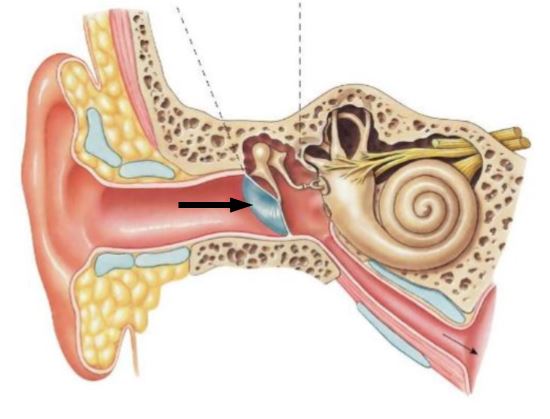
What is this?
Ear Drum
Ear Canal
Pinna
Hammer
Cochlea
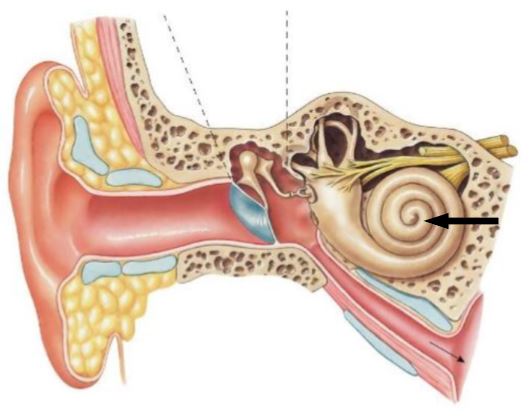
What is this?
Pinna
Hearing Nerve
Cochlea
Ear Drum
Anvil
Which part(s) of the ear are found in the middle ear?
eardrum
hammer
anvil
cochlea
stirrup
Name the part(s) of the ear found in the inner ear.
ear canal
cochlea
anvil
auditory nerve
hammer
The cochlea is found in which section of the ear?
outer
inner
middle
What part of the ear does a cochlear implant affect?
Pinna
Ear Drum
Cochlea
Middle Ear
What happens in the tympanic membrane
?
Sound waves are converted to vibrations.
Sound waves make the tiny hairs in your ear move
Carries the message to the brain
What does the fluid inside your ears do when displaced?
Vibrates the skin in your ear
Sends sound waves to the brain
Displaces the hair cells.
Stimulates the hair cells to send an impulse
Where is the Eustachian Tube connected to?
The back of the head
The back of the nose
The back of the Ear
When sound waves cause the tympanic membrane to vibrate, these vibrations are immediately passed on to the_________.
outer ear and ear canal
inner ear
tiny hairs
three small bones in the middle ear

What happens in the inner ear?
Sound waves are captured.
Sound waves move deeper into the ear.
Sound waves are reflected.
Sound waves are converted into nerve impulses.
Which of the following is NOT in the MIDDLE EAR?
Auricle
Eustachian tube
Malleus
Tympanic Membrane
The impulse is generated and is transmitted to the temporal lobe when what happens?
the eardrum vibrates
the basilar membrane vibrates
the oval window vibrates
the hair cells are bent

