
 Worksheets
Semester 2 Review
Total questions: 120
Worksheet time: 2hrs 30mins
Protects the body, regulates body temperature
Integumentary
Nervous
Skeletal
Muscular
Carries oxygen and nutrients to all parts of the body.
Integumentary
Nervous
Circulatory
Respiratory
Allows movement in the body
Integumentary
Nervous
Skeletal
Muscular
Receives stimuli and transports impulses, coordinates actions and reactions in the body
Integumentary
Nervous
Circulatory
Respiratory
Supports and provides structure for the body
Skeletal
Muscular
Circulatory
Respiratory
Supplies blood with oxygen and rids the body of carbon dioxide
Integumentary
Nervous
Circulatory
Respiratory

Makes chemical messages that regulate conditions inside the body.
circulatory system
respiratory system
endocrine system
muscular system


A/an ___________________ is a group os tissues that work together to perform a specific job.
organ
cell
skin
The excretory system helps ___________ wastes in the body.
bring in
get rid of
Which statement is true
1. Xylem carries water while phloem carries food.
2. Xylem carries food while phloem carries water.
1.
2.
What is the main purpose of the flower?
To make our homes smell nice.
To look pretty.
To attract pollenators
To feed bees
Which of these are Products of Photosynthesis?
Glucose
Carbon Dioxide (CO2)
Oxygen (O2)
Water (H2O)
Which of these are the Raw Materials of Photosynthesis?
Glucose
Carbon Dioxide (CO2)
Oxygen (O2)
Water (H2O)
The Stomata is ...
Part of the Chloroplast
A type of Vascular Tissue
An opening in the leaf to let in/out gas
An opening in the roots
Phototropism is....
a plants' response to Gravity
a plants' response to Water
a plants' response to Light
a plants' person business
Plants are _________________ which means they make their own food.
heterotrophs
chemotrophs
autotrophs
liveotrophs
The waxy waterproof layer on the leaves and some stems of plants is called the _________________.
root
stomata
petal
cuticle
The cells on each end of the stomata that control the opening and closing are called ____________________.
guard cell
stomata
petal
cuticle
Growth of plant in response to touch
gravitropism
phototropism
thigmotropism
Growth of plant towards or away from gravity
gravitropism
phototropism
thigmotropism
The vascular tissues of the plant are the ____________ which brings water up to from the roots of the plant and the _______________ which brings nutrients from the leaves to other parts of the plant
xylem, phloem
phloem, xylem
stomata, guard cell
guard cell, stomata
Which part of a plant absorbs sunlight?
Flower
Leaf
Stem
Roots
Which part of a plant carries water to different parts of a plant?
Flower
Leaf
Stem
Roots
Which part of a plant soaks up water from the ground?
Flower
Leaf
Stem
Roots

What is causing this plant to bend toward the light
geotropism
thigmotropism
the wind
phototropism
2. What plant tissue transports food (glucose) throughout the plant?
roots
leaves
phloem
xylem
Which statement about photosynthesis is correct?
Plants get the energy they need for photosynthesis from water.
Plants get the energy they need for photosynthesis from soil.
Plants get the energy they need for photosynthesis from sunlight which is captured by the leaves.
Plants do not require energy to perform photosynthesis.


Two identical alleles for a trait is known as
homozygous
heterozygous
mutation
codominance

A physical appearance is
genotype
heterozygous
phenotype
codominance
Who studied different characteristics of pea plants by cross-pollinating plants?
Gregor Mendel
Albert Punnett
Sir Isaac Newton
David Kuster
What does a Punnett Square determine?
all of Mendel's discoveries about genetic crosses
all the outcomes of a genetic cross
only the recessive allele combinations
only the dominant allele combinations
Genotype is
stem height
feather color
physical appearance
genetic makeup
Factors that control traits are
purebreds
genes
recessives
parents
A mutation is
any change that is harmful
any change in a gene or chromosome
any change that is helpful
any change in the phenotype
An organisms's allele combination is known as
phenotype
mutation
hybrid
genotype
If a homozygous black cat (BB) is crossed with a homozygous white cat (bb), what is the probability of having a cat with white fur?
100%
0%
75%
25%
What does RR mean
two dominant alleles
heterozygous alleles
at least one dominant allele
one dominant and one recessive allele
Which term describes the different forms of a gene
Chromosome
Allele
DNA
Punnett Squares
Aa, DD, Bb, yy are all examples of _______
genotypes
phenotypes
If something is heterozygous, it is also _____
purebred
hybrid
dominant
recessive
If something is homozygous, it can also be called____
phenotype
genotype
hybrid
purebred

The genotype for a yellow plant is...
w= non-white hair
If you cross a horse with WW and a horse with ww what fraction of the offspring would be expected to have white hair?
Red (R) is dominant over white (r). How can a flower be white?
It can have RR and be white.
It has to have rr.
It has to have rR
There is no way it can be white until the third generation.
A single cross such as flower color, is call
monohybrid
crossing over
dihybrid
homozygous

Short = S
Short = t
Short = T
Short = tt
Which of the following genotypes is homozygous dominant?
Yy
yY
yy
YY
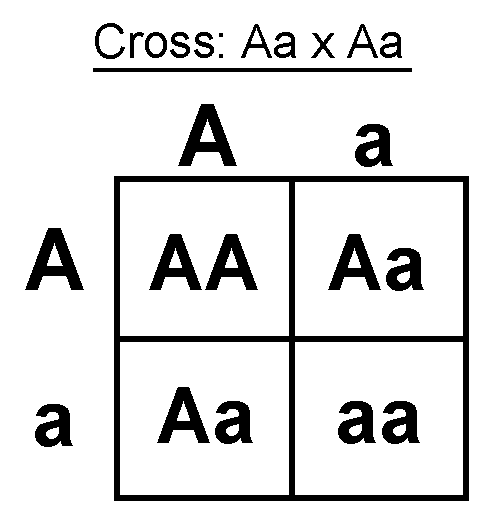
What is the genotypic ratio of the offspring?
3:1
1:3
1:2:1
2:2
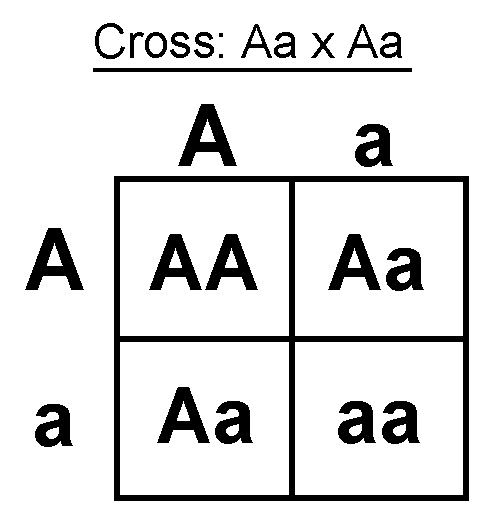
What are the phenotype percentages of the offspring?
(A-Brown fur color; a-white fur color)
50 % Brown fur and 50% White fur
25 % Brown fur and 75% White fur
75 % Brown fur and 25% White fur
0% Brown fur and 100% White fur

(Click the picture to see it without the text)


Asexual reproduction requires
Two parents
Only one parent

Asexual reproduction results in offspring that are...
genetically different
genetically identical
This type if chromosome mutation happens when a part of the chromosome breaks off and that segment flips around backwards and reattaches itself.
Duplication
Deletion
Inversion
Translocation
What happens to the chromosome in a nondisjunction mutation?
chromosomes are deleted and edited
chromosomes failed to separate during meiosis resulting to to many or too few chromosomes
Chromosome separated as singles instead of doubles

Part of a chromosome is repeated
Gene Mutation
Point Mutation
Deletion Mutation
Duplication Mutation

Part of one chromosome is transported and attached
to a non-homologous chromosome
Inversion Mutation
Translocation Mutation
Duplication Mutation
Point Mutation
Changes to the number or structure of chromosomes are called chromosomal mutations. Which of the following is NOT a type of chromosomal mutation?
deletion
duplication
inversion
translation
a photograph or picture of chromosomes grouped in ordered pairs is a ______________
pedigree
Punnett Square
Venn Diagram
Karyotype
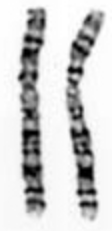
How would you describe the X chromosome compared to the Y chromosome?
They are the same size.
They have the same genetic information.
The X is smaller than the Y.
The Y is smaller than the X.
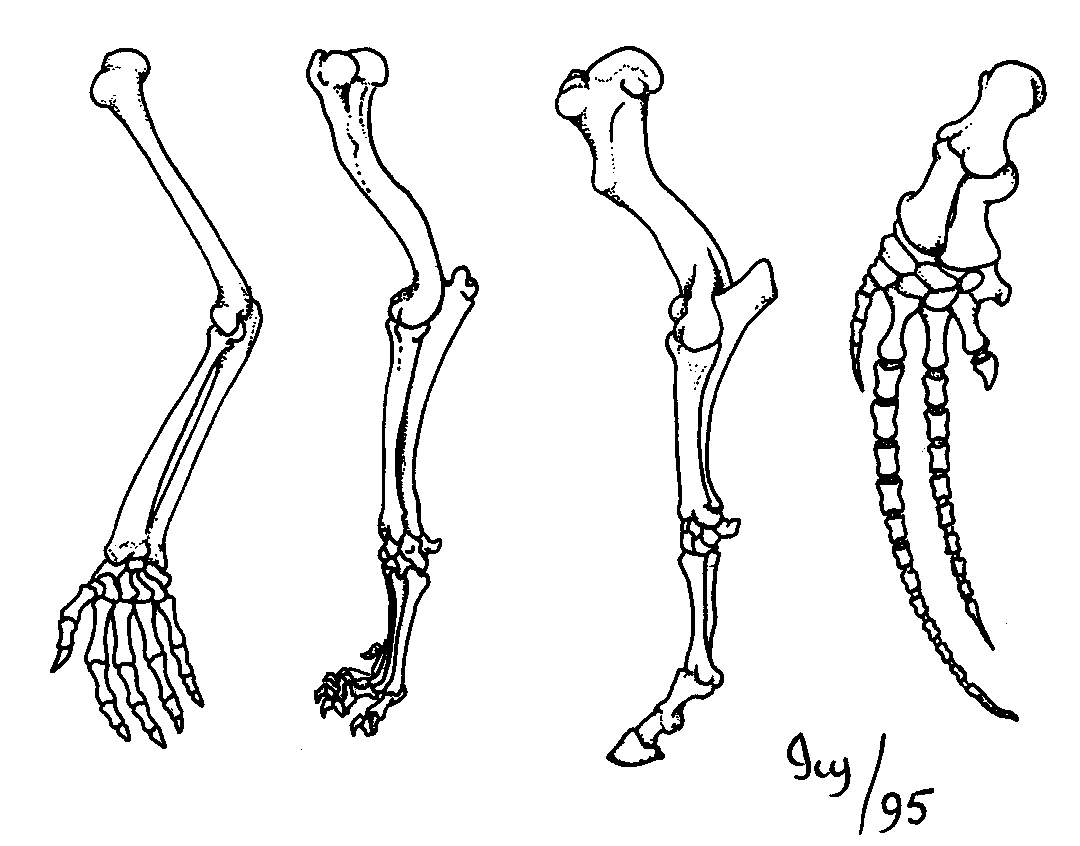
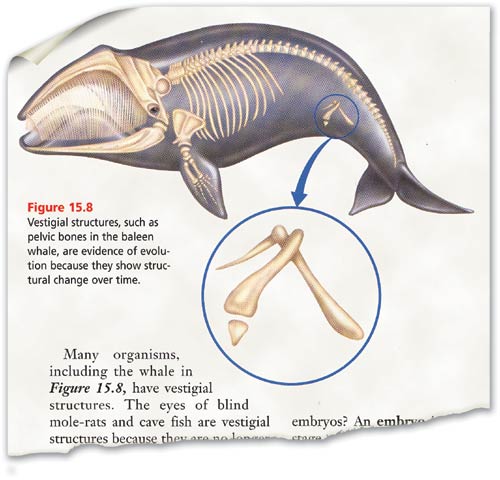

What do we call a change in a species over time?
Adaptation
Evolution
Extinction
Environmental influences
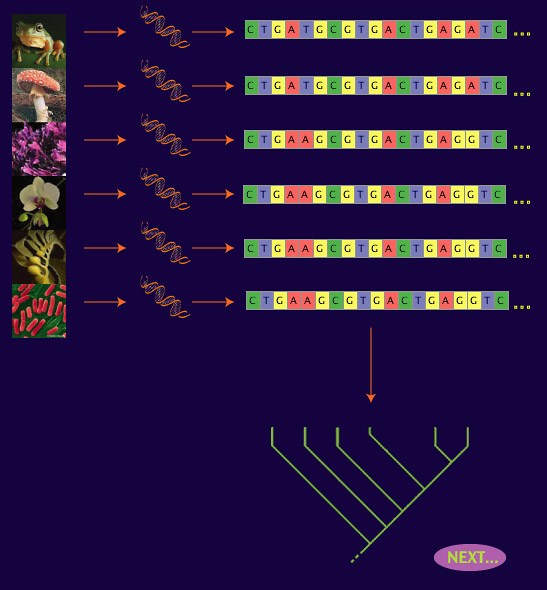


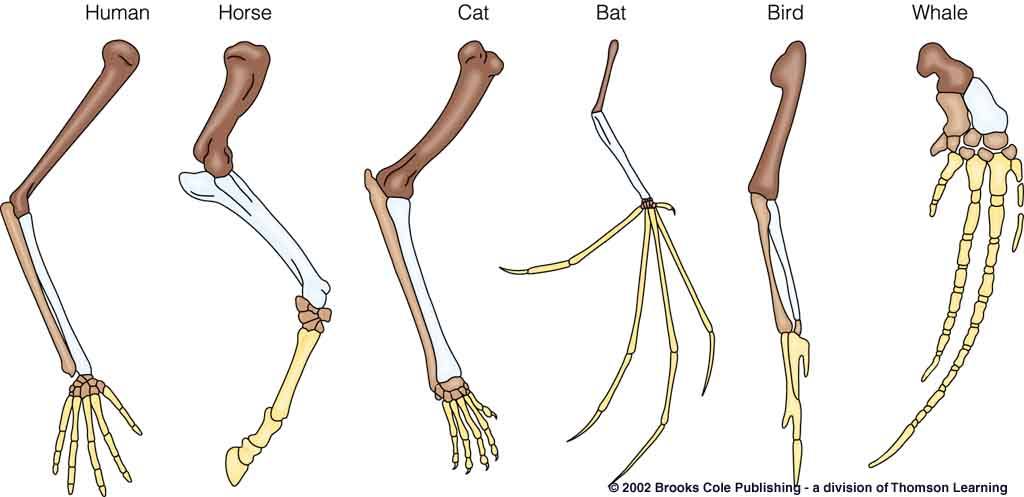
Which is the correct order?
Kingdom Phylum Order Class
Class Order Family Genus
Domain Phylum Kingdom Species
Order Family Species Genus
Which of the following sets of animals would be the most closely related?
Animals in the same order
Animals in the same genus
Animals in the same class
Animals in the same family
Which of the following taxonomic groups would contain plants with the greatest amount of variety and differences?
Kingdom
Phylum
Order
Family
The American lobster (Homarus americanus) is most closely related to which of the following organisms?
Cape lobster (Homarinus capensis)
Common lobster (Homarus gammarus)
Patagonian lobsterette (Thymops birsteini)
Scarlett clawed lobster (Nephropsis atlantica)

Which of the following pairs of organisms from the table shown to the left would be the most closely related?
Desert iguana and Box turtle
Chuckwalla and Bush anole
Box turtle and Bush anole
Desert iguana and Chuchwalla

