
Font size
 Worksheets
Green_Club_Kids
Total questions: 17
Worksheet time: 15mins

What type of natural resource we use while flying the kite?
( પતંગ ઉડાડતી વખતે આપણે કયા પ્રકારના કુદરતી સંસાધનોનો ઉપયોગ કરીએ છીએ? )
Air (હવા)
Water (પાણી)
Plants (છોડ)
Soil (માટી)
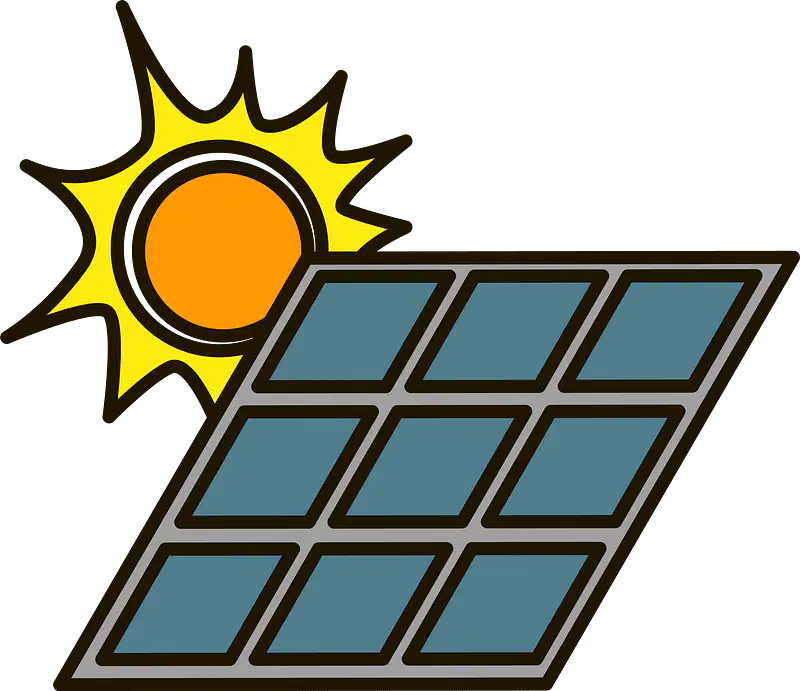
Which resource is being used here?
(અહીં કયા સંસાધનનો ઉપયોગ કરવામાં આવે છે?)

Water energy (પાણી ઊર્જા)

Wind energy (પવન ઊર્જા)

Solar energy (સૌર ઊર્જા)

Electrical energy (વિદ્યુત ઊર્જા)
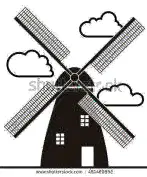
What type of energy is produced by the picture shown here?
(અહીં બતાવેલ ચિત્ર દ્વારા કયા પ્રકારની ઉર્જા ઉત્પન્ન થાય છે ?)
Solar energy (સૌર ઊર્જા)
Wind energy (પવન ઊર્જા)
Water energy (પાણી ઊર્જા)
Electrical energy (વિદ્યુત ઊર્જા)

Which of these items can you put in the blue dustbin for recycling?
(તમે આમાંથી કઈ વસ્તુઓને રિસાયક્લિંગ માટે વાદળી ડસ્ટબિનમાં મૂકી શકો છો?)
Select Any Two options (કોઈપણ બે વિકલ્પો પસંદ કરો)

Banana peels (કેળાની છાલ)

Plastic bottles (પ્લાસ્ટિક બોટલ)

Candy wrappers (કેન્ડી આવરણો)

Vegetable peels (શાકભાજીની છાલ)
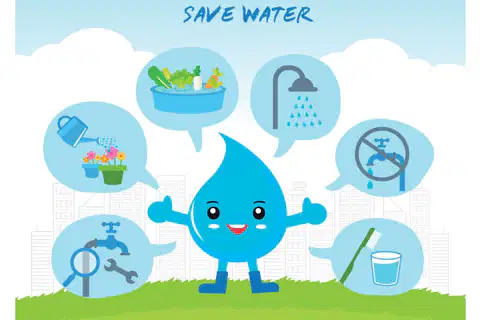
True or False: We should only use as much water as we need to avoid wasting it.
(સાચું કે ખોટું: આપણે તેટલું જ પાણી વાપરવું જોઈએ જેટલો બગાડ ન થાય.)
True (સાચું)
I don't Know (મને ખબર નથી.)
False (ખોટા)
I am confused (હું મૂંઝવણમાં છું)
What can we do to save electricity when we leave a room?
Keep all the lights and fans on
Switch off the lights and fans
Open all the windows
Switch on the lights and fans
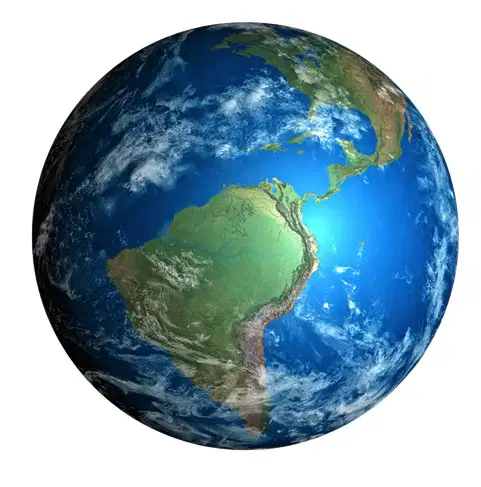
Select write answer: What you are seeing in this image ?
(જવાબ લખો પસંદ કરો: તમે આ છબીમાં શું જોઈ રહ્યા છો?)
Earth (પૃથ્વી)
Moon (ચંદ્ર)
Mars (મંગળ)
Sun (સૂર્ય)

What is a natural resource?
(કુદરતી સંસાધન શું છે?)
Resources we get from our house
(સંસાધનો આપણને આપણા ઘરમાંથી મળે છે)
Resources we get from people
(સંસાધનો અમે લોકો પાસેથી મેળવીએ છીએ)
Resources we get from nature
(સંસાધનો આપણને પ્રકૃતિમાંથી મળે છે)
Resources we get from city
(સંસાધનો અમે શહેરમાંથી મેળવીએ છીએ)

How do we use air?
(આપણે હવાનો ઉપયોગ કેવી રીતે કરીએ?)
to breathe
(શ્વાસ લેવો)
to eat
(ખાવા માટે)
to build
(બનાવવું)
to drink
(પીવા માટે)

What does reuse mean?
(પુનઃઉપયોગનો અર્થ શું છે?)
Throw away
(ફેંકી દો)
Use again or more than once.
(ફરીથી અથવા એક કરતા વધુ વખત ઉપયોગ કરો.)
Keep it
(રાખો)
Never Use again
(ફરી ક્યારેય ઉપયોગ કરશો નહીં)
Which is true about nonrenewable resources?
(બિન-નવીનીકરણીય સંસાધનો વિશે શું સાચું છે?)
Pollution from burning fossil fuels damages the Earth
(અશ્મિભૂત ઇંધણ બાળવાથી પ્રદૂષણ પૃથ્વીને નુકસાન પહોંચાડે છે)
Nonrenewable resources are easy to replace
(બિન-નવીનીકરણીય સંસાધનો બદલવા માટે સરળ છે)
A disadvantage of nonrenewable resources is that they are less effective than renewable resources
(બિન-નવીનીકરણીય સંસાધનોનો ગેરલાભ એ છે કે તે નવીનીકરણીય સંસાધનો કરતાં ઓછા અસરકારક છે)
Most nonrenewable resources come from nuclear energy
(મોટાભાગના બિન-નવીનીકરણીય સંસાધનો પરમાણુ ઊર્જામાંથી આવે છે)
Burning wood is an example of __________.
(સળગતું લાકડું __________ નું ઉદાહરણ છે.)
biomass energy
(બાયોમાસ ઊર્જા)
solar energy
(સૌર ઊર્જા)
water energy
(પાણી ઊર્જા)
wind energy
(પવન ઊર્જા)
There is a huge push towards using renewable resources in today's world. Why?
(આજના વિશ્વમાં પુનઃપ્રાપ્ય સંસાધનોનો ઉપયોગ કરવાની દિશામાં ભારે દબાણ છે. શા માટે?)
They produce more energy than nonrenewable resources
(તેઓ બિન-નવીનીકરણીય સંસાધનો કરતાં વધુ ઊર્જા ઉત્પન્ન કરે છે)
They produce less pollution than fossil fuels
(તેઓ અશ્મિભૂત ઇંધણ કરતાં ઓછું પ્રદૂષણ ઉત્પન્ન કરે છે)
Big energy companies have most of their money invested in advertising renewable resources
(મોટી ઉર્જા કંપનીઓએ તેમના મોટા ભાગના નાણાંનું રોકાણ નવીનીકરણીય સંસાધનોની જાહેરાતમાં કર્યું છે)
People can become more popular if they stop using petrol in cars
(જો તેઓ કારમાં પેટ્રોલનો ઉપયોગ કરવાનું બંધ કરે તો લોકો વધુ લોકપ્રિય બની શકે છે)
Which fossil fuel is formed from the remains of plants and animals that died in swamps millions of years ago?
(લાખો વર્ષો પહેલા સ્વેમ્પમાં મૃત્યુ પામેલા છોડ અને પ્રાણીઓના અવશેષોમાંથી કયું અશ્મિભૂત બળતણ બને છે?)
Coal
(કોલસો)
Oil
(તેલ)
Natural Gas
(કુદરતી વાયુ)
None of the above
(ઉપર્યુક્તમાંથી કોઈ નહિ)
When there is higher biodiversity...
(જ્યારે ઉચ્ચ જૈવવિવિધતા હોય છે...)
more organisms are likely to die because they can't adapt to environmental changes.
(વધુ જીવો મૃત્યુ પામે તેવી શક્યતા છે કારણ કે તેઓ પર્યાવરણીય ફેરફારોને અનુકૂલિત કરી શકતા નથી.)
there is more diversity and higher sustainability of life.
(જીવનની વધુ વિવિધતા અને ઉચ્ચ ટકાઉપણું છે.)
There is less diversity.
(ઓછી વિવિધતા છે.)
there is more diversity and lower sustainability of life
(ત્યાં વધુ વિવિધતા છે અને જીવનની ટકાઉપણું ઓછી છે)
How do biodiversity and sustainability work together?
(જૈવવિવિધતા અને ટકાઉપણું એકસાથે કેવી રીતે કાર્ય કરે છે?)
The higher the biodiversity, the greater the sustainability.
(જૈવવિવિધતા જેટલી વધારે છે, તેટલી ટકાઉપણું વધારે છે.)
The lower the biodiversity the greater the sustainability.
(જૈવવિવિધતા જેટલી ઓછી તેટલી ટકાઉપણું વધારે.)
The higher the biodiversity, the less sustainable the ecosystem.
(જૈવવિવિધતા જેટલી વધારે છે, તેટલું ઓછું ટકાઉ ઇકોસિસ્ટમ.)
Biodiversity has nothing to do with sustainability.
(જૈવવિવિધતાને ટકાઉપણું સાથે કોઈ લેવાદેવા નથી.)
In general, as you move from the equator to the poles, what happens to biodiversity?
(સામાન્ય રીતે, જેમ જેમ તમે વિષુવવૃત્તથી ધ્રુવો તરફ જાઓ છો, ત્યારે જૈવવિવિધતાનું શું થાય છે?)
Increases
(સરળ બનાવે છે)
Decreases
(ઘટે છે)
Remains the same
(એ જ રહે છે)

