
 Worksheets
Quarter 2: Vocab Review #1
Total questions: 40
Worksheet time: 21mins
"Bus drivers" targets which muscle group?
Shoulders
Back
Abdominals
Chest
When should you run in weight training?
From the numbers to the weight room
From the weight room to the lockers
Inside the weight room
Inside the locker room
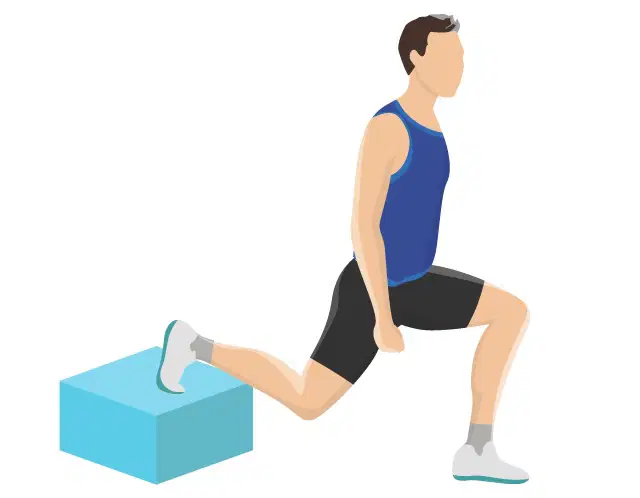
What is this exercise called?
Single Leg Squat
Inverted Row
Reverse Fly
Back Extensions
What muscle does this exercise target?
Quadriceps
Biceps
Triceps
Deltoids
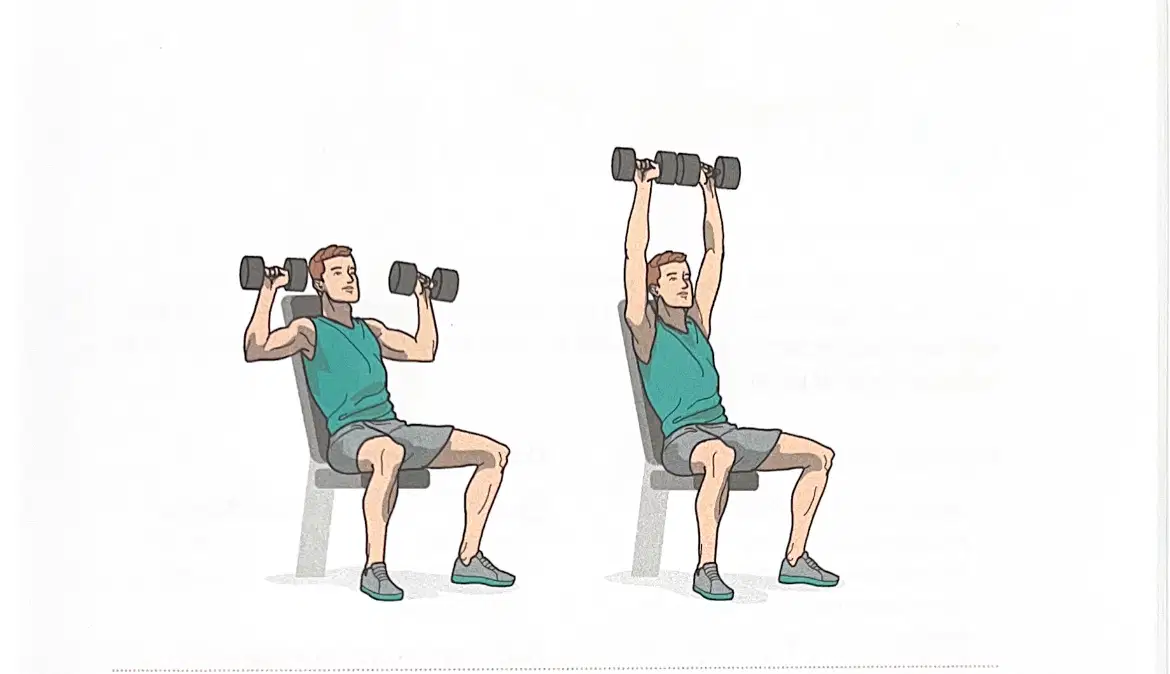
What is this exercise called?
Shoulder Press
Bench Press
Skull Crushers
Single Arm Row

What muscle does this exercise target?
Shoulders
Back
Legs
Abdominals
What muscle does this exercise target?
Deltoids
Rhomboids
Pectorals
Abdominals
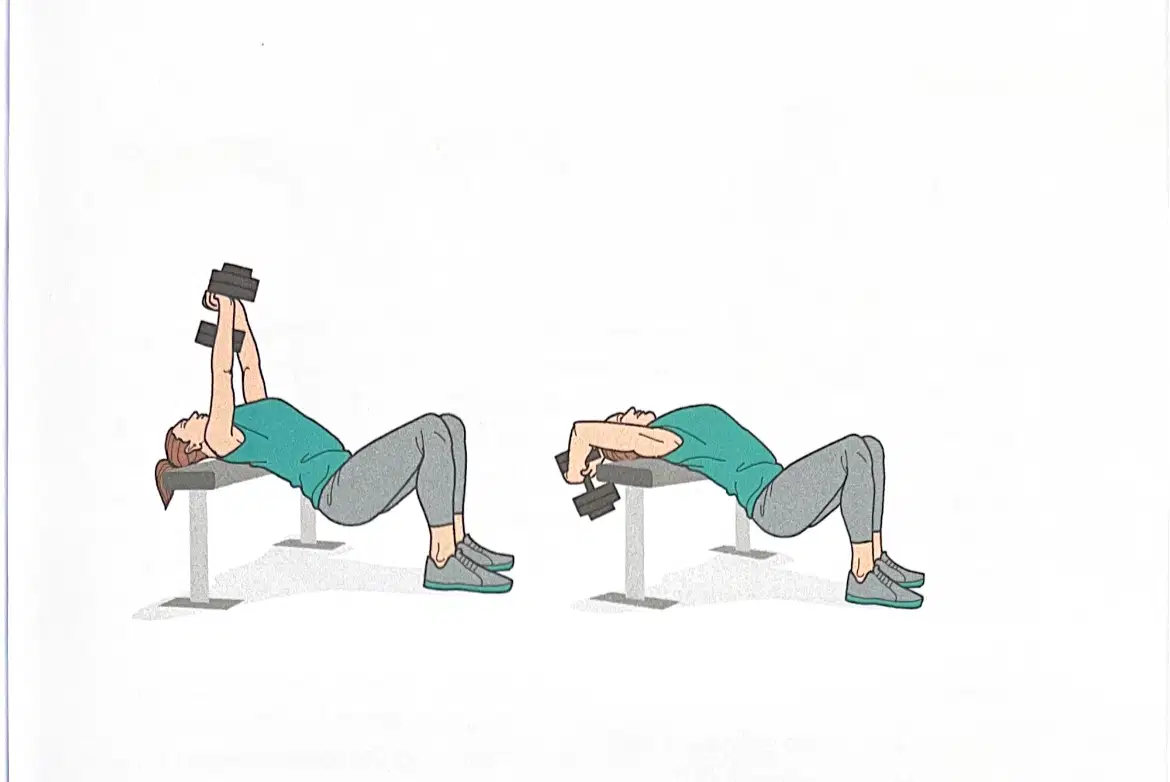
What is this exercise called?
Skull Crushers
Shoulder Press
Inverted Row
Reverse Fly
What muscle does this exercise target?
Triceps
Biceps
Quadriceps
Hamstring
What muscle does this exercise target?
Triceps
Biceps
Quadriceps
Hamstring
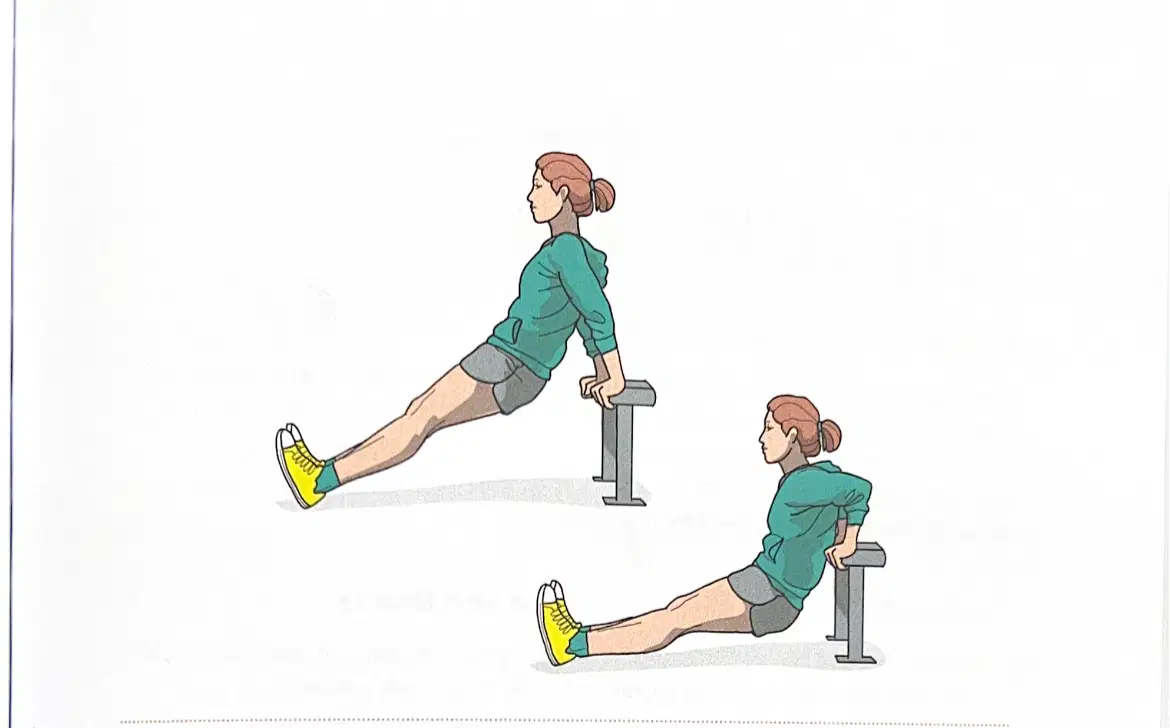
What is this exercise called?
Dips on Bench
Bench Press
Squats
Back Extensions
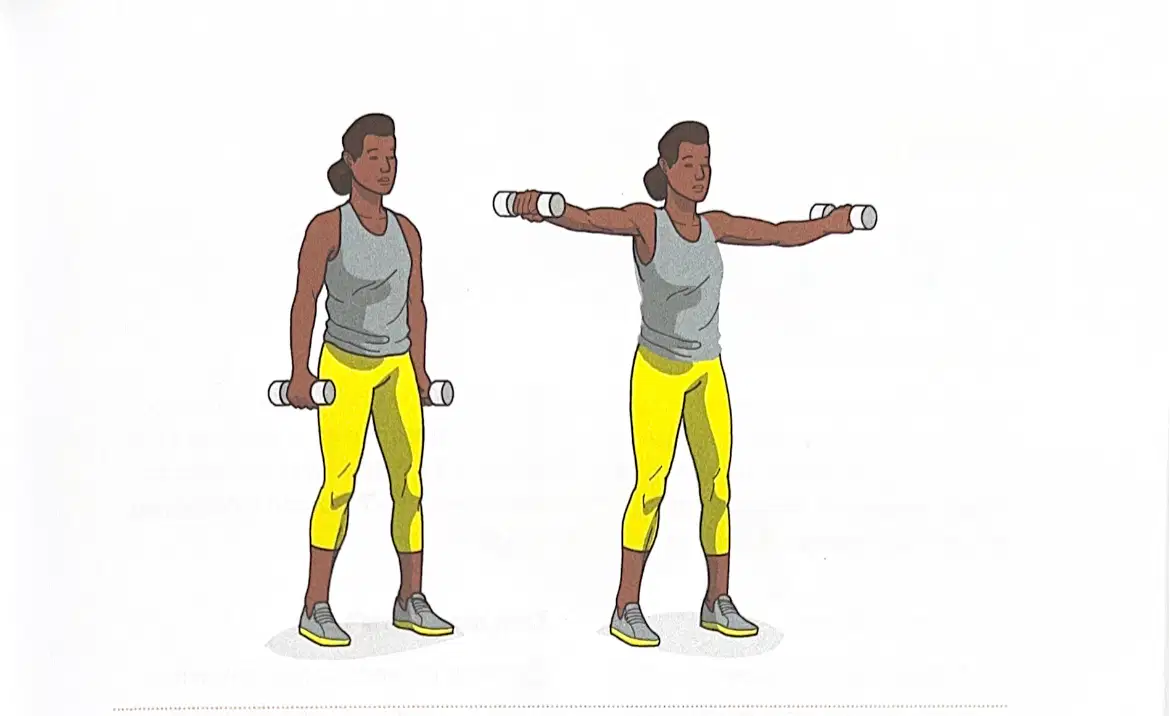
What is this exercise called?
Side Dumbbell Raise
Front Dumbbell Raise
Inverted Row
Reverse Fly
What muscle does this exercise target?
Deltoids
Biceps
Triceps
Hamstring
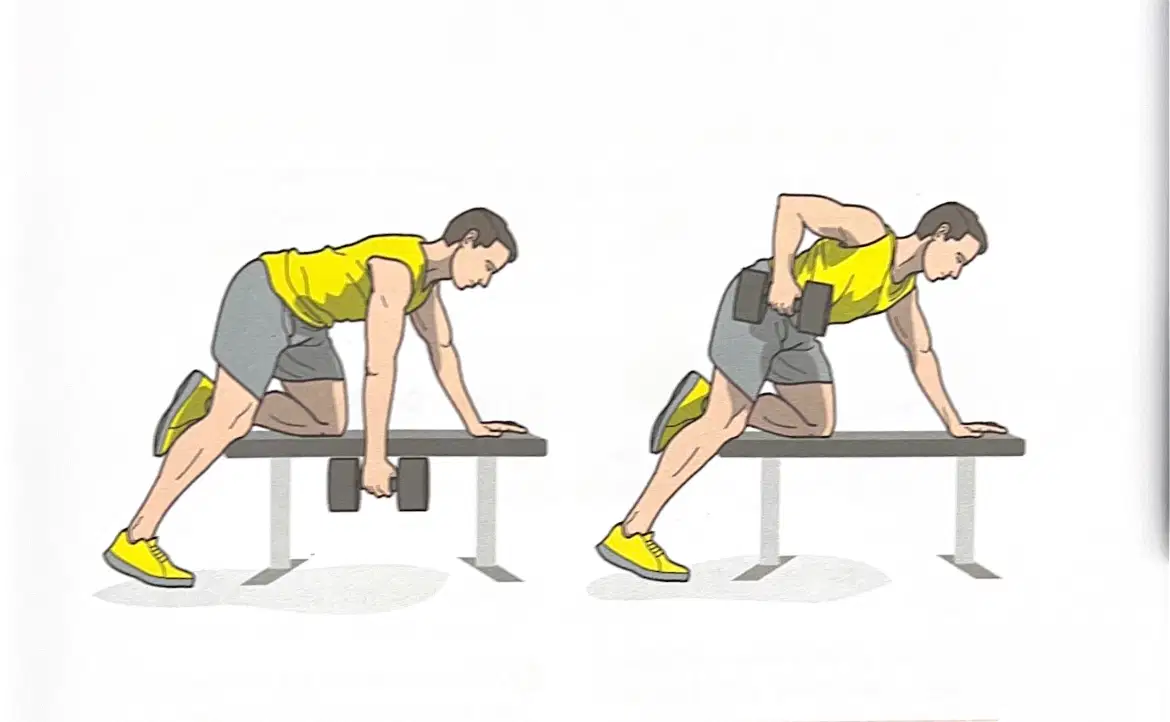
What muscle group does this exercise target?
Back
Shoulders
Legs
Abdominals
What is this exercise called?
Single Arm Row
Inverted Row
Reverse Fly
Bus Drivers
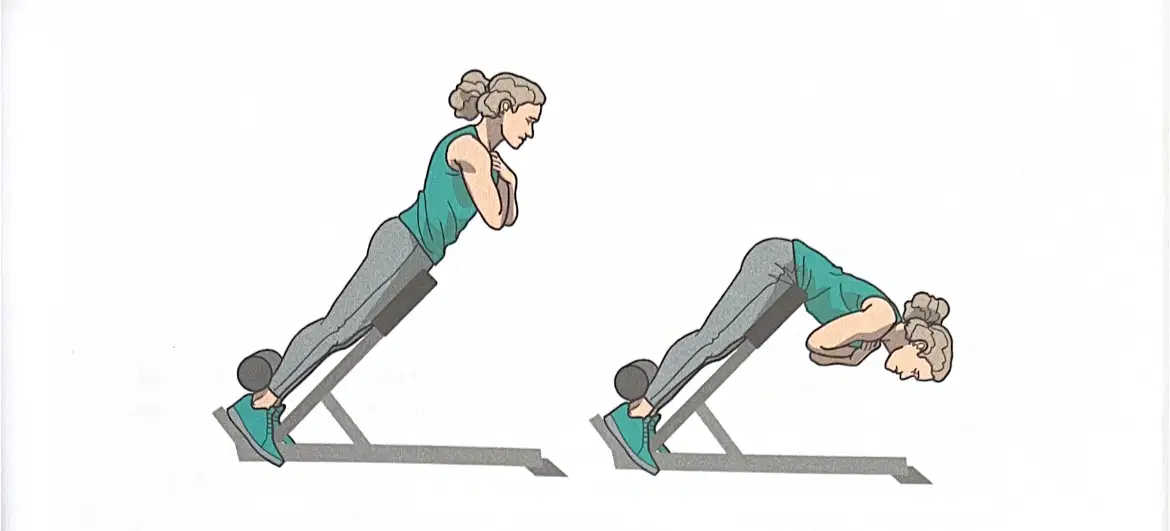
What is this exercise called?
Back Extensions
Inverted Row
Goblet Squat
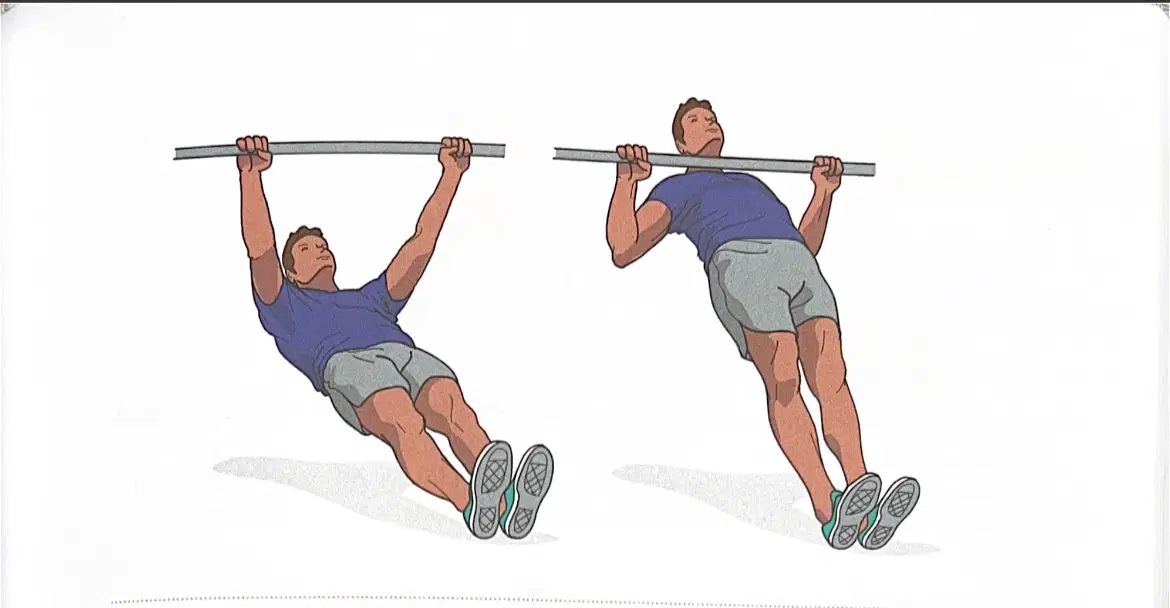
What is this exercise called?
Inverted Row
Reverse Fly
Bench Press
Goblet Squat
How many repetitions should you do for each set?
10
3
2
4
How many sets should you do for each exercise?
10
3
5
12
What station should you remain at all times?
The one assigned to your group
Another group's station
Whichever one I want
Train
What is not allowed in the weight room?
Food
Yelling
Pushing
Working out
What are expectations of the weight room?
Be Safe
Calling out without a hand raised
Help others
Follow instructions
What does it mean to be safe in the weight room?
Be aware of your surroundings
Use weight clips while using weight
Double check weights are even
Leave dumbbells on the floor
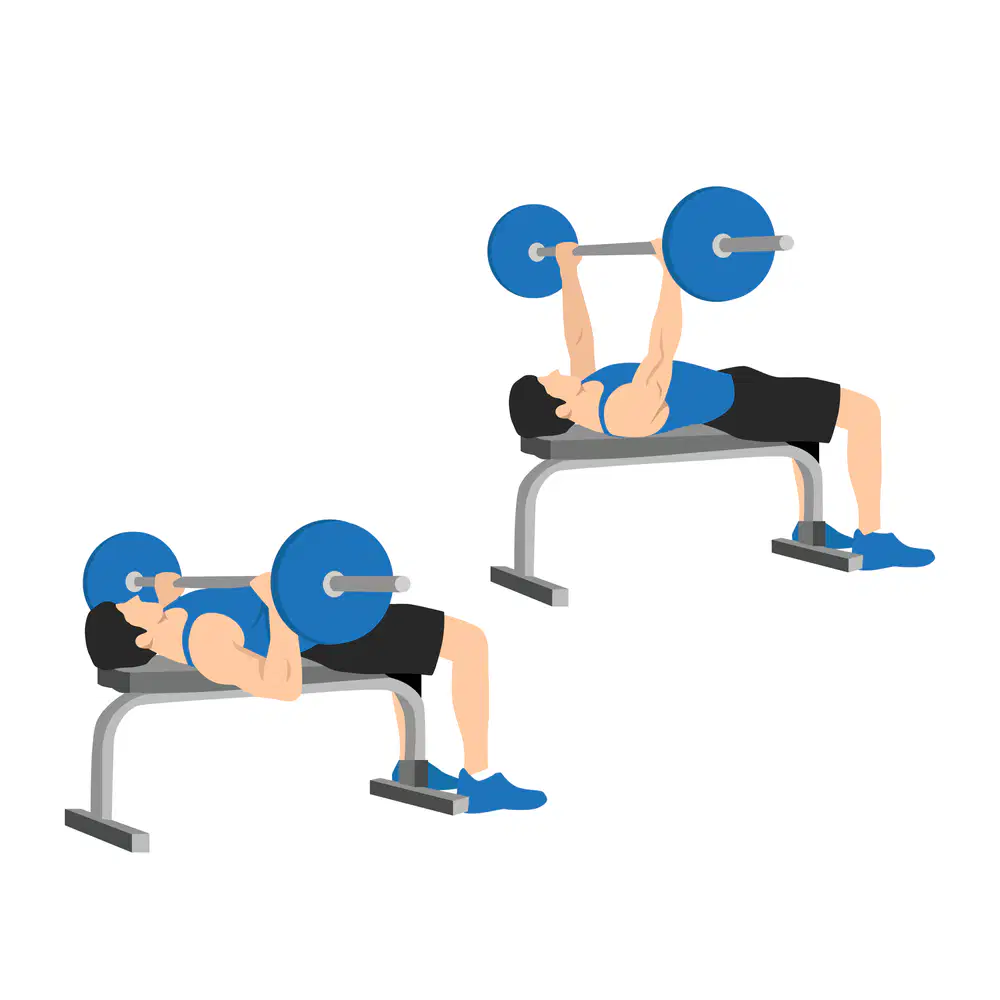
What is this exercise called?
Bench Press
Push Ups
Squats
Back Extensions
What muscle is being worked out?
Pectorals
Biceps
Abdomials
Quadriceps
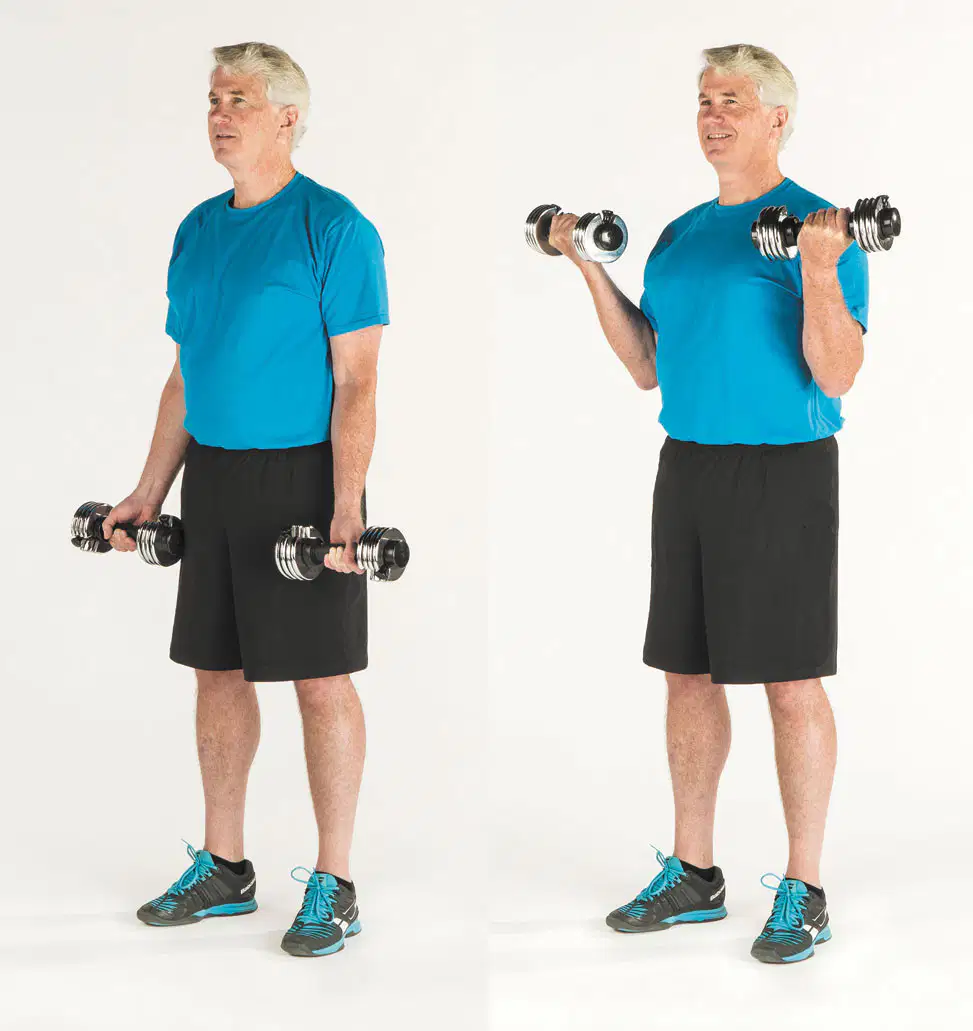
What exercise is this?
Bicep Curls
Tricep Extensions
Back Extensions
Squats
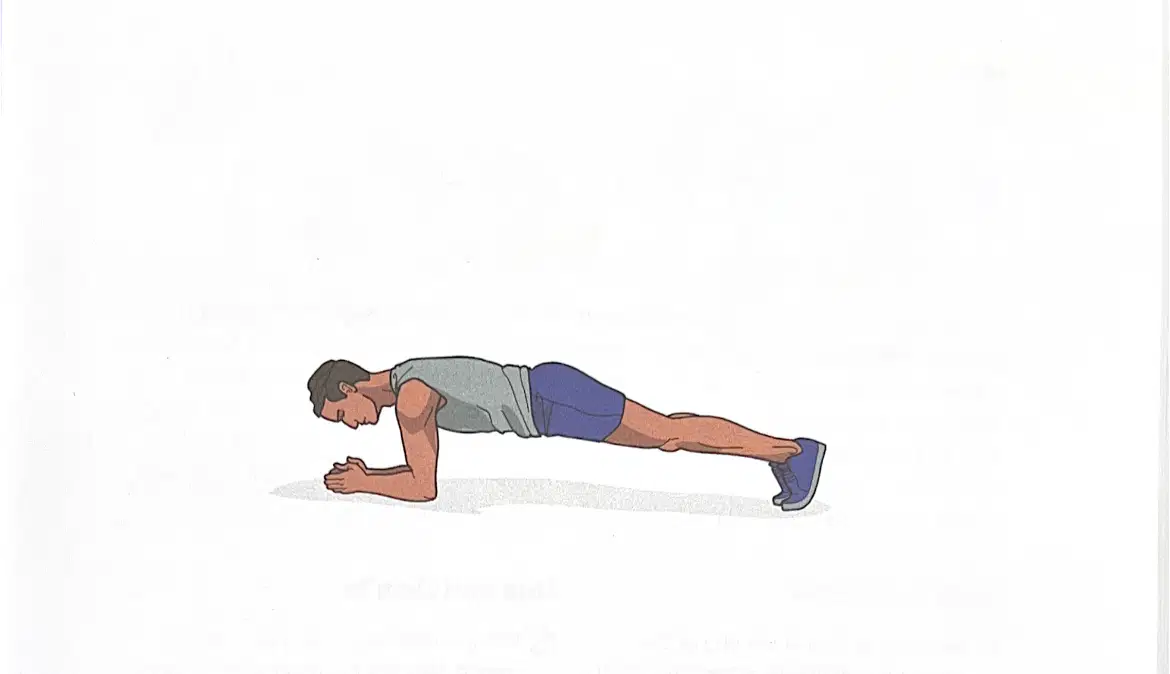
What is this exercise called?
Planks
Pushups
Lay downs
That's the floor, dude!
For these types of stretches, you hold the stretch for 30 seconds while staying still.
Static Stretches
Dynamic Stretches
Ballistic Stretches
PNF Stretches
These types of stretches should be done before exercising and working out.
Static Stretches
Dynamic Stretches
Ballistic Stretches
PNF Stretches
These types of stretches should be done after exercising and working out.
Static Stretches
Dynamic Stretches
Ballistic Stretches
PNF Stretches
The amount of weight you can lift.
Muscle Strength
Muscle Endurance
Aerobic Capacity
Aerobic Endurance
The ability of muscles to perform repetitive contractions against a force for an extended period of time.
Muscle Strength
Muscle Endurance
Aerobic Capacity
Aerobic Endurance
The range of movement possible at a joint. It allows performers to reach, stretch and move their joints.
Muscle Strength
Muscle Endurance
Aerobic Capacity
Flexibility
If you can easily touch your toes, you have good ______?
Muscle Strength
Muscle Endurance
Aerobic Capacity
Flexibility
If you can bench press 300lbs, you have good ______?
Muscle Strength
Muscle Endurance
Aerobic Capacity
Flexibility
If you can bench press the barbell 100 times, you have good ______?
Muscle Strength
Muscle Endurance
Aerobic Capacity
Flexibility
If your body utilizes oxygen efficiently, you have good ______?
Muscle Strength
Muscle Endurance
Aerobic Capacity
Flexibility
These types of stretches should be done to warm up your body before exercises.
Static Stretches
Dynamic Stretches
Ballistic Stretches
PNF Stretches
These types of stretches help your muscles recover faster after a workout, leading to less pain and stiffness.
Static Stretches
Dynamic Stretches
Ballistic Stretches
PNF Stretches
For these types of stretches, you move your muscles through a full range of motion.
Static Stretches
Dynamic Stretches
Ballistic Stretches
PNF Stretches

