
 Worksheets
Biology Semester 1 Exam
Total questions: 137
Worksheet time: 3hrs 27mins

Water, Fish, Turtles, Oxygen, Rocks and Moss interacting in a river system.
A beautiful butterfly.
Chicken, Cow, Grass, Buffalo, and Mouse living on farmland.
All speckled sting-ray that live in the Pacific Ocean


The Biosphere contains all ecosystems
True
False
Select examples of abiotic things
Soil
Air
Rocks
Water
Animals
Select the examples of biotic things
Plants
Soil
Sun
Animals

Water temperature would be an example of ...
a biotic factor
an abiotic factor
an antibiotic factor
a bacterial factor

The smallest unit of life that can sustain itself is called...
an organism.
the biosphere.
a population.
a community.
What are the levels of ecology from smallest to the largest?
organism, population, community, ecosystem, biosphere
organism, community, population, ecosystem, biosphere
individual, population, community, ecosystem, exosphere.
individual, community, population, ecosystem, exosphere
What is the definition of salinity?
The amount of dissolved oxygen in the water
The amount of sunlight that can penetrate the water
The amount of nutrients available in the water
The amount of salts dissolved in the water
Which zone of an aquatic ecosystem contains enough light for photosynthesis?
Benthic Zone
Aphotic Zone
Photic Zone
Euphotic Zone
What are the major types of marine ecosystems?
Marshes, swamps, and mangrove forests
Oceans/bays, estuaries, coastal wetlands, and coral reefs
Tropical rainforests, deserts, and tundra
Lakes, ponds, and rivers
What are the major types of freshwater ecosystems?
Lakes, ponds, and rivers
Oceans, estuaries, and coastal wetlands
Tropical rainforests, deserts, and tundra
Marshes, swamps, and mangrove forests
What is the function of wetlands?
All of the above
To act as filters for pollutants
To provide habitat for rare species
To reduce the likelihood of floods
How does eutrophication affect aquatic ecosystems?
It increases the oxygen levels in the water
It leads to the decline of fish populations
It promotes the growth of coral reefs
It has no significant impact on aquatic life

What is the difference between freshwater and marine ecosystems?
A marine ecosystem is an aquatic ecosystem with high levels of dissolved salts in the water, freshwater ecosystem have low levels dissolved salts
A freshwater ecosystem is an aquatic ecosystem with high levels of dissolved salts in the water, marine ecosystem have low levels dissolved salts

What is an estuary?
a unique aquatic ecosystem where rivers flow into the open sea
Are ecosystems that are covered with water for at least part of the year.
Ecosystems with high dissolved salts
Ecosystems without trees

What is a wetland?
Ecosystems with low dissolved salts
Are ecosystems that are covered with water for at least part of the year.
Ecosystems with high dissolved salts
Ecosystems without trees
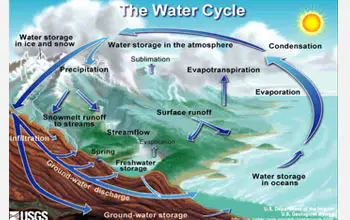
What are biogeochemical cycles?
Allow light energy to pass through the atmosphere, as from the Sun to the ground
Are pathways to stop the movement of matter within ecosystems
Prevent heat energy from escaping from the ground into space
Are pathways for the movement of matter within ecosystems
What is the difference between the photic and aphotic zone?
Photic zone is has little to no sunlight, the aphotic zone is penetrated by sunlight
Photic zone is penetrated by sunlight, the aphotic zone has little to no sunlight
Which of the following is NOT a terrestrial ecosystem?
desert
deciduous forest
estuary
grassland

An ecosystem that is found on land.
terrestrial ecosystems
grassland
tropical rainforest
deciduous forest

hot, humid forests with much rainfall
grassland
terrestrial ecosystems
rainforest
biodiversity

A terrestrial ecosystem in which many trees lose their leaves each year; it has four seasons.
biodiversity
canopy
tundra
deciduous forest

The variety of different life forms in an ecosystem.
biomes
deciduous forest
biodiversity
grassland

A sandy or rocky terrestrial ecosystem with little precipitation or plant life.
biomes
tundra
biodiversity
desert

Deciduous Forest Plants
maple tree, oak tree, birch tree
deer, squirrel, black bear
acacia trees, baobob trees, scutch grass
hemlock, white spruce, jack pine
are forests where the seasons change. The leaves change color in the autumn and fall off in the winter. Summers are warm and winters are cold.
redwood forest
temperate deciduous forest
seasonal forests
temperate devious forest
Which of the following is NOT an aquatic ecosystem?
Marsh
River
Tundra
Swamp
The ocean is a ___________.
Terrestrial Ecosystem
Aquatic Ecosystem
The temperate forest is a ___________.
Terrestrial Ecosystem
Aquatic Ecosystem
Which of the following ecosystem has a high salinity factor?
River
Ocean
Pond
Lake
What is a producer in an ecosystem?
An animal that eats plants
A plant that makes its own food through photosynthesis
A consumer that eats other animals
A community of different species
What role do decomposers play in an ecosystem?
They produce oxygen
They eat living plants
They break down dead organisms and waste, returning nutrients to the soil
They control the population of producers

A ___________ shows how food chains overlap in an entire ecosystem.
food chain
food web
energy pyramid

________________ are organisms that break down, or decompose, wastes and remains of dead animals and return the nutrients into the food web.
Scavengers
Producers
Consumers
Decomposers

______________ eat only producers.
Herbivores
Omnivores
Carnivores
Organisms that cannot make their own food but eat other living things are called _____________.
producers
consumers

Consumers that eat both plants and animals are
called ___________.
herbivores
omnivores
carnivores

Organisms that eat dead animals and plants are called __________.
consumers
detritivores
decomposers
producers

Which organism is the primary consumer in this food chain?
eagle
plant
mouse
snake

Which organism is the secondary consumer in this food chain?
eagle
plant
mouse
snake

Which organism provides the energy to the primary consumer?
eagle
grasshopper
grass
snake

How much energy is passed from each trophic level to the one above it?
100%
10%
1%
90%
If a plant absorbed 1000 calories of energy in a year, how much energy would be found in a population of herbivores that ate those plants?
1 calorie
1000 calories
100 calories
10 calories

The removal of which creature would have the greatest impact on this food web?
Frog
Flowering plant
Python
Grasshopper
In which type of symbiotic relationship do both species benefit (+,+) ?
Commensalism
Parasitism
Mutualism
Predation
In which type of symbiotic relationship does one species benefit while the other species is not affected (+, 0)?
Commensalism
Parasitism
Mutualism
Predation
In which type of symbiotic relationship does one species benefit while the other species is harmed (+,-)?
Commensalism
Parasitism
Mutualism
Predation
An organism capable of making its own food molecules using sunlight for energy.
Autotroph
Heterotroph
Which of the following is NOT a process in the water cycle?
Transpiration
Denitrification
Condensation
Evaporation
What is the major environmental concern associated with the increase in carbon dioxide in the atmosphere?
Air pollution
Climate change
Ocean acidification
Deforestation
How is carbon dioxide removed from the atmosphere?
Through weathering
Through respiration
Through photosynthesis
Through combustion
What is the primary way nitrogen enters living organisms?
Through volcanic activity
Through the soil
Through the atmosphere
Through the ocean
Which of the following is NOT a process in the nitrogen cycle?
Nitrification
Denitrification
Transpiration
Nitrogen fixation
What happens during condensation in the hydrologic cycle?
Water turns from a gas into a liquid
Water turns from a liquid into a gas
Water turns from a solid into a gas
Water turns from a gas into a solid
What happens during evapotranspiration?
Plants absorb water through their roots
Water evaporates from the surface of the ocean
Water condenses into clouds
Water freezes into ice
What is the carbon cycle?
The movement of carbon through different ecosystems
The process of carbon dioxide turning into oxygen
The cycle of carbon turning into diamonds
The movement of carbon through the atmosphere
What is the main source of carbon dioxide in the atmosphere?
Burning fossil fuels
Volcanic eruptions
Photosynthesis
Respiration by animals
An organism that is not native (from) a particular ecosystem.
invasive species
biodiversity
variety of life
invasive species
biodiversity
Complete the sentence:
An invasive species eat native prey, which ___________ food available for active predators.
decrease
increase
does not affect
An invasive species overpopulates an area and kills off native species, which causes an increase in biodiversity.
True
False
Why don't populations grow indefinitely?
limiting factors
only biotic factors
only abiotic factors
none of the above

What is the arrow pointing at?
carrying capacity
biotic potential
density-independent
density dependent

Parasites, disease, and predators, are examples of what type of limiting factors?
density dependent
density independent
survivorship
type 1 curve

What does the carrying capacity mean?
The number of individuals an area can carry
the number of births
The number of deaths an area has
not sure
Emigration is
the movement out of an area
the movement into an area
movement in and out of an area
migration


Which letter shows exponential growth happening?
A
B
C
D

This graph shows ________?
exponential growth.
logistic growth.




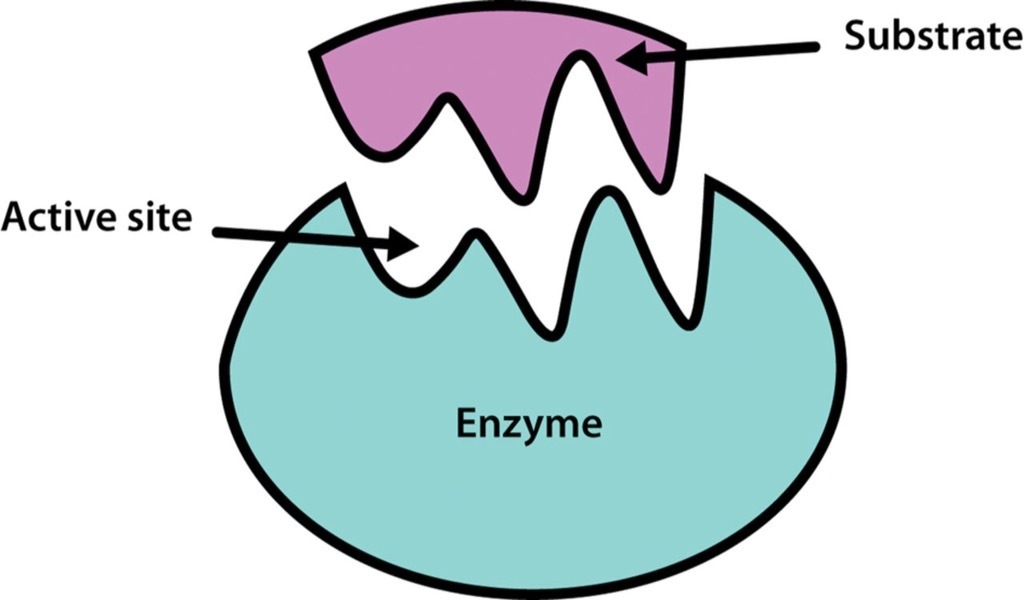
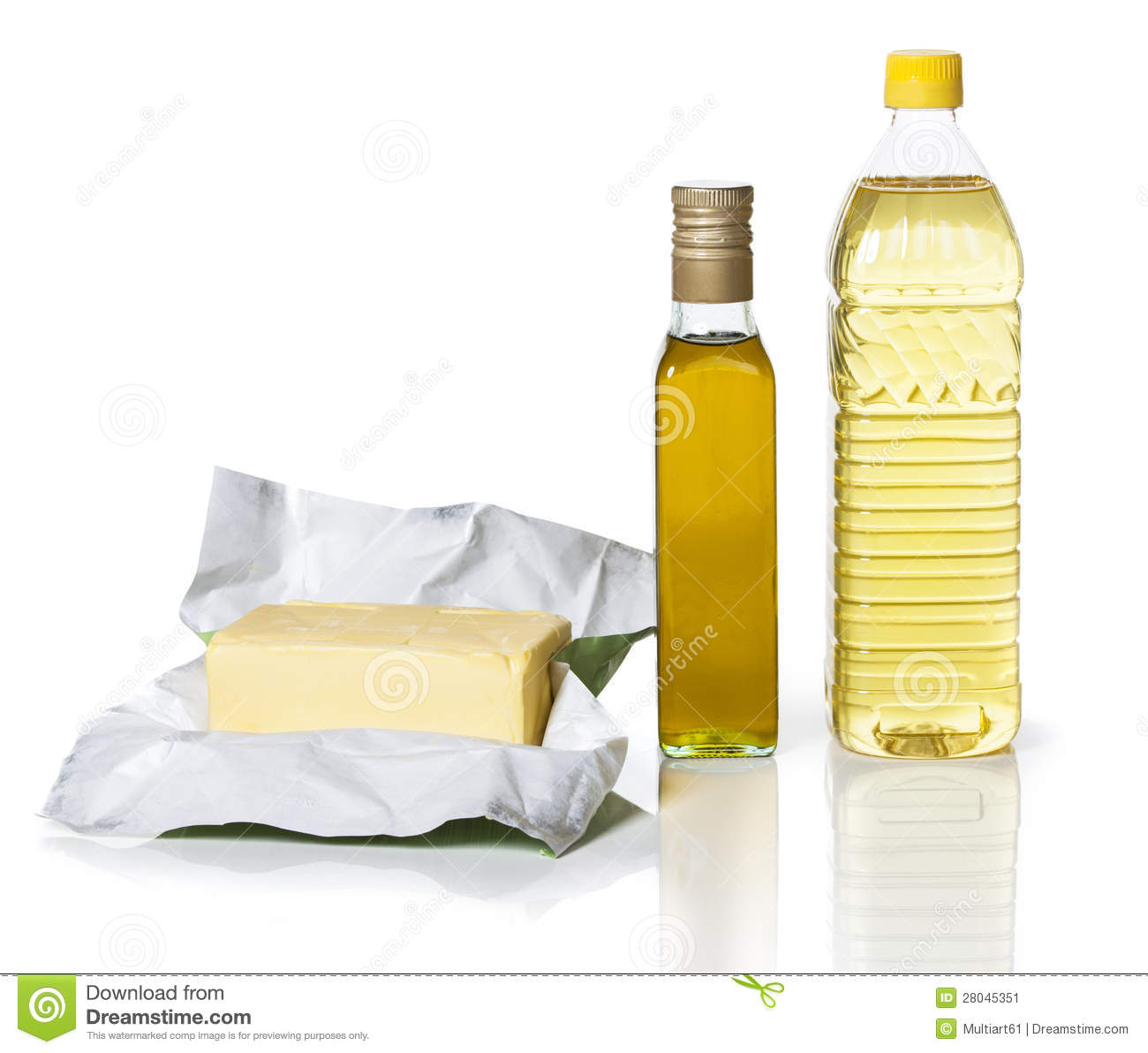
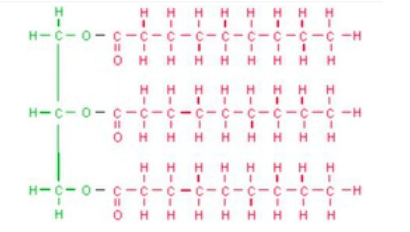
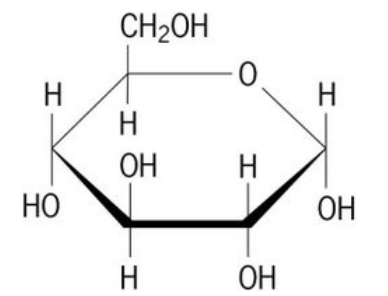
Which biomolecule is made of nucleotides and contain your DNA?
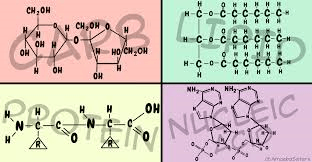
Monosaccharides/Glucose (simple sugars)

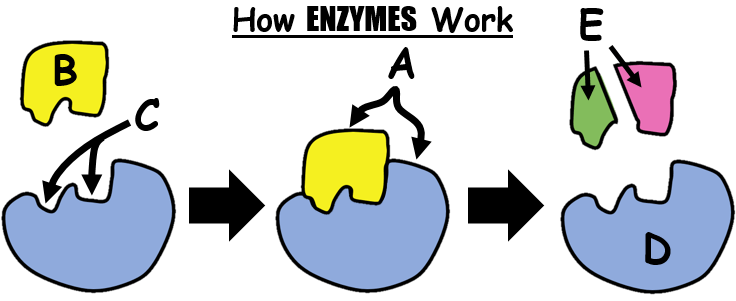
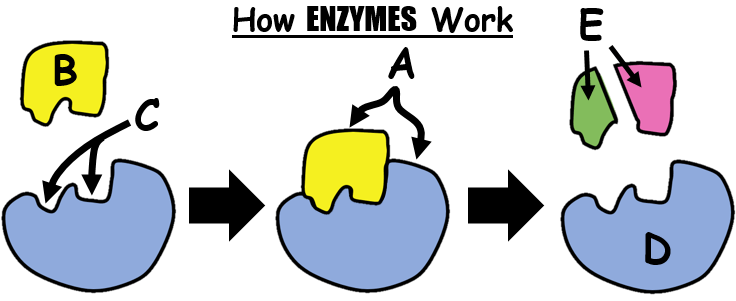
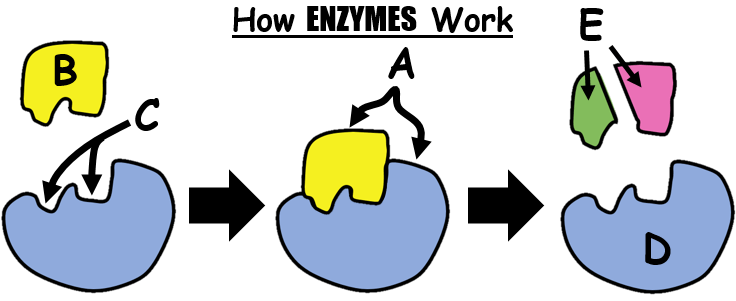
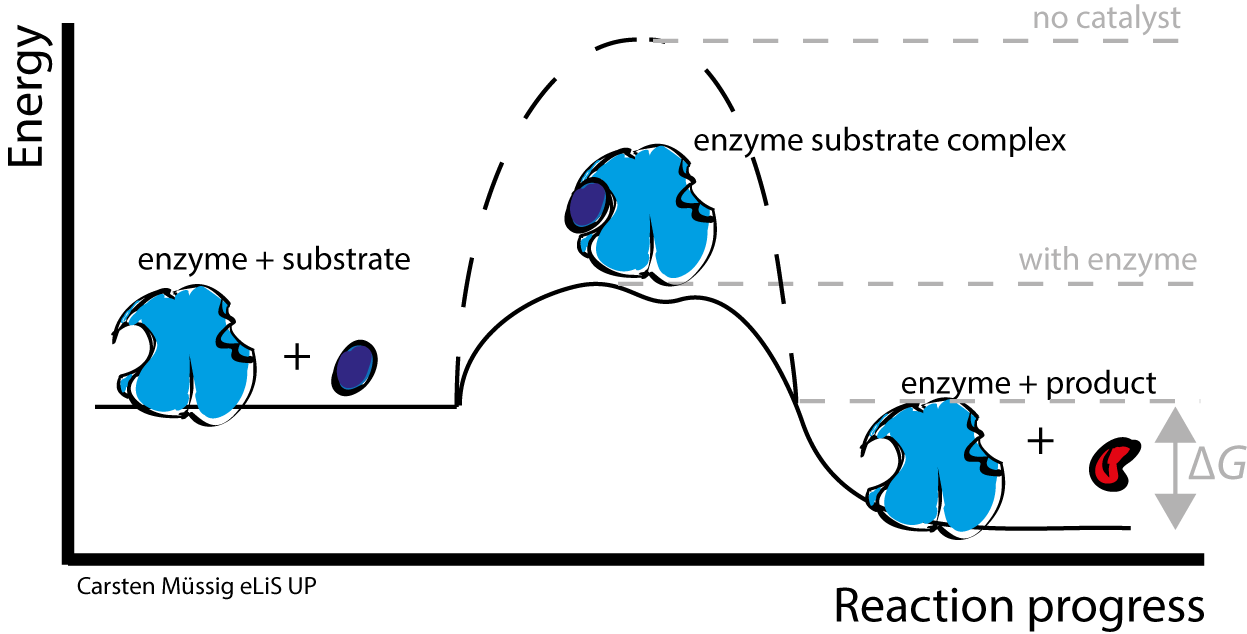
What happens when enzymes are heated to a high temperature?
The enzymes die.
The shape of the enzyme are changed and it denatures
The enzymes' amino acid sequence changes.
The enzymes remain the same
Which of these is most likely an enzyme?
Sucrose
Galactose
Fructose
Amylase

What is the optimum temperature for this enzyme?
20 degrees Celsius
45 degrees Celsius
52 degrees Celsius
64 degrees Celsius

What can be inferred using the graph?
Cells can function equally as well at all pH values.
Cells do not function well at pH values that are too high or too low.
Cells function best at high pH values.
Cells function best at low pH values.

In the enzymatic reaction, the __________ is on the left of the arrow, while the products are to the right of the arrow.
enzyme
filtrate
pre-product
reactant

