wayground logo

Free Printable Worksheets

Font size

S
M
L
XL
Worksheets

Y7 - Unit 1 Revision

Total questions: 116

Worksheet time: 3615secs

Name
Class
Date
1.

Name the part: Number 1

a)

Stage

b)

Eyepiece lens

c)

Barrel

d)

Diaphragm

2.

Name the part: Number 3

a)

Objective lenses

b)

Barrel

c)

Base

d)

Lamp

3.

Name the part: Number 4

a)

Barrel

b)

Coarse adjustment

c)

Arm

d)

Lamp

4.

Name the part: Number 5

a)

Barrel

b)

Coarse adjustment

c)

Lamp

d)

Stage

5.

Name the part: Number 6

a)

Arm

b)

Fine knob focus

c)

Stage clips

d)

Stage

6.

Name the part: Number 7-8

a)

Base

b)

Coarse and Fine knobs focus

c)

Eyepiece lens

d)

Objective lenses

7.

Name the part: Number 9

a)

Diaphragm

b)

Base

c)

Eyepiece lens

d)

Objective lenses

8.

Name the part: Number 10

a)

Diaphragm

b)

Lamp

c)

Arm

d)

Objective lenses

9.

Name the part: Number 11

a)

Arm

b)

Lamp

c)

Base

d)

Eyepiece lens

10.

When should safety goggles be worn?

a)

at all times in the lab

b)

when you feel like it

c)

when liquids could splash into your eyes or when using glassware

11.

True or False?

It's fine to smell chemicals directly from the container.

a)

True

b)

False

12.

Long hair in the lab must be:

a)

cut shorter

b)

neatly groomed

c)

held away from the experiment with your free hand

d)

Tied back to be kept out of the way

13.

What does this safety sign mean?

a)

general warning

b)

Irritant/harmful

c)

flammable

d)

toxic

14.

What does this safety sign mean?

a)

general warning

b)

broken glass

c)

flammable

d)

toxic

15.

What does this safety sign mean?

a)

general warning

b)

broken glass

c)

flammable

d)

toxic

16.

Which symbol means that a substance is acutely toxic?

a)
b)
c)
d)
17.

This symbol tell us the chemical it is labelling is:

a)

Harmful to the environment

b)

A pressurised container

c)

Explosive

d)

Corrosive

18.

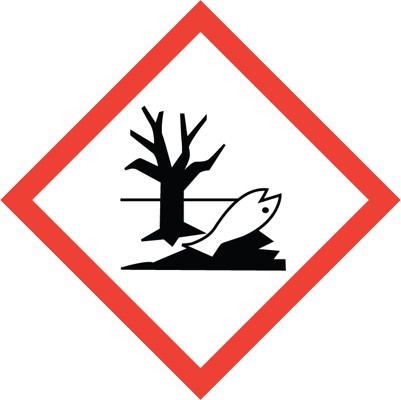
This symbol tell us the chemical it is labelling is:

a)

Harmful to the environment

b)

Dangerous

c)

Toxic

d)

Poisonous

19.

What does this symbol stand for?

a)

Flammable

b)

Toxic

c)

Deadly

d)

Corrosive

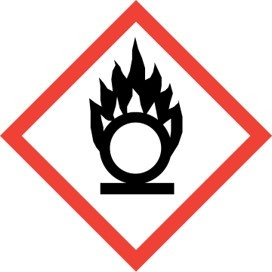
20.

What does this symbol stand for?

a)

Flammable

b)

Oxidising

c)

Irritant

d)

Corrosive

21.

What does this symbol stand for?

a)

Flammable

b)

Oxidising

c)

Non-flammable

d)

Explosive

22.

What does this symbol mean if found as a label on a substance?

a)

Flamable

b)

Flammable

c)

Set this on fire

23.

What does this symbol warn us about?

a)

Health hazard

b)

Lung disease

c)

Irritant

d)

Corrosive

24.

This lab student is wearing her googles and an apron. But what is she doing wrong?

a)

Pointing the test tube toward her while heating it.

b)

She actually is doing everything correctly.

c)

Her loose hair is too close to the fire.

d)

Not paying attention

25.

a)

coxal

b)

femur

c)

patella

d)

fibula

e)

tibia

26.

a)

coxal

b)

femur

c)

patella

d)

fibula

e)

tibia

27.

a)

coxal

b)

femur

c)

patella

d)

fibula

e)

tibia

28.

a)

coxal

b)

femur

c)

patella

d)

fibula

e)

tibia

29.

a)

clavicle

b)

scapula

c)

humerus

d)

radius

e)

ulna

30.

a)

clavicle

b)

scapula

c)

humerus

d)

radius

e)

ulna

31.

What is C?

a)

Skull

b)

RIbs

c)

Backbone

d)

Handbone

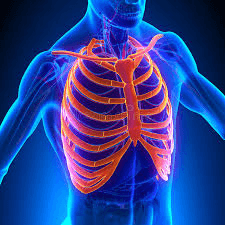
32.

What is the skeleton shown in the picture?

a)

Ribs

b)

Skull

c)

Handbone

d)

Backbone

33.
What should you always wear during a science experiment?
a)
Goggles
b)
Sunglasses
c)
Gloves
d)
Hat
34.
What position should you be in while doing practical work?
a)
Stand up
b)
Sit down
c)
Lie down
d)
Kneel
35.
What is not allowed in the lab?
a)
Do not eat or drink
b)
Talk to friends
c)
Ask questions
d)
Wear shoes
36.
What should you avoid doing in the lab for safety?
a)
No running
b)
No talking
c)
No writing
d)
No walking
37.
What should you do with long hair in the lab?
a)
Tie long hair back
b)
Cut it
c)
Wear a cap
d)
Leave it loose
38.
If something happens during an experiment, what should you do?
a)
Tell a teacher
b)
Fix it yourself
c)
Ignore it
d)
Ask a friend
39.
What is the name of the yellow flame on a Bunsen burner?
a)
The safety flame
b)
The hot flame
c)
The roaring flame
d)
The cooking flame
40.
What is the name of the blue flame on a Bunsen burner?
a)
The roaring flame
b)
The safety flame
c)
The pilot flame
d)
The low flame
41.
What does the air hole on a Bunsen burner do?
a)
Controls the amount of oxygen entering
b)
Controls the gas supply
c)
Changes the flame color directly
d)
Turns the burner off
42.
What colour is the safety flame?
a)
Yellow
b)
Blue
c)
Red
d)
Orange
43.
Why is it called the safety flame?
a)
Because you can see it more easily when not in use
b)
Because it is cooler
c)
Because it is always safe
d)
Because it doesn't need oxygen
44.
What is movement in living organisms?
a)
Going from place to place
b)
Producing energy
c)
Making food
d)
Getting rid of waste
45.
How do plants get their nutrition?
a)
By photosynthesis
b)
By eating other plants
c)
By absorbing minerals only
d)
By hunting insects
46.
What is respiration in living organisms?
a)
Breaking down food to provide energy
b)
Breathing in air
c)
Eating food quickly
d)
Removing waste
47.
What is sensitivity in living things?
a)
Reacting to changes around them
b)
Changing color
c)
Growing taller
d)
Storing energy
48.
What is excretion in living organisms?
a)
Getting rid of waste materials
b)
Absorbing nutrients
c)
Reproducing cells
d)
Storing oxygen
49.
What is reproduction?
a)
Creation of a living thing from an existing organism
b)
Making food
c)
Producing energy
d)
Getting larger
50.
What is growth in living organisms?
a)
Increase in mass or number of cells
b)
Learning new behaviors
c)
Changing shape
d)
Moving faster
51.
What are stains used for in microscopy?
a)
A coloured liquid that helps make cells and structures easier to see
b)
A cleaning agent for the microscope
c)
A way to kill bacteria on slides
d)
A substance to thicken the specimen
52.
What tool should you use for a biological drawing?
a)
A sharp pencil
b)
A pen
c)
A marker
d)
A crayon
53.
What type of outlines should be used in a biological drawing?
a)
Solid outlines
b)
Dotted lines
c)
Thick outlines
d)
Wavy lines
54.
What should be avoided in a biological drawing?
a)
Shading
b)
Labels
c)
Rulers
d)
Details
55.
What should you focus on when drawing biologically?
a)
Drawing what you see and paying attention to shape
b)
Drawing what you imagine
c)
Making it look artistic
d)
Copying from a book
56.
How large should your biological drawing be?
a)
Large
b)
Tiny
c)
Medium-sized
d)
No rule
57.
How should you label structures in a biological drawing?
a)
Use ruler-drawn label lines
b)
Use freehand labels
c)
Write on top of the drawing
d)
Don't label anything
58.
What is a cell?
a)
The smallest unit of living matter
b)
A type of tissue
c)
A large part of the body
d)
A non-living structure
59.
What are all living things made of?
a)
Cells
b)
Atoms
c)
Organs
d)
Bones
60.
Why are there different kinds of cells in an organism?
a)
They do many different jobs
b)
They are all the same
c)
They only carry food
d)
They form only blood
61.
What do we call the different components inside a cell?
a)
Organelles
b)
Nucleotides
c)
Tissues
d)
Organs
62.
What is the shape of an animal cell?
a)
Irregular
b)
Square
c)
Round
d)
Hexagonal
63.
What does the cell membrane do?
a)
Surrounds and holds the cell together, controls what enters and leaves
b)
Stores energy
c)
Makes food
d)
Breaks down waste
64.
What is the role of the nucleus?
a)
Contains genetic material and controls the cell’s activities
b)
Provides energy
c)
Builds proteins
d)
Digests food
65.
What is the cytoplasm?
a)
Jelly-like mixture where chemical reactions happen
b)
A type of organelle
c)
The cell wall
d)
A storage area
66.
Where does respiration happen in the cell?
a)
Mitochondrion
b)
Nucleus
c)
Cytoplasm
d)
Ribosome
67.
Which organelle supports and protects a plant cell?
a)
Cell wall
b)
Cell membrane
c)
Nucleus
d)
Cytoplasm
68.
What gives plant cells their regular shape?
a)
Cell wall
b)
Chloroplast
c)
Mitochondria
d)
Ribosomes
69.
Which organelle contains chlorophyll for photosynthesis?
a)
Chloroplast
b)
Vacuole
c)
Nucleus
d)
Cytoplasm
70.
What is the function of chloroplasts?
a)
To carry out photosynthesis
b)
To store waste
c)
To control cell activities
d)
To digest nutrients
71.
What does the vacuole store in a plant cell?
a)
Food and water
b)
Oxygen and carbon dioxide
c)
Genes
d)
Energy
72.
Why don’t animal cells have a cell wall, chloroplasts, or a large vacuole?
a)
Because they don’t need to make their own food or stay rigid
b)
Because they are smaller
c)
Because they float in water
d)
Because they don’t have cytoplasm
73.
What do cells do to form many cells with different functions?
a)
They divide and develop specialised roles
b)
They move around the body
c)
They grow into organs
d)
They turn into blood
74.
What are specialised cells?
a)
Cells designed to carry out a particular role
b)
Cells that look the same
c)
Cells that are not important
d)
Cells that never change
75.
What is a tissue?
a)
A group of cells working on the same function
b)
A group of organs
c)
A layer of fat
d)
A storage area
76.
What is an organ?
a)
A group of tissues working together to do a task
b)
A group of bones
c)
A single large cell
d)
A part of the brain
77.
What is the correct order of biological organisation from smallest to largest?
a)
Cell → Tissue → Organ → Organ system → Organism
b)
Organ → Tissue → Cell → Organism
c)
Tissue → Cell → Organ system → Organ
d)
Cell → Organ → Tissue → Organism
78.
What is the smallest unit of life?
a)
Cell
b)
Tissue
c)
Organ
d)
Organism
79.
What do cells working together form?
a)
Tissue
b)
Organ
c)
Organ system
d)
Organism
80.
What do tissues working together form?
a)
Organ
b)
Organ system
c)
Organism
d)
Cell
81.
What do organs working together form?
a)
Organ system
b)
Tissue
c)
Cell
d)
Nerve
82.
What do organ systems working together form?
a)
Organism
b)
Organ
c)
Tissue
d)
Muscle
83.
Which organ system includes the brain and nerves?
a)
Nervous system
b)
Respiratory system
c)
Circulatory system
d)
Digestive system
84.
What is the main function of a red blood cell?
a)
Carry oxygen
b)
Digest food
c)
Fight bacteria
d)
Store nutrients
85.
Why do red blood cells have no nucleus?
a)
To have more space for oxygen
b)
To divide faster
c)
To carry food
d)
To trap bacteria
86.
What substance in red blood cells helps carry oxygen?
a)
Haemoglobin
b)
Chlorophyll
c)
Keratin
d)
Enzyme
87.
What is the function of a nerve cell?
a)
Send messages through the body
b)
Carry oxygen
c)
Digest nutrients
d)
Absorb water
88.
Why are nerve cells long and thin?
a)
To connect parts of the body
b)
To store energy
c)
To produce enzymes
d)
To carry blood
89.
What is the function of ciliated epithelial cells?
a)
Move dust and bacteria out of the windpipe
b)
Carry blood to the lungs
c)
Absorb nutrients
d)
Provide structure
90.
What do the cilia on ciliated cells do?
a)
Move mucus
b)
Absorb water
c)
Help the cell swim
d)
Store oxygen
91.
What is the function of a sperm cell?
a)
Fertilise the egg cell
b)
Absorb nutrients
c)
Send signals
d)
Carry oxygen
92.
What helps a sperm cell swim?
a)
Flagella
b)
Cilia
c)
Cytoplasm
d)
Cell wall
93.
What part of the sperm contains chemicals to break into the egg?
a)
Acrosome
b)
Nucleus
c)
Mitochondria
d)
Tail
94.
What is the function of an egg cell?
a)
To be fertilised and grow into an embryo
b)
To fight bacteria
c)
To produce energy
d)
To clean the windpipe
95.
Why does the egg cell have lots of cytoplasm?
a)
For cell division
b)
For swimming
c)
To store oxygen
d)
To trap bacteria
96.
What is the function of a root hair cell?
a)
Absorb water and minerals
b)
Carry oxygen
c)
Make food
d)
Support the stem
97.
Why does a root hair cell have a large surface area?
a)
To absorb more water
b)
To trap sunlight
c)
To move faster
d)
To divide quickly
98.
What is the function of a palisade cell?
a)
Carry out photosynthesis
b)
Transport minerals
c)
Carry blood
d)
Store fat
99.
Why does a palisade cell have lots of chloroplasts?
a)
To absorb light
b)
To store water
c)
To trap dust
d)
To fight infection
100.
What is the function of a xylem cell?
a)
Carry water to the leaves
b)
Make food
c)
Break down toxins
d)
Store glucose
101.
Why are xylem cells hollow?
a)
So water can flow through
b)
To trap air
c)
To store DNA
d)
To move quickly
102.
What is one function of the skeleton?
a)
Support and movement
b)
Digestion
c)
Breathing
d)
Hormone production
103.
How does the skeleton protect the body?
a)
By shielding organs like the brain and heart
b)
By storing energy
c)
By producing enzymes
d)
By pumping blood
104.
What type of joint moves in one direction, like the elbow or knee?
a)
Hinge
b)
Ball and socket
c)
Pivot
d)
Fixed
105.
What type of joint allows rotation, like turning your head?
a)
Pivot
b)
Hinge
c)
Ball and socket
d)
Sliding
106.
What type of joint moves in many directions, like the shoulder or hip?
a)
Ball and socket
b)
Pivot
c)
Hinge
d)
Gliding
107.
How do muscles work to move the body?
a)
By getting shorter (contracting)
b)
By stretching longer
c)
By filling with blood
d)
By vibrating
108.
What is the process called when a muscle gets shorter?
a)
Contraction
b)
Expansion
c)
Relaxation
d)
Rotation
109.
How do muscles usually work in the body?
a)
In antagonistic pairs
b)
On their own
c)
In random order
d)
In circular groups
110.
What do tendons do?
a)
Attach muscles to bones
b)
Join bones to bones
c)
Protect organs
d)
Help blood flow
111.
What happens when a muscle contracts near a joint?
a)
It pulls on the bone, causing movement
b)
It pushes the bone away
c)
It relaxes the joint
d)
It tightens the joint permanently
112.
What is the function of the triceps?
a)
Straighten the arm
b)
Bend the arm
c)
Move the torso
d)
Flex the wrist
113.
What is the function of the biceps?
a)
Bend the arm
b)
Straighten the arm
c)
Rotate the head
d)
Move the fingers
114.
What do the abdominals help with?
a)
Move the torso and help with breathing
b)
Move the arms
c)
Straighten the leg
d)
Pump blood
115.
What is the function of the quadriceps?
a)
Move the lower legs
b)
Bend the arm
c)
Rotate the spine
d)
Move the toes
116.
What is the function of the hamstrings?
a)
Bend the leg at the knee
b)
Straighten the arm
c)
Control breathing
d)
Support the foot