
Font size
 Worksheets
Cell Organelles, Organ Systems, Diffusion and Osmosis
Total questions: 117
Worksheet time: 1hrs 18mins
A scientist removes the mitochondria from a cell. Which process would be MOST affected?
Protein synthesis
Energy production
Waste removal
Cell communication
If the nucleus of a cell is damaged, which activity will most likely stop?
Respiration
Cell division
Diffusion
Transport of oxygen
Ribosomes are often compared to factories in a city because they ____.
Control all activities
Produce energy
Make proteins
Store materials
Which organelle acts like a “city wall” by controlling what enters and leaves the cell?
Cytoplasm
Cell membrane
Vacuole
Nucleus
A plant cell wilts when it loses water. Which organelle is MOST responsible for storing water?
Mitochondria
Ribosome
Vacuole
Nucleus
Why do plant cells have chloroplasts but animal cells do not?
Animals do not need oxygen
Plants make their own food
Animals cannot store energy
Plants do not need mitochondria
Which statement BEST explains the role of cytoplasm?
It produces energy
It protects DNA
It is where organelles carry out reactions
It controls cell activities
If ribosomes stop working, what will happen to the organism?
It cannot breathe
It cannot digest food
It cannot make proteins
It cannot transport blood
Which combination correctly shows organelles found ONLY in plant cells?
Nucleus and ribosome
Mitochondria and membrane
Cell wall and chloroplast
Vacuole and cytoplasm
The “cell as a city” analogy shows that if the power plant fails, the cell will lose its ____.
Structure
Energy
Information
Protection
Which organs work together to absorb nutrients from food?
Lungs and heart
Stomach and intestines
Kidneys and bladder
Brain and nerves
What will MOST likely happen if the respiratory system does not function properly?
Waste cannot be removed
Muscles cannot move
Oxygen cannot reach cells
Blood cannot clot
The circulatory system supports other systems mainly by ____.
Producing enzymes
Transporting substances
Breaking down food
Sending nerve signals
Which organ system controls body responses and coordination?
Digestive
Nervous
Muscular
Excretory
If kidneys fail to work properly, what is the MOST dangerous effect?
Muscle cramps
Waste builds up in blood
Food is not digested
Bones become weak
Why are the muscular and skeletal systems interdependent?
Both remove waste
Both transport oxygen
Muscles need bones to move the body
Bones need muscles to produce blood
Which organ belongs to BOTH the respiratory and circulatory systems?
Lung
Heart
Blood
Trachea
Damage to the nervous system would MOST affect which ability?
Chewing food
Thinking and reacting
Breathing air
Digesting nutrients
What happens if the digestive system stops working?
Oxygen cannot enter the body
Waste cannot be filtered
Cells lack nutrients and energy
Muscles stop contracting
Which statement BEST describes the relationship between organ systems?
Each system works alone
Systems compete with each other
Systems work together to maintain life
Only one system is important
Diffusion is the movement of particles from ____.
Low concentration to high concentration
High concentration to low concentration
Inside to outside only
Liquid to solid
Osmosis differs from diffusion because osmosis involves the movement of ____.
Oxygen
Salt
Water
Protein
When perfume spreads across a room, this is an example of ____.
Osmosis
Respiration
Diffusion
Absorption
A red blood cell placed in pure water swells because ____.
Salt leaves the cell
Water enters the cell
Protein breaks down
Oxygen diffuses in
Why is diffusion important for cells?
It allows cells to make food
It helps move substances without energy
It stores genetic material
It produces waste
Which situation BEST shows osmosis in daily life?
Sugar dissolving in tea
Smell of food spreading
Raisins swelling in water
Air entering lungs
If a cell is placed in a salty solution, what will likely happen?
It swells
It bursts
It shrinks
It divides
The movement of oxygen from lungs into blood occurs mainly by _____.
Osmosis
Diffusion
Active transport
Filtration
Why does osmosis require a semi-permeable membrane?
To block all substances
To allow only water to pass
To allow all substances to pass
To produce energy
Which statement BEST compares diffusion and osmosis?
Both require energy
Both move particles against concentration
Osmosis is a type of diffusion involving water
Diffusion only occurs in living cells
In a food chain, which organism is ALWAYS the first level?
Consumer
Decomposer
Producer
Predator
Grass → Deer → Lion shows the flow of _____.
Matter only
Energy
Water
Oxygen
What happens to energy as it moves up a food chain?
It increases
It stays the same
It decreases
It disappears completely
Which organism breaks down dead plants and animals?
Producer
Herbivore
Carnivore
Decomposer
A food web is more stable than a food chain because _____.
It has fewer organisms
It has only producers
It has many feeding relationships
It has no predators
If all producers disappear, what will happen to the ecosystem?
Only carnivores survive
Consumers will lack energy
Decomposers increase energy
Food web becomes stronger
What is MOST likely to happen if predators suddenly increase in number?
Prey population increases
Producers disappear
Prey population decreases
Energy flow stops
Which organism can be both a consumer and prey?
Grass
Rabbit
Mushroom
Algae
Why are decomposers important in ecosystems?
They produce food
They control climate
They recycle nutrients
They hunt prey
If one species goes extinct, the food web may _____.
Remain unchanged
Become unstable
Stop energy flow completely
Increase producers
Bees and flowers show interdependence because _____.
Bees protect flowers
Flowers eat bees
Bees get nectar and help pollination
Flowers depend only on water
Why is balance important in an ecosystem?
To stop evolution
To increase predators
To keep populations stable
To reduce sunlight
Global warming refers to the _____.
Cooling of Earth
Increase in Earth’s average temperature
Natural change of seasons
Movement of tectonic plates
Which human activity contributes MOST to global warming?
Recycling waste
Using renewable energy
Burning fossil fuels
Planting trees
One effect of global warming is _____.
More forests
Rising sea levels
Decreased temperature
Stable climate
Deforestation affects ecosystems by _____.
Increasing biodiversity
Destroying habitats
Improving soil quality
Reducing carbon dioxide
Why does deforestation increase global warming?
Trees release oxygen
Trees absorb carbon dioxide
Trees increase rainfall
Trees produce heat
Which action helps reduce environmental damage?
Cutting more trees
Using plastic bags
Saving energy
Burning waste
If forests disappear, animals will MOST likely _____.
Adapt instantly
Lose food and shelter
Increase in population
Become producers
Which statement BEST shows interdependence between humans and the environment?
Humans do not need nature
Nature depends only on humans
Humans rely on nature for resources
Humans can replace ecosystems
Which of the following part of plants considered as the reproductive organ?
The stem
The leaf
The flower
The bud
Below are the type of root systems in plants, except...
Lateral root
Fibrous root
Side root
Tap root

Mangrove trees have characteristics of root which grow upwards to the surface of the water. What is the function of this process?
The root is looking for the source of water since water is important for photosynthesis
It gives the mangrove trees the firm structure to hold a whole tree as an adaptive feature in mud environment
The root is looking for oxygen in the air, because inside of the mud, there is little oxygen available
The root is looking for sunlight and converted it to gives energy for plant
Which of the following organs are part of the circulatory system?
Heart
Artery
Veins
Lungs

What is the name of the bone number 14?
Vertebra
Humerus
Femur
Fibula
We can move and do activities everyday because there is a contraction of tissues in our body. What is the name of the tissue?
Bones
Ligaments
Cartilages
Muscles

What is the name of organ number 5 from the following diagram?
Trachea
Alveolus
Bronchiolus
Bronchus

In which part of digestive system from the following diagram, the food is churned up into a creamy liquid called chyme?
1
3
4
5
Olympic sprinters undergo increased heart and breathing rates while competing. Which of the following best describes the interactions among systems of a sprinter?
Respiratory system is working to obtain more oxygen, while the circulatory system works to transport the oxygen to the muscles.
The digestive system takes in more glucose, while the excretory system removes waste.
The endocrine system transports ATP to the nervous system
Excretory system removes waste from the digestive system to reduce weight so the sprinter can run faster
Which two systems interact so the kidneys filter cellular waste out of blood for removal?
circulatory and endocrine
respiratory and circulatory
digestive and respiratory
circulatory and urinary

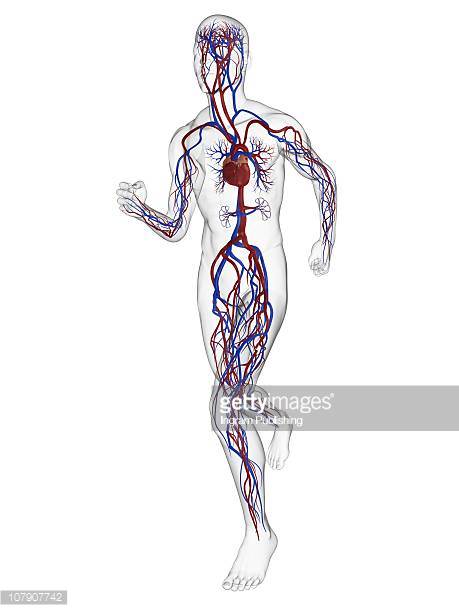
What is the main organ of the circulatory system?
small intestine
bone
lungs
heart
Sends information about your surroundings to your brain
Integumentary System
Cardiovascular System
Respiratory System
Nervous System
your skin, protects your body from injury and can help relay information to your brain
Integumentary system
Endocrine system
Nervous system
Circulatory system
Cell Membrane
maintains homeostasis by controlling what enters and leaves the cell
suspends the organelles and provides an environment for chemical reactions within the cell
makes proteins
provides structure for cells and movement of organelles
Cytoplasm
maintains homeostasis by controlling what enters and leaves the cell
suspends the organelles and provides an environment for chemical reactions within the cell
makes proteins
provides structure for cells and movement of organelles
Ribosome
maintains homeostasis by controlling what enters and leaves the cell
suspends the organelles and provides an environment for chemical reactions within the cell
makes proteins
provides structure for cells and movement of organelles
Cytoskeleton
maintains homeostasis by controlling what enters and leaves the cell
suspends the organelles and provides an environment for chemical reactions within the cell
makes proteins
provides structure for cells and movement of organelles
Nucleus
stores genetic information (DNA)
makes and transports proteins
makes lipids and membranes (also detoxifies and stores calcium)
modifies, sorts, and ships proteins
Rough Endoplasmic Reticulum
stores genetic information (DNA)
makes and transports proteins
makes lipids and membranes (also detoxifies and stores calcium)
modifies, sorts, and ships proteins
Smooth Endoplasmic Reticulum
stores genetic information (DNA)
makes and transports proteins
makes lipids and membranes (also detoxifies and stores calcium)
modifies, sorts, and ships proteins
Golgi Bodies
stores genetic information (DNA)
makes and transports proteins
makes lipids and membranes (also detoxifies and stores calcium)
modifies, sorts, and ships proteins
Mitochondria
creates energy (ATP) from food; site of cellular respiration
stores food, water, or wastes with the cell; plant cells have a special vacuole
uses enzymes to digest bacteria, viruses, and old organelles (old cell parts are recycled)
create special structures called spindle fibers that are used in cell division
Vacuole
creates energy (ATP) from food; site of cellular respiration
stores food, water, or wastes with the cell; plant cells have a special vacuole
uses enzymes to digest bacteria, viruses, and old organelles (old cell parts are recycled)
create special structures called spindle fibers that are used in cell division
Lysosome
creates energy (ATP) from food; site of cellular respiration
stores food, water, or wastes with the cell; plant cells have a special vacuole
uses enzymes to digest bacteria, viruses, and old organelles (old cell parts are recycled)
create special structures called spindle fibers that are used in cell division
Centrosome/Centrioles
creates energy (ATP) from food; site of cellular respiration
stores food, water, or wastes with the cell; plant cells have a special vacuole
uses enzymes to digest bacteria, viruses, and old organelles (old cell parts are recycled)
create special structures called spindle fibers that are used in cell division
Cell Wall
provides shape, structure, and protection for the cell
site of photosynthesis; uses the sun's energy to produce food
stores water in order to maintain plant shape (if a plant needs water, it wilts)
site of cellular respiration
Chloroplast
provides shape, structure, and protection for the cell
site of photosynthesis; uses the sun's energy to produce food
stores water in order to maintain plant shape (if a plant needs water, it wilts)
site of cellular respiration
Central Vacuole
provides shape, structure, and protection for the cell
site of photosynthesis; uses the sun's energy to produce food
stores water in order to maintain plant shape (if a plant needs water, it wilts)
site of cellular respiration

In what organelle is the genetic material found inside?
Endoplasmic Reticulum
Golgi Complex
Nucleolus
Nucleus

What organelle is called the "powerhouse" of a cell?
Endoplasmic Reticulum
Nucleus
Mitochondria
Nucleolus
What is the function of the mitochondria?
Structure that manufactures ribosomes
Structures that converts nutrients to energy
Stack of membranes that packages chemicals
Structure that contains DNA and directs the cell


I make proteins for the cell. What am I?
ribosome
mitochondria
chloroplast
lysosome
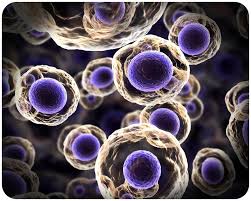


What is the function of the mitochondria?
Structure that manufactures ribosomes
Structures that converts nutrients to energy
Stack of membranes that packages chemicals
Structure that contains DNA and directs the cell
The Cell Theory states - (select all that apply)
The cell is the basic unit of life
All cells are crested from existing cells
All cells reproduce sexually
All organisms are made from cells
Regulates the entering and exiting on materials in the cell
Cell Wall
Cell Membrane
Mitochondria
Endoplasmic Reticulum
Responsible for protein synthesis with ribosomes and lipid production -
Mitochondria
Endoplasmic Reticulum
Lysosomes
Chloroplast
Gel-like substance that holds all organelles in place -
Chloroplast
Call wall
Cytoplasm
Lysosomes
Stores water and nutrients for the cell
Lysosomes
Vacuole
Chloroplast
Cytoplasm
Converts light energy into food for the plant and carbon dioxide into oxygen through Photosynthesis.
Cytoplasm
Chloroplast
Mitochondria
Cell Wall

gives the cell ENERGY
mitochondria
vacuole
cytoplasm
ribosomes



