Free Printable Biotic Factors Worksheets for Class 2
Free Class 2 biotic factors worksheets and printables help young scientists explore living components of ecosystems through engaging practice problems and activities with complete answer keys.
Explore printable Biotic Factors worksheets for Class 2
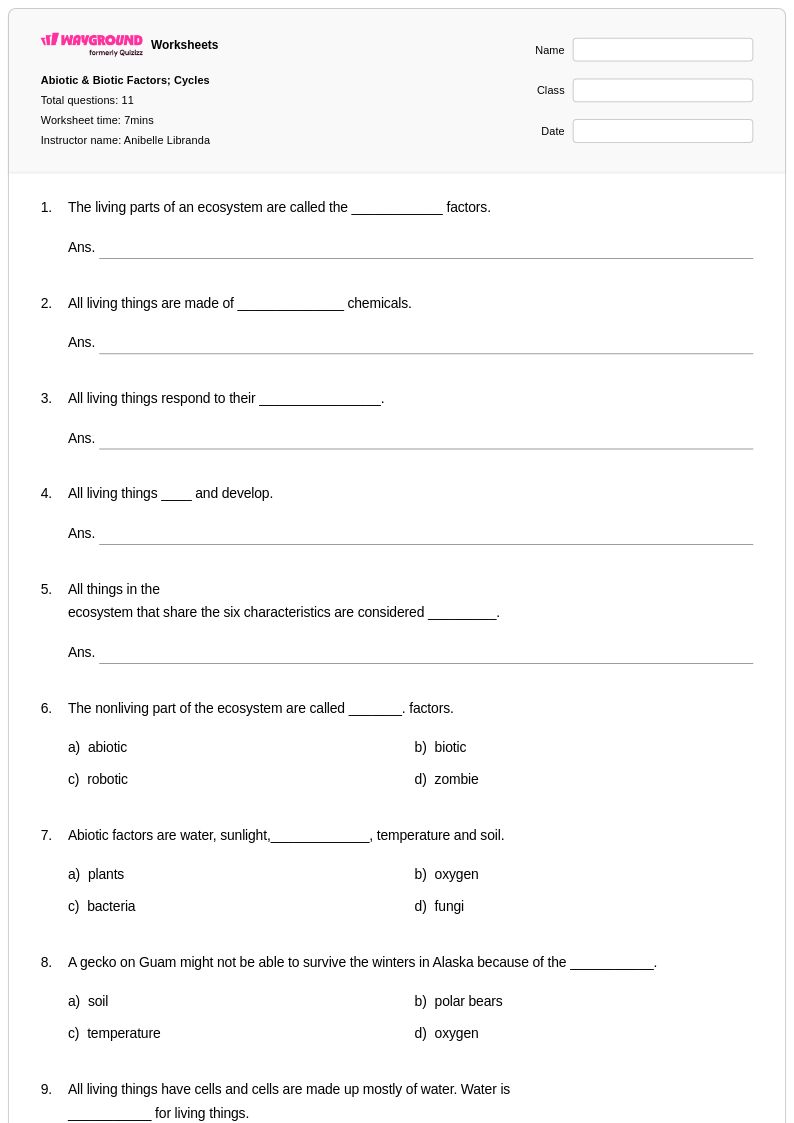
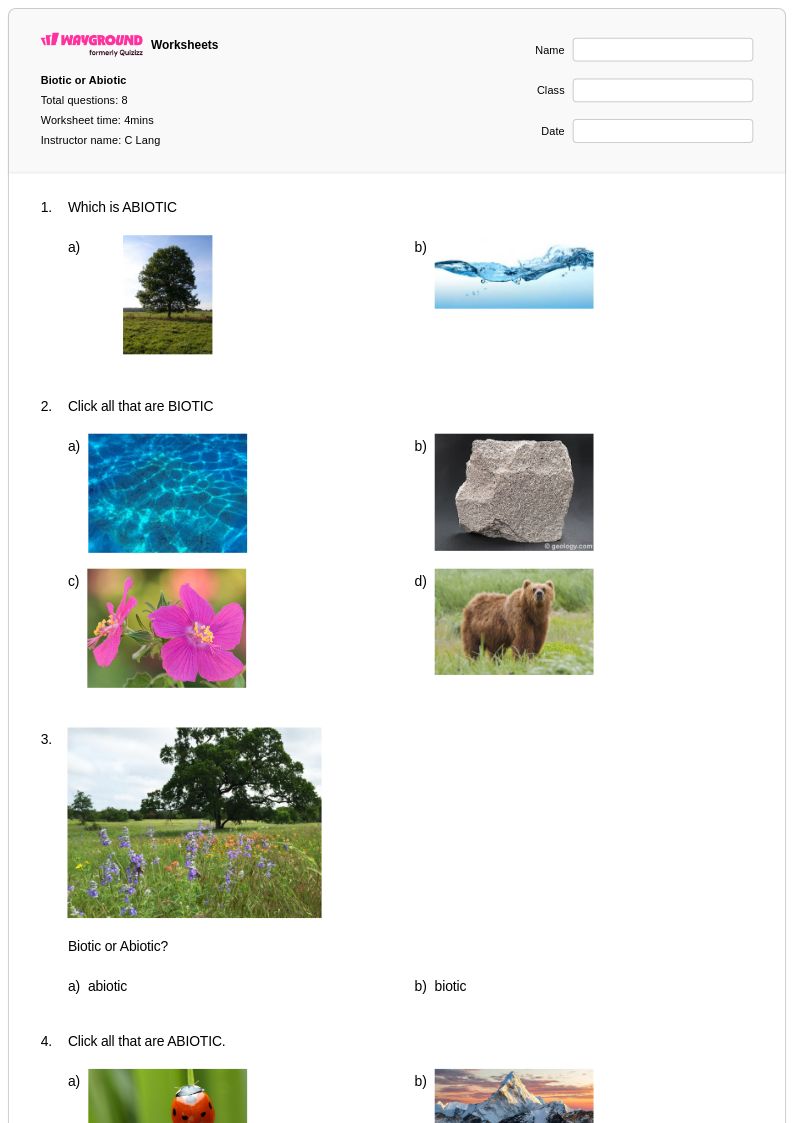
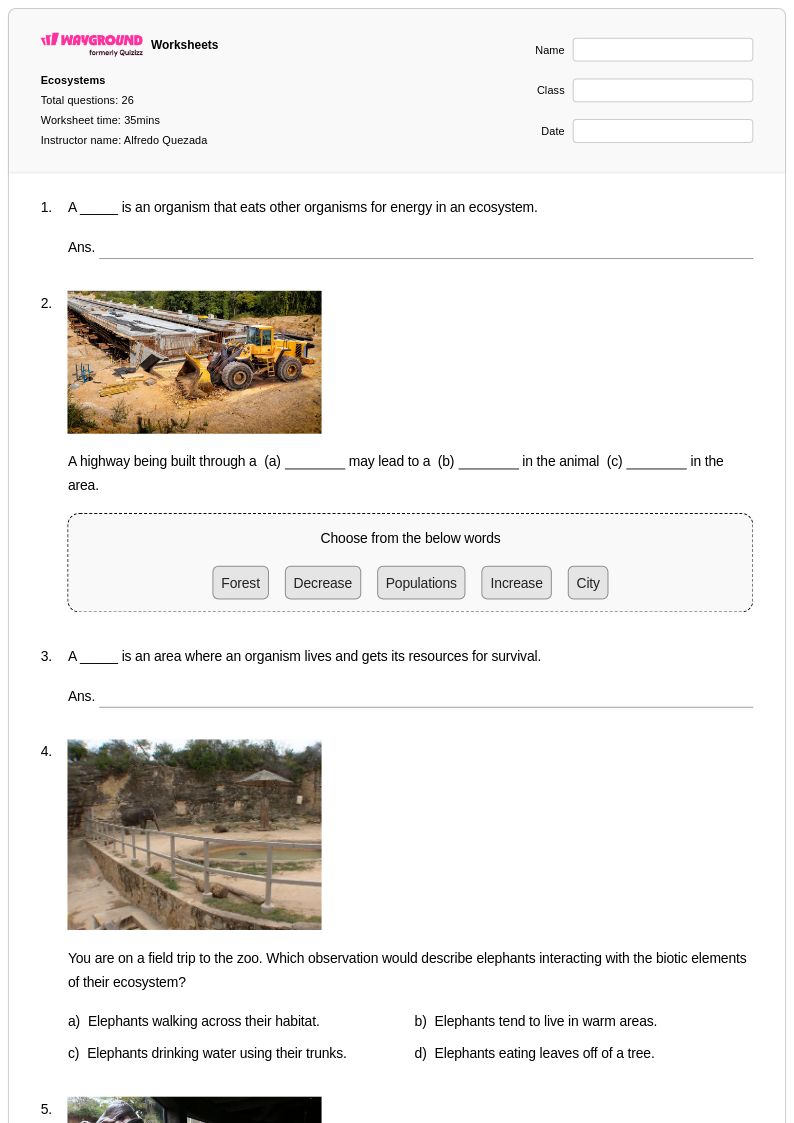
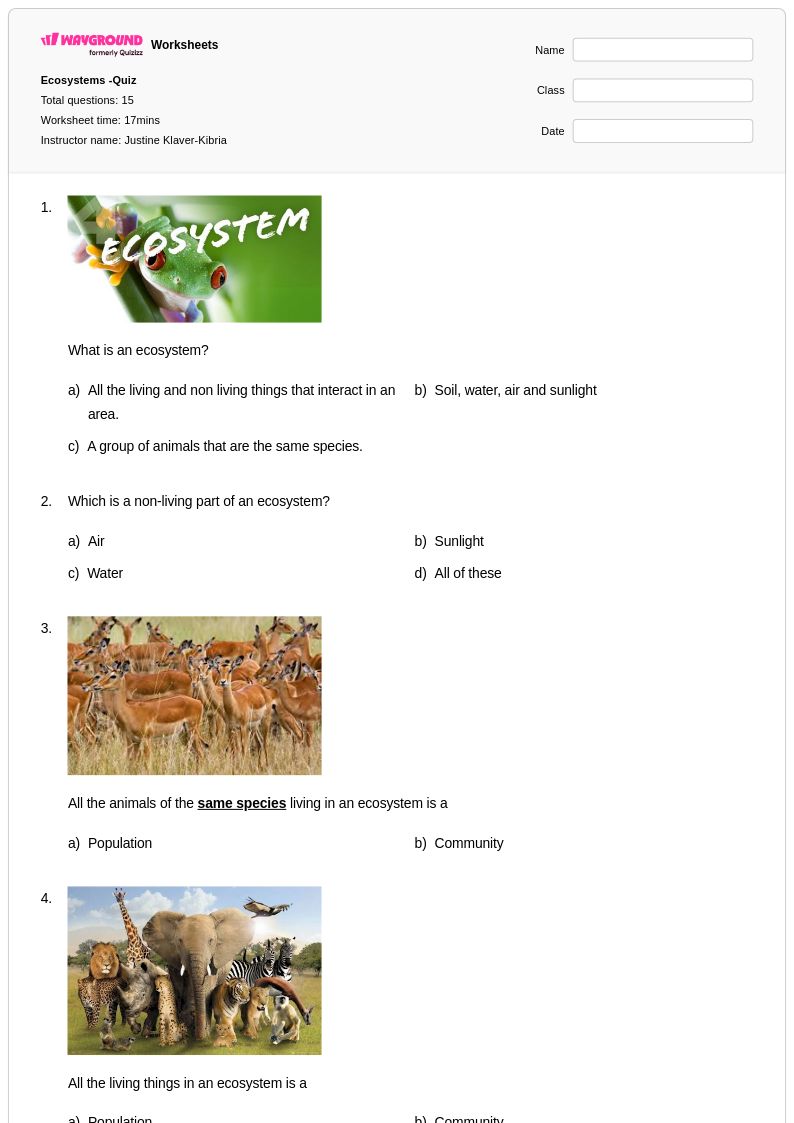
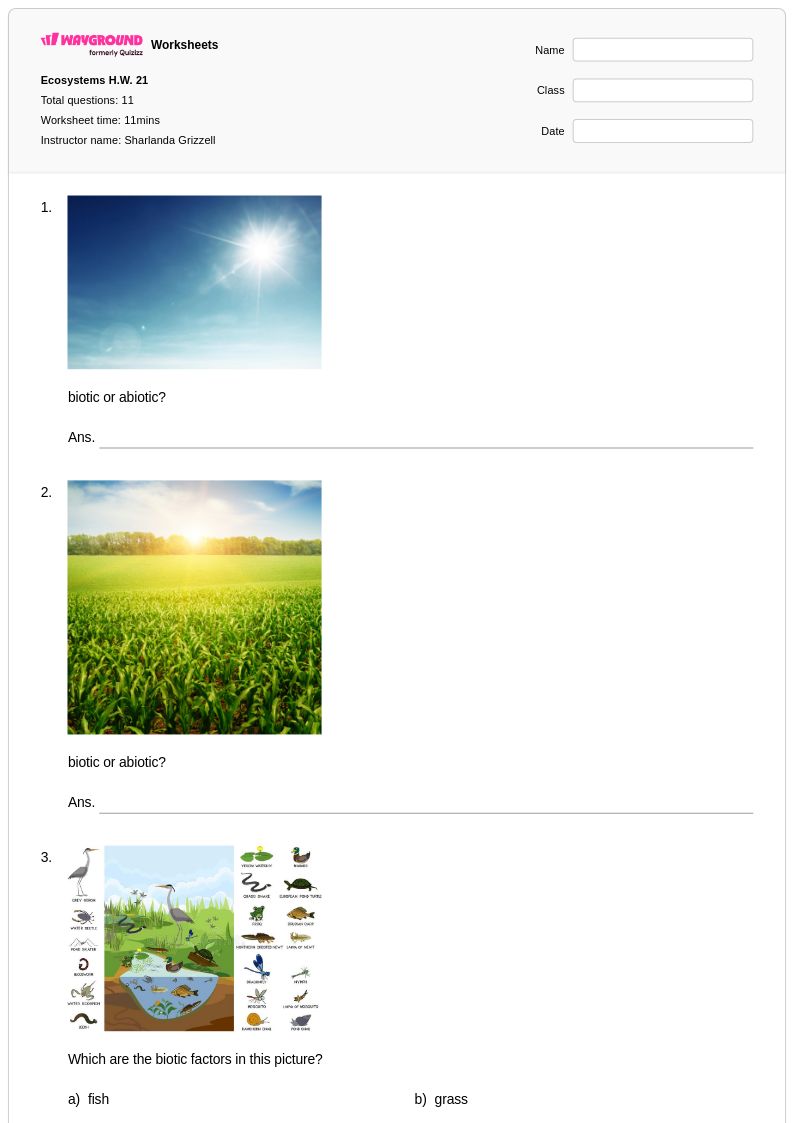
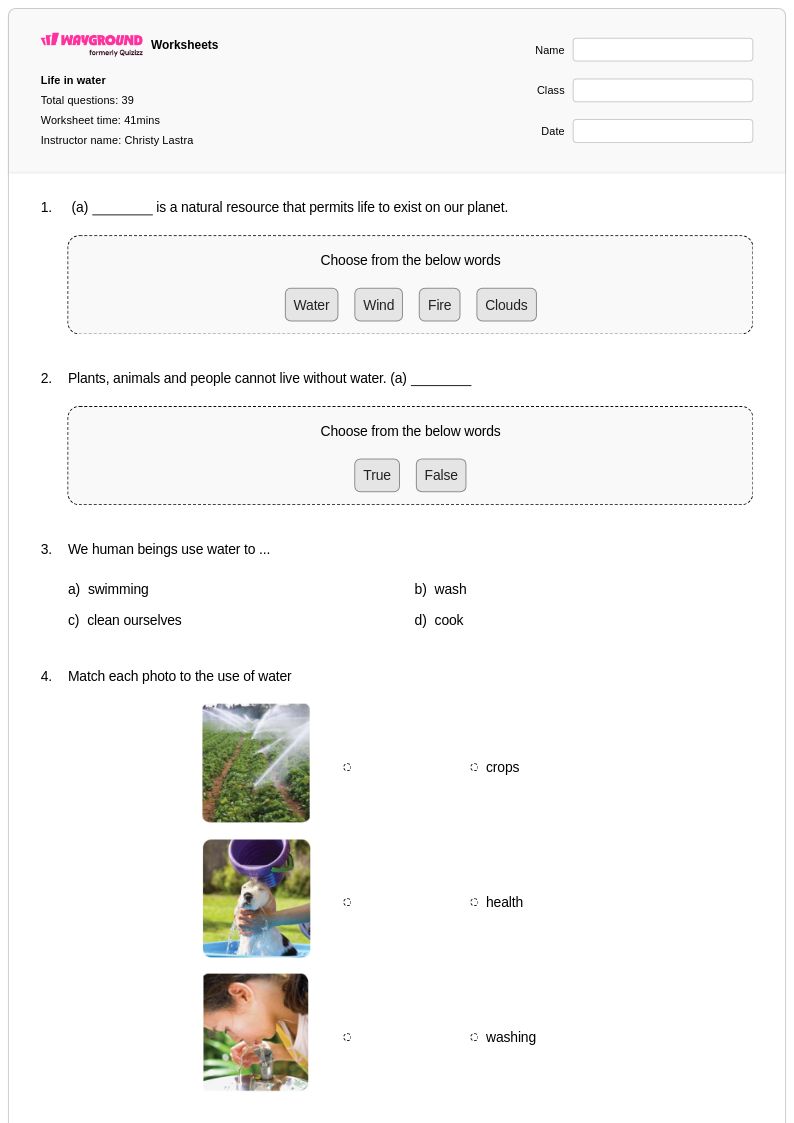
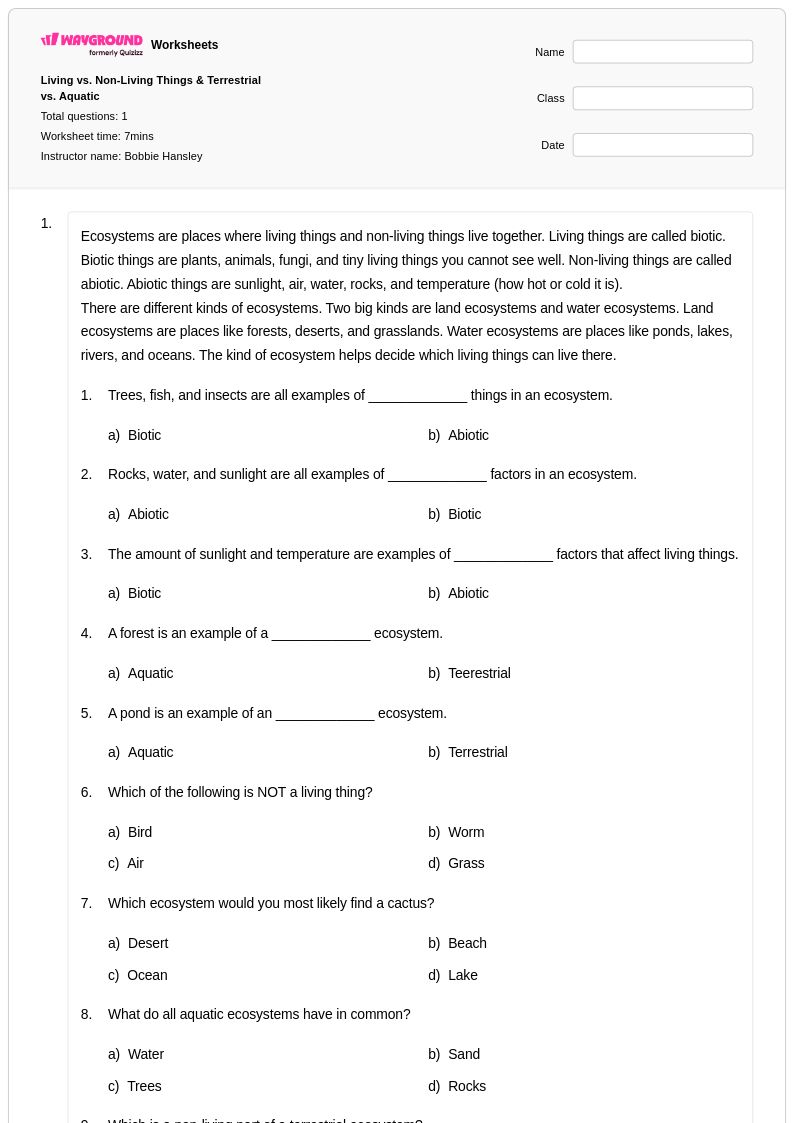
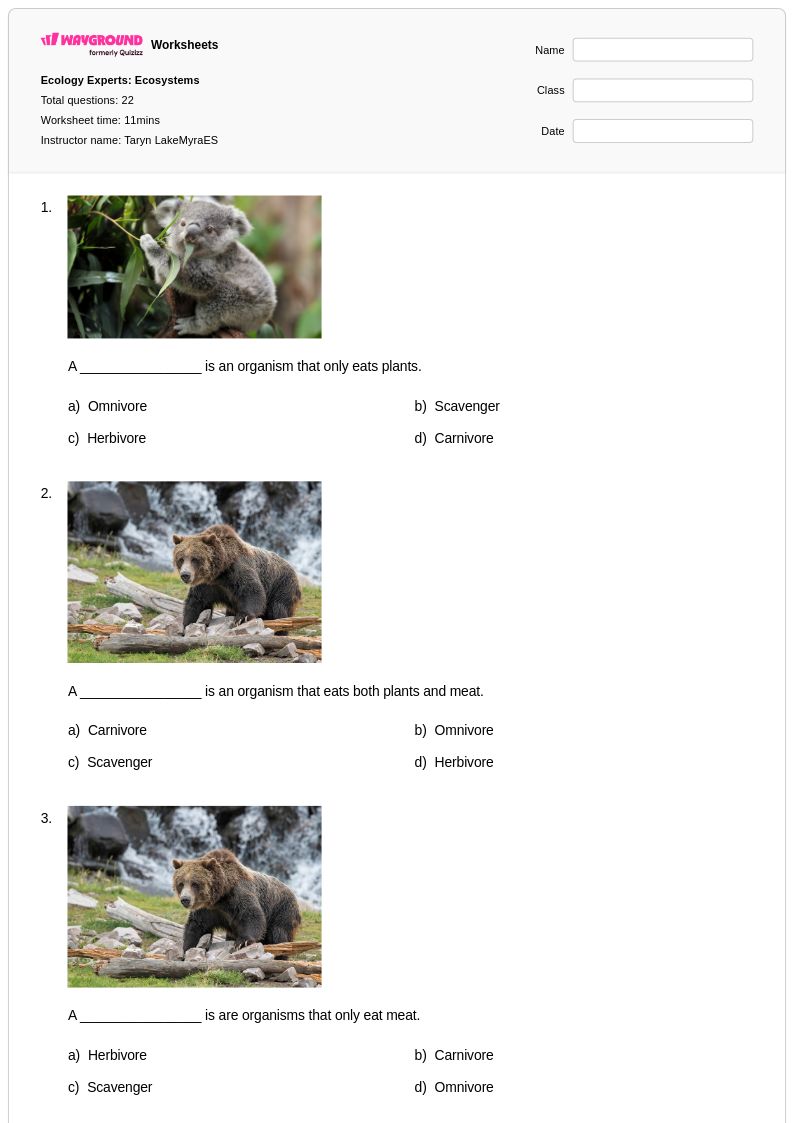
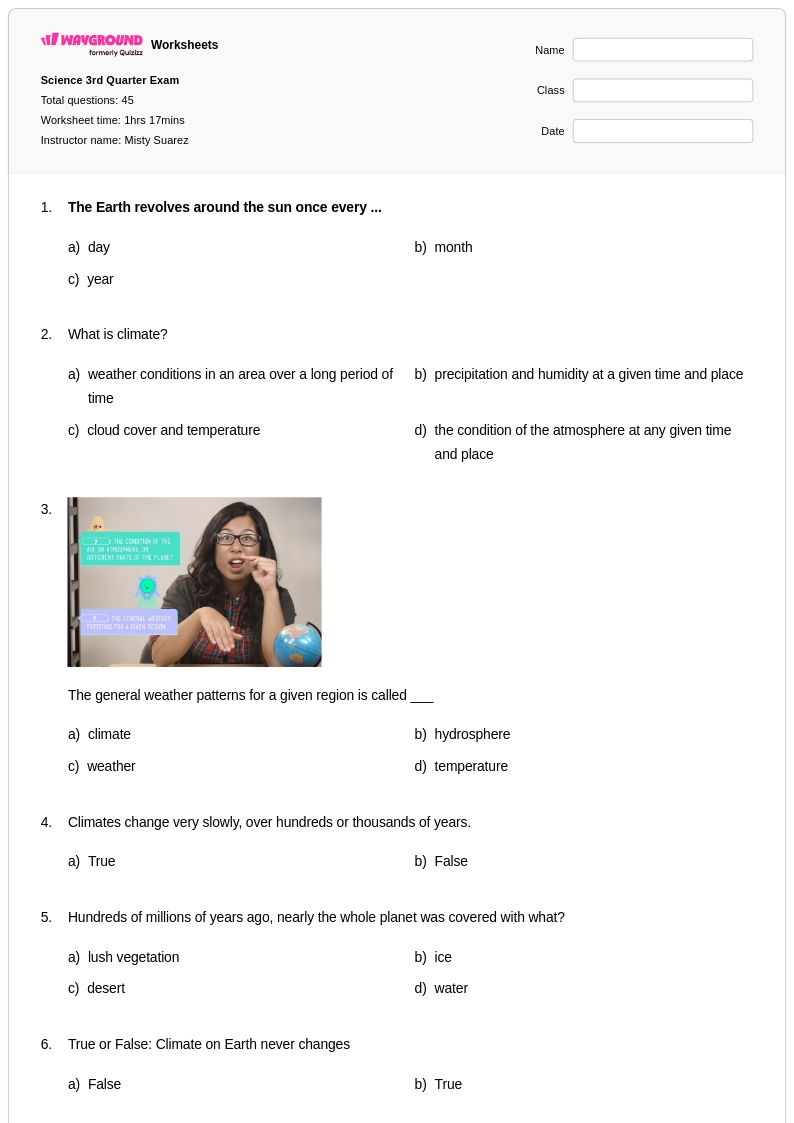
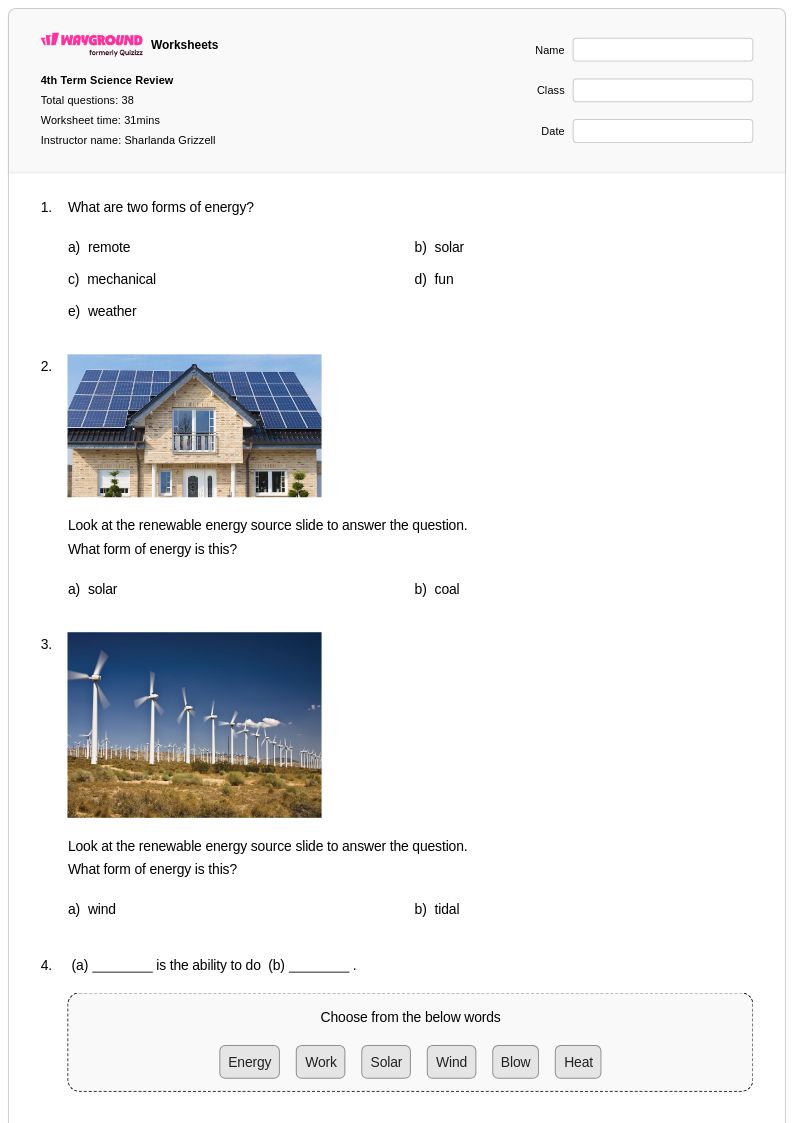
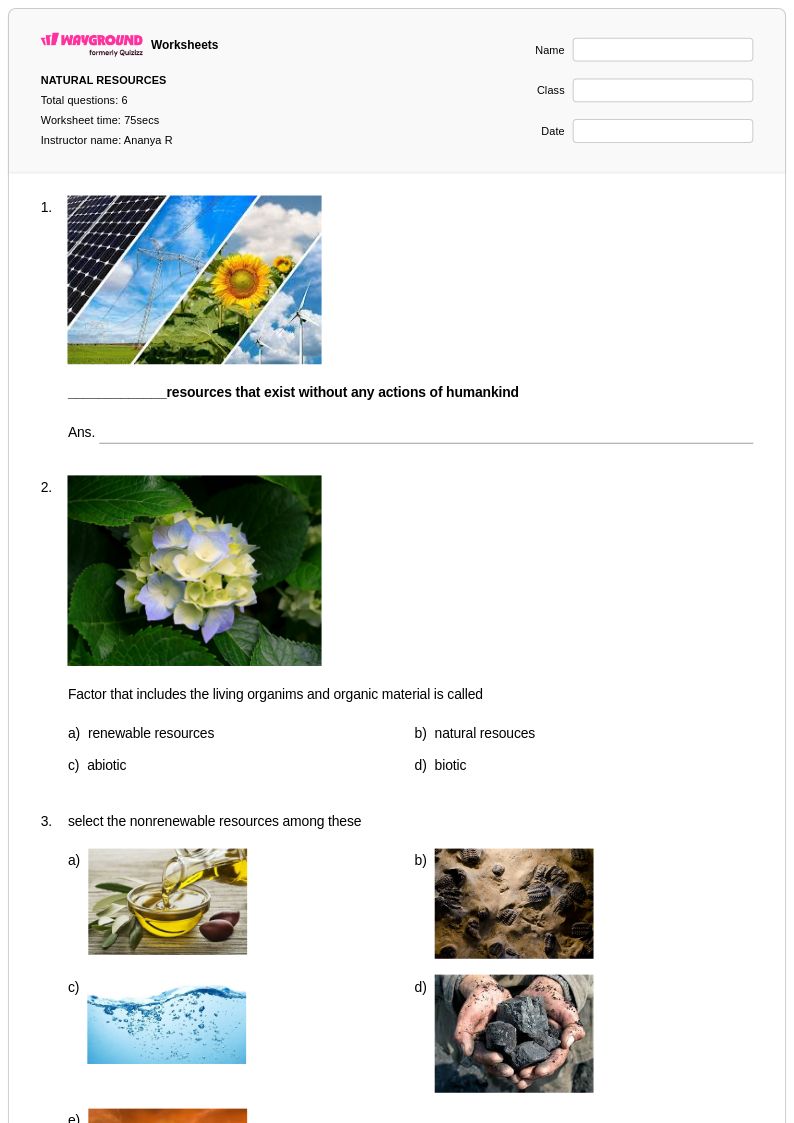
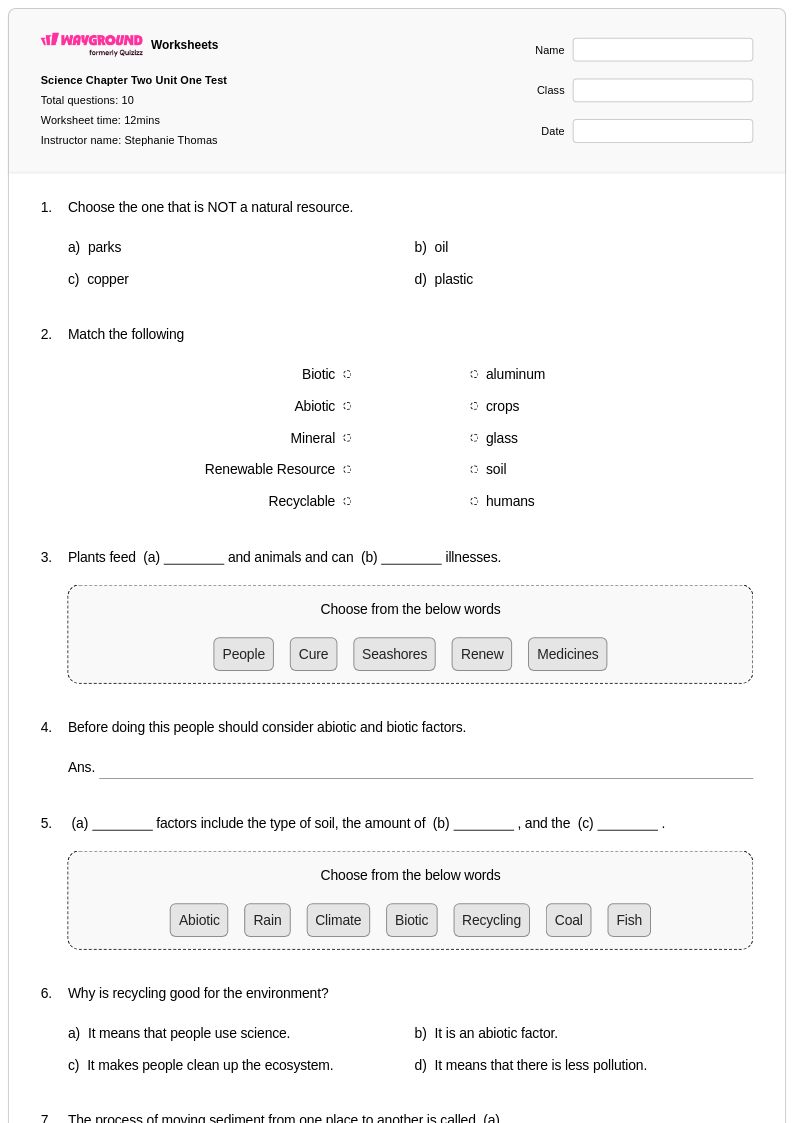
Biotic factors worksheets for Class 2 students available through Wayground (formerly Quizizz) provide young learners with engaging opportunities to explore the living components of ecosystems through age-appropriate activities and practice problems. These carefully designed worksheets help second graders develop foundational understanding of how plants, animals, and other living organisms interact within their environments, strengthening essential observation and classification skills while building scientific vocabulary. The collection includes diverse printable resources that guide students through identifying different types of living things in various habitats, from forest creatures to pond organisms, with each worksheet featuring clear answer keys that support both independent learning and teacher-guided instruction. Students practice distinguishing between biotic and abiotic factors through colorful illustrations, matching activities, and simple sorting exercises that make complex ecological concepts accessible to developing minds, with free pdf formats ensuring easy classroom implementation.
Wayground (formerly Quizizz) empowers educators with millions of teacher-created biotic factors resources specifically tailored for Class 2 science instruction, offering robust search and filtering capabilities that allow teachers to quickly locate materials aligned with curriculum standards and learning objectives. The platform's comprehensive collection supports differentiated instruction through customizable worksheets that can be modified to meet diverse student needs, from remediation activities for struggling learners to enrichment challenges for advanced students. Teachers benefit from flexible formatting options, including both printable pdf versions for traditional classroom use and digital formats for technology-integrated lessons, streamlining lesson planning while ensuring consistent skill practice across different learning environments. The extensive database enables educators to efficiently locate high-quality materials for teaching ecosystem concepts, supporting everything from introductory lessons about living things to more detailed explorations of how organisms depend on each other within their habitats.
FAQs
How do I teach biotic factors to middle school science students?
Start by grounding students in the distinction between biotic and abiotic factors before expanding into categories of producers, consumers, and decomposers. Use food webs and real ecosystem examples to show how biotic components interact through predation, competition, and symbiosis. Once students can identify organisms by their roles, introduce population dynamics and nutrient cycling to show how these relationships sustain ecosystem function. Scaffolded worksheets that move from vocabulary to analysis work well for building this progression.
What practice exercises help students understand biotic factor relationships in ecosystems?
Exercises that ask students to classify organisms as producers, consumers, or decomposers build foundational understanding, while food web diagrams require them to apply those roles in context. Analysis tasks involving population changes, such as what happens when a predator is removed from an ecosystem, push students toward systems thinking. Vocabulary-matching and short-answer questions that use real species examples reinforce terminology while keeping the content grounded in observable science.
What mistakes do students commonly make when learning about biotic factors?
A frequent misconception is confusing biotic factors with all environmental factors, leading students to incorrectly classify sunlight, temperature, or water as biotic. Students also tend to oversimplify food webs as linear chains rather than interconnected networks, missing the complexity of energy flow. Another common error is treating decomposers as optional or minor players rather than recognizing their essential role in nutrient cycling. Targeted practice problems that require students to justify their classifications help surface and correct these errors.
How do I use Wayground's biotic factors worksheets in my classroom?
Wayground's biotic factors worksheets are available as printable PDFs for traditional classroom use and in digital formats for technology-integrated environments, giving you flexibility for in-class practice, homework, or assessment preparation. You can also host them as a quiz directly on Wayground, which is useful for formative assessment. Each worksheet includes a complete answer key, so grading is straightforward whether students complete work on paper or online. Wayground also supports student-level accommodations such as extended time, read-aloud, and reduced answer choices, which can be configured individually without other students being notified.
How can I differentiate biotic factors instruction for students at different ability levels?
For struggling learners, start with identification tasks that ask students to sort organisms into producer, consumer, and decomposer categories before introducing interaction types like predation or symbiosis. Advanced students benefit from open-ended analysis tasks, such as predicting ecosystem consequences when a key species is removed or added. On Wayground, differentiation tools allow teachers to customize worksheets by ability level and apply individual accommodations, including reduced answer choices or extended time, so all students can engage with the same core content at an appropriate challenge level.
What vocabulary should students know before studying biotic factors?
Students should be comfortable with the terms organism, ecosystem, and environment before diving into biotic factors specifically. From there, the core vocabulary set includes producer, consumer, decomposer, predation, competition, symbiosis, food web, and nutrient cycling. Building this vocabulary explicitly, through context-rich definitions and application in practice problems, prepares students to analyze ecological relationships rather than simply memorize terms.