Free Printable Cardiac Cycle Worksheets for Class 9
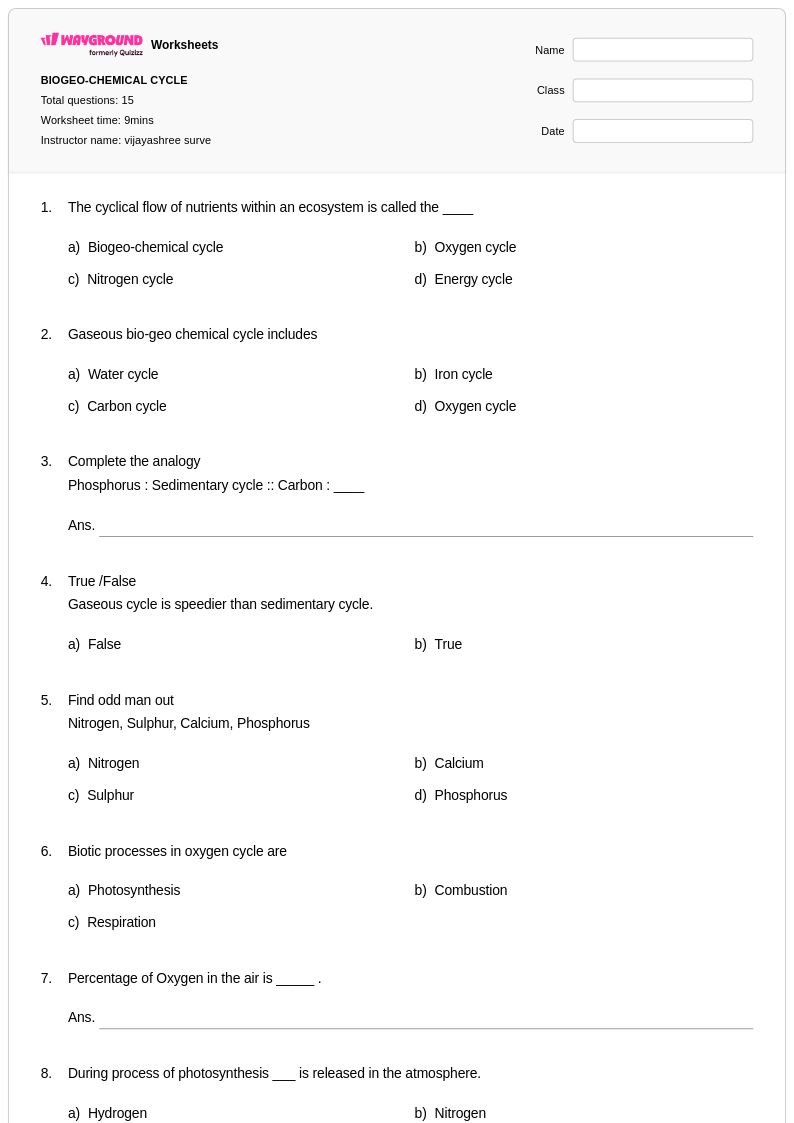
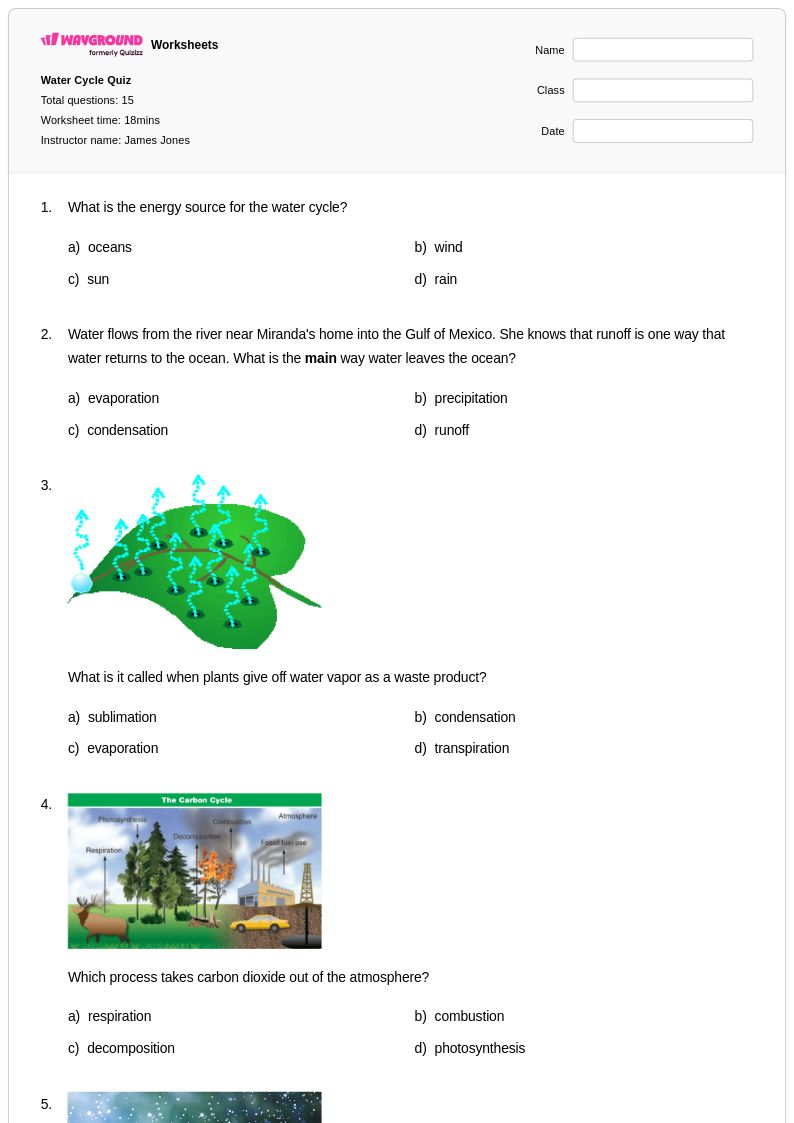
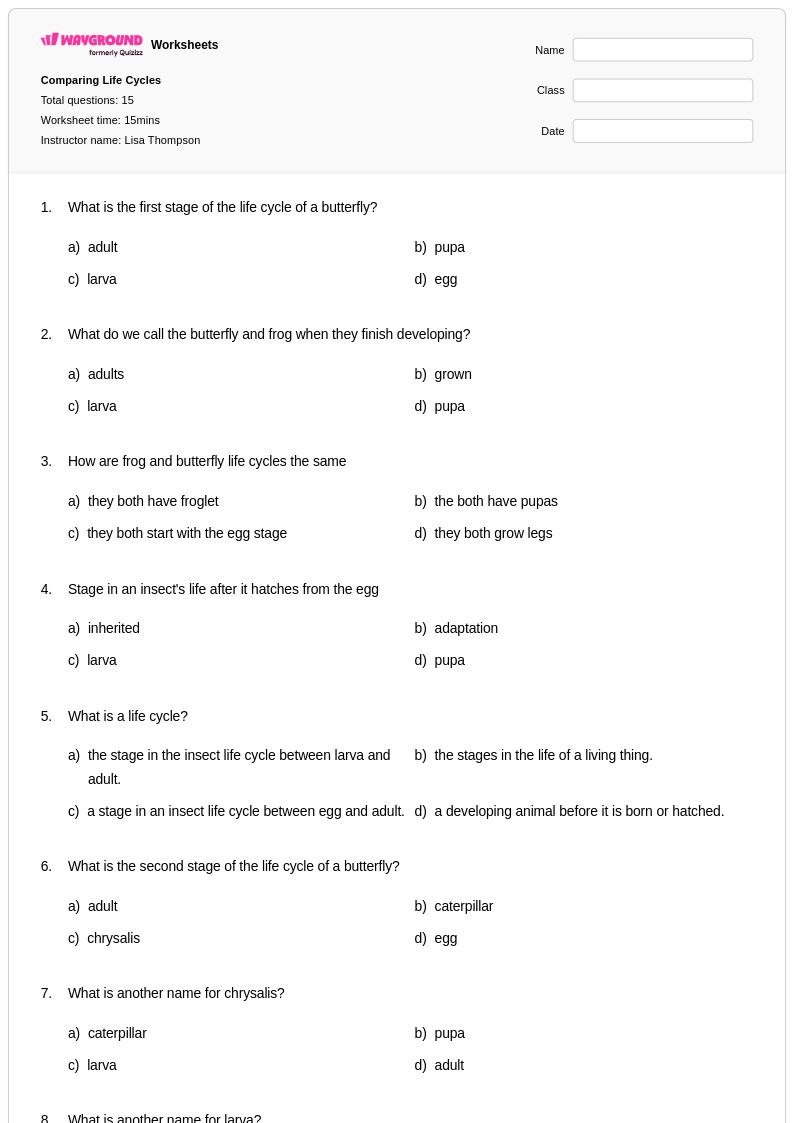
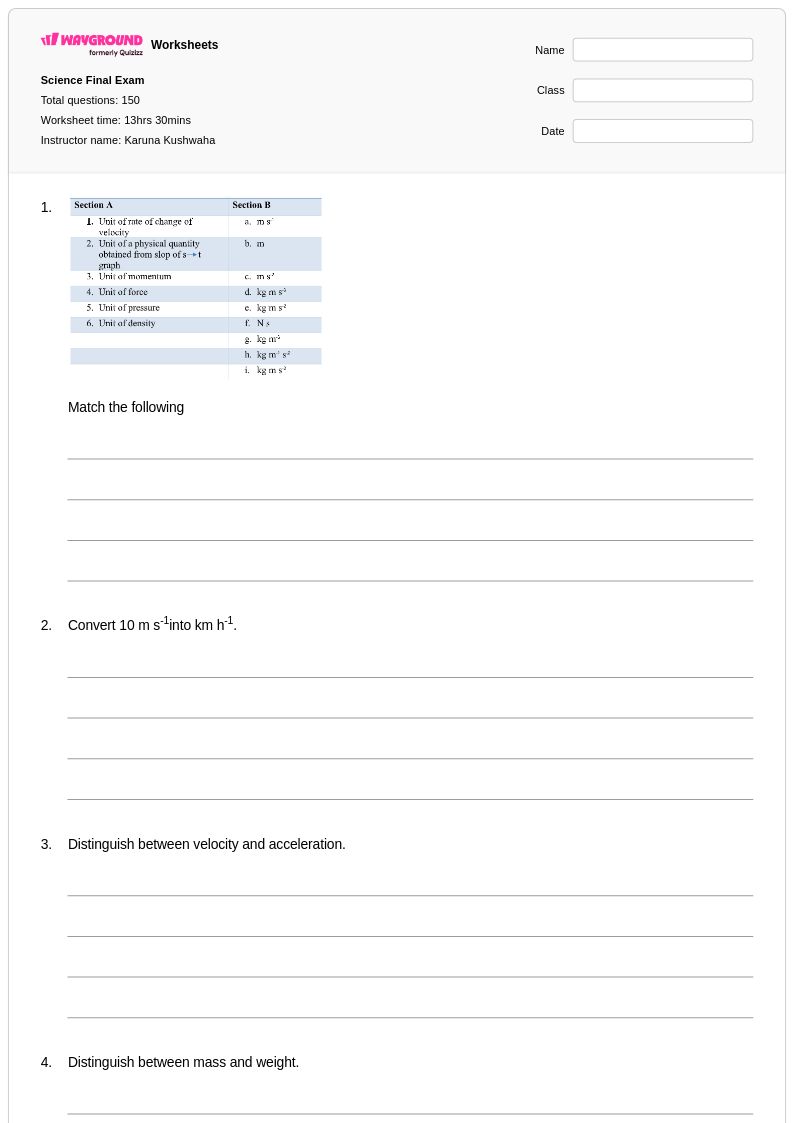
Class 9 cardiac cycle worksheets from Wayground help students master heart function through comprehensive printables, practice problems, and answer keys that reinforce understanding of systole, diastole, and blood circulation patterns.
Explore printable Cardiac Cycle worksheets for Class 9
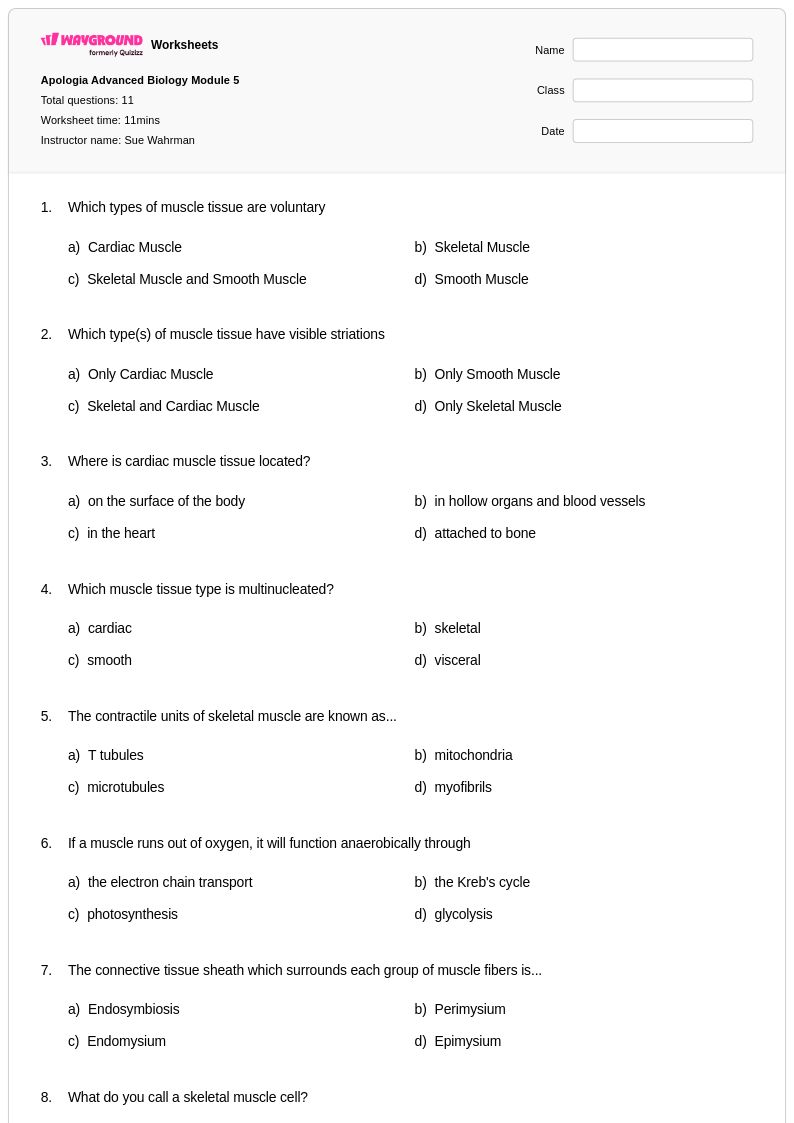
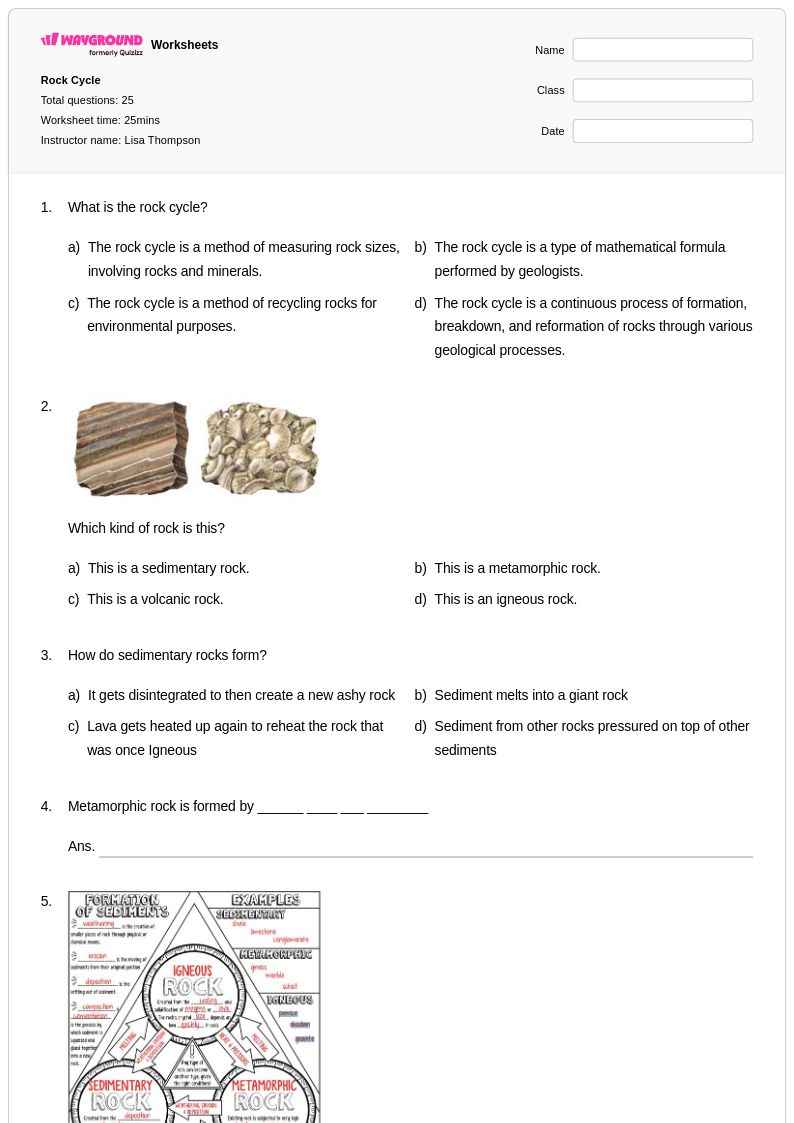
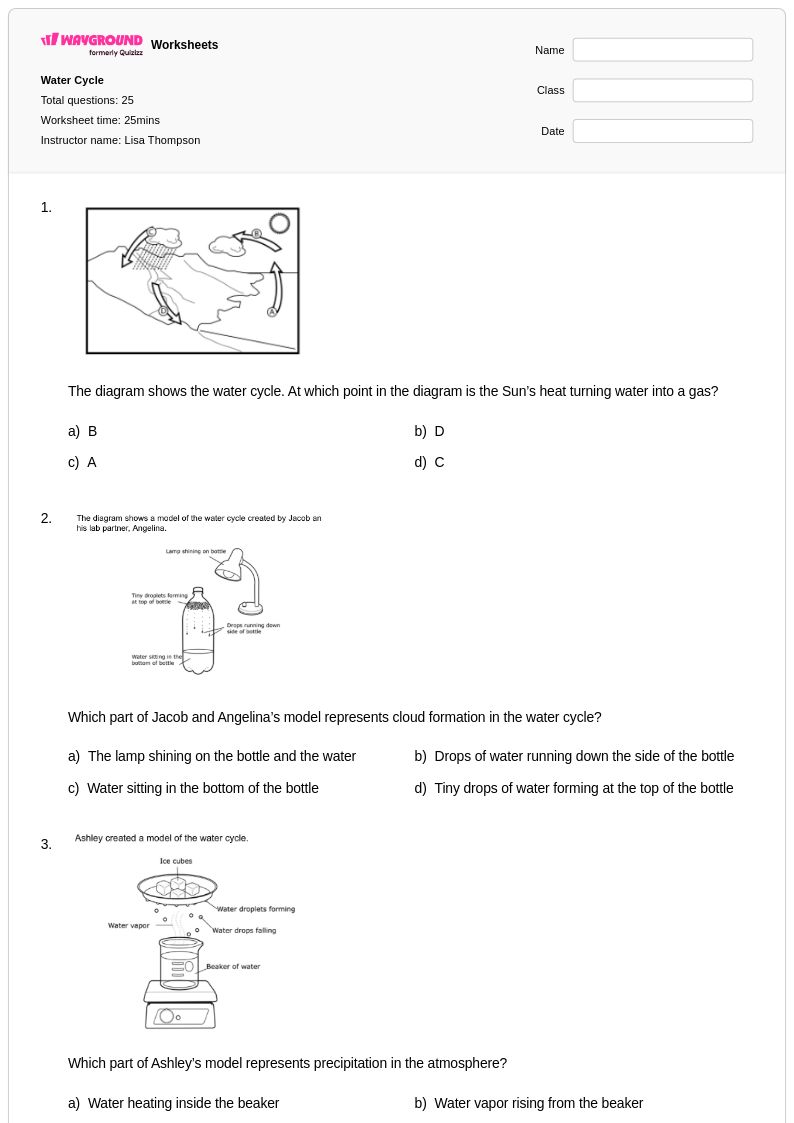
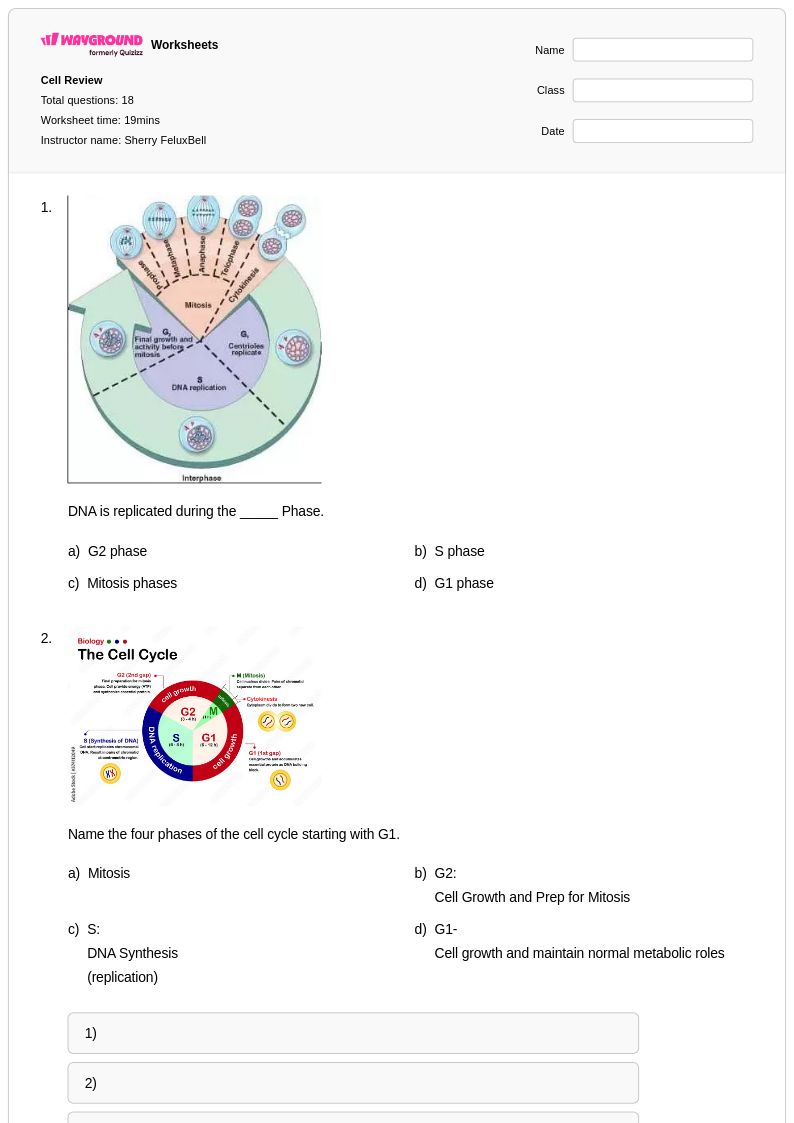
Cardiac cycle worksheets for Class 9 students available through Wayground (formerly Quizizz) provide comprehensive coverage of the heart's rhythmic contraction and relaxation phases that maintain blood circulation throughout the body. These educational resources strengthen students' understanding of systole and diastole, the coordination between atrial and ventricular contractions, and the precise timing of heart valve operations during each cardiac cycle. The worksheets include detailed practice problems that guide students through the electrical conduction system, from the sinoatrial node's pacemaker function to the propagation of impulses through the atrioventricular node and bundle branches. Each printable resource comes with a complete answer key, allowing students to verify their comprehension of pressure changes, blood flow patterns, and the relationship between the cardiac cycle and pulse rate. These free materials effectively bridge the gap between theoretical knowledge and practical application, helping ninth-grade students master the complex physiological processes that govern cardiac function.
Wayground (formerly Quizizz) empowers educators with access to millions of teacher-created cardiac cycle worksheets specifically designed for Class 9 biology instruction. The platform's robust search and filtering capabilities enable teachers to locate resources that align with specific curriculum standards while accommodating diverse learning needs through built-in differentiation tools. Teachers can customize existing worksheets or create new materials that target particular aspects of the cardiac cycle, from basic heart anatomy to advanced concepts like cardiac output calculations and electrocardiogram interpretation. These resources are available in both printable pdf formats for traditional classroom use and digital formats for interactive learning environments. The extensive collection supports comprehensive lesson planning while providing targeted materials for remediation and enrichment activities, ensuring that all students can develop proficiency in understanding how the heart's mechanical and electrical systems work together to maintain efficient blood circulation throughout the cardiovascular system.
FAQs
How do I teach the cardiac cycle to high school biology students?
Start by establishing the pressure-volume relationship that drives blood flow, then build outward to the sequencing of systole and diastole. Use diagrams that map atrial contraction, ventricular contraction, and valve behavior simultaneously so students can see the cycle as a coordinated mechanical event rather than a list of steps. Anchoring each phase to a measurable pressure change helps students move from memorization to genuine physiological understanding.
What practice exercises help students understand systole and diastole?
Sequencing exercises that ask students to order the events of a single heartbeat are highly effective for building foundational understanding. From there, problems that require interpreting ECG traces and correlating waveforms to mechanical events push students into analytical territory. Cardiac output calculations using stroke volume and heart rate data add a quantitative layer that reinforces how the phases connect to whole-body circulation.
What mistakes do students commonly make when learning the cardiac cycle?
Students frequently confuse the timing of valve opening and closing, treating the atrioventricular and semilunar valves as operating independently rather than in response to pressure gradients. Another common error is conflating electrical activity on an ECG with the mechanical events it triggers, leading to misidentification of systole and diastole on waveform diagrams. Targeted practice that explicitly pairs each ECG component with its corresponding mechanical event helps correct this misconception directly.
How do I help students interpret ECG readings in the context of the cardiac cycle?
Teach students to treat the ECG as a timeline of electrical triggers rather than a direct record of mechanical events. Have them annotate ECG strips by labeling which phase of the cardiac cycle corresponds to each wave and interval, then connect those labels to what is physically happening in the chambers and valves at that moment. This annotation approach builds the habit of reading the ECG as a cause-and-effect sequence, which reduces errors when students later analyze abnormal rhythms.
How can I use cardiac cycle worksheets in my classroom?
Cardiac cycle worksheets on Wayground are available as printable PDFs for traditional classroom use and in digital formats for technology-integrated environments, including the option to host them as a quiz directly on Wayground. The range of problem types, from basic cycle identification to hemodynamic calculations, makes them usable across a lesson sequence: introductory problems work well for guided practice during instruction, while more advanced items are suited for independent review or assessment. Answer keys are included with each resource, supporting both teacher-led correction and student self-assessment.
How do I differentiate cardiac cycle instruction for students at different ability levels?
For students who are still building foundational knowledge, focus practice on correctly sequencing cardiac events and labeling chamber and valve activity before introducing pressure-volume graphs. Advanced students benefit from problems that require them to calculate cardiac output, analyze hemodynamic data, or reason through what would happen to cycle timing if heart rate changes. On Wayground, teachers can apply accommodations such as read aloud, reduced answer choices, and extended time at the individual student level, so differentiation happens within the same assignment without disrupting the rest of the class.