Free Printable Human Decomposition Worksheets for Class 9
Explore Wayground's free Class 9 human decomposition biology worksheets and printables with answer keys to help students understand decomposition processes, ecological cycles, and forensic science through engaging practice problems and PDF activities.
Explore printable Human Decomposition worksheets for Class 9
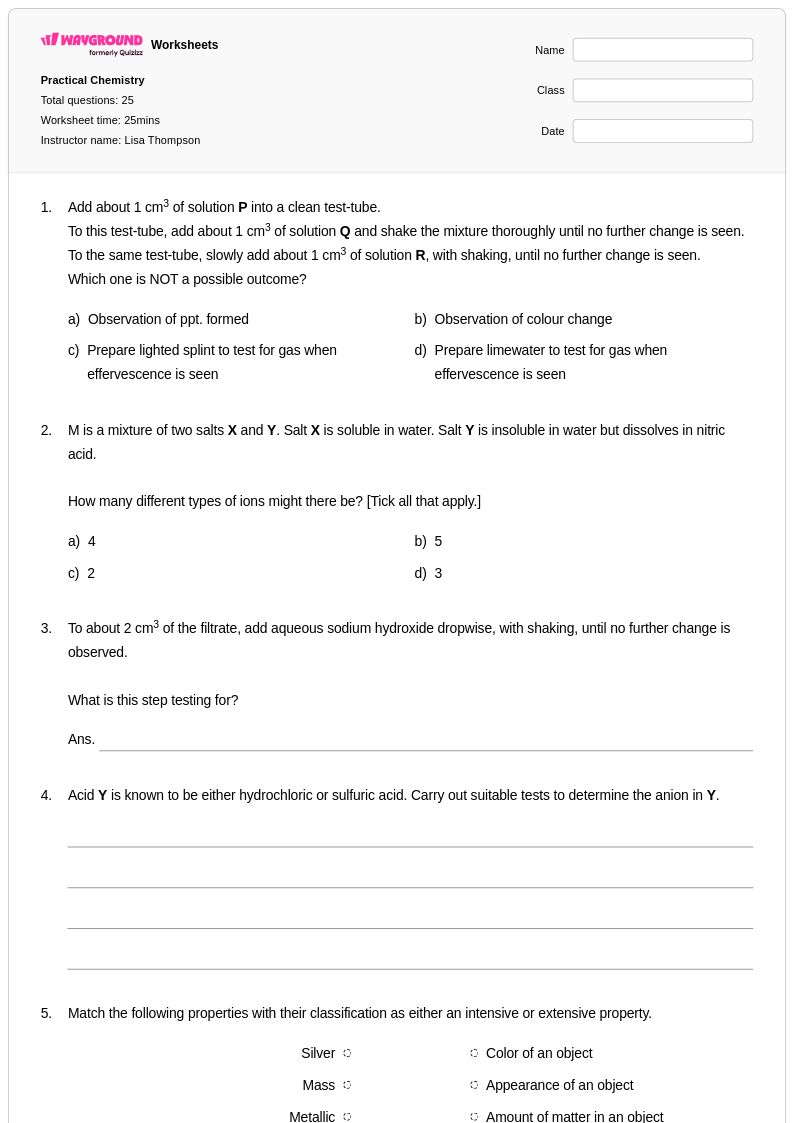
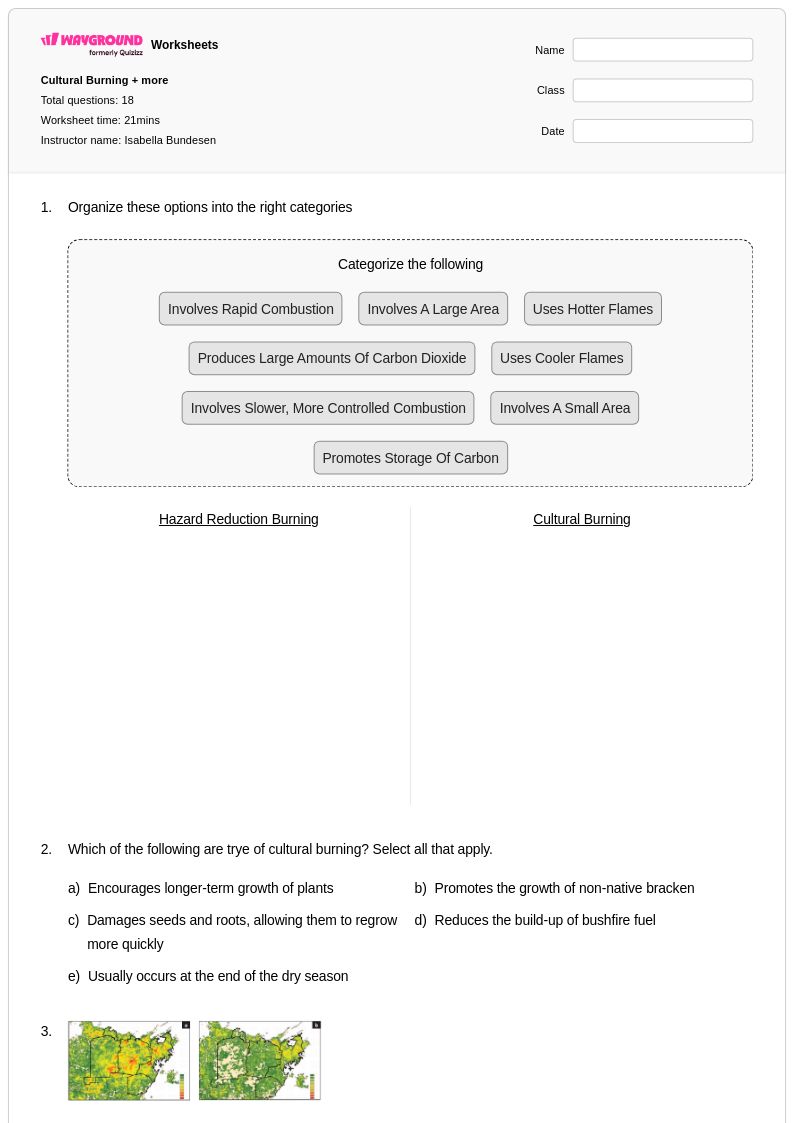
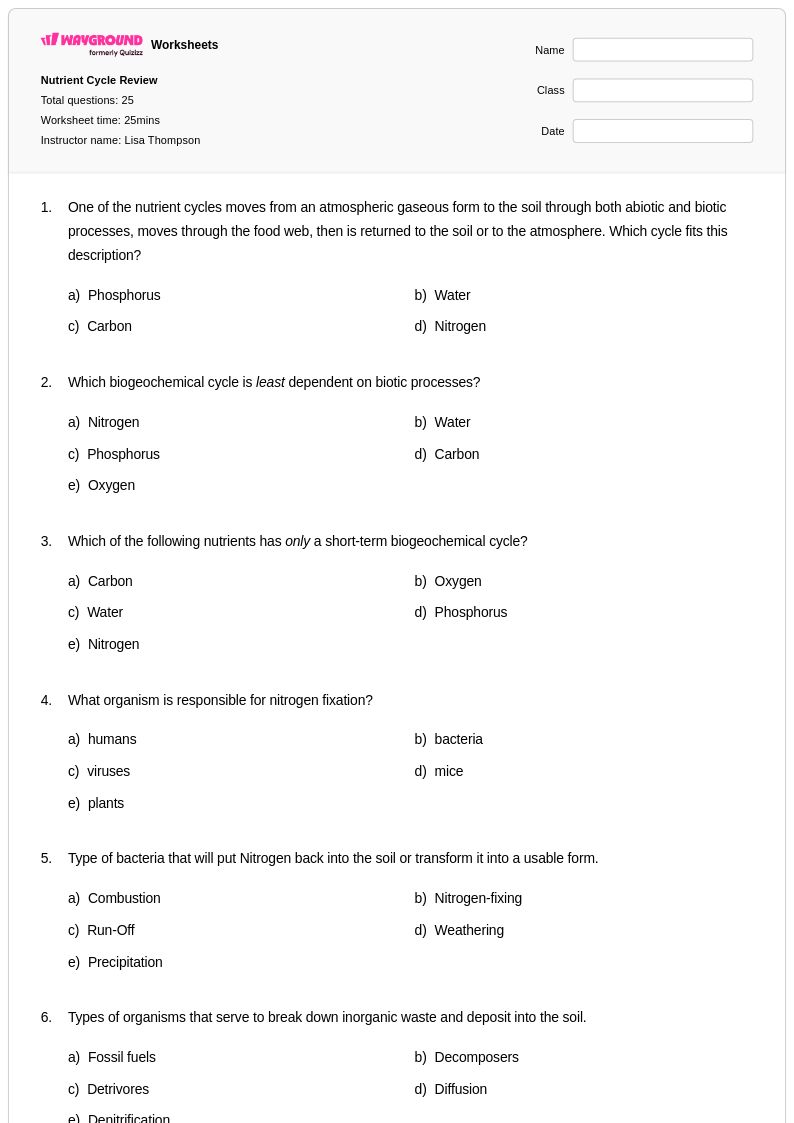
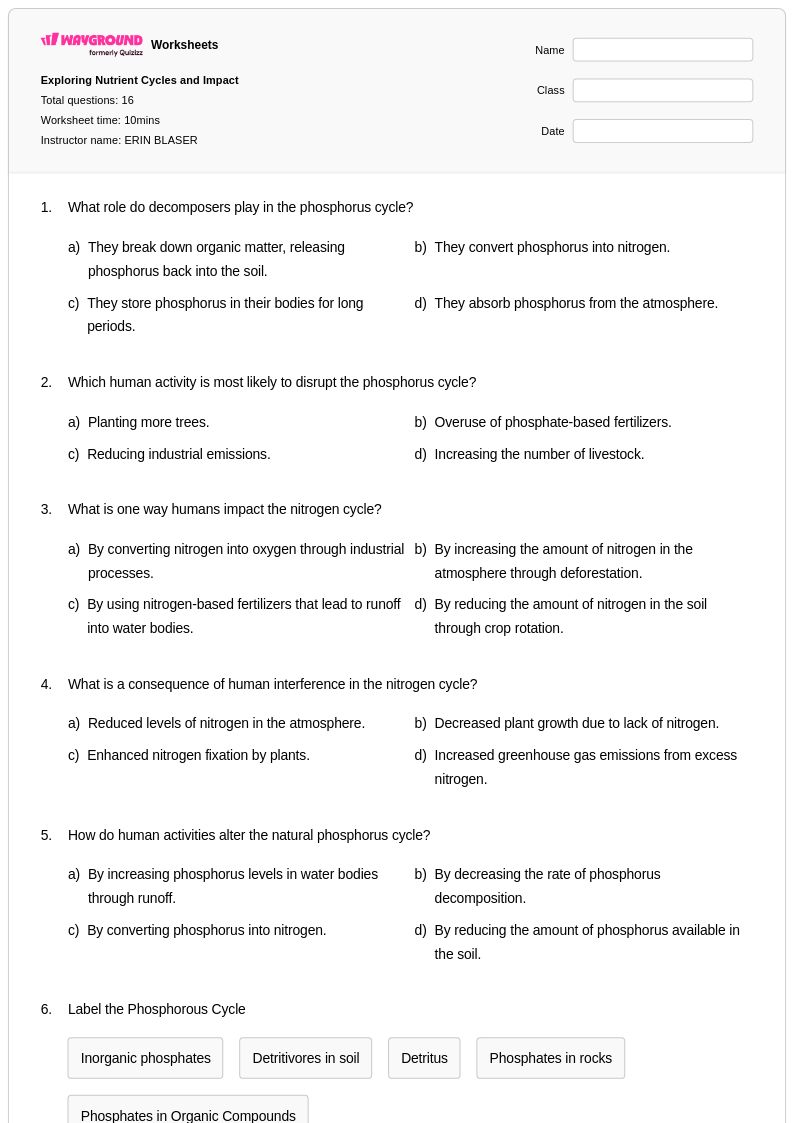
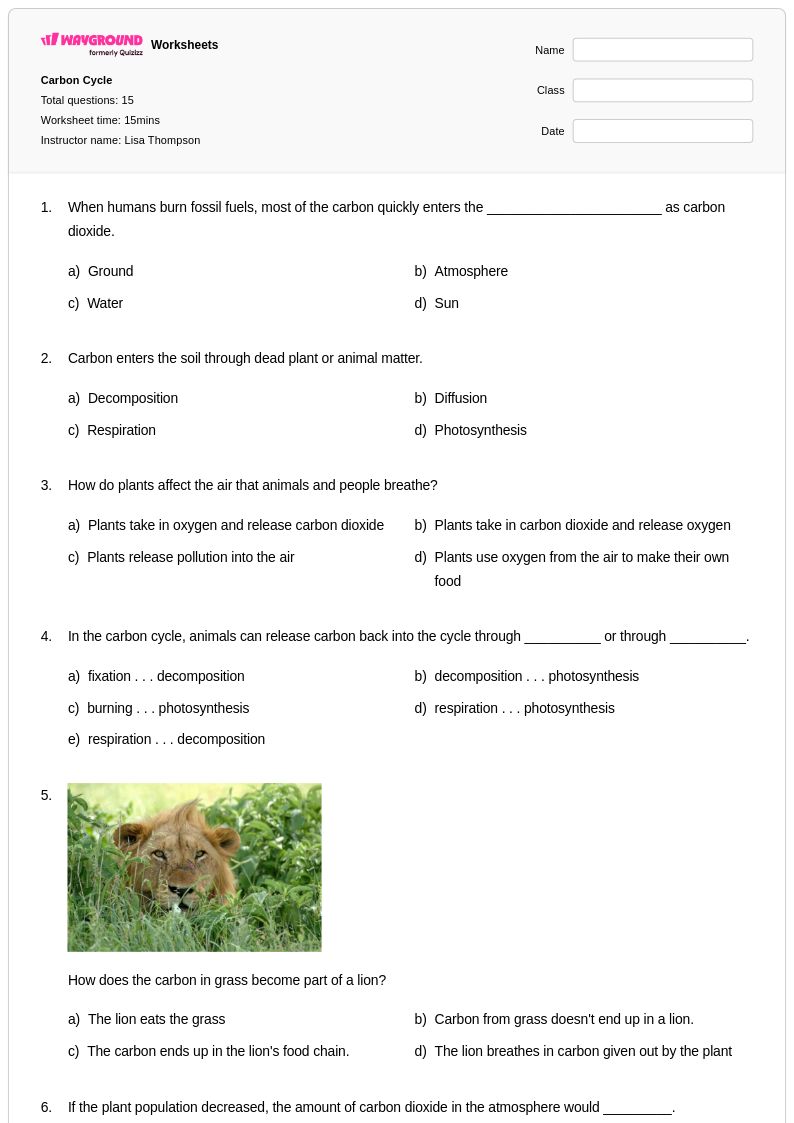
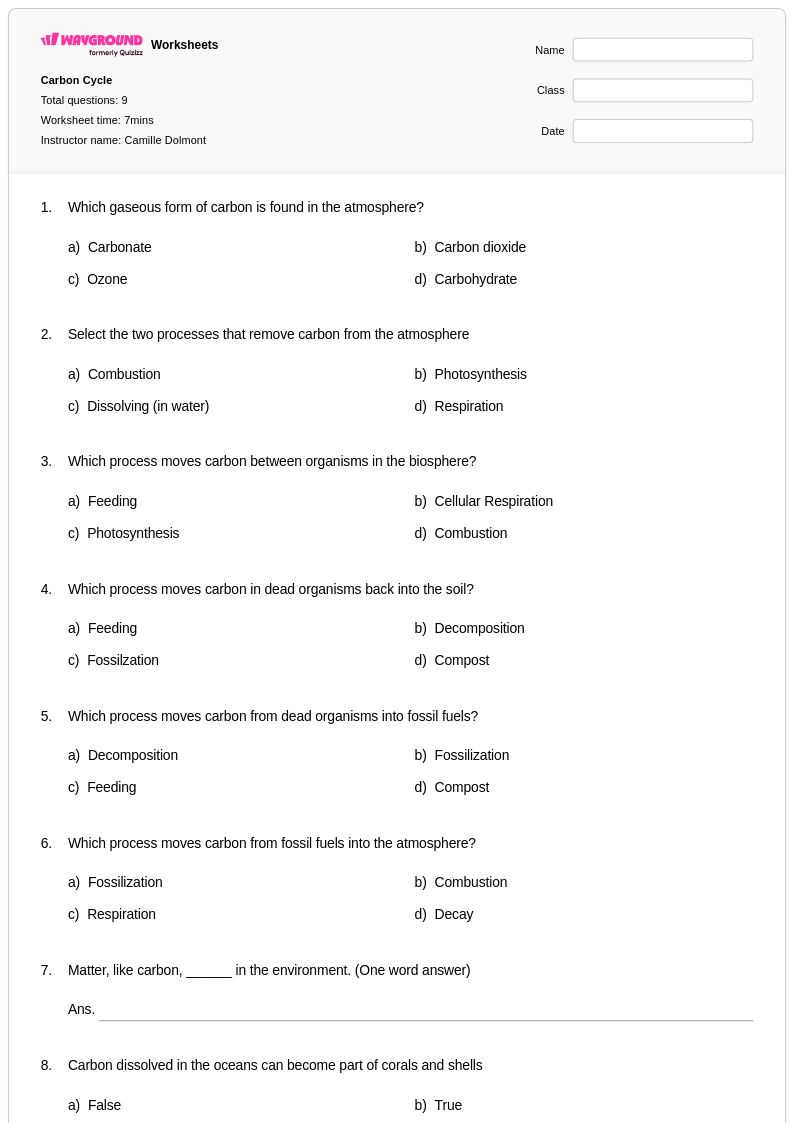
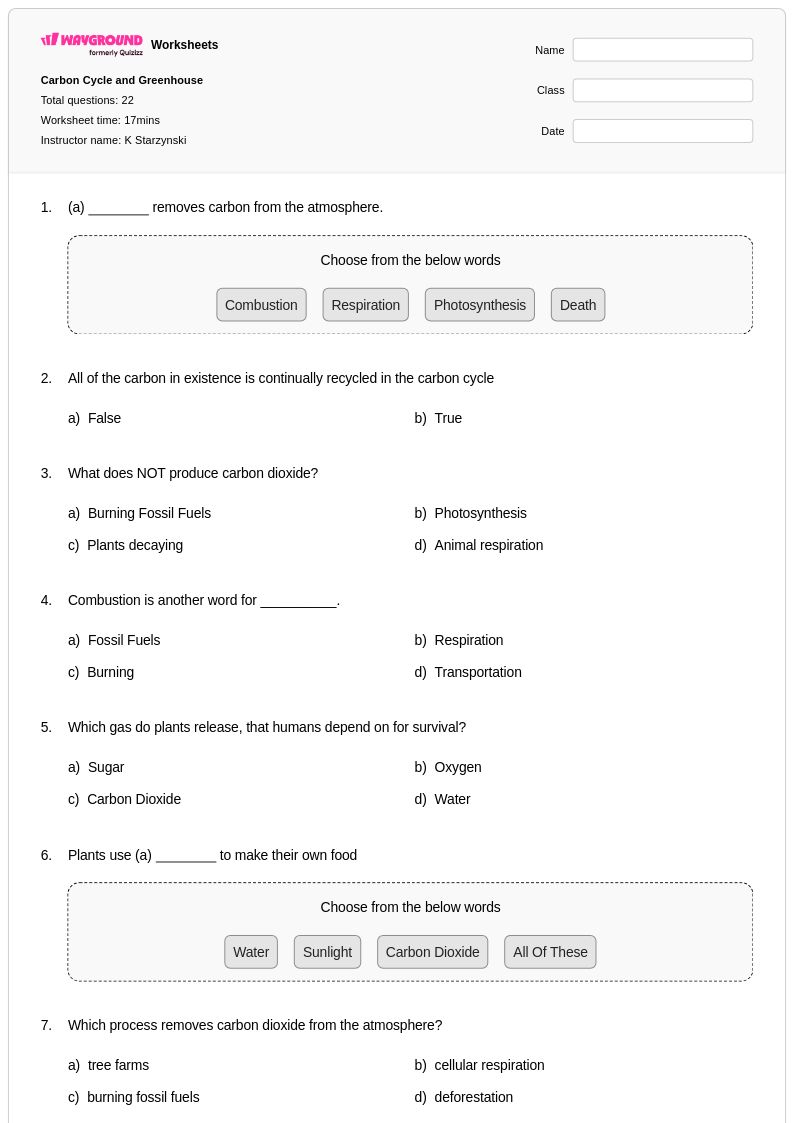
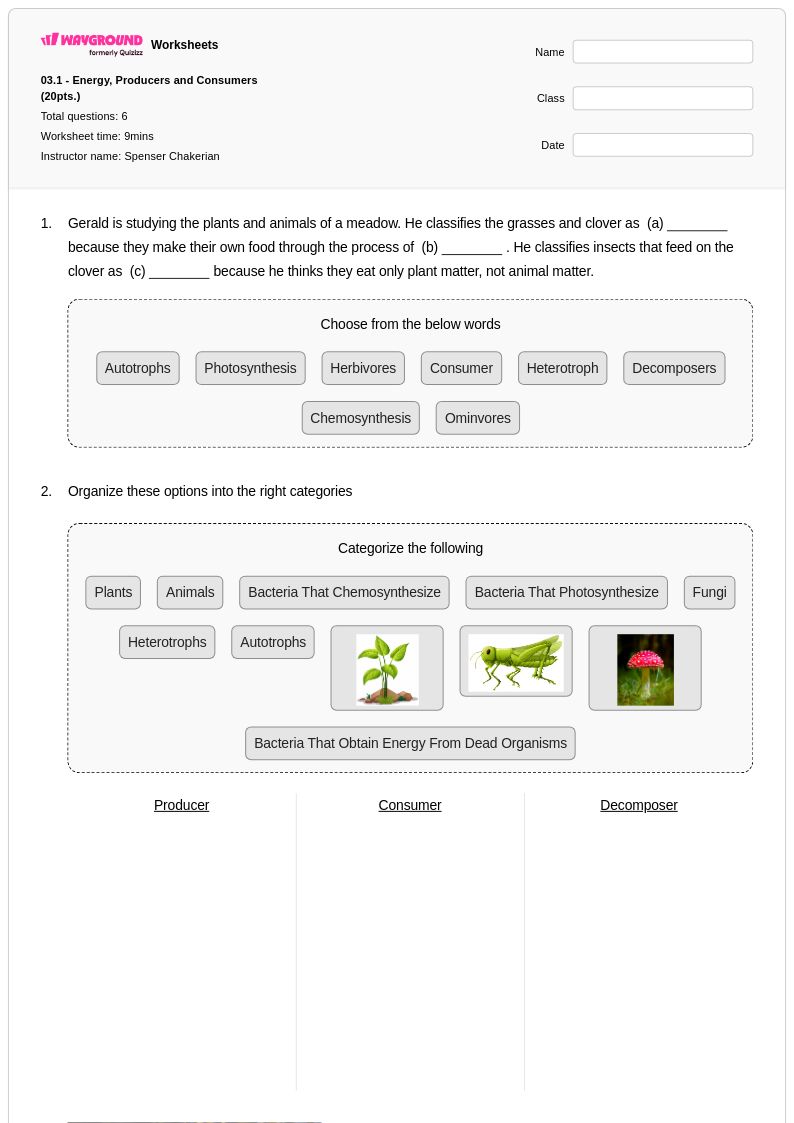
Human decomposition worksheets available through Wayground (formerly Quizizz) provide Class 9 biology students with comprehensive resources to explore the complex biological processes that occur after death. These educational materials systematically examine the stages of decomposition, from autolysis and bacterial activity to the environmental factors that influence decomposition rates, including temperature, humidity, pH levels, and oxygen availability. Students engage with practice problems that challenge them to analyze how different conditions affect the breakdown of organic matter, while answer keys support independent learning and self-assessment. The printable pdf format ensures these free resources can be easily distributed in classroom settings, allowing students to develop critical thinking skills about ecological cycles, microbial processes, and the role of decomposer organisms in nutrient recycling within ecosystems.
Wayground (formerly Quizizz) empowers biology teachers with access to millions of teacher-created resources specifically designed to support instruction on complex topics like human decomposition in Class 9 curricula. The platform's robust search and filtering capabilities enable educators to quickly locate materials that align with specific learning standards and match their students' academic needs. Teachers can differentiate instruction through flexible customization options, adapting worksheets to provide appropriate challenge levels for remediation or enrichment purposes. These resources are available in both printable and digital formats, including downloadable pdfs, making lesson planning more efficient while supporting diverse learning environments. The comprehensive collection facilitates targeted skill practice in scientific observation, data analysis, and understanding of biological processes, helping educators address this sensitive yet scientifically important topic with age-appropriate depth and academic rigor.
FAQs
How do I teach human decomposition in a biology or forensic science class?
Teaching human decomposition effectively means grounding students in the sequential biological stages: autolysis, bloat, active decay, advanced decay, and skeletonization. Connecting each stage to underlying mechanisms, such as cellular enzyme release, bacterial proliferation, and insect succession, helps students see decomposition as a systematic biological process rather than a single event. Pairing staged diagrams with structured worksheets that ask students to explain what is happening at the cellular and microbial level builds the conceptual depth needed for forensic science or ecology coursework.
What exercises help students practice understanding the stages of human decomposition?
Sequencing activities that ask students to order and label decomposition stages from autolysis through skeletonization are among the most effective practice formats for this topic. Worksheets that present environmental variable scenarios, such as changes in temperature, humidity, oxygen availability, or soil composition, and ask students to predict how decay rates would shift reinforce both memorization and applied reasoning. Structured practice problems that connect insect activity and microbial action to specific decomposition stages are particularly useful for forensic science applications.
What are common misconceptions students have about human decomposition?
A frequent misconception is that decomposition is caused solely by bacteria, when in reality it involves a coordinated interaction among the body's own enzymes during autolysis, microbial communities, and insect activity at different stages. Students also commonly underestimate how dramatically environmental factors, including temperature, moisture, and oxygen levels, can accelerate or arrest decay, sometimes by weeks or months. Another error is treating decomposition as a linear sequence with fixed timeframes rather than a dynamic process highly sensitive to context.
How does decomposition connect to nutrient cycling and ecology?
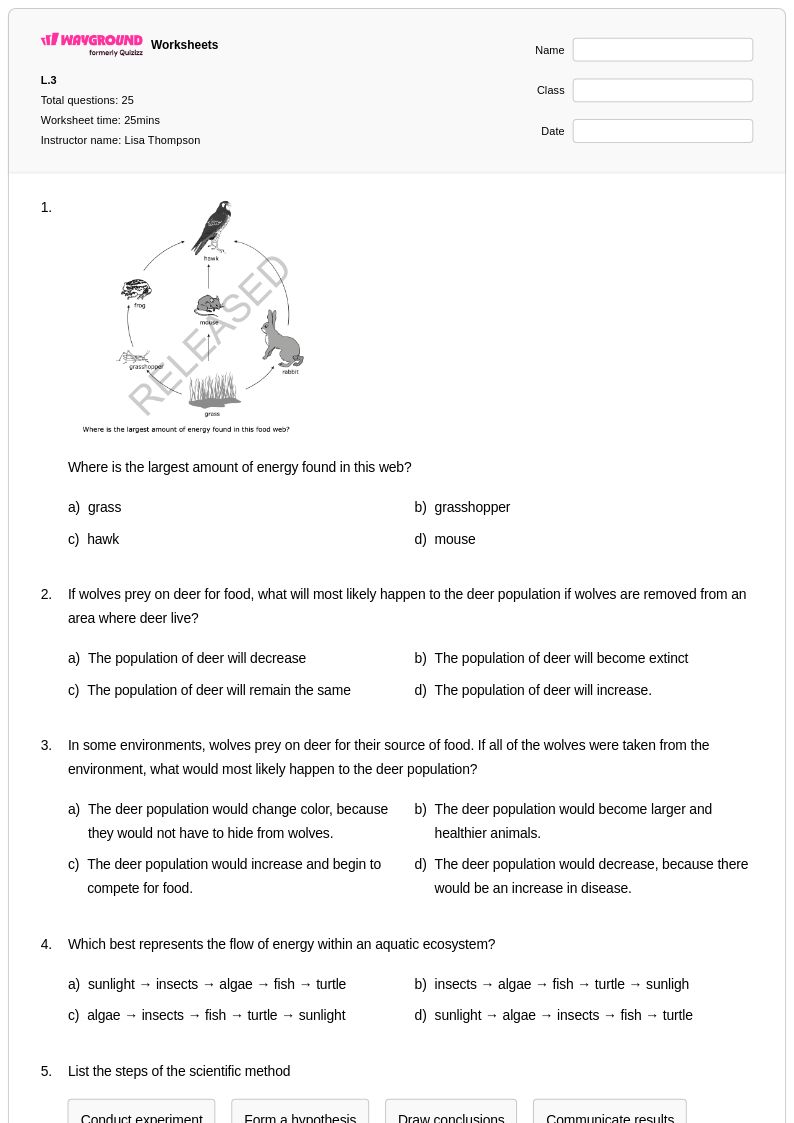
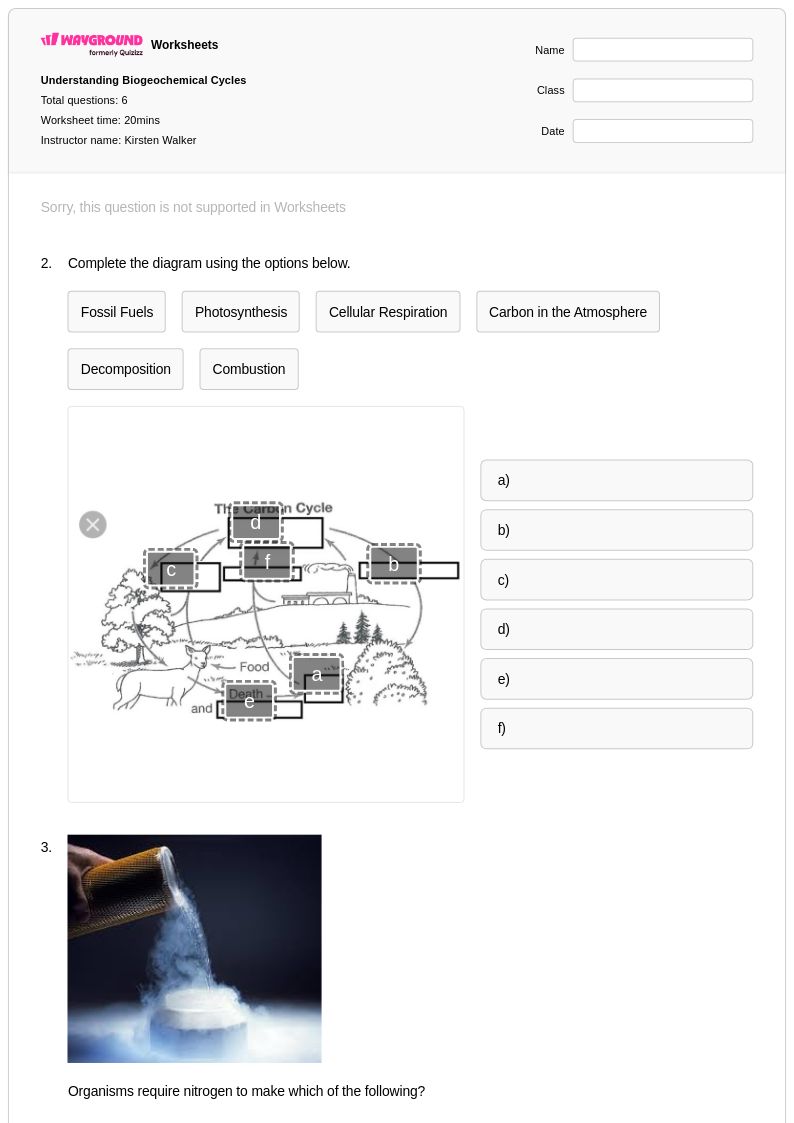
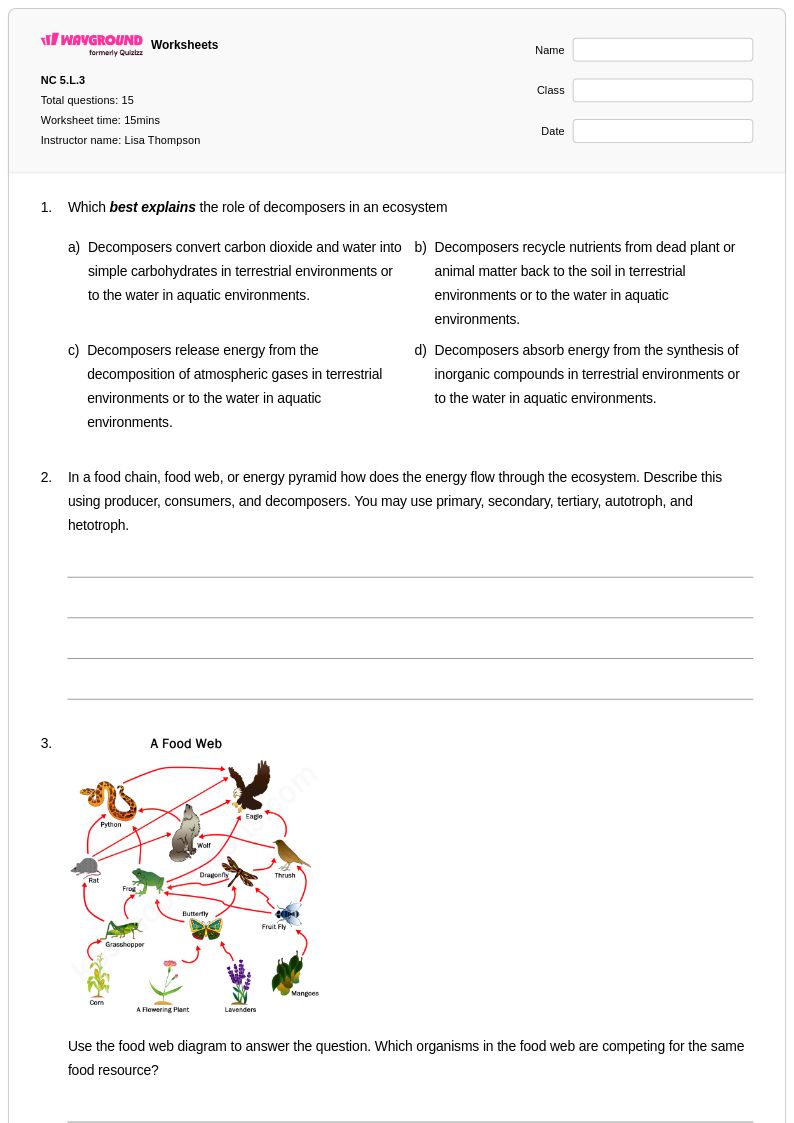
Human decomposition is a direct example of nutrient cycling in ecosystems: as organic matter breaks down, nitrogen, phosphorus, carbon, and other elements are returned to the soil and made available to plants and microorganisms. This makes decomposition a concrete entry point for teaching broader ecological concepts like the carbon cycle, nitrogen cycle, and the role of decomposers in energy flow through food webs. Worksheets that ask students to trace specific elements through the decomposition process help bridge forensic science content with core ecology standards.
How can I use Wayground's human decomposition worksheets in my classroom?
Wayground's human decomposition worksheets are available as printable PDFs for traditional classroom use and in digital formats for technology-integrated learning environments, giving teachers flexibility across in-person, hybrid, and remote settings. Digital versions can be hosted as a quiz directly on Wayground, enabling real-time student responses and immediate feedback. Each worksheet includes a complete answer key, reducing prep time and making these resources practical for both lesson instruction and independent student practice.
How do I support students who struggle with decomposition concepts while also challenging advanced learners?
Wayground's differentiation tools allow teachers to customize worksheets for varying skill levels, providing scaffolding for students who need reinforcement of basic decomposition stages while offering advanced materials that explore forensic applications and ecological implications in greater depth. For students with additional learning needs, Wayground supports individual accommodations including read-aloud functionality, reduced answer choices to lower cognitive load, and extended time settings, all configurable per student without notifying the rest of the class. These settings are saved and reusable across future assignments, making ongoing differentiation manageable.