Free Printable The Immune System Worksheets for Class 9
Free Class 9 immune system worksheets and printables help students master how the body defends against pathogens through engaging practice problems, detailed answer keys, and downloadable PDFs from Wayground.
Explore printable The Immune System worksheets for Class 9
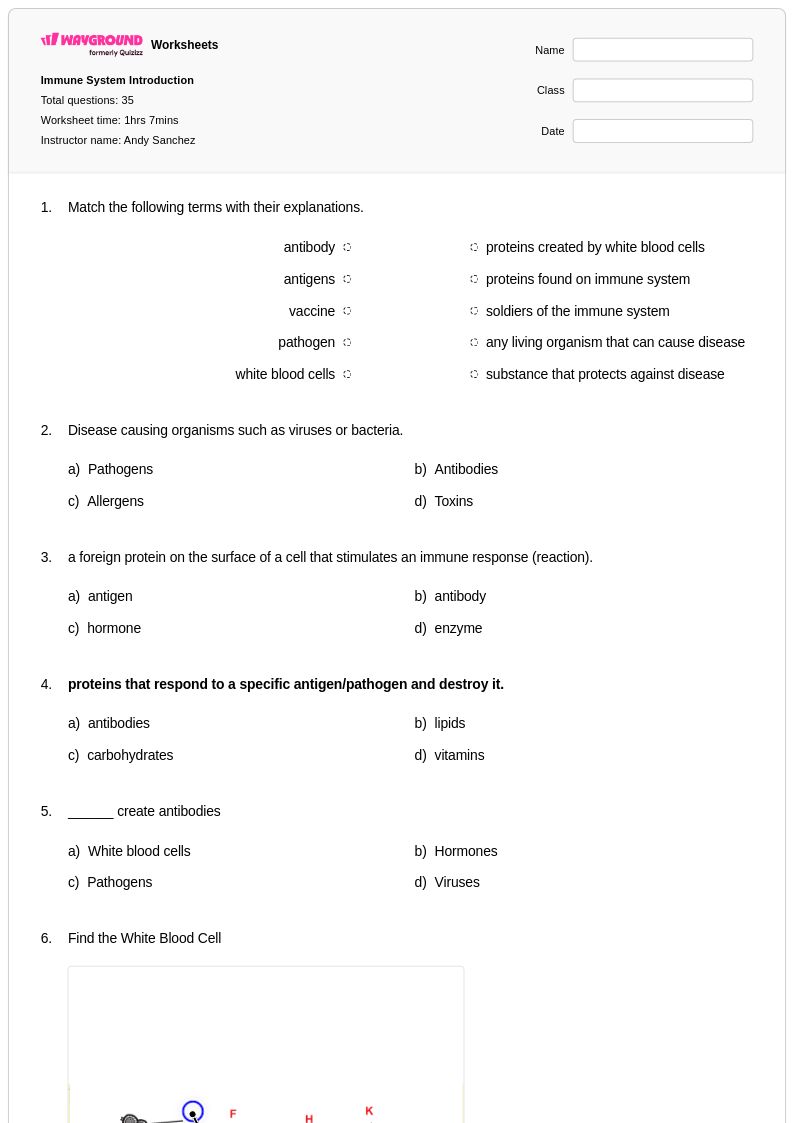
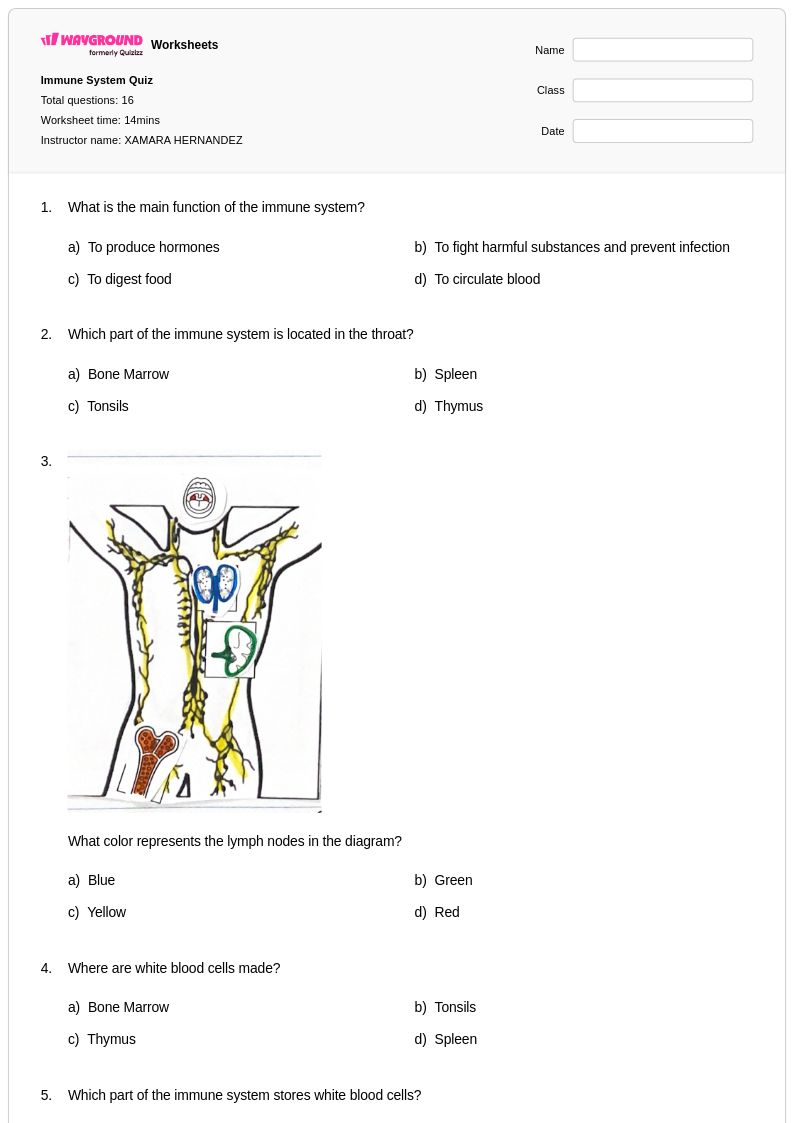
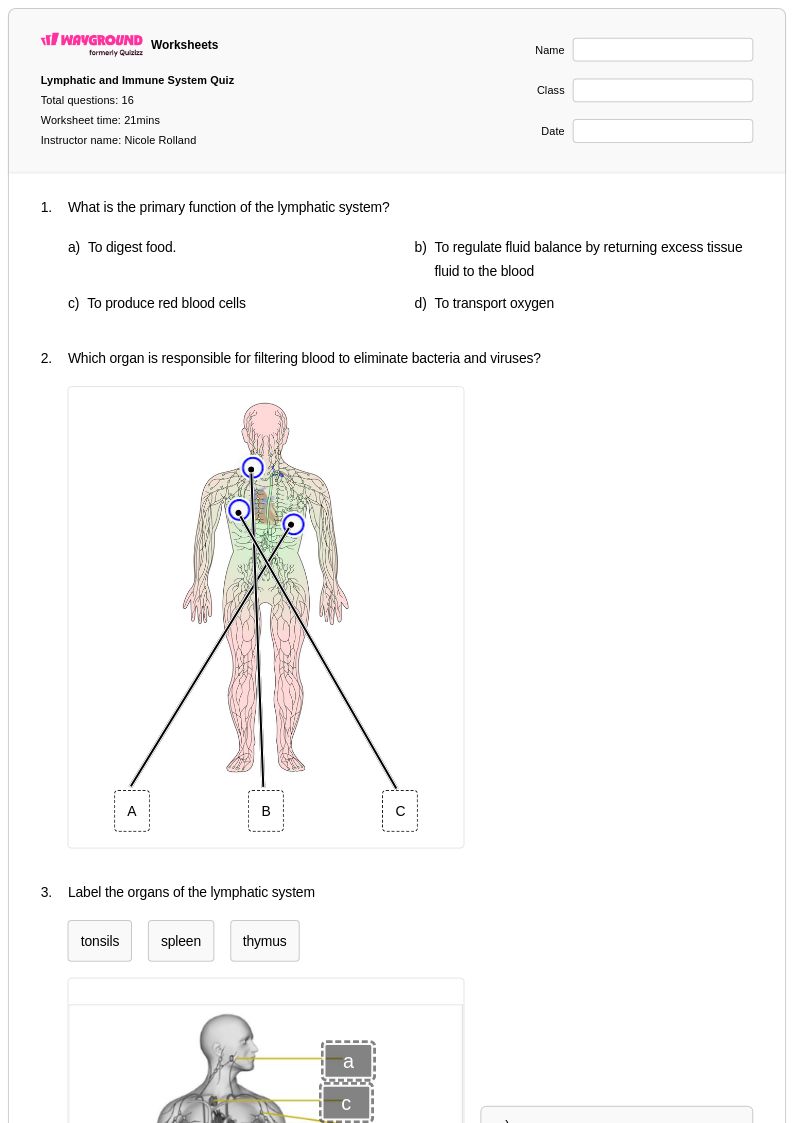
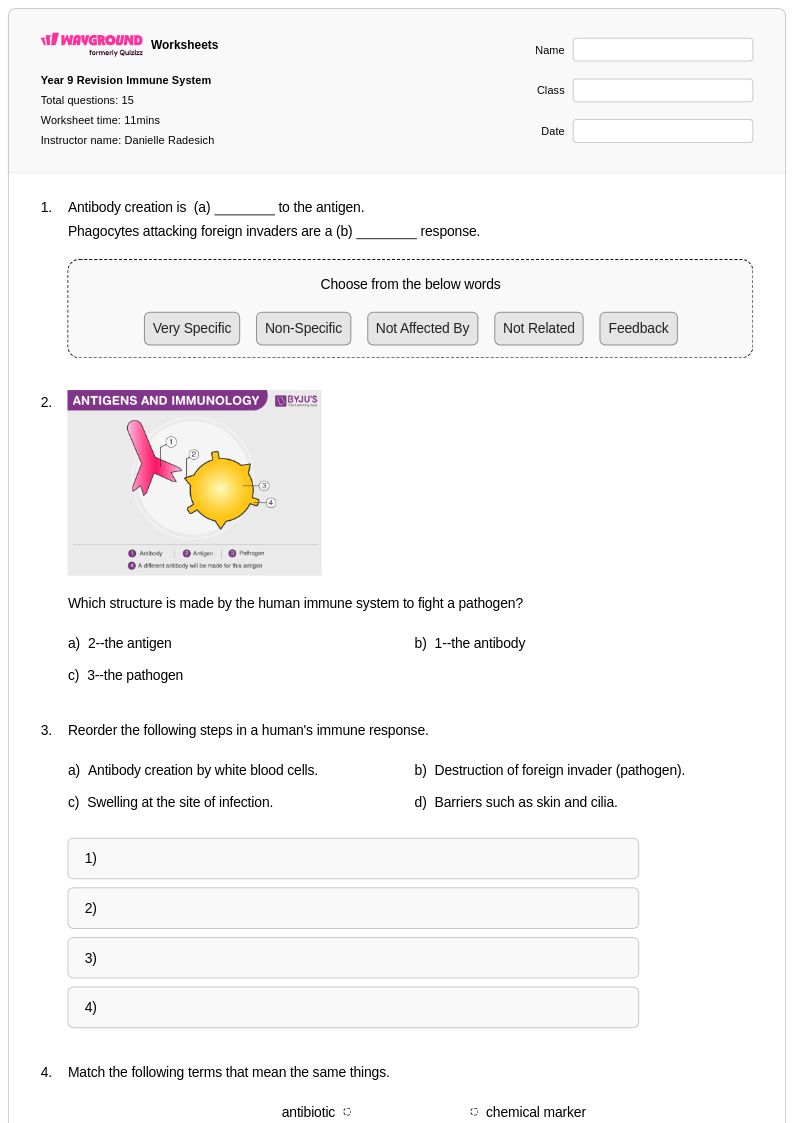
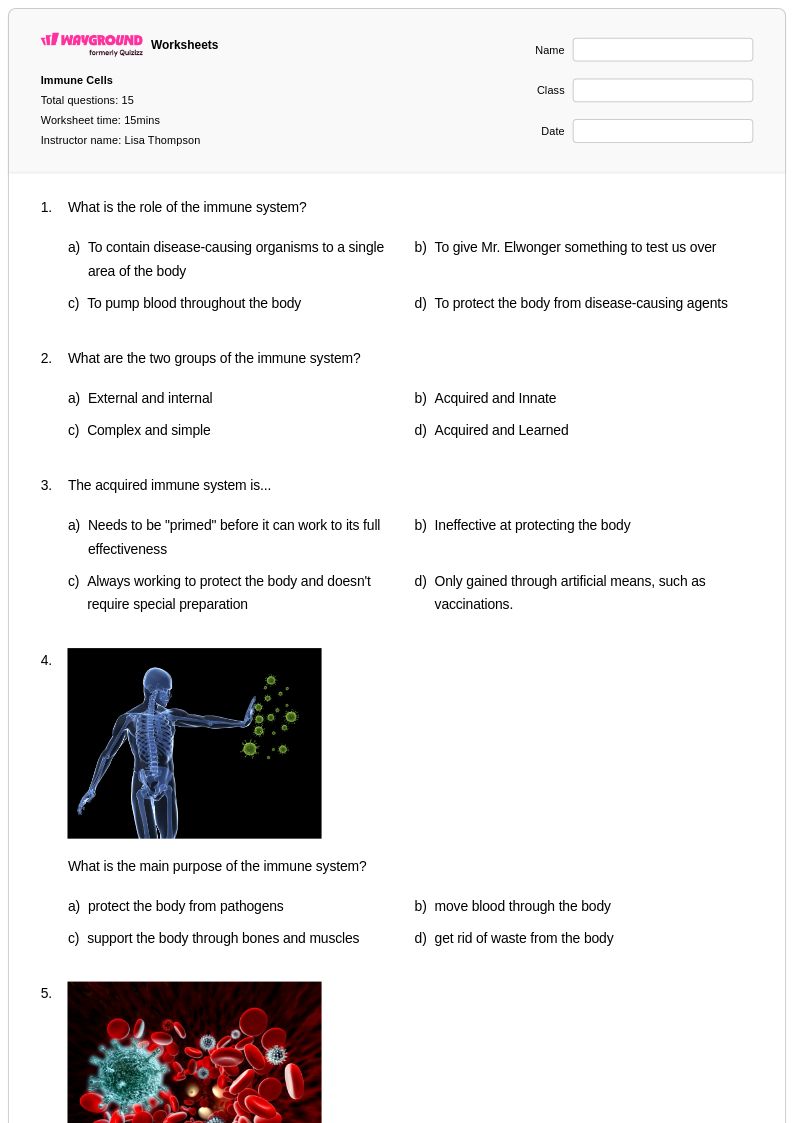
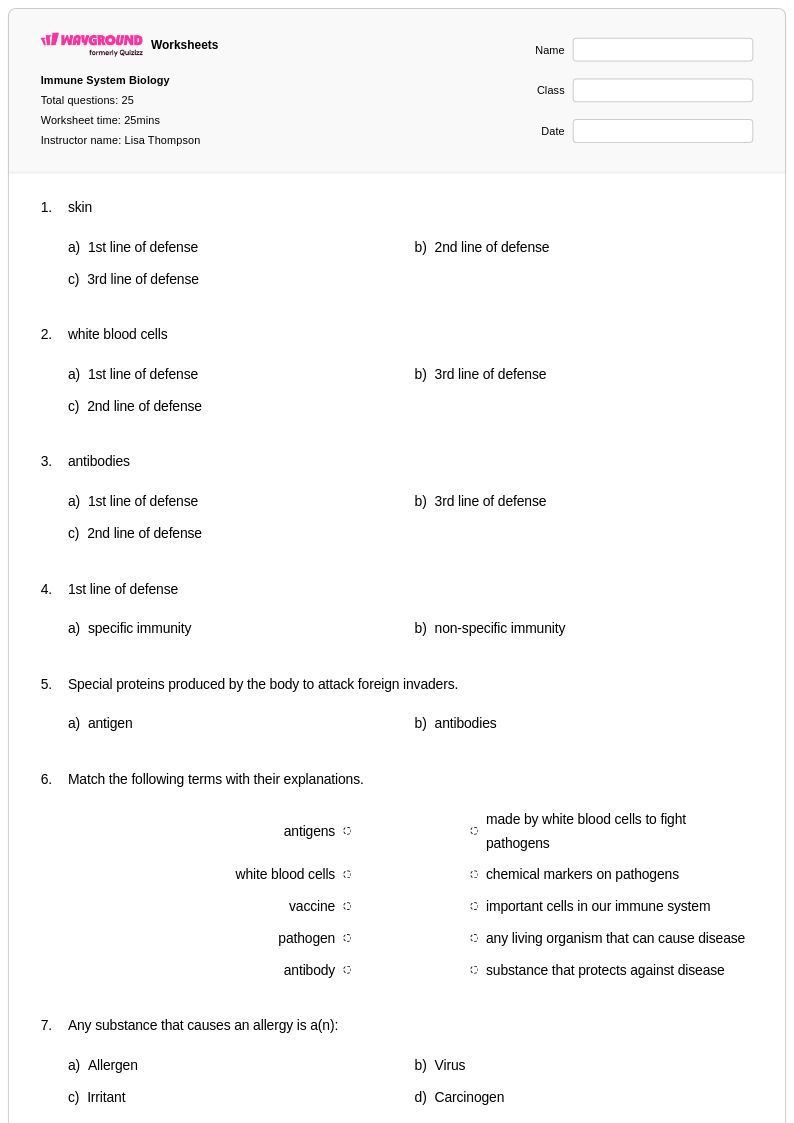
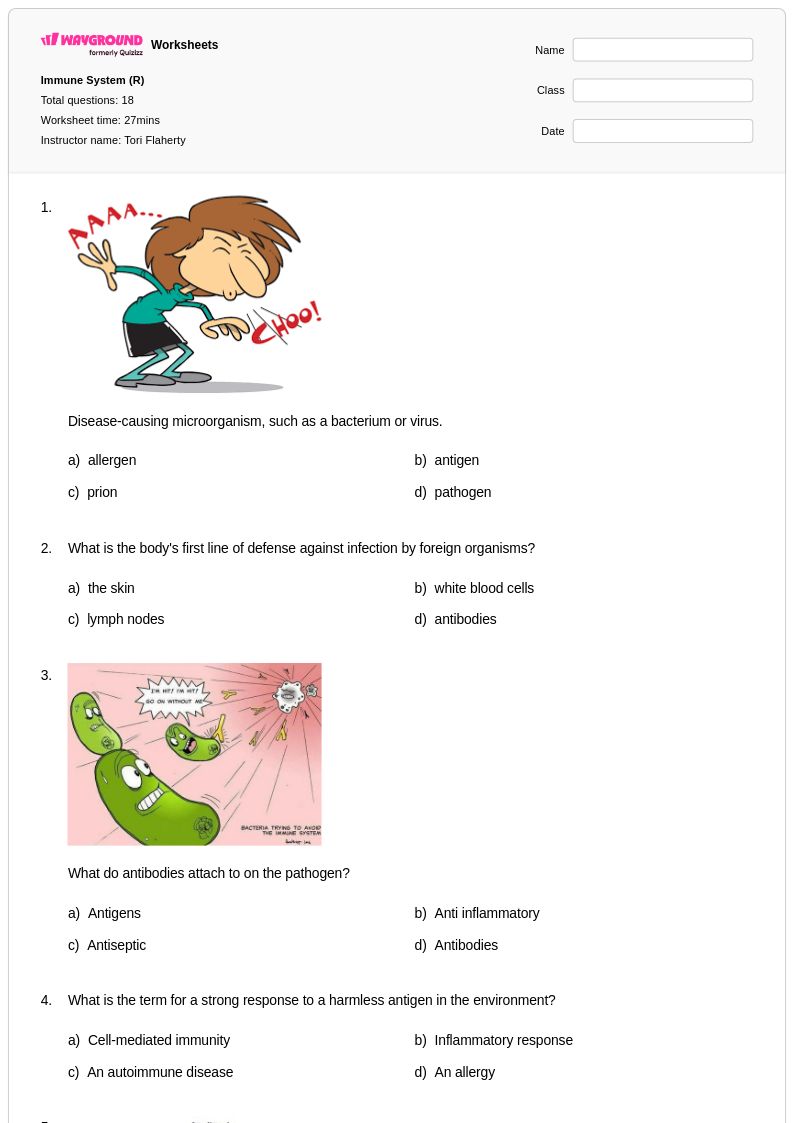
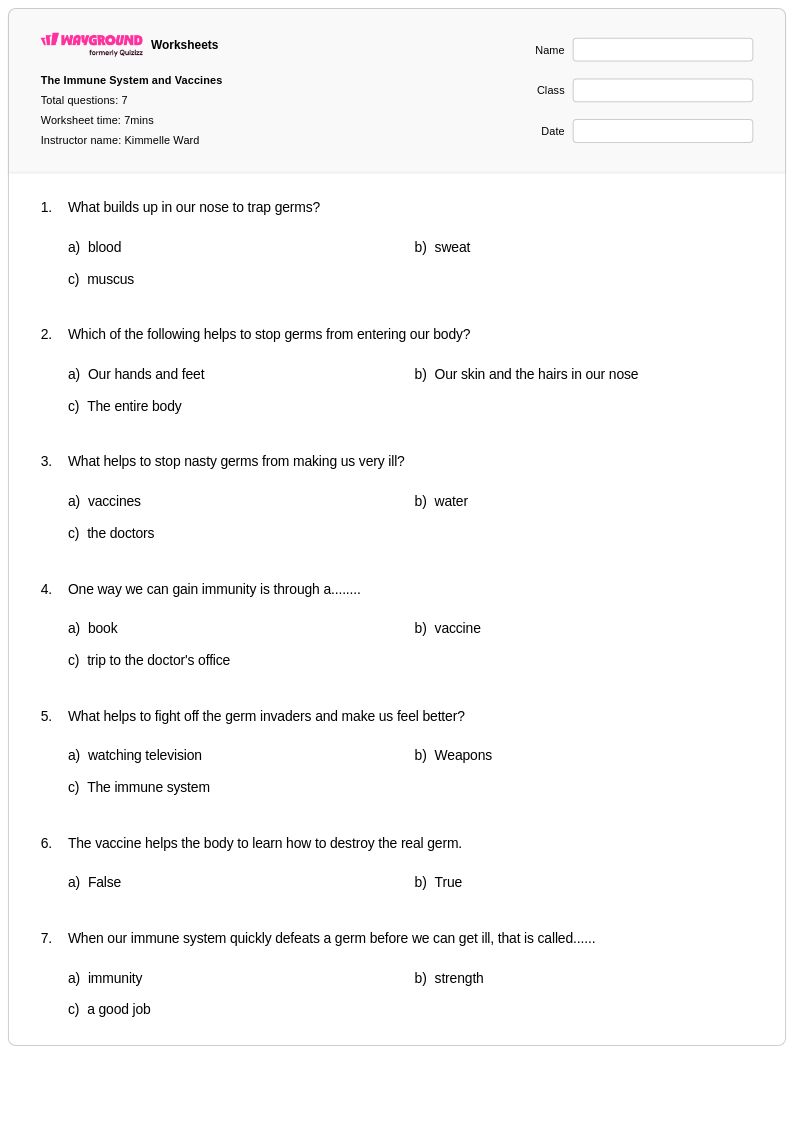
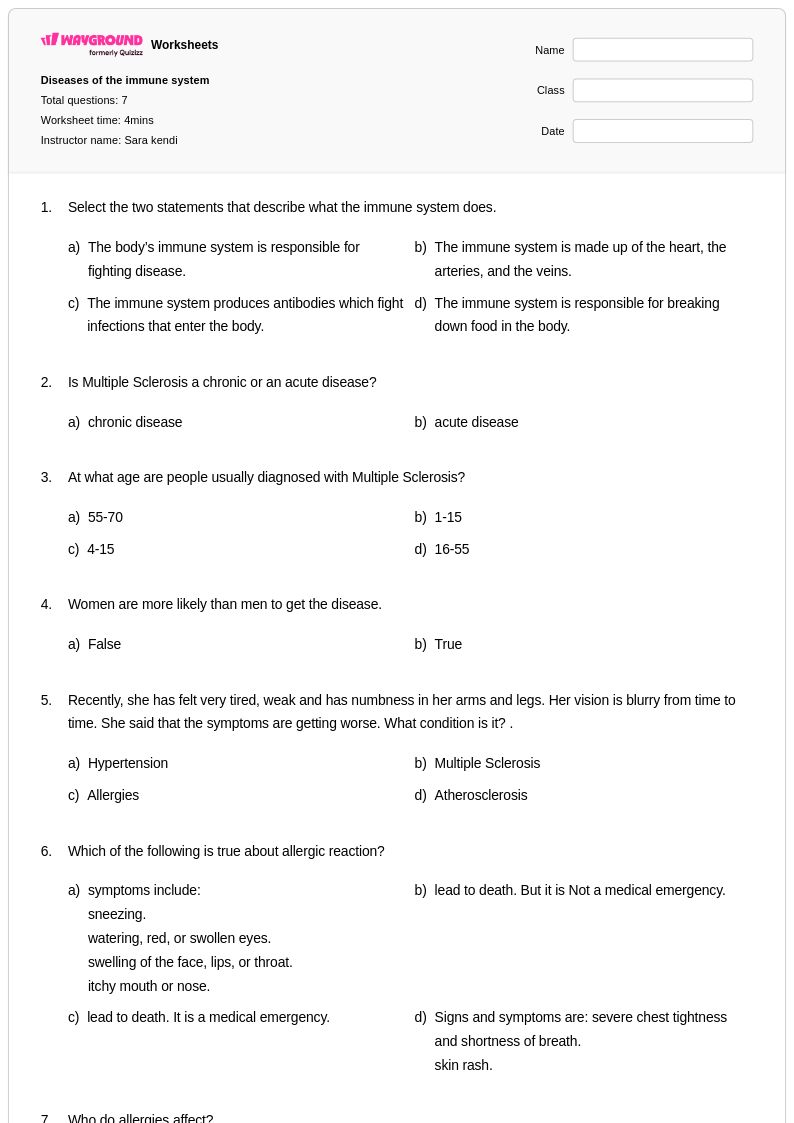
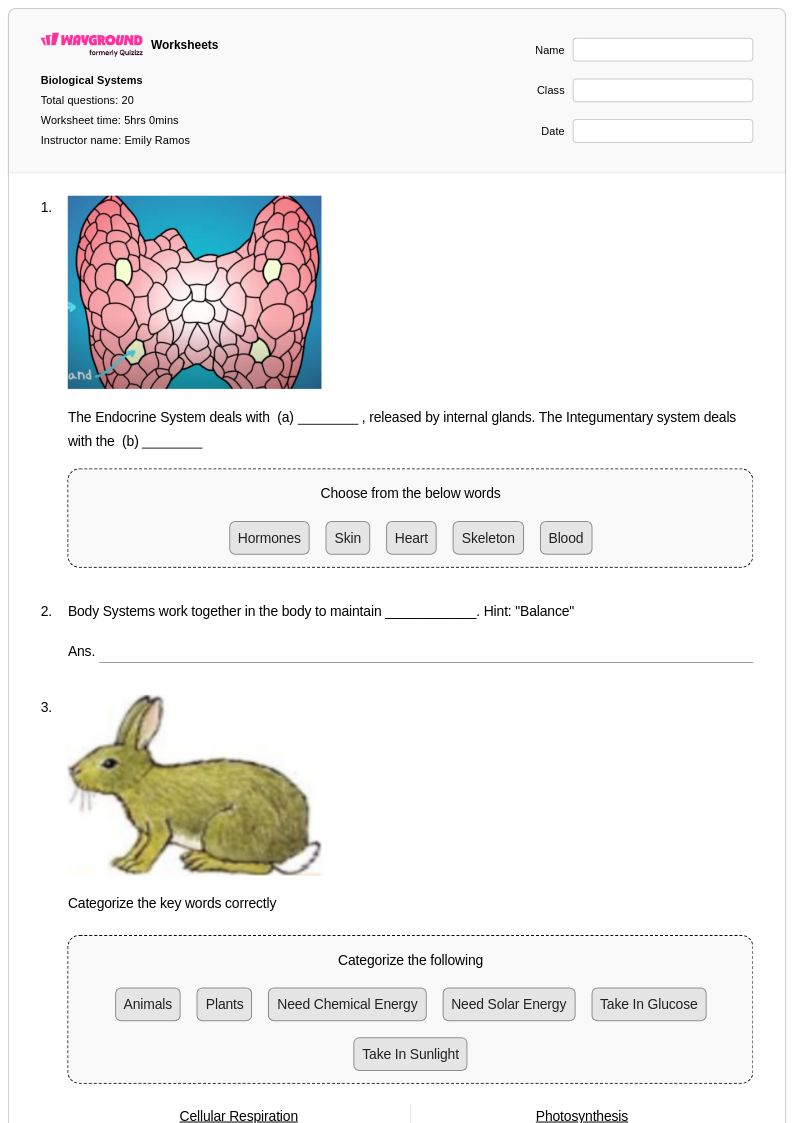
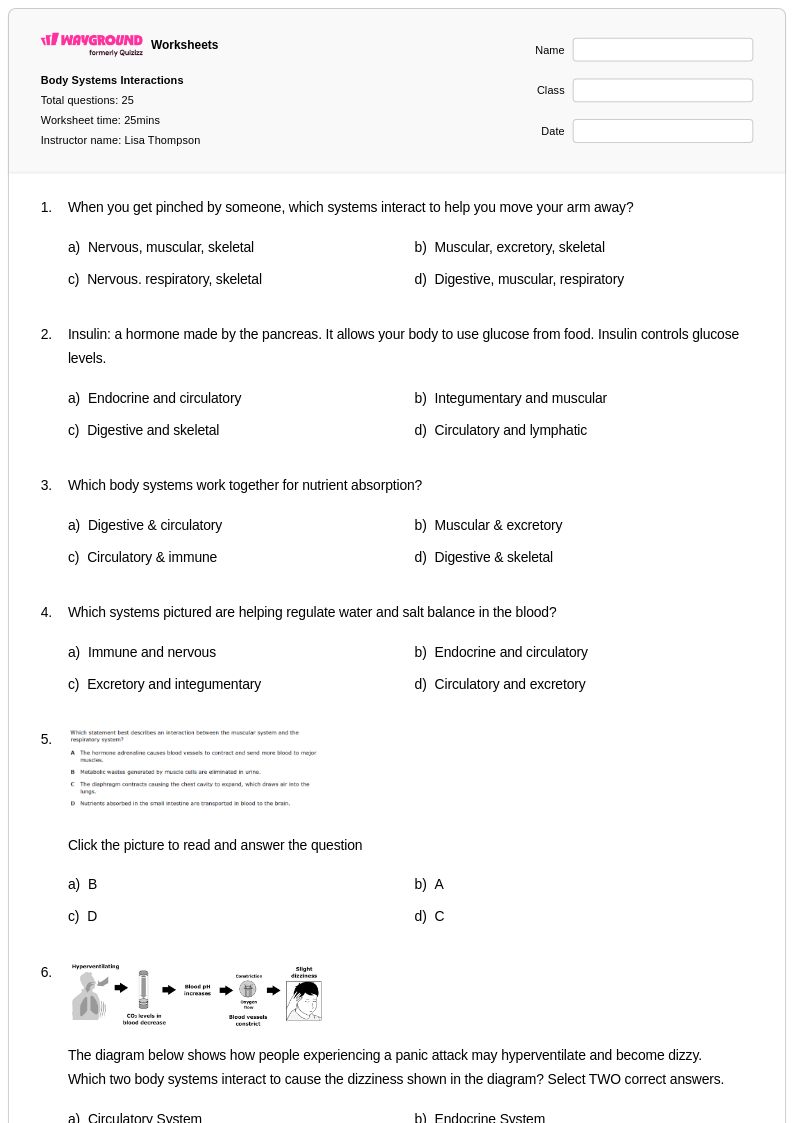
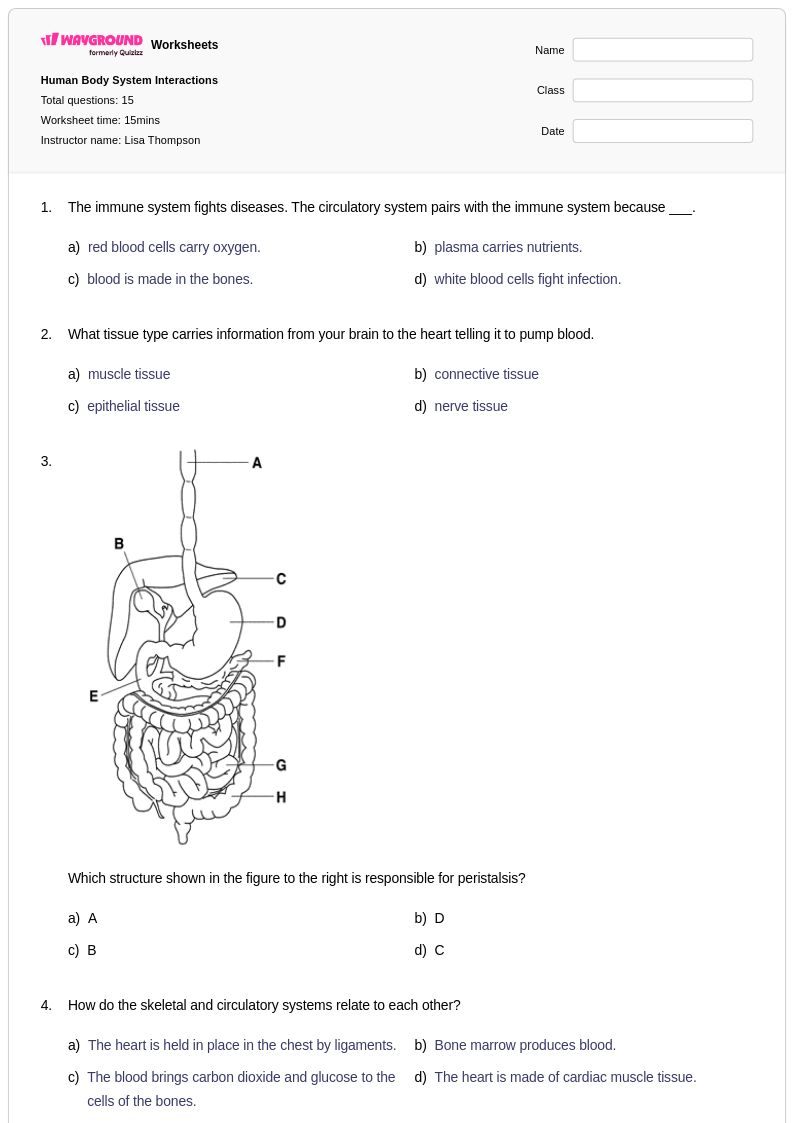
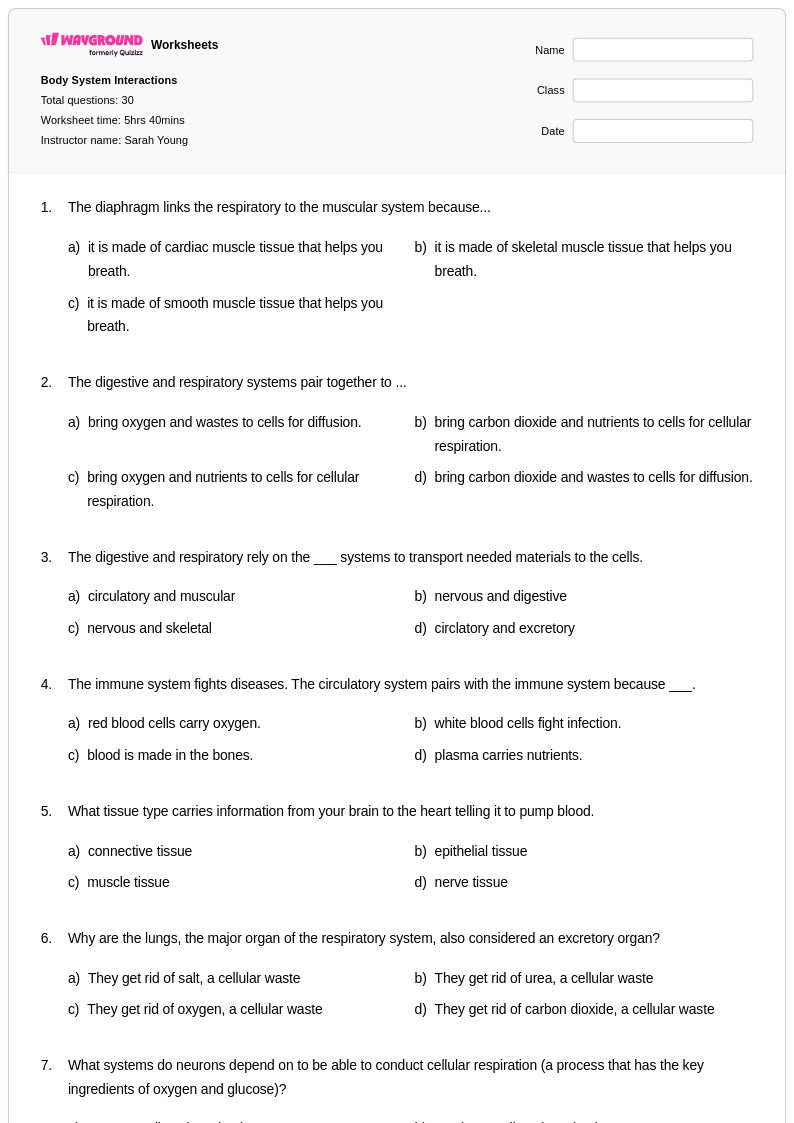
The immune system worksheets available through Wayground (formerly Quizizz) provide Class 9 biology students with comprehensive practice materials that explore the body's defense mechanisms against pathogens and diseases. These expertly crafted resources strengthen critical scientific skills including identifying components of innate and adaptive immunity, analyzing the functions of white blood cells, understanding antibody production, and evaluating immune responses to various threats. Students engage with detailed practice problems covering lymphatic system anatomy, cellular and humoral immunity processes, and the role of memory cells in long-term protection. Each worksheet includes a corresponding answer key and is available as a free printable pdf, allowing educators to seamlessly integrate immune system concepts into their curriculum while providing students with structured opportunities to master complex biological processes.
Wayground (formerly Quizizz) supports biology teachers with an extensive collection of millions of teacher-created immune system resources that can be easily accessed through robust search and filtering capabilities. These materials align with state and national science standards, ensuring that Class 9 students receive appropriate content that meets educational requirements for immune system study. Teachers benefit from differentiation tools that allow customization of worksheet difficulty levels, making resources suitable for remediation of struggling learners or enrichment of advanced students. The platform's flexible format options include both printable pdf versions for traditional classroom use and digital formats for technology-integrated learning environments. This comprehensive approach enables educators to efficiently plan lessons, provide targeted skill practice, and assess student understanding of immune system functions while accommodating diverse learning needs and teaching preferences.
FAQs
How do I teach the immune system to biology students?
Effective immune system instruction typically begins with the distinction between innate and adaptive immunity before introducing specific components such as white blood cells, antibodies, and lymph nodes. Using case studies of real diseases or autoimmune disorders helps students connect abstract mechanisms to tangible outcomes. Building from nonspecific defenses to targeted immune responses gives students a logical framework that prevents cognitive overload as the content complexity increases.
What exercises help students practice immune system concepts?
Practice activities that ask students to trace a pathogen's journey through the immune response are particularly effective because they require sequencing knowledge rather than simple recall. Labeling diagrams of immune cells, matching antibody types to their functions, and analyzing case studies of immune dysfunction all reinforce different layers of understanding. Worksheets that combine identification tasks with short-answer analysis push students beyond memorization and into scientific reasoning.
What misconceptions do students commonly have about the immune system?
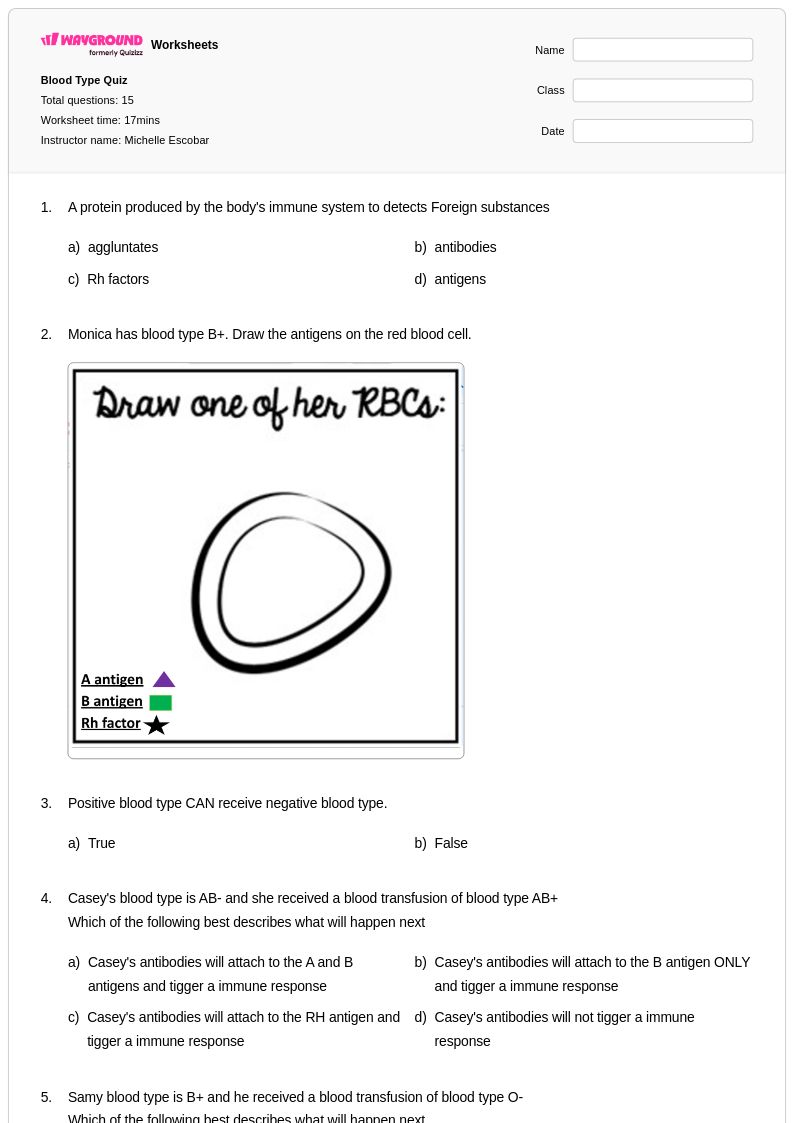
One of the most persistent misconceptions is that antibiotics strengthen the immune system or that vaccines contain live, active pathogens that can cause infection. Students also frequently confuse innate immunity with adaptive immunity, conflating general inflammatory responses with antigen-specific reactions. Addressing these errors directly with targeted practice problems and case studies helps students restructure their understanding rather than simply layering new information on top of flawed mental models.
How do I help struggling students understand adaptive immunity?
Adaptive immunity is challenging because it involves multi-step processes and abstract cell communication that students cannot observe directly. Breaking the process into discrete, labeled stages using graphic organizers or pathway diagrams can make the sequence more manageable. On Wayground, teachers can use reduced answer choices and read-aloud accommodations for students who need additional support, and these settings can be applied to individual students without disrupting the rest of the class.
How do I use Wayground's immune system worksheets in my classroom?
Wayground's immune system worksheets are available as printable PDFs for traditional classroom distribution and in digital formats for technology-integrated or remote learning environments. Teachers can also host worksheets as a quiz directly on Wayground, which enables interactive digital delivery with built-in answer tracking. Each worksheet includes a complete answer key, making them practical for independent practice, homework, or formative assessment without requiring additional teacher preparation.
How do I assess student understanding of immune system components and responses?
Strong assessments for this topic should test both declarative knowledge and process understanding, meaning students should be able to name immune components and explain how those components interact during a pathogen response. Tasks that require students to analyze scenarios involving immune dysfunction or vaccination outcomes are especially diagnostic because they reveal whether understanding is surface-level or conceptually grounded. Common errors to watch for include misidentifying the roles of B cells versus T cells and incorrectly describing the memory response in adaptive immunity.