
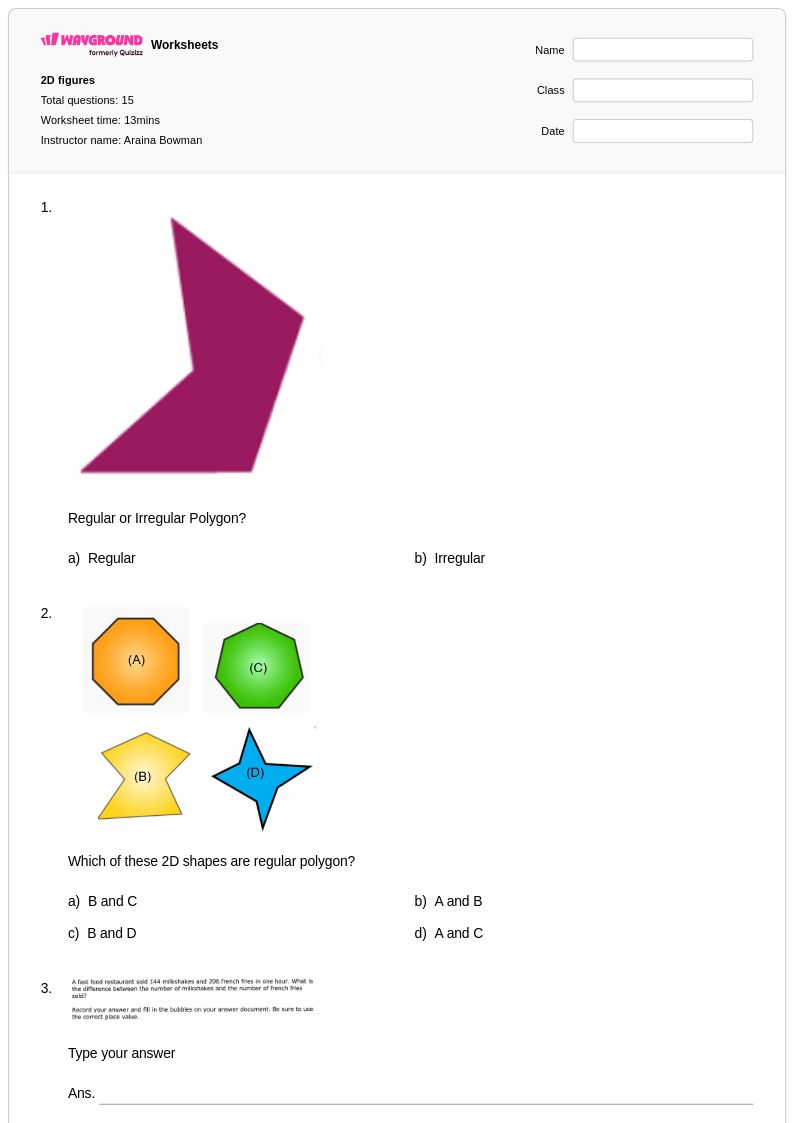
15 Q
2nd
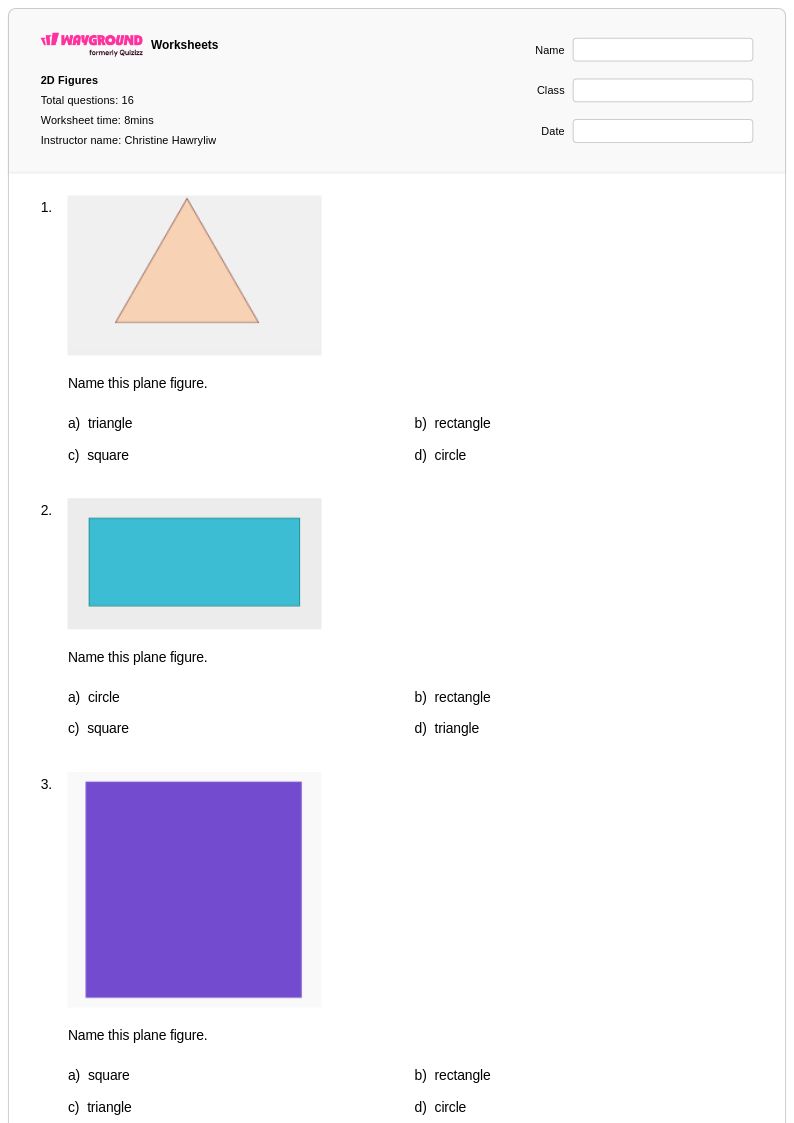
16 Q
1st - 2nd
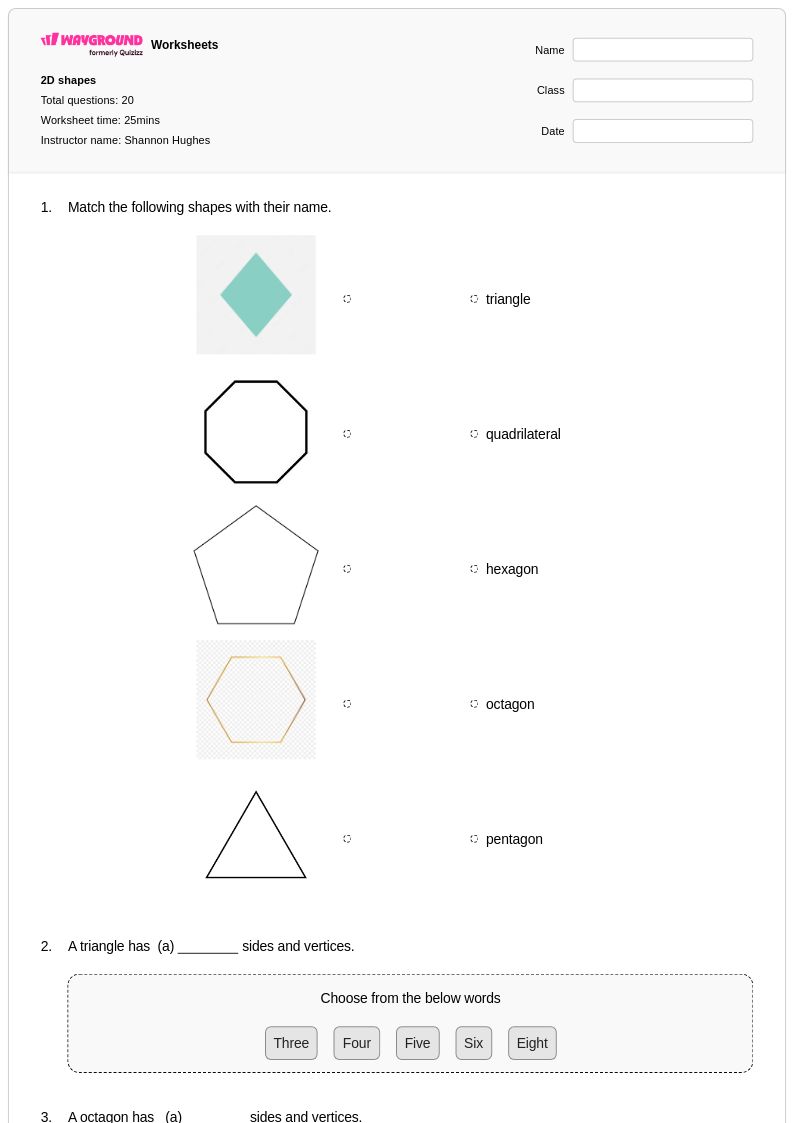
20 Q
2nd
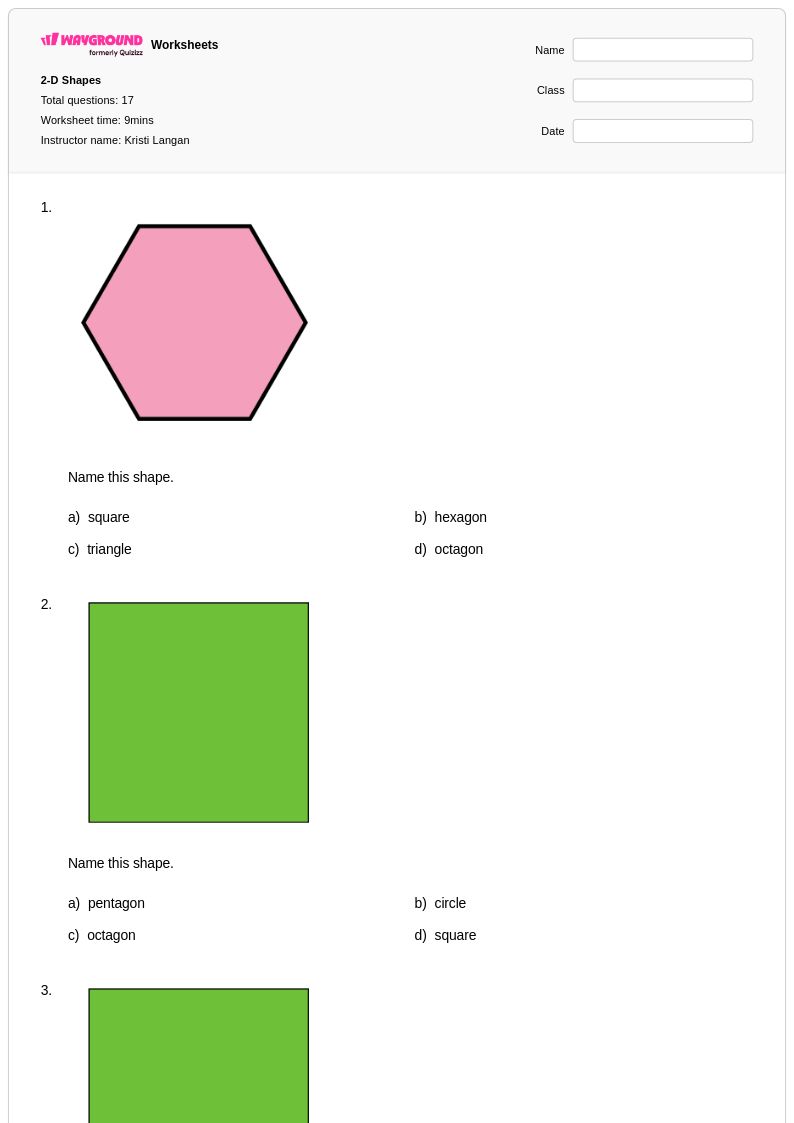
17 Q
1st - 3rd
10 Q
2nd
6 Q
2nd
13 Q
2nd
15 Q
1st - Uni
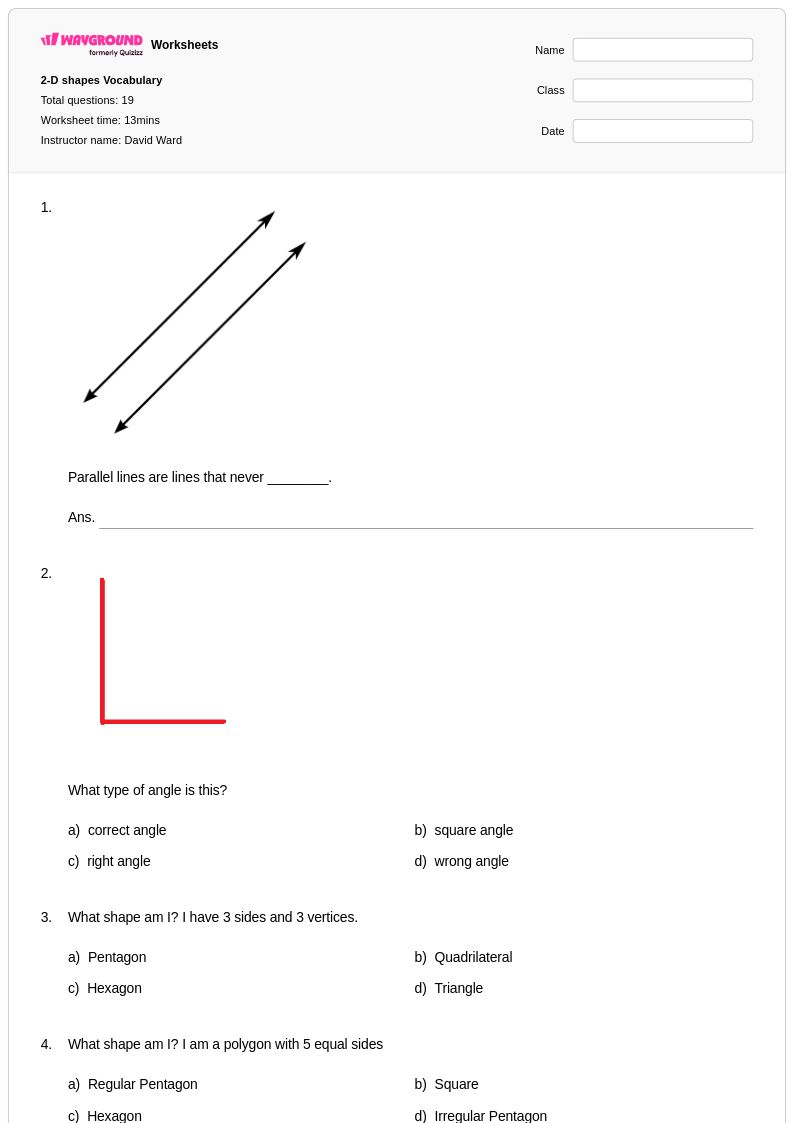
19 Q
2nd - 3rd
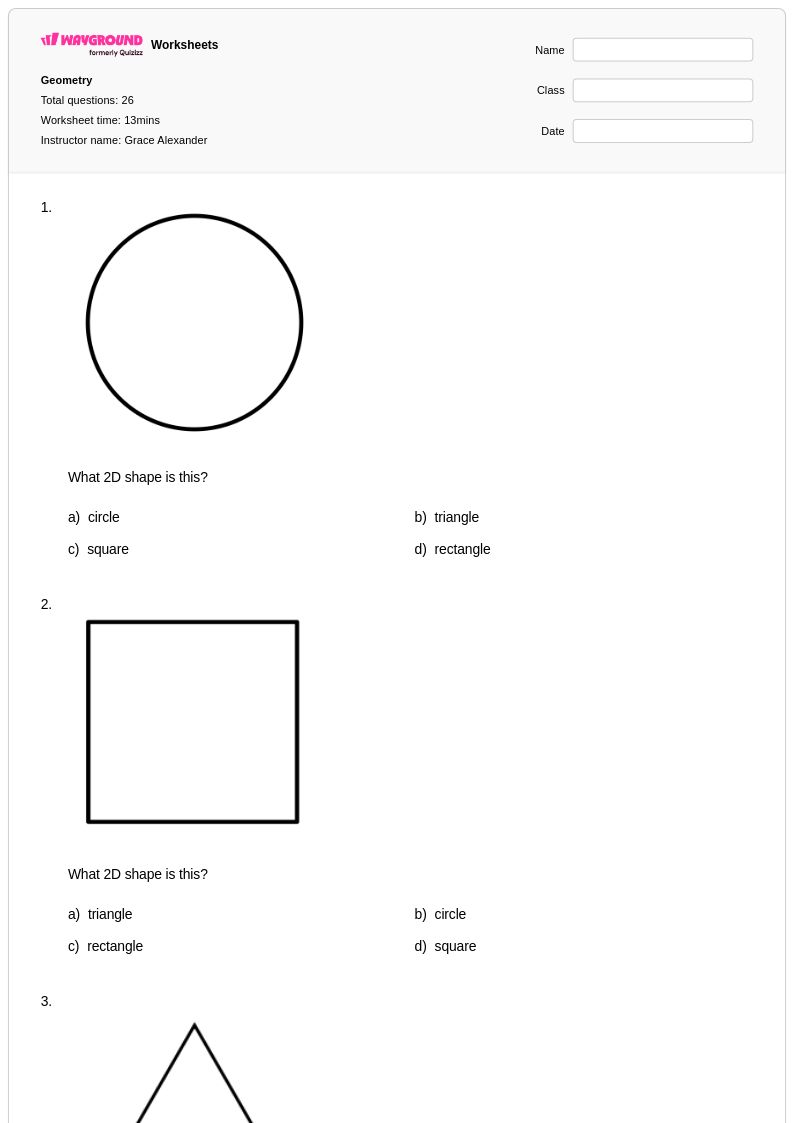
26 Q
2nd
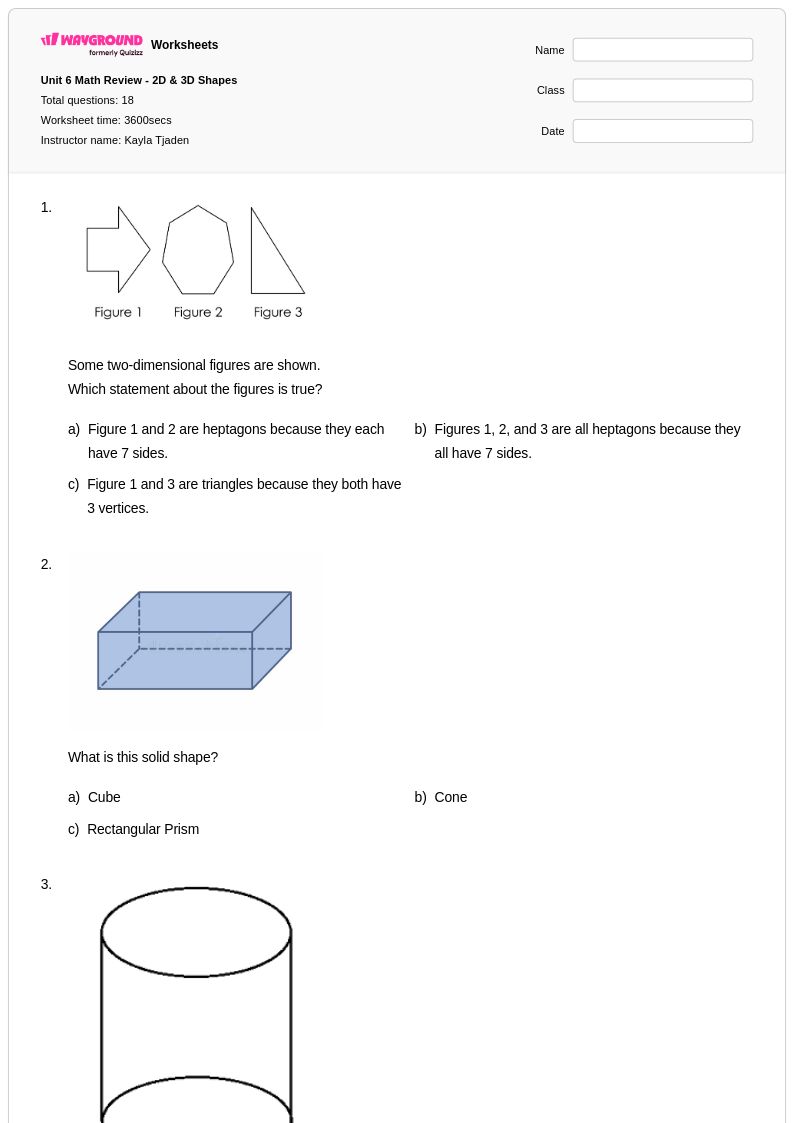
18 Q
2nd
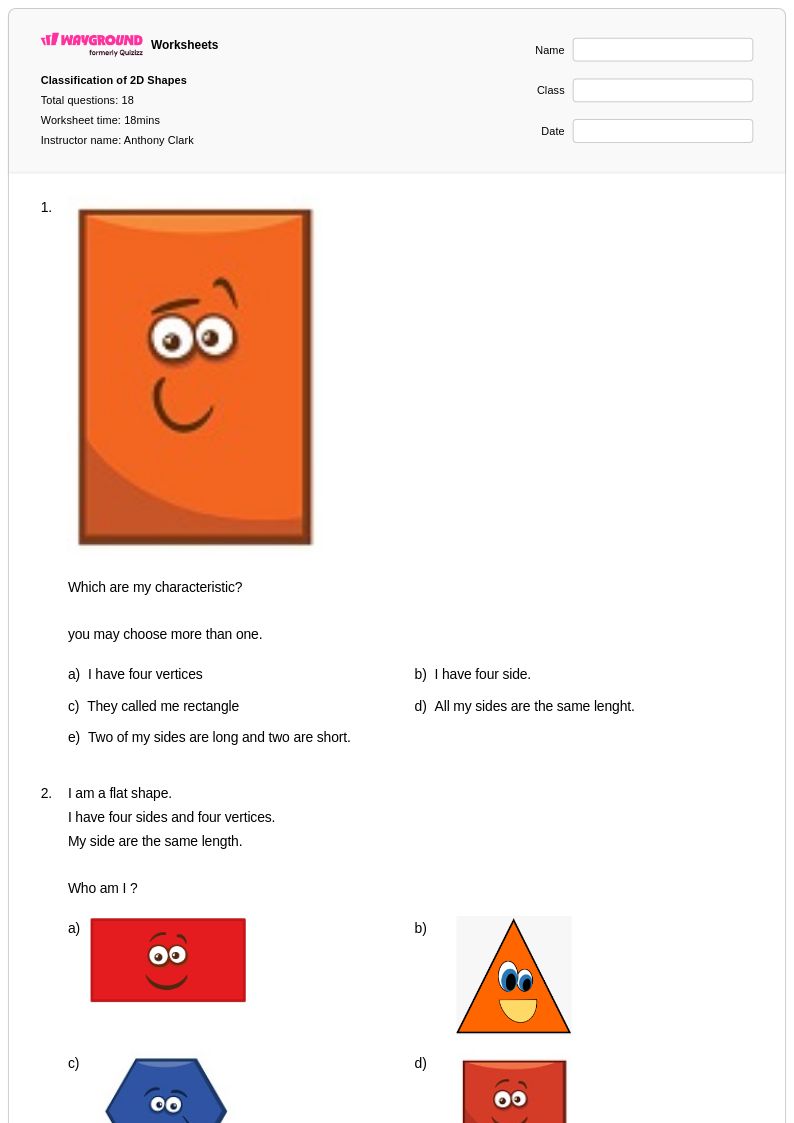
18 Q
1st - Uni
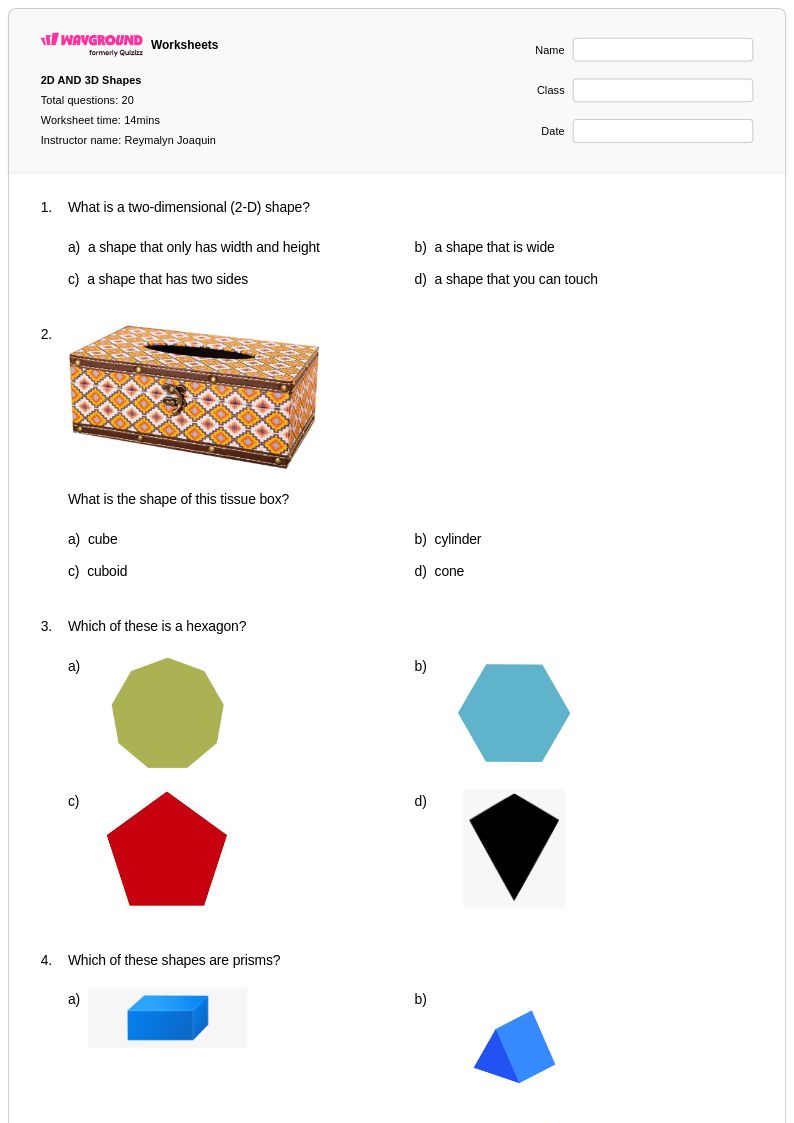
20 Q
2nd
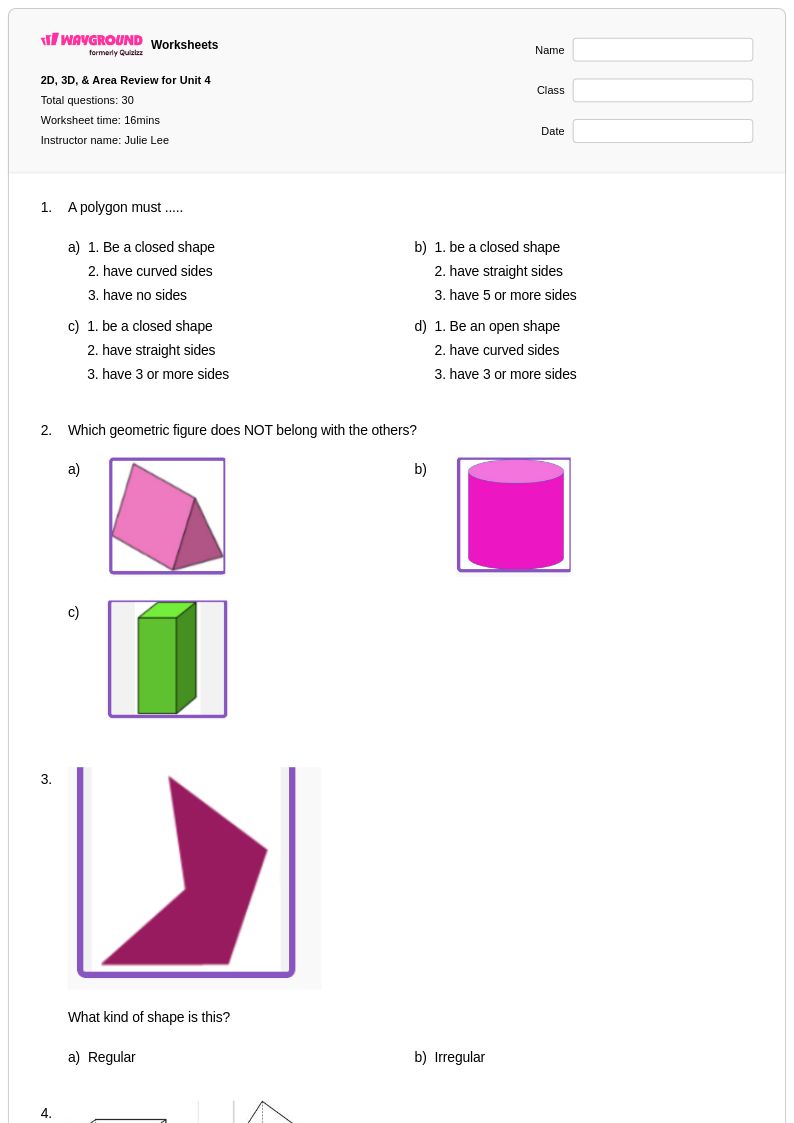
30 Q
2nd
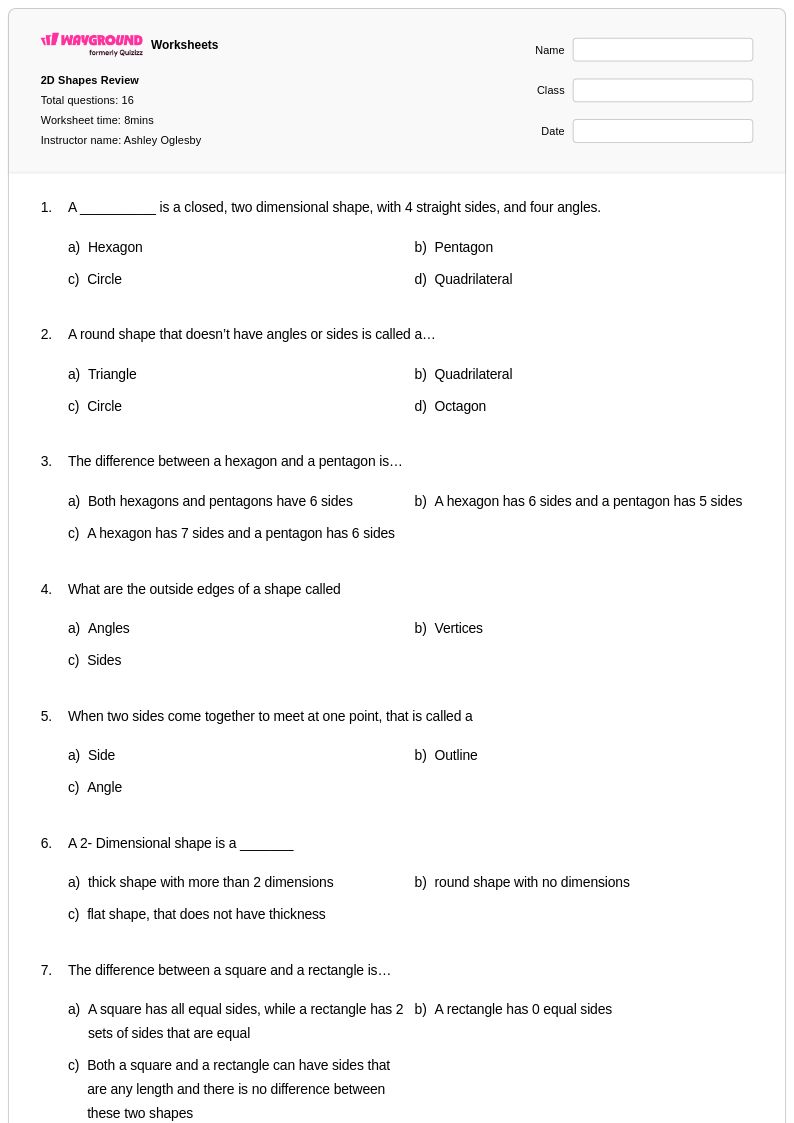
16 Q
1st - 2nd
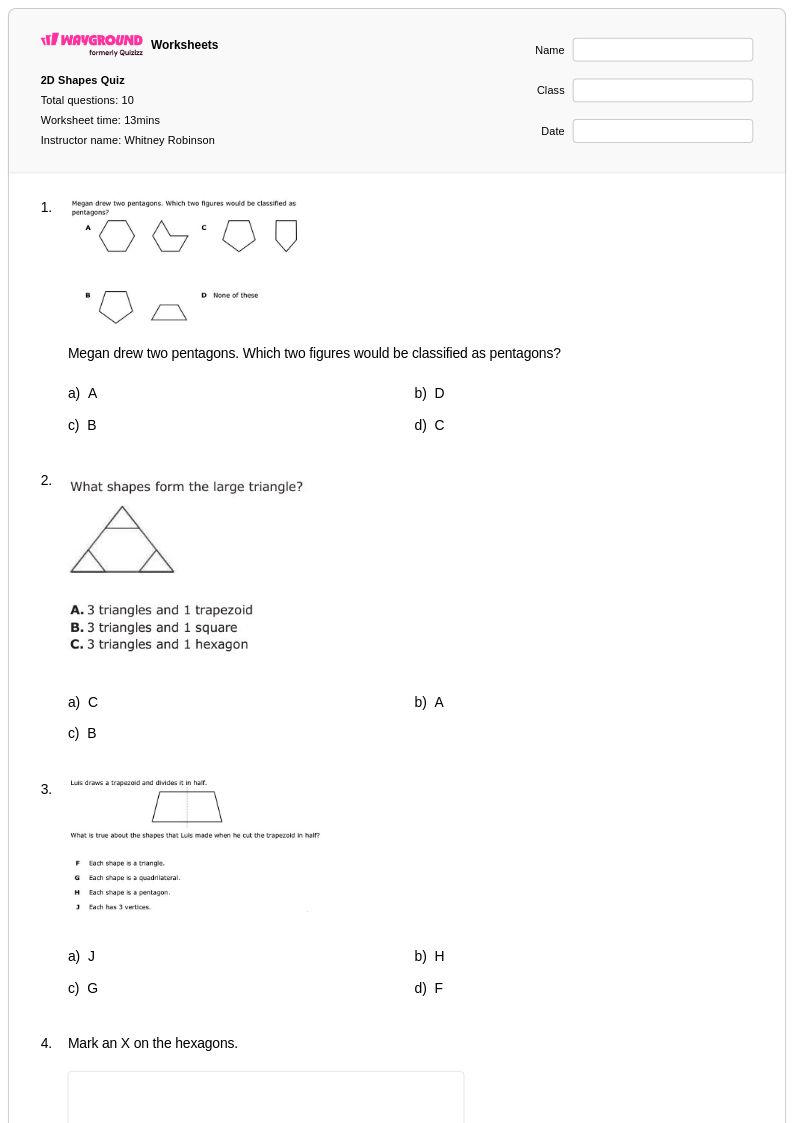
10 Q
2nd
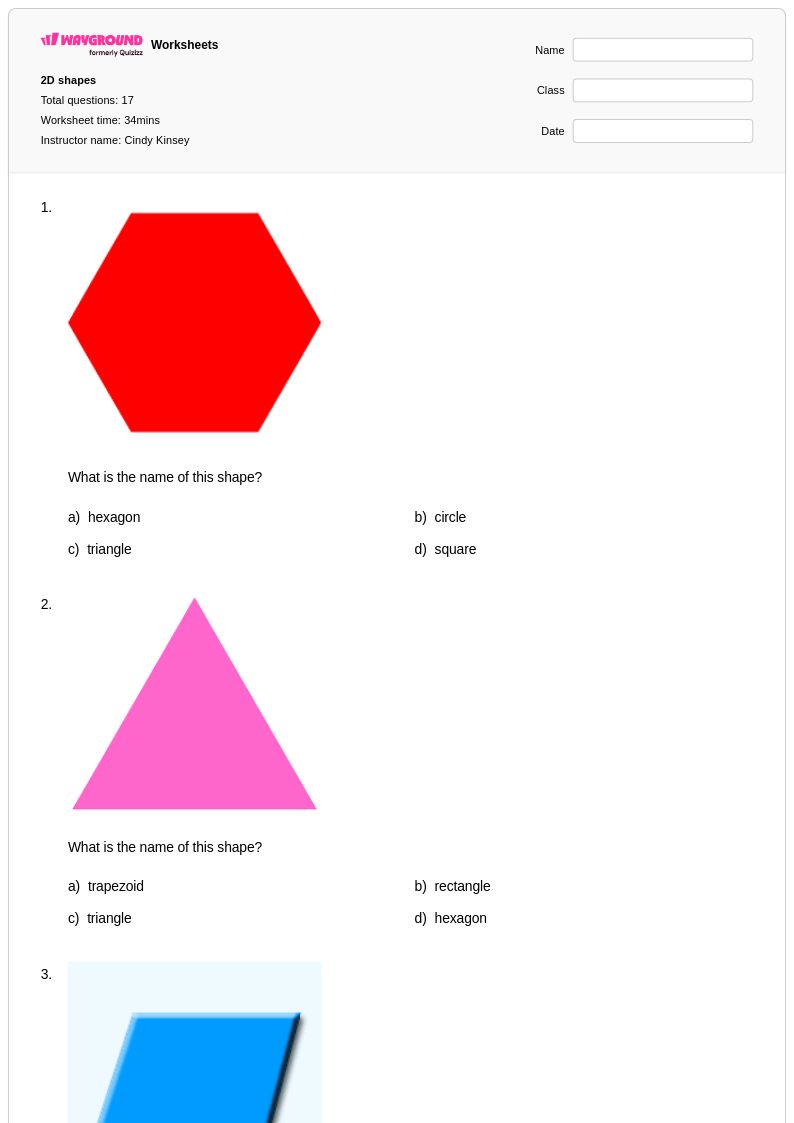
17 Q
2nd
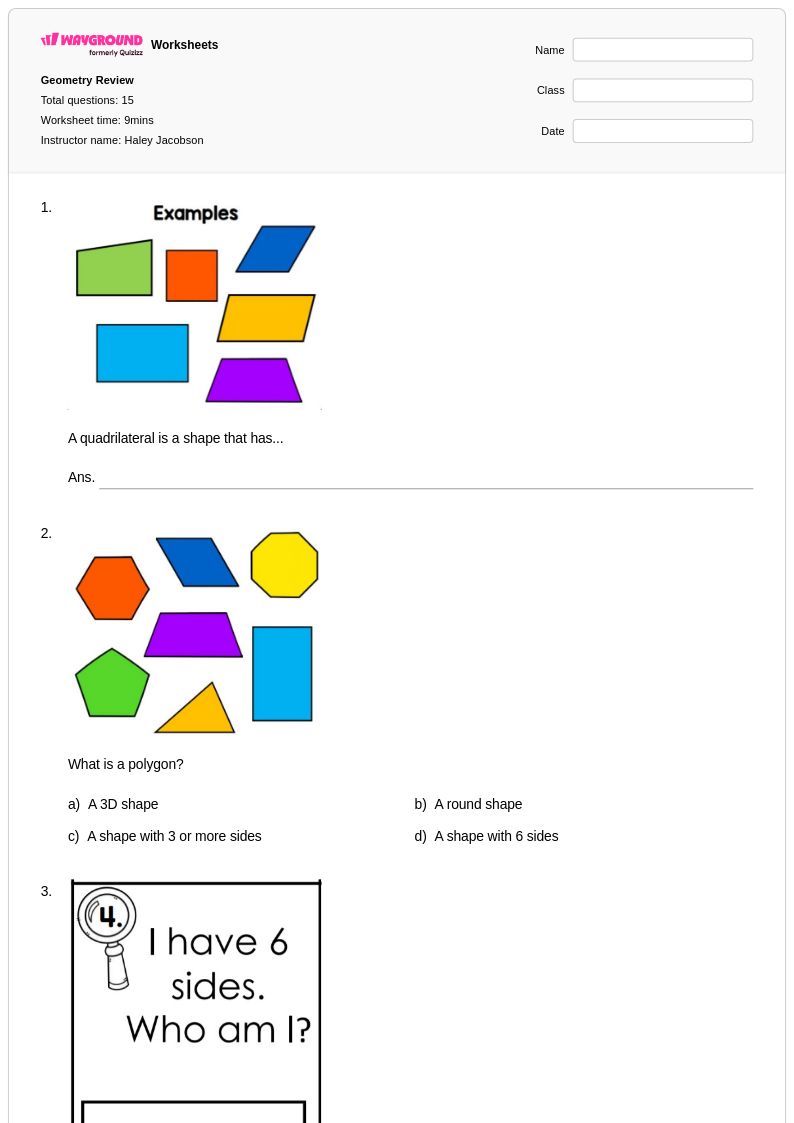
15 Q
2nd
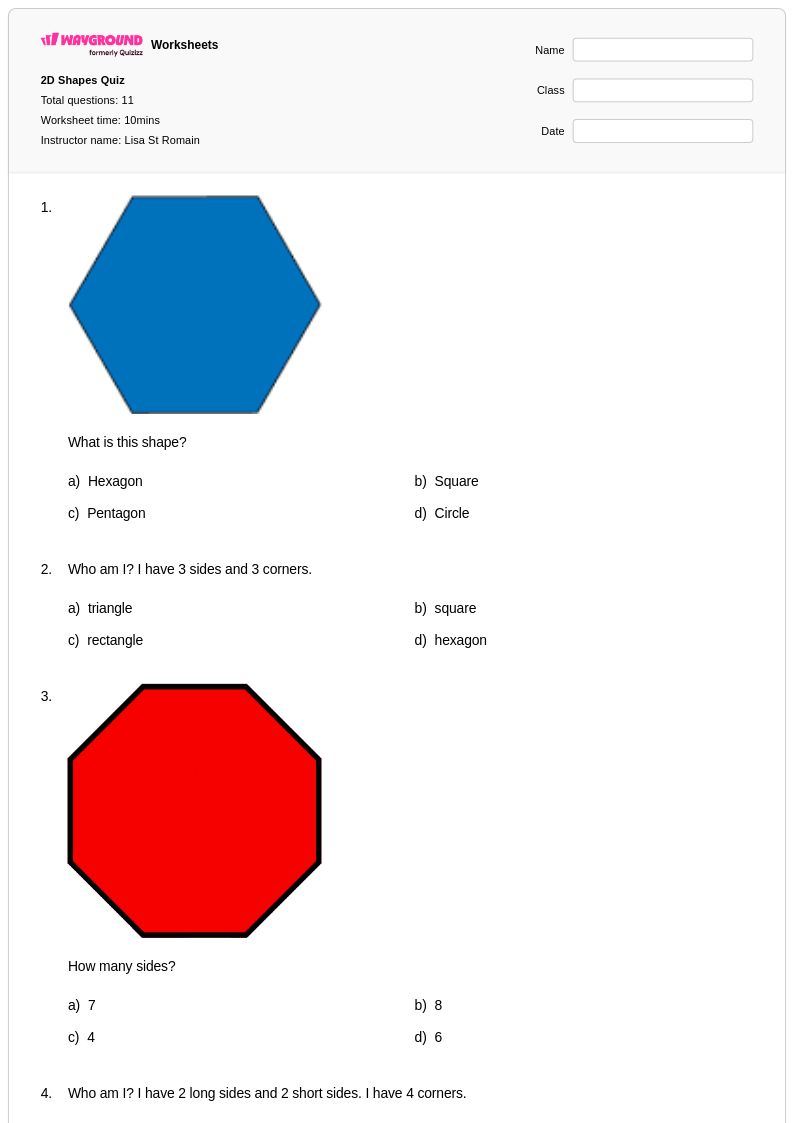
11 Q
1st - 2nd
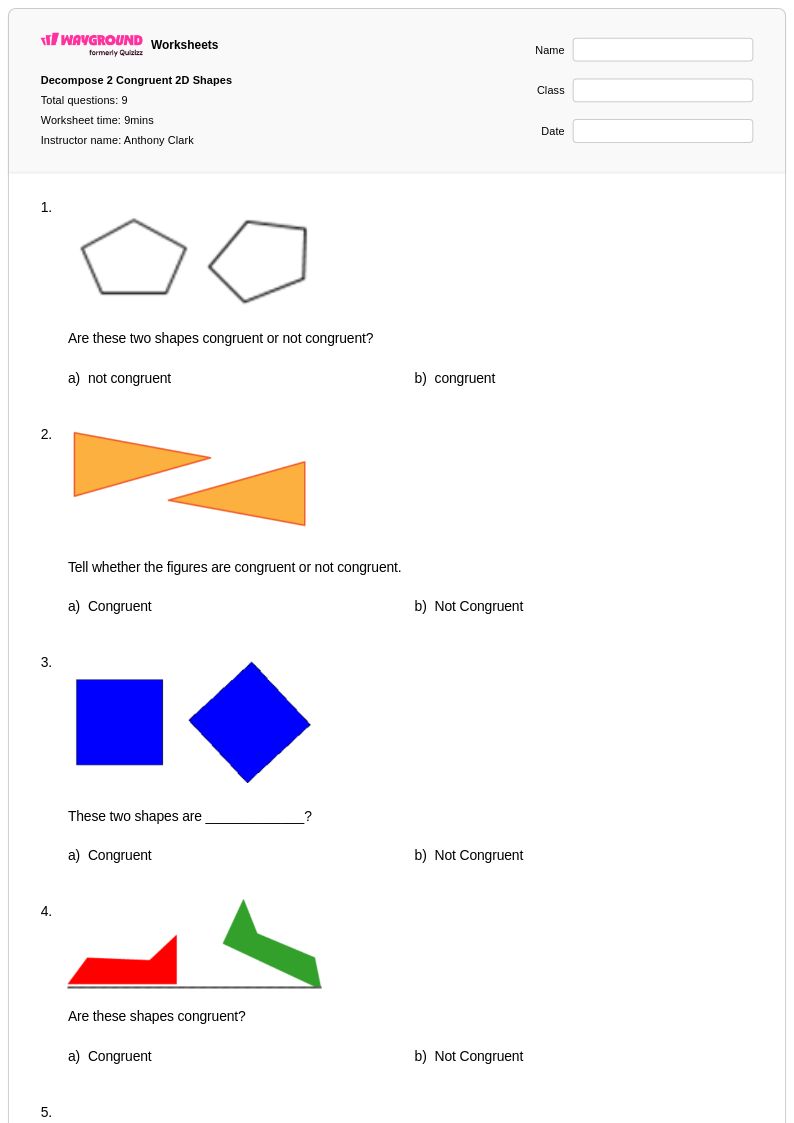
9 Q
1st - Uni
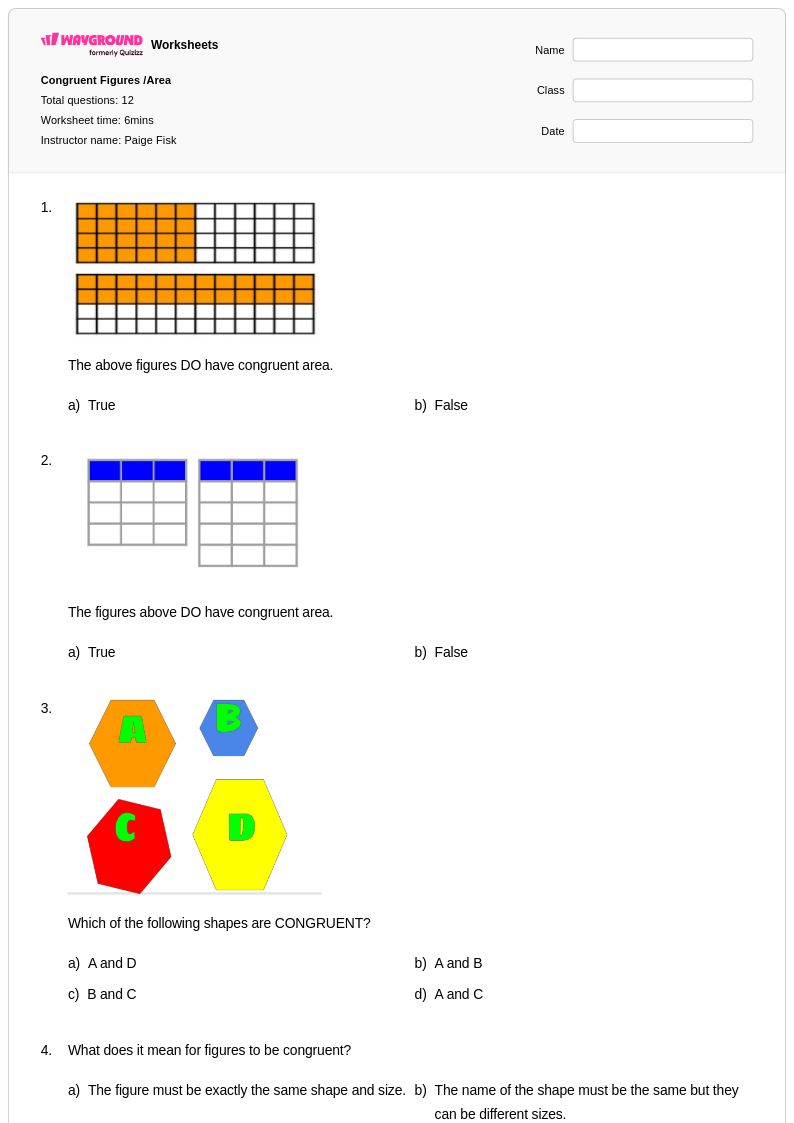
12 Q
2nd - 4th
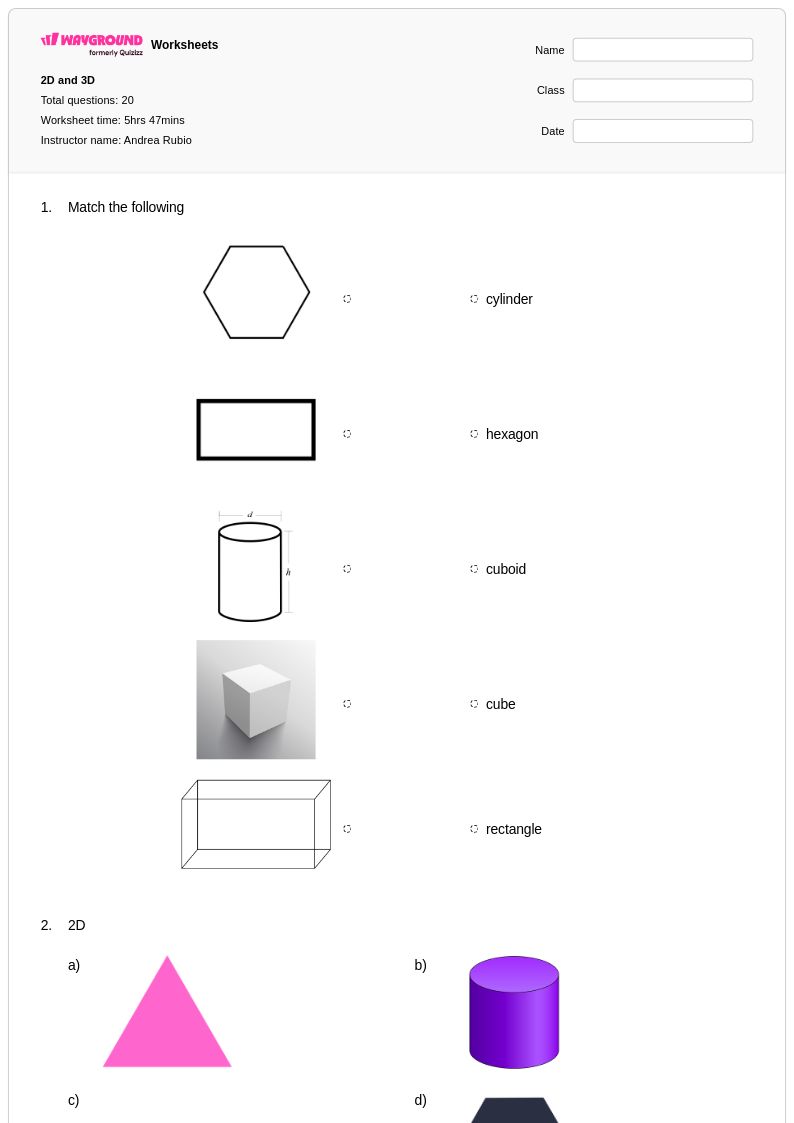
20 Q
2nd
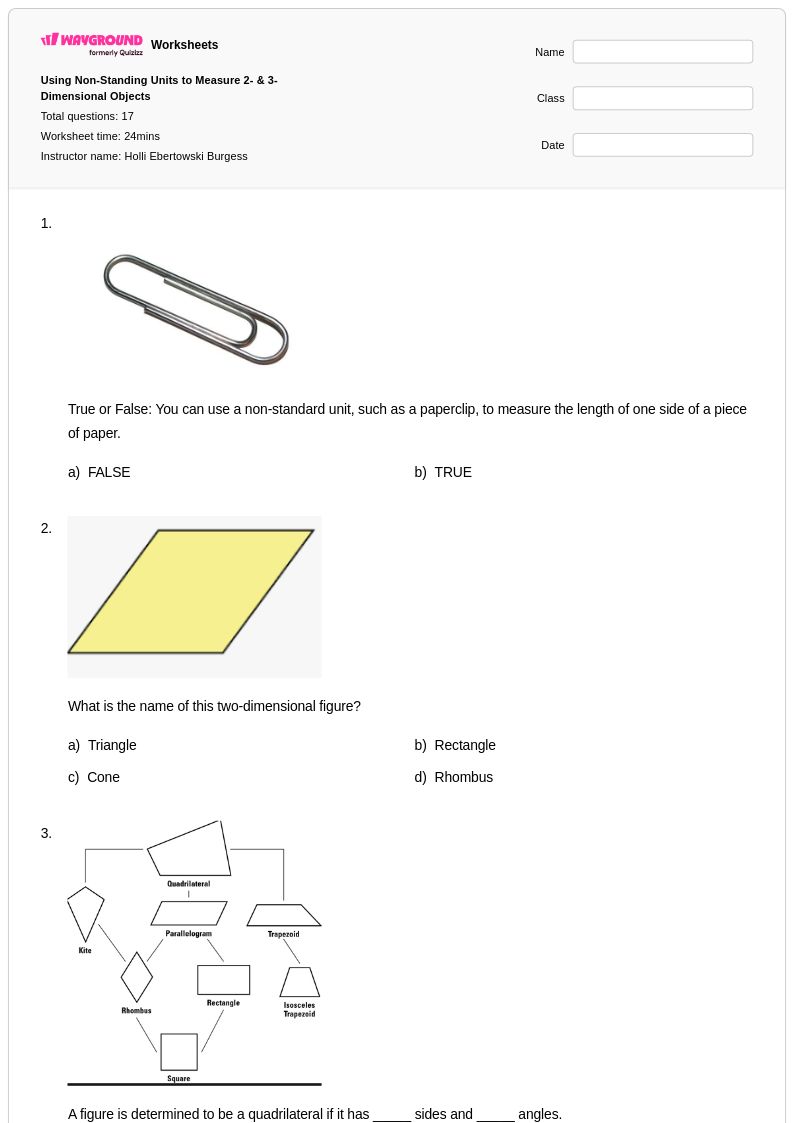
17 Q
2nd - 5th
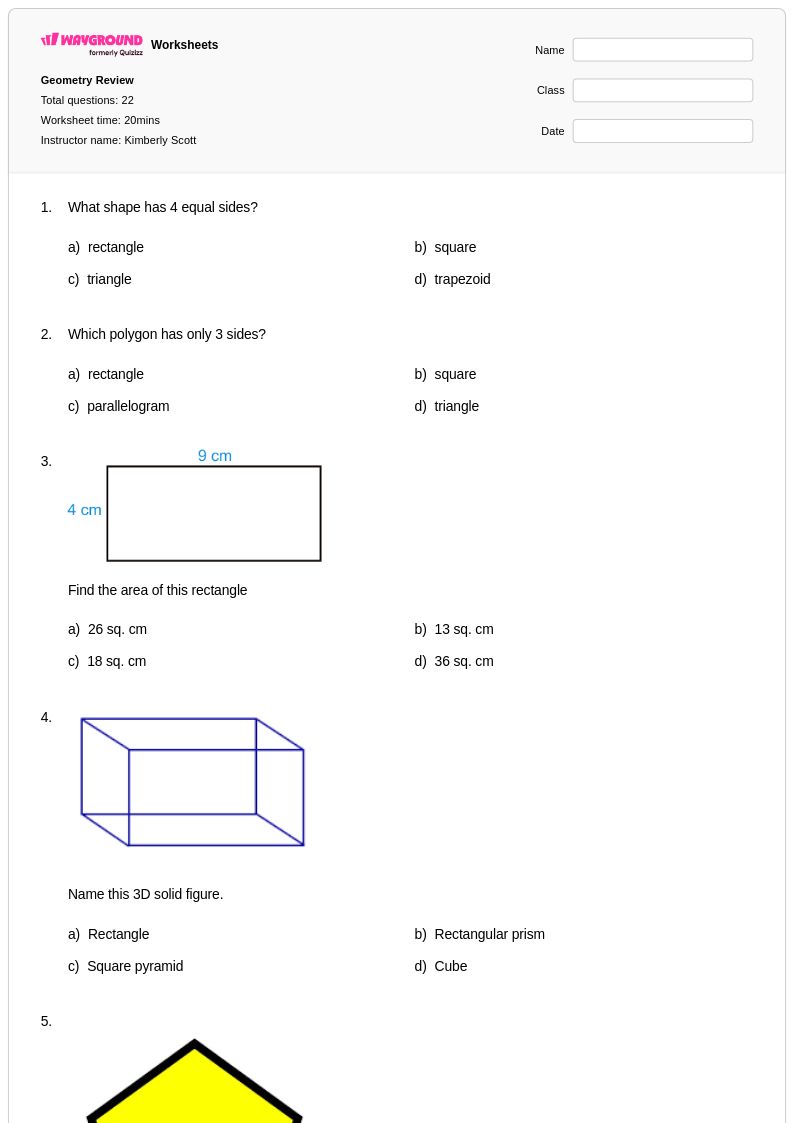
22 Q
2nd
Explore Other Subject Worksheets for grade 2
Explore printable Area of 2d Figures worksheets for Grade 2
Area of 2D figures worksheets for Grade 2 students available through Wayground (formerly Quizizz) provide essential foundational practice in spatial reasoning and measurement concepts. These carefully designed printables introduce young learners to the fundamental concept of area through hands-on activities involving counting unit squares, comparing sizes of simple shapes, and exploring how space is measured within rectangles, squares, and other basic geometric figures. Each worksheet strengthens critical mathematical thinking skills by encouraging students to visualize space, make comparisons between different sized shapes, and develop early understanding of measurement units. The practice problems progress systematically from concrete manipulative-based activities to more abstract thinking exercises, with comprehensive answer keys supporting both independent work and guided instruction. These free pdf resources emphasize conceptual understanding over computational complexity, making area measurement accessible and engaging for second-grade mathematical development.
Wayground (formerly Quizizz) empowers educators with millions of teacher-created area measurement resources specifically aligned to Grade 2 learning standards and developmental expectations. The platform's robust search and filtering capabilities allow teachers to quickly locate worksheets that match their specific curriculum requirements, whether focusing on unit square counting, shape comparison, or introductory measurement concepts. Standards alignment ensures that each worksheet supports established mathematical learning objectives, while built-in differentiation tools enable teachers to modify content complexity for diverse learner needs. The flexible customization options allow educators to adapt existing materials or create entirely new practice sets, with seamless availability in both printable pdf format for traditional classroom use and digital formats for technology-integrated instruction. These comprehensive features streamline lesson planning while providing targeted resources for remediation, skill reinforcement, and enrichment activities that support every student's mathematical growth in geometric measurement concepts.
FAQs
How should I teach area of 2D figures in Grade 2?
What are good area practice activities for second graders?
What misconceptions do Grade 2 students have about area?
How do I assign these Grade 2 area worksheets?
How does Grade 2 area work connect to the Common Core progression?
How can I differentiate area worksheets for second graders?
What level of area should second graders understand?