Free Printable Directional Concepts Worksheets for Grade 2
Grade 2 directional concepts worksheets help students master spatial vocabulary and positional relationships through engaging printables and practice problems with comprehensive answer keys available as free PDF downloads.
Explore printable Directional Concepts worksheets for Grade 2
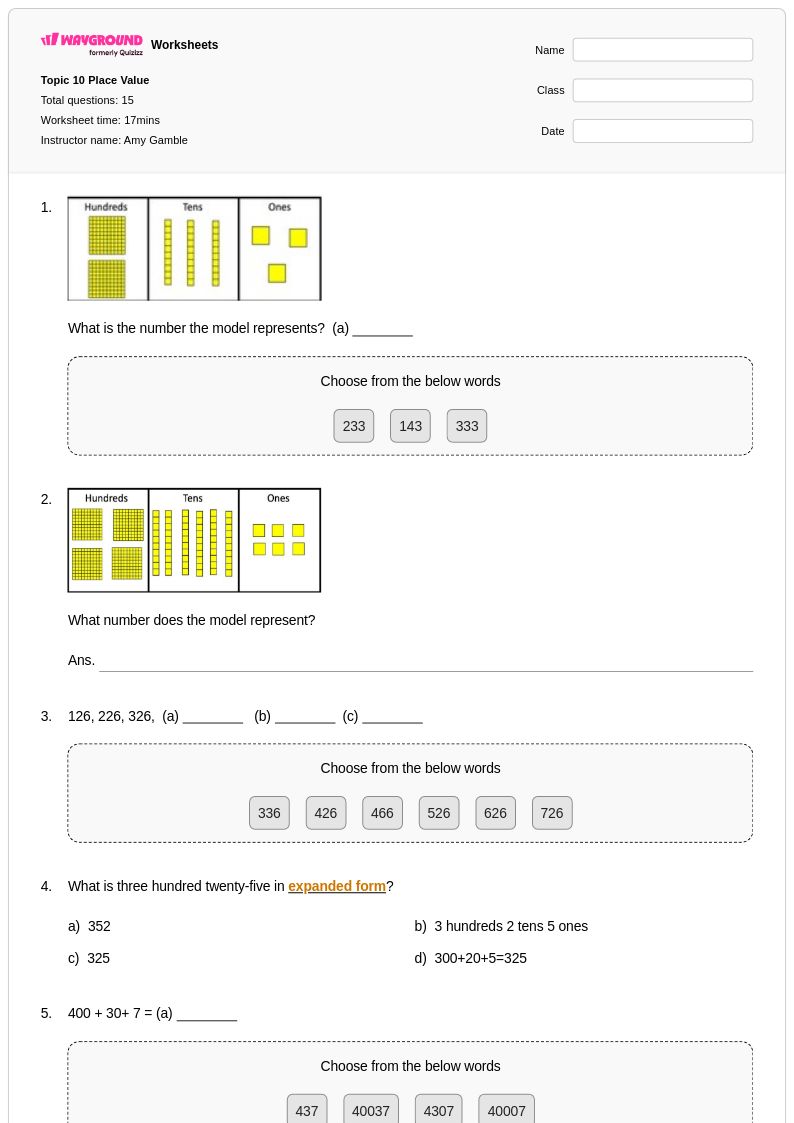
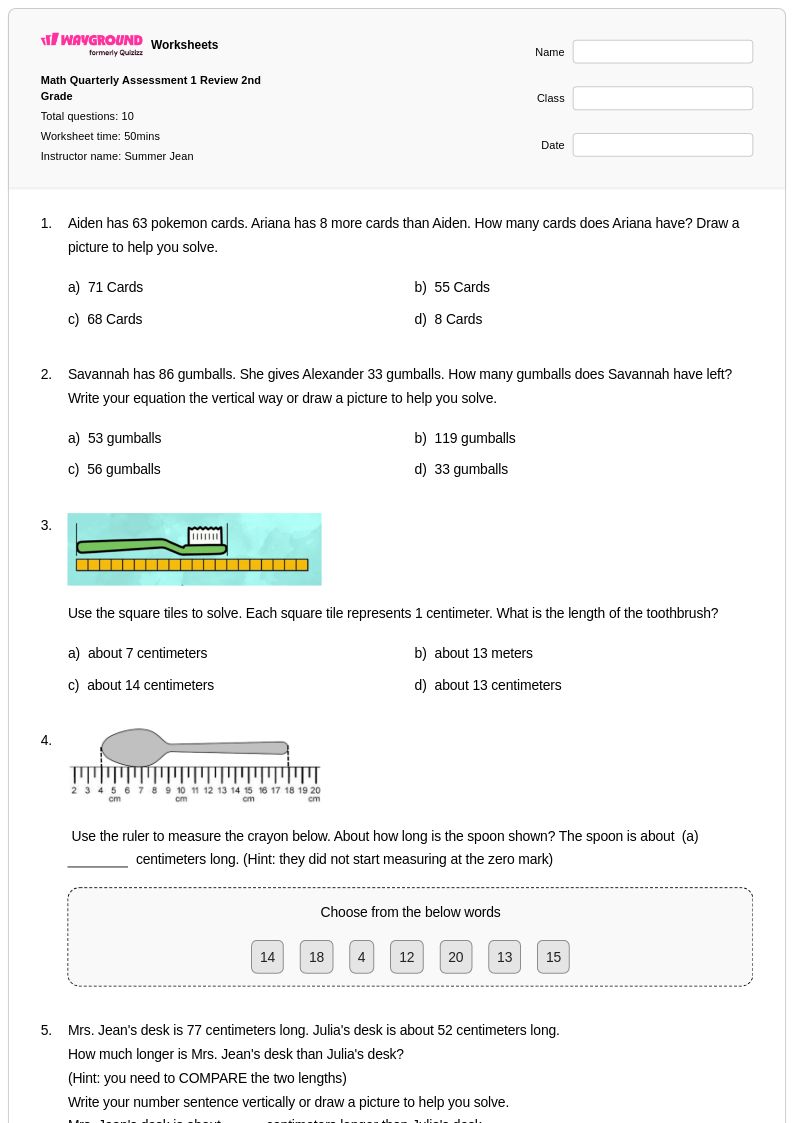
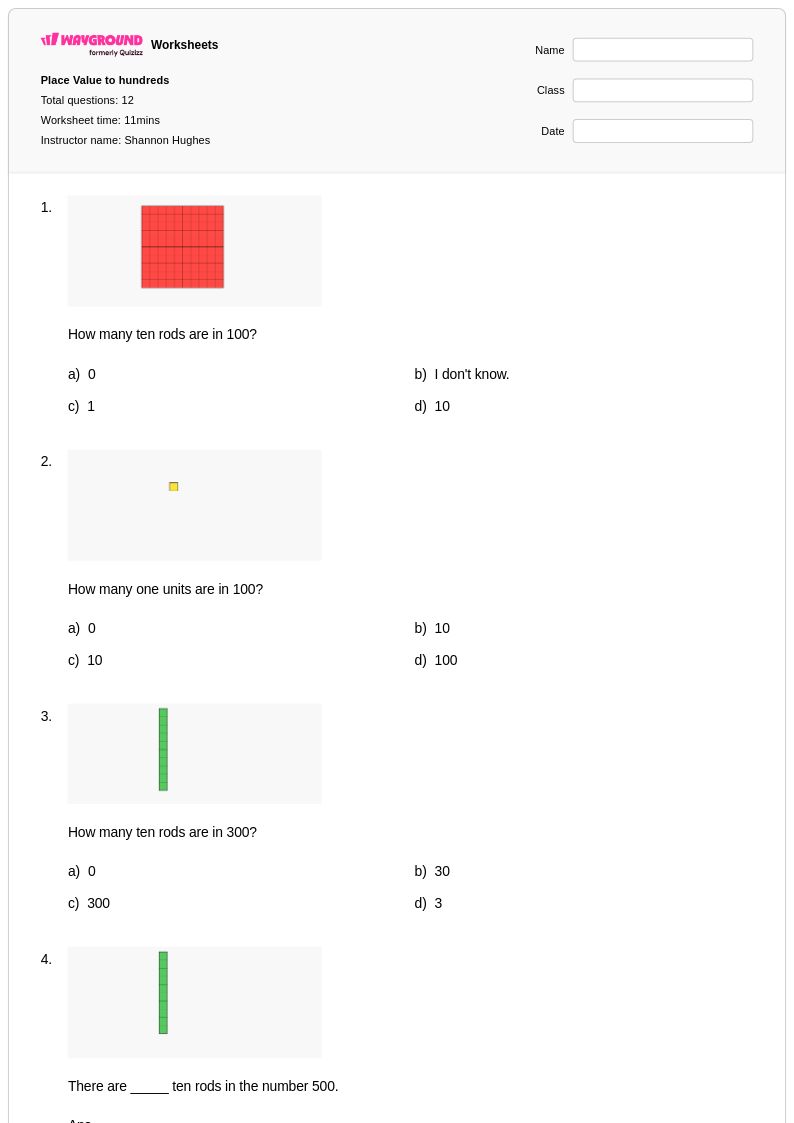
Directional concepts worksheets for Grade 2 students available through Wayground (formerly Quizizz) provide essential foundational practice in spatial reasoning and geometric orientation skills. These comprehensive printables focus on helping young learners understand and apply positional vocabulary including left, right, above, below, in front of, behind, next to, and between through engaging visual exercises and manipulative activities. Students work through carefully structured practice problems that build their ability to describe object locations, follow directional instructions, and navigate spatial relationships in both two-dimensional and three-dimensional contexts. Each worksheet collection includes detailed answer keys to support independent learning and self-assessment, with free pdf downloads ensuring accessibility for classroom and home use.
Wayground (formerly Quizizz) empowers educators with millions of teacher-created directional concepts resources specifically designed for Grade 2 mathematics instruction, offering robust search and filtering capabilities that align with state geometry standards and curriculum requirements. Teachers can easily differentiate instruction by selecting from various difficulty levels and worksheet formats, customizing content to meet individual student needs for remediation or enrichment activities. The platform's flexible digital and printable pdf options enable seamless integration into lesson planning, whether for whole-group instruction, small-group interventions, or independent skill practice sessions. These comprehensive tools streamline the process of identifying appropriate directional concepts materials while providing the adaptability necessary to support diverse learning styles and academic goals in elementary geometry education.
FAQs
How do I teach directional concepts to second graders?
Grade 2 is where directional language moves from identification to application. Students should be able to not just recognize that an object is 'between' two others, but use that term accurately when describing a scene they're looking at or constructing. Introduce 2D grid work early — asking students to describe a path or locate a point using directional steps builds the spatial reasoning they'll need for coordinate geometry later. The vocabulary terms to nail at this level are between, next to, and the distinction between near and beside.
What exercises help second graders practice directional concepts?
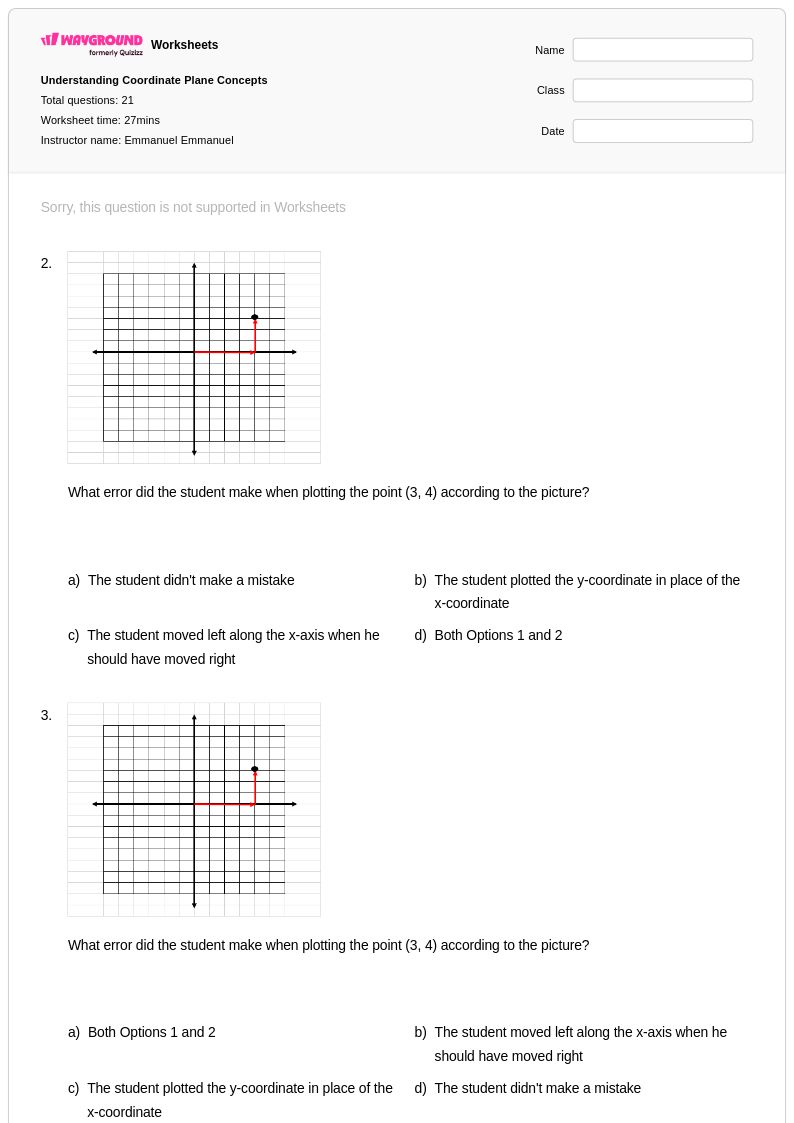
Two exercise types work especially well at Grade 2. First, description tasks: show a picture and have students write or say where each object is using positional vocabulary — this surfaces gaps in precision. Second, instruction-following tasks on a simple grid: move one space right, then two spaces down, mark where you land. The second type is harder and reveals whether students can sequence directional steps, not just apply a single term.
What mistakes do second graders commonly make with directional concepts?
'Between' is the term that trips up Grade 2 students most often — they apply it when an object is merely near two others rather than specifically positioned between them. 'Next to' and 'beside' get conflated, and students sometimes use 'in front of' when they mean 'above' in a flat 2D image. These are precision errors, not conceptual ones, and they respond well to side-by-side comparison: show two pictures that differ only in whether the object is truly between vs. near, and ask students to explain the difference.
How do I use Wayground's Grade 2 directional concepts worksheets?
Download the PDF and print for paper-based practice, or host the worksheet as a digital quiz on Wayground for device-based work — both versions include the same problems and a complete answer key. Paper is a good fit for small-group intervention or independent seat work; the digital version works well for whole-class instruction where you want to review responses together on a screen.
Are Grade 2 directional concepts worksheets aligned to Common Core?
Common Core's Grade 2 geometry work focuses on reasoning about shapes and their attributes, and positional vocabulary is the language students use to do that reasoning. By Grade 2, students are expected to describe and analyze shapes in relation to one another — which requires confident use of terms like between, next to, and beside. This builds directly toward Grade 3 work on area, perimeter, and coordinate-adjacent spatial tasks where precise directional language is assumed.
How can I accommodate diverse learners in Grade 2 directional concepts practice?
For students with visual processing challenges, Wayground's worksheet-level tools let you increase font size or apply wider line spacing to reduce crowding on the page — helpful when a busy picture-based problem becomes hard to parse. For students who are still developing reading fluency, Read Aloud keeps the focus on spatial reasoning rather than decoding. Both adjustments can be applied to individual students without changing anything for the rest of the class.