
18 Q
3rd - Uni
9 Q
4th
20 Q
4th
20 Q
4th
20 Q
4th - Uni
20 Q
3rd - 4th
15 Q
4th
15 Q
4th
20 Q
3rd - 4th
15 Q
4th
20 Q
4th - 5th
17 Q
4th
20 Q
4th - Uni
10 Q
4th
20 Q
4th
20 Q
4th
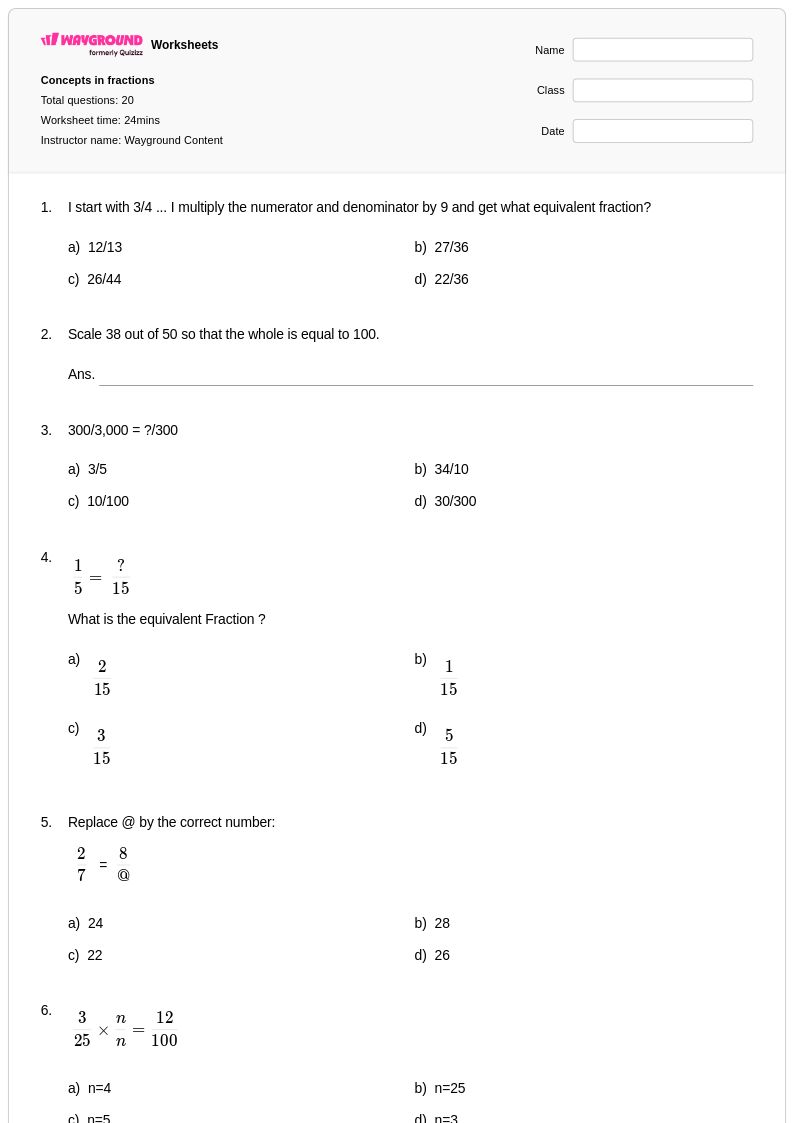
20 Q
3rd - 4th
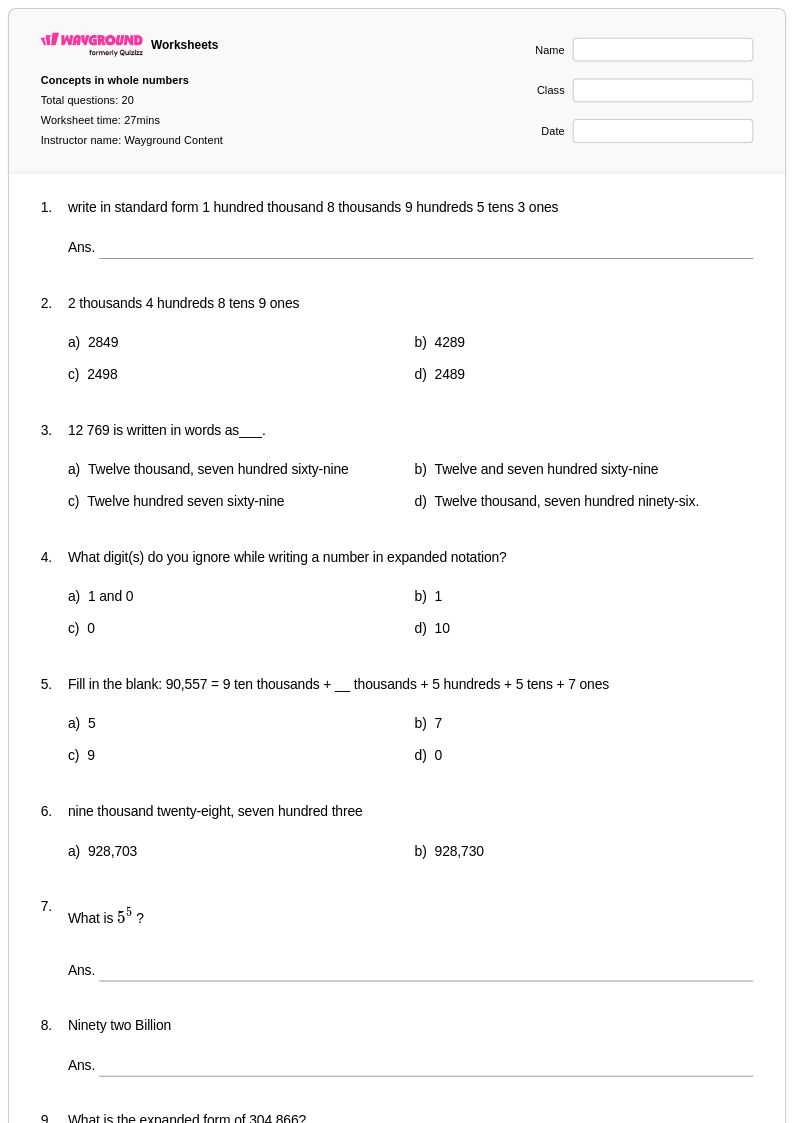
20 Q
4th
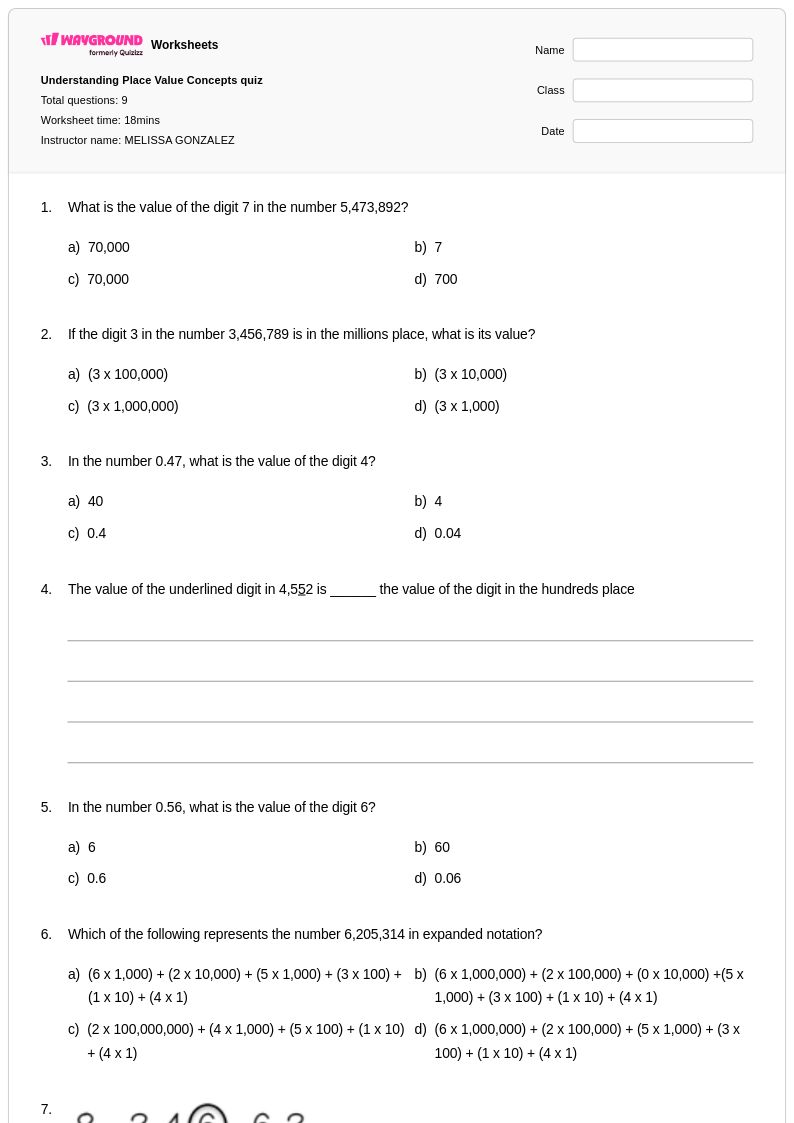
9 Q
4th
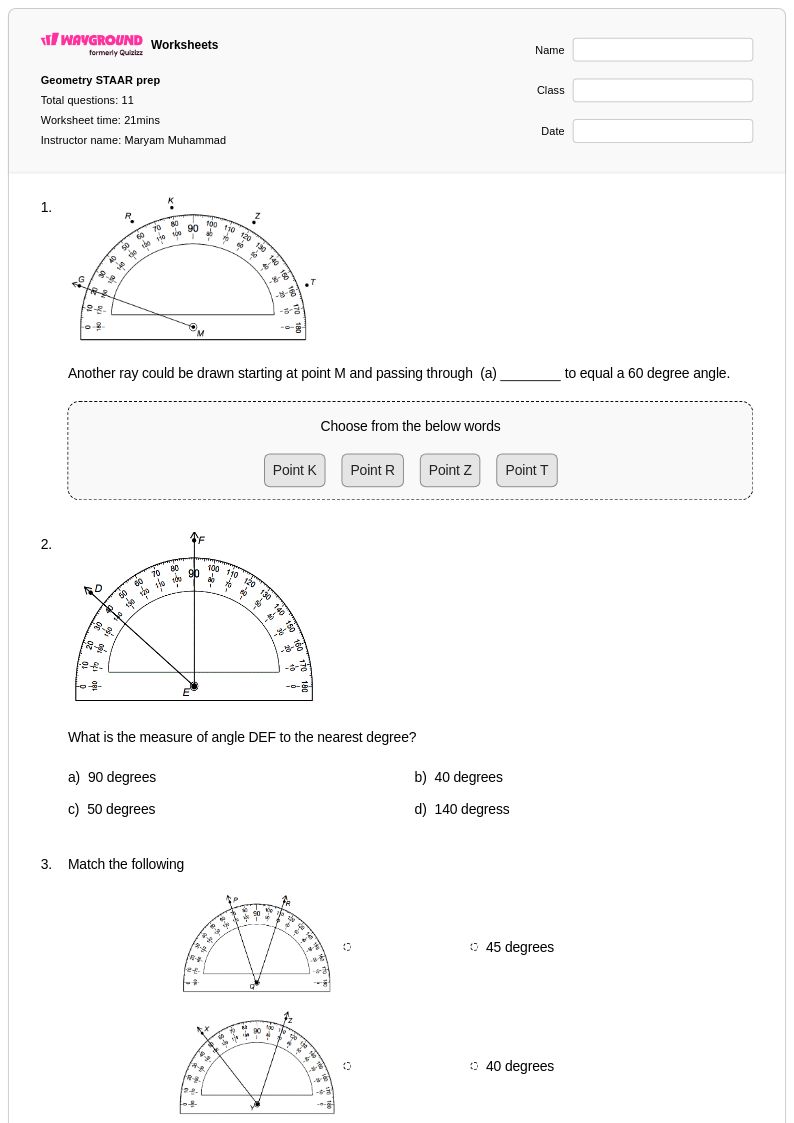
11 Q
4th
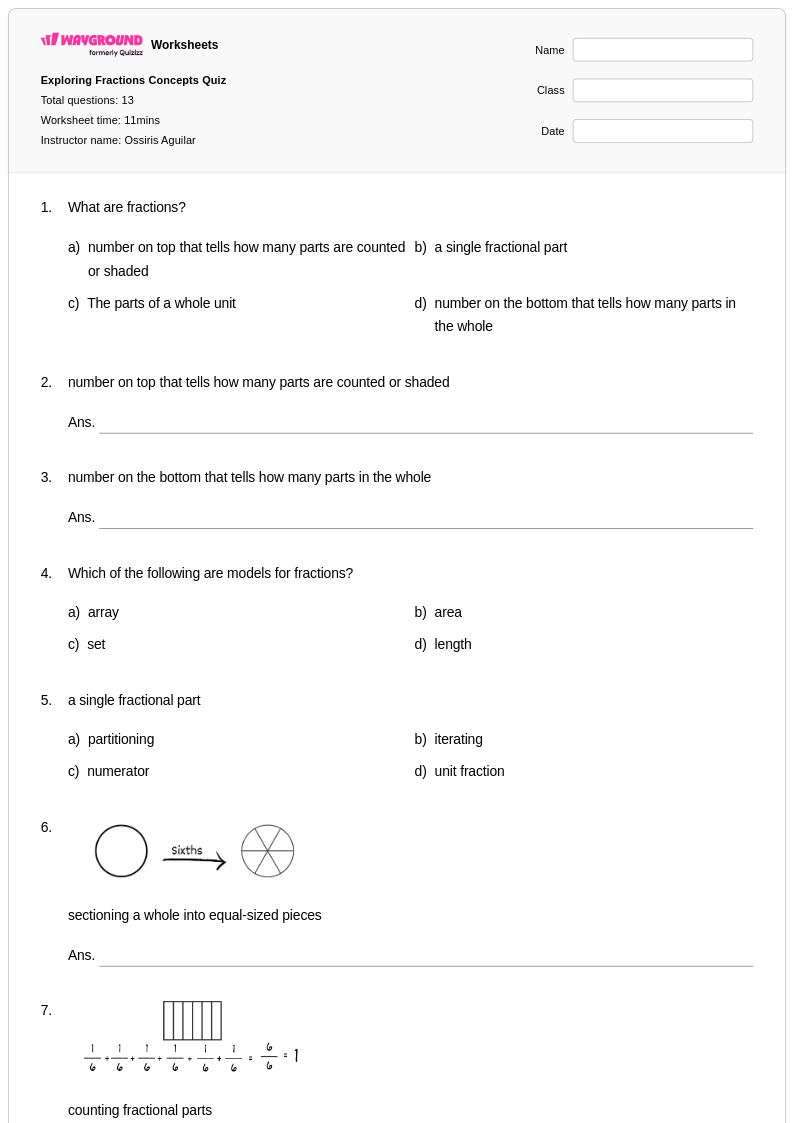
13 Q
1st - 5th
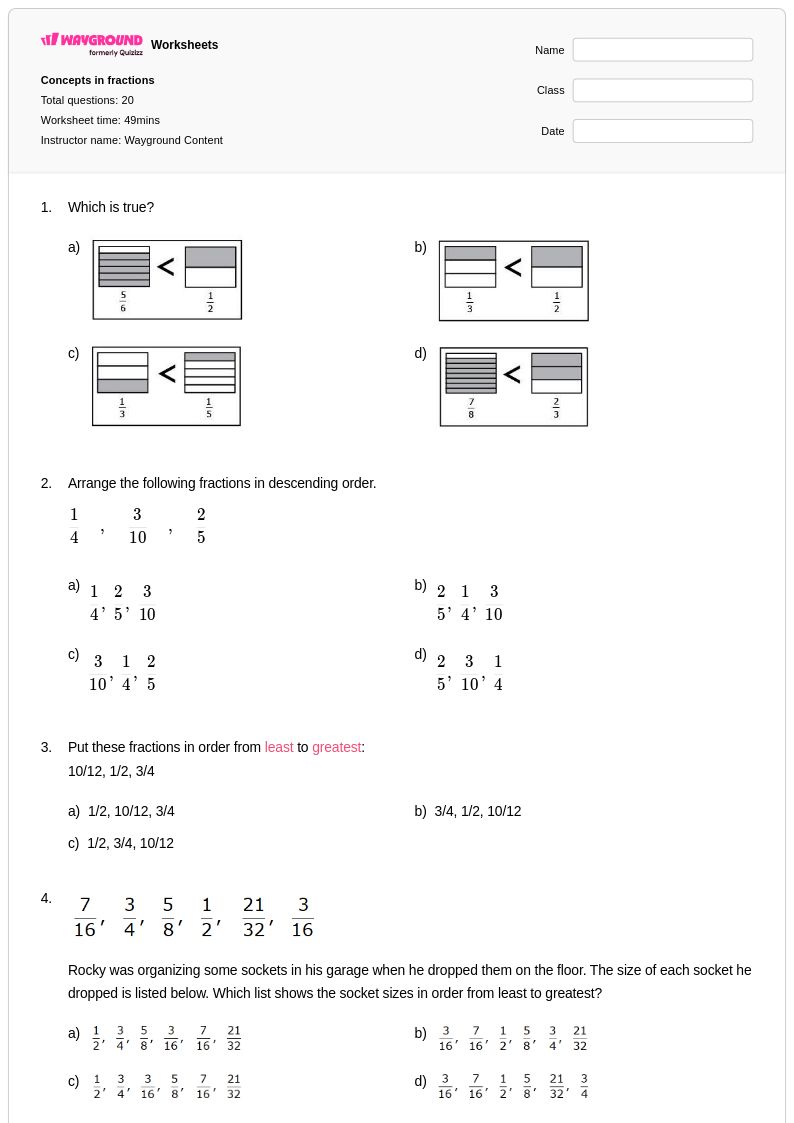
20 Q
4th
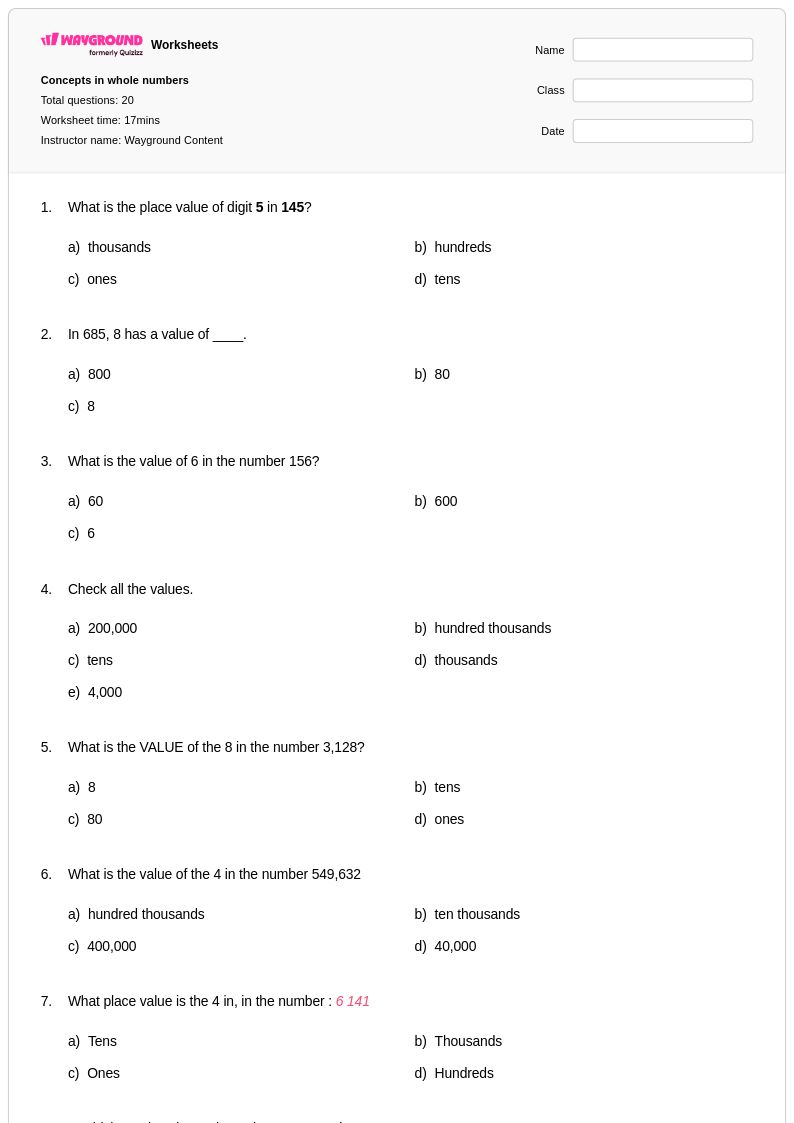
20 Q
4th
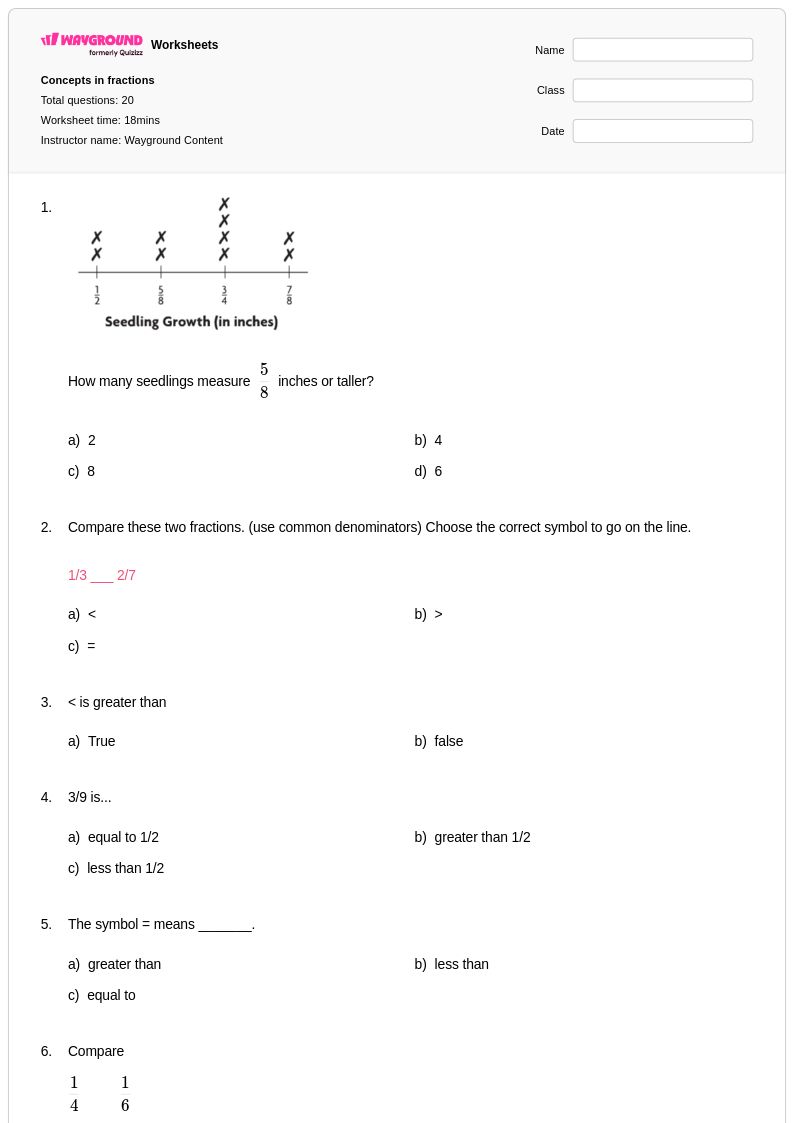
20 Q
4th
Explore Other Subject Worksheets for grade 4
Explore printable Directional Concepts worksheets for Grade 4
Grade 4 directional concepts worksheets available through Wayground (formerly Quizizz) provide essential practice for students developing spatial reasoning and geometric vocabulary skills. These comprehensive worksheet collections focus on fundamental directional terminology including left, right, up, down, clockwise, counterclockwise, and relative position concepts that form the foundation for advanced geometric understanding. Students engage with carefully structured practice problems that reinforce their ability to describe object locations, follow directional instructions, and understand spatial relationships within coordinate planes and geometric figures. Each worksheet includes detailed answer keys and is available as free printables in convenient PDF format, allowing educators to seamlessly integrate directional concept practice into daily mathematics instruction while building students' confidence with essential geometric language.
Wayground (formerly Quizizz) empowers teachers with millions of teacher-created directional concepts resources specifically designed for Grade 4 mathematics instruction. The platform's advanced search and filtering capabilities enable educators to quickly locate worksheets aligned with curriculum standards and differentiate instruction based on individual student needs. Teachers can customize existing materials or create new practice sets using flexible digital tools, then distribute content in both printable and interactive digital formats including downloadable PDFs for offline use. These robust features streamline lesson planning while providing targeted support for remediation, enrichment, and ongoing skill practice, ensuring that all students master crucial directional concepts before progressing to more complex geometric topics involving coordinate grids, transformations, and spatial visualization.
FAQs
How do I teach directional concepts to fourth graders?
What exercises help Grade 4 students practice directional concepts?
What mistakes do students make with left, right, clockwise, and counterclockwise?
How can I use a Grade 4 directional concepts worksheet in class?
How do Grade 4 directional concepts fit into the Common Core math progression?
How can I differentiate directional concepts practice for mixed-ability learners?
What directional concepts should a fourth grader know?