
11 Q
1st - 2nd
8 Q
2nd
14 Q
2nd
10 Q
2nd
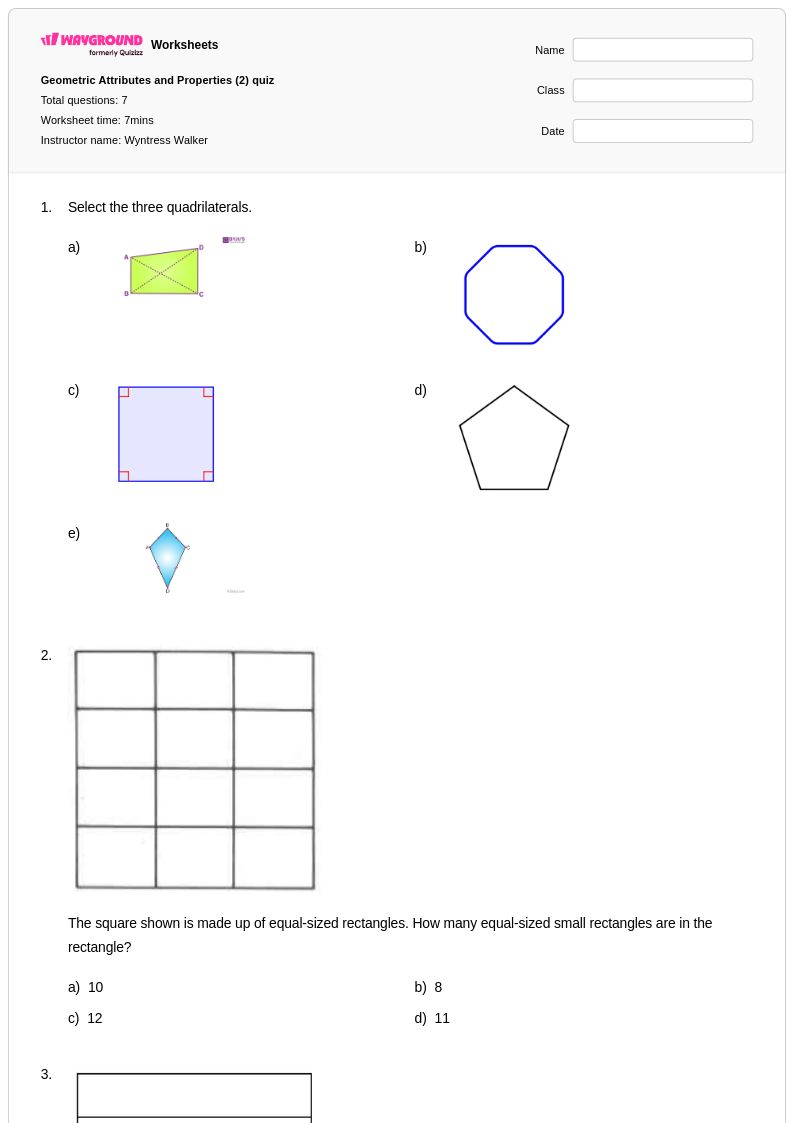
7 Q
2nd
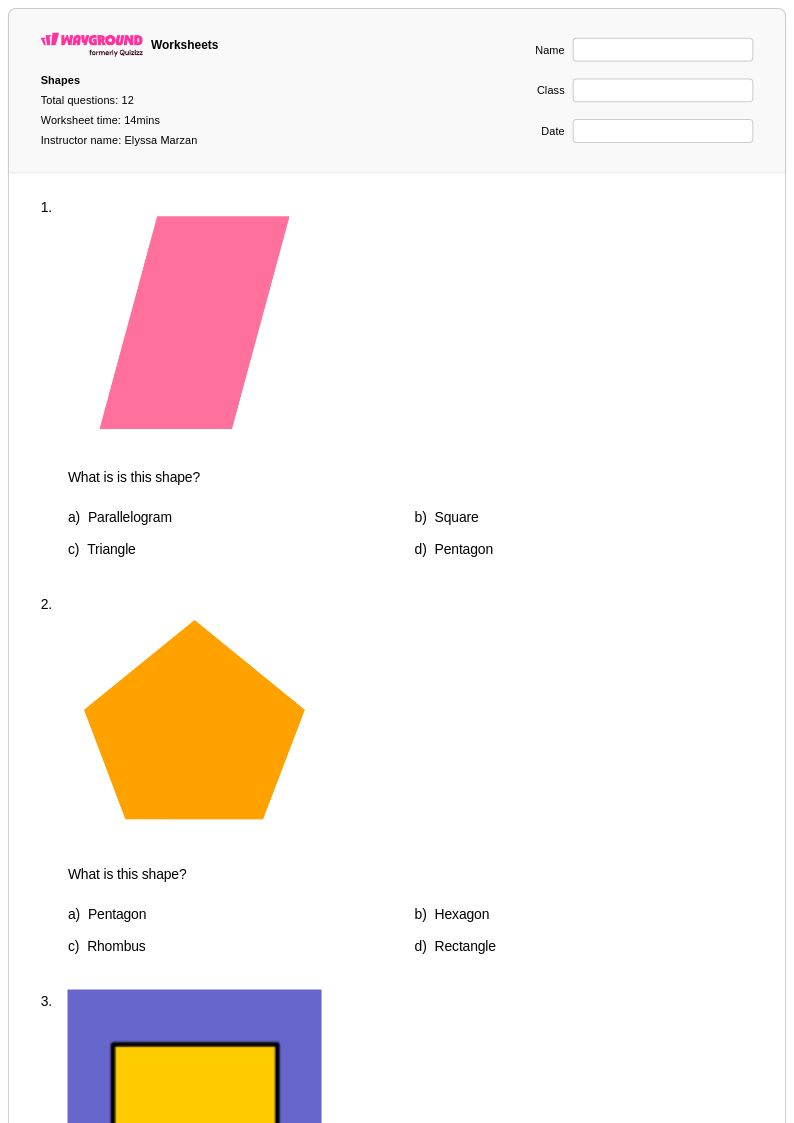
12 Q
2nd
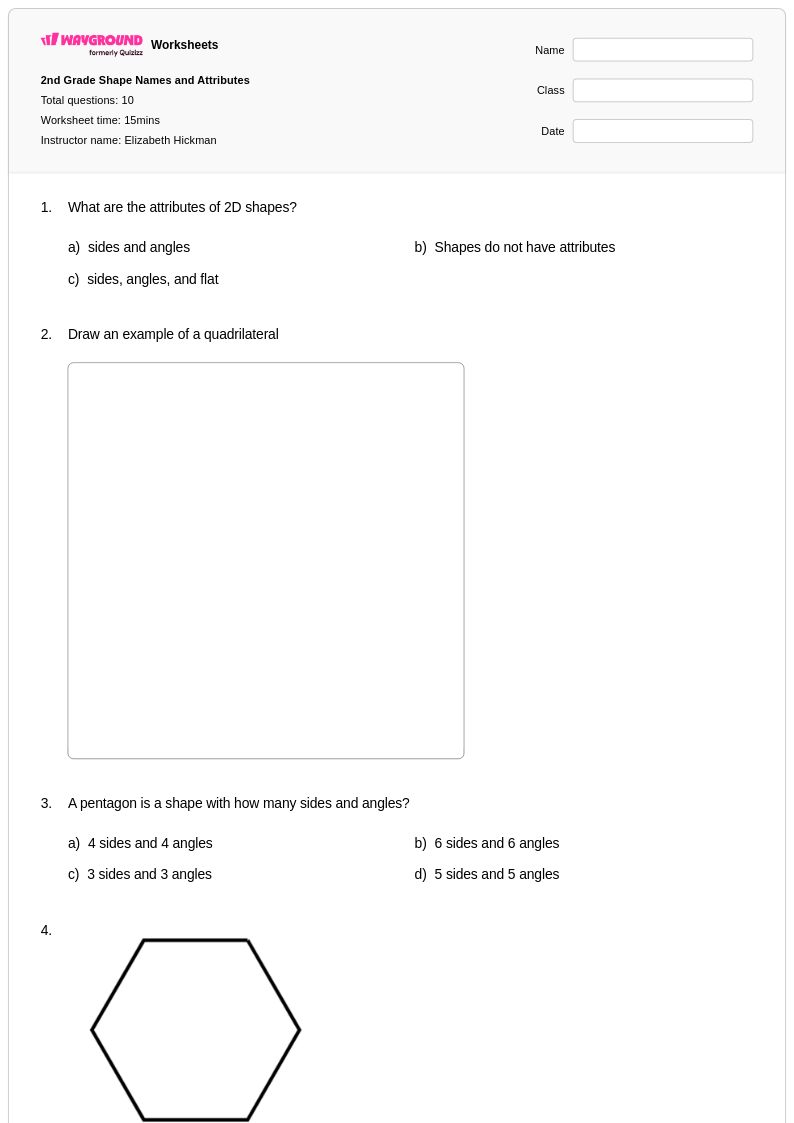
10 Q
2nd
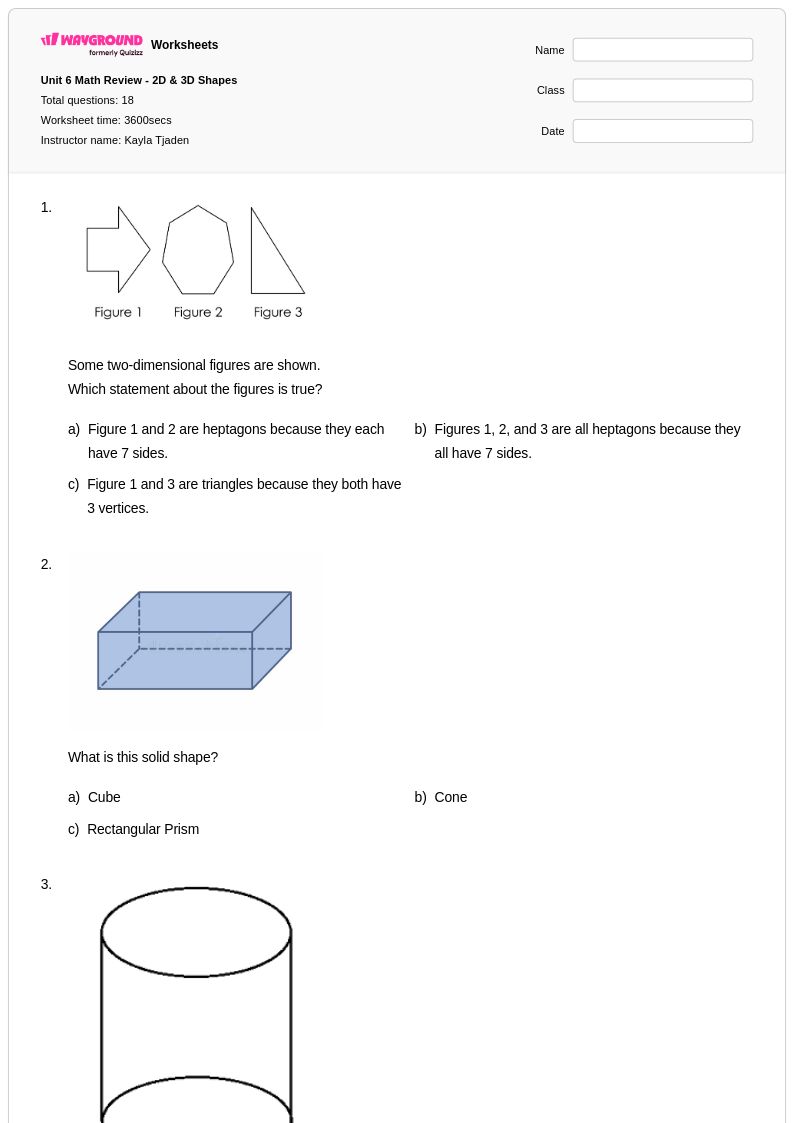
18 Q
2nd
10 Q
2nd
10 Q
2nd
10 Q
1st - 3rd
10 Q
2nd
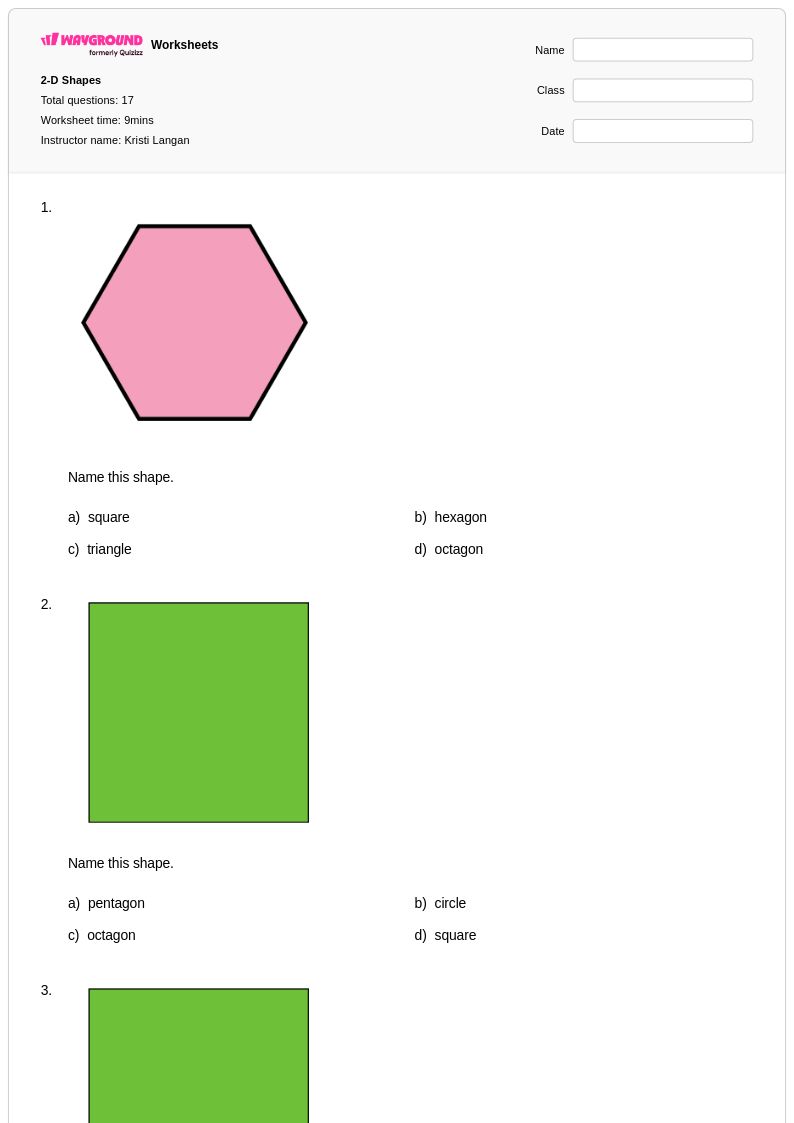
17 Q
1st - 3rd
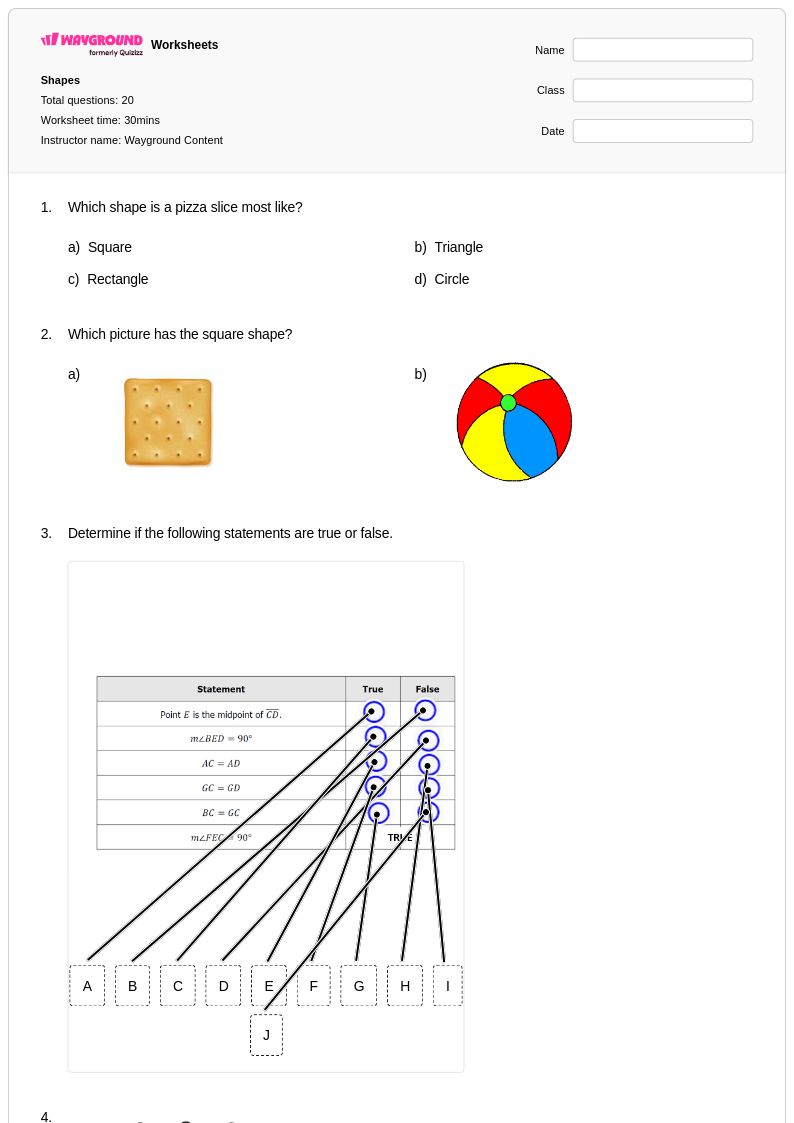
20 Q
1st - 2nd
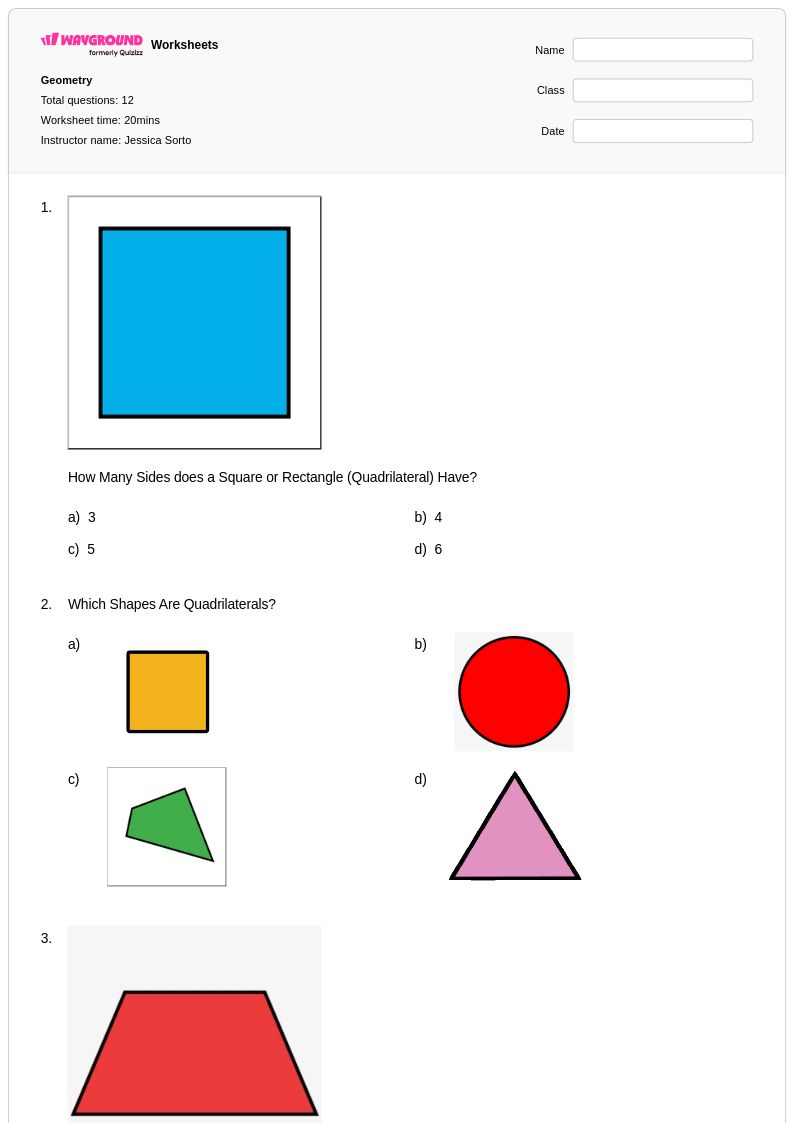
12 Q
2nd
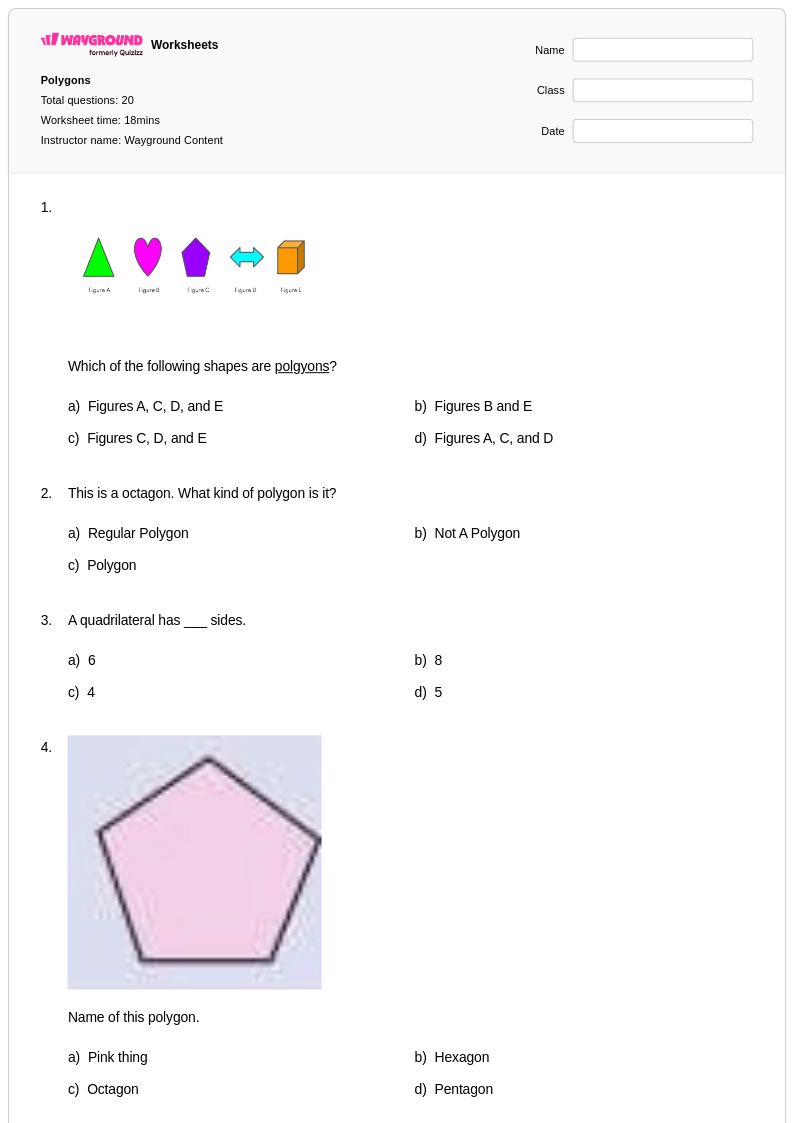
20 Q
2nd
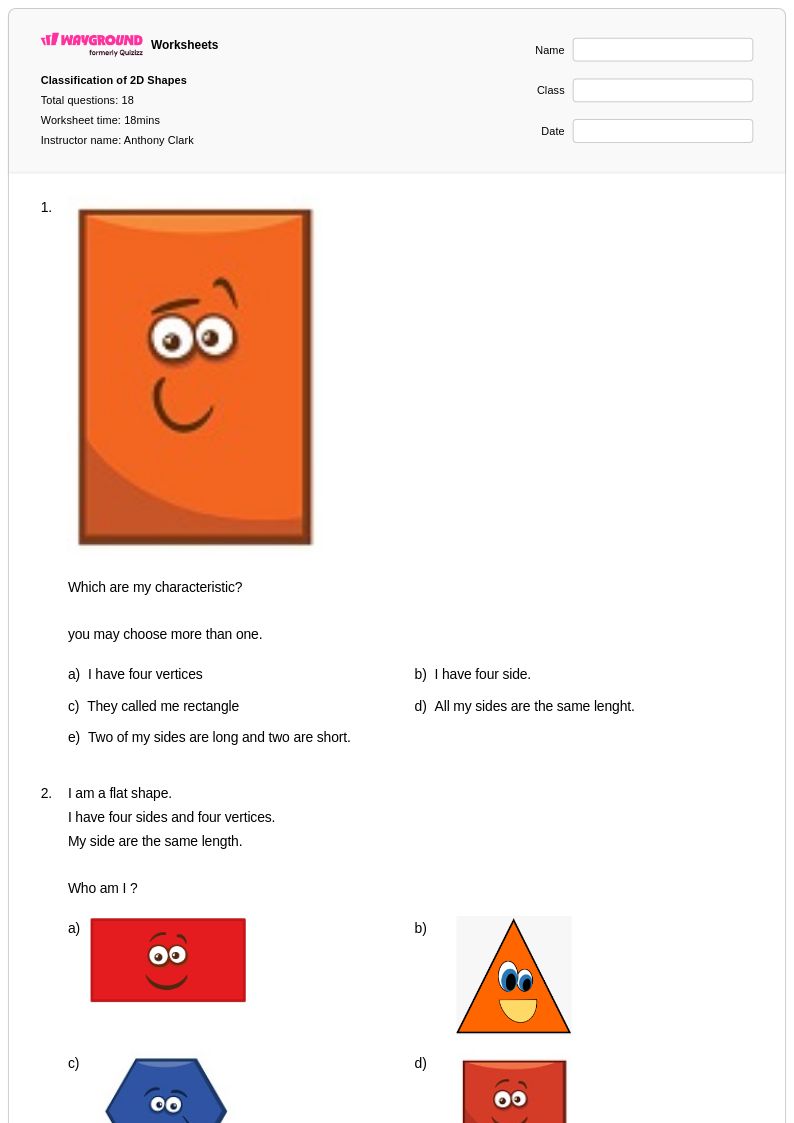
18 Q
1st - Uni
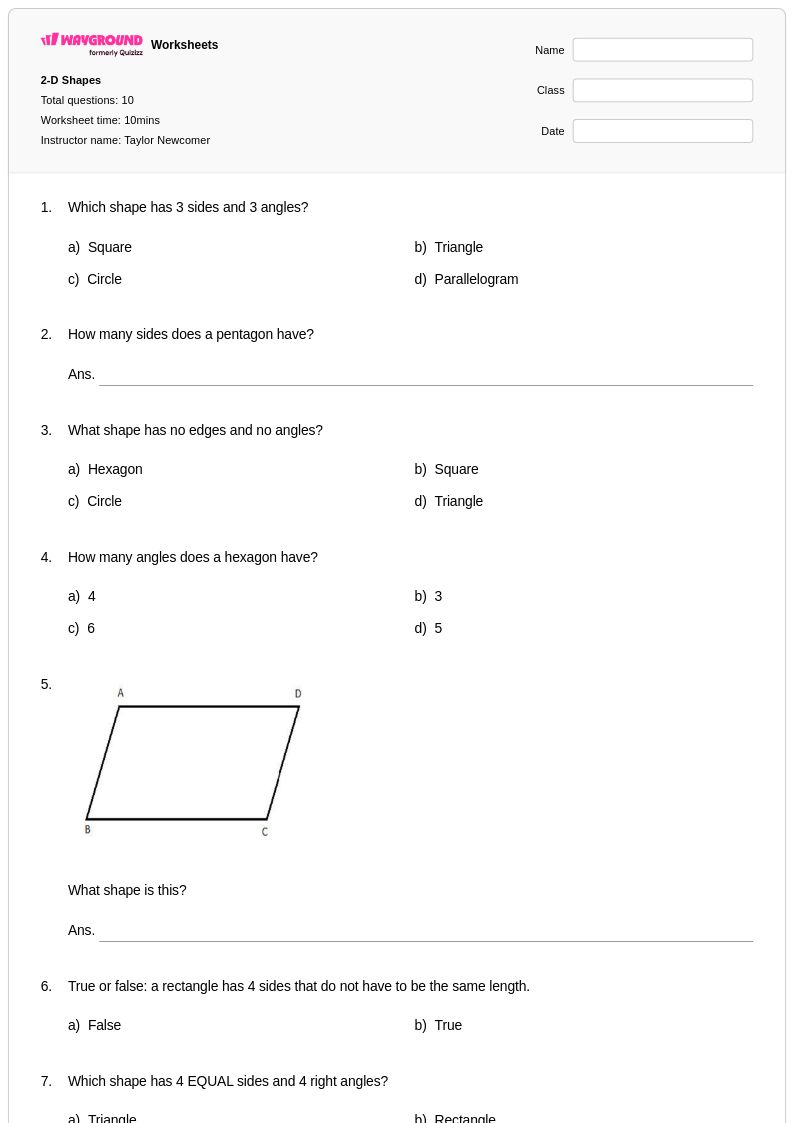
10 Q
2nd
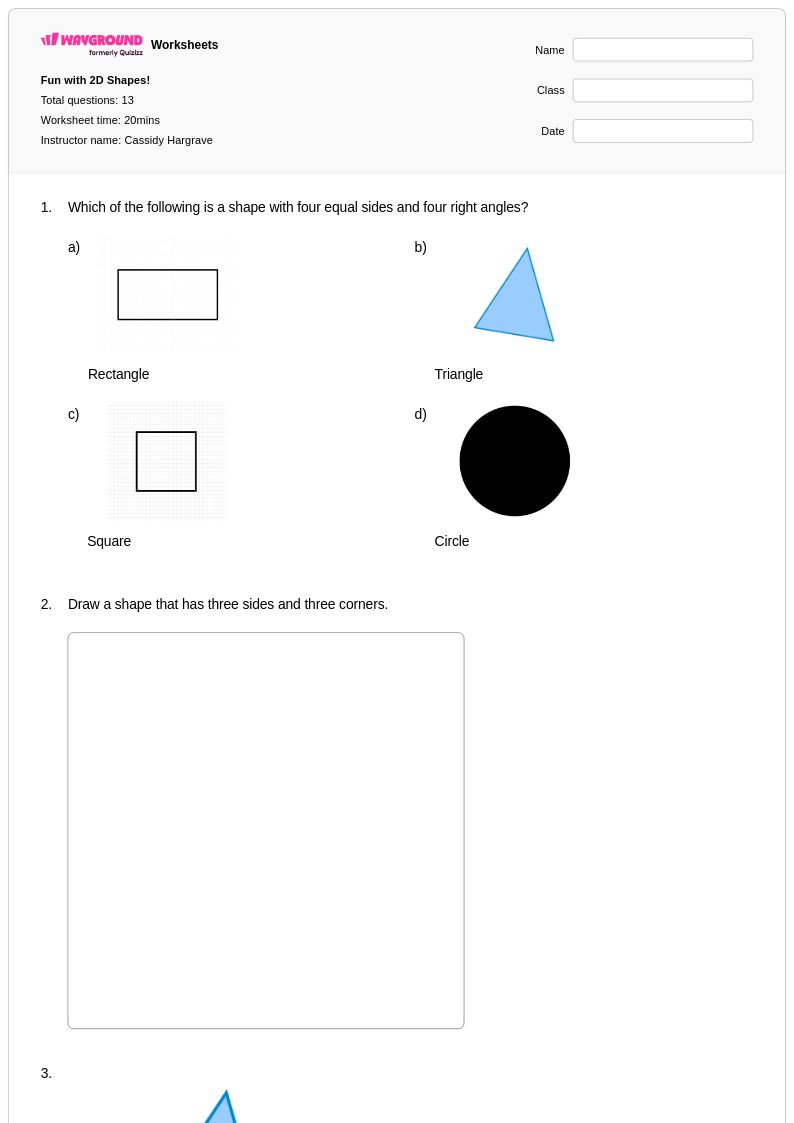
13 Q
2nd - Uni
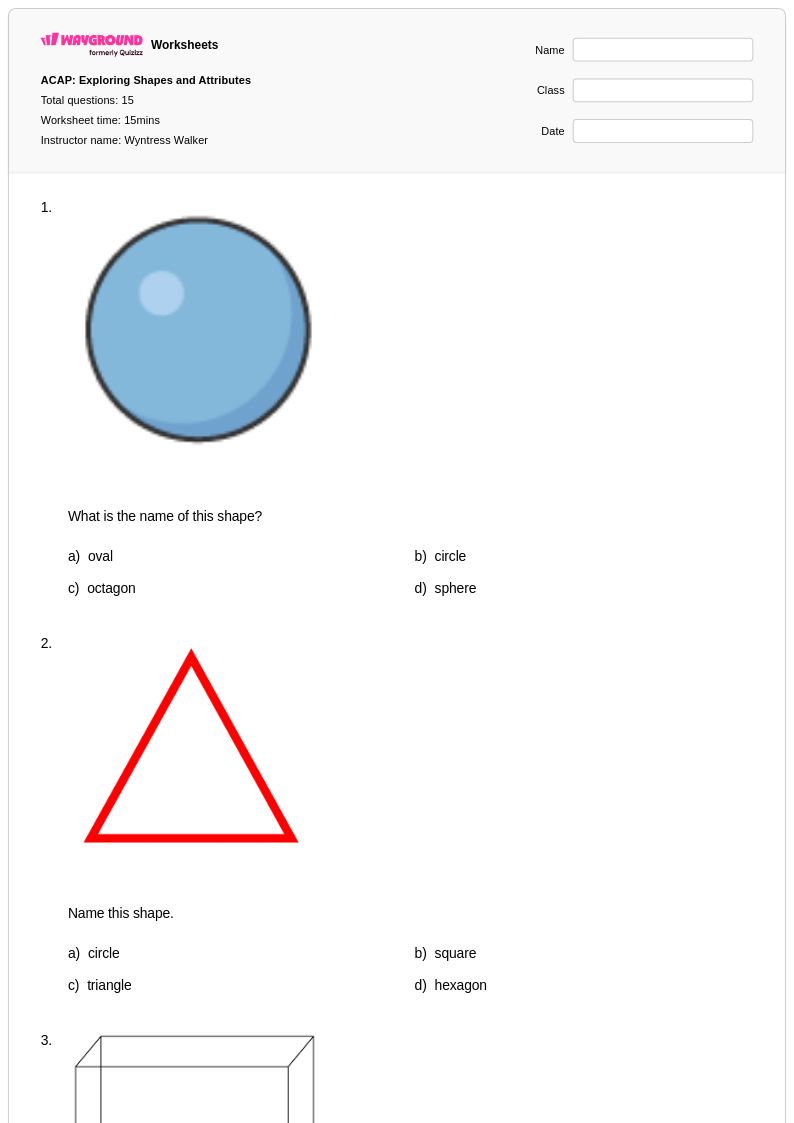
15 Q
2nd
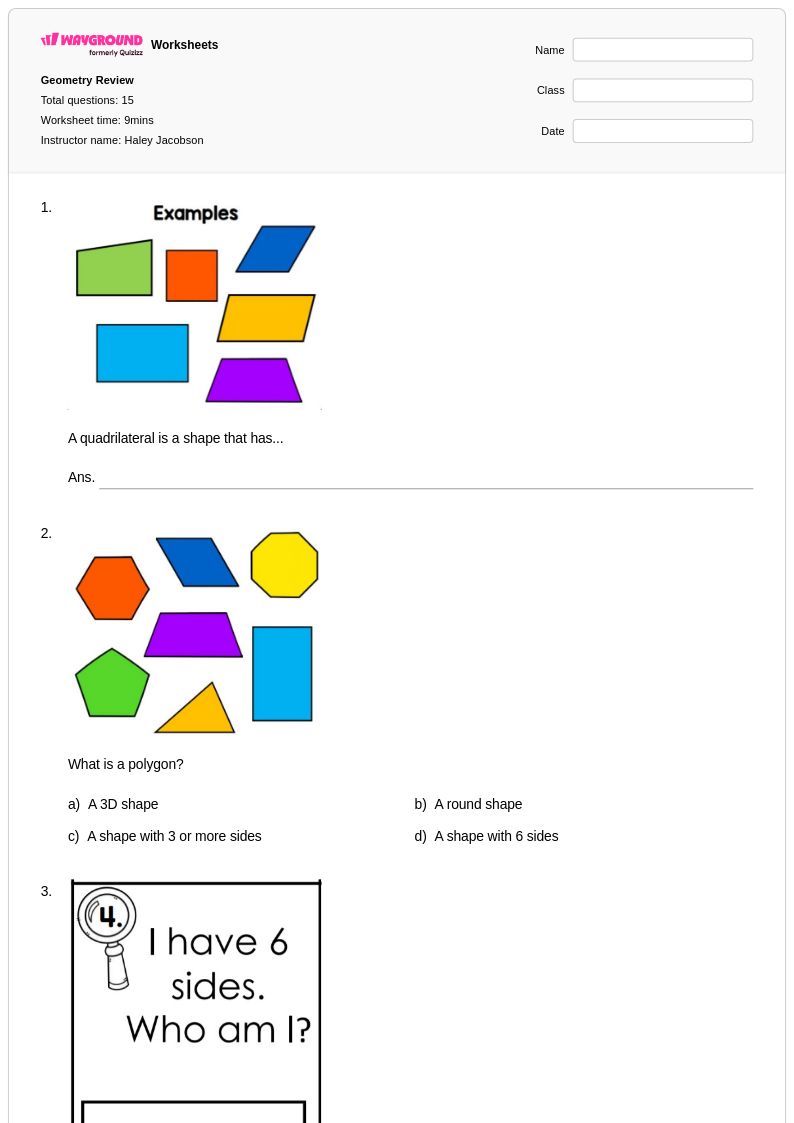
15 Q
2nd
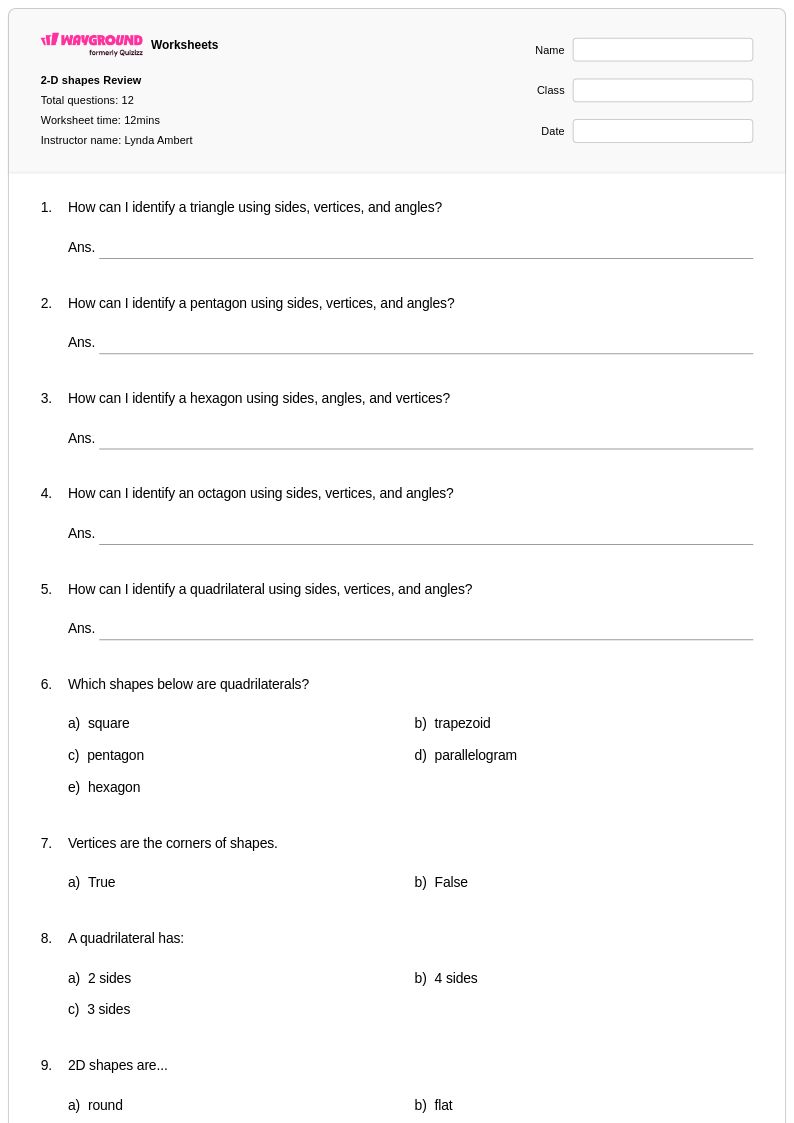
12 Q
2nd
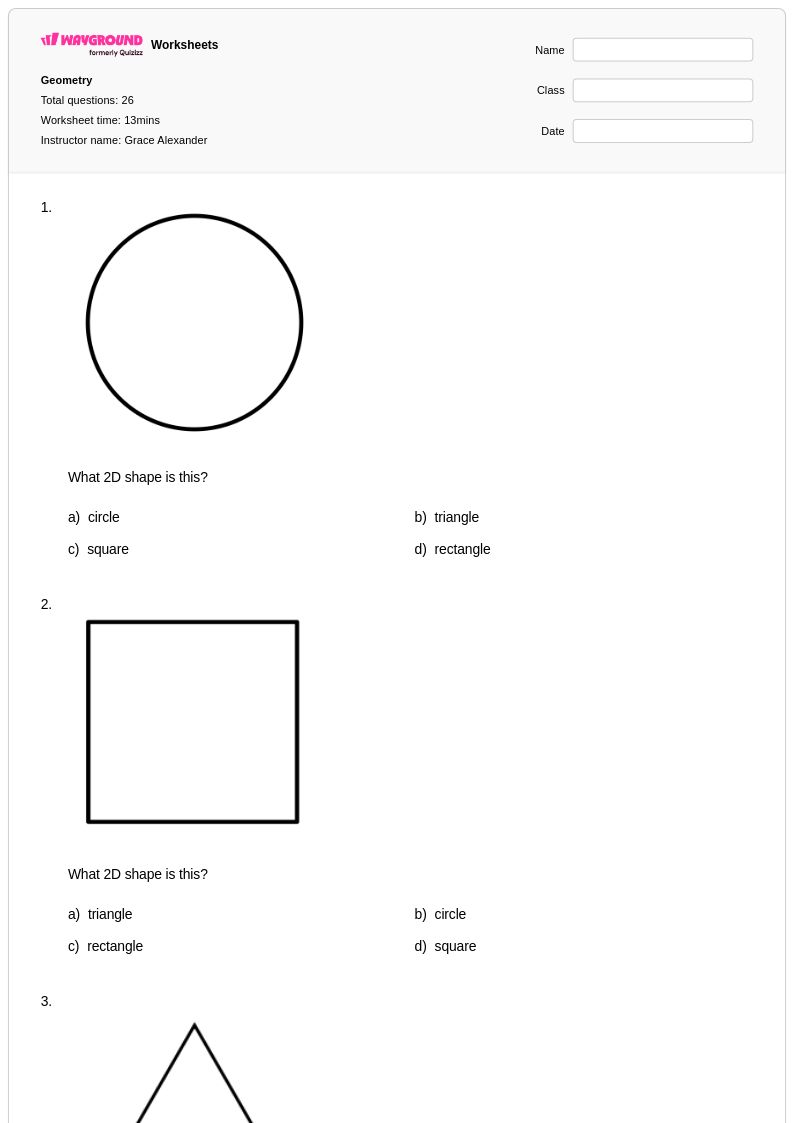
26 Q
2nd
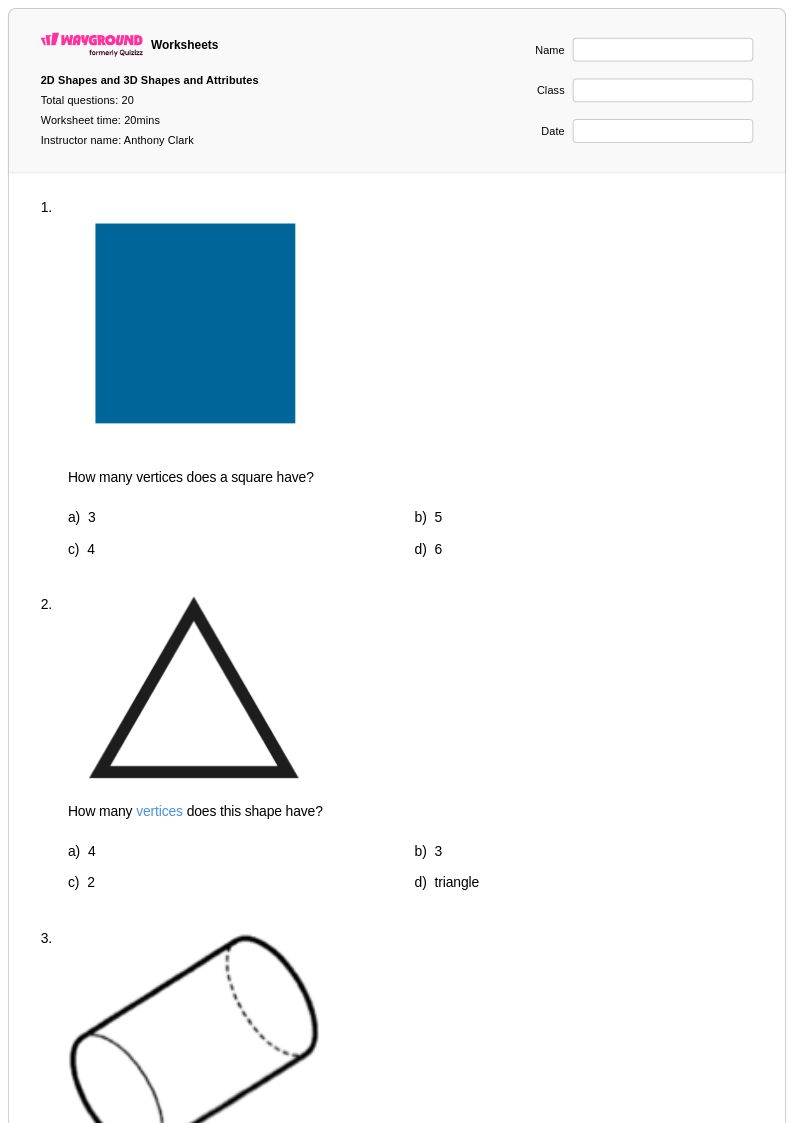
20 Q
2nd - Uni
Explore Other Subject Worksheets for grade 2
Explore printable Sides of Shapes worksheets for Grade 2
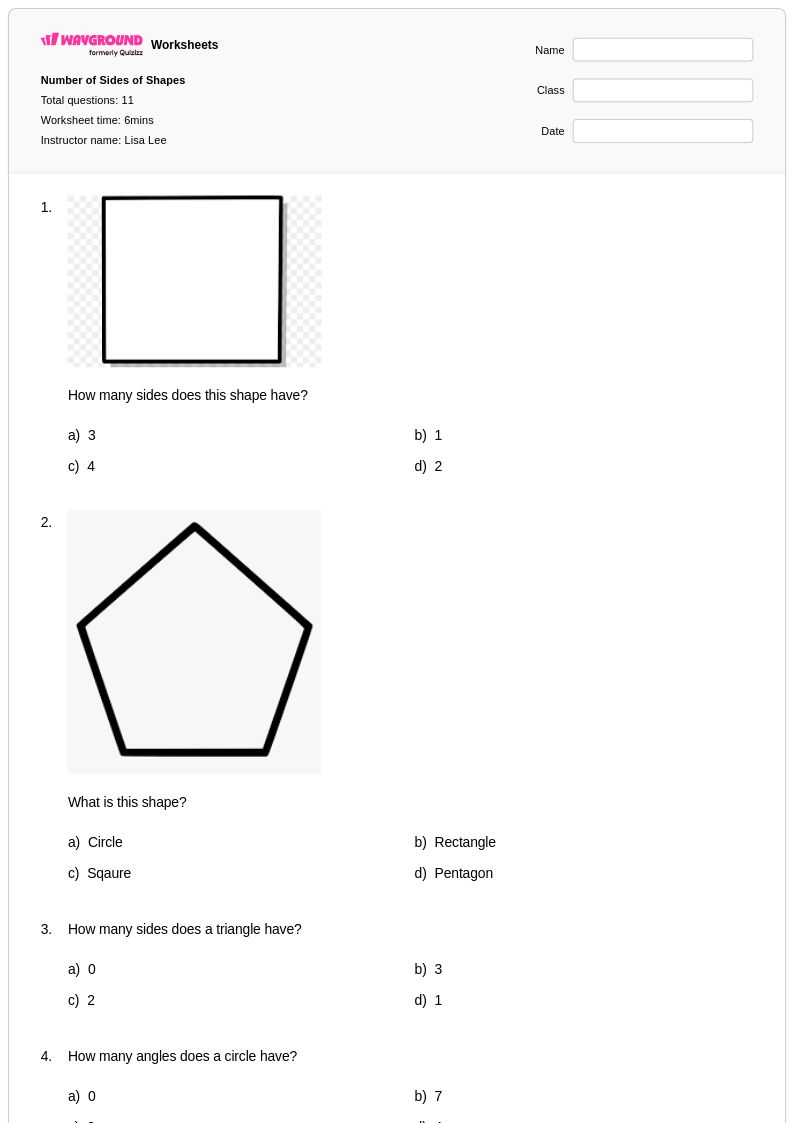
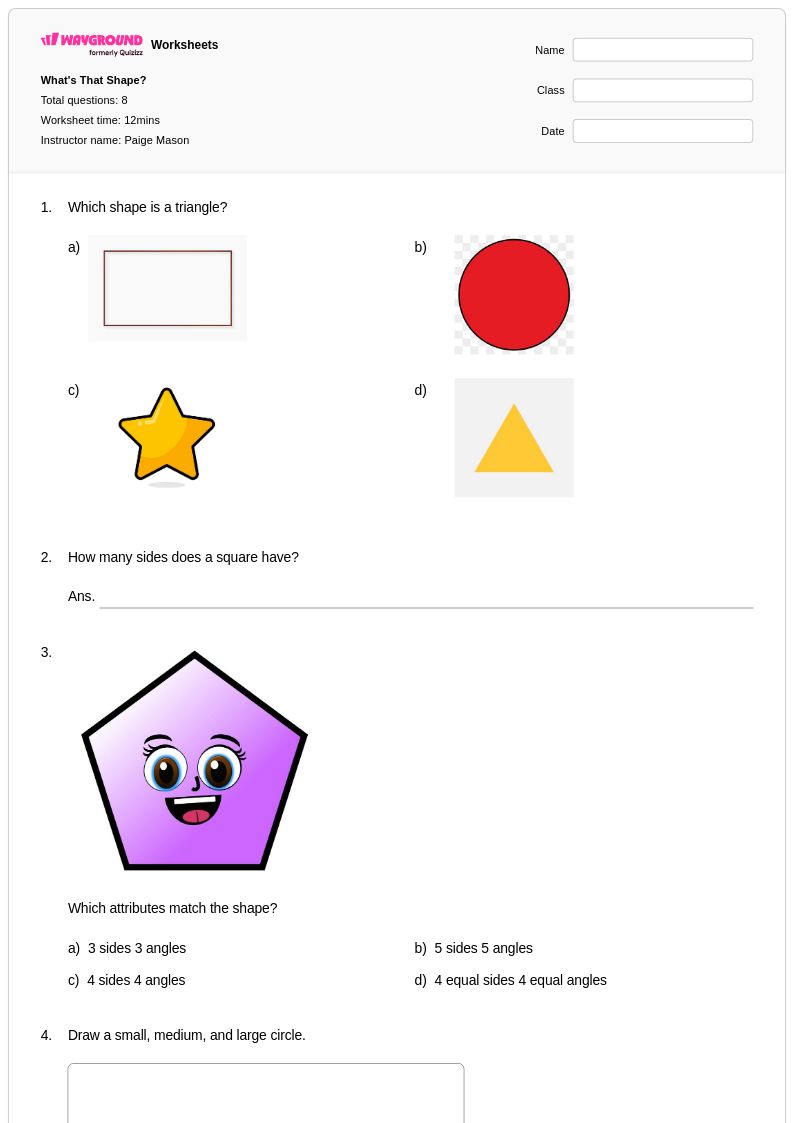
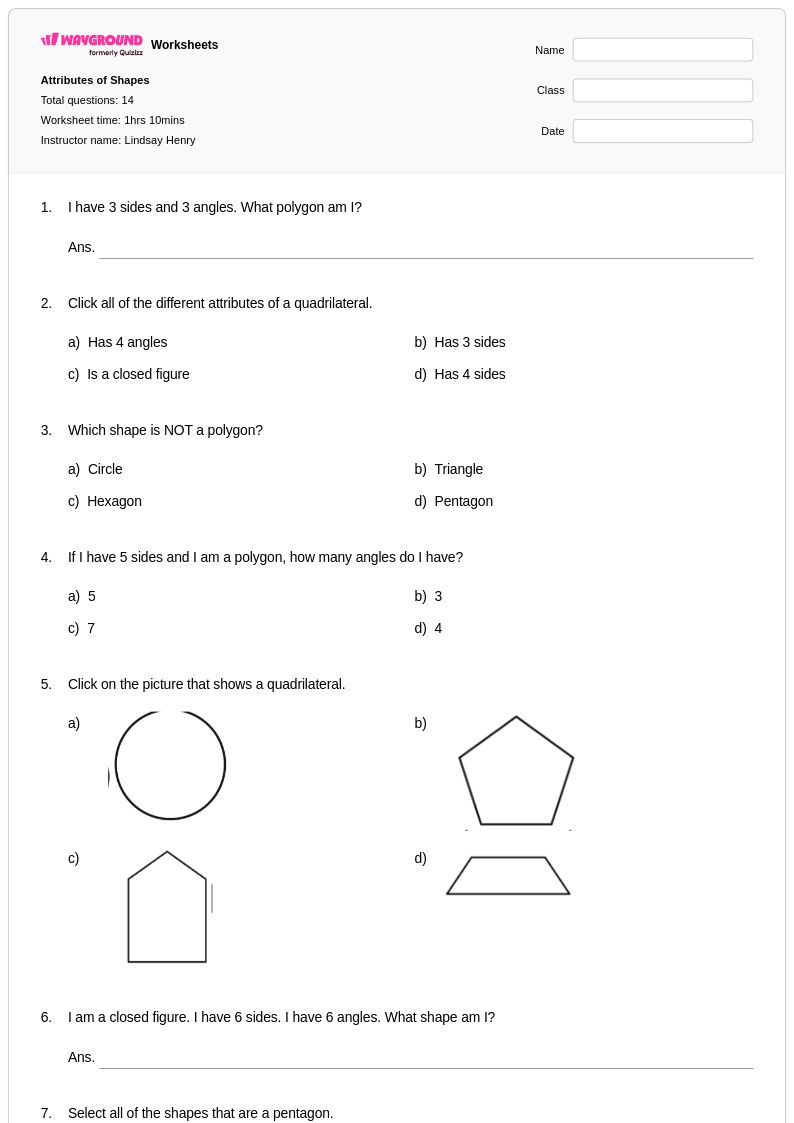
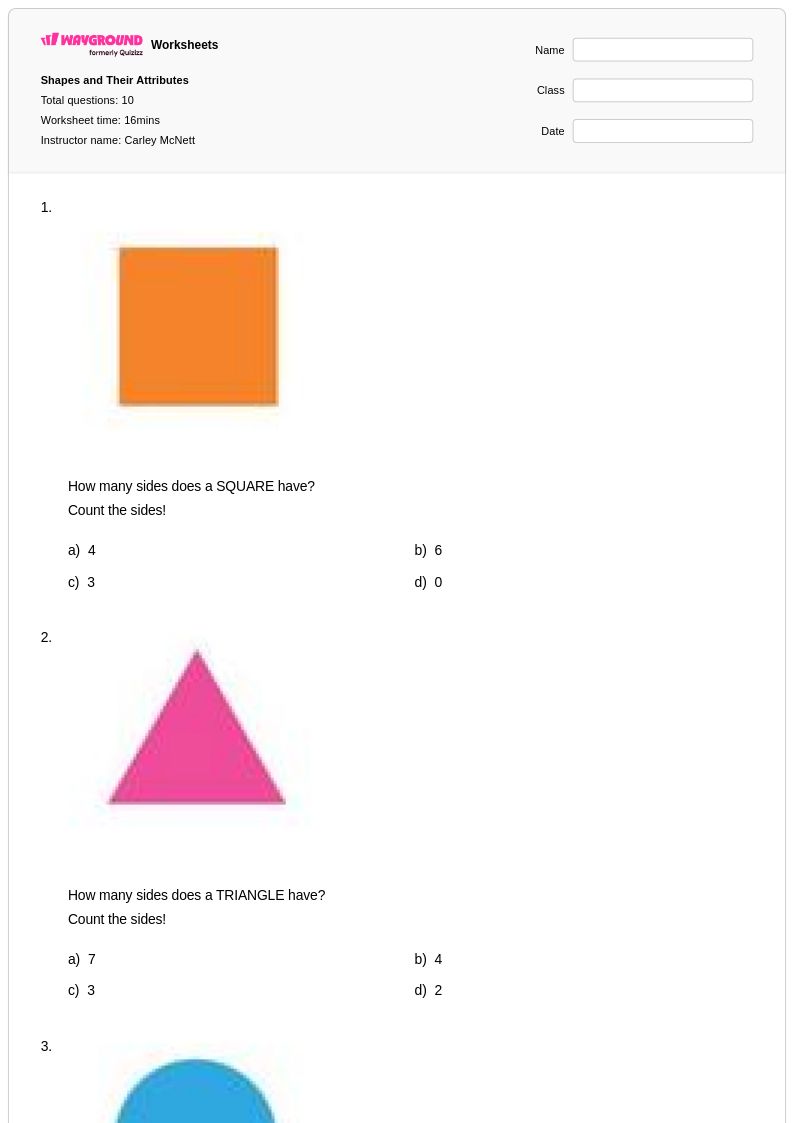
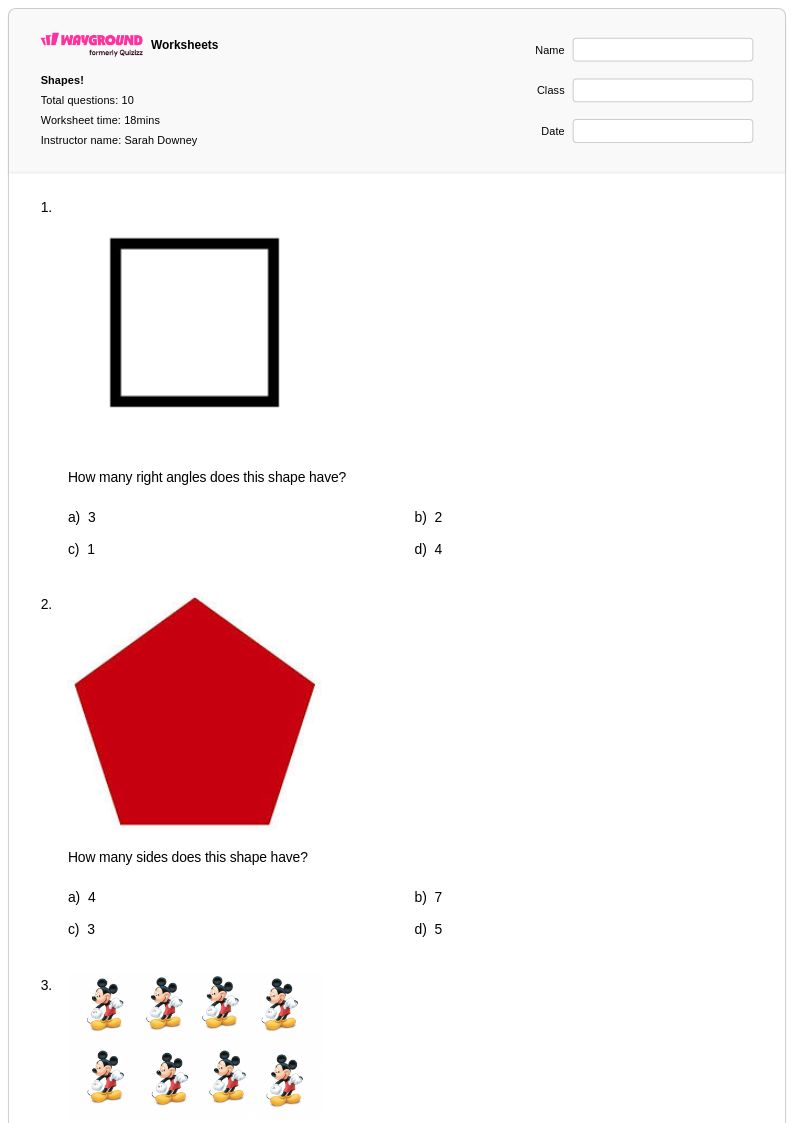
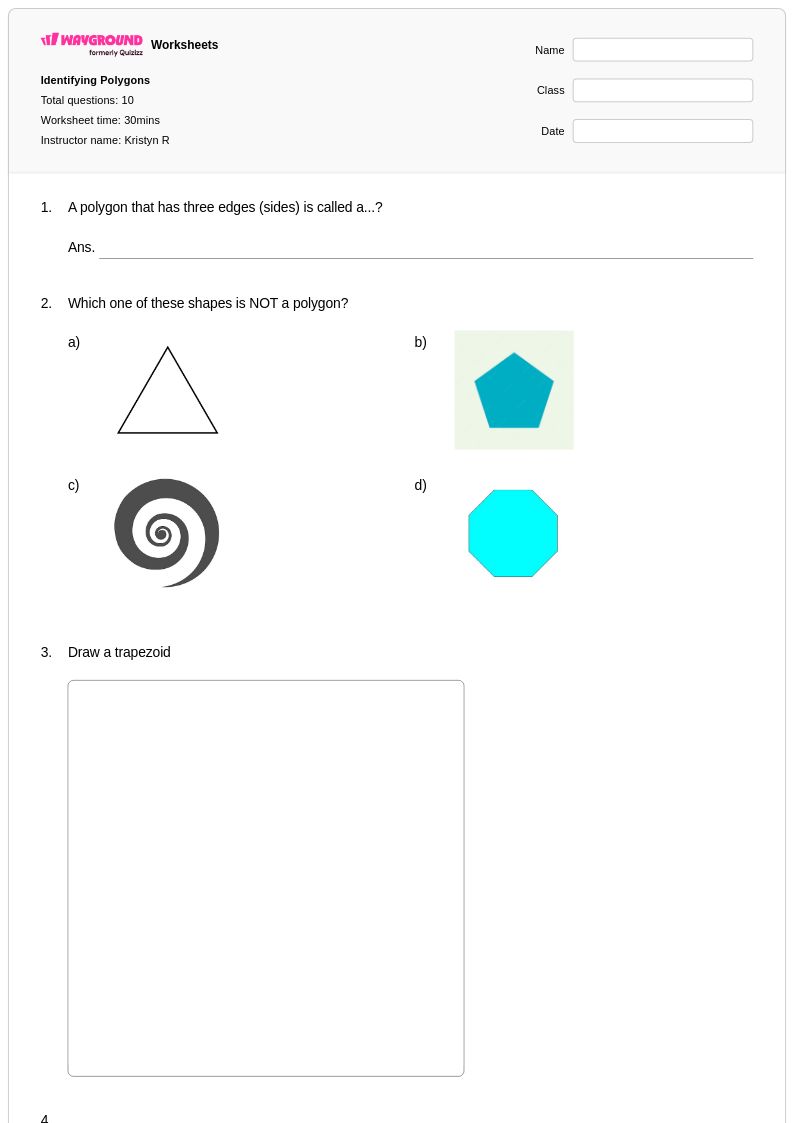
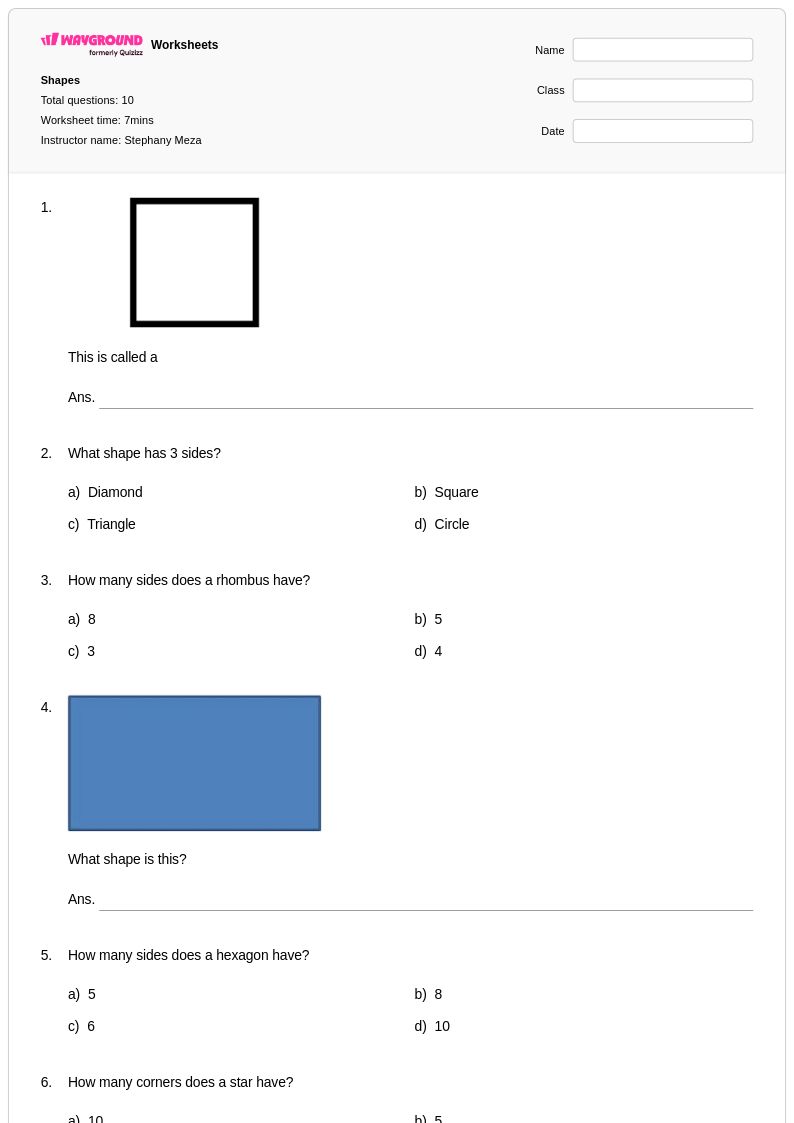
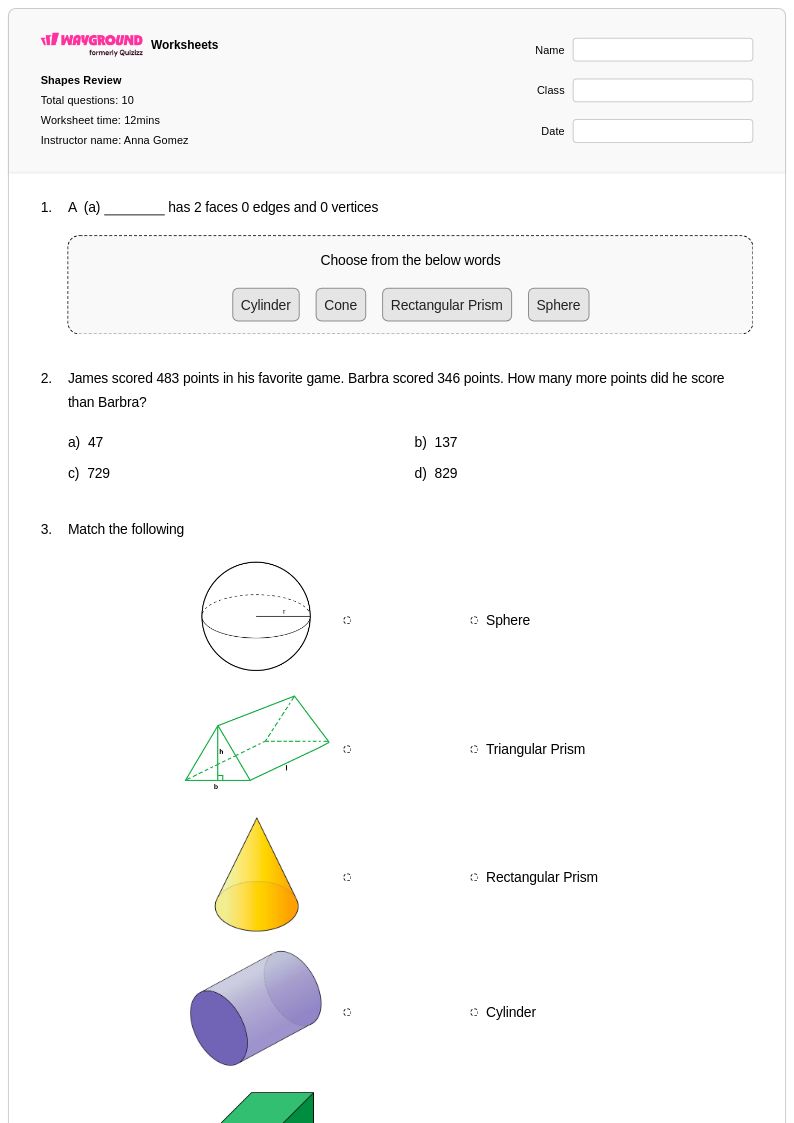
Sides of shapes worksheets for Grade 2 students available through Wayground (formerly Quizizz) provide essential foundational practice in geometric shape recognition and analysis. These carefully designed resources help young learners identify, count, and compare the sides of various polygons including triangles, squares, rectangles, pentagons, and hexagons. Students develop critical spatial reasoning skills as they work through practice problems that require them to distinguish between straight sides and curved edges, recognize that sides are the straight line segments that form a shape's boundary, and understand that different shapes have different numbers of sides. Each worksheet collection includes comprehensive answer keys and is available as free printable pdf resources, making it easy for educators to incorporate systematic shape exploration into their mathematics curriculum.
Wayground (formerly Quizizz) supports Grade 2 teachers with an extensive library of millions of teacher-created sides of shapes worksheets that can be easily accessed through robust search and filtering capabilities. These standards-aligned resources offer flexible customization options that allow educators to differentiate instruction based on individual student needs, whether for remediation of basic shape concepts or enrichment activities involving more complex polygon identification. Teachers can access these materials in both printable pdf format for traditional classroom use and digital formats for interactive learning experiences. The platform's comprehensive collection enables effective lesson planning by providing graduated difficulty levels and varied problem types, ensuring that students receive appropriate skill practice while building confidence in their geometric understanding through systematic exposure to shape properties and characteristics.
FAQs
What new concepts about shapes are introduced in 2nd grade?
How do I teach 2nd graders to identify pentagons, hexagons, and other polygons?
What are good practice activities for 2nd grade geometry?
What are common difficulties for 2nd graders with polygons?
How can I use this worksheet to practice or assess shape knowledge?
How does this topic align with Common Core math standards for 2nd grade?