
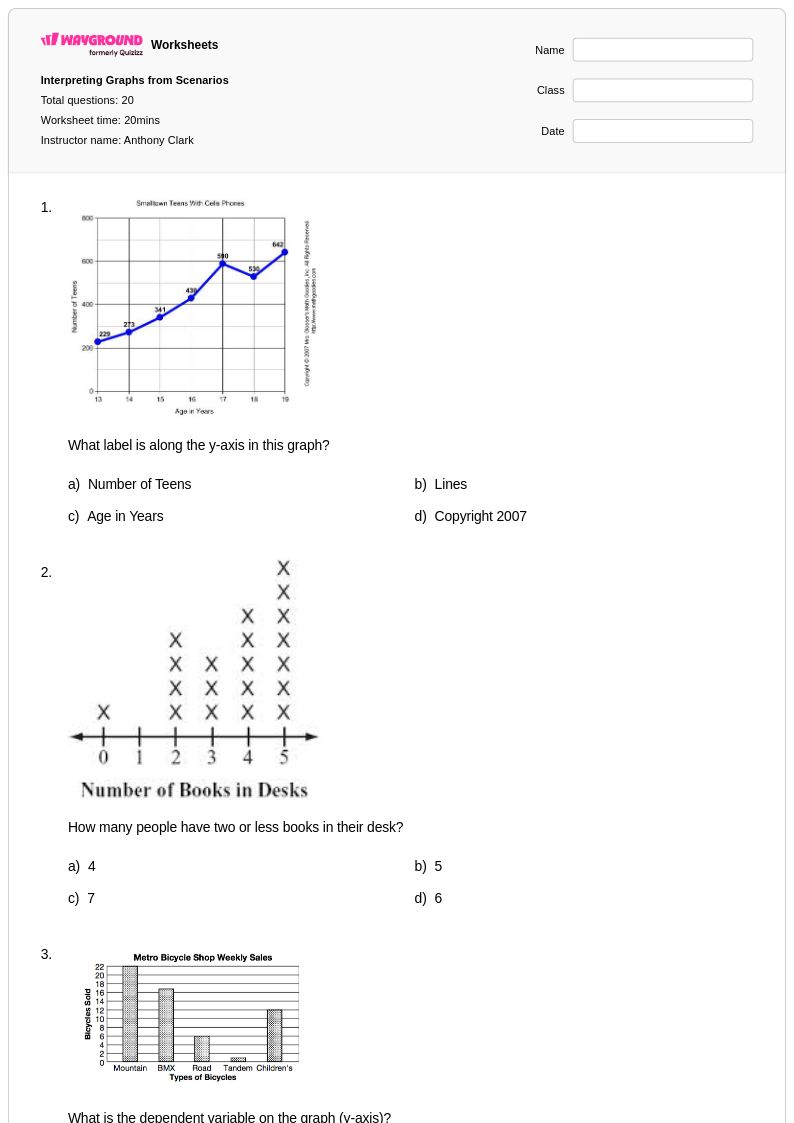
20 Q
6th - Uni
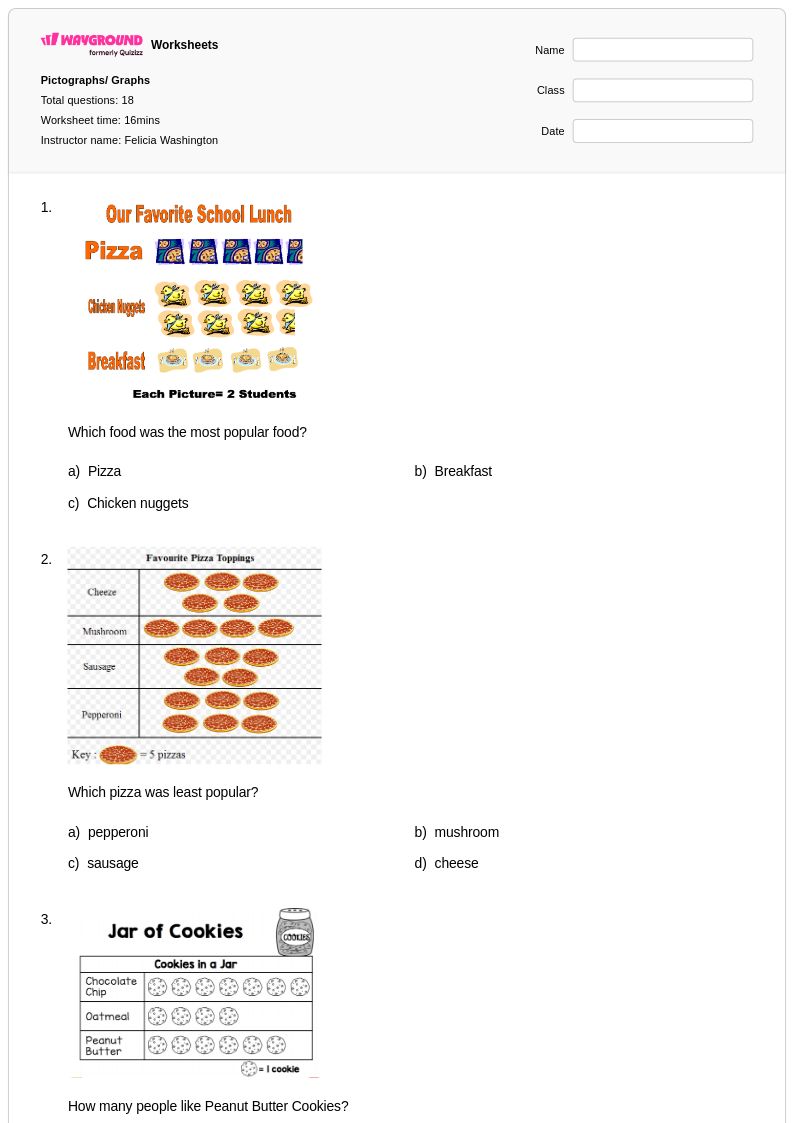
18 Q
6th - 8th
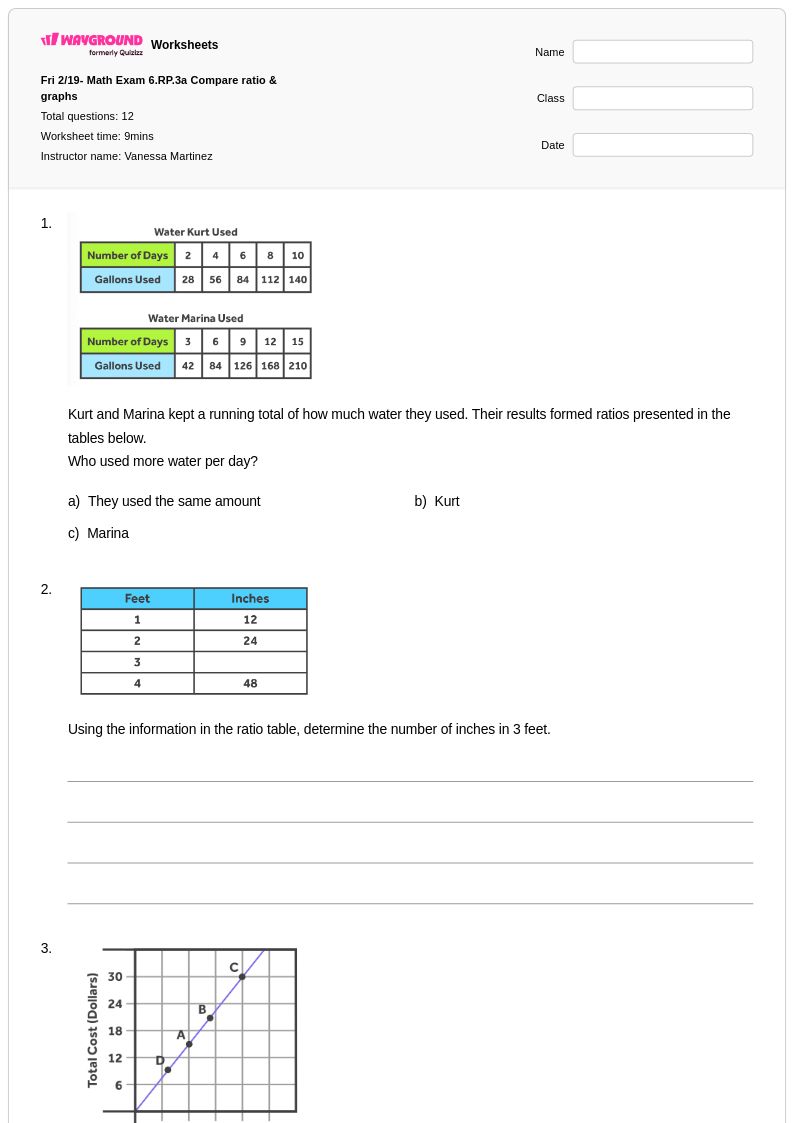
12 Q
6th
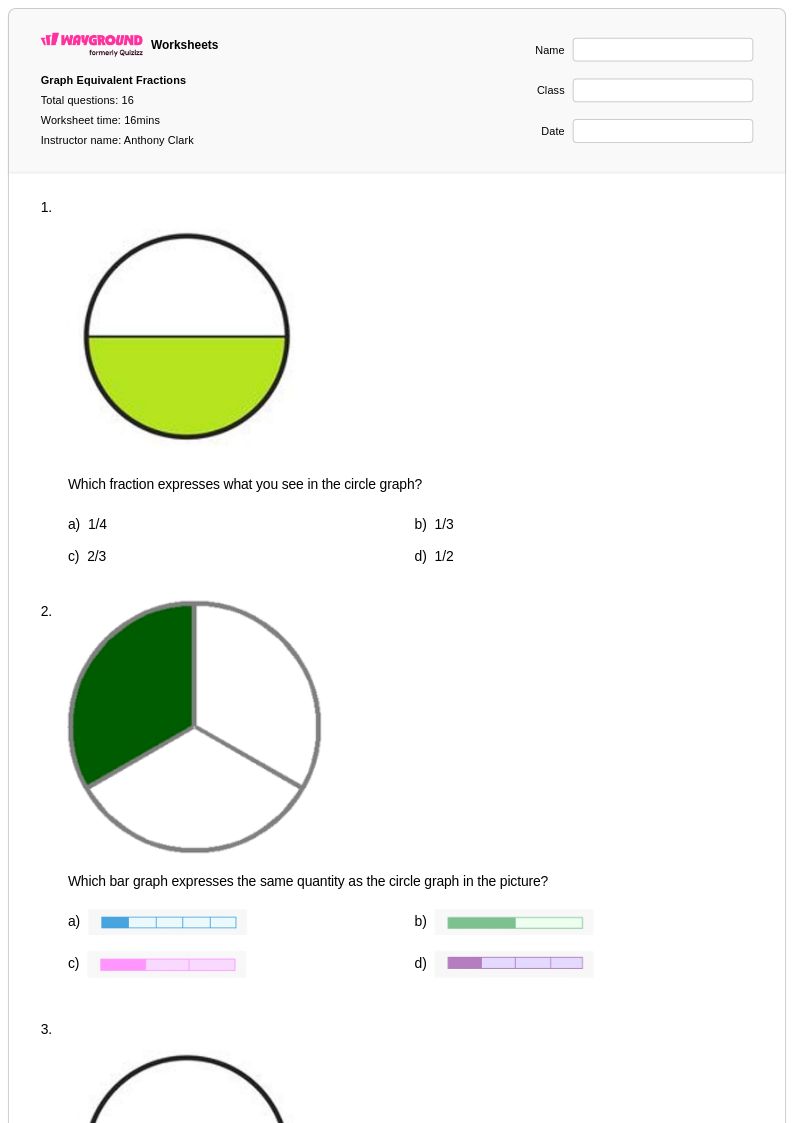
16 Q
4th - Uni
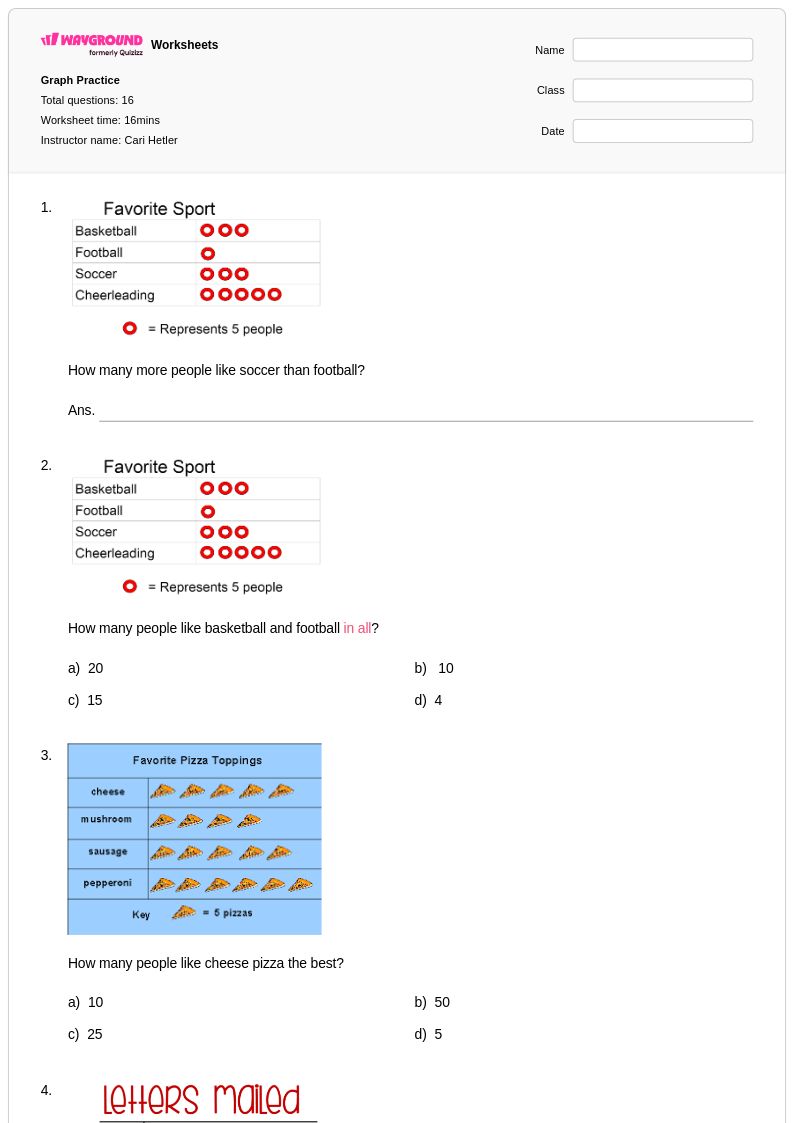
16 Q
5th - 6th
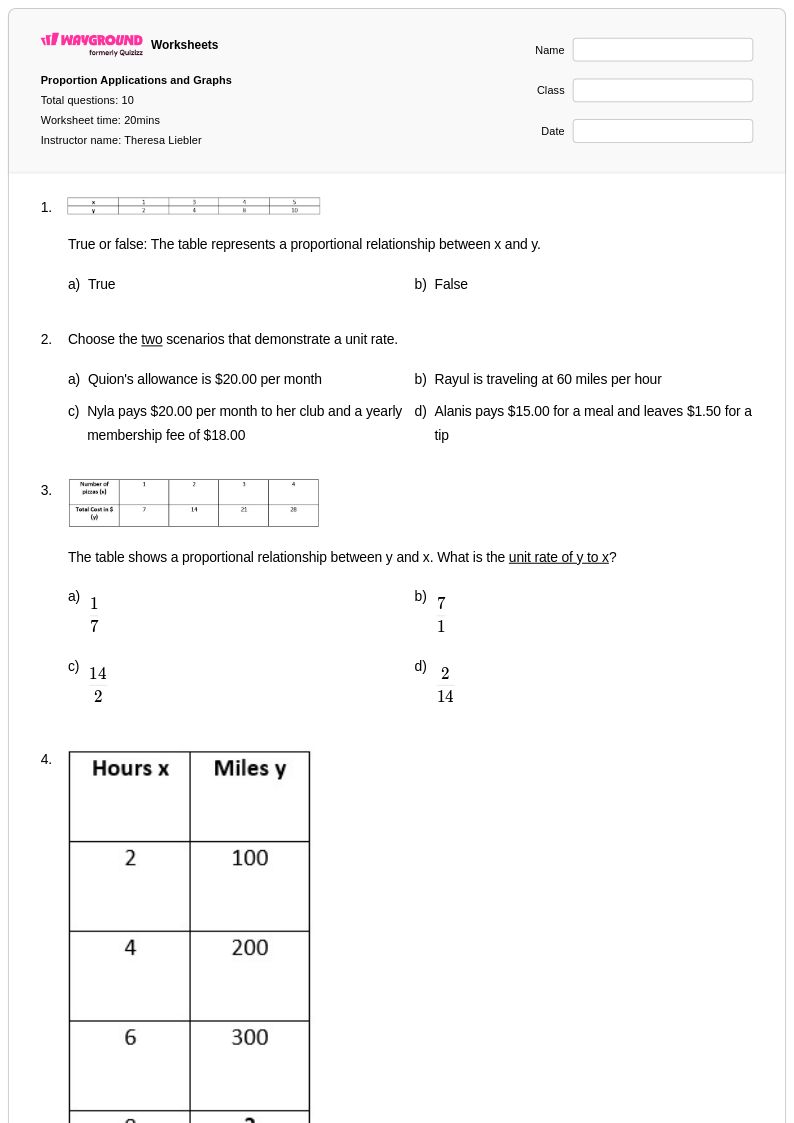
10 Q
6th
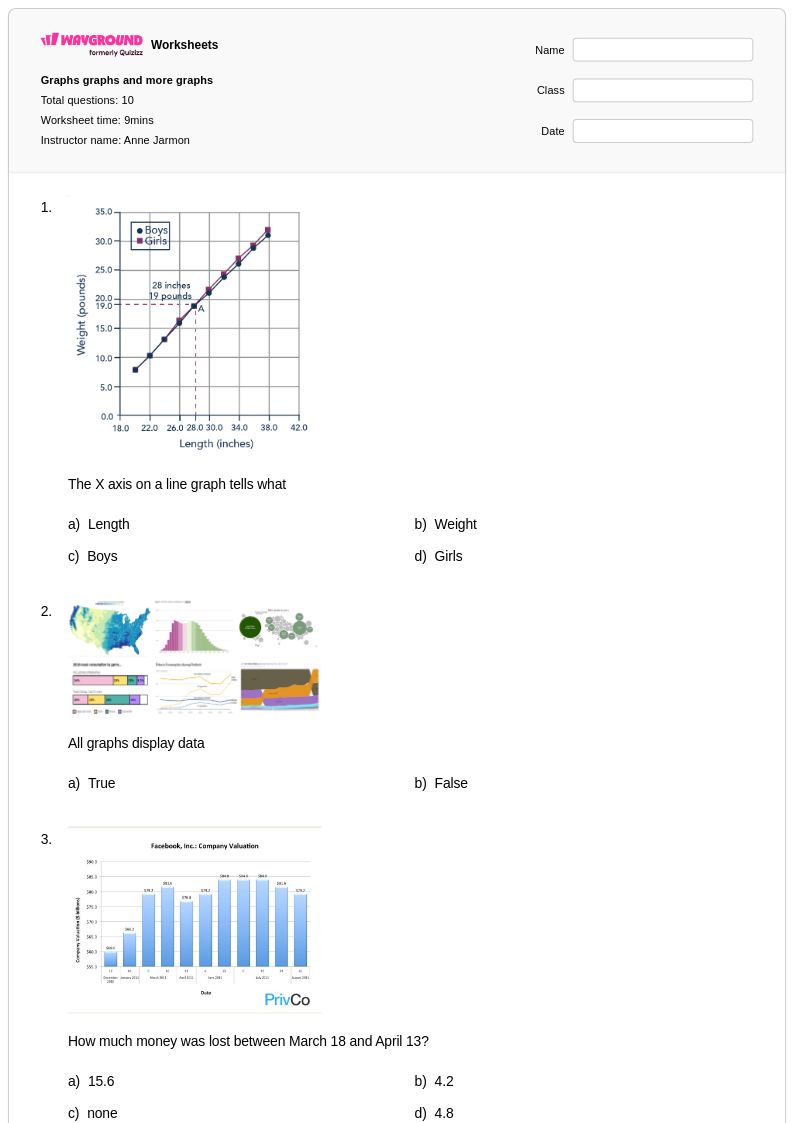
10 Q
6th - 8th
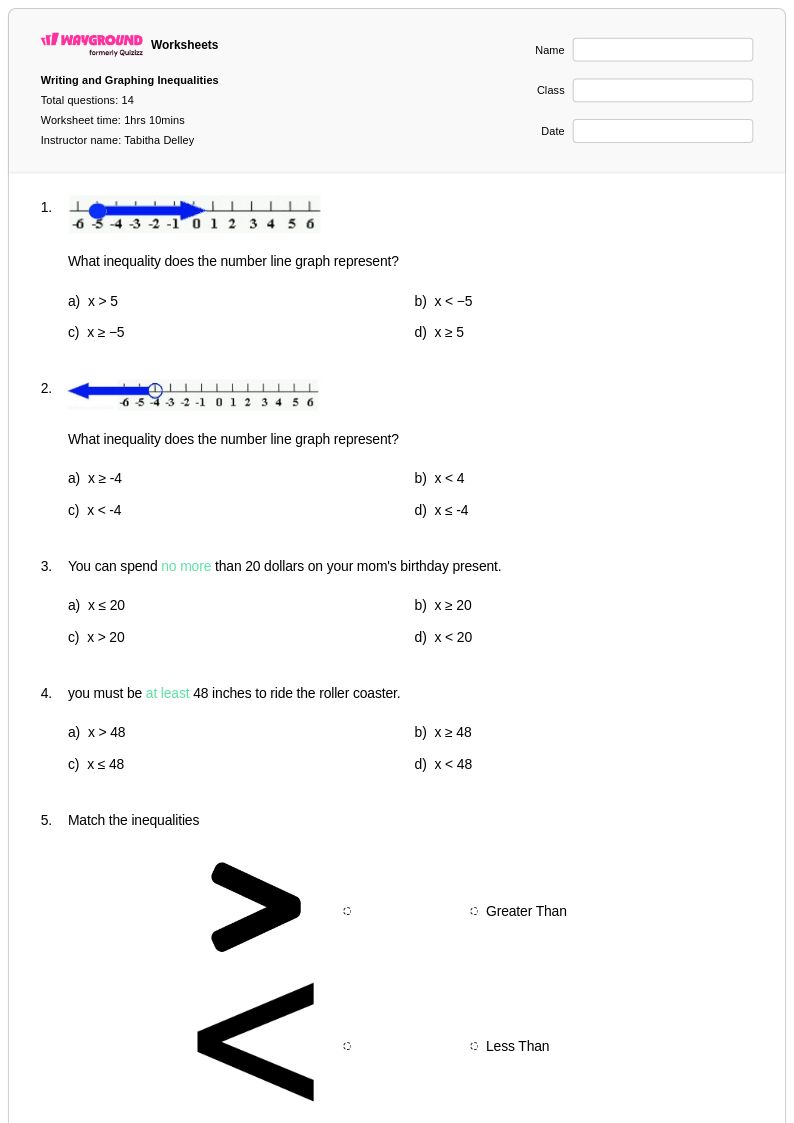
14 Q
6th - 8th
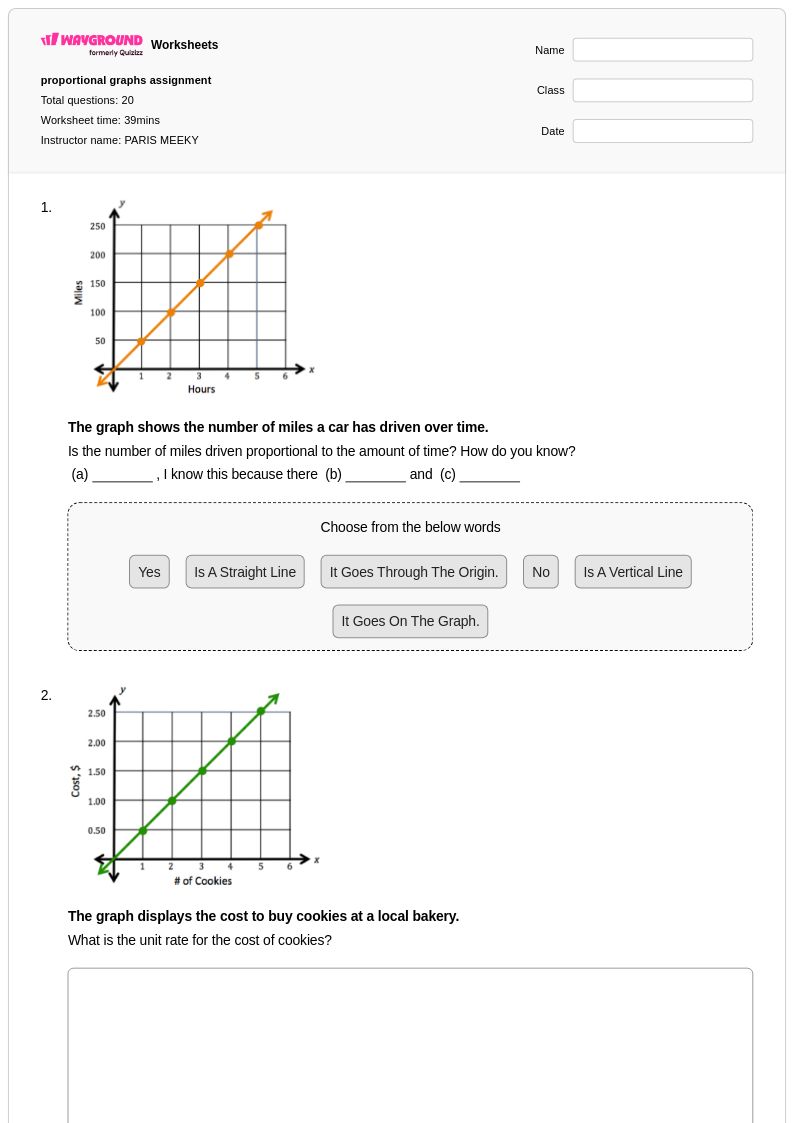
20 Q
6th - 8th
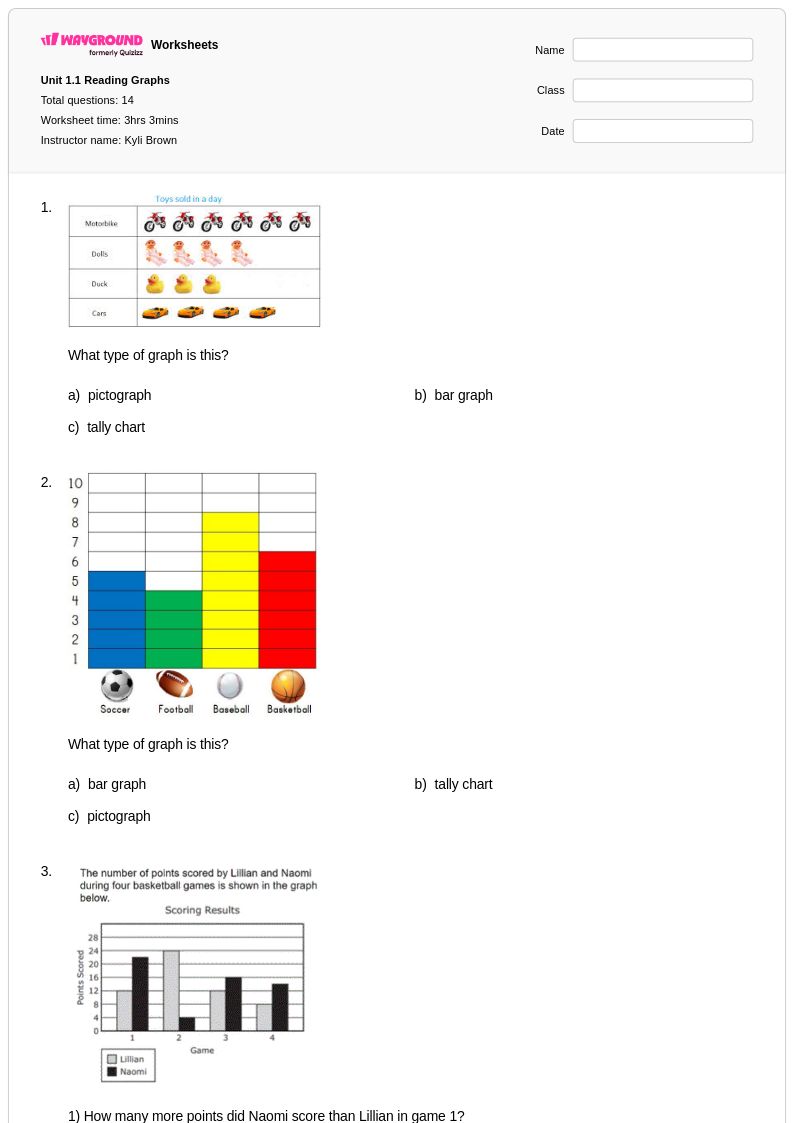
14 Q
6th - 8th
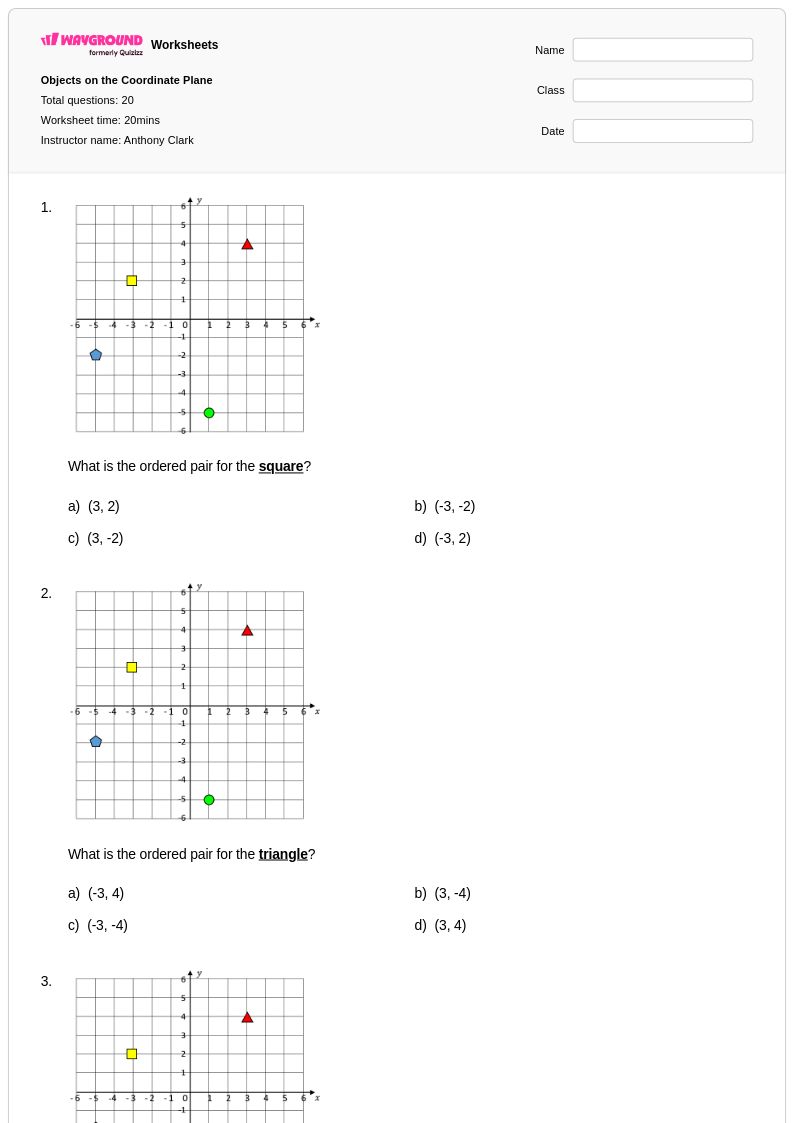
20 Q
6th - Uni
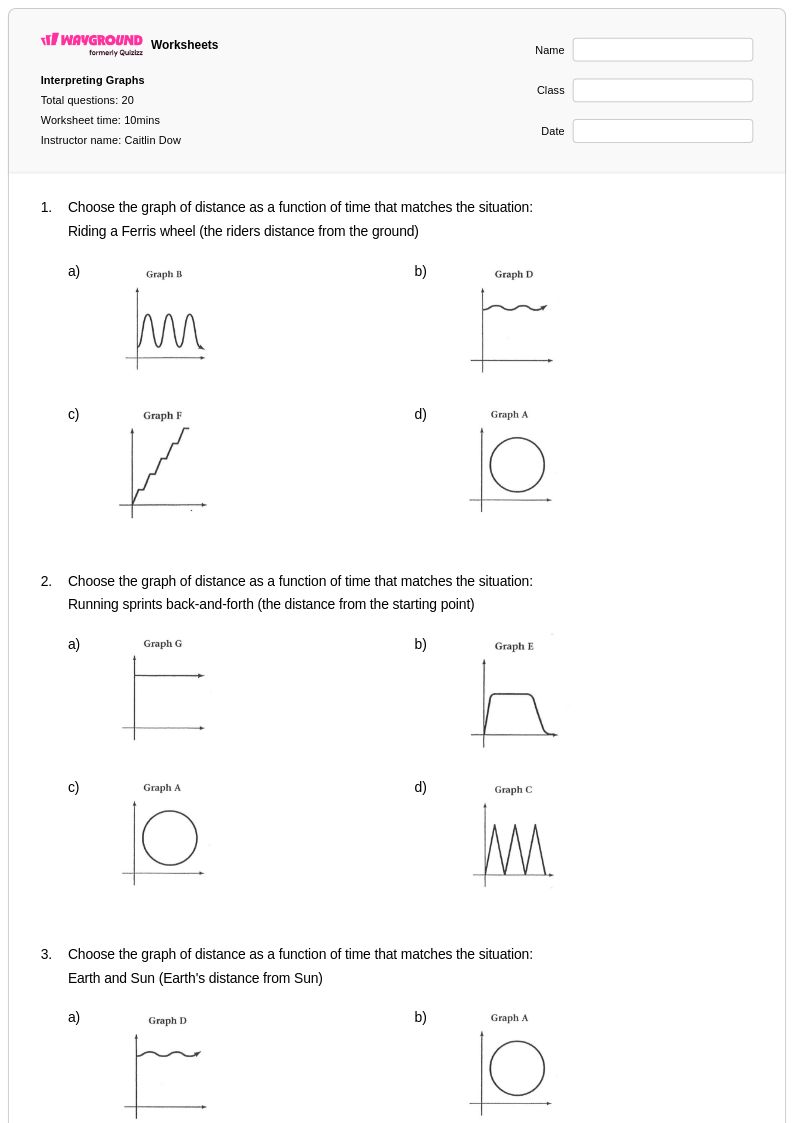
20 Q
6th - 8th
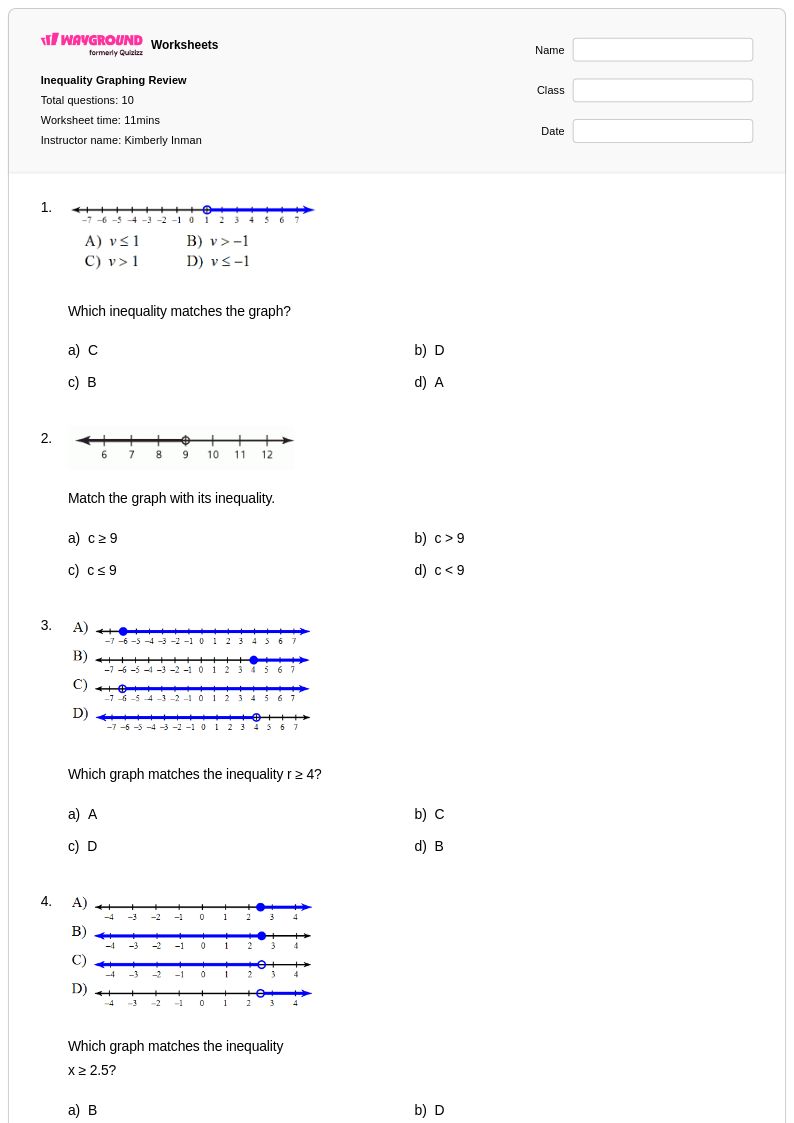
10 Q
6th
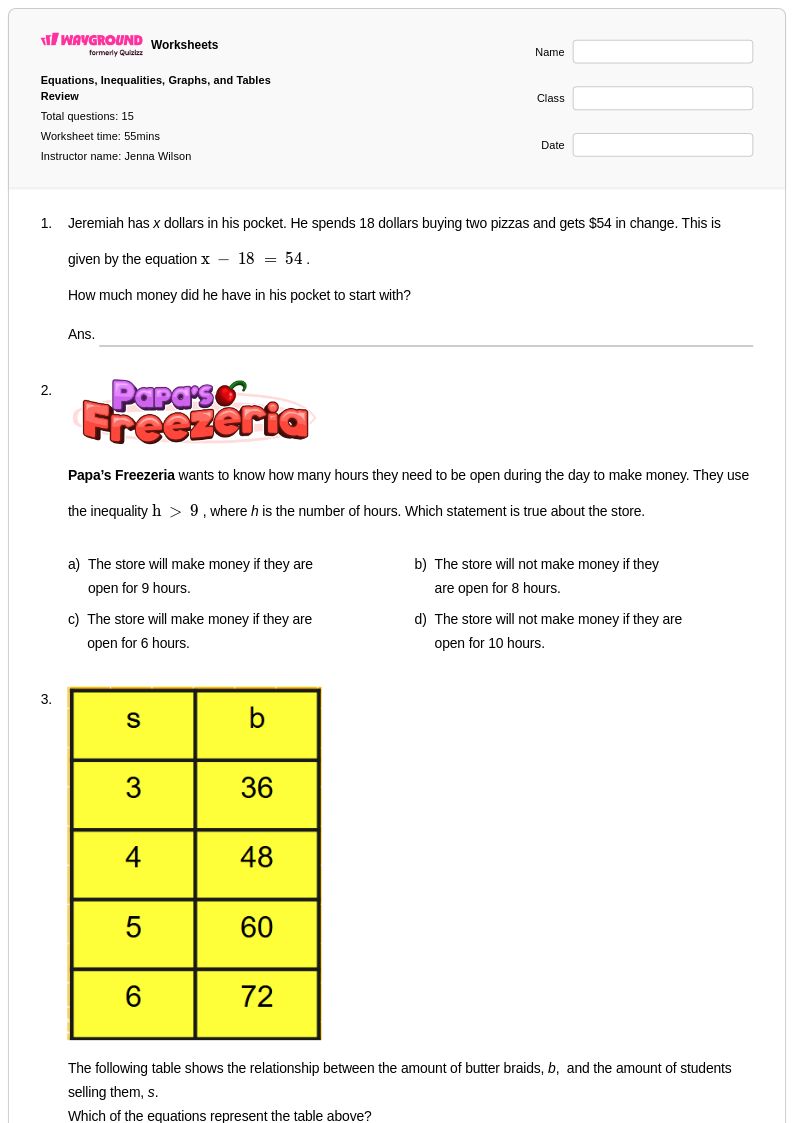
15 Q
6th
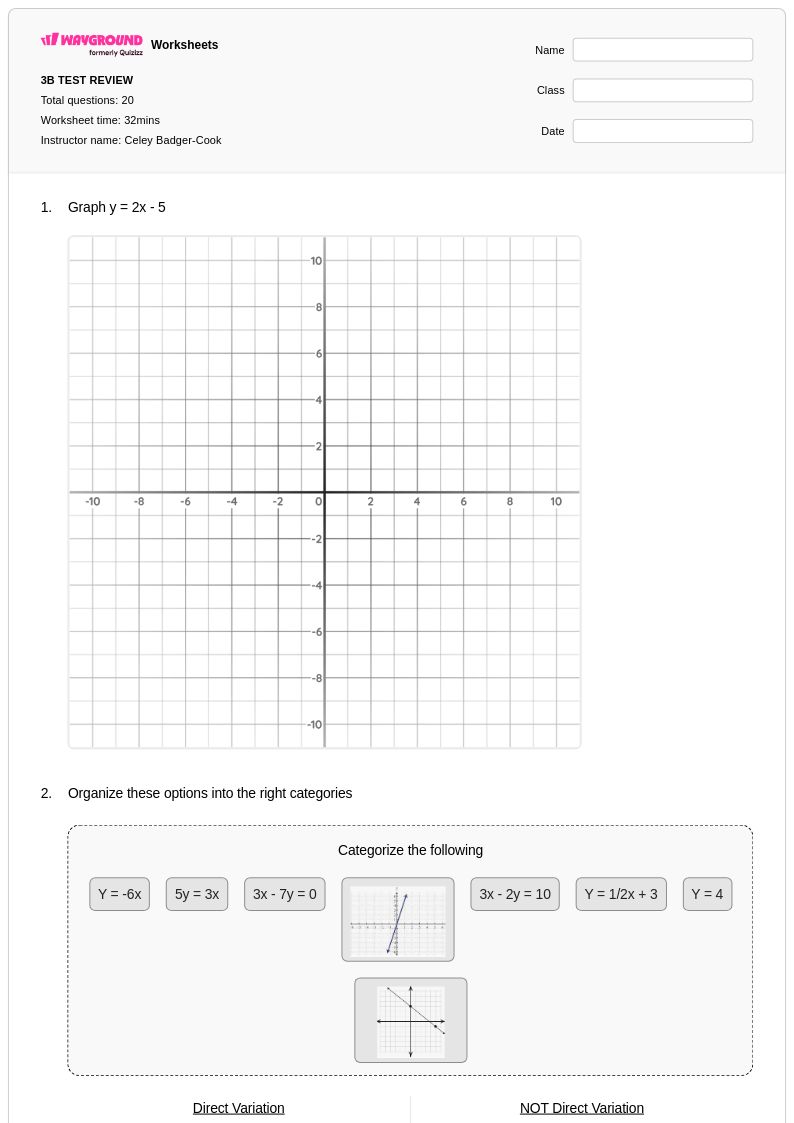
20 Q
6th - 8th
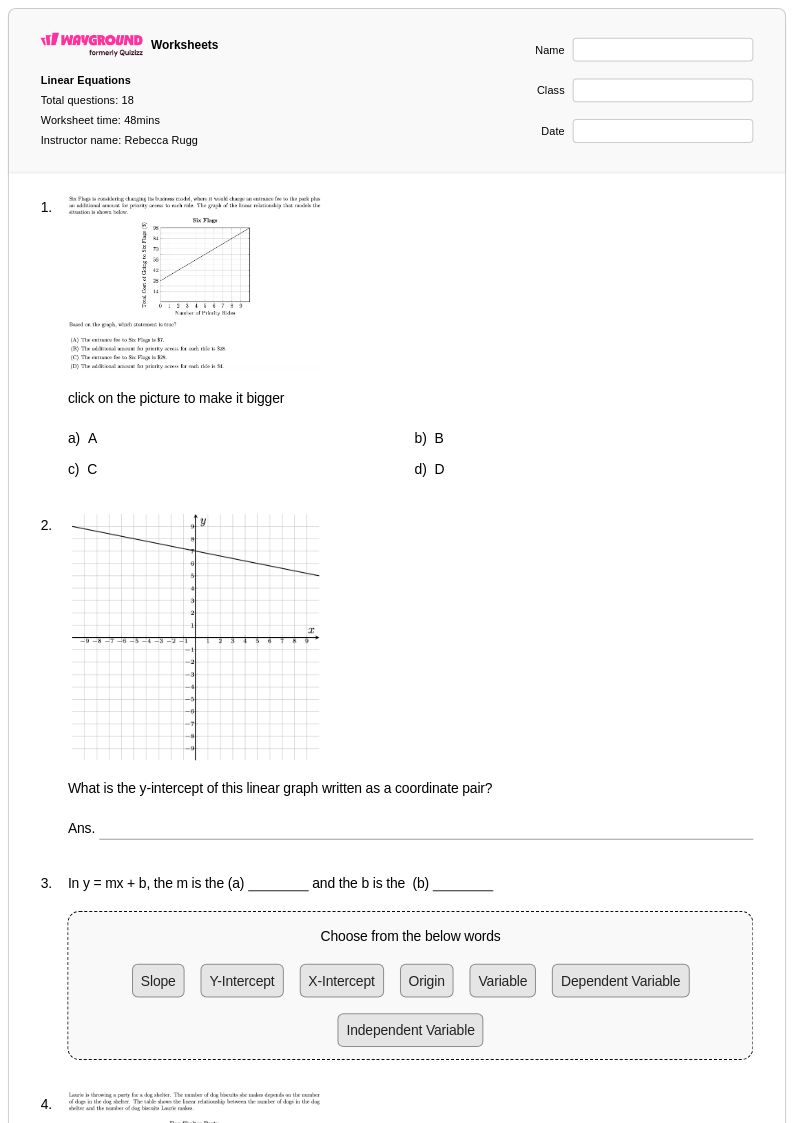
18 Q
6th - 8th
20 Q
6th
13 Q
6th - 8th
16 Q
6th - Uni
20 Q
6th - Uni
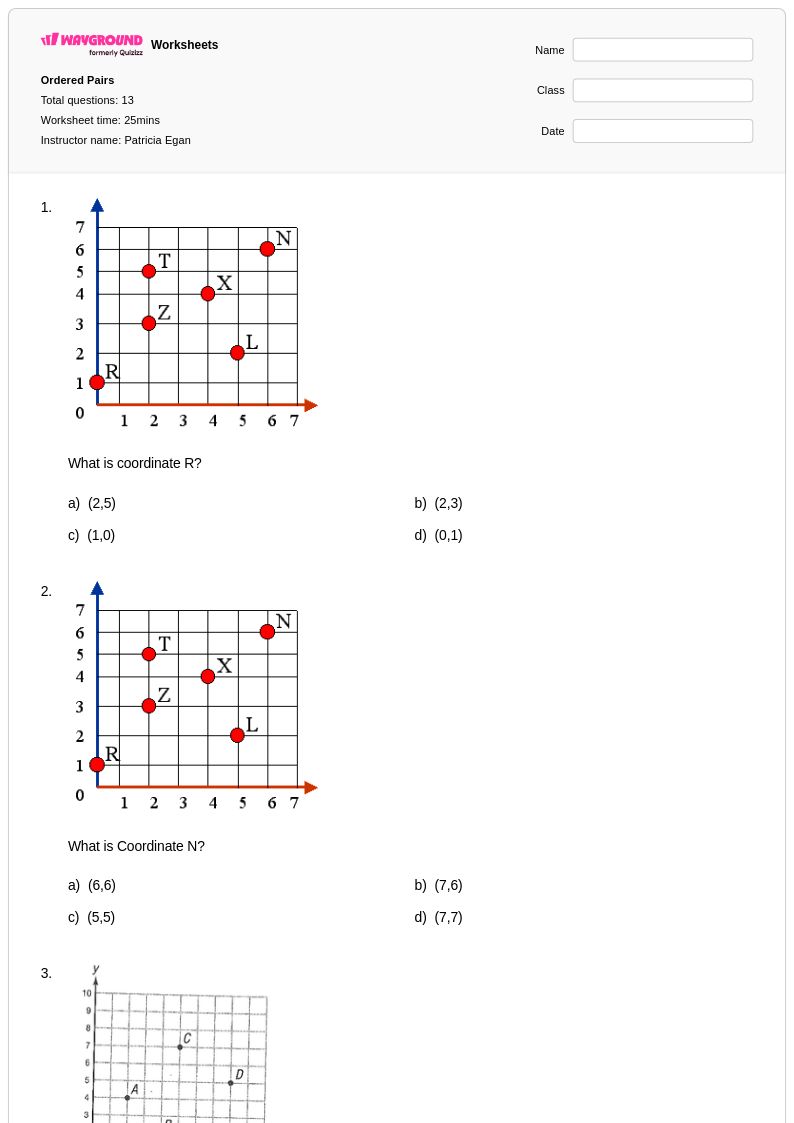
13 Q
6th - 7th
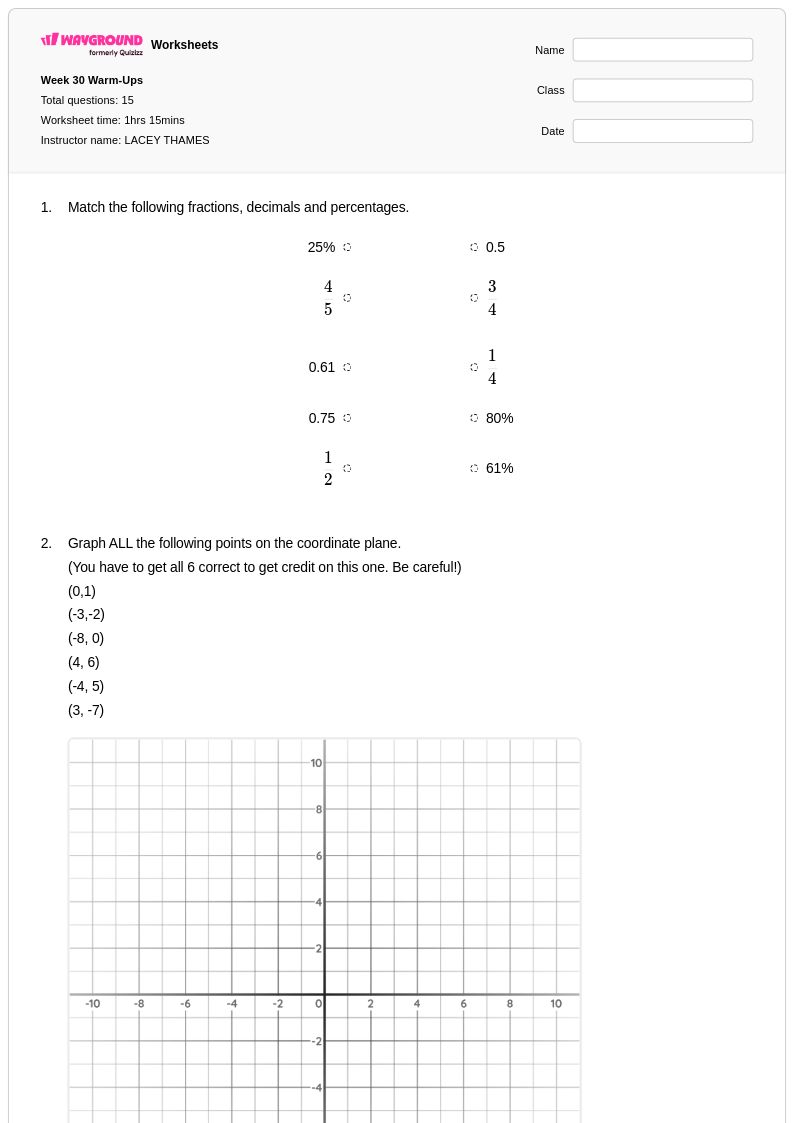
15 Q
6th
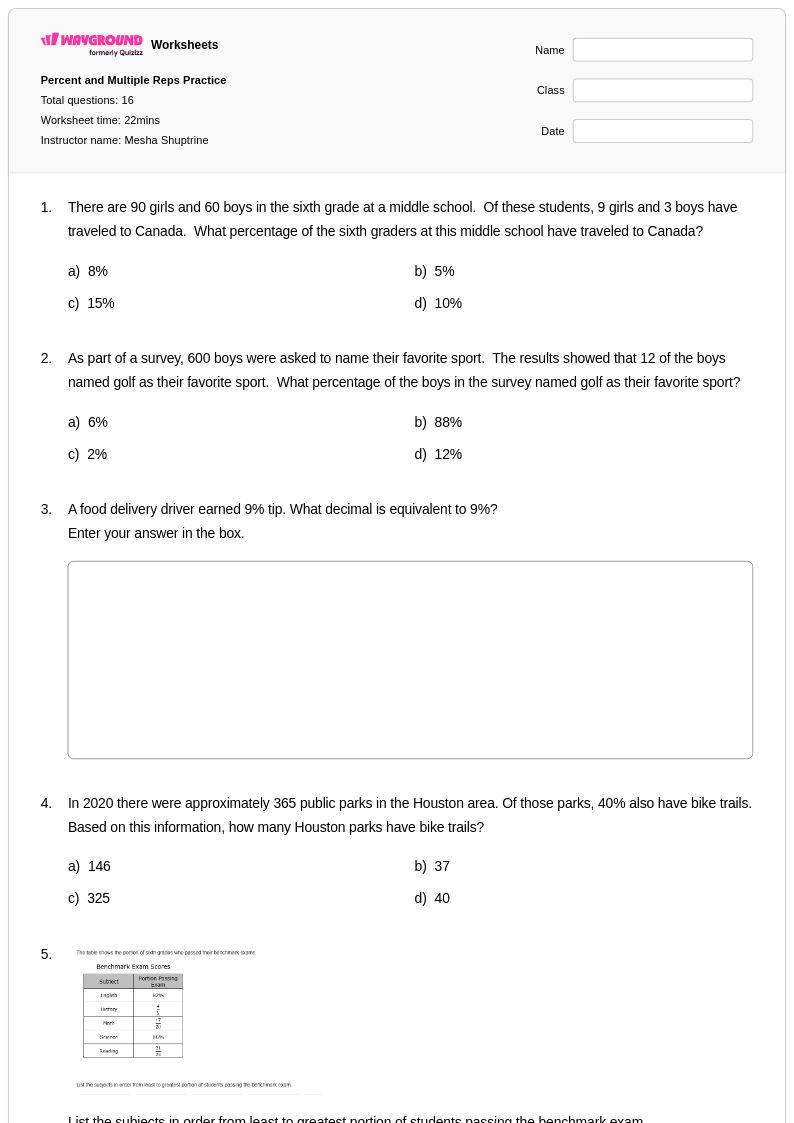
16 Q
6th - Uni
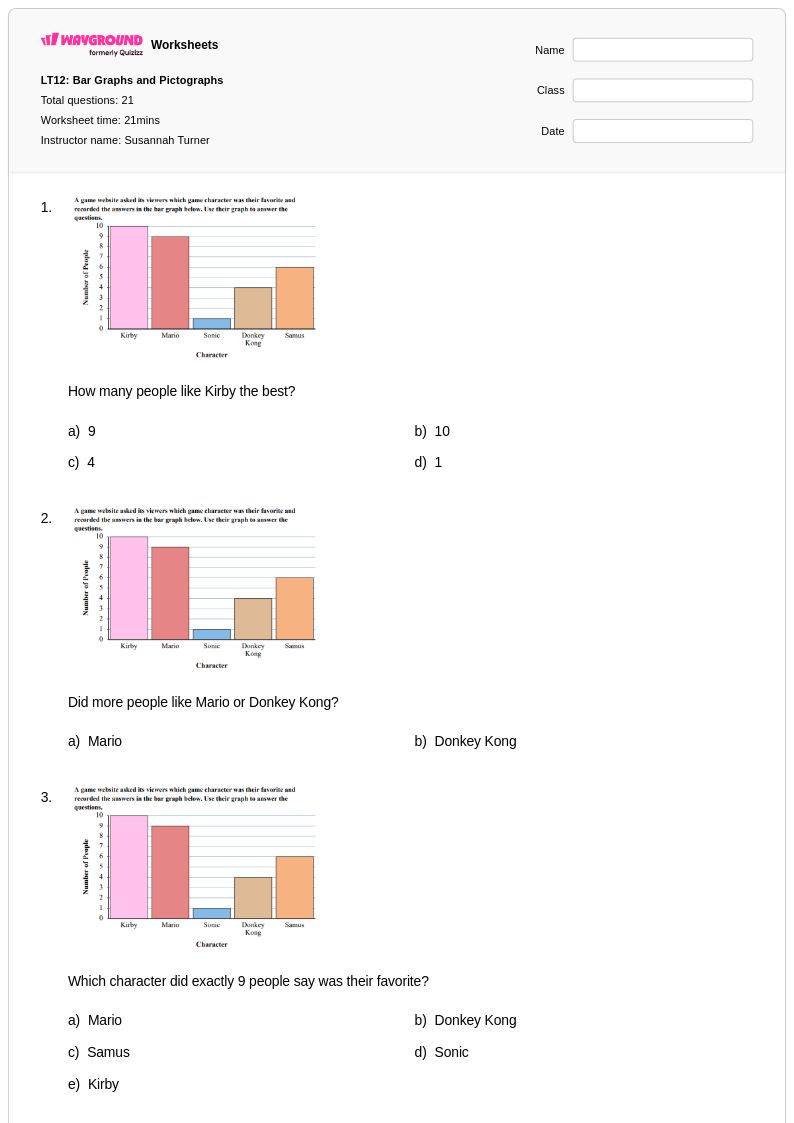
21 Q
6th
Explore Other Subject Worksheets for grade 6
Explore printable Cartesian Graphs worksheets for Grade 6
Cartesian graphs represent a fundamental mathematical concept that Grade 6 students must master to build a strong foundation in coordinate geometry and data analysis. Wayground's comprehensive collection of Cartesian graph worksheets provides educators with expertly designed practice problems that guide students through plotting points, reading coordinates, and interpreting data on the coordinate plane. These printable resources systematically develop students' spatial reasoning skills while reinforcing their understanding of x and y axes, quadrants, and ordered pairs. Each worksheet includes detailed answer keys that enable teachers to efficiently assess student progress and identify areas requiring additional support, while the free pdf format ensures accessibility for both classroom instruction and independent practice at home.
Wayground, formerly Quizizz, empowers educators with millions of teacher-created resources specifically designed to enhance Cartesian graph instruction for Grade 6 mathematics. The platform's robust search and filtering capabilities allow teachers to quickly locate worksheets aligned with curriculum standards and tailored to their students' specific learning needs. Advanced differentiation tools enable seamless customization of practice problems, accommodating diverse skill levels within the same classroom while maintaining focus on coordinate plane concepts. Available in both printable and digital formats, including downloadable pdf versions, these resources support flexible lesson planning whether teachers need materials for immediate remediation, systematic skill practice, or enrichment activities that challenge advanced learners to explore more complex coordinate relationships.
FAQs
How do I teach Cartesian graphs to Grade 6 students?
What exercises help Grade 6 students practice Cartesian graphs?
What mistakes do Grade 6 students make when plotting ordered pairs?
How can I use a Wayground Cartesian graphs worksheet in class?
How do Cartesian graphs fit into the Grade 6 math curriculum?
How can I differentiate Cartesian graph practice for mixed-ability students?
What grade do students learn Cartesian graphs?