
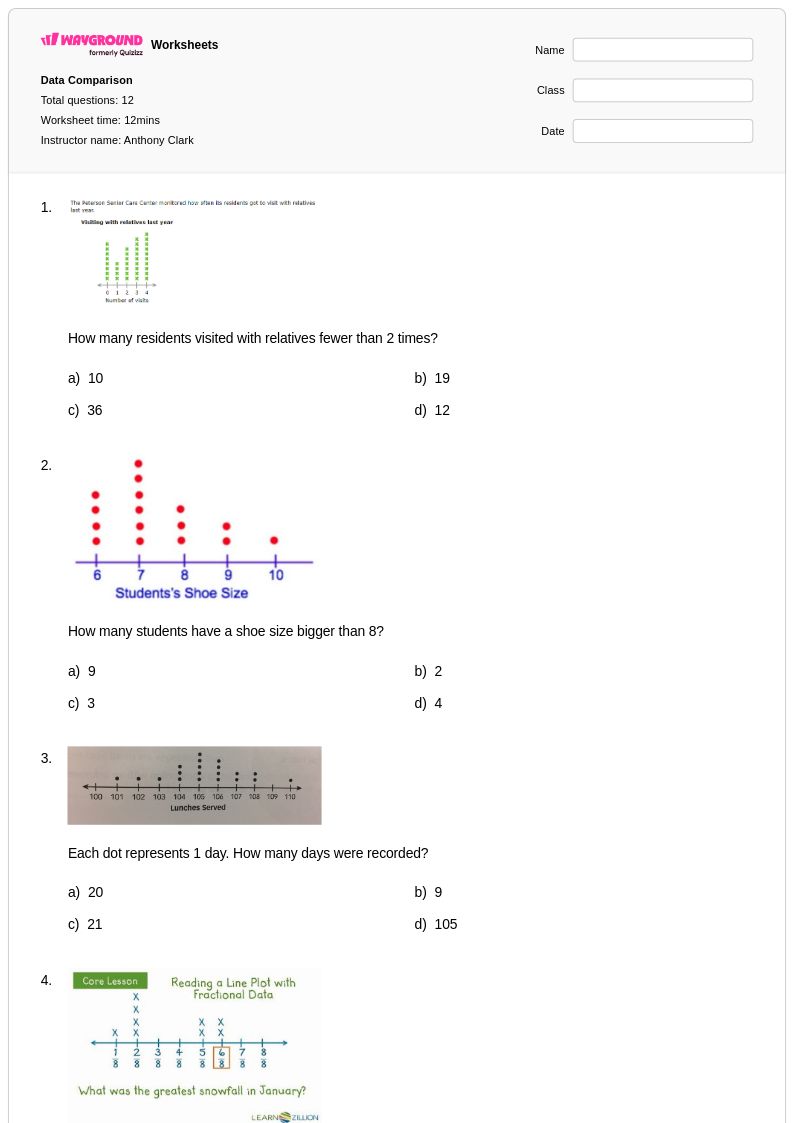
12 Q
7th - Uni
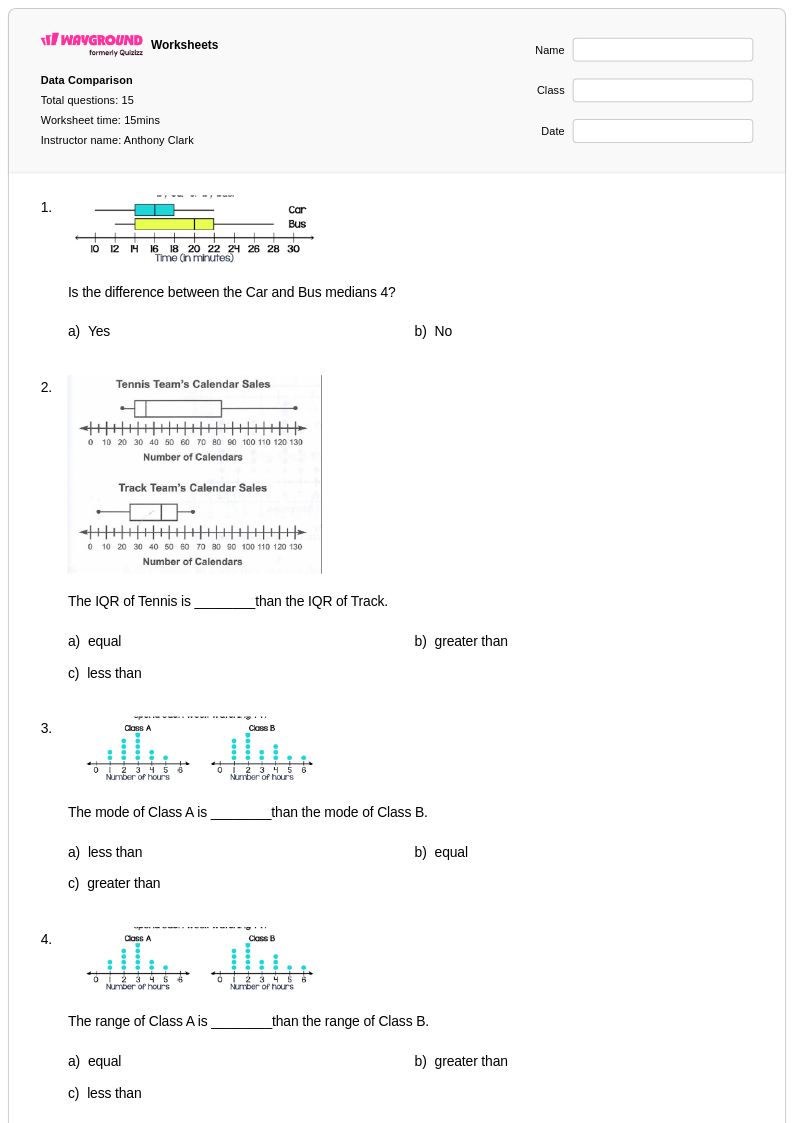
15 Q
7th - Uni
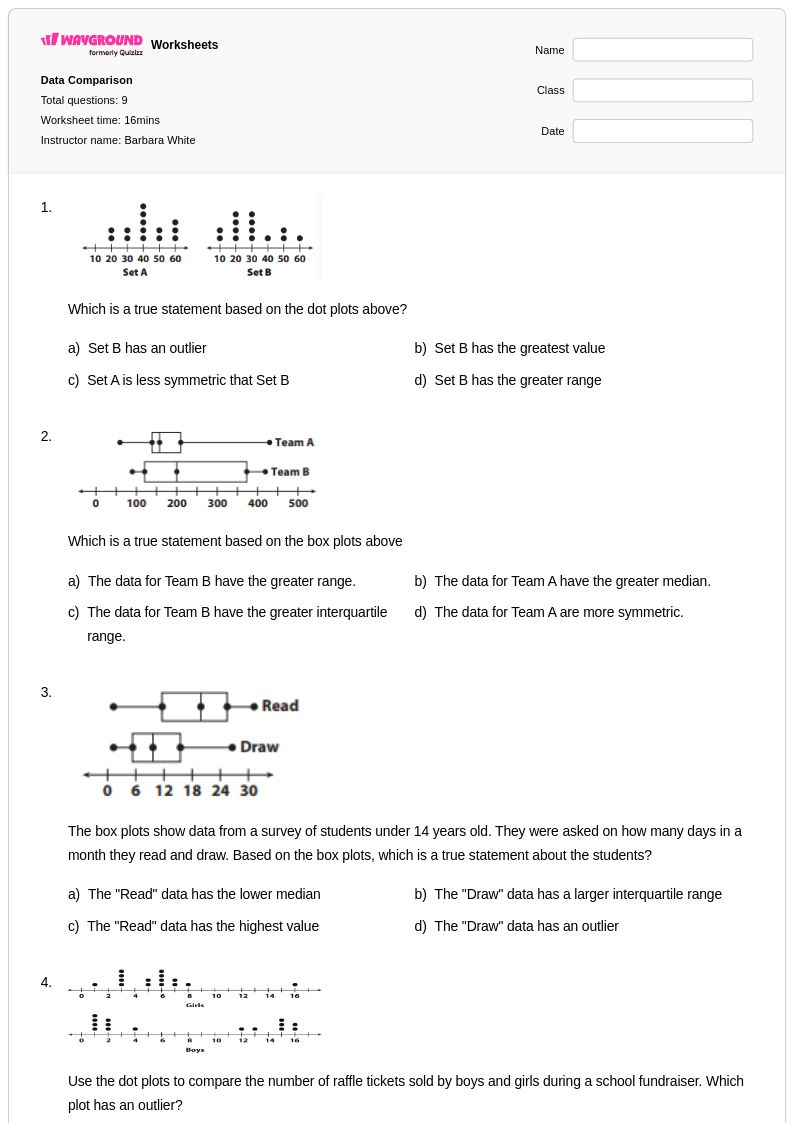
9 Q
8th - 9th
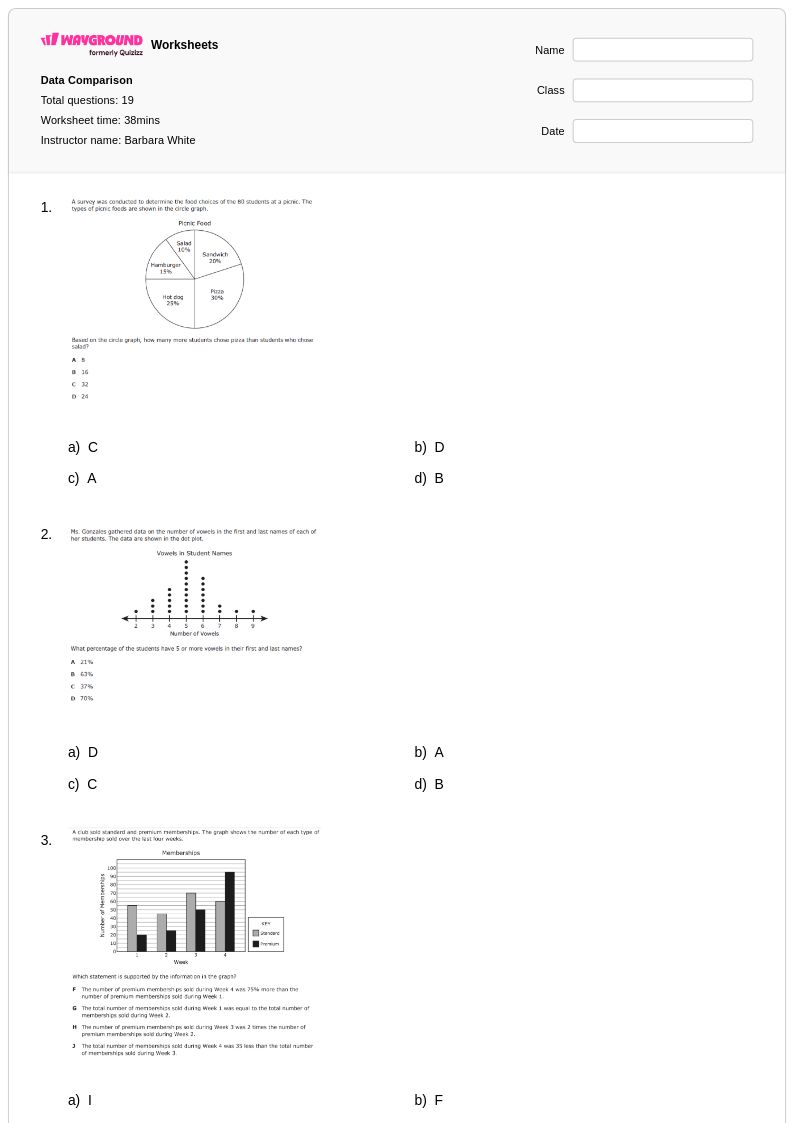
19 Q
7th
18 Q
12th
20 Q
7th - Uni
10 Q
7th - Uni
31 Q
7th
18 Q
9th - 12th
15 Q
8th - 10th
17 Q
7th
15 Q
7th
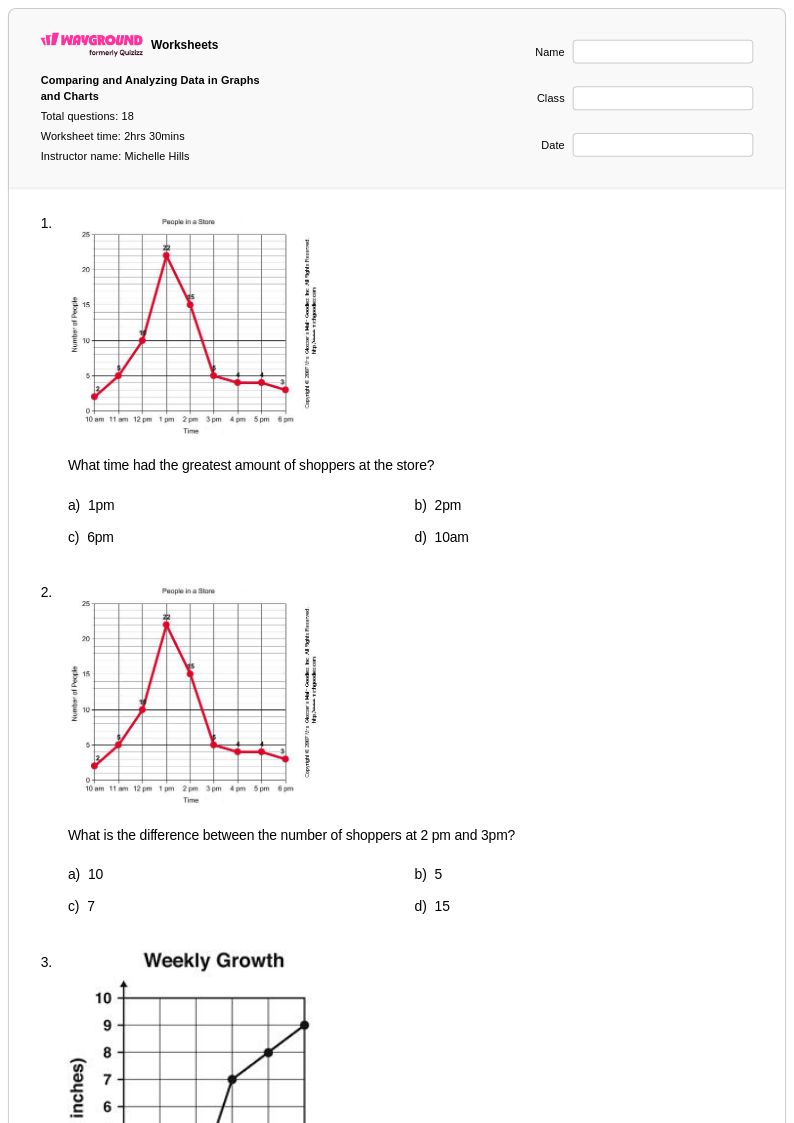
18 Q
9th - 12th
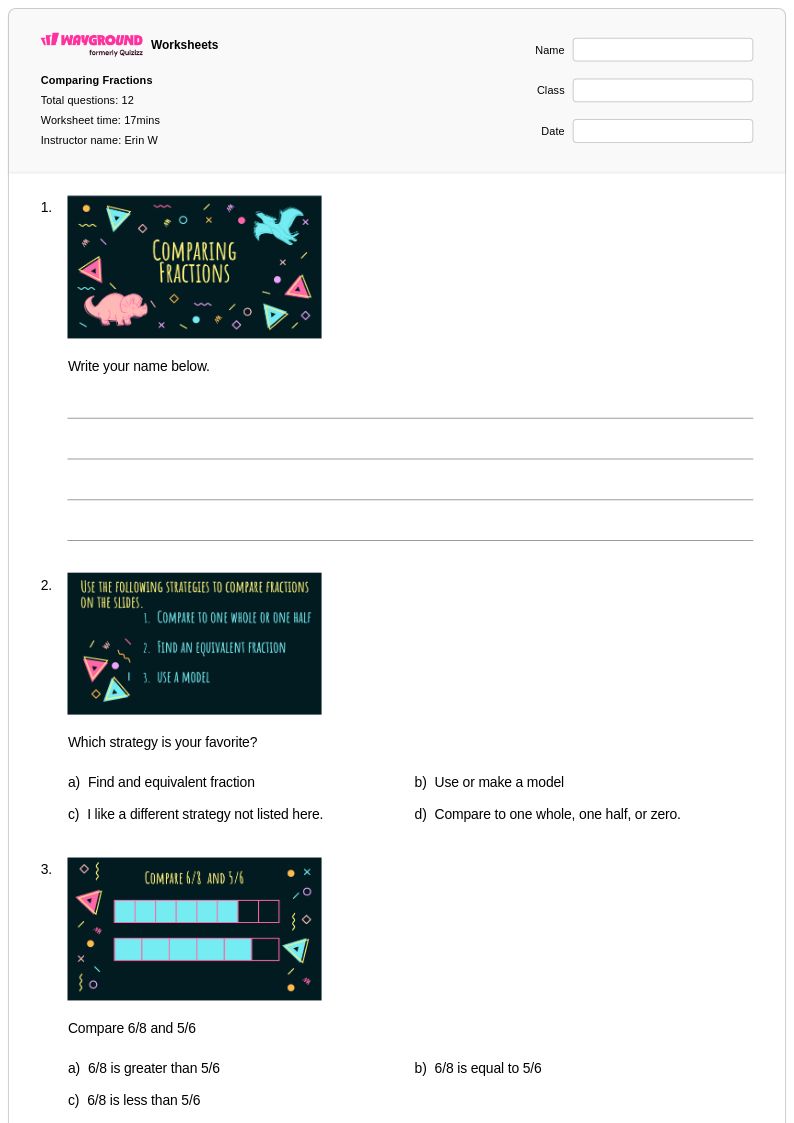
12 Q
4th
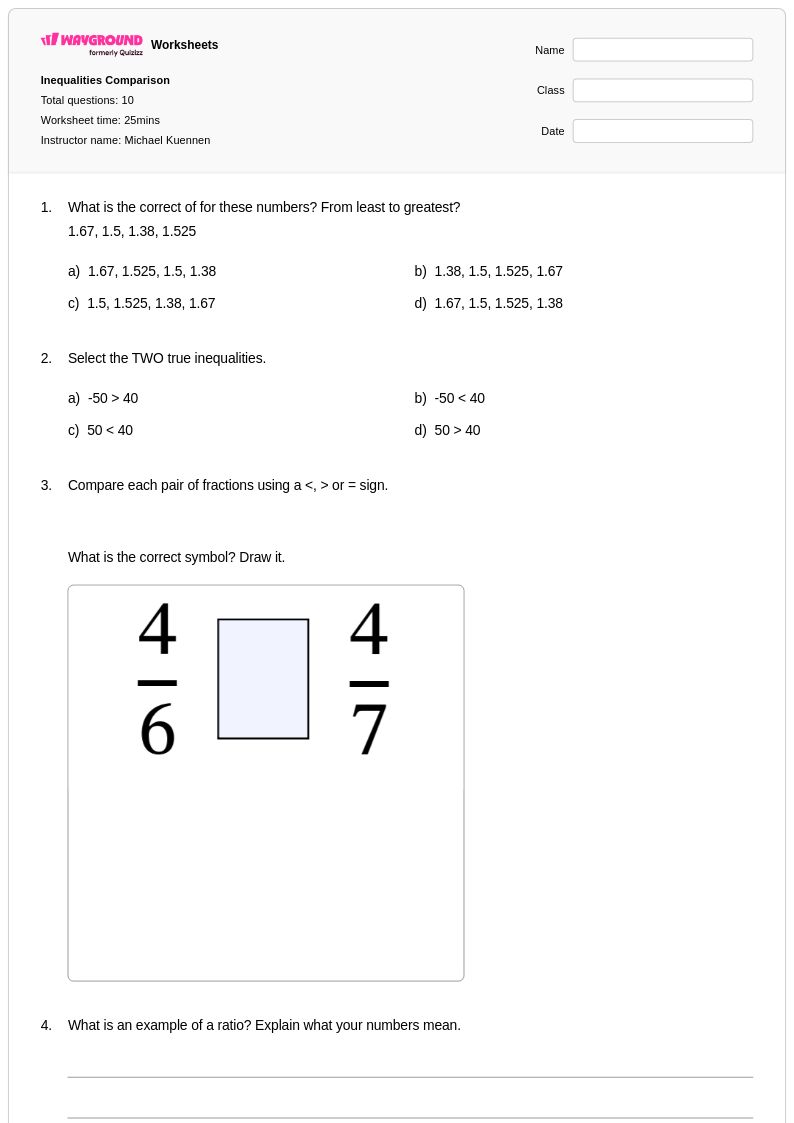
10 Q
6th
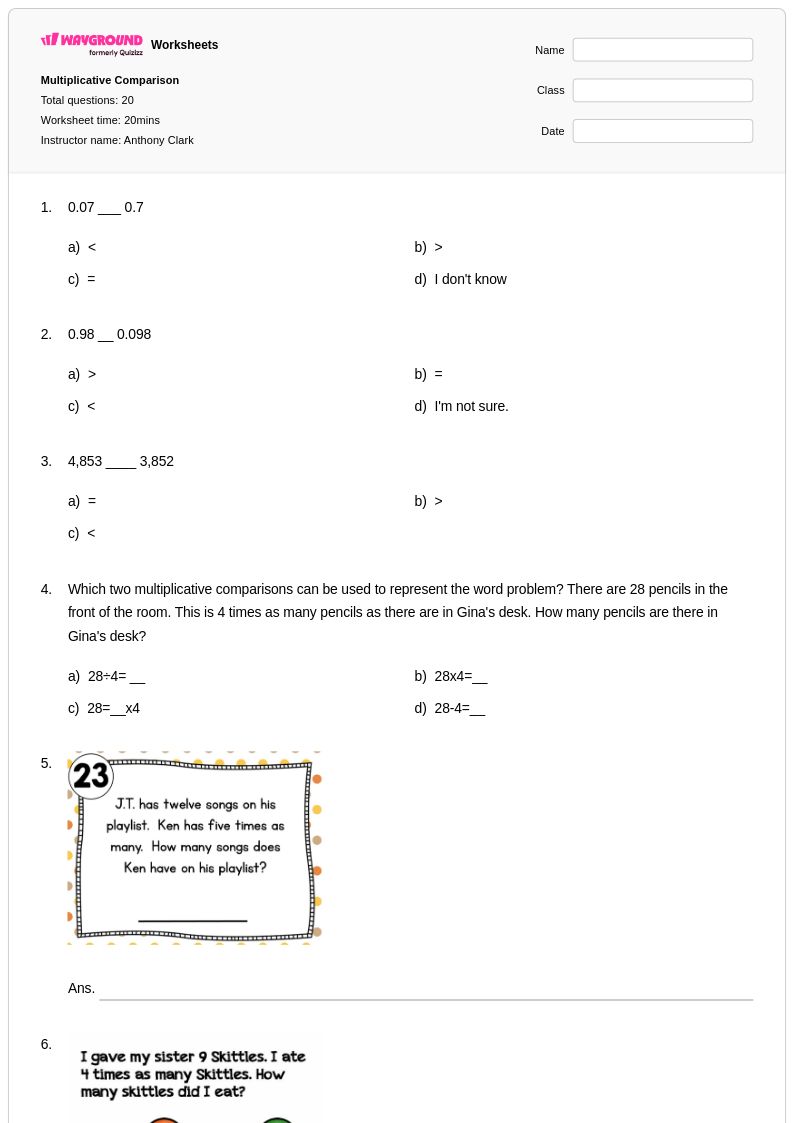
20 Q
4th - Uni
42 Q
4th
11 Q
11th
15 Q
9th
23 Q
9th
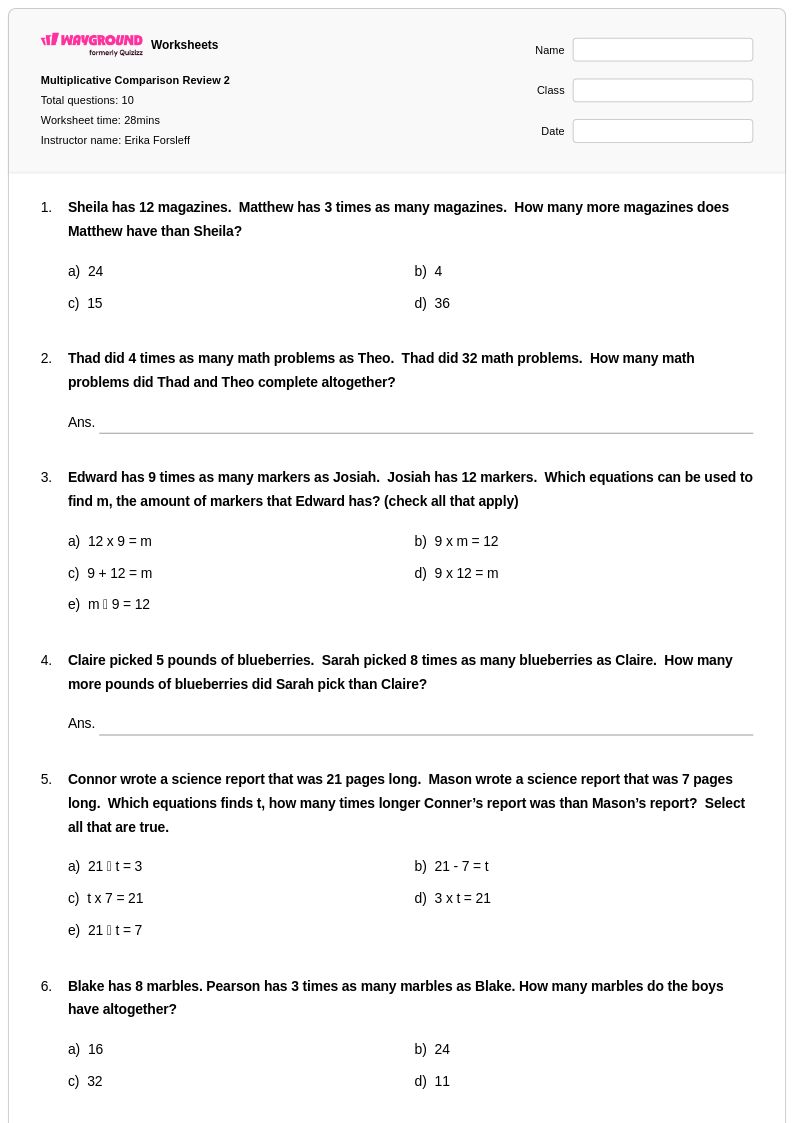
10 Q
4th
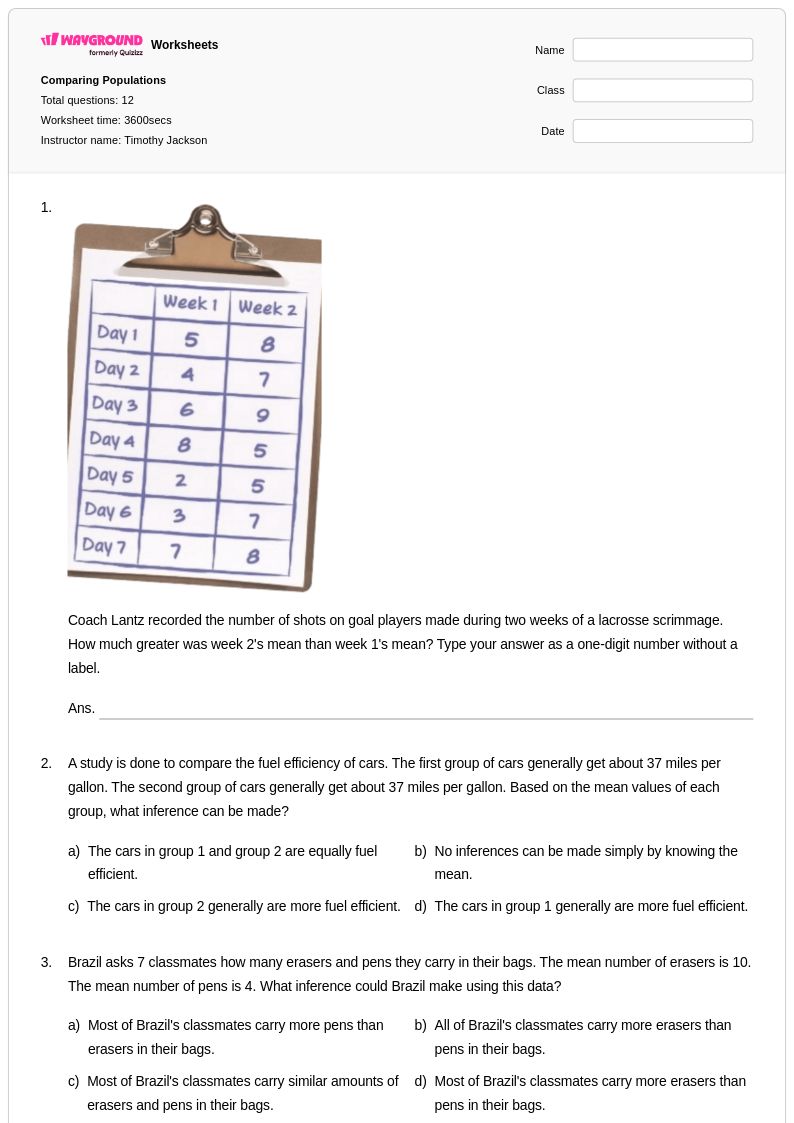
12 Q
6th - 8th
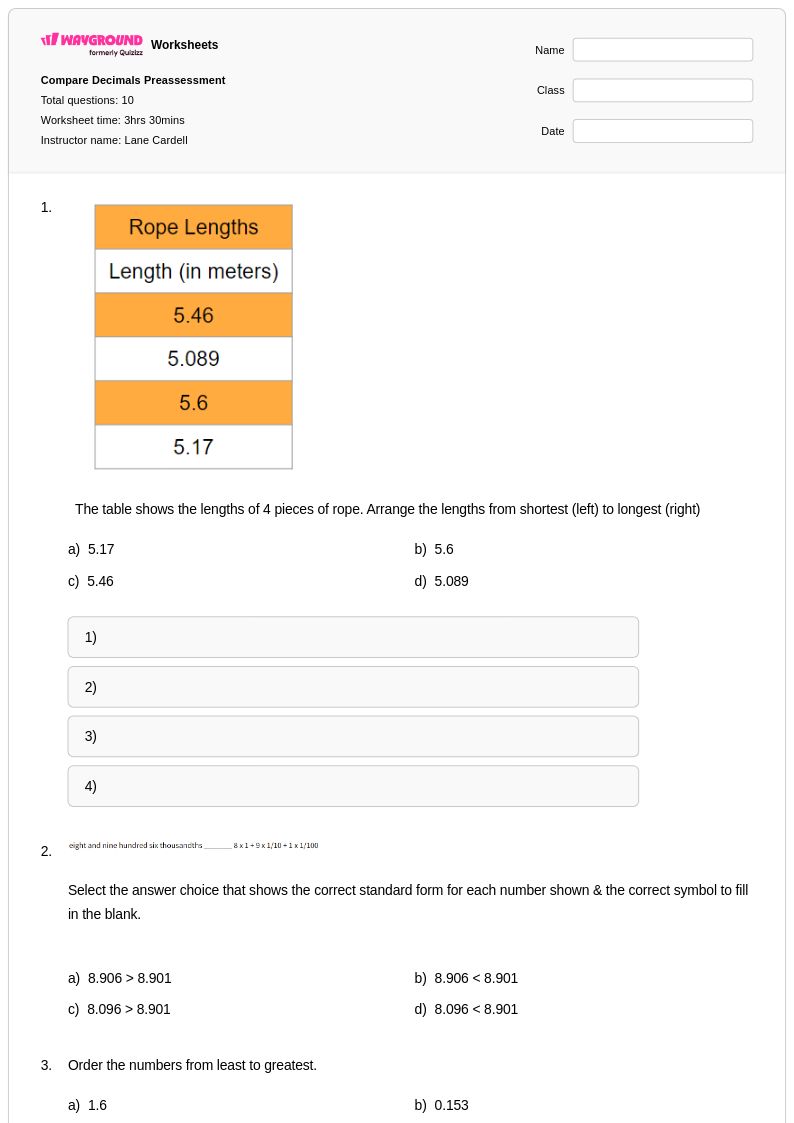
10 Q
5th
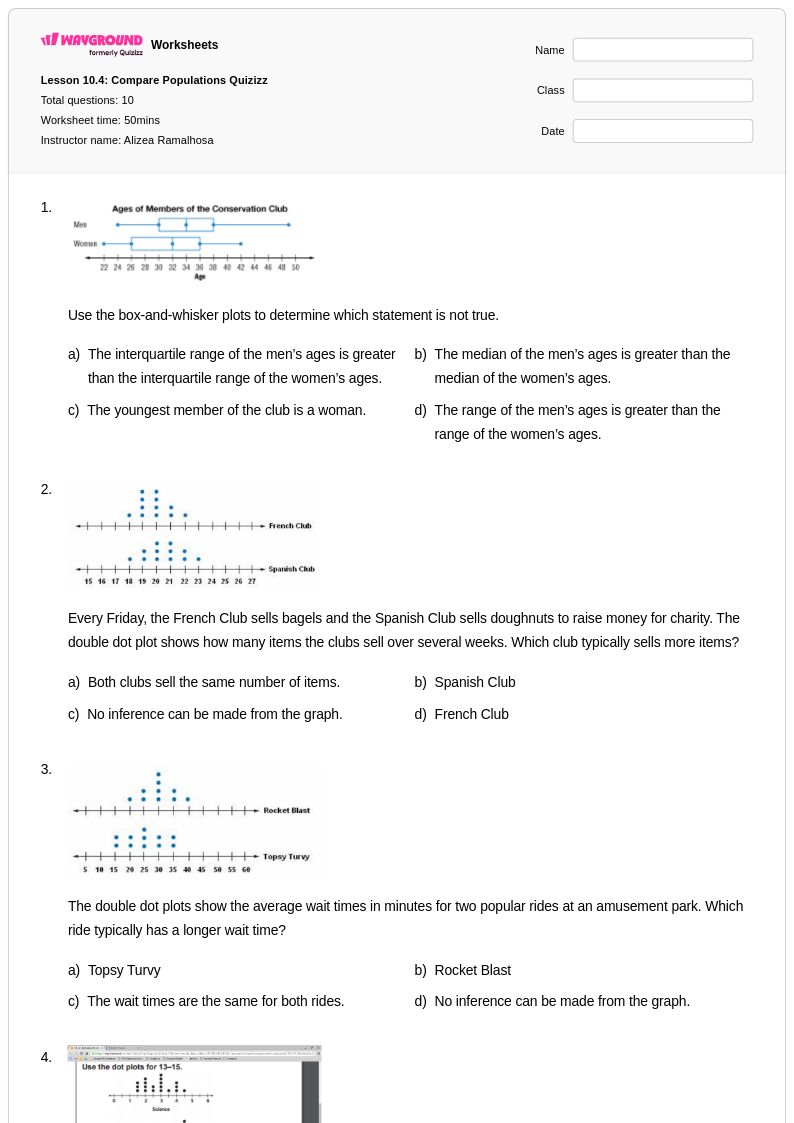
10 Q
7th
Explore Worksheets by Subjects
Explore printable Data Comparison worksheets
Data comparison worksheets available through Wayground (formerly Quizizz) provide students with essential practice in analyzing, interpreting, and drawing conclusions from multiple data sets and graphical representations. These comprehensive mathematics resources strengthen critical thinking skills by challenging students to identify patterns, recognize trends, and make meaningful connections between different types of data presentations including charts, graphs, tables, and statistical displays. The worksheets feature carefully structured practice problems that guide learners through comparing categorical and numerical data, evaluating the effectiveness of different visual representations, and developing proficiency in selecting appropriate comparison methods. Each resource includes a complete answer key and is available as free printables in convenient pdf format, making them accessible for both classroom instruction and independent study.
Wayground (formerly Quizizz) empowers educators with millions of teacher-created data comparison resources that streamline lesson planning and enhance mathematical instruction across diverse learning environments. The platform's robust search and filtering capabilities allow teachers to quickly locate worksheets aligned with specific curriculum standards while accessing differentiation tools that accommodate varying skill levels and learning needs. These customizable resources are available in both printable and digital formats, including downloadable pdf versions, enabling seamless integration into traditional classroom settings or remote learning scenarios. Teachers can effectively utilize these materials for targeted skill practice, remediation support for struggling learners, and enrichment opportunities for advanced students, ensuring that all learners develop strong foundational skills in data analysis and comparison techniques essential for mathematical literacy.
FAQs
How do I teach students to compare data effectively?
What exercises help students practice comparing data sets?
What mistakes do students commonly make when comparing data?
How can I use a Wayground data comparison worksheet with my class?
How does data comparison fit into the Common Core math progression?
How can I differentiate data comparison practice for mixed-ability learners?