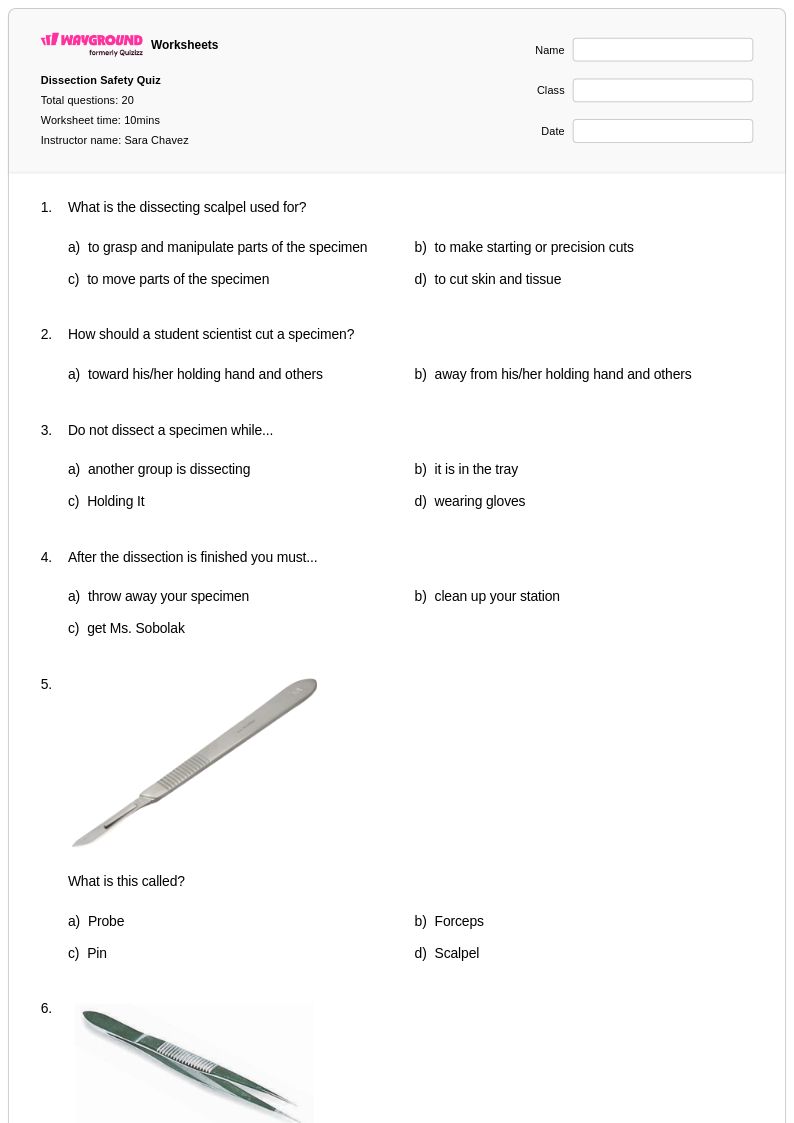
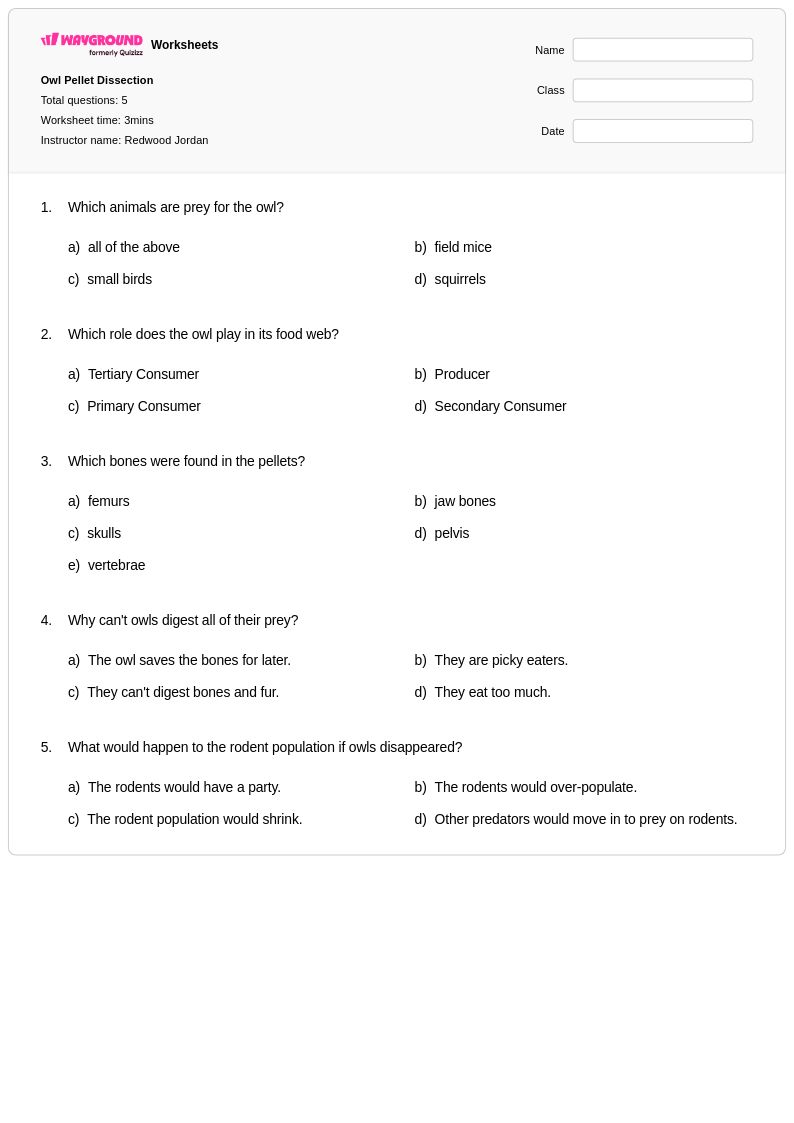
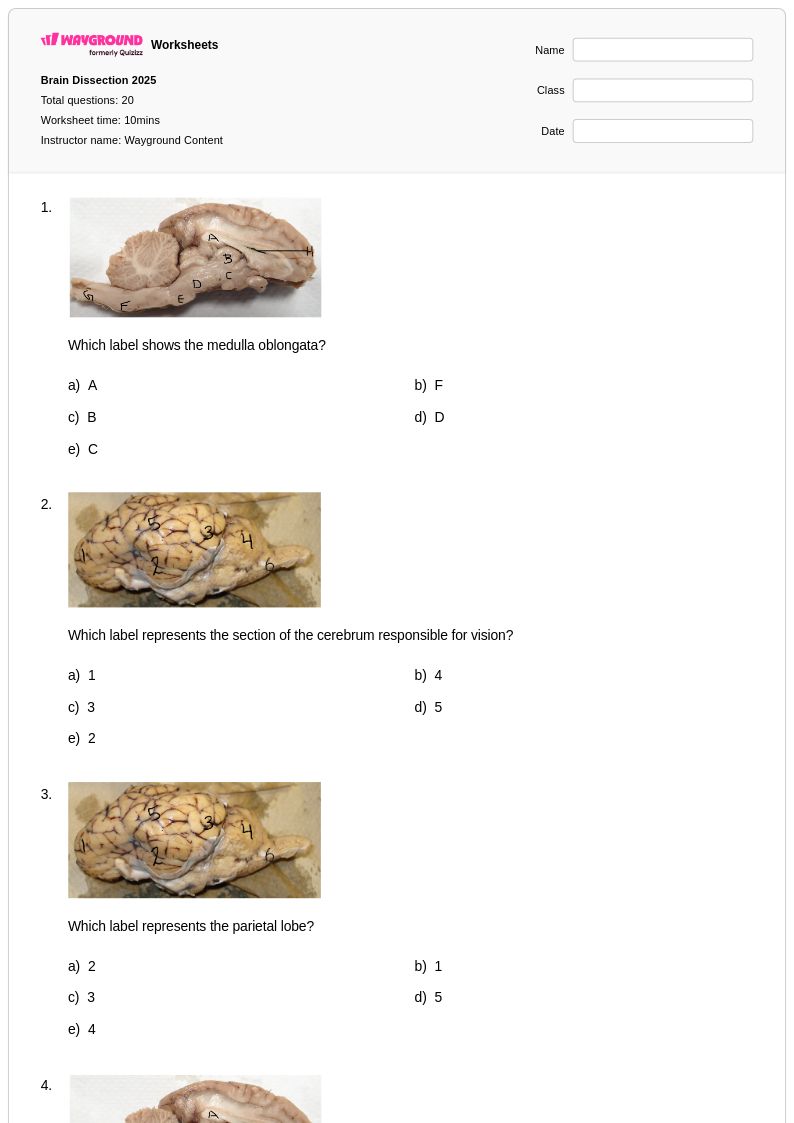
Explore Wayground's comprehensive collection of biology dissection worksheets, featuring free printables and practice problems with answer keys to help students master anatomical structures and scientific observation skills.
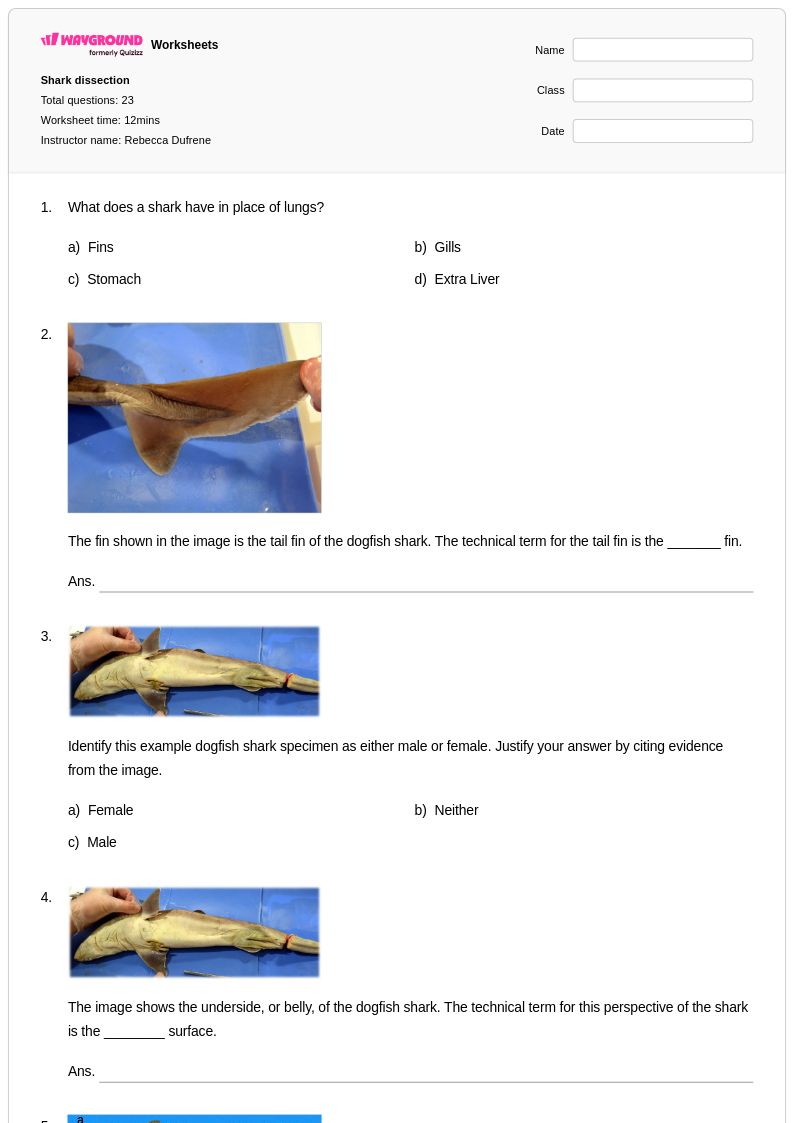
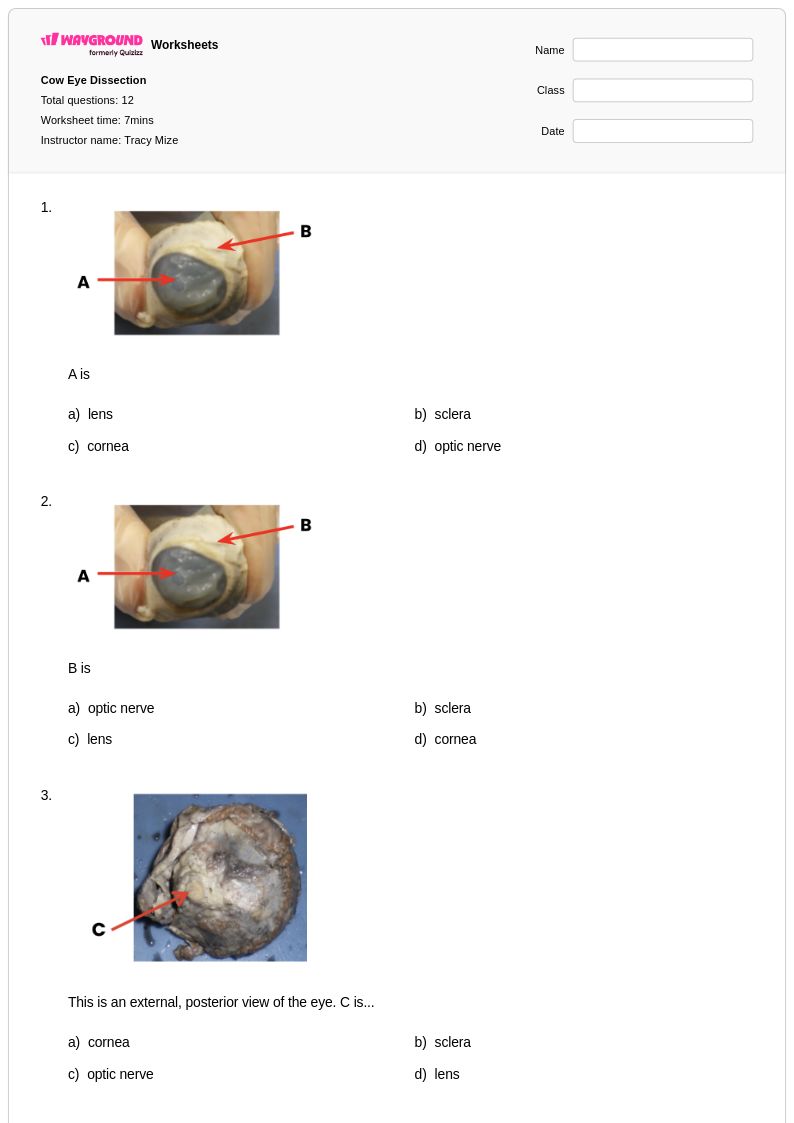
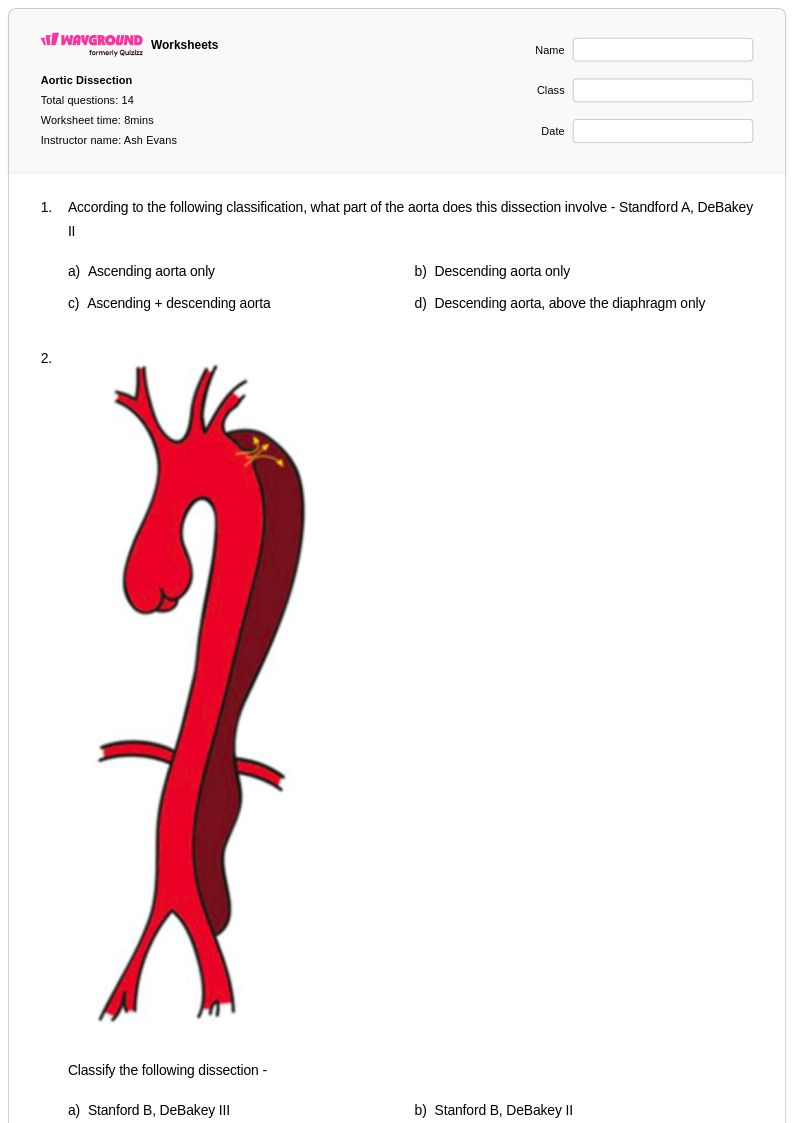
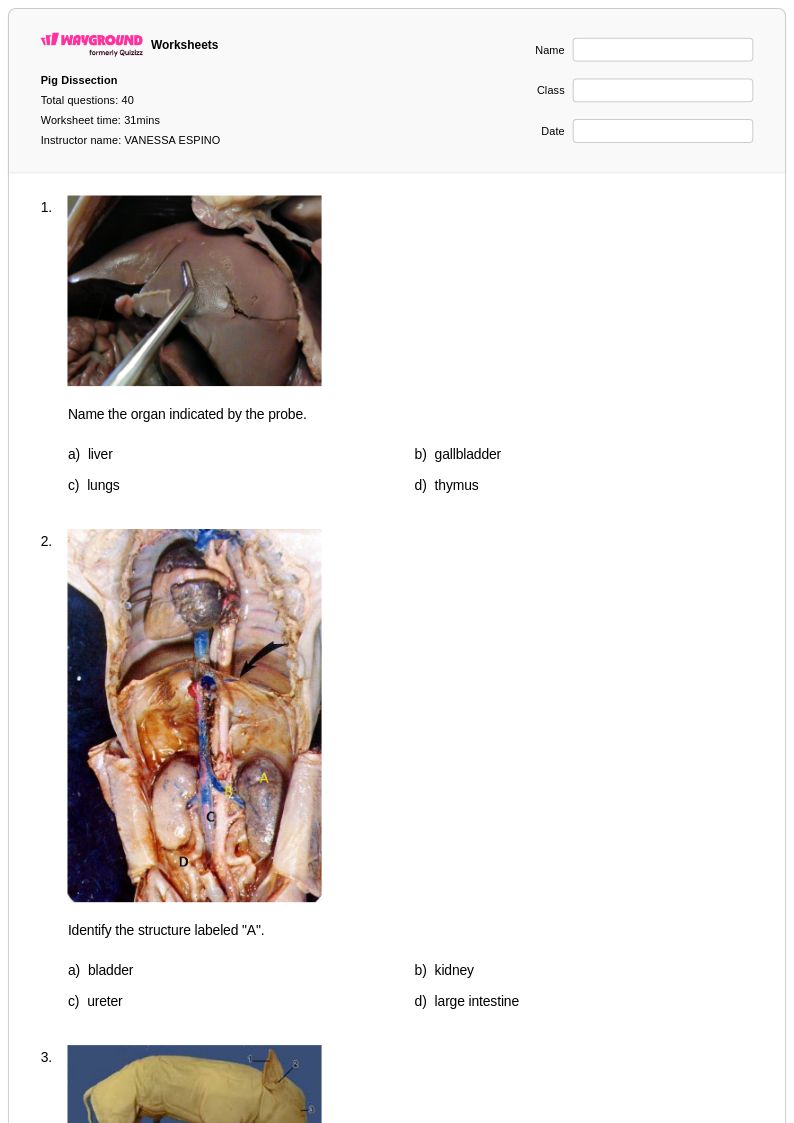
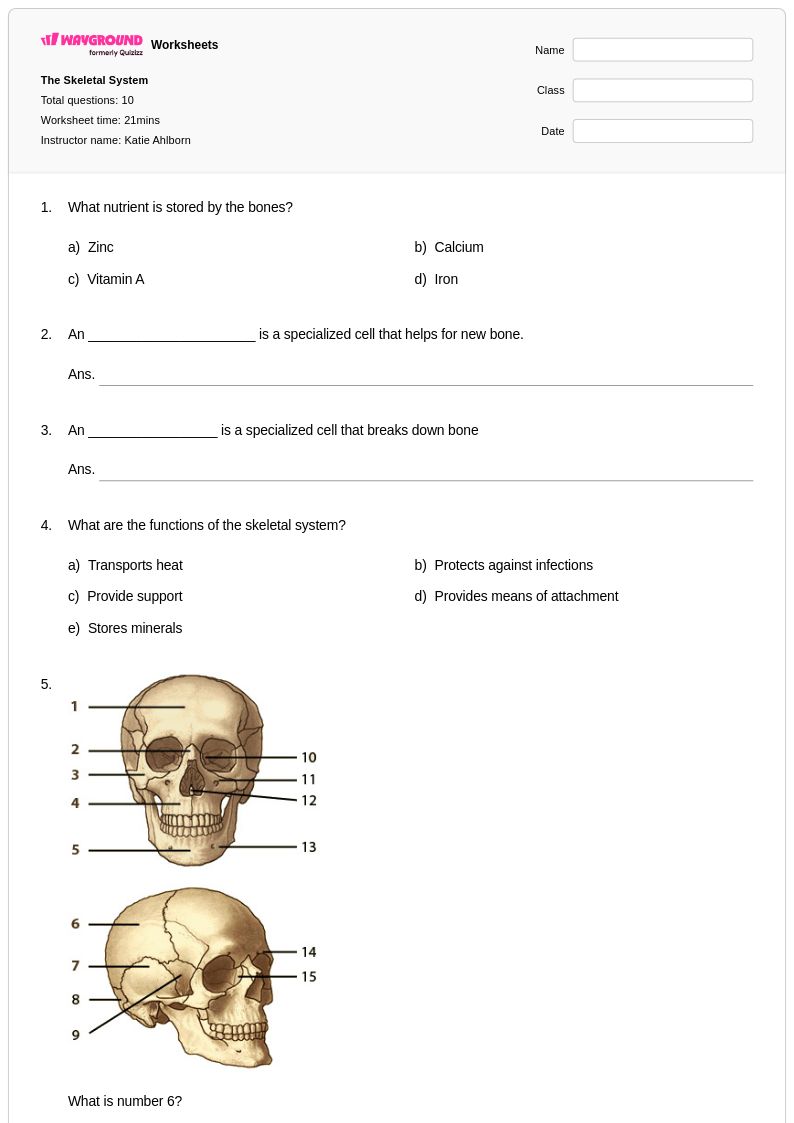
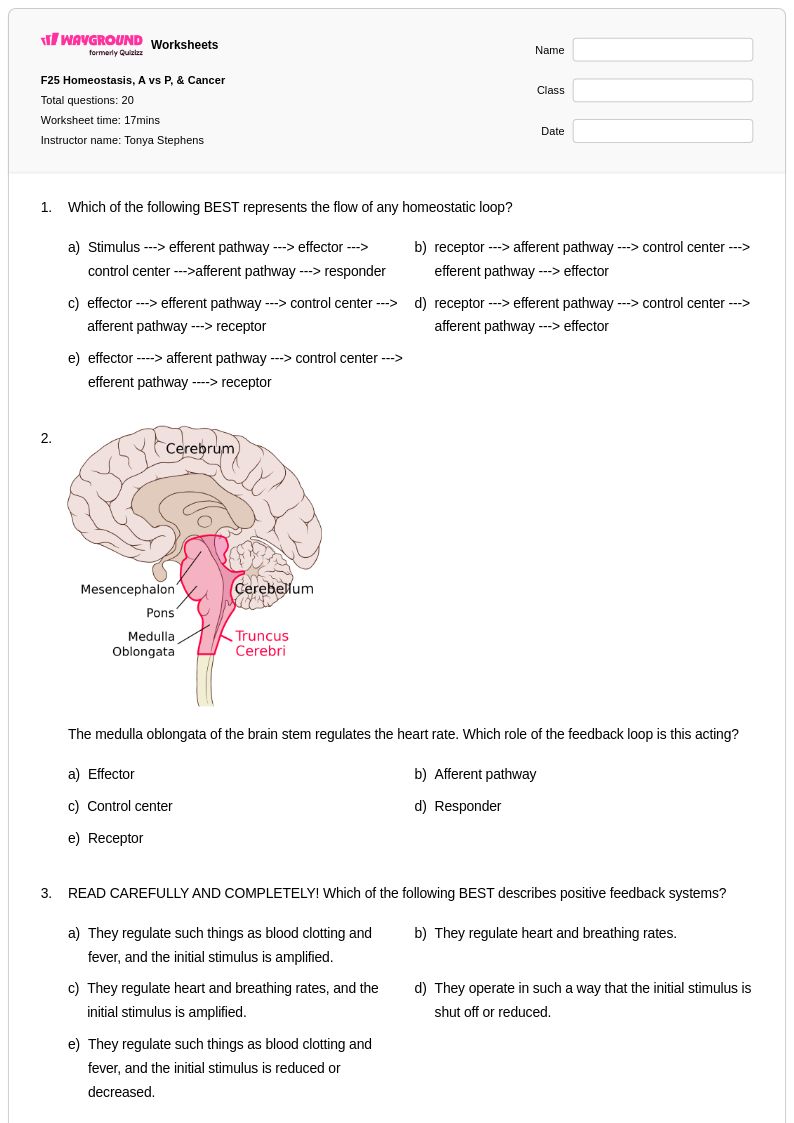
Dissection worksheets available through Wayground (formerly Quizizz) provide comprehensive educational resources that guide students through the systematic examination of biological specimens, from simple plant structures to complex animal organs. These expertly designed materials strengthen critical scientific skills including observation techniques, anatomical identification, data recording, and biological drawing while reinforcing fundamental concepts in anatomy, physiology, and comparative biology. Each worksheet collection includes detailed instruction sheets, labeled diagrams for reference, data tables for systematic recording, and comprehensive answer keys that support both independent study and classroom instruction. Students benefit from structured practice problems that build confidence in specimen handling, proper dissection techniques, and scientific documentation, with free printable resources ensuring accessibility for diverse learning environments.
Wayground (formerly Quizizz) empowers educators with an extensive library of millions of teacher-created dissection resources that streamline lesson planning and enhance laboratory instruction across all educational levels. The platform's robust search and filtering capabilities allow teachers to quickly locate materials aligned with specific curriculum standards, whether focusing on earthworm anatomy, frog physiology, or plant structure analysis. Flexible customization tools enable educators to modify existing worksheets or create personalized materials that address individual student needs, supporting both remediation for struggling learners and enrichment opportunities for advanced students. These comprehensive collections are available in both printable PDF formats for traditional laboratory settings and digital formats for virtual or hybrid learning environments, ensuring seamless integration into any instructional approach while maintaining the rigor and precision essential for effective biological education.
FAQs
How do I teach dissection skills to students who have never done a lab dissection before?
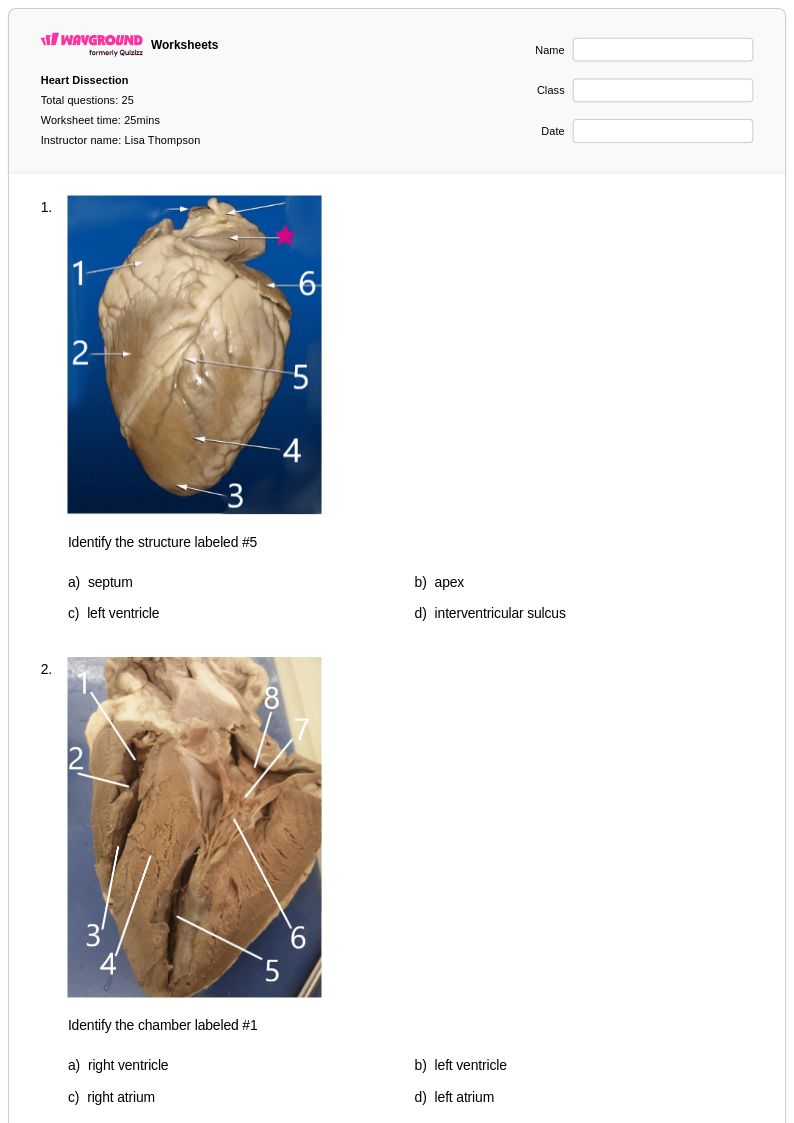
Start by building familiarity with anatomical vocabulary and specimen structure before students ever pick up a scalpel. Use labeled diagram worksheets and observation checklists to scaffold the process, so students know what to look for and how to record findings systematically. Practicing biological drawing and data table completion in advance reduces cognitive overload during the actual dissection and helps students focus on scientific observation rather than logistics.
What dissection worksheets are most useful for helping students practice anatomical identification?
Worksheets that combine labeled reference diagrams with blank identification exercises are the most effective for building anatomical recognition skills. Students should practice locating and naming structures on diagrams before applying that knowledge to a physical specimen, reinforcing recall through repetition. Data recording tables that prompt students to describe each structure's appearance, location, and function push beyond simple labeling and develop deeper scientific understanding.
What mistakes do students commonly make when completing dissection worksheets or lab observations?
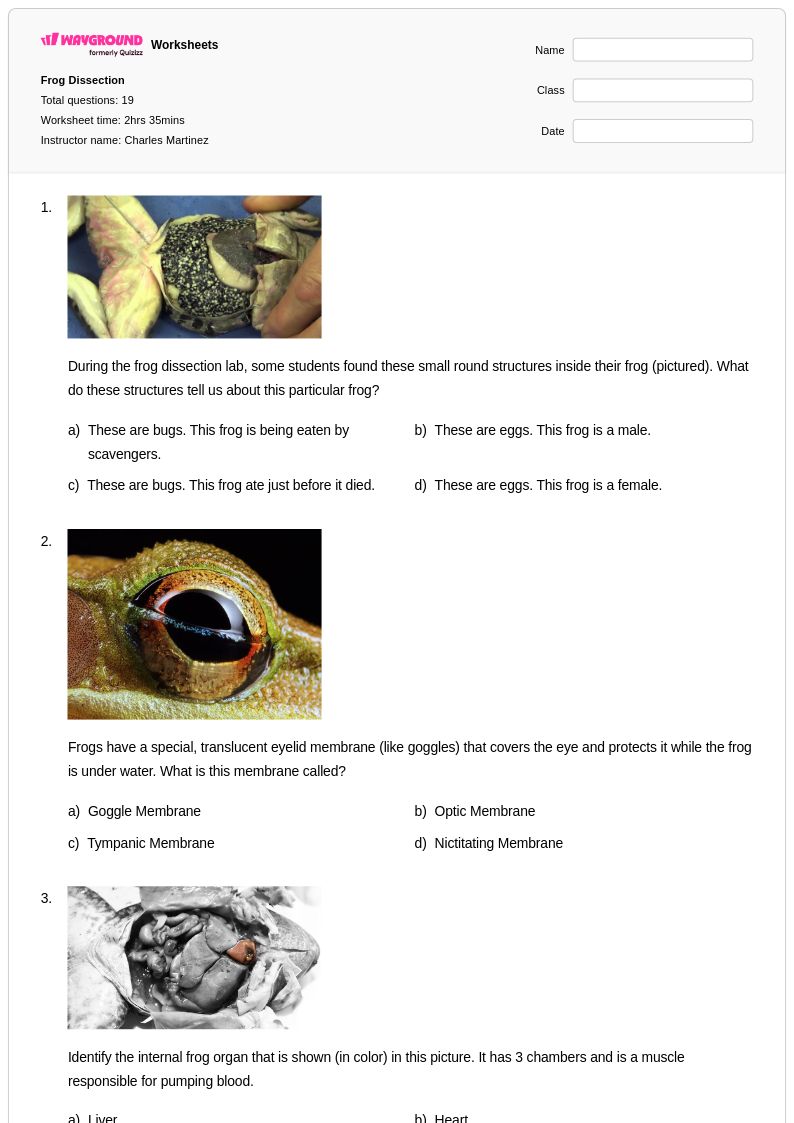
One of the most common errors is recording vague or incomplete observations, such as writing 'the heart is red' rather than describing size, shape, texture, and relative position. Students also frequently confuse structurally similar organs, particularly in comparative anatomy contexts such as frog versus human digestive systems. Reinforcing the difference between observation and inference, and requiring students to use precise anatomical terminology in written responses, directly addresses both issues.
How can I differentiate dissection worksheets for students at different skill levels?
For struggling learners, provide worksheets with partially completed diagrams, simplified vocabulary, and step-by-step observation prompts to reduce cognitive load. Advanced students benefit from open-ended comparison tasks, such as analyzing structural differences across species or predicting function based on form. On Wayground, teachers can apply accommodations such as read aloud for question text and reduced answer choices to individual students, ensuring the same core material is accessible across a range of learning needs without disrupting the rest of the class.
How do I use Wayground's dissection worksheets in a virtual or traditional lab setting?
Wayground's dissection worksheets are available as printable PDFs for use in traditional laboratory settings and in digital formats for virtual or hybrid learning environments, including the option to host them as a quiz directly on Wayground. In a physical lab, printed instruction sheets and data tables keep students organized and on task during specimen examination. In a virtual setting, digital worksheets pair well with video dissection resources and allow teachers to collect and review student responses without paper management. Answer keys are included with each worksheet, supporting both independent student review and efficient teacher grading.
How do I align dissection worksheets with anatomy and physiology curriculum standards?
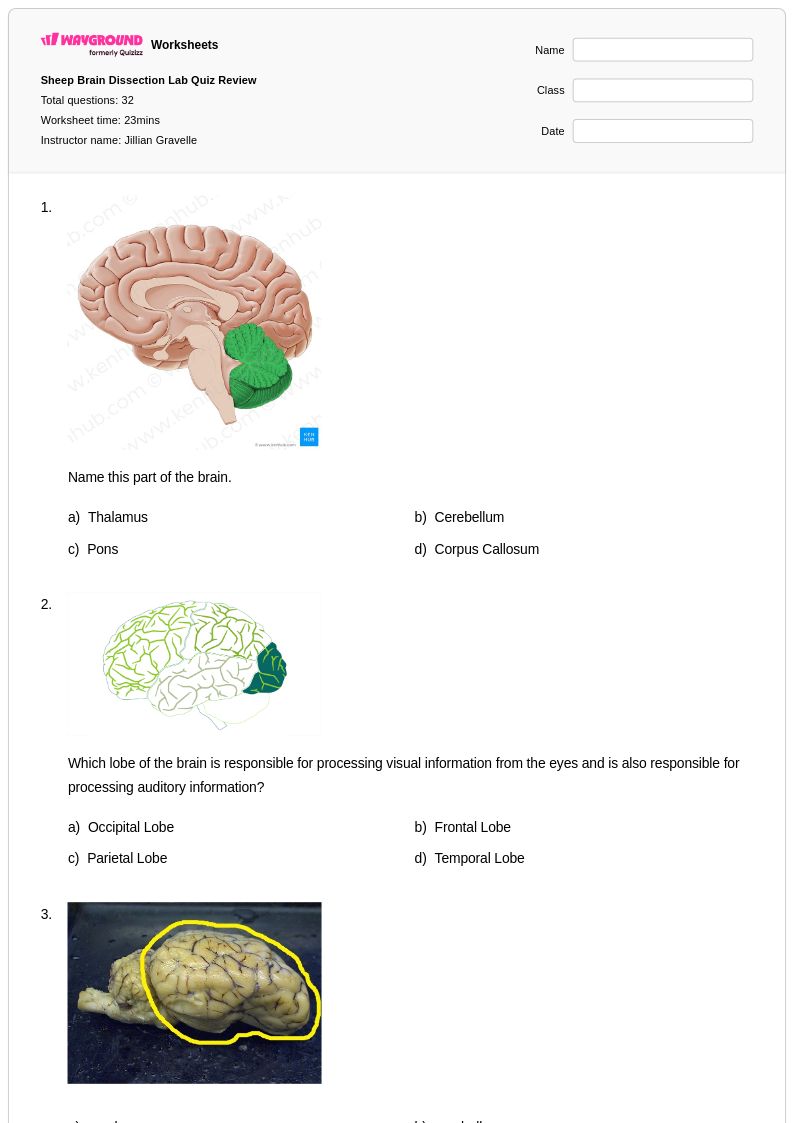
Effective alignment starts with identifying which structures or systems your curriculum requires students to examine, such as circulatory, digestive, or nervous systems, and selecting worksheets that target those specific learning objectives. Wayground's search and filtering tools allow teachers to locate materials aligned with specific curriculum standards, whether the focus is earthworm anatomy, frog physiology, or plant structure analysis. Pairing dissection worksheets with pre-lab vocabulary exercises and post-lab reflection prompts creates a complete instructional sequence that maps cleanly to anatomy and physiology standards.