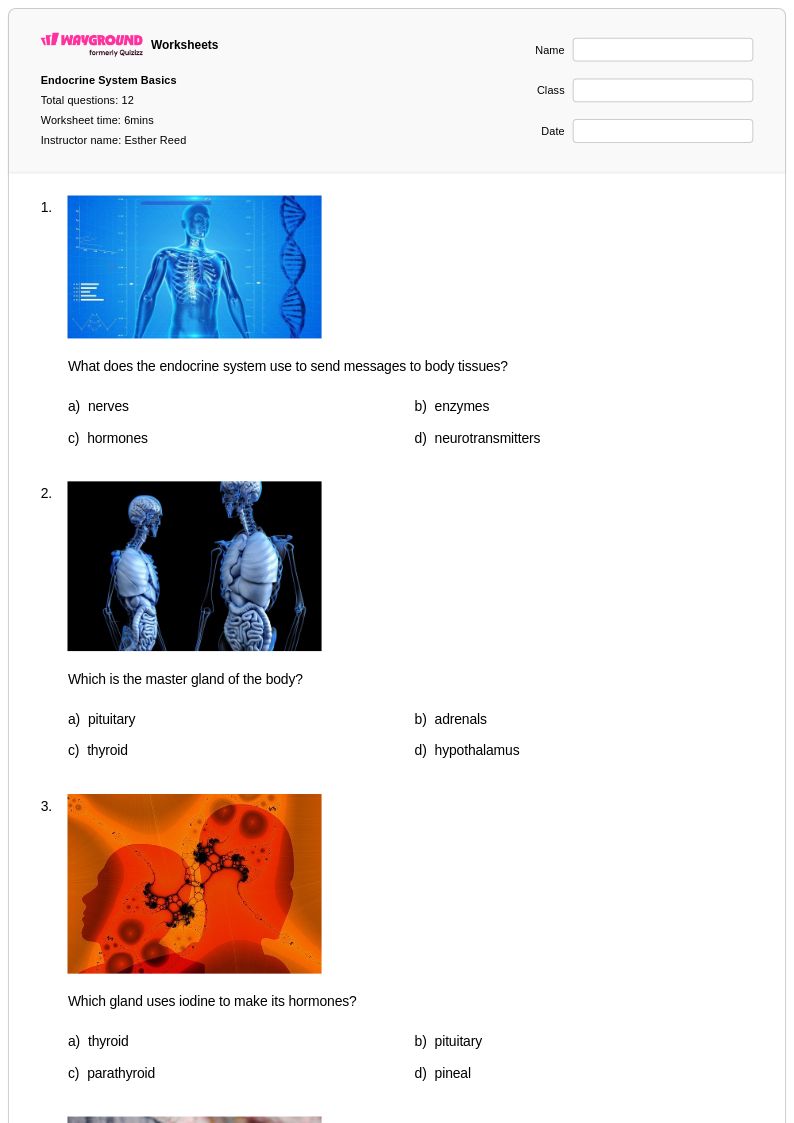
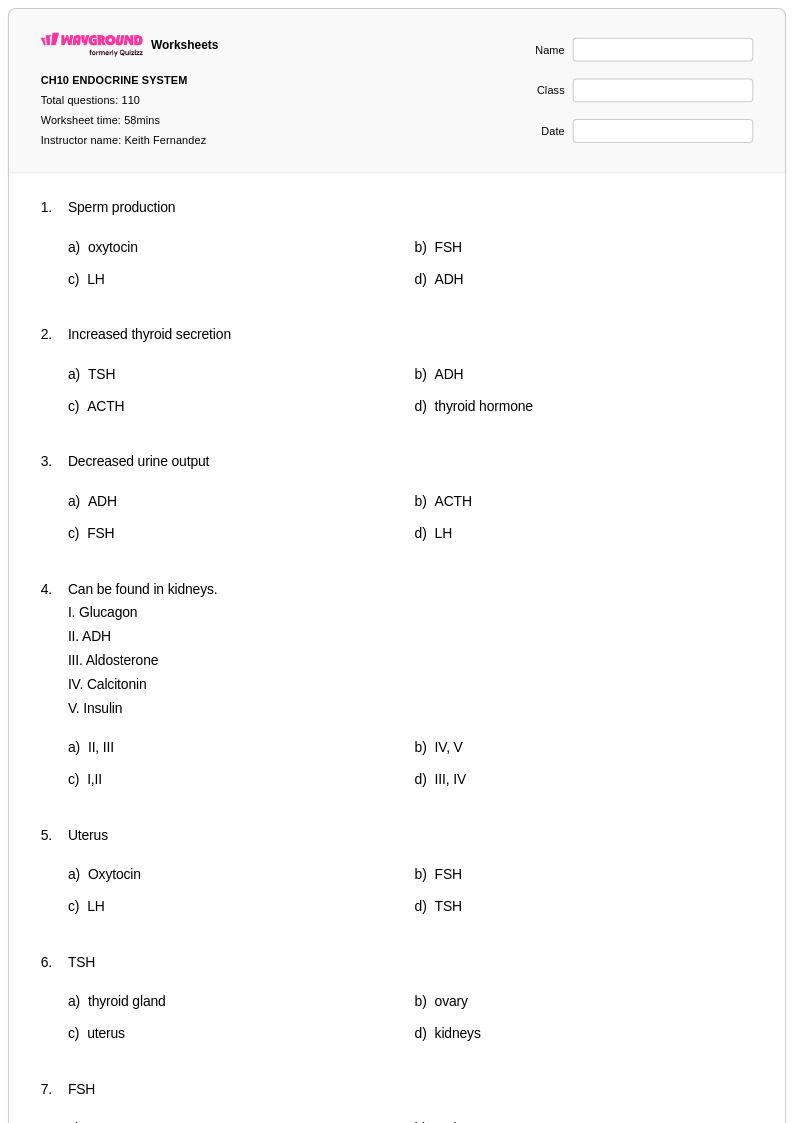
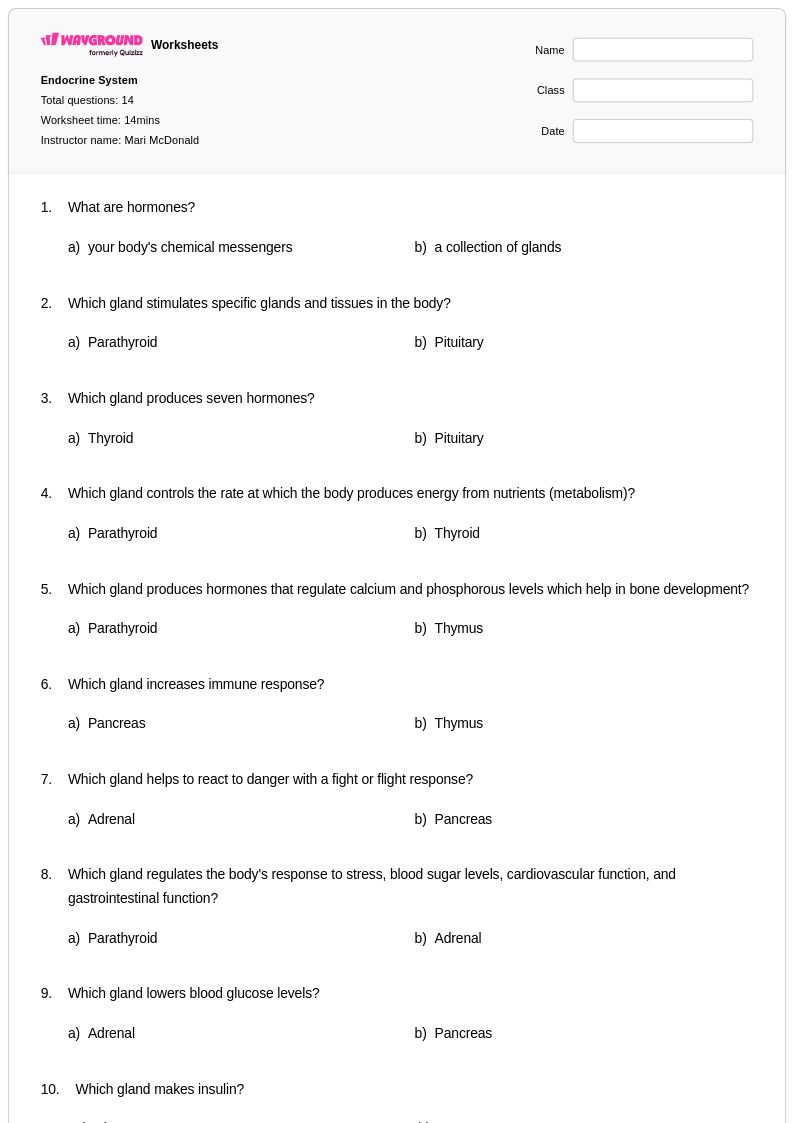
Explore Wayground's comprehensive collection of free endocrine system worksheets and printables that help students master hormone functions, gland locations, and regulatory processes through engaging practice problems with detailed answer keys.
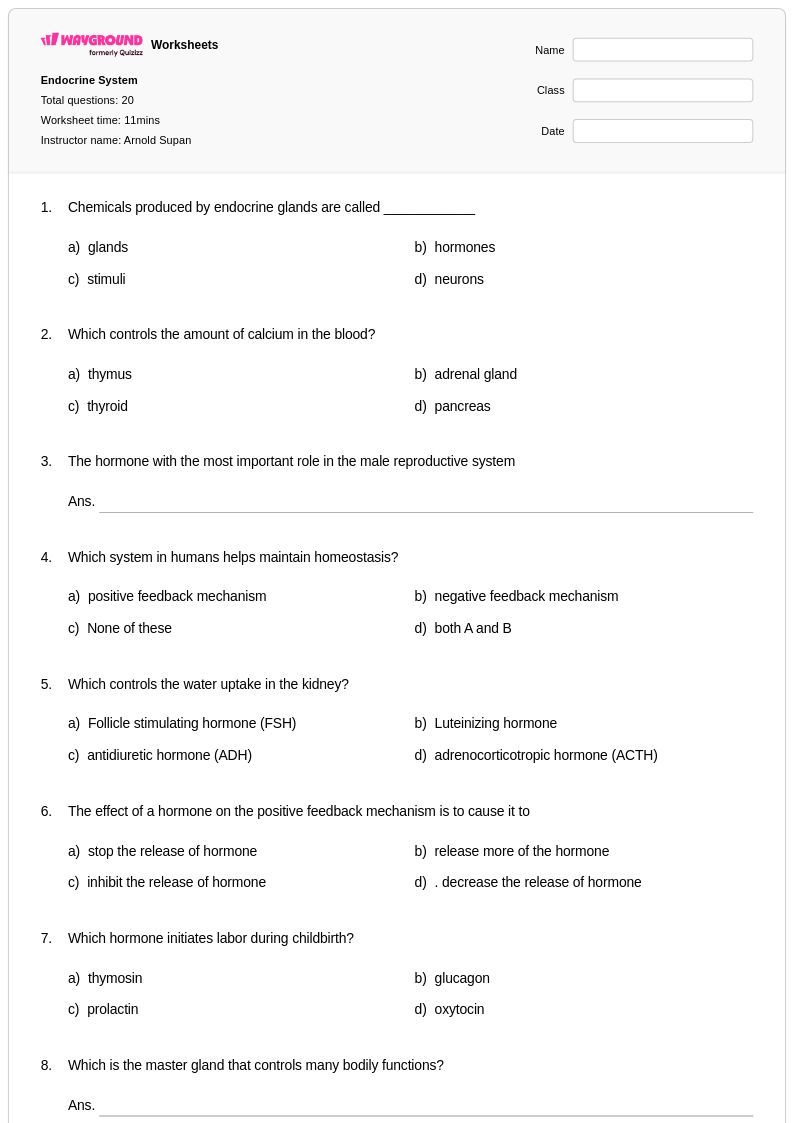
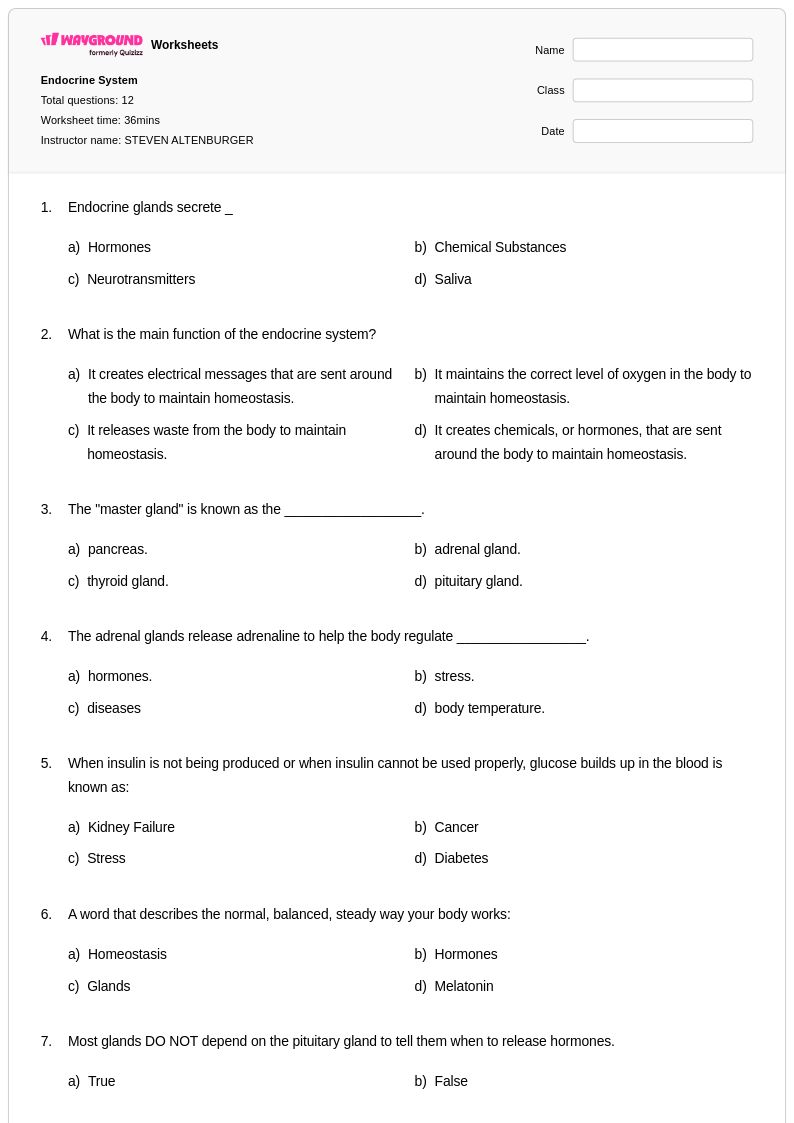
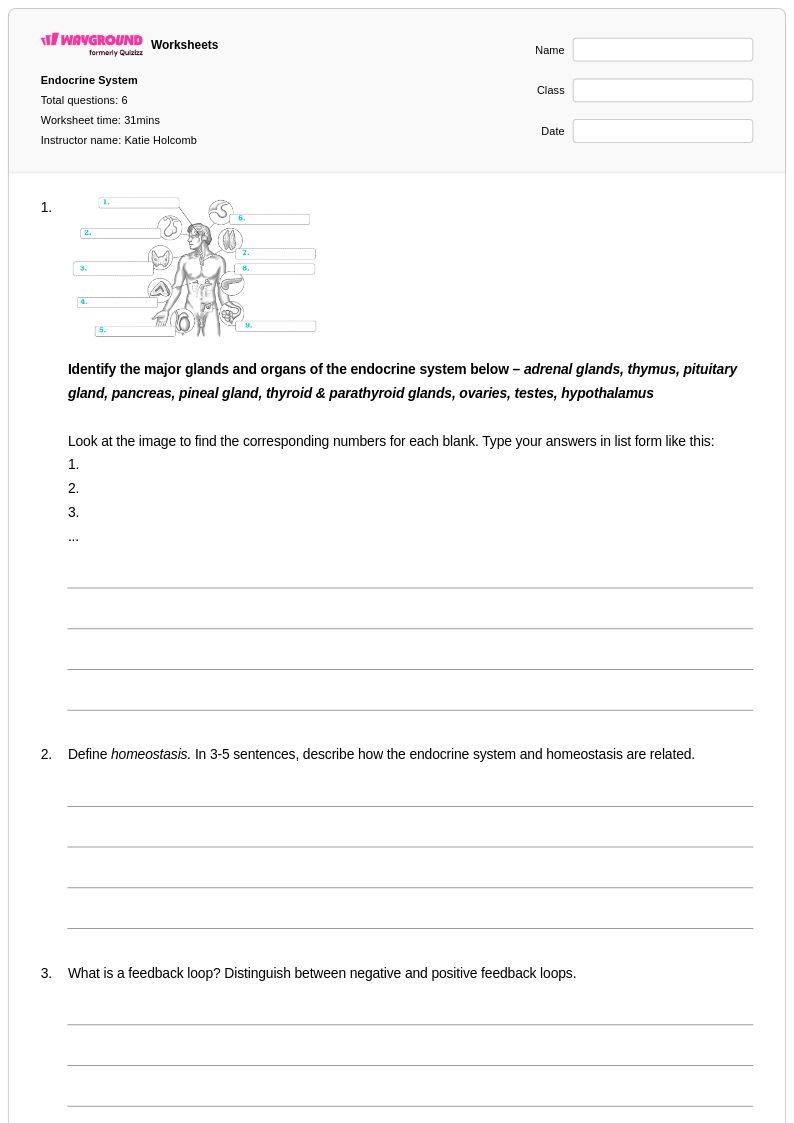
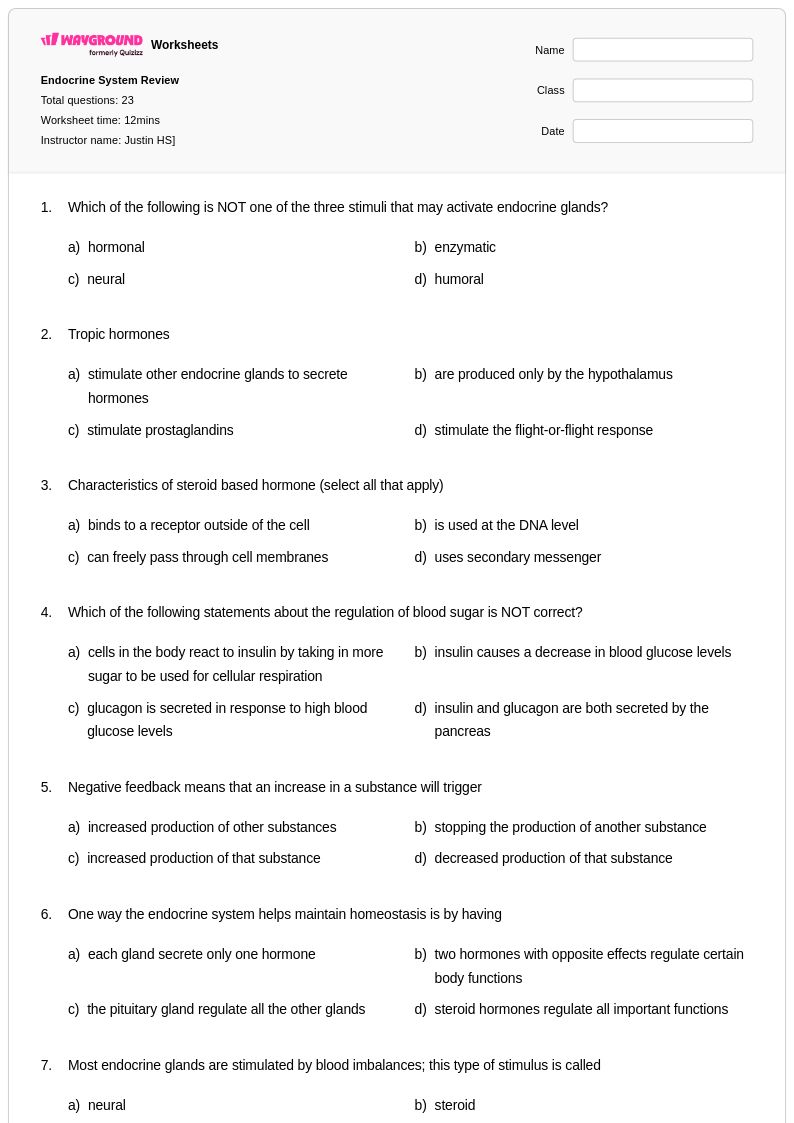
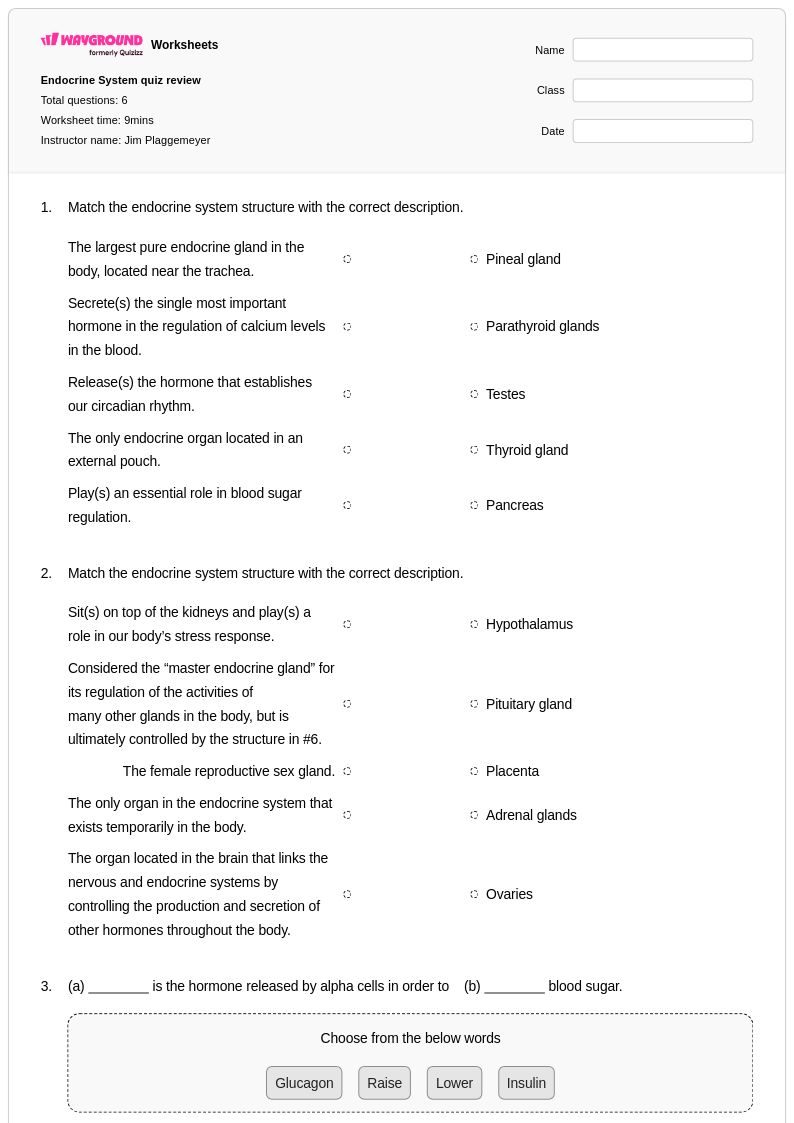
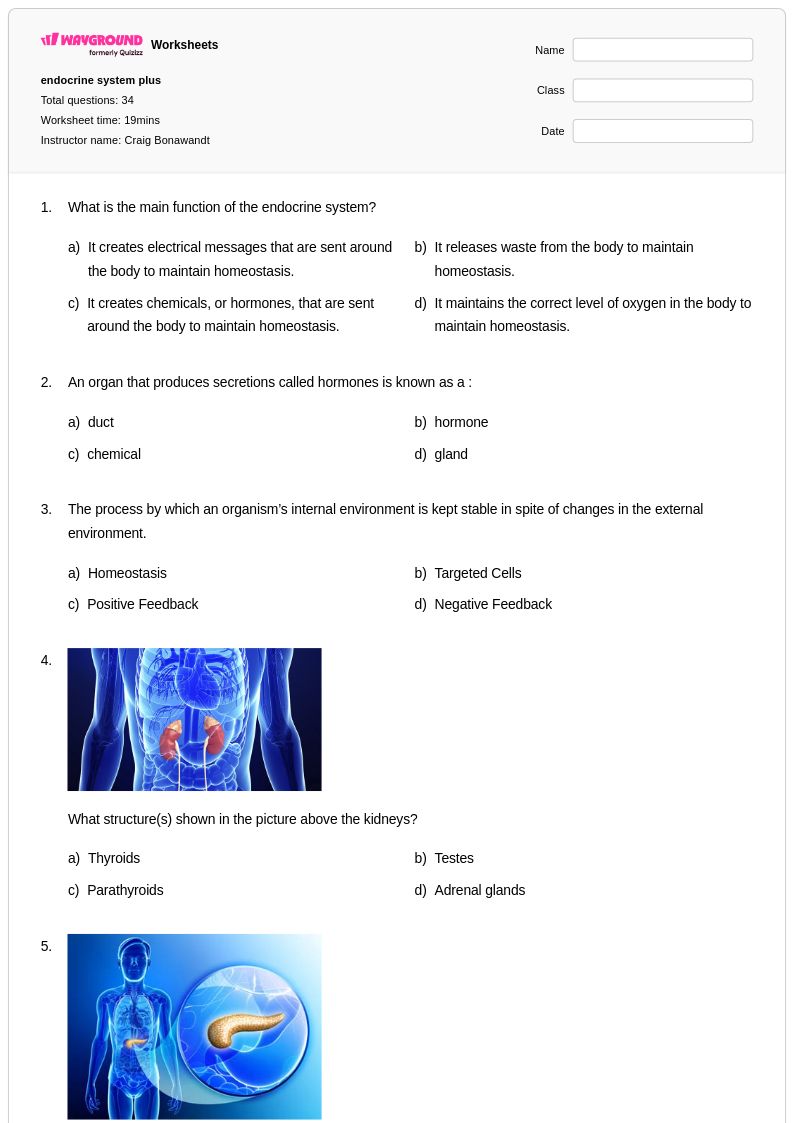
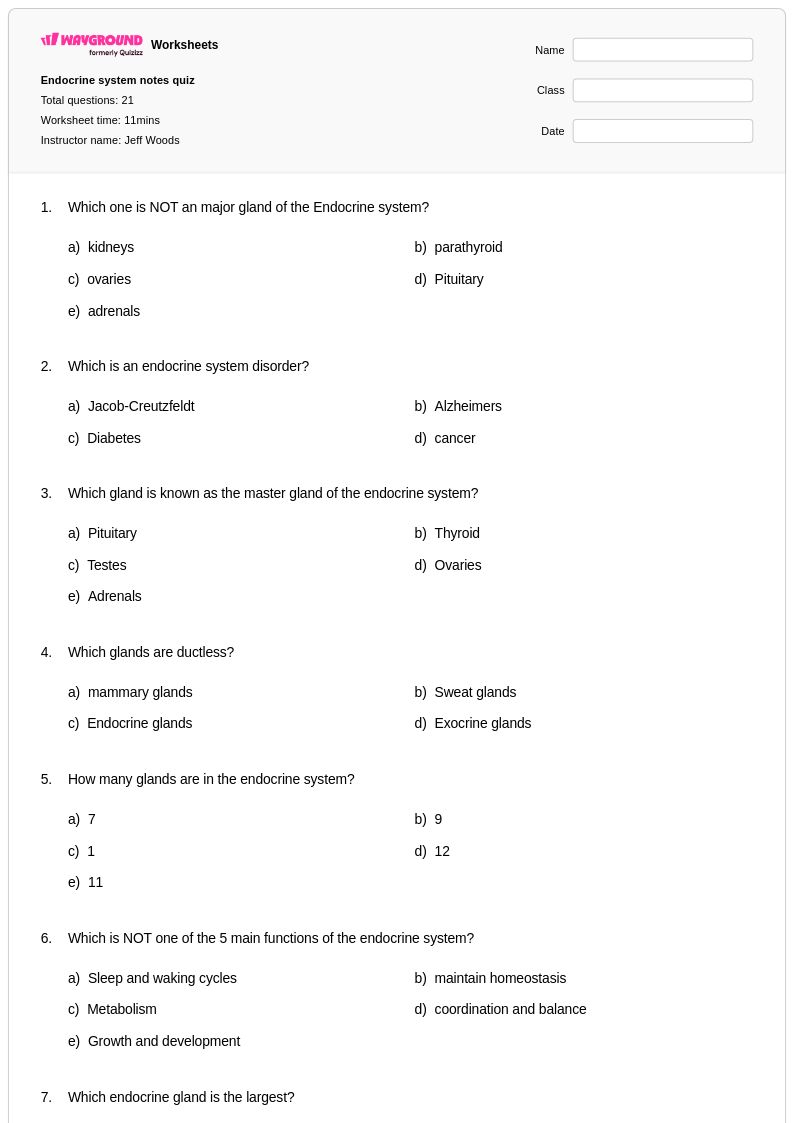
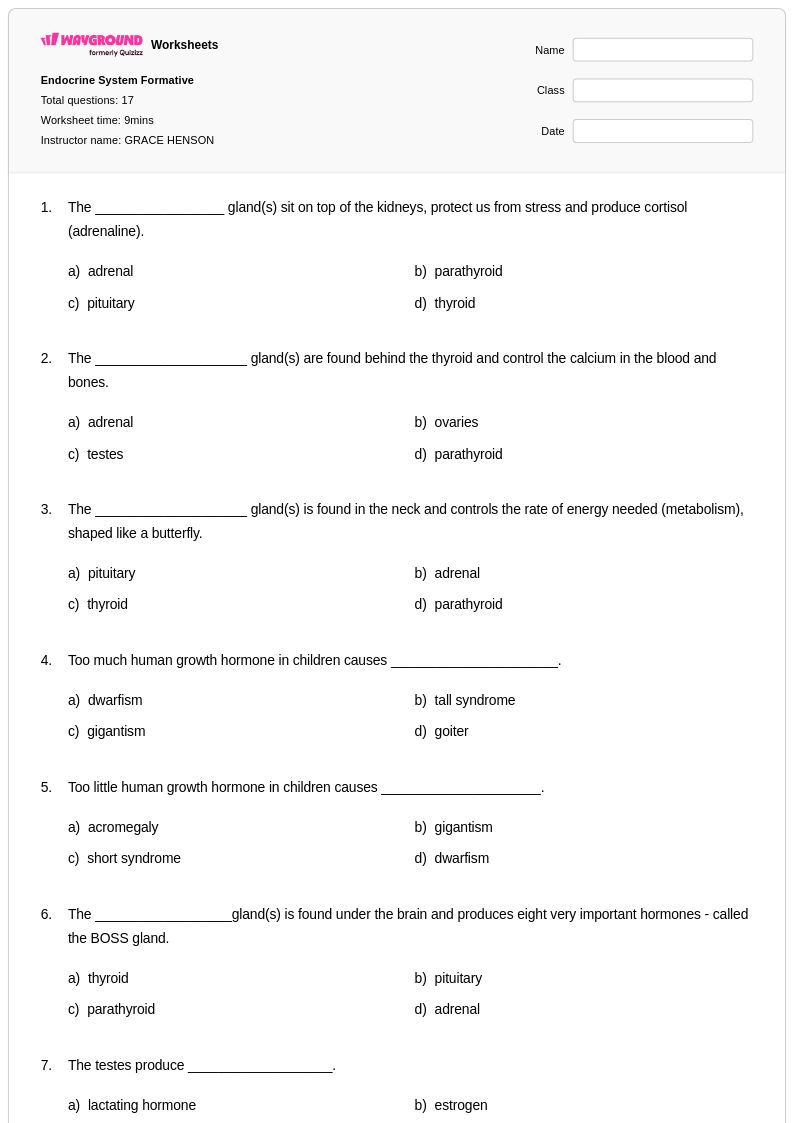
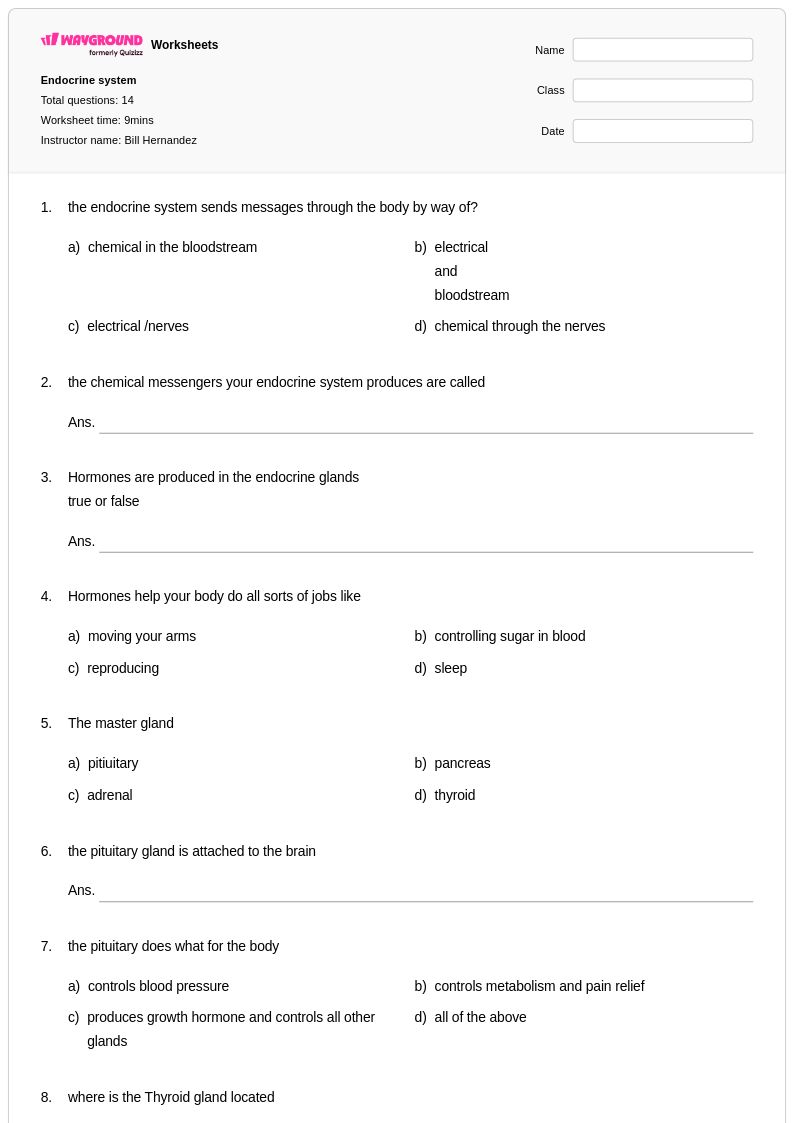
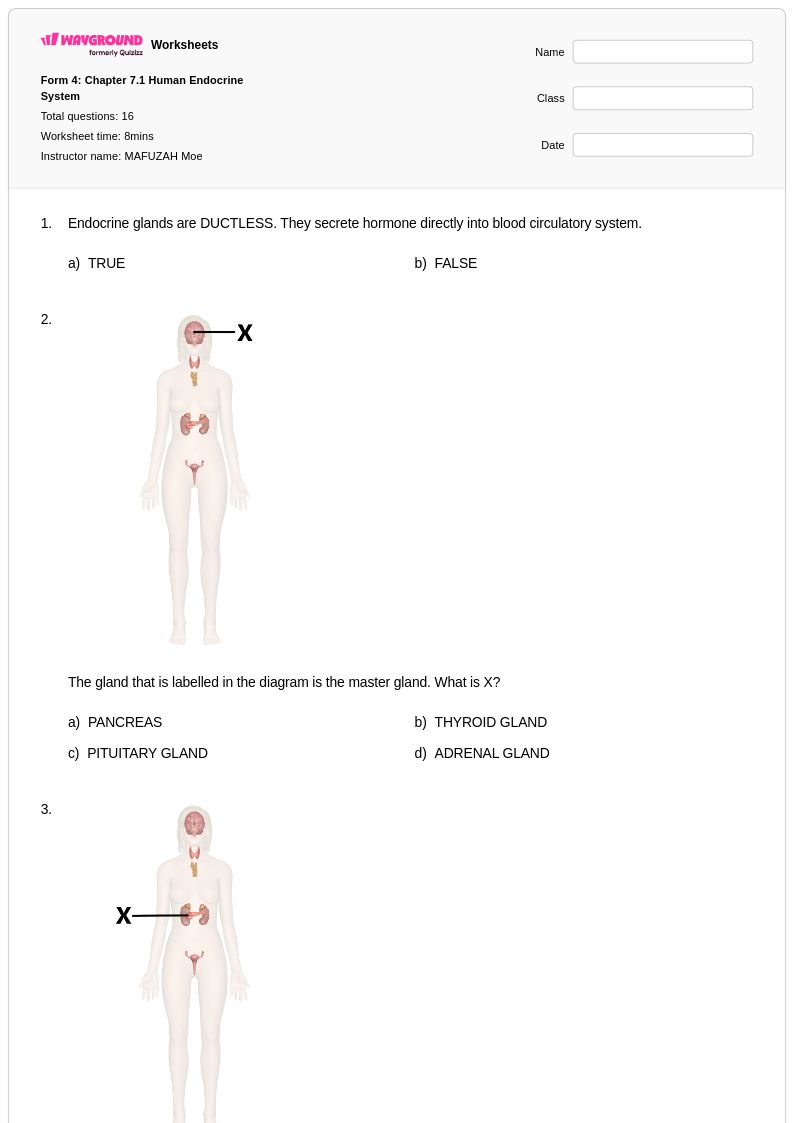
Endocrine system worksheets available through Wayground (formerly Quizizz) provide comprehensive coverage of hormone regulation, gland functions, and physiological feedback mechanisms that govern human body processes. These educational resources strengthen students' understanding of complex biological concepts including hormone pathways, target organ responses, and the intricate relationships between endocrine glands such as the pituitary, thyroid, adrenals, and pancreas. The collection features detailed practice problems that challenge learners to identify hormone functions, analyze feedback loops, and connect endocrine disorders to their underlying mechanisms. Each worksheet comes with a complete answer key and is available as free printable pdf resources, making them accessible for both classroom instruction and independent study while reinforcing critical thinking skills essential for advanced biological sciences.
Wayground (formerly Quizizz) supports science educators with an extensive library of millions of teacher-created endocrine system resources that streamline lesson planning and enhance student engagement. The platform's robust search and filtering capabilities allow teachers to quickly locate worksheets aligned with specific educational standards, whether focusing on molecular hormone action, glandular anatomy, or disease pathology. Advanced differentiation tools enable instructors to customize content complexity and modify assignments to meet diverse learning needs, supporting both remediation for struggling students and enrichment opportunities for advanced learners. Available in both printable and digital formats including downloadable pdfs, these resources facilitate flexible implementation across various teaching environments while providing consistent opportunities for skill practice and assessment in this fundamental area of human biology.
FAQs
How do I teach the endocrine system to high school biology students?
Start by grounding students in the structural logic of the system: glands produce hormones, hormones travel through the bloodstream, and target organs respond based on receptor binding. From there, build toward feedback loops by using the thyroid-pituitary axis or blood glucose regulation as concrete case studies. Connecting each gland to a specific disorder (e.g., the pancreas to diabetes, the thyroid to hypo- and hyperthyroidism) gives students an applied framework that makes abstract hormone pathways stick.
What exercises help students practice understanding hormone feedback loops?
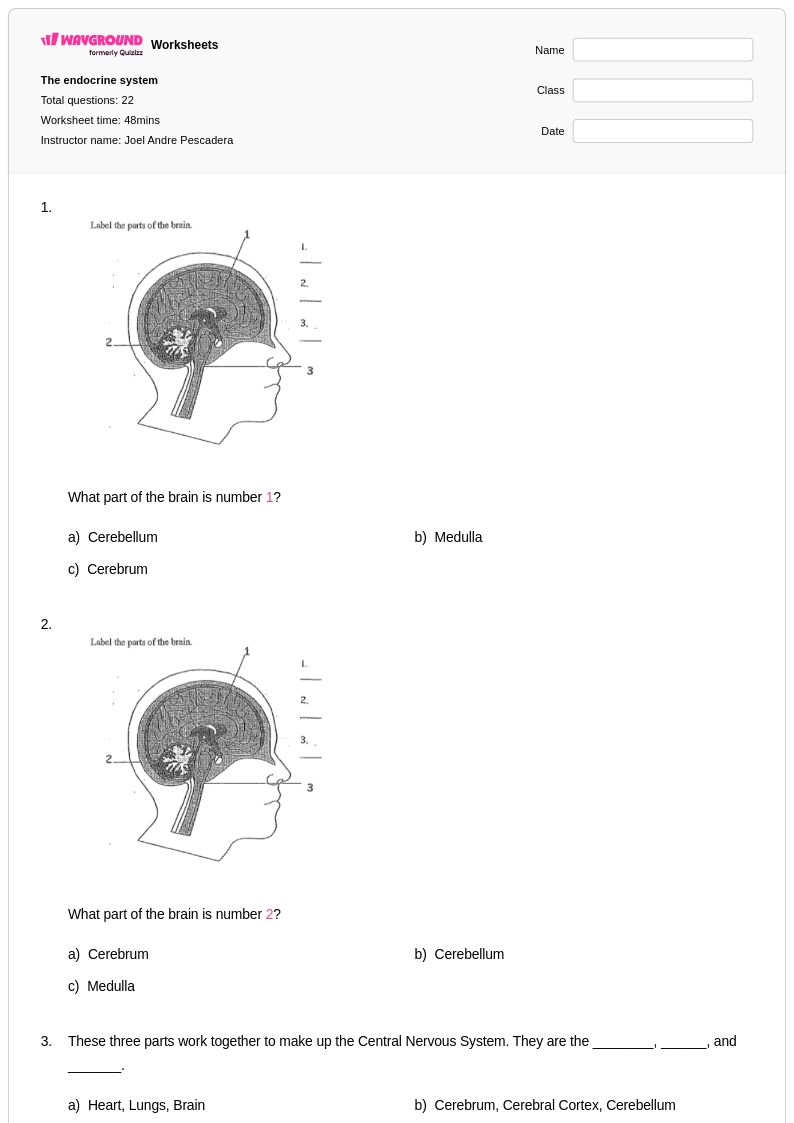
Diagram-completion activities work well for feedback loops because they force students to trace the sequence from stimulus to hormone release to target organ response and back to the gland. Practice problems that ask students to predict what happens when a hormone is over- or under-produced are especially effective for building analytical reasoning. Pairing these with short case scenarios involving real endocrine disorders reinforces how negative feedback functions as a regulatory mechanism rather than an abstract concept.
What common mistakes do students make when learning about the endocrine system?
The most frequent misconception is confusing the endocrine system with the nervous system, particularly around speed and mechanism — students often assume hormones act as quickly as nerve signals. Another common error is treating all feedback loops as identical rather than distinguishing between negative and positive feedback, and misidentifying which gland or hormone is upstream in a regulatory pathway. Students also regularly confuse the anterior and posterior pituitary, not realizing they have distinct embryological origins and release different sets of hormones.
How do I differentiate endocrine system instruction for students with different learning needs?
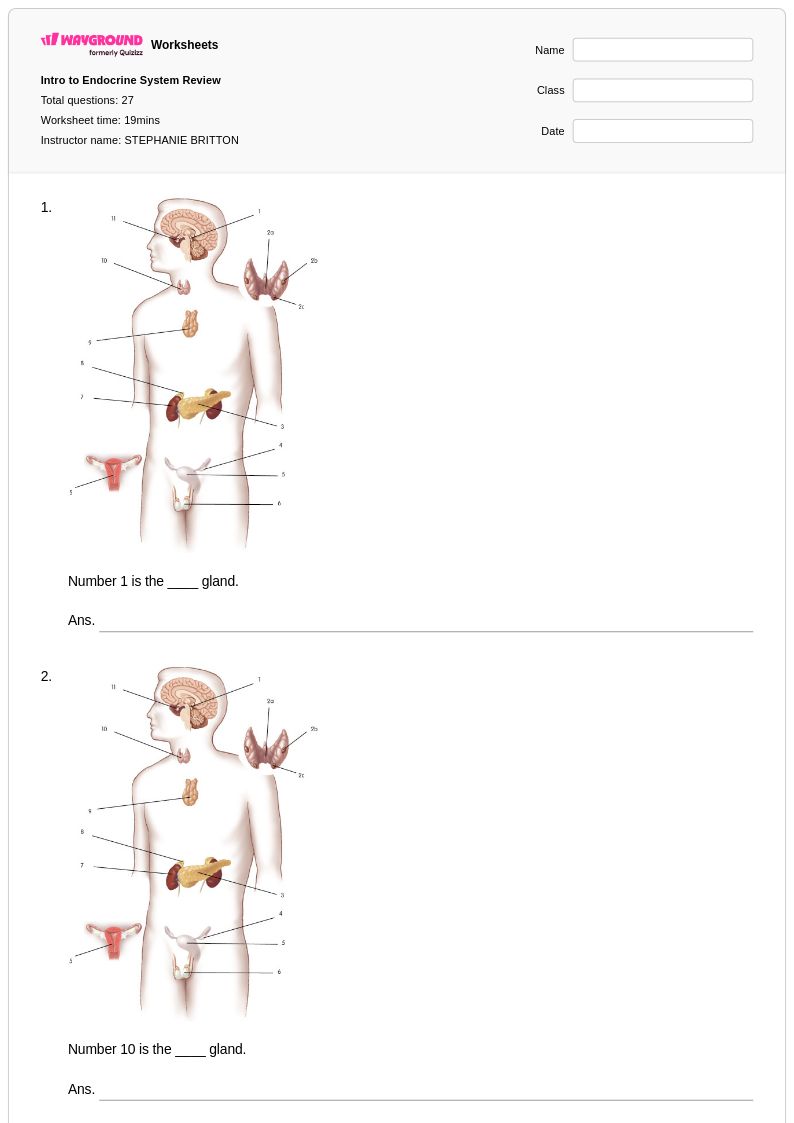
For students who struggle with dense biological vocabulary, reducing the number of glands or hormones covered at once and using visual gland maps alongside written content can lower the cognitive load without simplifying the core concepts. On Wayground, teachers can enable Read Aloud so questions and content are read to students who need audio support, and Reduced Answer Choices for students who need fewer options to process at a time. Extended time settings can also be applied per student, ensuring that pace differences don't disadvantage learners during digital practice or quizzes.
How can I use Wayground's endocrine system worksheets in my classroom?
Wayground's endocrine system worksheets are available as printable PDFs for traditional classroom use and in digital formats for technology-integrated environments, and can also be hosted as a quiz directly on the Wayground platform. The printable versions work well as guided notes, exit tickets, or homework assignments, while the digital format allows for real-time tracking of student responses. Each worksheet includes a complete answer key, so teachers can use them for both formative practice and summative assessment without additional prep.
How do I help students connect endocrine disorders to the underlying gland and hormone mechanisms?
Teach disorders as diagnostic puzzles: give students the symptoms first and have them work backward to identify which gland is malfunctioning and whether it's producing too much or too little of a given hormone. Conditions like Cushing's syndrome, Addison's disease, and Type 1 versus Type 2 diabetes are useful because they each implicate a distinct gland and feedback pathway. This approach builds clinical reasoning and reinforces the regulatory logic of the endocrine system at the same time.