
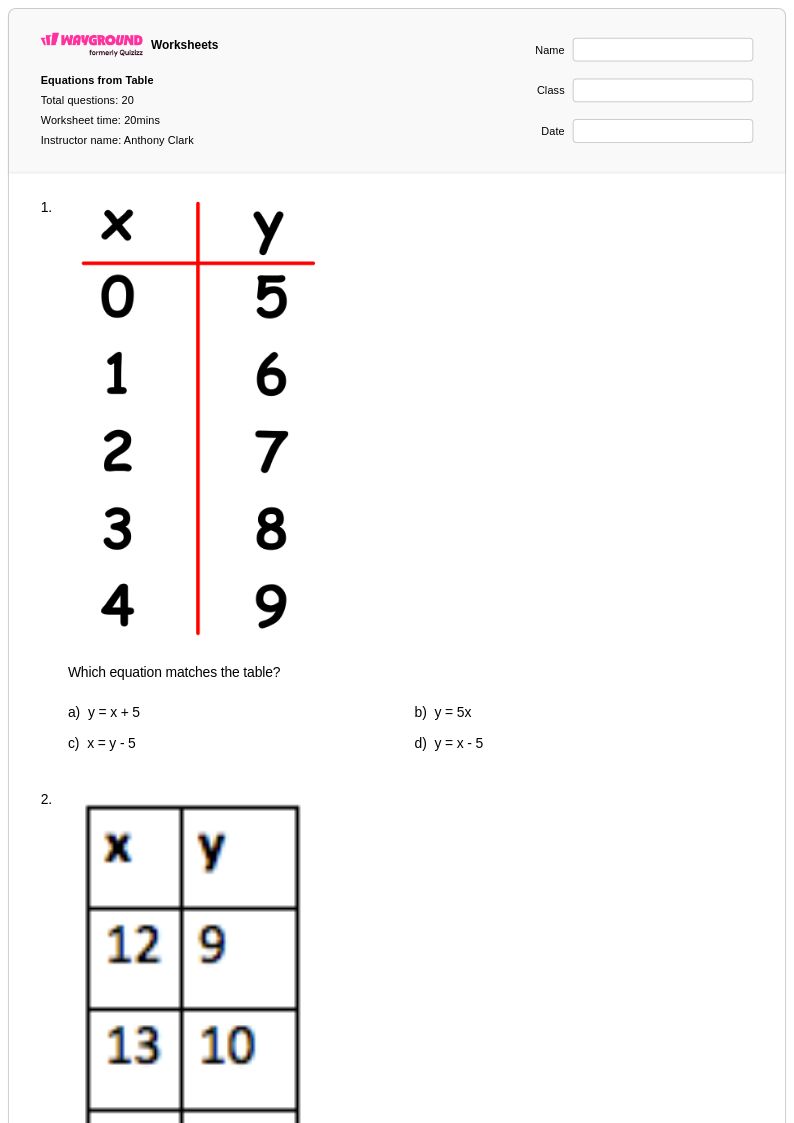
20 Q
6th - Uni
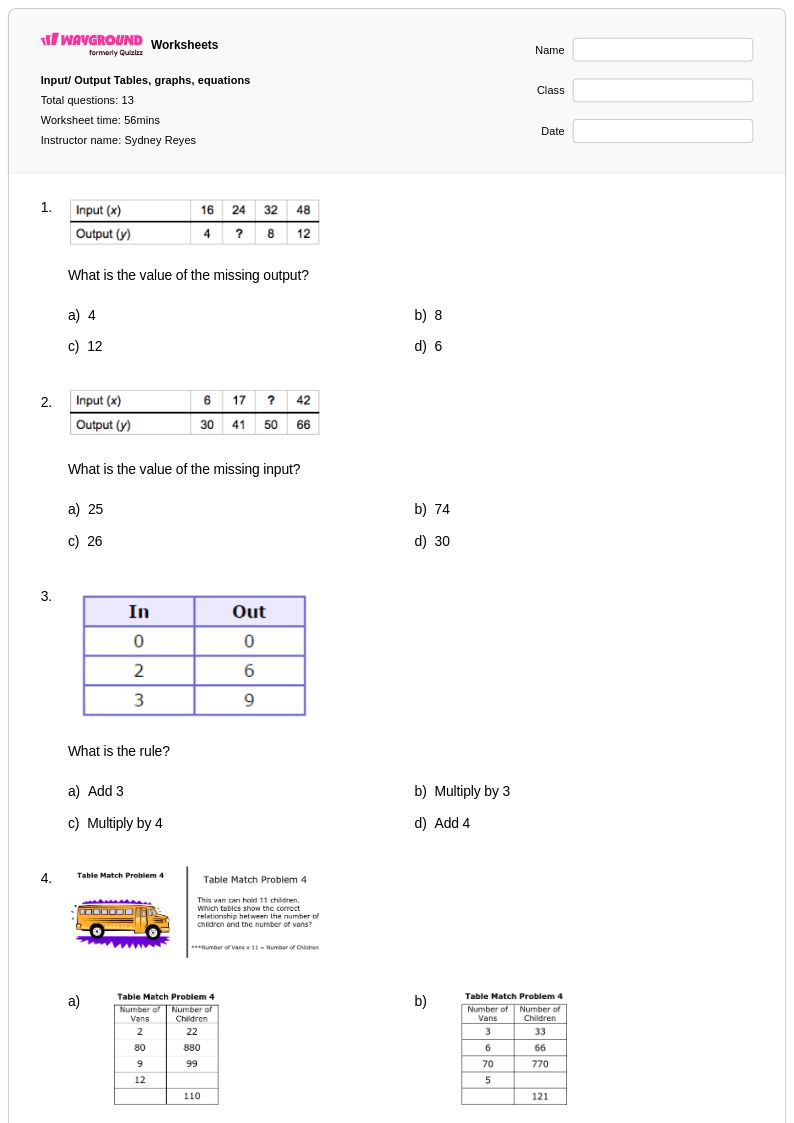
13 Q
6th
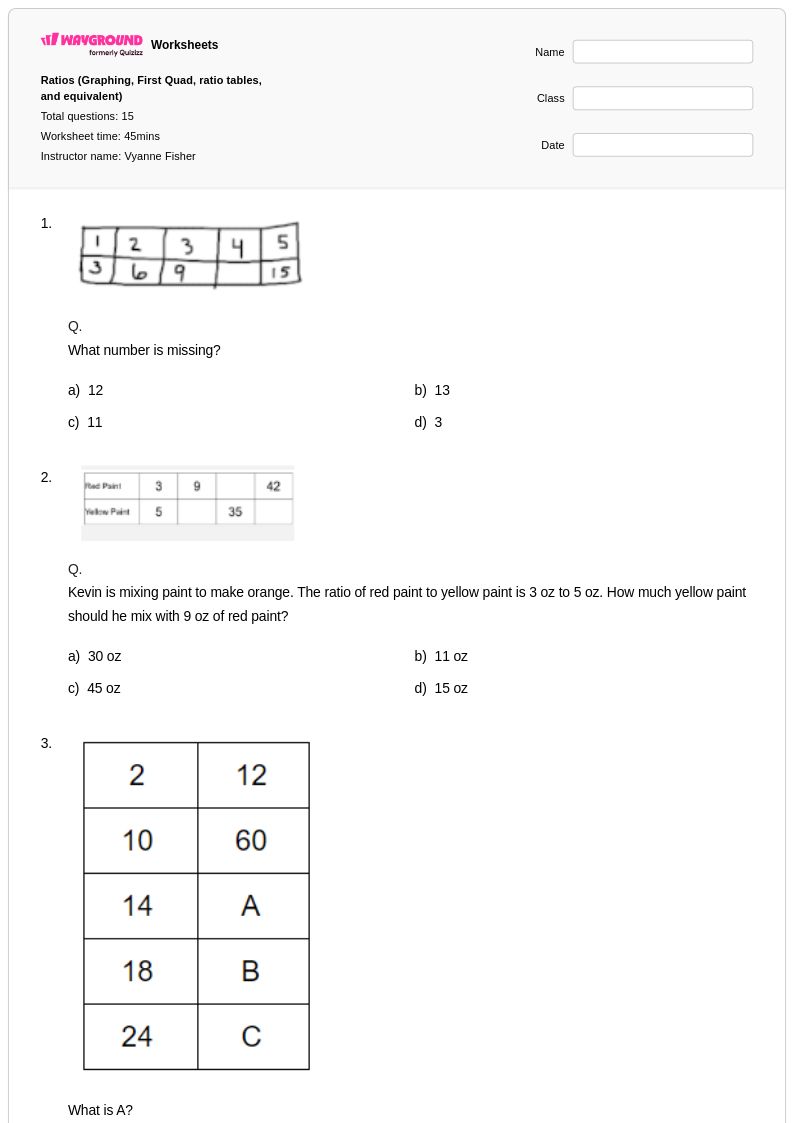
15 Q
6th
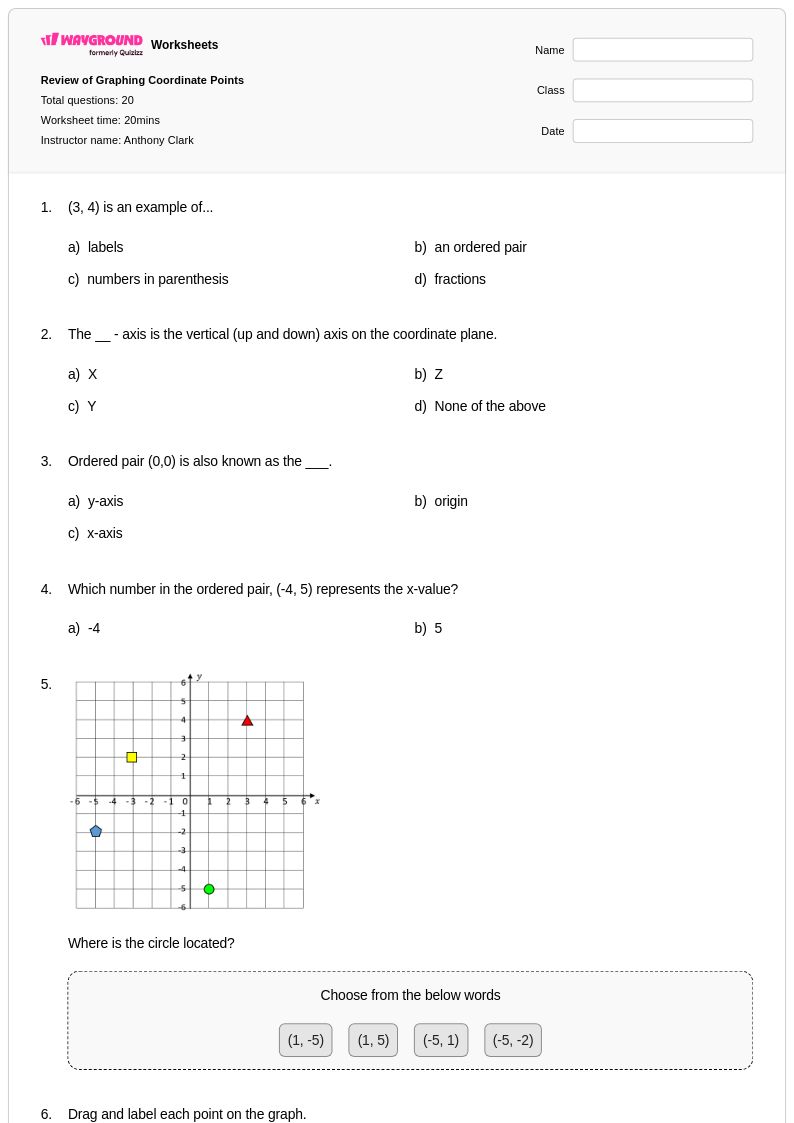
20 Q
5th - Uni
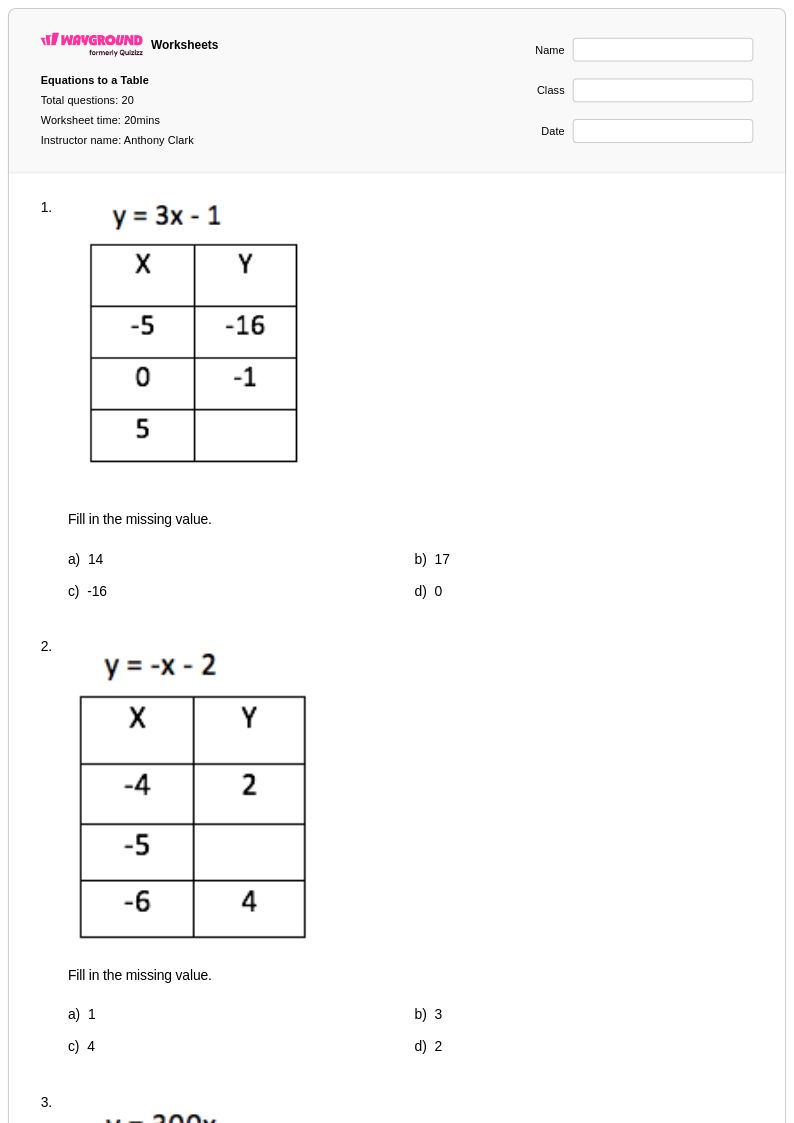
20 Q
6th - Uni
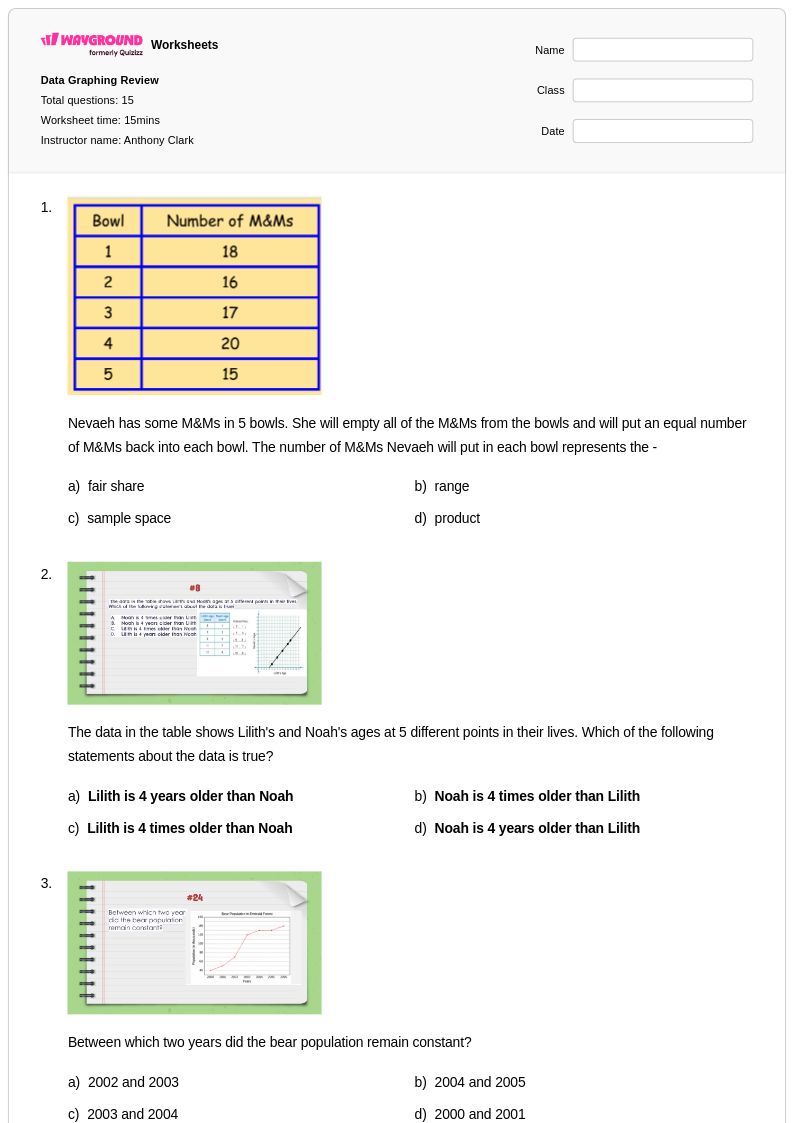
15 Q
5th - Uni
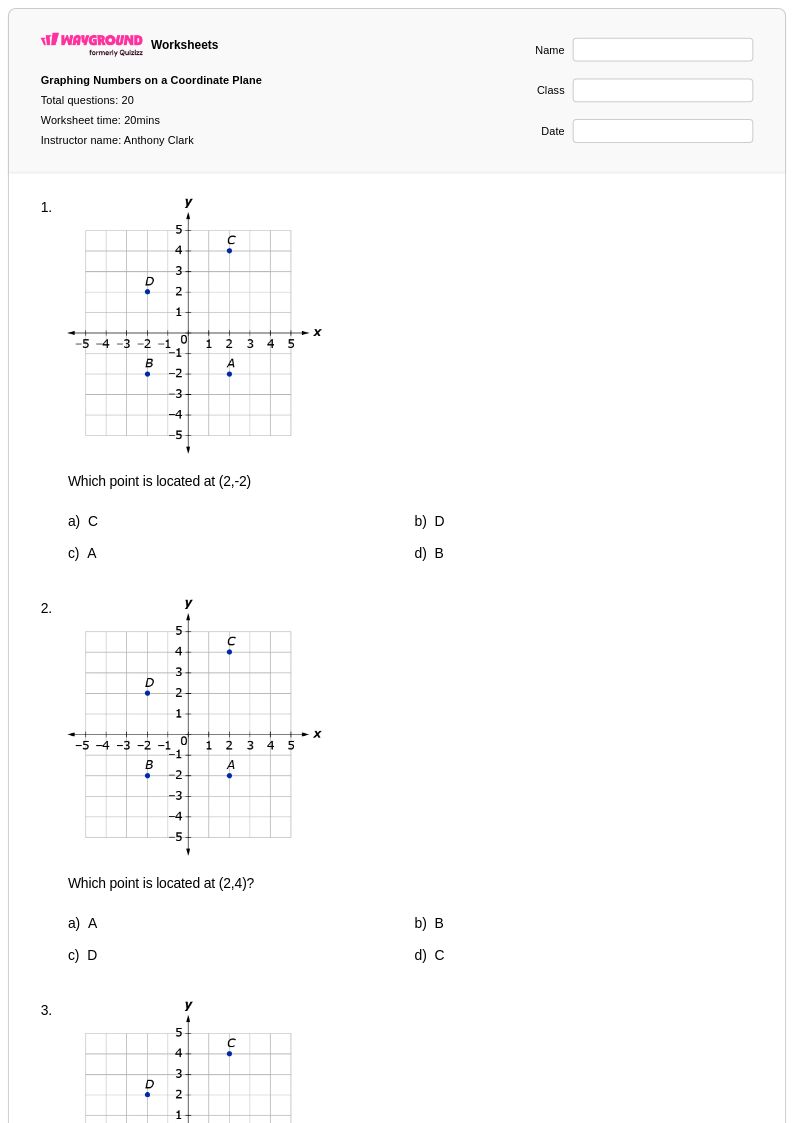
20 Q
6th - Uni
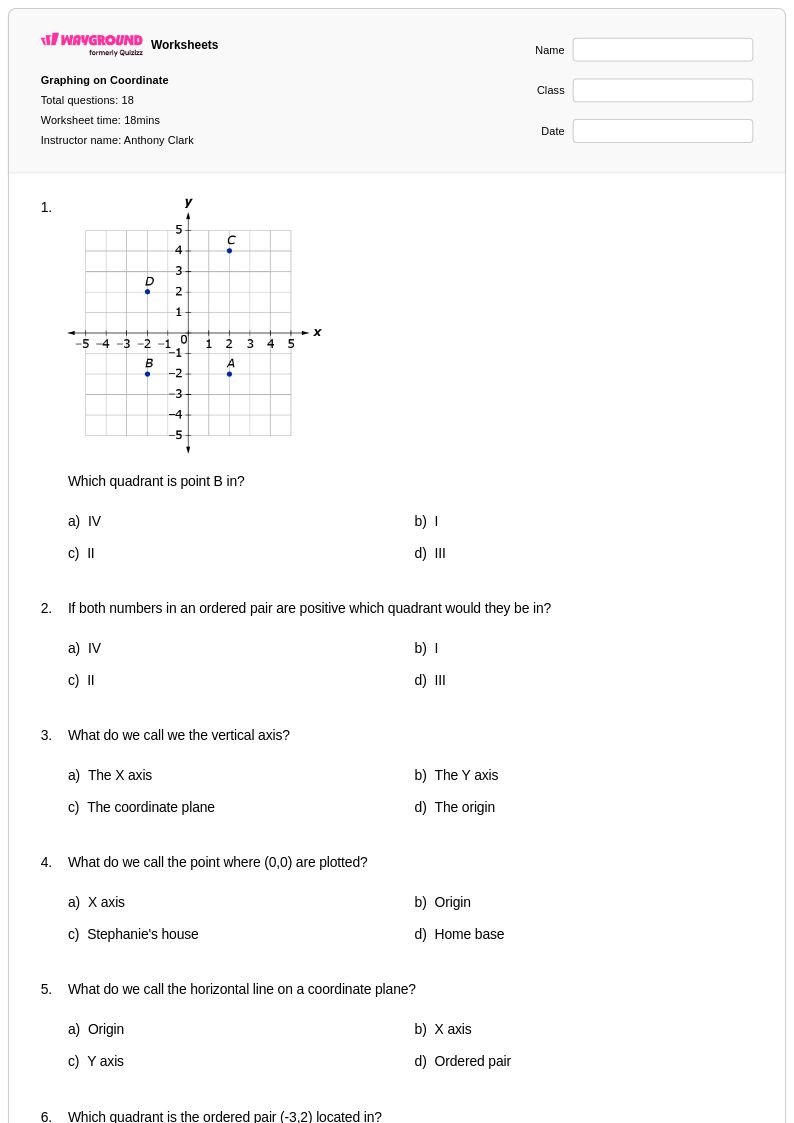
18 Q
6th - Uni
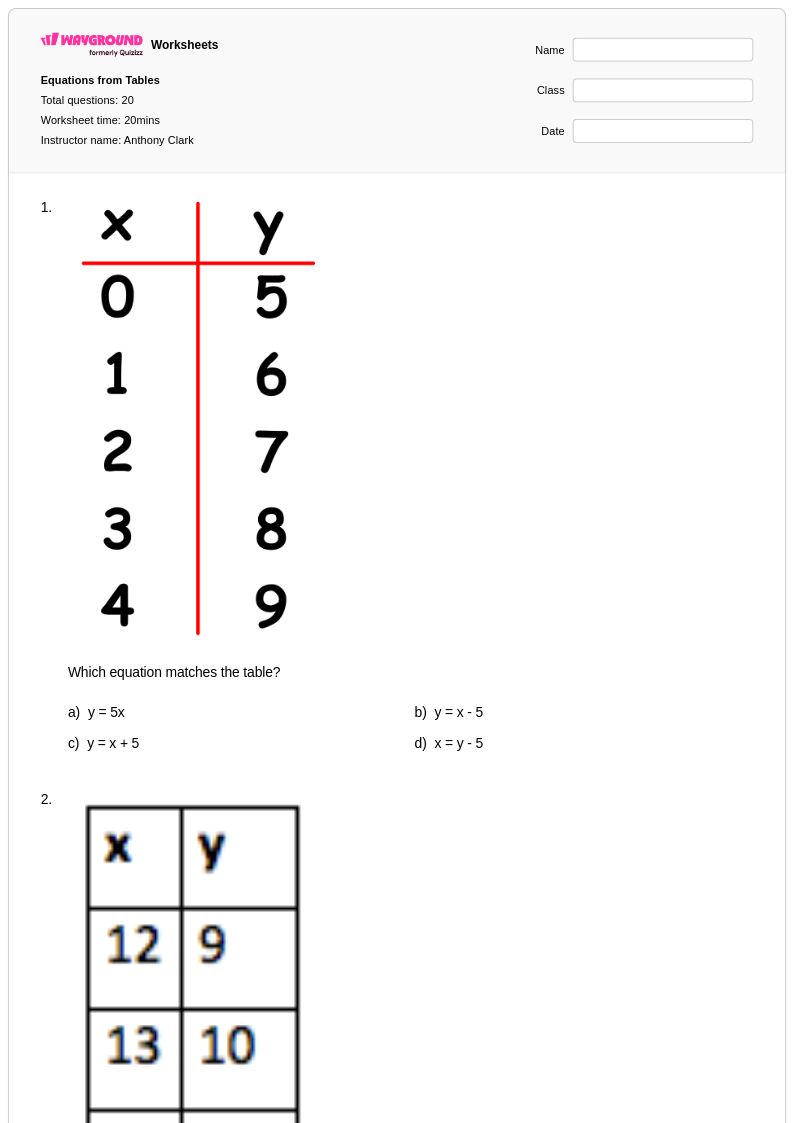
20 Q
6th - Uni
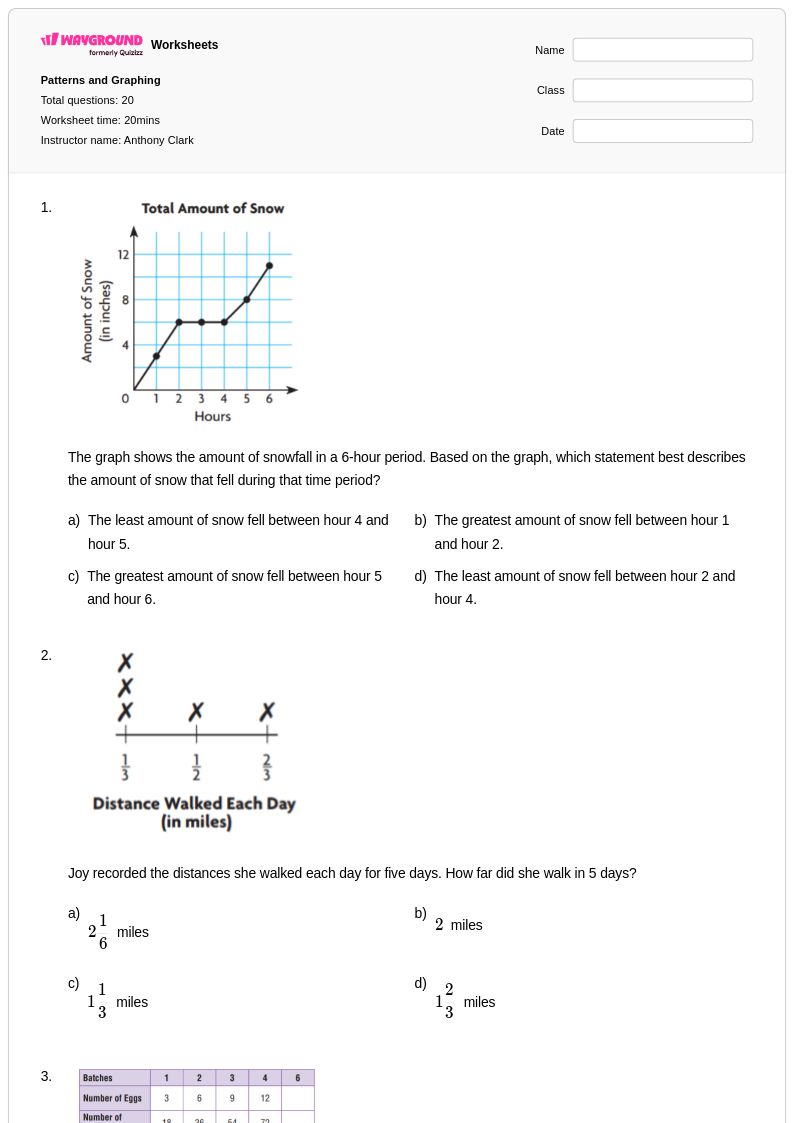
20 Q
5th - Uni
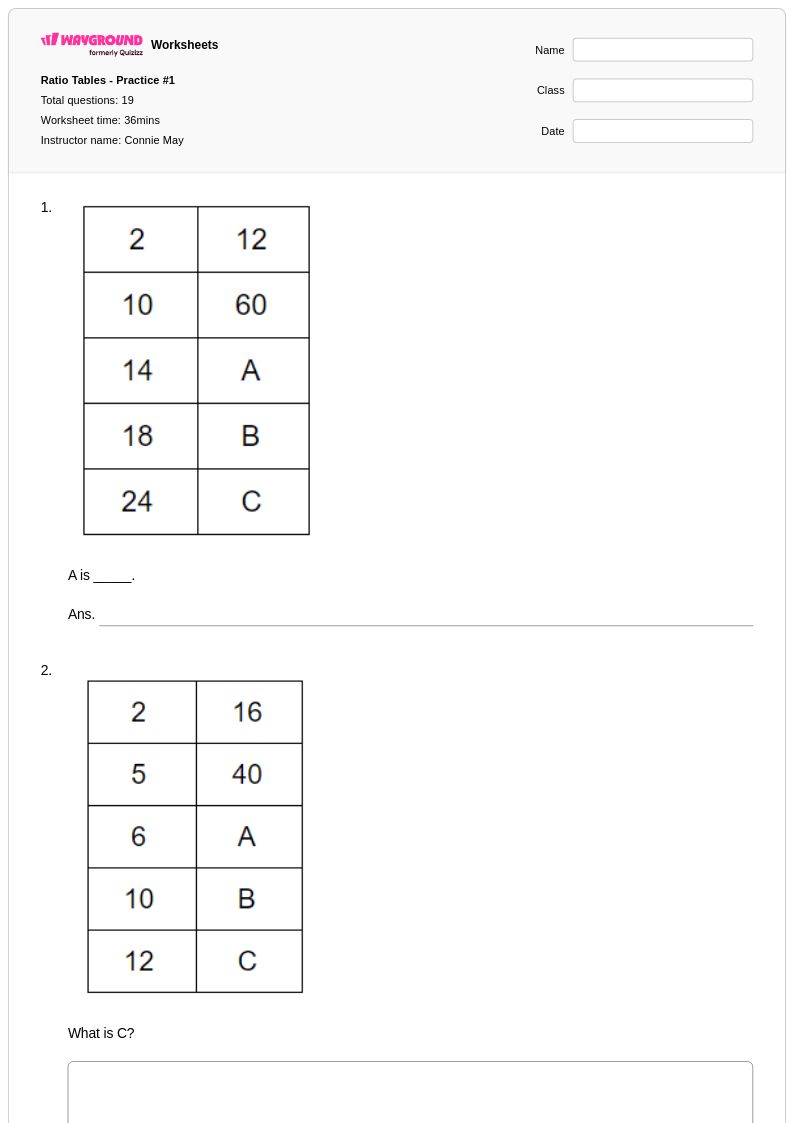
19 Q
6th
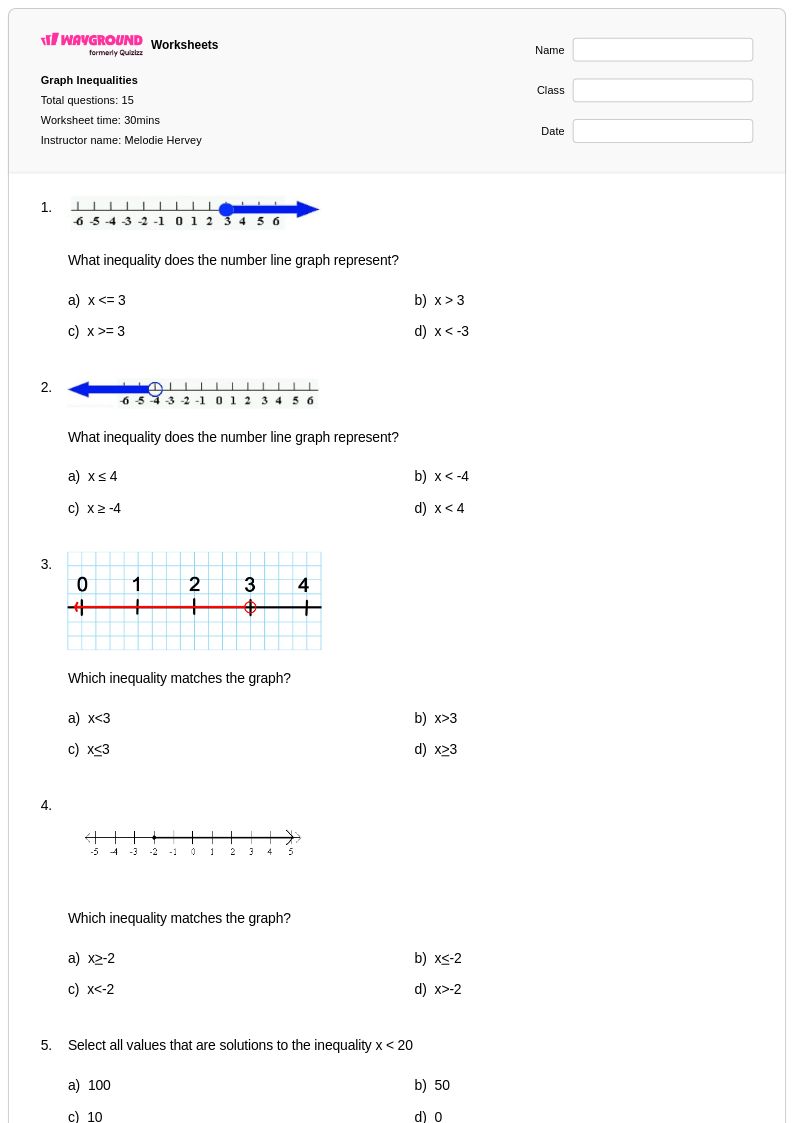
15 Q
6th
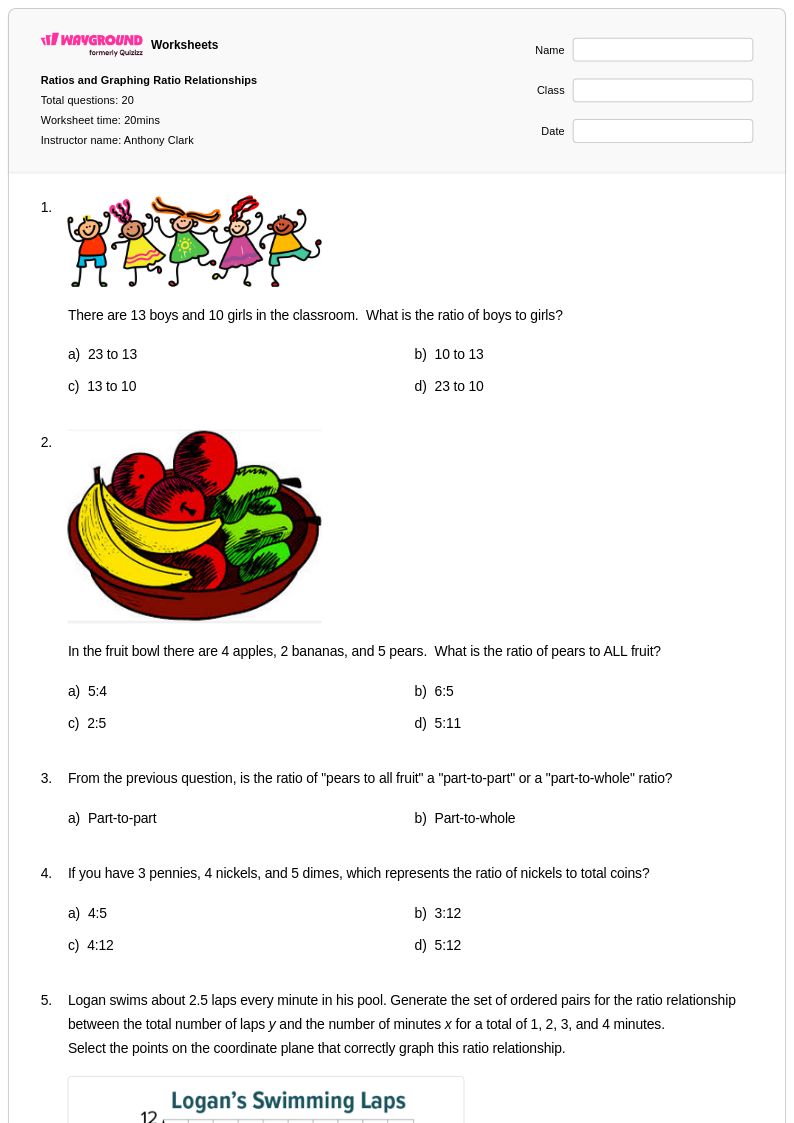
20 Q
6th - Uni
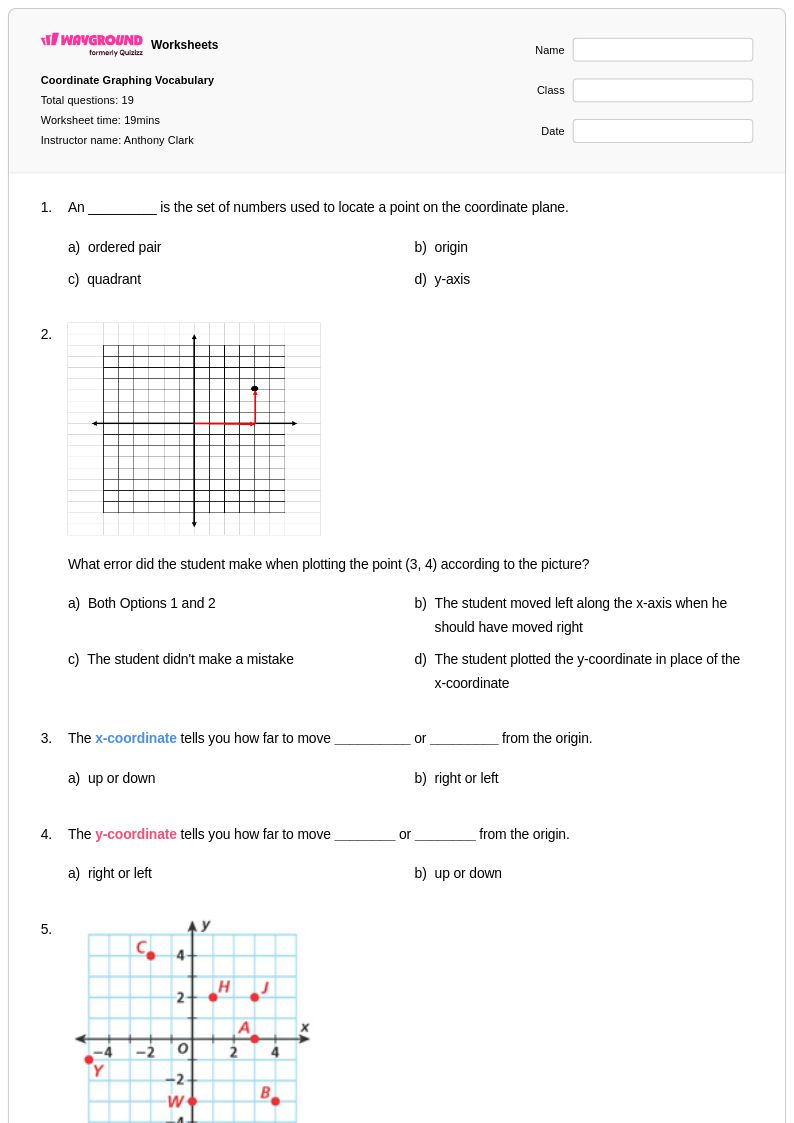
19 Q
6th - Uni
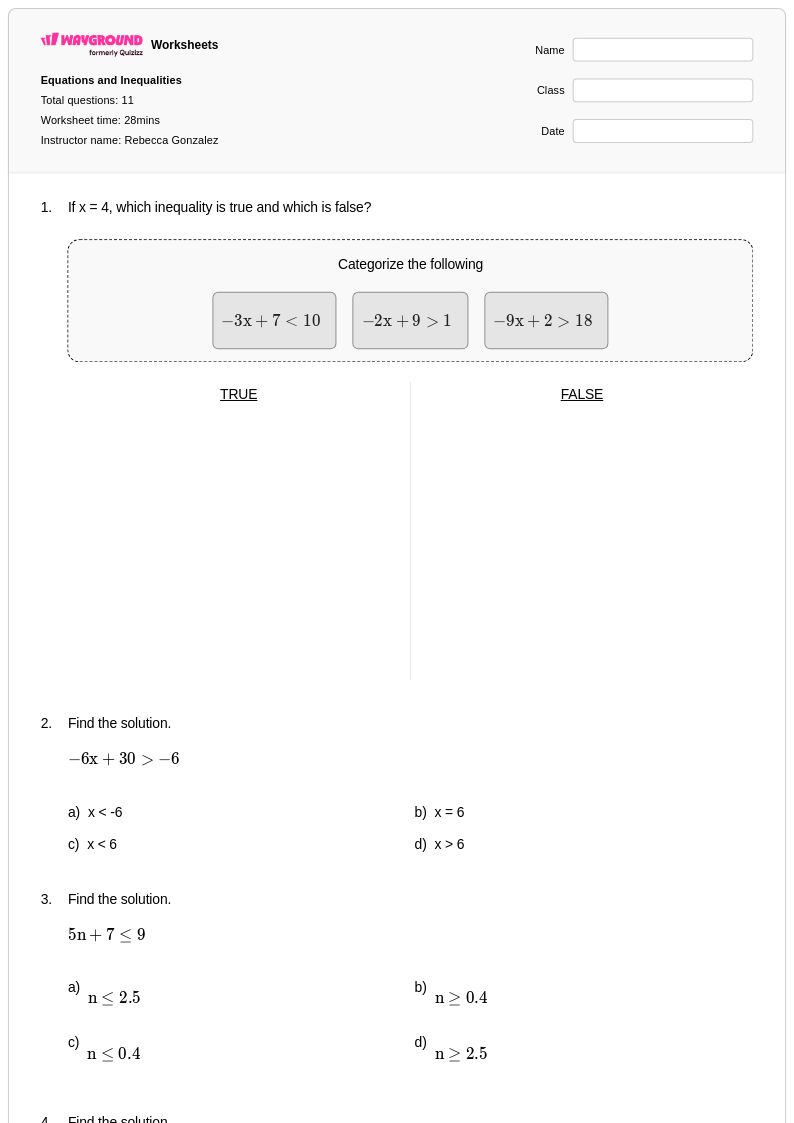
11 Q
6th - 8th
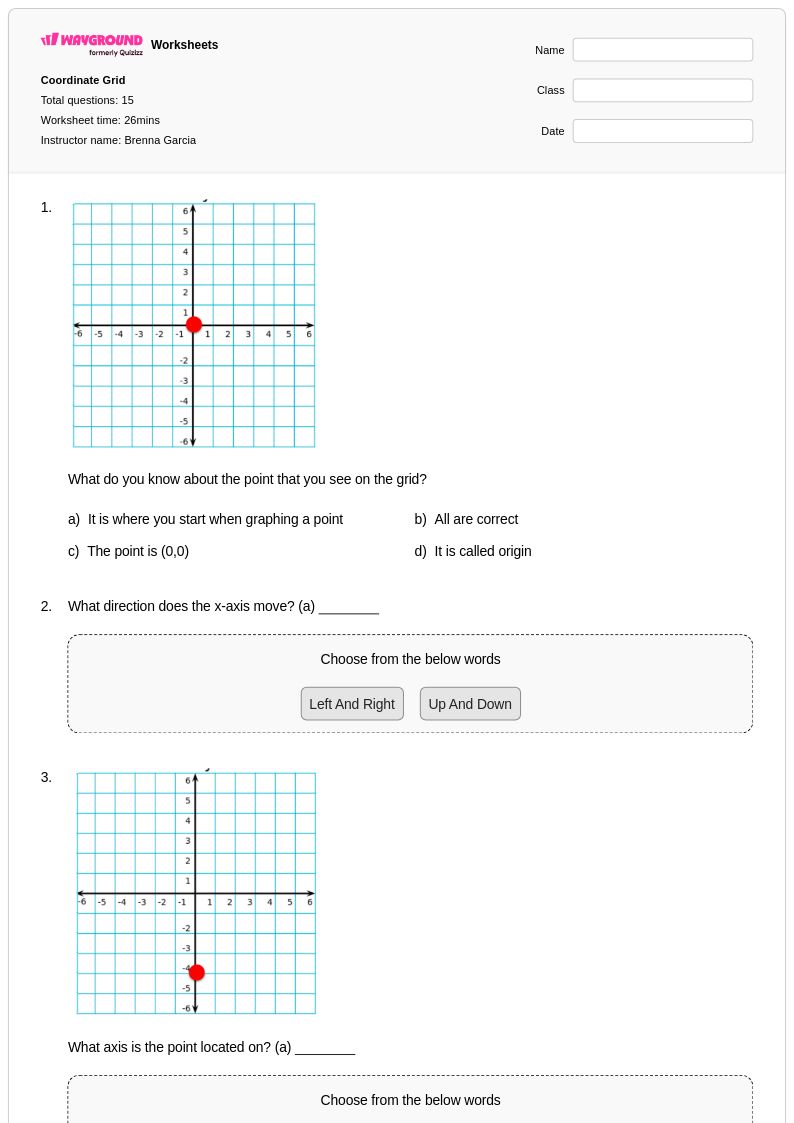
15 Q
6th
27 Q
6th - Uni
20 Q
6th
12 Q
6th
10 Q
6th - 8th
10 Q
6th
19 Q
6th
15 Q
6th
Explore Other Subject Worksheets for grade 6
Explore printable Graphing from a Table worksheets for Grade 6
Graphing from a table represents a fundamental skill in Grade 6 mathematics that bridges the gap between raw data interpretation and visual representation. Wayground's comprehensive collection of graphing from a table worksheets provides students with structured practice in translating numerical information from organized tables into various graph formats, including bar graphs, line graphs, and coordinate plots. These carefully designed practice problems strengthen students' ability to identify patterns in data sets, determine appropriate scales for axes, and accurately plot points while developing critical thinking skills essential for data analysis. Each worksheet includes an answer key to support independent learning and self-assessment, with free printable pdf versions available to ensure accessibility for all classroom and home learning environments.
Wayground's extensive library of teacher-created resources supports educators with millions of high-quality materials specifically designed for graphing from a table instruction and skill development. The platform's robust search and filtering capabilities allow teachers to quickly locate worksheets that align with specific curriculum standards and learning objectives, while built-in differentiation tools enable customization for diverse student needs and ability levels. Whether delivered in traditional printable format or through interactive digital assignments, these resources facilitate targeted remediation for struggling learners, enrichment opportunities for advanced students, and consistent skill practice across varied instructional settings. Teachers can seamlessly integrate these materials into lesson planning, homework assignments, and assessment preparation while maintaining flexibility to adapt content for individual classroom requirements.
FAQs
How do I introduce graphing with negative numbers in all four quadrants?
What types of problems help 6th graders practice graphing from a table?
What are common mistakes when graphing with independent and dependent variables?
How can I use this 6th grade graphing worksheet with my class?
How does 6th grade graphing build on previous skills?
How can I support students who struggle with graphing in four quadrants?