
12 Q
1st - 5th
10 Q
2nd
10 Q
2nd
13 Q
2nd
20 Q
2nd - Uni
20 Q
2nd
57 Q
1st - 5th
17 Q
1st - PD
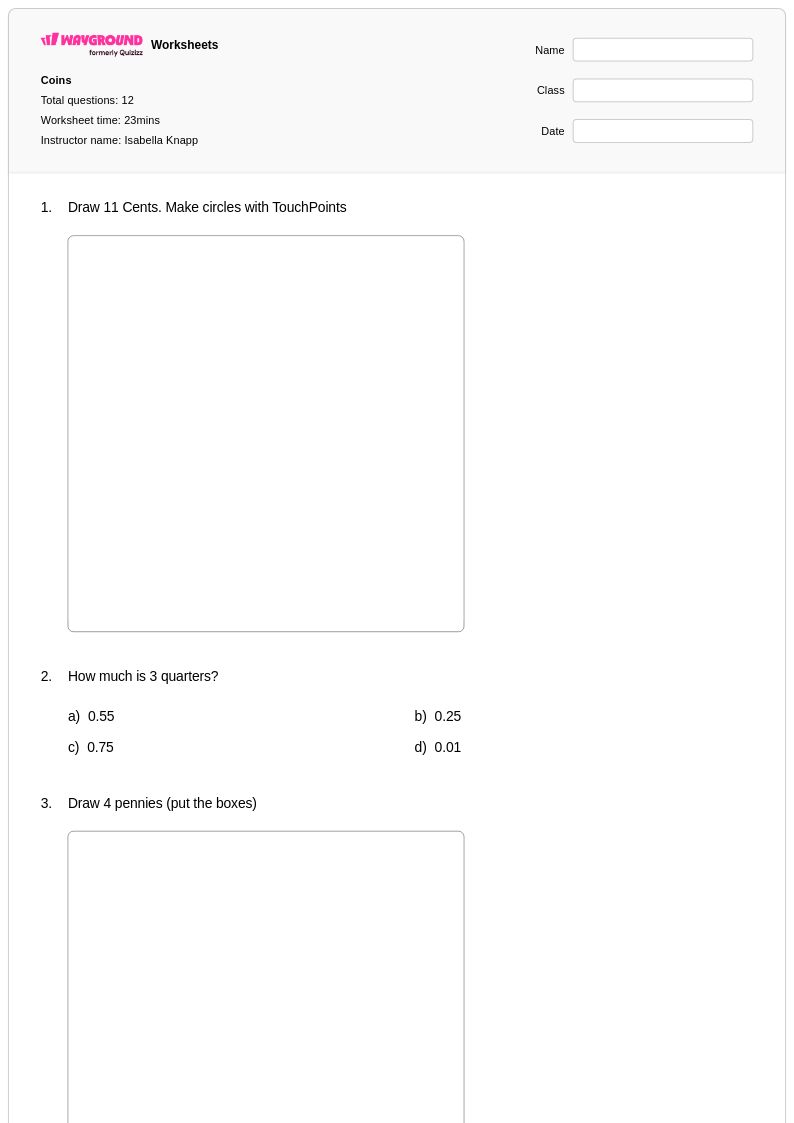
12 Q
2nd
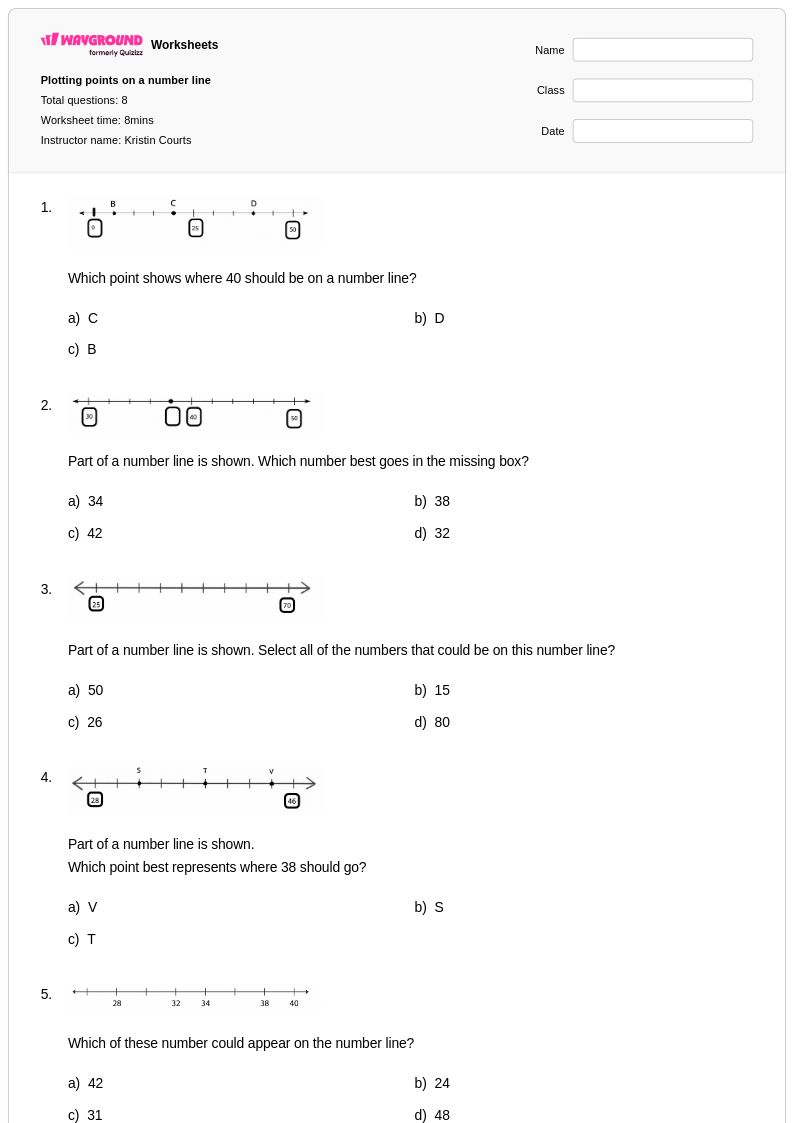
8 Q
2nd
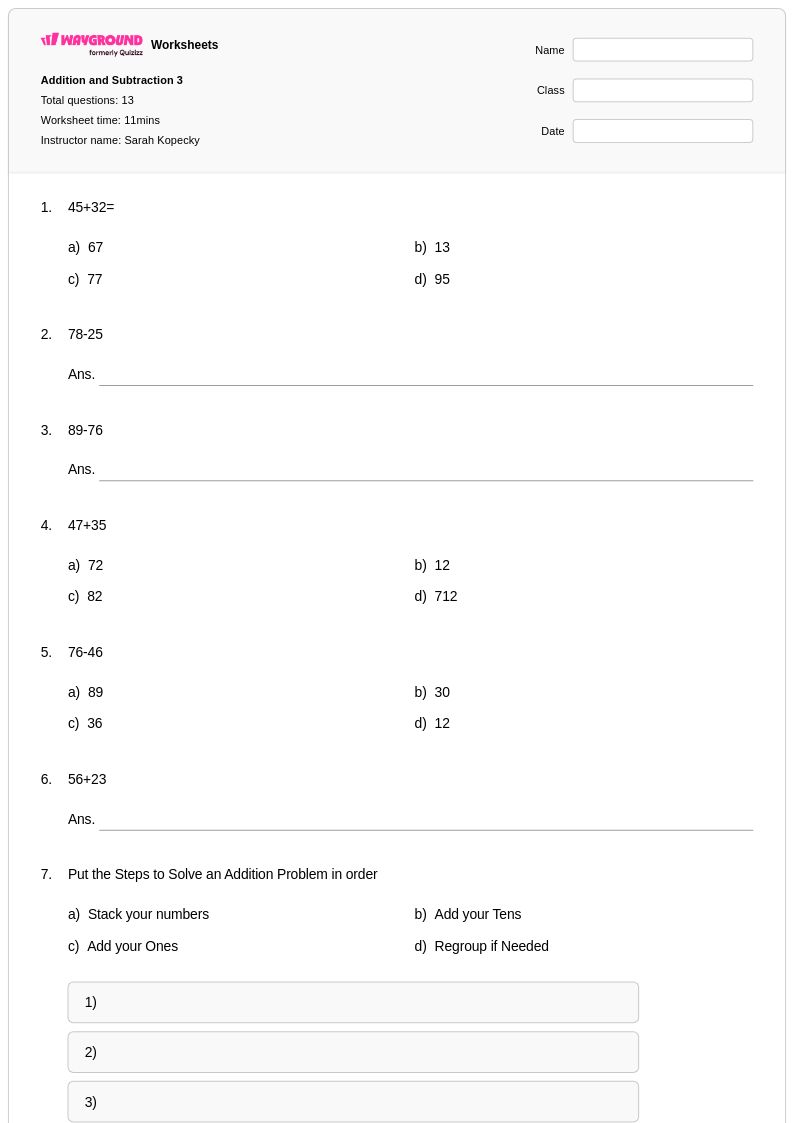
13 Q
2nd
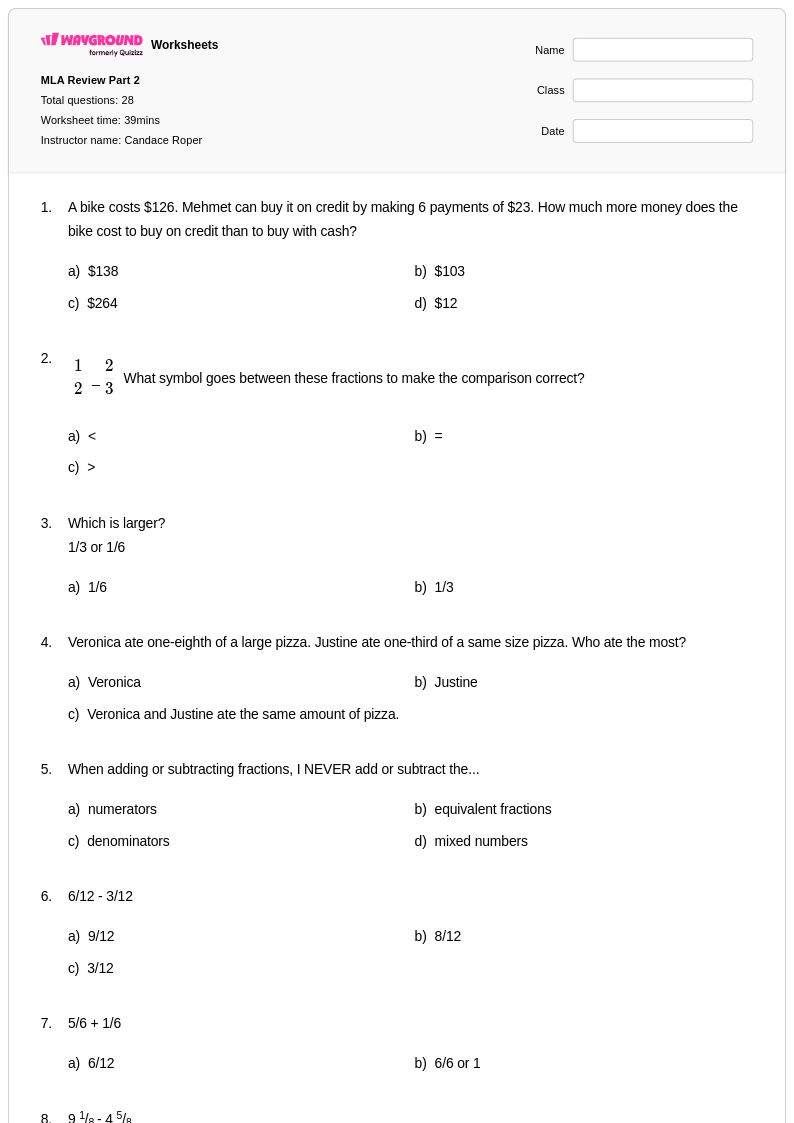
28 Q
2nd - 5th
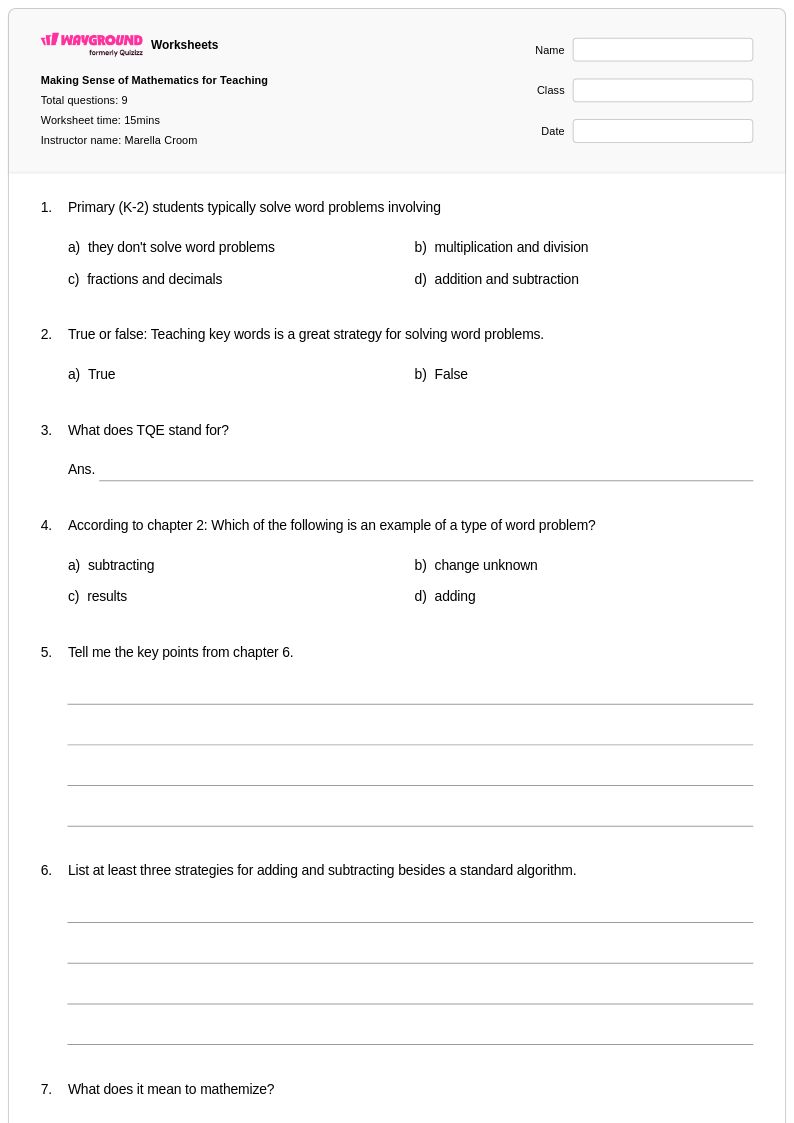
9 Q
KG - 2nd
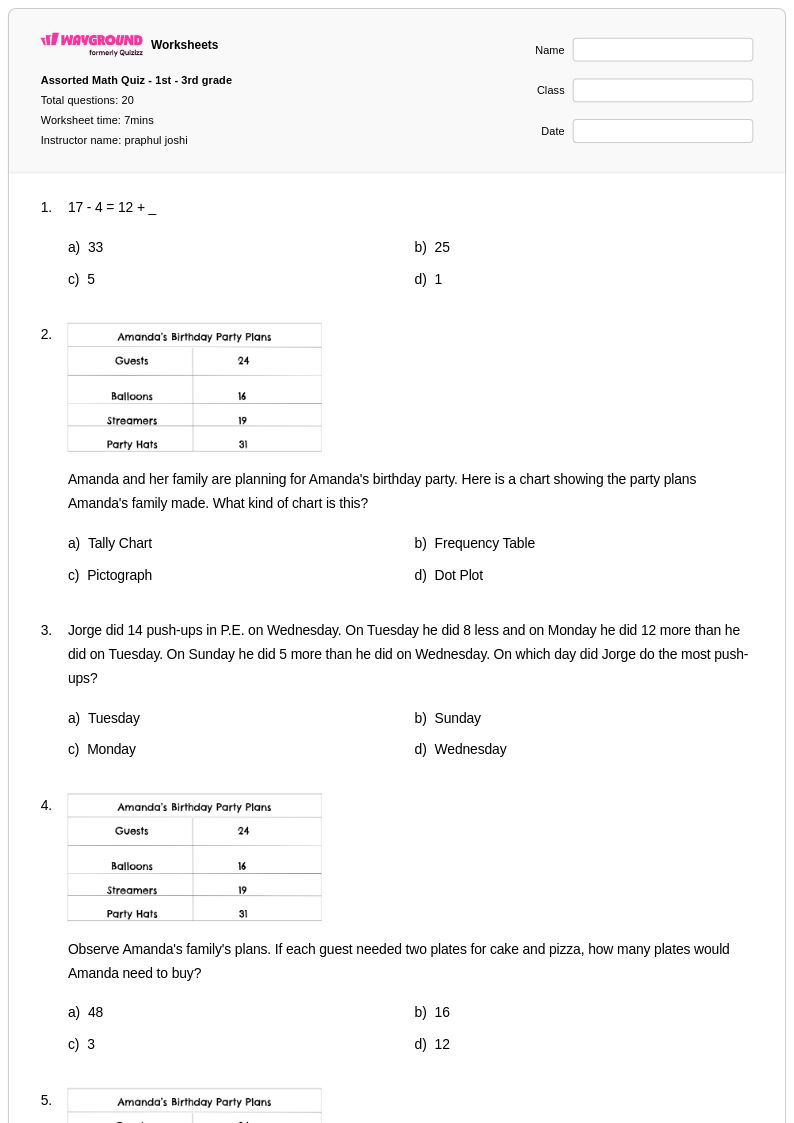
20 Q
1st - 3rd
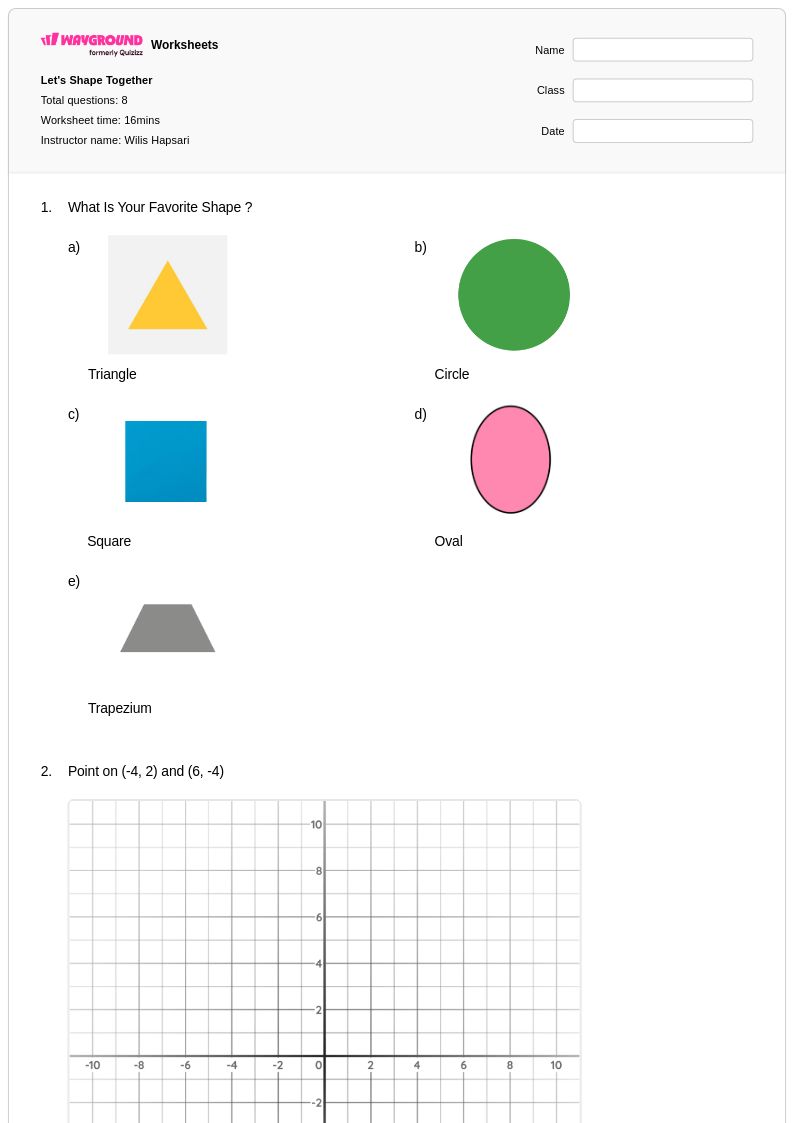
8 Q
1st - 5th

14 Q
2nd
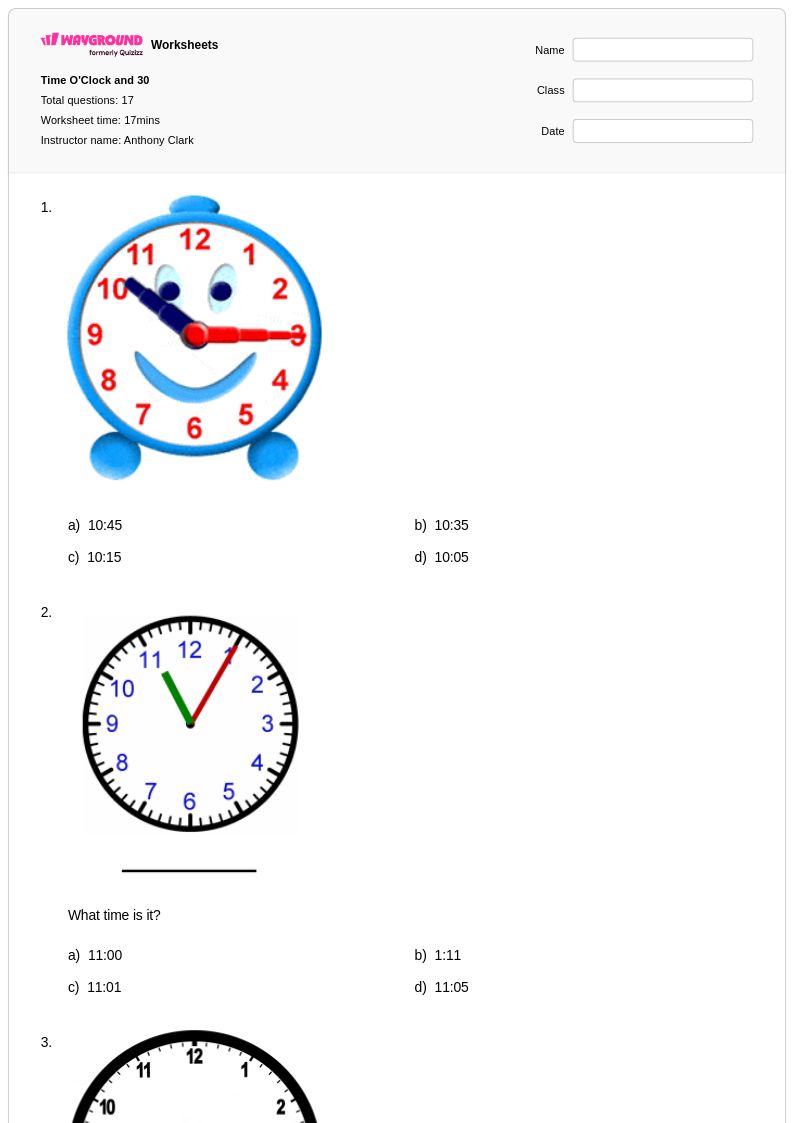
17 Q
1st - Uni
17 Q
1st - Uni
10 Q
2nd
21 Q
1st - 3rd
18 Q
2nd
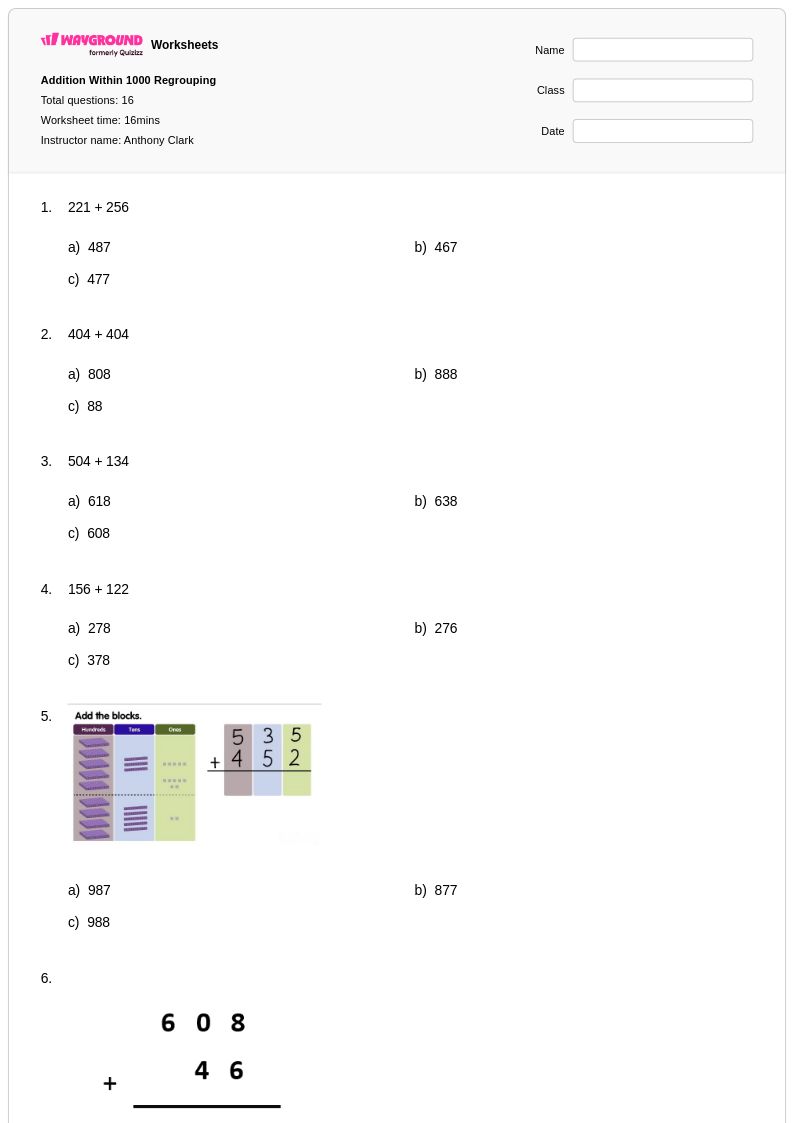
16 Q
2nd - Uni
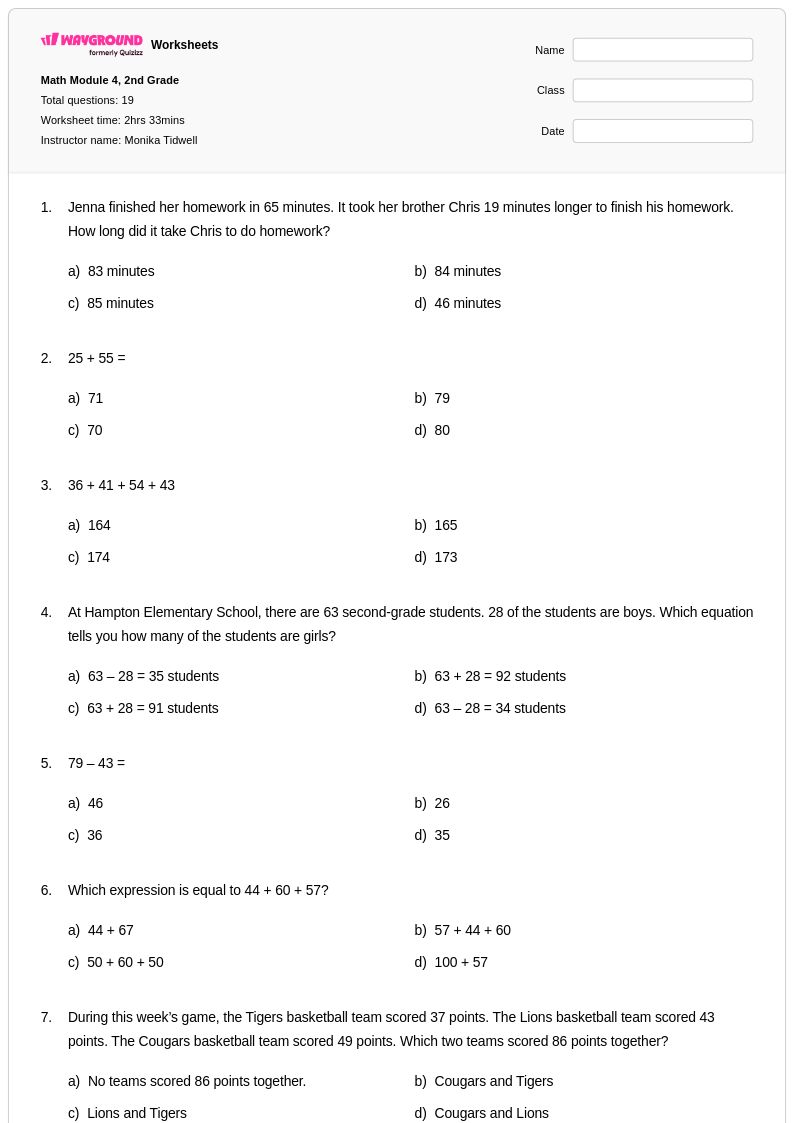
19 Q
2nd
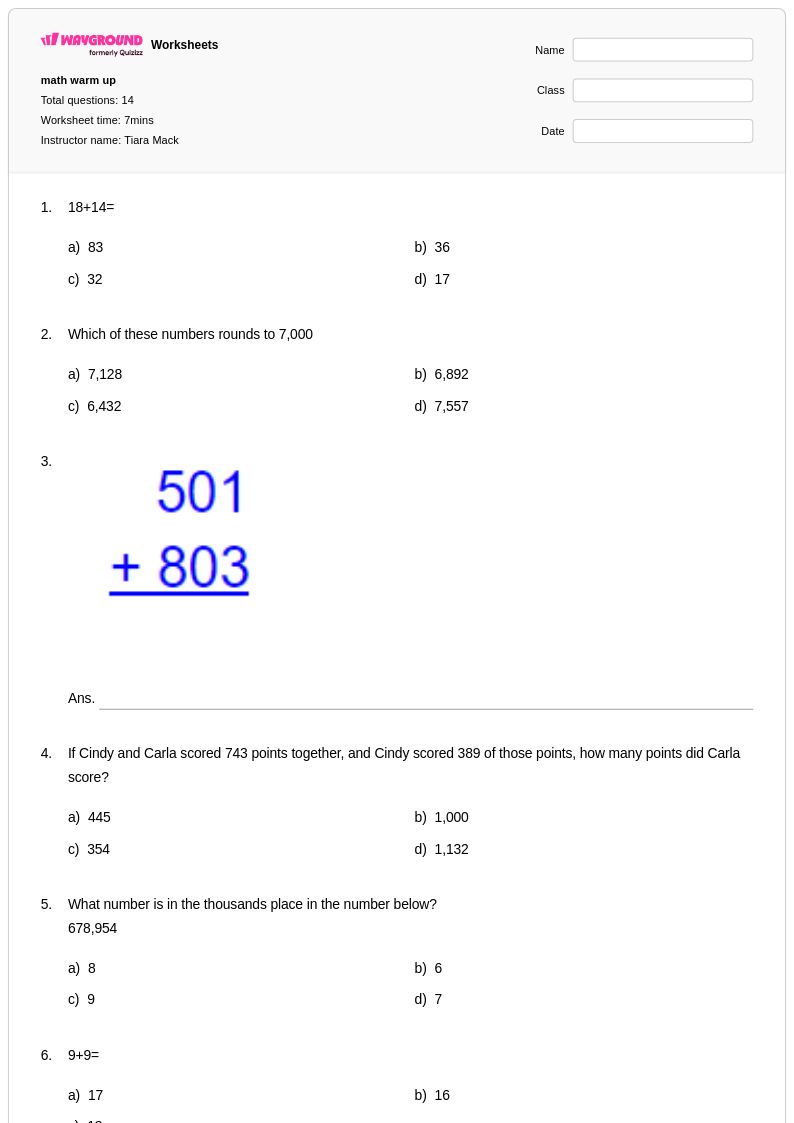
14 Q
2nd
Explore Touch Points Worksheets by Grades
Explore Other Subject Worksheets for grade 2
Explore printable Touch Points worksheets for Grade 2
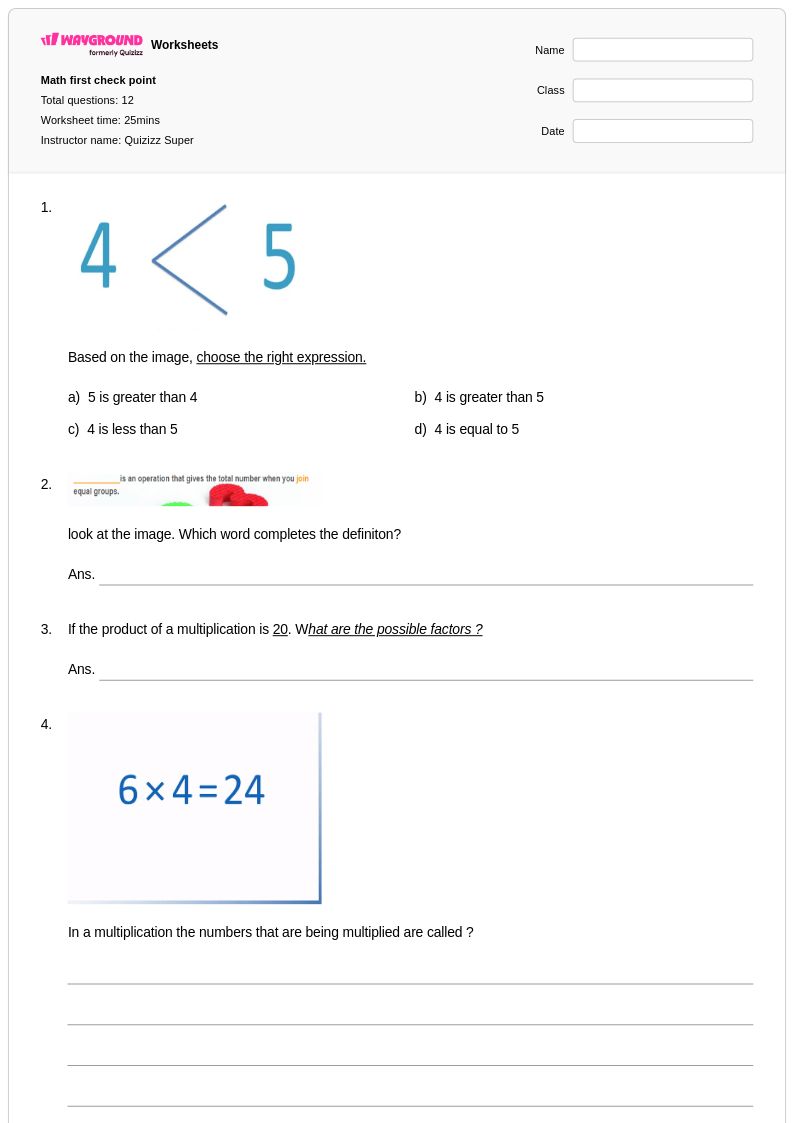
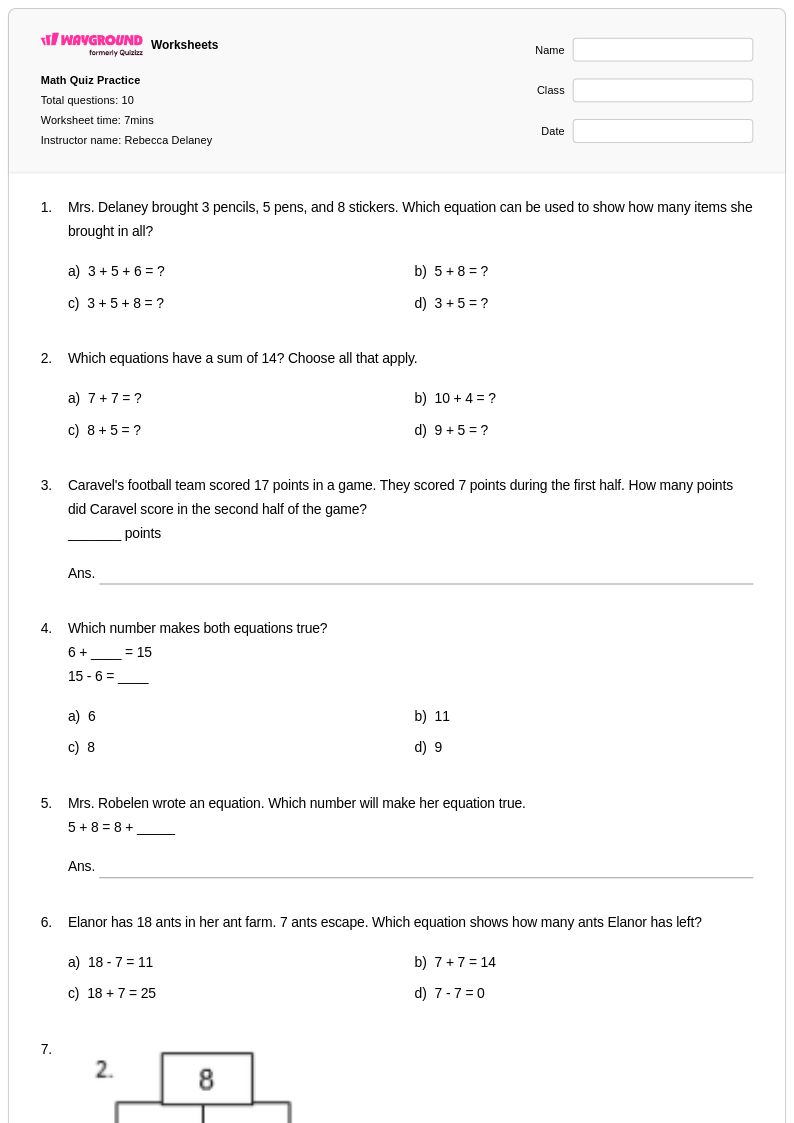
Touch Points worksheets for Grade 2 students available through Wayground (formerly Quizizz) provide essential foundational support for developing number sense and mathematical fluency. These carefully designed practice problems introduce young learners to the touch points counting strategy, where students use visual and tactile cues to identify specific points on numerals that correspond to their quantity values. The worksheets strengthen critical skills including number recognition, counting accuracy, and the bridge between concrete and abstract mathematical thinking. Teachers can access comprehensive collections that include detailed answer keys, free printable pdf formats, and varied problem sets that gradually build student confidence in number manipulation and basic arithmetic operations.
Wayground (formerly Quizizz) empowers educators with millions of teacher-created Touch Points resources that support diverse learning needs in Grade 2 mathematics instruction. The platform's robust search and filtering capabilities allow teachers to quickly locate worksheets aligned with specific standards and differentiated for various skill levels, ensuring appropriate challenge and support for every student. Flexible customization tools enable educators to modify existing materials or create personalized practice sets, while both printable and digital pdf formats accommodate different classroom environments and teaching preferences. These comprehensive features streamline lesson planning and provide targeted resources for remediation, enrichment, and ongoing skill practice, helping teachers effectively guide students through the critical early stages of number sense development.