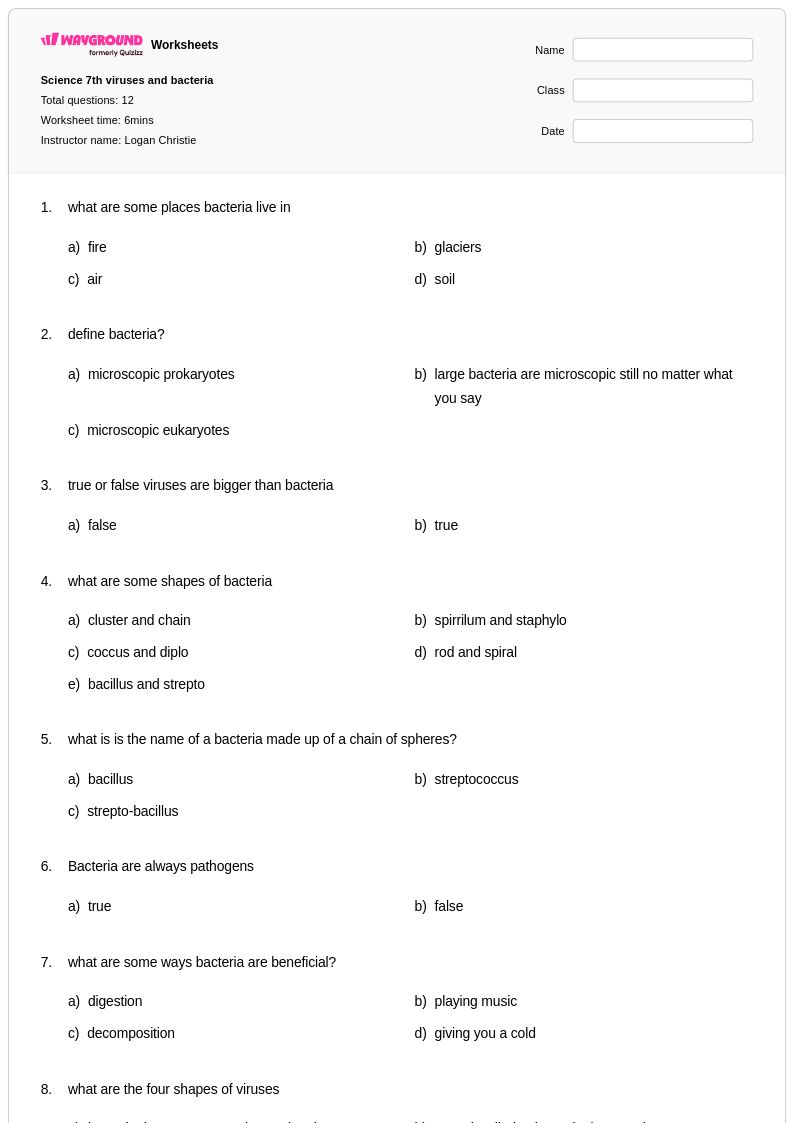
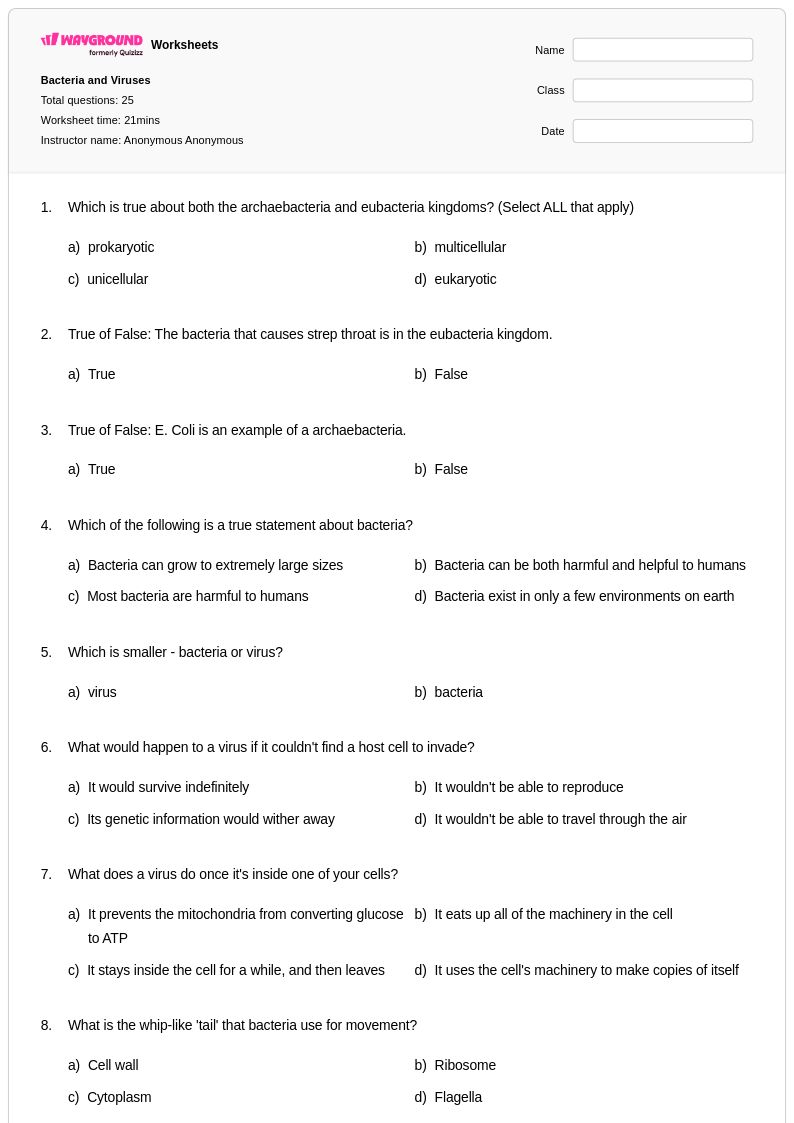
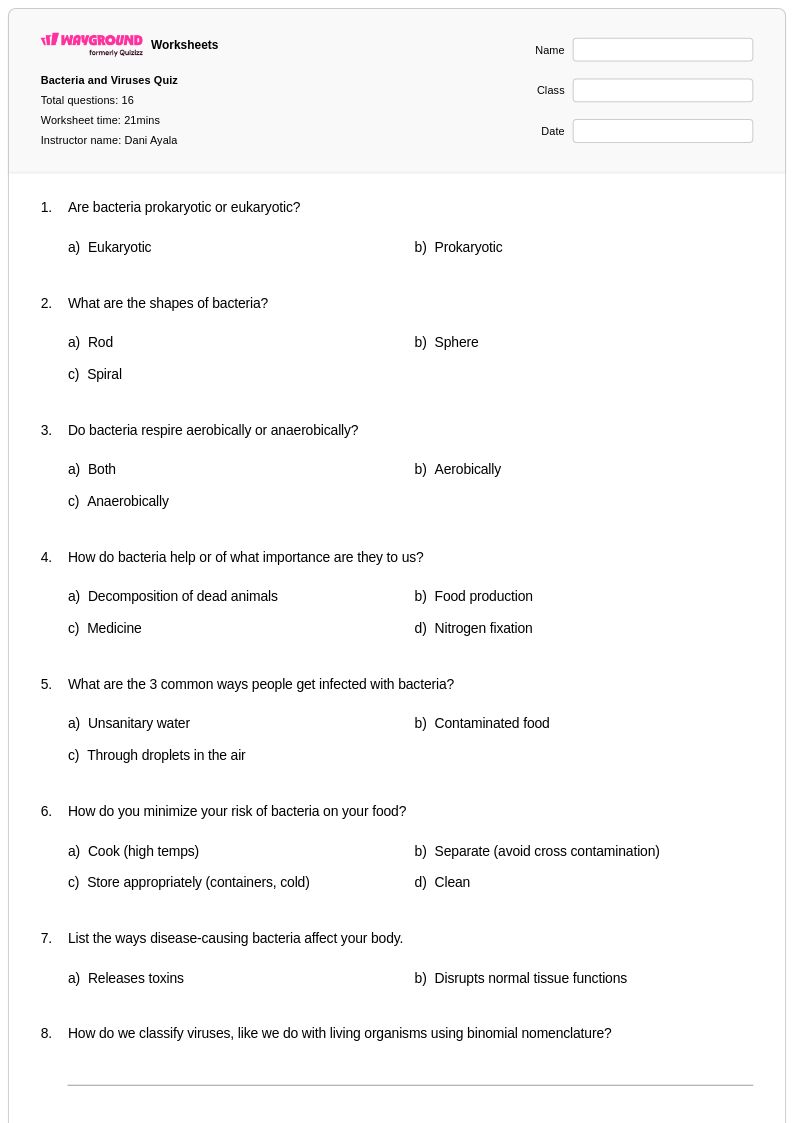
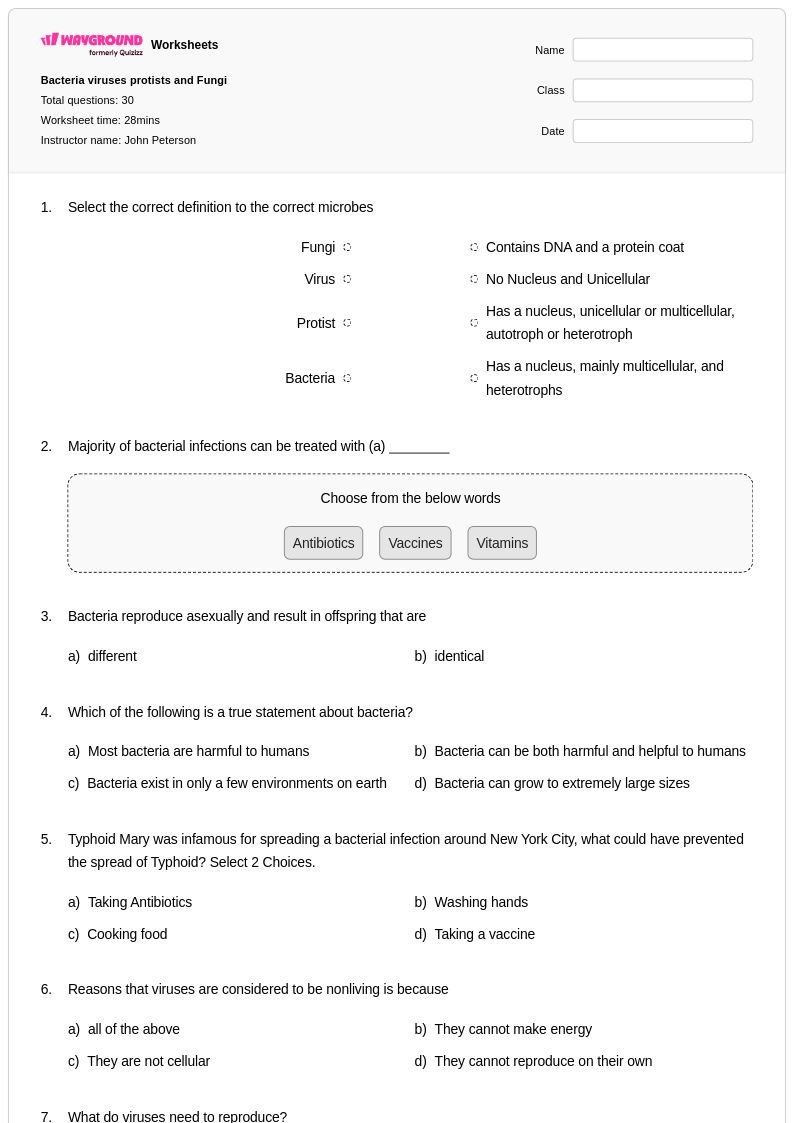
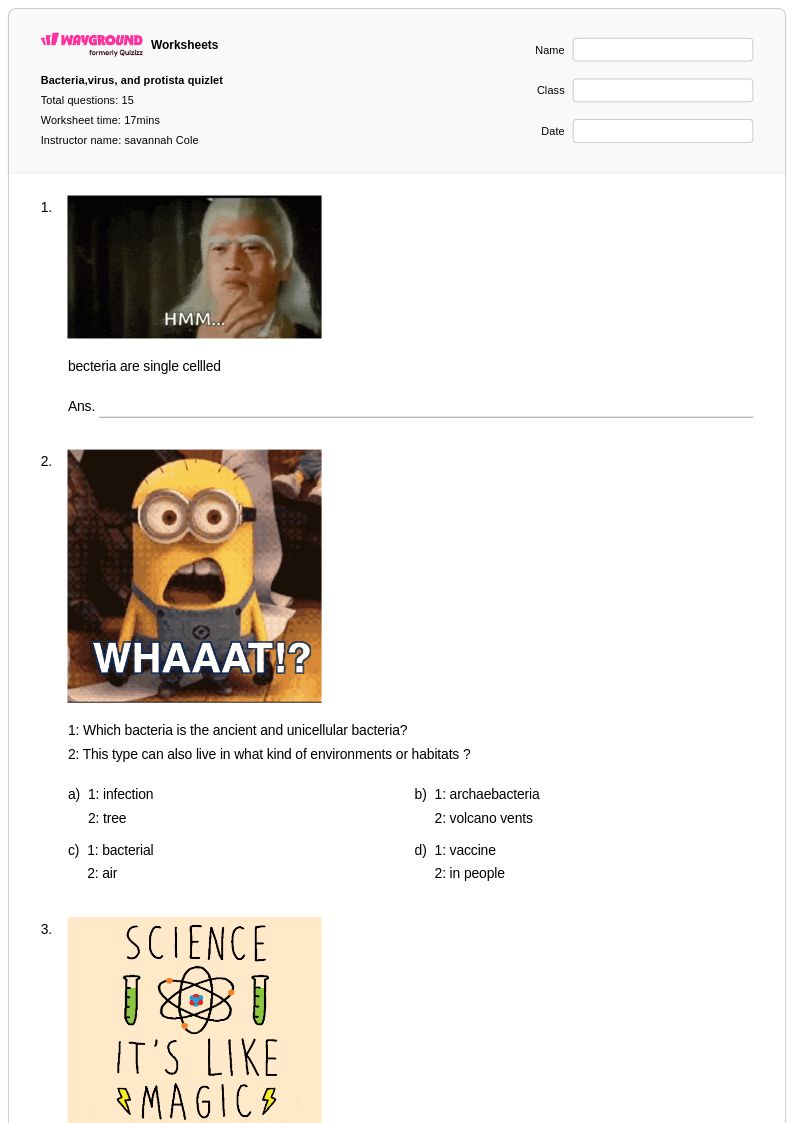
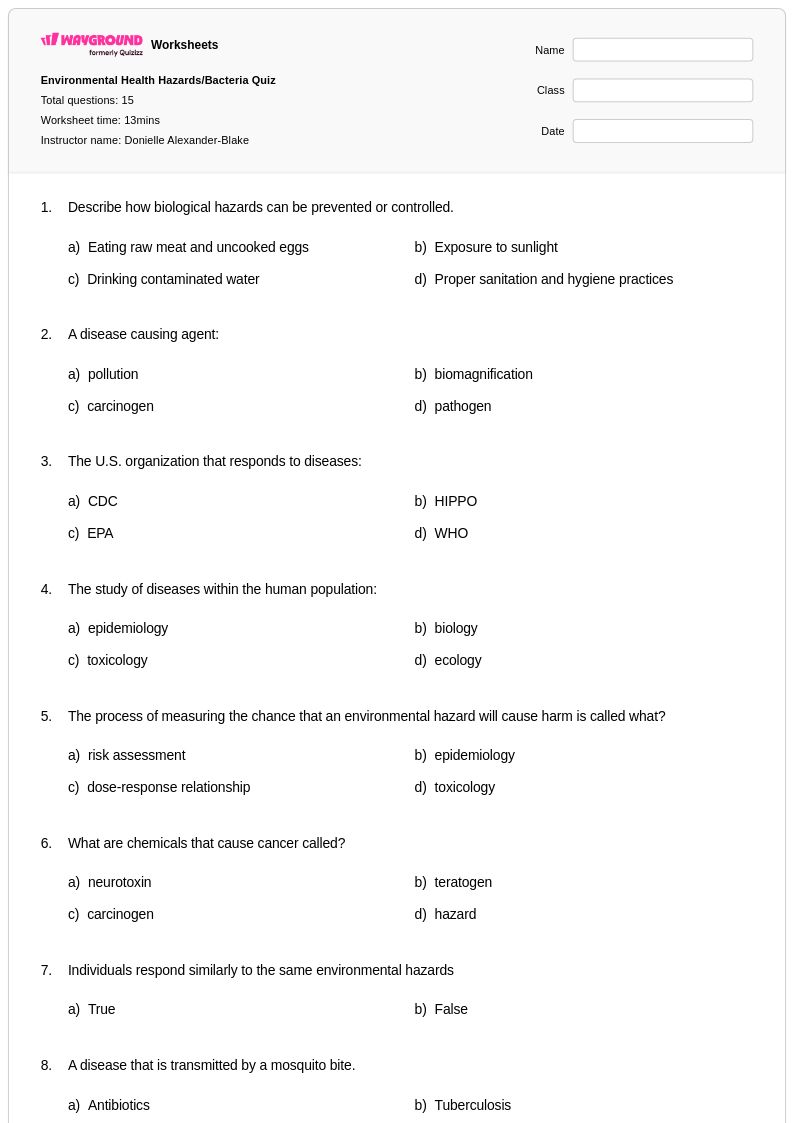
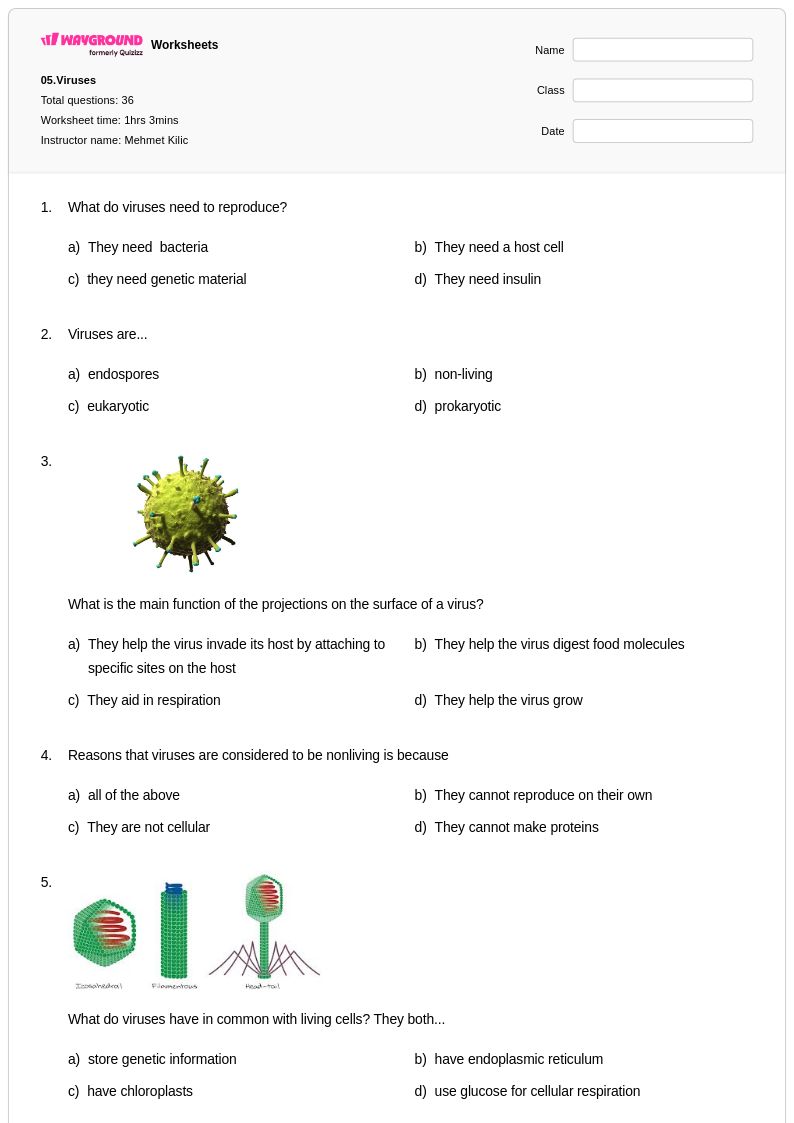
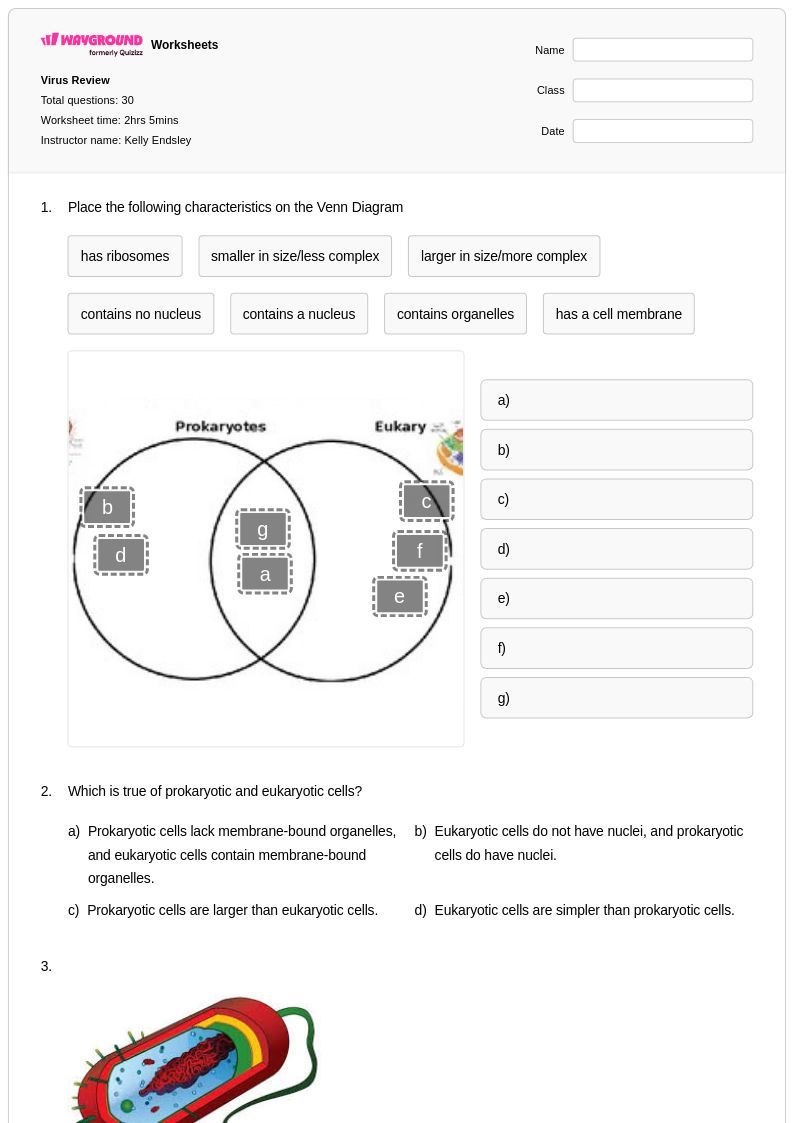
Explore Wayground's comprehensive collection of free viruses and bacteria worksheets with printables, practice problems, and answer keys to help students master microbiology concepts through engaging educational activities.
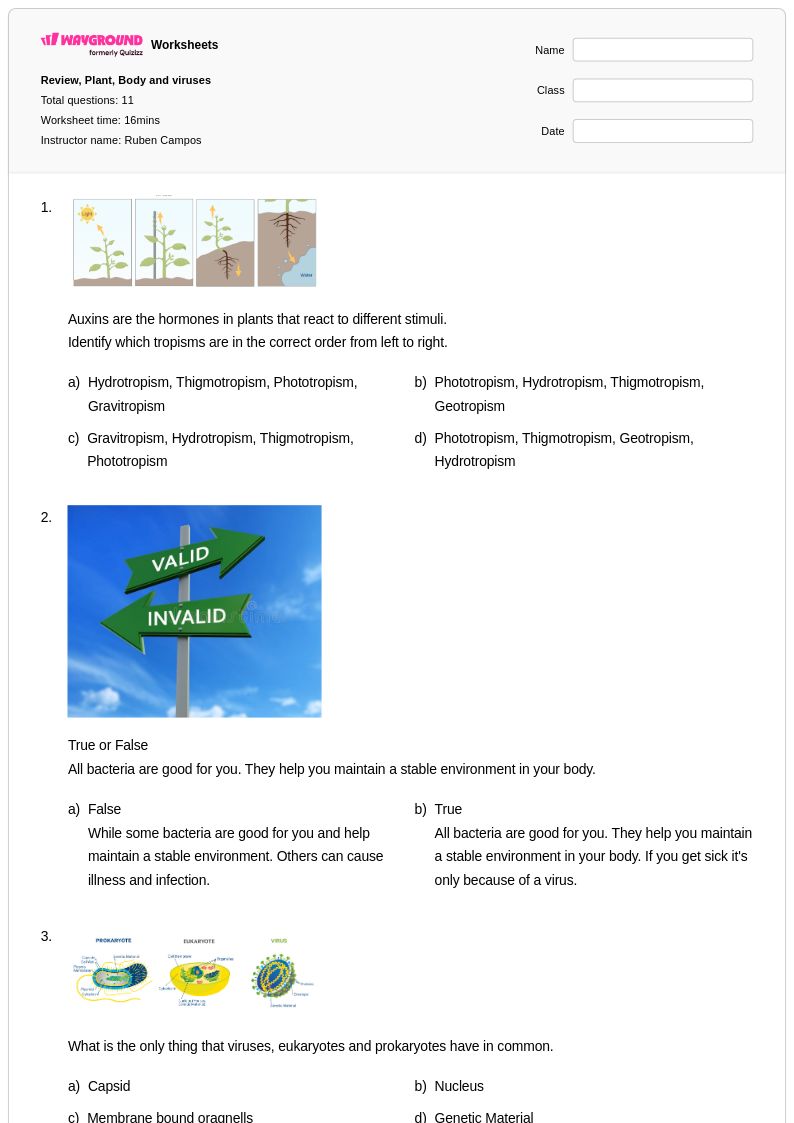
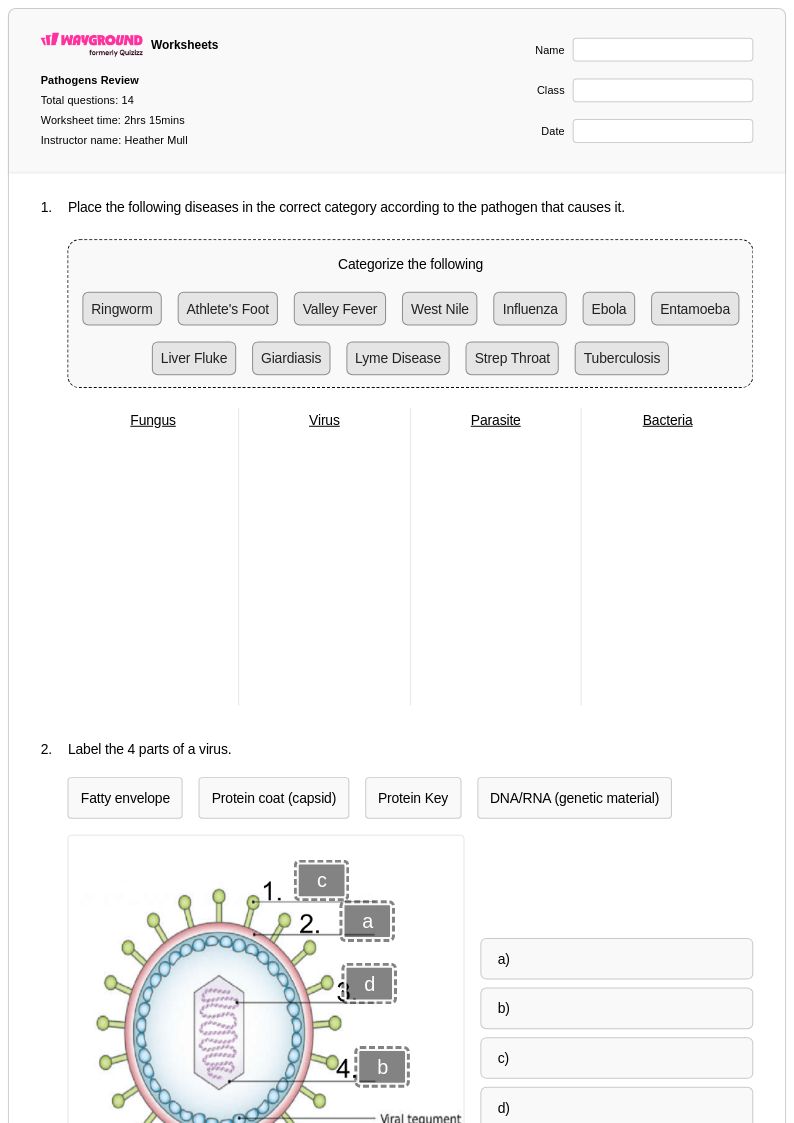
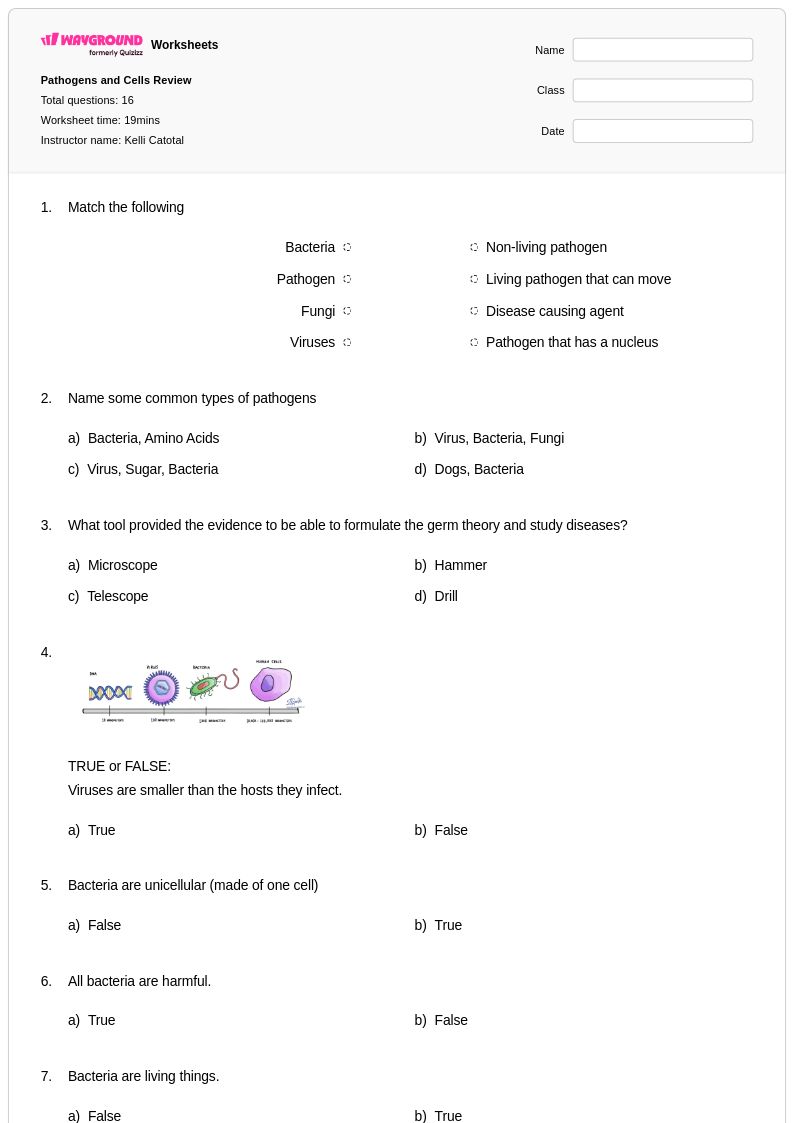
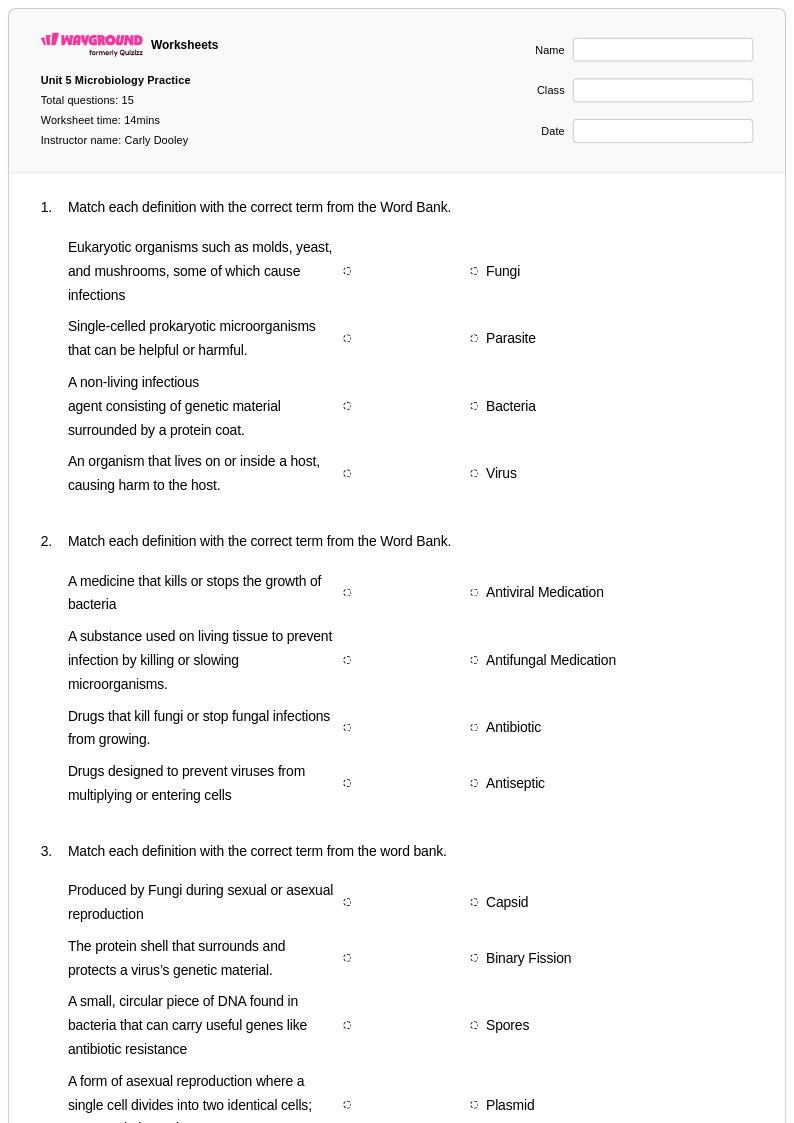
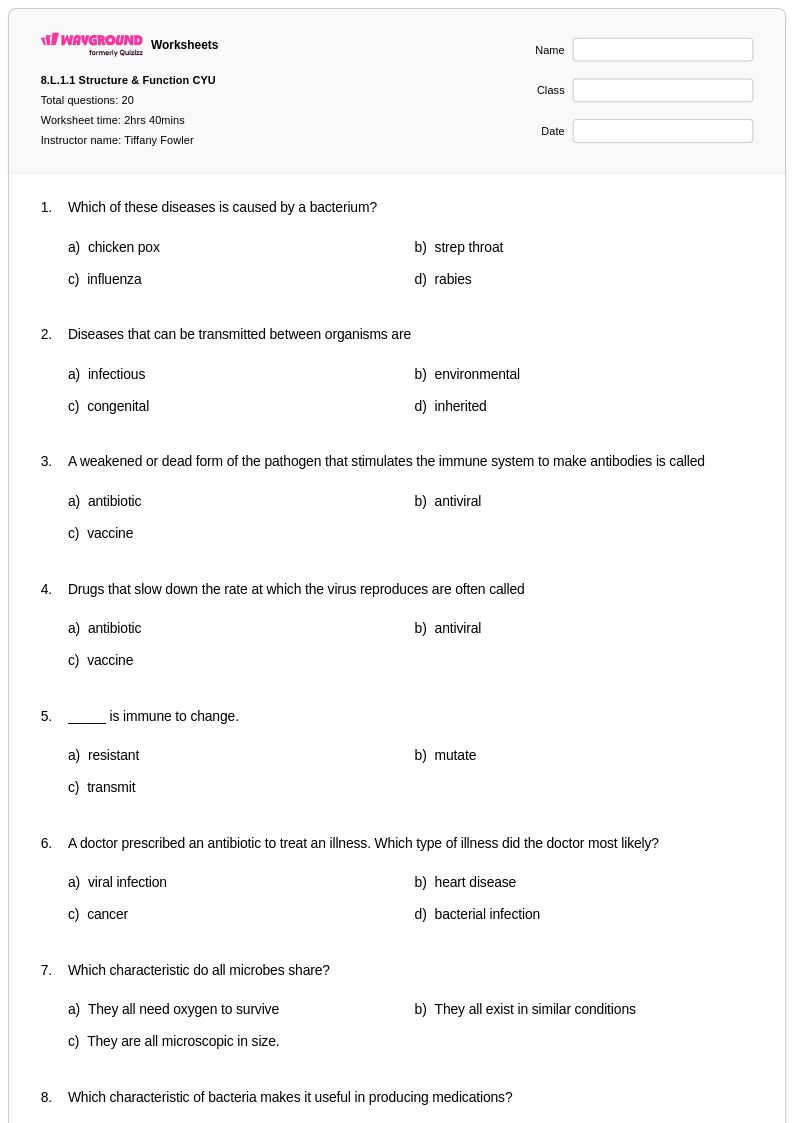
Viruses and bacteria worksheets available through Wayground (formerly Quizizz) provide comprehensive coverage of these fundamental microorganisms that play crucial roles in health, disease, and ecological systems. These expertly designed resources help students master essential concepts including viral and bacterial structure, reproduction mechanisms, pathogenicity, beneficial applications, and the key differences between prokaryotic bacteria and non-living viruses. The worksheet collection strengthens critical thinking skills through comparative analysis exercises, reinforces scientific vocabulary through labeling activities, and develops understanding of how these microorganisms interact with host organisms and environments. Students benefit from structured practice problems that range from basic identification tasks to complex scenarios involving antibiotic resistance and viral replication cycles, with comprehensive answer keys supporting both independent study and classroom instruction. These free printable resources are available in convenient pdf format, making them easily accessible for teachers seeking high-quality supplementary materials.
Wayground (formerly Quizizz) empowers educators with an extensive collection of millions of teacher-created viruses and bacteria worksheets that can be easily searched, filtered, and customized to meet diverse classroom needs. The platform's robust organizational tools allow teachers to quickly locate resources aligned with specific curriculum standards while offering differentiation options to accommodate varying student ability levels and learning styles. These versatile materials are available in both printable pdf format and interactive digital versions, providing flexibility for traditional classroom instruction, homework assignments, laboratory supplements, and remote learning environments. Teachers can seamlessly integrate these worksheets into lesson planning for initial concept introduction, targeted skill practice, remediation support for struggling students, and enrichment activities for advanced learners, ensuring that all students develop a thorough understanding of microbiology fundamentals that serve as building blocks for more advanced biological concepts.
FAQs
How do I teach the difference between viruses and bacteria in middle or high school?
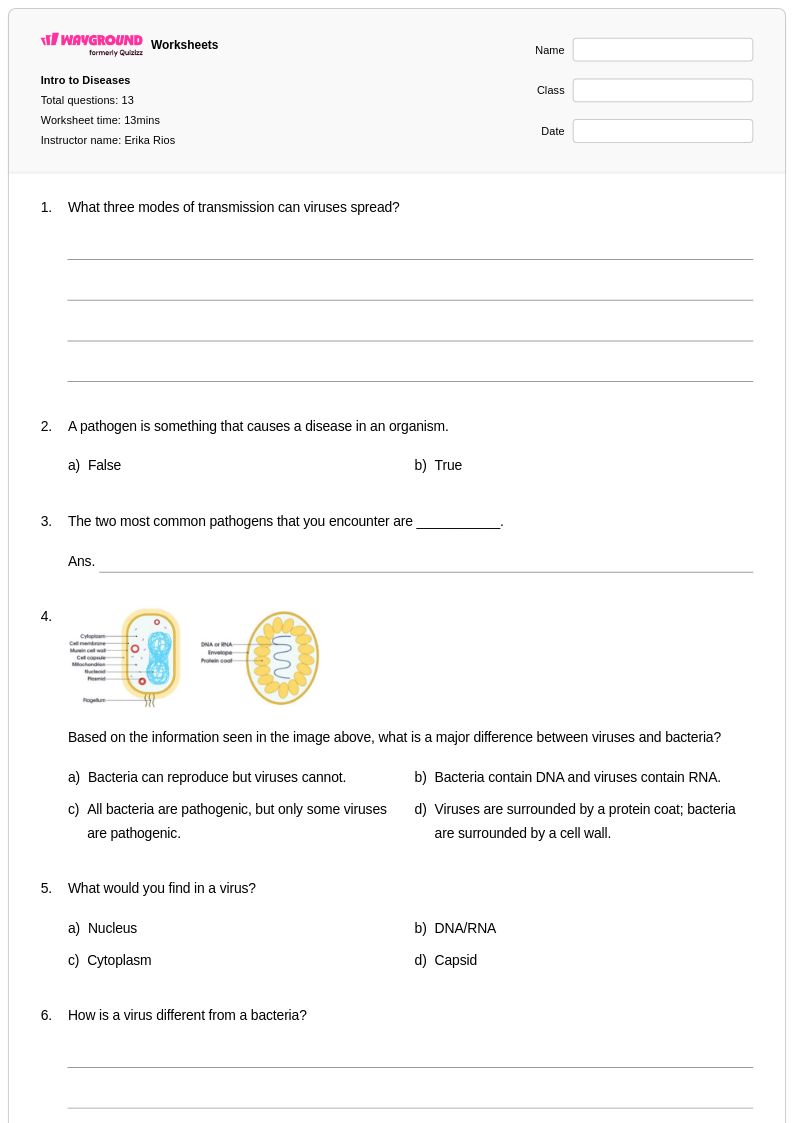
Start by anchoring the lesson on the living vs. non-living distinction: bacteria are prokaryotic organisms capable of independent reproduction, while viruses are non-living particles that require a host cell to replicate. Use side-by-side comparison charts to highlight structural differences, such as bacterial cell walls versus viral capsids, and follow up with real-world disease examples to make the concepts tangible. Labeling diagrams of bacterial and viral structures is an effective way to reinforce vocabulary before moving into mechanisms like binary fission and the lytic cycle.
What are good practice activities for students learning about viral replication and bacterial reproduction?
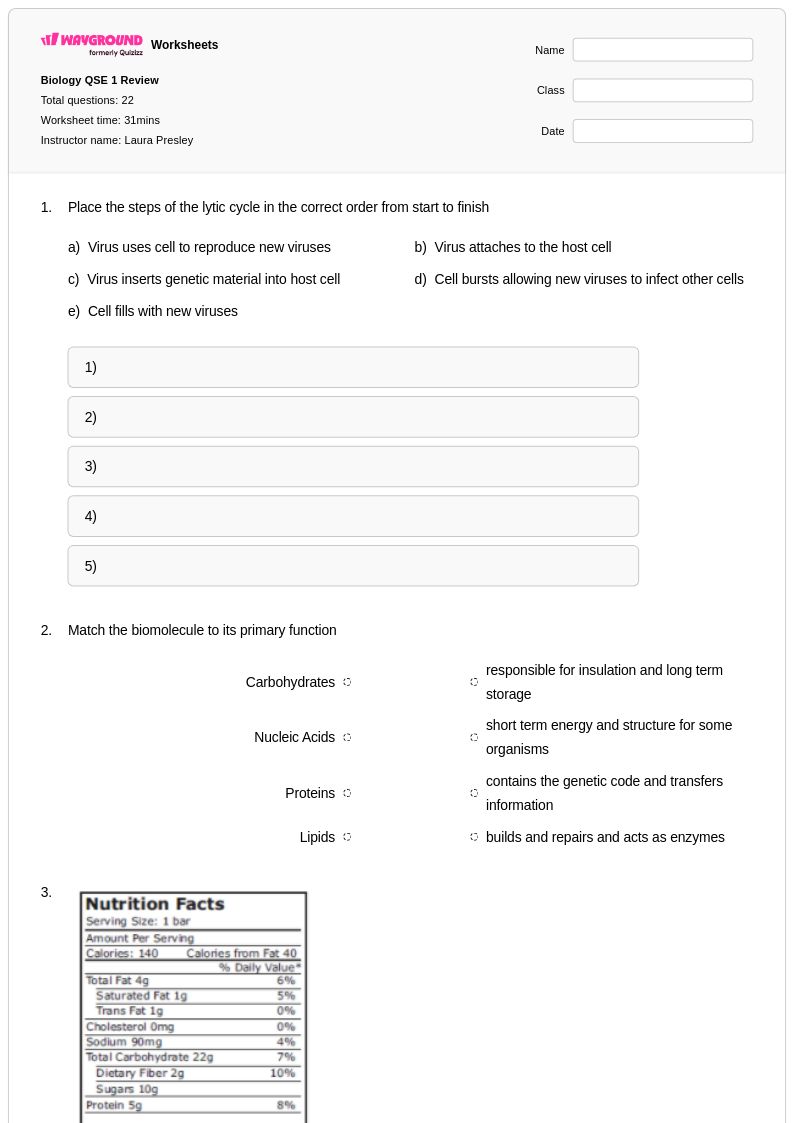
Structured worksheets that walk students through the stages of the lytic and lysogenic cycles step by step are among the most effective practice tools for viral replication. For bacterial reproduction, sequencing activities that have students order the stages of binary fission help build procedural understanding. Mixing identification tasks with short-answer questions about what happens at each stage ensures students move beyond memorization toward conceptual understanding.
What common mistakes do students make when studying viruses and bacteria?
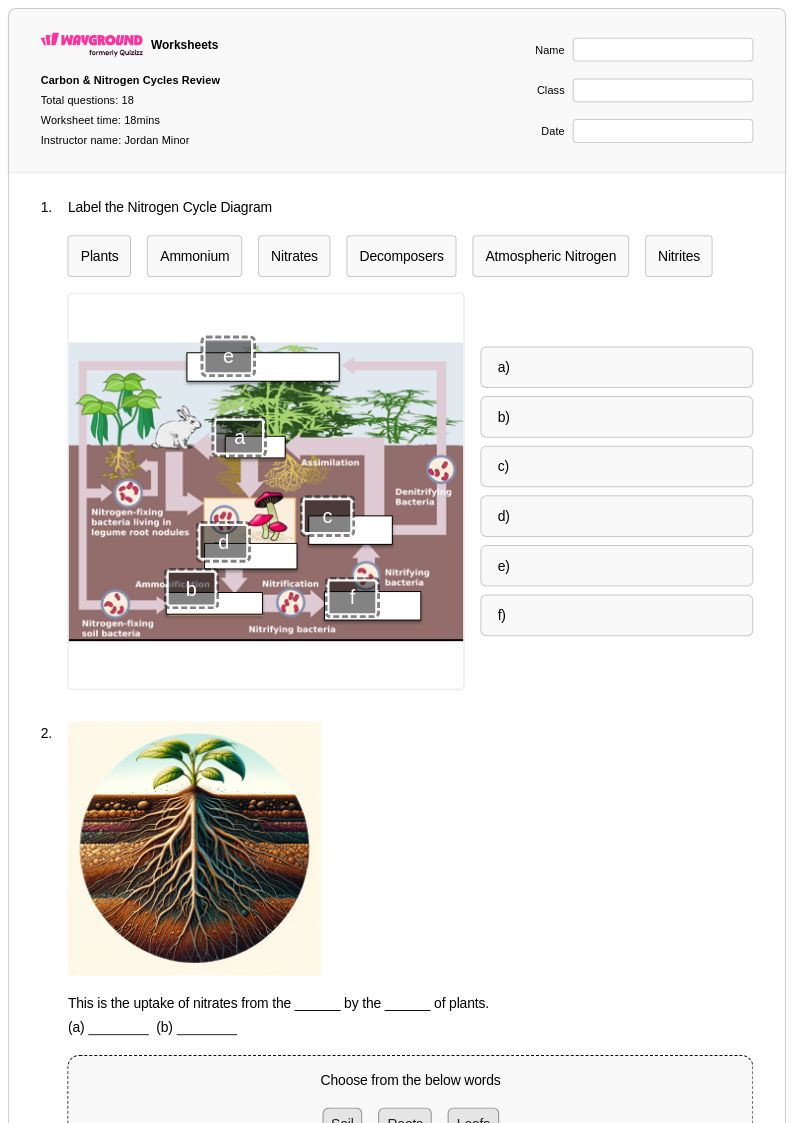
One of the most persistent misconceptions is that all bacteria are harmful — students often overlook the critical roles bacteria play in digestion, nitrogen fixation, and decomposition. Another frequent error is conflating antibiotics with antivirals, leading students to incorrectly believe antibiotics treat viral infections. Students also commonly misidentify viruses as living organisms because they contain genetic material, so instruction should explicitly address the criteria for life and why viruses fall outside that definition.
How do I help students understand antibiotic resistance?
Antibiotic resistance is best taught through the lens of natural selection: bacteria with random mutations that confer resistance survive antibiotic exposure and pass those traits to offspring, leading to resistant populations over time. Use scenario-based worksheets that present case studies — such as incomplete antibiotic courses or agricultural overuse — and ask students to trace the selection process. Connecting this concept to real-world health crises, like MRSA, gives students immediate relevance and deepens retention.
How do I use Wayground's viruses and bacteria worksheets in my classroom?
Wayground's viruses and bacteria worksheets are available as printable PDFs for traditional classroom use and in digital formats for technology-integrated or remote learning environments, and teachers can also host them as a quiz directly on Wayground. The worksheets include complete answer keys, making them practical for independent student practice, homework assignments, or lab supplements without requiring additional teacher preparation. Digital versions are particularly useful for providing immediate feedback or integrating the material into an existing learning management system.
How can I differentiate viruses and bacteria instruction for students at different ability levels?
For students who need additional support, reduce cognitive load by starting with single-concept identification tasks — such as labeling a bacterial cell or matching viral structures to their functions — before introducing comparative analysis. Advanced learners can be challenged with complex scenarios involving antibiotic resistance mechanisms or the role of bacteriophages in gene therapy. On Wayground, teachers can apply individual accommodations such as reduced answer choices, read aloud support, and extended time to specific students without disrupting the experience of the rest of the class.