Free Printable Animals and Their Young Worksheets for Kindergarten
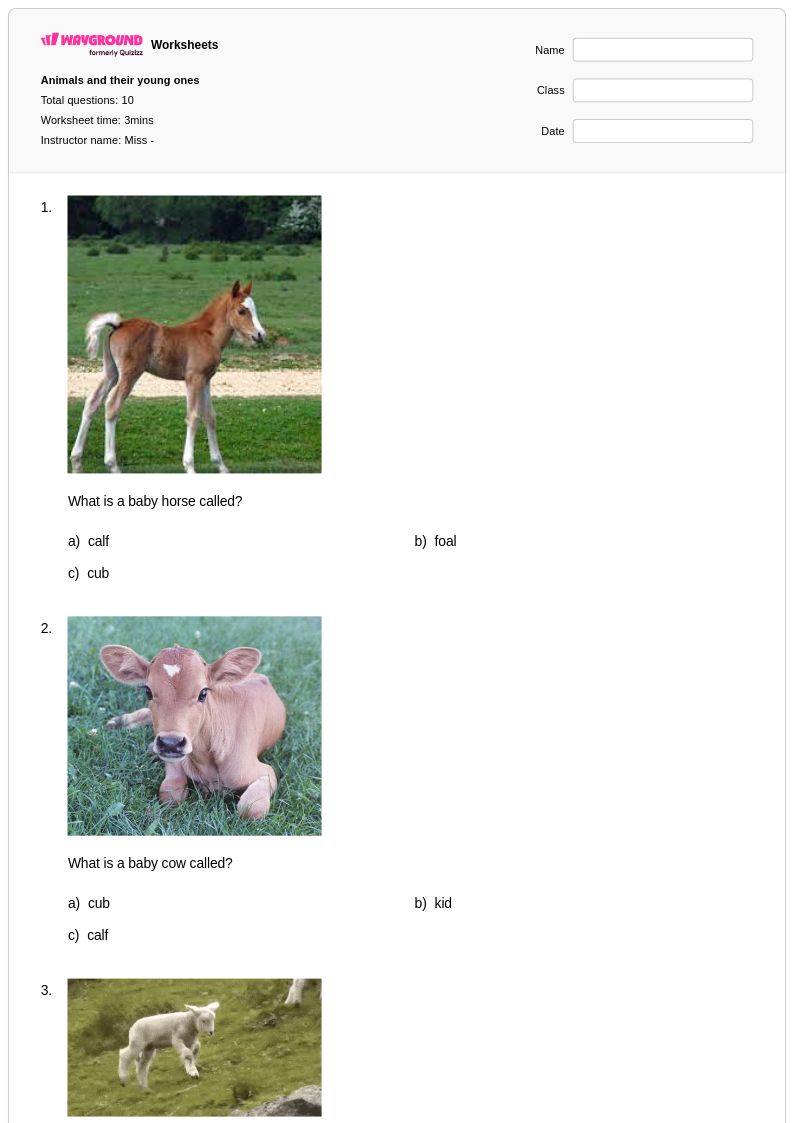
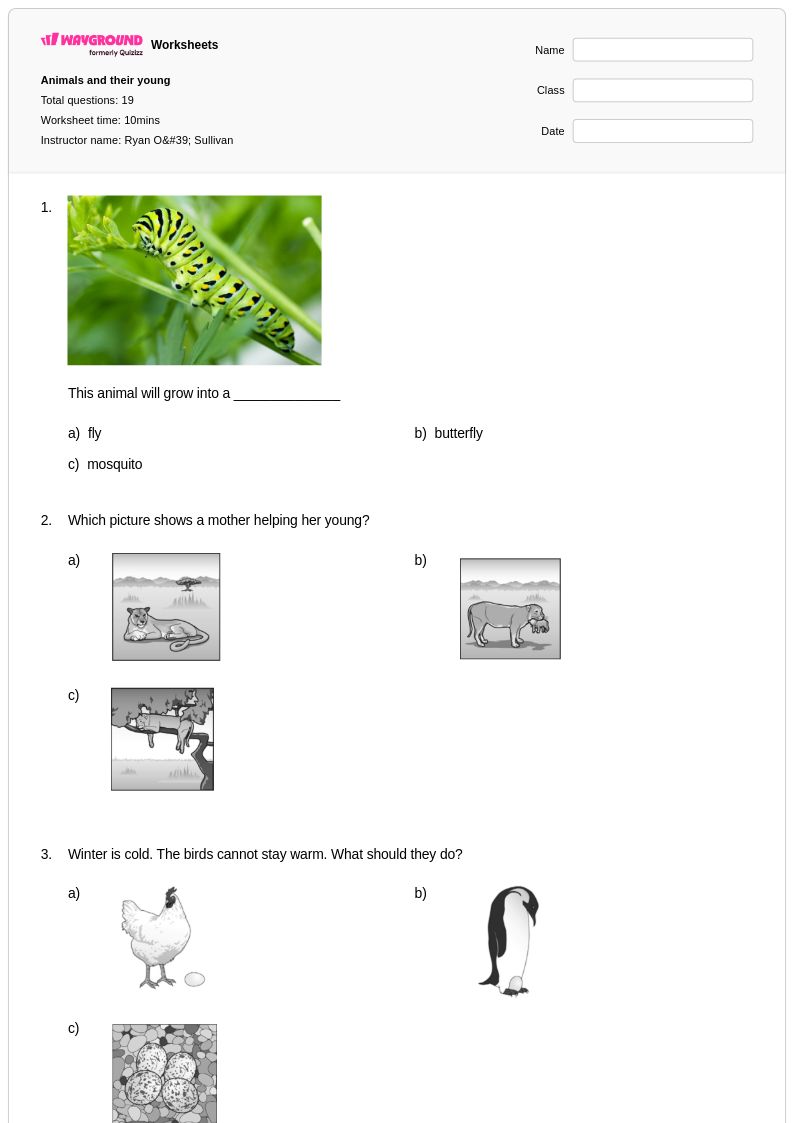
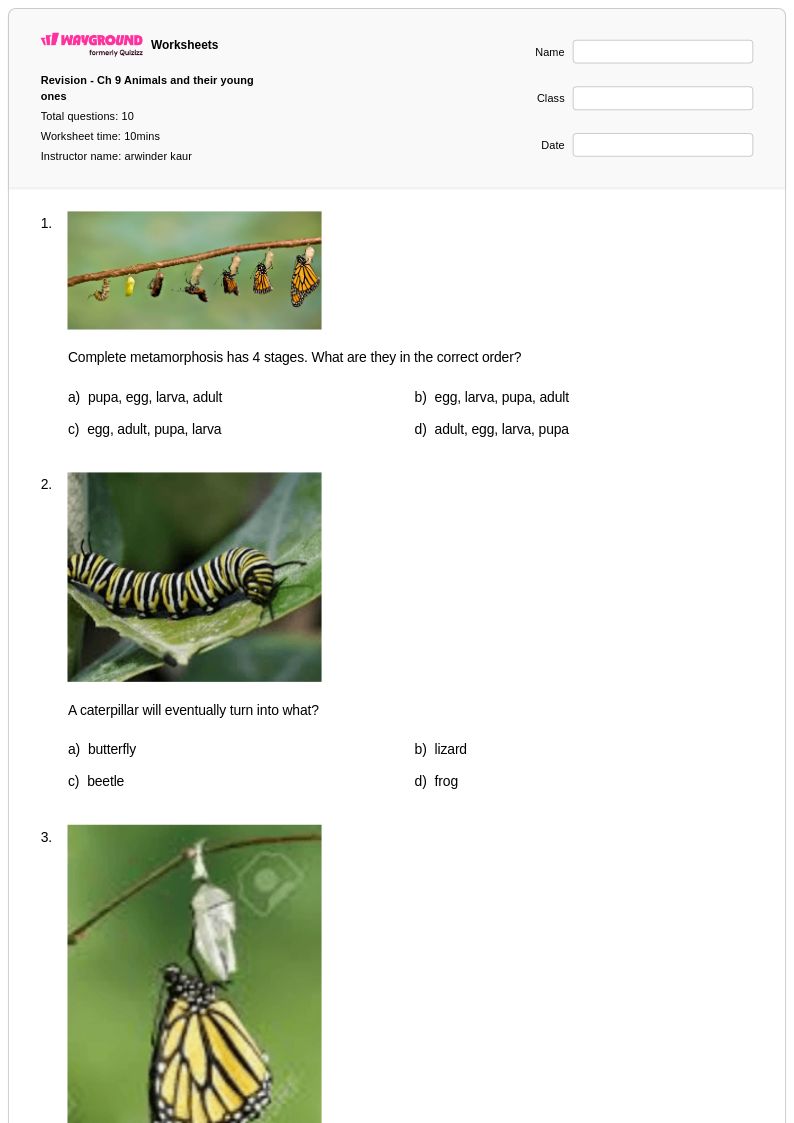
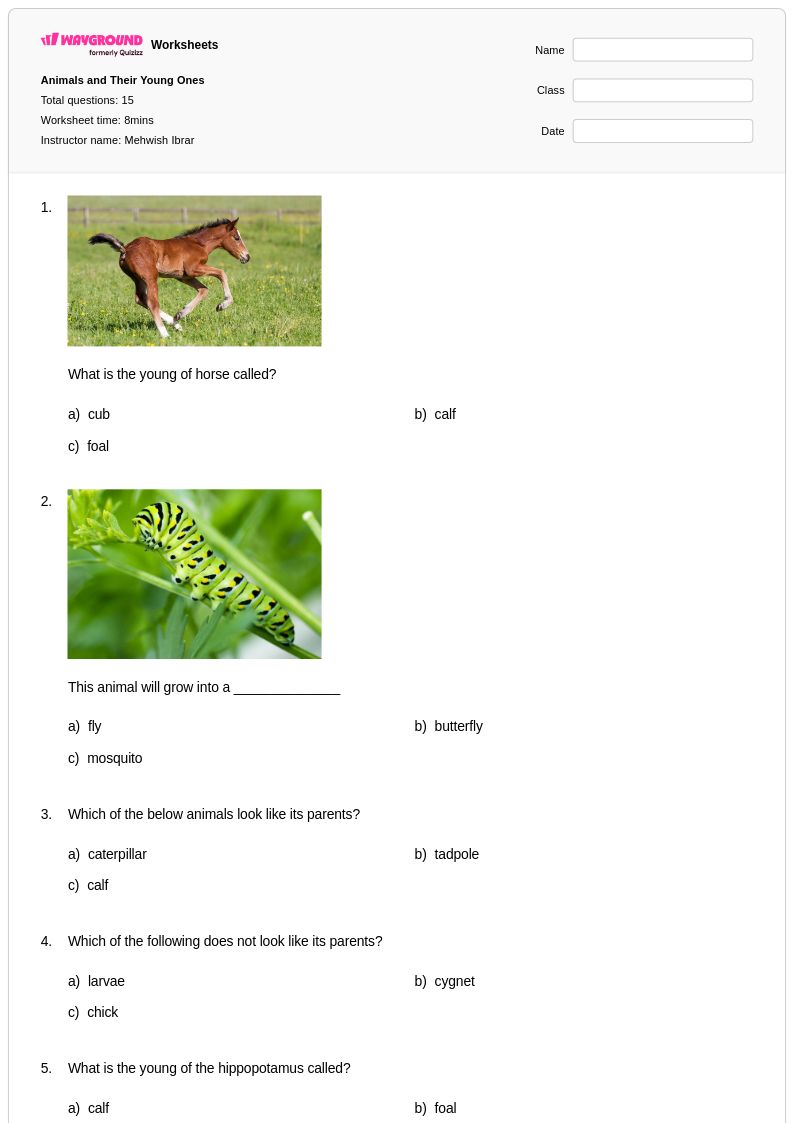
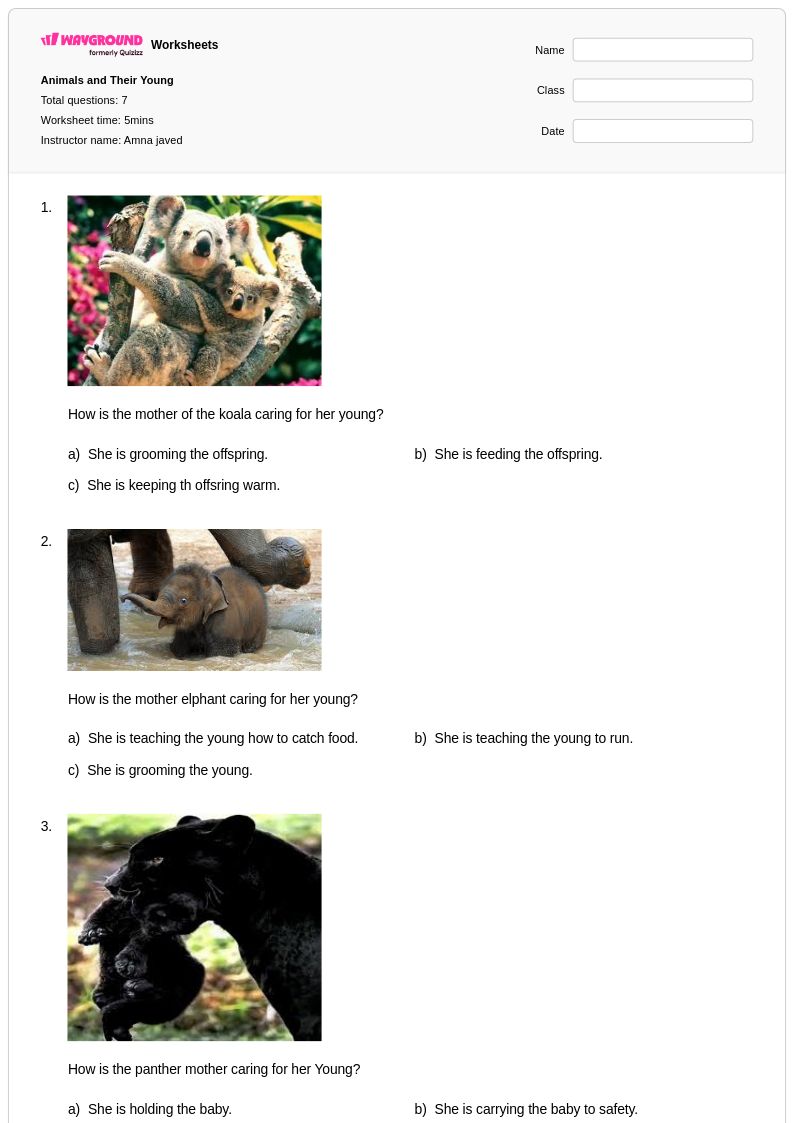
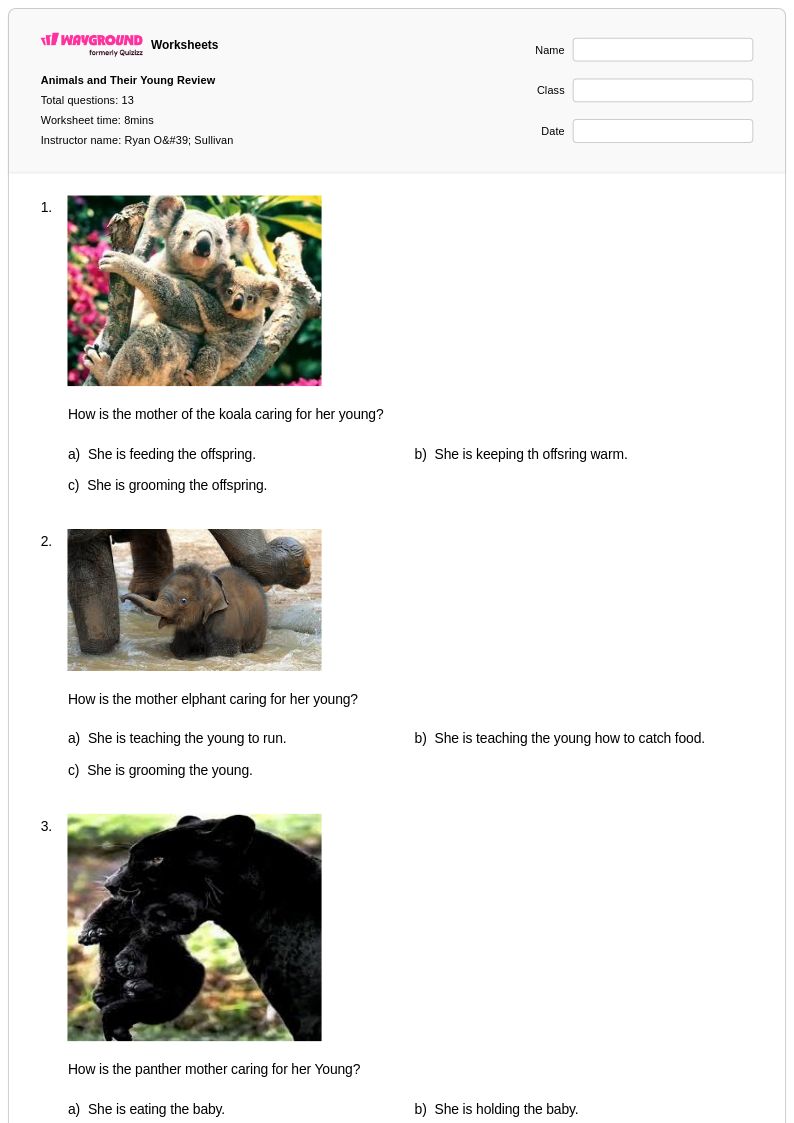
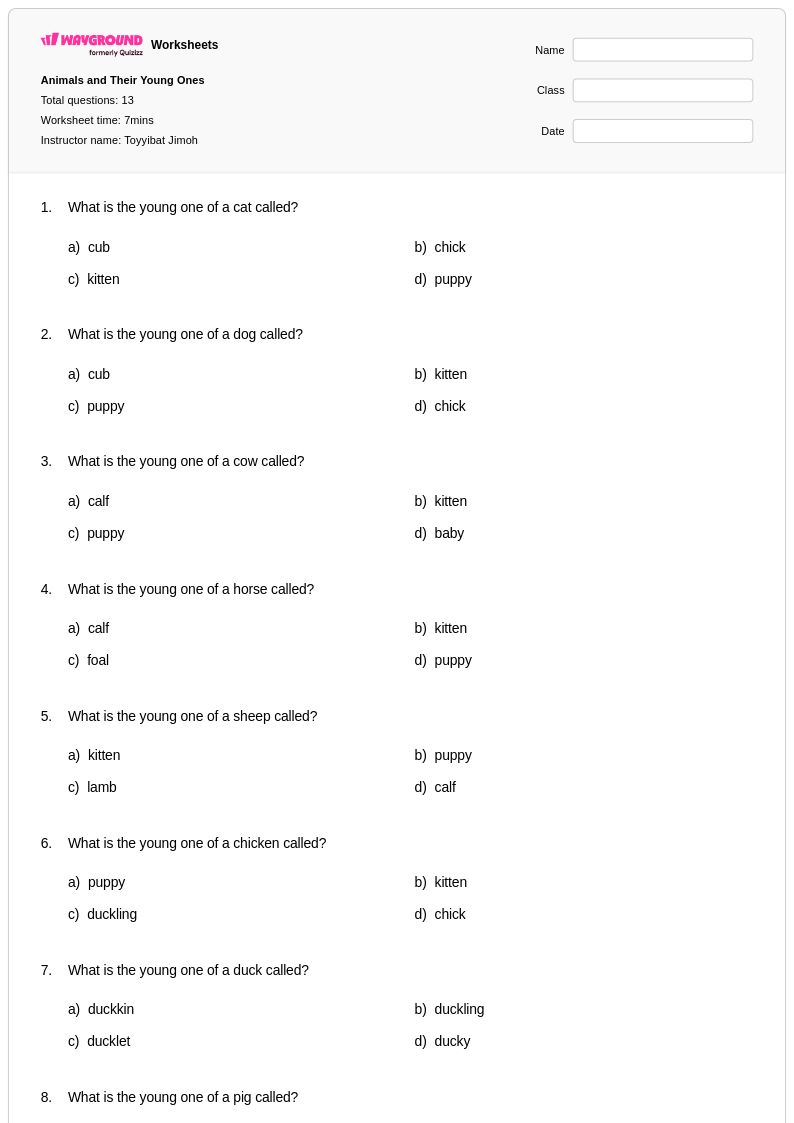
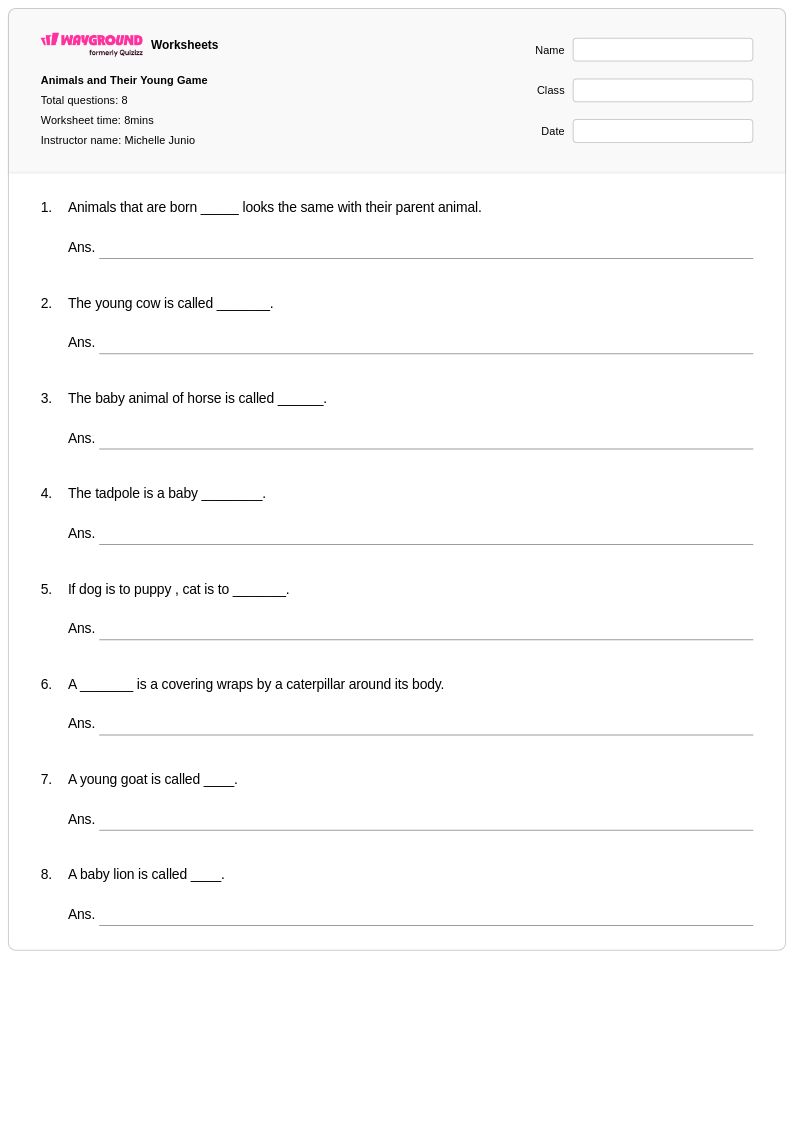
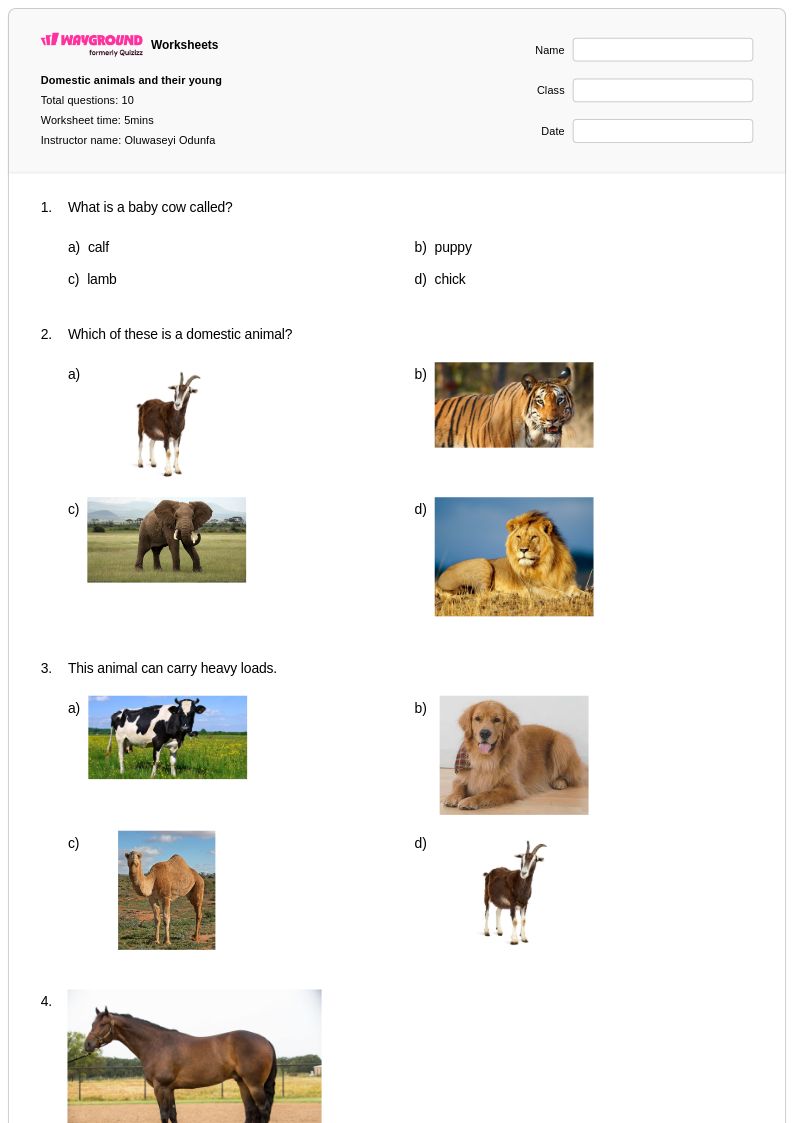
Free kindergarten animals and their young worksheets and printables help students learn to identify baby animals and match them with their parents through engaging practice problems and activities with answer keys.
Explore printable Animals and Their Young worksheets for Kindergarten
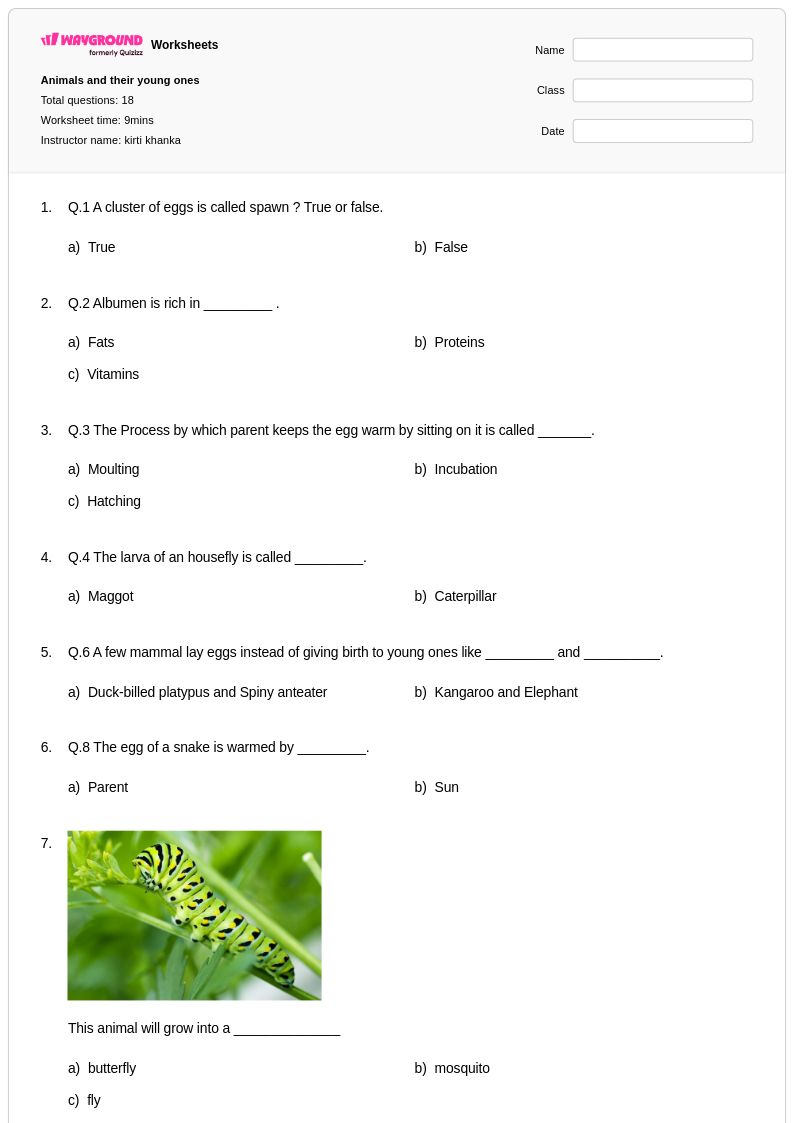
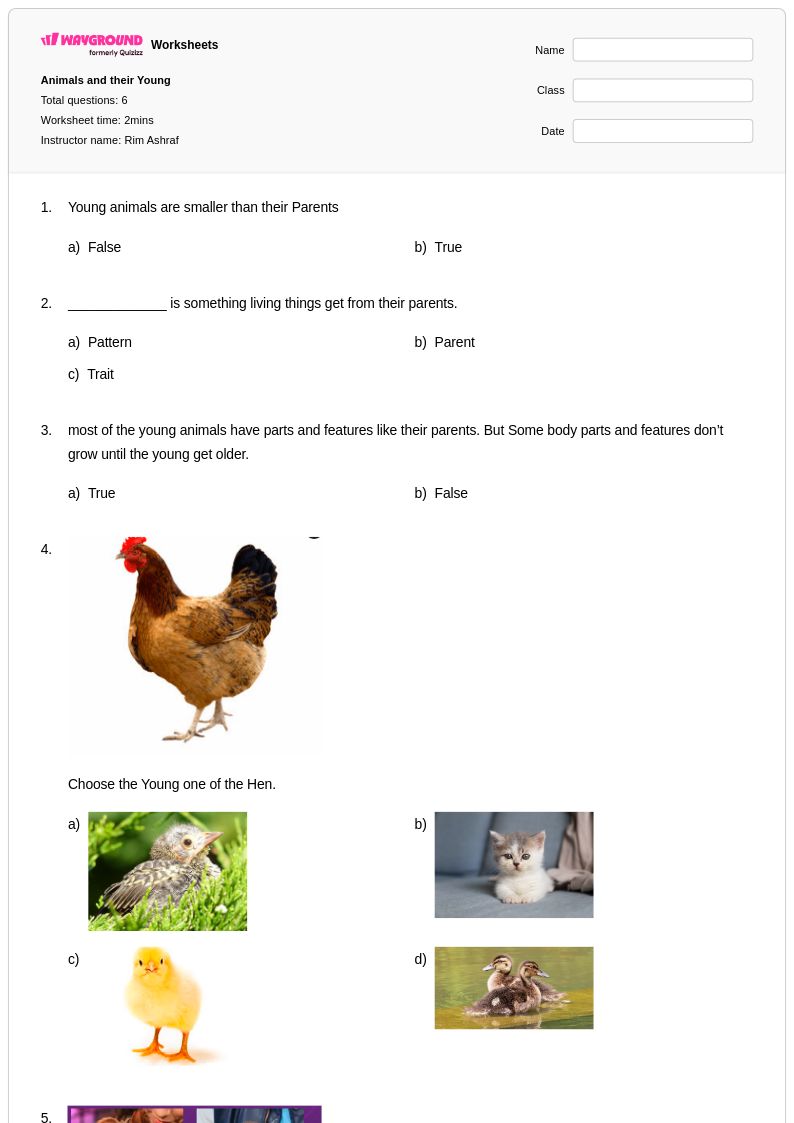
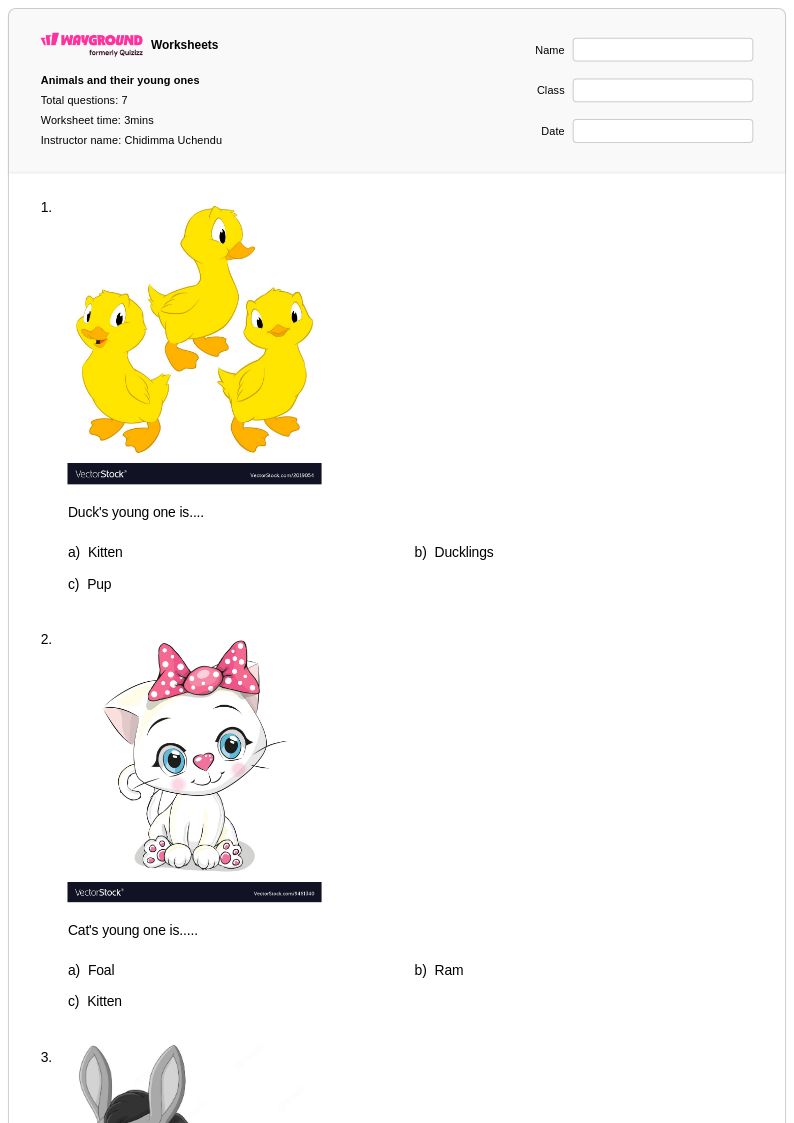
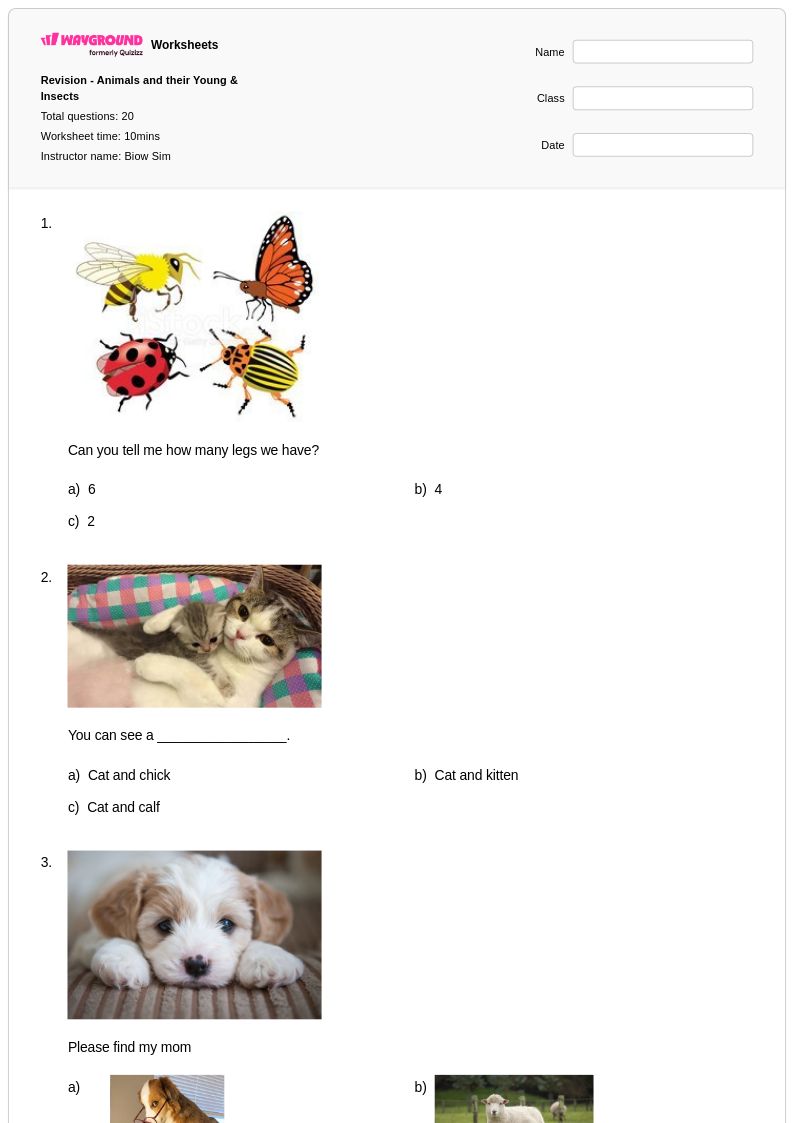
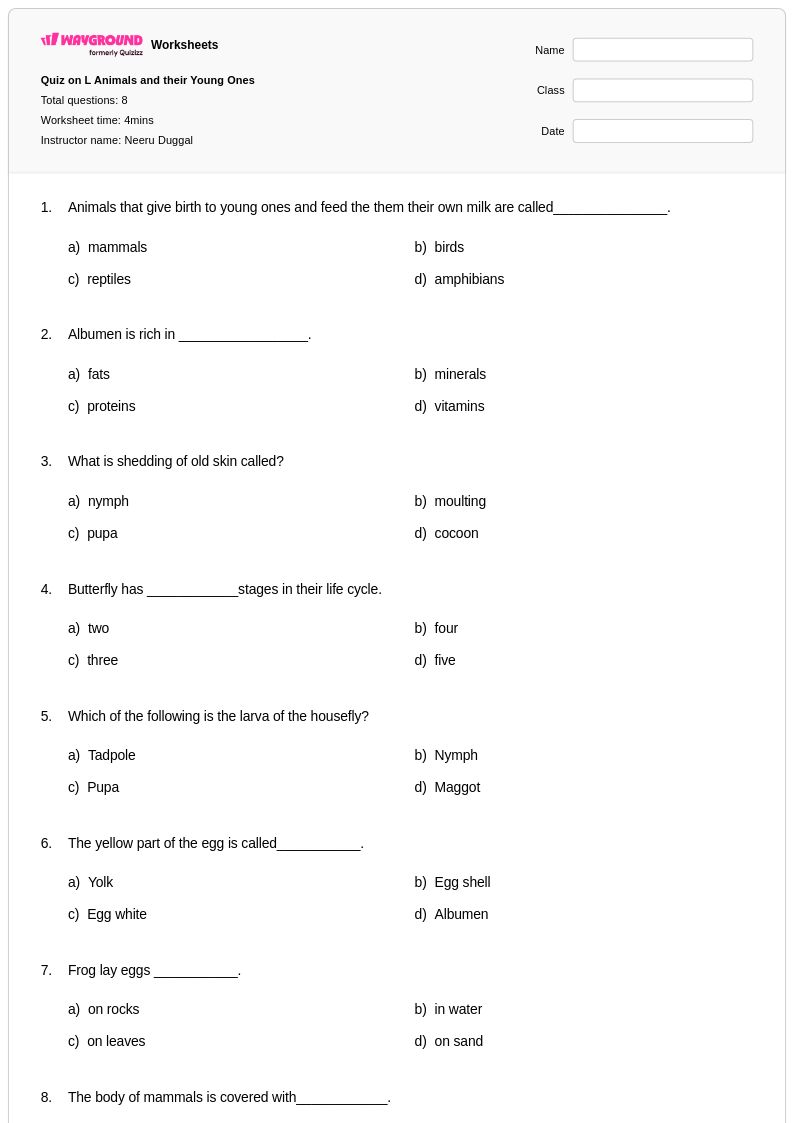
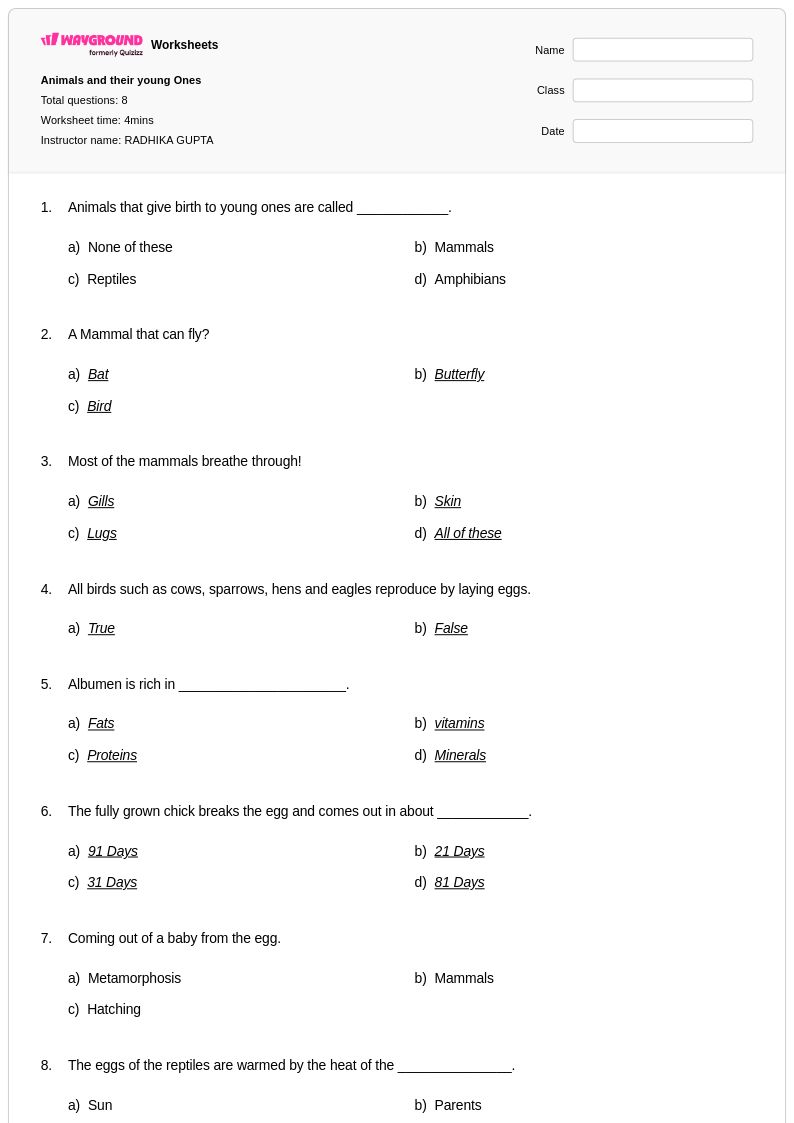
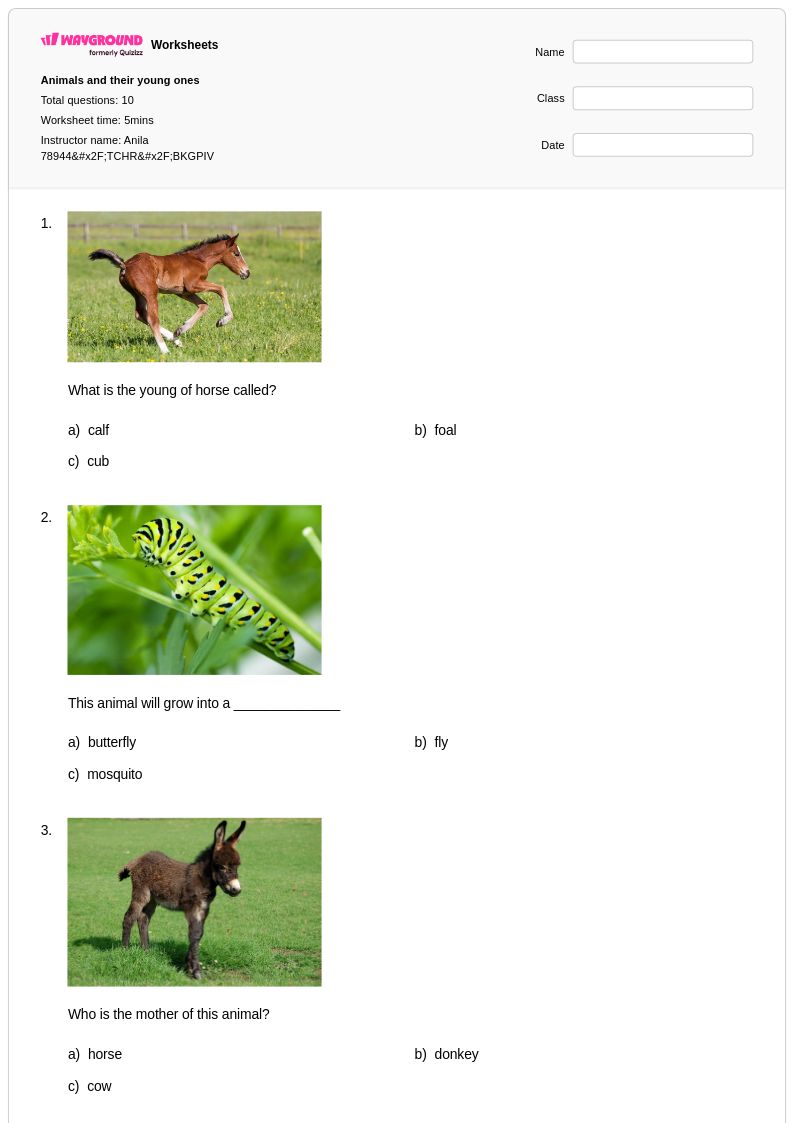
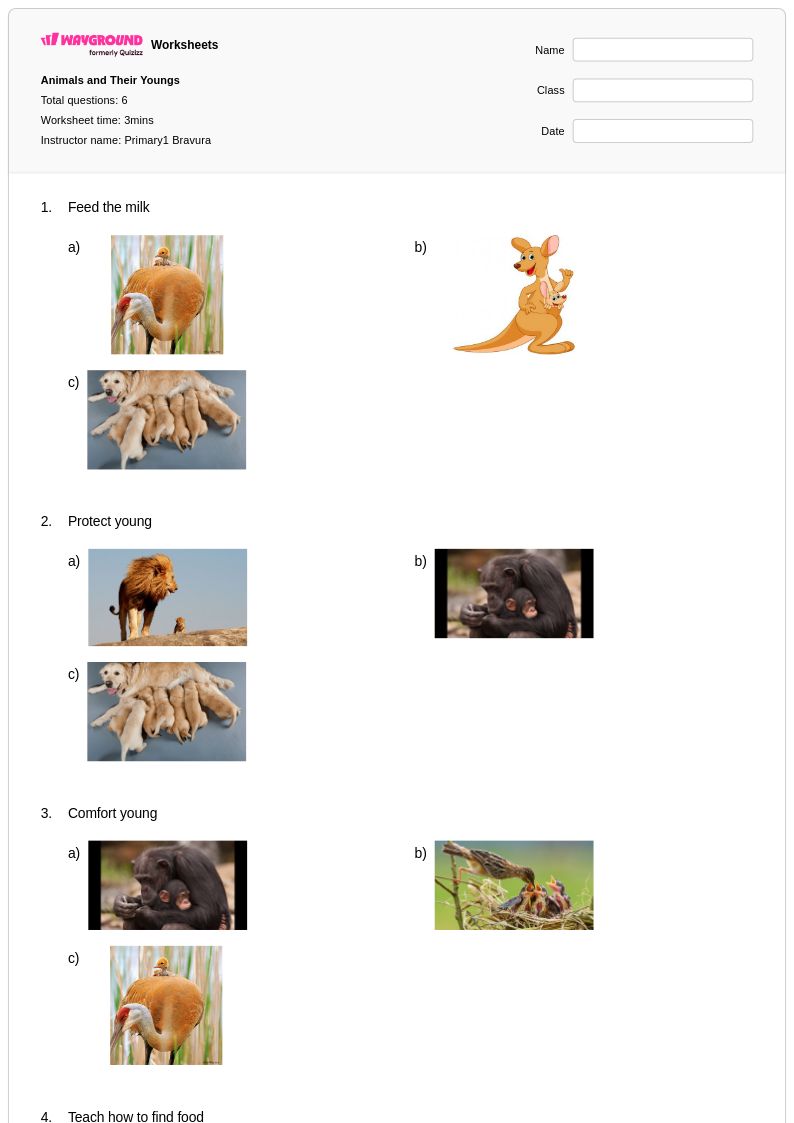
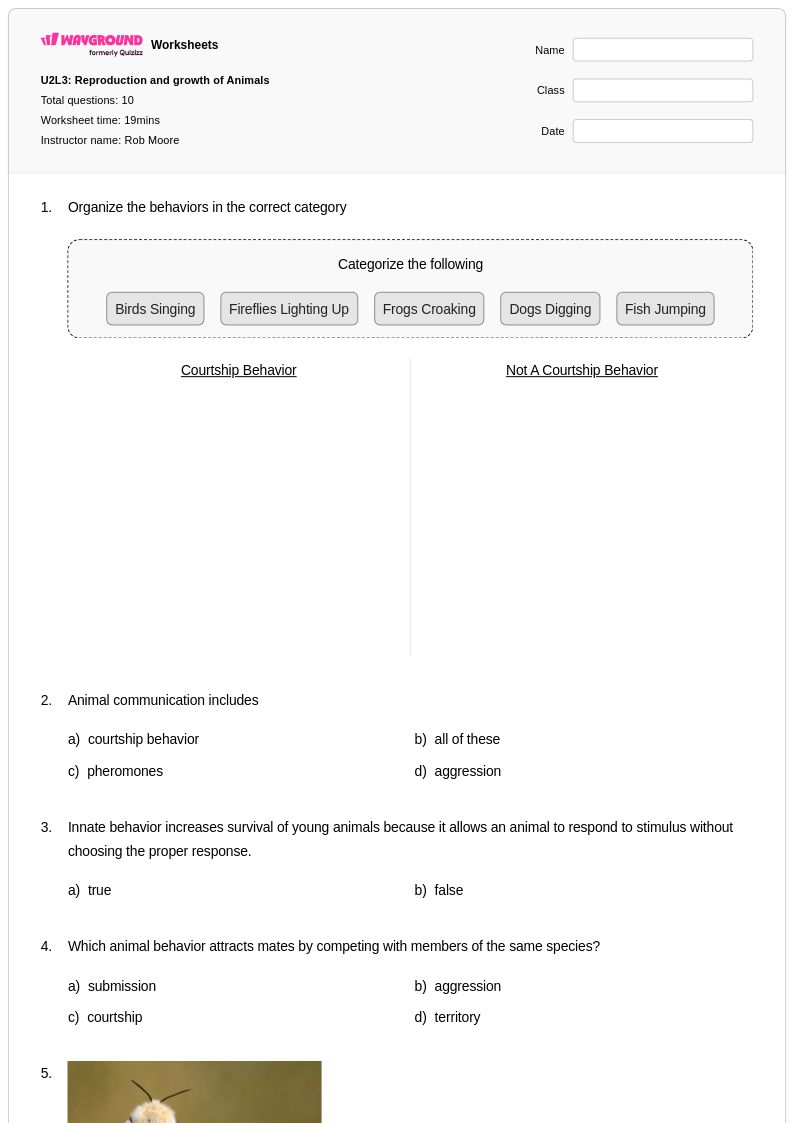
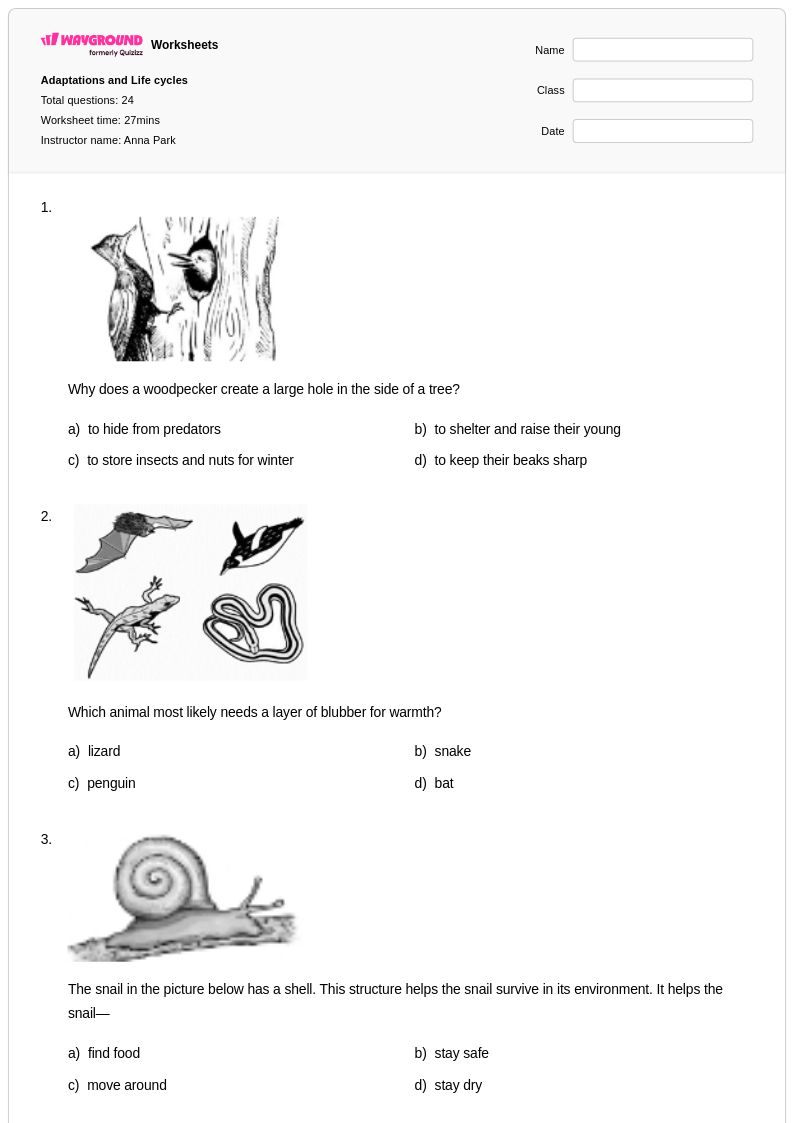
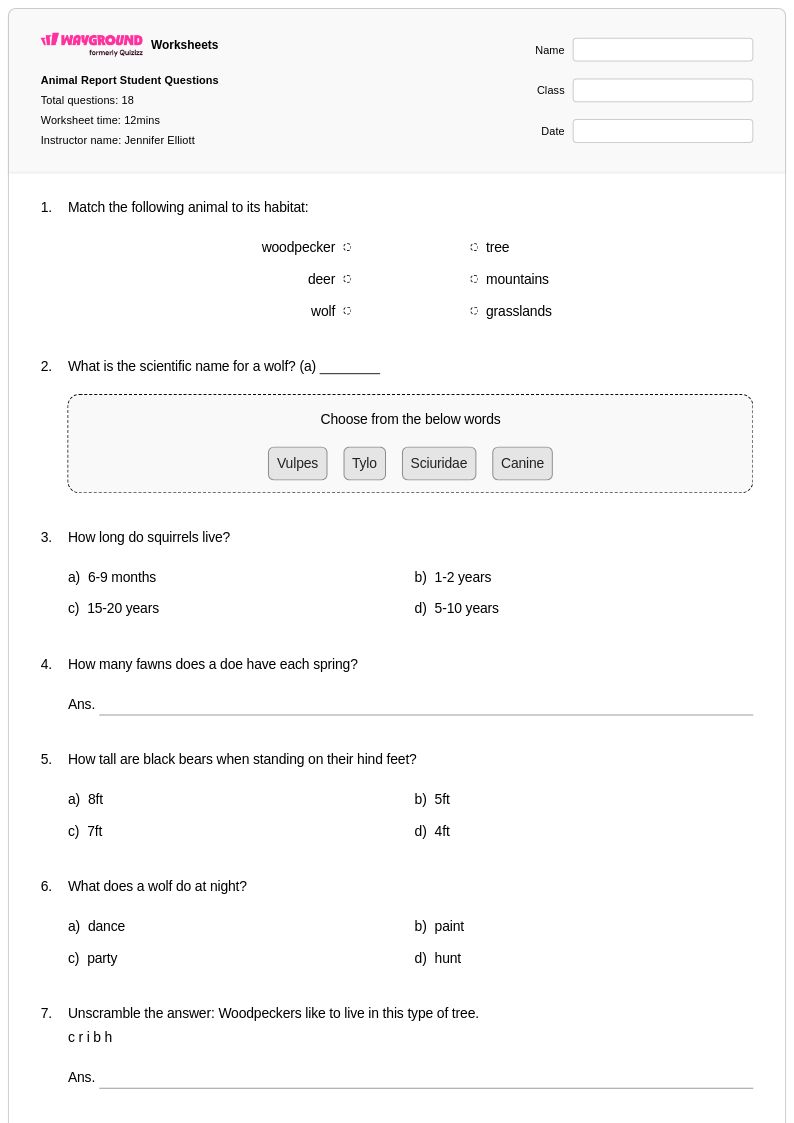
Animals and their young worksheets for kindergarten students provide essential foundational learning experiences that introduce young learners to the fascinating world of animal families and reproduction cycles. These carefully designed educational materials help kindergarteners develop critical observation skills, vocabulary expansion, and basic scientific understanding as they explore how different animals care for their offspring. The worksheets feature engaging activities such as matching baby animals to their parents, identifying animal family groups, and learning the specific names for young animals like foals, cubs, and chicks. Each printable resource includes comprehensive answer keys to support both independent learning and guided instruction, while the free downloadable pdf format ensures easy access for classroom and home use. These practice problems strengthen visual discrimination abilities, enhance categorization skills, and build fundamental knowledge about animal life cycles that serves as a cornerstone for future life science learning.
Wayground, formerly known as Quizizz, empowers educators with an extensive collection of millions of teacher-created resources specifically designed for kindergarten animals and their young instruction. The platform's robust search and filtering capabilities allow teachers to quickly locate age-appropriate worksheets that align with early childhood science standards and accommodate diverse learning needs within their classrooms. Advanced differentiation tools enable educators to customize content difficulty levels, modify visual elements, and adapt activities to support various learning styles and abilities. These versatile materials are available in both printable pdf formats for traditional classroom use and interactive digital versions for technology-enhanced learning environments. Teachers can efficiently plan comprehensive lesson sequences, provide targeted remediation for struggling students, offer enrichment opportunities for advanced learners, and facilitate consistent skill practice that reinforces kindergarteners' understanding of animal families and their developmental characteristics.
FAQs
How do I teach students about animals and their young in an engaging way?
Start by anchoring instruction in concrete comparisons — show students images of adult animals alongside their offspring and ask them to identify similarities and differences in physical traits. From there, introduce the distinction between inherited traits (like body structure) and learned behaviors (like hunting techniques passed from parent to young). Hands-on sorting activities, such as matching baby animals to their parents or sequencing a life cycle, help students build conceptual understanding before moving to more abstract analysis of parental care strategies across species.
What exercises help students practice identifying animals and their offspring?
Matching activities are one of the most effective practice formats for this topic — students pair baby animals with their adult counterparts, reinforcing both vocabulary and visual recognition. Sequencing exercises that ask students to arrange developmental stages from birth to maturity strengthen their understanding of life cycles. Comparison charts where students record how different species nurse, protect, or teach their young are also useful for building analytical skills alongside content knowledge.
What common mistakes do students make when learning about animal parental care?
A frequent misconception is that all animals actively care for their young the way mammals do — students often assume parental involvement is universal across species. Teachers should explicitly address that many animals, such as most fish and reptiles, provide little to no parental care after hatching or birth. Another common error is conflating inherited traits with learned behaviors; students may not initially recognize that behaviors like a duckling following its mother involve imprinting, not instinct alone.
How do animals and their young worksheets support life science standards?
Animals and their young worksheets directly address life science standards related to reproduction, heredity, and animal behavior — topics that appear across multiple grade bands in both NGSS-aligned and state-specific frameworks. By examining how different species reproduce and raise offspring, students develop foundational understanding of biological continuity and trait inheritance. These worksheets also support standards around observation and comparison, as students analyze behavioral and physical differences across animal groups.
How can I use animals and their young worksheets in my classroom?
These worksheets are available as printable PDFs for traditional classroom use and in digital formats for technology-integrated or remote learning environments, including the option to host them as a quiz on Wayground. Printable versions work well as independent practice, homework, or science center activities, while digital formats allow for immediate feedback and easy assignment tracking. Each worksheet includes an answer key, making them equally effective for guided instruction, self-paced review, or formative assessment.
How can I differentiate animals and their young activities for different learners?
For struggling learners, reduce the complexity of comparisons by focusing on familiar animals and providing visual supports alongside written prompts. Advanced students can be pushed toward analysis — asking them to explain why certain parental care strategies evolved in specific environments adds critical thinking depth. On Wayground, teachers can apply individual accommodations such as read aloud support, reduced answer choices, and extended time to specific students, ensuring every learner accesses the same content at an appropriate level of challenge.