
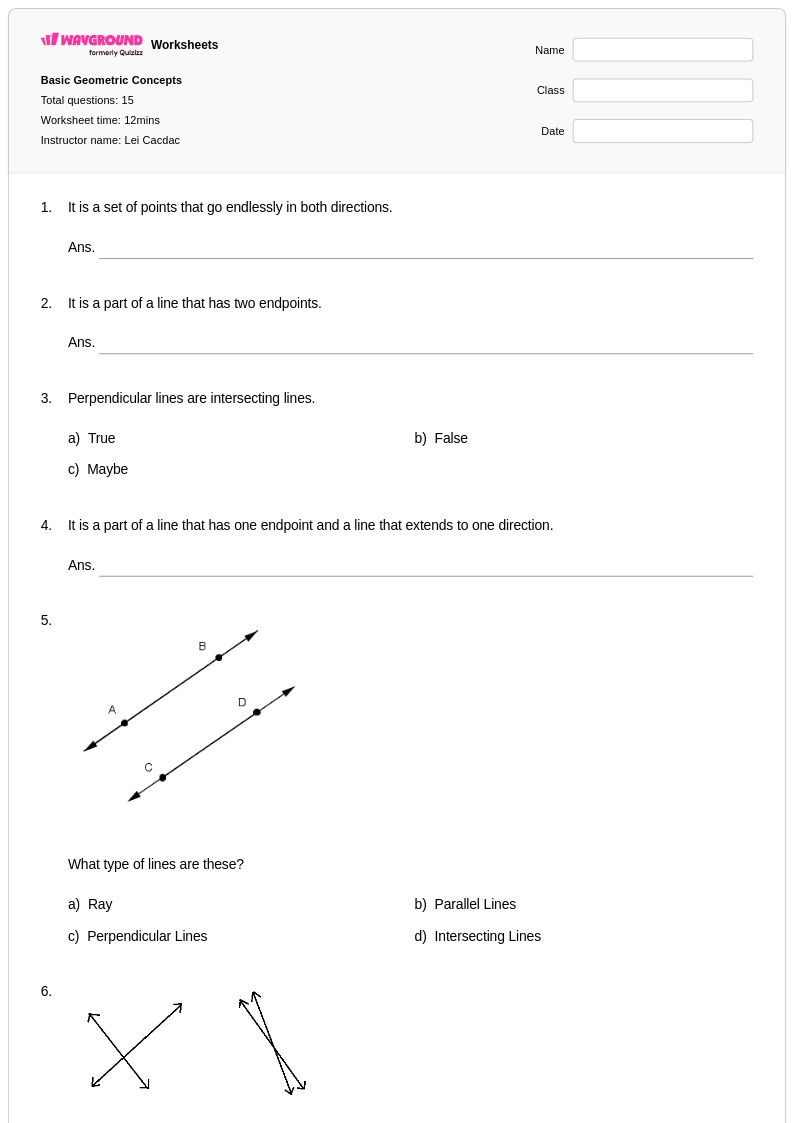
15 Q
3rd
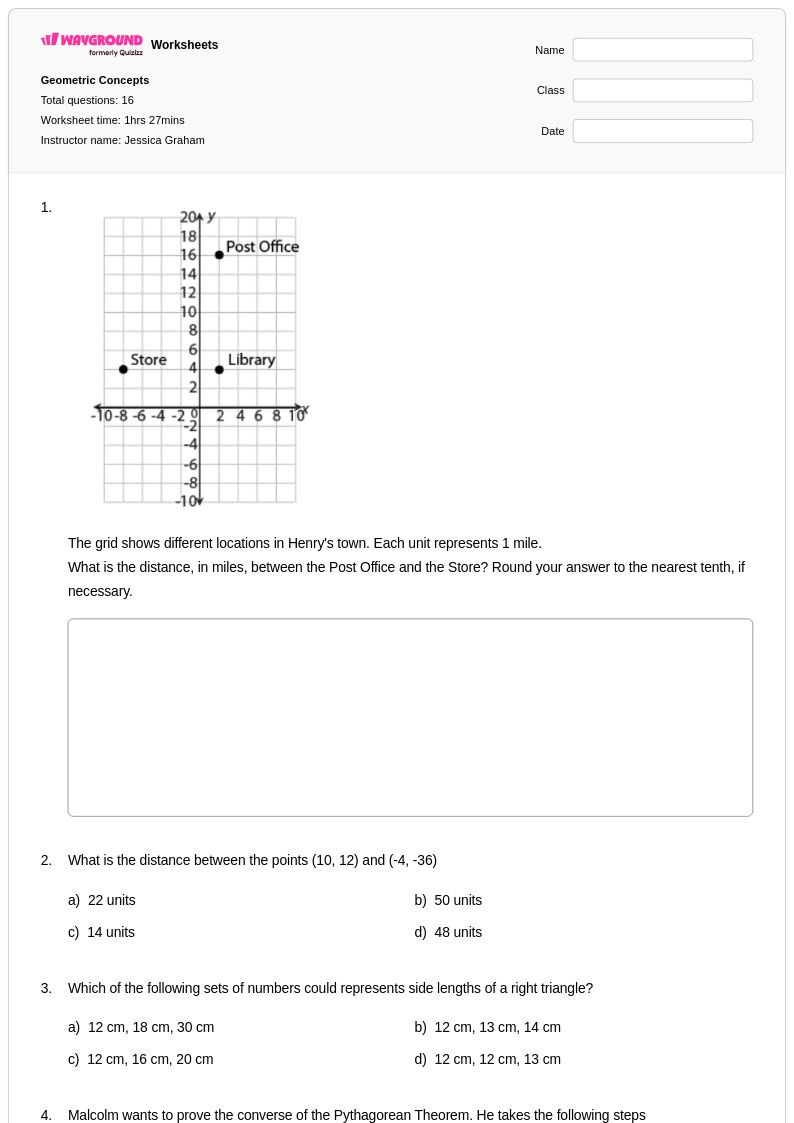
20 Q
8th
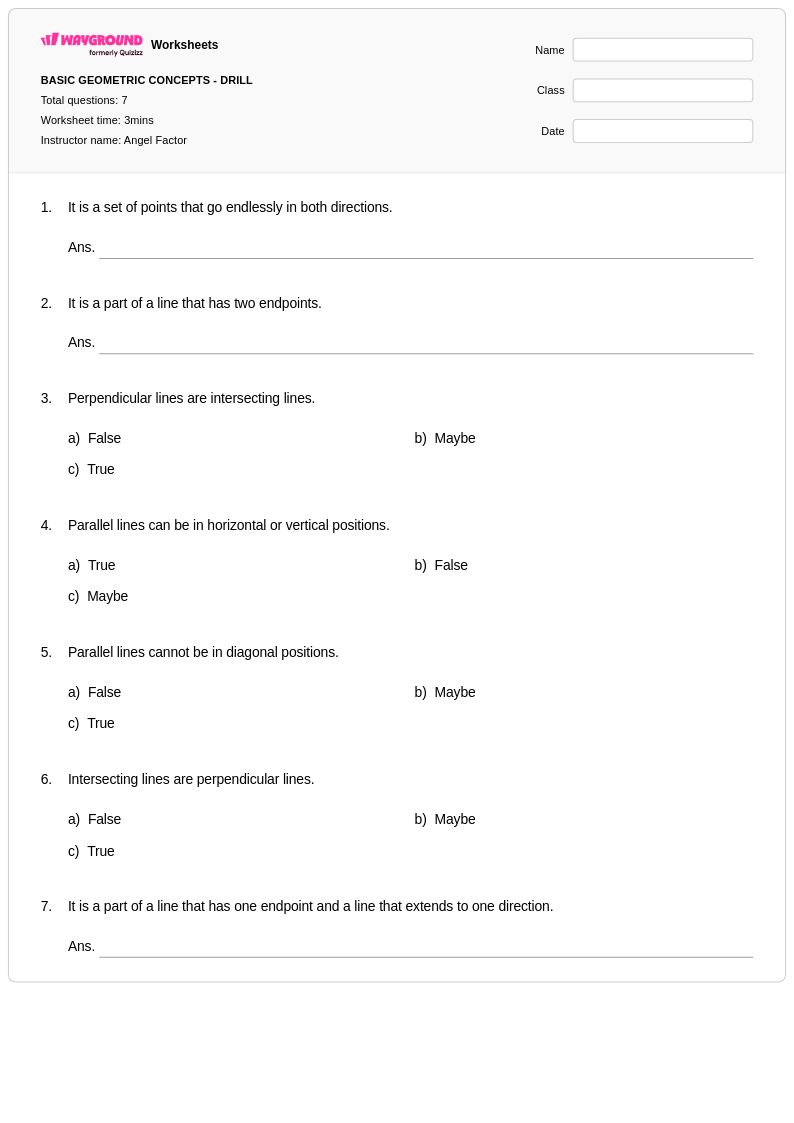
7 Q
4th
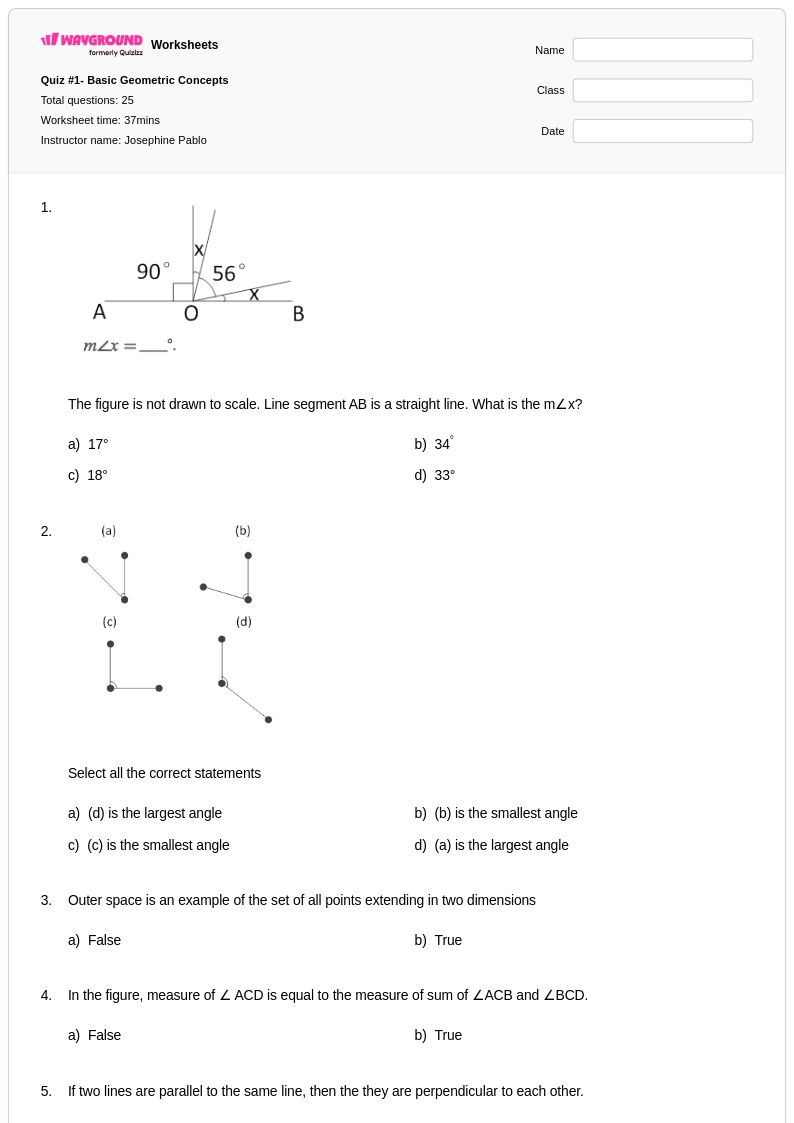
25 Q
10th - 11th
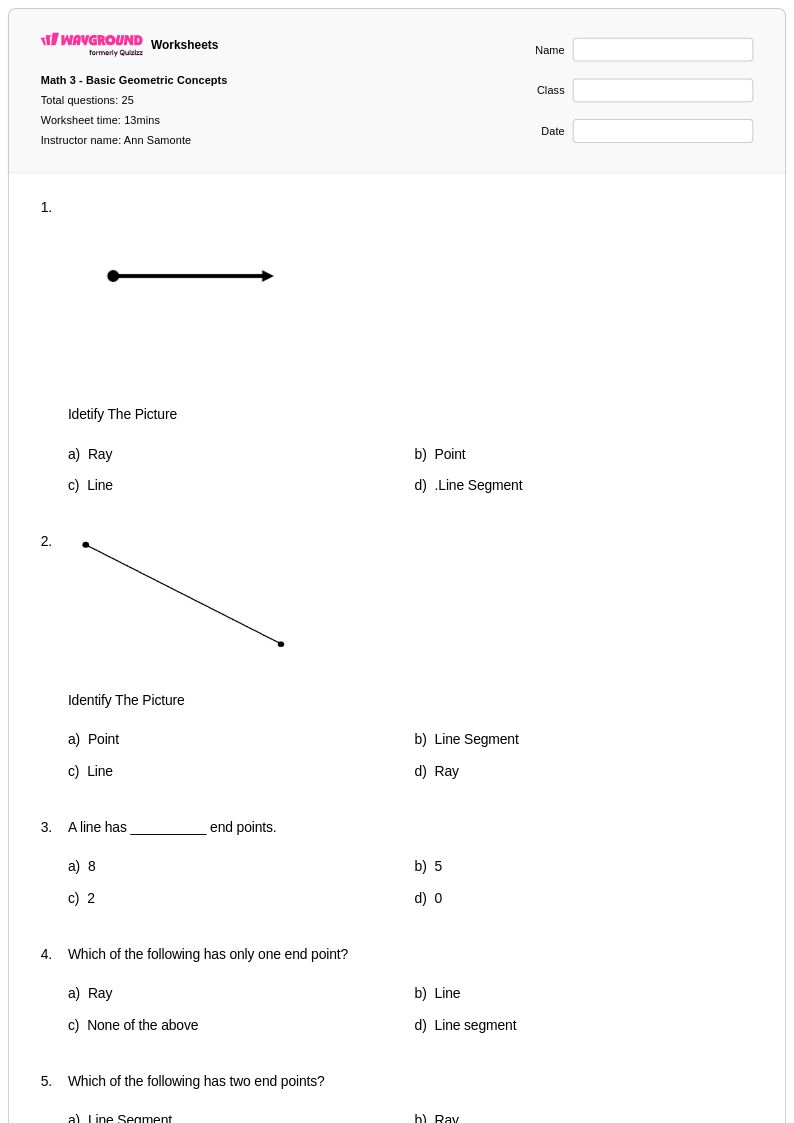
25 Q
3rd
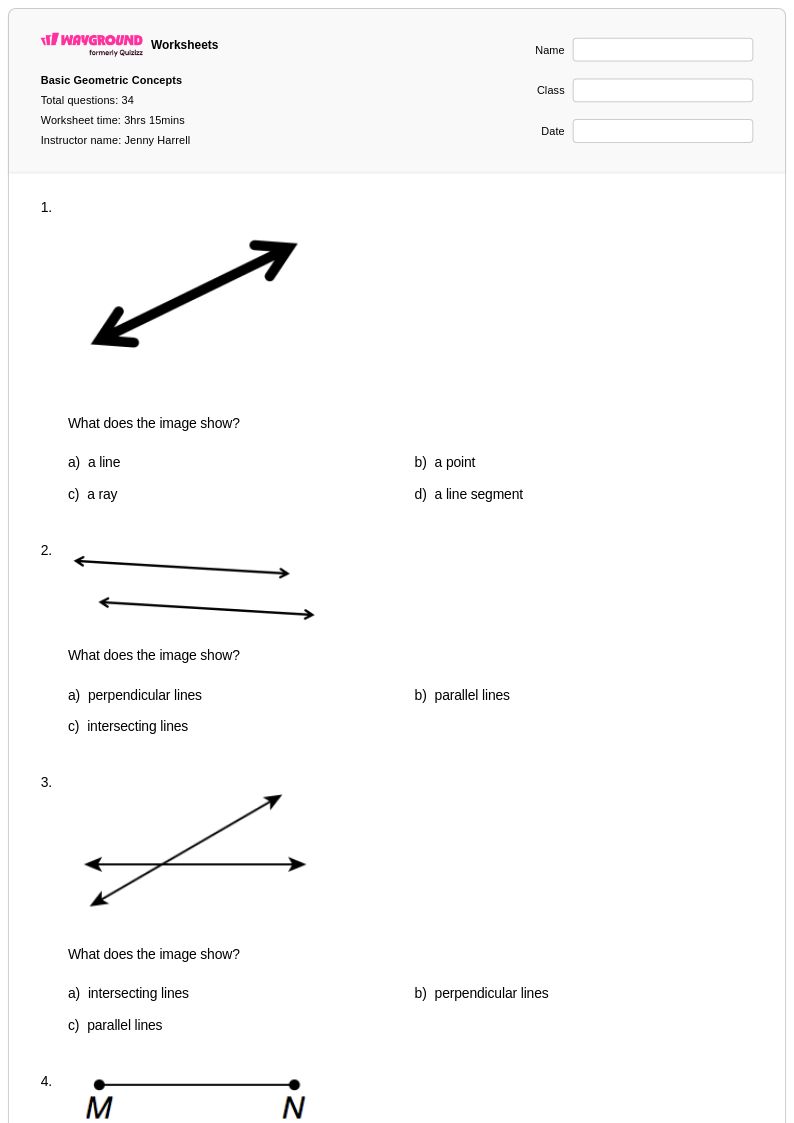
34 Q
9th - 12th
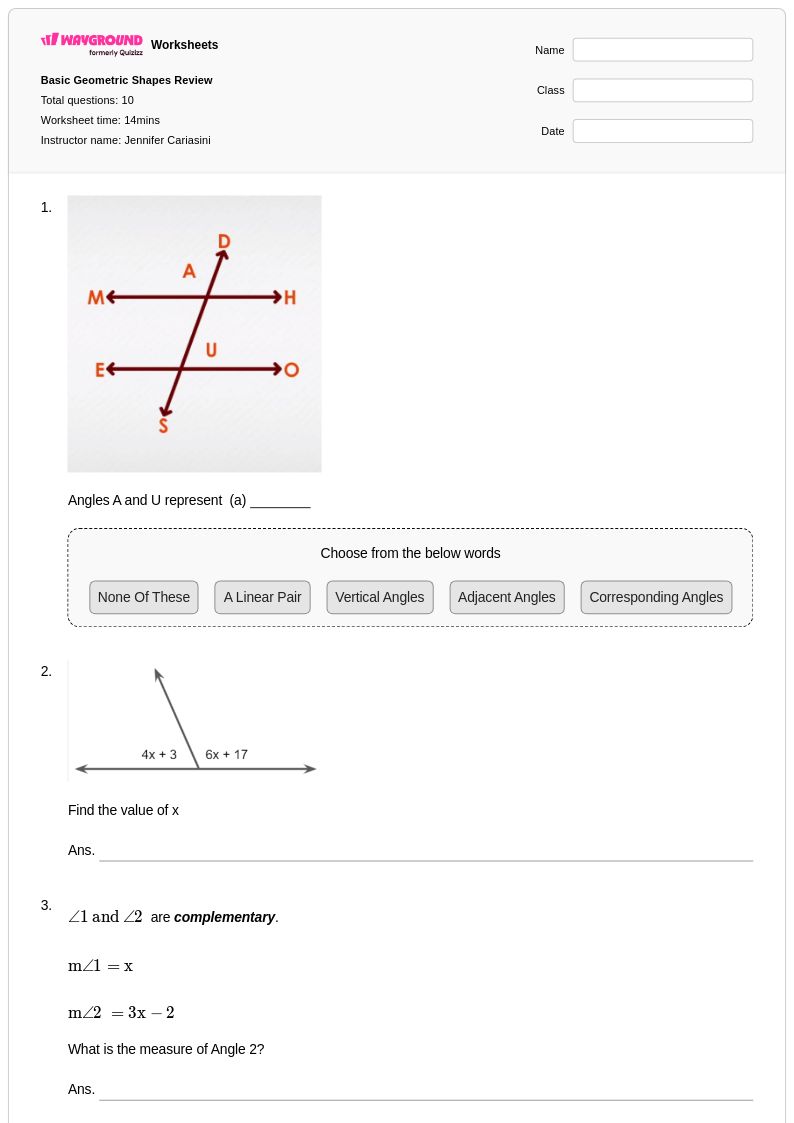
10 Q
8th
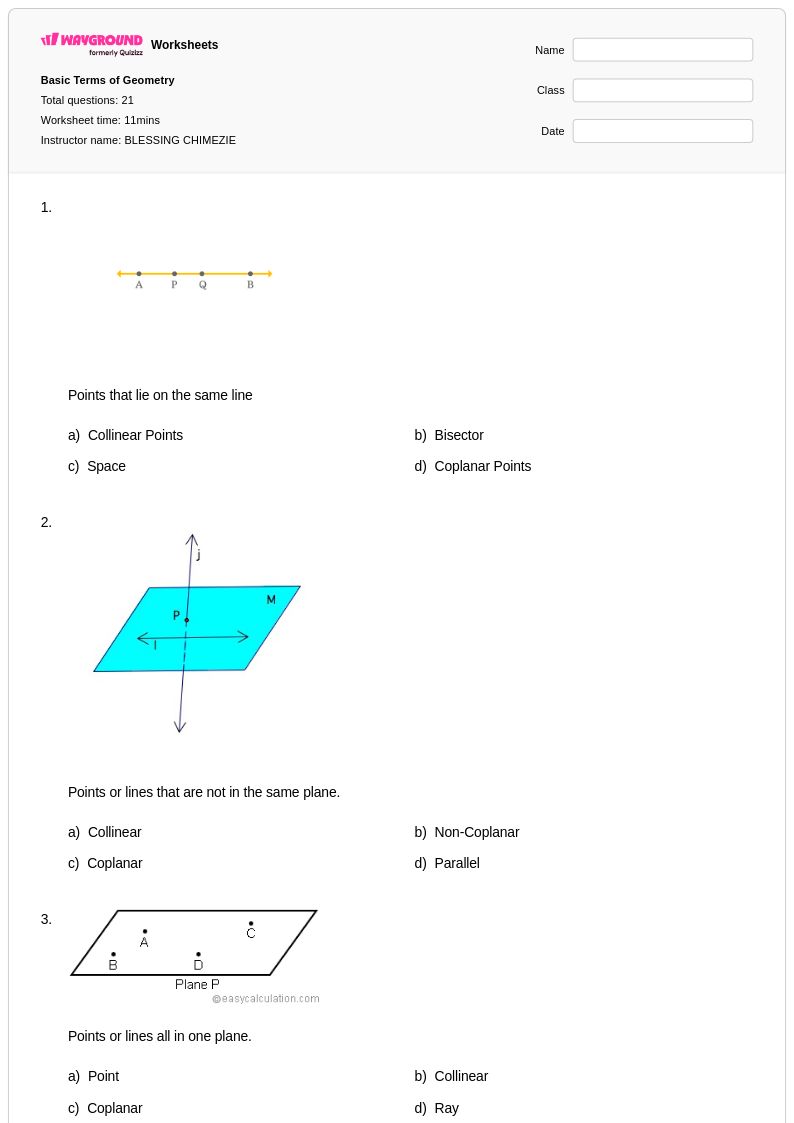
21 Q
10th
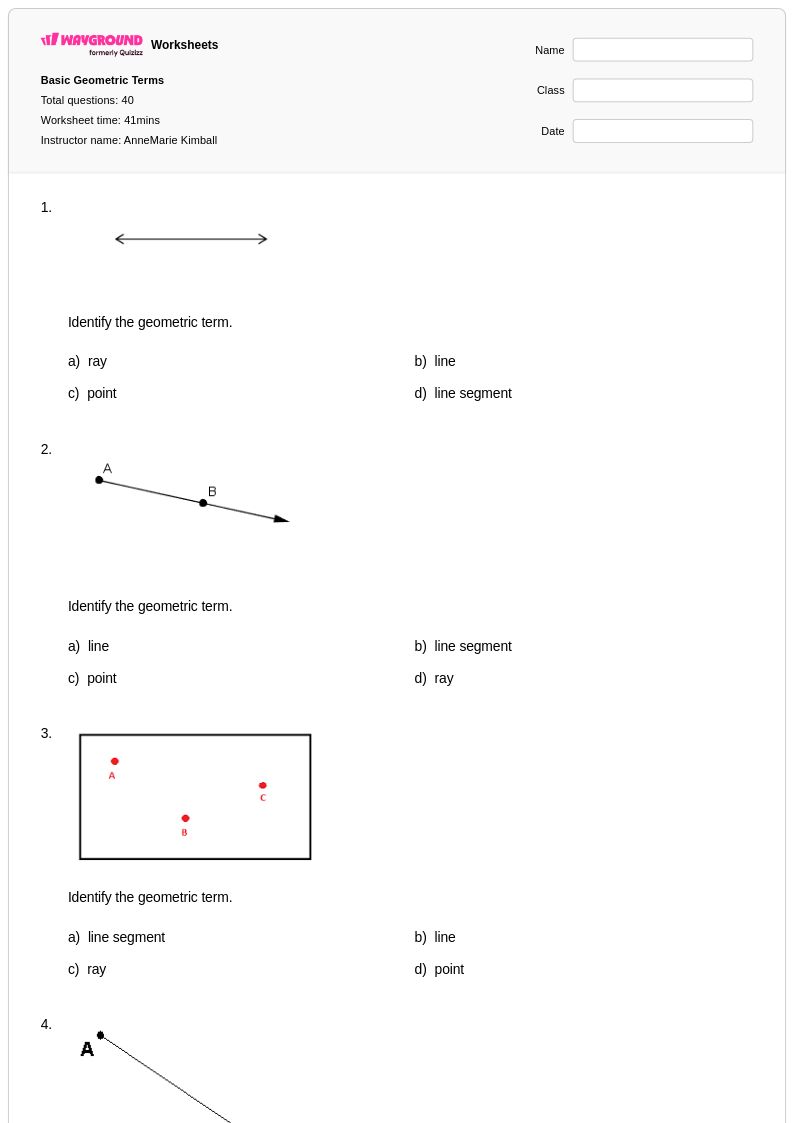
40 Q
7th
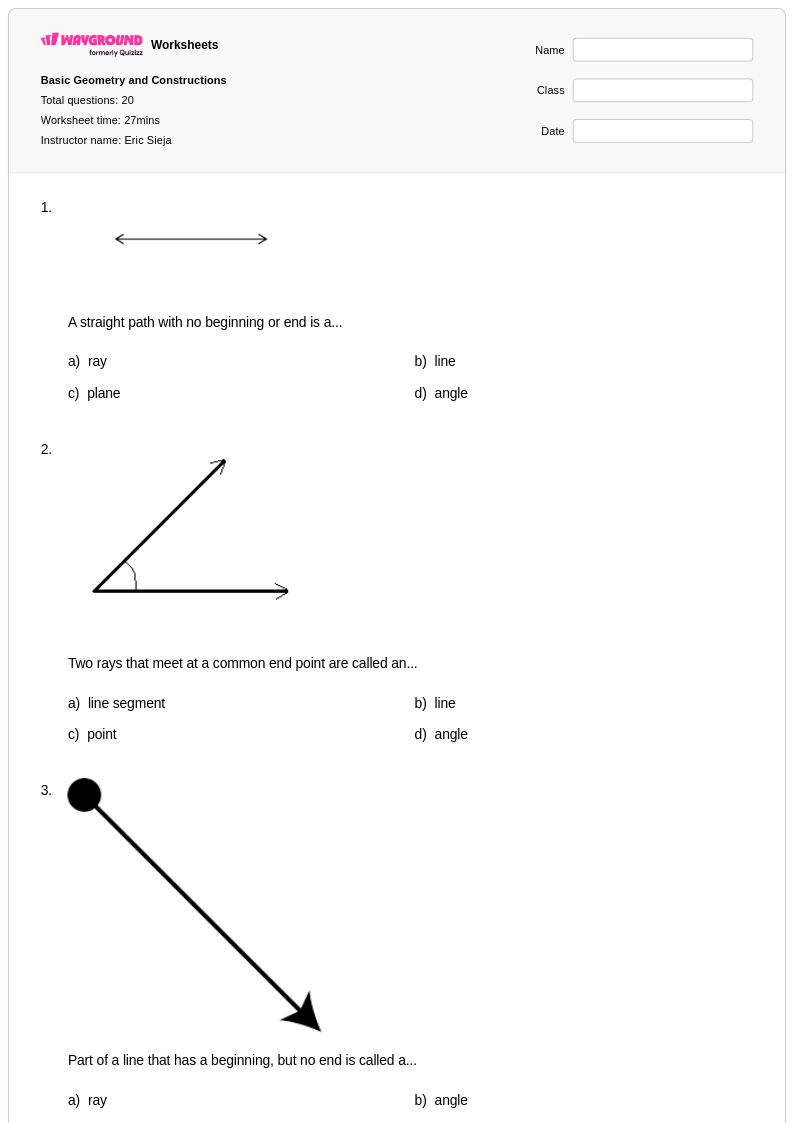
20 Q
10th
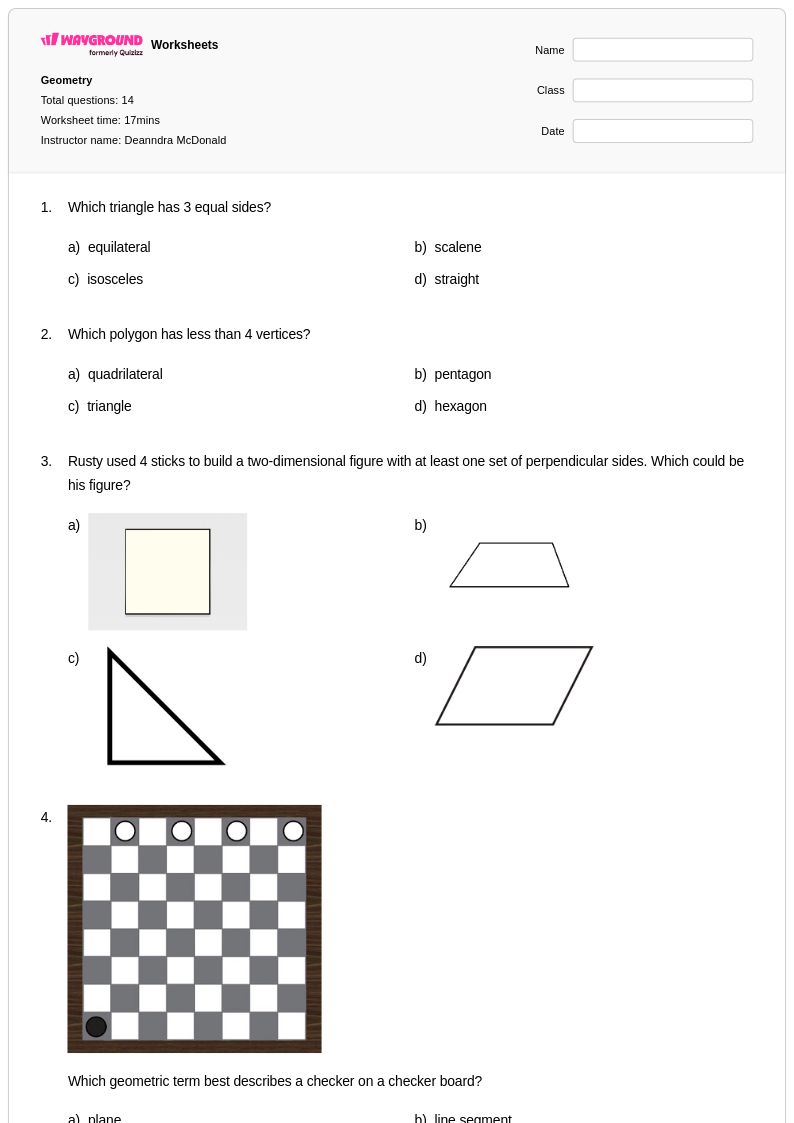
14 Q
4th
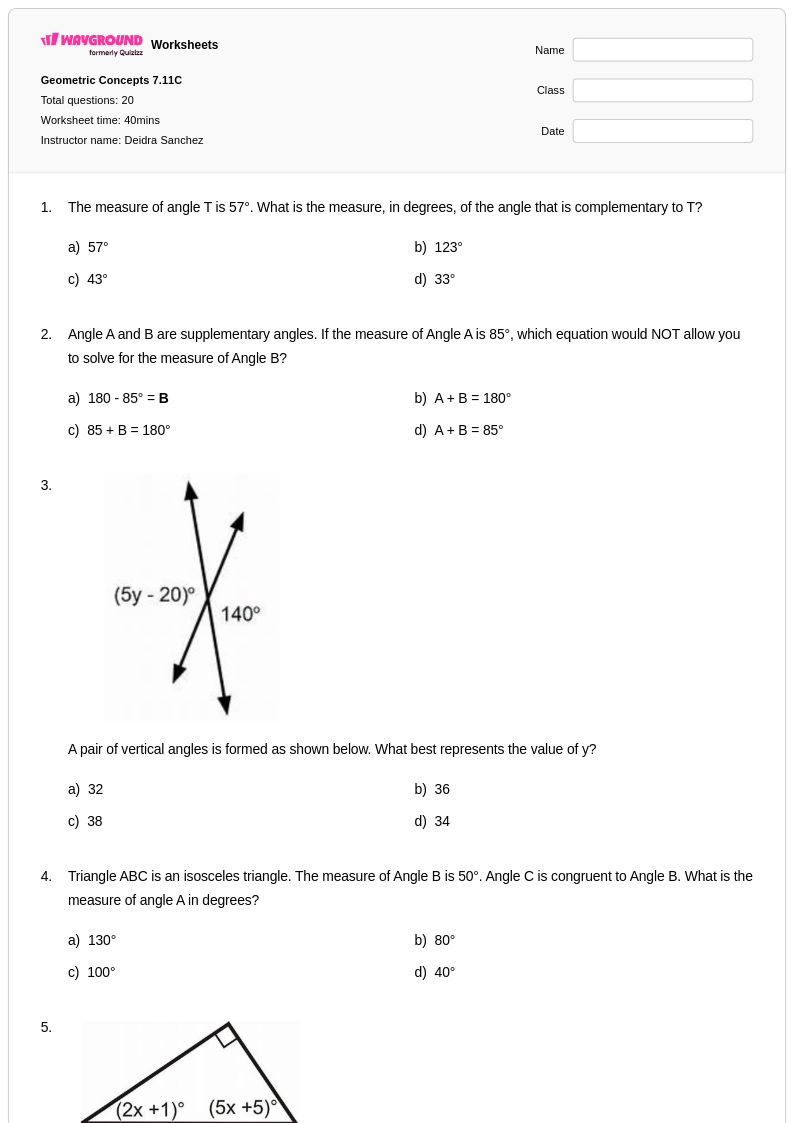
20 Q
7th
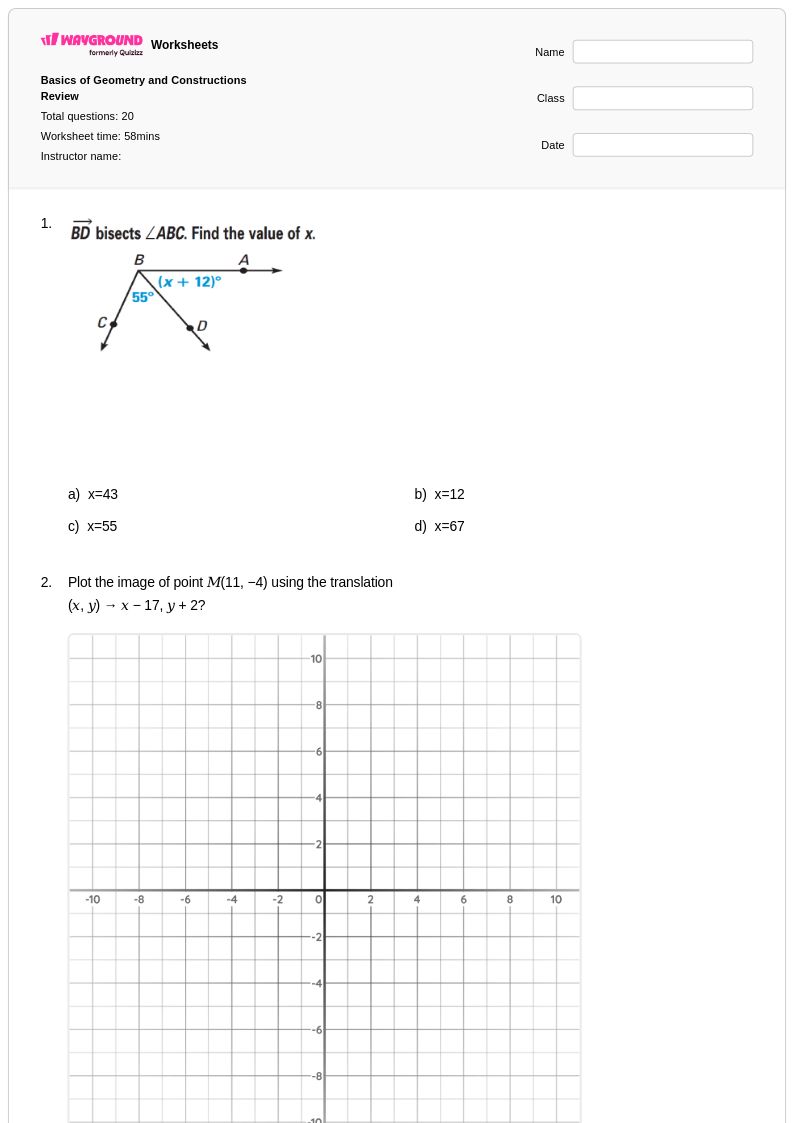
20 Q
10th
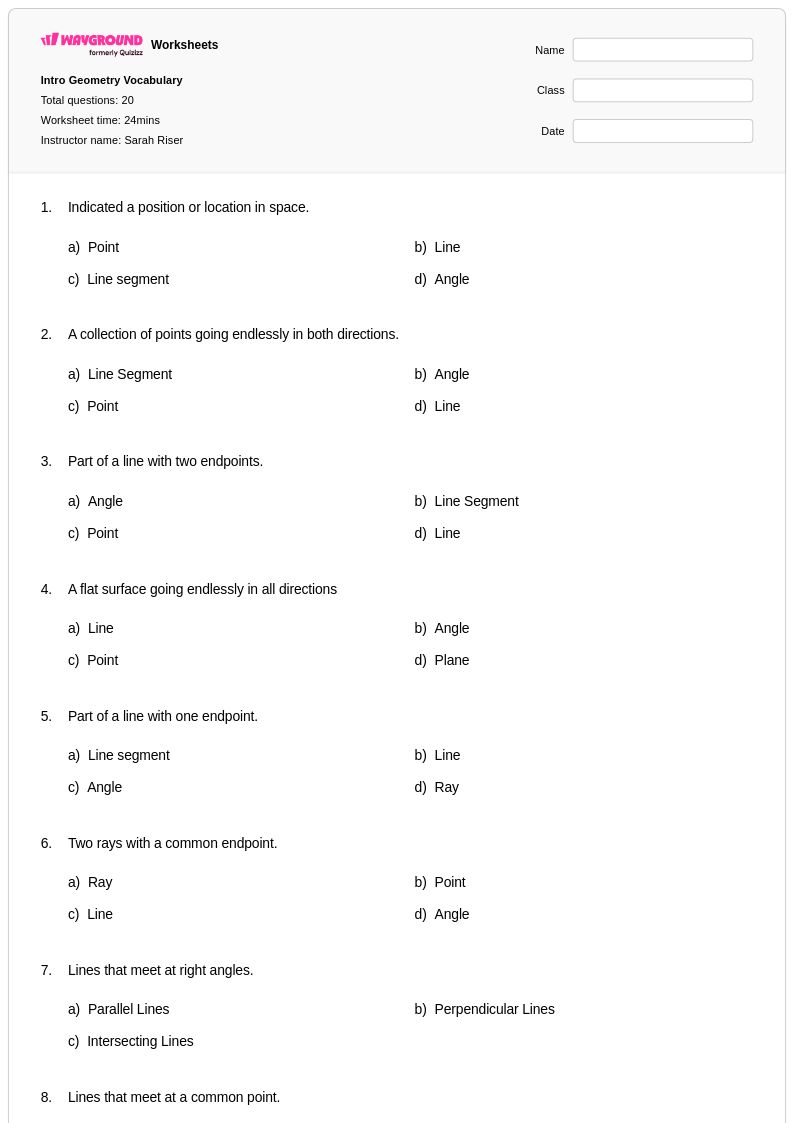
20 Q
6th - 8th
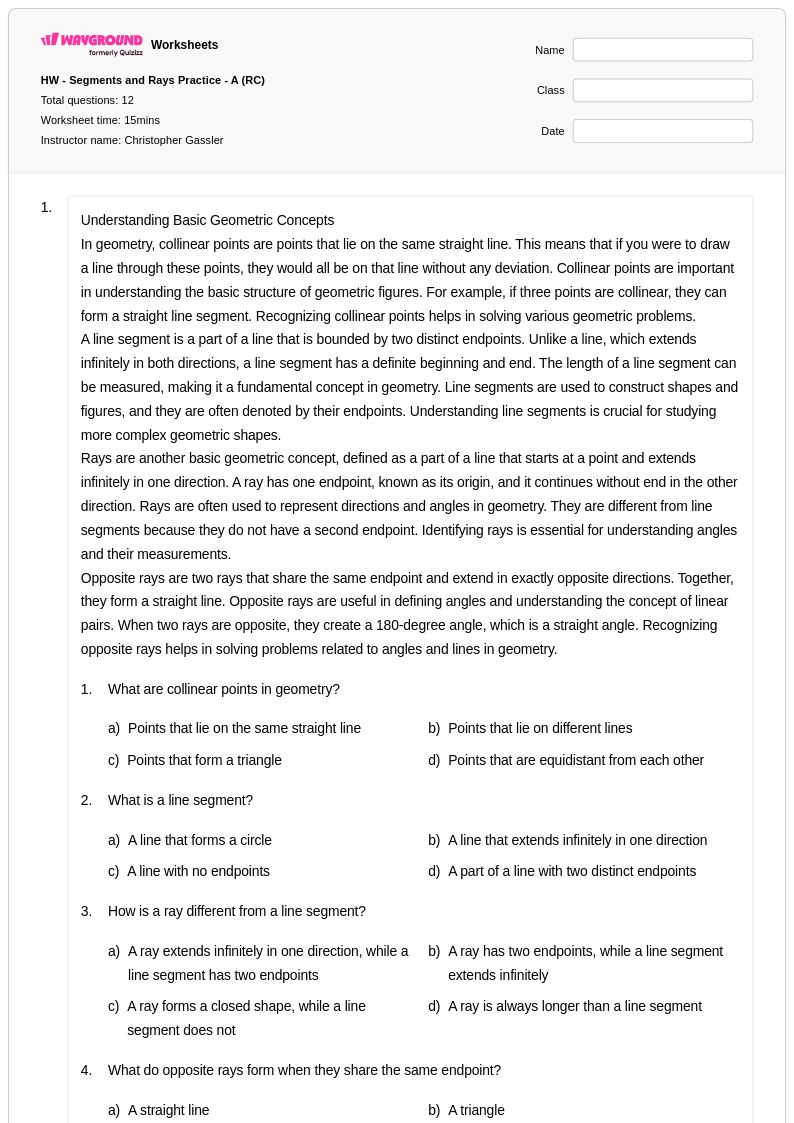
16 Q
9th
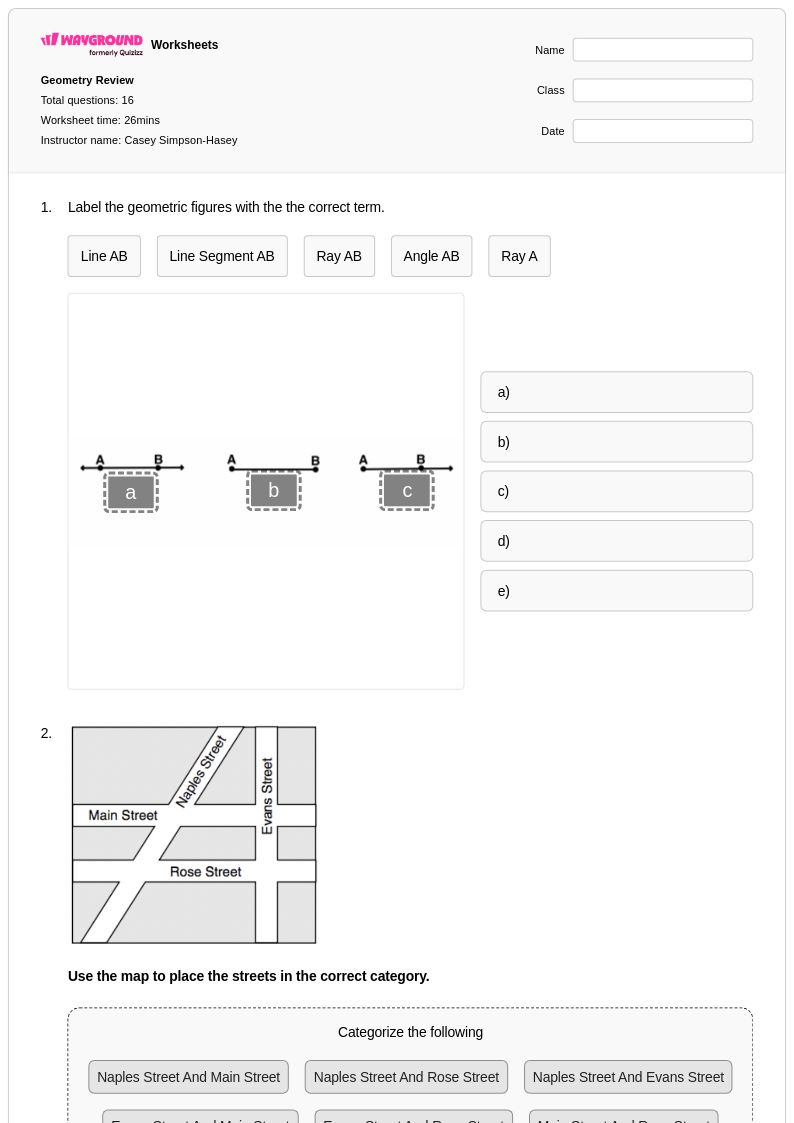
16 Q
4th
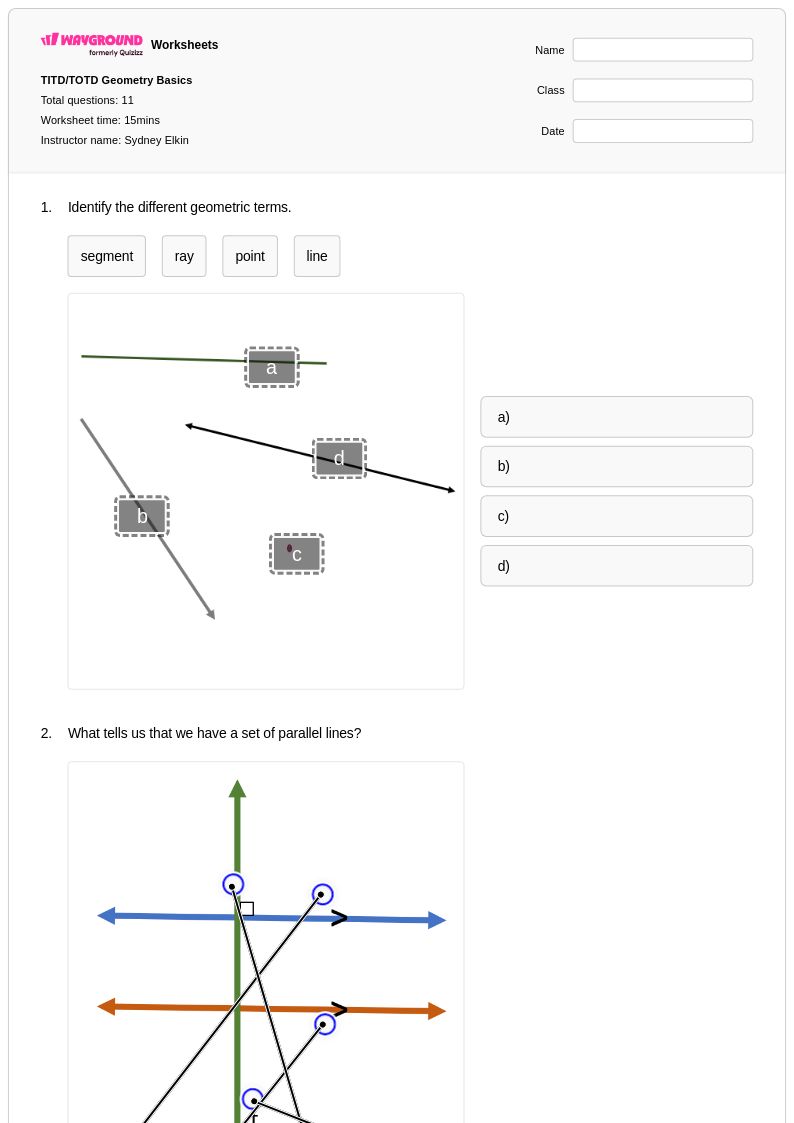
11 Q
10th
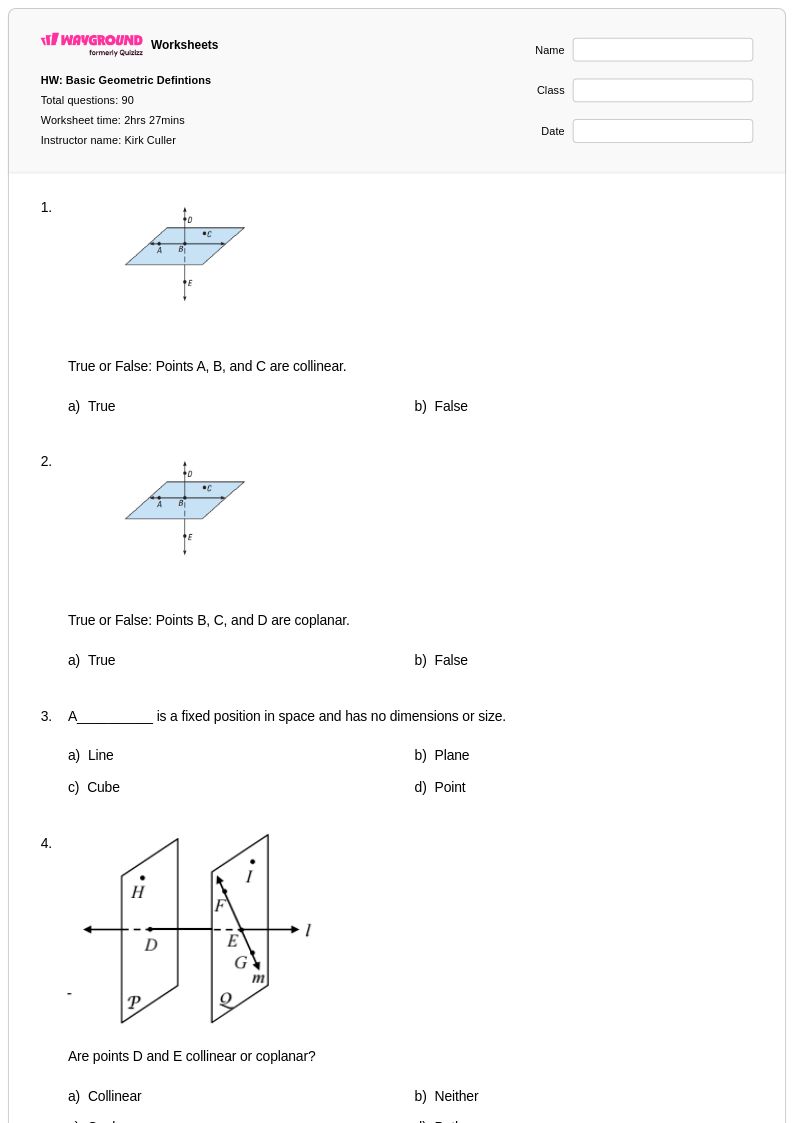
90 Q
9th - 12th
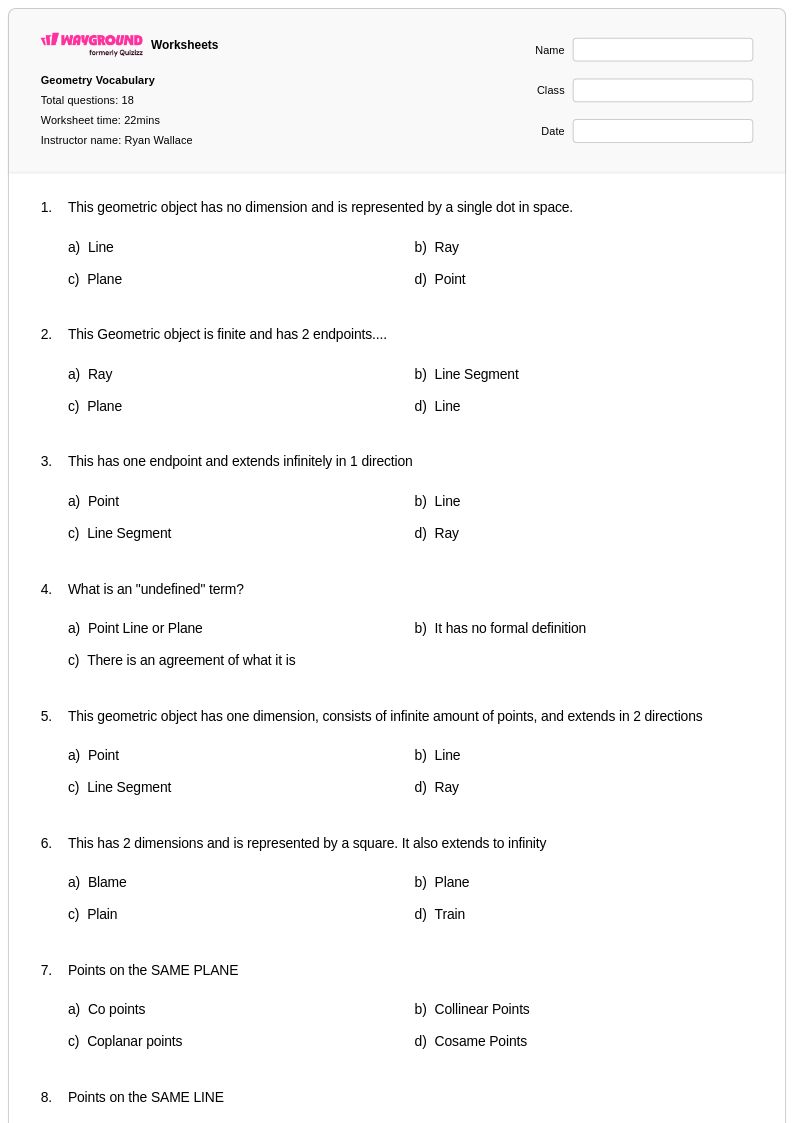
18 Q
9th
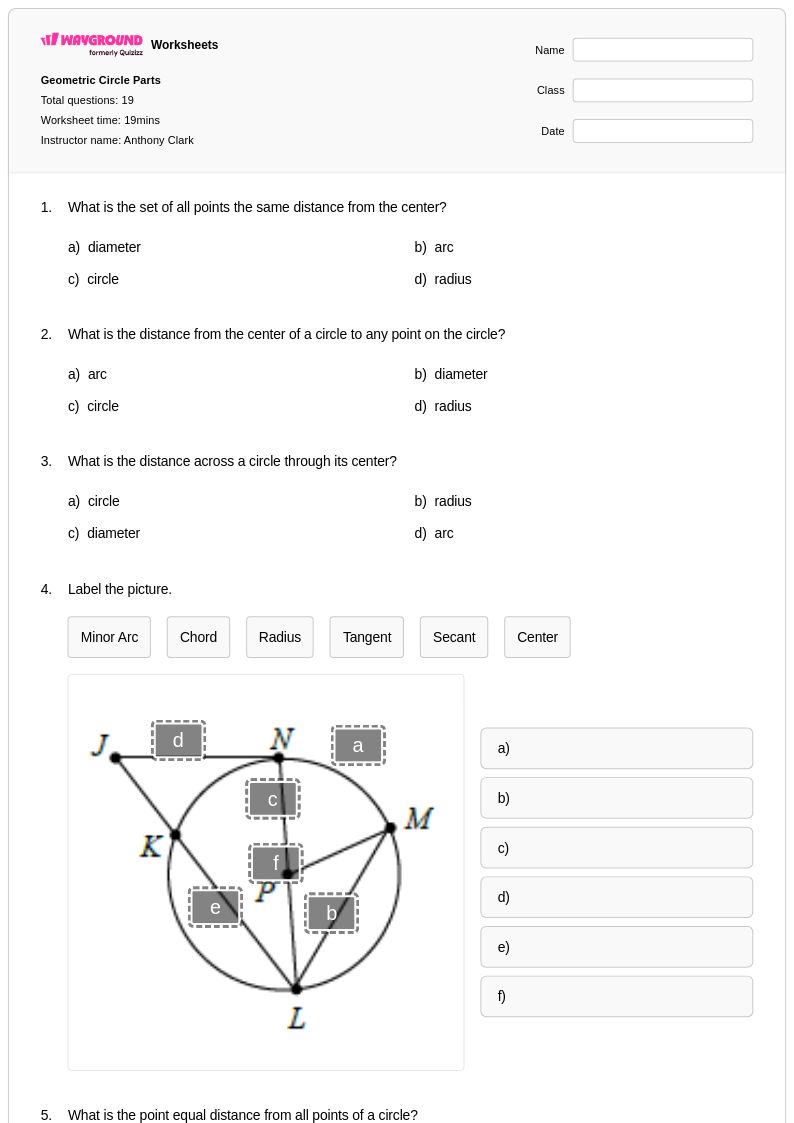
19 Q
12th - Uni
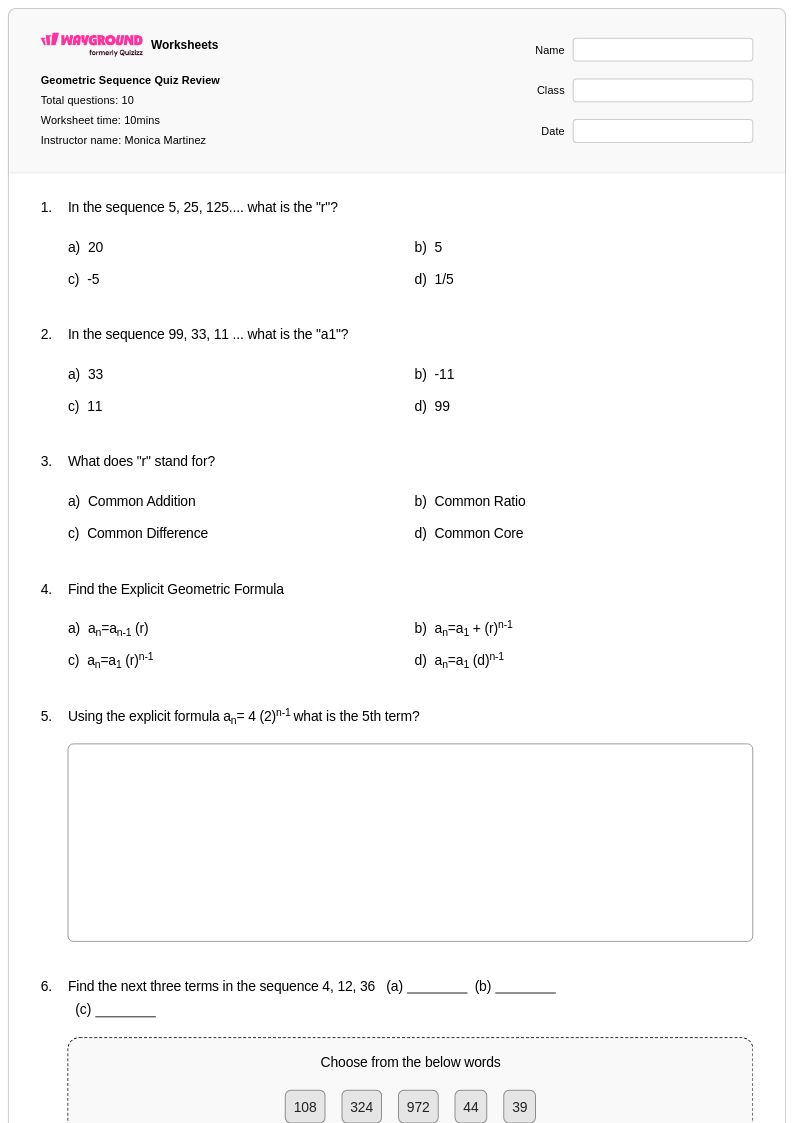
10 Q
10th
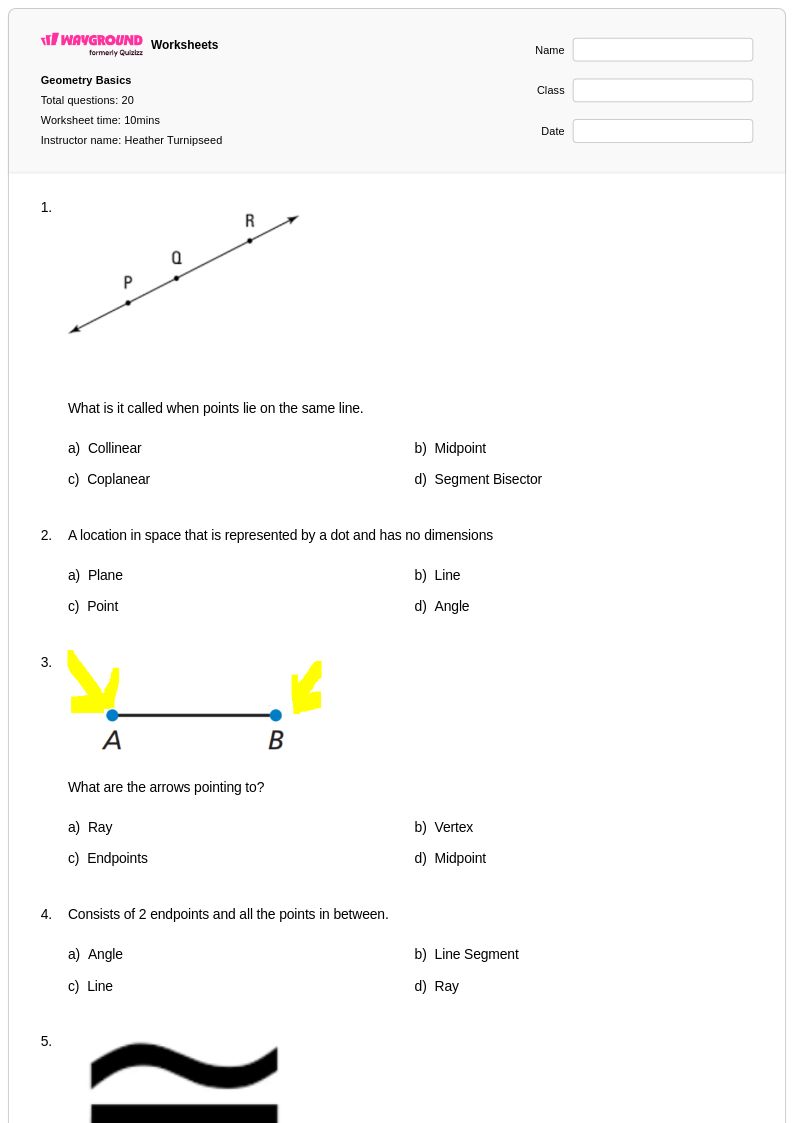
20 Q
10th
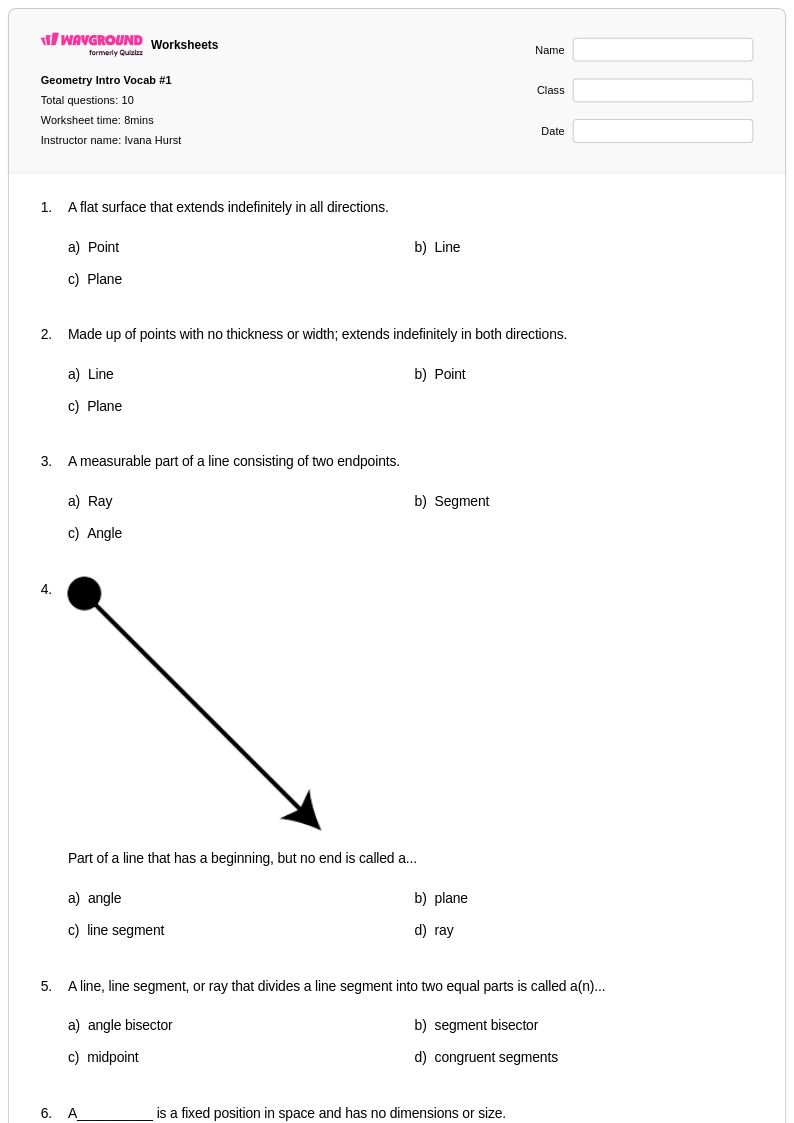
10 Q
10th
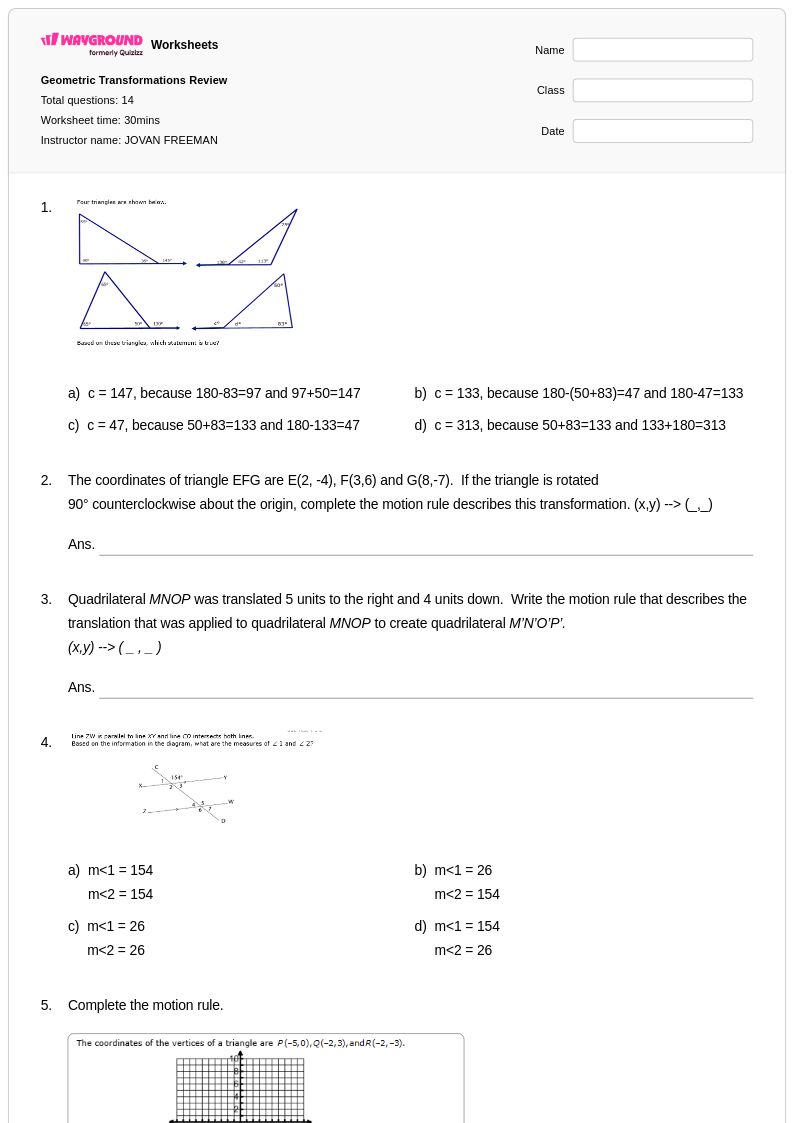
14 Q
8th
Explore Basic Geometric Concepts Worksheets by Grades
Explore Other Subject Worksheets for kindergarten
Explore printable Basic Geometric Concepts worksheets for Kindergarten
Basic geometric concepts worksheets for kindergarten through Wayground provide young learners with their first structured introduction to the fundamental building blocks of geometry. These carefully designed practice problems help kindergarteners develop essential spatial reasoning skills by exploring shapes, patterns, and positional relationships through age-appropriate activities. The free printable resources focus on recognizing basic two-dimensional shapes like circles, squares, triangles, and rectangles, while also introducing concepts such as big and small, inside and outside, and above and below. Each worksheet comes with a comprehensive answer key that enables teachers and parents to effectively assess student understanding, and the pdf format ensures easy printing and distribution for classroom or home use.
Wayground's extensive collection of kindergarten geometry worksheets draws from millions of teacher-created resources, providing educators with robust search and filtering capabilities to locate materials perfectly suited to their instructional needs. The platform's standards alignment features ensure that basic geometric concept worksheets support curriculum requirements while offering differentiation tools that accommodate diverse learning styles and ability levels within the kindergarten classroom. Teachers can customize these printable and digital resources to create targeted skill practice sessions, remediation activities for struggling learners, or enrichment opportunities for advanced students. The flexible format options, including both interactive digital versions and traditional pdf printables, streamline lesson planning while providing multiple pathways for students to engage with fundamental geometric concepts that form the foundation for future mathematical learning.
FAQs
How do I teach basic geometric concepts in kindergarten?
What activities help kindergarteners practice shapes and spatial relationships?
What mistakes do kindergarteners make when identifying basic shapes?
How can I use these kindergarten geometry worksheets with my class?
How do basic geometric concepts fit the kindergarten Common Core math progression?
How can I differentiate basic geometry practice for kindergarteners?