
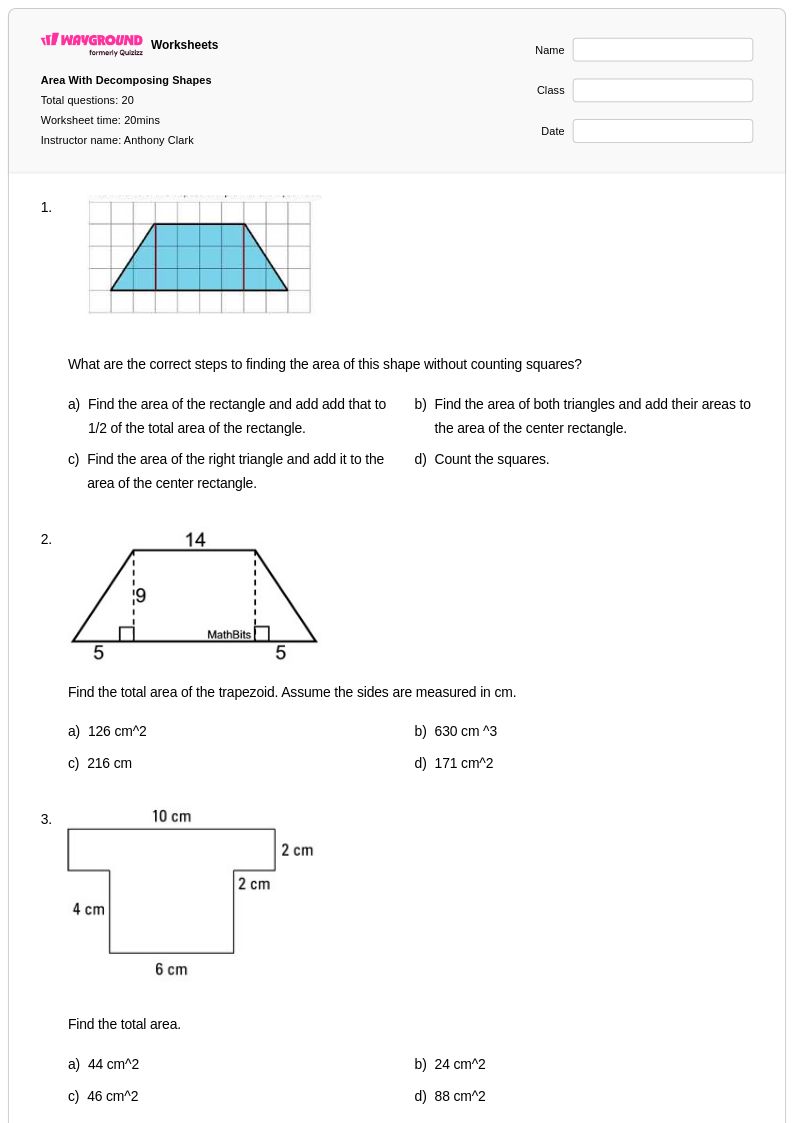
20 Q
6th - Uni
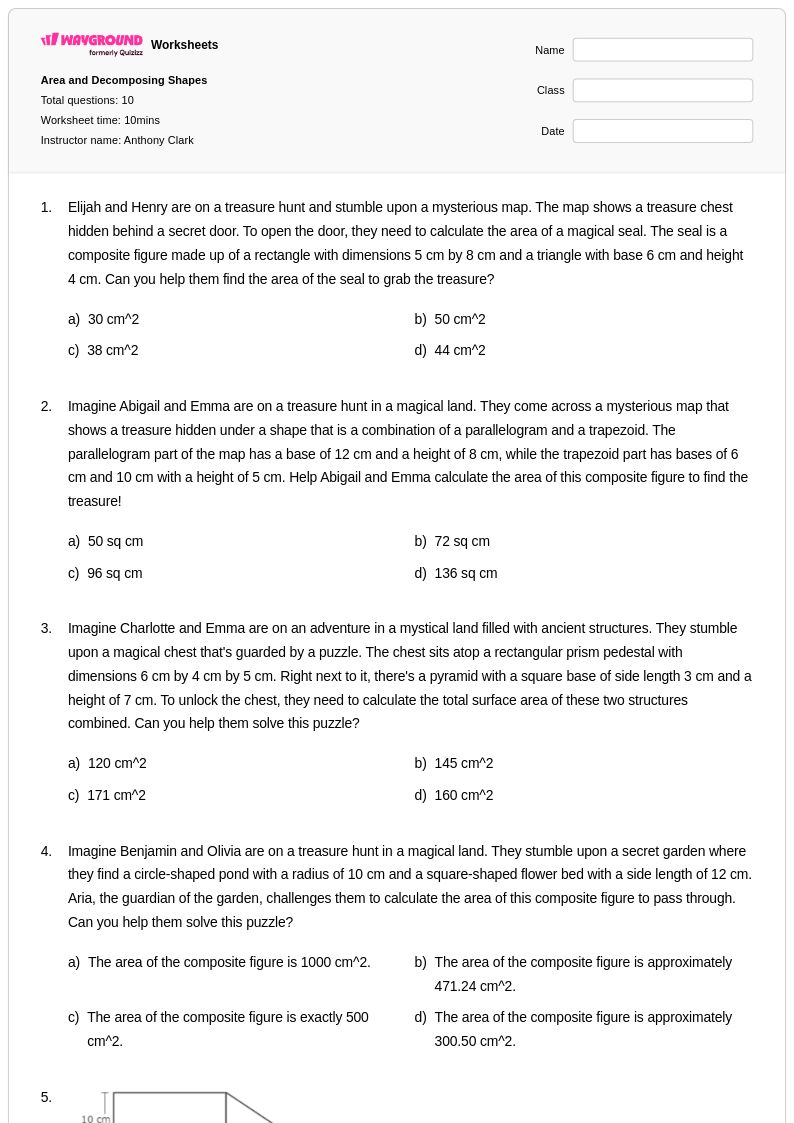
10 Q
7th - Uni
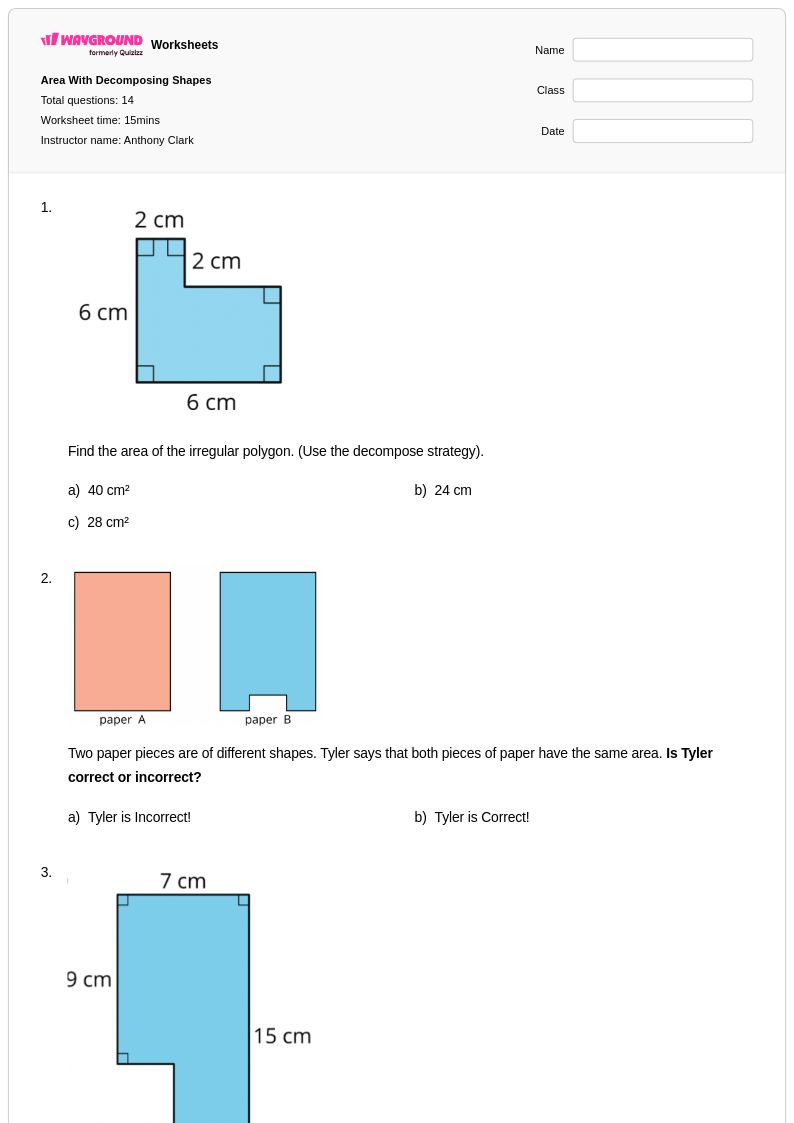
15 Q
6th - Uni
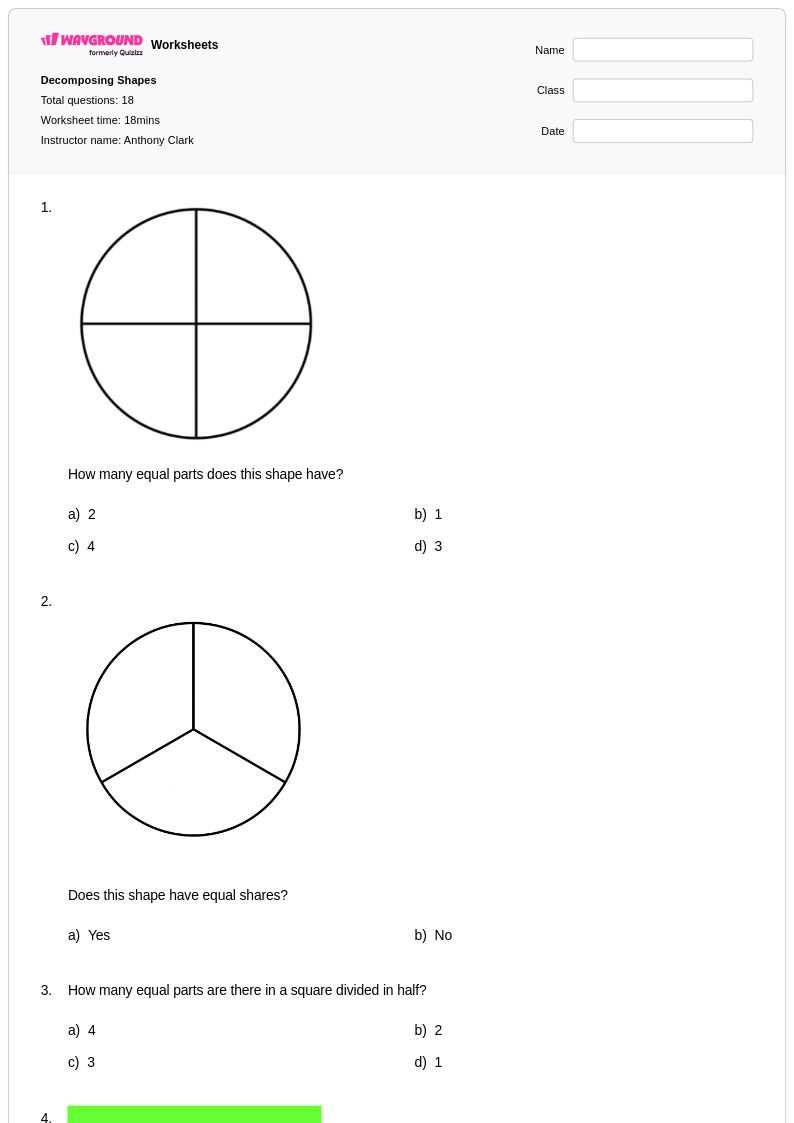
18 Q
2nd - Uni
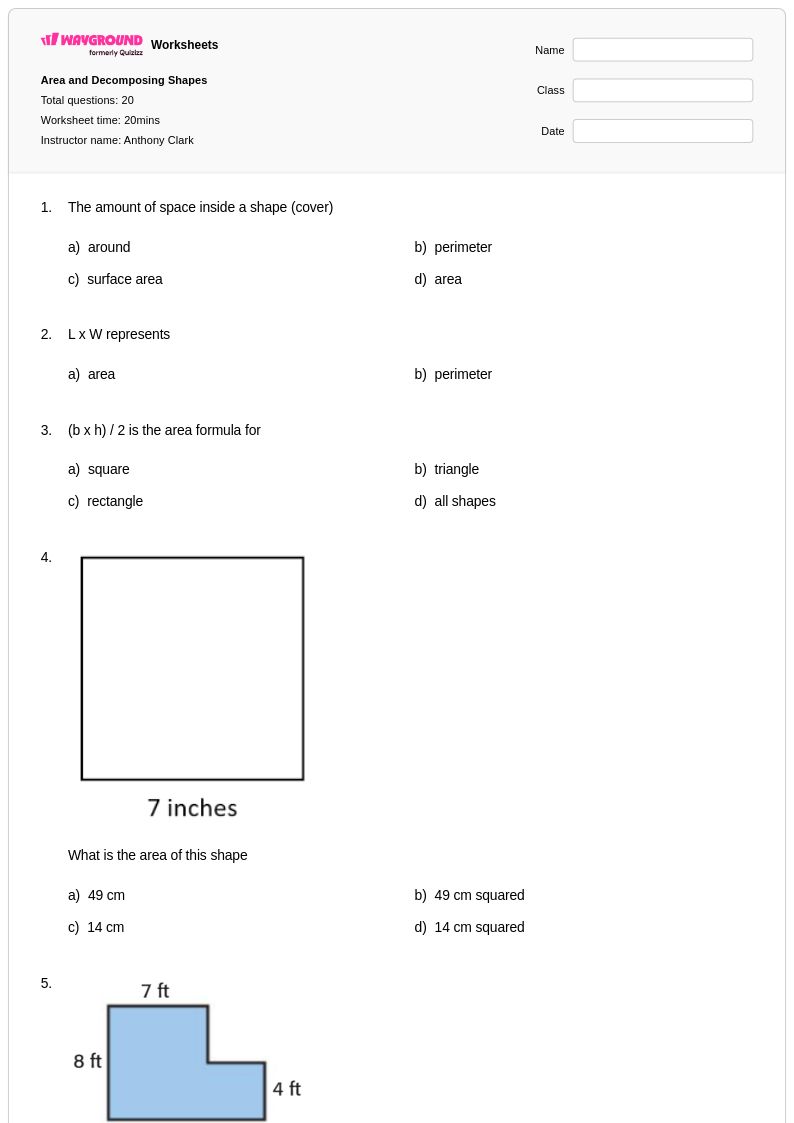
20 Q
7th - Uni
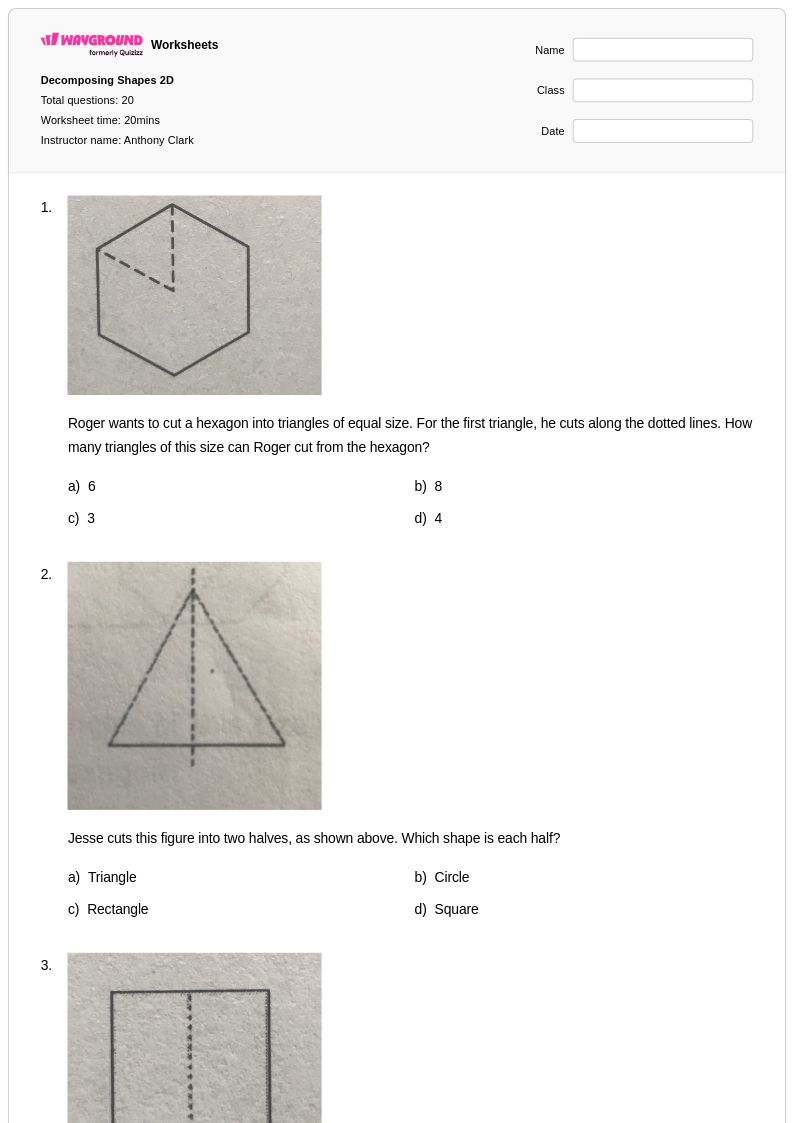
20 Q
2nd - Uni
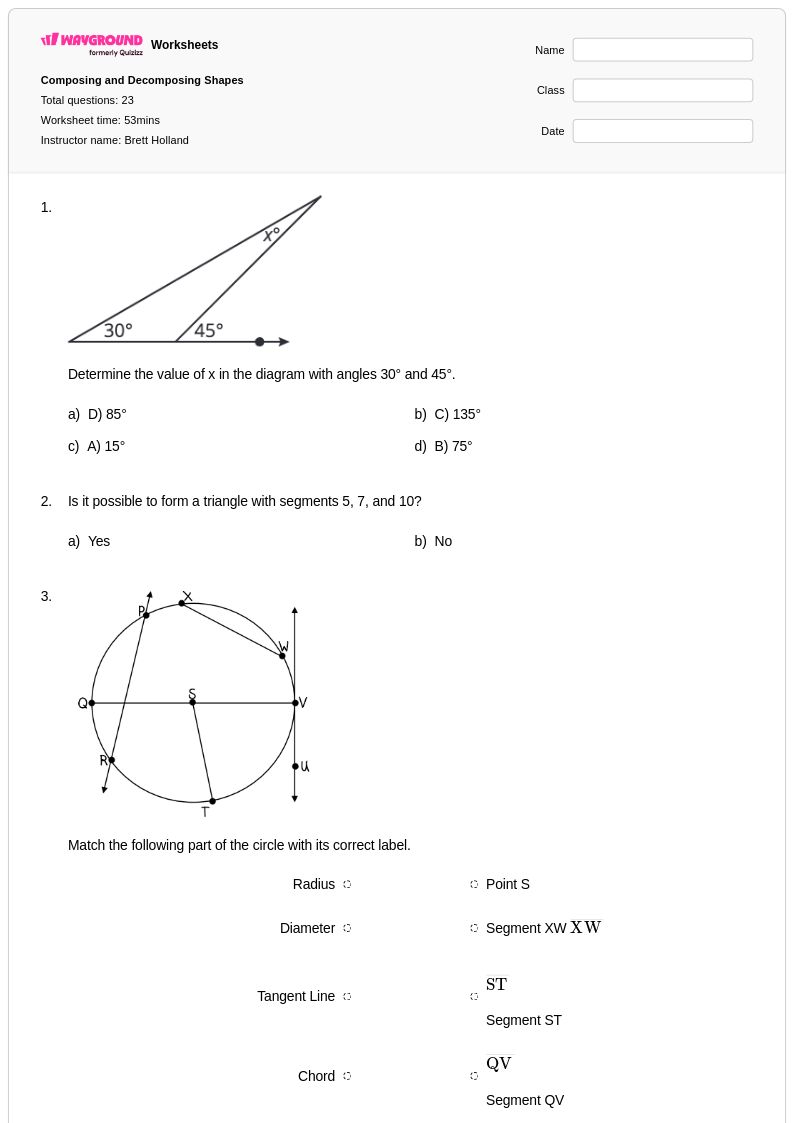
23 Q
7th
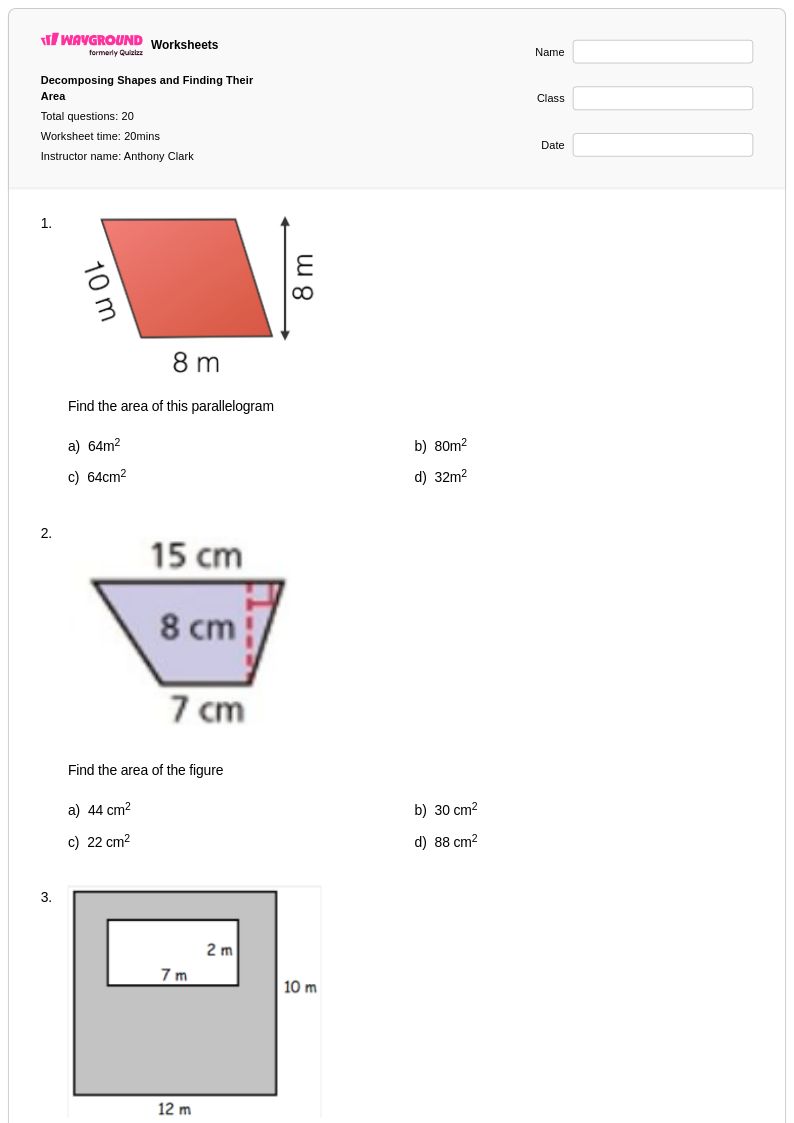
20 Q
6th - Uni
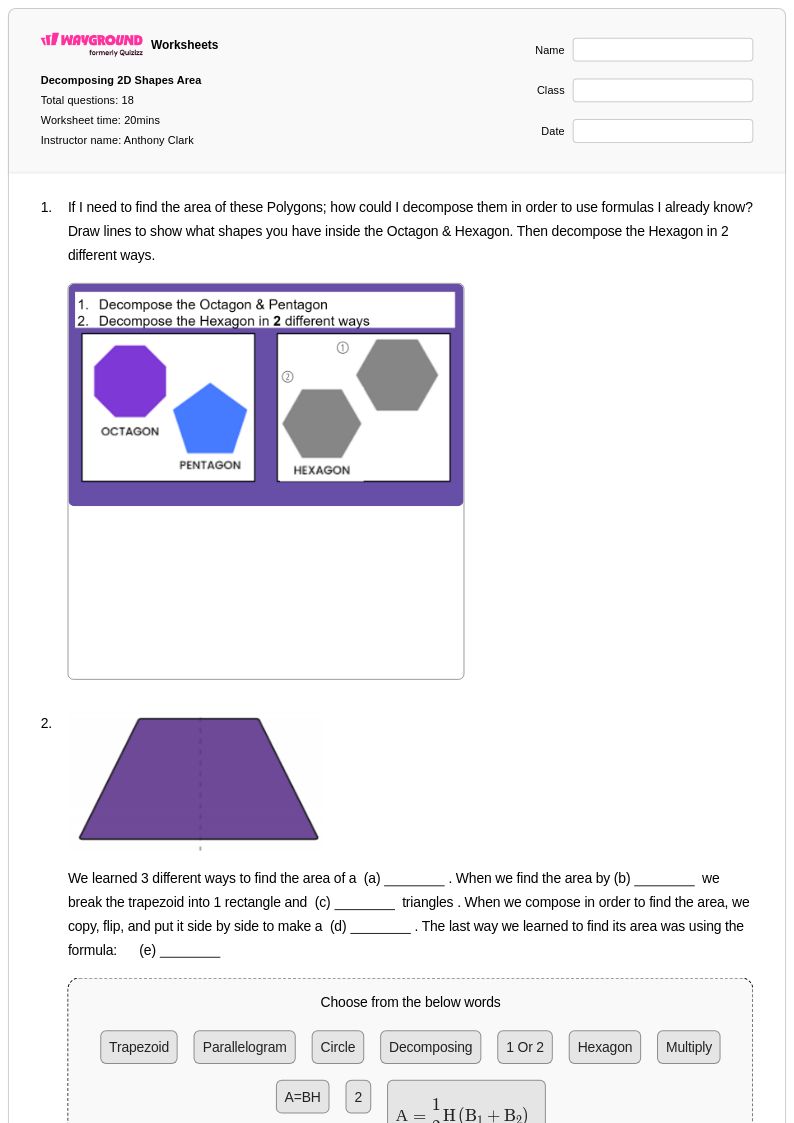
20 Q
6th - Uni
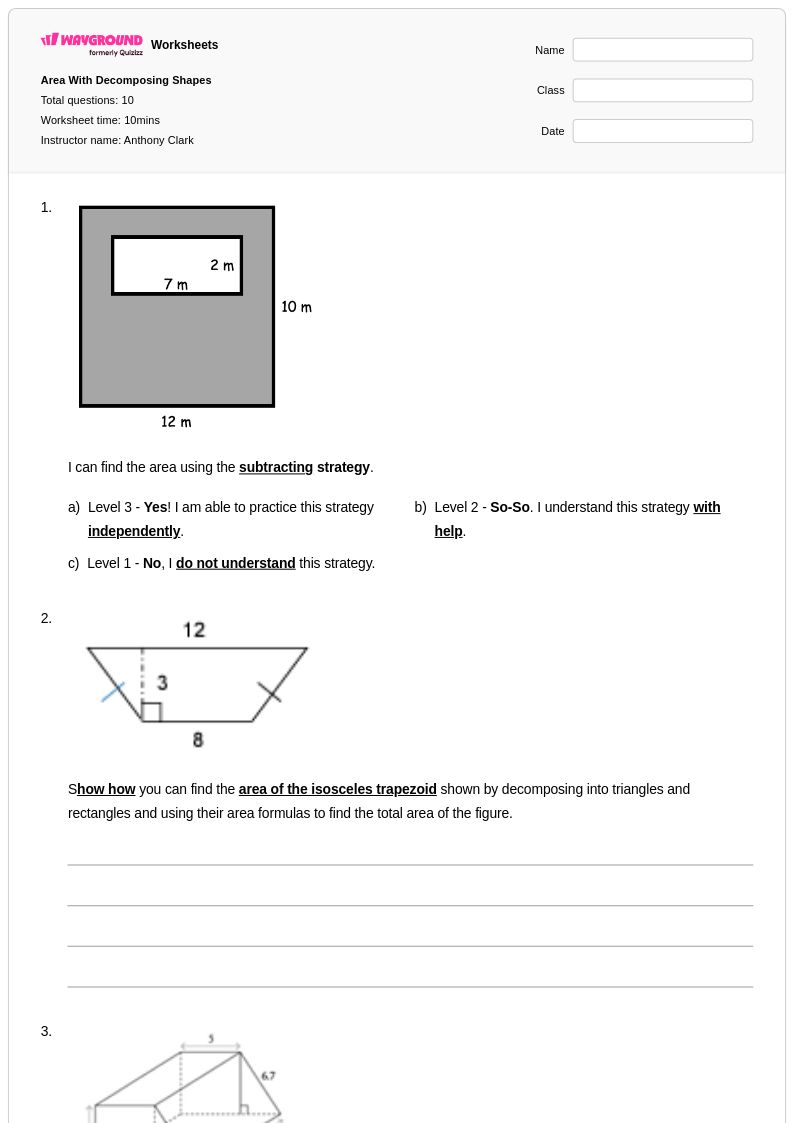
10 Q
6th - Uni
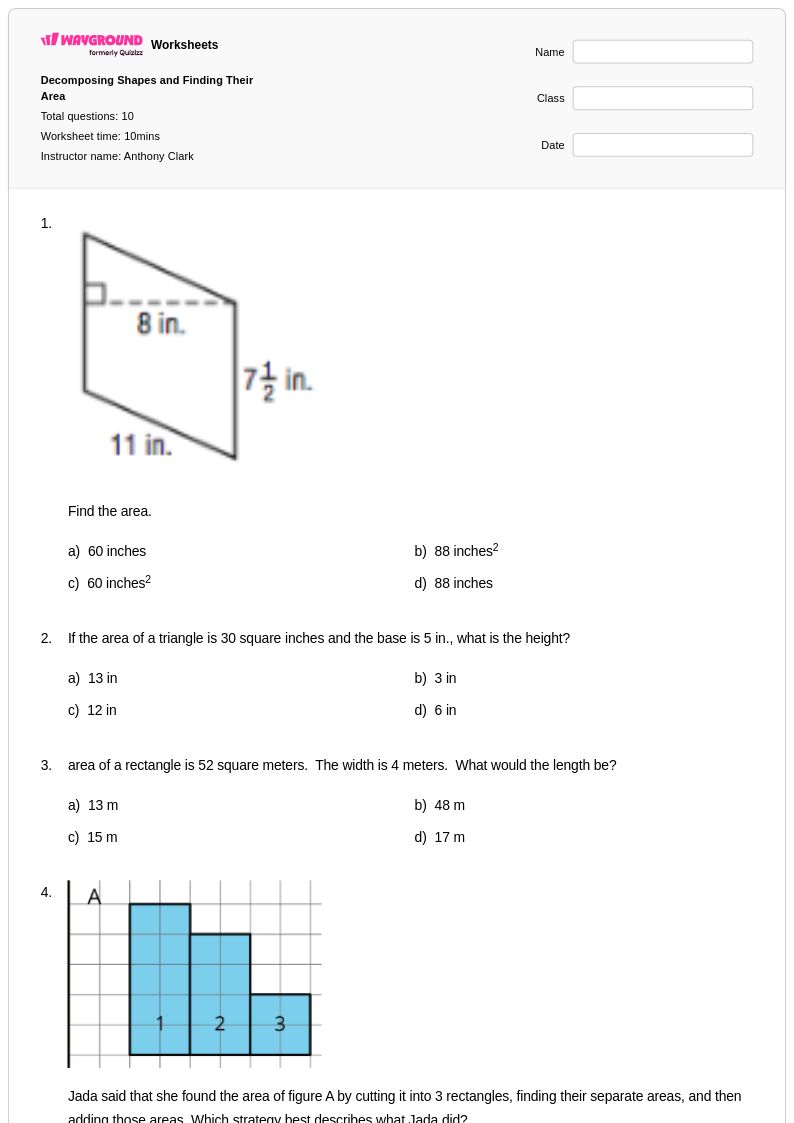
10 Q
6th - Uni
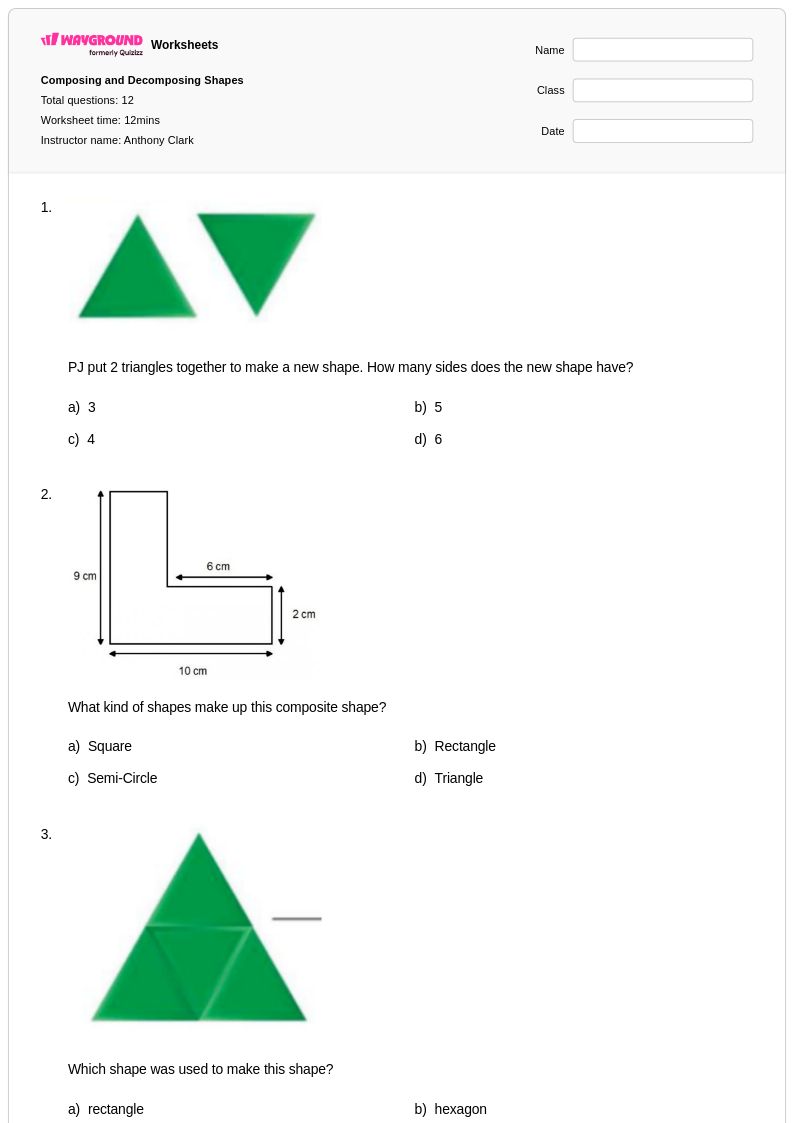
12 Q
1st - Uni
10 Q
3rd
10 Q
1st
10 Q
3rd
15 Q
1st - Uni
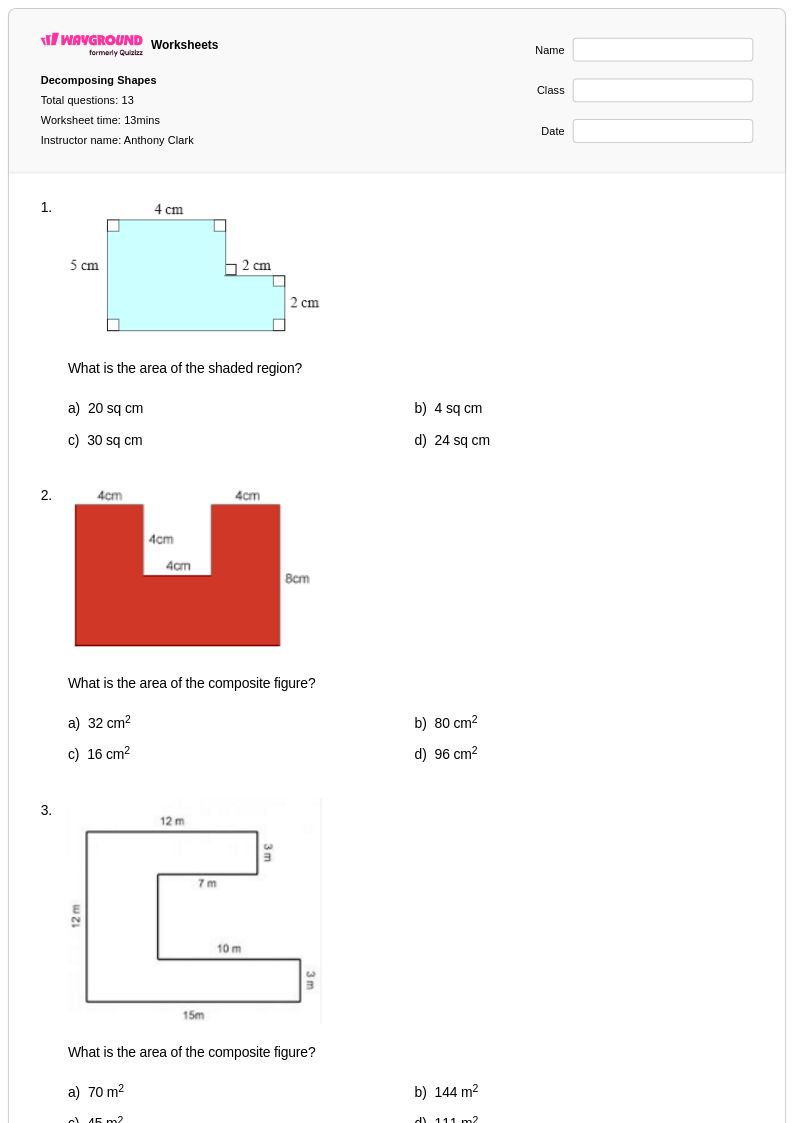
13 Q
9th - Uni
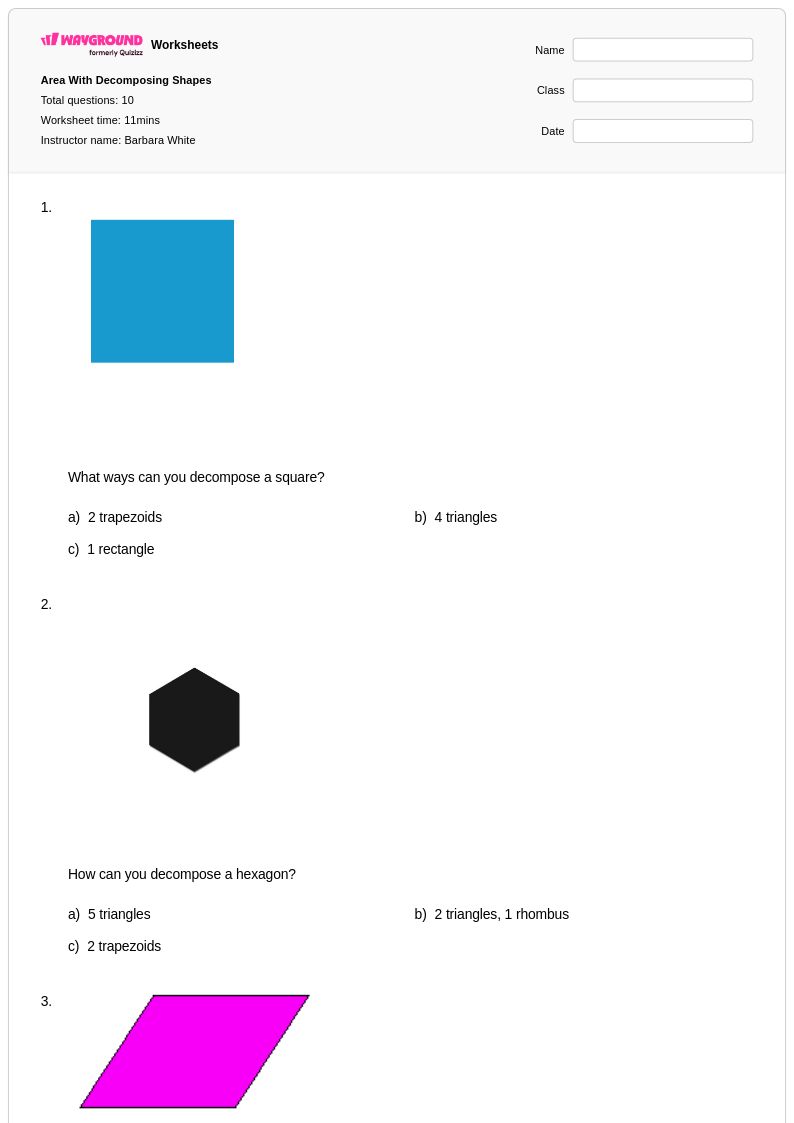
10 Q
3rd
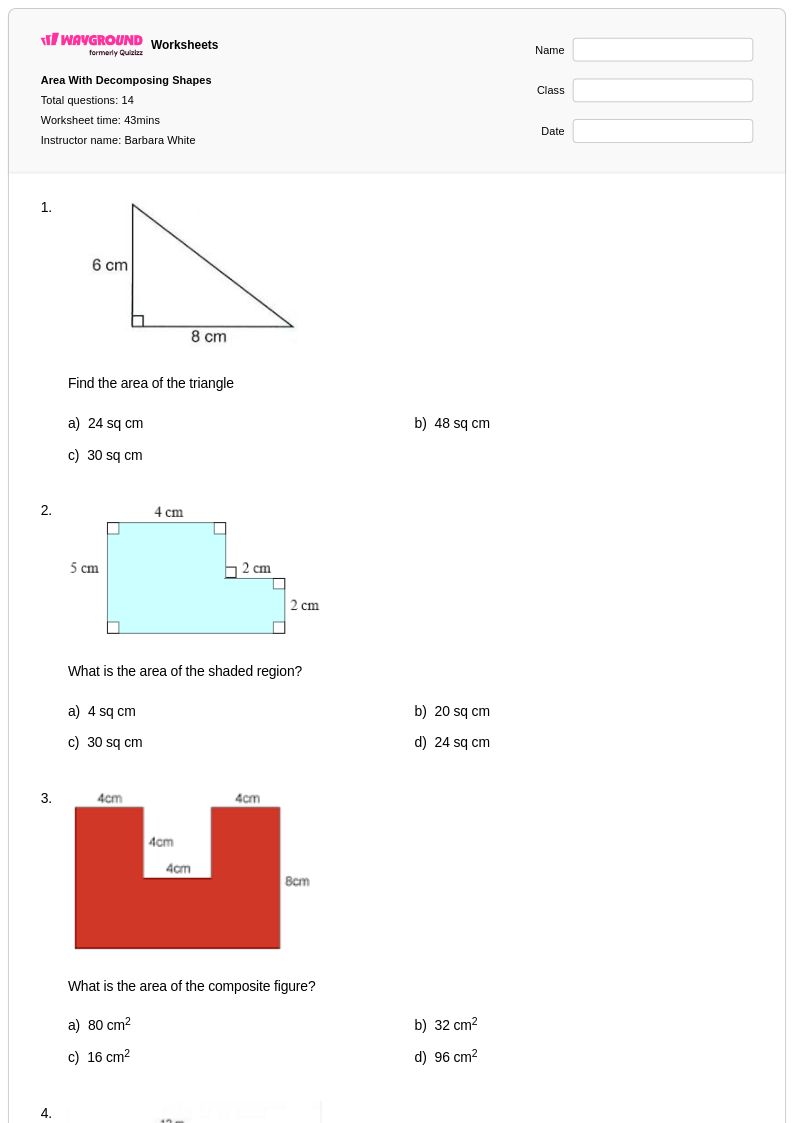
14 Q
6th - 7th
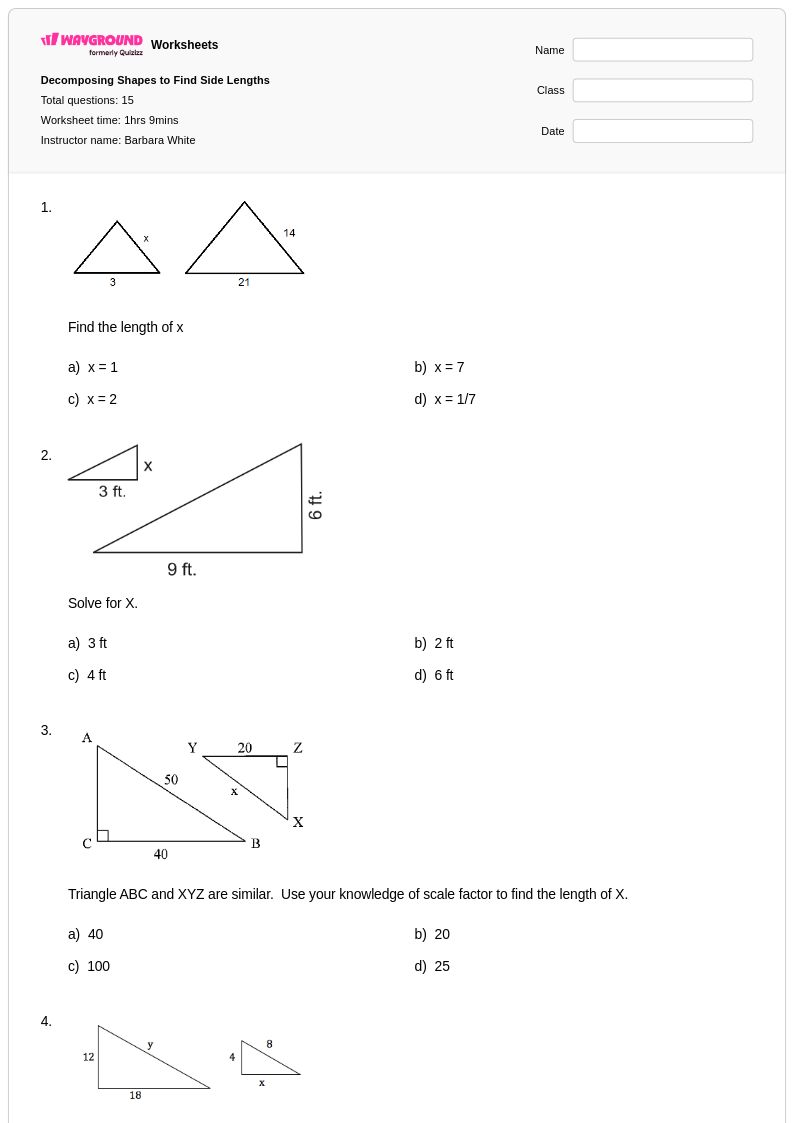
15 Q
7th
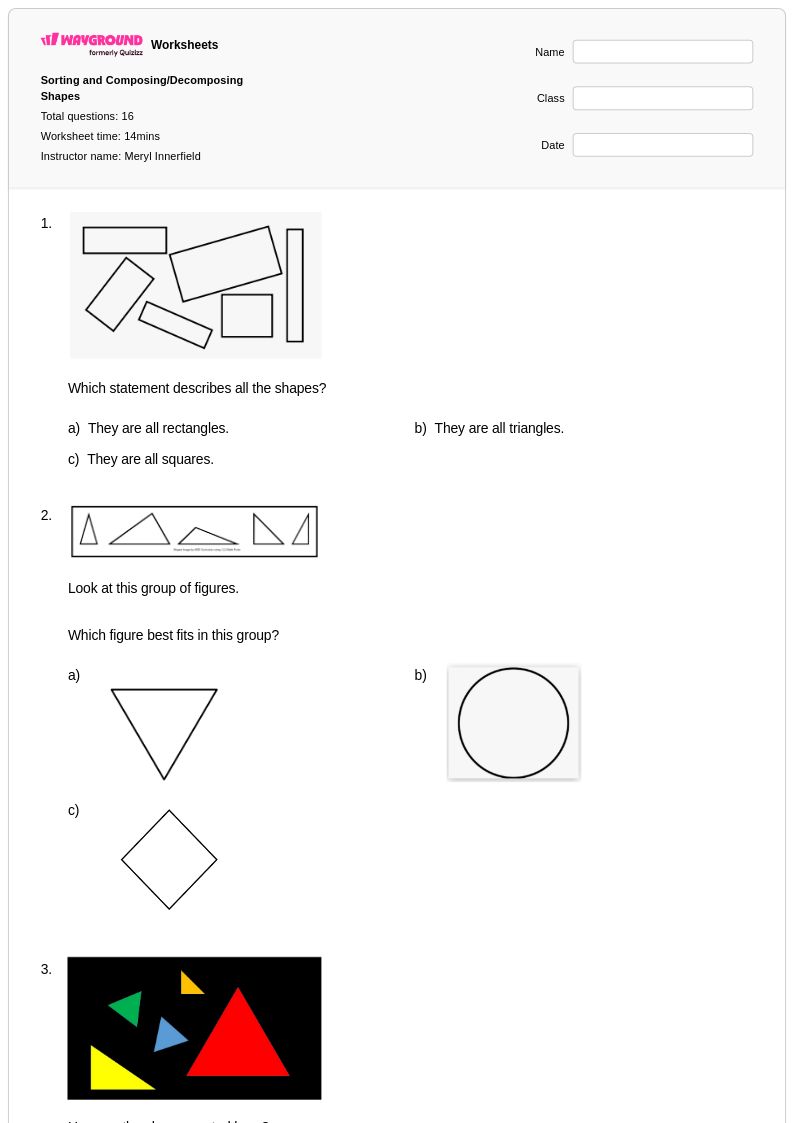
16 Q
1st
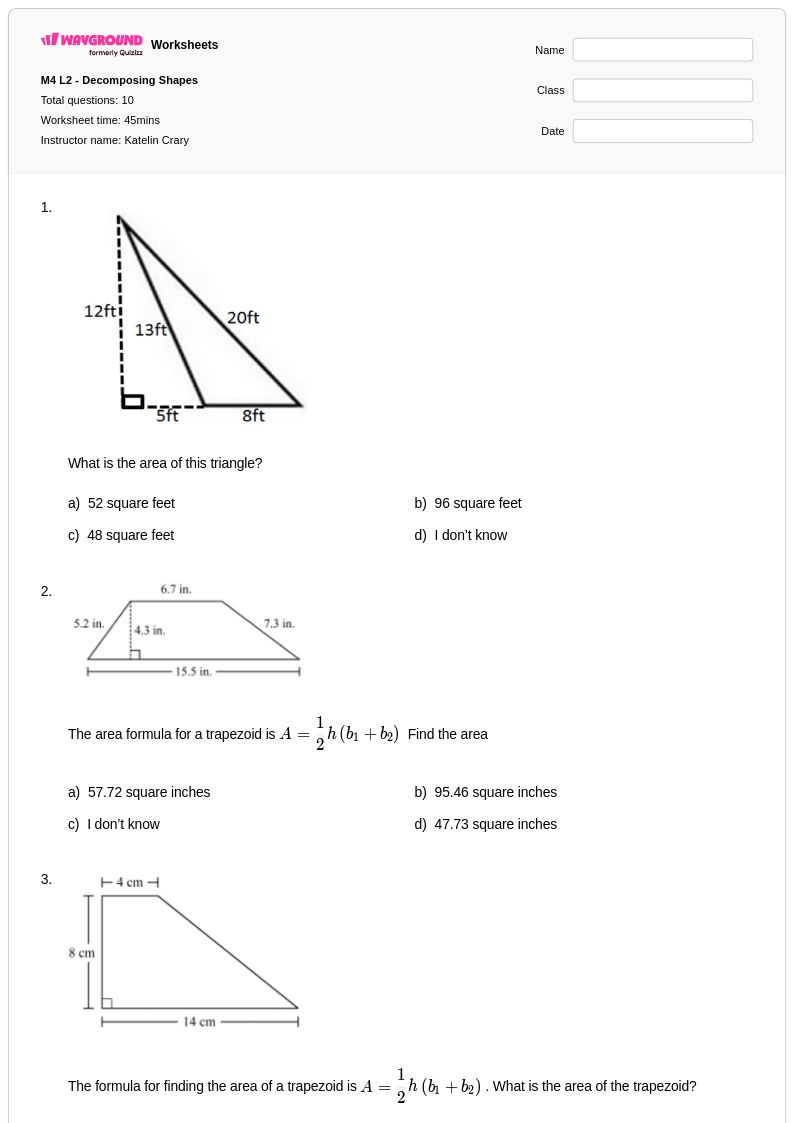
10 Q
8th - 10th
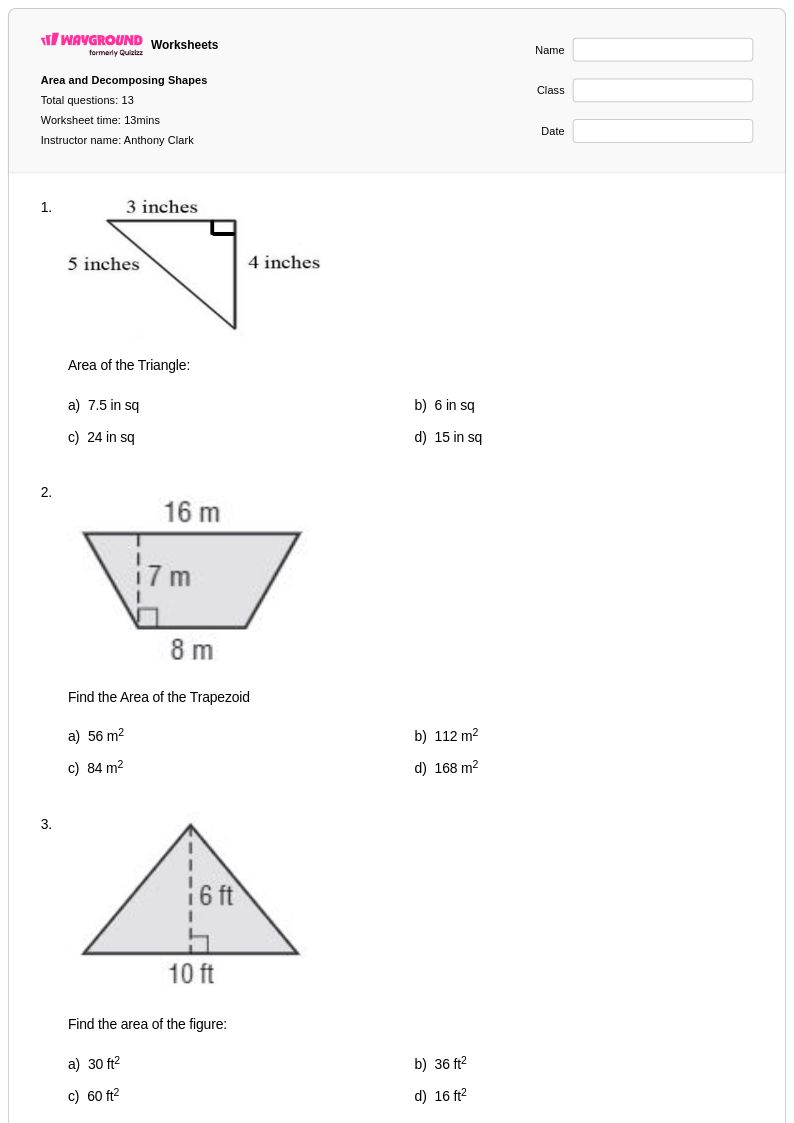
13 Q
8th - Uni
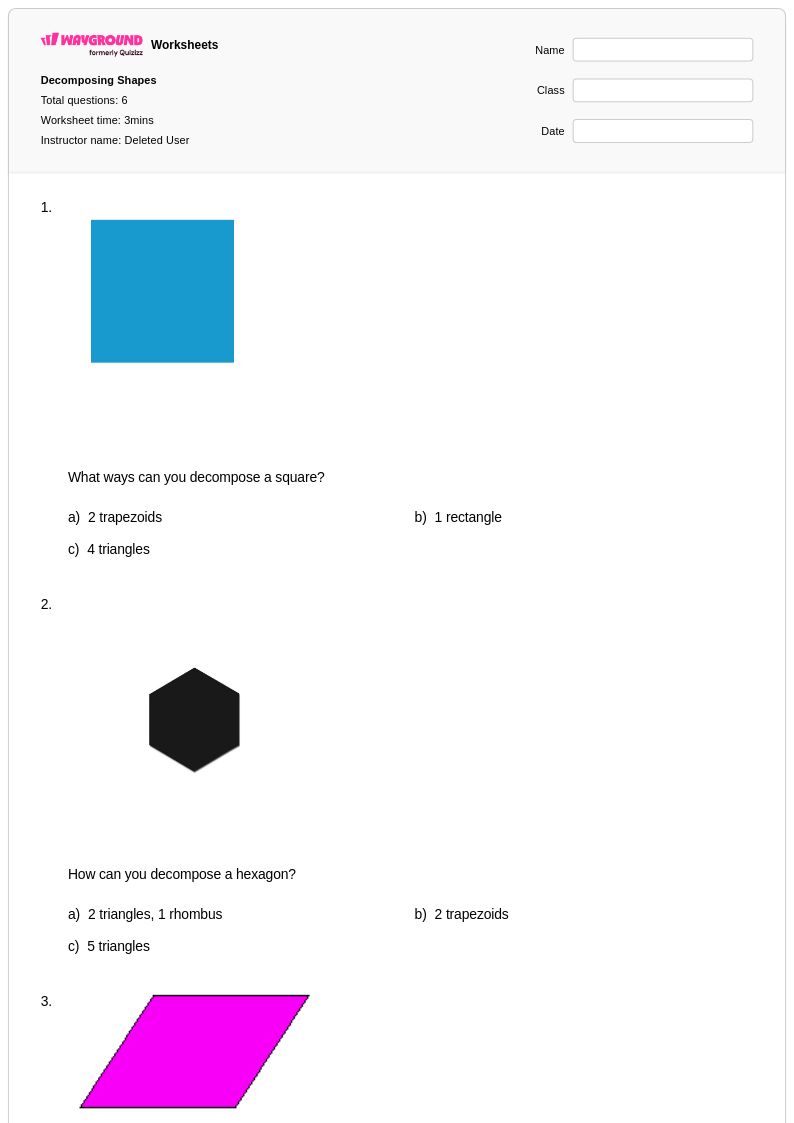
6 Q
2nd - 3rd
Explore Other Subject Worksheets for kindergarten
Explore printable Decomposing Shapes worksheets for Kindergarten
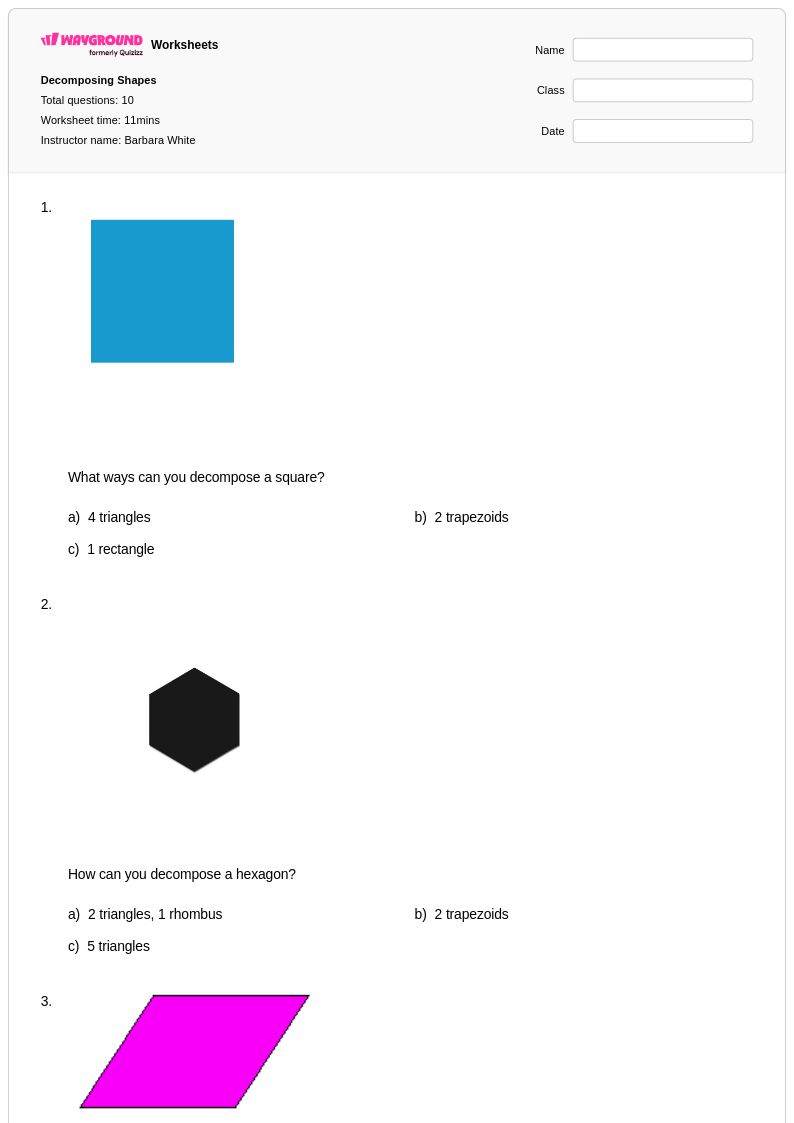
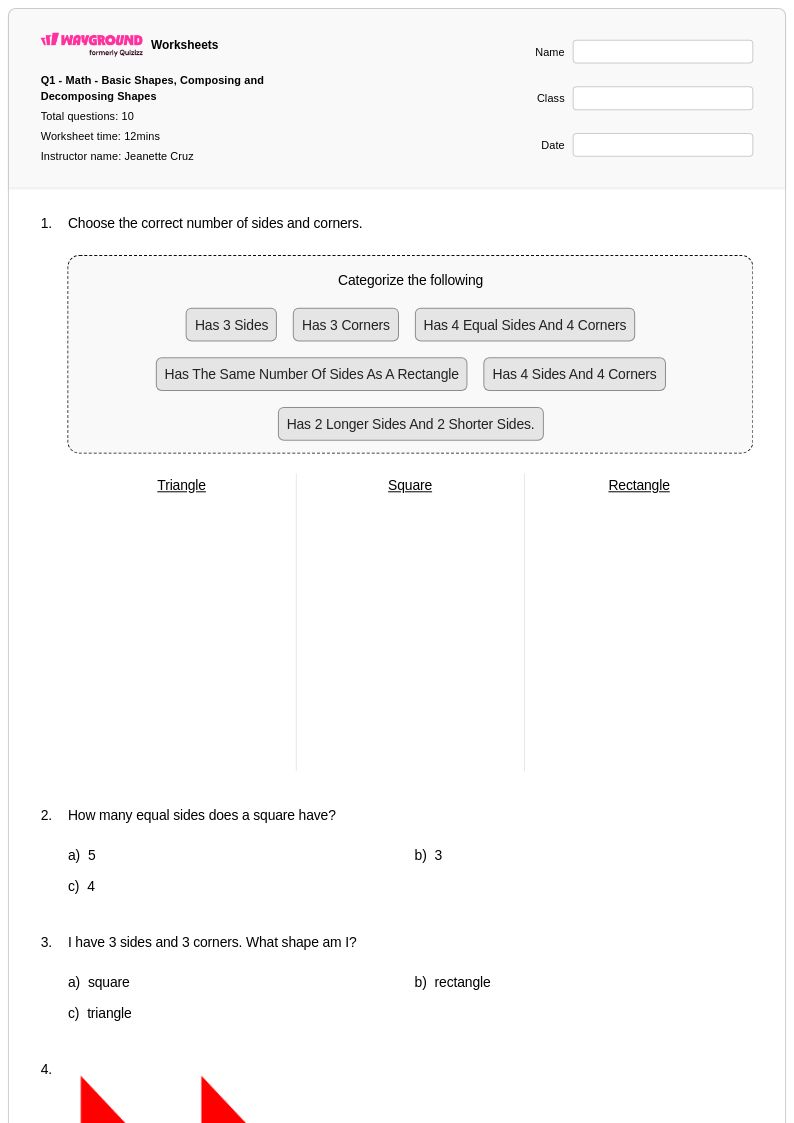
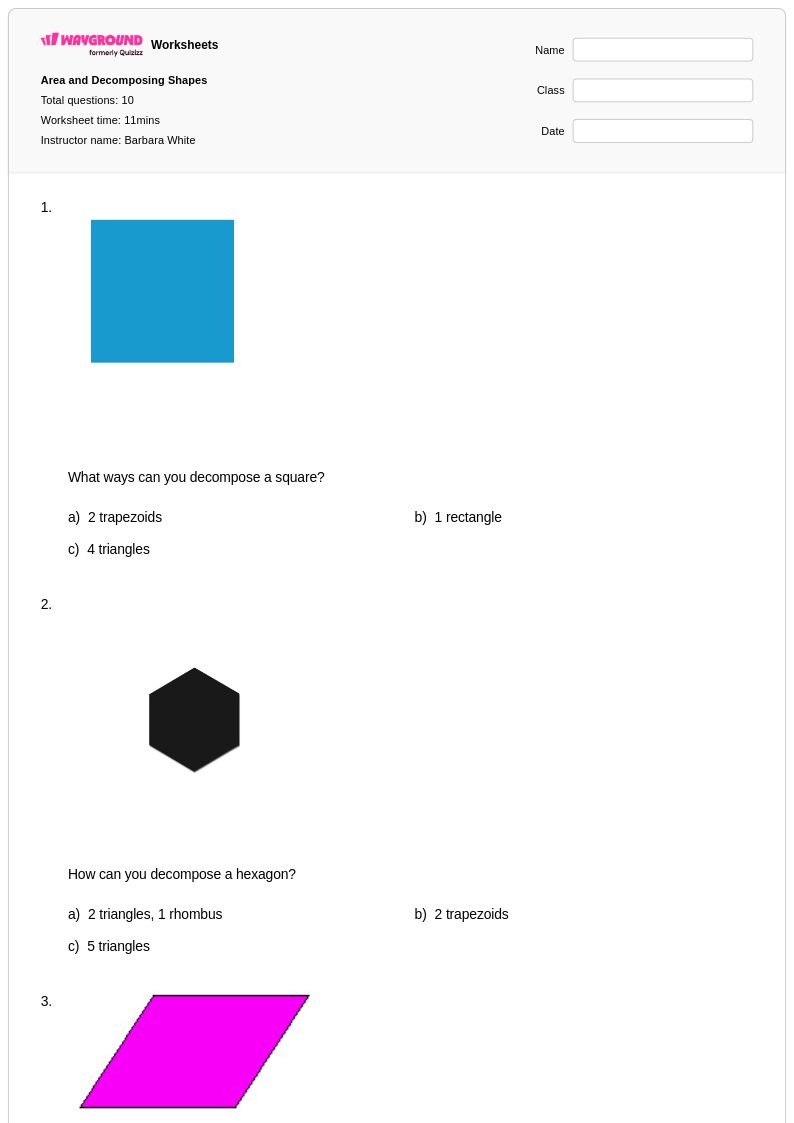
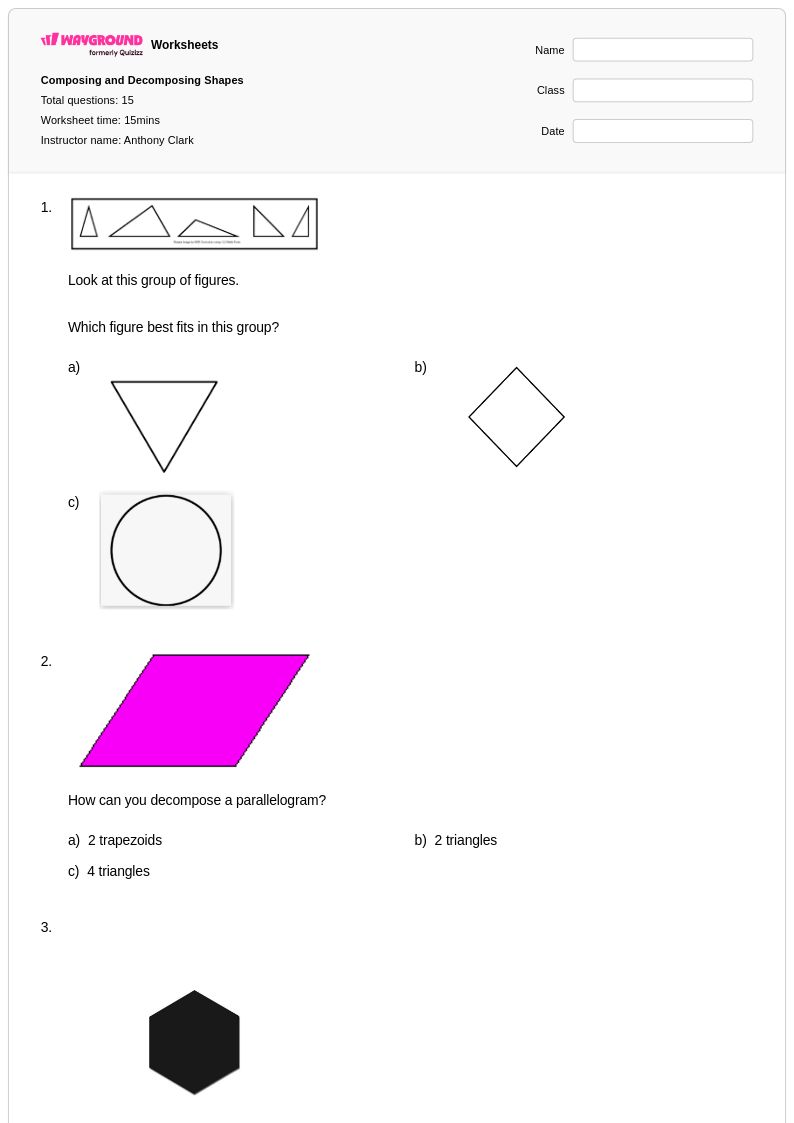
Decomposing shapes worksheets for kindergarten students through Wayground (formerly Quizizz) provide essential foundational geometry practice that helps young learners understand how complex shapes can be broken down into simpler component parts. These carefully designed printables focus on developing spatial reasoning skills as students learn to identify circles, triangles, squares, and rectangles within larger composite figures. The practice problems guide kindergarteners through hands-on activities where they physically and mentally separate shapes, building critical visual processing abilities that form the cornerstone of geometric understanding. Each free worksheet includes an answer key to support accurate assessment, and the pdf format ensures easy classroom distribution while maintaining consistent visual quality that young learners need to distinguish between different geometric elements.
Wayground (formerly Quizizz) empowers educators with access to millions of teacher-created decomposing shapes resources specifically calibrated for kindergarten developmental stages. The platform's robust search and filtering capabilities allow teachers to quickly locate worksheets that align with early childhood mathematics standards while supporting diverse learning needs through built-in differentiation tools. These comprehensive collections are available in both printable pdf formats for traditional classroom use and digital formats for interactive learning experiences, giving educators the flexibility to customize instruction based on individual student requirements. Teachers can seamlessly integrate these resources into lesson planning for skill practice, use them for targeted remediation when students struggle with shape recognition, or deploy them as enrichment activities for advanced learners ready to explore more complex geometric relationships.
FAQs
How do I teach decomposing shapes in kindergarten?
What activities help kindergarteners practice decomposing shapes?
What mistakes do kindergarteners make when breaking shapes into parts?
How can I use a kindergarten decomposing shapes worksheet from Wayground?
What grade do students begin learning to decompose shapes?
How does decomposing shapes align with Common Core kindergarten math?
How can I support kindergarteners with different learning needs during shape practice?